

Transforming your living room into a sanctuary requires a thoughtful balance of personal style, functional layouts, and aesthetic elements that resonate with your daily lifestyle. Whether you are moving into a new home or simply refreshing your current surroundings, the living room serves as the central hub for relaxation and social gatherings. From the soft textures of a cozy rug to the strategic placement of statement furniture, every detail contributes to the overall atmosphere of the space. In this comprehensive guide, we explore thirty distinct ways to elevate your interior, ensuring your home feels both modern and timeless while reflecting the latest trends in high-end interior design and comfortable living.
1. Modern Minimalist Living Room
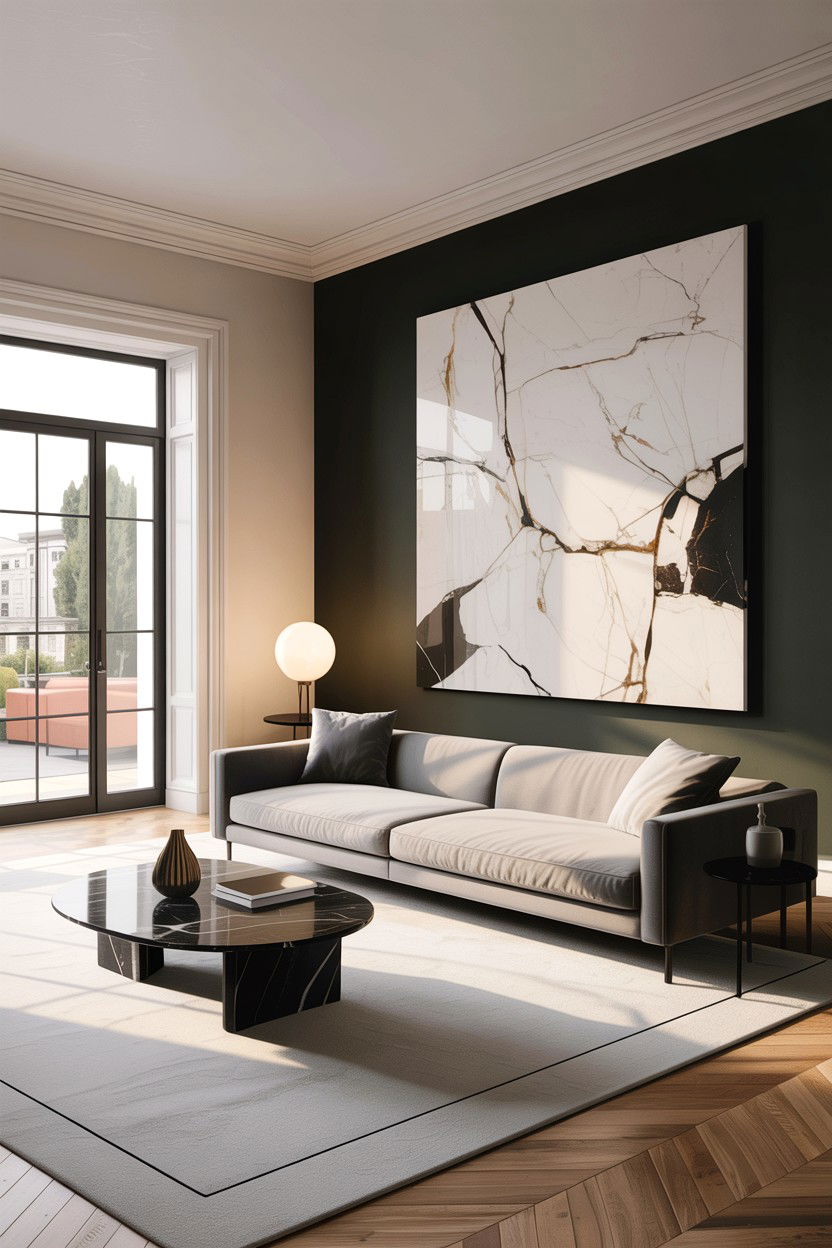
Creating a modern minimalist living room involves focusing on essential pieces that offer both function and visual clarity. This style emphasizes clean lines, a restricted color palette, and a lack of unnecessary clutter, which helps promote a sense of calm within the home. You should choose high-quality furniture with sleek profiles, such as a low-profile sofa or a simple geometric coffee table. By using a neutral base of whites, grays, and blacks, you allow the architectural features of the room to shine. Subtle textures, like a wool rug or a smooth stone surface, add depth without overwhelming the senses, making the space feel sophisticated and airy.
2. Boho Chic Living Room
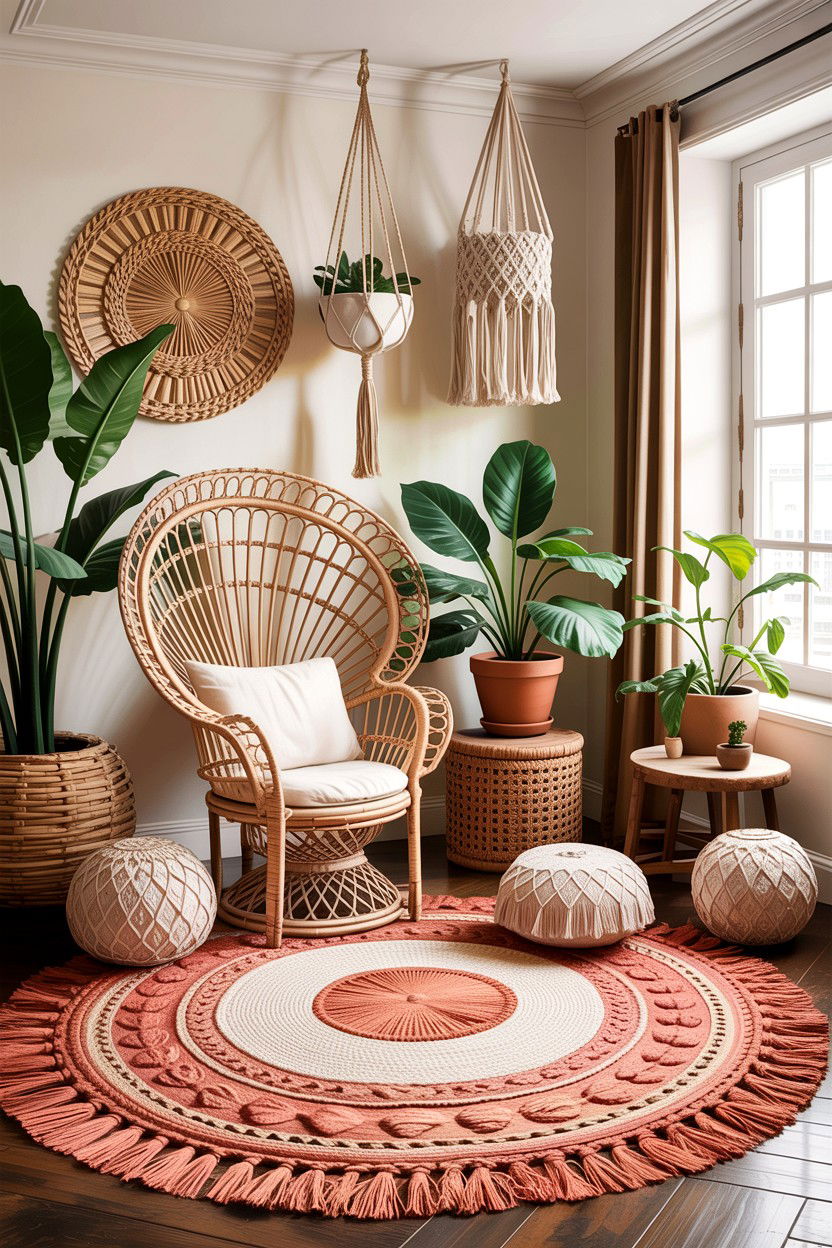
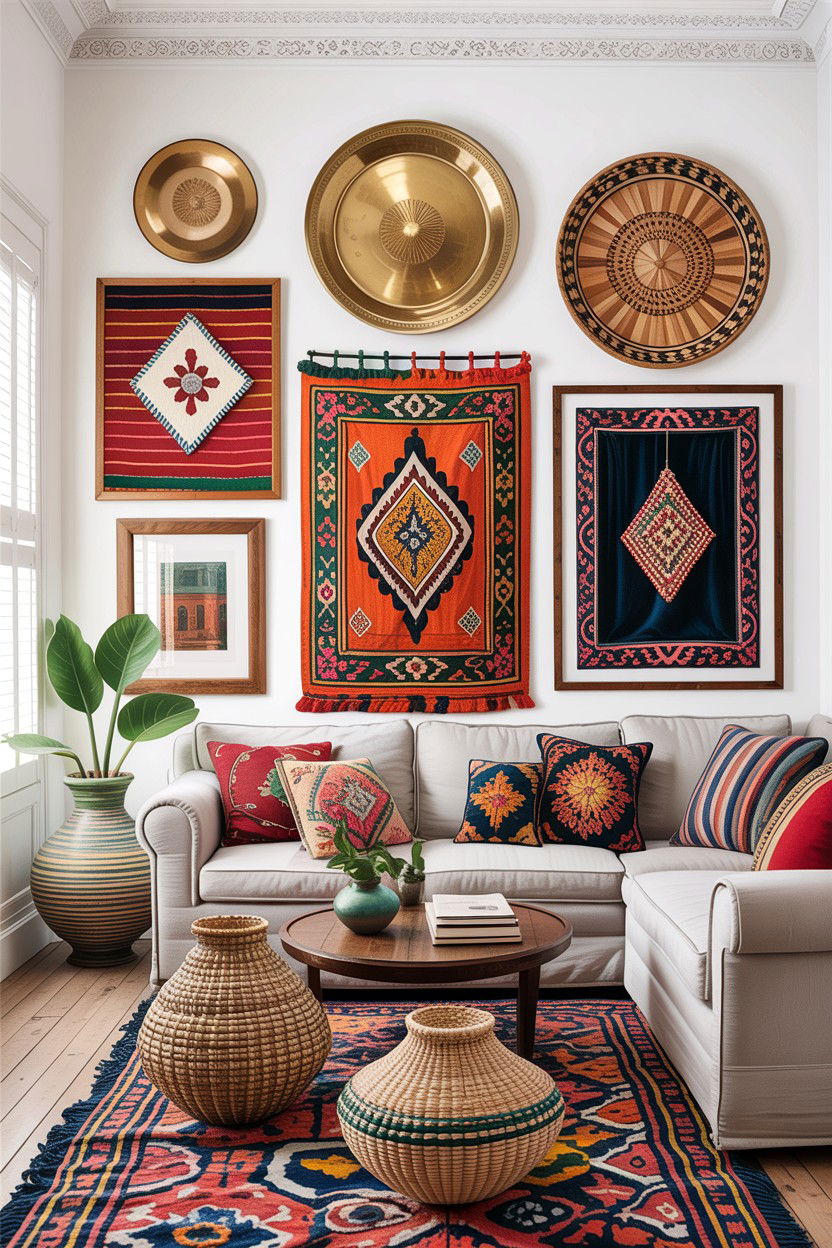
A boho chic living room is all about embracing a relaxed, global-inspired aesthetic that feels personal and lived-in. This design style thrives on the layering of different textures, patterns, and natural materials to create a warm and inviting atmosphere. You can achieve this look by incorporating a mix of rattan furniture, colorful woven rugs, and plenty of indoor greenery. Soft, floor-level seating like poufs or oversized floor cushions adds to the casual vibe. Earthy tones paired with vibrant accents through throw pillows and wall hangings make the room feel energetic yet grounded, perfect for those who love a creative, free-spirited environment.
3. Industrial Style Living Room
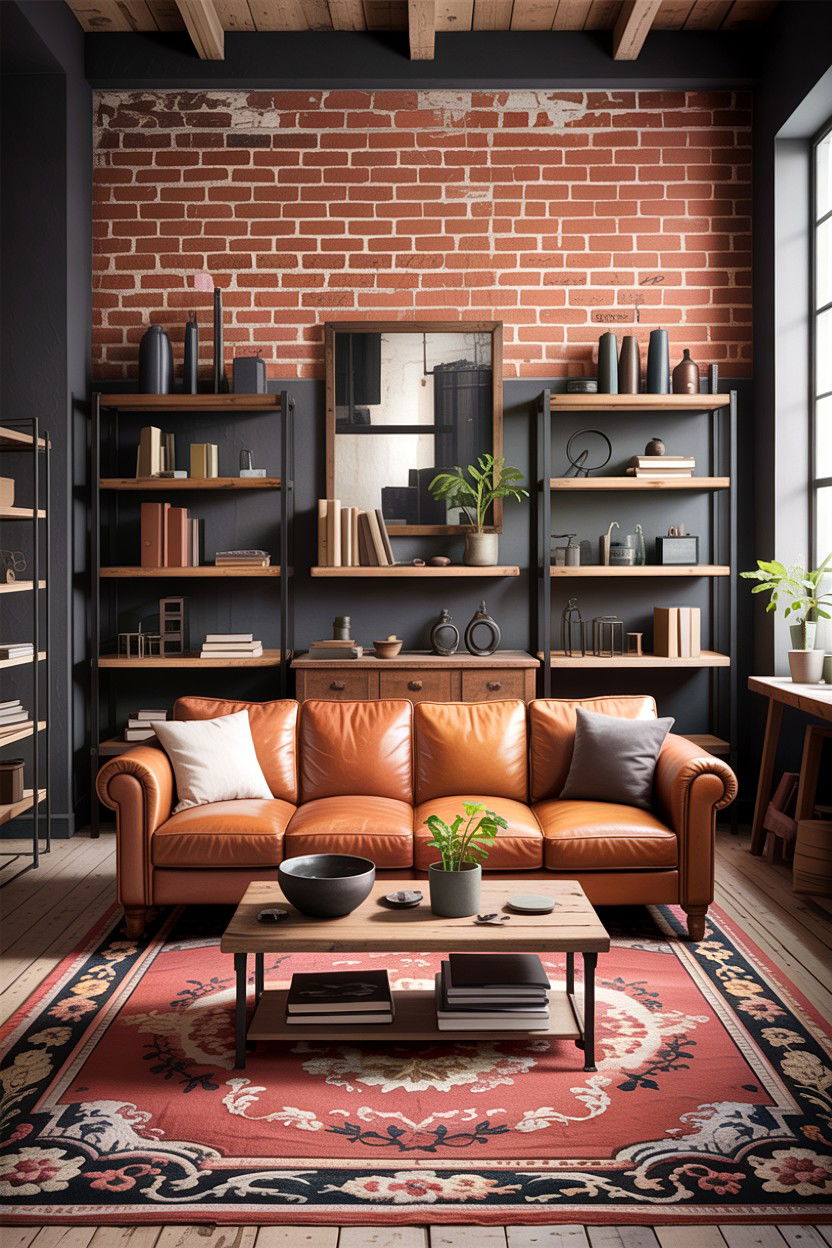
Designing an industrial style living room requires a focus on raw, unfinished materials that celebrate urban architecture and structural elements. You often see exposed brick walls, metal light fixtures, and weathered wood furniture in these spaces. To balance the coldness of metal and concrete, you should introduce soft leather sofas or thick knit blankets that add a layer of comfort. High ceilings and large windows are common features that enhance the open, airy feel of an industrial layout. Utilizing a palette of charcoal, rust, and tan helps to tie the various textures together, resulting in a space that feels edgy, modern, and sophisticated.
4. Mid Century Modern Living Room
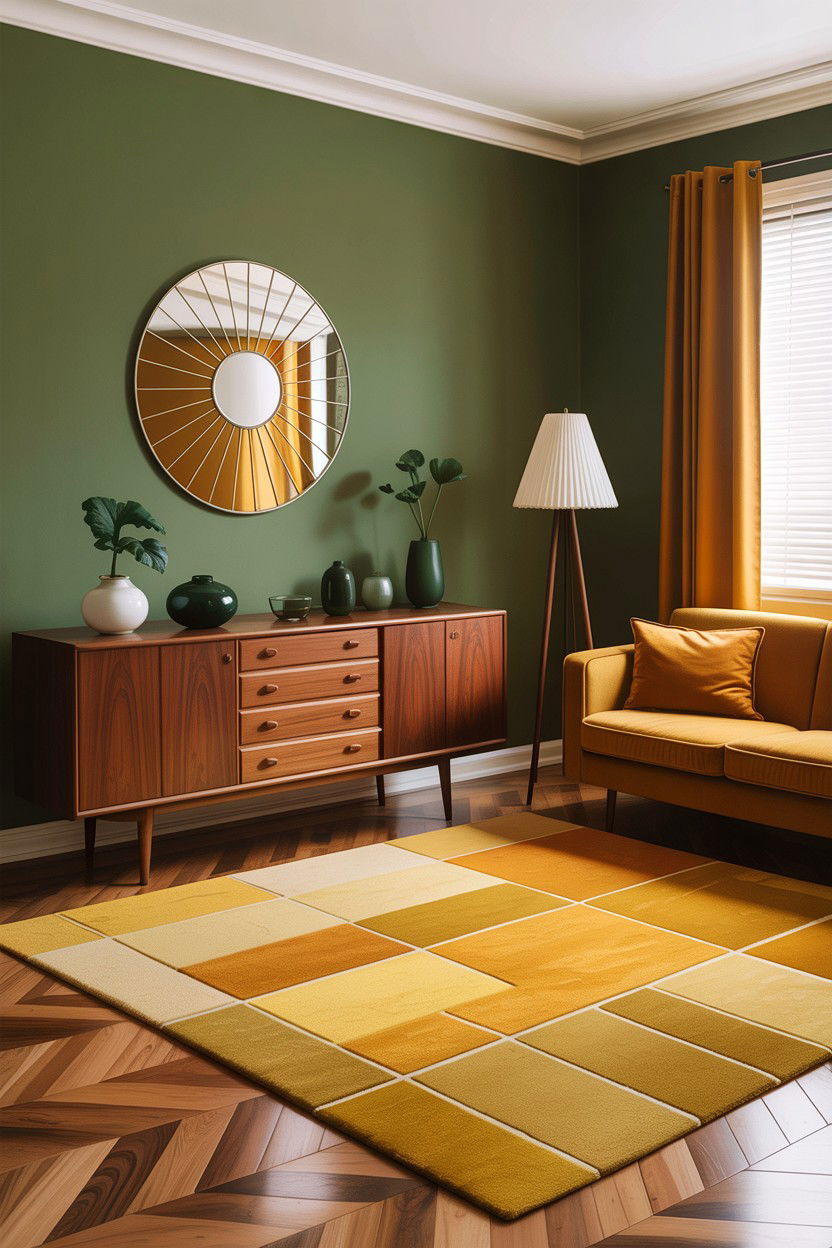
The mid century modern living room is characterized by its iconic furniture shapes, organic curves, and a seamless blend of indoor and outdoor living. This style focuses on functionality and simple forms, often featuring tapered legs on sofas and sideboards. You can bring this look to life by choosing a statement piece like an Eames-style lounge chair or a walnut media console. A color palette consisting of mustard yellow, olive green, and warm wood tones creates a nostalgic yet fresh feel. Large windows and open floor plans allow natural light to highlight the clean lines and geometric patterns typical of this timeless interior design.
5. Scandinavian Living Room
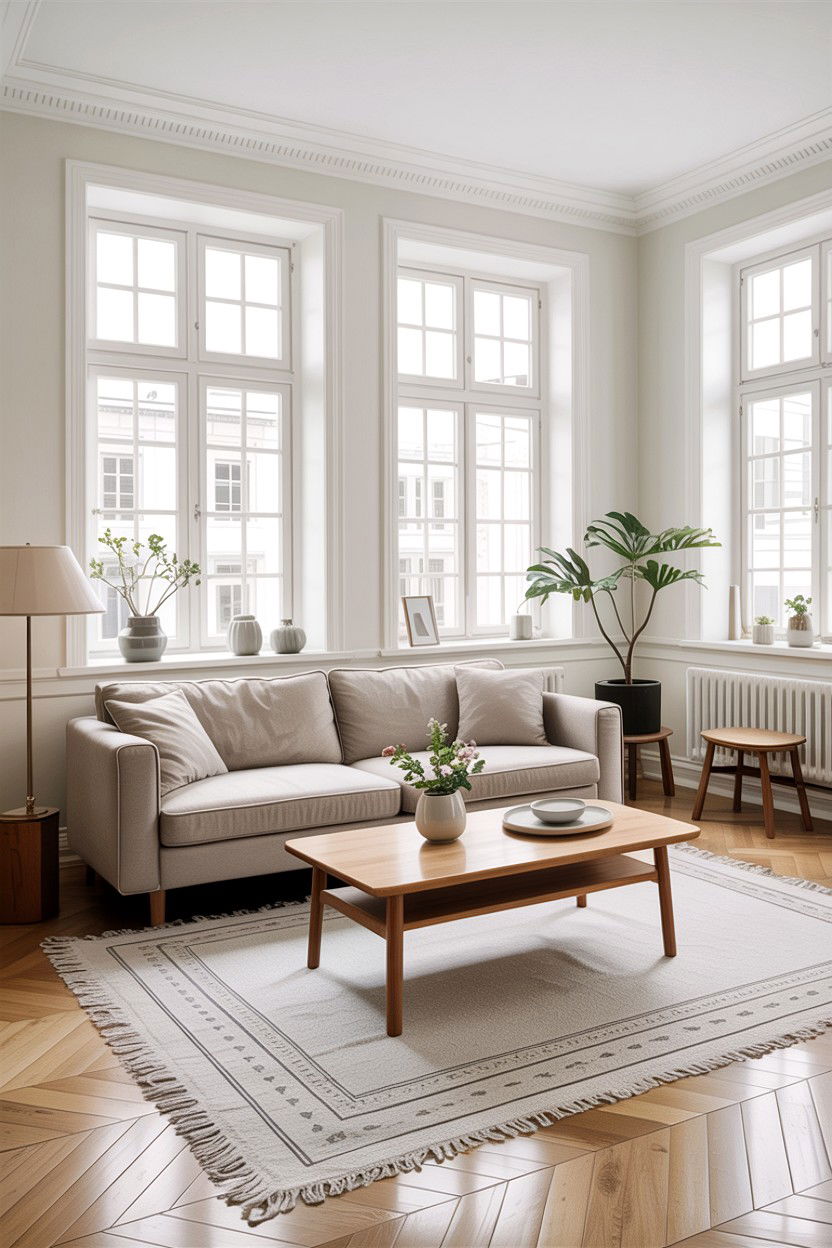
A Scandinavian living room prioritizes light, simplicity, and functionality to create a space that feels bright and cozy. This aesthetic relies heavily on a neutral color palette, featuring shades of white, light gray, and soft blue to maximize the feeling of space. You should incorporate natural wood elements, such as ash or birch, to add warmth to the cool-toned environment. Hygge, the Danish concept of coziness, is central to this style, so adding plush rugs, soft throws, and candles is essential. The furniture should be practical and streamlined, ensuring that the room remains uncluttered and serves as a peaceful retreat for daily relaxation.
6. Coastal Style Living Room
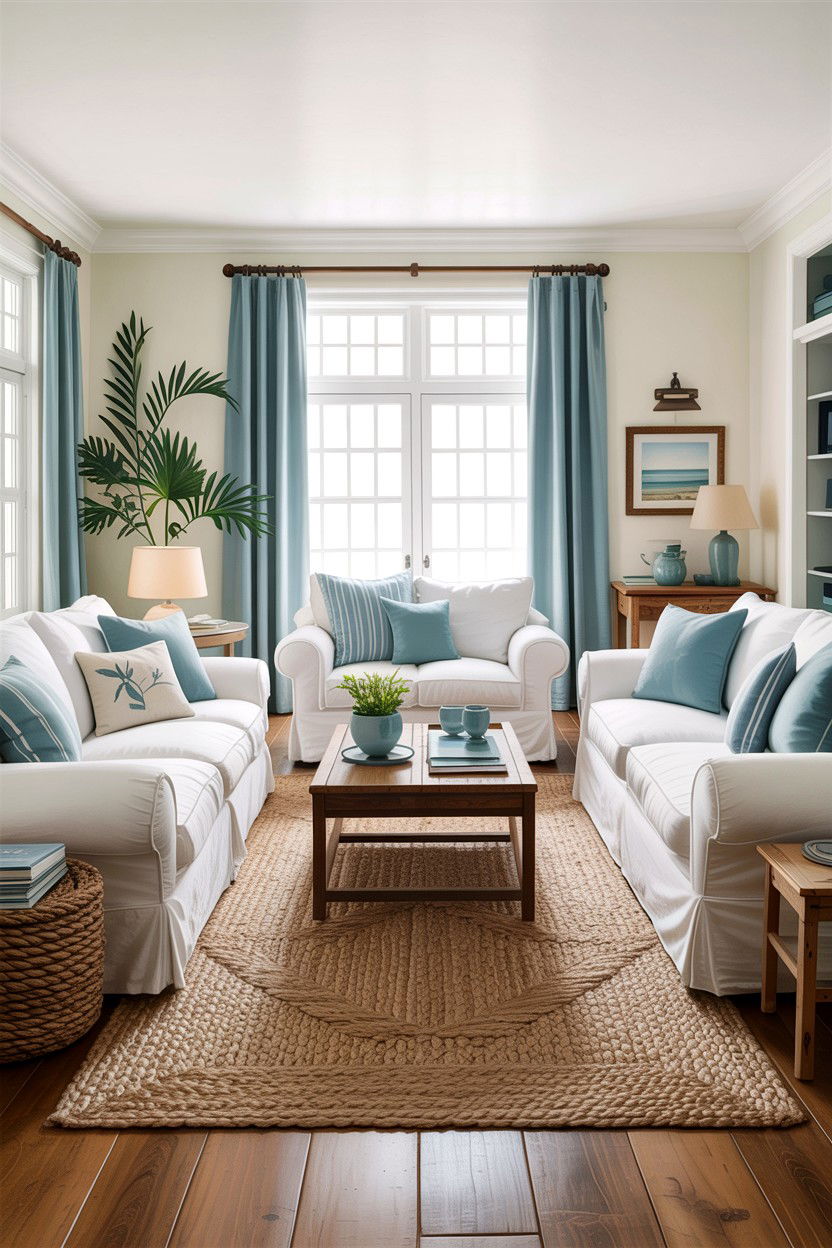
Bringing the beach indoors with a coastal style living room creates a serene and refreshing environment inspired by the sea. This design uses a palette of crisp whites, sandy beiges, and various shades of blue to mimic the ocean and sky. You should opt for light-colored fabrics like linen or cotton for your upholstery to maintain an airy feel. Natural materials such as jute rugs, driftwood accents, and seagrass baskets add organic texture to the space. Large windows with sheer curtains allow plenty of natural light to flood the room, making it feel like a bright, sun-drenched escape that is both elegant and casual.
7. Farmhouse Living Room
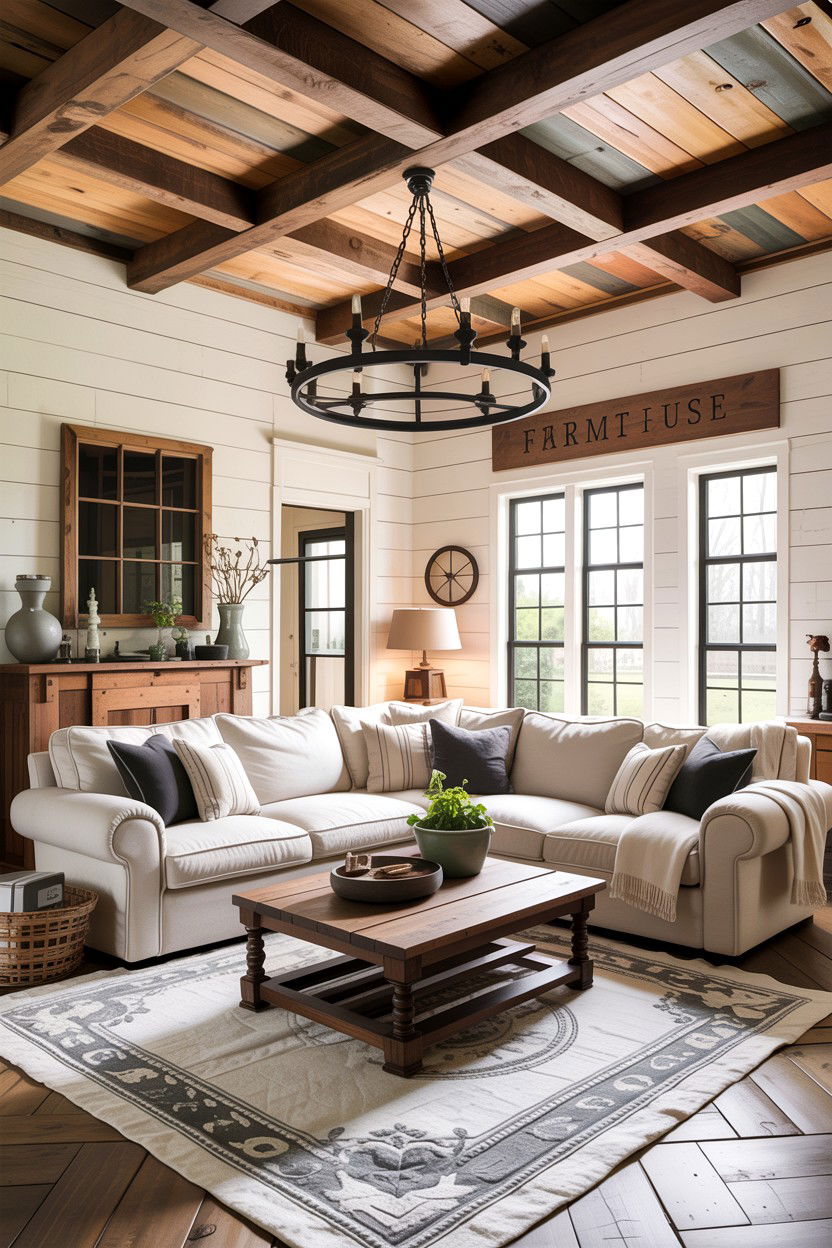
A farmhouse living room blends traditional rustic elements with modern comforts to create a space that feels welcoming and family-oriented. This style often features reclaimed wood beams, shiplap walls, and oversized, comfortable seating. You can achieve a modern farmhouse look by sticking to a neutral color scheme of whites and creams, accented with black metal hardware for a touch of contrast. Distressed furniture and vintage-inspired decor pieces, like large wall clocks or galvanized metal trays, add character and charm. The goal is to create a sturdy, practical environment that feels grounded in history while providing all the luxuries of a contemporary home.
8. Traditional Living Room
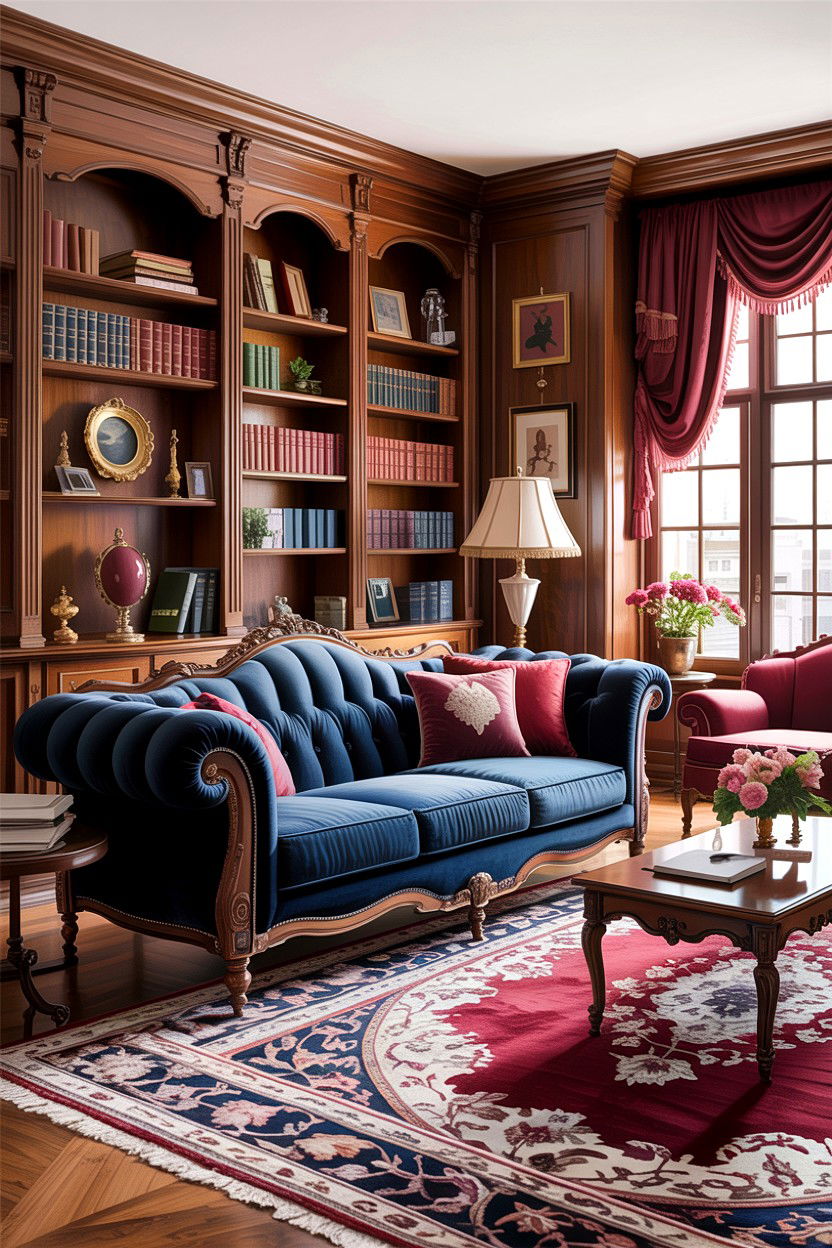
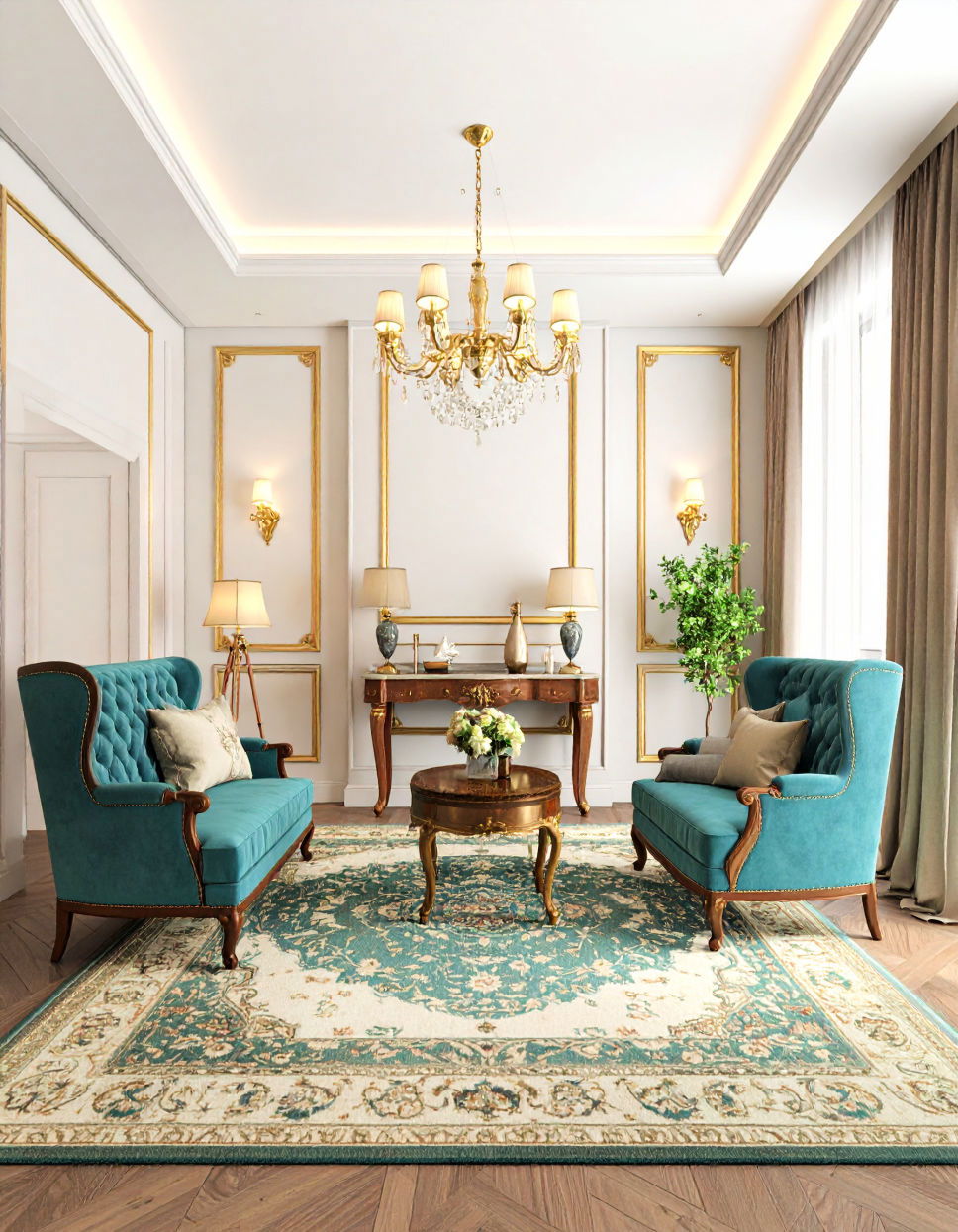
The traditional living room is defined by its formal layout, classic furniture, and a rich, sophisticated color palette. This style emphasizes symmetry and architectural details, such as crown molding and built-in bookshelves. You should choose furniture with ornate details, like rolled arms or tufted upholstery, to create a sense of timeless elegance. Rich fabrics such as velvet or silk in deep tones like burgundy, navy, or forest green add a luxurious feel to the space. Antique accessories, framed oil paintings, and crystal chandeliers complete the look, resulting in a room that feels established, comfortable, and perfect for hosting formal gatherings or quiet evenings.
9. Eclectic Living Room
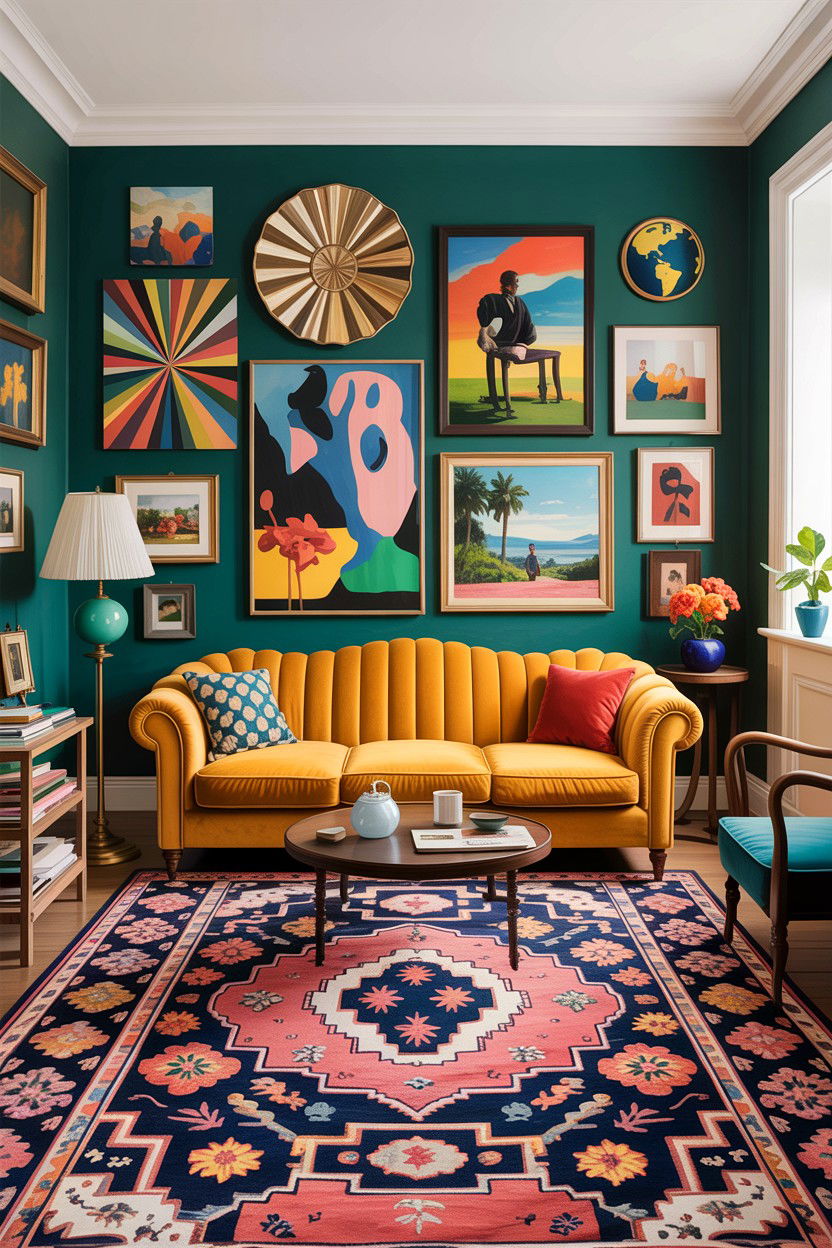
An eclectic living room is a curated collection of styles, eras, and textures that come together to reflect a unique personality. This design approach allows you to mix modern furniture with vintage finds, creating a space that feels dynamic and one-of-a-kind. The key to a successful eclectic room is maintaining a sense of balance through a consistent color story or repeating shapes. You might pair a contemporary velvet sofa with a mid-century coffee table and a gallery wall of diverse art. This style encourages bold experimentation, making it the perfect choice for those who want their home to tell a personal story through varied treasures.
10. Japandi Living Room
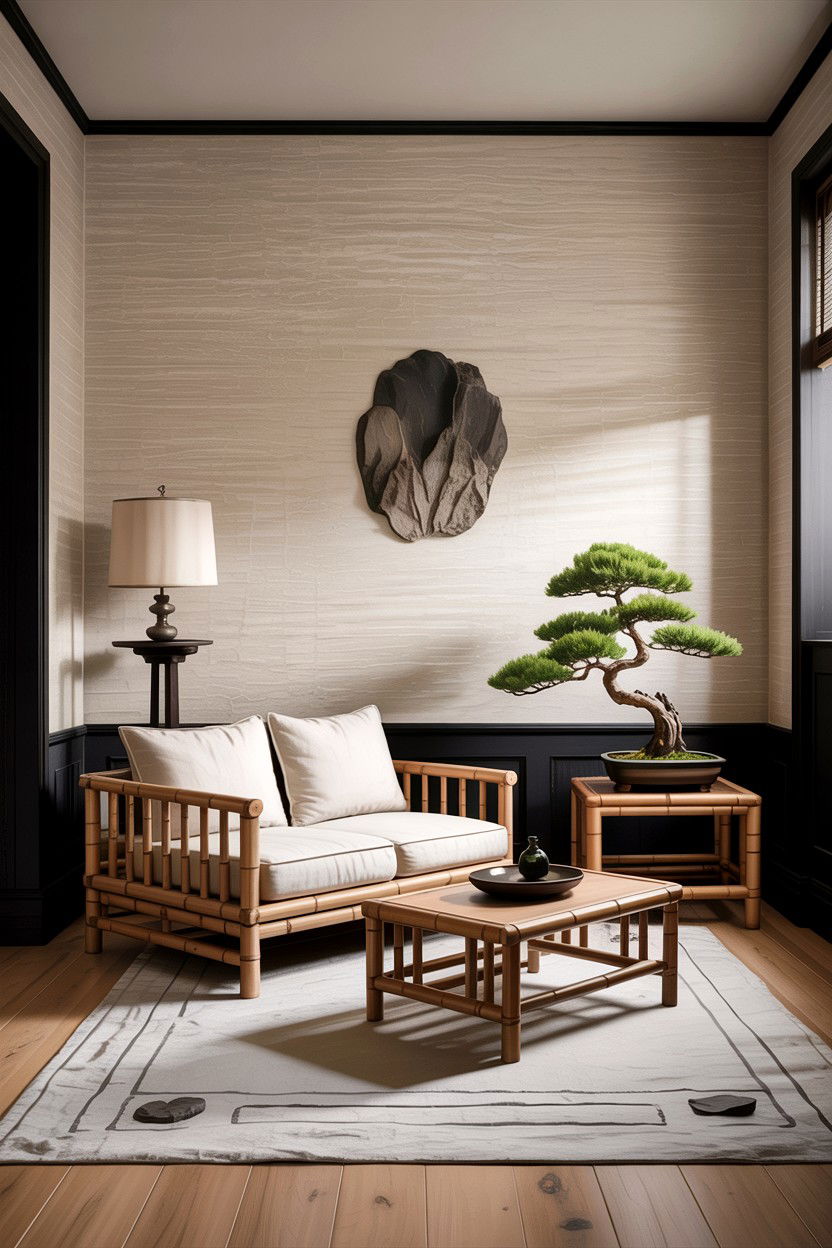
The Japandi living room is a harmonious fusion of Japanese minimalism and Scandinavian functionality. This style focuses on the concept of "wabi-sabi," finding beauty in imperfection, and "hygge," creating a sense of cozy well-being. You should use a palette of soft neutrals and warm wood tones, punctuated by black accents for definition. Low-profile furniture made from natural materials like bamboo or light oak is essential for maintaining a grounded feel. By keeping the space uncluttered and incorporating organic elements like a single bonsai tree or stone vessels, you create a tranquil environment that promotes mindfulness and relaxation in a modern setting.
11. Art Deco Living Room
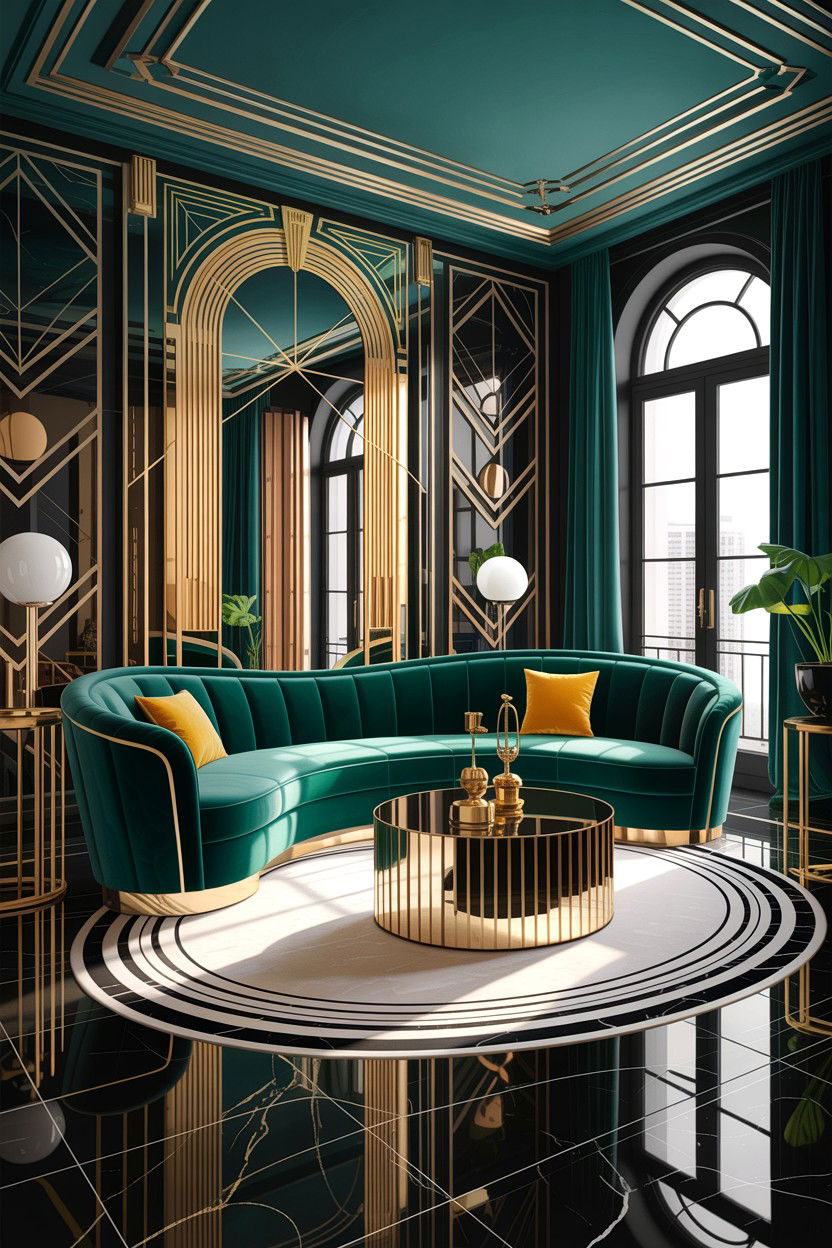
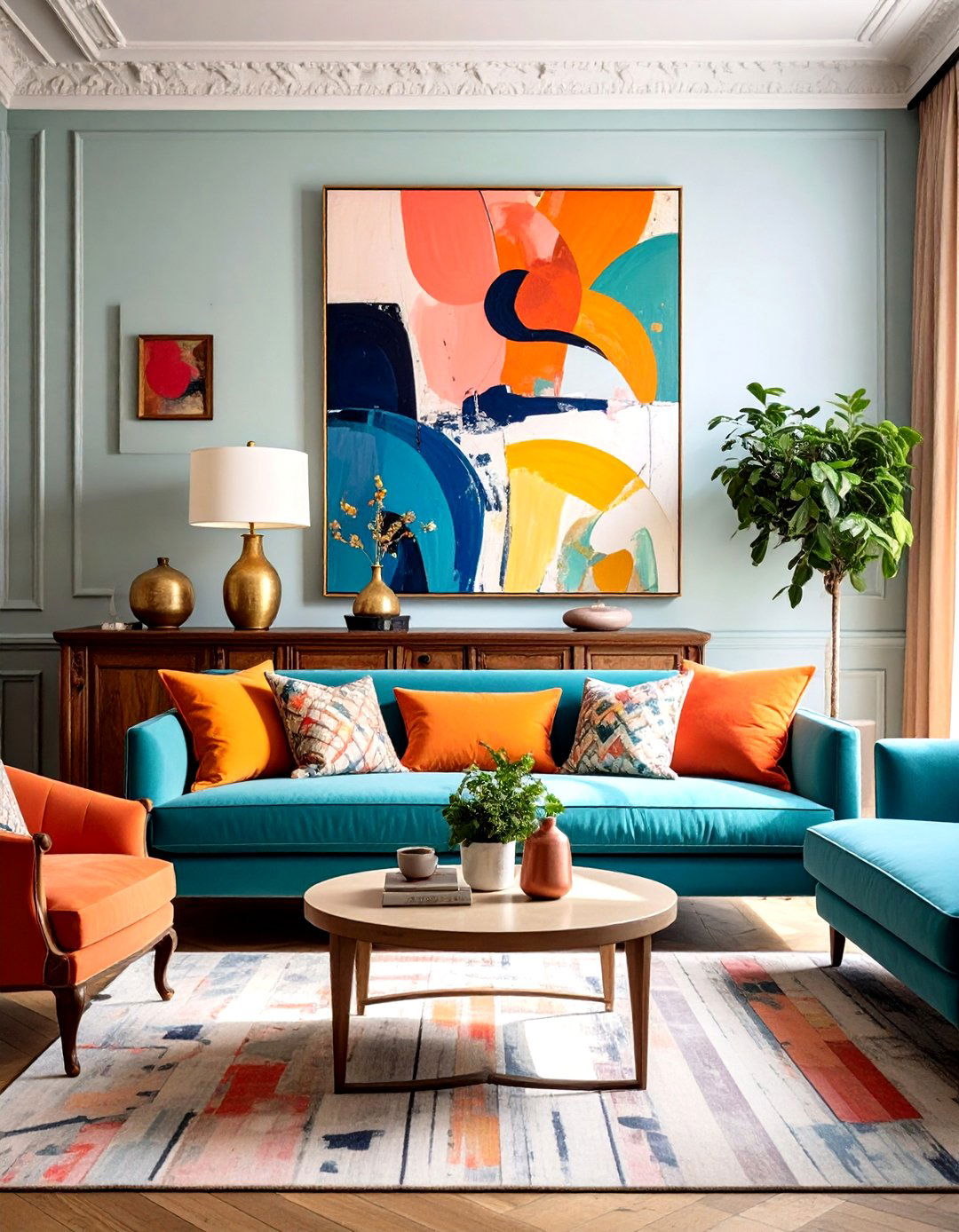
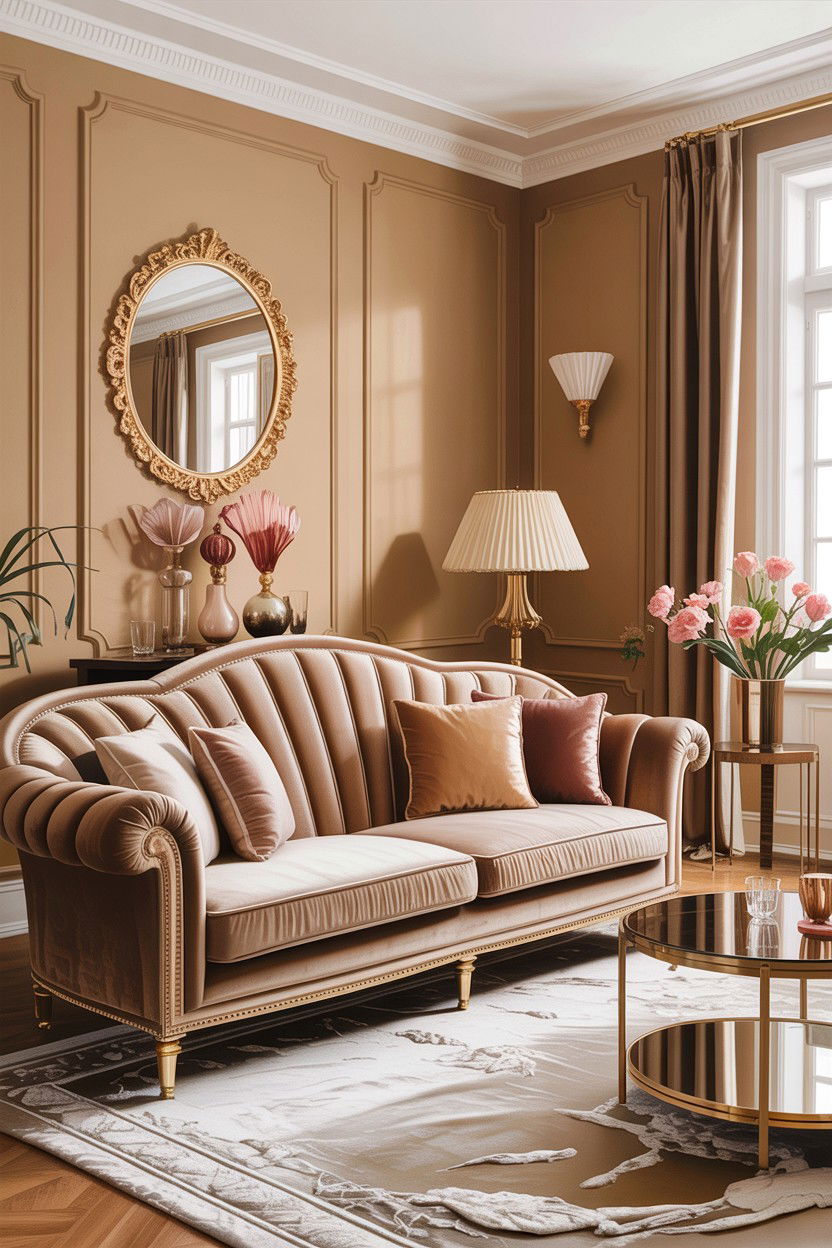
An Art Deco living room exudes glamour and luxury through the use of bold geometric patterns, metallic finishes, and rich materials. This style, inspired by the 1920s, often features symmetrical layouts and high-contrast color palettes like black and gold or deep jewel tones. You can incorporate this look by choosing furniture with curved silhouettes and mirrored surfaces. Velvet upholstery, marble accents, and brass light fixtures add a sense of opulence to the space. Dramatic wall treatments, such as bold wallpaper or sunburst mirrors, serve as striking focal points. The result is a sophisticated and theatrical environment that feels both historic and incredibly fashionable.
12. Contemporary Living Room
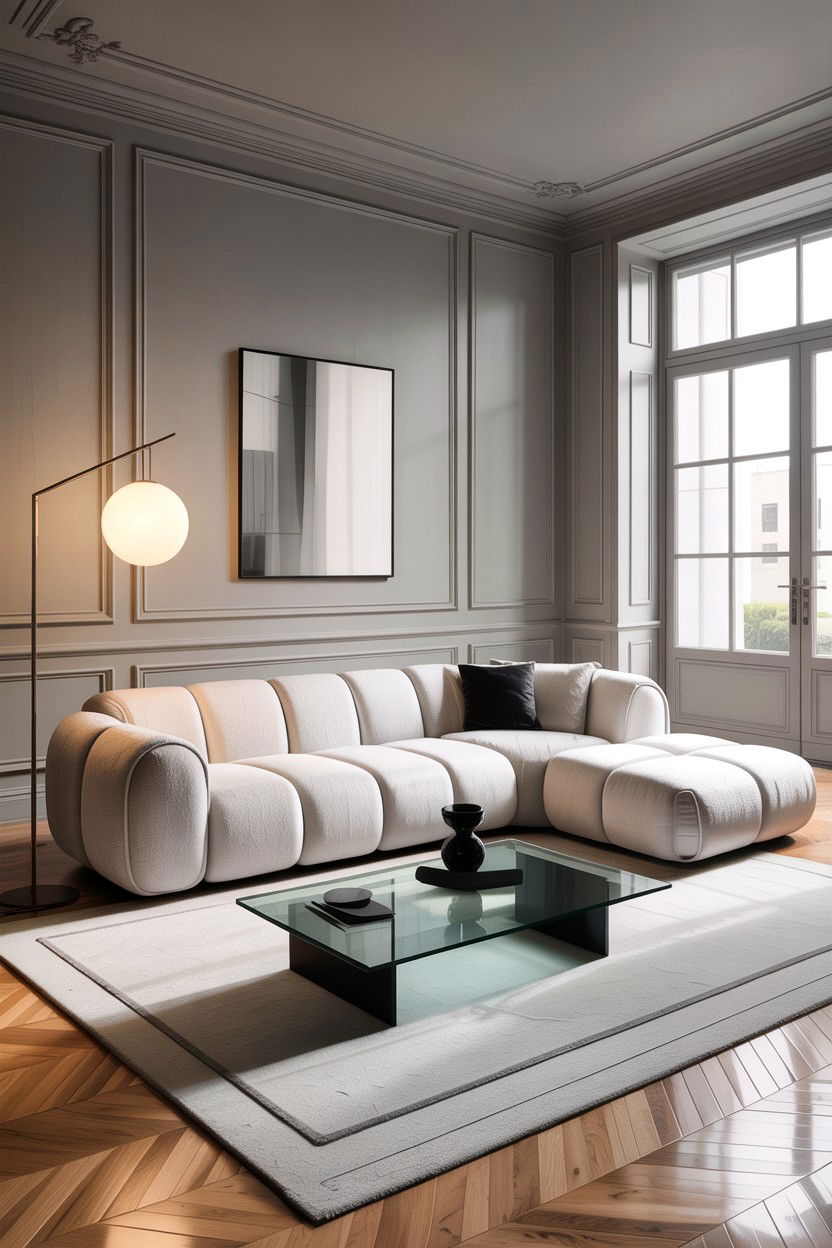
The contemporary living room focuses on what is popular right now, often featuring a blend of various styles with an emphasis on comfort and sleekness. This design style uses a mix of textures and materials, such as glass, metal, and soft textiles, to create a balanced look. Neutral walls provide a backdrop for statement furniture pieces in bold colors or unique shapes. You should look for modular seating and innovative lighting solutions that offer both style and practicality. By keeping the floor plan open and the decor minimal but impactful, a contemporary space feels fresh, updated, and perfectly suited for a modern, fast-paced lifestyle.
13. Rustic Living Room
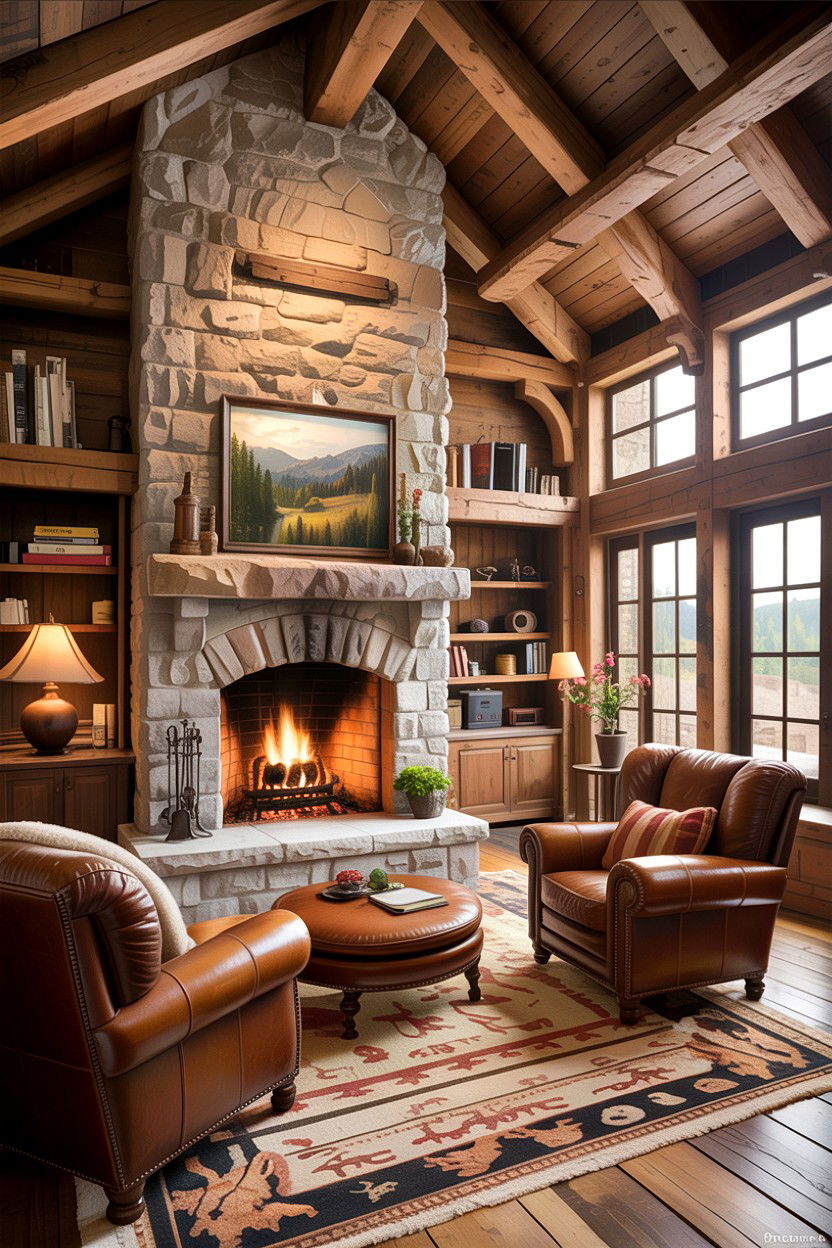
A rustic living room celebrates the beauty of the natural world by incorporating raw, organic materials and a warm, earthy color palette. This style often features heavy timber beams, stone fireplaces, and leather furniture that gains character with age. You can enhance the cozy atmosphere by adding layered rugs, such as a cowhide or a thick wool weave, and soft flannel or wool throws. The decor should feel handcrafted and sturdy, with accents like wrought iron lamps or wooden bowls. This design approach creates a rugged yet inviting space that feels like a mountain lodge or a secluded countryside retreat from the modern world.
14. Transitional Living Room
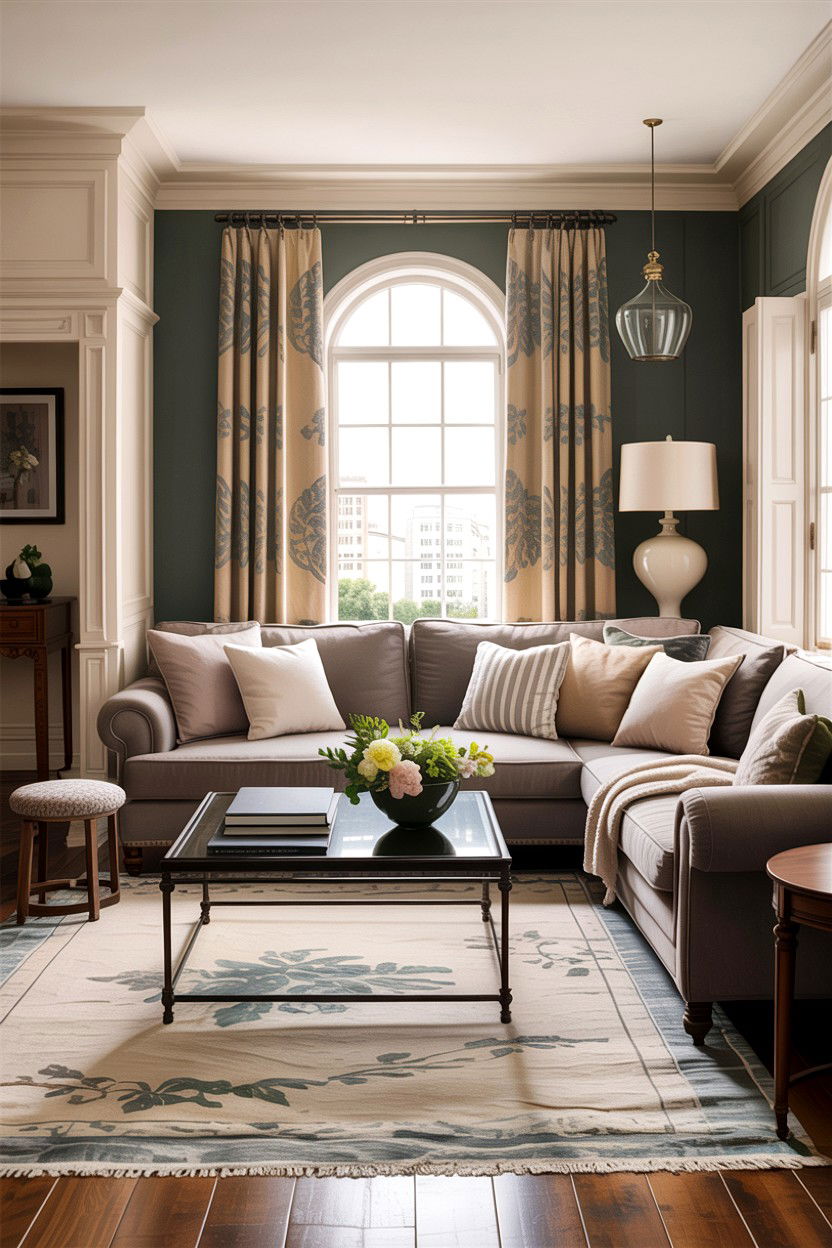
The transitional living room is the perfect middle ground between traditional and modern styles, offering a timeless look that feels fresh and balanced. This design approach takes the classic lines of traditional furniture and pairs them with the clean, neutral aesthetics of modern decor. You should focus on a palette of soft grays, beiges, and creams to create a cohesive and calming environment. Using a mix of materials, such as wood, glass, and fabric, adds visual interest without overwhelming the space. By avoiding extreme trends and focusing on high-quality, comfortable pieces, you create a versatile room that remains stylish and functional for many years.
15. Maximalist Living Room
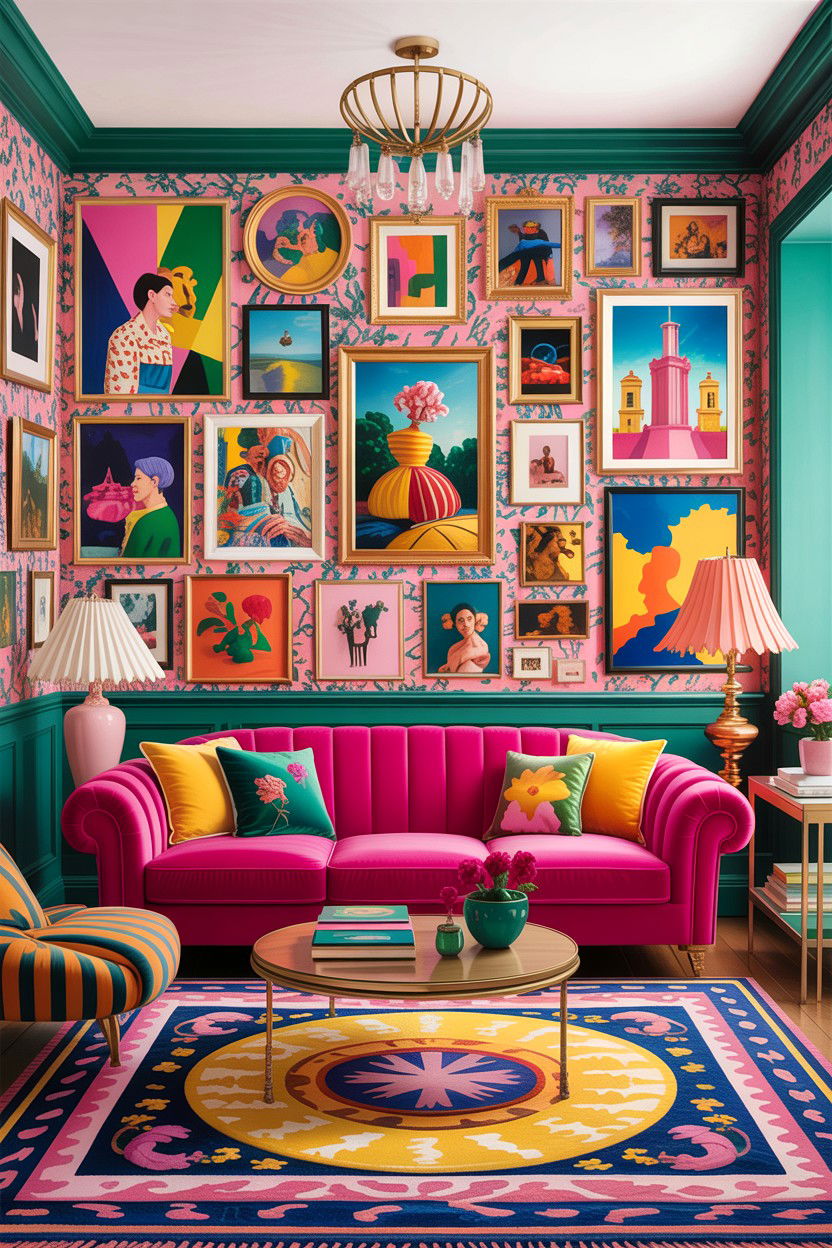
A maximalist living room is a celebration of "more is more," where bold colors, varied patterns, and layered decor take center stage. This style is not about clutter, but rather about carefully curating a space filled with items that bring joy and visual excitement. You can achieve this look by using vibrant wall colors, mixing floral and geometric prints, and displaying extensive collections of art or books. Statement furniture in unique shapes and textures adds to the high-energy vibe. The goal is to create a room that feels rich, personal, and full of life, where every corner offers something interesting and beautiful to look at.
16. Small Living Room
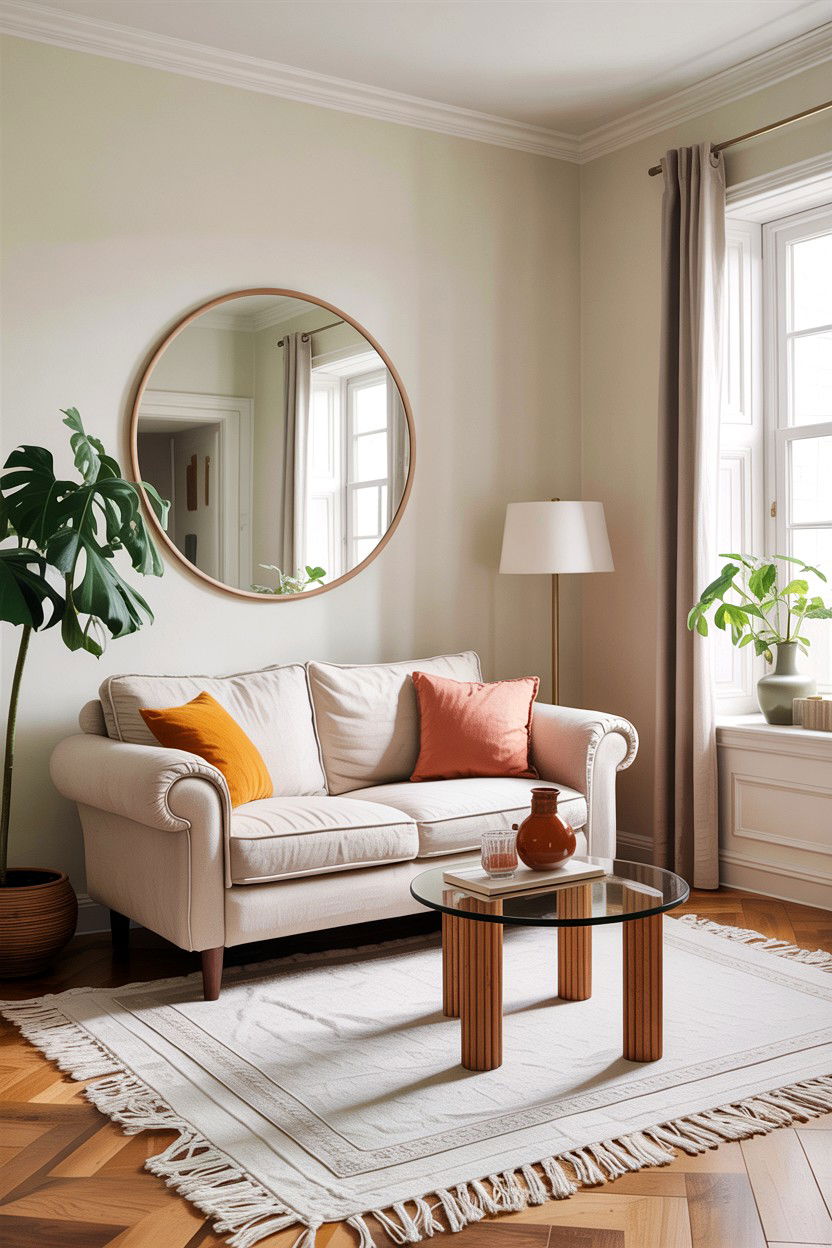
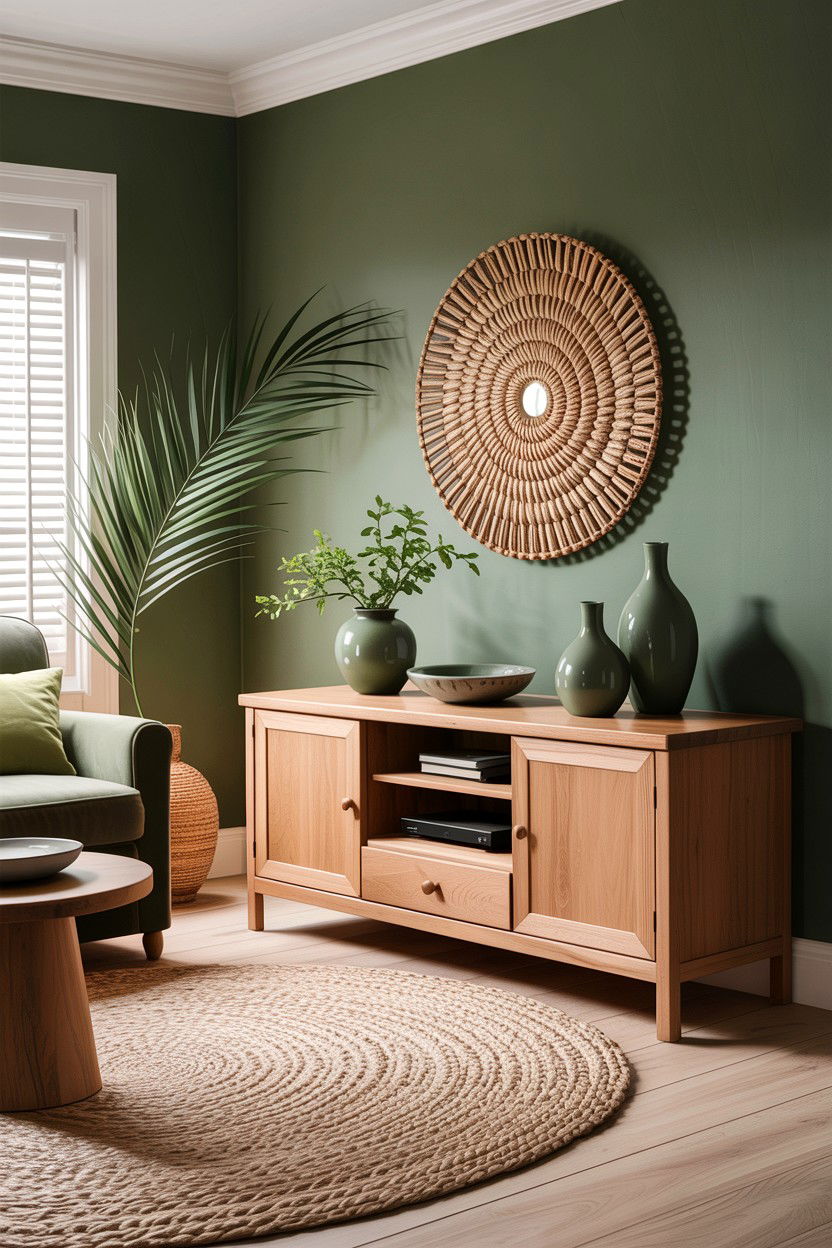
Designing a small living room requires clever furniture choices and strategic layouts to maximize both style and functionality. You should focus on multi-functional pieces, such as an ottoman with hidden storage or a coffee table that can double as a desk. Light-colored walls and large mirrors help to reflect light and make the space feel larger than it actually is. Choosing furniture with exposed legs creates a sense of openness by allowing you to see more of the floor. By keeping the decor intentional and avoiding oversized pieces that overwhelm the room, you can create a cozy, stylish, and efficient space that feels surprisingly spacious.
17. Open Concept Living Room
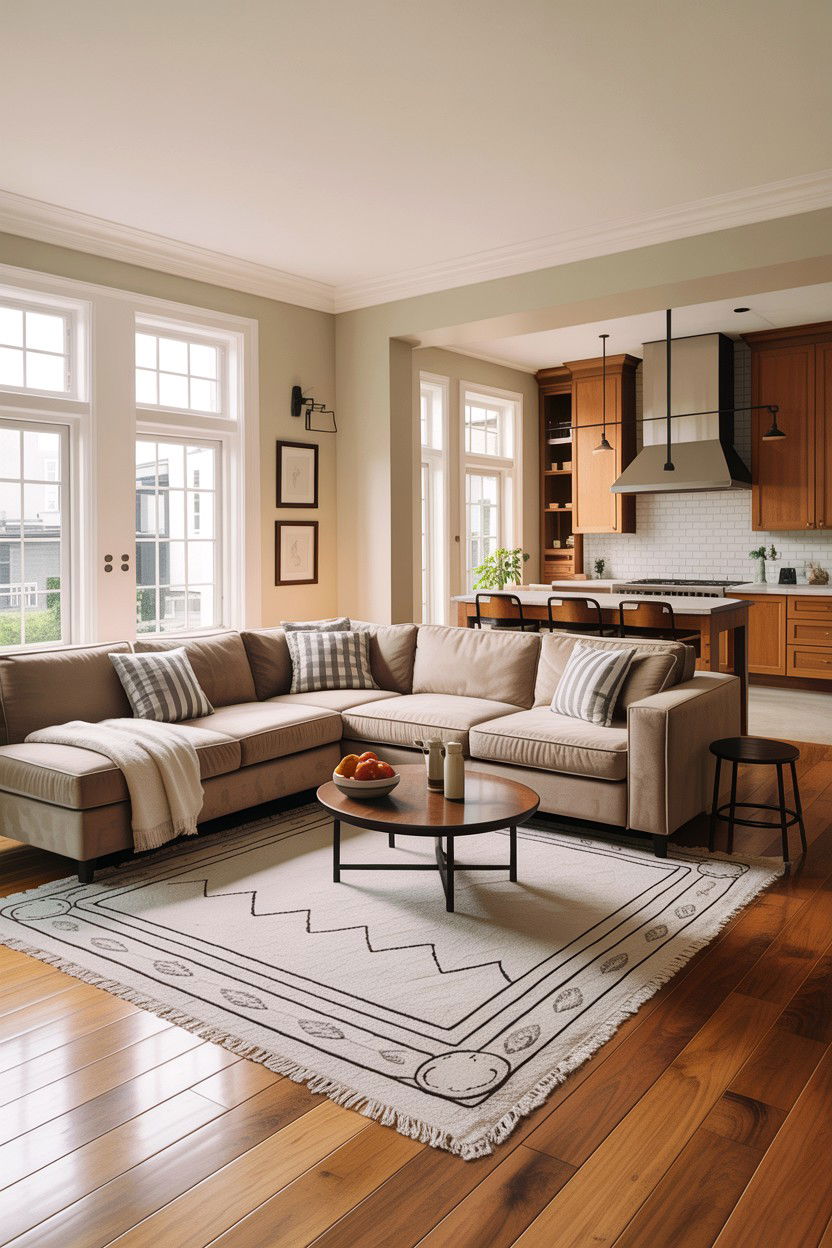
An open concept living room seamlessly integrates with the dining and kitchen areas, creating a large, social space that is perfect for modern living. The challenge is to define the living area while maintaining a cohesive look throughout the entire floor. You can use large area rugs to anchor the seating arrangement and create a distinct "room" without walls. Consistent flooring and a unified color palette help the different zones feel connected. Strategic placement of furniture, such as a sectional sofa or a console table, can also act as a subtle divider. This layout promotes flow and interaction, making the home feel expansive and inviting.
18. Moody Living Room
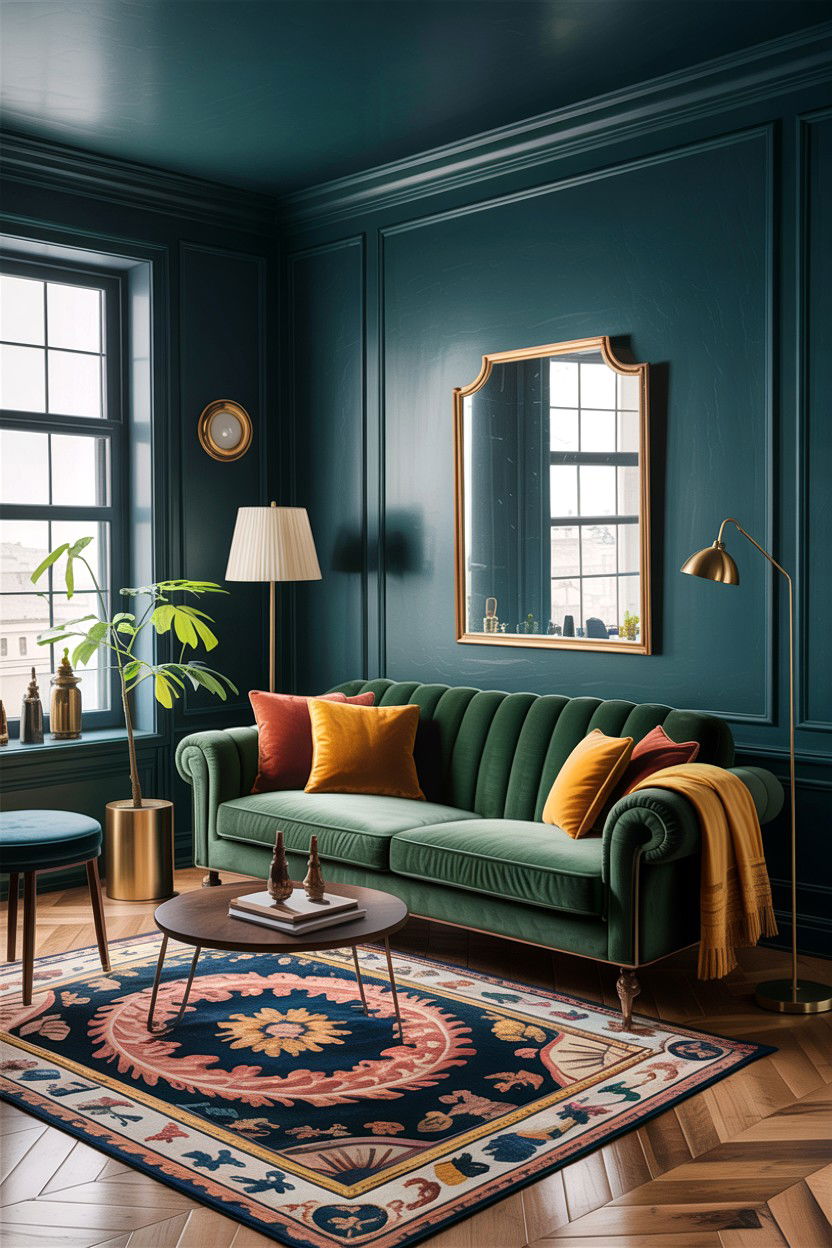
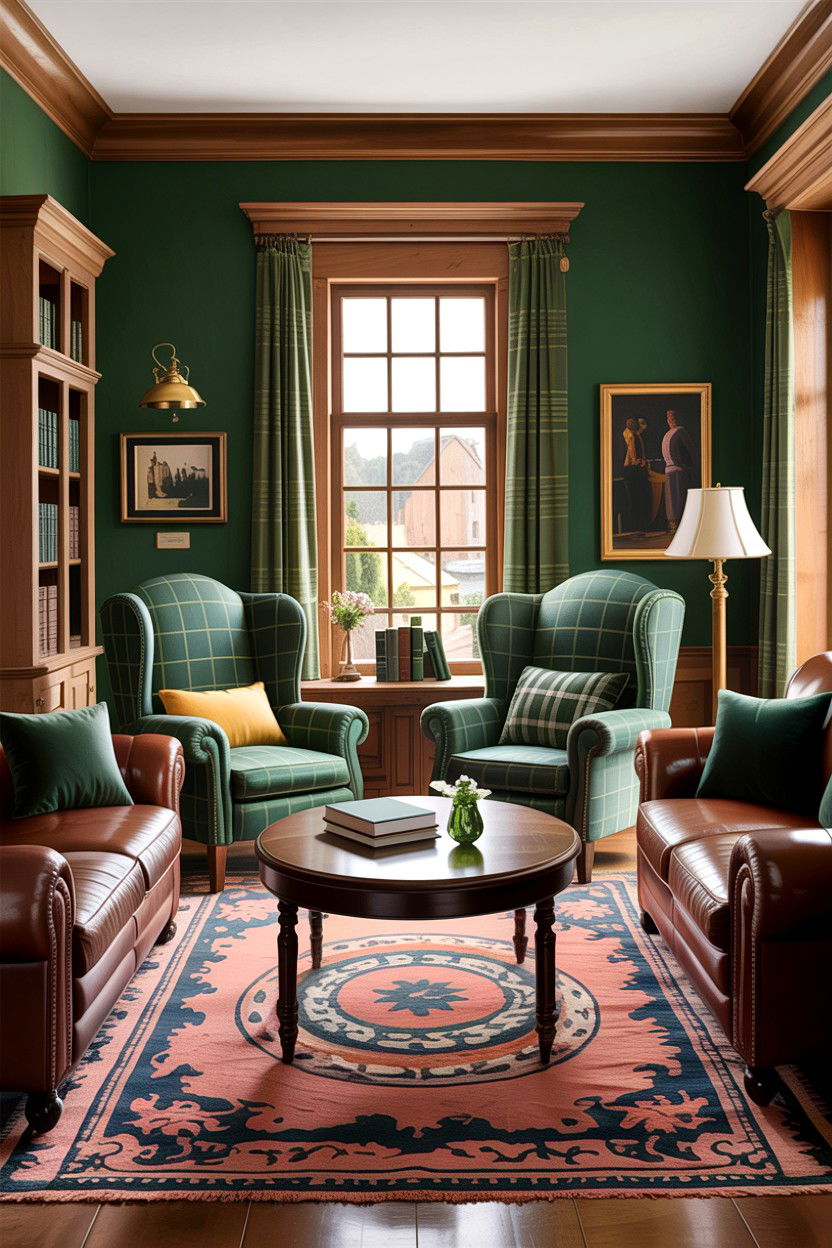
A moody living room uses dark, saturated colors to create an intimate and sophisticated atmosphere that feels incredibly cozy. You can achieve this look by painting the walls in deep shades like navy, charcoal, or forest green. To prevent the space from feeling too dark, you should incorporate varied lighting sources, such as soft floor lamps and metallic accents that reflect light. Plush textures like velvet, faux fur, and dark wood furniture add to the luxurious and cocoon-like feel. This design style is perfect for creating a dramatic, high-end space that serves as a perfect evening retreat for reading, conversation, or simply relaxing in style.
19. Neutral Living Room
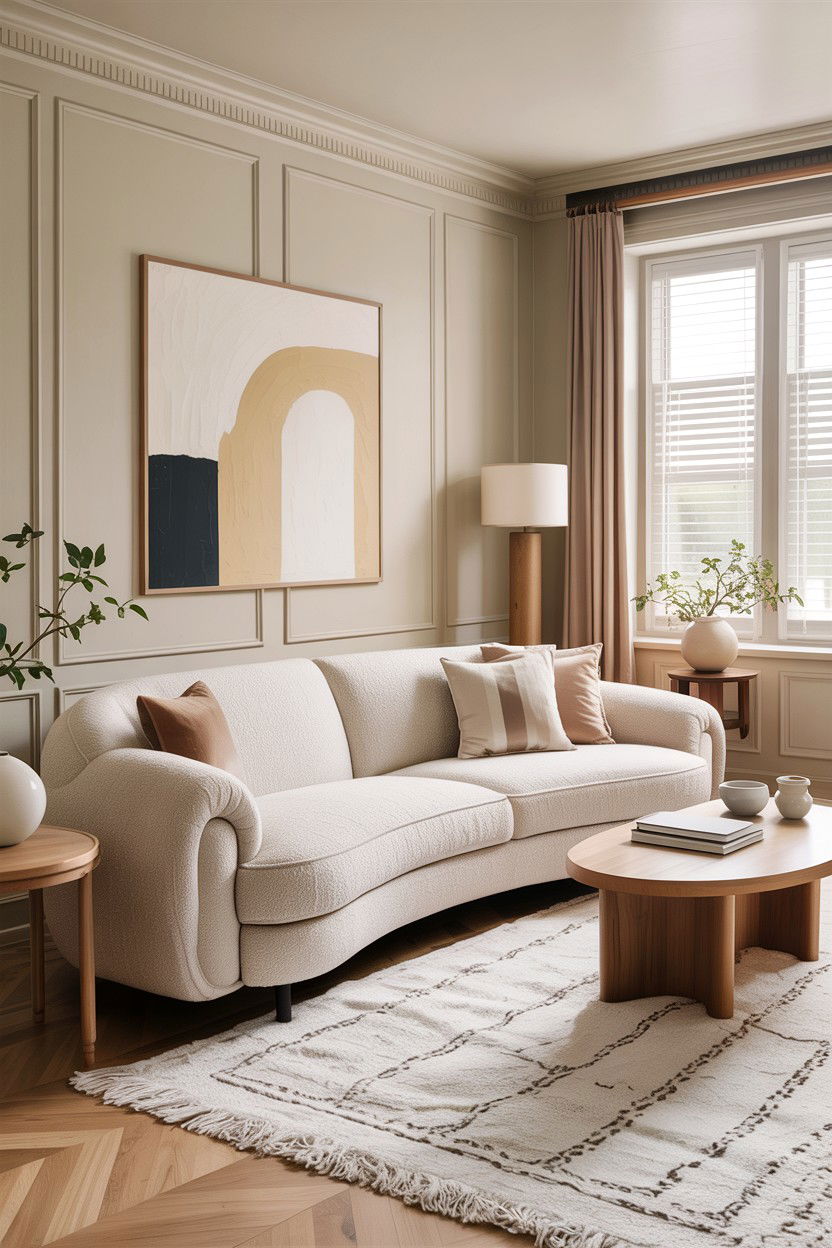
The neutral living room is a masterclass in texture and tone, using a palette of whites, creams, tans, and grays to create a serene environment. Without bold colors to distract the eye, the focus shifts to the quality of materials and the layering of different fabrics. You should mix linen, wool, bouclé, and wood to add depth and interest to the monochromatic space. Architectural details and interesting furniture silhouettes become the stars of the room. A neutral design provides a flexible base that can be easily updated with seasonal accents, ensuring that the space always feels timeless, sophisticated, and exceptionally calming for everyday living.
20. Velvet Living Room
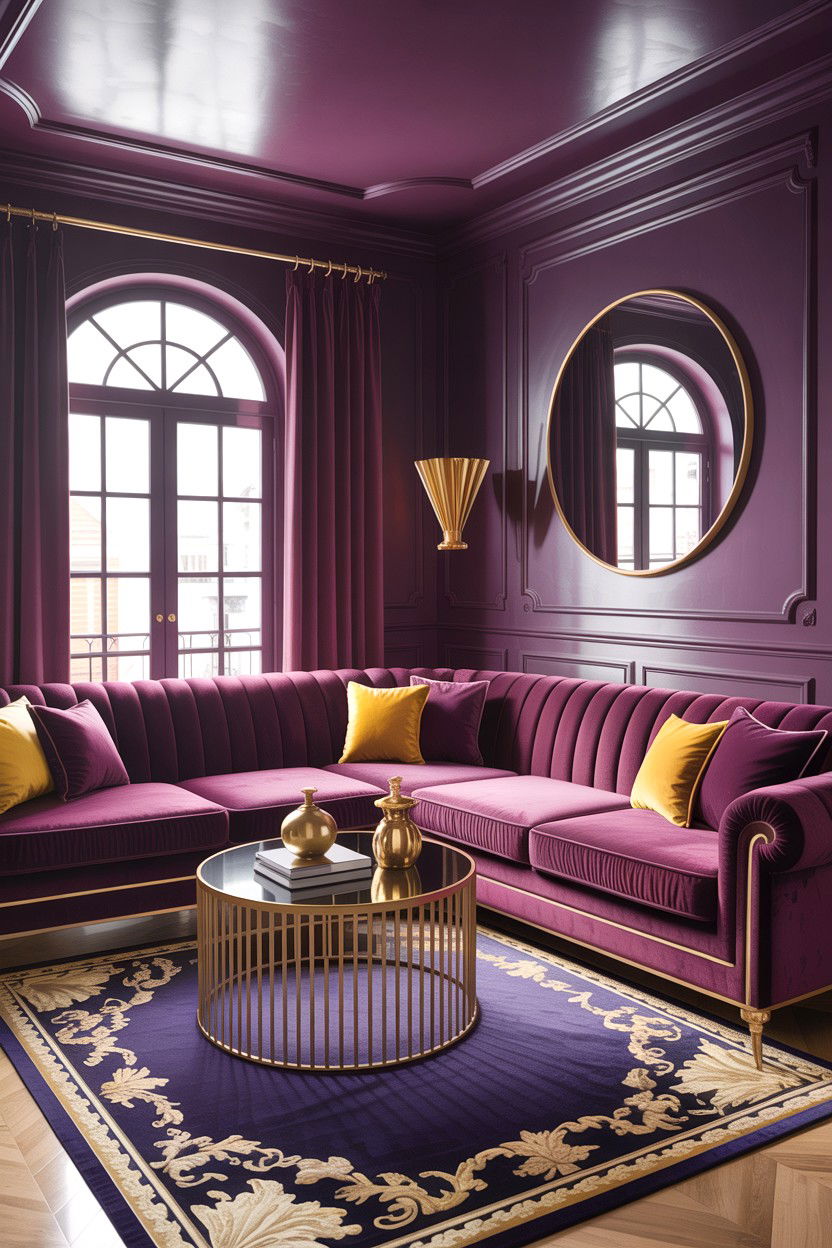
Incorporating velvet into a living room design instantly adds a sense of luxury, warmth, and tactile appeal to the space. Whether it is a large velvet sectional in a deep jewel tone or a pair of accent chairs in a soft pastel, the fabric provides a rich texture that catches the light beautifully. You can balance the heaviness of velvet by pairing it with sleek metal accents or natural wood furniture. Adding velvet throw pillows or curtains is a simpler way to introduce this trend without committing to large pieces. The result is a room that feels sophisticated and incredibly comfortable, inviting you to sink in and stay for a while.
21. Biophilic Living Room
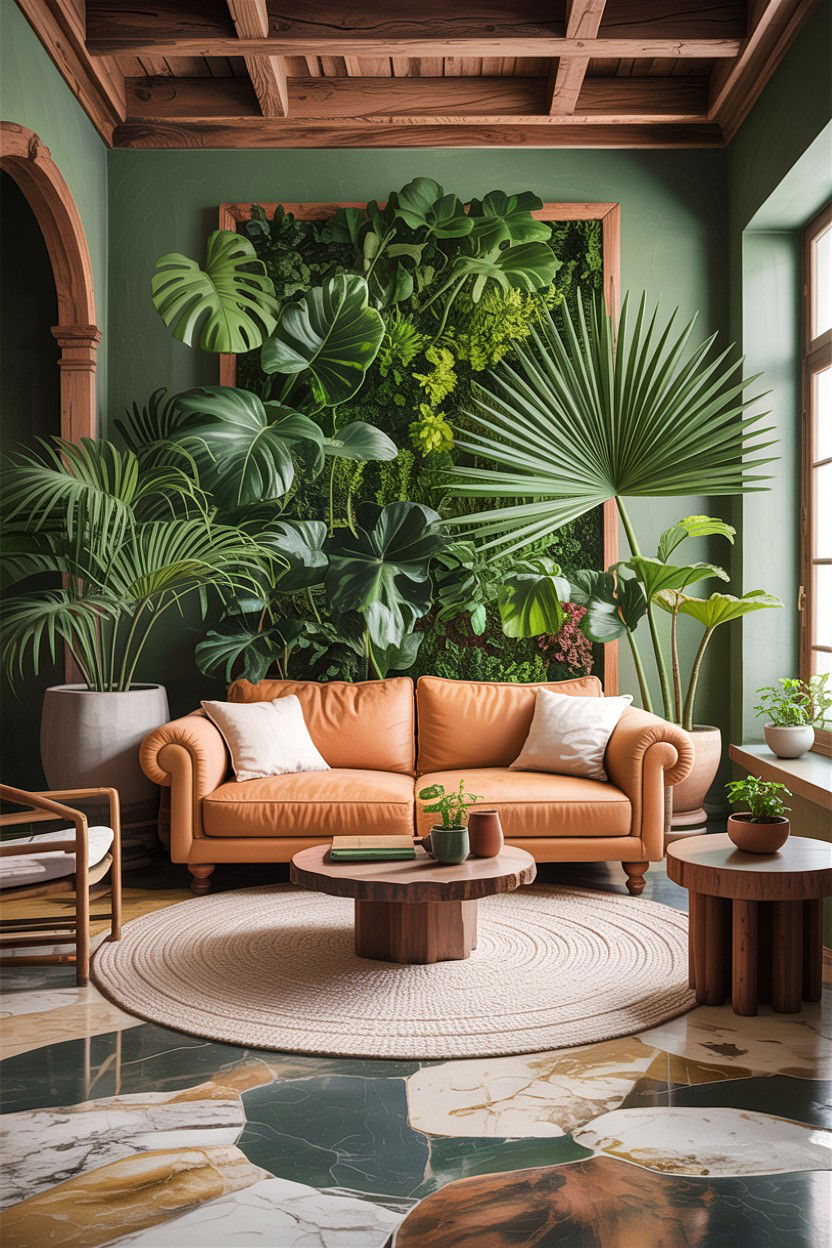
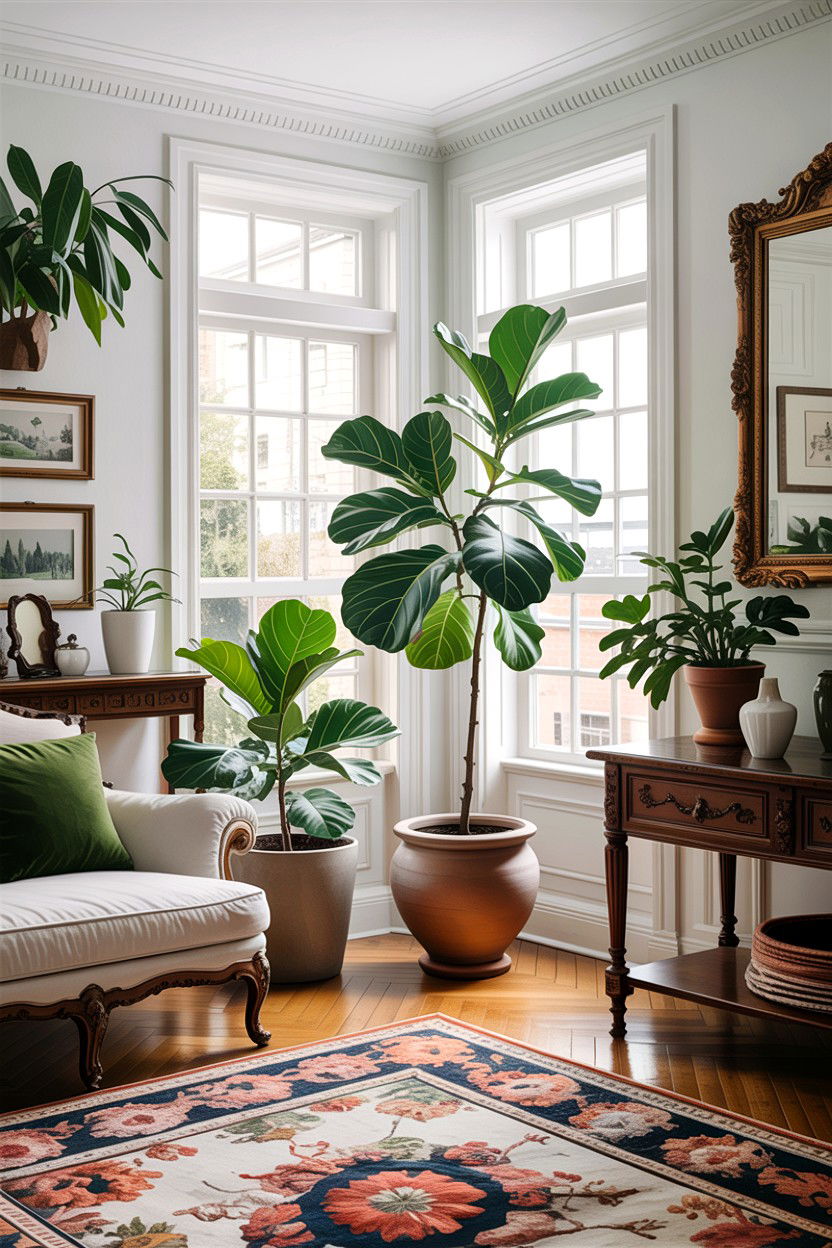
A biophilic living room focuses on the innate human connection to nature by integrating greenery, natural light, and organic materials into the design. This style promotes well-being and reduces stress by creating a mini-oasis within the home. You should incorporate a variety of indoor plants, from tall fiddle leaf figs to trailing ivy, to add life and color. Large windows, skylights, and natural materials like stone, wood, and cork further enhance the connection to the outdoors. A color palette of greens, browns, and sky blues helps to tie the theme together, resulting in a fresh, vibrant, and healthy environment that feels like a natural extension of the garden.
22. Monochrome Living Room
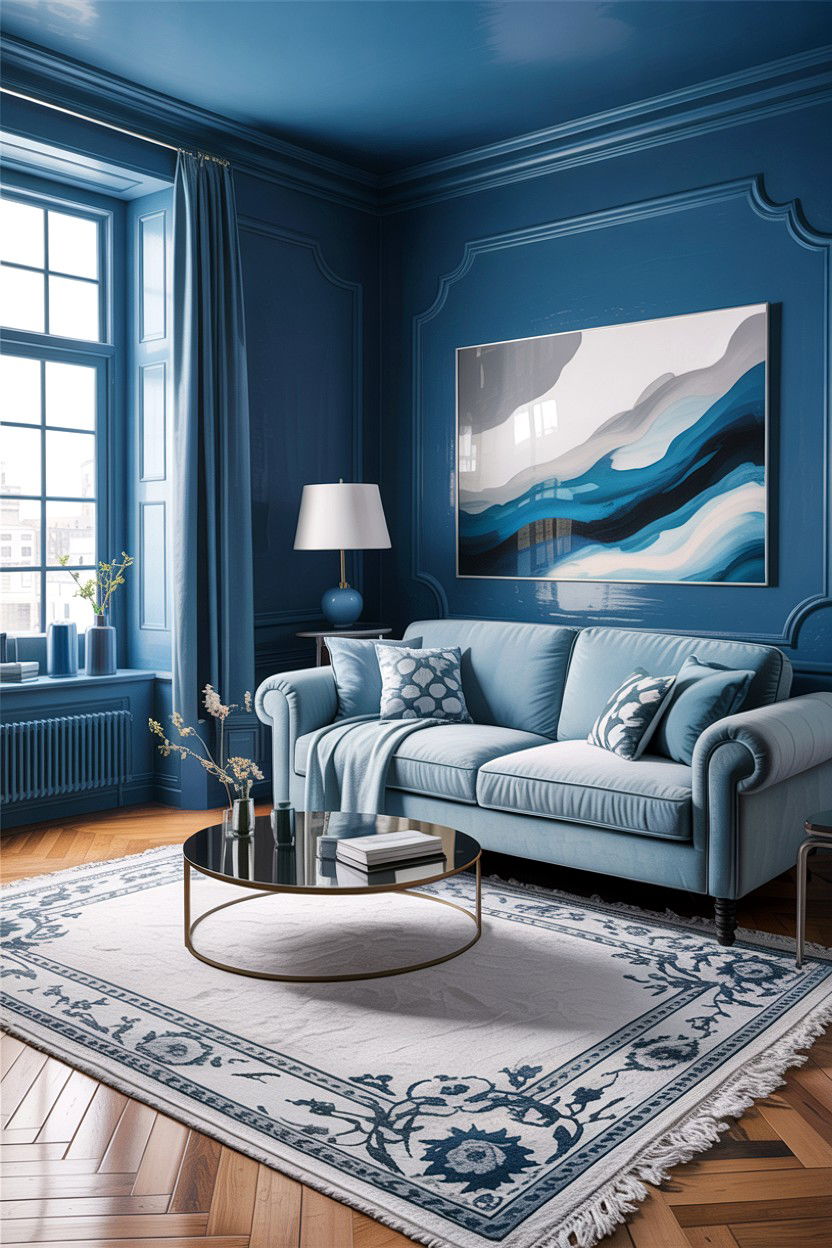
A monochrome living room uses different shades and tints of a single color to create a highly cohesive and modern look. This design approach is bold and sophisticated, requiring a careful balance of textures to prevent the space from feeling flat. For example, a gray monochrome room might feature a charcoal sofa, light gray walls, a silver-toned rug, and slate stone accents. By varying the materials—such as using matte paint alongside glossy finishes and soft textiles—you create visual interest and depth. This style is perfect for those who appreciate a clean, architectural aesthetic that makes a strong and intentional design statement in any home.
23. Cottagecore Living Room
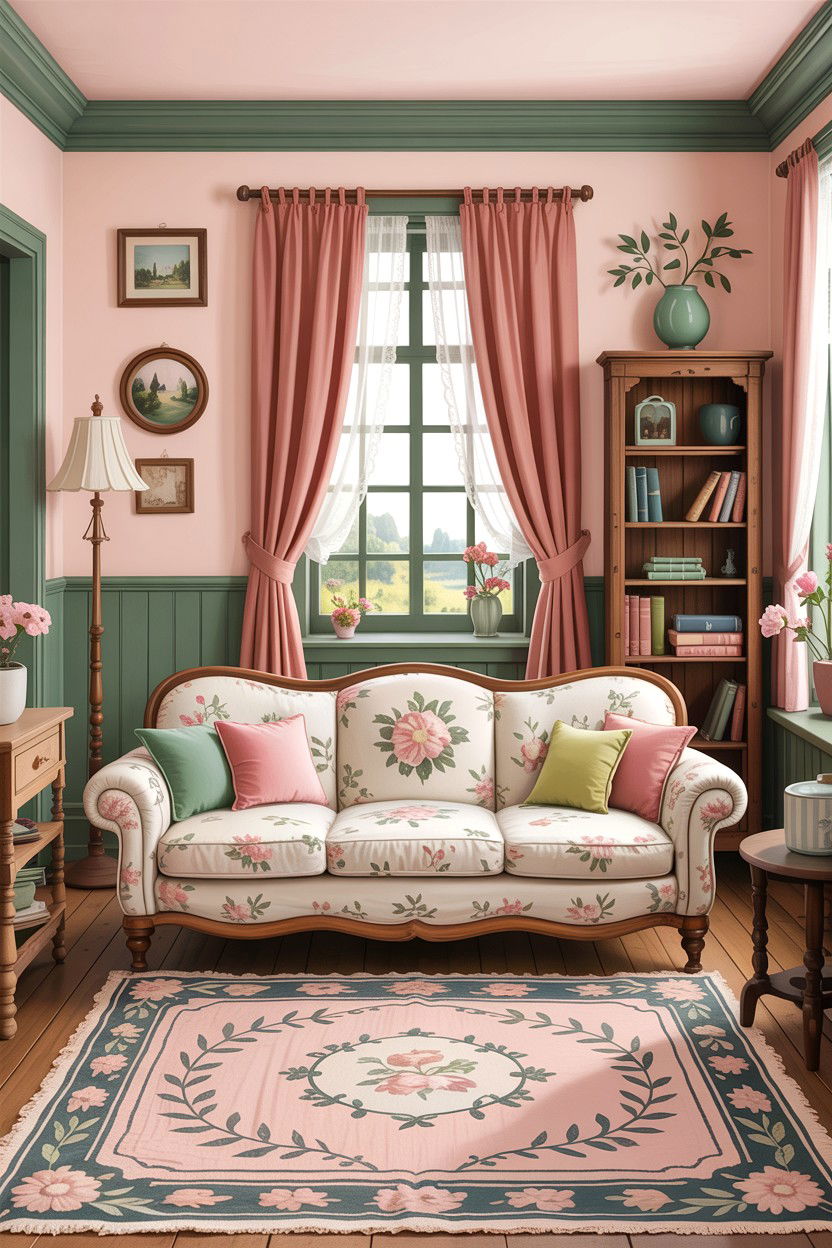
The cottagecore living room is a nostalgic and whimsical design style that celebrates simple, rural life and traditional crafts. This look is achieved through the use of floral patterns, vintage-inspired furniture, and plenty of handmade decor items. You should choose a soft, warm color palette featuring pastels and earthy tones. Distressed wood, lace details, and collections of antique teacups or botanical prints add to the charming, "lived-in" feel. This design style prioritizes comfort and a sense of history, creating a space that feels like a cozy sanctuary where you can escape the fast pace of modern technology and enjoy a slower, more deliberate lifestyle.
24. French Country Living Room
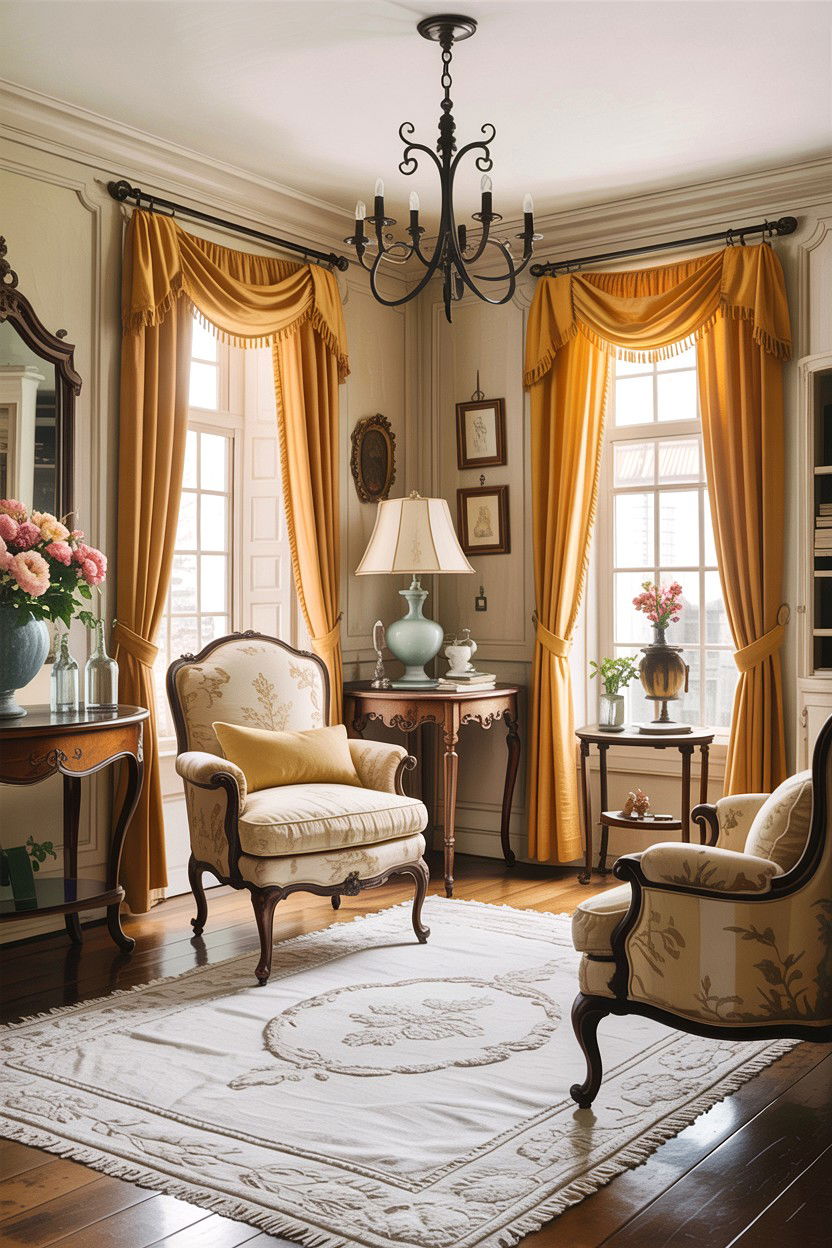
A French country living room blends rustic charm with refined elegance to create a space that feels both comfortable and sophisticated. This style often features a palette of soft yellows, creams, and blues, paired with natural wood and wrought iron accents. You should look for furniture with graceful curves, such as a cabriole-leg coffee table or a tufted bergère chair. Distressed finishes and toile patterns are classic elements that add character to the room. By incorporating fresh flowers, large mirrors, and soft, tiered lighting, you can achieve a look that is inspired by the provincial homes of France, offering a timeless and incredibly welcoming atmosphere.
25. Urban Loft Living Room
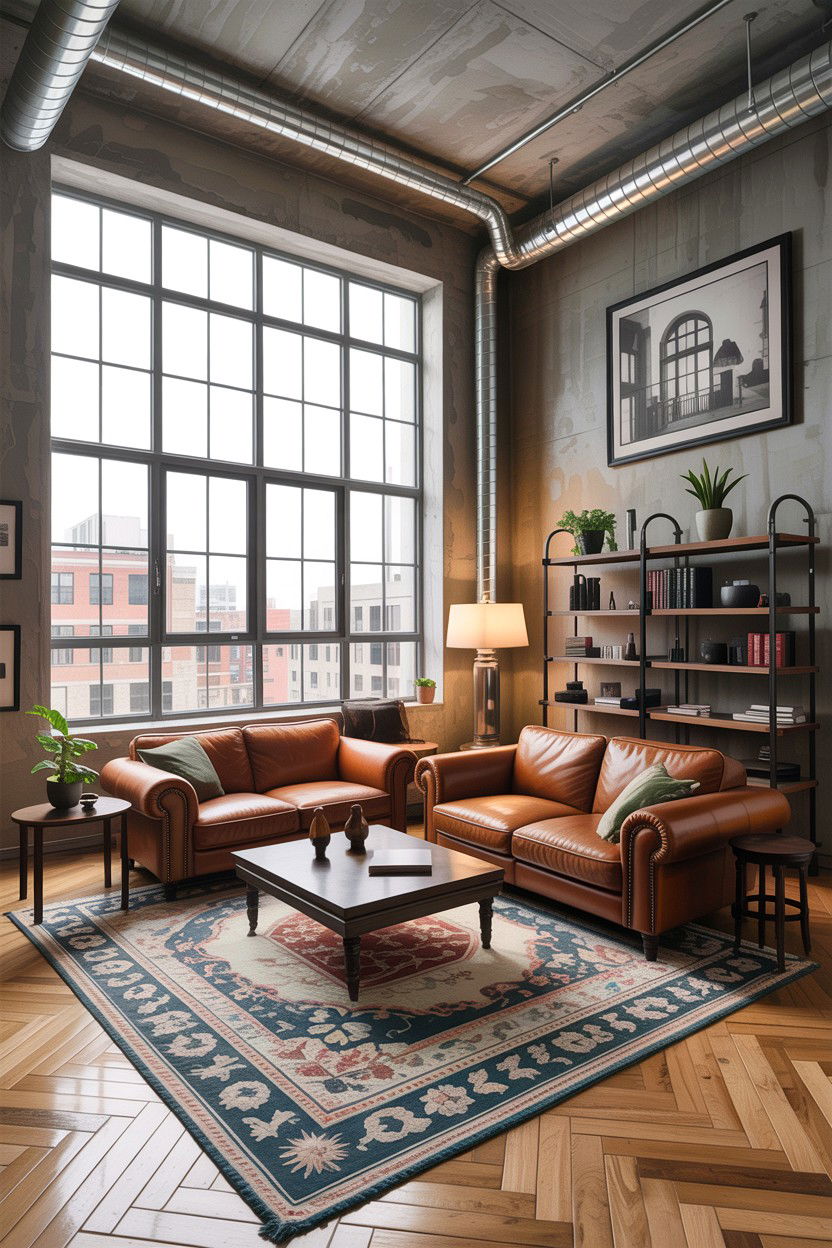
Designing an urban loft living room involves embracing large, open spaces with high ceilings and industrial architectural details. This style often highlights structural elements like concrete floors, exposed pipes, and massive windows. You can make the space feel cozy by using oversized furniture and large-scale art that matches the proportions of the room. A mix of modern and vintage pieces, such as a sleek leather sofa paired with an antique rug, adds personality and depth. Strategic lighting, including track lights and large floor lamps, helps to define different areas within the open floor plan, resulting in a space that feels edgy, artistic, and modern.
26. Mediterranean Living Room
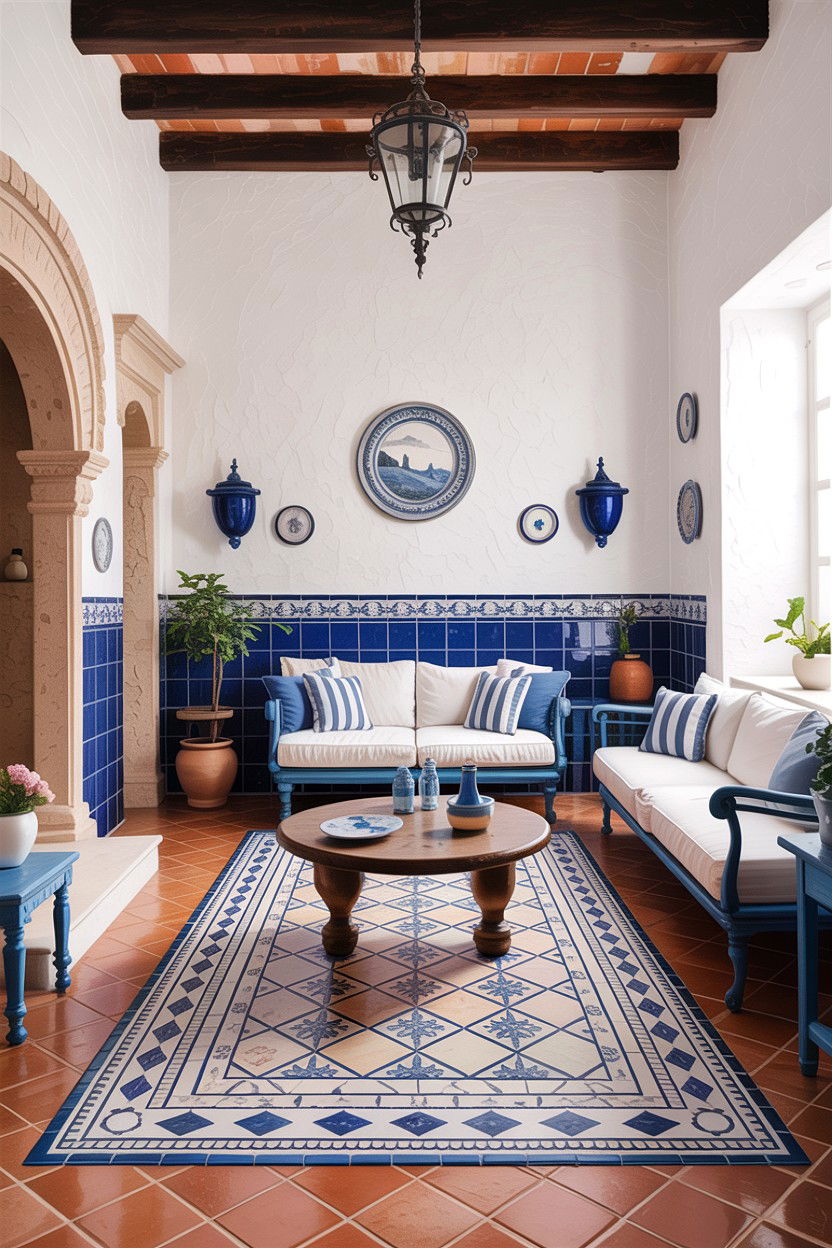
A Mediterranean living room is inspired by the coastal regions of Spain, Italy, and Greece, emphasizing warmth, natural materials, and indoor-outdoor flow. This style often features white-washed walls, arched doorways, and terracotta or stone flooring. You should incorporate vibrant accents through patterned tiles, wrought iron light fixtures, and colorful textiles in shades of ochre, terracotta, and azure blue. Rustic wooden furniture and exposed ceiling beams add a sense of history and sturdiness to the space. By keeping the decor simple but high-quality, you create a sun-drenched, breezy environment that feels like a permanent vacation home, perfect for relaxed social gatherings and family time.
27. Southwestern Living Room
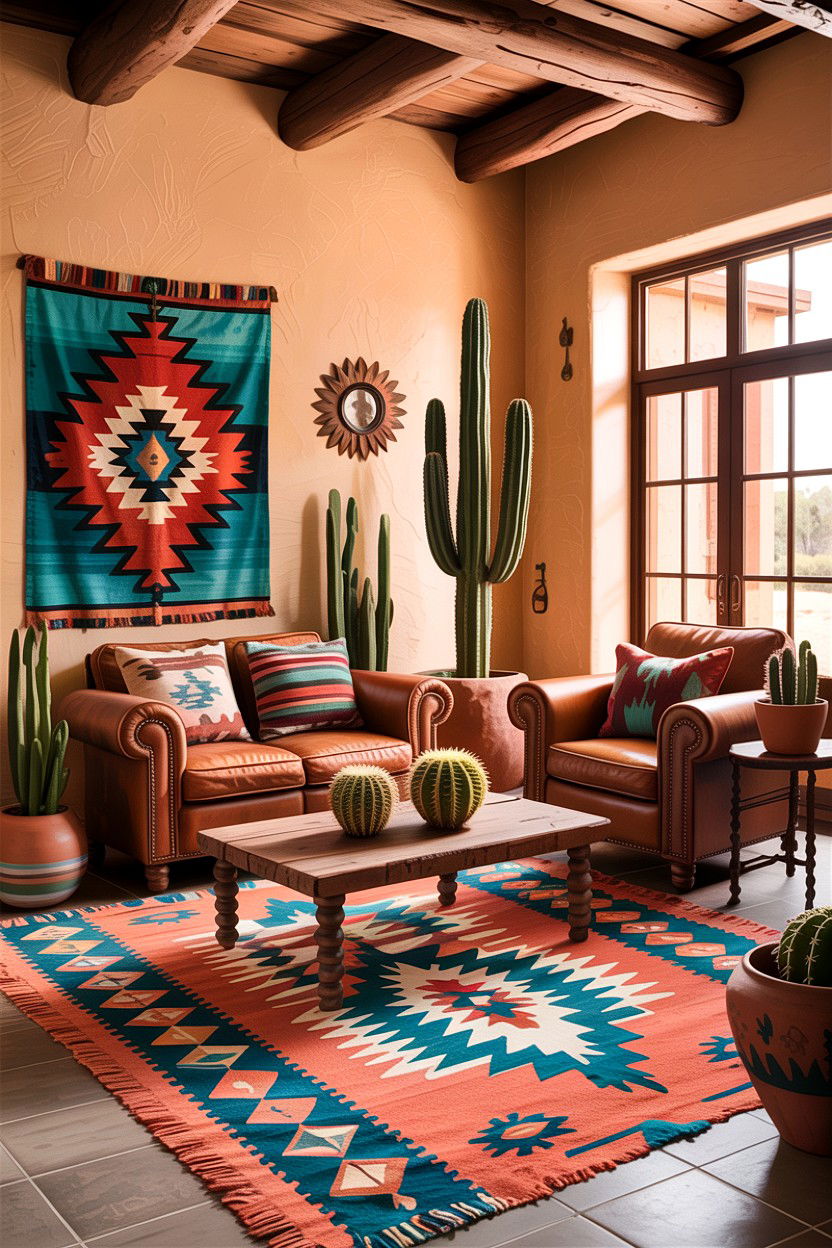
The southwestern living room draws inspiration from the desert landscape and indigenous cultures, featuring a warm color palette and rich, organic textures. This style is characterized by the use of adobe-inspired colors like rust, clay, and sand, accented with turquoise and deep orange. You can achieve this look by incorporating woven Navajo rugs, leather furniture, and wooden accents with carved details. Cacti and succulents are essential for adding a touch of greenery that thrives in this aesthetic. The result is a space that feels grounded, earthy, and full of cultural character, providing a unique and inviting atmosphere that celebrates the beauty of the American West.
28. Hollywood Regency Living Room
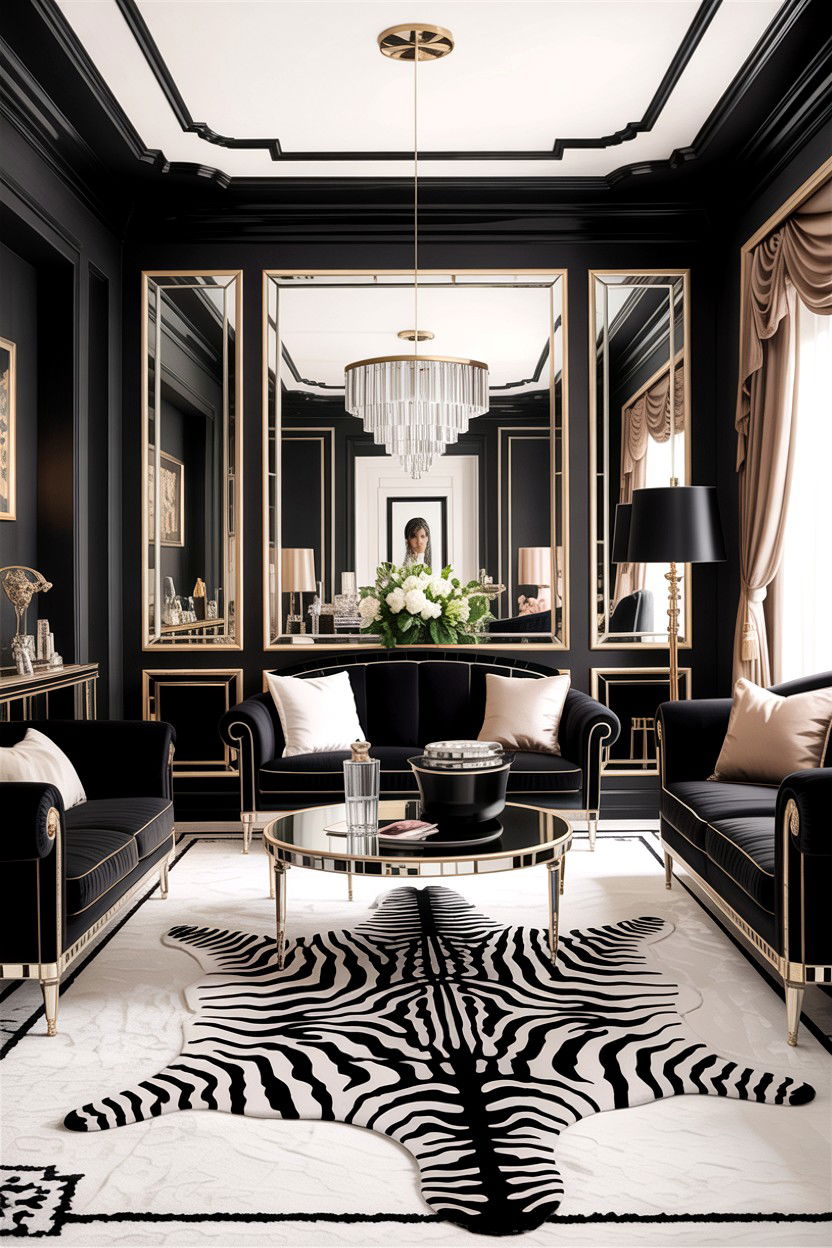
A Hollywood Regency living room is all about high-glamour, bold contrasts, and theatrical flair inspired by the golden age of cinema. This style uses a mix of vibrant colors, glossy finishes, and mirrored surfaces to create a space that feels opulent and ready for a party. You should look for furniture with bamboo motifs, lacquer finishes, and animal prints like zebra or leopard. Bold geometric patterns and oversized crystal chandeliers add to the dramatic effect. By pairing high-end materials with playful decor accents, you create a sophisticated and energetic environment that is designed to impress guests and reflect a confident, luxurious lifestyle.
29. Zen Living Room
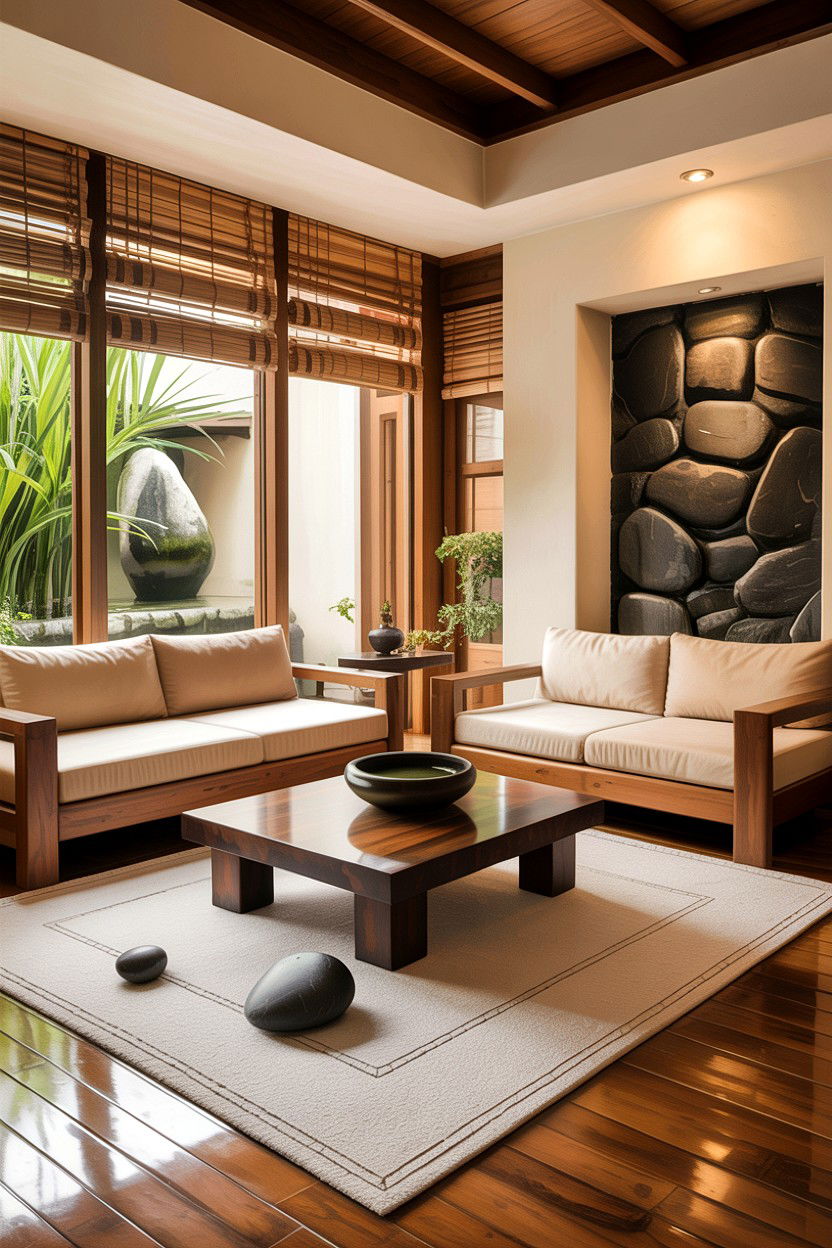
The Zen living room focuses on creating a peaceful, meditative space that promotes balance and tranquility through minimalist design. This style relies on a palette of soft, natural neutrals and the use of organic materials like wood, bamboo, and stone. You should keep the layout open and the furniture low to the ground to maintain a sense of openness and flow. Incorporating elements of nature, such as a small water feature, smooth river stones, or a simple arrangement of branches, enhances the calming vibe. By removing distractions and focusing on essential, high-quality pieces, you create a sanctuary that encourages mindfulness and quiet reflection.
30. Retro Living Room
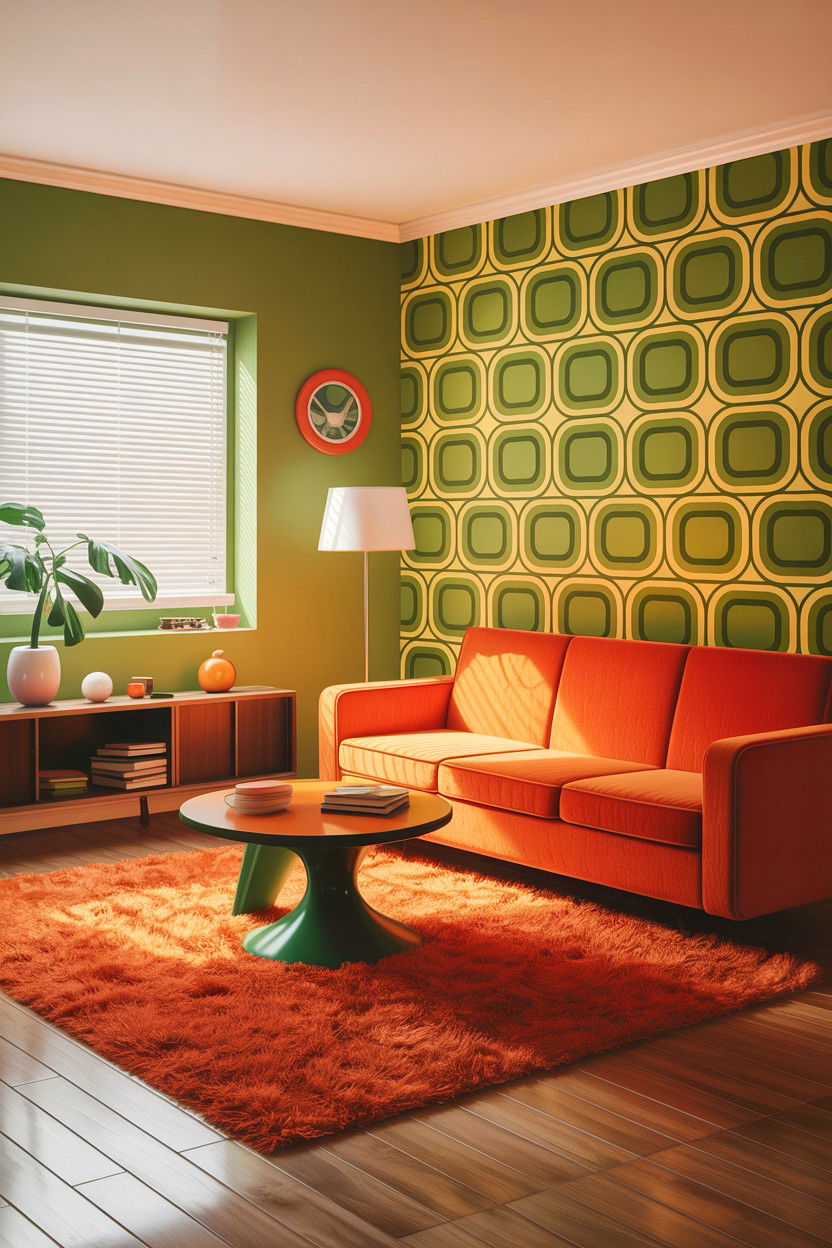
A retro living room celebrates the bold colors and playful shapes of the 1960s and 70s, bringing a sense of fun and nostalgia to the home. This style often features vibrant shades like orange, avocado green, and mustard yellow, paired with bold geometric or psychedelic patterns. You can incorporate this look by choosing furniture with plastic or chrome accents and curved silhouettes. Shag rugs, lava lamps, and vintage record players are perfect accessories to complete the theme. The goal is to create a high-energy, eclectic space that feels like a creative blast from the past while still providing the comfort and functionality of modern design.
Conclusion:
Designing a living room that truly reflects your personality while remaining functional is a rewarding journey that enhances your daily life. Whether you lean toward the clean lines of minimalism or the vibrant energy of maximalism, the key is to create a space where you feel completely at home. By integrating various textures, thoughtful lighting, and comfortable seating arrangements, you can transform any standard room into a high-end sanctuary. Remember that interior style is personal and ever-evolving, so do not be afraid to experiment with different layouts and accents. Your living room is the heart of your home, deserving of care and creative inspiration.
Related posts:
Leave a Reply