

Moroccan living room design offers a captivating blend of centuries-old tradition and modern artistic flair that transforms any home into a soulful sanctuary. When you step into a space inspired by the Maghreb, you are immediately greeted by a sensory explosion of intricate patterns, rich textures, and architectural marvels. This style is celebrated for its ability to balance vibrant, energetic color palettes with serene, grounded materials like clay and wood. Whether you prefer the opulence of a royal riad or the relaxed vibes of a desert oasis, Moroccan interiors provide endless versatility. By integrating hand-crafted elements and organic shapes, you can create an inviting atmosphere that feels both timeless and deeply personal for every guest.
1. Modern Moroccan Living Room
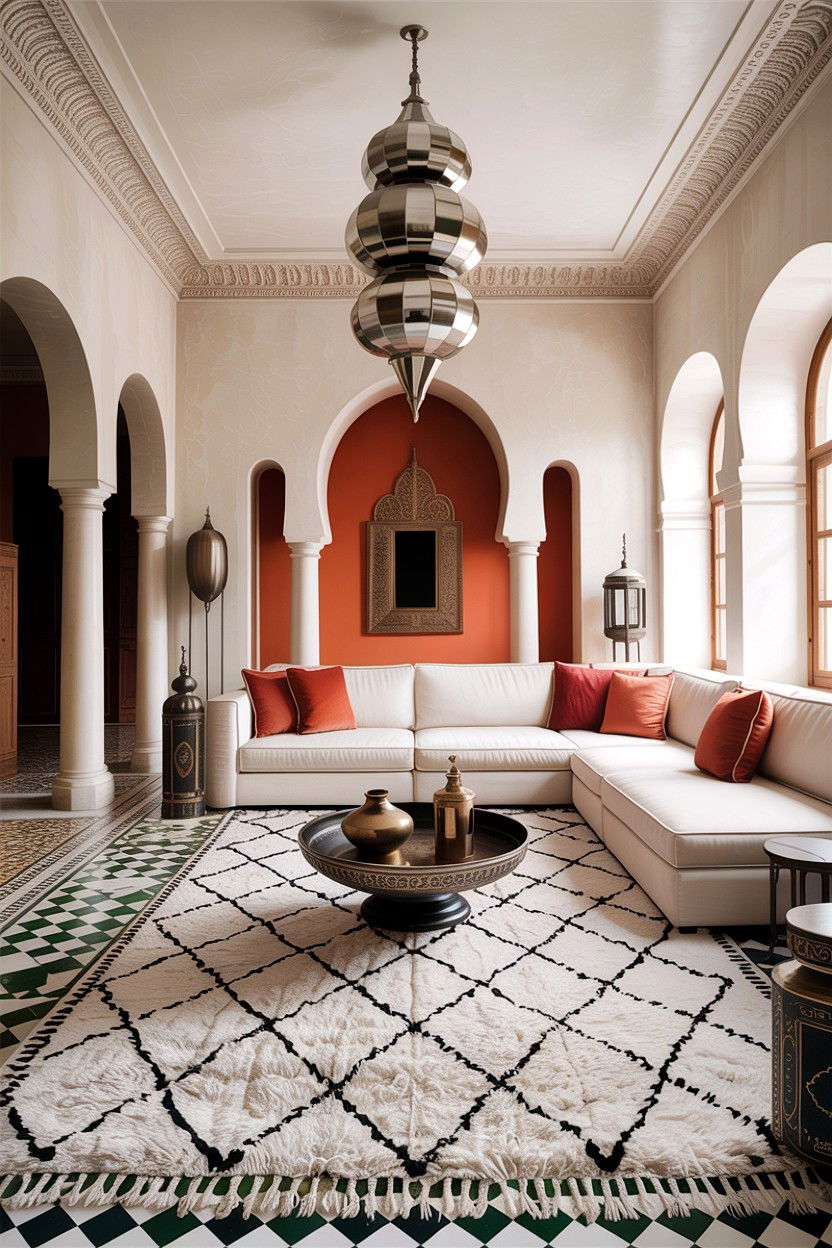
Have you ever wondered how to blend contemporary sleekness with ancient North African charm? A modern Moroccan living room achieves this by using clean-lined furniture paired with iconic cultural accents. Imagine a crisp white sectional sofa grounded by a plush, geometric Berber rug and accented with sleek metal lanterns. This approach focuses on negative space to let the intricate details of a single carved coffee table or a vibrant wall hanging truly shine. By keeping the color palette relatively restrained and focusing on high-quality materials, you create a sophisticated environment that feels fresh yet deeply rooted in history. It is the perfect balance for urban dwellers seeking warmth and character.
2. Boho Moroccan Living Room
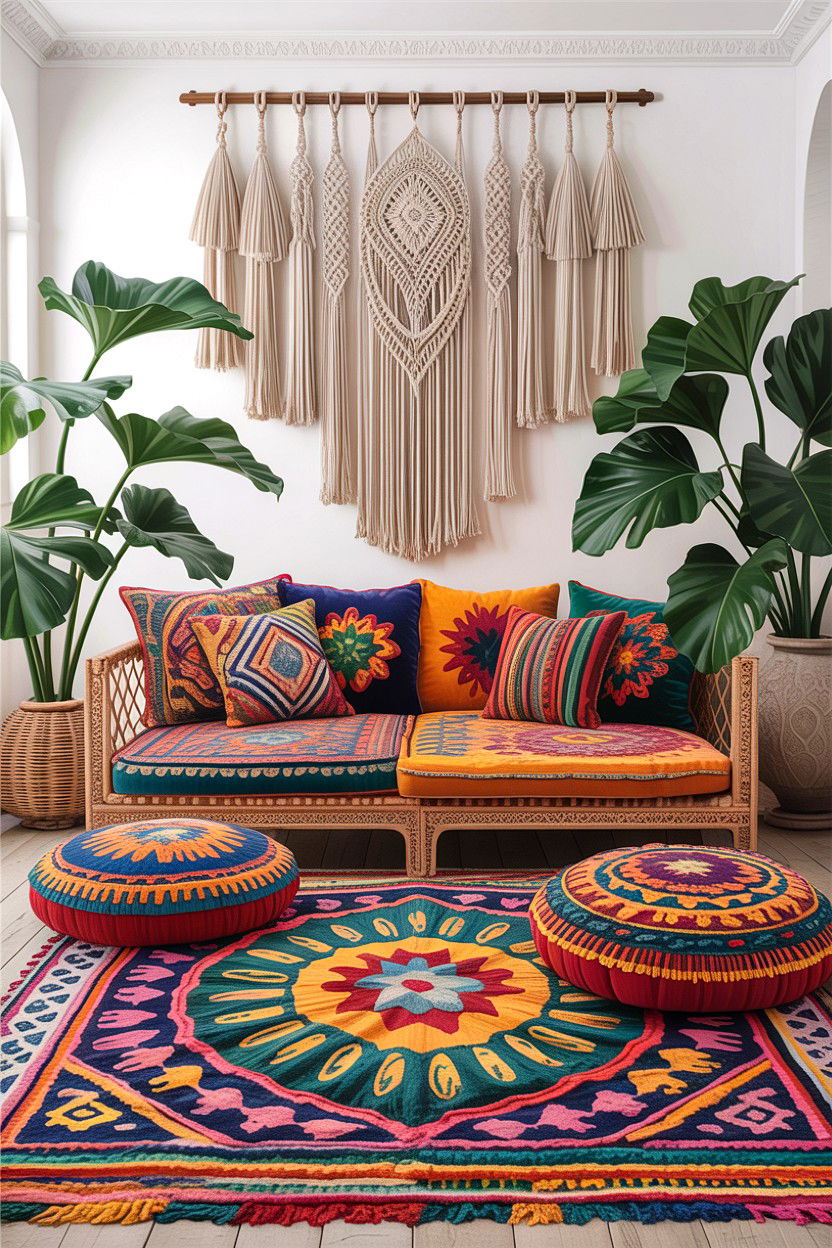
Can you feel the relaxed, free-spirited energy that comes from mixing eclectic textures and global finds? The boho Moroccan living room is all about comfort and personal expression through layered textiles and natural elements. Think of a space filled with oversized floor pillows, macramé wall hangings, and plenty of lush greenery tucked into terracotta pots. This style often features a mix of vintage wooden chests and low-slung seating that encourages long conversations and relaxation. The key is to avoid perfection and instead embrace the beauty of handmade items. Using a warm, sun-drenched color scheme helps tie the different patterns together, creating a cozy and inviting bohemian retreat.
3. Traditional Moroccan Majlis
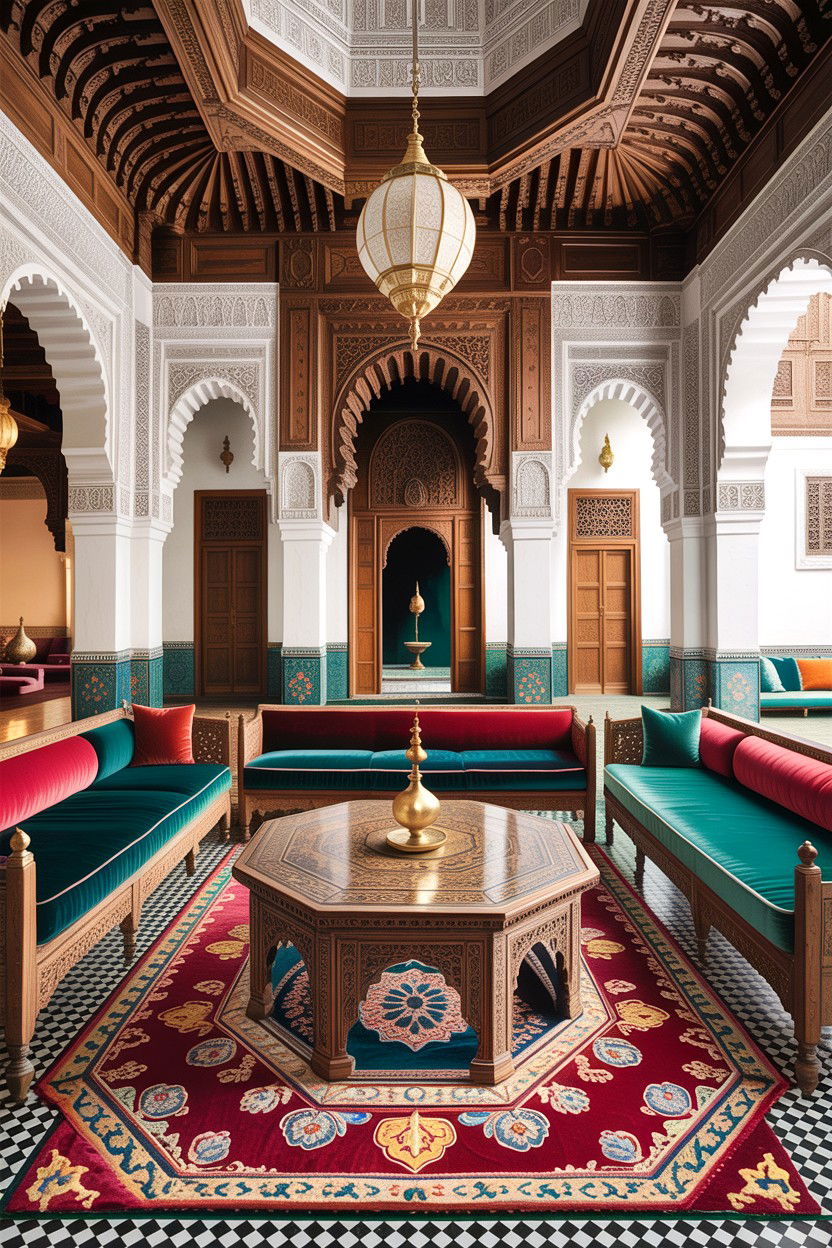
Step into a world of communal hospitality with a traditional Moroccan majlis arrangement. This setup features low-profile, wrap-around sofas that line the perimeter of the room, creating an intimate environment for family gatherings and tea service. These benches are typically upholstered in rich fabrics like velvet or brocade, featuring intricate patterns and plenty of matching bolsters. To complete the look, add a large, octagonal wooden coffee table in the center and several small side tables for serving. The symmetry and abundance of seating define this classic style, making it feel both grand and welcoming. It is an ideal choice for those who prioritize social interaction and cultural heritage in their home.
4. Neutral Moroccan Living Room
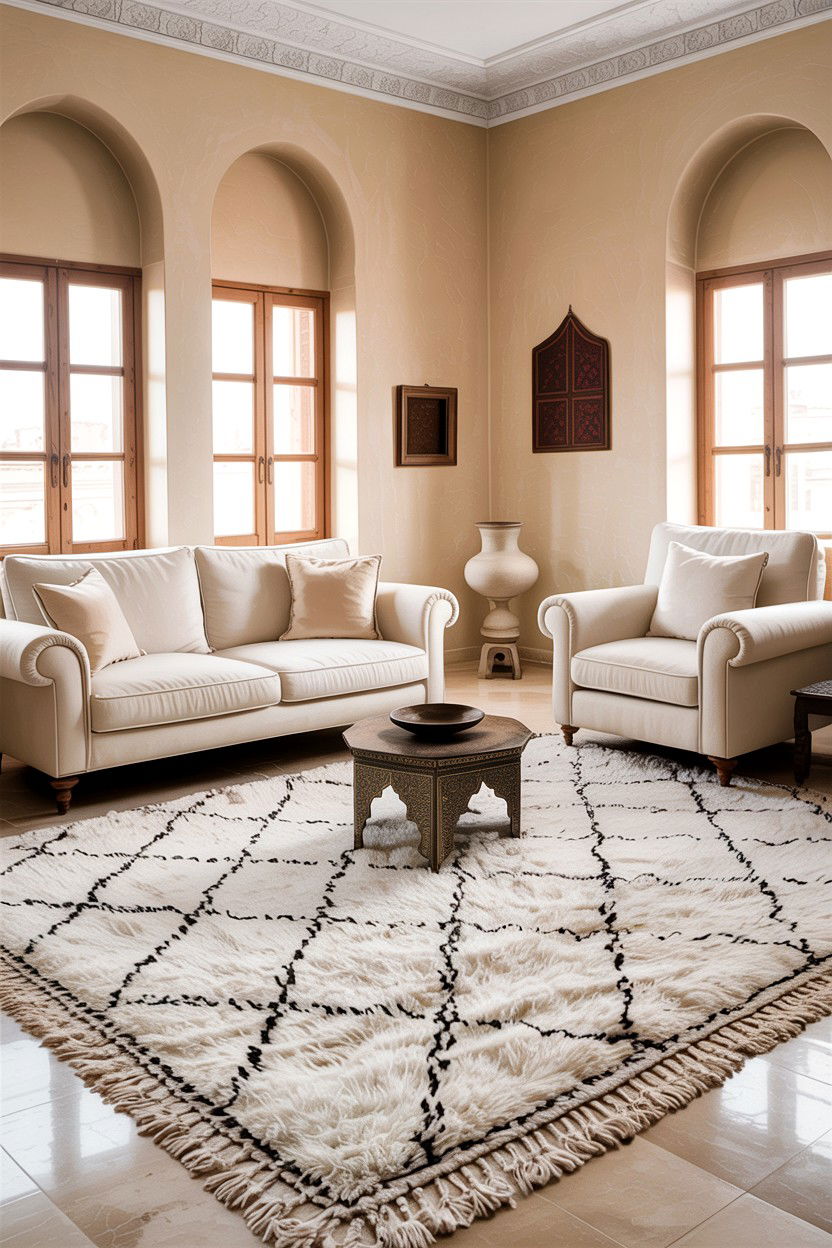
Is it possible to enjoy the beauty of Moroccan patterns without the intensity of bold colors? A neutral Moroccan living room proves that beige, cream, and sand tones can be incredibly striking when layered correctly. By focusing on texture rather than hue, you can highlight the craftsmanship of a cream-colored Beni Ourain rug or the subtle sheen of a white Tadelakt wall. Incorporate pale wood furniture and unbleached linen pillows to maintain a serene atmosphere. This monochromatic approach creates a sophisticated, spa-like environment that feels airy and spacious. It is a perfect solution for modern homes where a calming and cohesive aesthetic is the primary goal.
5. Moroccan Riad Living Room
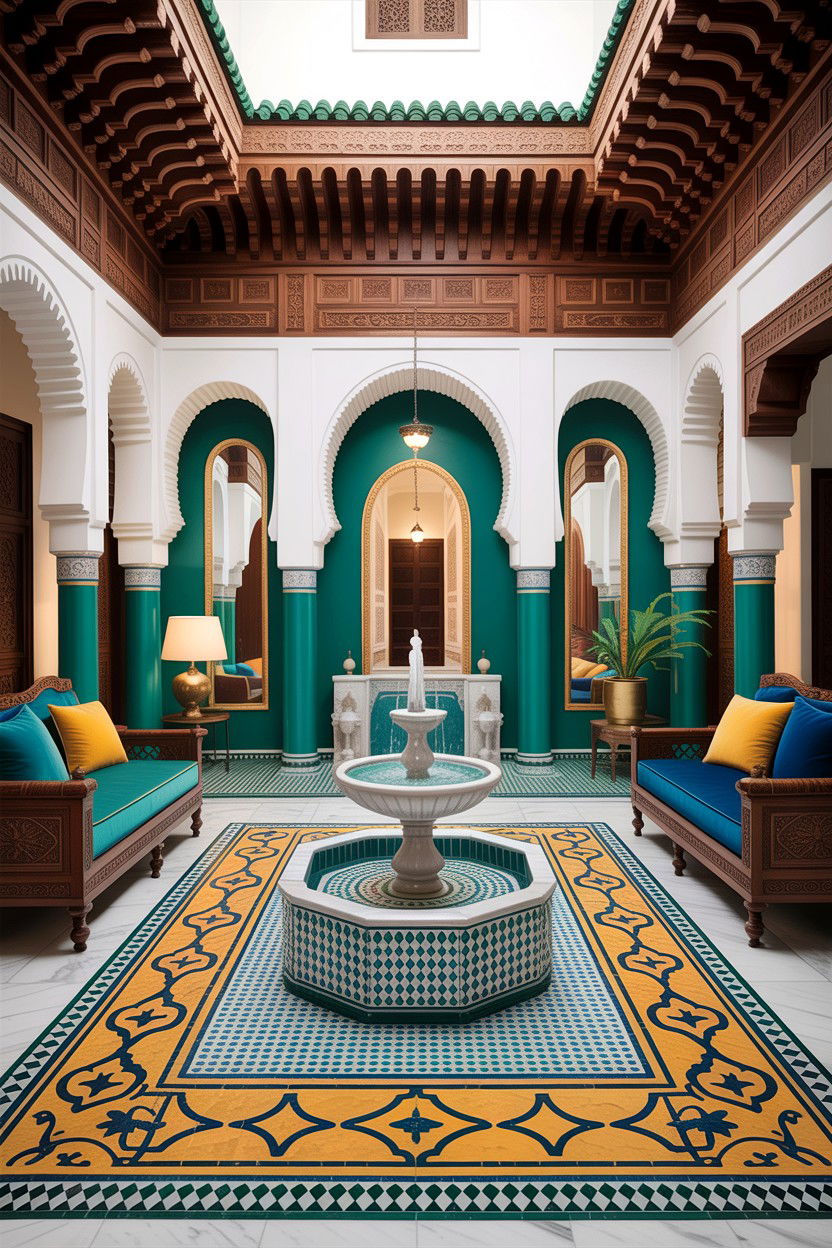
Imagine the grandeur of an ancient Marrakesh courtyard brought directly into your own home. A riad-inspired living room focuses on architectural drama and a strong connection to the outdoors. To achieve this, use high ceilings, exposed wooden beams, and perhaps a central water feature or a large indoor tree. The furniture should be arranged around a central point, often a massive carved coffee table or a stunning mosaic tile floor. Use tall, arched mirrors to mimic the iconic doorways found in traditional palaces. This style is all about luxury and scale, using deep jewel tones and metallic accents to create a space that feels like a private, royal sanctuary.
6. Colorful Moroccan Living Room
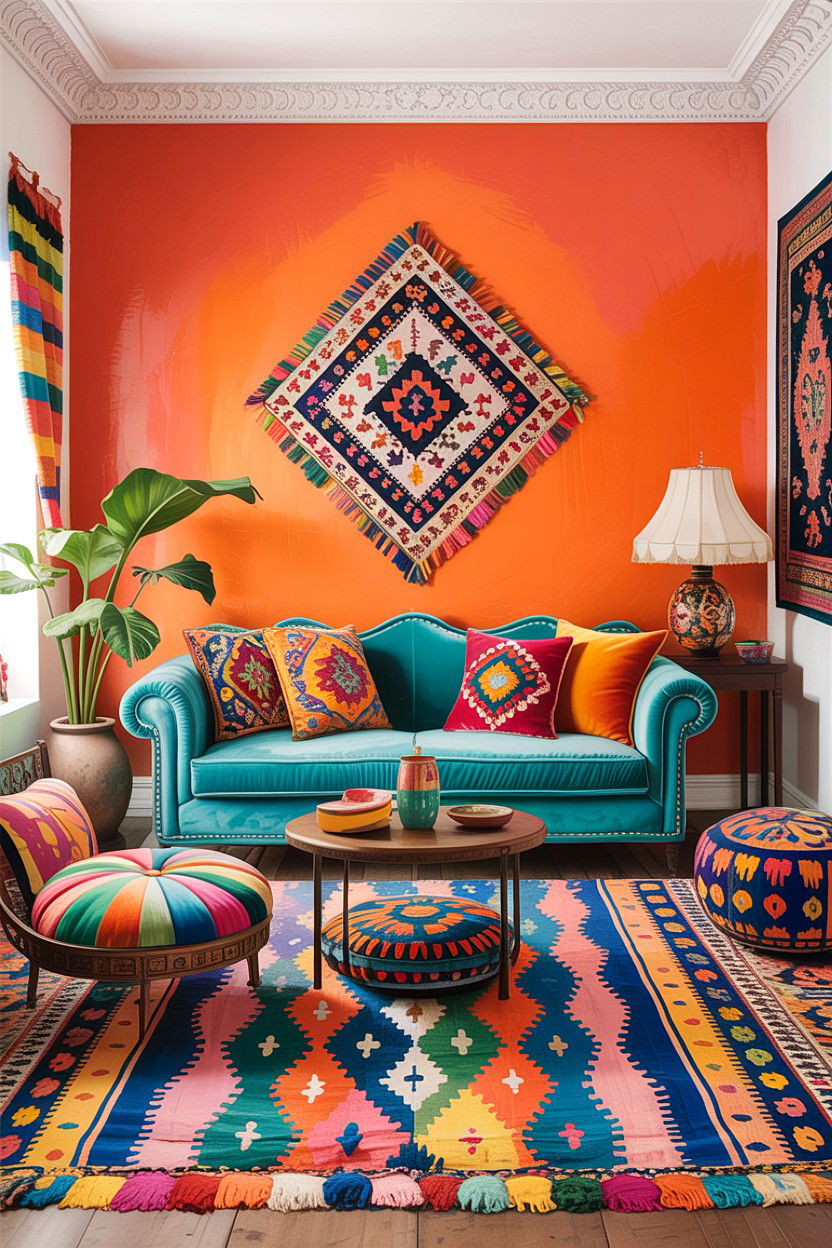
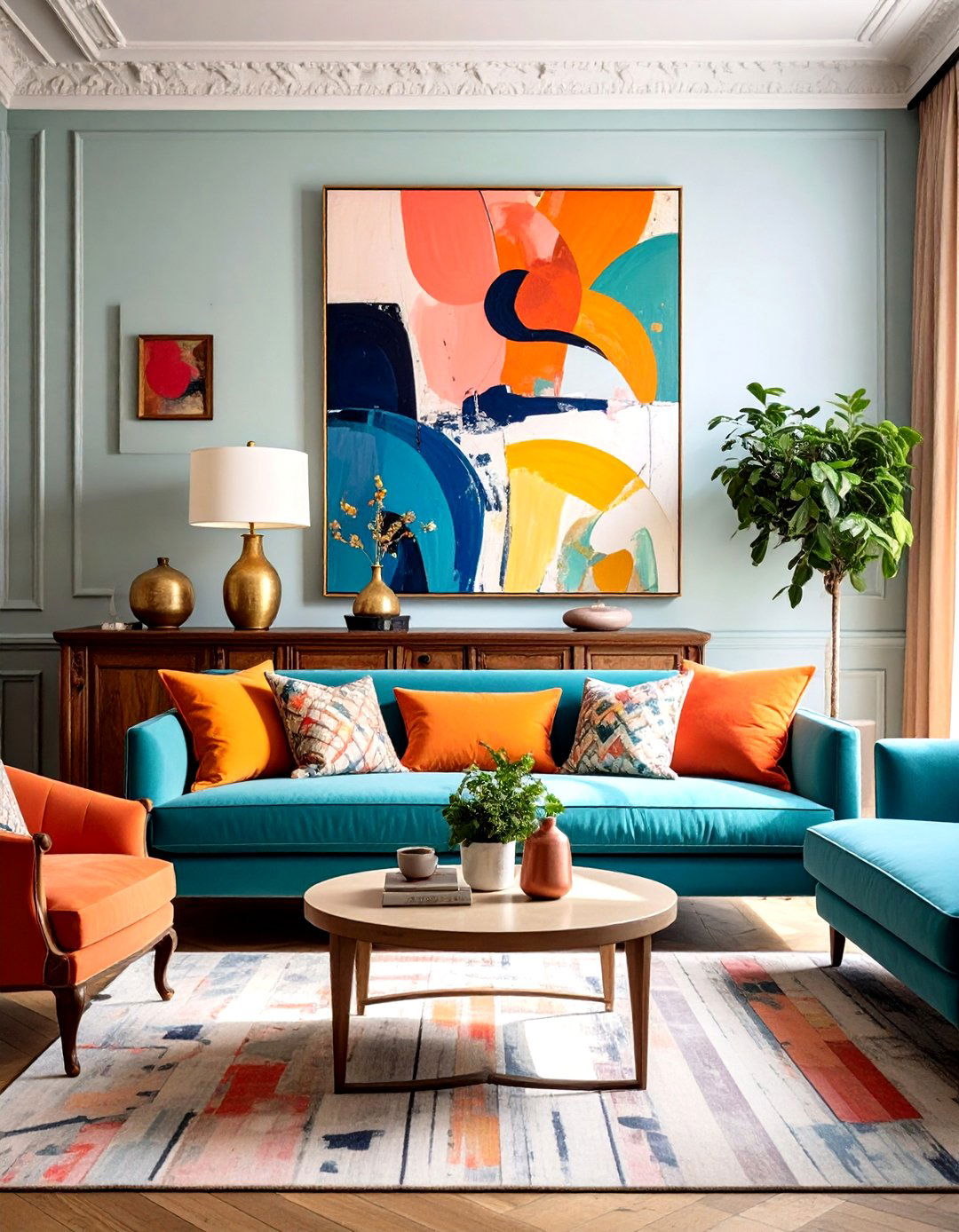
Why not embrace the vibrant energy of a bustling souk with a colorful Moroccan living room? This design style is fearless when it comes to mixing saturated hues like cobalt blue, saffron yellow, and emerald green. The secret to making it work is to use a neutral base for the walls and then layer on the color through textiles, ceramics, and wall art. Think of a bright orange accent wall paired with turquoise pillows and a multi-colored kilim rug. This playful approach creates a space that feels alive and full of personality. It is a wonderful way to express creativity and bring a cheerful, sunny vibe to your interior.
7. Small Moroccan Living Room
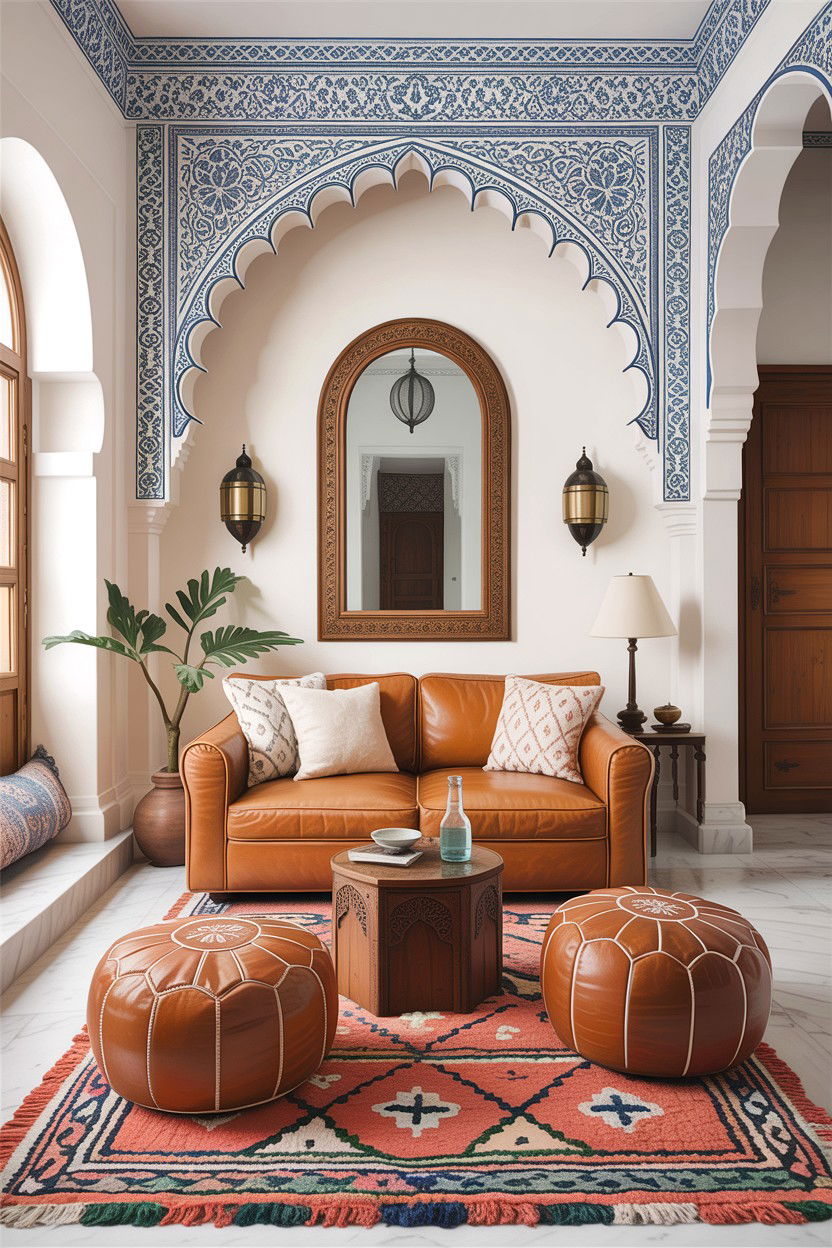
Designing for a compact space does not mean you have to sacrifice the richness of Moroccan style. A small Moroccan living room benefits from clever multifunctional pieces like leather poufs that serve as both seating and footrests. Use mirrors with arched frames to create the illusion of more space while adding a signature architectural element. Opt for a single large statement piece, such as an intricate lantern or a patterned rug, to ground the room without cluttering it. By keeping the floor mostly clear and using light-colored textiles, you can maintain an open feel while still enjoying the exotic textures and patterns that make this style so beloved.
8. Moroccan Living Room Arches
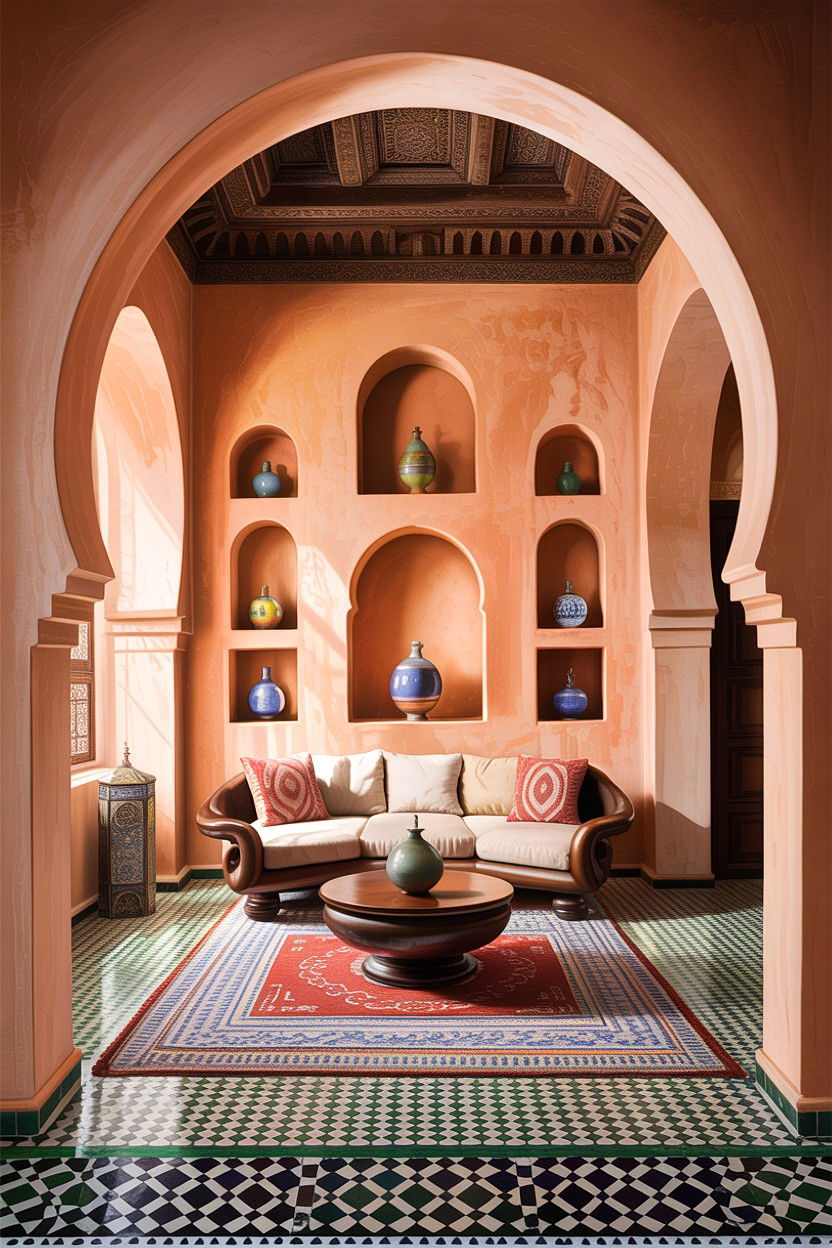
Are you looking for a way to add instant architectural character to a plain square room? Moroccan living room arches are the quintessential design element that provides elegance and flow to any space. You can incorporate this look through actual structural changes, like arched doorways, or more simply with arched wall niches for displaying ceramics. If renovation is not an option, consider using large arched mirrors or even painting an arch shape on a focal wall. These soft curves break up the harsh lines of modern architecture and add a sense of history and grace. They transform a standard room into a space with depth and mystery.
9. Minimalist Moroccan Living Room
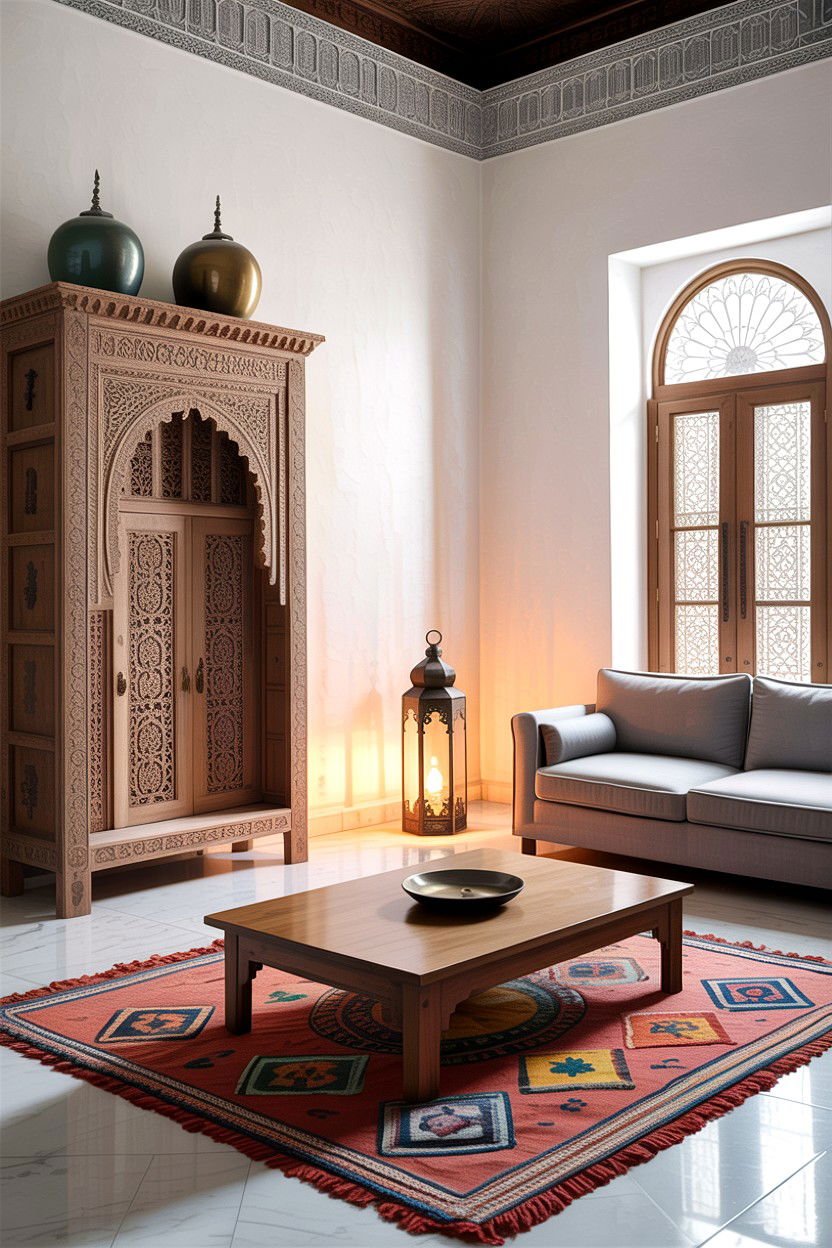
Can you achieve an exotic look while sticking to a "less is more" philosophy? A minimalist Moroccan living room focuses on a few high-impact artisanal pieces rather than a room full of decor. Choose one stunning hand-carved wooden cabinet or a single high-quality Berber rug to be the star of the show. Keep the rest of the furniture simple and modern, using a palette of whites and grays. This approach allows the beauty of Moroccan craftsmanship to stand out without feeling overwhelming. It is perfect for those who appreciate the cultural heritage of the style but prefer a clean, uncluttered living environment that feels modern and fresh.
10. Moroccan Living Room Zellige
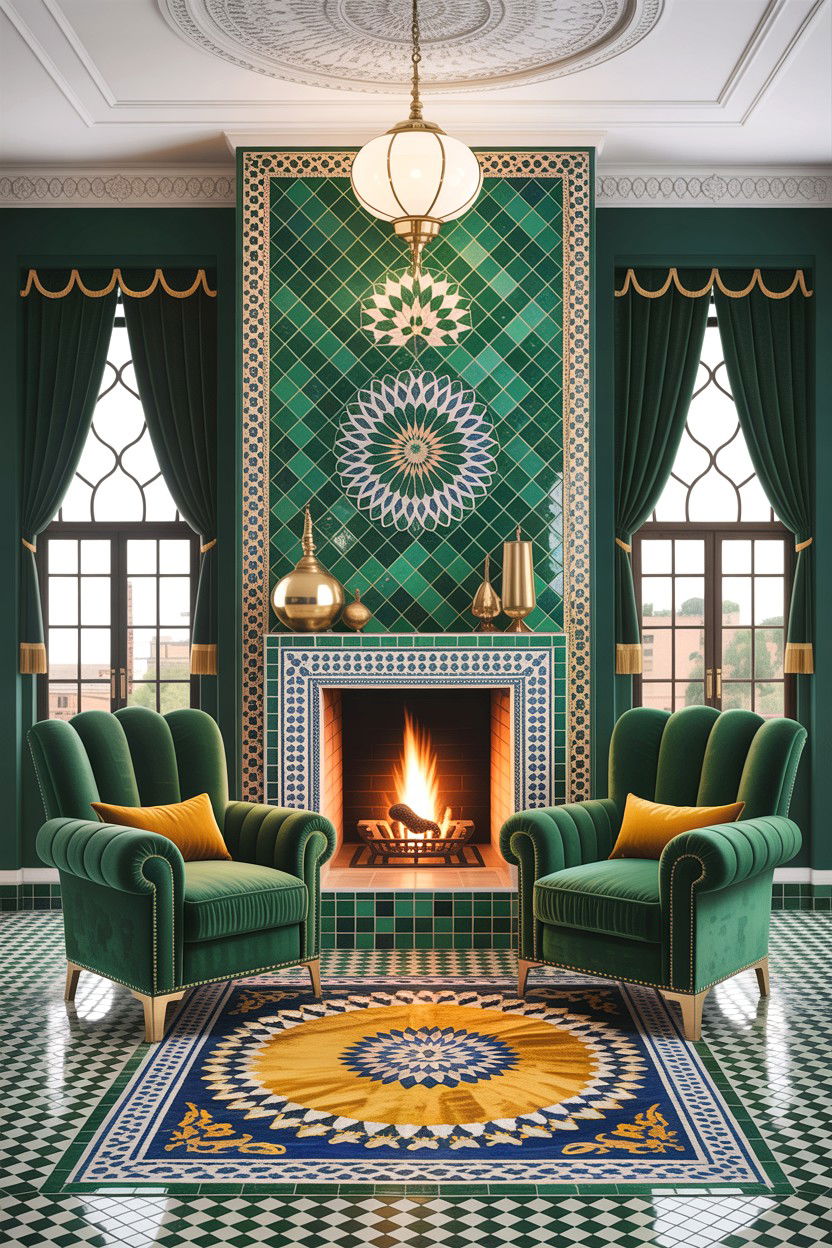
Nothing says Moroccan elegance quite like the shimmering, irregular beauty of Zellige tiles. In a living room setting, these hand-cut mosaic tiles can be used to create a stunning fireplace surround or a unique accent wall. The subtle variations in color and texture catch the light beautifully, adding a layer of handcrafted luxury to the space. You can also find Zellige-topped coffee tables or side tables if you prefer a smaller touch of this traditional craft. Pairing these tiles with soft textiles like velvet or wool creates a beautiful contrast between hard and soft surfaces. It is a timeless way to introduce authentic North African artistry into your home.
11. Moroccan Living Room Poufs
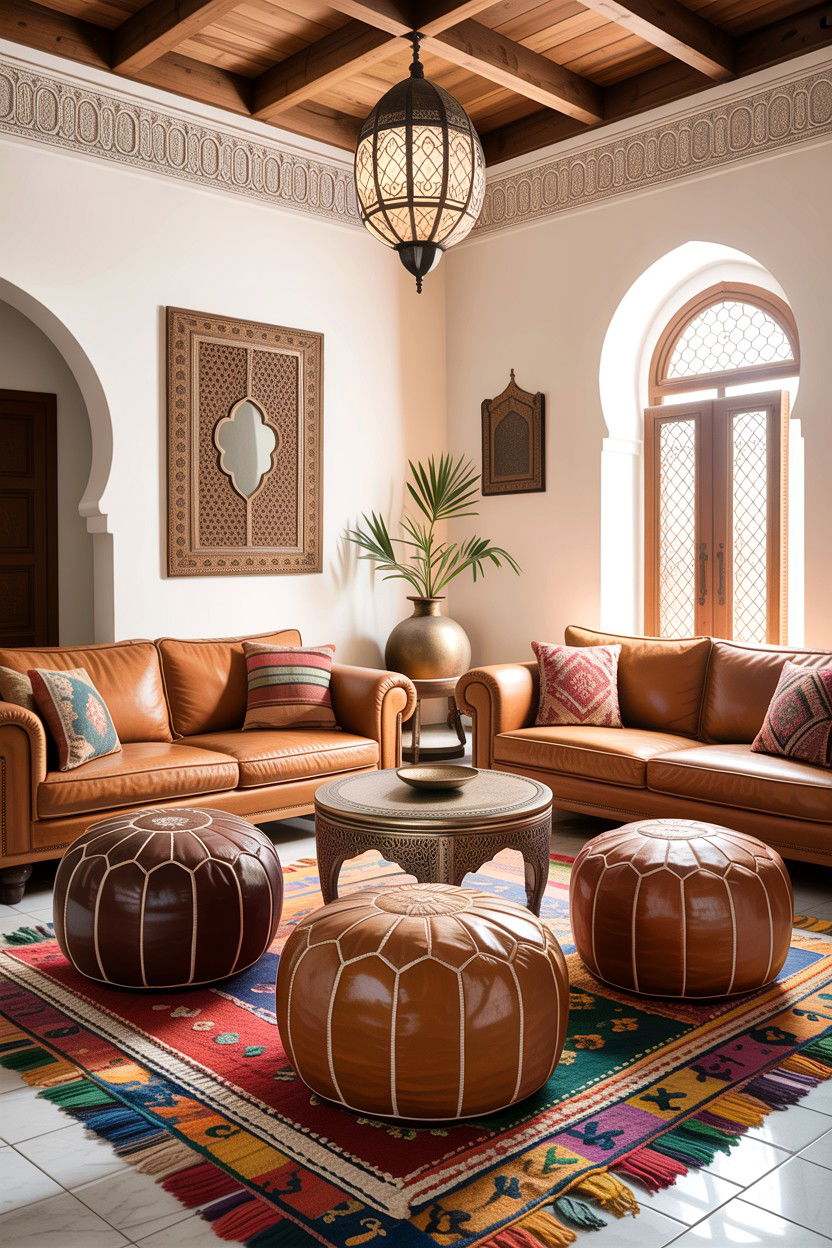
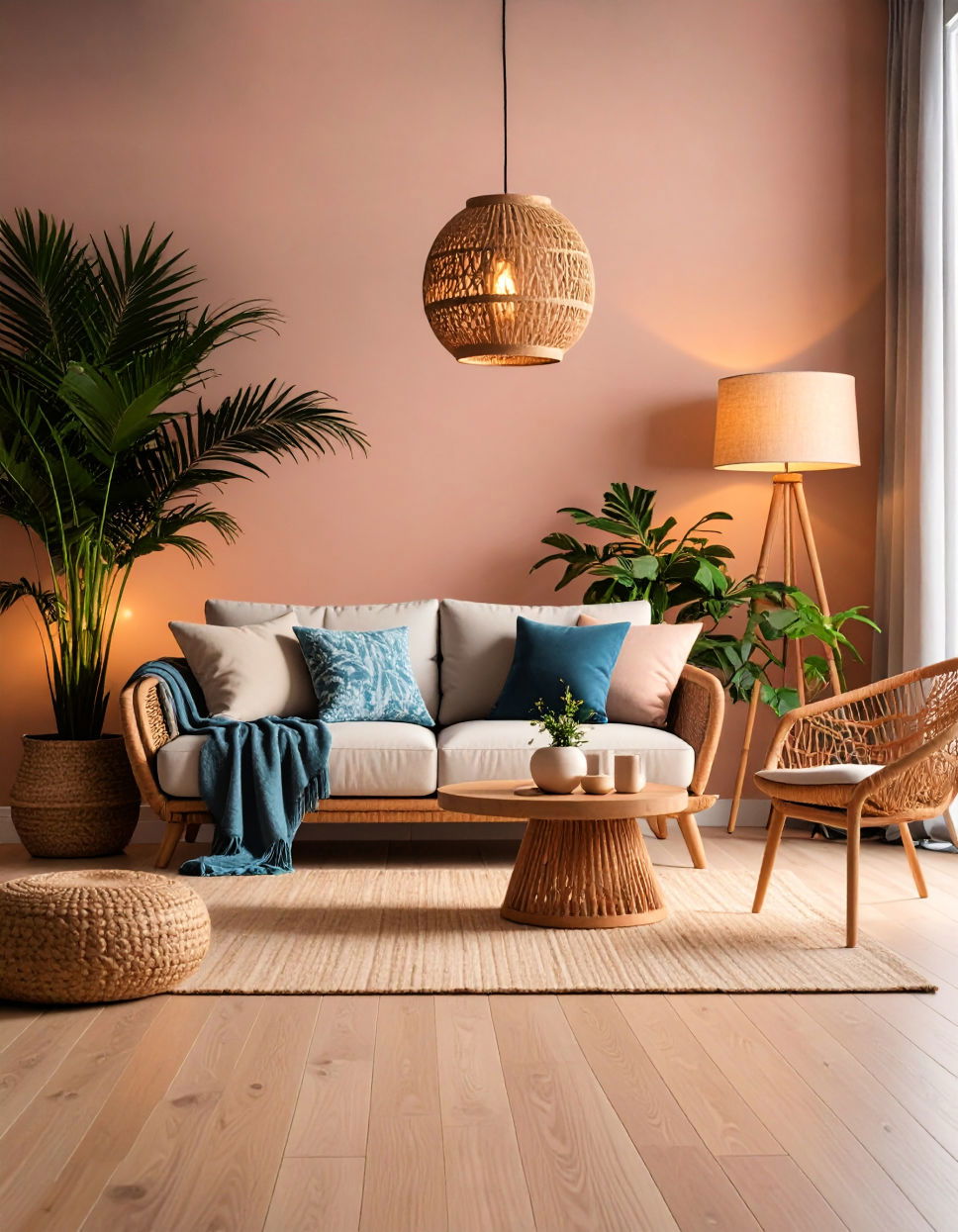
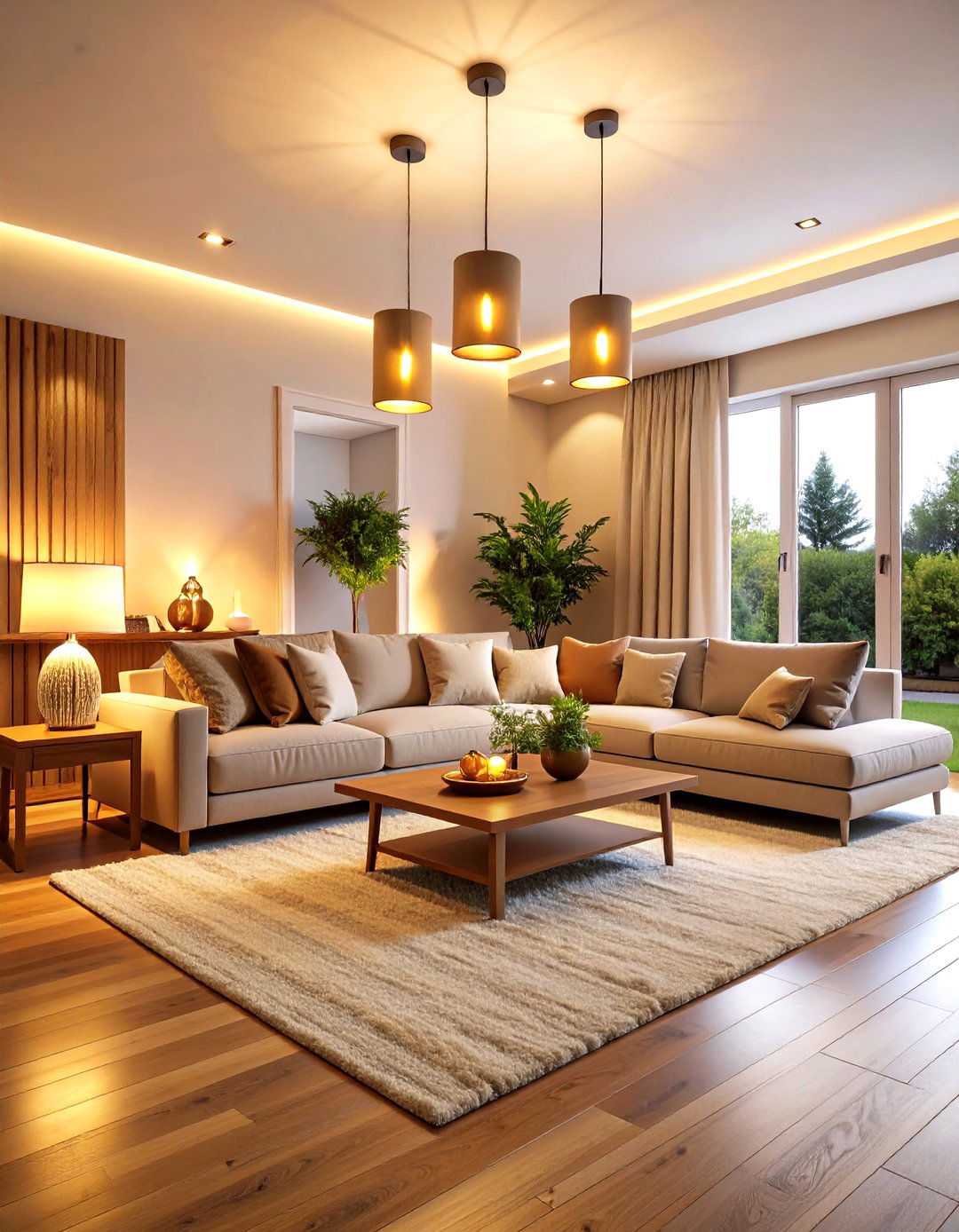
Have you ever considered how a simple leather pouf can completely change the dynamic of your seating area? Moroccan living room poufs are versatile, stylish, and essential for creating a relaxed atmosphere. Typically made from hand-stitched leather or woven textiles, they provide extra seating for guests or a comfortable place to rest your feet. Scattering a few poufs in different colors and sizes around a coffee table encourages a casual, lounge-like vibe. They are also easy to move, making them perfect for flexible living spaces. Whether you choose classic tan leather or a vibrant embroidered fabric, these iconic pieces add an instant touch of authentic Moroccan charm to any room.
12. Moroccan Living Room Lanterns
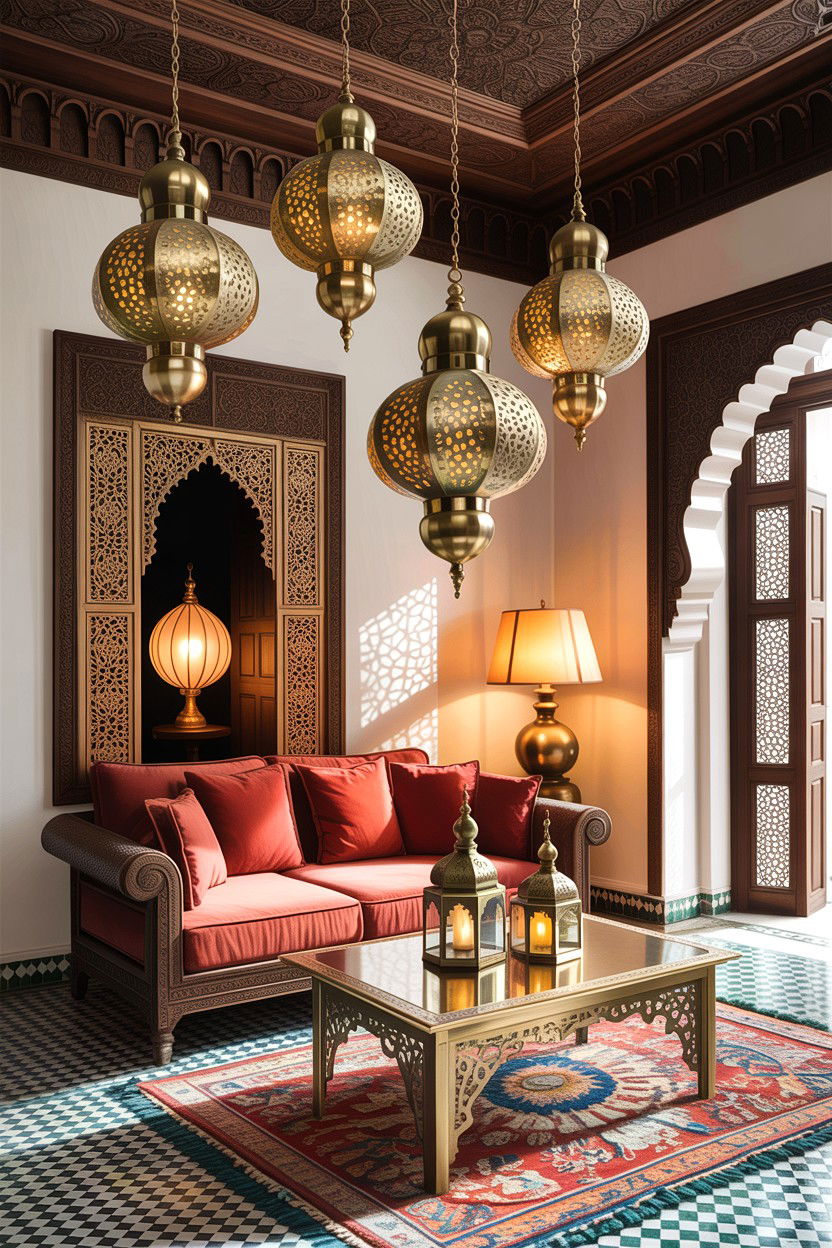
What is the secret to creating a magical, moody atmosphere in your home after the sun goes down? Moroccan living room lanterns are famous for the intricate patterns of light and shadow they cast across the walls. Made from pierced metal like brass or copper, these lanterns range from small table versions to massive hanging pendants. For the best effect, use a mix of different sizes and styles at varying heights. The warm, amber glow from these fixtures creates a cozy and romantic environment that is perfect for relaxing. They serve as beautiful sculptural objects during the day and transform the room into an enchanting oasis at night.
13. Moroccan Living Room Beni Ourain
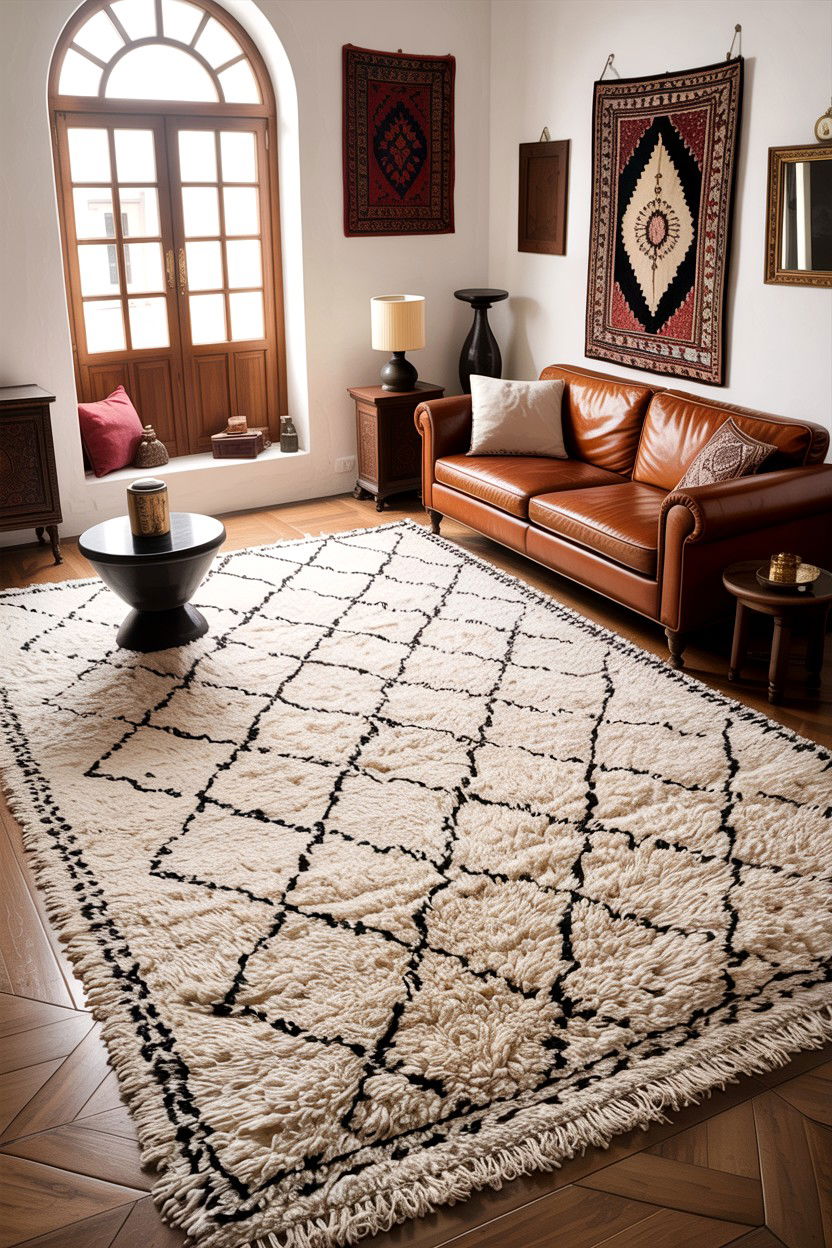
Is there any rug more iconic and versatile than the plush, cream-colored Beni Ourain? A Moroccan living room featuring this traditional Berber rug feels instantly grounded and luxurious. Known for their thick wool pile and simple, dark geometric lines, these rugs work perfectly in almost any design style, from modern to farmhouse. They add a layer of warmth and comfort underfoot that is unmatched by synthetic materials. Because the patterns are usually minimalist, the rug acts as a neutral canvas that allows your other furniture and decor to shine. Investing in an authentic, hand-knotted version ensures you have a timeless piece of art that will last for generations.
14. Moroccan Living Room Tadelakt
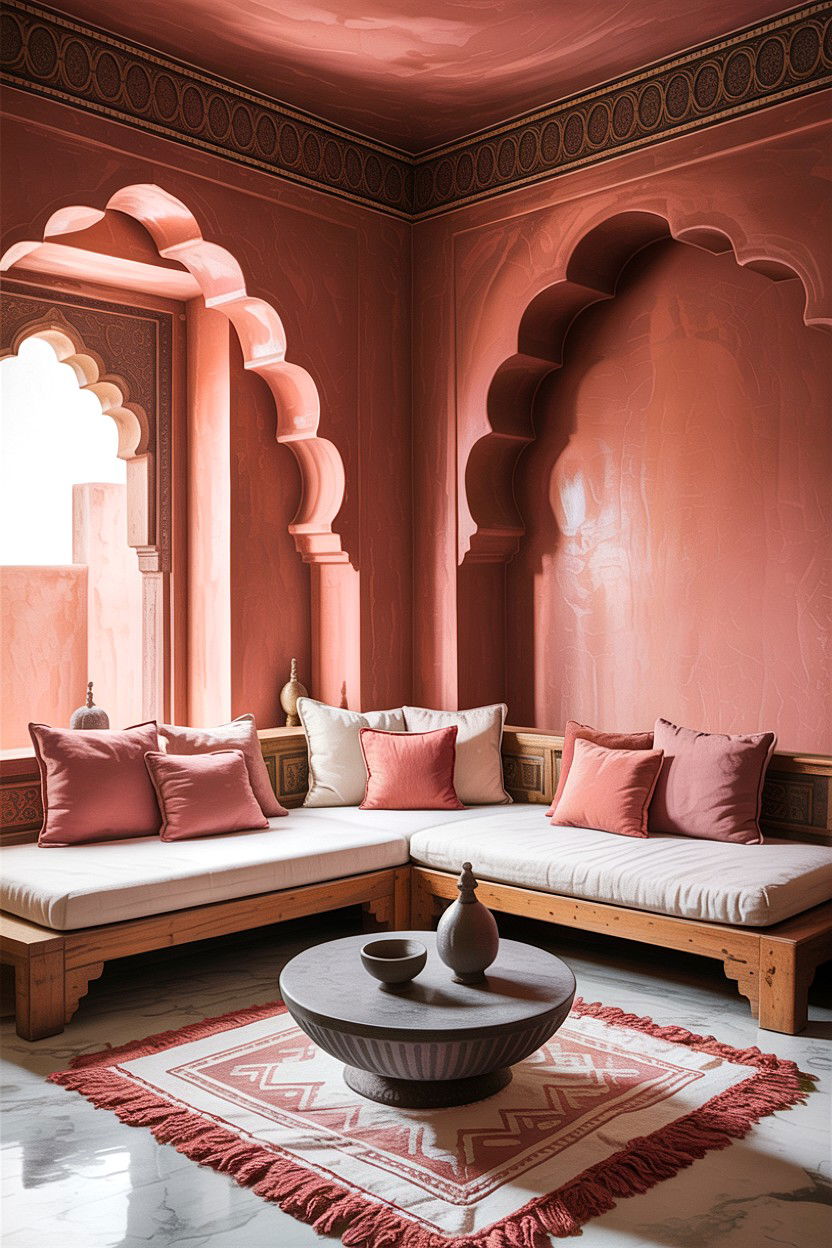
Can a wall finish actually feel soft to the touch and look like polished stone? Tadelakt is a traditional Moroccan lime plaster that is waterproof and has a beautiful, seamless appearance. Using Tadelakt in a living room creates a sense of organic luxury and ancient permanence. The finish has a subtle sheen and a depth of color that changes depending on the light throughout the day. It is often used in earthy tones like terracotta, ochre, or dusty rose to evoke the feeling of a desert home. This material is perfect for those who want a minimalist yet high-end look that celebrates natural materials and traditional craftsmanship.
15. Moroccan Living Room Carved Wood
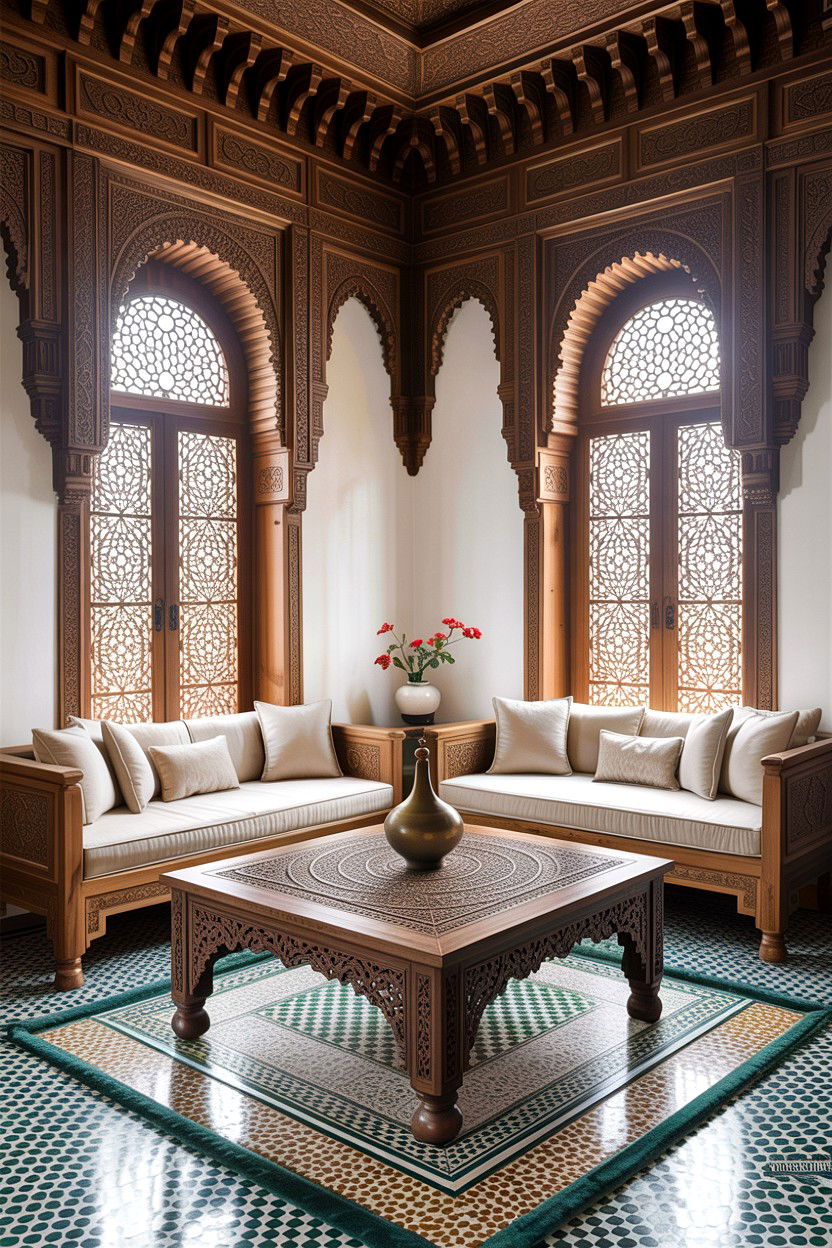
Do you appreciate the intricate details that only a master craftsman can produce? Moroccan living room carved wood elements bring a sense of history and texture to your interior. This can be seen in heavy cedar doors, intricately patterned room dividers known as Mashrabiya, or hand-carved coffee tables. These pieces often feature geometric or floral motifs that are synonymous with Islamic art. The dark, rich tones of the wood provide a beautiful contrast to lighter walls and colorful textiles. Incorporating even one large carved piece can anchor a room and give it an authentic, global feel. It is a celebration of artistry that adds undeniable soul to your home.
16. Moroccan Living Room Floor Cushions
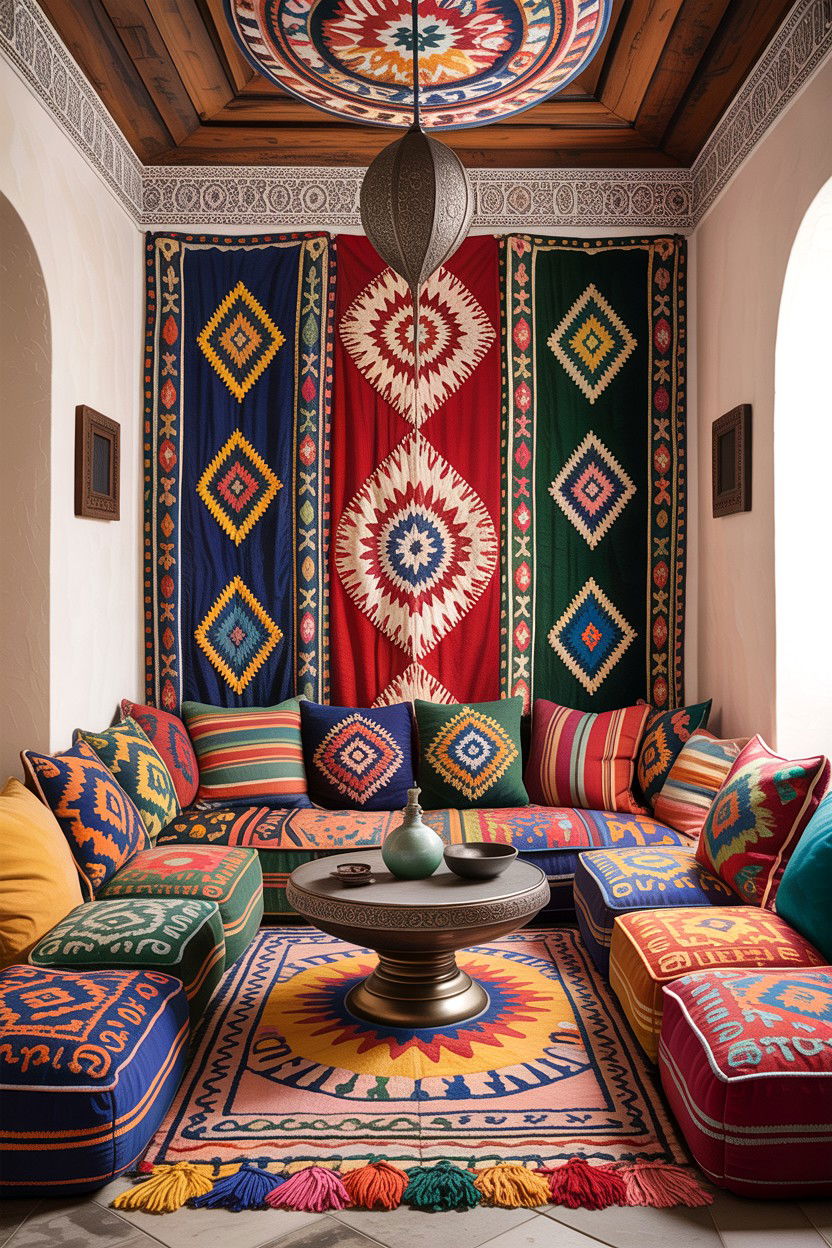
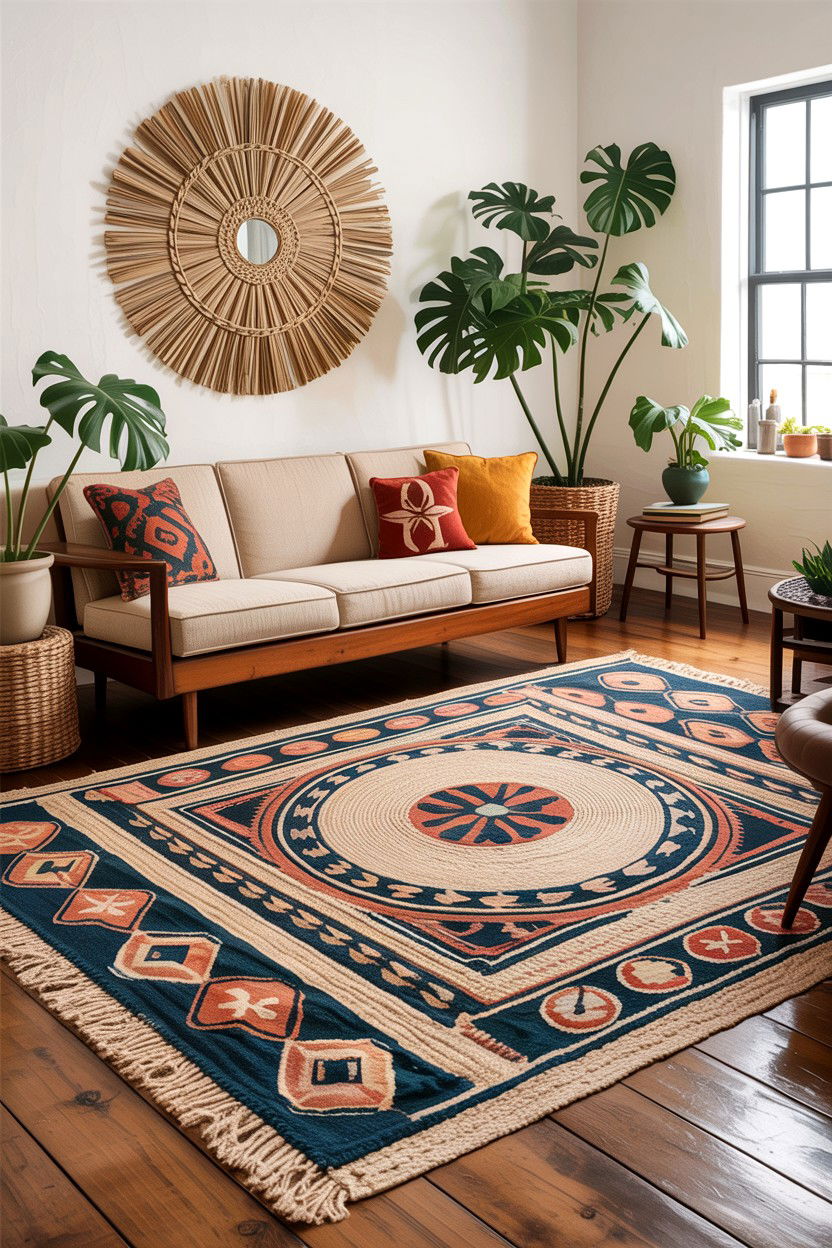
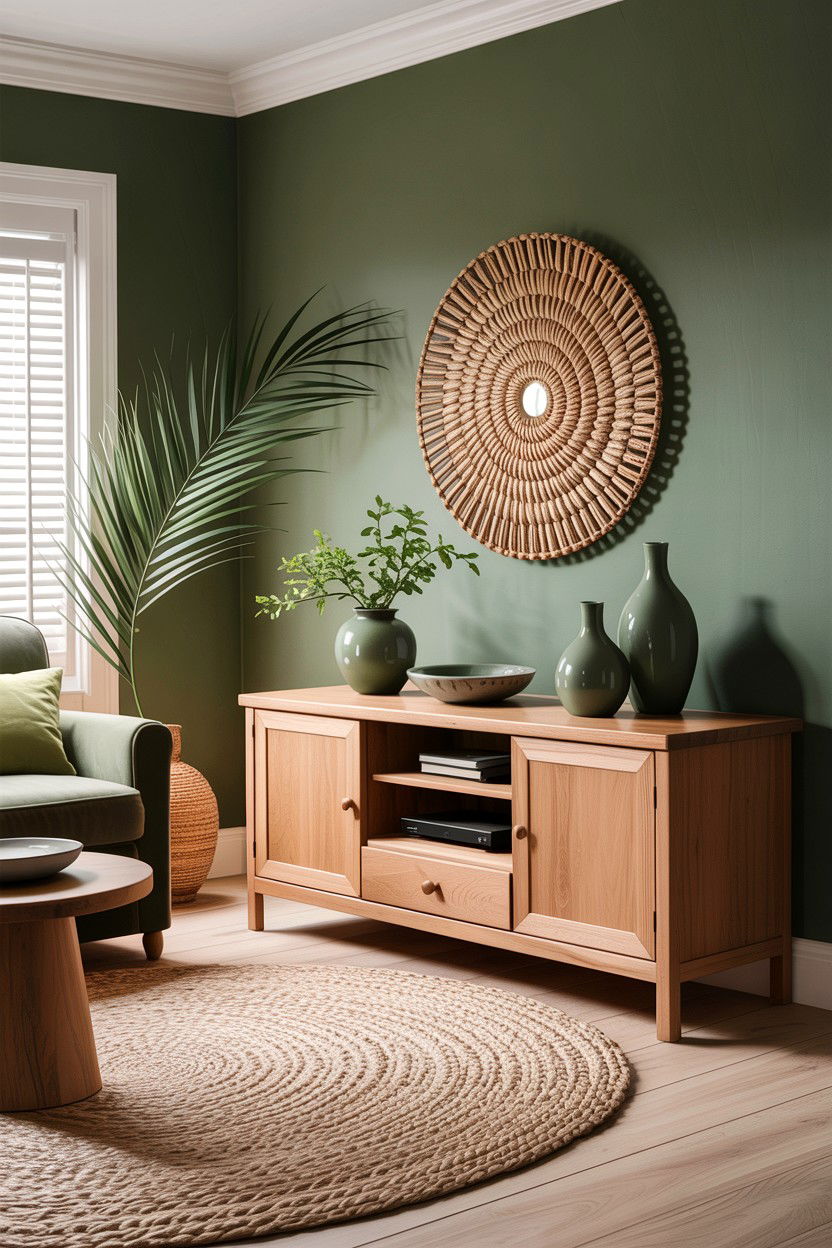
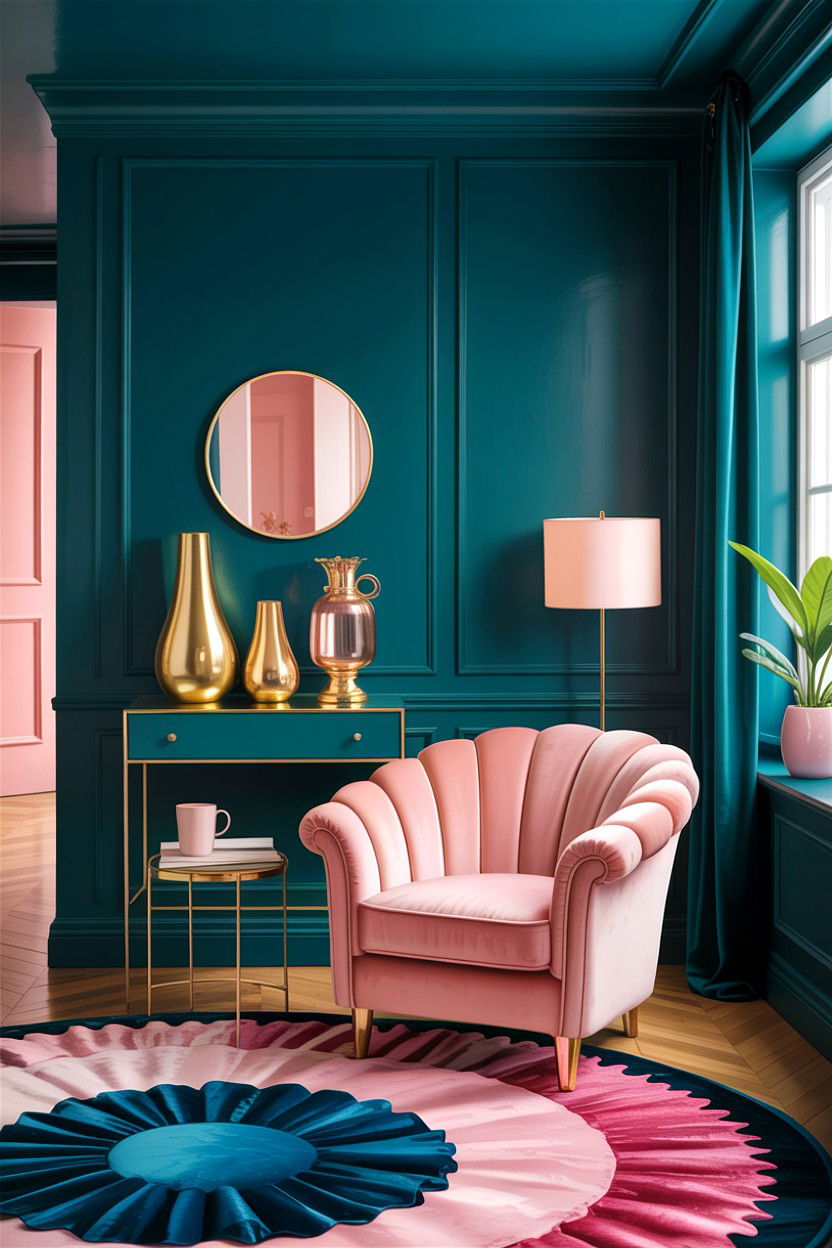
Are you ready to embrace a more casual and grounded way of living? Moroccan living room floor cushions offer a stylish alternative to traditional sofas and chairs. By layering various oversized cushions in different patterns and fabrics, you create a cozy "chill-out" zone that is perfect for reading or watching movies. This setup is particularly effective in small apartments or as a secondary seating area in a large room. Use a mix of leather, wool, and silk covers to add tactile variety. This low-slung seating arrangement promotes a relaxed, informal atmosphere where guests feel comfortable kicking off their shoes and staying for a while in your personal sanctuary.
17. Moroccan Living Room Brass
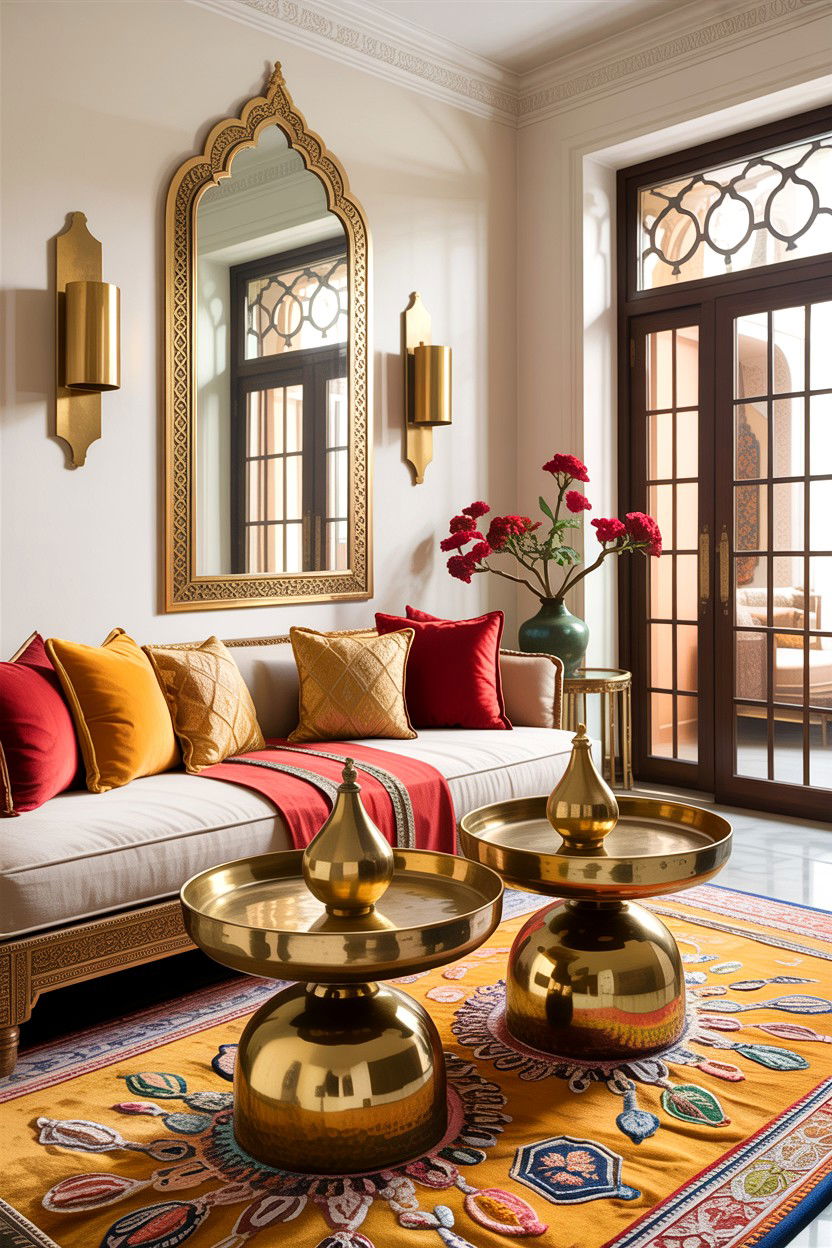
How can you add a touch of golden warmth and luxury without it feeling too formal? Moroccan living room brass accents are the perfect solution for introducing metallic shine in a subtle, artisanal way. Think of large hammered brass trays used as coffee table tops, or delicate brass sconces that flank a fireplace. Unlike polished chrome, brass has a living finish that patinas over time, adding to its vintage charm. The warm tones of the metal complement the earthy color palettes often found in Moroccan design. Whether it is a small bowl or a large statement mirror, brass elements catch the light and add a sophisticated, jewelry-like quality to the space.
18. Moroccan Living Room Plants
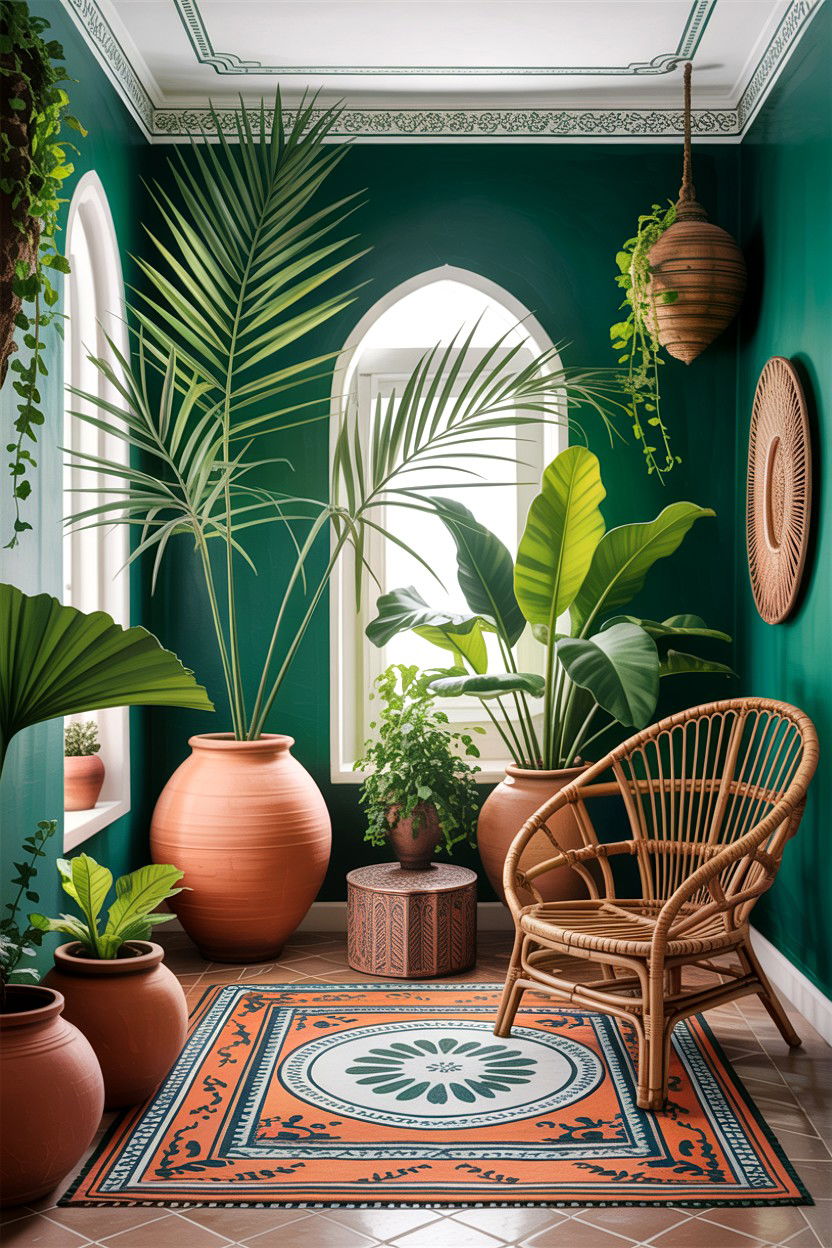
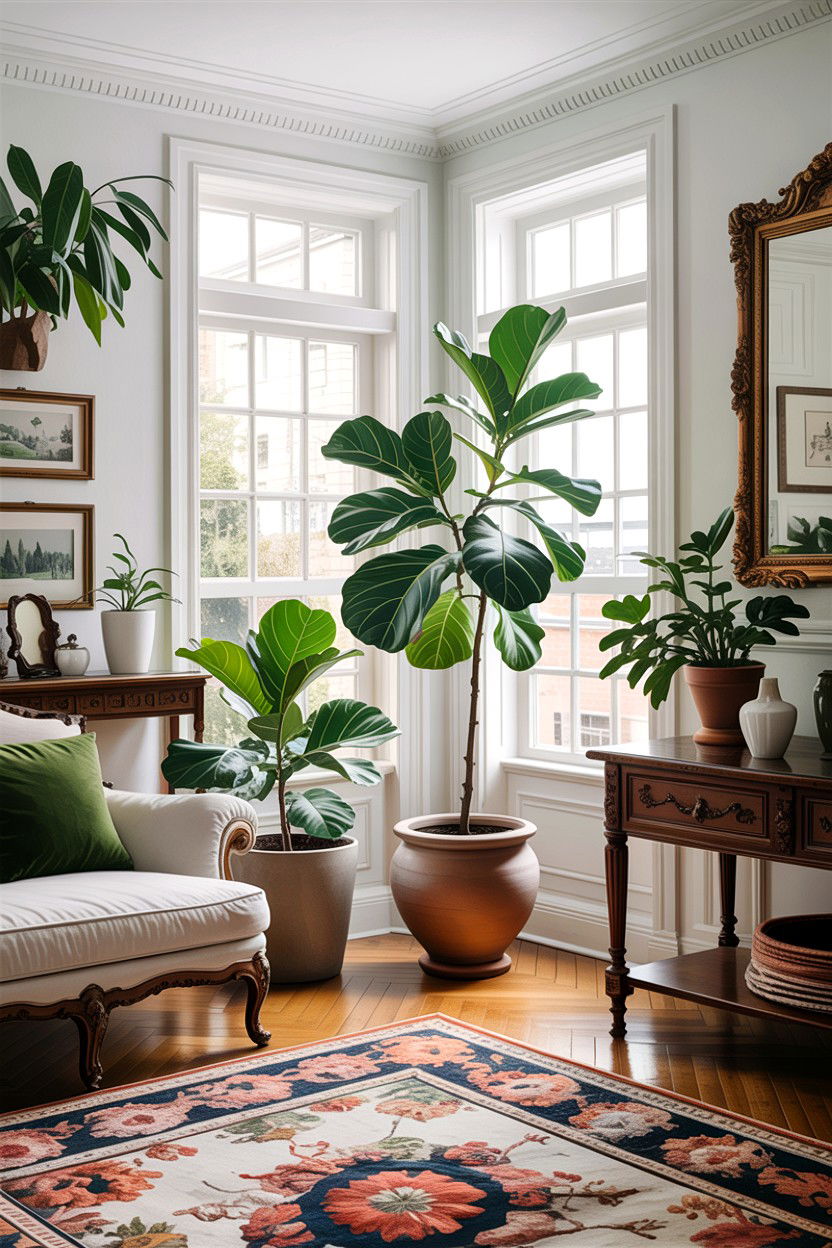
Can you imagine a desert oasis without the refreshing presence of lush greenery? A Moroccan living room is incomplete without a collection of indoor plants to breathe life into the space. Large potted palms, fiddle leaf figs, and trailing vines create a beautiful contrast against patterned tiles and textured walls. Use terracotta or hand-painted ceramic pots to keep the look cohesive with the overall aesthetic. Plants not only improve air quality but also add a sense of movement and organic softness to the room. They evoke the feeling of a hidden courtyard garden, making your living area feel like a peaceful retreat from the busy outside world.
19. Moroccan Living Room Gallery Wall
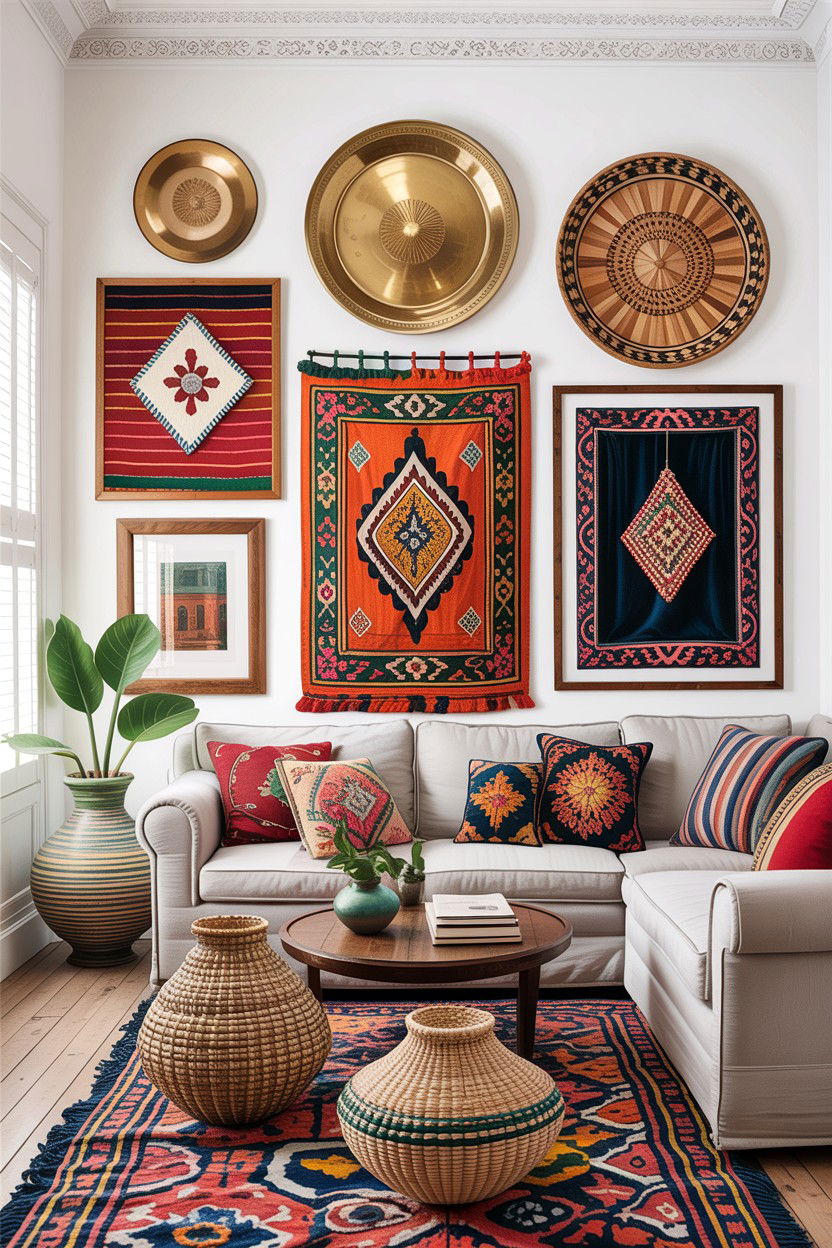
How do you display your love for global travel and art in a way that feels curated? A Moroccan living room gallery wall is a fantastic way to showcase traditional textiles, framed tile pieces, and photography of North African landscapes. Mix in vintage wooden masks, brass plates, and woven baskets to add three-dimensional interest to the display. The key is to maintain a loose theme, such as a specific color palette or material, to keep the arrangement from feeling chaotic. This personal touch turns your living room into a storytelling space where every item has a history. It is a creative way to fill a large wall with character.
20. Moroccan Living Room Fireplace
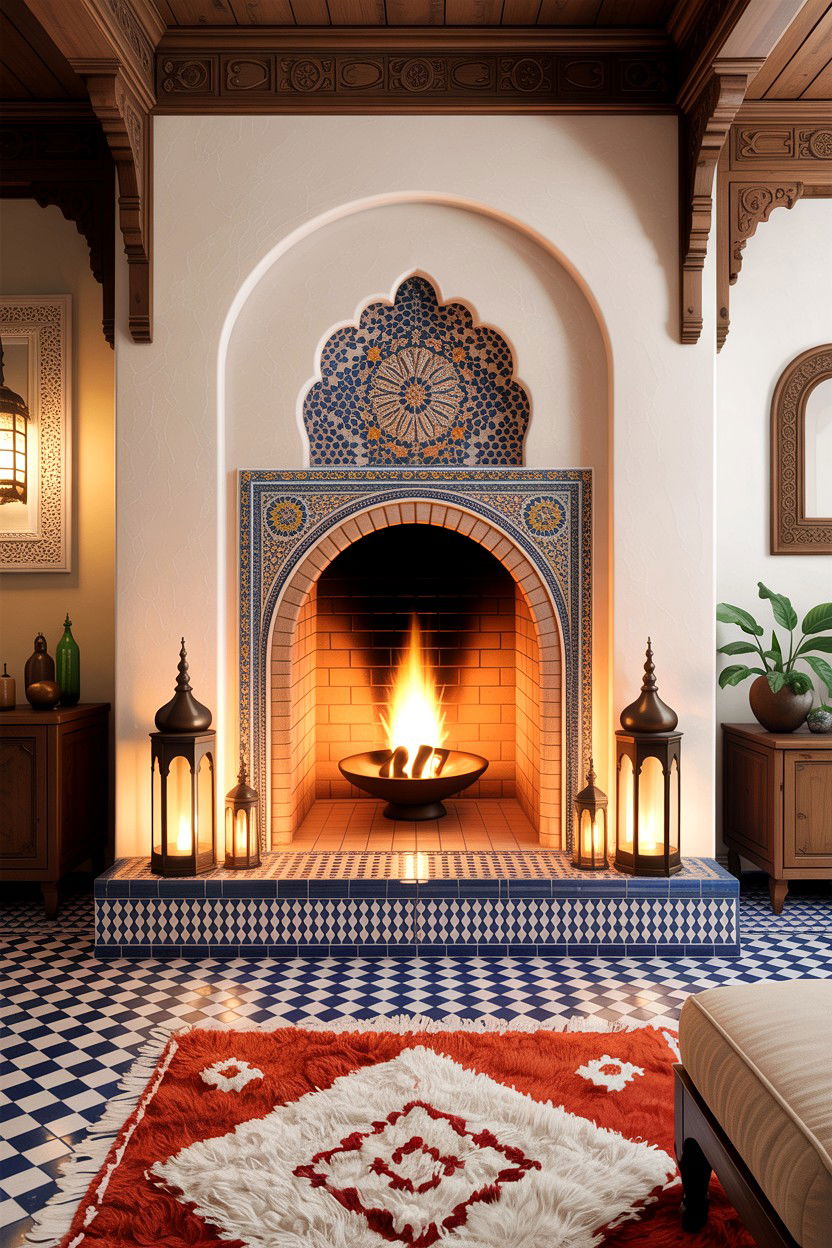
Is there anything more inviting than a crackling fire surrounded by beautiful mosaic work? A Moroccan living room fireplace often serves as the central focal point, featuring an arched opening and intricate tile or plaster details. Even if you have a modern fireplace, you can give it a Moroccan twist by adding a mantle made of reclaimed wood or surrounding it with colorful Zellige tiles. Decorate the hearth with large floor lanterns and a plush rug to create the ultimate cozy nook for winter evenings. The combination of firelight and Moroccan patterns creates a mesmerizing effect that enhances the warmth and hospitality of your home for everyone who visits.
21. Moroccan Living Room Velvet
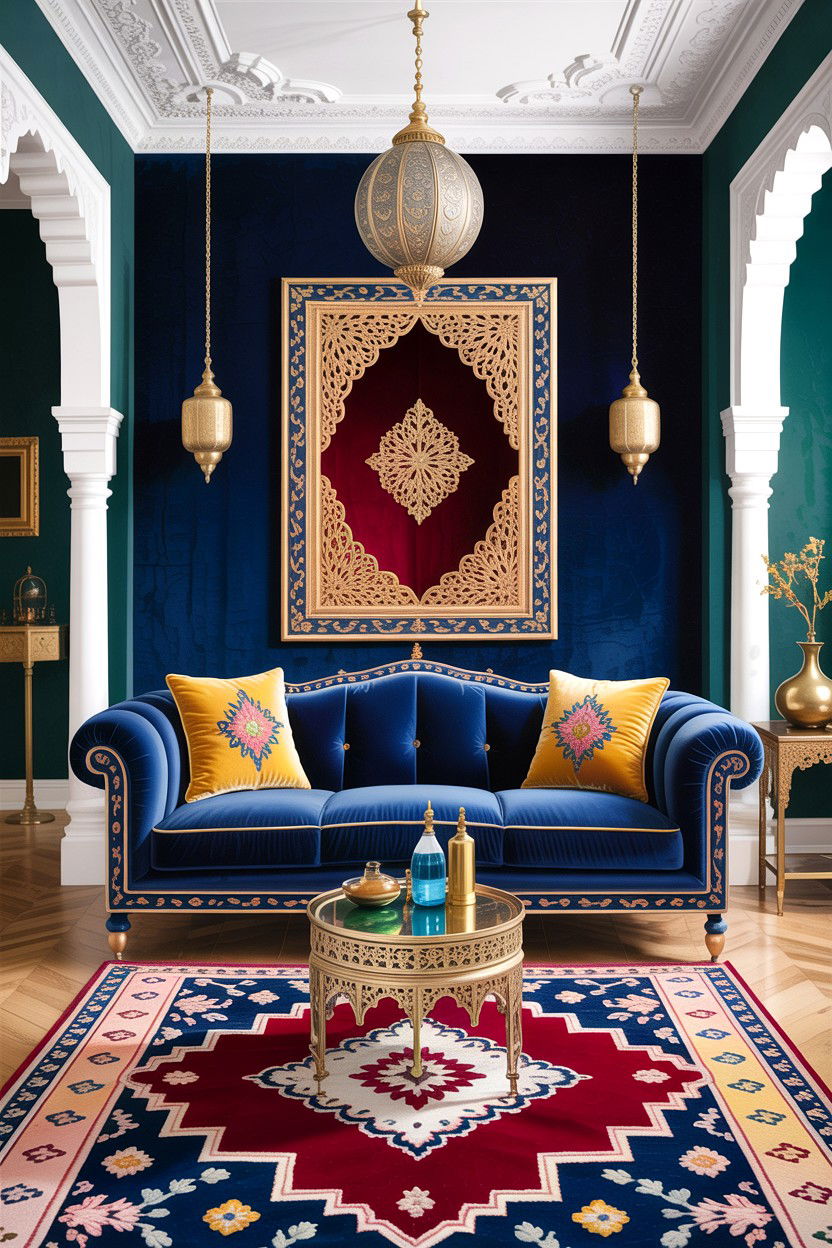
Why not indulge in the ultimate tactile luxury by incorporating velvet into your seating? A Moroccan living room with velvet sofas or chairs feels incredibly rich and sophisticated. This fabric is perfect for capturing the deep, saturated jewel tones that are so common in Moroccan design, such as emerald, sapphire, and ruby. The soft sheen of the velvet reflects the glow from lanterns and candles, adding to the room's overall ambiance. Pair a plush velvet sectional with embroidered silk pillows and a wool rug for a masterclass in texture layering. It is a high-end approach that balances comfort with a sense of royal opulence and timeless style.
22. Moroccan Living Room Low Seating
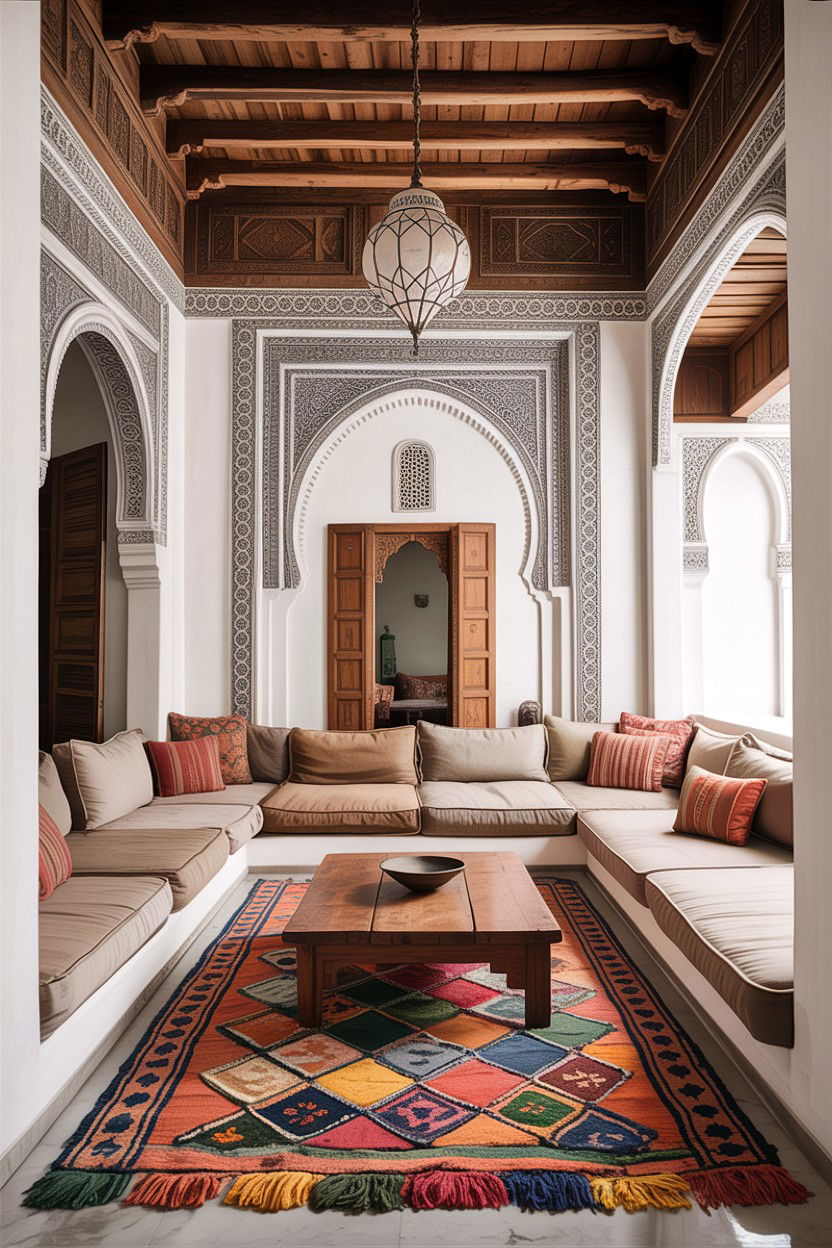
Have you ever noticed how low seating can make a room feel more open and intimate at the same time? A Moroccan living room with low seating encourages a slower pace of life and a closer connection to those around you. This design usually involves modular floor sofas or custom-built benches that sit close to the ground. By lowering the visual height of the furniture, you allow the architectural details of the walls and ceiling to take center stage. This style is perfect for creating a dedicated lounge or media room where relaxation is the top priority. It feels exotic, comfortable, and uniquely different from standard Western living room layouts.
23. Moroccan Living Room Mosaic
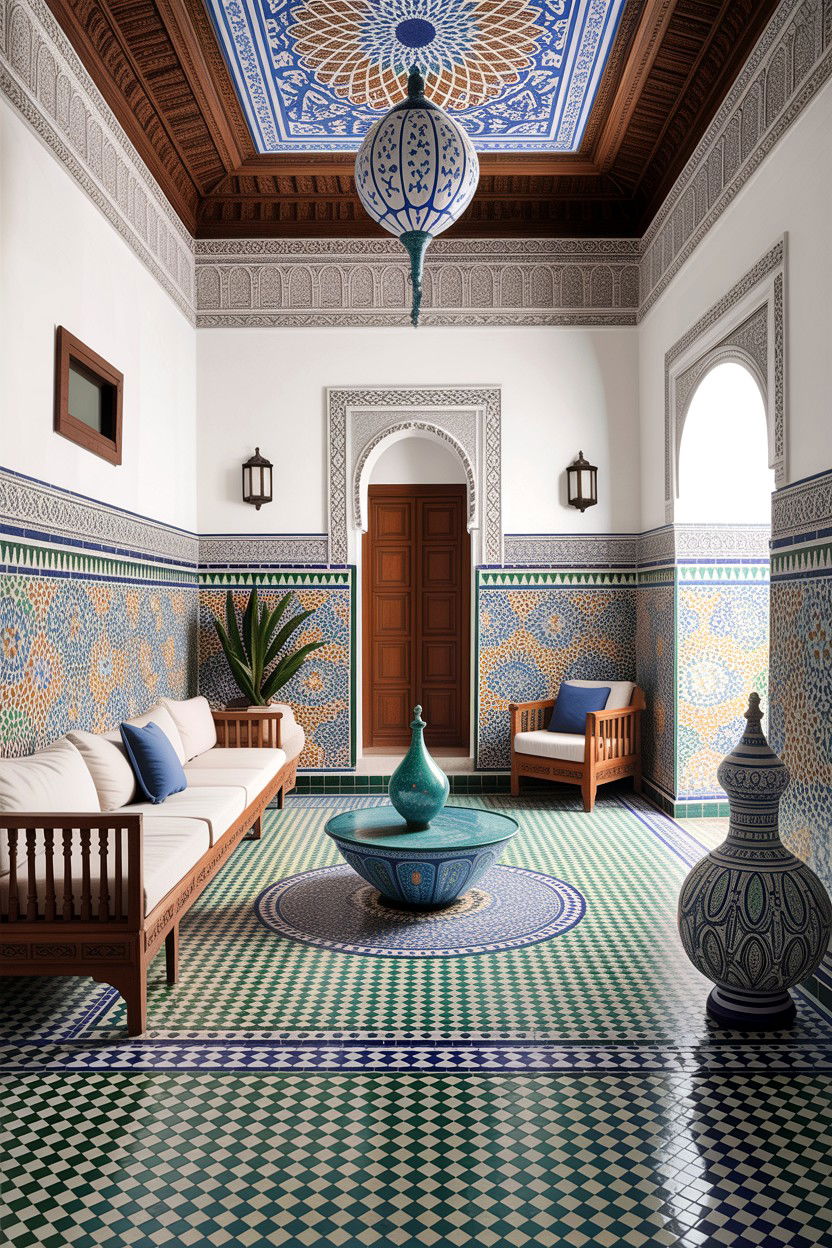
Can you envision a floor or wall that looks like a giant, intricate puzzle made of light? Moroccan living room mosaic work, or "Zellij," is one of the most recognizable and beautiful aspects of this design style. While a full mosaic floor is a significant investment, you can achieve a similar look with mosaic-inlaid furniture or decorative wall panels. These geometric patterns represent the infinite nature of the universe and add a profound sense of artistry to your home. Use a mosaic-topped coffee table as a functional piece of art that anchors your seating area. The repeating patterns and vibrant colors provide a visual rhythm that is both stimulating and harmonious.
24. Moroccan Living Room Hanging Decor
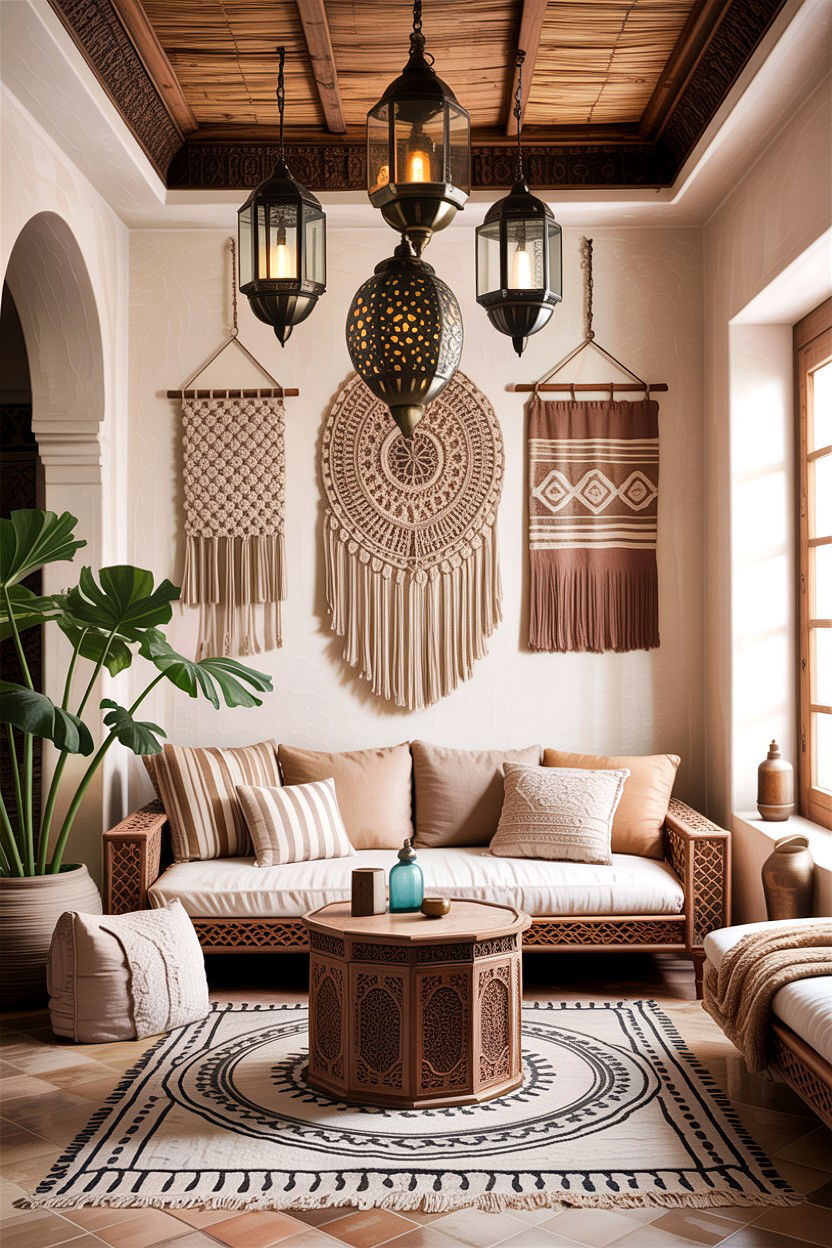
How can you use your vertical space to add more texture and interest to your room? Moroccan living room hanging decor often includes woven wall hangings, macramé, or even traditional "Handira" wedding blankets displayed as art. These textile pieces add softness to the walls and help with sound absorption, making the room feel cozier. You can also hang decorative brass plates or small mirrors at various heights to create a dynamic visual display. Don't forget the ceiling; hanging a cluster of different-sized lanterns can create a stunning overhead focal point. This layered approach ensures that every inch of your space, from floor to ceiling, feels thoughtfully designed and full of life.
25. Moroccan Living Room Mirrors
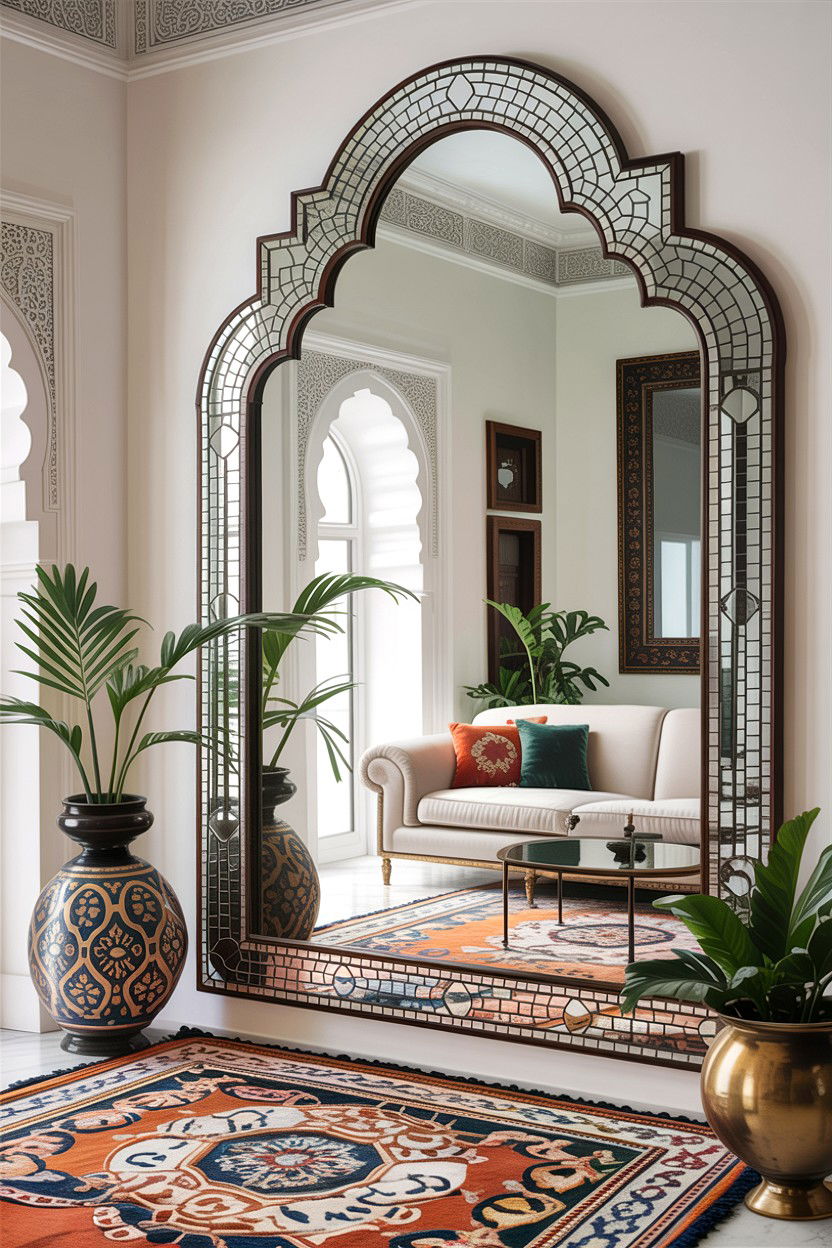
Are you looking for a way to brighten up a dark corner while adding a touch of exotic flair? Moroccan living room mirrors are famous for their ornate frames, often featuring arched tops, hammered metal, or intricate bone inlay. A large statement mirror can act as a window, reflecting light and making the room feel twice as large. Place a mirror opposite a window to bring the colors of the outdoors inside. The reflective surface also helps to bounce the warm glow of lanterns around the room at night. Whether you choose a vintage silver frame or a modern gold one, these mirrors add a layer of elegance and function.
26. Moroccan Living Room Blue
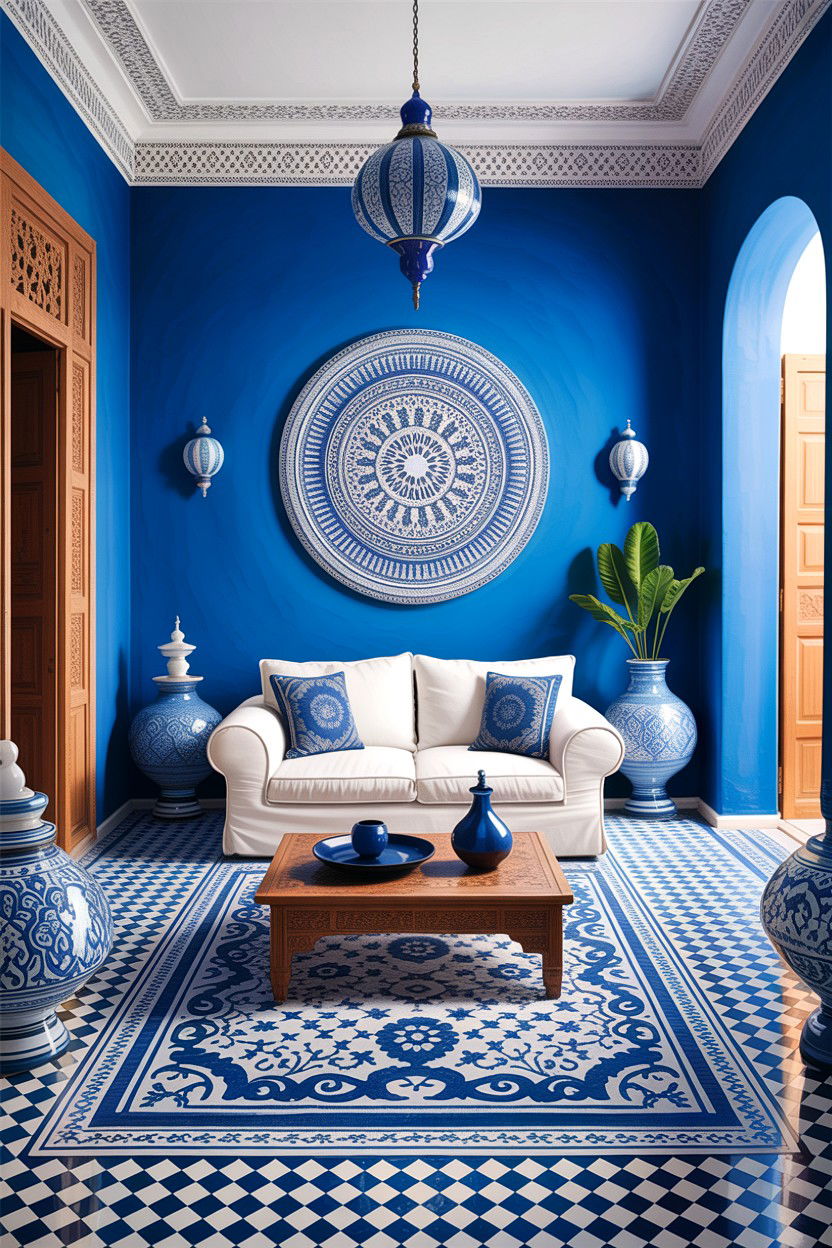
Why is the color blue so deeply associated with the magic of Moroccan cities like Chefchaouen? A Moroccan living room with blue accents can range from the deep intensity of Majorelle blue to the soft serenity of pale turquoise. Using this color on a focal wall or through large-scale textiles creates a cooling effect that is perfect for sunny climates. Pair blue with crisp white for a Mediterranean feel, or with warm oranges and yellows for a more traditional look. Blue ceramics, rugs, and pillows provide a sense of calm and depth. It is a versatile color that brings the mystery and beauty of the North African sky indoors.
27. Moroccan Living Room Earth Tones
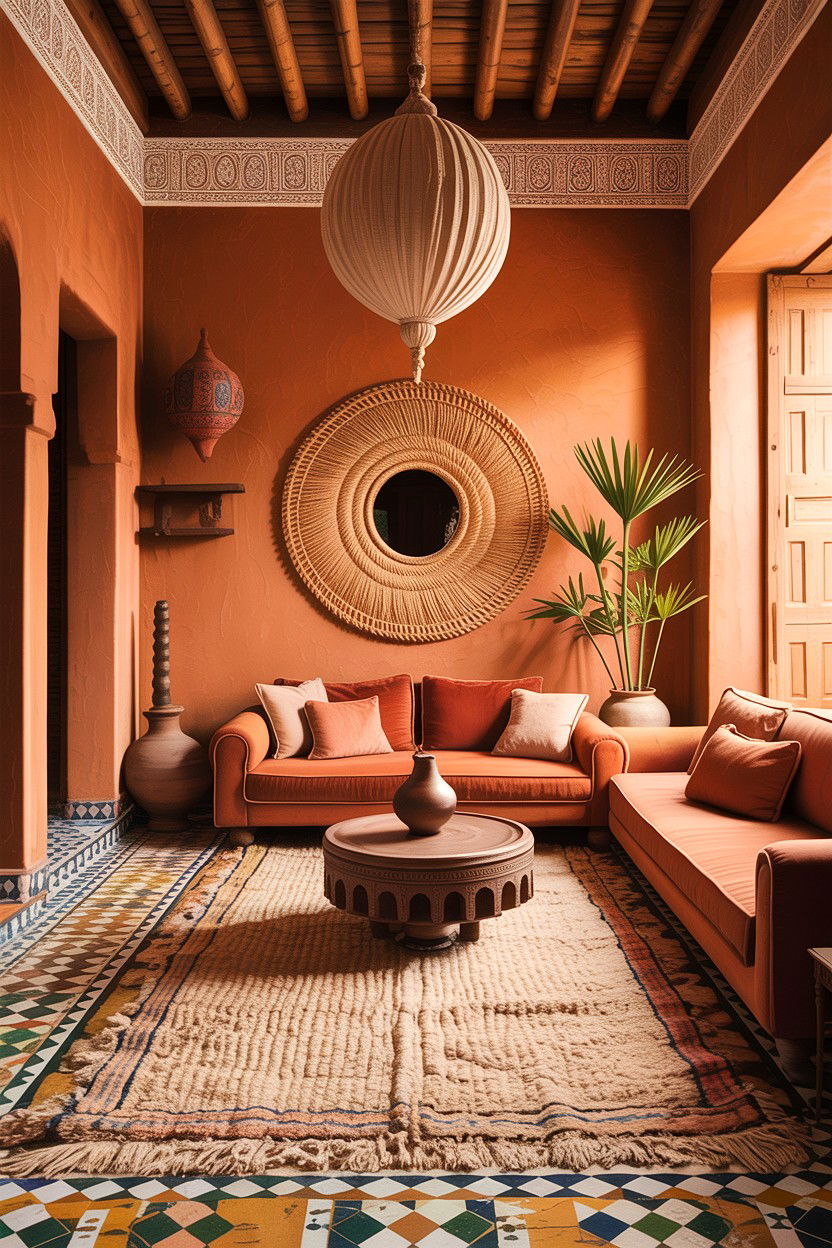
Can you feel the warmth and grounding energy of a palette inspired by the Sahara desert? A Moroccan living room in earth tones uses shades of terracotta, clay, sand, and burnt orange to create a space that feels natural and inviting. These colors work beautifully with organic materials like jute rugs, woven baskets, and raw wood furniture. The richness of the earth tones provides a cozy backdrop that is easy to live with and never goes out of style. By layering different shades of brown and tan, you can create a sophisticated, monochromatic look that feels deeply connected to the landscape of Morocco and its ancient, sun-baked architecture.
28. Moroccan Living Room Pillows
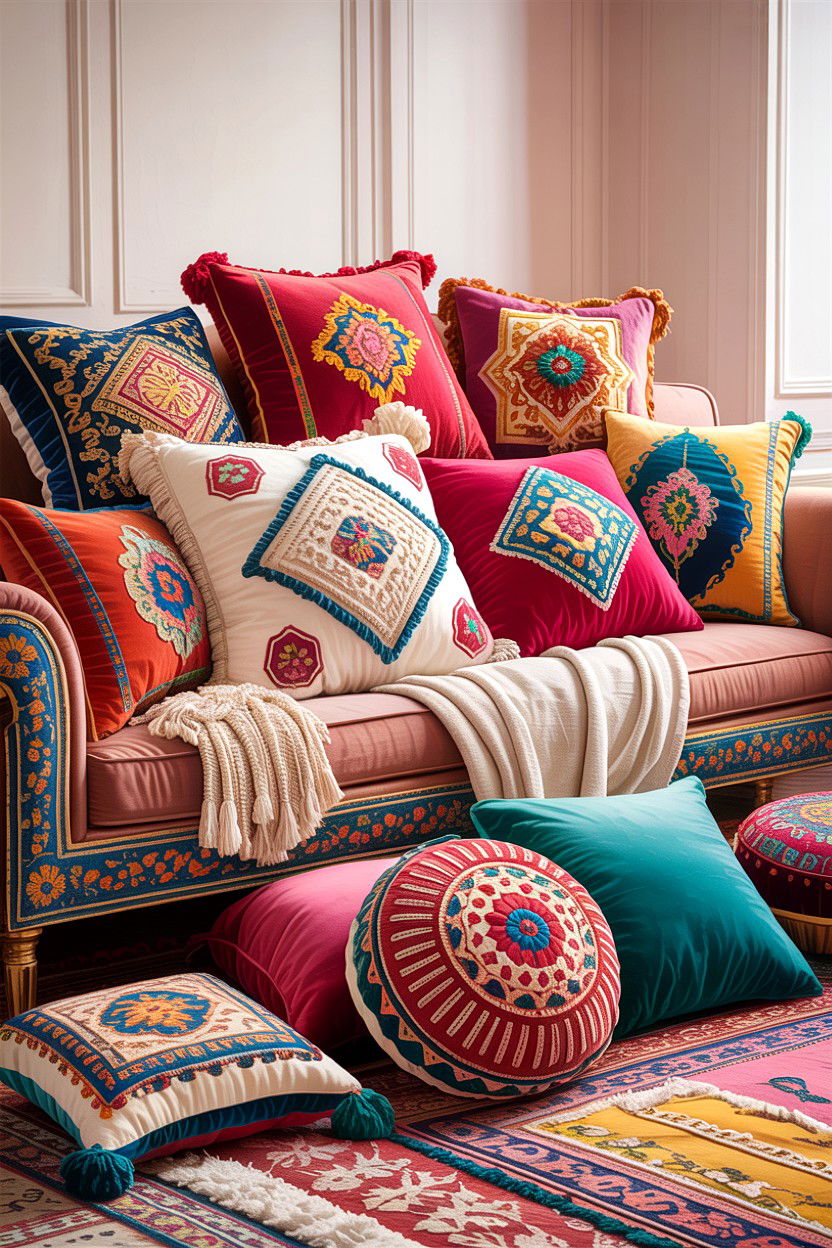
How many pillows are too many when you are trying to create a luxurious Moroccan lounge? In a Moroccan living room, pillows are the key to comfort and style, and you can never have enough. Mix and match different sizes, shapes, and fabrics, including silk, wool, and cotton. Look for covers featuring traditional embroidery, pom-poms, or bold geometric prints. Scattering a large number of pillows across your sofa and floor creates an instant feeling of abundance and hospitality. They are an affordable way to update your color scheme or add a new texture to the room. This plush layering is what makes Moroccan interiors feel so incredibly soft and welcoming.
29. Moroccan Living Room Layered Rugs
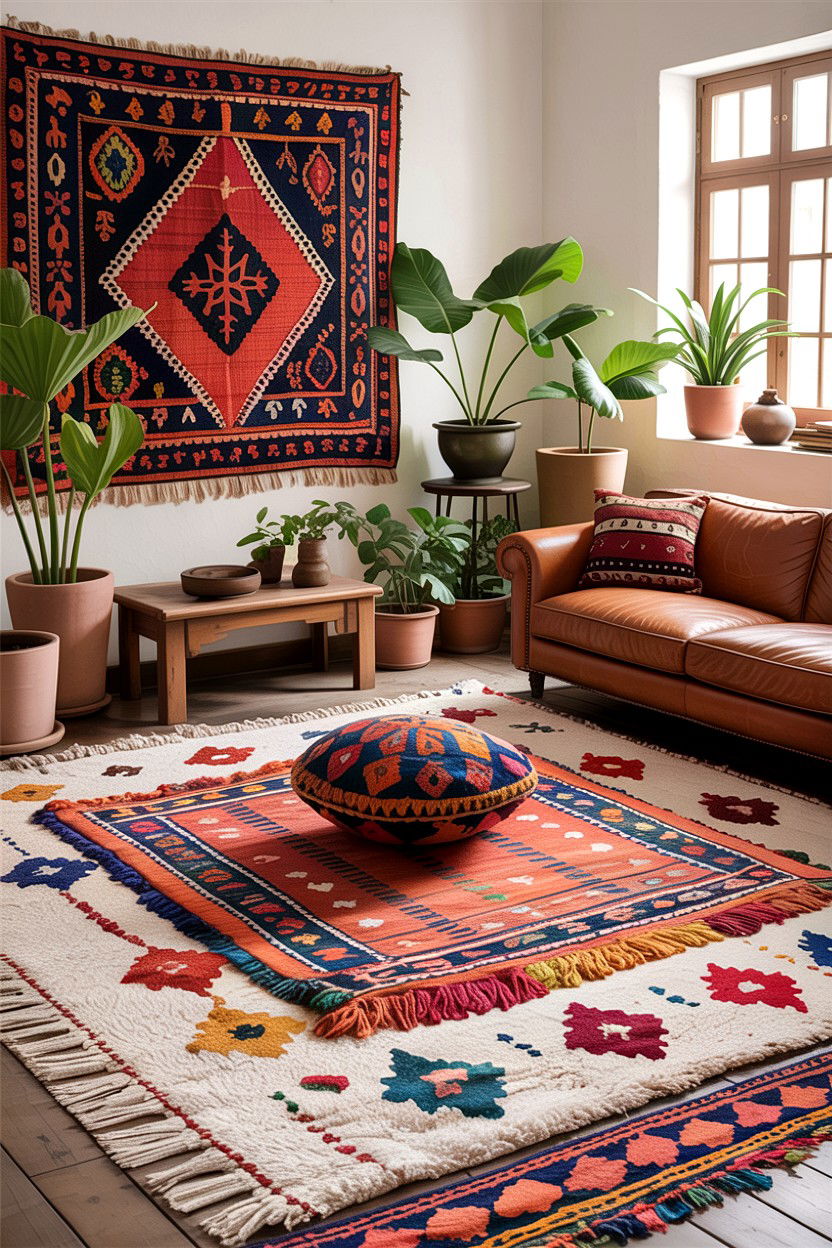
Is there a rule that says you can only have one rug in your living room? Moroccan living room layered rugs are a signature look that adds maximum texture and warmth to your space. Start with a large, neutral jute or sisal rug as a base, and then place a smaller, more colorful kilim or a plush Beni Ourain rug on top. This technique allows you to define different zones within a large room while showcasing multiple patterns. The overlapping textures create a cozy, lived-in feel that is perfect for a bohemian or eclectic home. It is a practical and stylish way to add extra cushioning and visual depth to your floors.
30. Moroccan Living Room Woven Decor
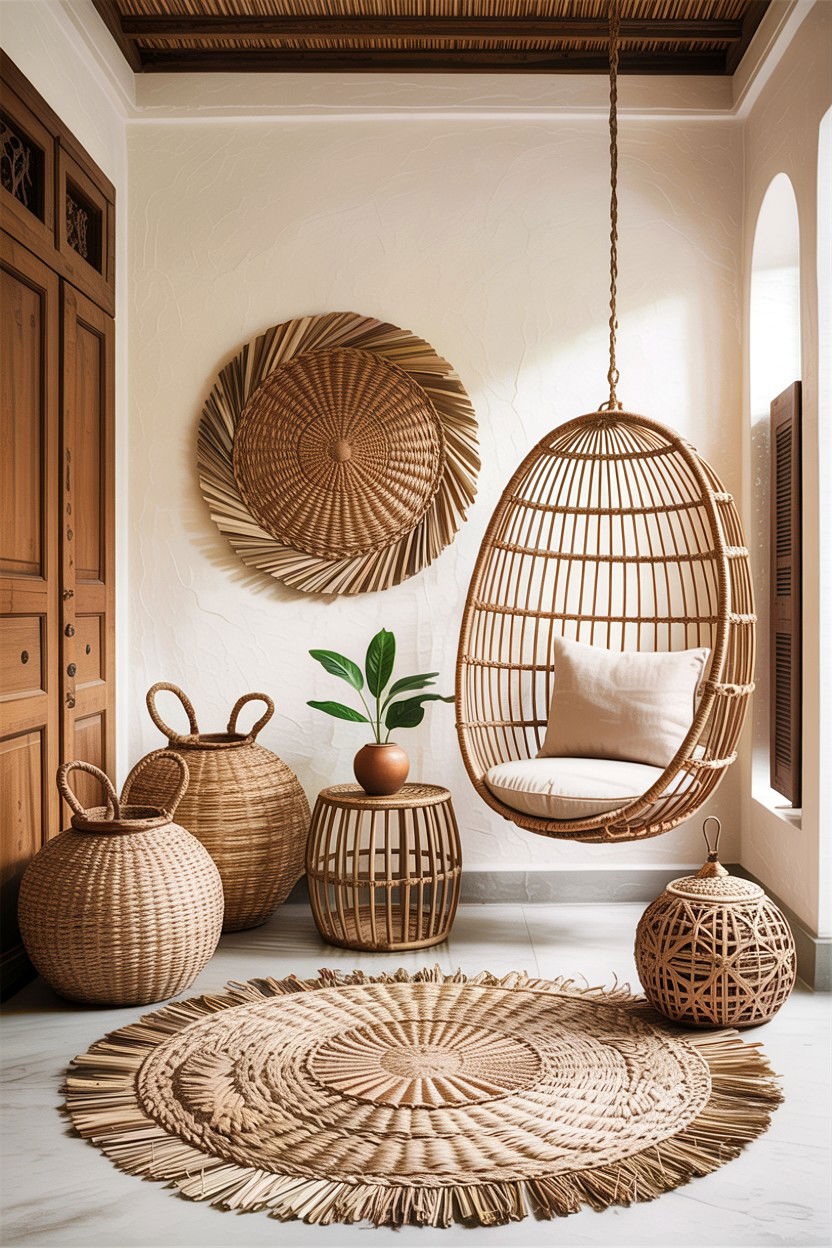
Have you ever admired the simple beauty of a hand-woven basket or a rattan chair? Moroccan living room woven decor brings a touch of rustic, artisanal charm to even the most modern spaces. Use large woven baskets for storing extra blankets or as stylish covers for indoor plant pots. Rattan and wicker furniture pieces, like a side table or a hanging chair, add a lightweight and airy feel to the room. These natural materials provide a beautiful contrast to heavier textiles and metallic accents. Incorporating woven elements is a great way to celebrate traditional craftsmanship while keeping your living room feeling relaxed, organic, and connected to the natural world.
Conclusion:
Creating a Moroccan-inspired living room is a journey into a world of rich heritage, exquisite craftsmanship, and unparalleled comfort. By thoughtfully combining architectural elements like arches with tactile treasures like Beni Ourain rugs and brass lanterns, you can transform any space into a vibrant oasis. This design style is not just about aesthetics; it is about fostering an atmosphere of warmth and hospitality that makes every guest feel at home. Whether you lean towards a minimalist modern fusion or a colorful, traditional majlis, the key is to embrace the textures and patterns that speak to your soul. We hope these thirty diverse ideas have inspired you to bring a touch of Moroccan magic into your own living space, creating a sanctuary that is as unique as you are.
Related posts:
Leave a Reply