

Creating a serene sanctuary in your home often begins with the perfect color palette, and few combinations offer the timeless tranquility of sage and white. This pairing brings the refreshing essence of the outdoors inside, blending the earthy, muted tones of sage green with the crisp, clean brightness of pure white. Whether you are aiming for a modern minimalist aesthetic or a cozy farmhouse feel, these colors work harmoniously to balance energy and calm. In this guide, we explore various ways to integrate these hues through furniture, wall treatments, and subtle accents. You will discover how different textures and lighting can transform a simple living space into a sophisticated retreat that feels both airy and grounded.
1. Sage green accent wall living room
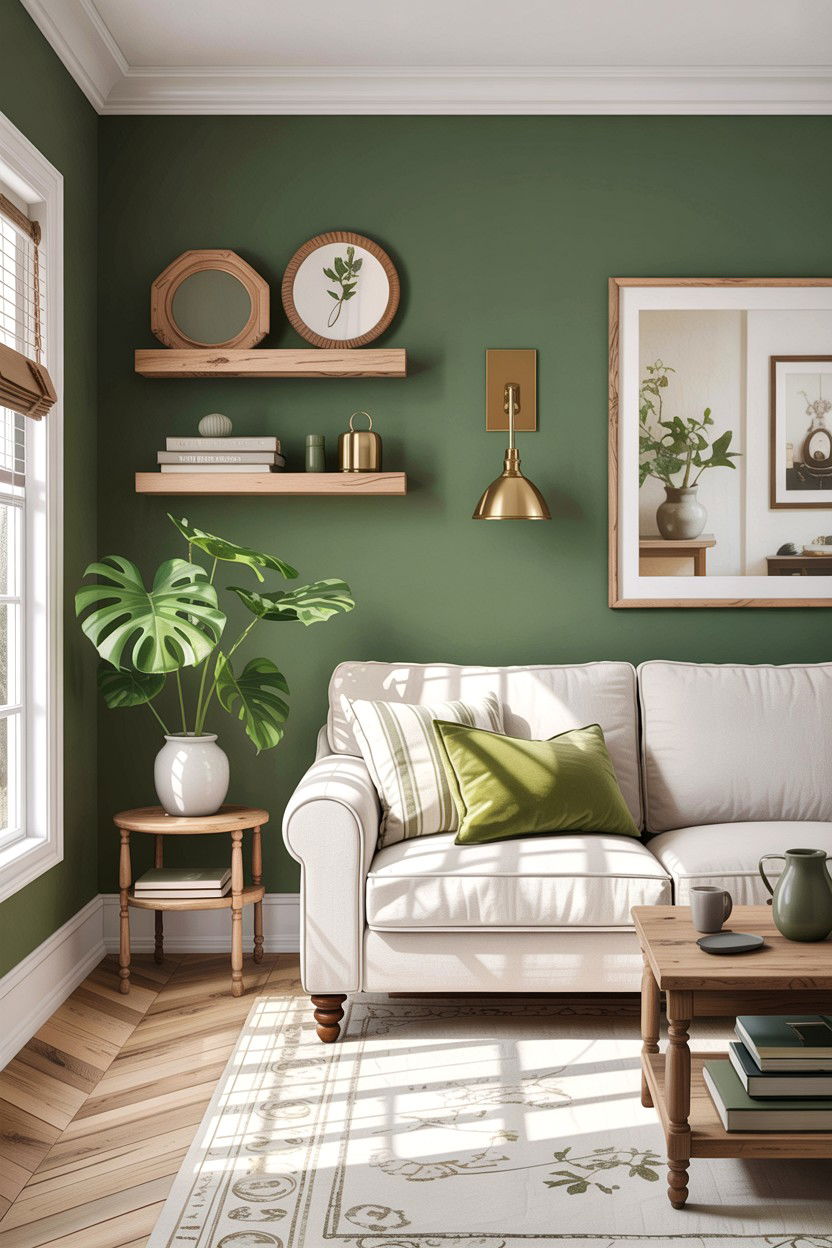
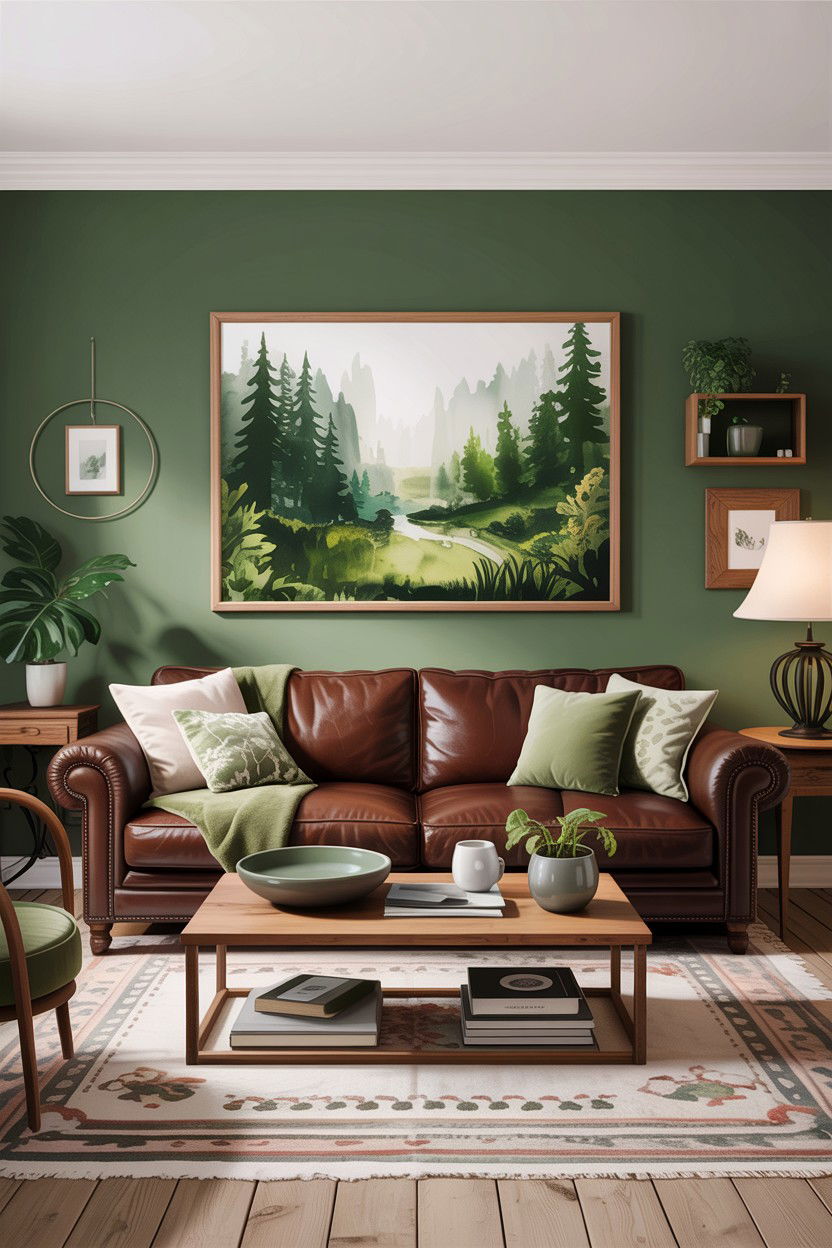
Painting a single wall in a soft sage green creates an immediate focal point that feels both sophisticated and calming. This design choice allows the surrounding white walls to pop, making the room feel larger while providing a grounded backdrop for your furniture. You can pair this bold wall with a white linen sofa or light-colored wooden shelving to maintain a natural, airy vibe. The soft green hue acts as a neutral, allowing you to incorporate various textures like woven baskets or brass light fixtures without clashing. This approach is perfect for those who want a touch of color without overwhelming their entire living space.
2. White sofa sage green pillows
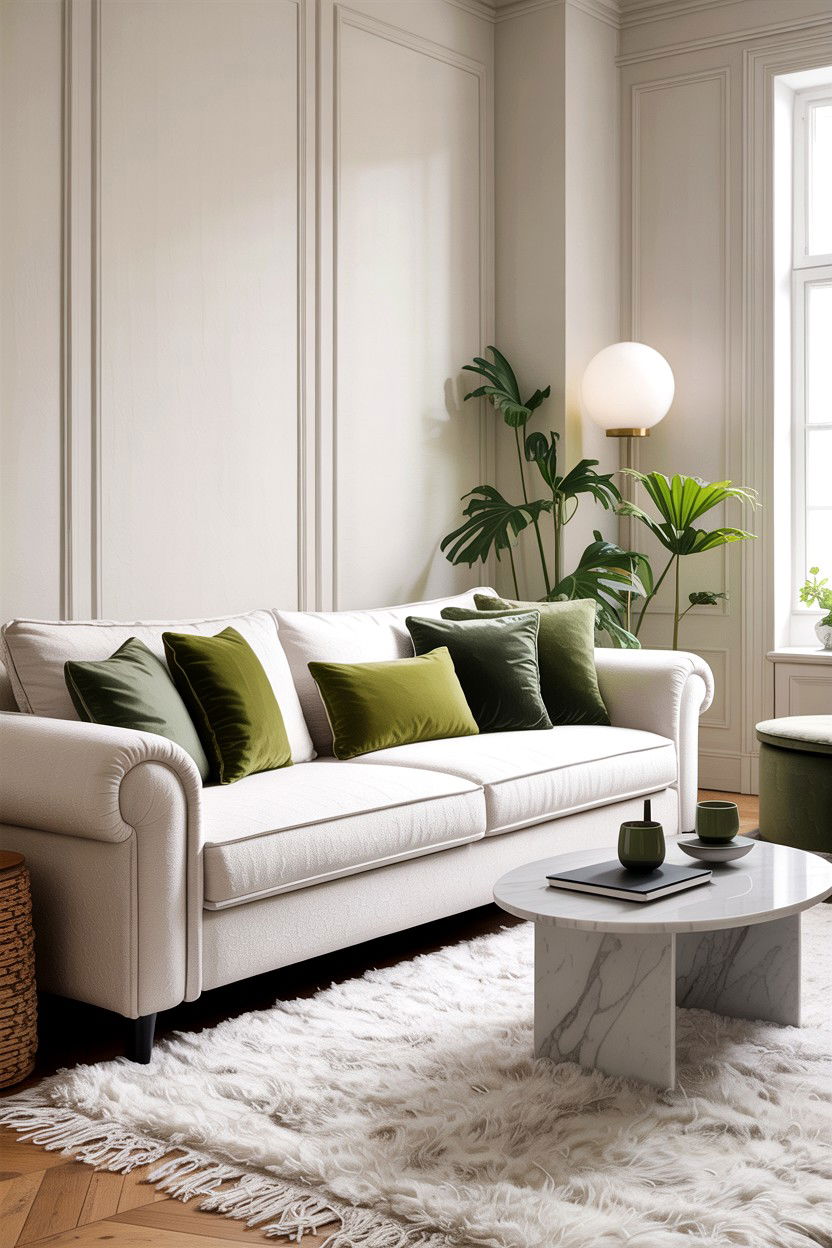
Introducing a crisp white sofa into your living room provides a clean slate that radiates cleanliness and modern elegance. To keep the look from feeling too sterile, layering multiple sage green throw pillows in various fabrics like velvet, linen, or chunky knits adds essential depth. This simple addition brings a touch of nature-inspired color to the seating area, making it feel more inviting and comfortable. You can mix different shades of sage, from pale minty tones to deeper mossy greens, to create a curated and intentional look. This setup works exceptionally well in bright rooms with plenty of natural sunlight to highlight the textures.
3. Sage green curtains white walls
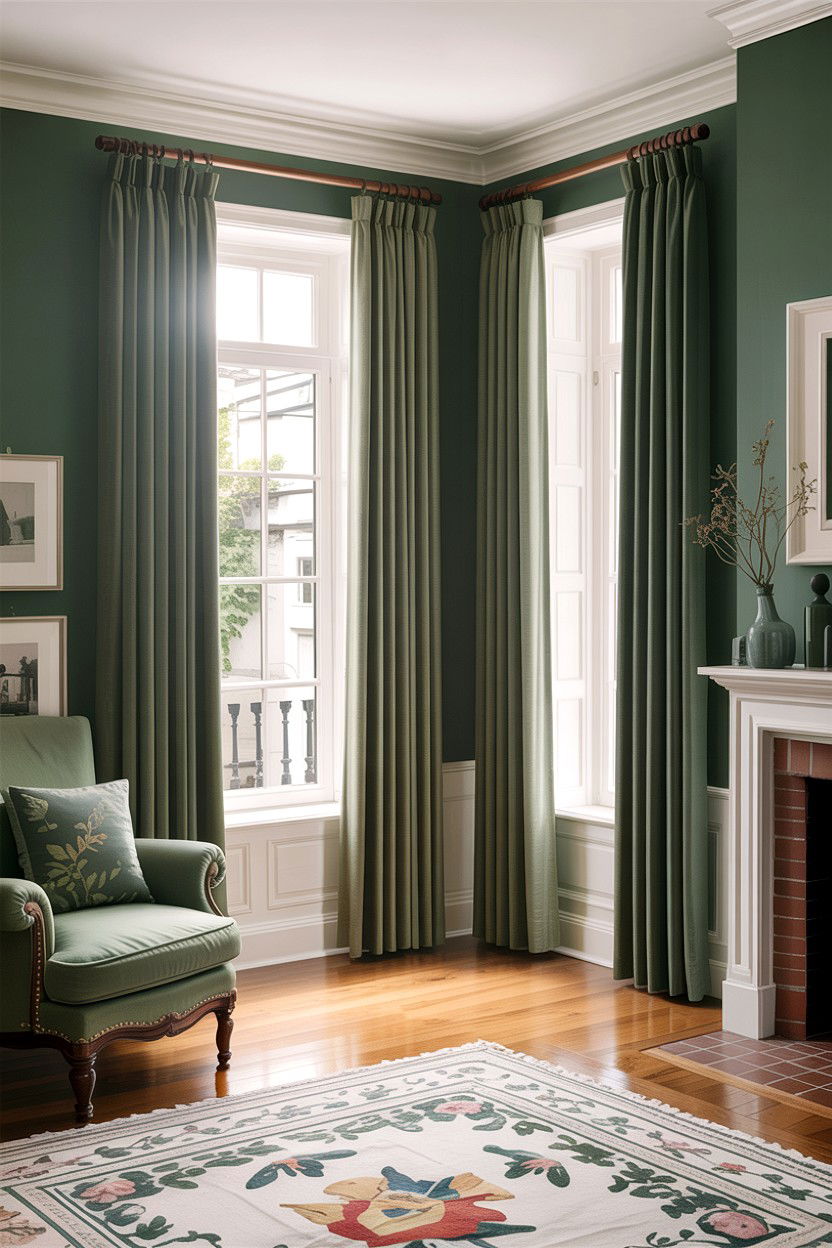
Hanging floor-to-ceiling sage green curtains against bright white walls is an excellent way to add vertical interest and a sense of height to your room. The fabric choice, such as a heavy velvet for a luxurious feel or a light sheer for a breezy atmosphere, can completely change the room's mood. When the sunlight filters through the green fabric, it casts a soft, natural glow across the white surfaces, enhancing the peaceful environment. This design element provides a soft frame for your windows and ties together other green accents in the room, such as indoor plants or small decorative objects on your coffee table.
4. Modern sage green living room furniture
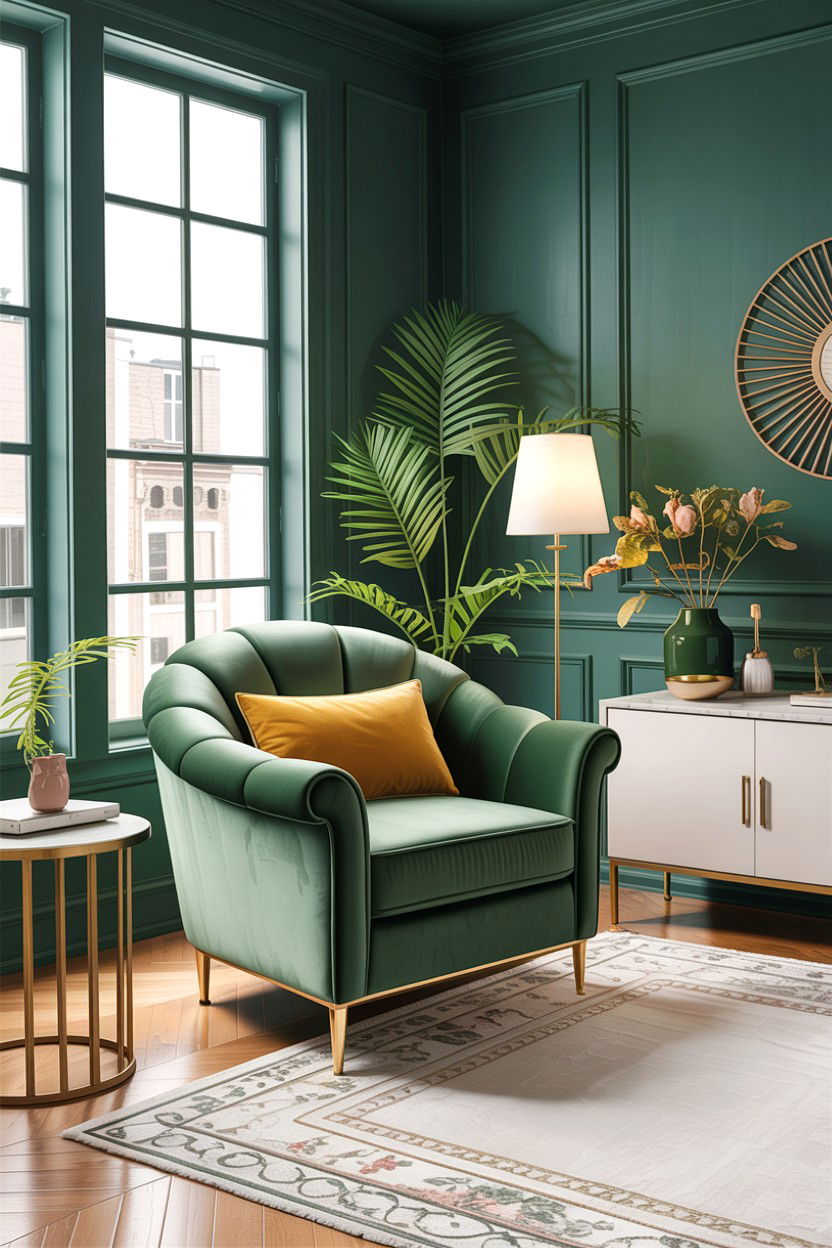
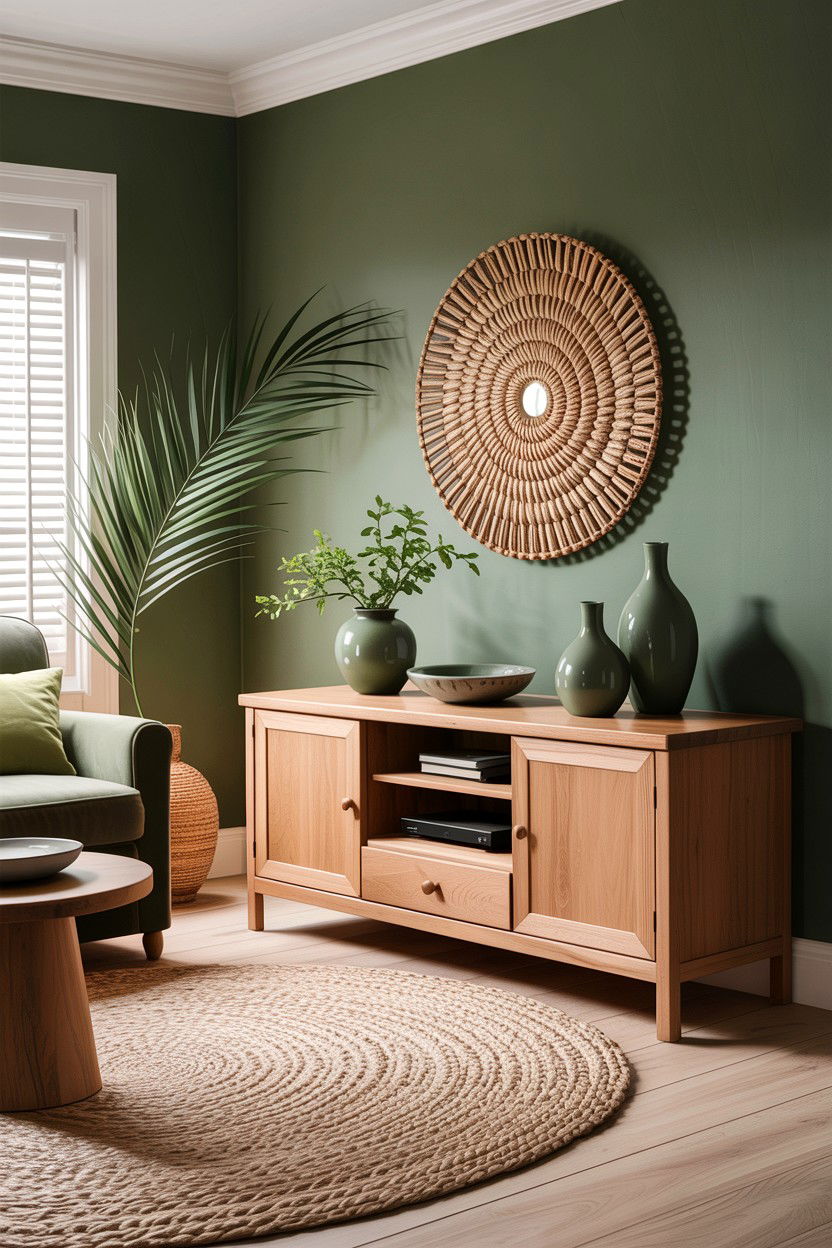
Choosing a statement piece of furniture, such as a sage green velvet armchair or a sleek green media console, adds a contemporary edge to a white-dominated room. These modern pieces act as functional art, drawing the eye and providing a sophisticated contrast against white floors or walls. To maintain a modern aesthetic, look for furniture with clean lines, tapered legs, or minimalist hardware in matte black or gold. Pairing these green items with white marble surfaces or glass coffee tables keeps the space feeling high-end and polished. This style is ideal for urban apartments where you want to balance industrial elements with soft, natural colors.
5. Sage and white farmhouse living room
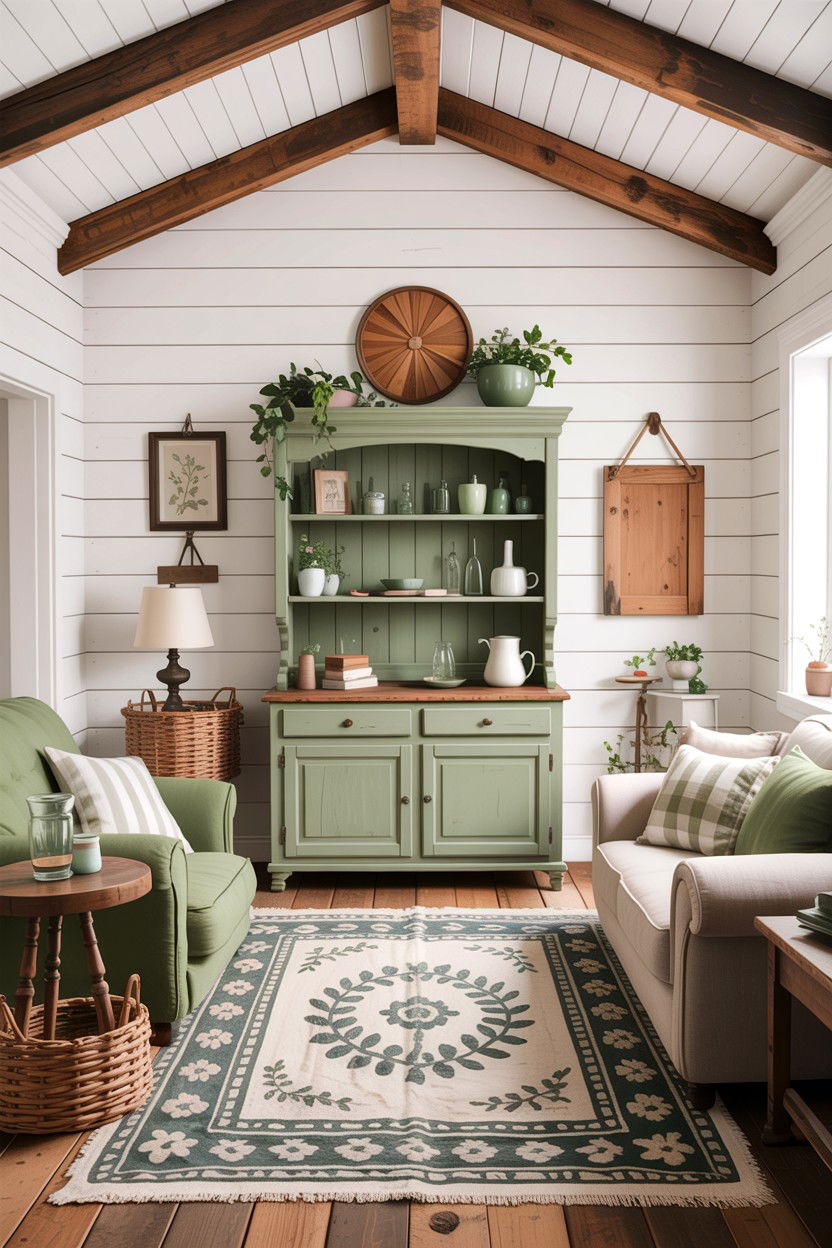
The farmhouse style thrives on the combination of sage green and white because it evokes a rustic, countryside charm that is incredibly welcoming. Incorporating white shiplap walls with sage green cabinetry or a painted hutch creates a beautiful, layered look that feels lived-in and cozy. You can enhance this theme with distressed wooden accents, galvanized metal decor, and vintage-inspired textiles like ticking stripes or floral prints. The sage green serves as a soft bridge between the stark white and the warm wood tones, creating a harmonious balance. This design approach is perfect for families who want a durable yet stylish living space that feels timeless.
6. Boho sage green living room decor
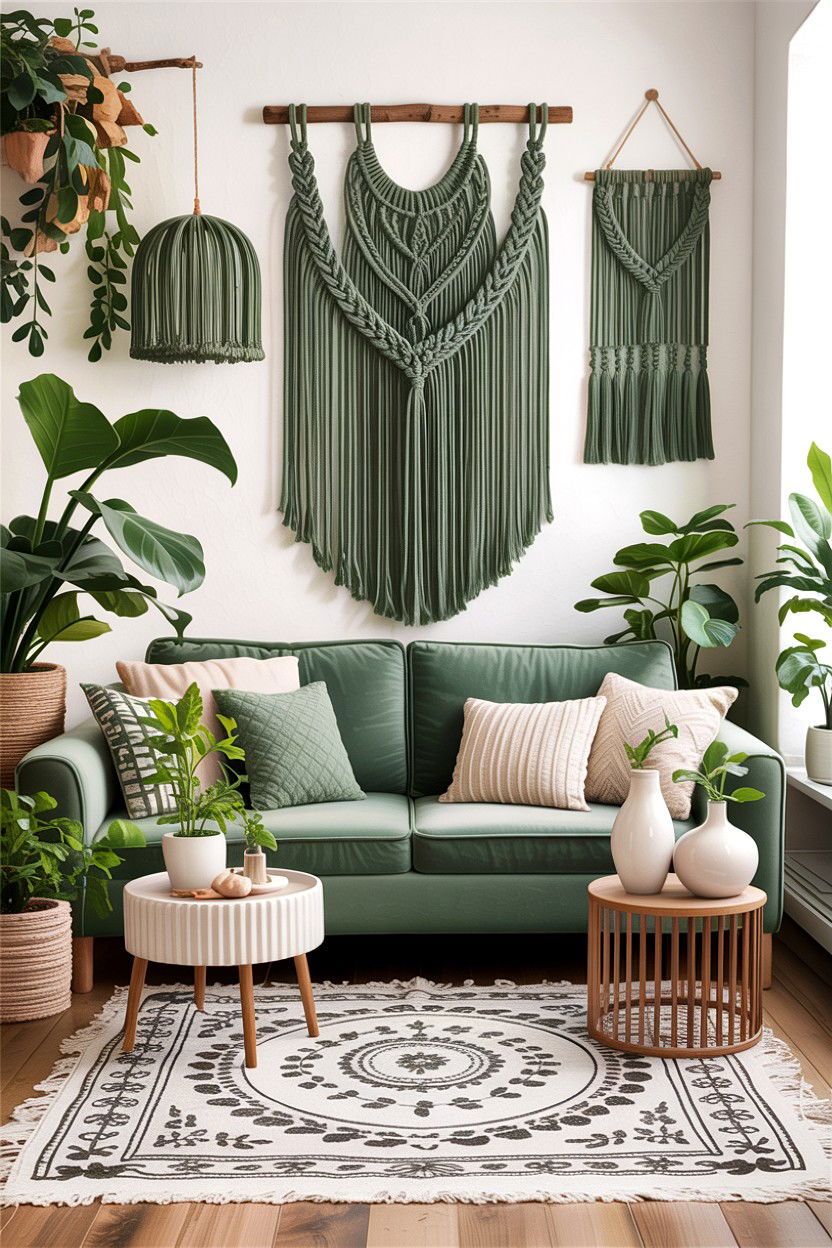
For a bohemian-inspired living room, sage green and white provide a calm foundation for a variety of eclectic patterns and natural materials. Think of a white-painted brick wall adorned with sage green macramé hangings or a collection of mismatched sage green ceramic vases on a white mantel. Layering a sage green patterned rug over a neutral jute carpet adds texture and visual interest underfoot. Incorporating plenty of leafy green plants in white ceramic pots further emphasizes the biophilic connection that is central to the boho aesthetic. This style encourages a relaxed, creative atmosphere where every piece tells a story while maintaining a cohesive color story.
7. Sage green rug white living room
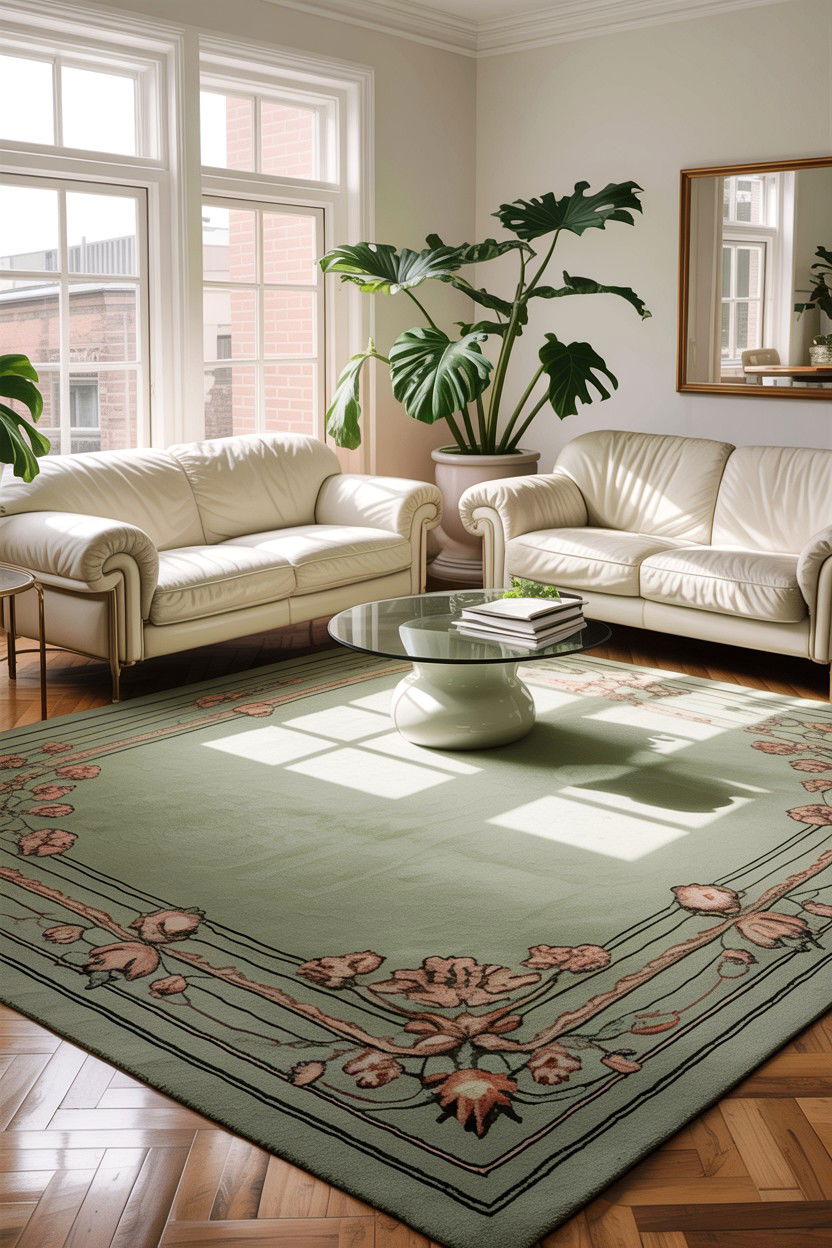
A large sage green area rug can anchor an all-white living room, providing a soft foundation that defines the seating area. Whether you choose a solid muted tone or a subtle botanical pattern, the rug introduces a sense of warmth and comfort to the floor. This is particularly effective in rooms with white hardwood or tiled floors, as it breaks up the monochromatic look and adds a layer of sound insulation. You can pull the green from the rug up into the rest of the room with small accessories like candles or books. This simple addition makes the space feel more finished and thoughtfully designed without requiring major renovations.
8. Minimalist sage green living room
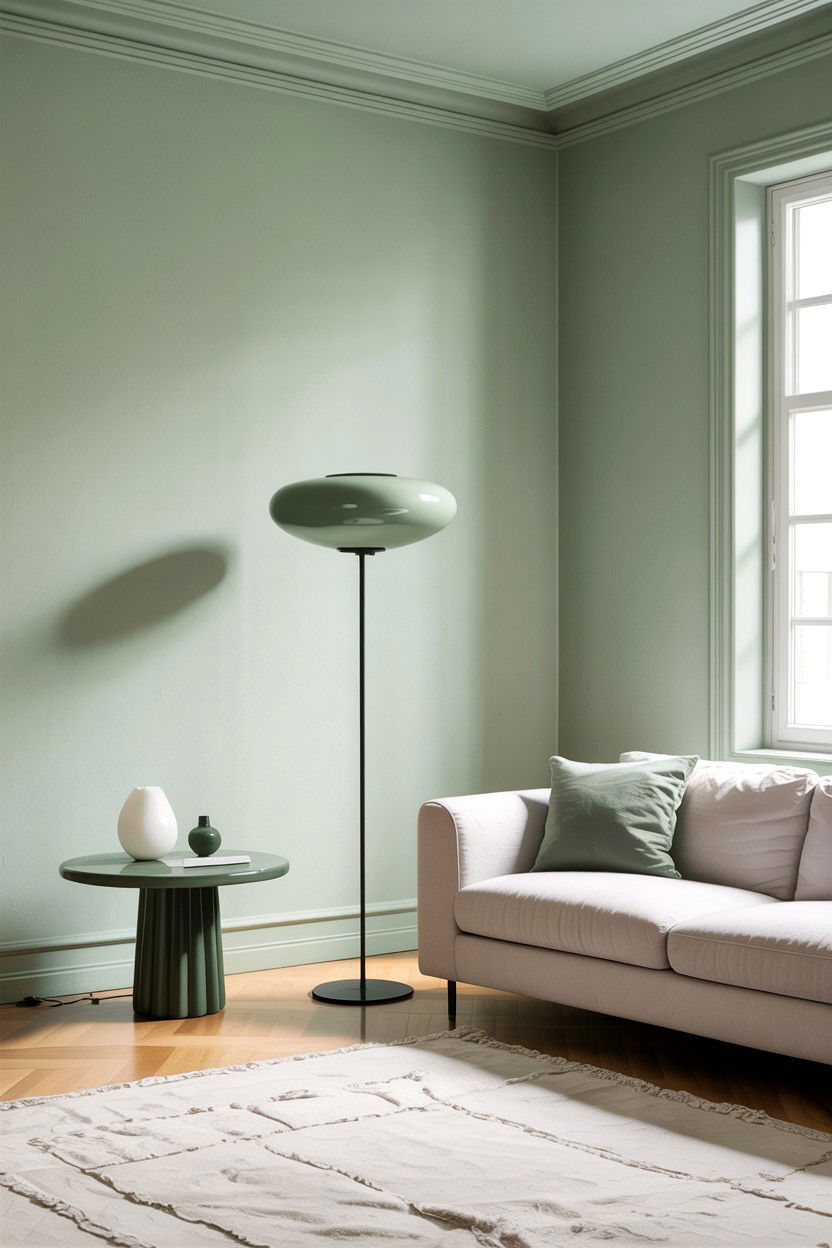
Minimalism doesn't have to mean all-white; adding sage green creates a "warm minimalist" look that feels intentional and peaceful. In a minimalist space, every item should have a purpose, so choosing a sage green accent piece, like a single large painting or a sculptural lamp, makes a strong statement. Keep the walls a clean, bright white to maximize light reflection, and use sage green sparingly to highlight specific architectural features or furniture pieces. This approach focuses on quality over quantity, using the calming properties of sage to enhance the overall sense of order and tranquility. It is the perfect style for those seeking a clutter-free environment.
9. Sage green and white wall art
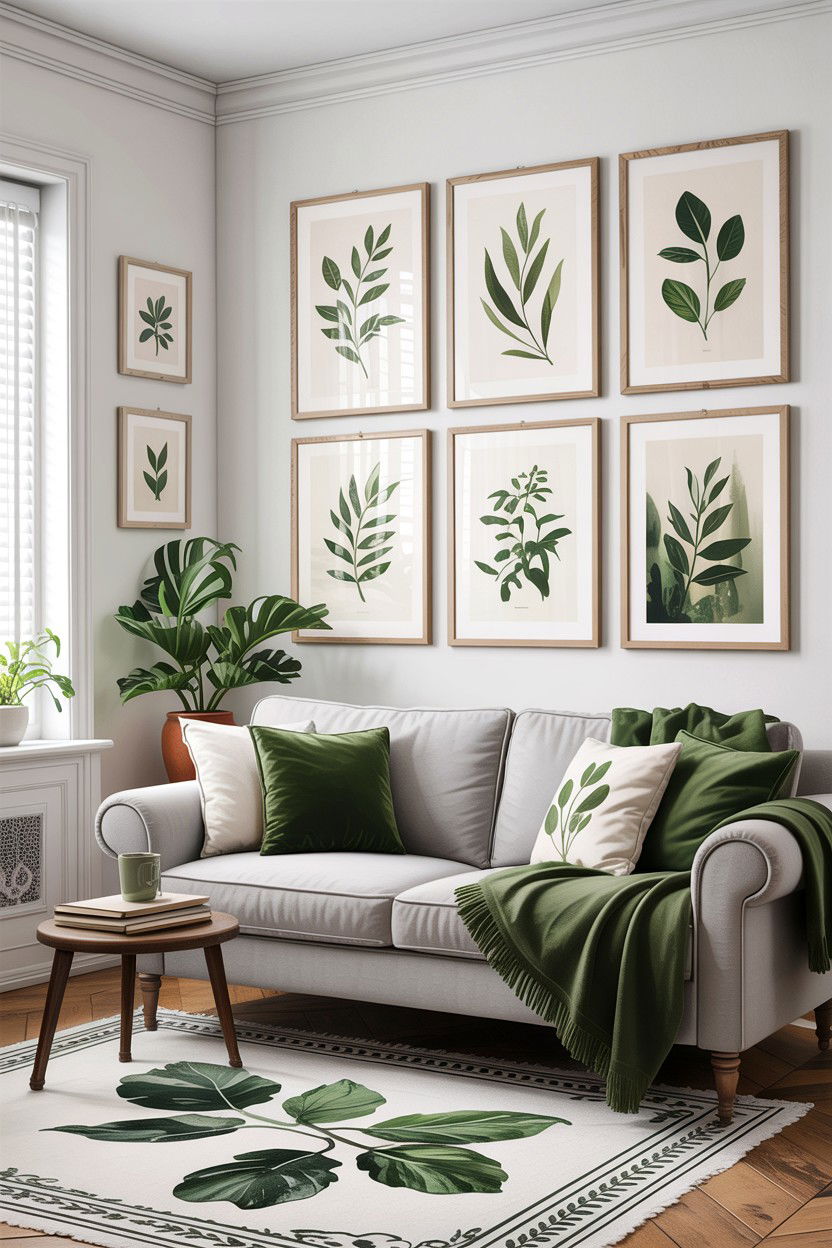
Decorating your white walls with sage green-themed art is an easy and flexible way to incorporate this trending color palette. Large-scale botanical prints, abstract landscapes, or even simple sage green geometric shapes can add personality and color without the commitment of paint. You can frame these pieces in white or light oak frames to keep the look cohesive and modern. Arranging a gallery wall with a mix of sage green and white photography creates a dynamic visual display that draws the eye. This method allows you to experiment with different shades of green and easily swap pieces out as your style or the seasons change.
10. Sage green built in bookshelves
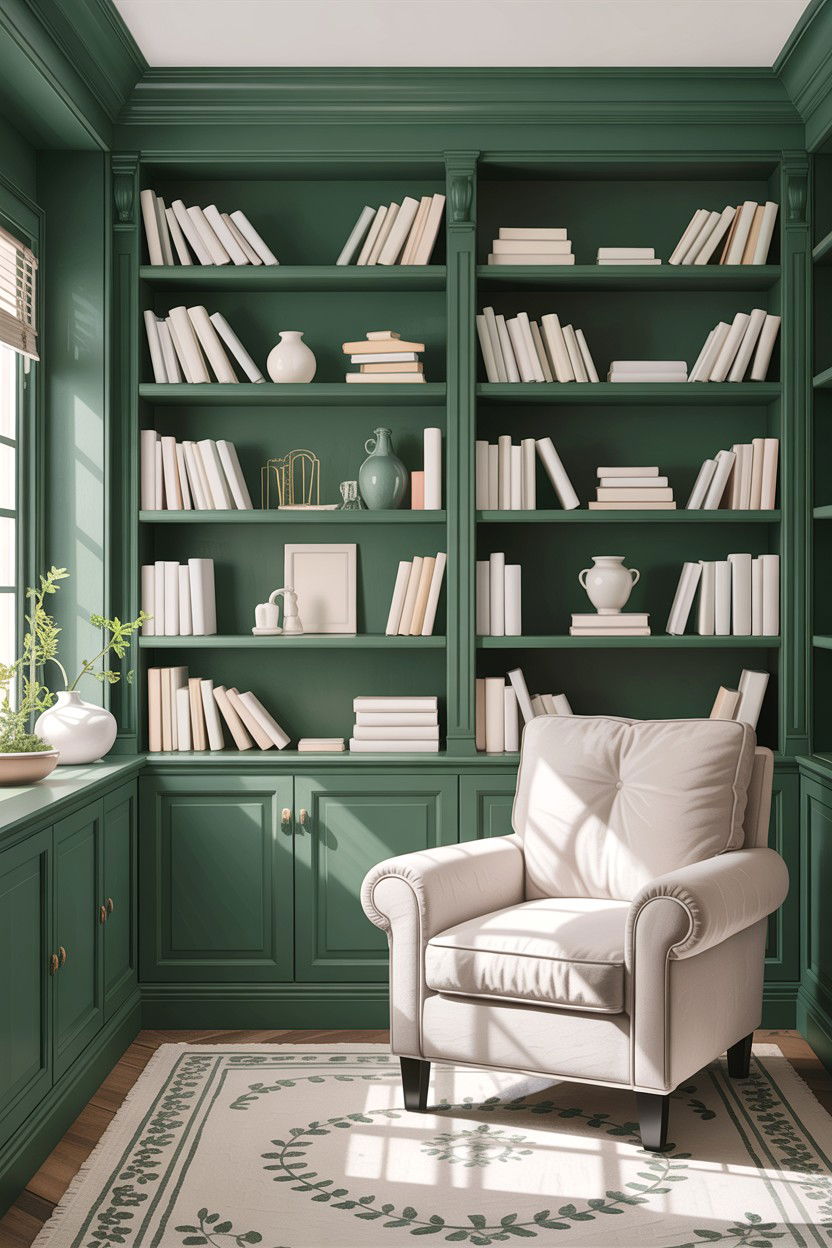
Custom built-in bookshelves painted in a soft sage green can transform a plain white living room into a sophisticated library or display area. The green backing or shelving provides a beautiful contrast for white book covers, ceramic sculptures, and framed photos. This design choice adds architectural depth to the room and makes the storage feel like a deliberate part of the decor rather than just a functional necessity. You can leave the surrounding walls white to keep the feature from feeling too heavy or overwhelming. This is a great way to add a custom, high-end look to your home while keeping the overall atmosphere light and airy.
11. Light sage green living room paint
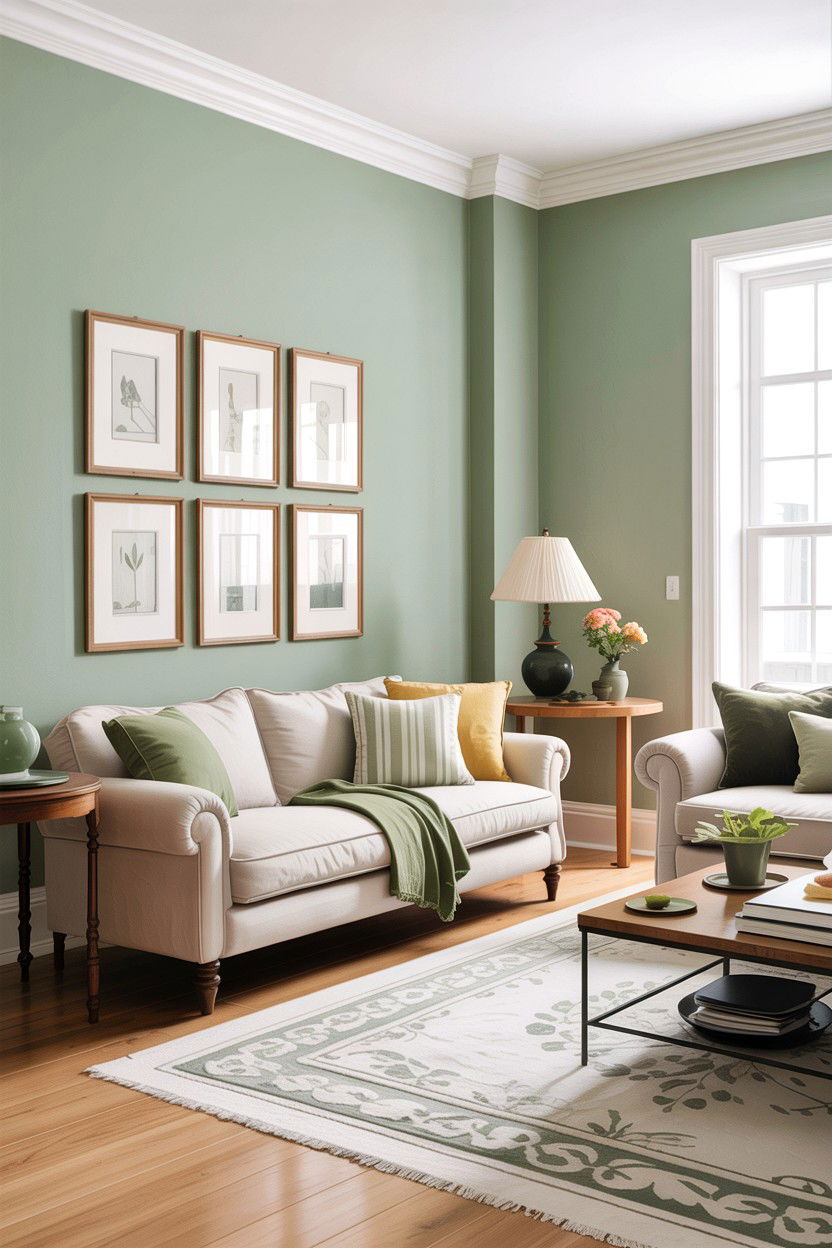
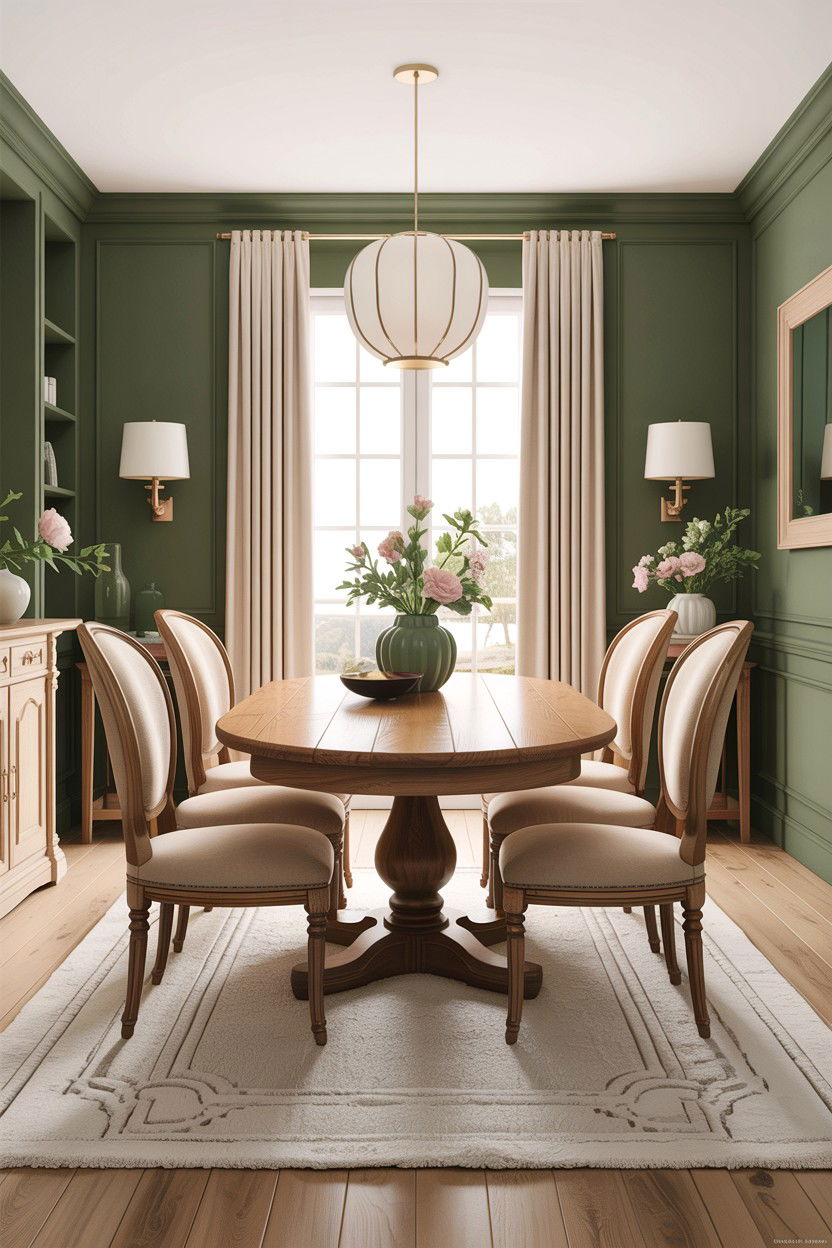
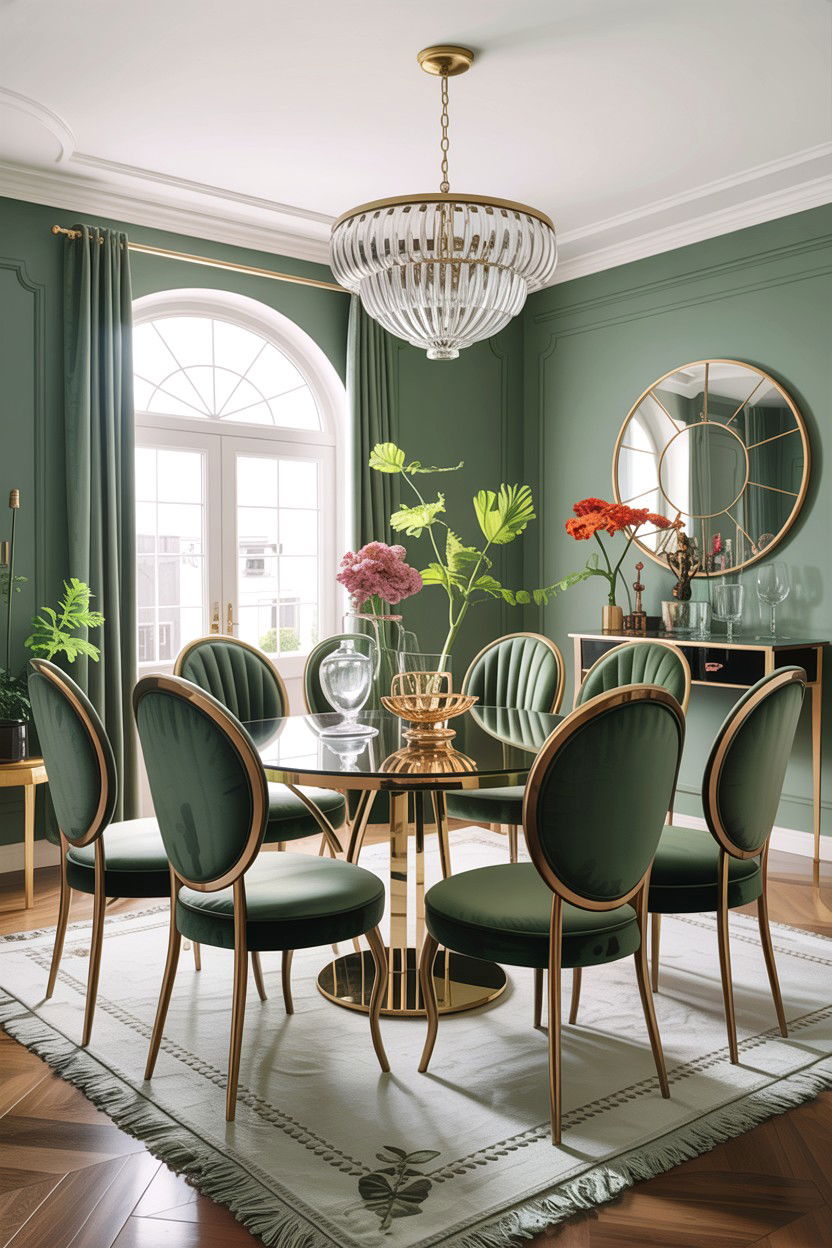
Choosing a very light, desaturated sage green for all the walls can serve as a "new neutral" that is more interesting than standard beige or grey. This pale hue provides enough color to feel fresh and nature-inspired but remains light enough to keep the room feeling spacious and bright. When paired with crisp white trim, baseboards, and ceilings, the light sage looks incredibly clean and polished. This wall color works beautifully with both light and dark furniture, making it a versatile choice for any decor style. It is an excellent option for rooms that don't receive much natural light, as it adds a subtle hint of color.
12. Sage green velvet sofa white decor
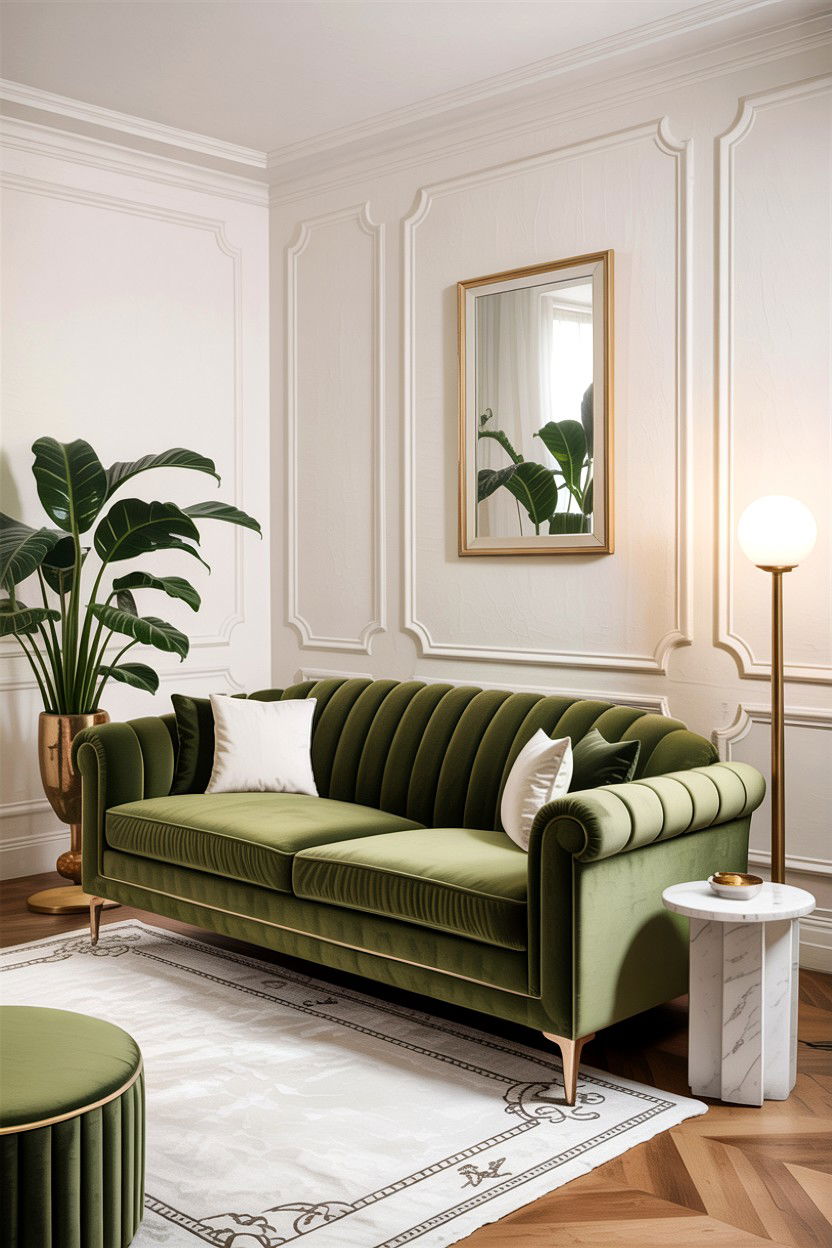
A sage green velvet sofa is a luxurious statement piece that brings both comfort and elegance to a white living room. The rich texture of the velvet catches the light, showing off different depths of the green hue and adding a touch of opulence. Surrounding the sofa with white decor, such as a white shag rug, marble coffee table, and white textured walls, ensures the sofa remains the star of the show. This combination feels sophisticated and high-end, perfect for entertaining guests or relaxing in style. The softness of the velvet also adds a tactile element that makes the room feel more inviting and cozy.
13. Scandinavian sage green living room
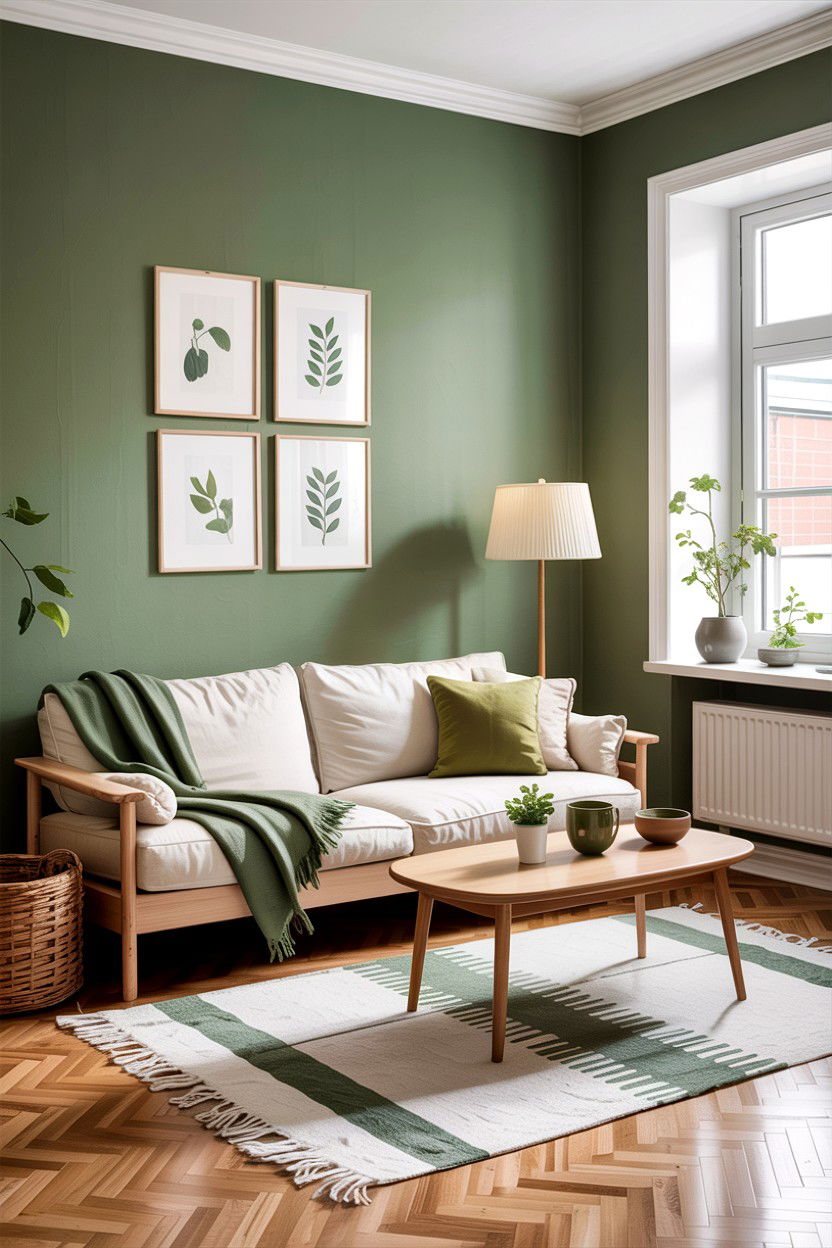
The Scandinavian design philosophy often relies on a neutral palette, and sage green is a perfect addition to the traditional white and wood combination. Use white as the primary color for walls and large furniture, then introduce sage green through textiles like wool blankets, throw pillows, and minimalist rugs. This approach creates a "hygge" atmosphere that is cozy, functional, and deeply connected to nature. Incorporating light-toned woods like ash or birch alongside sage green accents reinforces the organic, Nordic feel. This style is all about simplicity and comfort, making it a popular choice for modern homes that value a clean yet warm aesthetic.
14. Sage green and white striped wallpaper
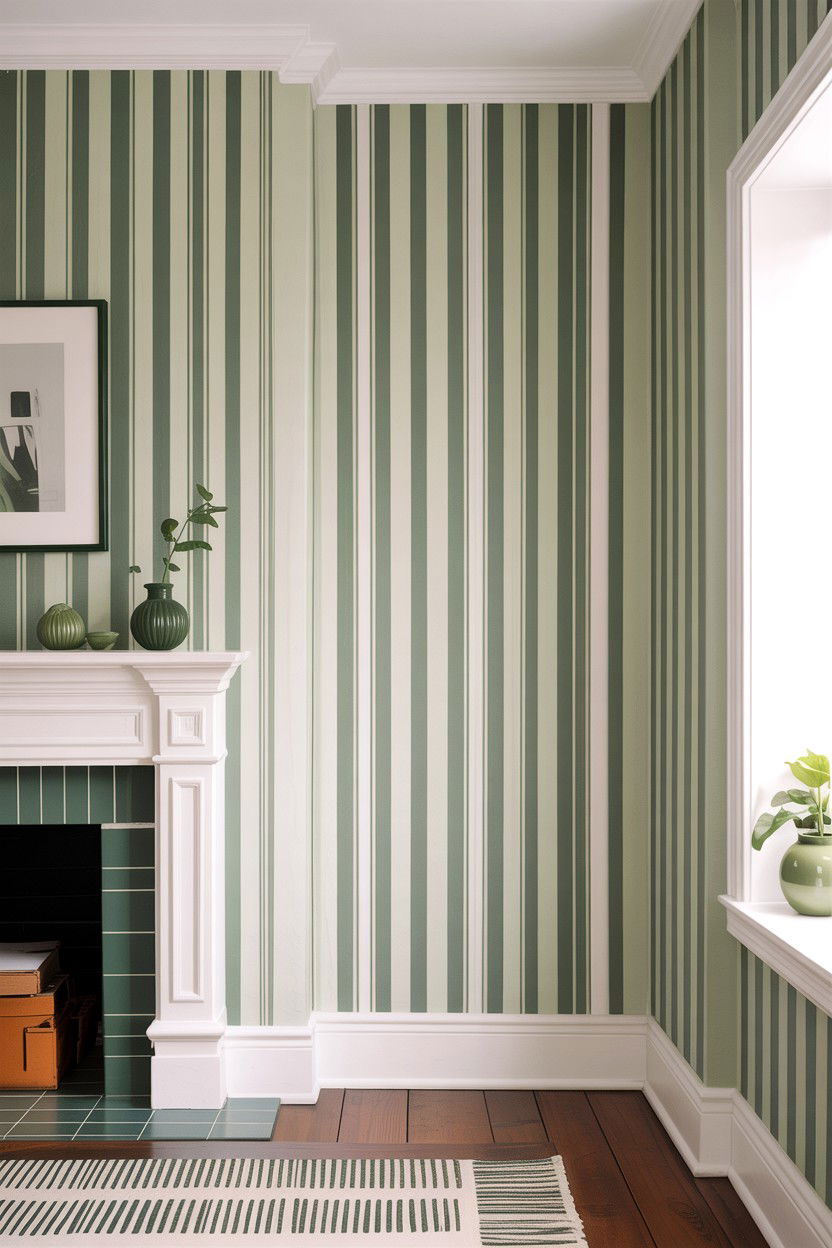
Using sage green and white striped wallpaper can add a classic, tailored look to your living room or a specific accent wall. Thinner pinstripes offer a more traditional and subtle feel, while wider horizontal or vertical stripes can feel more modern and bold. The repetition of the colors creates a sense of order and rhythm in the space, making it feel more structured. This wallpaper works well behind a white fireplace or as a backdrop for a gallery wall, providing interest without being too distracting. It’s a great way to introduce pattern while staying within a limited and calming color palette for a cohesive design.
15. Rustic sage green living room
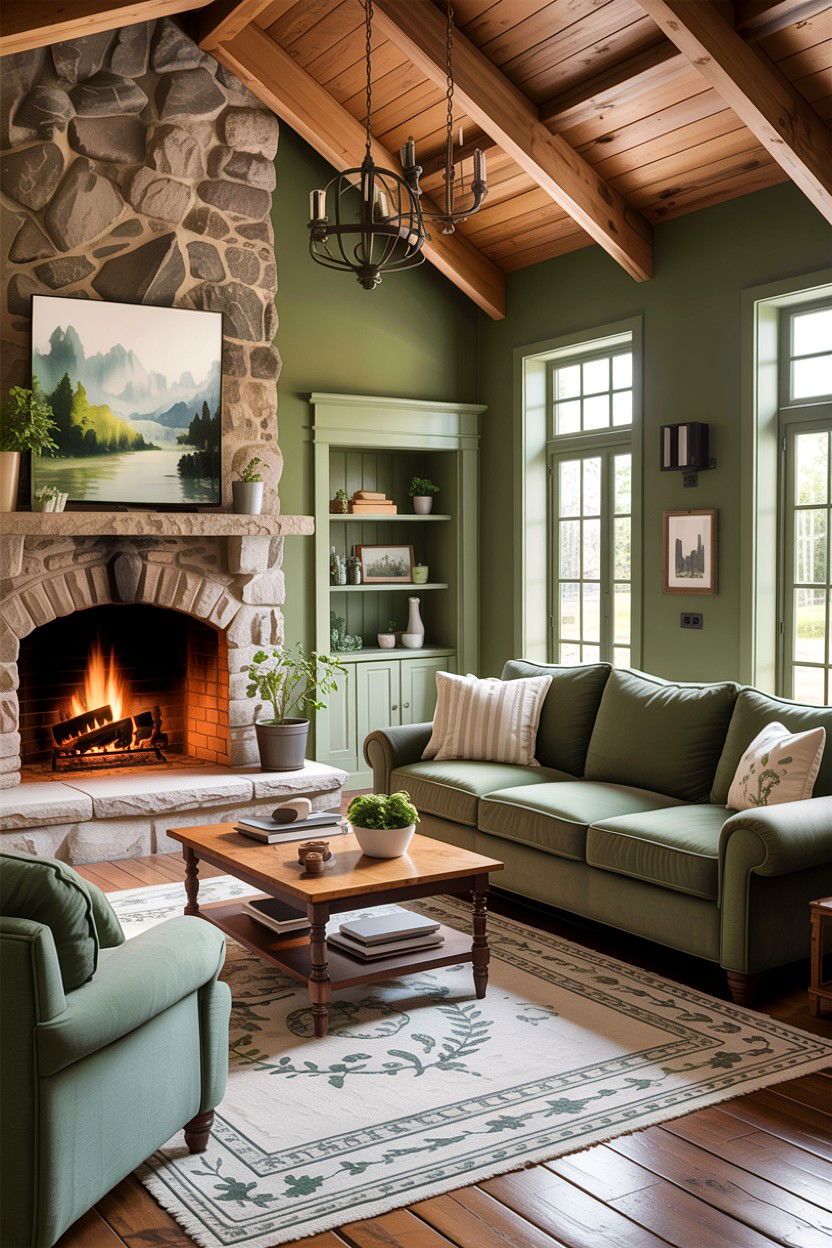
In a rustic living room, sage green acts as a perfect partner to natural stone, reclaimed wood, and white-washed finishes. You might choose sage green for a large, comfortable sectional or use it on an accent wall to complement a stone fireplace. The green brings a sense of life to the rugged textures often found in rustic decor, preventing the room from feeling too dark or heavy. White accents, such as a large area rug or white-painted beams, help to lift the space and keep it feeling current. This style is ideal for mountain cabins or country homes where you want to emphasize a connection to the landscape.
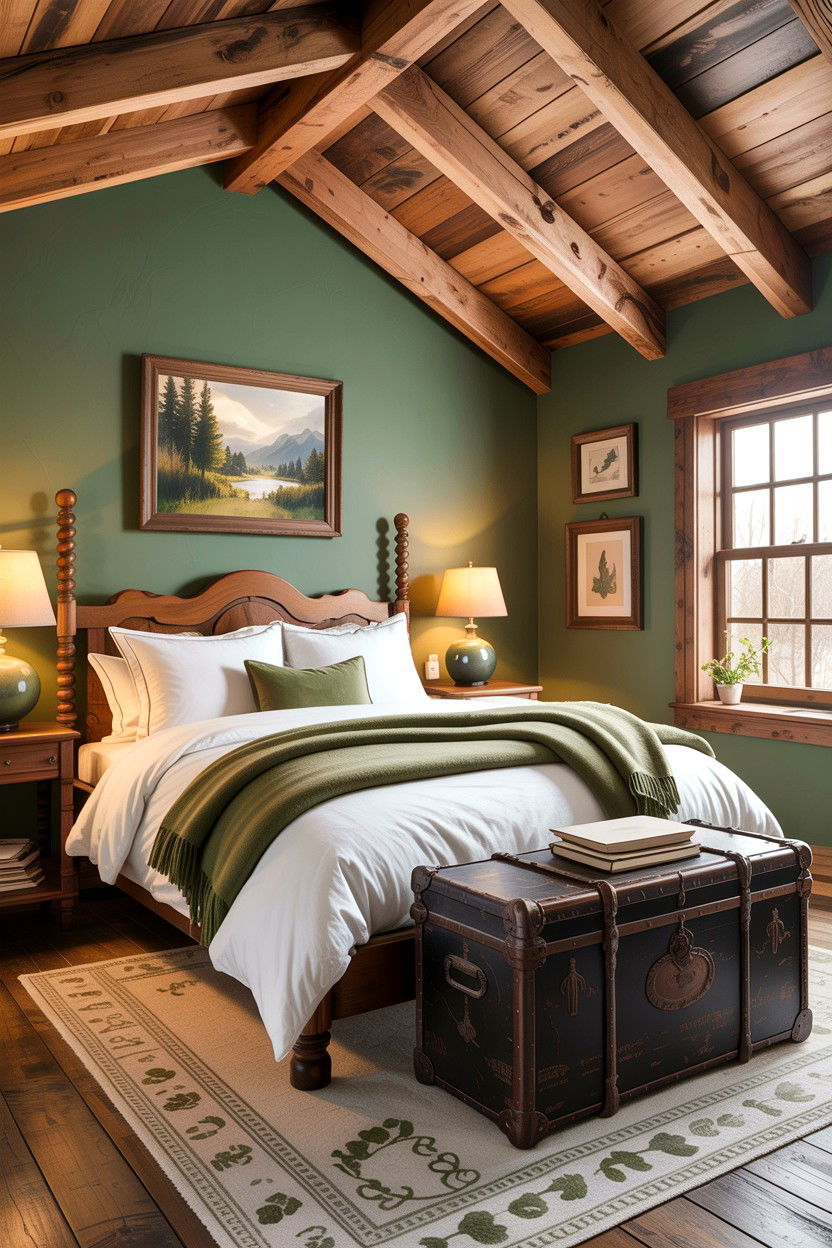
16. Sage green ottoman white living room
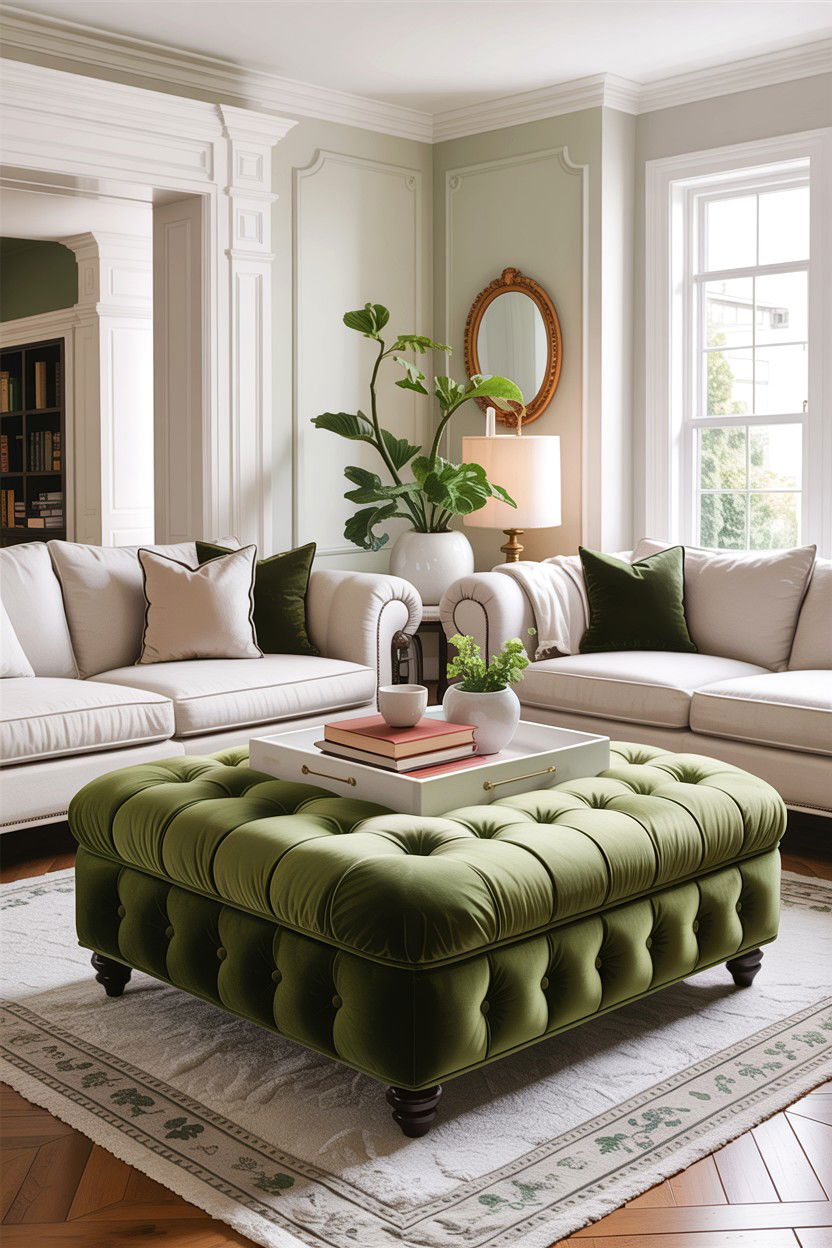
Replacing a traditional coffee table with a large sage green upholstered ottoman is a practical and stylish way to add color to a white room. The ottoman provides a soft surface for resting feet or can be topped with a white tray to hold drinks and books. This piece of furniture adds a pop of green in the center of the room, drawing the seating arrangement together. Choosing a fabric with a subtle texture, like linen or a soft weave, keeps the look sophisticated and approachable. It’s a versatile addition that works well in family-friendly living rooms where comfort and safety are top priorities.
17. Coastal sage green living room
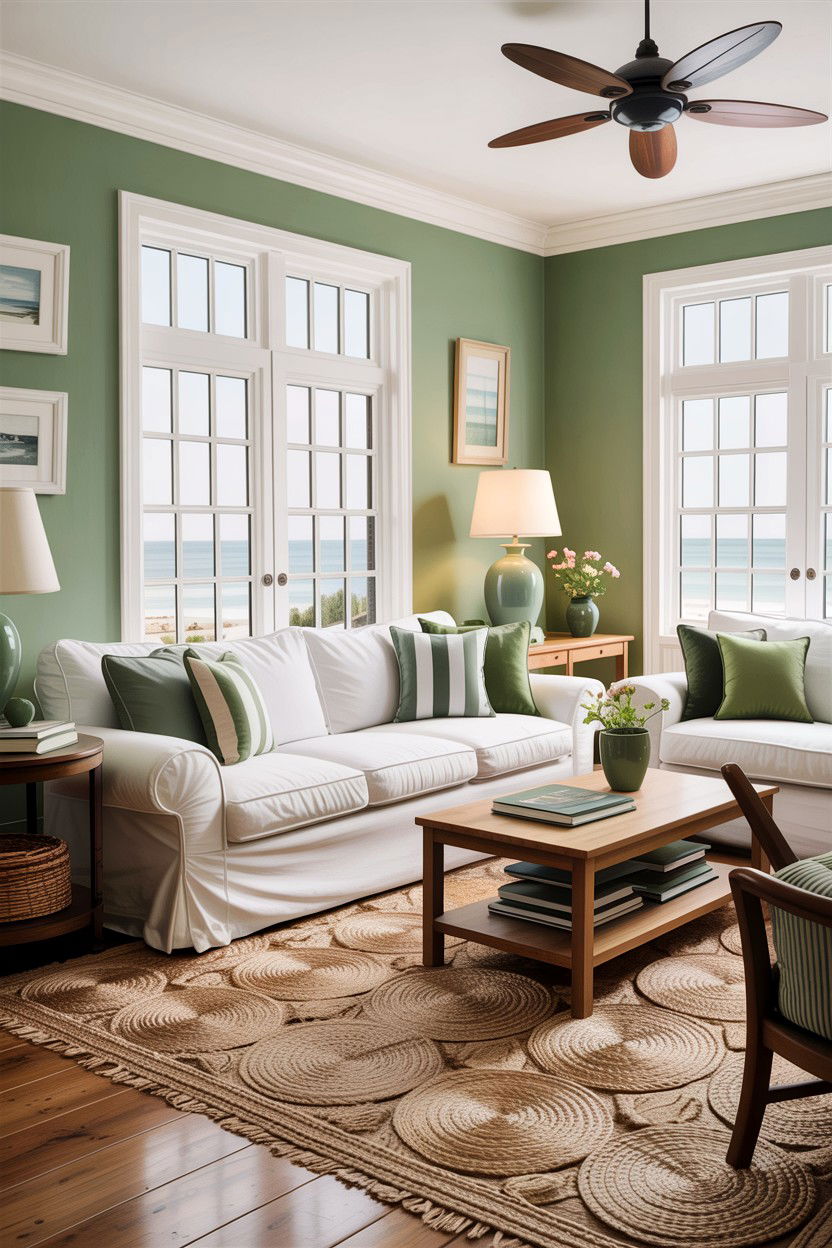
While coastal styles often lean toward blue, using sage green and white can create a unique, "sea glass" inspired coastal look. Pair light sage green accents with white slipcovered furniture, weathered wood, and woven seagrass elements to evoke a beachy, relaxed vibe. The sage green mimics the colors of coastal grasses and dunes, offering a more grounded alternative to traditional nautical themes. Incorporating white coral decor, shell-filled lamps, and airy linen curtains completes the look. This palette feels fresh and breezy, making your living room feel like a permanent vacation spot that is both elegant and incredibly comfortable for everyone.
18. Sage green and white textured cushions
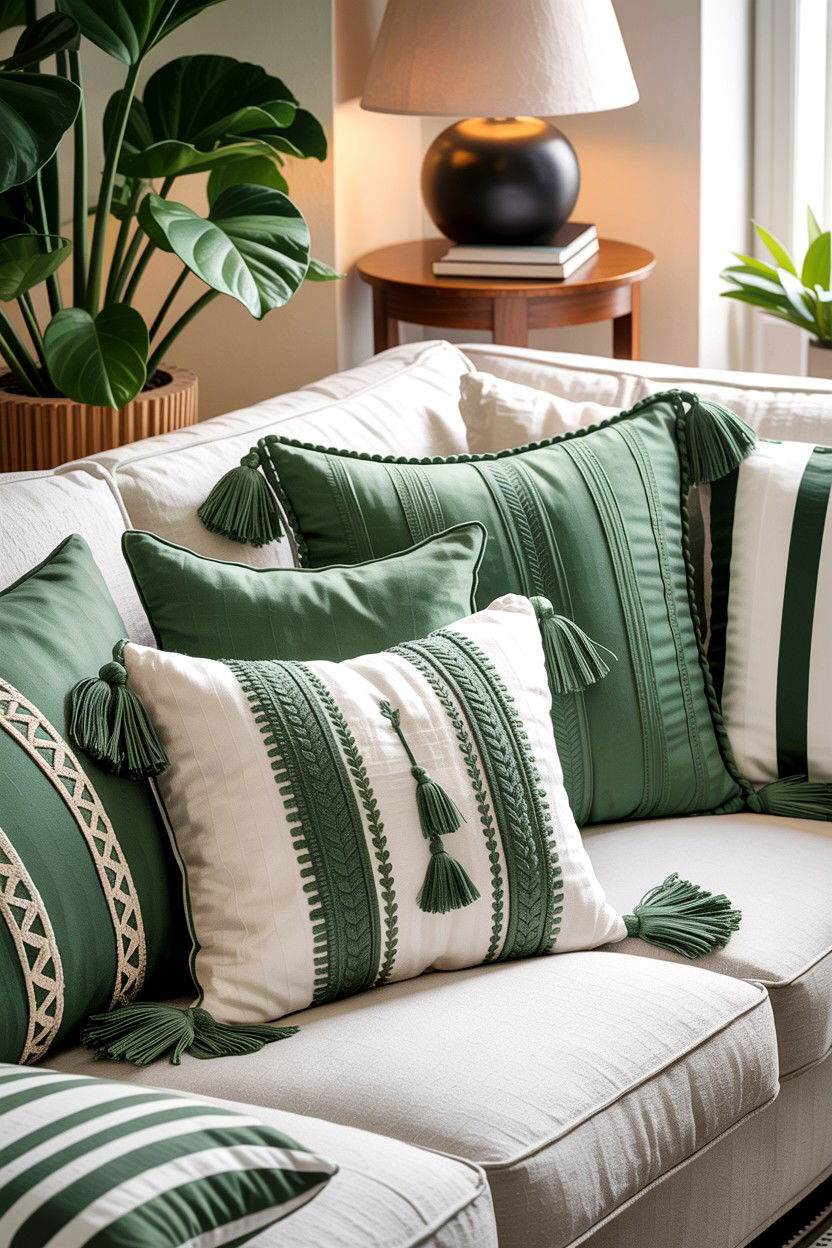
Texture is key to making a sage and white color scheme feel dynamic rather than flat. By mixing various sage green and white cushions with different finishes—such as pom-poms, tassels, embroidery, or quilted patterns—you add visual weight and interest to your seating area. These small details make a white sofa feel much more curated and high-quality. You can play with different scales of patterns, like a large sage floral print next to a small white geometric weave. This layering technique is an affordable way to update your living room and can be easily adjusted to suit different seasons or moods throughout the year.
19. Industrial sage green living room
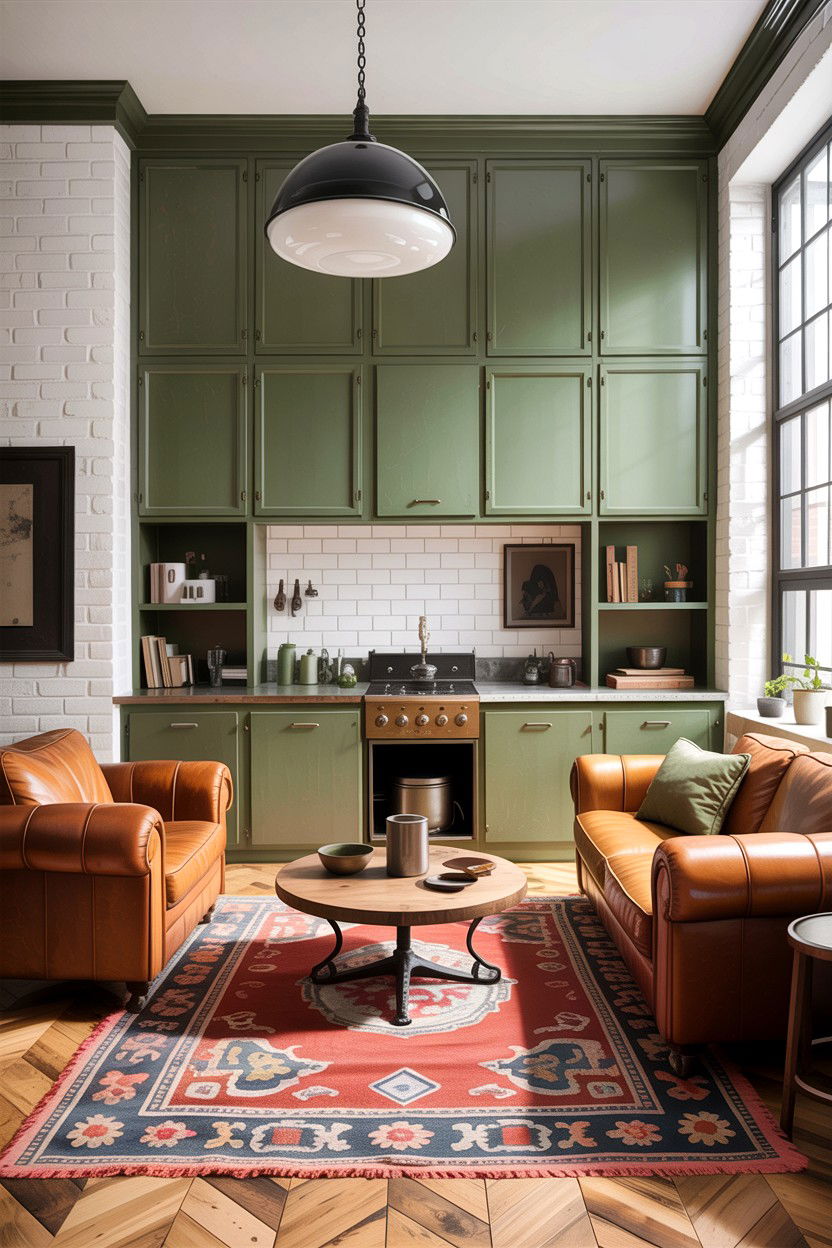
Industrial design often features raw materials like metal, brick, and concrete, which can sometimes feel cold. Introducing sage green and white softens these harsh elements, creating a more balanced and livable space. A sage green metal cabinet or a green leather chair looks striking against a white-painted brick wall or exposed concrete floors. The green adds an organic touch that contrasts beautifully with industrial hardware and dark metal accents. Using white for large areas like the ceiling or a main wall helps to keep the industrial space from feeling too cavernous or dark. This modern mix is perfect for loft-style living.
20. Sage green window treatments white room
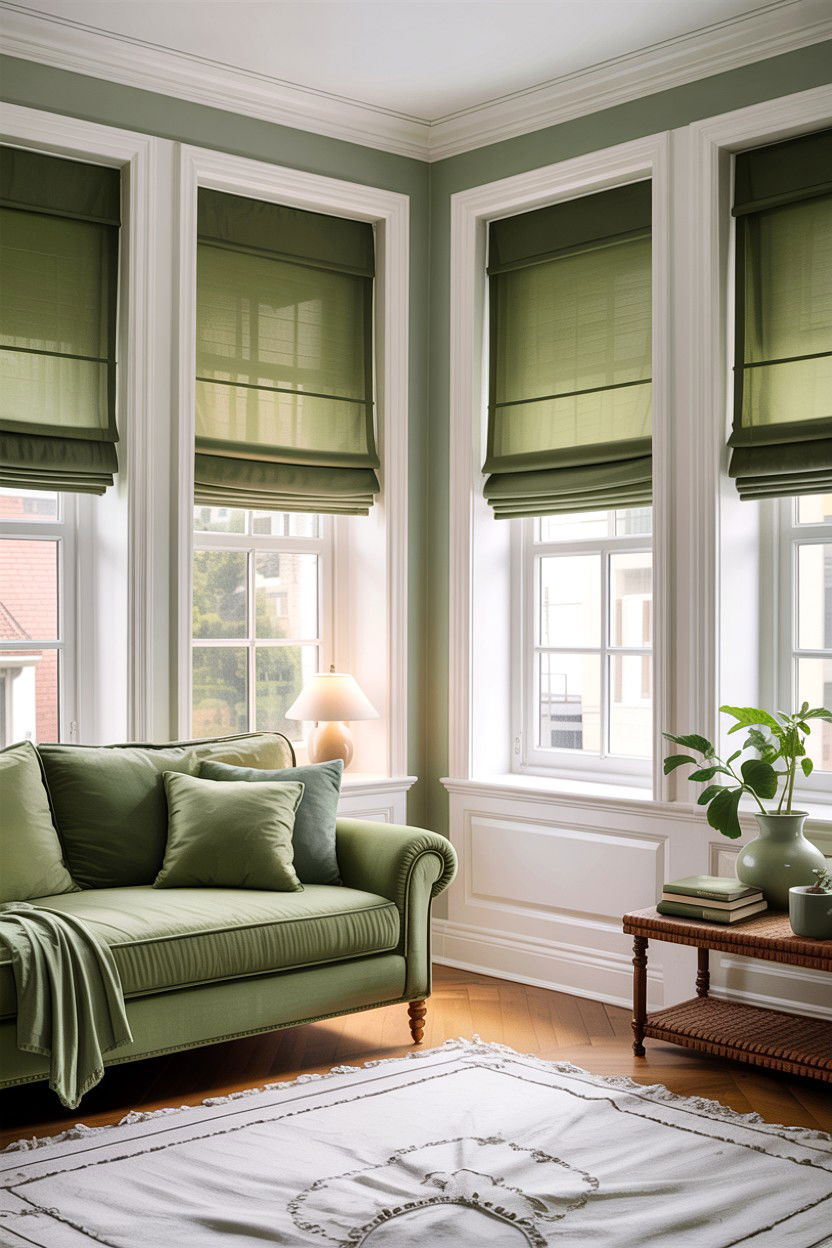
Beyond standard curtains, you can explore other sage green window treatments like Roman shades or plantation shutters to add color to a white room. Sage green Roman shades in a beautiful linen fabric provide a clean, structured look that feels very intentional. When the shades are lowered, they create a large block of calming color that changes the room's atmosphere instantly. Pairing these with white trim and white walls creates a crisp, framed effect around your windows. This is an excellent solution for smaller rooms where heavy drapes might feel too bulky, allowing you to incorporate color while maintaining a streamlined and modern appearance.
21. Sage green armchair white corner
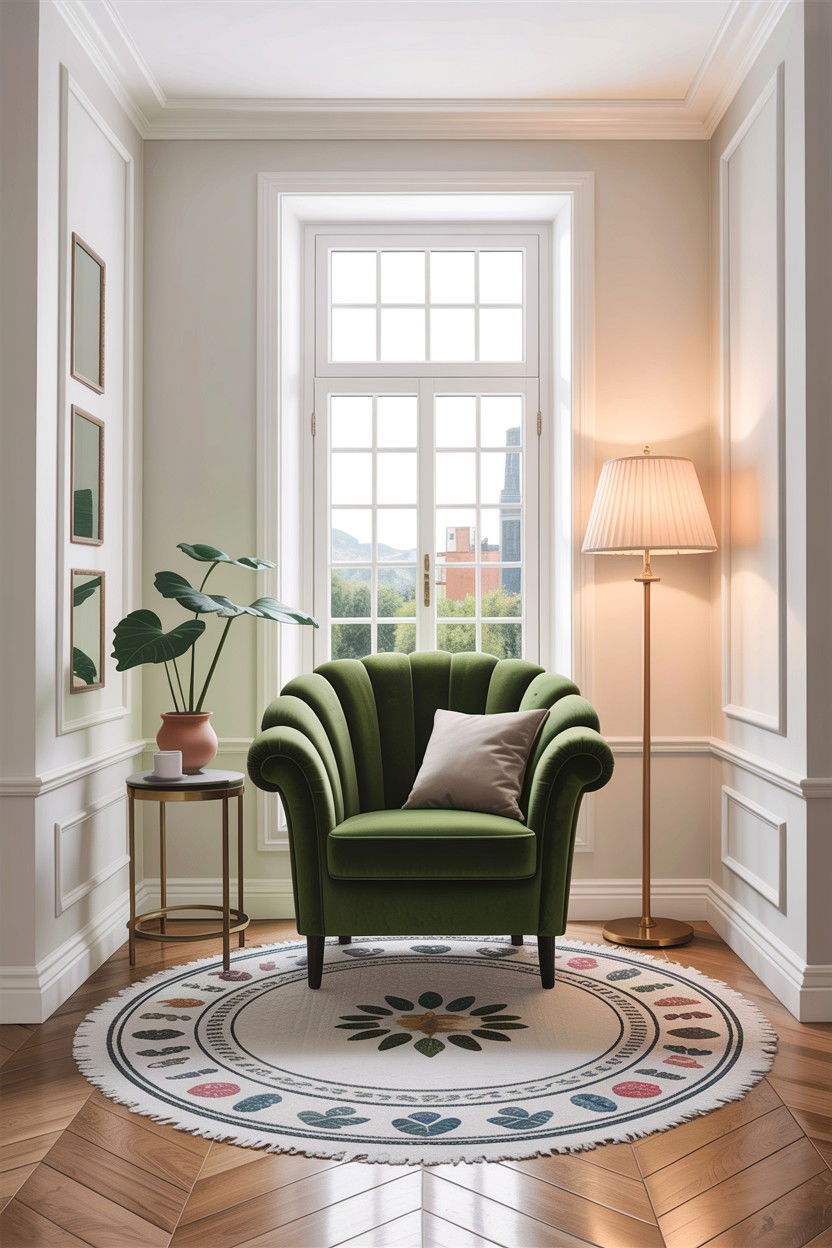
Creating a cozy reading nook with a sage green armchair in a bright white corner is a wonderful way to utilize unused space. The green chair provides a dedicated spot for relaxation and acts as a beautiful accent piece that draws the eye. You can enhance this corner with a small white side table, a sleek floor lamp, and perhaps a white floating shelf for your favorite books. The contrast between the green upholstery and the white walls makes the area feel like its own distinct "zone" within the larger living room. It’s a simple yet effective way to add both function and a pop of color.
22. Sage green and white mantle decor
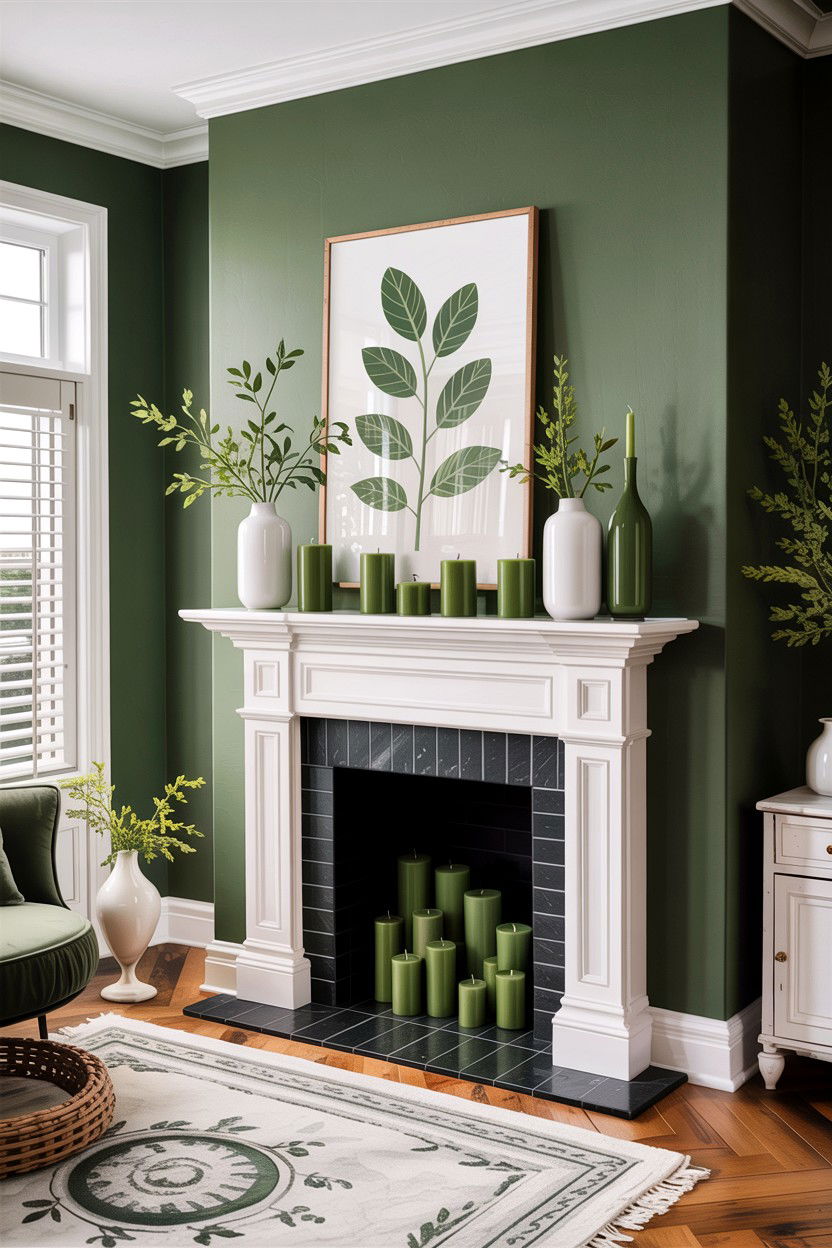
The fireplace mantle is often the heart of the living room, making it the perfect place to showcase your sage and white palette. You can arrange a collection of sage green candles, white ceramic vases, and framed botanical art to create a balanced and symmetrical display. Adding a few sprigs of real or faux eucalyptus or sage leaves in a white pitcher provides a natural, textured element that ties the colors together. This decor approach is easy to update seasonally and keeps the fireplace area looking fresh and intentional. The soft green tones against a white mantle create a look that is both classic and contemporary.
23. Traditional sage green living room
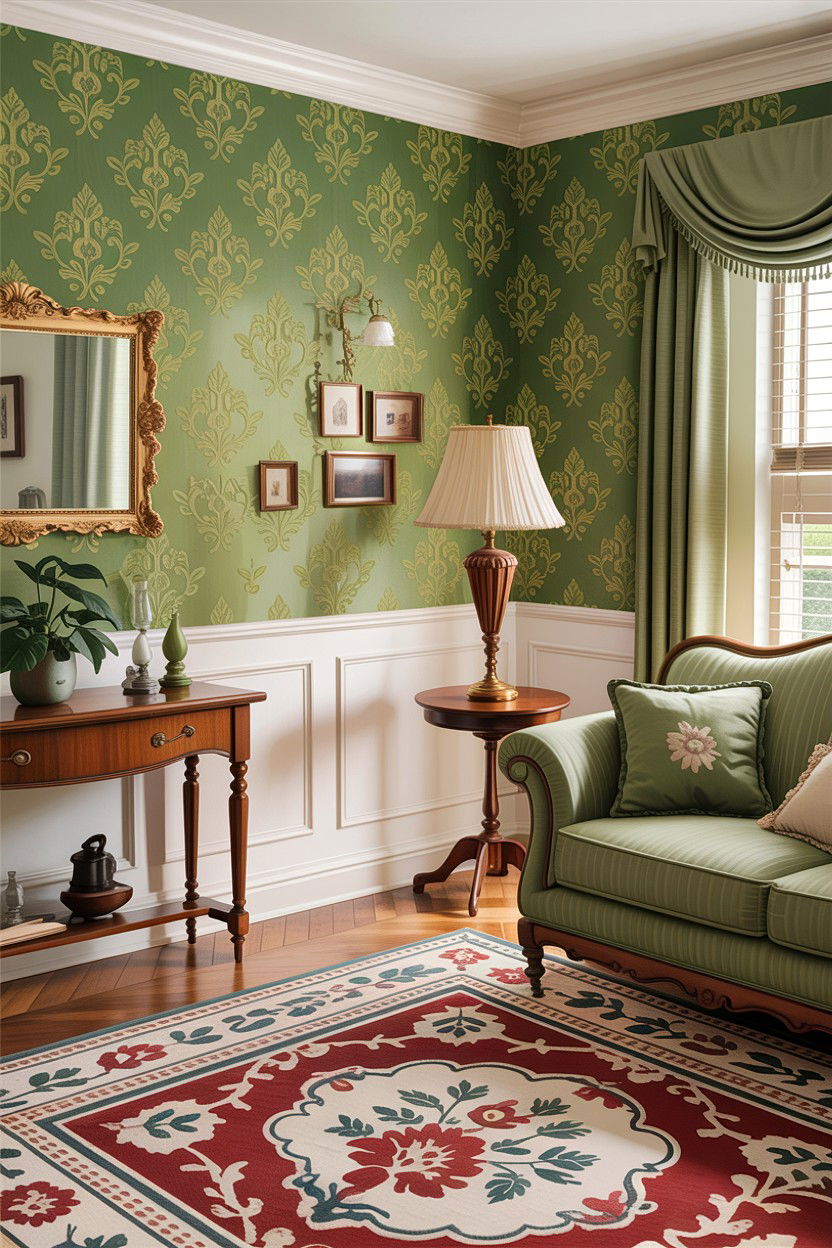
In a more traditional setting, sage green can be used on the walls or in upholstery to create a sense of timeless elegance. Think of a sage green damask wallpaper paired with white crown molding and traditional white-painted wainscoting. This combination feels formal yet inviting, especially when complemented by antique-style furniture and brass accents. The sage green provides a subtle depth that feels more sophisticated than standard neutrals, making it a great choice for a formal living or sitting room. White accents through lampshades, picture frames, and area rugs keep the traditional look from feeling dated or too heavy for modern living.
24. Sage green ceiling white walls
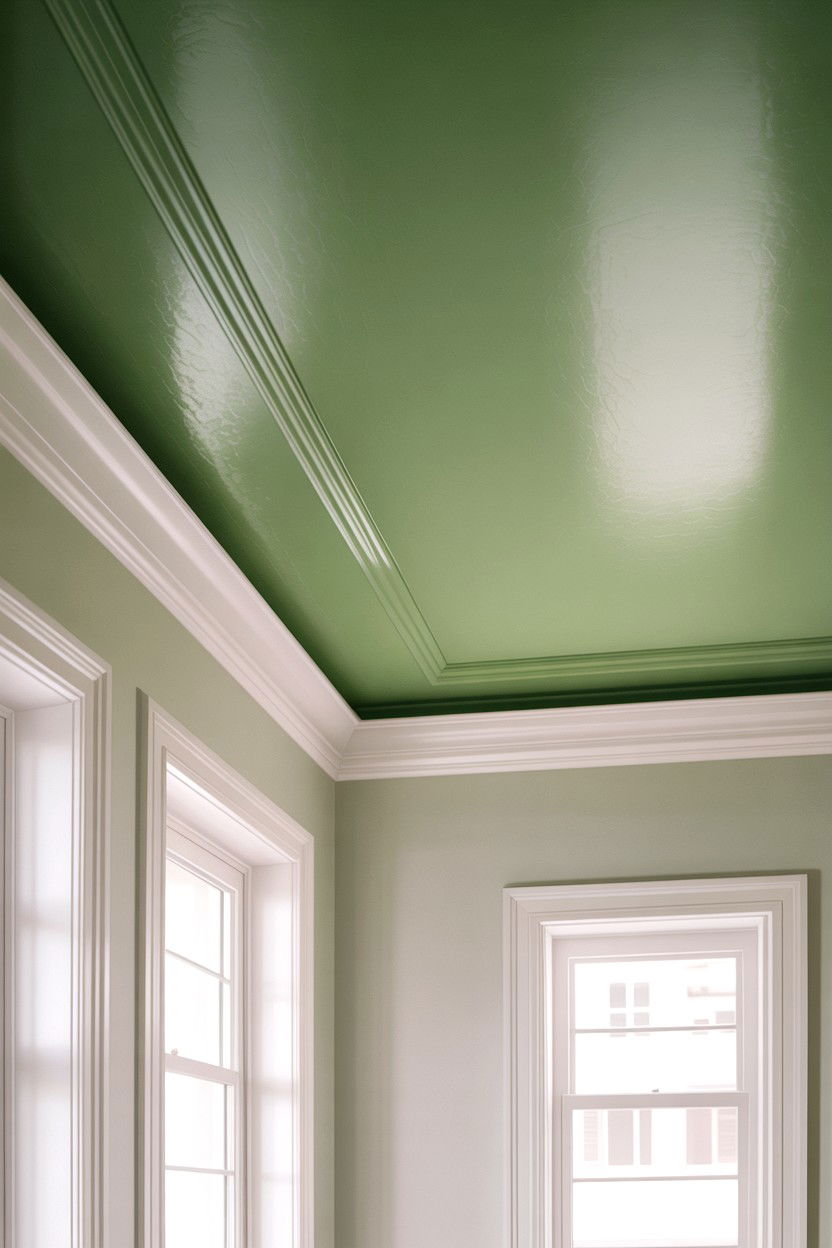
For a truly unique and daring design choice, consider painting your living room ceiling in a soft sage green while keeping the walls a crisp white. This "fifth wall" approach draws the eye upward, making the room feel more intimate and cozy without sacrificing the brightness of the white walls. It works particularly well in rooms with high ceilings or interesting architectural details like coffers or beams. The green ceiling creates a canopy-like effect that feels protective and serene, reminiscent of looking up through a leafy forest. This unexpected pop of color adds a high-end, designer feel to any living space with minimal effort.
25. Sage green and white geometric rug
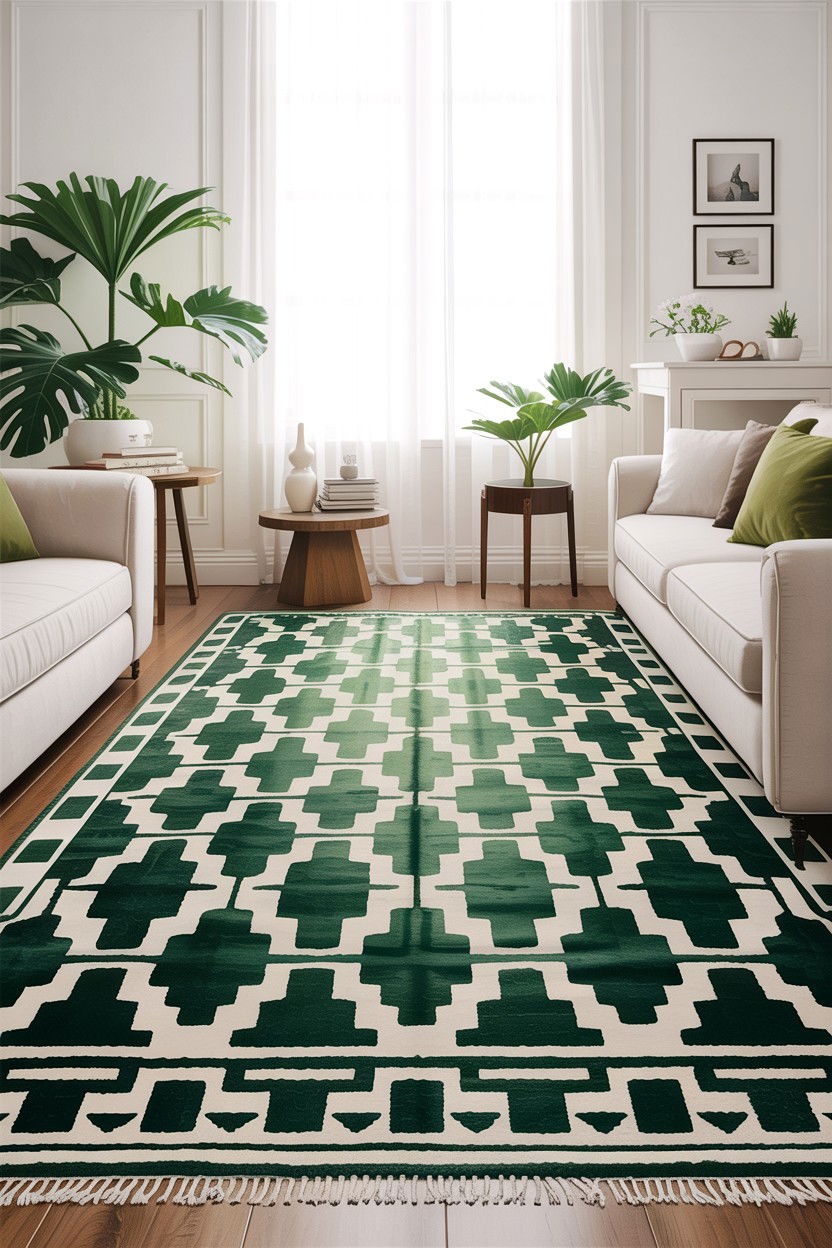
A geometric rug featuring sage green and white patterns can add a modern, energetic vibe to your living room. Whether it’s a bold chevron, a subtle trellis, or a contemporary abstract design, the repeating pattern provides visual interest and movement. This type of rug works well in a minimalist or modern room where you want to add a bit of "wow" factor without using too many different colors. The green and white combination ensures the pattern doesn't feel overwhelming, maintaining the room's overall sense of calm. It’s a great way to tie together green furniture and white walls for a cohesive and stylish look.
26. Mid century modern sage green living room
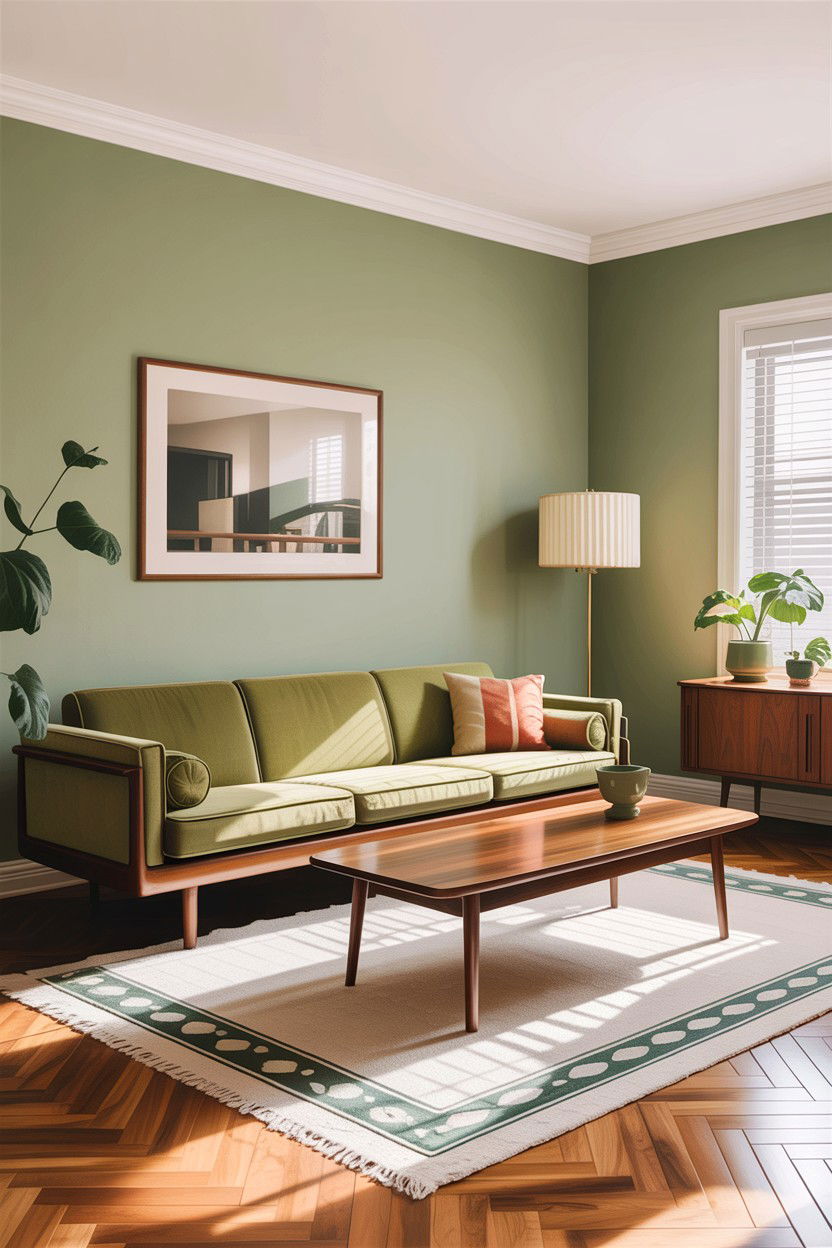
Mid-century modern design often uses earthy tones, and sage green fits perfectly into this aesthetic. Pair a sage green low-profile sofa with white walls and iconic wood furniture like a walnut coffee table or a credenza. The muted green hue complements the warm wood tones beautifully, while the white walls provide the necessary brightness to keep the space feeling modern. You can add more sage green through abstract art or ceramic lamps with white shades. This style is all about clean lines and organic shapes, and the sage and white palette enhances this connection to natural materials and timeless, functional design.
27. Sage green paneling white walls
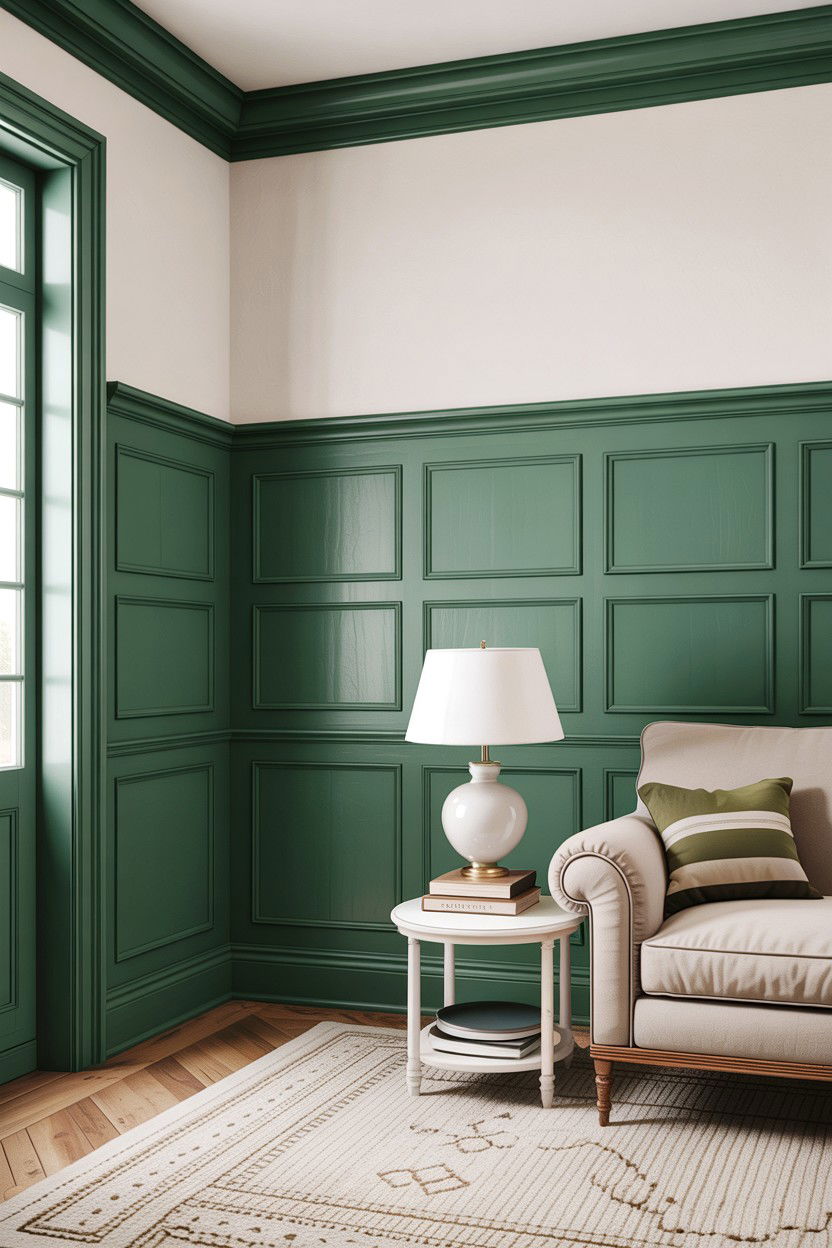
Installing sage green wall paneling or wainscoting on the bottom half of your walls with white paint on the top half is a classic design technique. This adds architectural interest and a sense of structure to the room, making it feel more high-end and custom. The green paneling provides a durable and stylish backdrop for furniture, while the white upper walls keep the room feeling airy and light. This look is particularly effective in hallways or living rooms that transition into other spaces. You can finish the look with a white chair rail and matching white trim for a polished and cohesive appearance that feels very intentional.
28. Sage green and white gallery wall
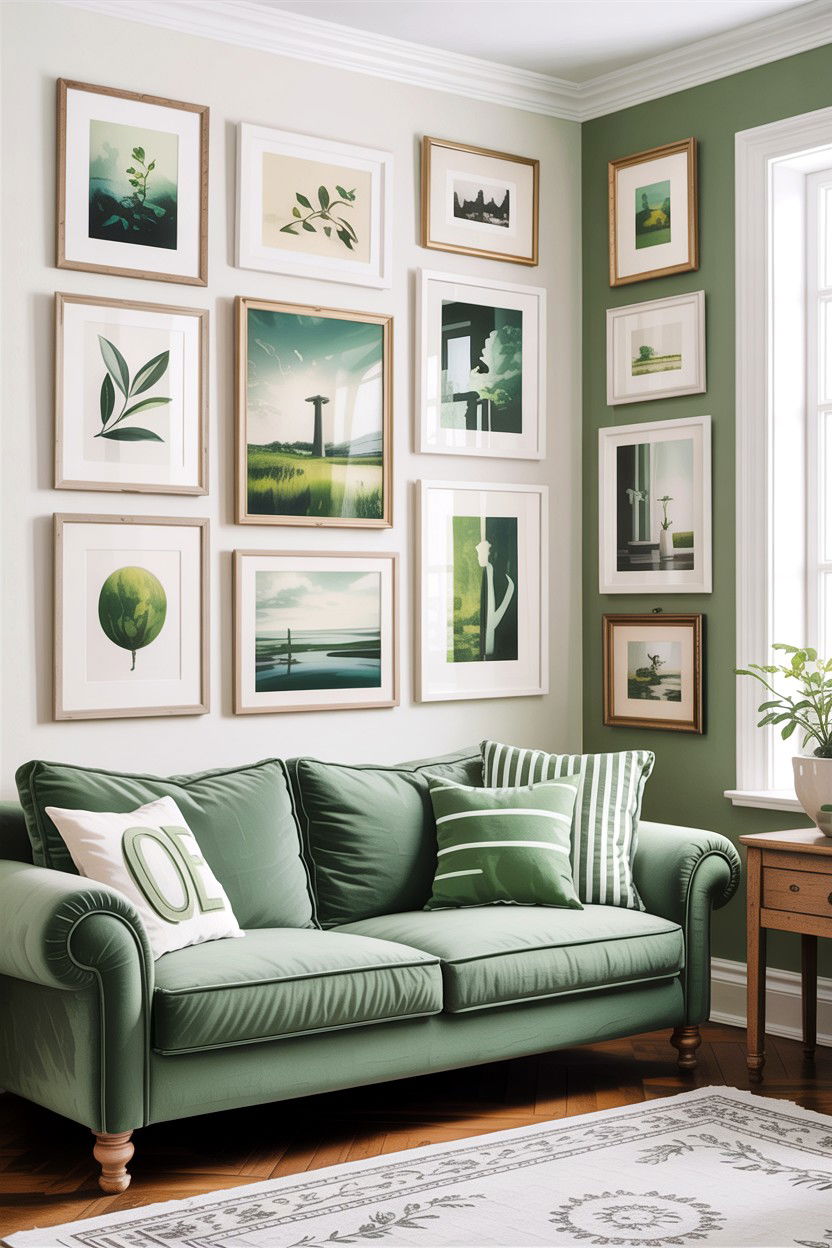
Creating a gallery wall using only sage green and white elements is a sophisticated way to fill a large blank wall. You can mix botanical prints, abstract green paintings, white-on-white textured art, and even green-tinted mirrors. Using consistent frames, such as all white or all light wood, helps to unify the different pieces. This curated collection acts as a major design feature, bringing color and personality into the room in a structured way. Because the color palette is limited, the gallery wall won't feel cluttered or chaotic, even if you include many different pieces. It’s a great way to showcase your personal style.
29. Small sage green living room
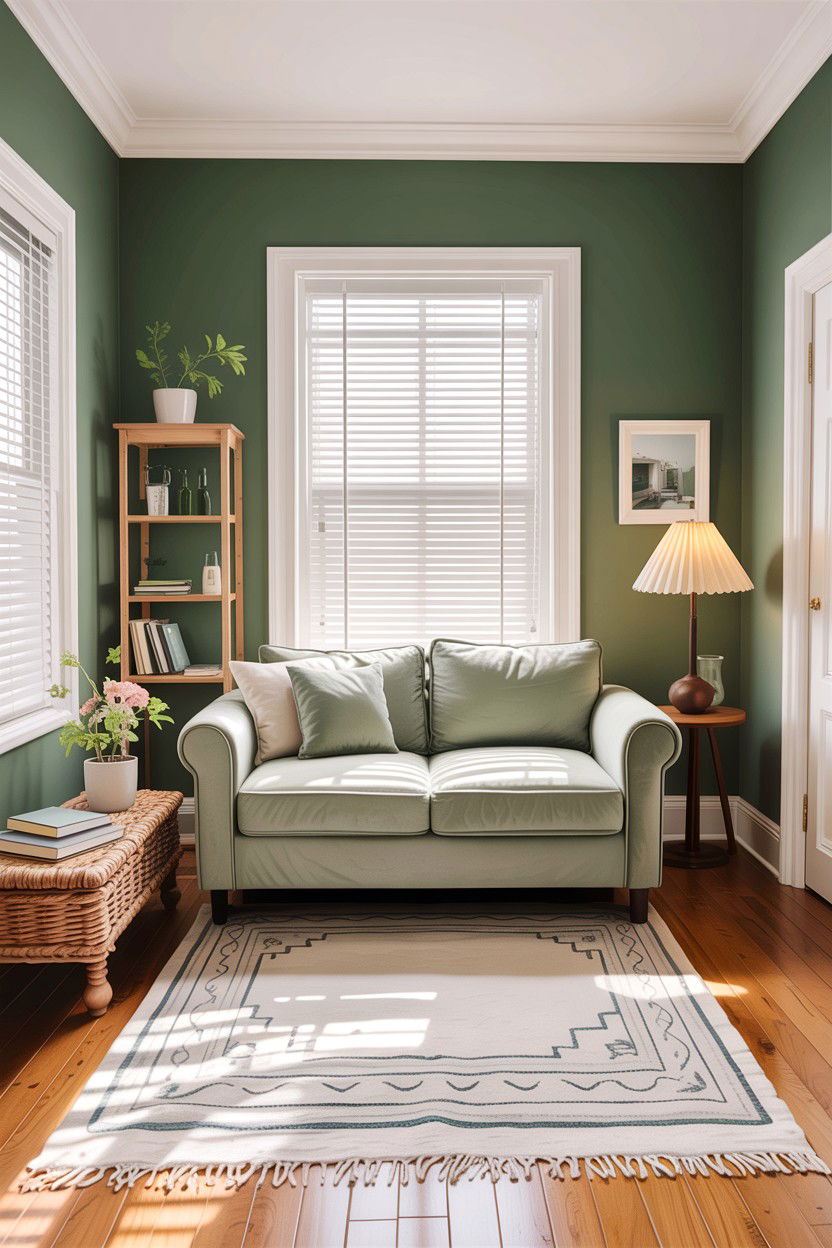
In a smaller living room, using sage green and white can help the space feel more open and less cramped. Stick to lighter shades of sage for accents and keep the majority of the walls white to maximize the feeling of space. A sage green loveseat or a set of green nesting tables adds color without taking up too much visual weight. Using vertical elements like sage green shelving or tall white floor lamps can also help to draw the eye upward, making the ceiling feel higher. This palette is naturally soothing, which is essential in small spaces where you want to create a sense of calm and order.
30. Sage green and white open floor plan
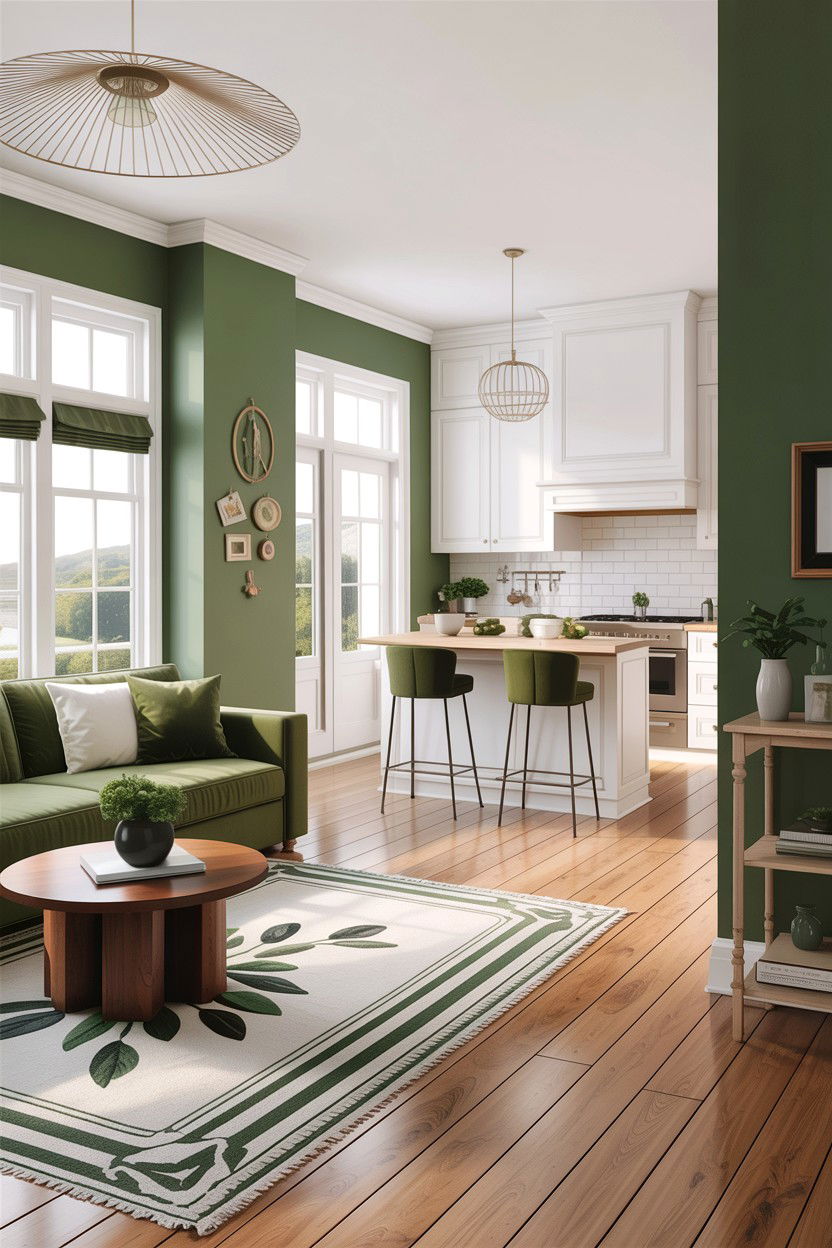
For homes with an open floor plan, using sage green and white helps to define the living area while maintaining a flow between different zones. You can use a sage green accent wall in the living section and carry the color through to the kitchen with sage green island stools or white cabinetry with green hardware. This consistent use of color creates a sense of harmony throughout the entire open space. White serves as the grounding neutral that ties everything together, ensuring the transition between the living, dining, and kitchen areas feels seamless and well-planned. This approach creates a cohesive and inviting home environment.
Conclusion:
Incorporating sage green and white into your living room is a foolproof way to create a space that is both stylish and incredibly peaceful. This versatile color combination works across a wide range of design styles, from rustic farmhouse to sleek modern minimalism, making it an excellent choice for any home. By balancing these two hues through paint, furniture, and thoughtful accessories, you can achieve a look that feels fresh, nature-inspired, and timeless. Whether you choose a bold sage accent wall or subtle green cushions on a white sofa, the result will be a harmonious environment that promotes relaxation and comfort for years to come.
Related posts:

Leave a Reply