

Designing a cohesive living room dining room combo requires a thoughtful balance between functionality and aesthetic harmony. When two distinct areas share a single open space, the goal is to create a seamless transition while maintaining clear boundaries for relaxation and eating. Successful layouts often leverage furniture placement, lighting, and color palettes to define zones without using physical walls. This approach maximizes natural light and makes even the smallest apartments feel expansive and airy. Whether you are working with a long narrow floor plan or a spacious open concept, understanding how to anchor each area is key. By focusing on shared textures and complementary furniture styles, you can transform a multi-functional room into a stylish and inviting heart of the home.
1. Small apartment living dining room layout
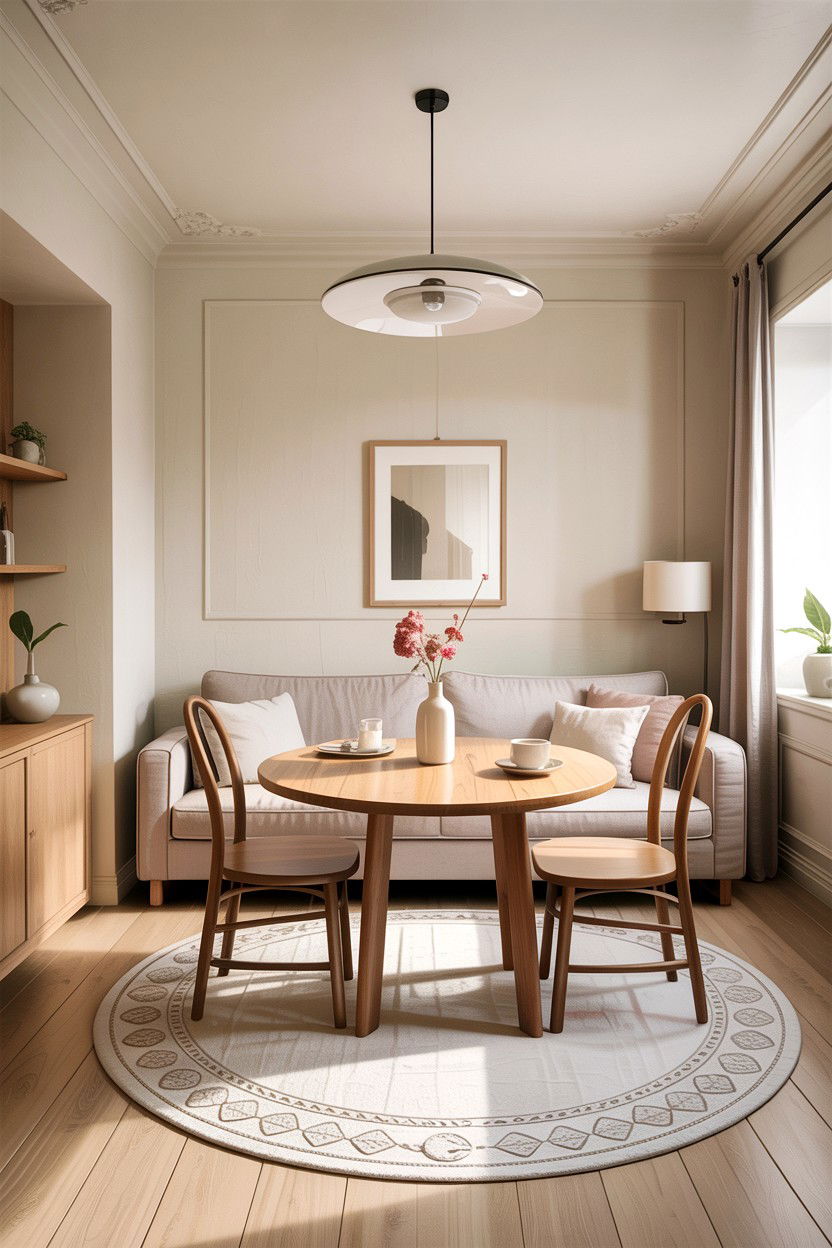
Creating a functional flow in a compact apartment requires a strategic approach to furniture placement and visual boundaries. You can start by positioning a sleek, low-profile sofa with its back to the dining area to naturally separate the two zones without using bulky walls. A small round dining table tucked into a corner or near a window maximizes floor space while offering a cozy spot for meals. Choosing a light color palette helps the entire room feel airy and expansive, preventing a cramped sensation. Use a large area rug under the living area furniture to define that specific zone clearly. This layout ensures every inch of your limited square footage serves a purpose while maintaining a stylish, cohesive look throughout the entire space.
2. Open concept living room dining room floor plan
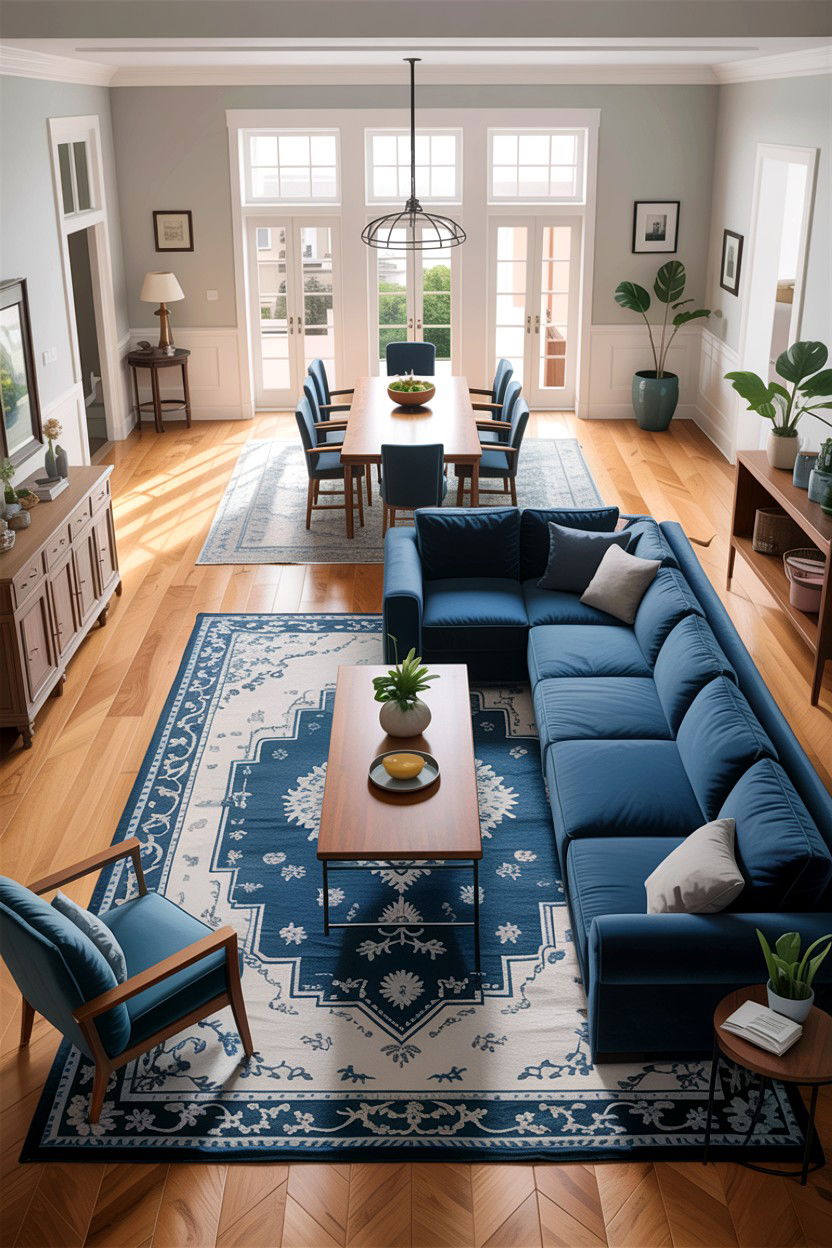
An open concept floor plan offers incredible flexibility for hosting and daily life, but it needs careful zoning to avoid looking cluttered. One effective method is using two distinct area rugs to anchor the living and dining furniture separately. For example, a plush rug under the sectional sofa defines the relaxation zone, while a flat-weave rug under a rectangular dining table marks the eating area. Coordinating the color schemes across both sections ensures visual continuity, making the large space feel intentional rather than accidental. Large windows can be used as a shared backdrop, allowing natural light to flow through both areas. This strategy creates an inviting environment where you can easily transition from a formal dinner to a comfortable movie night.
3. Long narrow living dining room arrangement
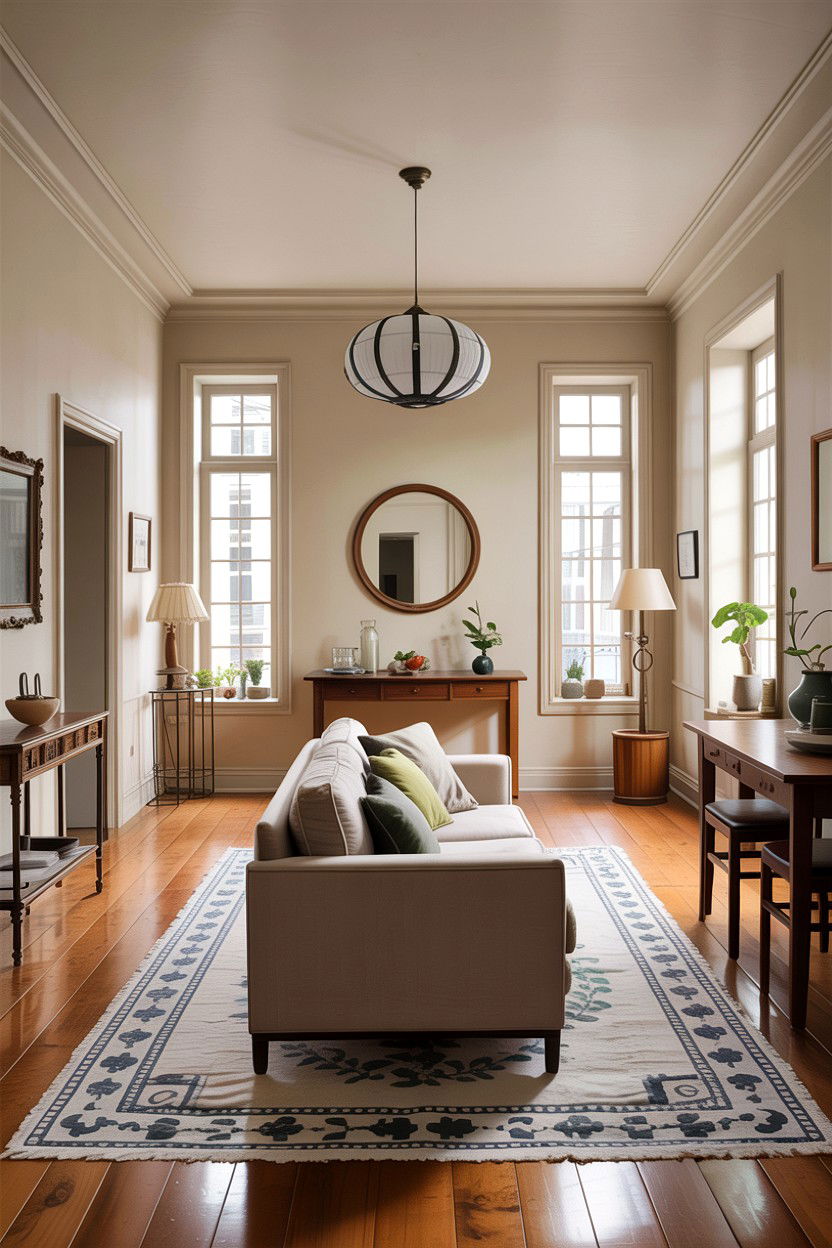
Arranging furniture in a long, narrow room can be challenging, but floating your pieces away from the walls can make the space feel much wider. Instead of lining everything against the perimeter, try placing the sofa in the middle of the room to act as a divider. Behind the sofa, you can place a console table or transition directly into the dining area with a long wooden table. This "back-to-back" setup creates a clear path for walking along the sides of the room. Using vertical elements like tall floor lamps or hanging plants can draw the eye upward, breaking the linear feel of the walls. This arrangement turns a potentially awkward hallway-like room into a sophisticated, multi-layered living and dining destination.
4. Modern living room dining room divider
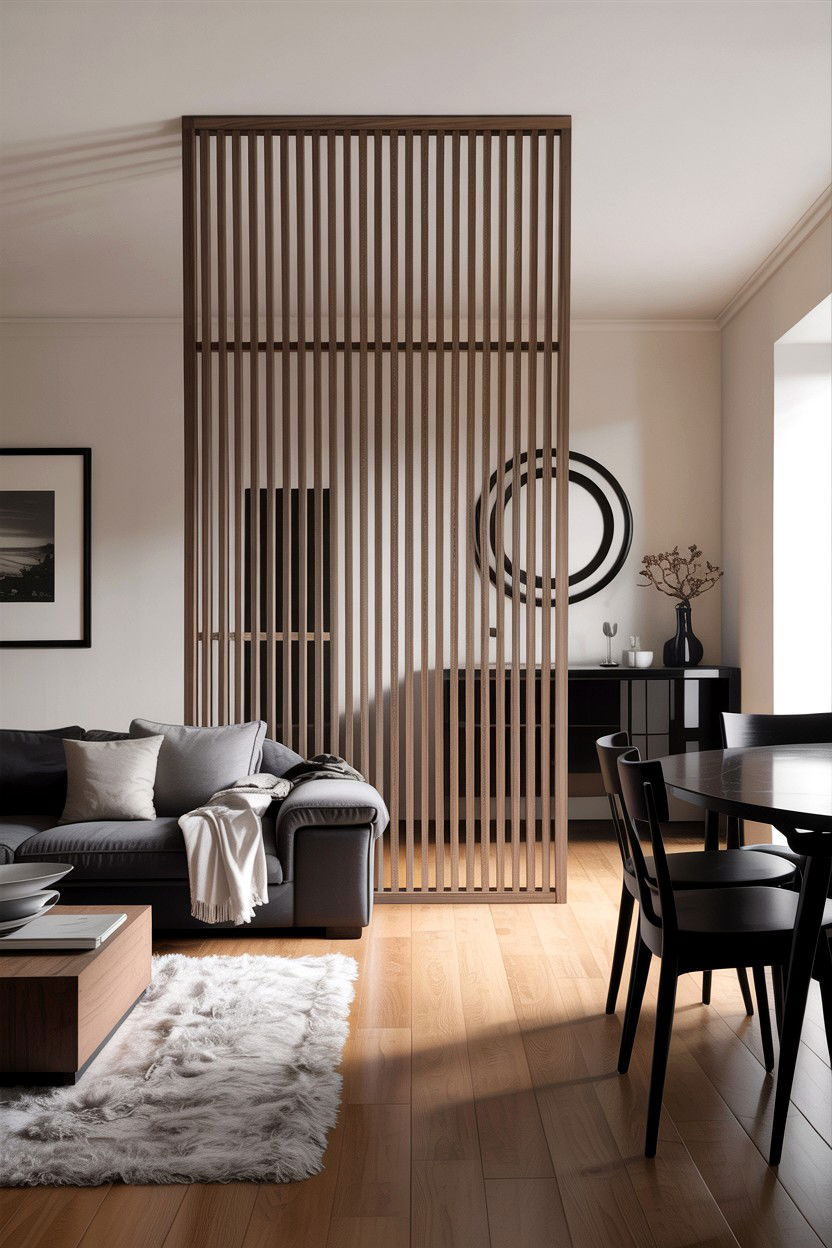
If you want a more defined separation without losing the open feel, a modern room divider is a perfect solution. Slatted wood partitions or elegant glass screens provide a visual break while allowing light and air to pass through freely. These architectural elements add a touch of sophistication and can serve as a stunning focal point in the room. You might also consider a low-profile credenza or a double-sided fireplace to mark the boundary between the lounging and eating zones. By choosing materials that match your existing furniture, such as black metal or light oak, the divider feels like a natural extension of the decor. This approach offers privacy and structure while maintaining the spaciousness of a modern open-plan home.
5. L shaped living room dining room setup
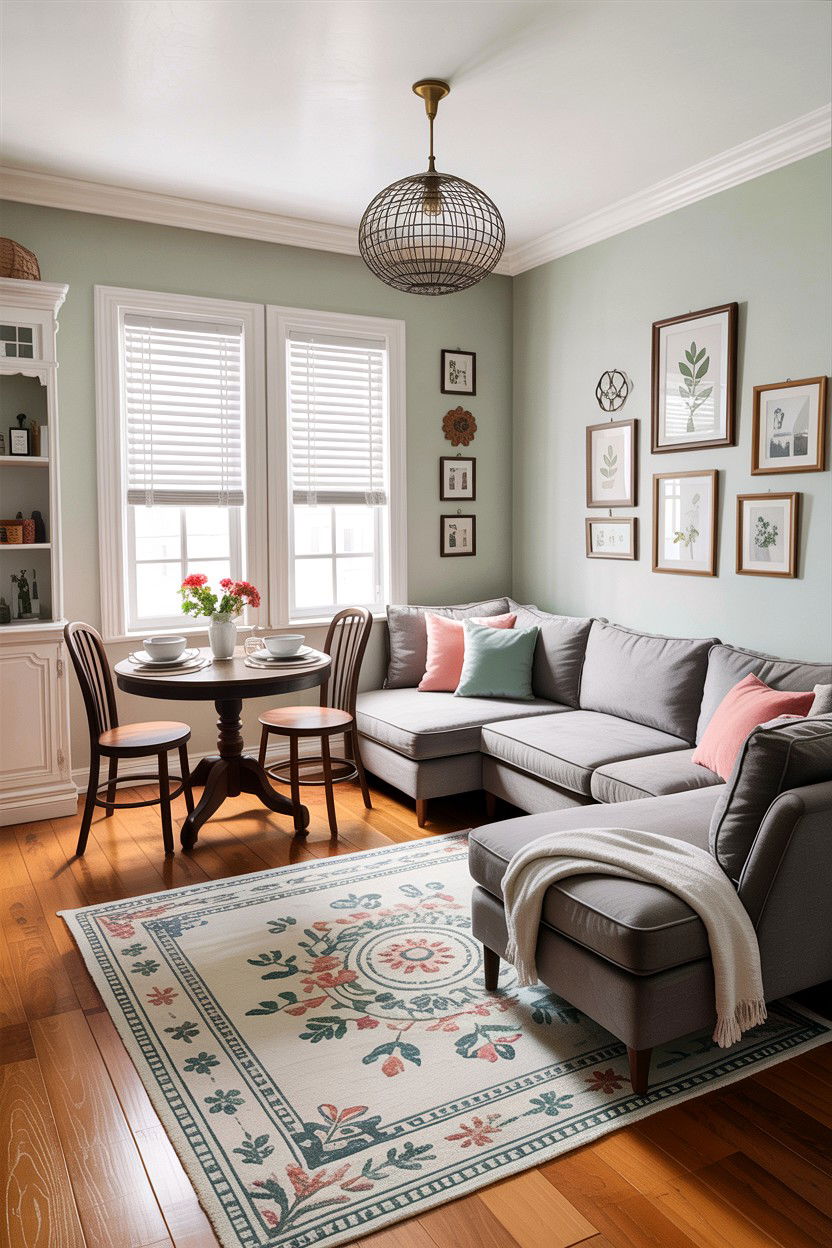
The L-shaped layout naturally lends itself to a living room dining room combo by providing a built-in nook for the dining table. You can place the dining set in the shorter arm of the "L" to create an intimate, tucked-away feeling for meals. The larger section of the room then becomes a dedicated living area for a large sectional sofa and entertainment center. To unify the two distinct arms of the room, use a consistent wall color and similar wood tones for the coffee and dining tables. Hanging a large piece of art in the dining nook can help it feel like a destination rather than an afterthought. This layout is excellent for families who want separate zones while staying connected in one large room.
6. Industrial living room dining room style
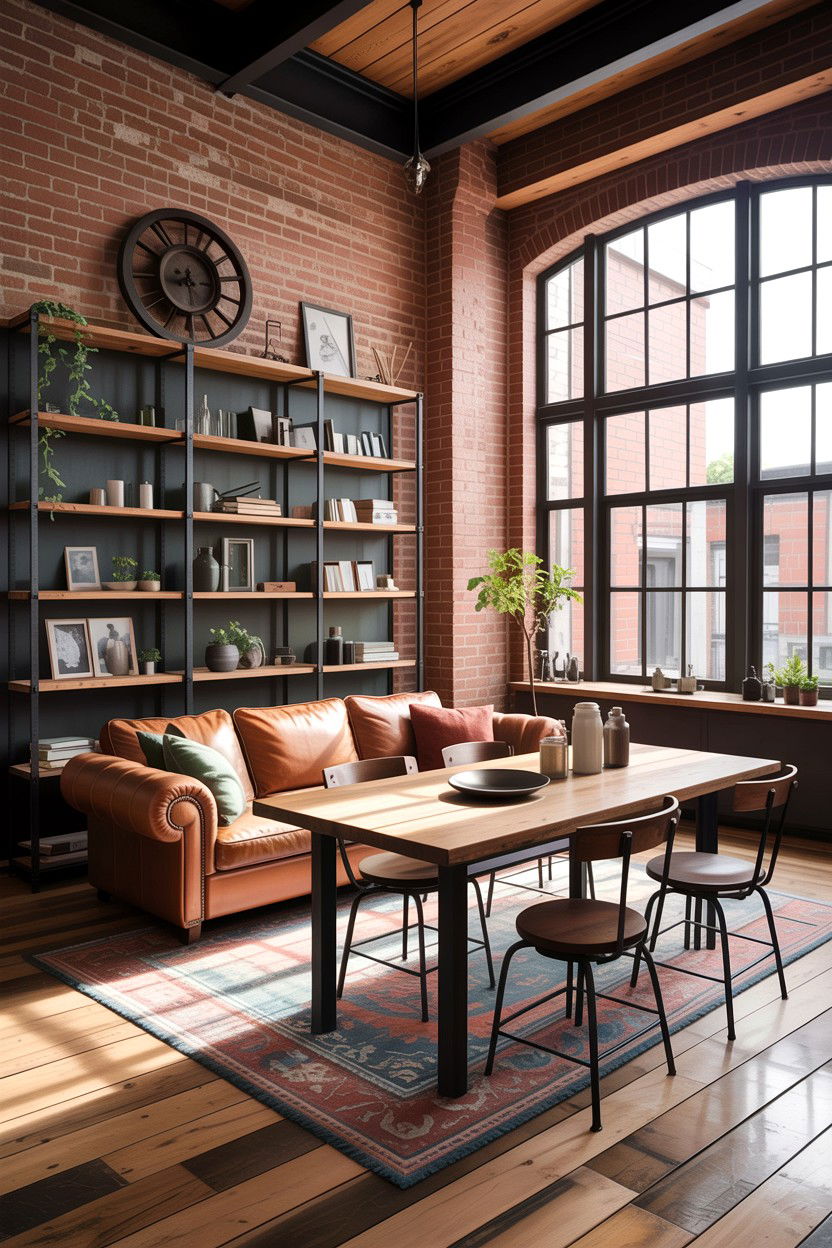
Embracing the industrial style in a combined space involves mixing raw materials like exposed brick, metal accents, and reclaimed wood. In a living room dining room combo, you can use heavy black metal shelving units to act as a porous divider between the two areas. A sturdy wooden dining table with iron legs pairs beautifully with a leather sofa and a neutral, textured rug. To keep the space from feeling too cold, add soft textiles like wool throws and linen curtains in shades of charcoal or navy. Large factory-style windows should be left unobstructed to flood the room with natural light. This design celebrates structural elements while providing a rugged yet comfortable environment for both dining and relaxing.
7. Farmhouse living room dining room decor
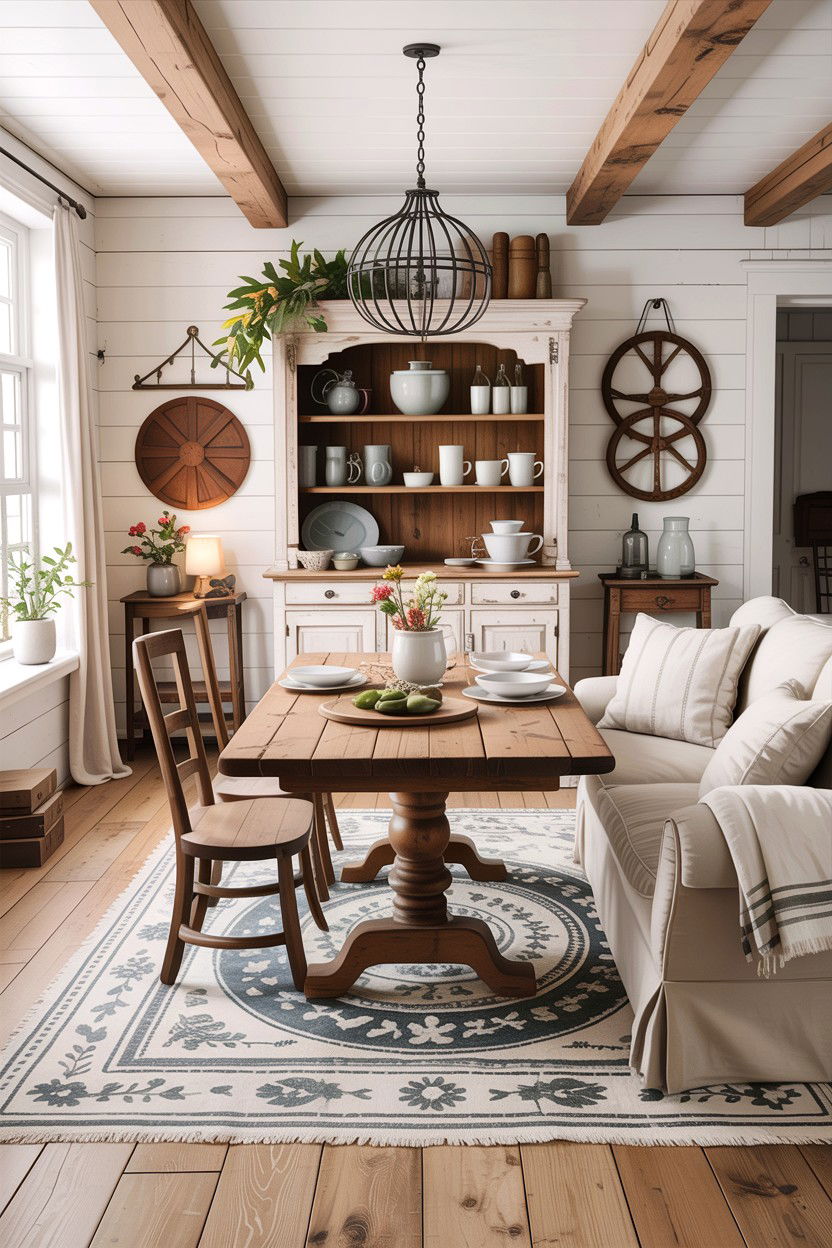
Farmhouse decor brings a sense of warmth and rustic charm to an open living and dining space. You can achieve this look by incorporating a large white-washed hutch in the dining area to store heirloom dishes and serve as a visual anchor. In the living zone, a slipcovered sofa in a neutral cream tone provides a cozy spot for gathering. Use natural wood beams on the ceiling to visually connect the two spaces while adding architectural interest. A chunky farmhouse dining table with mismatched chairs adds character and a lived-in feel. Incorporating woven baskets and sprigs of greenery throughout both areas ensures a cohesive, country-inspired aesthetic that feels both organized and incredibly welcoming for guests and family alike.
8. Minimalist living room dining room combo
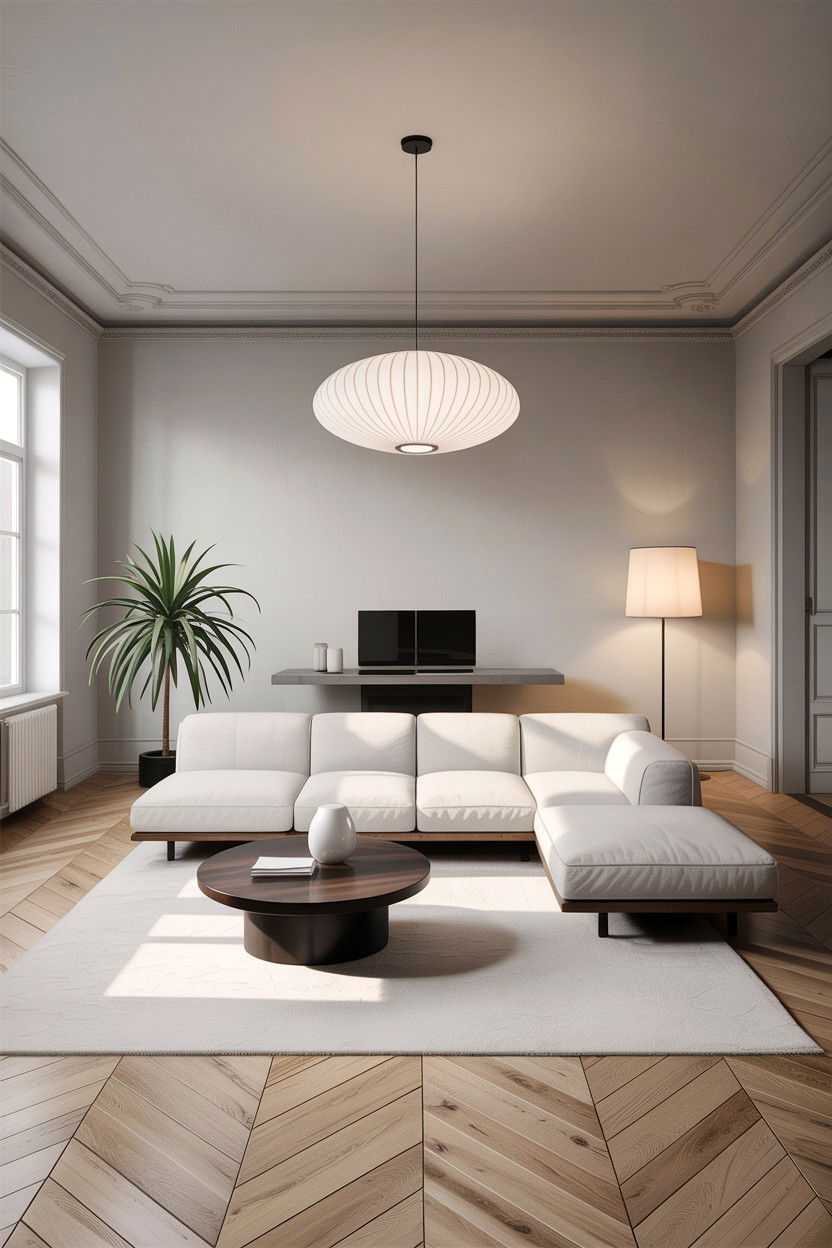
A minimalist approach focuses on clean lines and a "less is more" philosophy to create a serene combined space. Choose furniture with slim profiles and hidden storage to keep surfaces clutter-free and maintain a sense of openness. A monochromatic color palette, such as varying shades of white and soft grey, helps the living and dining areas blend seamlessly into one another. Instead of heavy dividers, use the negative space between the sofa and the dining table to create a natural transition. Select a single, high-quality statement piece for each zone, like a sculptural coffee table or a simple pendant light. This design style promotes a calm atmosphere, making your home feel like a peaceful retreat from the busy outside world.
9. Mid century modern living dining room
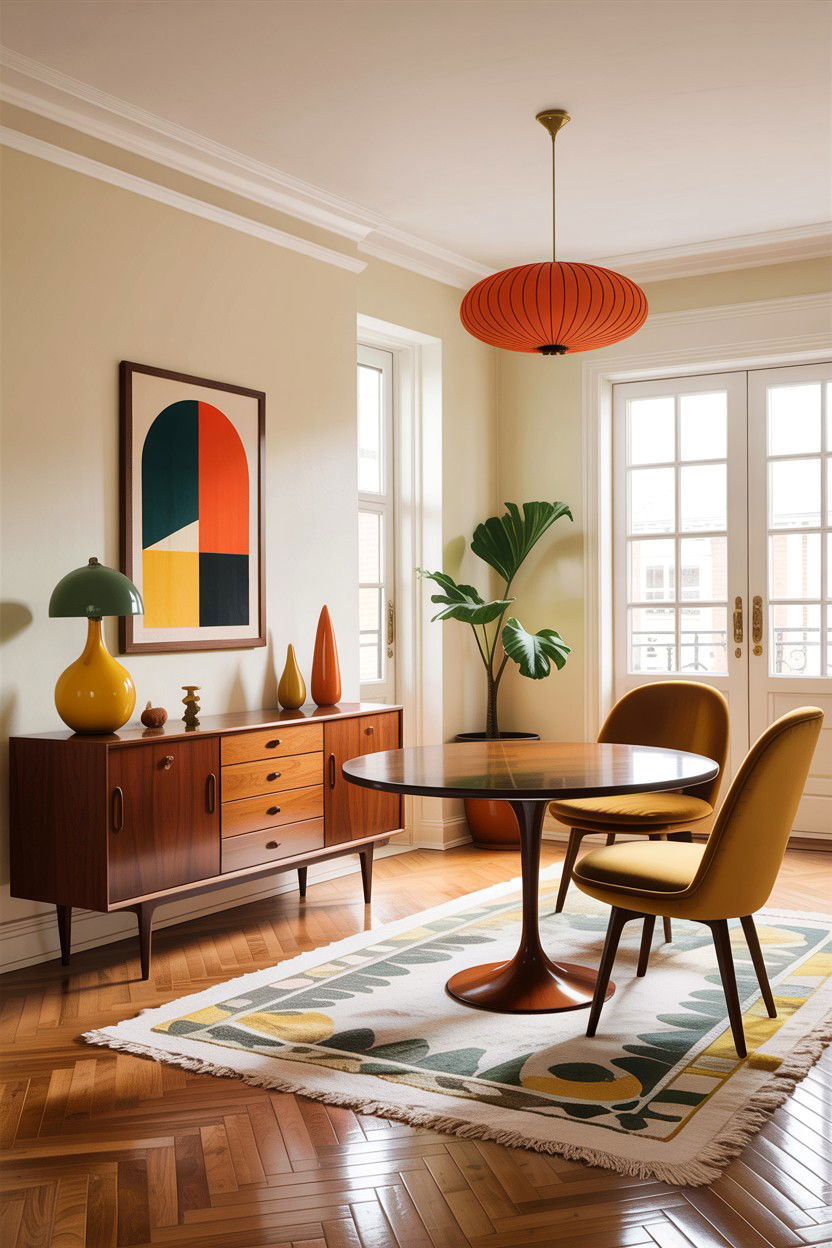
Mid-century modern design is perfect for combined rooms because of its focus on functionality and iconic silhouettes. You can use a classic walnut sideboard to separate the living area from the dining space, providing both storage and a surface for decor. Look for furniture with tapered legs, which creates a sense of "airiness" by showing more of the floor beneath. A tulip-style dining table and Eames-inspired chairs can sit adjacent to a low-profile sofa with clean, geometric lines. Use pops of mustard yellow or teal in your throw pillows and wall art to tie the two zones together. This style offers a timeless, sophisticated look that feels curated and intentional in any open-concept floor plan.
10. Scandinavian living room dining room
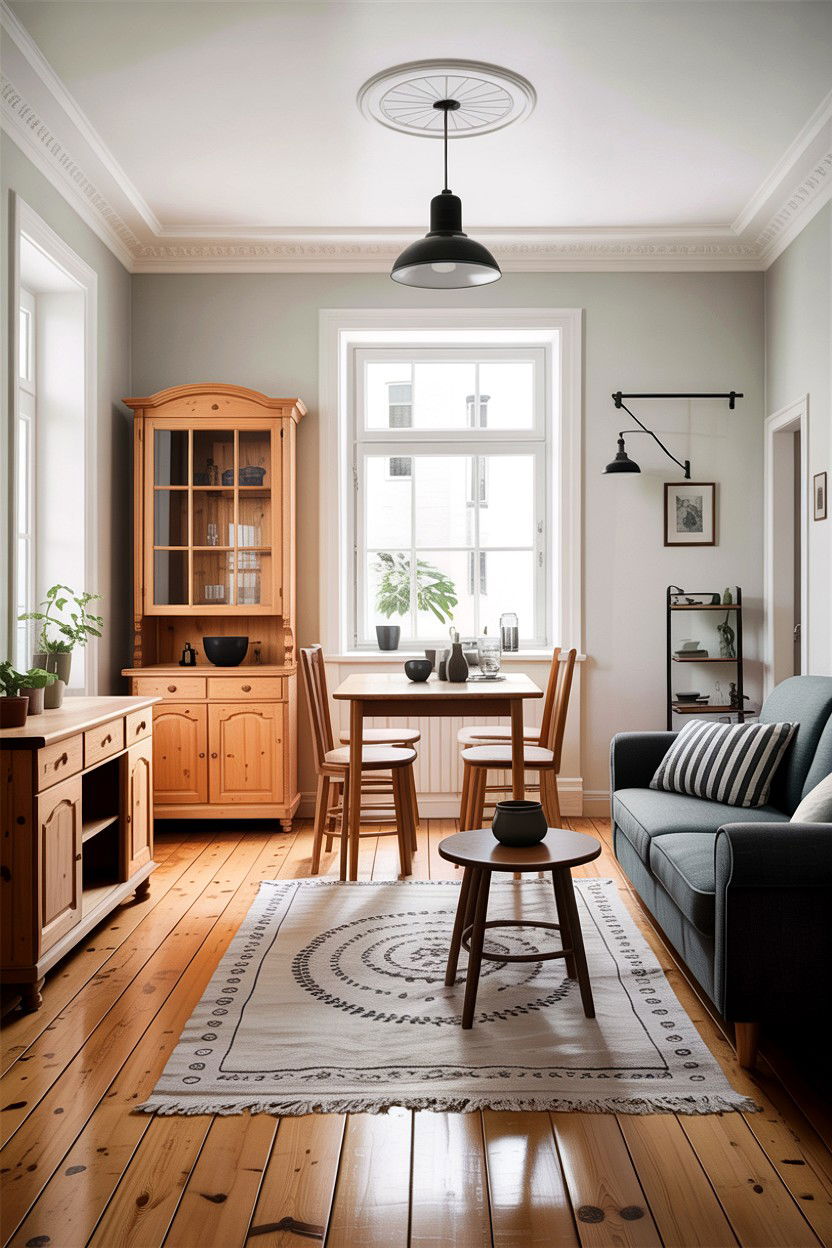
Scandinavian design prioritizes light, simplicity, and natural materials to create a bright and functional living dining combo. Start with a base of white walls and light wood flooring to maximize the reflection of natural light throughout the space. In the dining area, a simple pine or oak table paired with white chairs creates a clean look. Transition to the living area with a grey fabric sofa and plenty of soft, textured blankets for "hygge" comfort. Use black accents in light fixtures or picture frames to provide a modern contrast against the light-colored backdrop. Adding a few large indoor plants brings a touch of nature indoors, enhancing the fresh and airy feel that is central to this popular Nordic-inspired interior style.
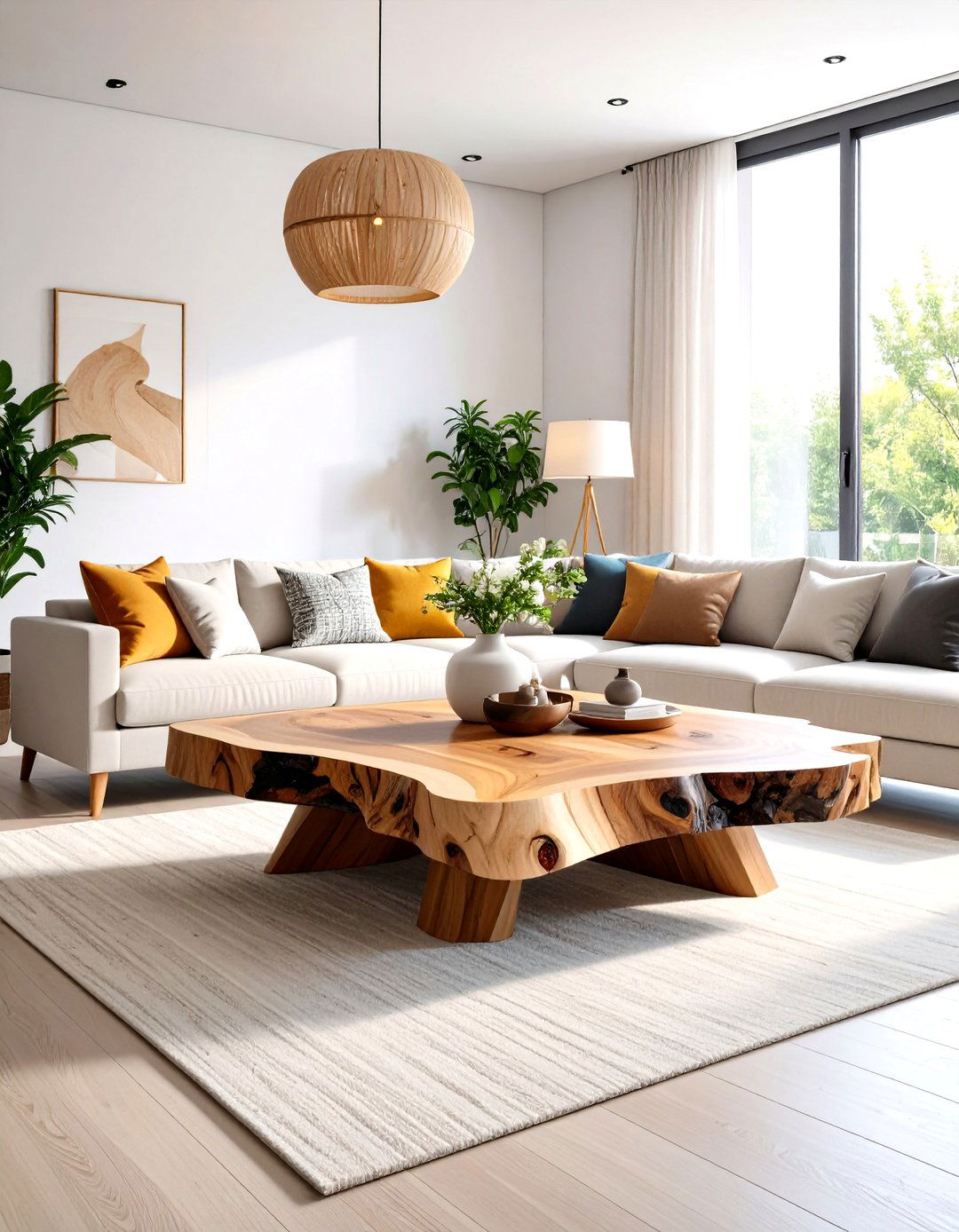
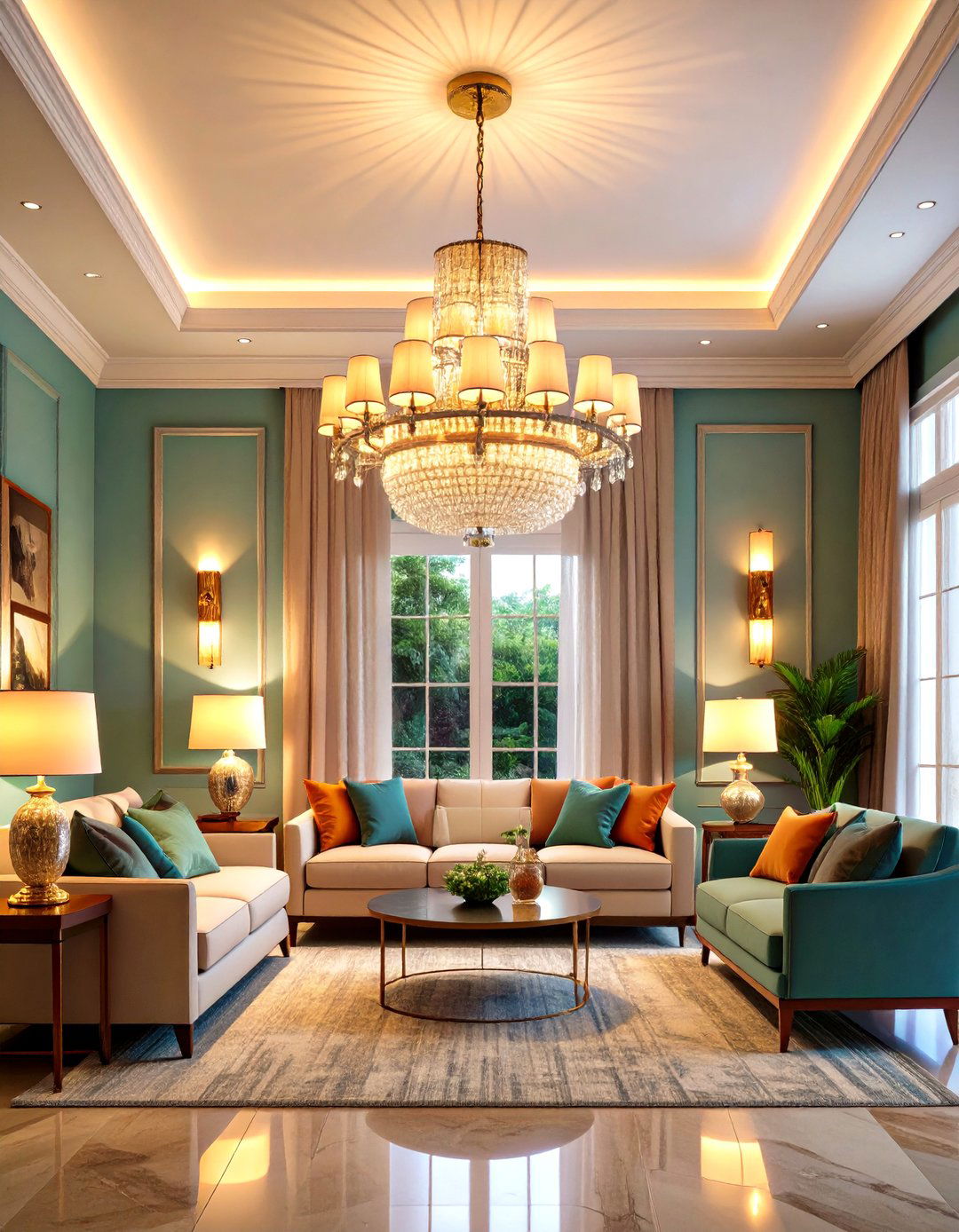
11. Boho living room dining room
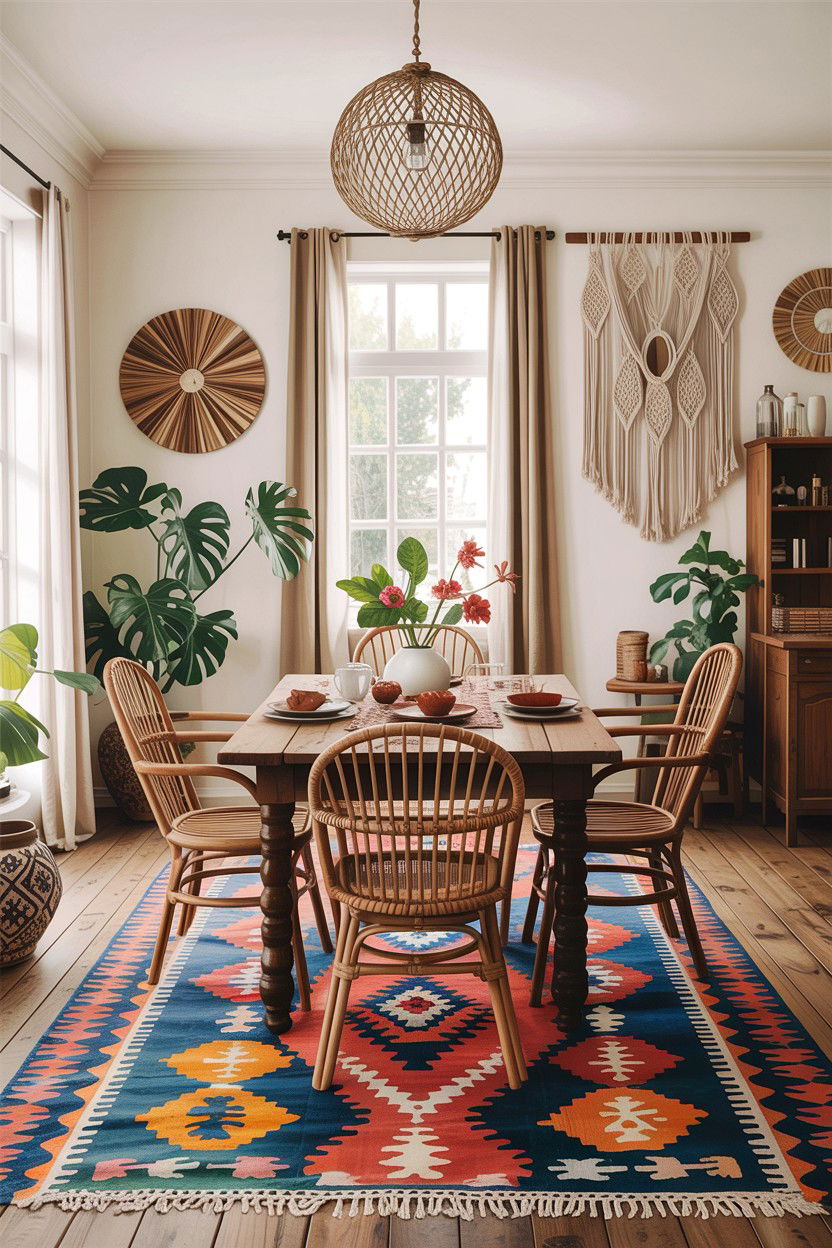
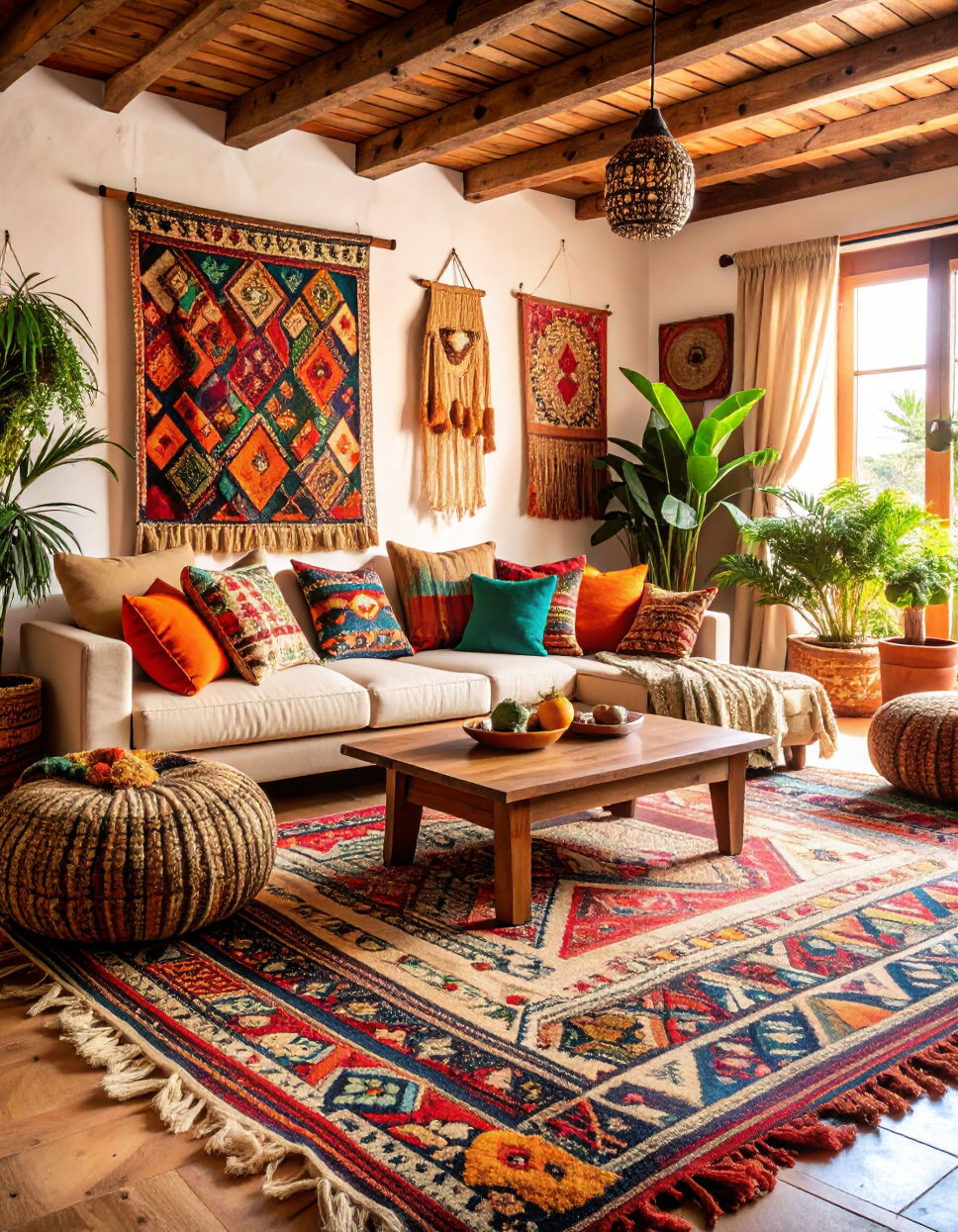
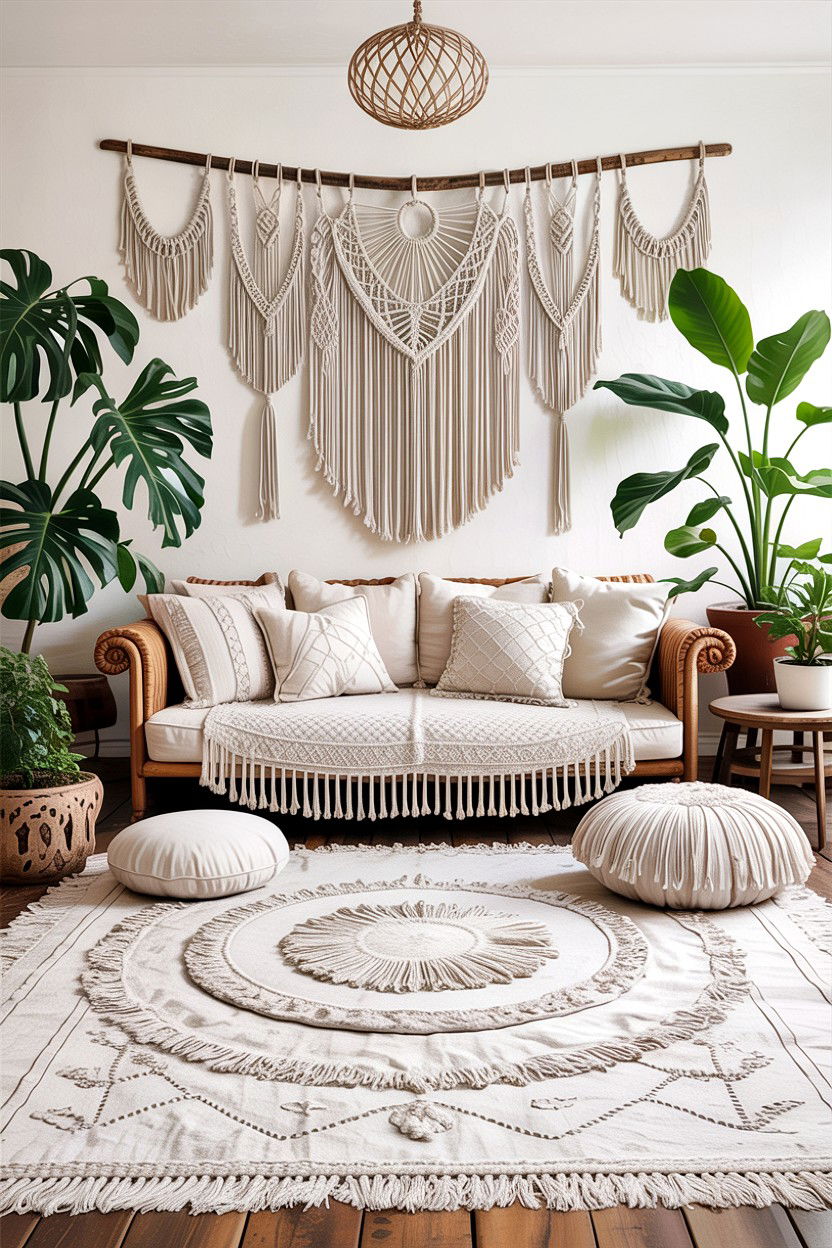
A bohemian-style combo room is all about layering textures, patterns, and natural elements to create a relaxed, global feel. You can define the dining area with a colorful kilim rug and a collection of mismatched vintage chairs around a rustic wooden table. In the living zone, a low-slung sofa with plenty of floor cushions and macramé wall hangings adds to the eclectic vibe. Use potted trees and hanging vines to create a lush, living "green wall" between the two spaces. Woven rattan furniture, like a coffee table or a peacock chair, can be used in both areas to ensure a cohesive look. This style is perfect for those who want a vibrant, personalized home that feels warm and full of life.
12. Traditional living room dining room
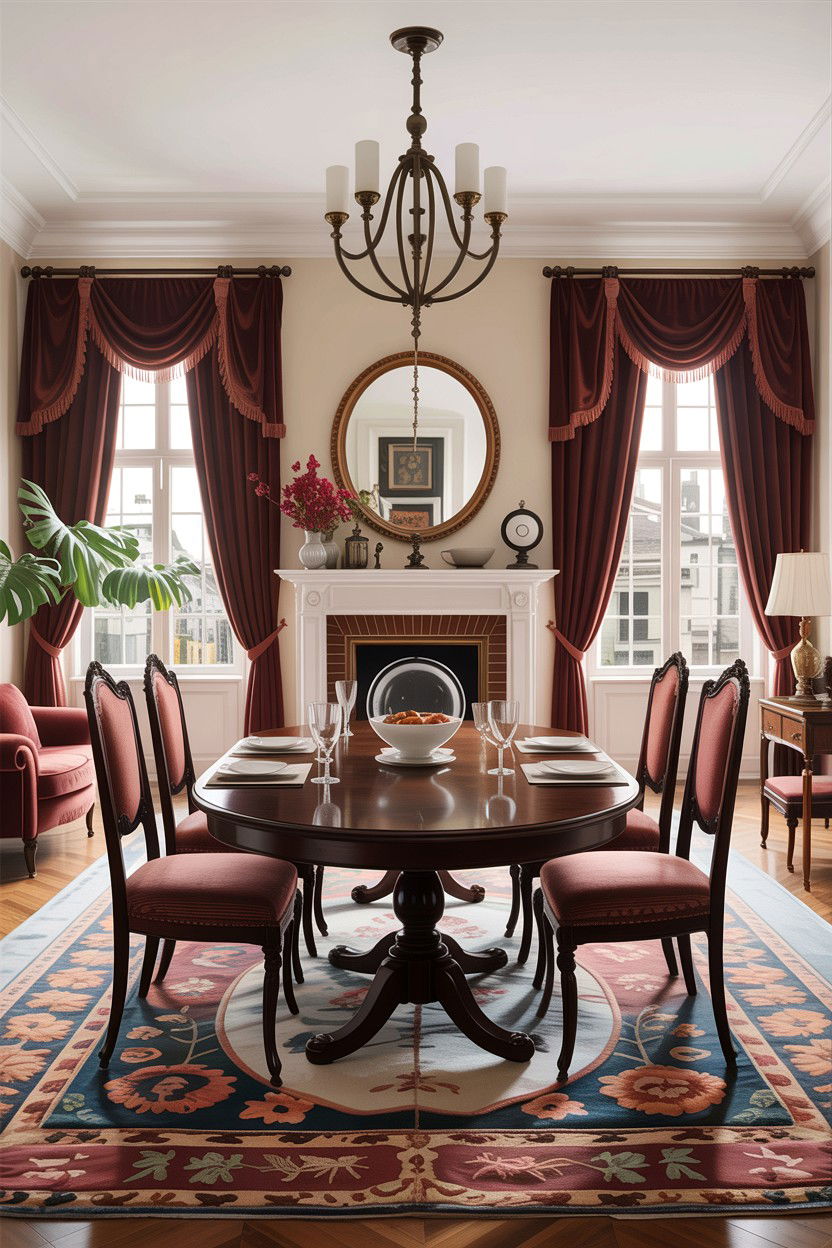
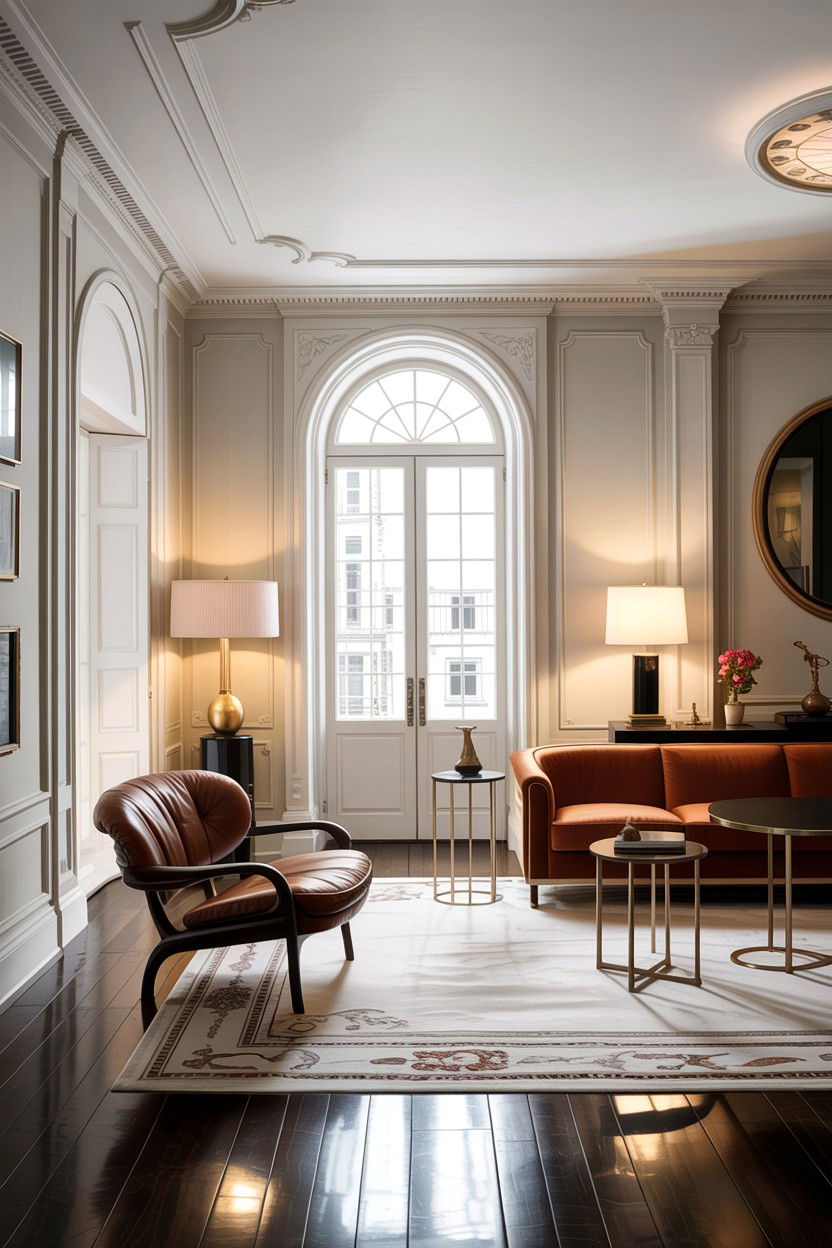
For a traditional look, focus on symmetry and classic furniture pieces to create a formal yet comfortable combined space. You can anchor the living area with a pair of matching armchairs facing a central fireplace or a grand coffee table. In the dining zone, a dark mahogany or cherry wood table with upholstered chairs adds a sense of elegance and history. Use crown molding and wainscoting across the entire room to provide a unified architectural backdrop. Rich fabrics like velvet or silk in deep tones of burgundy or forest green can be used for curtains and pillows to add luxury. This approach creates a timeless environment that is perfect for hosting formal dinners and cozy evening gatherings with family.
13. Studio apartment living dining room
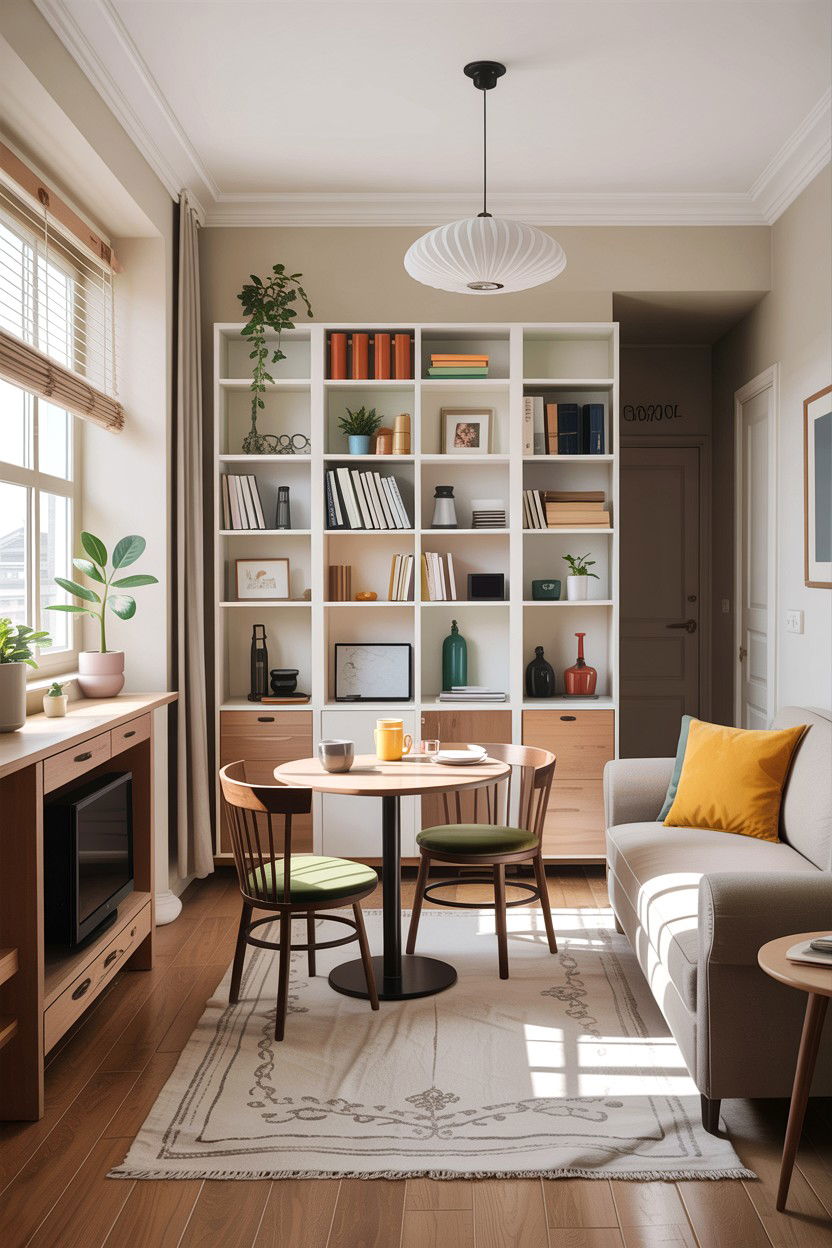
In a studio apartment, the living and dining areas often have to share space with the bedroom, making smart furniture choices essential. Opt for multi-functional pieces, such as a dining table that can double as a desk or a sofa with built-in storage underneath. Using a light, consistent color palette across all furniture helps the small space feel less fragmented and more like a single cohesive room. A tall bookshelf can act as a partial wall to hide the bed while leaving the living and dining zones open to one another. By keeping the floor clear and using wall-mounted lighting, you can maintain a sense of flow. This setup ensures your studio remains functional and stylish without feeling overcrowded or messy.
14. Square living room dining room layout
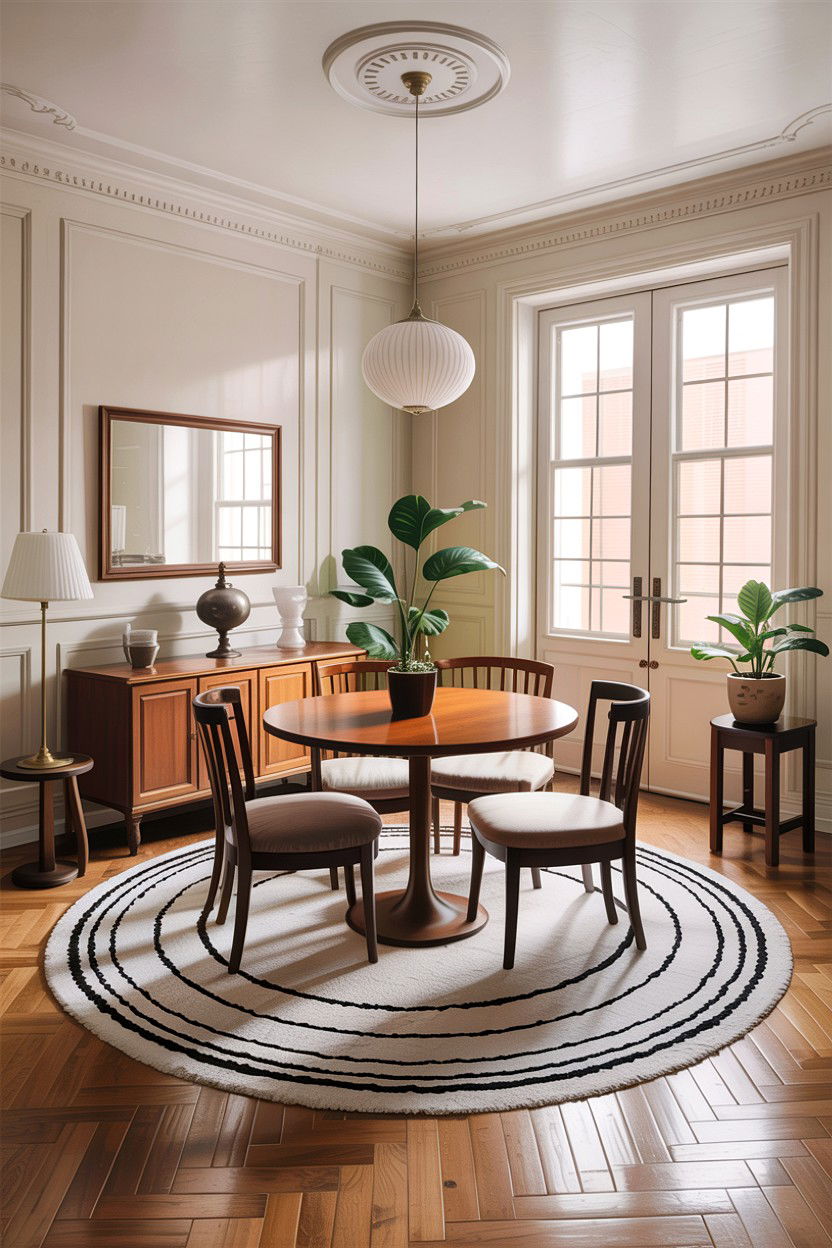
A square room can sometimes feel boxy, but you can break up the shape by arranging your furniture on a diagonal. Placing the sofa and the dining table at opposite corners of the square creates a dynamic flow and makes the room feel larger. Alternatively, you can place a large round dining table in one corner and a compact seating arrangement in another, leaving the center of the room open for easy movement. Use a circular rug under the dining table to contrast with the square walls and soften the overall look. This layout allows for distinct functional zones while maintaining a balanced and harmonious feel. It is a creative way to maximize the utility of a standard square-shaped floor plan.
15. Rectangular living room dining room
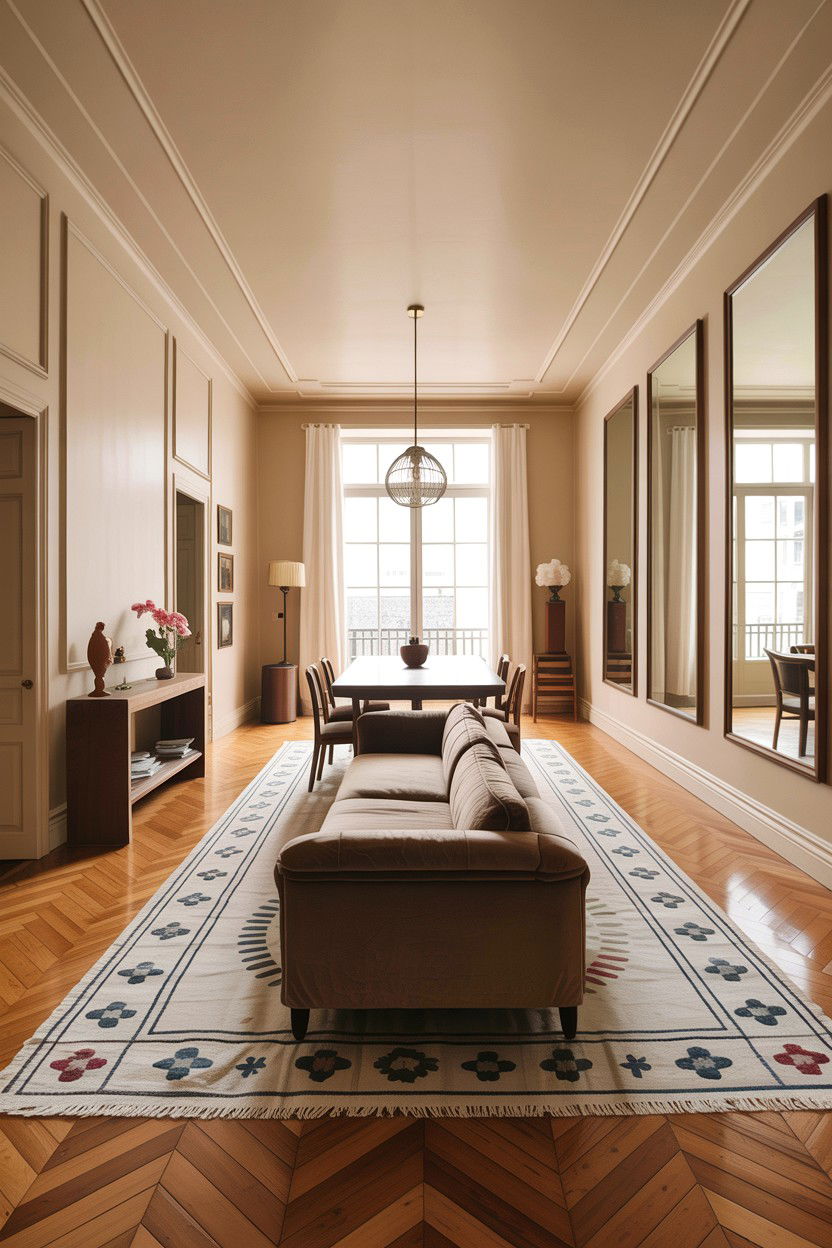
Rectangular rooms are the most common shape for combined spaces and offer a clear, linear path for furniture placement. You can divide the rectangle into two distinct squares by placing a large sofa in the center, facing away from the dining area. This creates a natural "hallway" on one side of the room for walking between the two zones. A long rectangular dining table should be placed parallel to the walls to emphasize the room's length and provide ample seating. To prevent the space from feeling too narrow, use mirrors on the long walls to reflect light and create the illusion of more width. This layout is highly efficient and provides a clear, organized structure for daily living and entertaining.
16. Living room dining room combo with fireplace
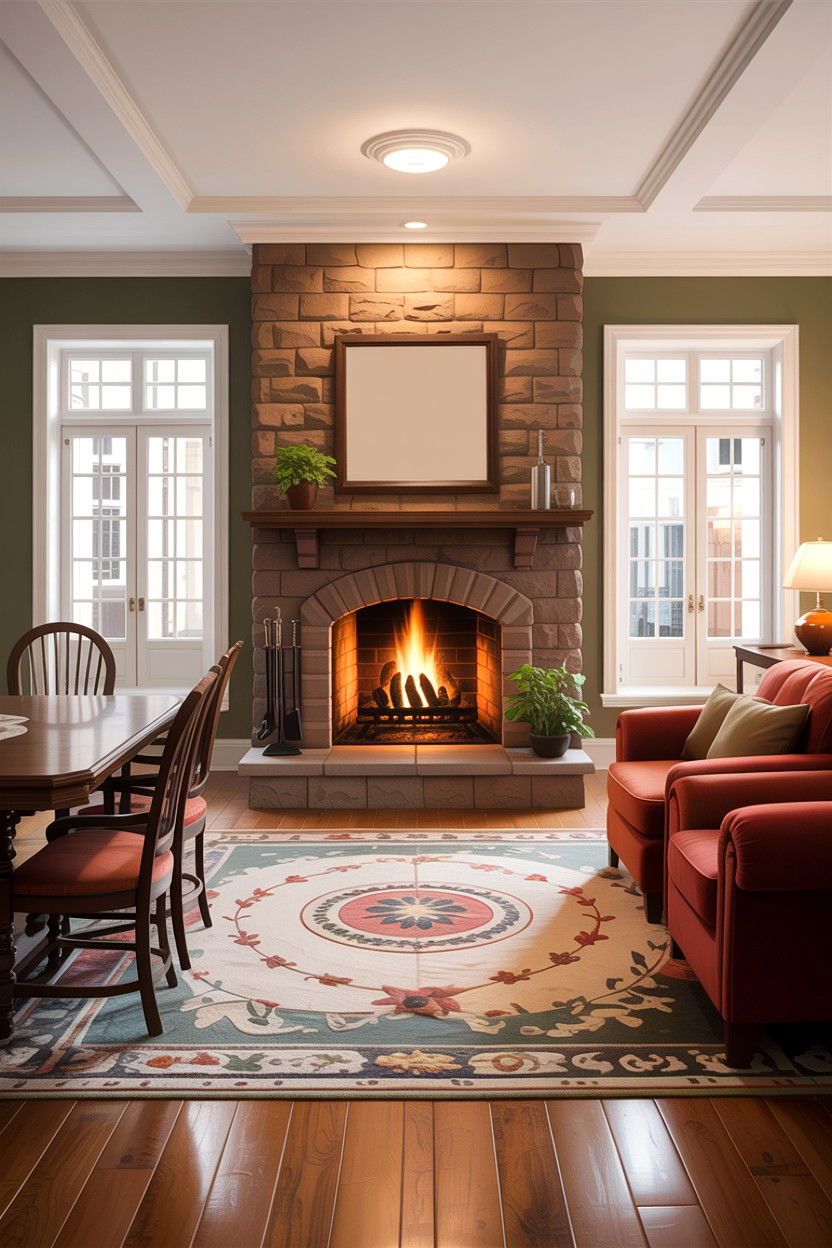
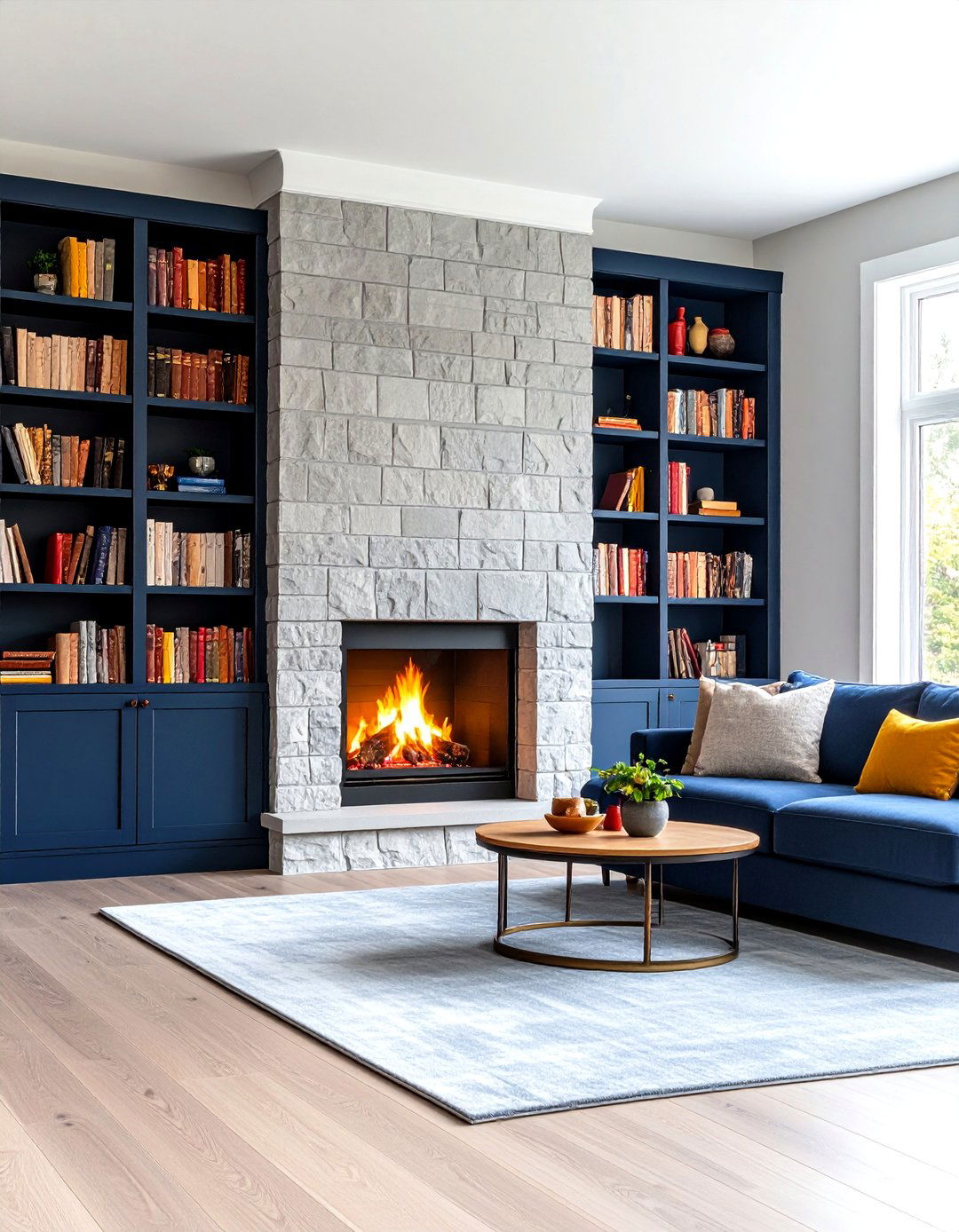
A fireplace serves as a stunning natural focal point that can unite or divide a combined living and dining space. If the fireplace is centrally located, you can arrange the living room seating around it while placing the dining table to the side. This allows everyone in the room to enjoy the warmth and ambiance of the fire. Use a consistent mantel decor style that reflects the colors found in both the living and dining areas to create a unified look. If the fireplace is at one end of the room, make that the living zone and use the opposite end for dining. This classic setup creates a cozy and inviting atmosphere that is perfect for cold winter nights and intimate family gatherings.
17. Living room dining room combo with rug zoning
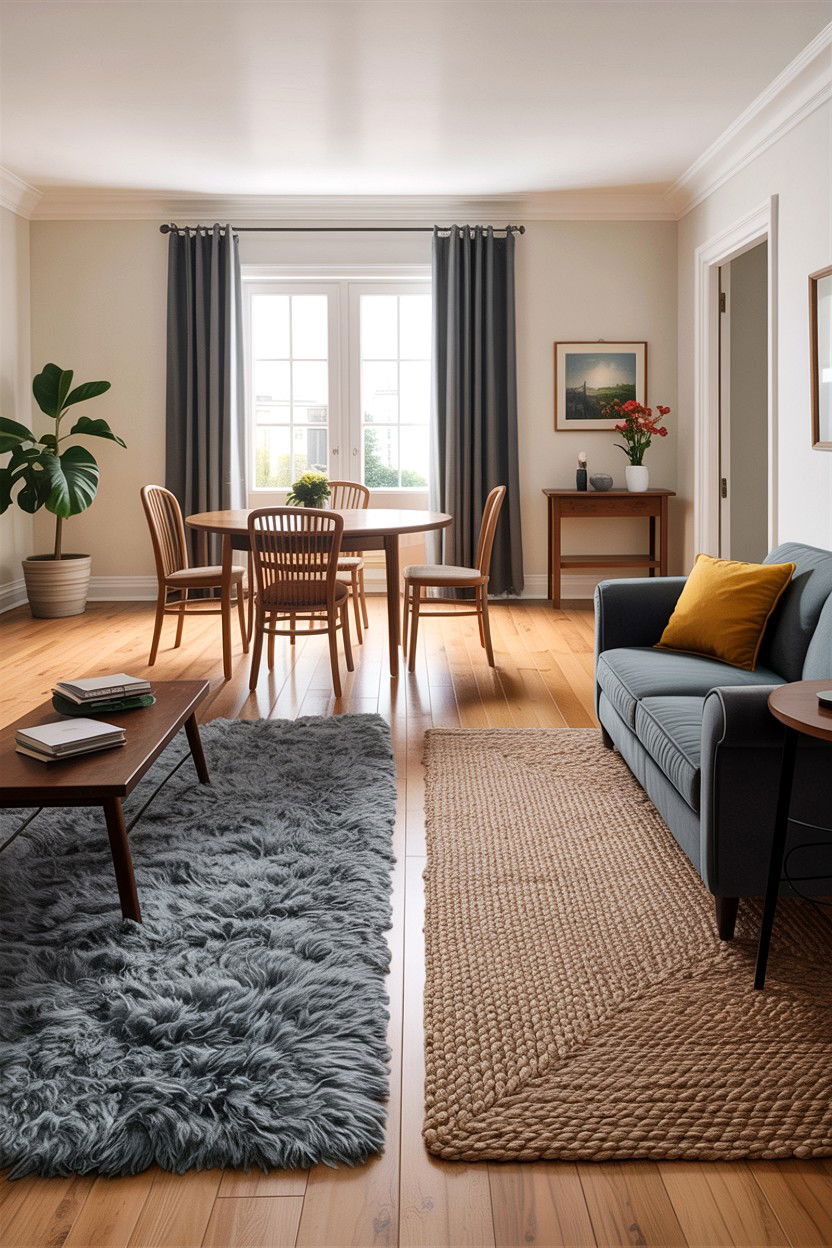
Using rugs is one of the easiest and most effective ways to define separate zones in an open-concept room without using walls. You should choose two rugs that complement each other in color but vary in texture or pattern to create a clear visual distinction. For example, a high-pile shag rug in the living area provides a cozy foundation for lounging, while a flat-weave jute rug in the dining area offers a durable surface for chairs. Ensure the rugs are large enough so that all furniture legs sit comfortably on them, which helps anchor each "room" within the larger space. This simple design trick adds warmth, reduces noise, and gives your combined room a professional, well-organized appearance.
18. Living room dining room combo with sofa back
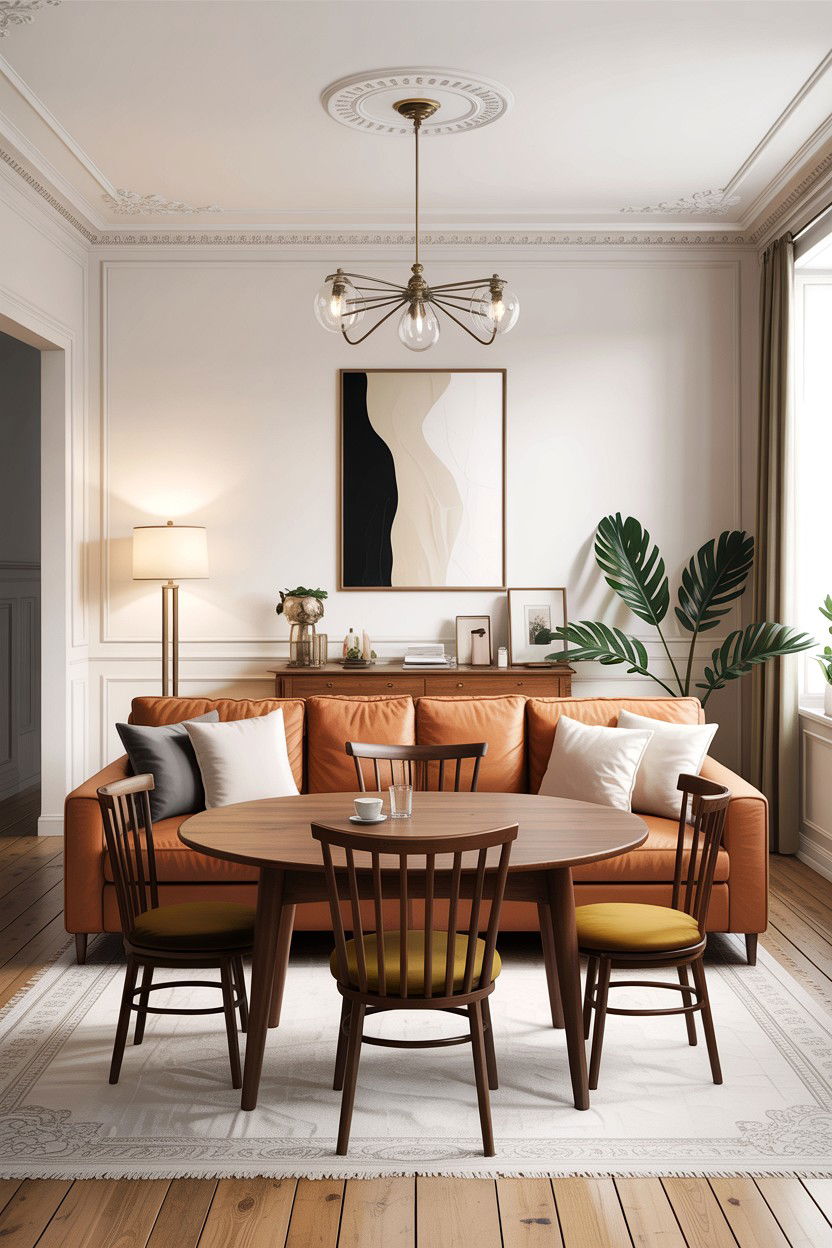
Positioning the back of your sofa toward the dining area is a classic interior design technique for creating a "soft" wall. This physical barrier clearly marks where the living room ends and the dining room begins without blocking any sightlines or natural light. To make the transition even more stylish, you can place a long, low console table behind the sofa. This table can hold decorative lamps, books, or even serve as a buffet during dinner parties. Choosing a sofa with a finished back and clean lines ensures the view from the dining table is just as attractive as the view from the front. This layout is perfect for maintaining an open feel while providing a sense of cozy enclosure.
19. Living room dining room combo with accent wall
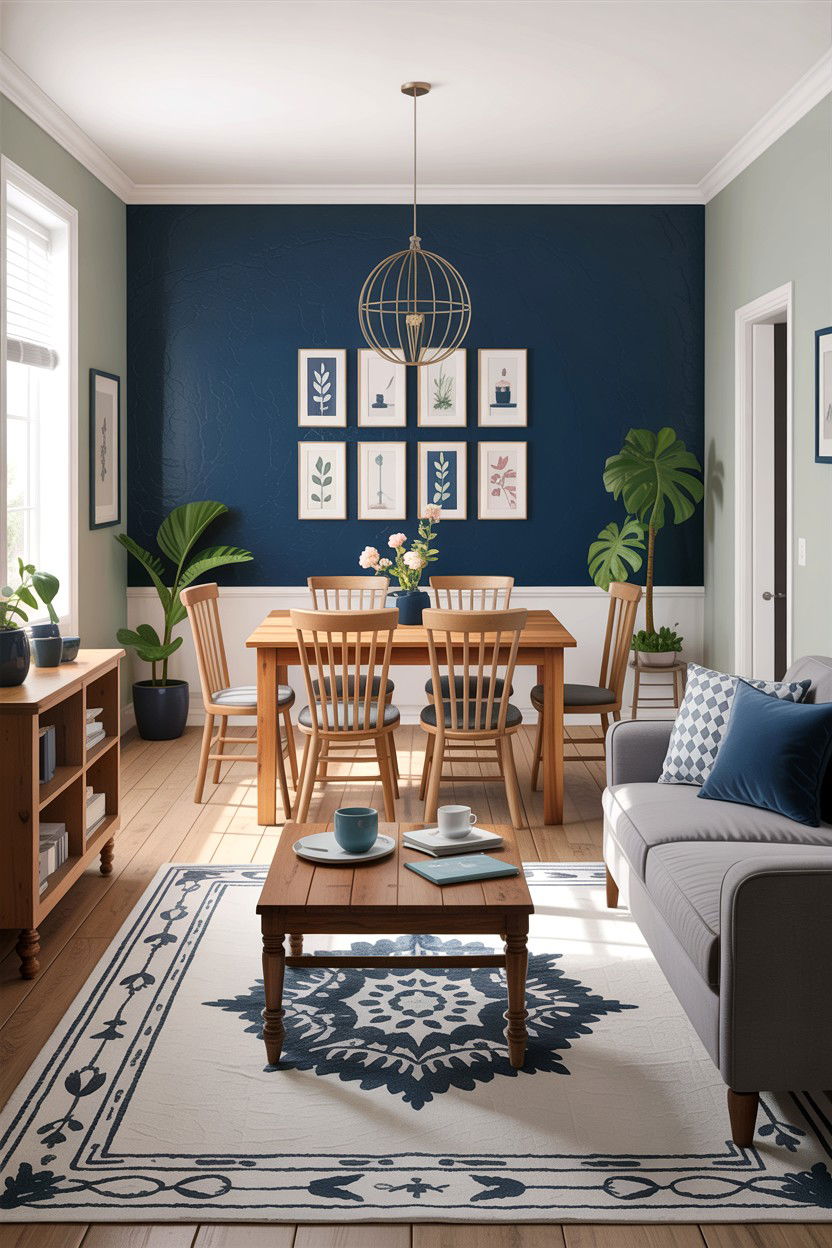
An accent wall is a powerful tool for defining a specific zone within a large, multi-functional room. You can paint the wall behind the dining table a bold, contrasting color or use a stylish wallpaper to make the eating area stand out. This visual anchor gives the dining zone its own identity, making it feel like a separate room even without physical dividers. To maintain cohesion, choose a color for the accent wall that appears in the living room's throw pillows or artwork. Alternatively, a textured wall made of wood slats or stone can add architectural interest to the living area. This design strategy adds depth and personality to the space while helping to organize the overall layout.
20. Living room dining room combo with large windows
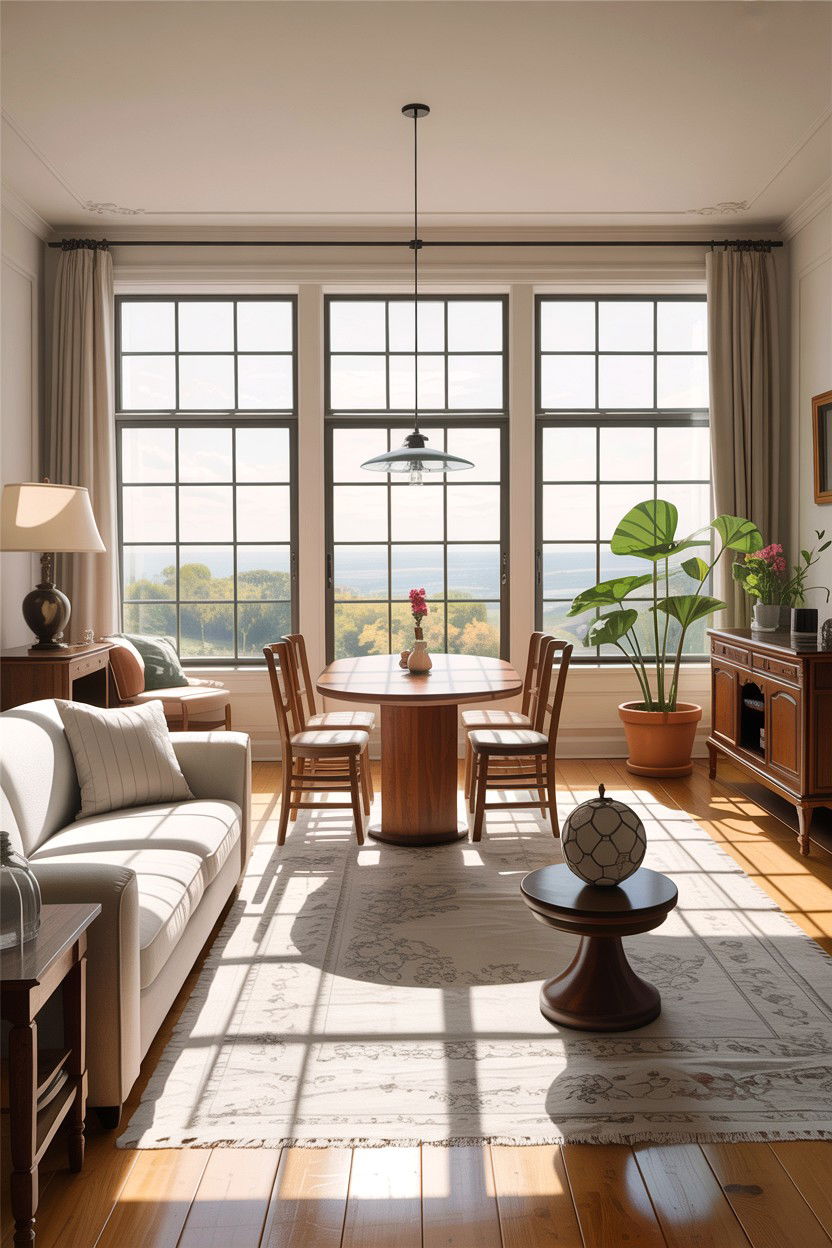
When you have large windows in a combined space, they should be the star of the show, providing a shared backdrop for both areas. Arrange your furniture to take full advantage of the views and the natural light by keeping the path to the windows clear. You might place the dining table directly in front of a window to create a bright, scenic spot for morning coffee and meals. In the living area, position the seating so that it faces the windows or allows for easy viewing of the outdoors. Use light, sheer curtains that can be easily pulled back to maximize the airy feel. This approach connects your interior to the outside world, making the entire room feel much larger and more vibrant.
21. Living room dining room combo with bookshelf divider
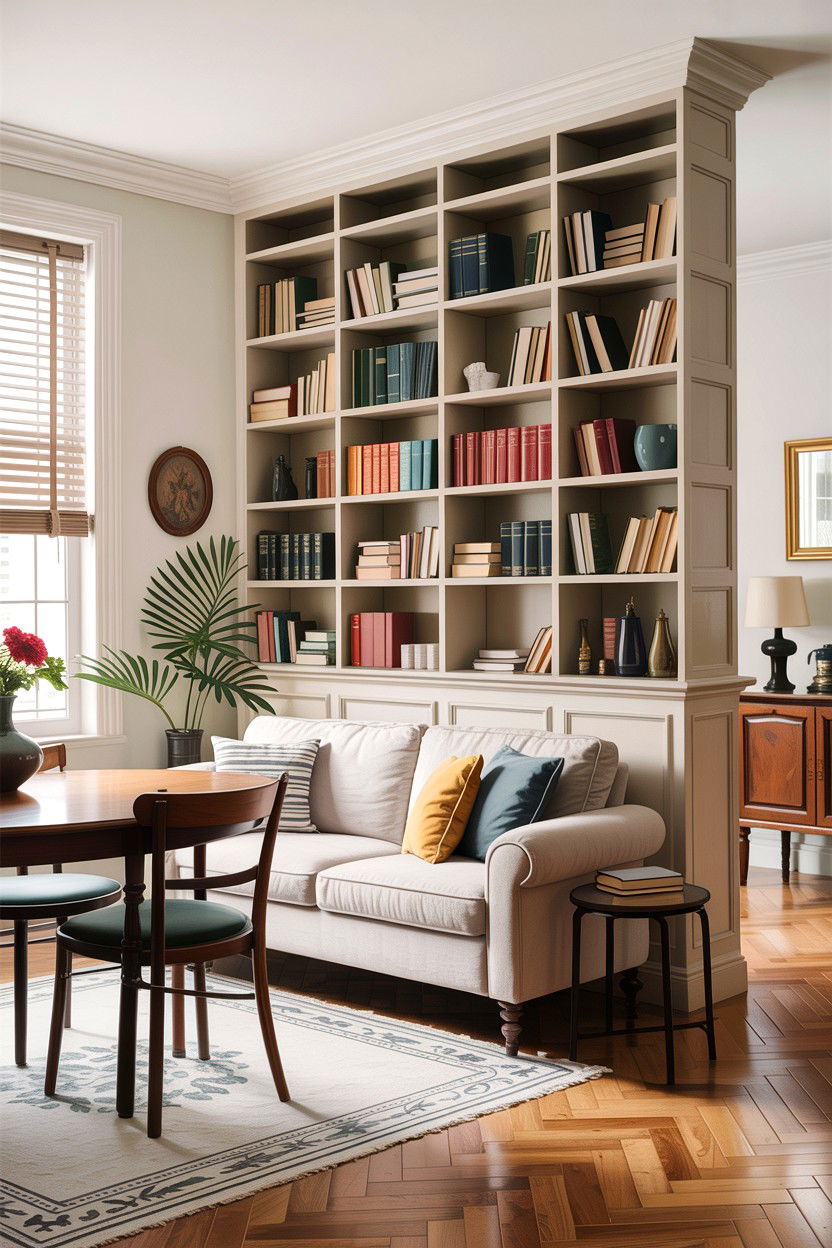
A bookshelf is a functional and stylish way to create a semi-private divider between your living and dining zones. Choose an open-back shelving unit to allow light to pass through, keeping the space feeling airy and connected. You can fill the shelves with a mix of books, decorative vases, and small indoor plants to create a beautiful visual screen. This provides valuable storage for both areas while clearly defining the boundaries of each "room." Placing the bookshelf perpendicular to a wall can act as a partial partition that guides the flow of movement through the space. It is an excellent solution for anyone who needs extra storage and wants to add a touch of personality to their home layout.
22. Living room dining room combo with chandelier
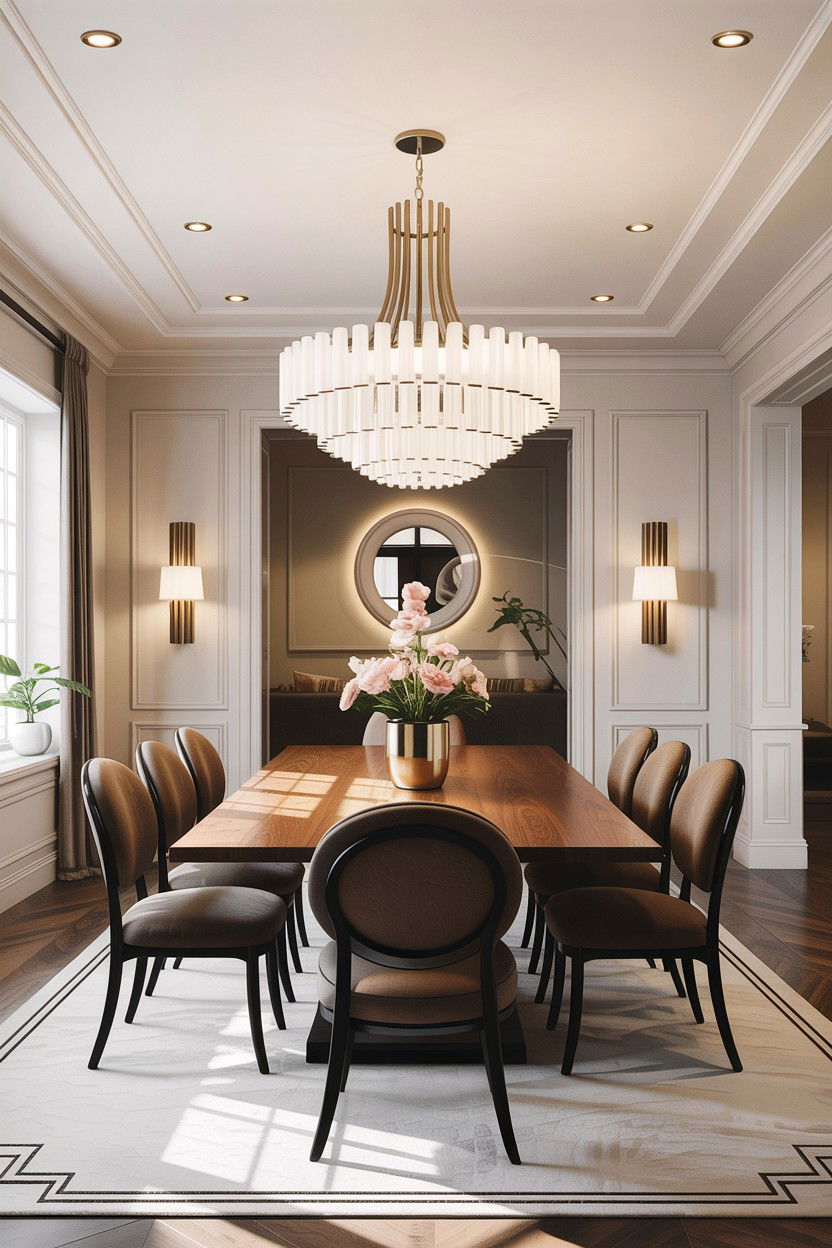
Installing a statement chandelier over the dining table is a fantastic way to anchor the eating area and give it a sense of importance. The light fixture acts as a visual "exclamation point," drawing the eye and defining the center of the dining zone. To balance this, use more subtle recessed lighting or a simple floor lamp in the living area to keep the focus on the dining room's centerpiece. Choose a chandelier style that matches the overall vibe of the room, whether it is a modern Sputnik design or a classic crystal fixture. This layered lighting approach not only creates a beautiful focal point but also allows you to adjust the ambiance for different activities, from formal dinners to cozy movie nights.
23. Living room dining room combo with round table
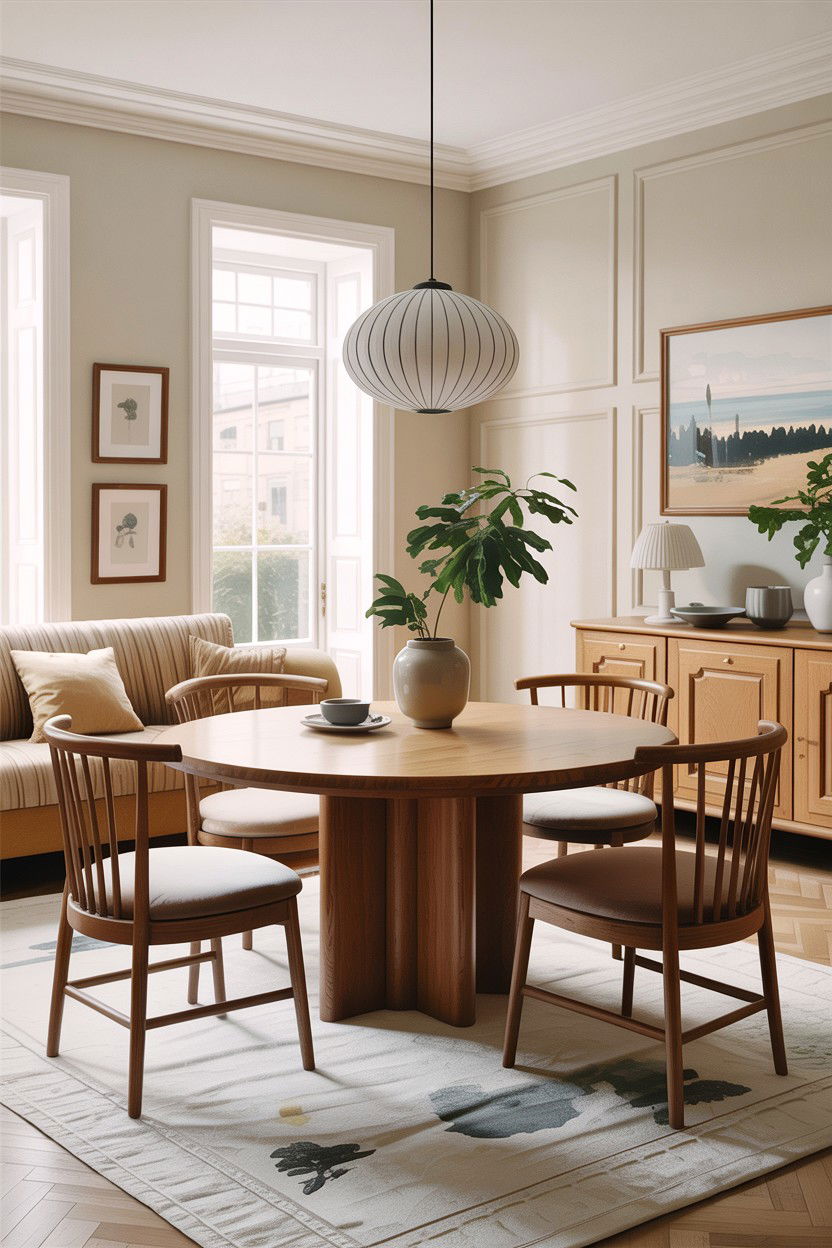
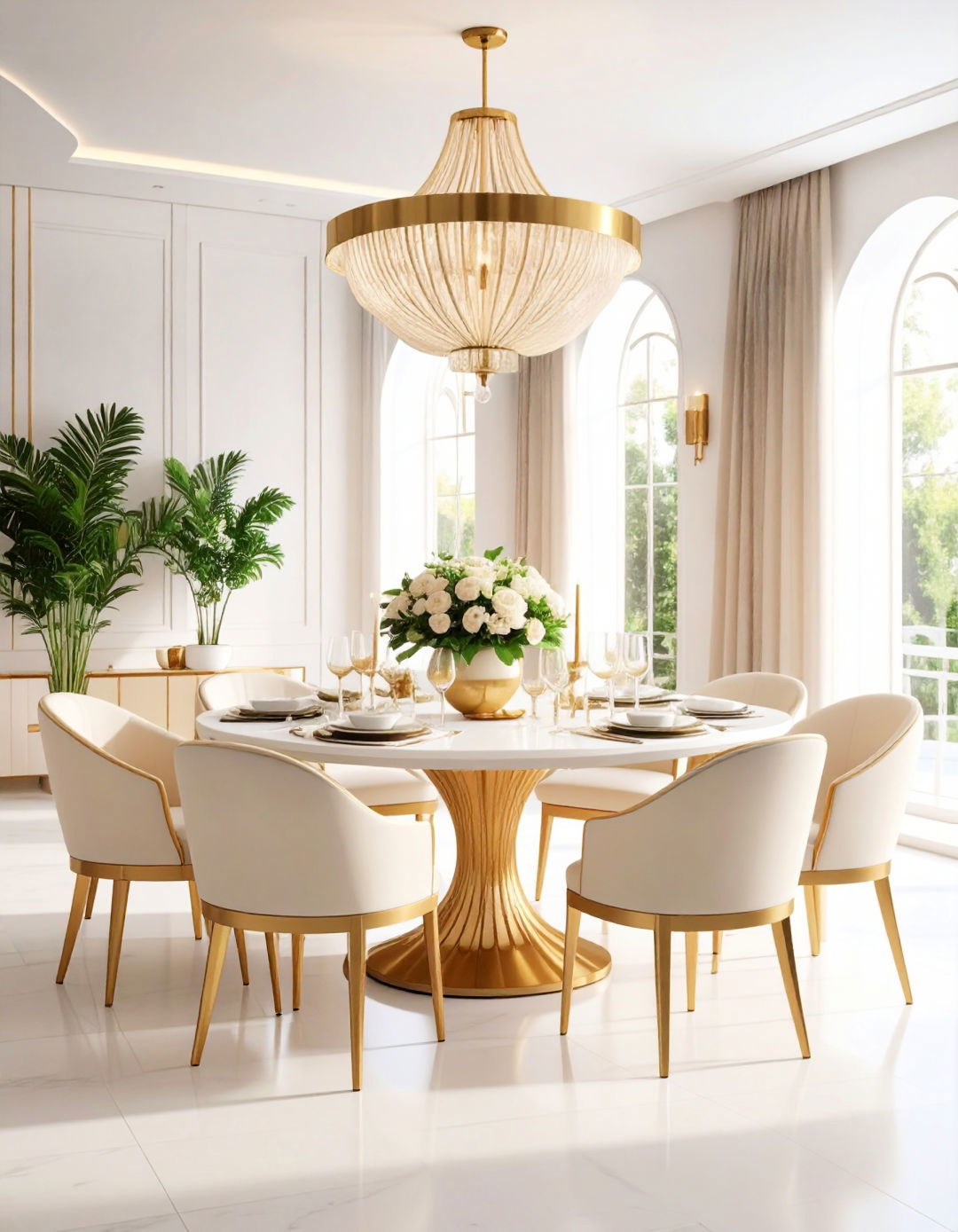
A round dining table is a secret weapon for improving flow in a combined living and dining space. Because it lacks sharp corners, a round table is easier to navigate around, making it perfect for smaller rooms or high-traffic areas. The circular shape also provides a nice visual contrast to the rectangular lines of a sofa or television stand, softening the overall look of the room. Round tables encourage conversation and create a more intimate dining experience, which is ideal for families and small groups. Pairing a round table with a circular rug further defines the zone and adds a sense of harmony. This choice is both practical and aesthetically pleasing, ensuring your combined space feels open and inviting.
24. Living room dining room combo with sectional sofa
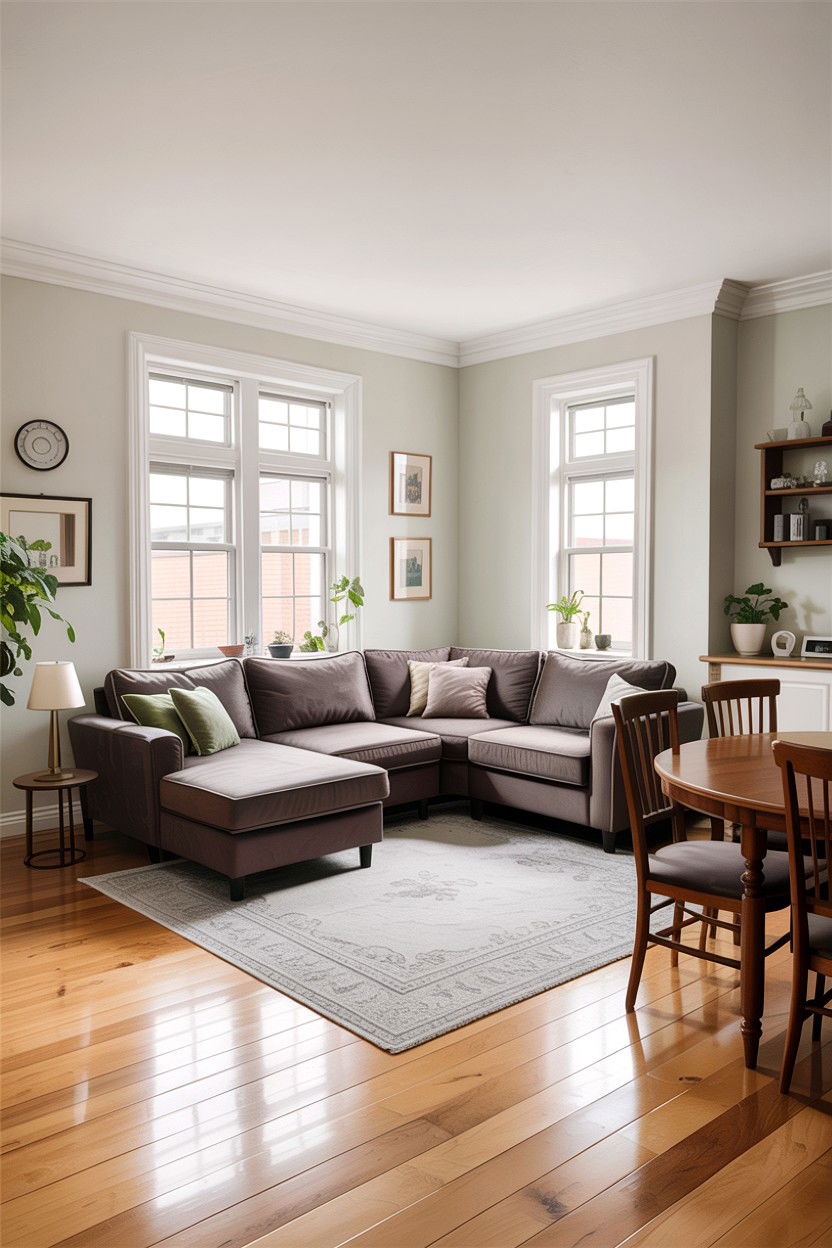
A sectional sofa is an excellent tool for defining the living area in a large open-plan room. The "L" shape of the sectional acts as a natural boundary, effectively cordoning off the lounging zone from the rest of the space. You can position the long side of the sectional to face the television while the shorter side creates a barrier toward the dining area. This setup provides plenty of seating for guests and creates a cozy, enclosed feeling for relaxation. To keep the room from feeling too heavy, choose a sectional with legs that lift it off the floor. This layout is perfect for large families who want a dedicated spot for movie nights while still being part of the larger room.
25. Living room dining room combo with neutral colors
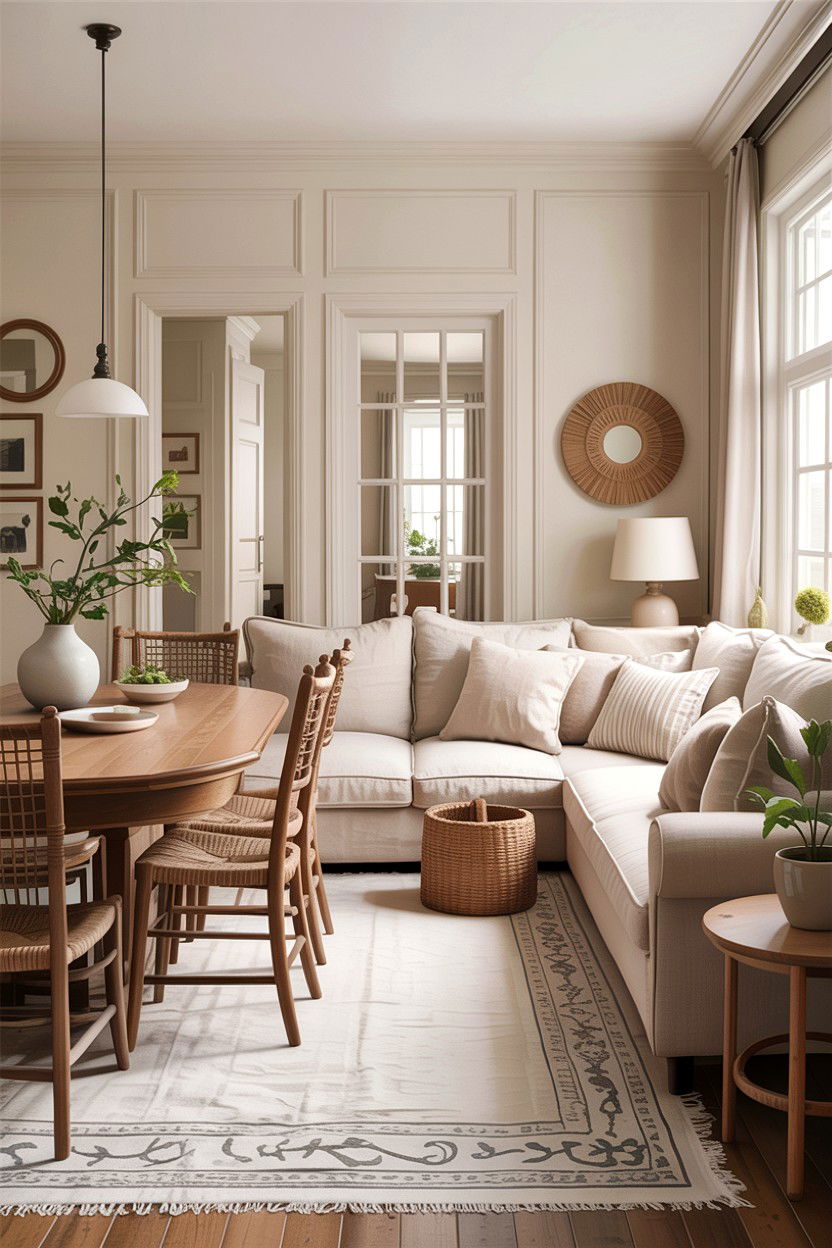
Using a neutral color palette is a foolproof way to ensure your living and dining areas feel cohesive and sophisticated. Shades of beige, cream, grey, and white create a calm backdrop that allows your furniture and decor to shine. You can add interest by mixing different textures, such as a linen sofa, a wooden dining table, and a wool rug, all within the same color family. This monochromatic approach makes the entire room feel like one large, harmonious space rather than two competing zones. To prevent the look from being boring, incorporate small black accents or metallic finishes in your light fixtures and hardware. Neutral colors also make it easy to update your style with seasonal accessories like pillows and throws.
26. Living room dining room combo with blue accents
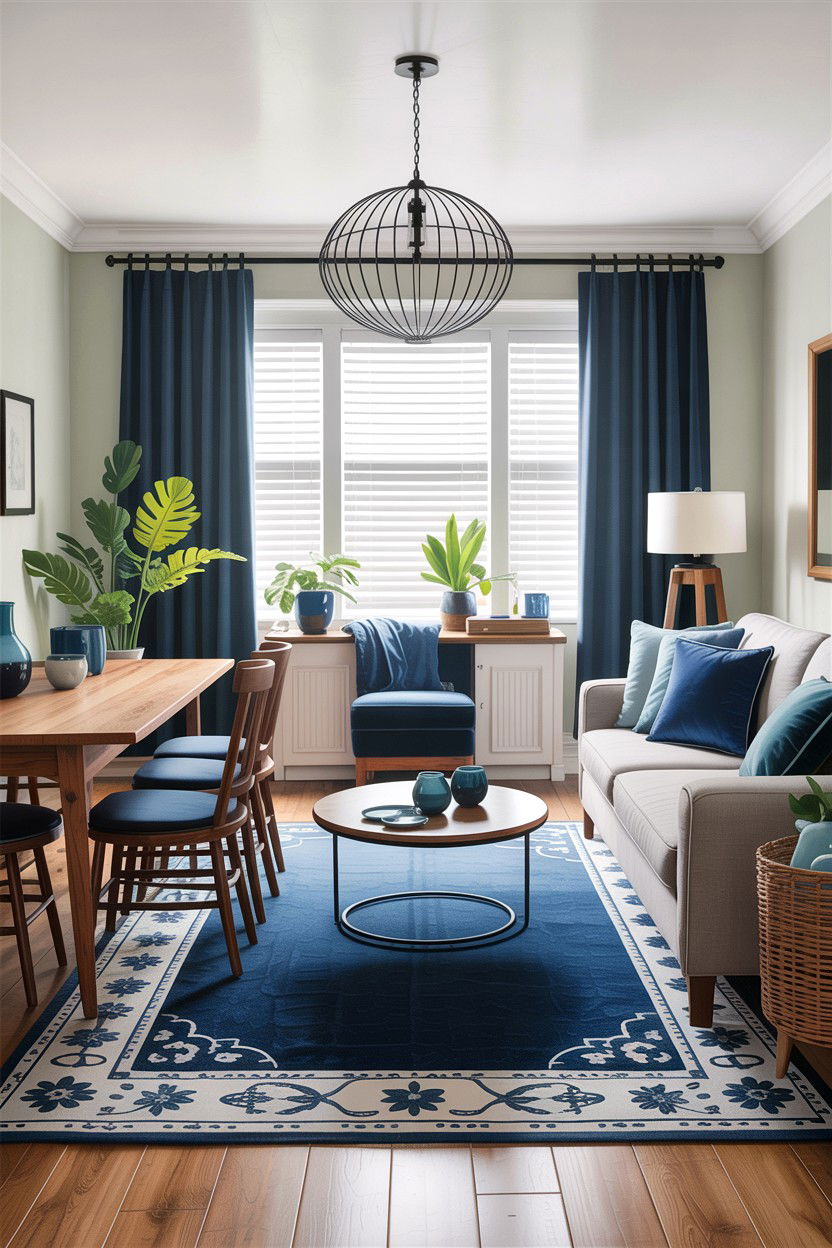
Blue is a versatile and calming color that can beautifully tie together a combined living and dining space. You might choose a deep navy blue for an accent wall in the dining area and carry that same hue into the living room through velvet throw pillows or a patterned rug. Lighter shades like sky blue or teal can be used in artwork and decorative vases to create a fresh, coastal-inspired vibe. Because blue pairs well with both warm wood tones and modern metal finishes, it is easy to incorporate into almost any design style. Using a consistent accent color across both zones creates a sense of rhythm and intentionality, making the large open space feel perfectly balanced and professionally designed.
27. Living room dining room combo with wood furniture
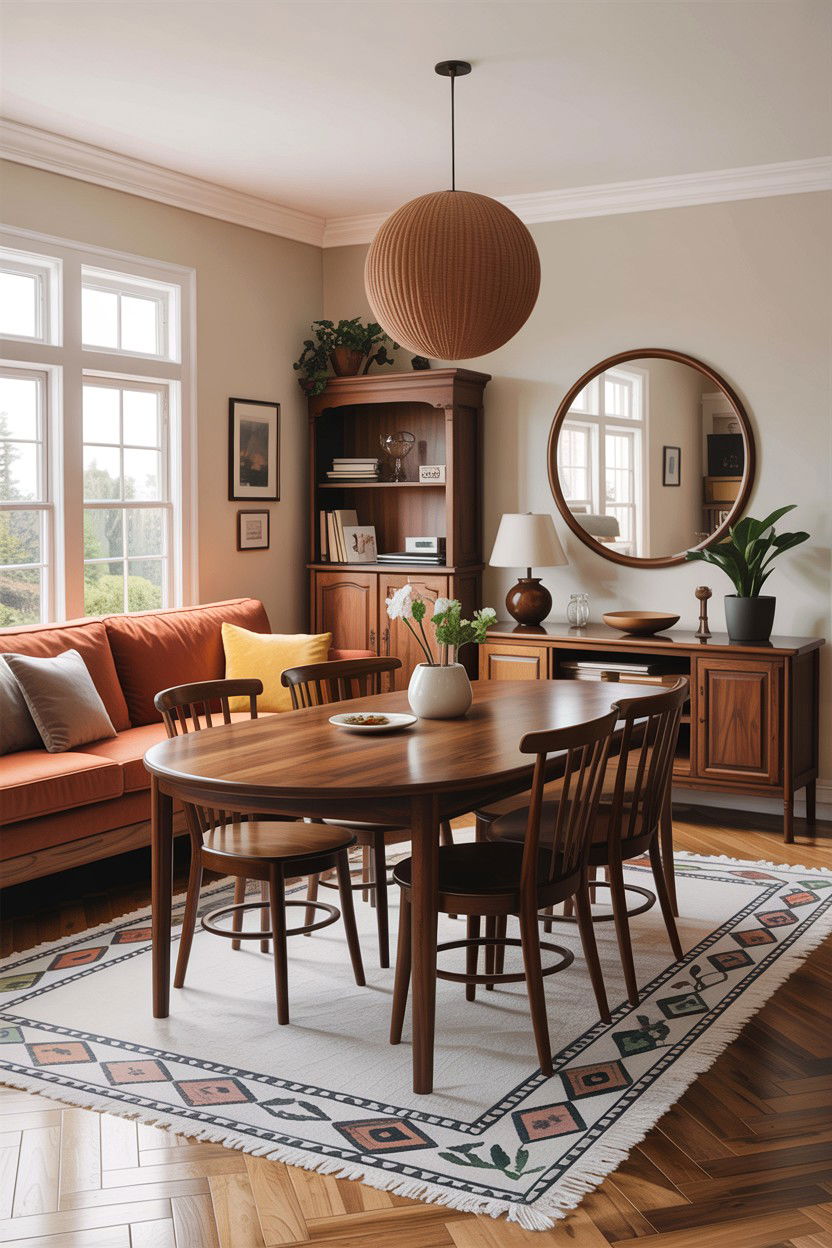
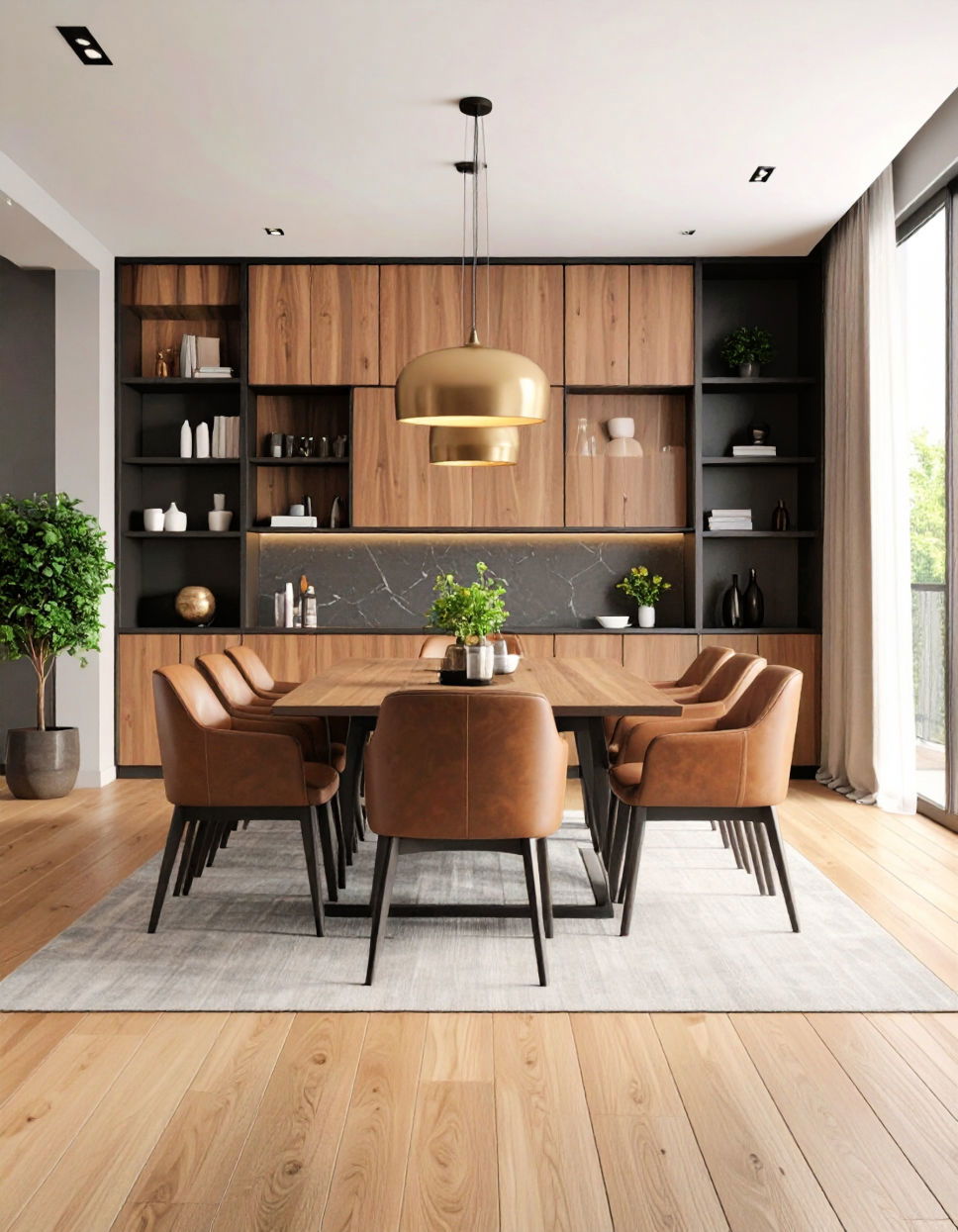
Incorporating consistent wood tones throughout your living and dining areas is a great way to create a sense of warmth and unity. You can match the finish of your dining table to your coffee table, sideboards, or even the legs of your chairs to tie the two spaces together. For example, light oak provides a modern, Scandinavian feel, while dark walnut offers a more traditional and luxurious look. Using natural wood brings an organic element into the home, making the large room feel more grounded and inviting. If you prefer a more eclectic look, you can mix different wood species as long as they share a similar undertone. This material-focused approach ensures your furniture feels like a curated collection.
28. Living room dining room combo with gallery wall
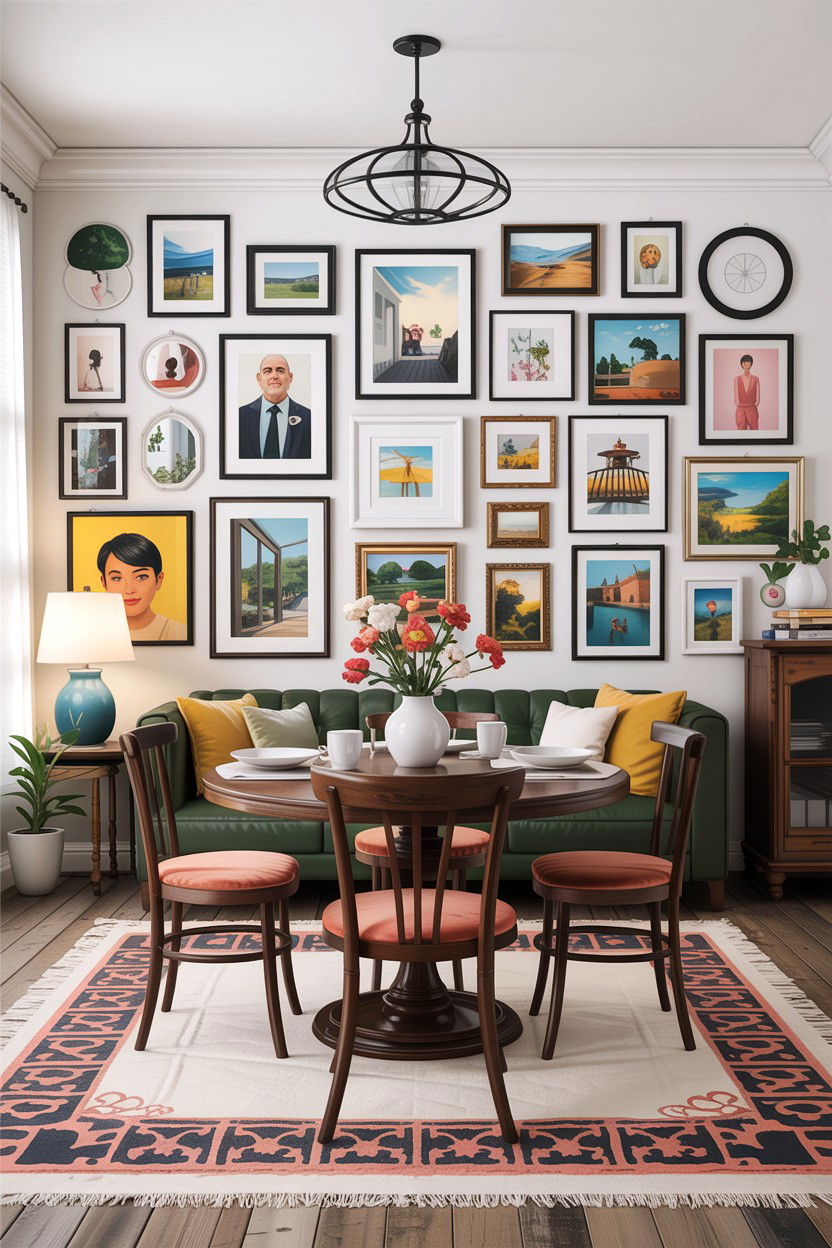
A gallery wall is a creative way to personalize a combined space and can be used to visually link the living and dining zones. You can hang a large collection of framed photos, art prints, and mirrors that spans across the wall shared by both areas. This continuous display draws the eye along the length of the room, making the transition between the two "rooms" feel smooth and intentional. Use matching frames for a clean, modern look, or mix and match different styles for a more bohemian and lived-in feel. A gallery wall also provides a great conversation starter for guests and allows you to showcase your unique personality and style throughout the heart of your home.
29. Living room dining room combo with mirror
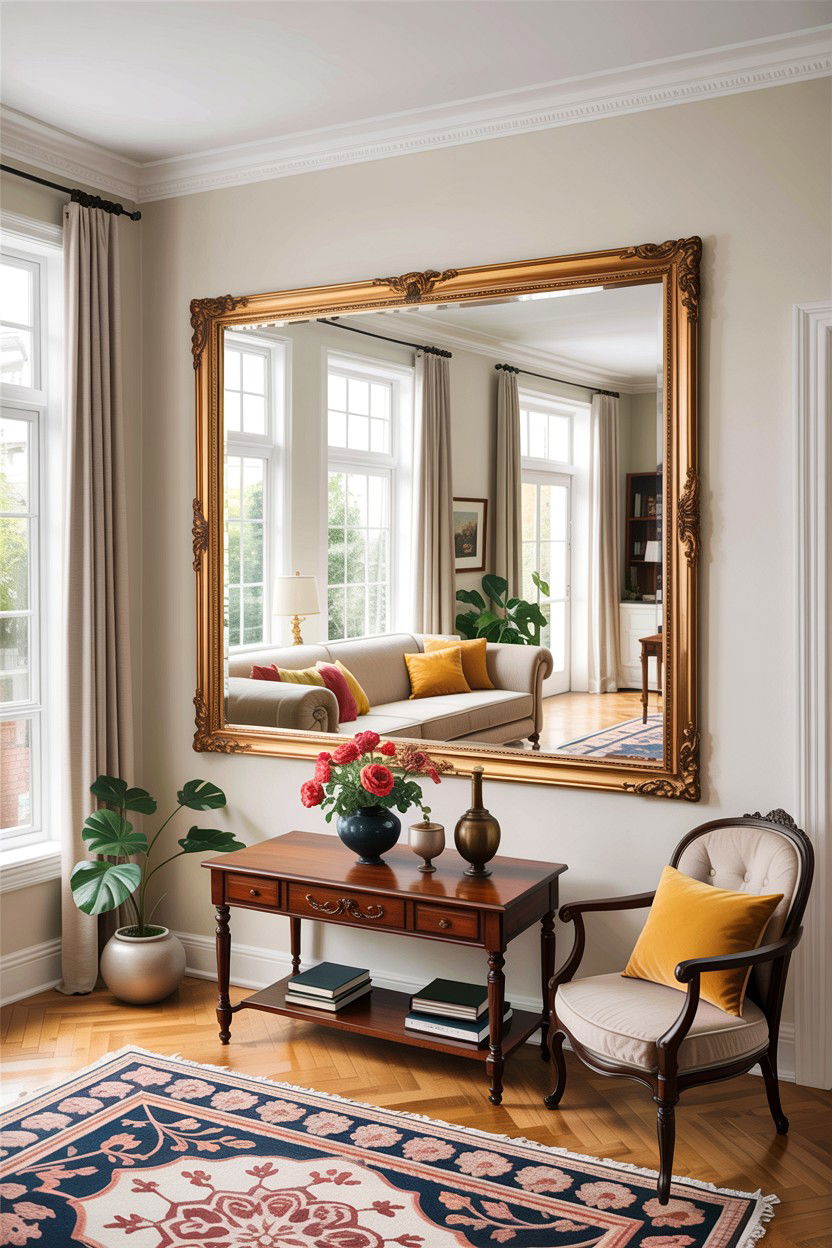
Mirrors are a designer's favorite trick for making any room feel larger and brighter, especially in a combined living and dining space. By placing a large mirror on a central wall, you can reflect light from the windows into the darker corners of the room, creating an airy atmosphere. In the dining area, a mirror can add a touch of elegance and make dinner parties feel more grand. In the living zone, a mirror placed above a mantle or sofa serves as a stylish focal point that adds depth. Choosing a frame that matches your other decor, such as gold for a glam look or wood for a rustic feel, helps the mirror blend seamlessly into your overall design.
30. Living room dining room combo with indoor plants
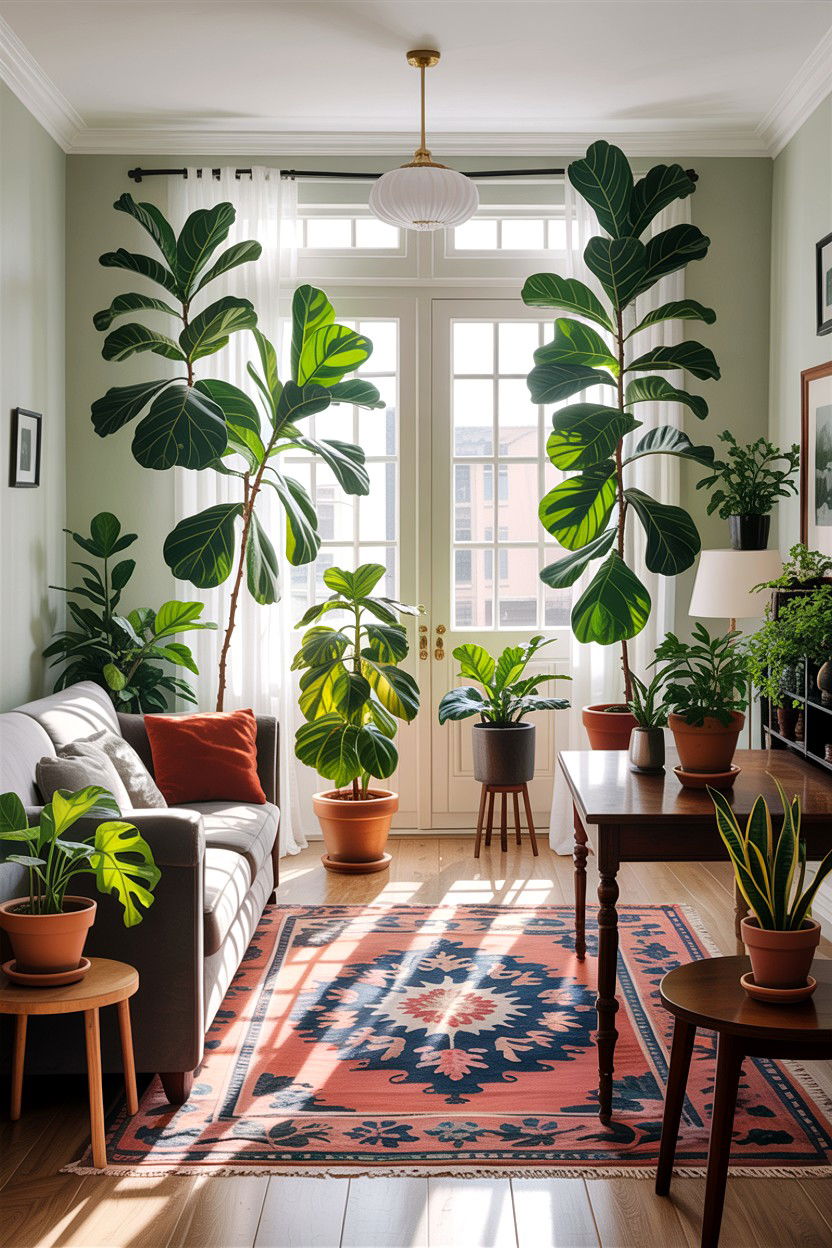
Indoor plants are a wonderful way to add life, color, and a sense of freshness to a combined living and dining room. You can use tall, leafy plants like a fiddle-leaf fig or a monstera to act as a natural, living divider between the two zones. Smaller potted plants can be scattered on bookshelves, the dining table, or the coffee table to create a cohesive "green" theme throughout the entire space. Plants not only improve air quality but also provide a soft, organic contrast to the hard lines of furniture and walls. Whether you prefer a lush jungle vibe or a few minimalist succulents, incorporating greenery is an easy and affordable way to make your home feel more vibrant and welcoming.
Conclusion:
Creating a successful living room dining room combo is all about finding the perfect balance between shared style and functional separation. By using smart layout strategies like rug zoning, strategic sofa placement, and consistent color palettes, you can transform a single open space into two distinct yet harmonious "rooms." Whether you are working with a tiny studio or a sprawling open-concept home, the key is to ensure that every piece of furniture and decor serves a purpose while contributing to the overall aesthetic. With a little planning and creativity, your combined living and dining area can become a versatile, beautiful, and inviting space that perfectly suits your modern lifestyle and hosting needs.
Related posts:
Leave a Reply