

Stepping into an Edwardian living room feels like a breath of fresh air compared to the heavy, dark interiors of the Victorian era. This period, spanning from 1901 to 1910, introduced a lighter and more delicate aesthetic that focused on space, light, and floral patterns. When you choose Edwardian furniture for your home, you are embracing a style that values craftsmanship and elegance without the overwhelming clutter of previous decades. It is about creating a social space that feels welcoming and airy, using soft pastel colors and graceful wooden pieces. This guide explores thirty unique furniture ideas to help you master this timeless and sophisticated look in your own modern living room today.
1. Edwardian Parlor Furniture
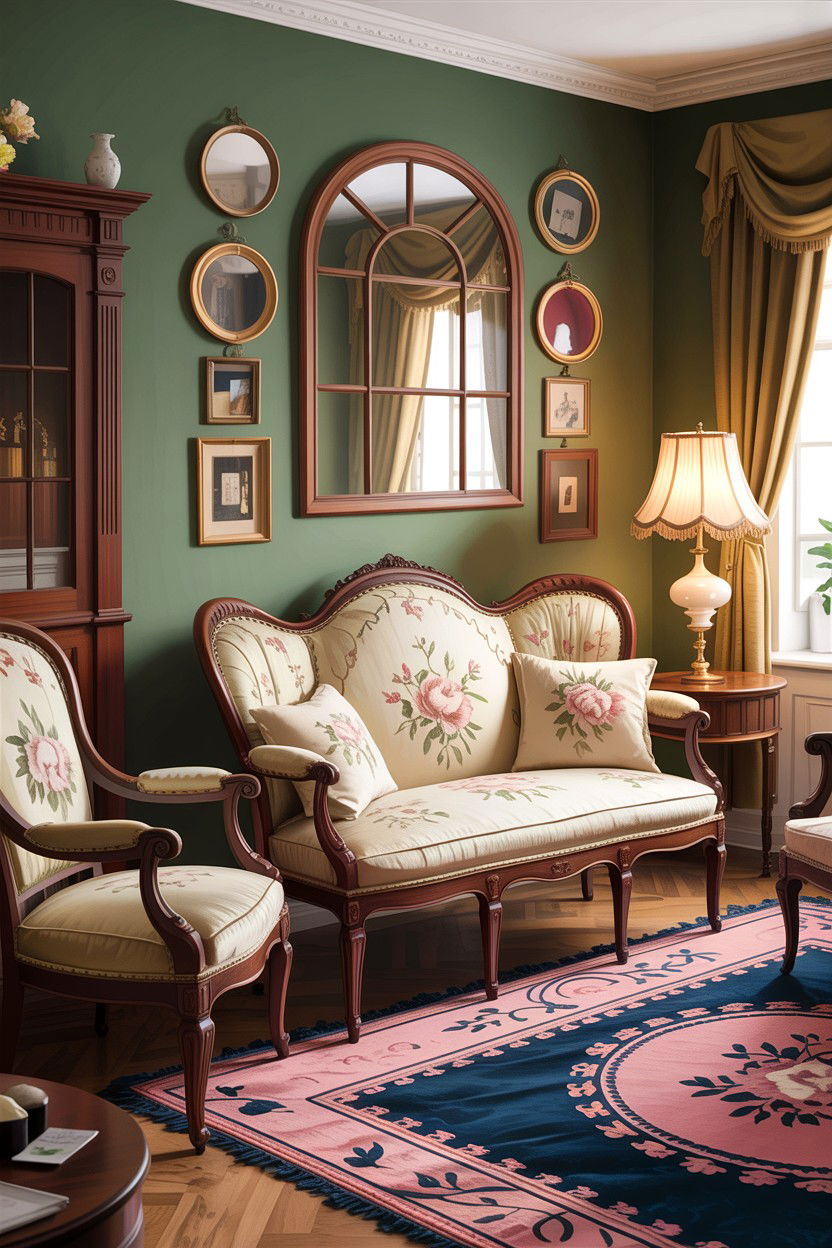
Creating a classic Edwardian parlor furniture arrangement requires a focus on airy layouts and delicate wooden frames. Instead of the heavy, dark pieces found in earlier eras, this design uses mahogany chairs with slender legs and light-colored upholstery to open up the room. You should arrange a central settee with two matching armchairs to foster a sense of social intimacy and grace. Incorporating floral patterns on the cushions adds a touch of natural beauty that was highly popular during the early twentieth century. This complete furniture grouping serves as the heart of the home, providing a sophisticated space for hosting guests or enjoying family time.
2. Fireplace Seating Arrangement
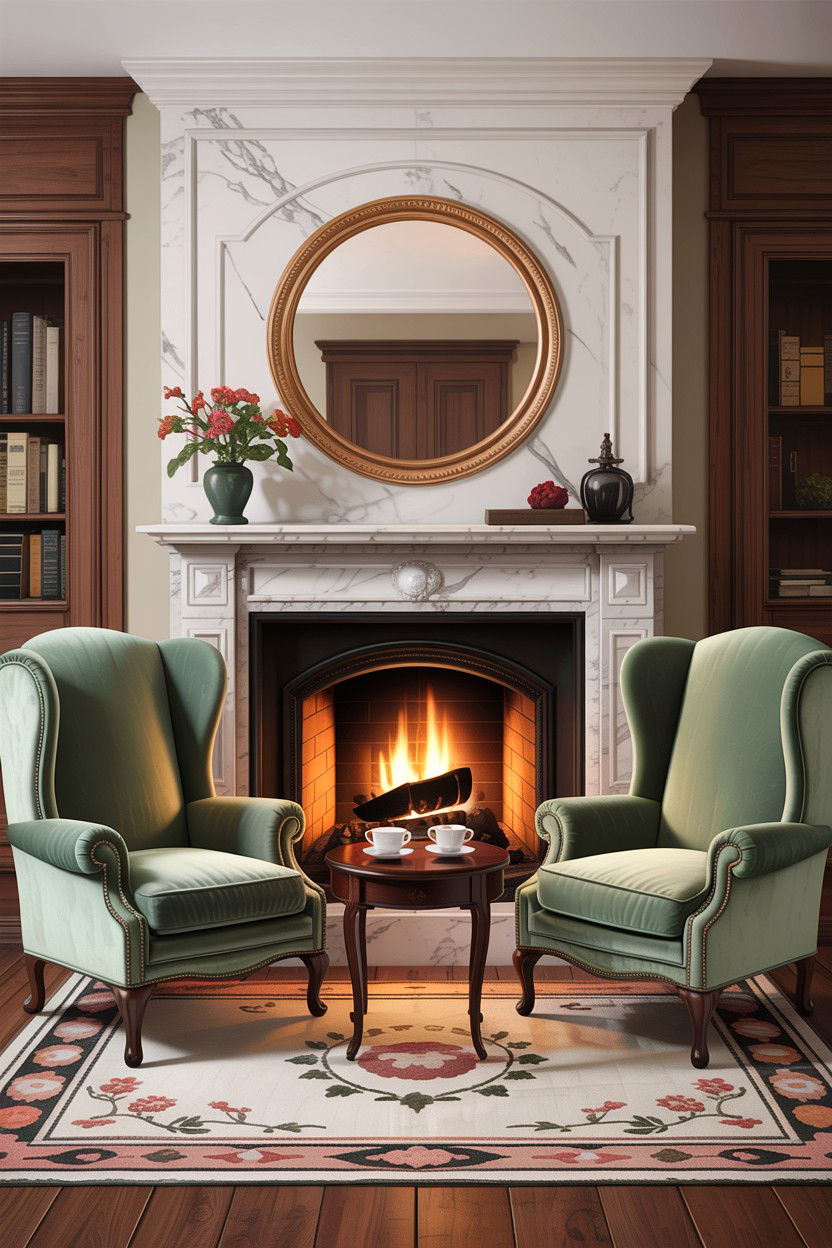
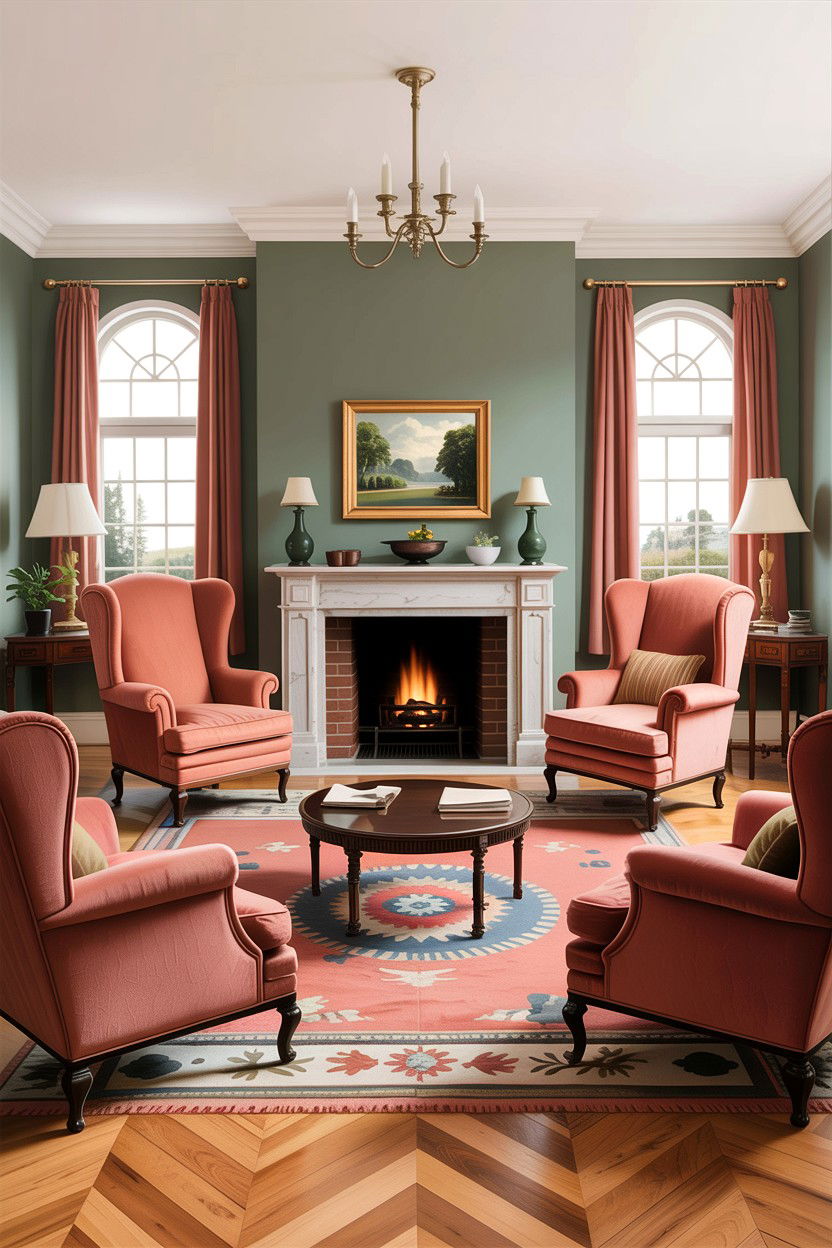
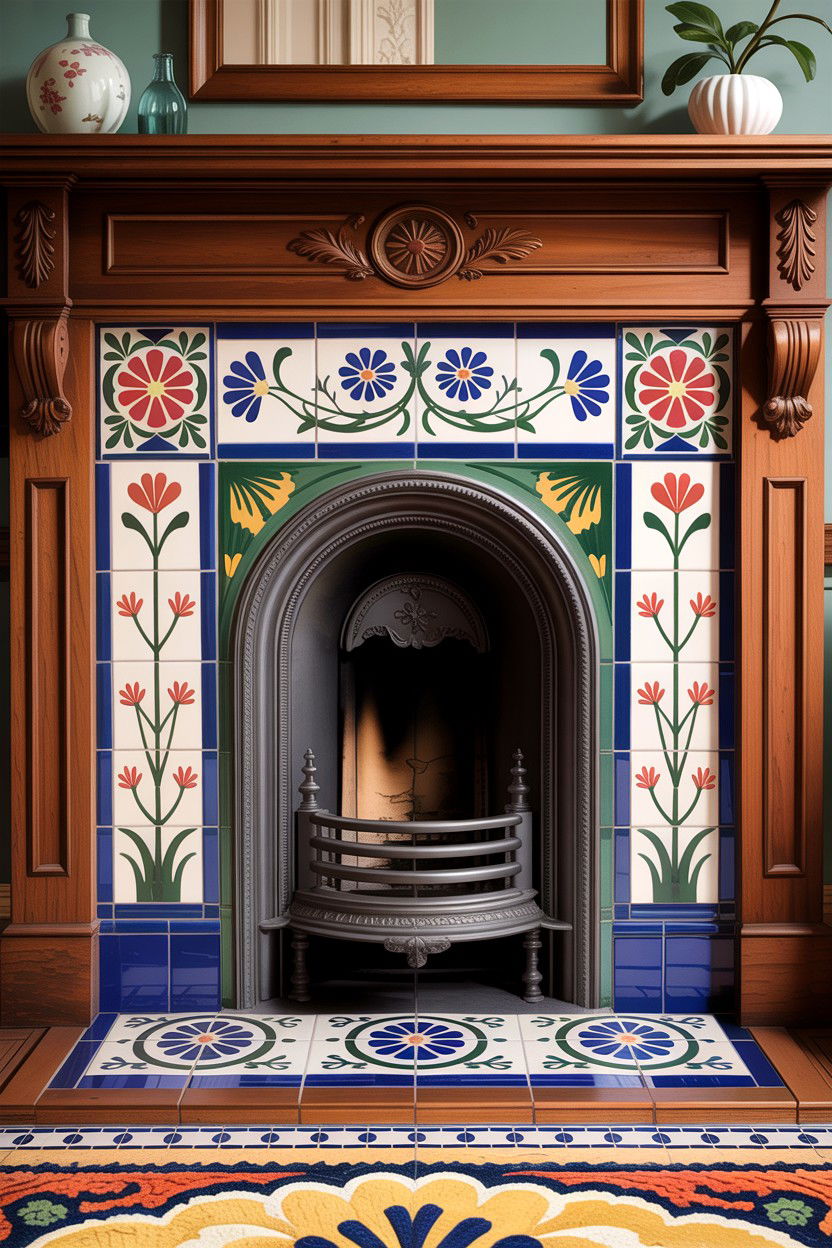
The fireplace was the focal point of the Edwardian home, and the furniture surrounding it was designed for maximum comfort. To achieve this look, place two plush wingback chairs directly facing each other in front of the hearth. Between them, a small mahogany tea table provides a convenient surface for books or drinks. This layout creates a cozy and symmetrical environment that encourages long conversations on cold evenings. Using soft velvet fabrics in sage green or dusty rose helps soften the architectural lines of the mantelpiece. This functional design ensures that the fireplace remains the true heart of your living space while offering a luxurious retreat.
3. Bay Window Furniture
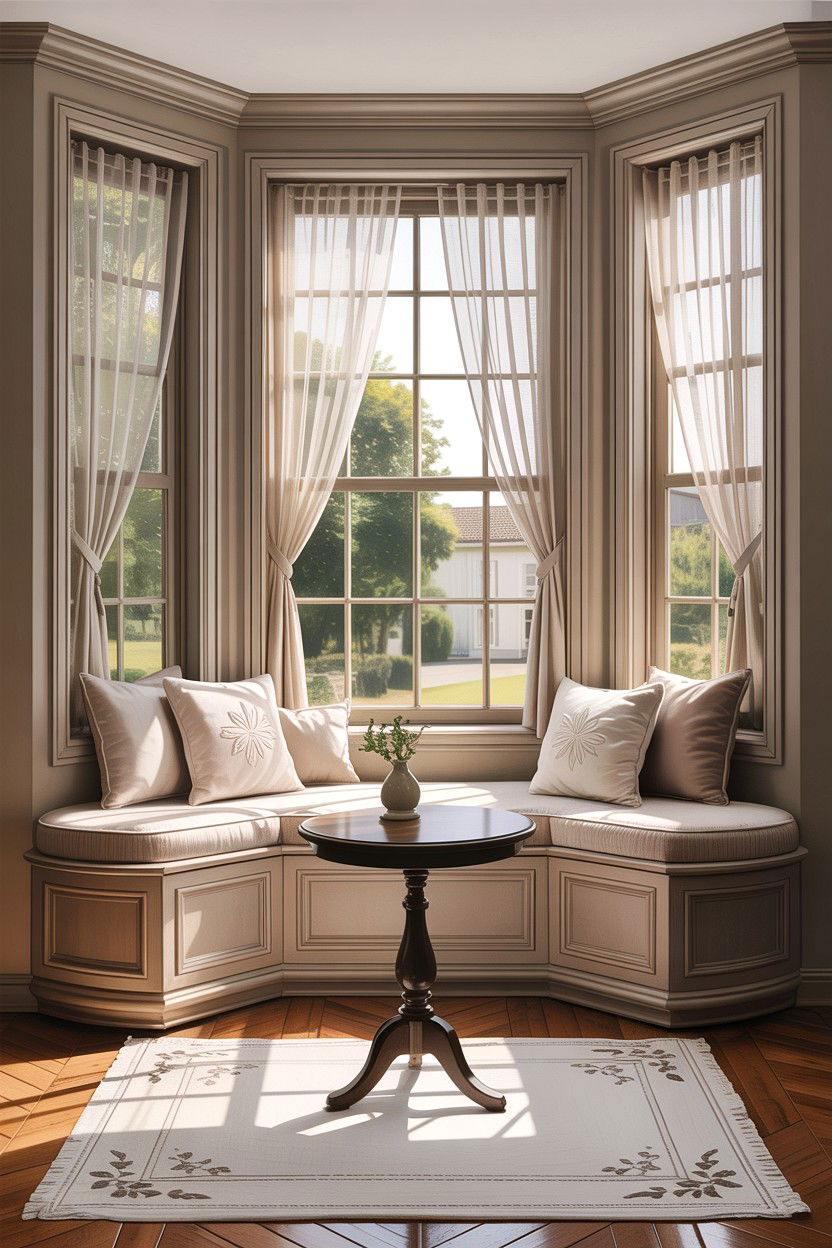
Edwardian architecture often featured large bay windows, which offer the perfect opportunity for a dedicated seating area. To furnish this space effectively, consider a custom-built window seat or a pair of low-profile slipper chairs that do not block the natural light. Adding a small round pedestal table between the chairs creates a charming spot for morning coffee or afternoon reading. Light, airy curtains in muslin or lace should frame the furniture without overwhelming the delicate wood finishes. This arrangement maximizes the use of natural light and provides a serene transition between the indoor living space and the garden views outside your home.
4. Reading Nook Setup
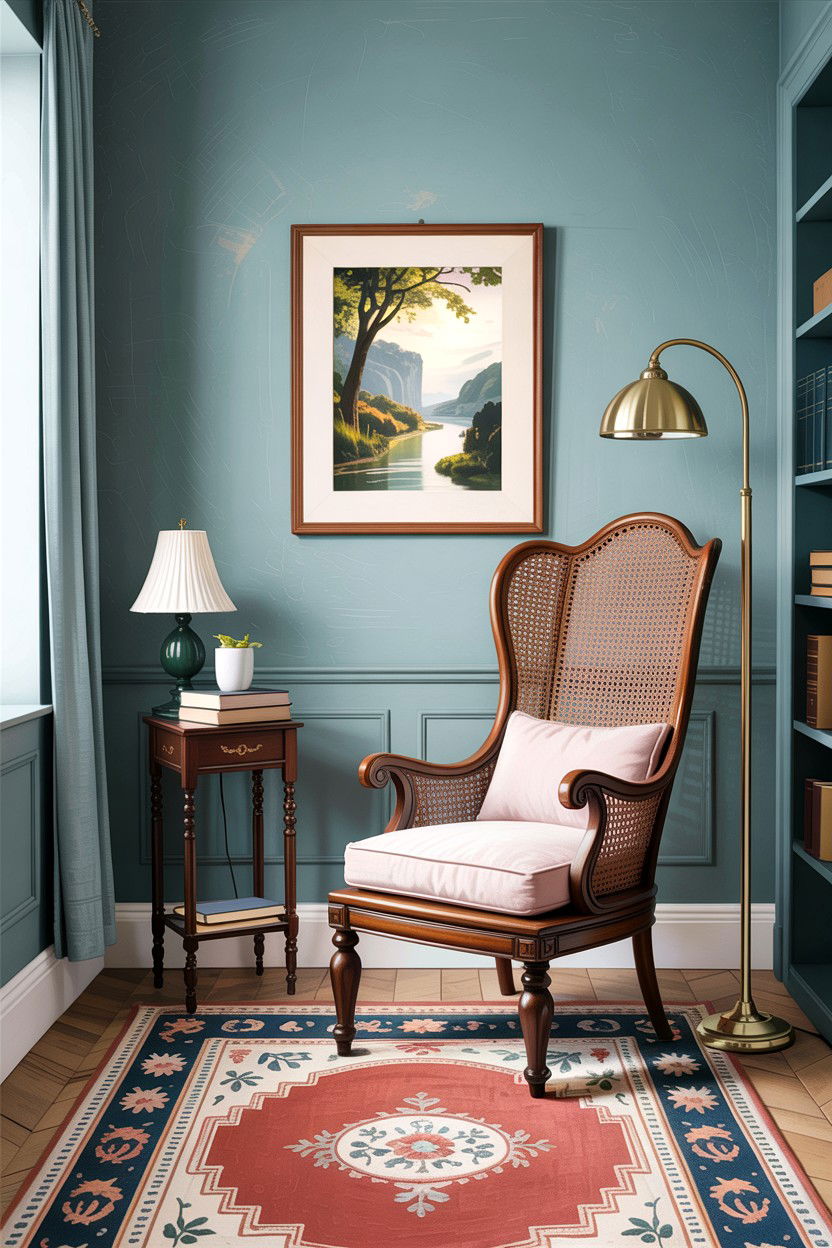
A dedicated reading nook is a wonderful way to incorporate Edwardian elegance into a quiet corner of your living room. Start with a comfortable bergère chair featuring a cane back and soft upholstered cushions for a light and airy feel. Pair the chair with a tall, slender floor lamp made of polished brass to provide focused task lighting. A small, tiered bookstand or a mahogany side table is essential for keeping your current reads within reach. This furniture grouping works best when placed near a window or an alcove, offering a private sanctuary that feels both historically inspired and perfectly suited for modern relaxation.
5. Living Room Conversation Set
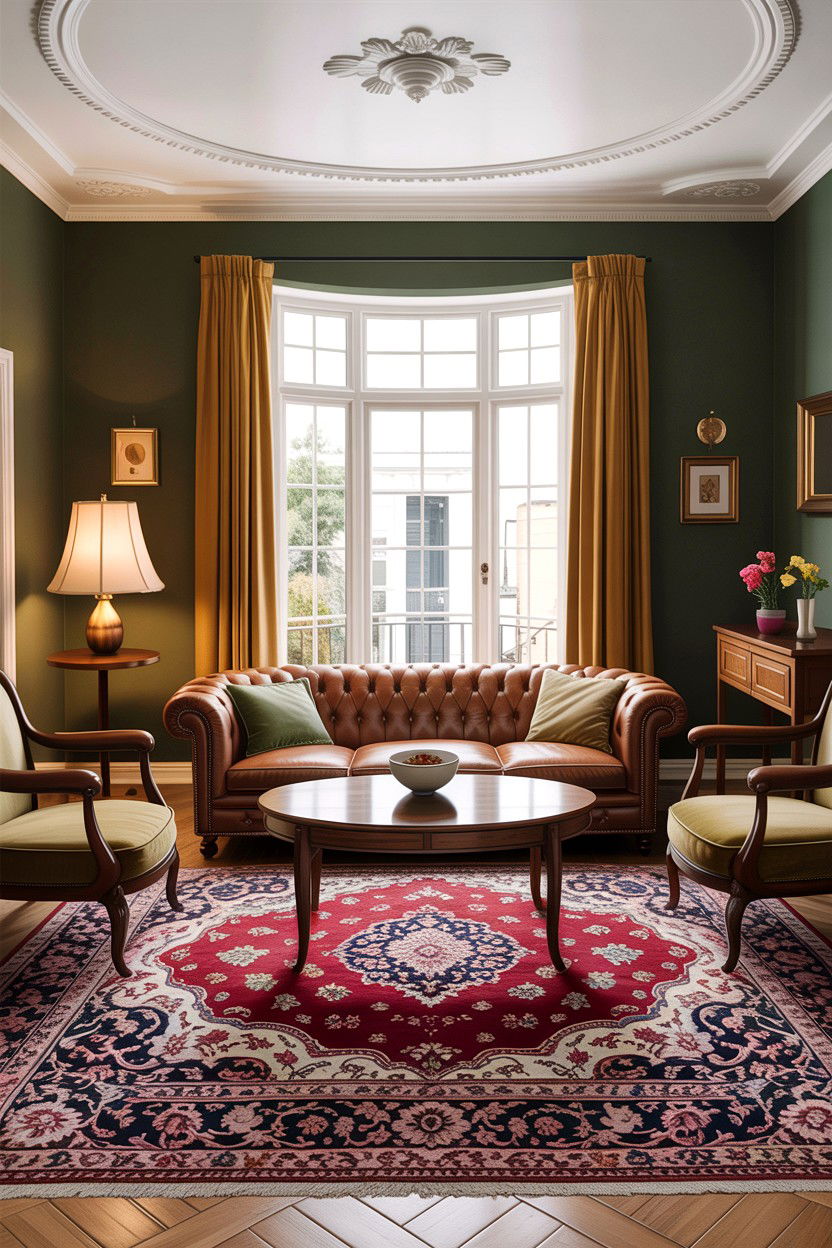
For larger living rooms, a conversation set featuring a mix of textures and styles captures the eclectic spirit of the Edwardian era. You might combine a traditional Chesterfield sofa with a couple of lighter, Art Nouveau-inspired armchairs to create a balanced look. Centering these pieces around a large, oval coffee table in walnut provides a sense of structure and formality. Using a large Persian rug to anchor the furniture helps define the zone within an open-plan space. This approach allows for a flexible layout that can accommodate large gatherings while maintaining the sophisticated and curated aesthetic that defines this specific historical period.
6. Mahogany Bookcase Wall
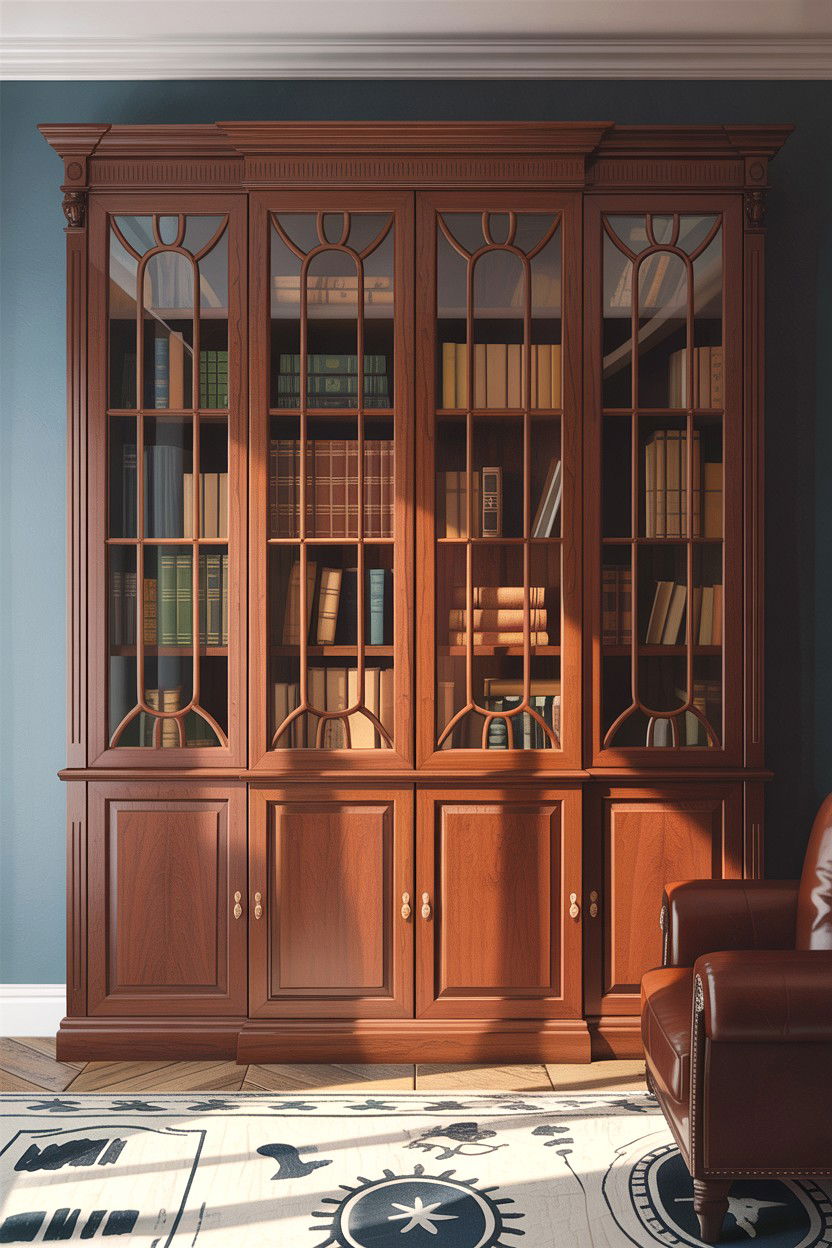
An Edwardian bookcase wall adds a sense of intellectual charm and architectural depth to any living room design. These bookcases are typically characterized by their refined proportions, featuring glass-fronted doors with delicate glazing bars and adjustable interior shelving. Placing a pair of matching bookcases on either side of a doorway or fireplace creates a powerful symmetrical statement. The warm, reddish tones of the mahogany wood provide a beautiful contrast against light pastel walls in cream or pale blue. This furniture setup not only offers ample storage for your library but also serves as a grand display for fine porcelain and decorative antiques.
7. Antique Writing Desk Station
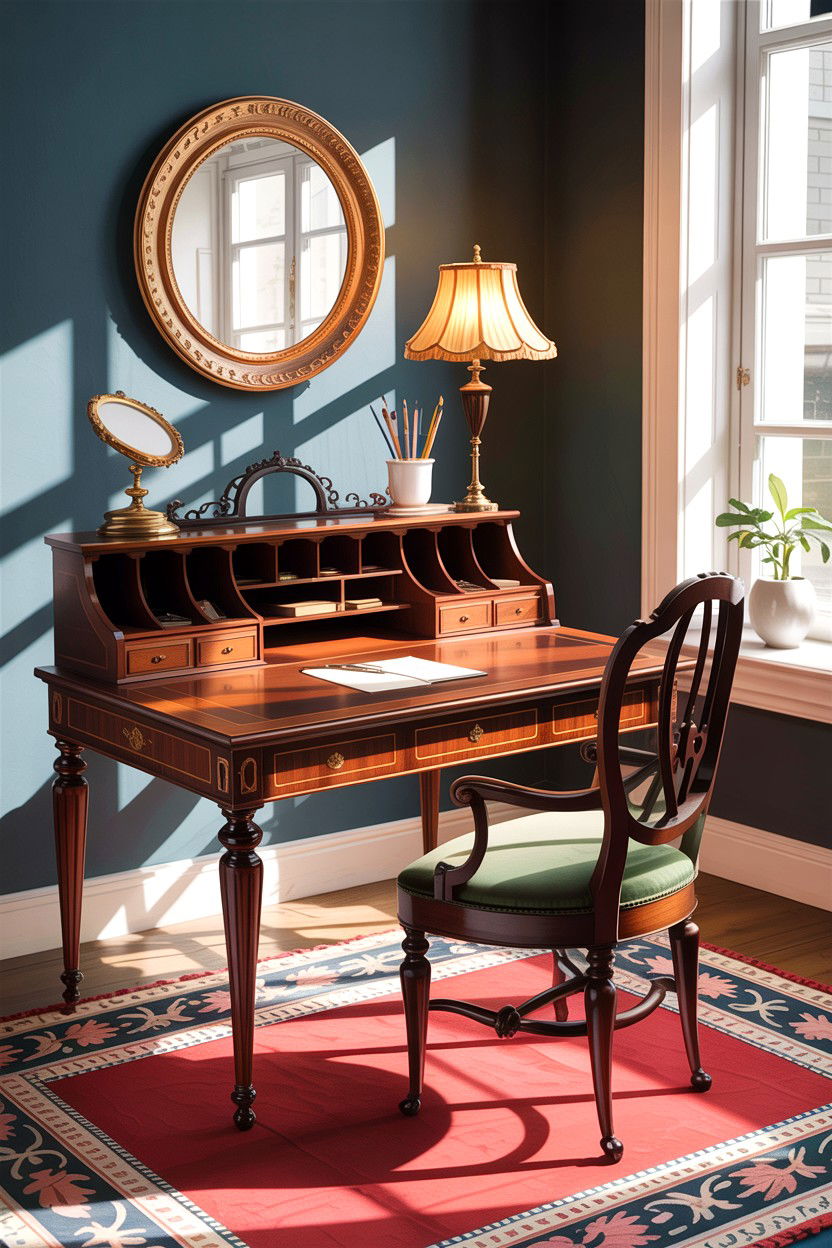
Incorporating an antique writing desk into your living room provides a functional workspace that doubles as a beautiful decorative element. Look for a ladies' writing table, also known as a "bonheur du jour," which often features delicate inlays and small drawers for stationery. Pair the desk with a matching chair that has a shield-back design to maintain a consistent neoclassical feel. Placing this station in a quiet corner or under a window allows for plenty of natural light while you work. This furniture arrangement brings a touch of old-world sophistication to your home office needs without sacrificing the overall style of the room.
8. Tea Table Arrangement
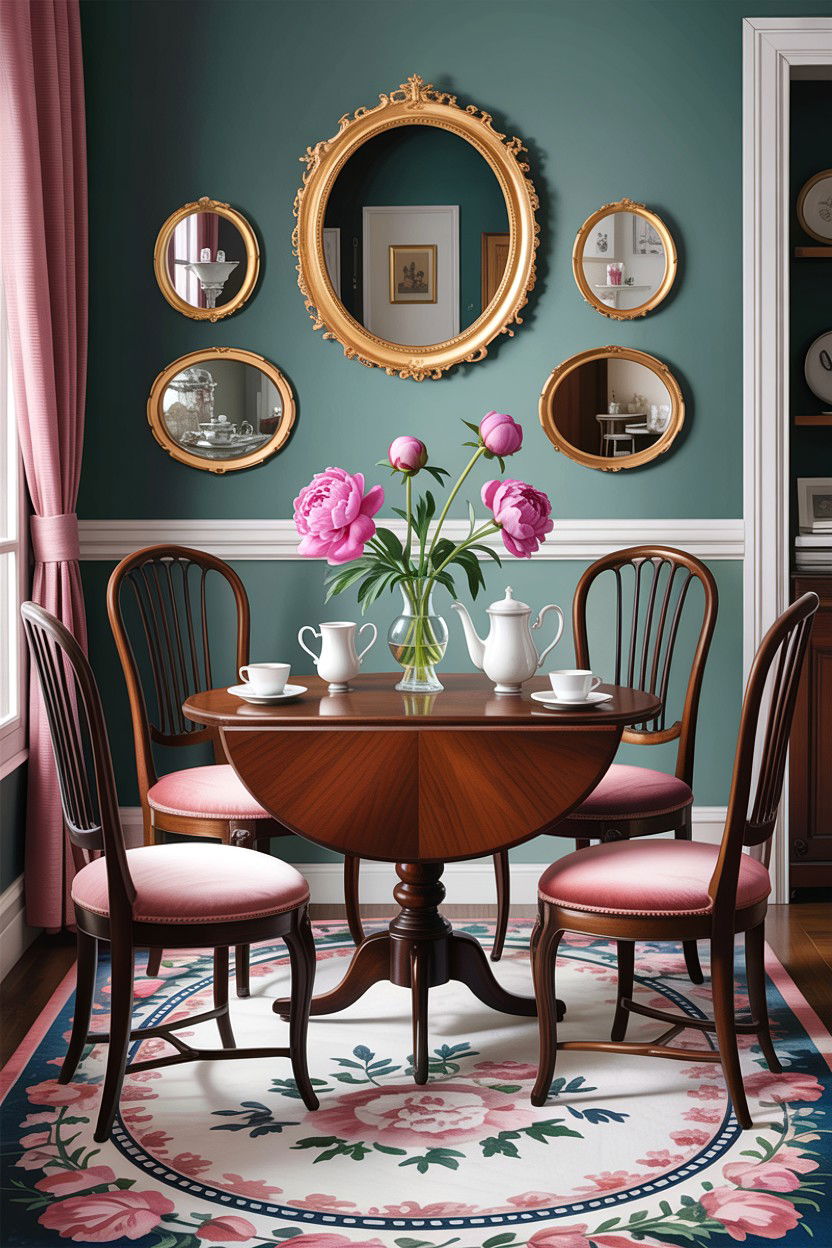
The ritual of afternoon tea was central to Edwardian social life, and a dedicated tea table arrangement remains a charming addition today. Choose a mahogany or satinwood drop-leaf table that can be easily expanded when guests arrive for a visit. Surround the table with a set of four delicate parlor chairs featuring embroidered seats and curved backs. This setup works beautifully in the center of the room or tucked away in a sunny alcove. Decorating the table with a silver tea service and a vase of fresh peonies completes the look. This furniture idea celebrates the era's focus on hospitality and refined domestic leisure.
9. Music Room Furniture
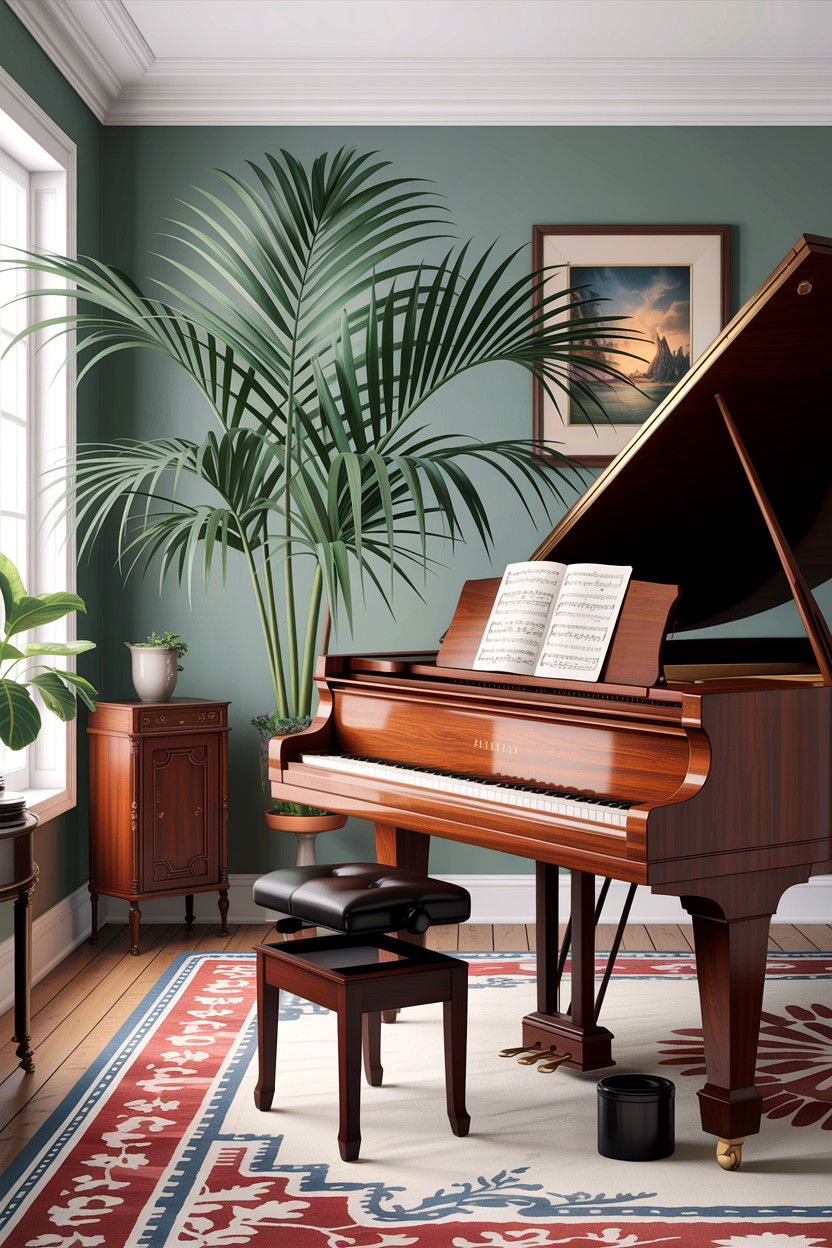
If you have space for a piano, creating a music-focused corner is a quintessential way to honor Edwardian living room traditions. Position a grand or upright piano against a main wall and pair it with a traditional adjustable piano stool. Nearby, a small music cabinet with specialized drawers for sheet music adds both functionality and historical accuracy. You can further enhance this area with a comfortable armchair for listeners and a tall palm plant in a ceramic pot. This arrangement transforms a simple instrument into a complete living room zone that celebrates the performing arts and provides a sophisticated entertainment area for your family.
10. Hallway Settee Placement
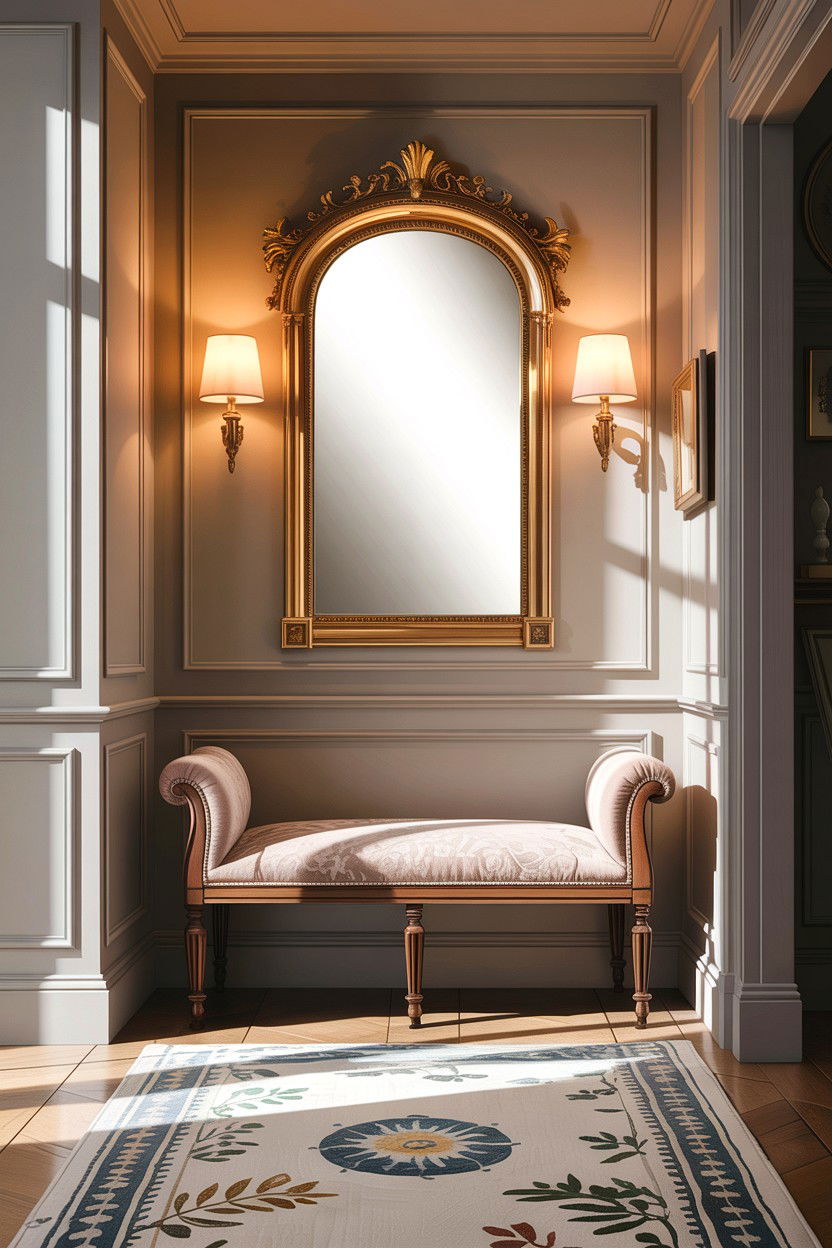
In larger Edwardian homes, the entrance hall often functioned as an extra living space, and this can be replicated with a well-placed settee. A slender, upholstered bench or a small two-seater sofa with exposed wooden legs fits perfectly along a hallway wall. This piece provides a convenient spot for putting on shoes or waiting for guests to arrive. To complete the look, hang a large gilded mirror above the settee to reflect light and make the space feel even more expansive. This furniture idea extends the elegance of your living room into the transitional areas of your home, creating a cohesive first impression.
11. Symmetrical Sofa Layout
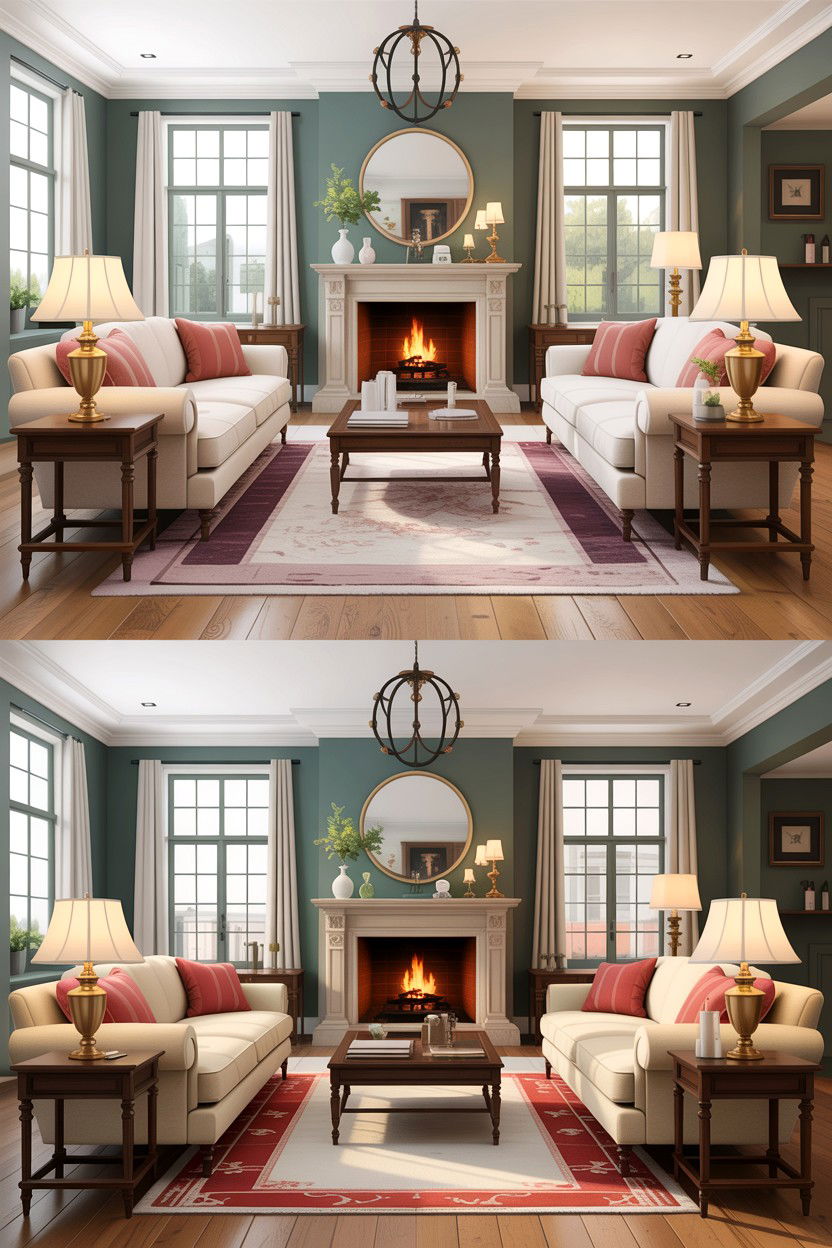
Symmetry was a key principle in Edwardian interior design, and a symmetrical sofa layout is a perfect way to achieve a formal look. Place two identical sofas facing each other across a central coffee table to create a balanced and inviting conversation area. This arrangement works best when the furniture is centered on a fireplace or a large window. Using matching end tables with identical lamps on either side of the sofas further emphasizes the sense of order and harmony. This structured approach to furniture placement feels grand and sophisticated, making it ideal for a formal drawing room or a main reception area.
12. Glass Display Cabinet
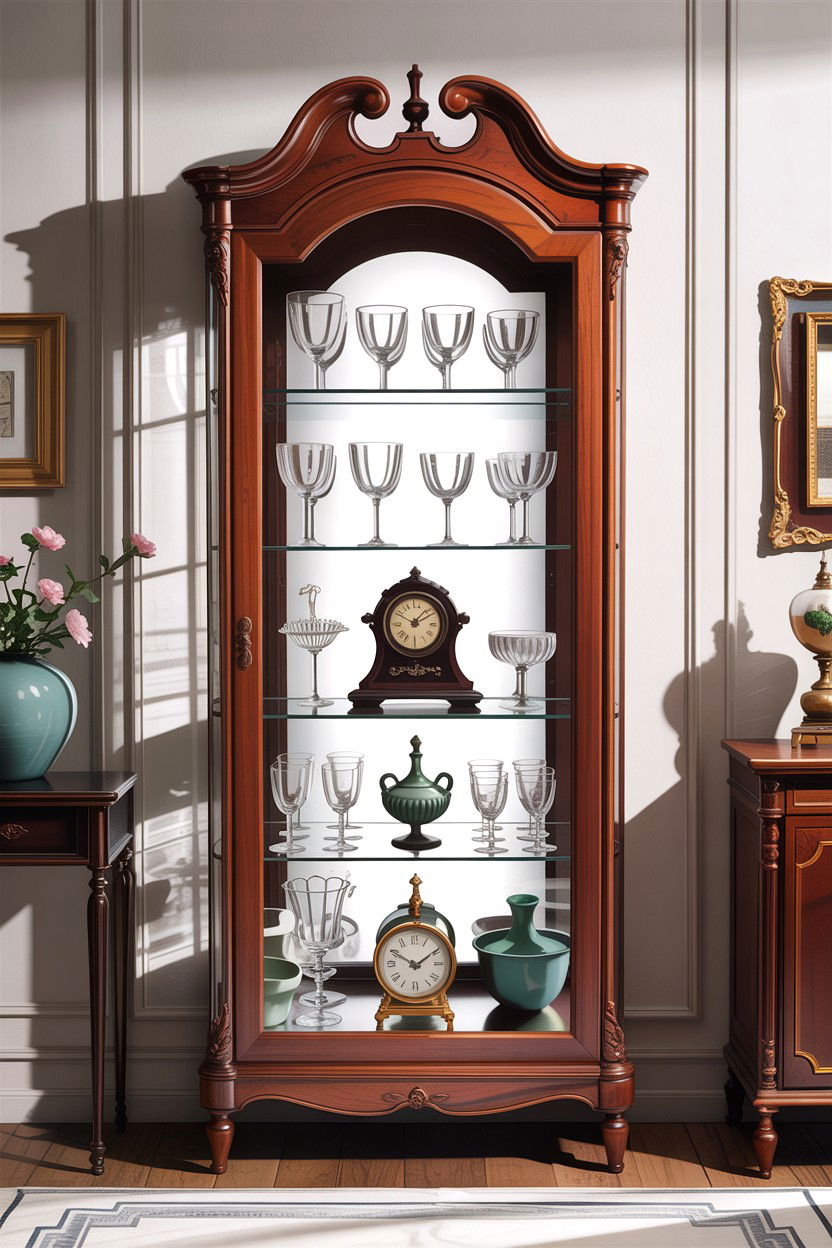
A glass display cabinet is an essential piece of furniture for showcasing your most treasured collections in an Edwardian-style living room. These cabinets, often made of mahogany or rosewood, feature expansive glass panels and mirrored backs to highlight the items inside. Placing one in a prominent corner or against a focal wall allows it to act as a jewel box for the room. You can use it to display delicate glassware, antique clocks, or family heirlooms. The light reflecting off the glass and mirrors helps brighten the space, contributing to the airy and luminous atmosphere that defined the early twentieth-century aesthetic.
13. Masculine Study Furniture
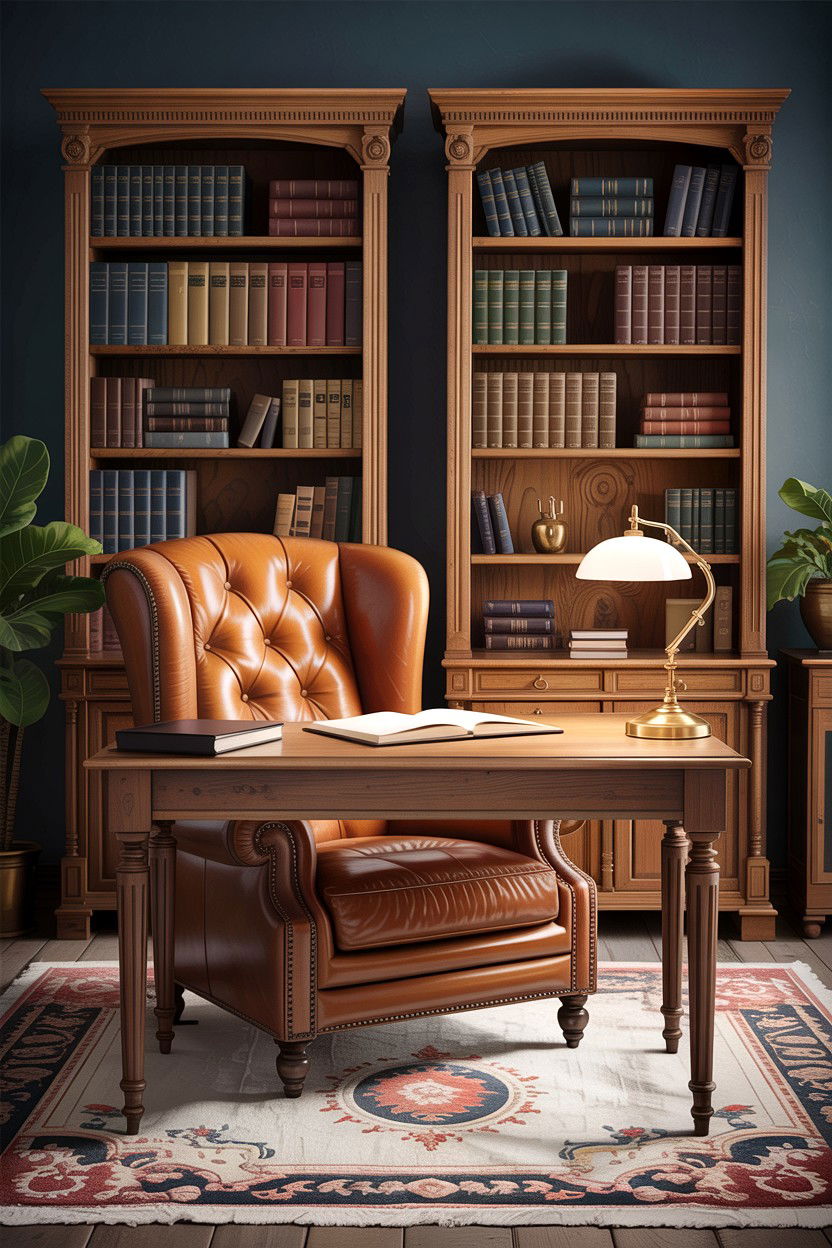
For a more grounded and masculine take on the Edwardian style, focus on a furniture grouping that emphasizes rich woods and leather textures. A deep-buttoned leather armchair paired with a heavy oak side table creates a sturdy and comfortable environment. Incorporate a tall, open-shelved bookcase to display leather-bound volumes and brass accessories. This design works exceptionally well in a den or a corner of the living room intended for quiet reflection or study. The use of darker wood tones like oak or walnut provides a sense of permanence and tradition, offering a cozy contrast to the lighter floral elements found elsewhere.
14. Morning Room Seating
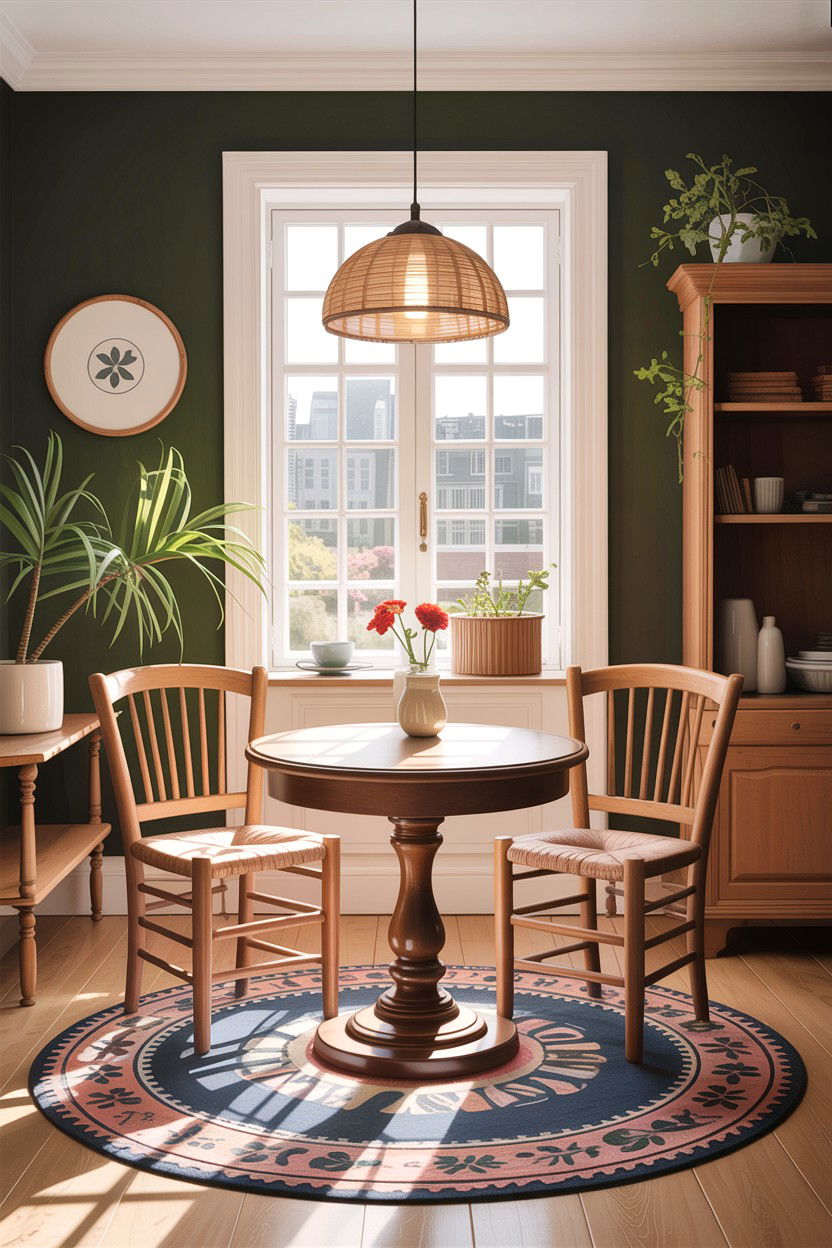
The morning room was a less formal space designed for daily activities, and its furniture should reflect a sense of casual elegance. Choose a set of lightweight chairs with rush seats or simple wooden frames that can be easily moved around the room. A central circular table serves as a versatile hub for crafts, writing, or informal meals. Using light-colored woods like beech or pine helps maintain a bright and cheerful atmosphere. This furniture layout is perfect for a sun-drenched room where the family gathers during the early hours of the day, emphasizing comfort and practicality over strict formality and grandeur.
15. Bamboo Sunroom Furniture
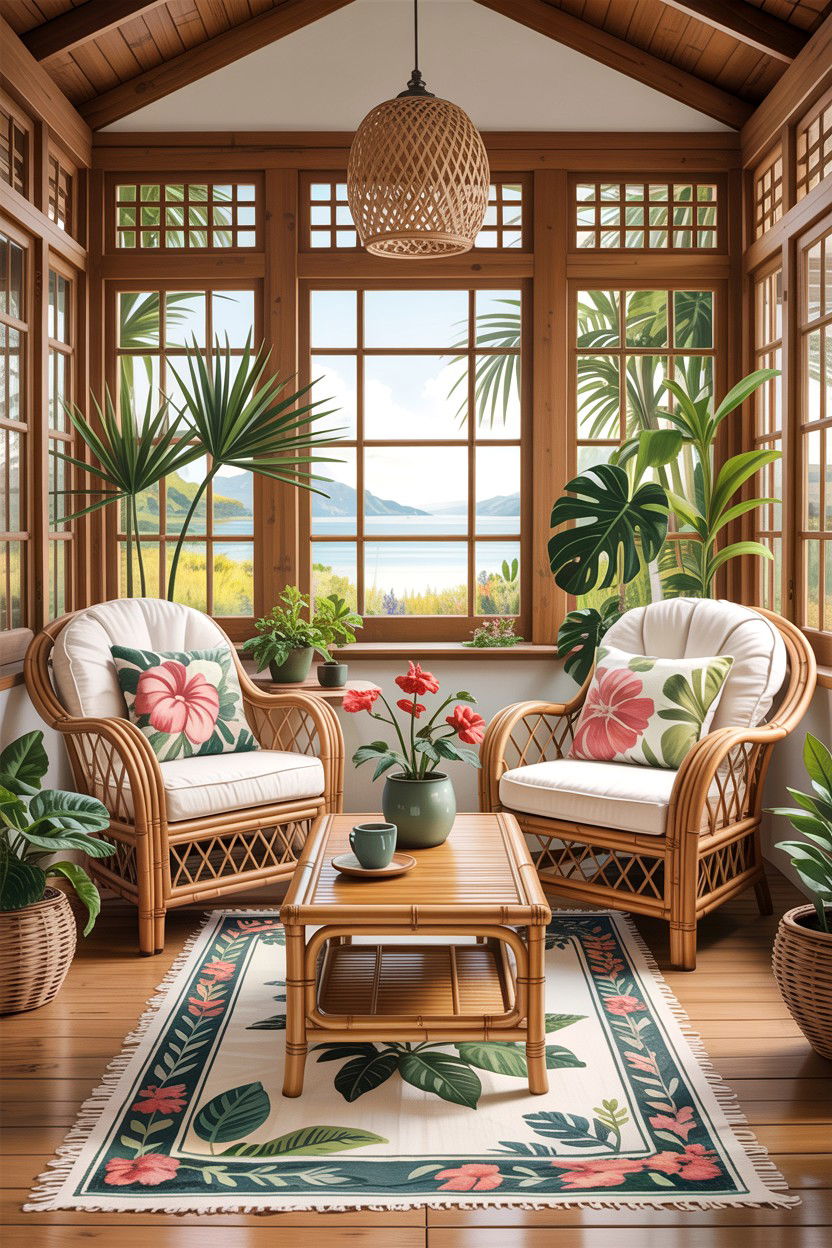
During the Edwardian era, there was a great fascination with exotic materials, making bamboo and wicker furniture highly popular for sunrooms and conservatories. You can bring this breezy, informal look into your living room by incorporating a bamboo coffee table or a set of wicker armchairs. These pieces are incredibly lightweight and add a unique texture that contrasts beautifully with traditional mahogany furniture. Pairing them with oversized tropical plants and floral upholstery creates a garden-like atmosphere indoors. This furniture idea is perfect for creating a relaxed and airy zone that feels connected to nature and the outdoors, providing a refreshing aesthetic.
16. Layered Furniture Design
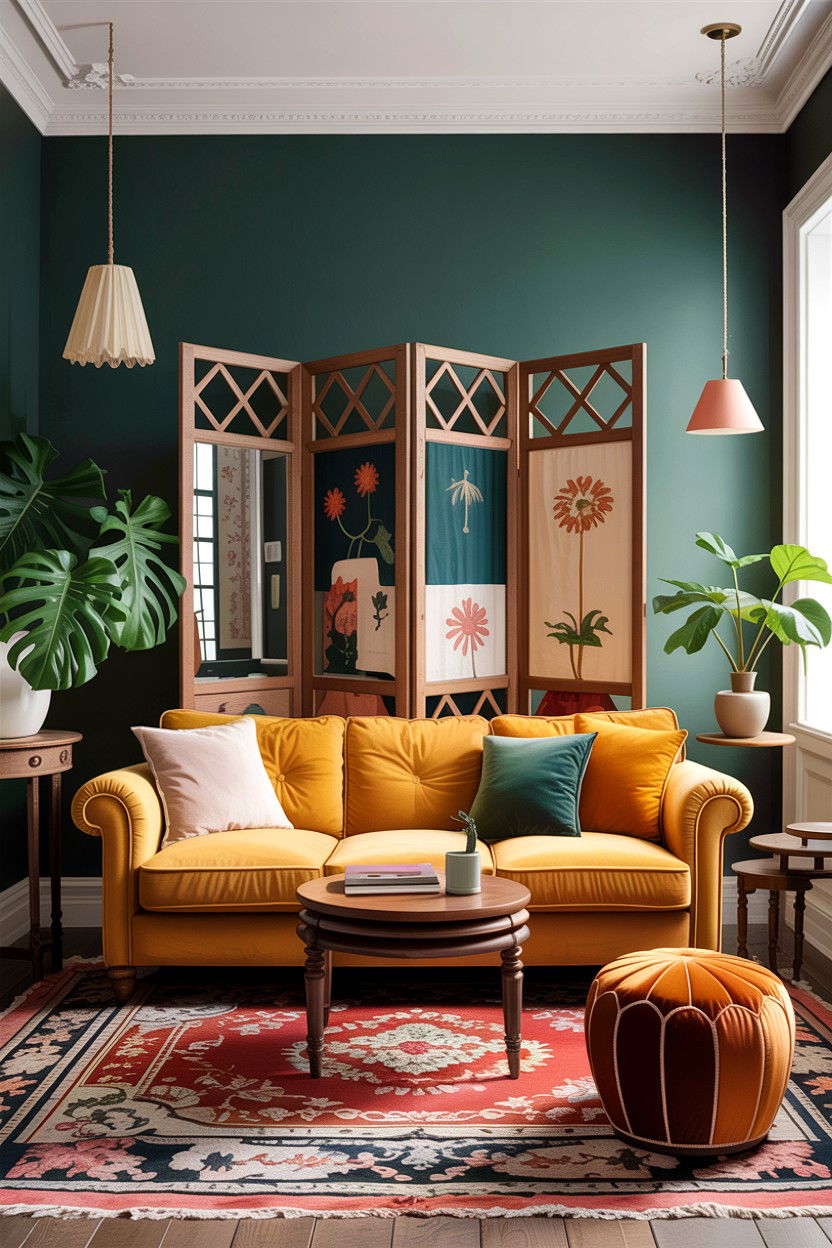
Achieving a truly authentic Edwardian look often involves layering different pieces of furniture to create a rich and lived-in feel. Start with a large central sofa and then add various smaller items like a footstool, a nest of tables, and a decorative screen. This layering adds visual interest and ensures that every part of the room has a functional purpose. Mixing different wood finishes, such as mahogany and satinwood, adds to the eclectic charm of the space. By carefully arranging these diverse elements, you can create a living room that feels curated over time rather than staged, capturing the true essence of the period.
17. Overmantel Mirror Decor
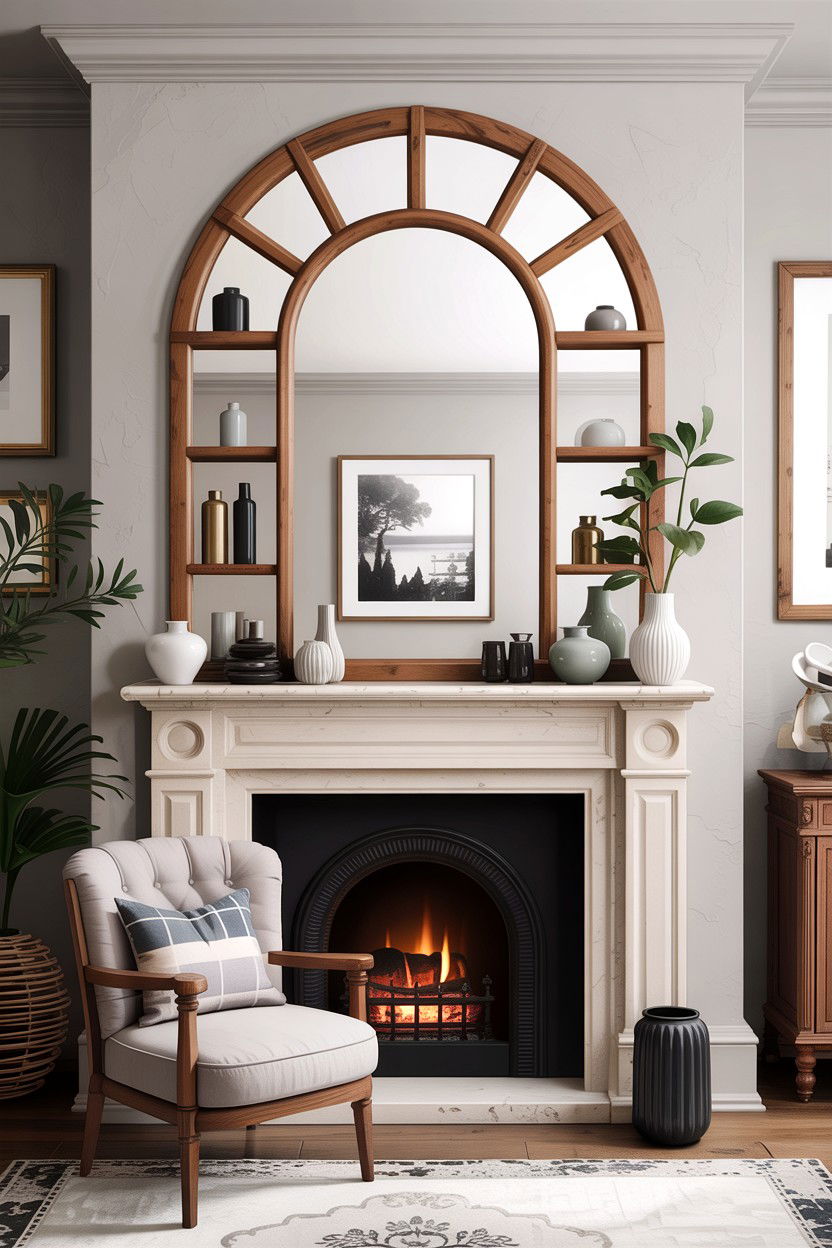
An overmantel mirror is a spectacular furniture-like accessory that can completely transform the look of your Edwardian fireplace. These large mirrors often feature elaborate wooden frames with built-in shelves for displaying small ornaments or vases. Placing one above your mantelpiece instantly draws the eye upward and makes the entire room feel taller and more spacious. The reflective surface bounces natural light around the room, enhancing the bright and airy quality of the space. Choosing a frame that matches the wood of your other furniture pieces helps create a cohesive and polished look that serves as a stunning architectural focal point for the room.
18. Velvet Upholstered Sofa
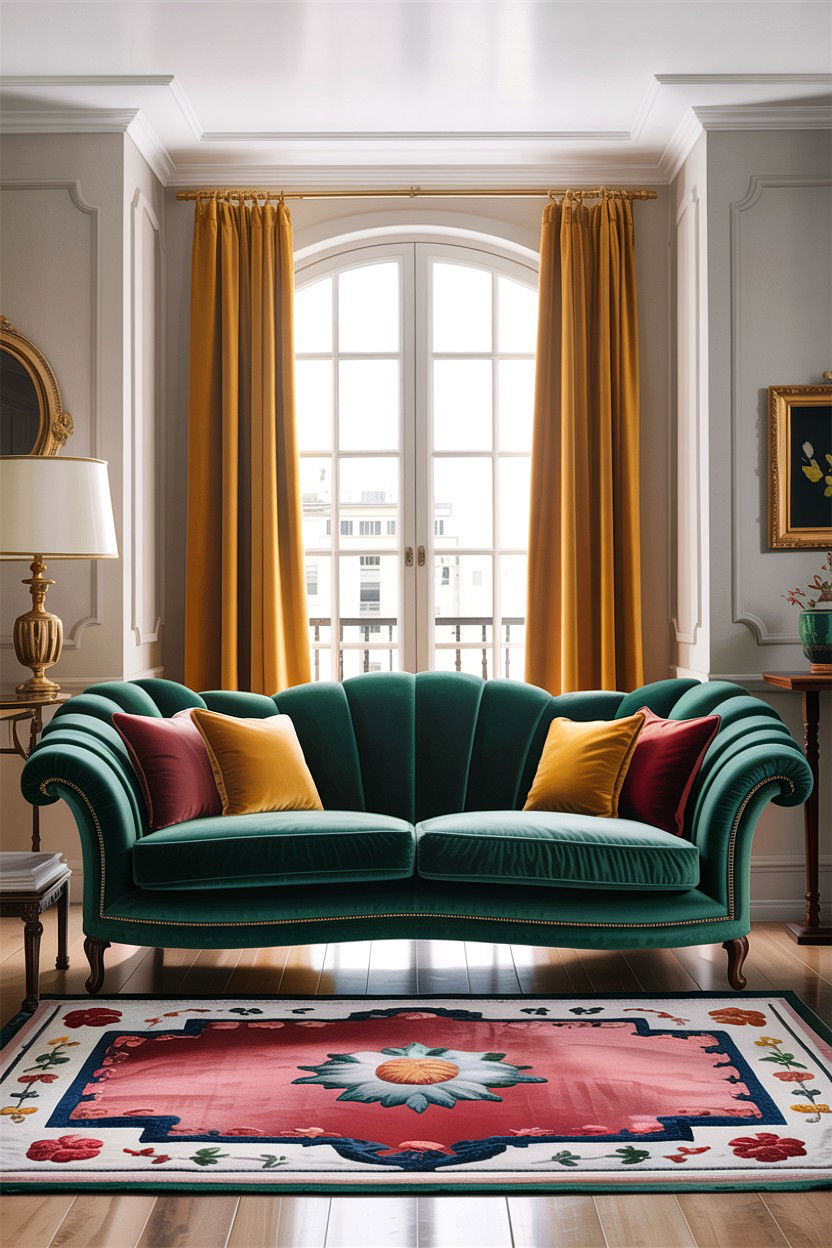
A velvet upholstered sofa is the ultimate statement piece for a luxurious Edwardian living room. Choose a design with elegant curves, such as a camelback or a refined Chesterfield, to capture the grace of the era. Rich jewel tones like emerald green, sapphire blue, or deep burgundy add a sense of opulence and depth to the space. The soft texture of the velvet provides a comfortable place to relax while also reflecting light in a subtle, sophisticated way. Pairing the sofa with silk toss pillows in contrasting colors enhances the luxurious feel, making it the centerpiece of your seating arrangement and a favorite gathering spot.
19. Floral Patterned Armchair
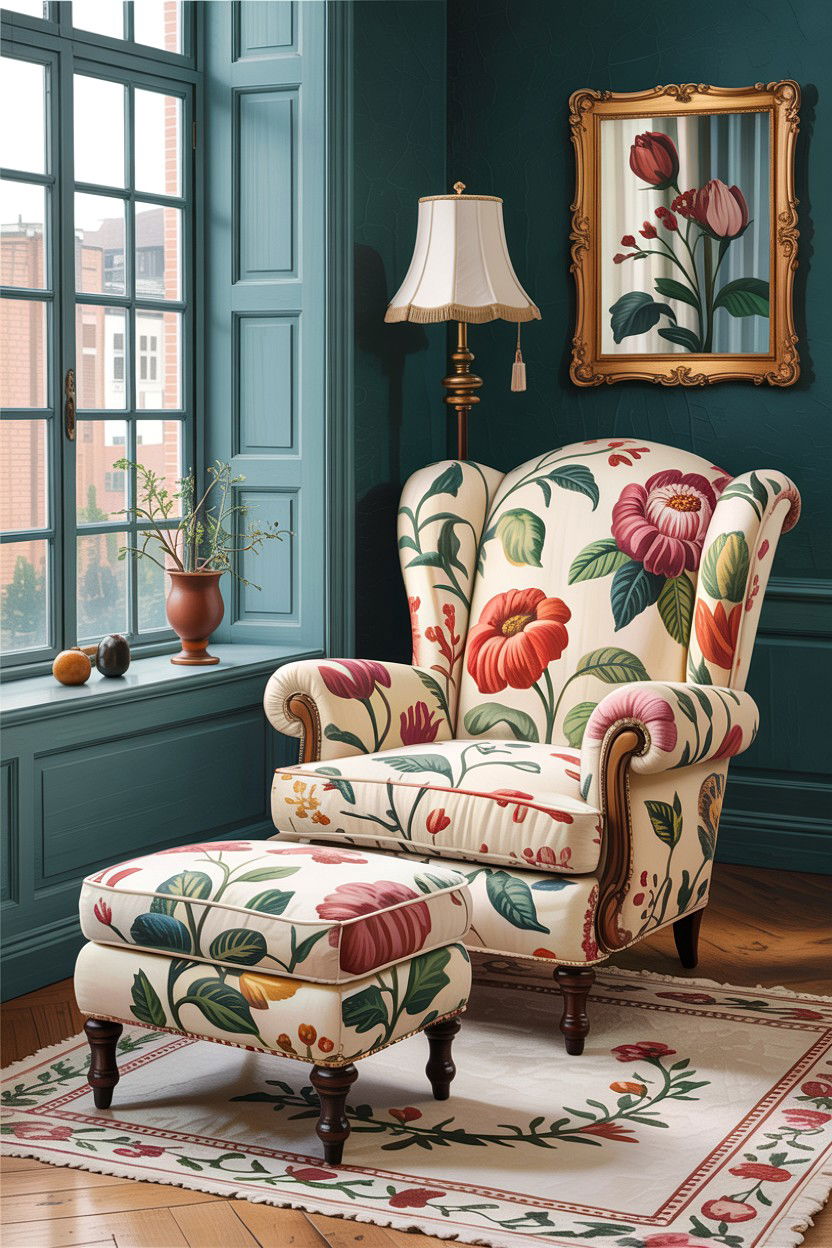
Floral patterns were incredibly popular during the Edwardian period, and a floral patterned armchair is a great way to introduce this trend. Look for fabrics that feature delicate roses, lilies, or Art Nouveau-inspired botanical motifs on a light background. Placing a pair of these chairs near a window or fireplace adds a touch of femininity and natural charm to the room. The soft colors and organic shapes help break up the straight lines of wooden furniture, creating a more balanced and inviting environment. This furniture idea is perfect for adding a pop of color and personality to a neutral-toned living room design.
20. Neoclassical Furniture Suite
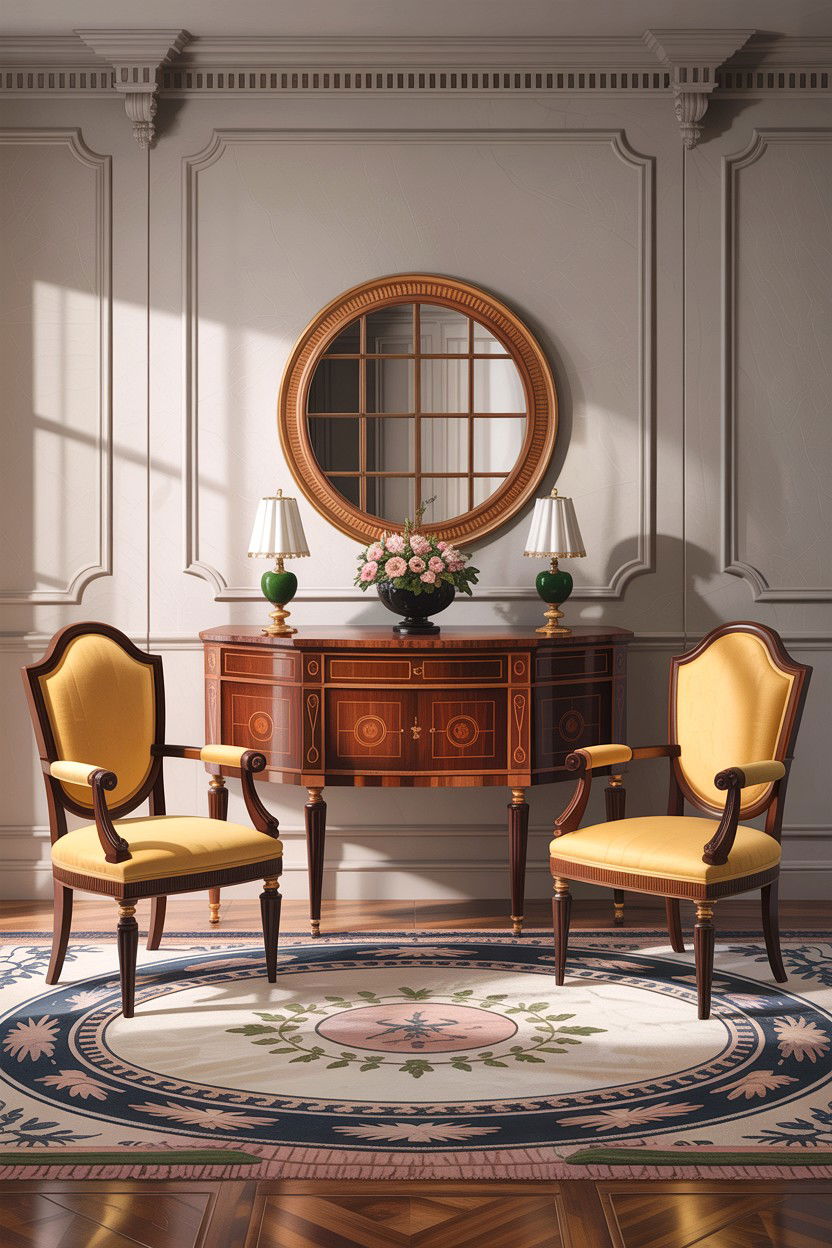
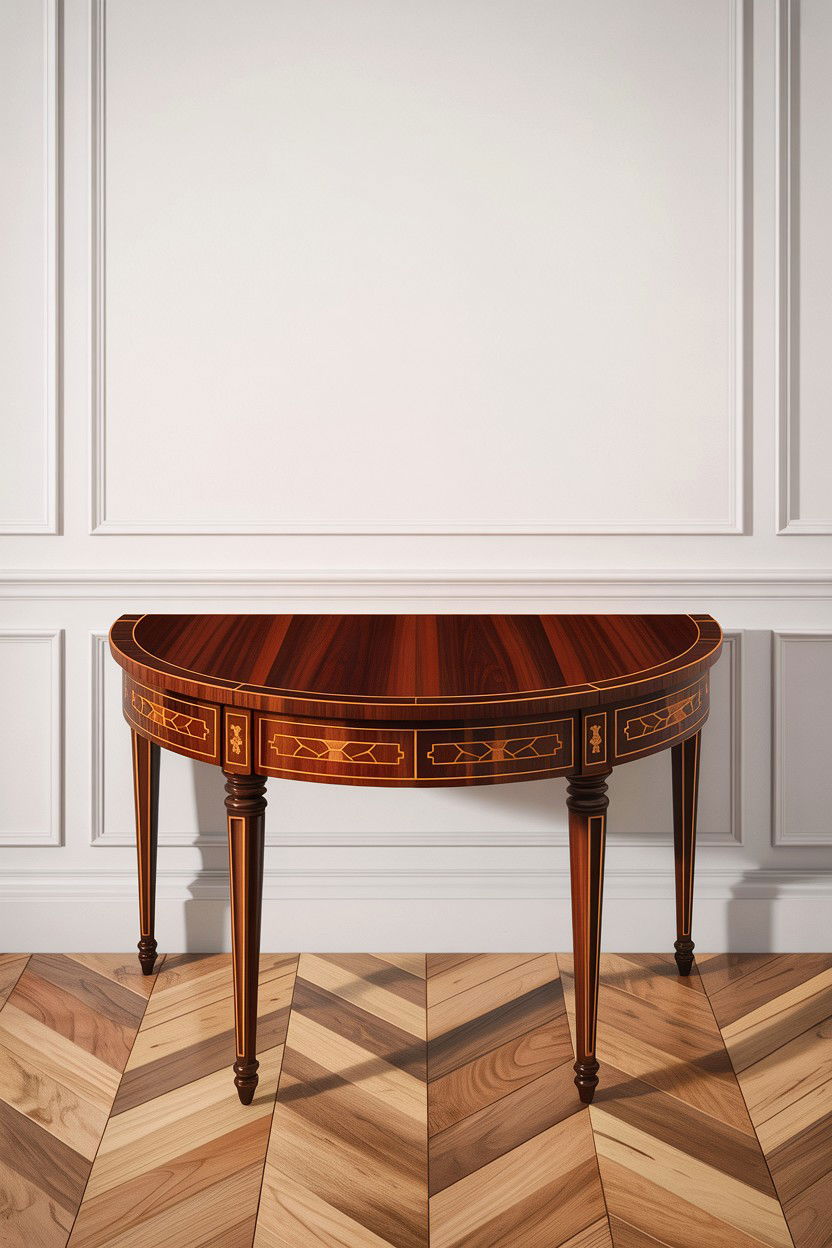
The Edwardian era saw a major revival of neoclassical styles, such as those inspired by Sheraton and Hepplewhite designs. A neoclassical furniture suite typically includes pieces with straight, tapered legs, shield-back chairs, and delicate marquetry inlays. Incorporating a full suite into your living room creates a very formal and high-end aesthetic that feels timelessly elegant. These pieces are often made of fine mahogany or satinwood, showcasing the exceptional craftsmanship of the period. This furniture idea is ideal for those who want to achieve a sophisticated and historic look that remains relevant and beautiful in a modern, upscale home environment.
21. Small Living Room Layout
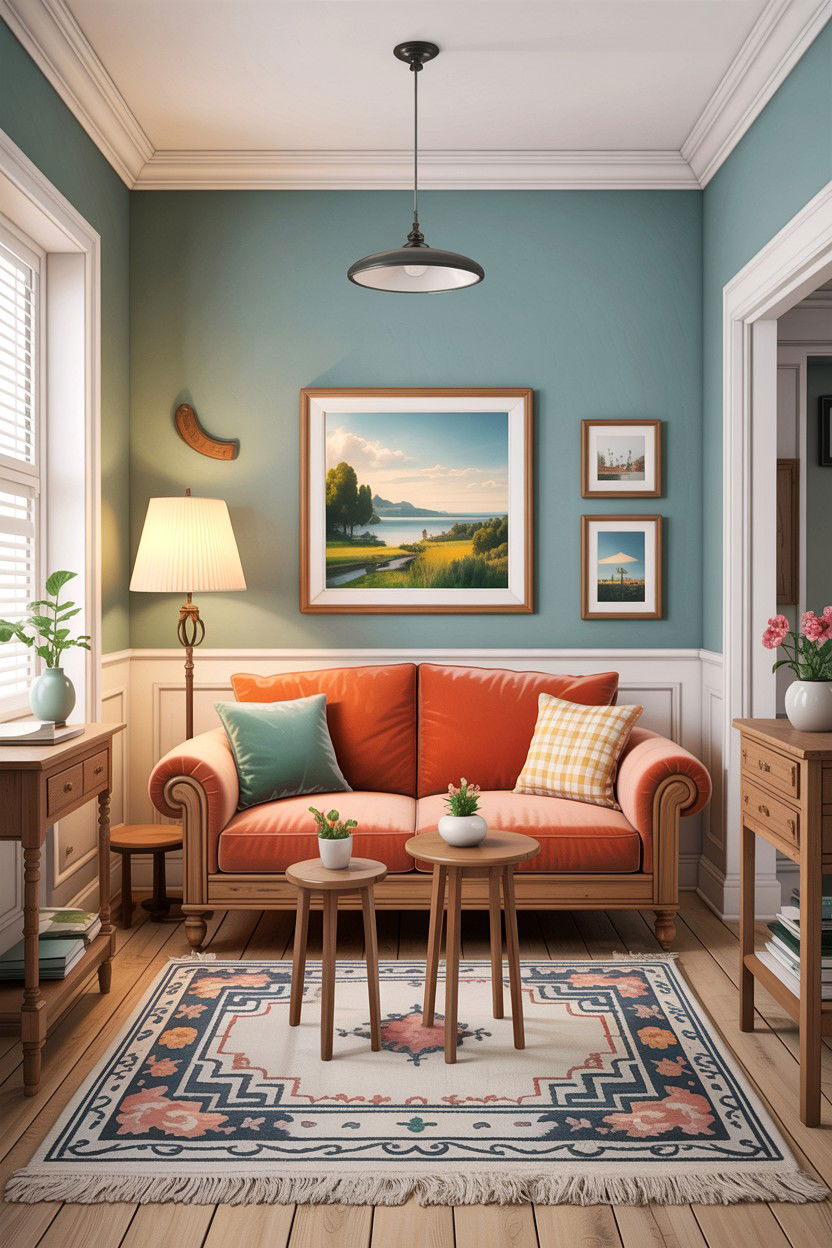
If you are working with a smaller living room, you can still achieve an Edwardian look by choosing furniture with slimmer profiles and lighter colors. Opt for a small settee instead of a full-sized sofa and use nesting tables that can be tucked away when not in use. Choosing pieces with exposed legs helps create a sense of more floor space, making the room feel larger than it actually is. Light-colored woods and pastel upholstery also contribute to an airy feel. This furniture layout proves that you do not need a grand manor to enjoy the elegance and comfort of the Edwardian design style.
22. Open Plan Furniture
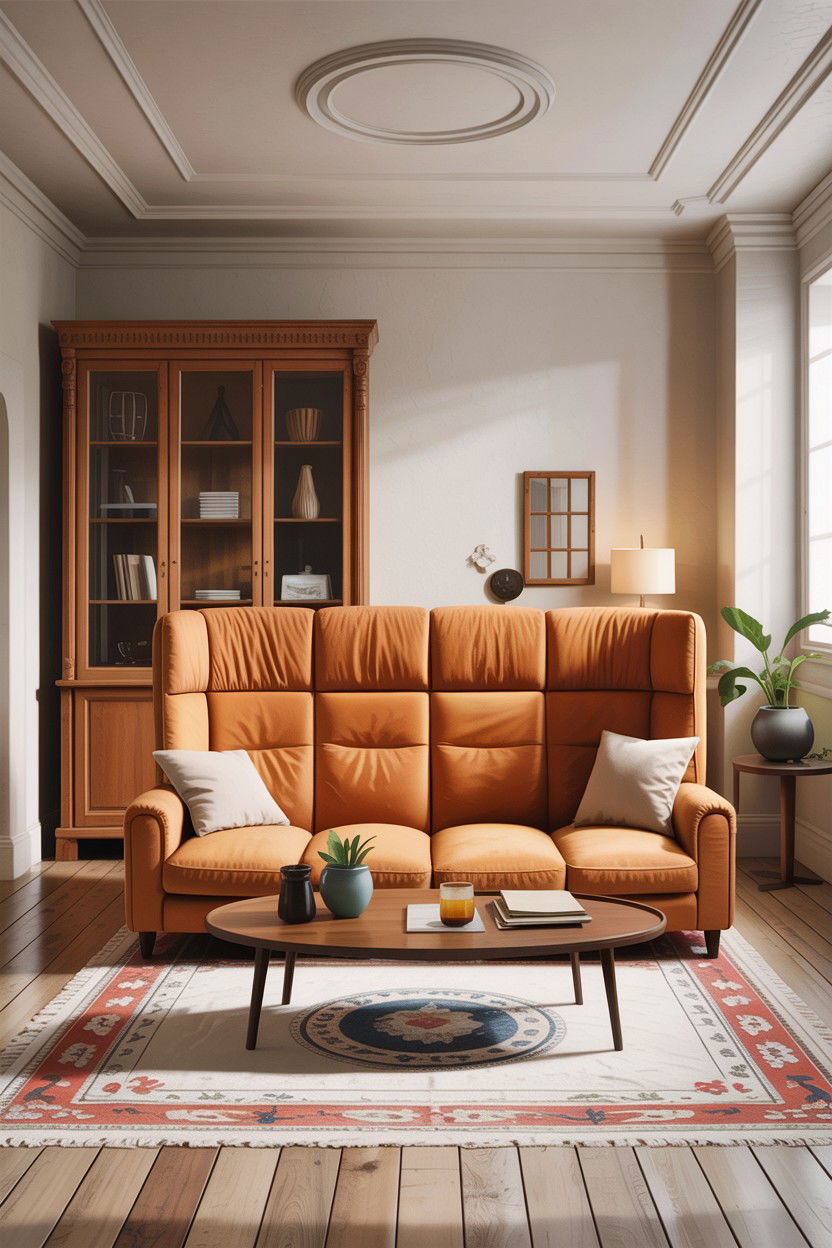
In a modern open-plan home, you can use Edwardian furniture to define specific zones while maintaining a sense of flow. Use a large, high-backed sofa to act as a divider between the living and dining areas. A tall display cabinet or a decorative folding screen can also help create visual boundaries without blocking light or sightlines. By choosing a consistent color palette and wood finish across all the pieces, you can ensure that the different zones feel connected and cohesive. This approach allows you to enjoy the benefits of modern living while surrounding yourself with the classic beauty of early twentieth-century furniture design.
23. Dark Wood Grouping
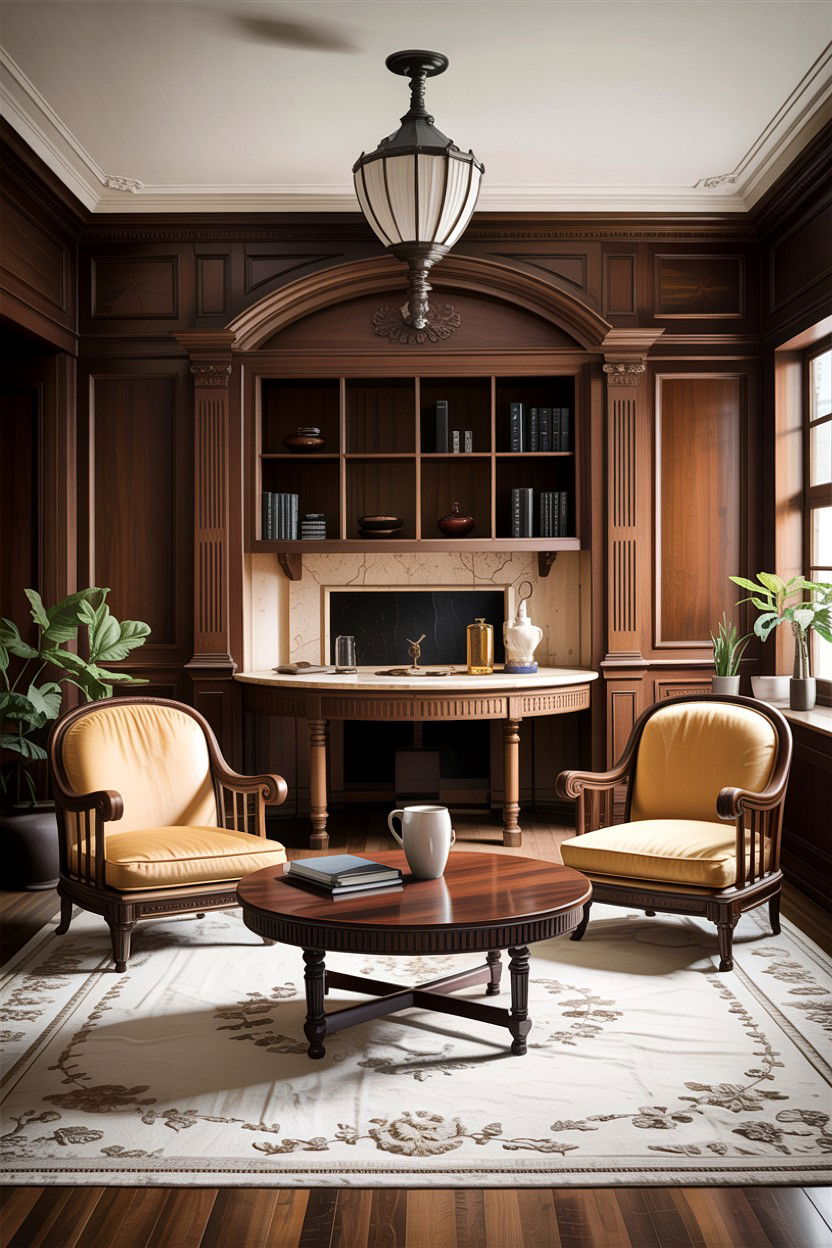
While the Edwardian era moved toward lighter colors, dark wood furniture remained a popular choice for creating a sense of tradition and warmth. You can create a striking dark wood grouping by pairing a mahogany coffee table with a set of walnut armchairs. The key is to balance these heavy pieces with light-colored walls and soft, airy textiles to prevent the room from feeling too dark or oppressive. This contrast highlights the beautiful grain and polished finish of the wood, making the furniture stand out as a work of art. This design idea is perfect for creating a sophisticated and grounded living space.
24. Pastel Furniture Set
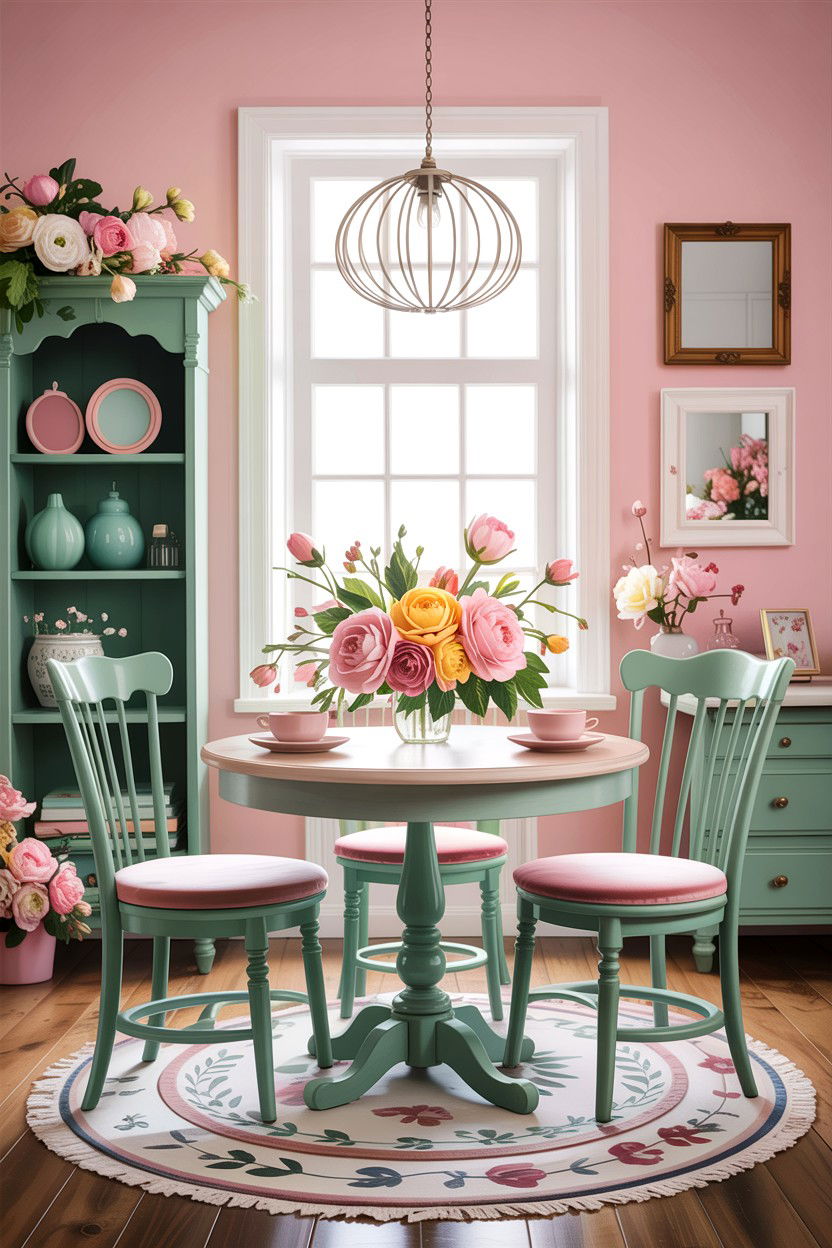
A pastel furniture set is the perfect way to capture the light and cheerful spirit of the Edwardian era. Look for sofas and chairs upholstered in soft shades of mint green, pale blue, or lemon yellow. These colors work beautifully with white-painted or light wood frames, creating a fresh and inviting look. This furniture grouping is ideal for a room that receives plenty of natural light, as the pastel tones will glow in the sunshine. Adding a few floral accents and white lace doilies completes the charming and feminine aesthetic, making your living room feel like a serene and stylish retreat from the world.
25. Curio Cabinet Display
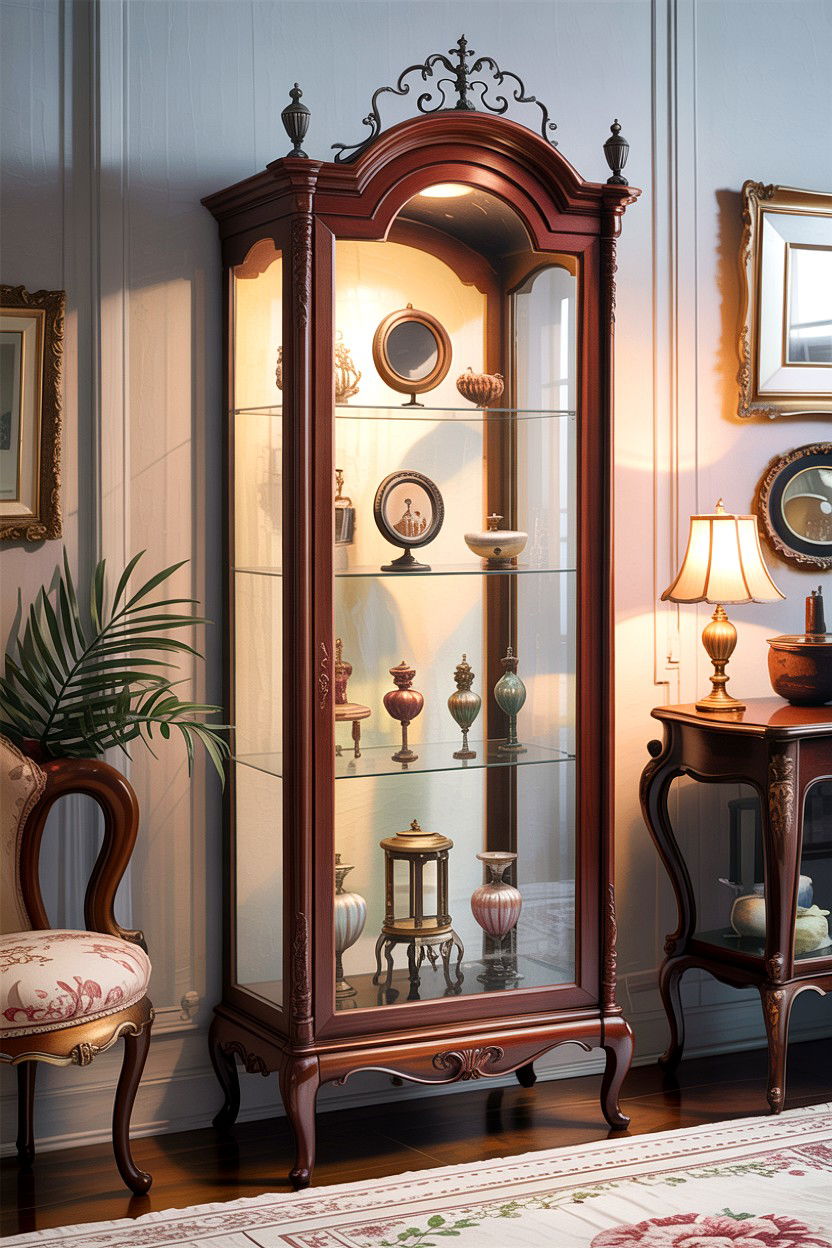
A curio cabinet is a specialized piece of furniture designed for displaying small, precious objects, and it was a common feature in Edwardian homes. These cabinets are often quite delicate, with glass on all sides and thin wooden frames. Placing a curio cabinet in a corner or between two windows allows you to showcase your favorite miniatures, seashells, or antique jewelry. The light passing through the cabinet highlights the intricate details of the objects inside, creating a fascinating focal point for guests. This furniture idea adds a sense of curiosity and personal history to your living room, making it feel truly unique.
26. Formal Drawing Room
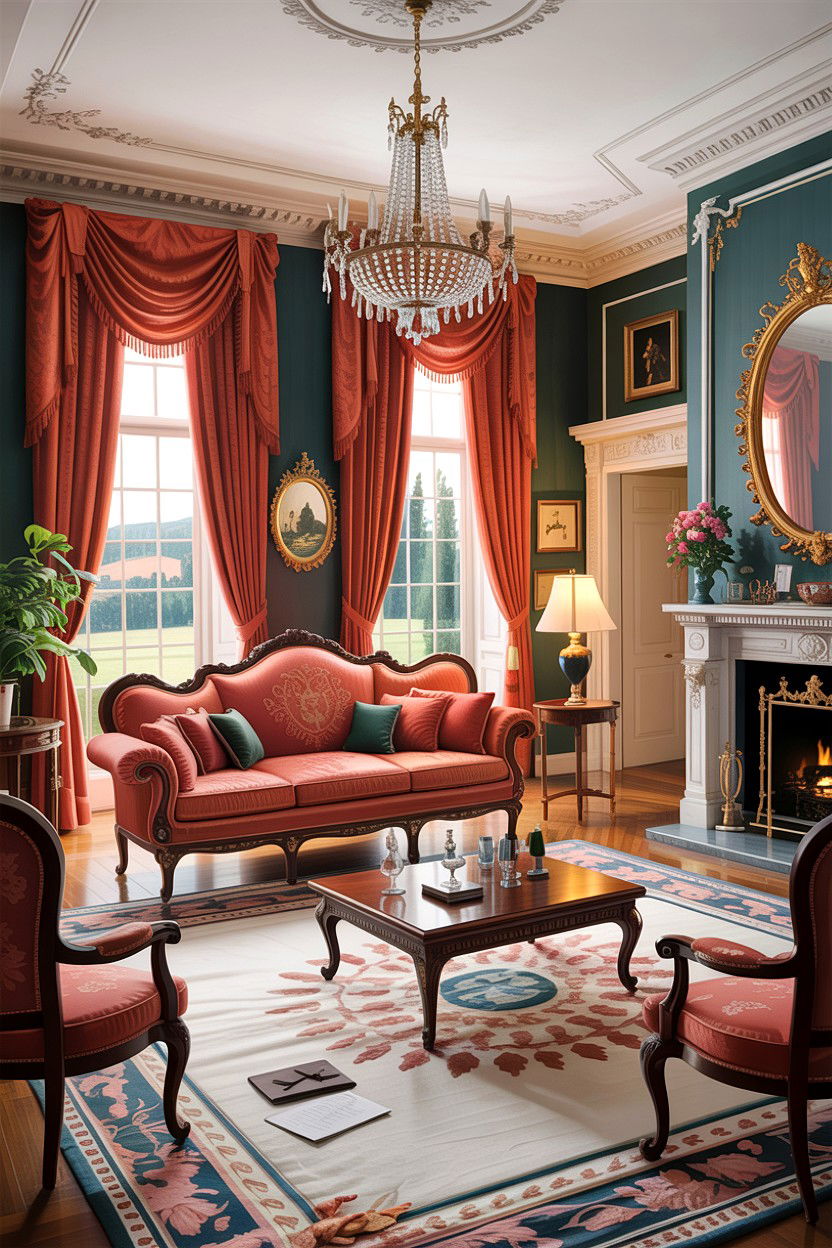
Creating a formal drawing room requires a curated selection of high-quality furniture arranged with precision. Start with a grand mahogany sofa as the anchor and surround it with a mix of armchairs and occasional tables. A large, ornate fireplace mantel and a crystal chandelier are essential elements that complete the formal look. Use rich fabrics like damask or silk for the upholstery and curtains to add a layer of luxury and sophistication. This furniture layout is designed for hosting formal events and receiving important guests, reflecting the social standards and elegance of the Edwardian upper class in a contemporary home setting.
27. Modern Edwardian Fusion
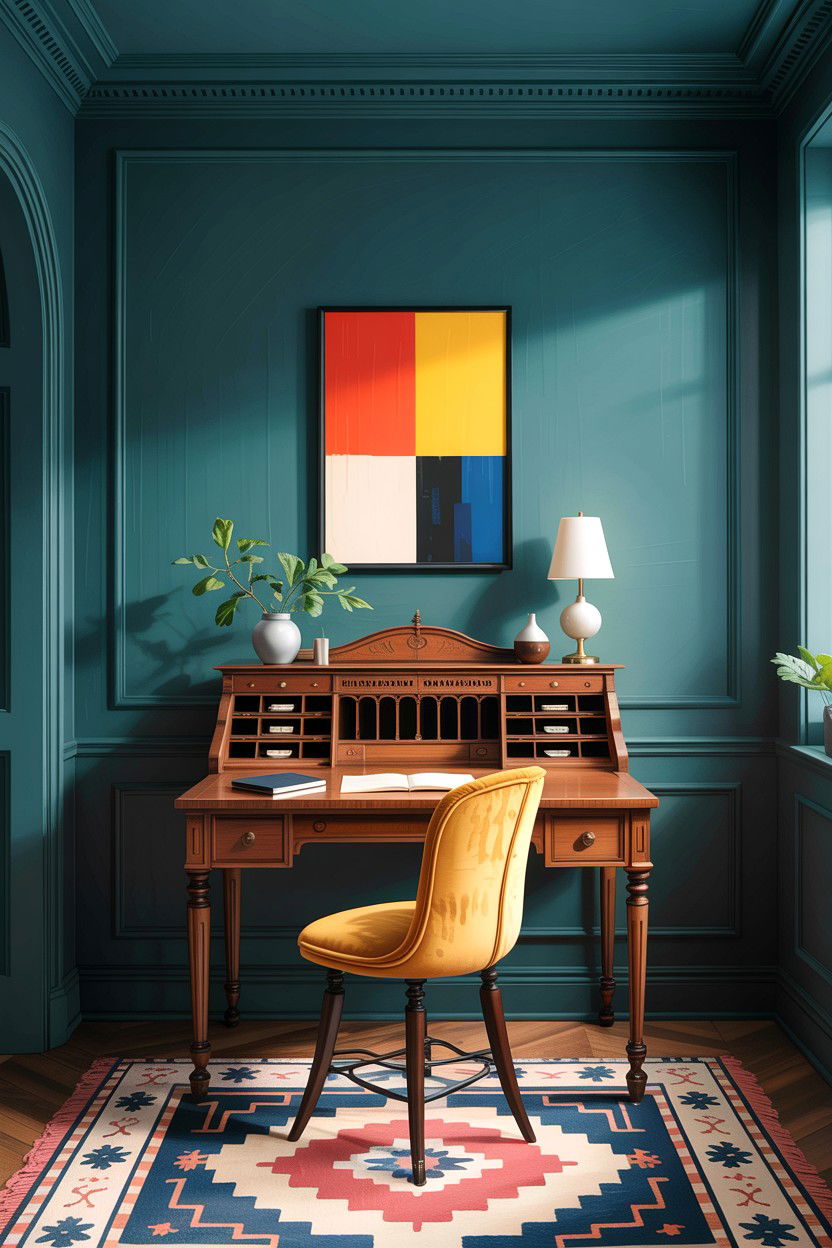
For a more contemporary take on the style, you can blend traditional Edwardian furniture with modern design elements. Try pairing an antique mahogany writing desk with a sleek, minimalist office chair, or place a contemporary modular sofa next to a pair of Art Nouveau armchairs. The key to success is finding common ground in color or material to ensure the pieces feel like they belong together. This fusion creates a unique and eclectic look that celebrates the best of both worlds. It allows you to enjoy the comfort and functionality of modern furniture while honoring the timeless beauty of historical Edwardian design.
28. Reception Room Furniture
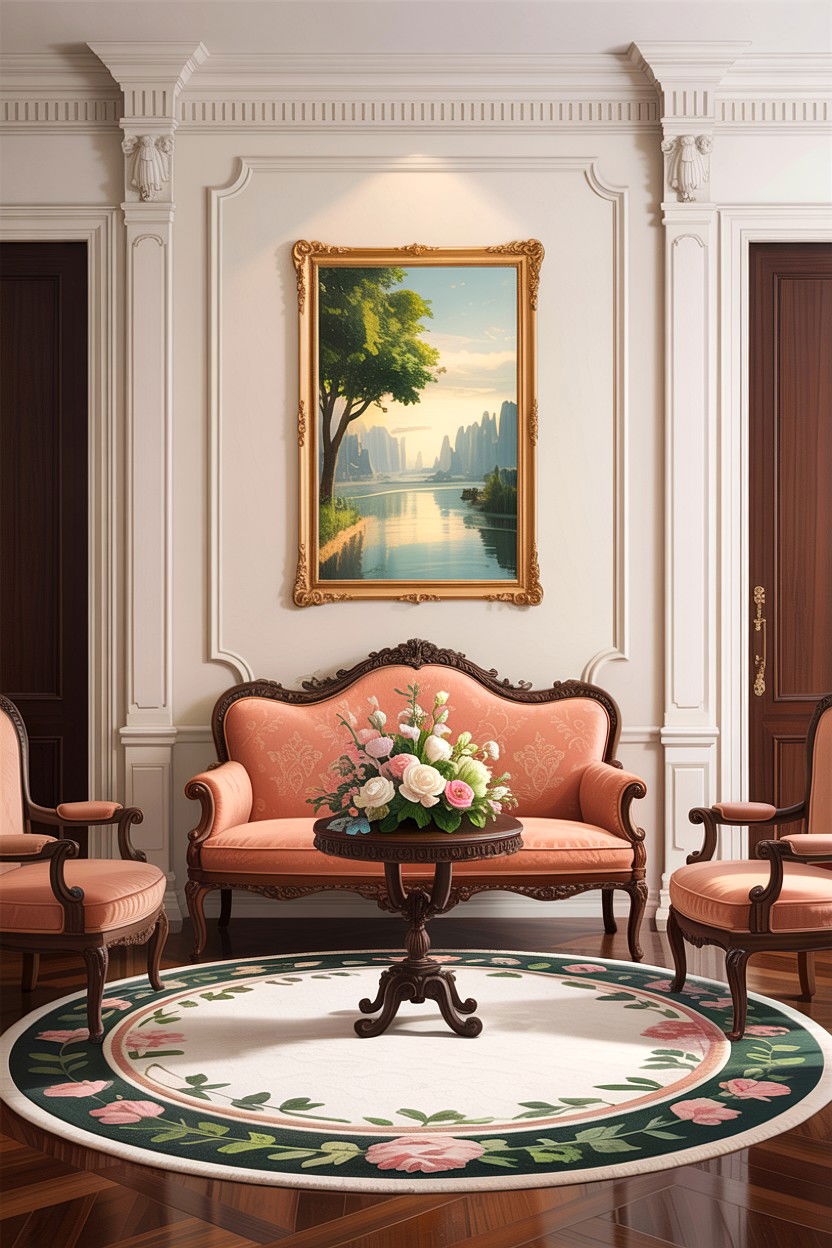
The reception room was the primary space for welcoming guests, and its furniture was chosen to impress. A grand settee with intricate carvings and a set of matching side chairs create a formal and inviting atmosphere. A large central table provides a place for guest books or floral arrangements, serving as a focal point for the room. Using high-quality materials like rosewood and silk ensures that the space feels luxurious and well-appointed. This furniture arrangement is perfect for those who enjoy entertaining and want to create a grand first impression that reflects their personal style and appreciation for classic, historical elegance.
29. Arts And Crafts Furniture
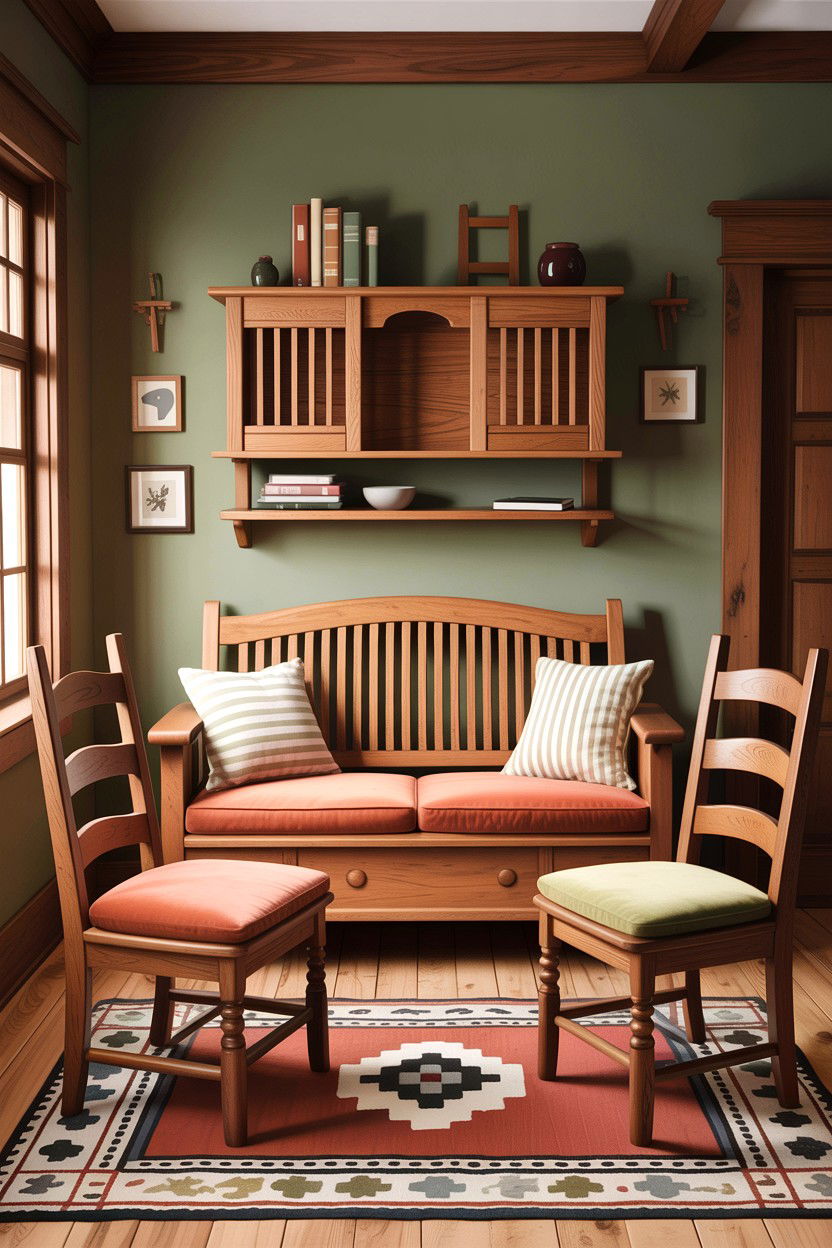
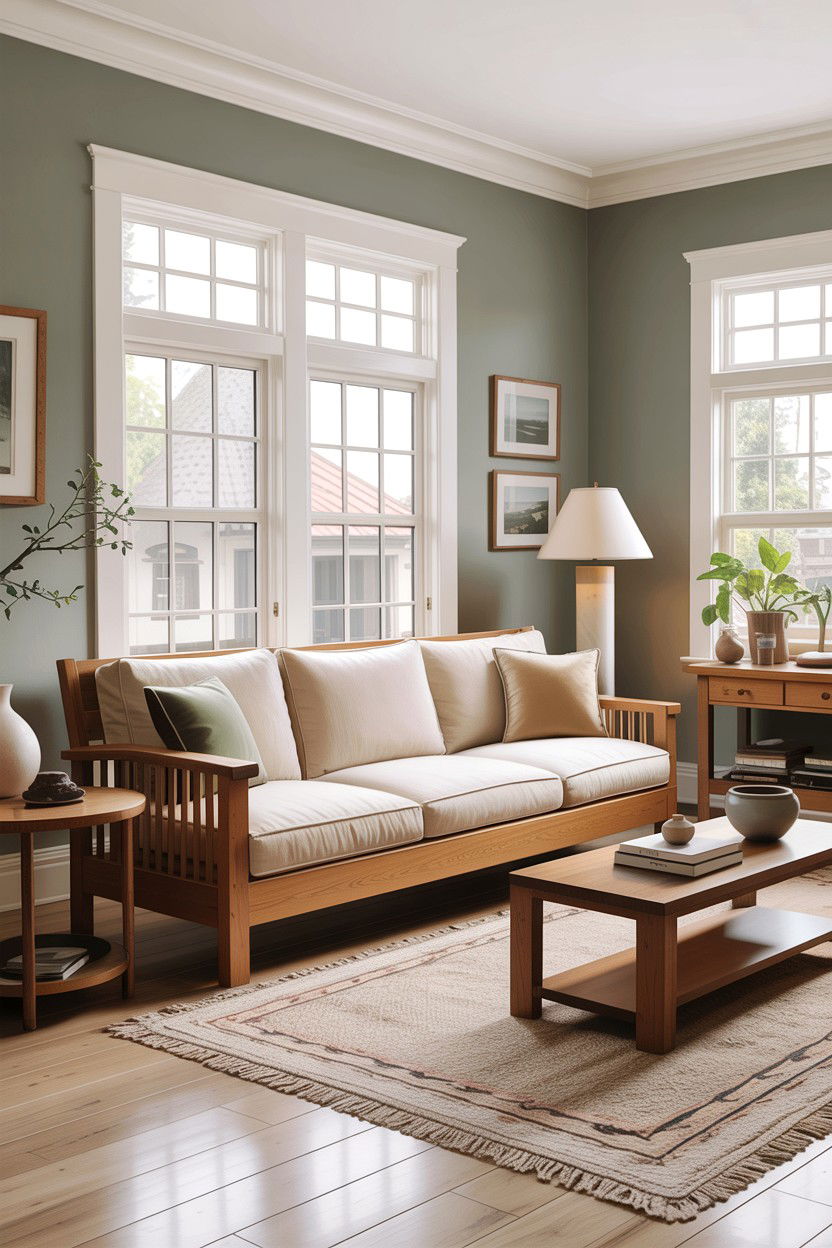
The Arts and Crafts movement had a significant influence on Edwardian furniture, emphasizing simple lines and honest craftsmanship. You can incorporate this look by choosing pieces made of solid oak with visible joinery and minimal ornamentation. A sturdy oak settle or a group of ladder-back chairs provides a more rustic and grounded feel compared to the delicate mahogany styles. This furniture is often paired with earth-toned textiles and handcrafted pottery to create a warm and cozy environment. This design idea celebrates the beauty of natural materials and the skill of the maker, offering a timeless and approachable take on Edwardian style.
30. Art Nouveau Living Room
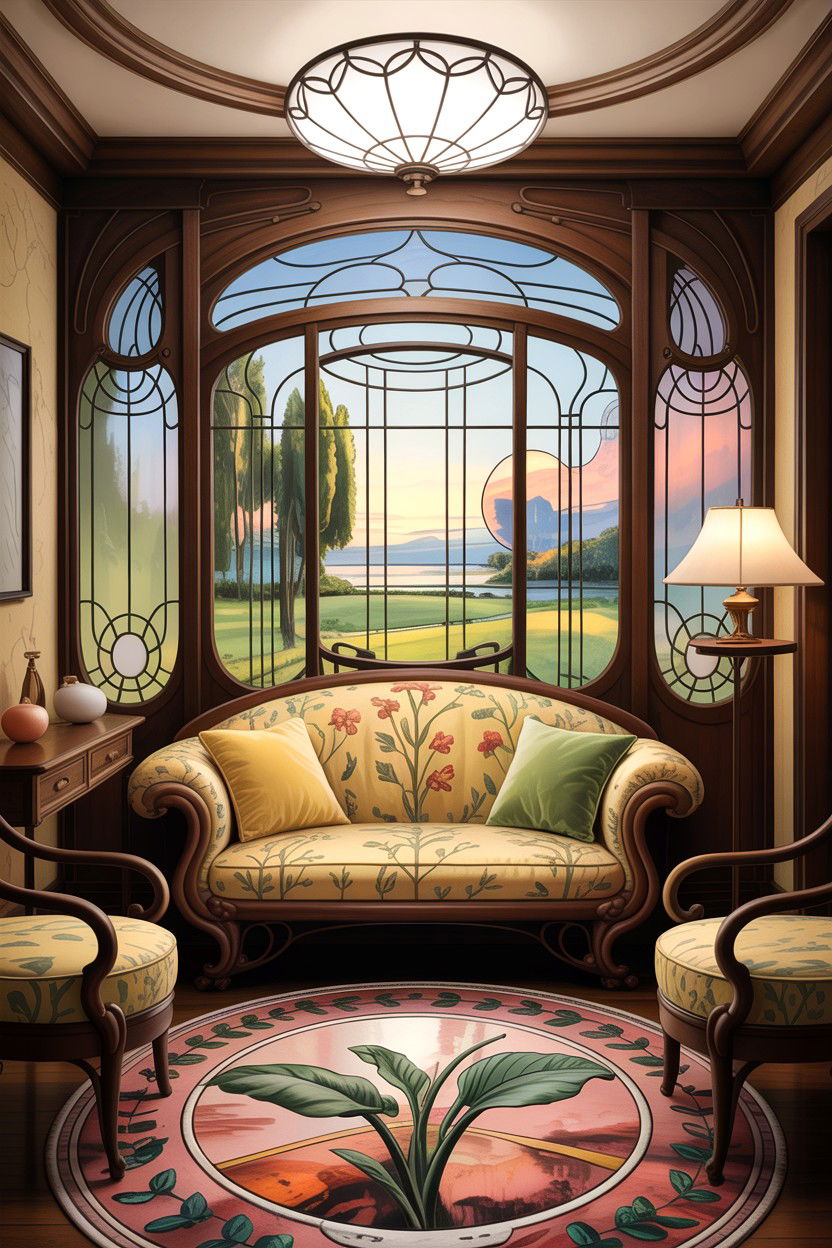
Art Nouveau was another major influence during the Edwardian era, characterized by its flowing, organic lines and botanical motifs. You can create an Art Nouveau-inspired living room by choosing furniture with curved backs, whiplash carvings, and floral-patterned upholstery. A decorative screen with stained glass panels or a carved wooden side table can act as a stunning focal point. This style feels very romantic and artistic, adding a sense of movement and grace to the room. By incorporating these unique pieces, you can create a living space that feels like a work of art, capturing the creative spirit and innovative design of the early 1900s.
Conclusion:
Designing an Edwardian living room is all about finding the perfect balance between historical elegance and everyday comfort. By incorporating these thirty furniture ideas, you can create a space that feels both curated and lived-in, capturing the essence of an era that celebrated light and social connection. Whether you choose a grand mahogany bookcase or a delicate bamboo side table, each piece contributes to a cohesive and sophisticated aesthetic. The Edwardian style remains popular because it offers a timeless appeal that works beautifully in modern homes. We hope these ideas inspire you to transform your living room into a graceful sanctuary filled with character and classic style.
Related posts:
Leave a Reply