

Creating a lush, green sanctuary in your living room is more than just a modern interior design trend; it is a vital step toward improving your home's air quality. As we spend more time indoors, the presence of volatile organic compounds from furniture, cleaners, and paint can affect our well-being. Incorporating air-purifying plants offers a natural, beautiful solution to filter out toxins like formaldehyde and benzene. This guide explores thirty incredible botanical companions that do more than just sit pretty on a shelf. From the resilient snake plant to the elegant peace lily, these living filters transform your living space into a breathable, vibrant, and healthy haven for everyone.
1. Snake Plant
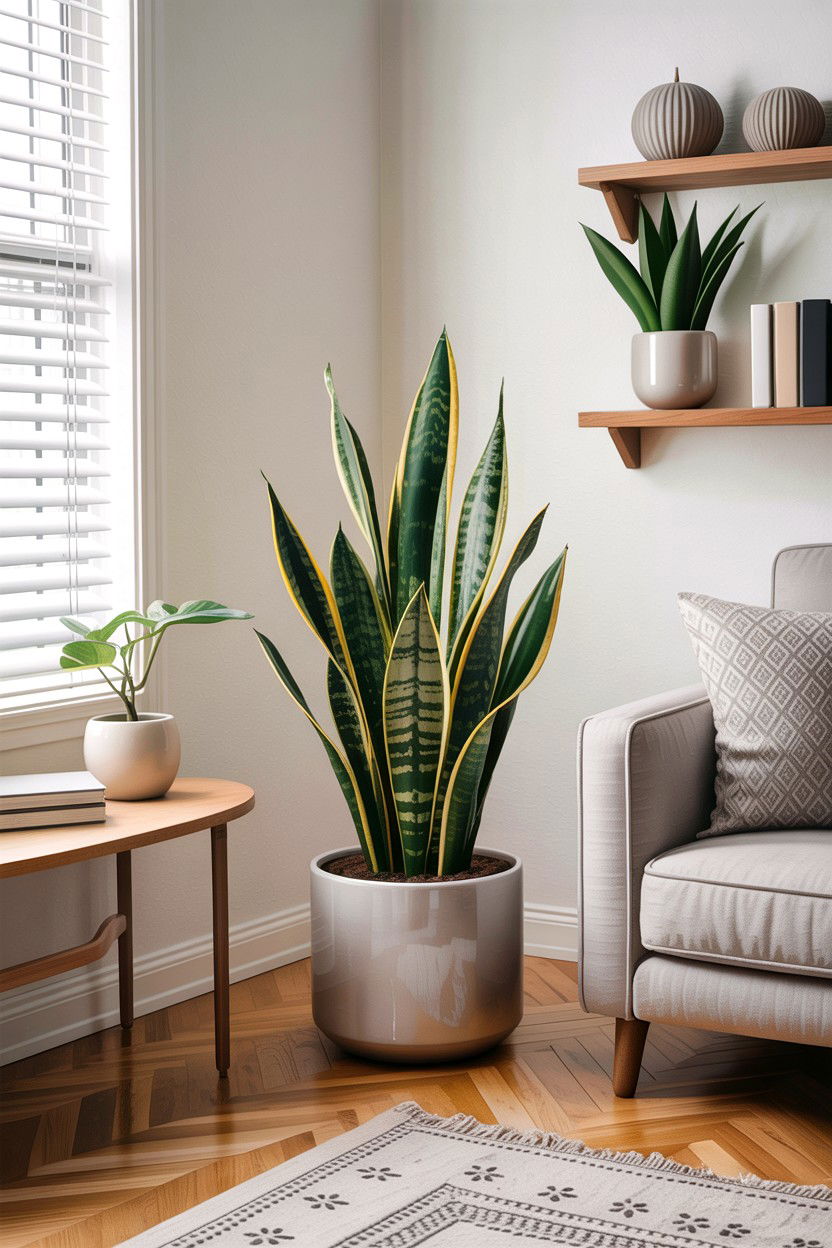
Have you ever considered a plant that actually works harder while you are sleeping? The snake plant, also known as Sansevieria, is a champion of the bedroom and living room alike because it converts carbon dioxide into oxygen during the night. Its striking, upright leaves feature beautiful variegated patterns that fit perfectly into modern or minimalist decor styles. Beyond its architectural beauty, this hardy succulent is famous for its ability to filter out formaldehyde, xylene, and benzene from the air. It is incredibly low-maintenance, requiring very little water and thriving in low-light corners where other plants might struggle to survive and grow.
2. Spider Plant
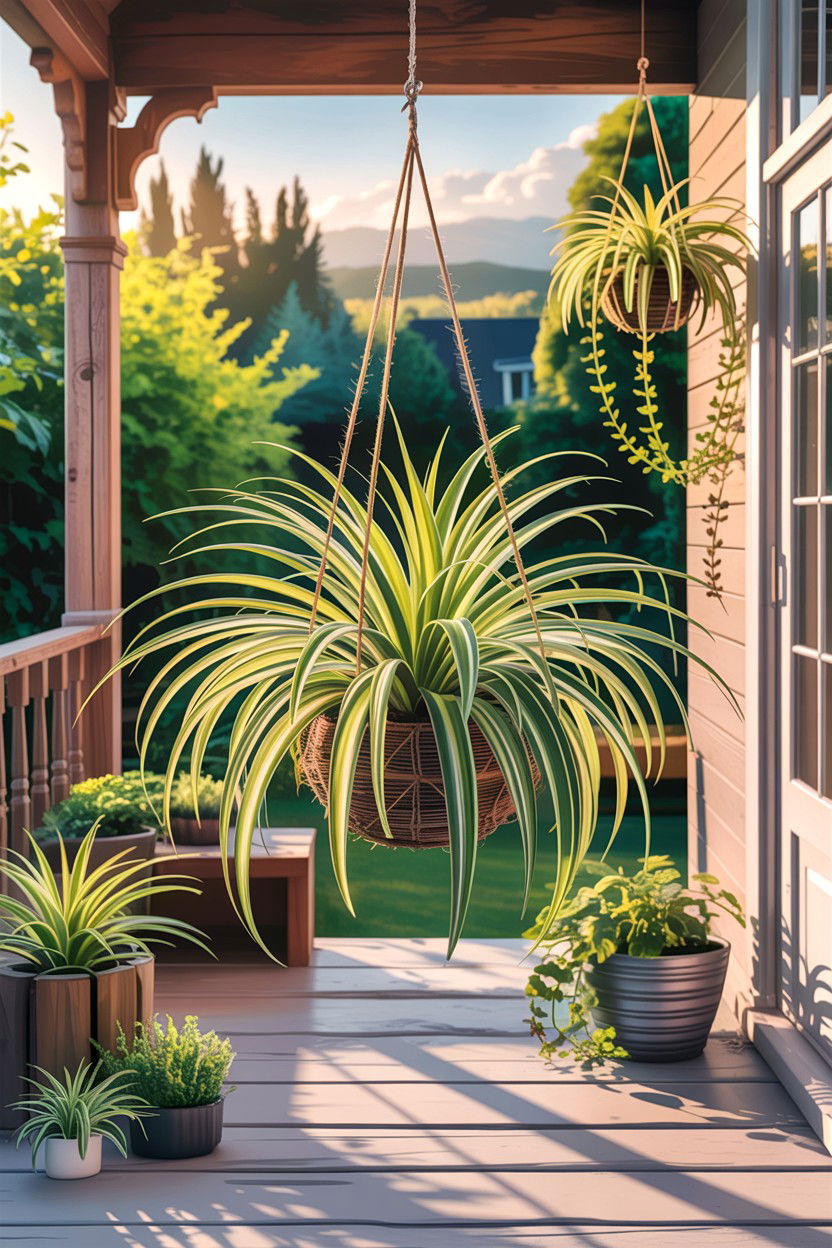
Does your living room feel a bit stagnant and in need of a fresh, energetic touch? The spider plant is one of the most popular choices for beginners because it is exceptionally resilient and easy to propagate. With its long, arching green leaves and tiny babies that hang down like stars, it adds a playful texture to any shelf or hanging basket. Scientifically, it is a powerhouse at removing harmful toxins such as carbon monoxide and xylene from your indoor environment. Since it is non-toxic to cats and dogs, it is a safe and healthy addition for any pet-friendly household seeking better air.
3. Peace Lily
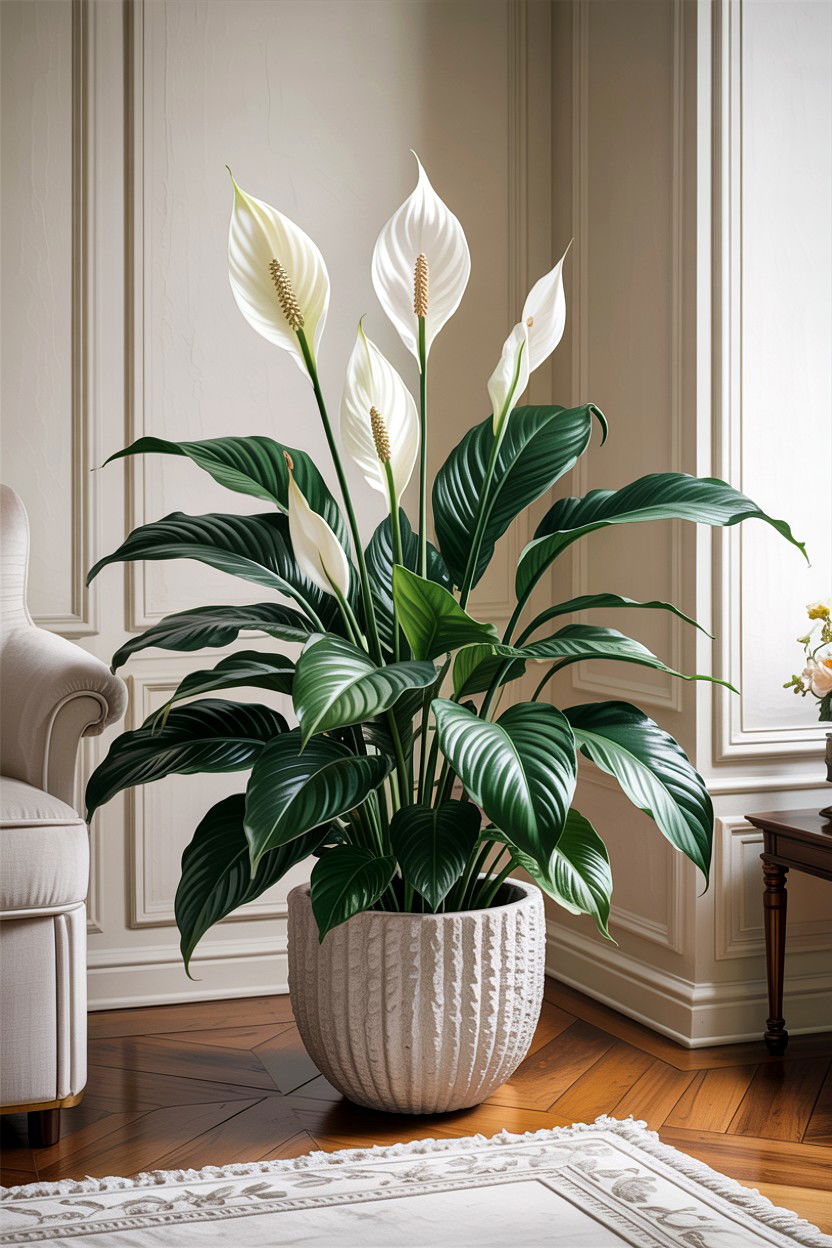
The elegant white blooms of the peace lily bring a sense of sophisticated serenity to any bright living room corner. This plant is much more than just a decorative piece; it is a highly efficient air scrubber that targets ammonia, benzene, and trichloroethylene. It thrives in medium to low light and will even tell you when it is thirsty by slightly drooping its glossy green leaves. By increasing the humidity in a room, the peace lily helps to reduce airborne dust and allergens, making the air feel much crisper. It is a timeless choice for anyone seeking both beauty and functionality in their home.
4. Rubber Tree
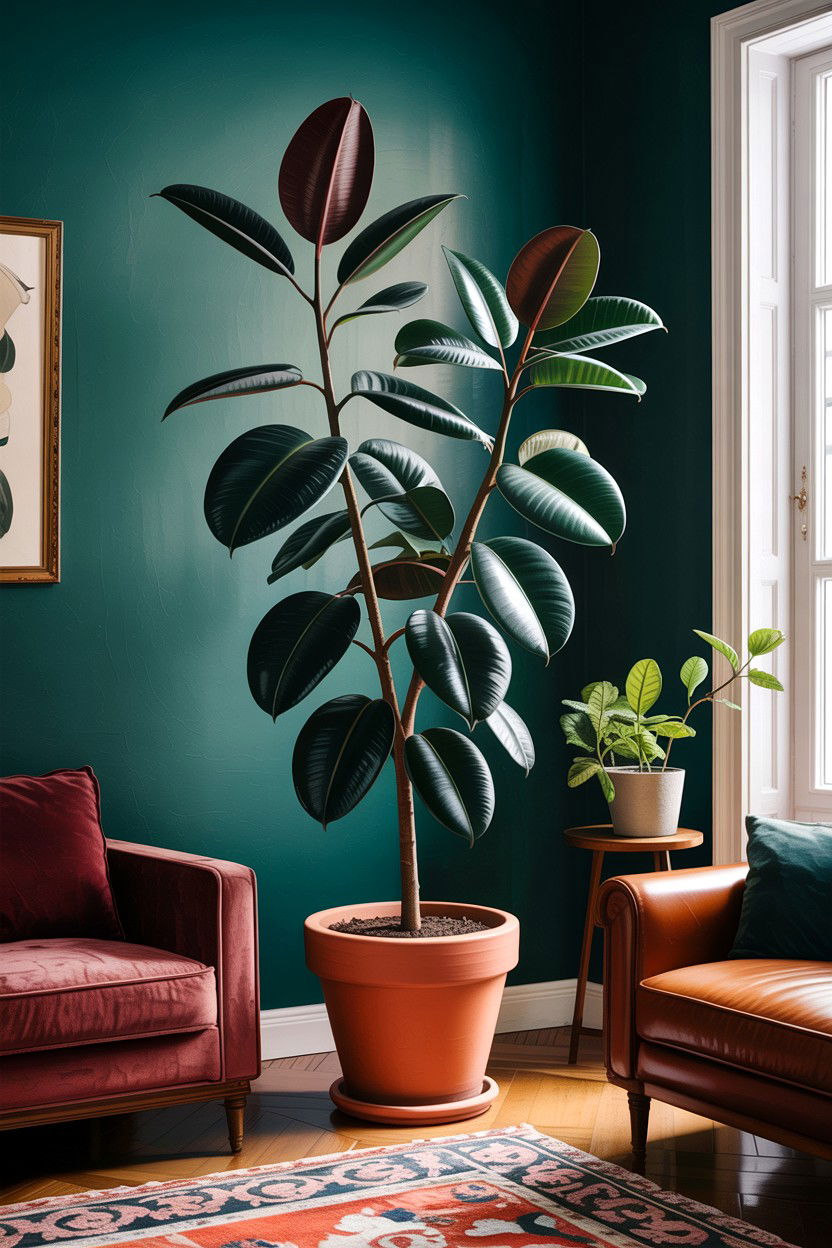
If you are looking for a bold visual anchor for your living room, the rubber tree is a magnificent choice. With its large, thick, and waxy leaves, this plant makes a dramatic statement while cleaning the air of various pollutants. It is particularly effective at removing formaldehyde, which is often found in common household items like carpets and furniture. Rubber trees prefer bright, filtered light and should be watered only when the soil feels dry to the touch. Their sturdy nature and deep green or burgundy foliage provide a rich, sophisticated look that complements almost any interior style from farmhouse to modern.
5. Golden Pothos
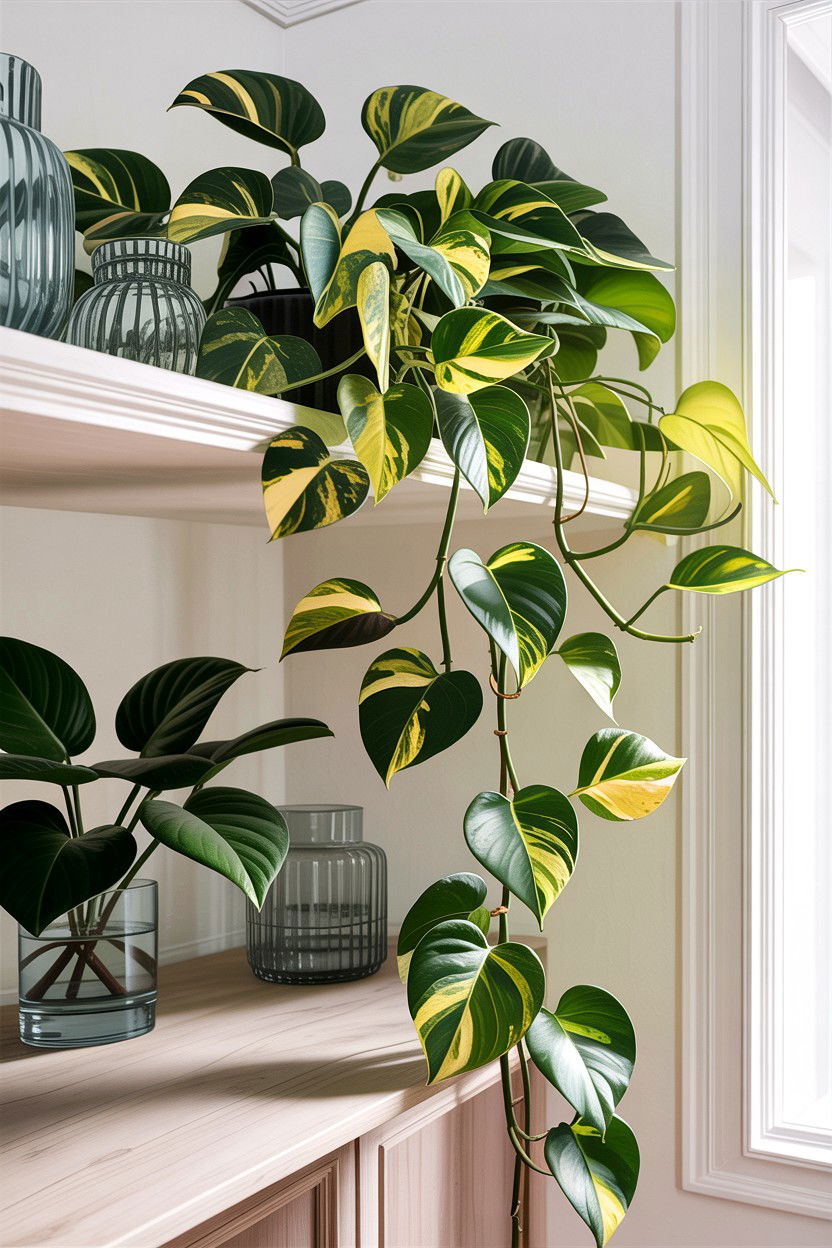
Commonly referred to as the devil's ivy, the golden pothos is nearly impossible to kill, making it perfect for novice plant parents. This trailing vine features heart-shaped leaves with splashes of yellow or cream that look stunning cascading from a high shelf or mantel. Beyond its aesthetic appeal, it is one of the top plants for removing indoor pollutants like carbon monoxide and benzene. It adapts easily to various lighting conditions, though it prefers bright, indirect sun to keep its variegation vibrant. Its fast growth rate means you will quickly have a lush, air-purifying curtain of greenery in your main living area.
6. ZZ Plant
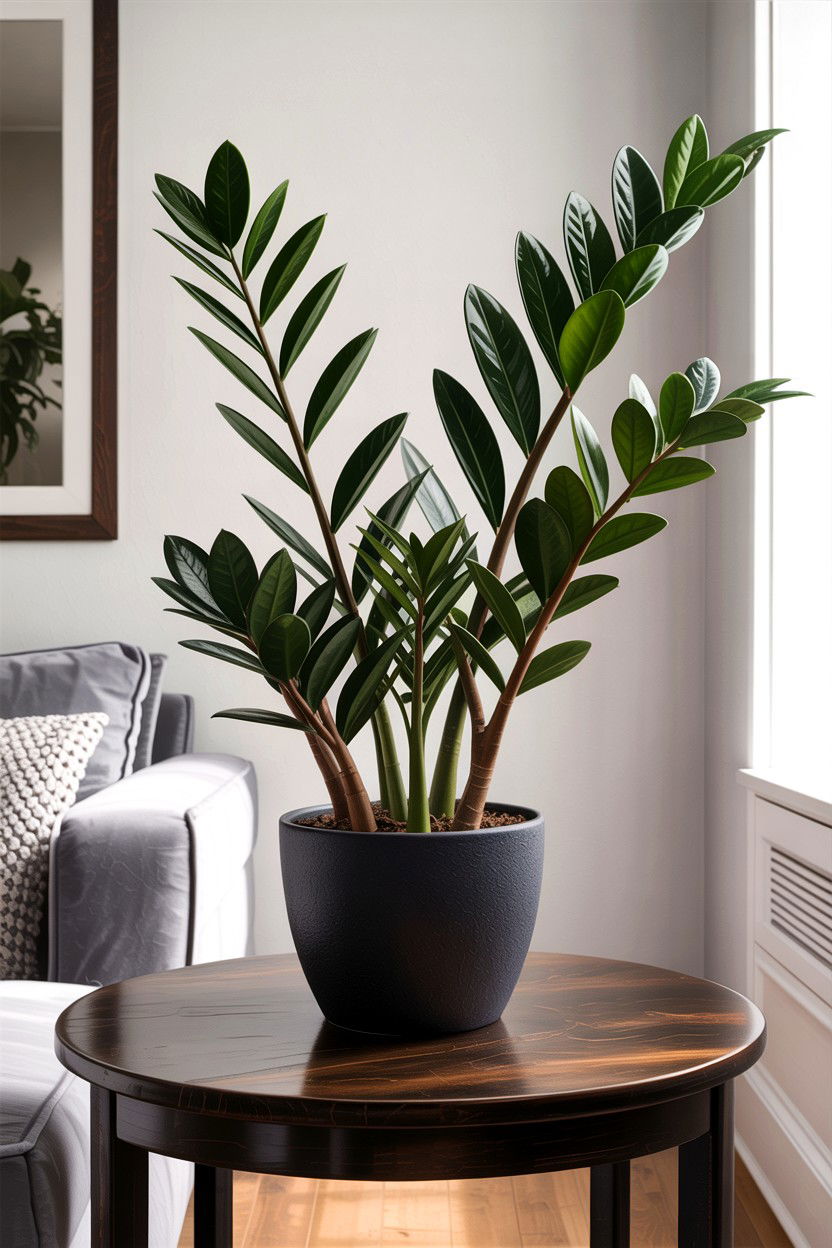
Are you searching for a plant that can survive in a windowless corner or a dimly lit hallway? The ZZ plant, or Zamioculcas zamiifolia, is famous for its ability to thrive in extreme neglect and very low light conditions. Its waxy, dark green leaves reflect light, adding a touch of brightness to dark spaces. While it is a slow grower, it works steadily to remove toxins such as xylene and toluene from your home. This plant is highly drought-tolerant, so you only need to water it once every few weeks. It is the ultimate set and forget botanical air purifier for busy people.
7. Boston Fern
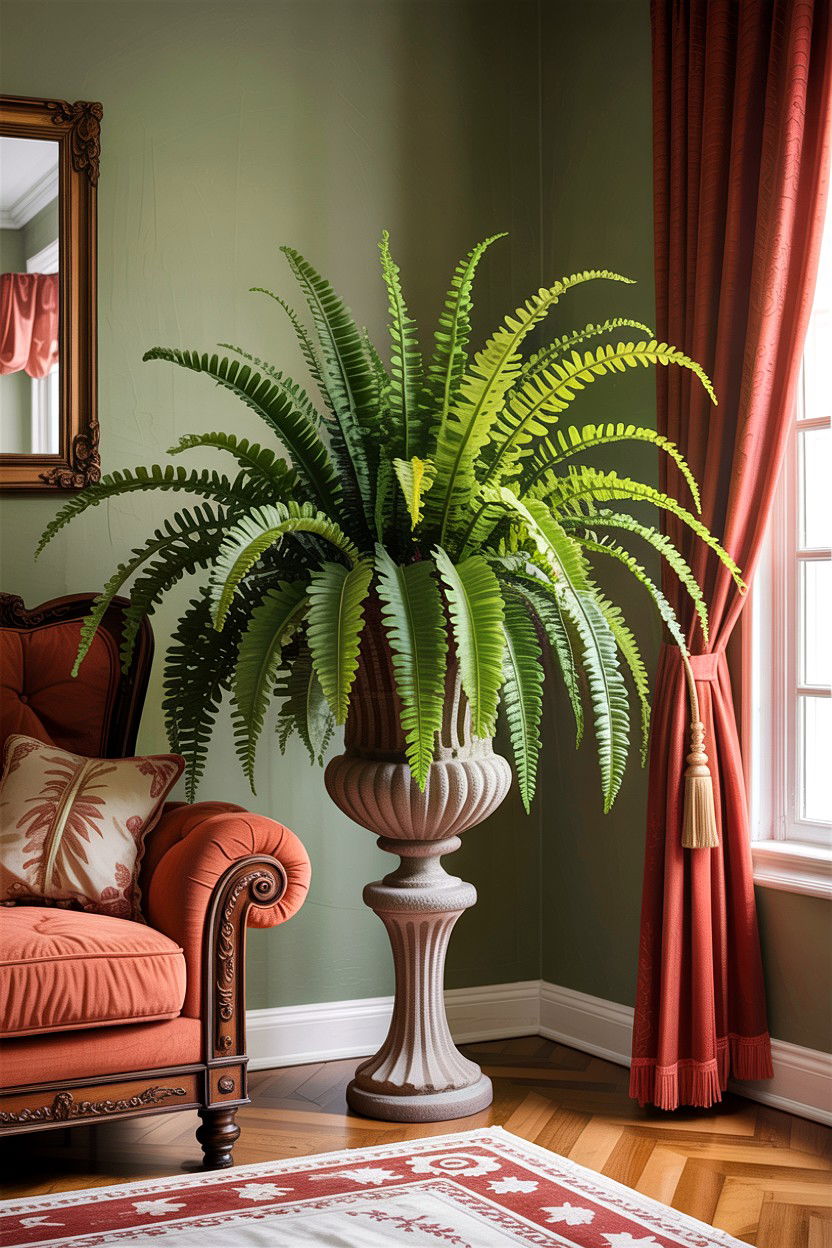
The lush, feathery fronds of the Boston fern offer a soft, classic look that instantly warms up a living room. This plant is a natural humidifier, making it an excellent choice for homes with dry air during the winter months. It excels at removing formaldehyde and xylene, helping to keep your indoor atmosphere clean and fresh. To keep a Boston fern happy, provide it with plenty of indirect light and maintain high humidity by misting it regularly or using a tray of water. It looks particularly beautiful in a pedestal planter or a hanging pot where its fronds can spill over.
8. Aloe Vera
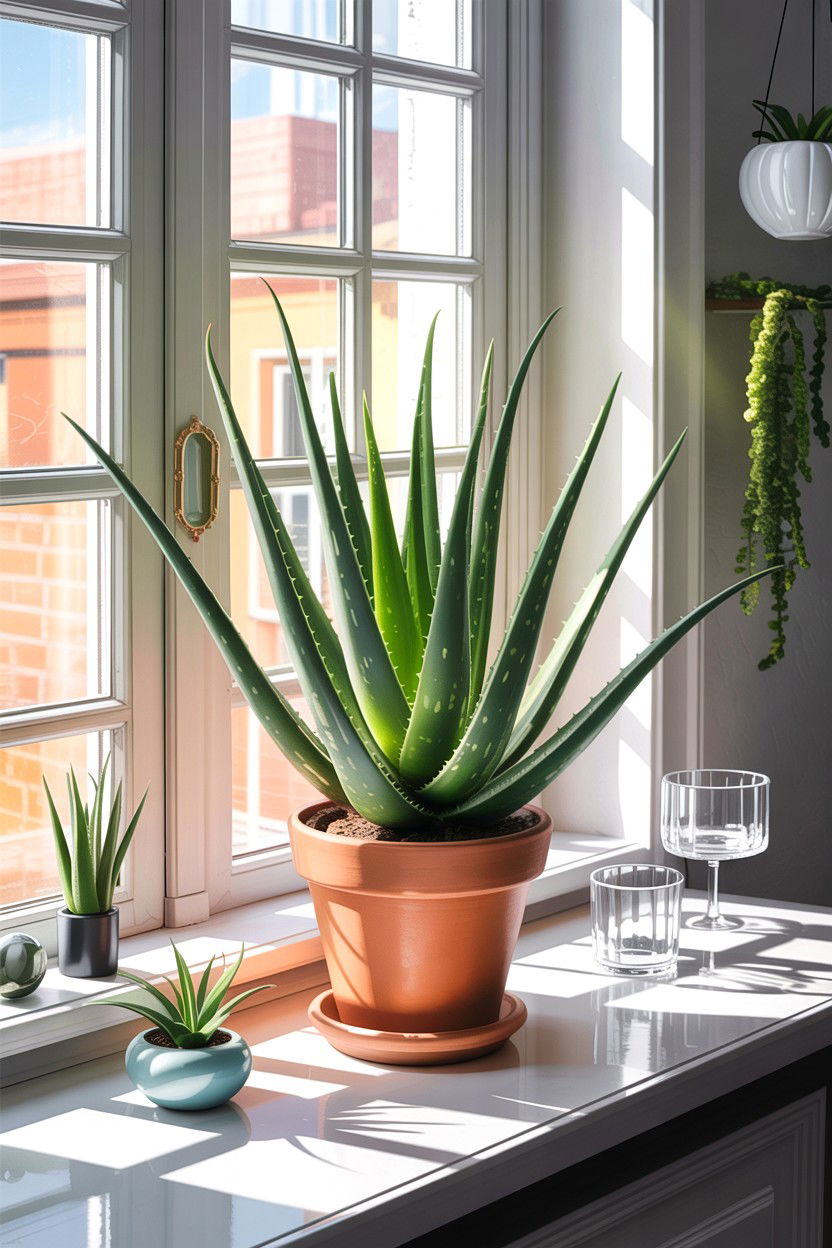
While many people know aloe vera for its soothing gel, it is also a fantastic air-purifying plant for a sunny windowsill. This succulent is highly effective at filtering out benzene and formaldehyde, which are common byproducts of chemical cleaners and paints. One unique feature of aloe vera is that its leaves will develop brown spots if the air pollution in your home becomes excessive, serving as a natural air quality monitor. It requires very little water and lots of sunlight, making it a functional and easy-to-care-for addition to any bright living room. It is truly a multi-purpose green companion.
9. Areca Palm
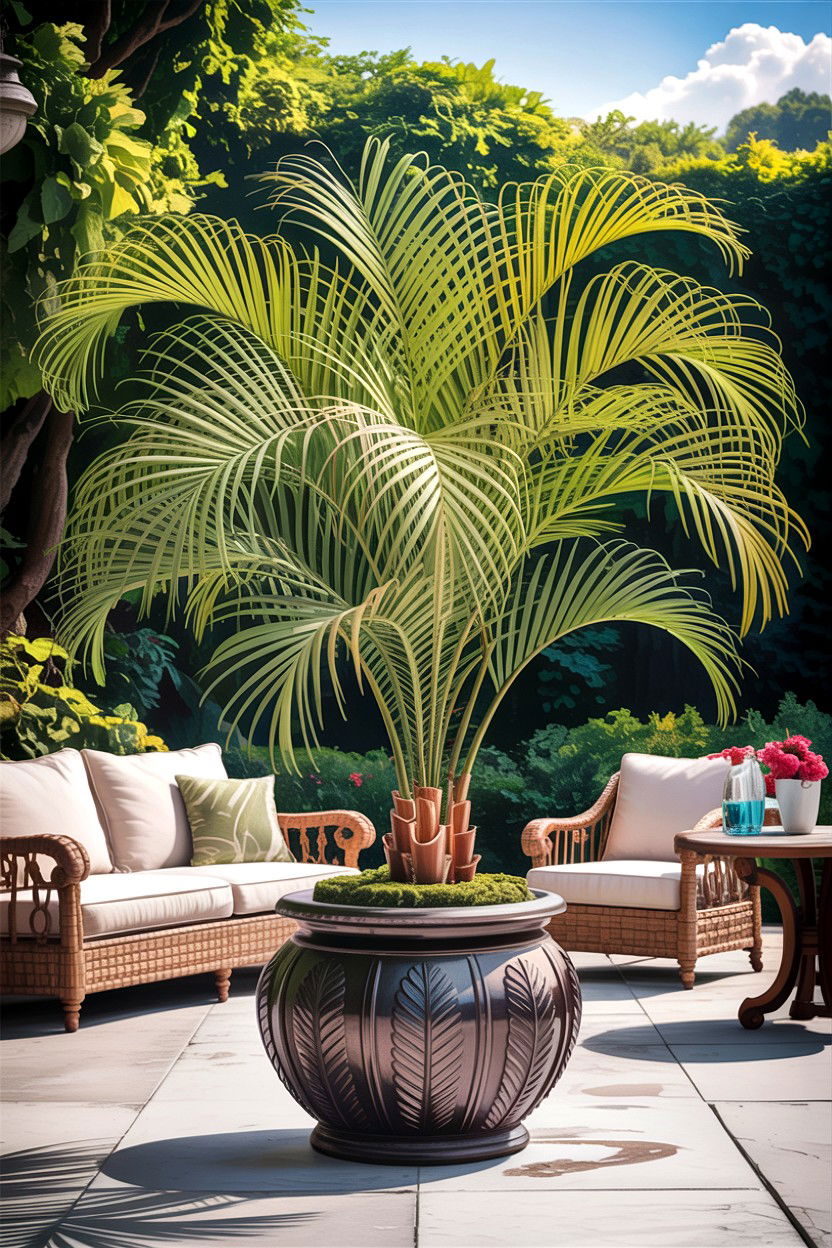
If you want to bring a tropical resort vibe into your living room, the areca palm is the perfect statement piece. Also known as the butterfly palm, it features soft, fine-textured fronds that sway gently in the breeze. This palm is a powerhouse when it comes to removing toxins like toluene and xylene from the air. Additionally, it acts as a high-capacity natural humidifier, releasing moisture into the air to help with respiratory issues. It thrives in bright, indirect light and needs consistent watering to keep its soil moist. It is a safe, non-toxic choice for homes with curious pets.
10. English Ivy
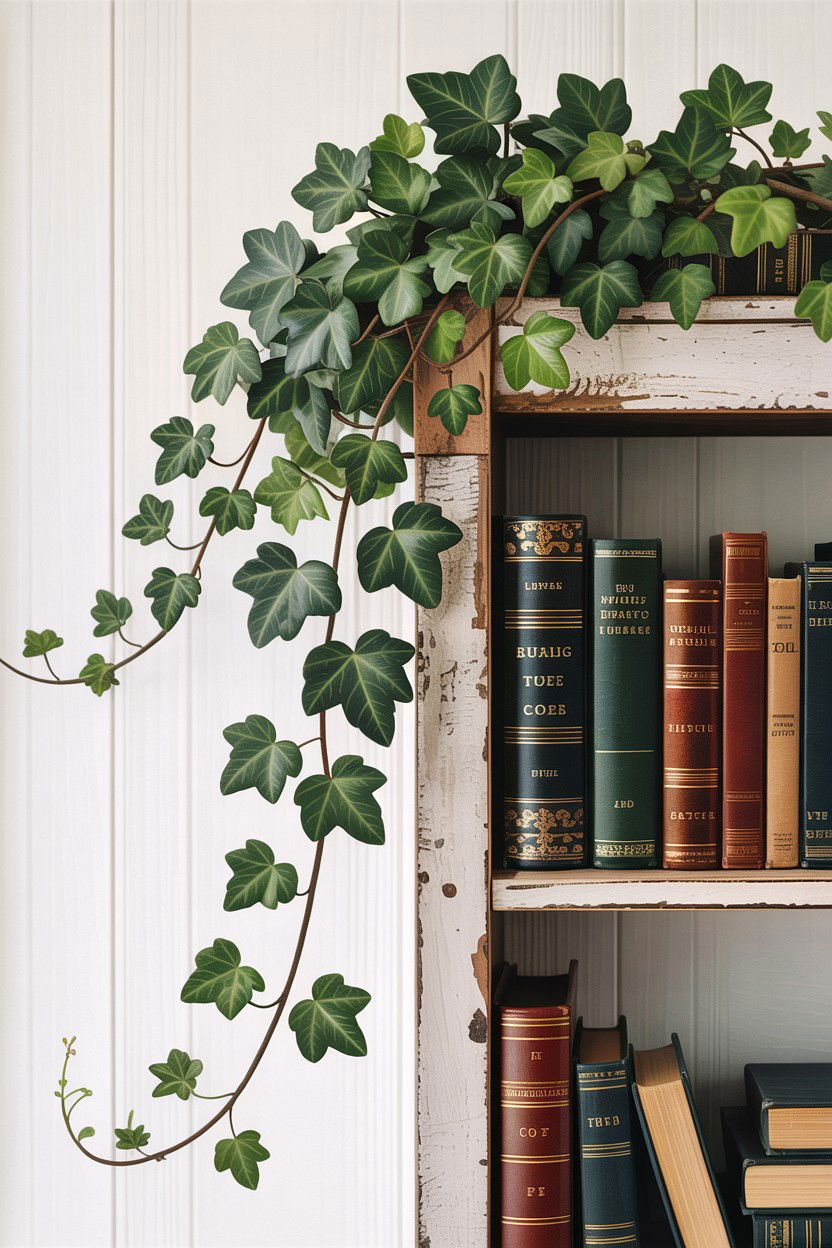
English ivy is a versatile climber that looks just as beautiful trailing down a bookshelf as it does growing up a trellis. NASA research has shown that this plant is particularly effective at reducing airborne mold particles and fecal matter, making it a great choice for pet owners. It also filters out benzene and formaldehyde, ensuring your living room air remains crisp and clean. This ivy prefers cooler temperatures and consistent moisture, so keep it away from direct heat sources like radiators. Its classic, timeless appearance makes it a favorite for traditional and cottage-style living room interiors.

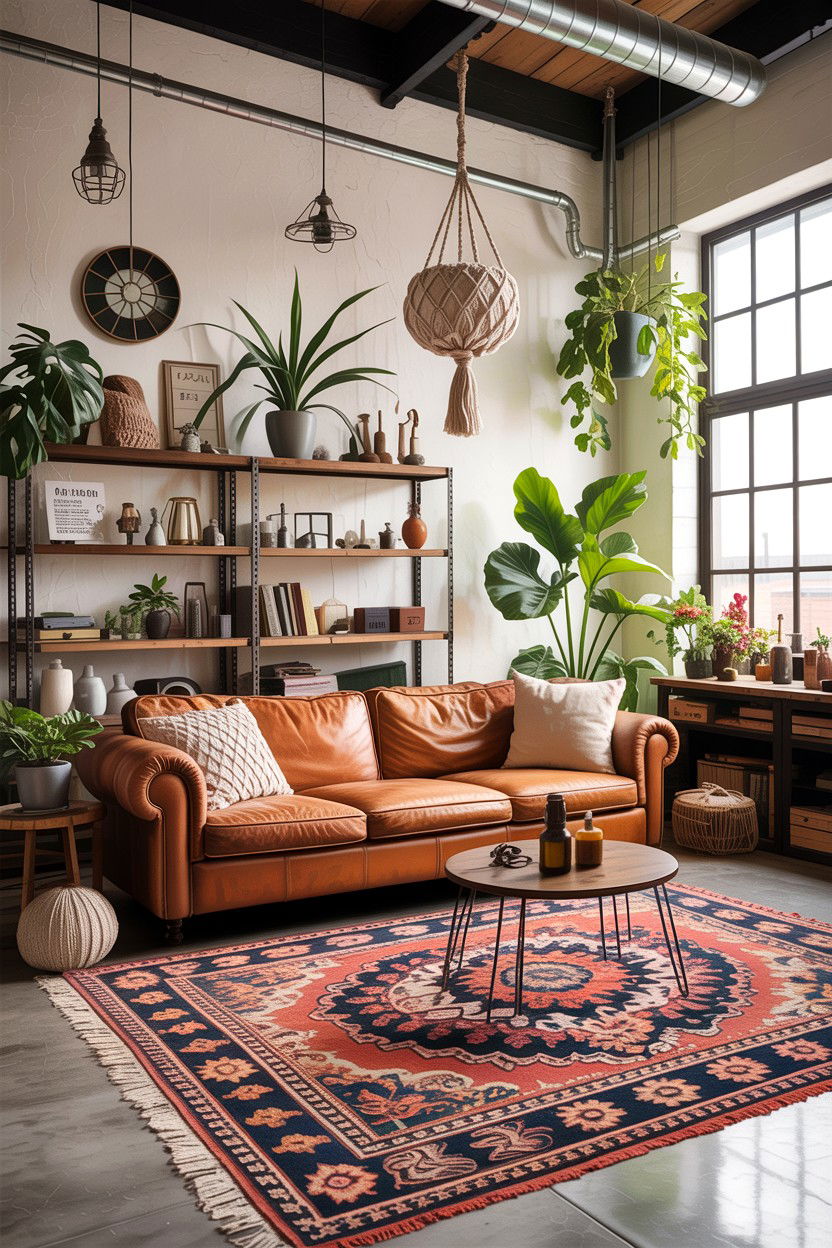
11. Dracaena Marginata
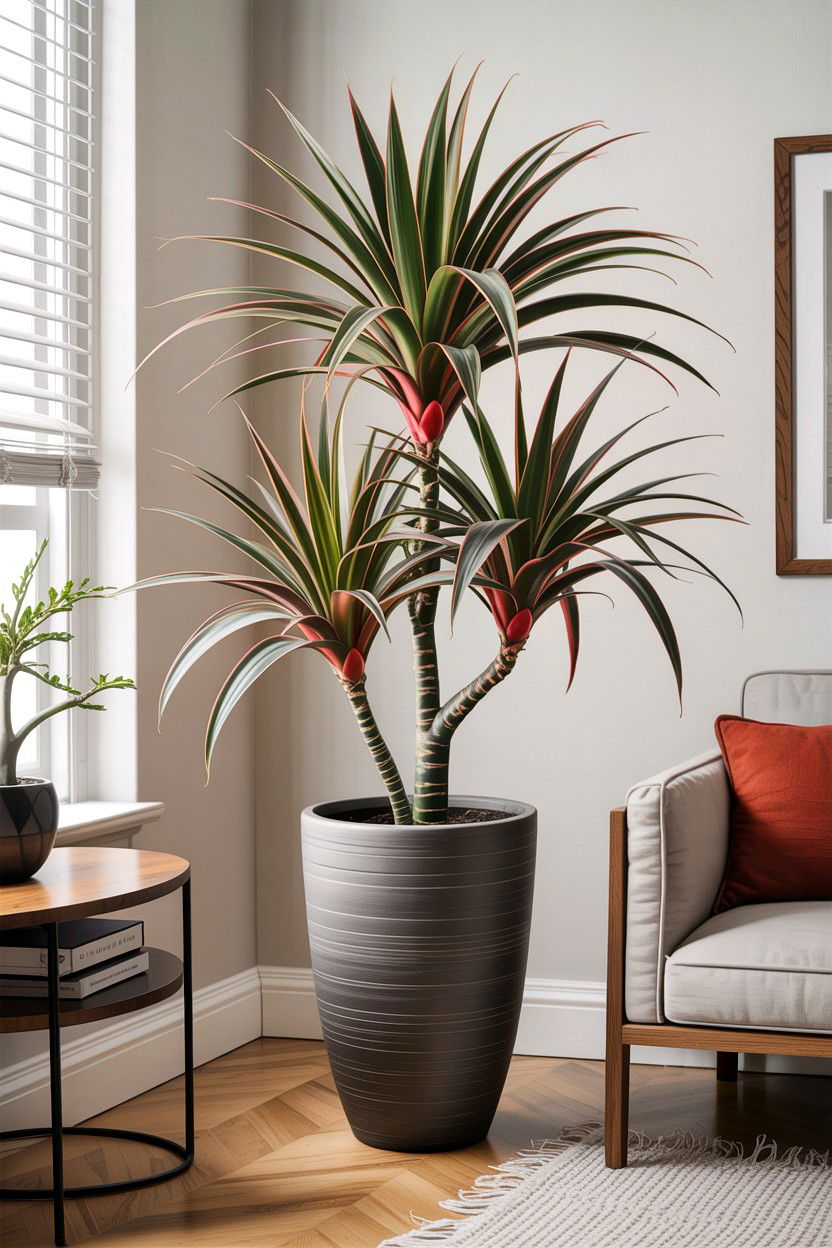
The Dracaena marginata, often called the dragon tree, features thin, sword-like leaves with striking red edges that add a touch of drama to any corner. This tall, slender plant is excellent for filling vertical space and works hard to remove trichloroethylene and xylene from the air. It is a resilient plant that can handle a bit of neglect, making it ideal for those who travel frequently. It prefers bright, indirect light but can adapt to lower light levels if necessary. With its unique architectural shape, the dragon tree serves as both a natural air filter and a stunning living sculpture.
12. Bamboo Palm
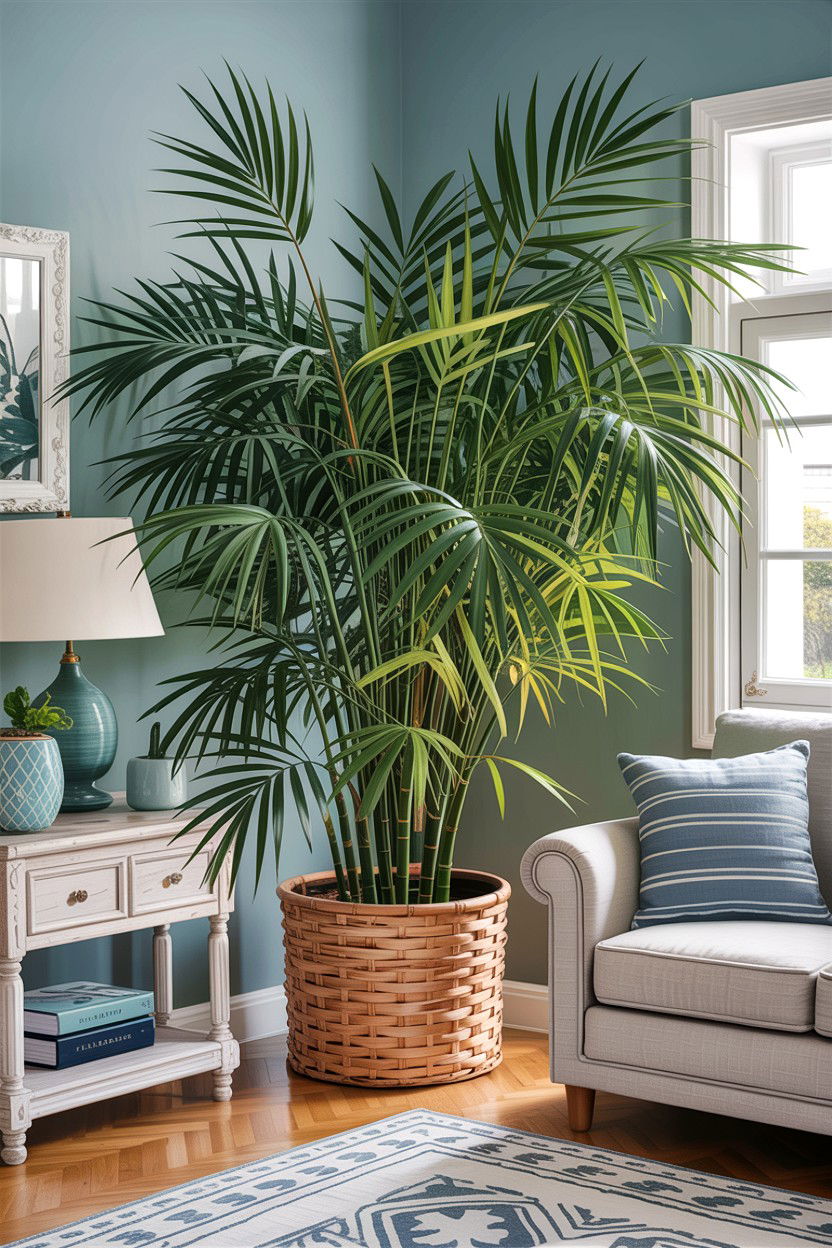
The bamboo palm is a fantastic choice for adding height and a tropical feel to your living room without needing direct sun. It thrives in shady areas and is highly effective at filtering out formaldehyde, benzene, and trichloroethylene. This palm is also known for its ability to act as a natural humidifier, which can be very beneficial for your skin and respiratory health during dry seasons. It is a pet-friendly plant that is safe for both cats and dogs. By placing a bamboo palm near your furniture, you can help neutralize the toxins often released by varnishes and finishes.
13. Monstera Deliciosa
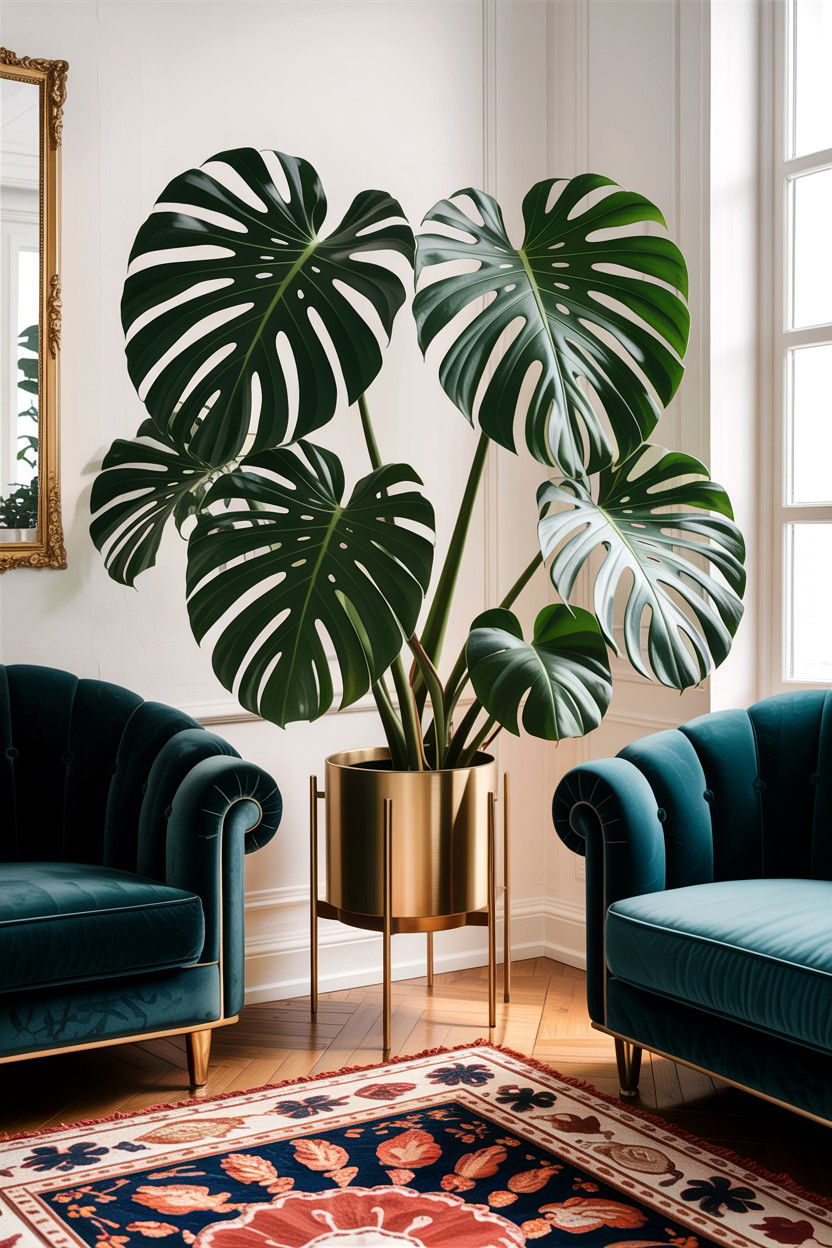
The Monstera deliciosa, with its iconic hole-filled leaves, has become a staple of modern interior design for good reason. While it is primarily loved for its bold and tropical aesthetic, it also contributes to cleaner air by absorbing various toxins through its large leaf surface. It is a fast-growing climber that can eventually take over a corner, creating a stunning focal point in your living room. This plant prefers bright, indirect light and likes its soil to dry out slightly between waterings. Its presence brings a sense of life and vitality to any room while helping to keep the atmosphere fresh.
14. Weeping Fig
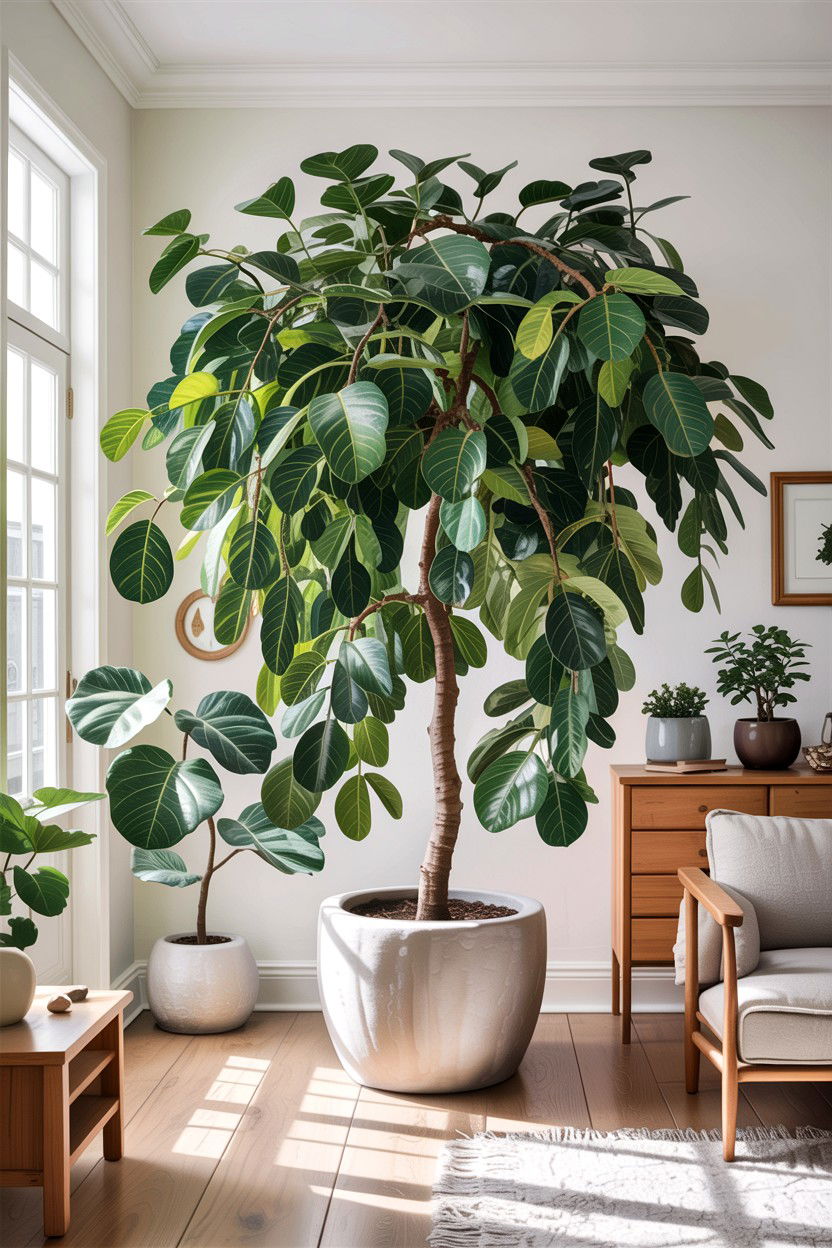
The weeping fig, or Ficus benjamina, is a classic indoor tree that features a dense canopy of glossy green leaves. It is one of the best plants for filtering out formaldehyde, xylene, and toluene, which are common pollutants found in many household items. While it can be a bit finicky about being moved, it is a long-lived and rewarding plant once it settles into a spot with bright, indirect light. Its elegant, drooping branches add a sense of movement and softness to your living room. Regular misting can help keep its foliage healthy and vibrant throughout the different seasons.
15. Chinese Evergreen
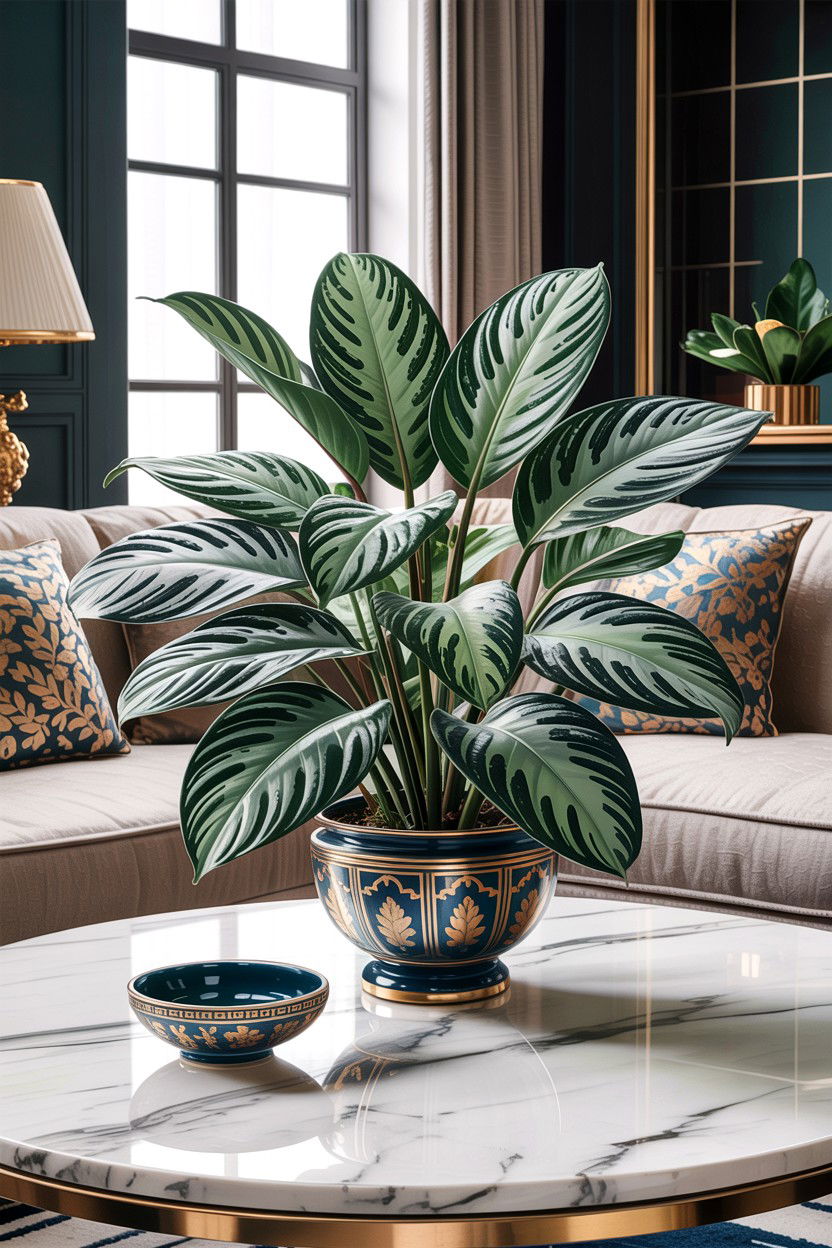
The Chinese evergreen is a remarkably tough plant that comes in various beautiful patterns, from deep green to silver and even pink. It is highly valued for its ability to filter out a wide range of pollutants, including benzene and formaldehyde. This plant thrives in low to medium light and is very forgiving if you occasionally forget to water it. Because it is so adaptable, it is perfect for those areas of the living room that do not get much natural sunlight. Its lush, dense foliage provides a constant source of clean air and a splash of natural color.
16. Heartleaf Philodendron
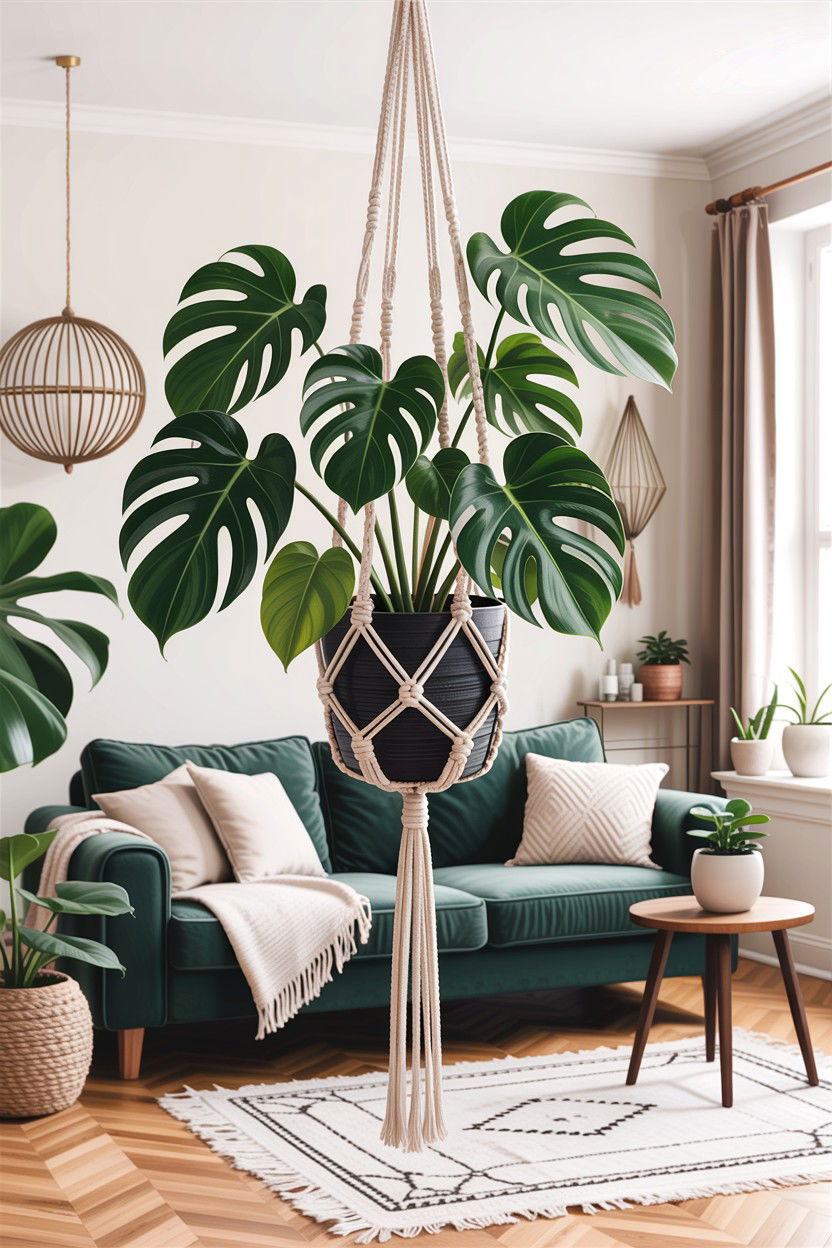
The heartleaf philodendron is a charming trailing plant that is often confused with pothos but features distinct heart-shaped leaves. It is an incredibly easy plant to grow and is particularly effective at removing formaldehyde from the air. This plant looks wonderful in a hanging basket or trailing from a high shelf, adding a delicate touch of greenery to your living room. It prefers moderate light but is quite tolerant of lower light conditions as well. With its fast growth and air-purifying qualities, it is a staple for anyone looking to build their own indoor jungle and improve health.
17. Lady Palm
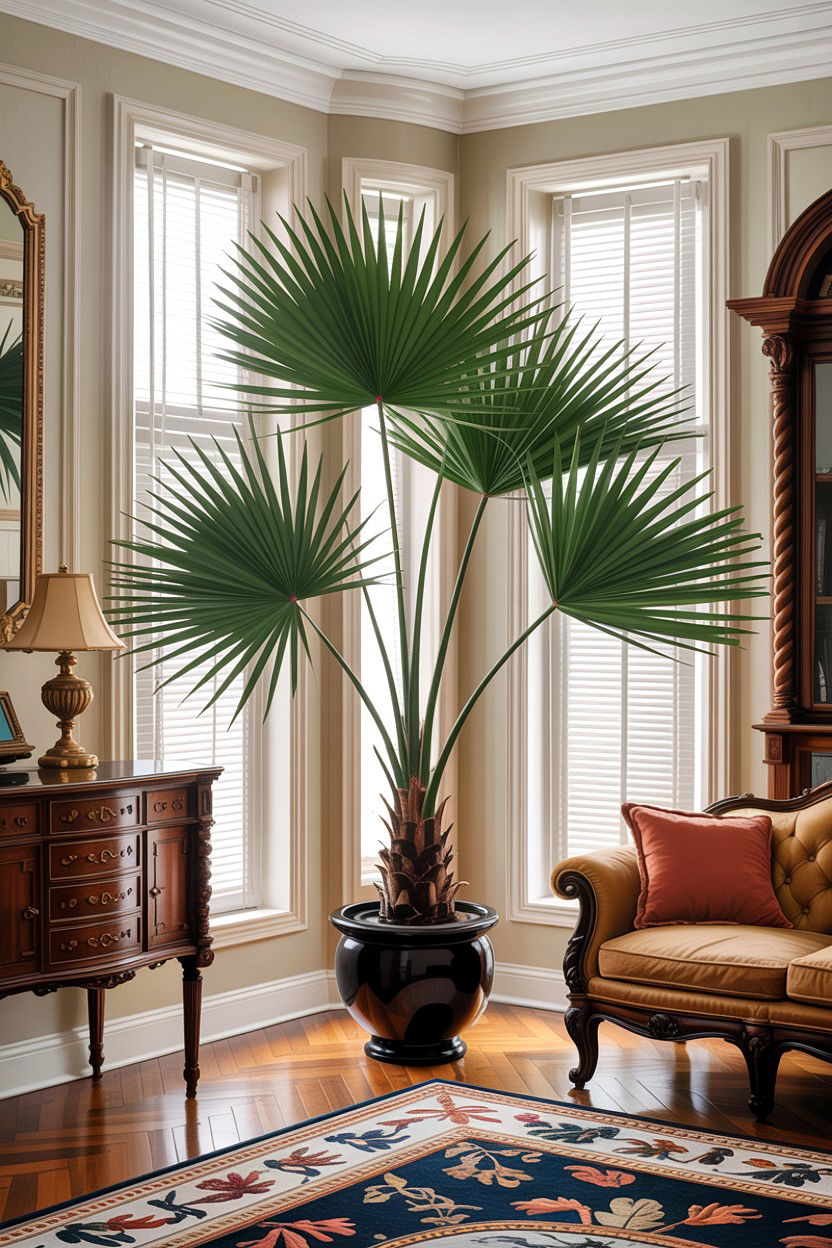
The lady palm is a slow-growing, elegant palm that features fan-shaped fronds and a multi-stemmed growth habit. It is one of the most effective plants for removing ammonia from the air, which is a common ingredient in many household cleaning products. This palm is very hardy and can tolerate a variety of light conditions, from bright indirect sun to shade. Its sophisticated appearance makes it a popular choice for more formal living room settings. Because it grows slowly, it will maintain its shape and size for a long time, providing consistent air purification without needing frequent repotting.
18. Bird Of Paradise
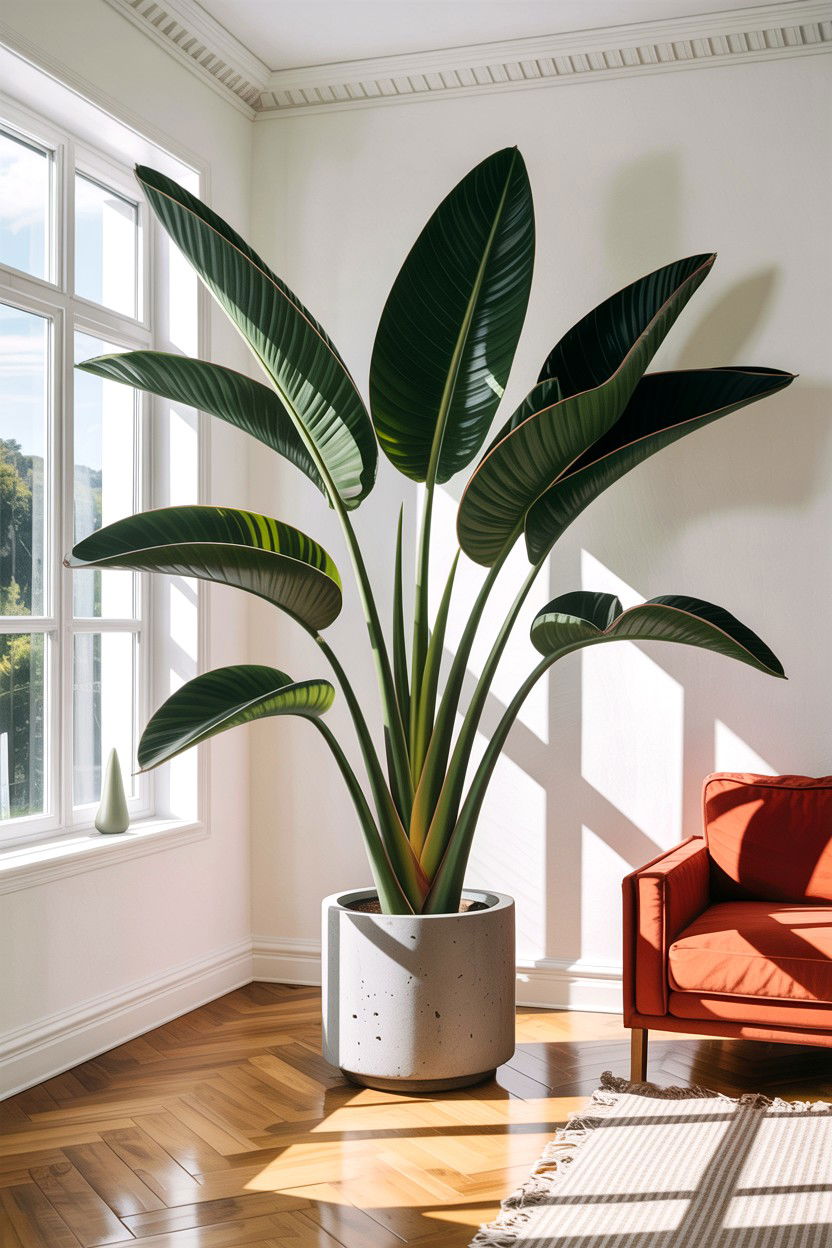
If you have a large, sunny living room, the bird of paradise is the ultimate statement plant. With its massive, banana-like leaves, it brings an instant tropical feel and a sense of grandeur to any space. While it is famous for its stunning orange and blue flowers, its large leaves are also excellent at absorbing carbon dioxide and releasing fresh oxygen. It requires plenty of bright, direct light to thrive and prefers to be watered when the top inch of soil is dry. This plant is a true showstopper that combines dramatic beauty with the benefits of a natural air filter.
19. Money Tree
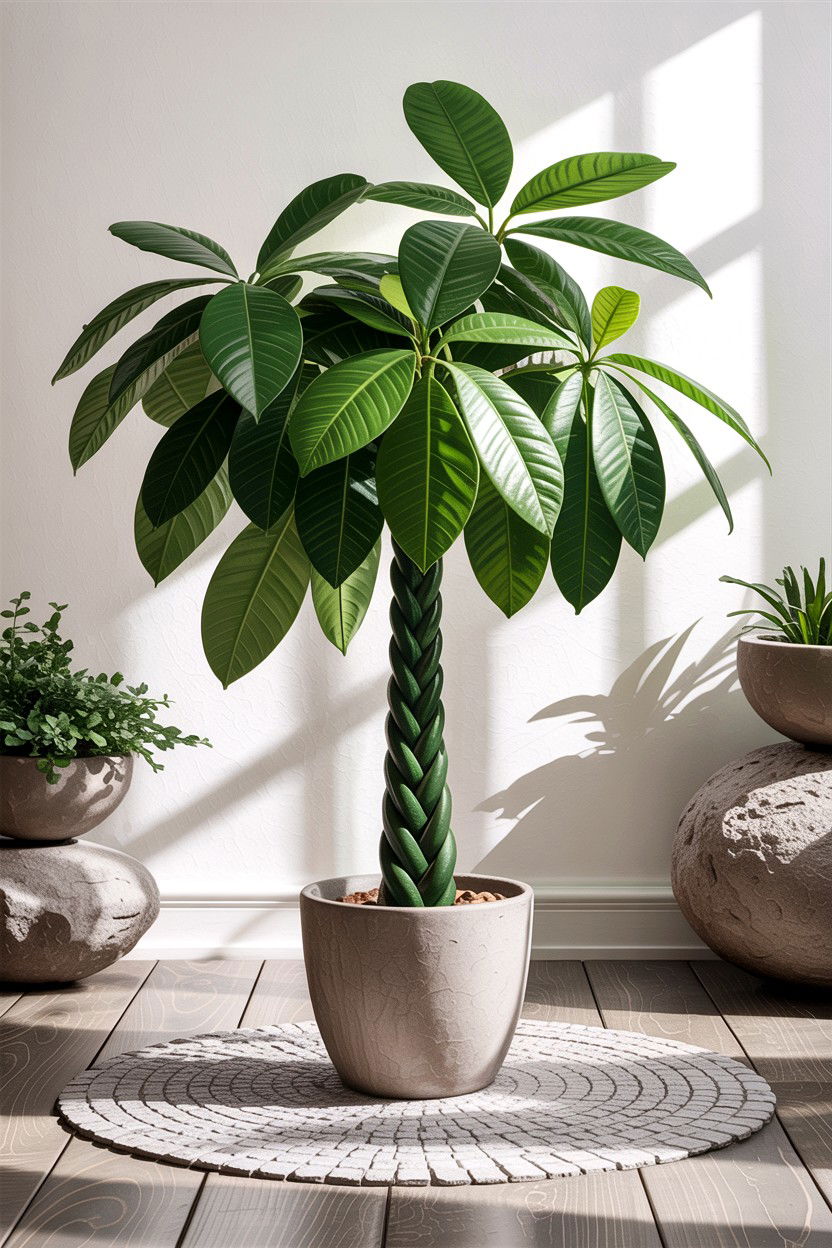
The money tree, or Pachira aquatica, is often given as a gift for good luck and prosperity, but it is also a great air purifier. It features a unique braided trunk and vibrant green leaves that add a touch of whimsy to your living room. This plant is known for its ability to remove synthetic chemicals like benzene from the air. It prefers bright, indirect light and high humidity, so it enjoys being misted or placed on a pebble tray. The money tree is a relatively low-maintenance plant that is safe for pets, making it a perfect choice for families.
20. Cast Iron Plant
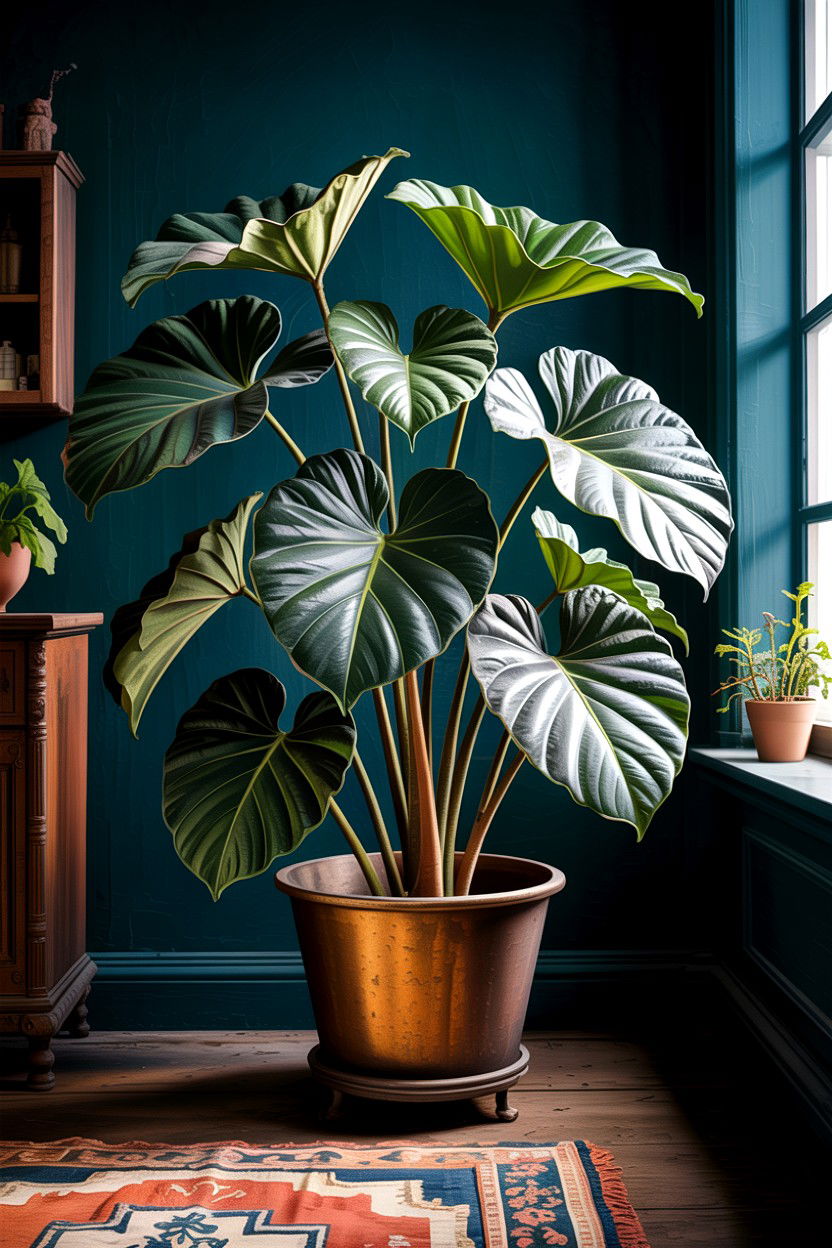
As its name suggests, the cast iron plant is virtually indestructible and can survive in conditions that would kill most other houseplants. It is a fantastic choice for dark corners, drafty areas, and low-humidity environments. While it is a slow grower, its large, dark green leaves work steadily to improve your indoor air quality by removing various toxins. This plant is perfect for those who want the benefits of greenery without the stress of high-maintenance care. Its classic, understated look complements a wide range of decor styles and provides a reliable source of fresh air for your living room.
21. Corn Plant
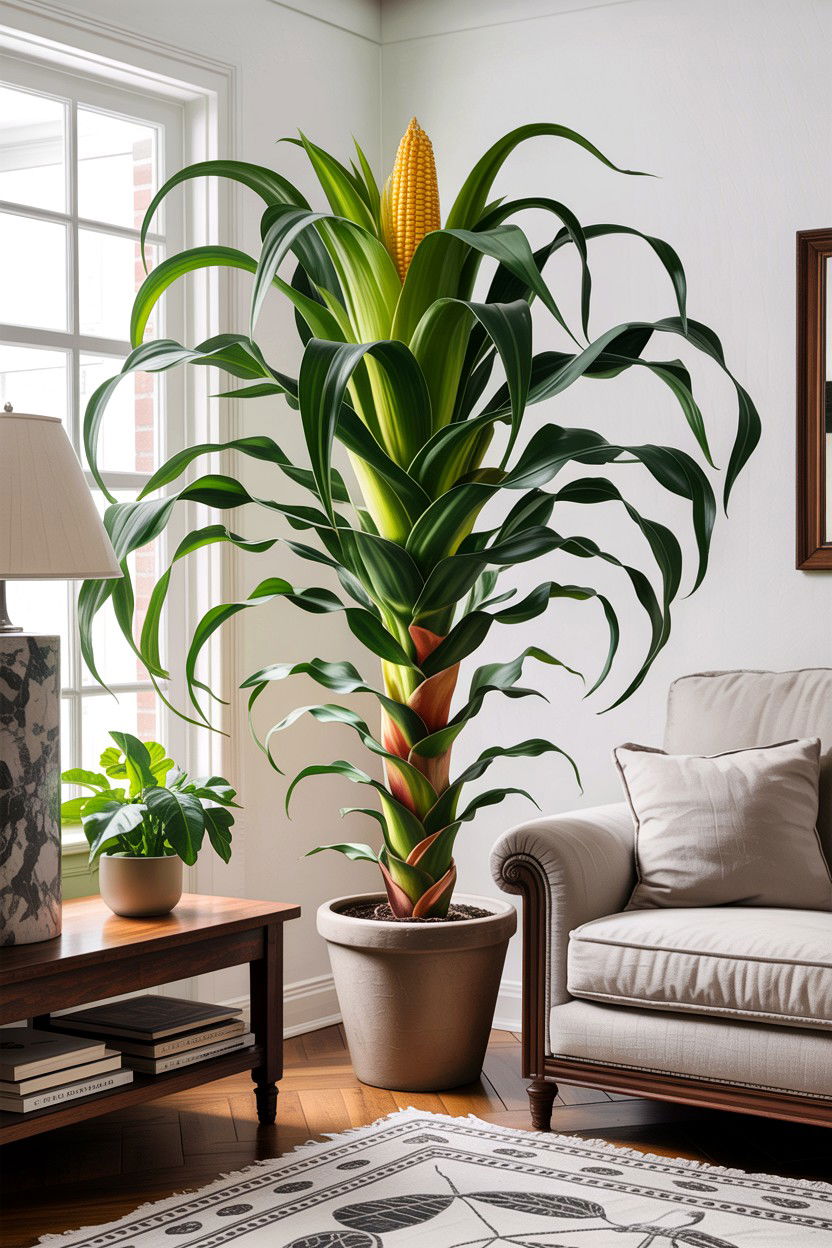
The corn plant, or Dracaena fragrans, features a thick woody trunk and long, arching leaves that resemble corn stalks. It is a popular floor plant for living rooms because it adds height and a tropical feel without taking up too much floor space. This plant is highly effective at removing formaldehyde, trichloroethylene, and benzene from the air. It is a low-maintenance choice that prefers bright, indirect light but can adapt to lower light levels. The corn plant is a long-lived companion that will continue to clean your air and beautify your home for many years with very basic care.
22. Parlor Palm
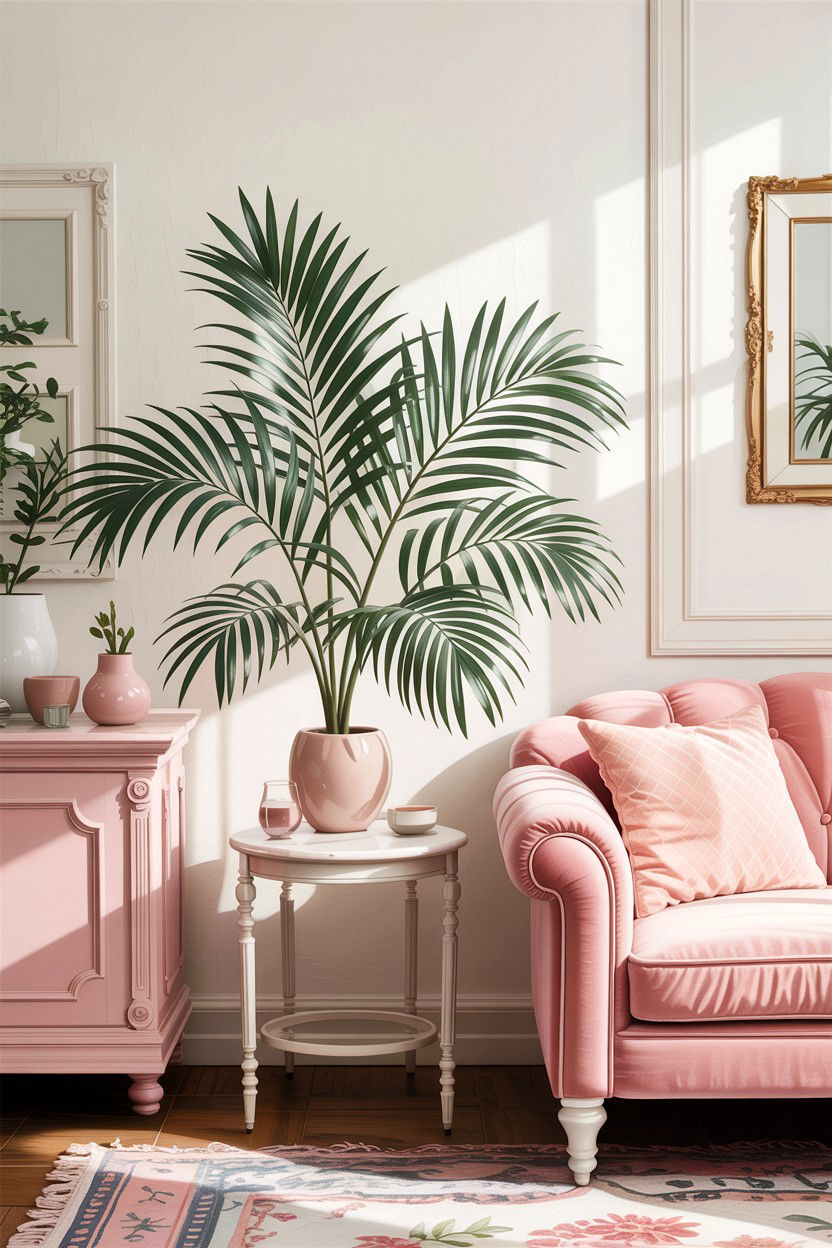
The parlor palm has been a popular indoor plant since Victorian times because of its elegant appearance and ability to thrive in low-light conditions. It features delicate, feathery fronds that add a soft, airy texture to your living room. This palm is excellent at filtering out indoor air pollutants and is also a natural humidifier. It is a slow-growing plant that stays relatively compact, making it a great choice for side tables or smaller living spaces. Being non-toxic to pets, it is a safe and beautiful way to bring a touch of nature and clean air into your home.
23. String Of Pearls
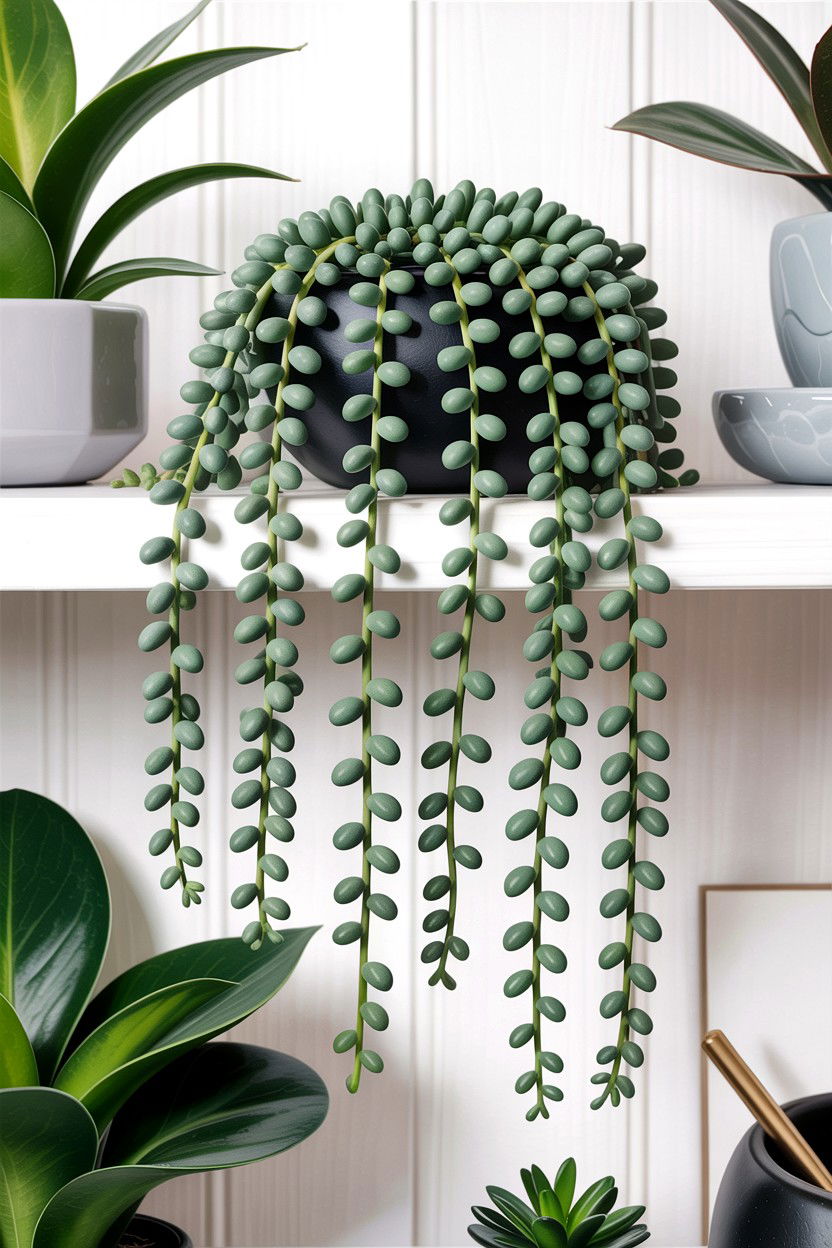
While the string of pearls is primarily grown for its unique, bead-like foliage, it also contributes to a healthier indoor environment. This succulent looks stunning trailing from a hanging basket or a high shelf, creating a cascading waterfall of green pearls. It prefers bright, indirect light and infrequent watering, making it a great choice for busy plant owners. While its air-purifying capabilities are more modest than larger leafy plants, it still helps to filter the air and adds a trendy, modern aesthetic to your living room. It is a perfect example of how style and function can go hand in hand.
24. Peperomia Obtusifolia
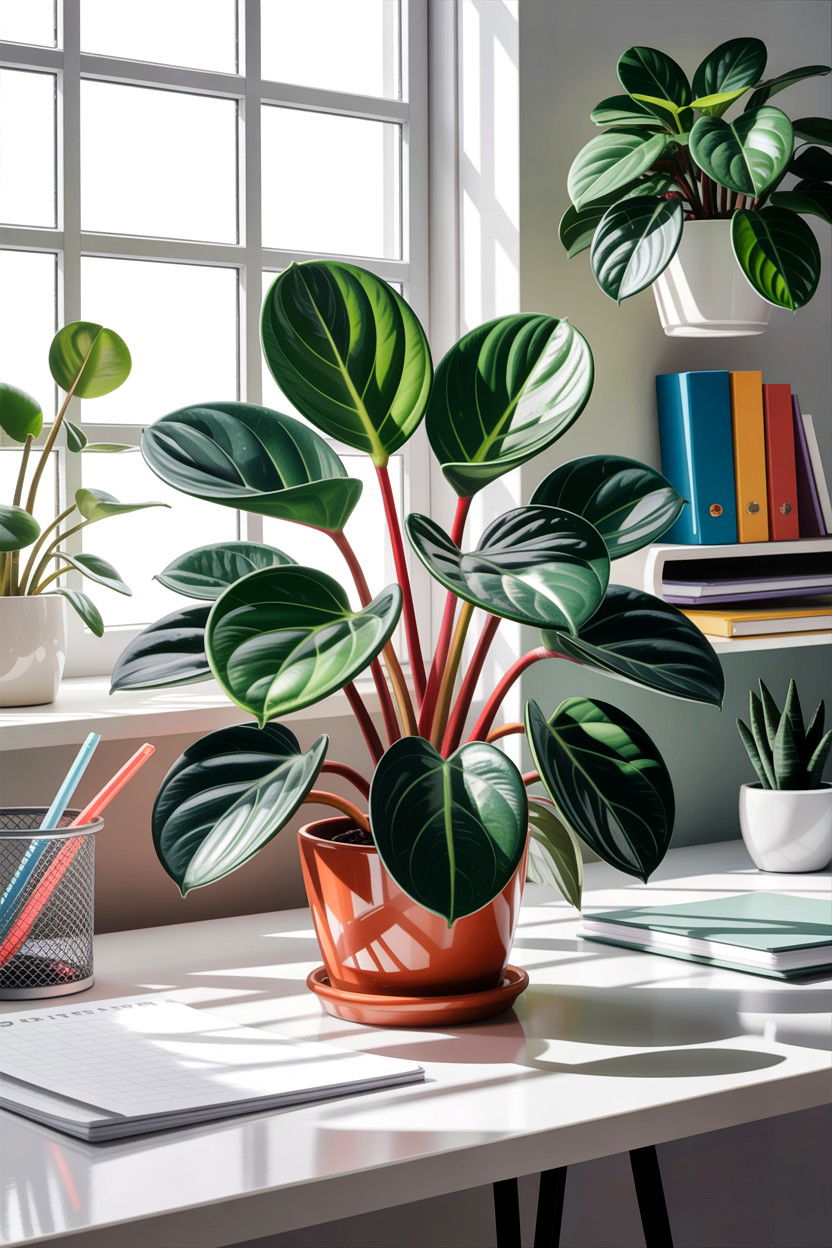
The Peperomia obtusifolia, or baby rubber plant, features thick, succulent-like leaves that are excellent at storing water. This compact plant is a great choice for coffee tables or shelves where space is limited. It is known for its ability to remove formaldehyde and other toxins from the air, contributing to a fresher living room environment. Peperomia is very easy to care for, thriving in medium to bright indirect light and requiring water only when the soil is dry. Its glossy green leaves and sturdy growth habit make it a charming and functional addition to any modern indoor plant collection.
25. Calathea Orbifolia
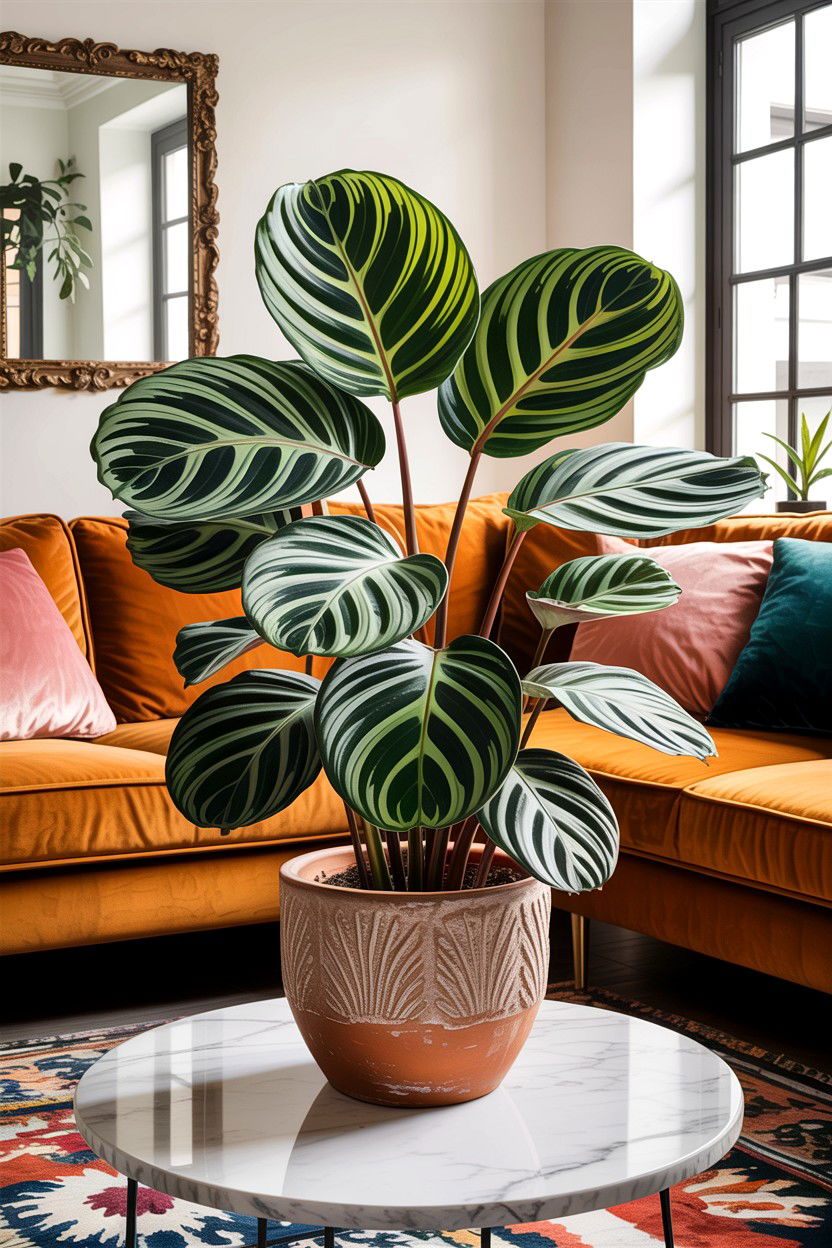
The Calathea orbifolia is a stunning foliage plant that features large, round leaves with beautiful silver stripes. It is a member of the prayer plant family, meaning its leaves move up and down in response to the light. This plant is a natural air purifier that helps to remove toxins and increase humidity in your living room. It prefers indirect light and consistent moisture, so it may require a bit more attention than some other plants on this list. However, its breathtaking beauty and air-cleaning benefits make it well worth the extra effort for any dedicated indoor gardener or plant lover.
26. Bromeliad
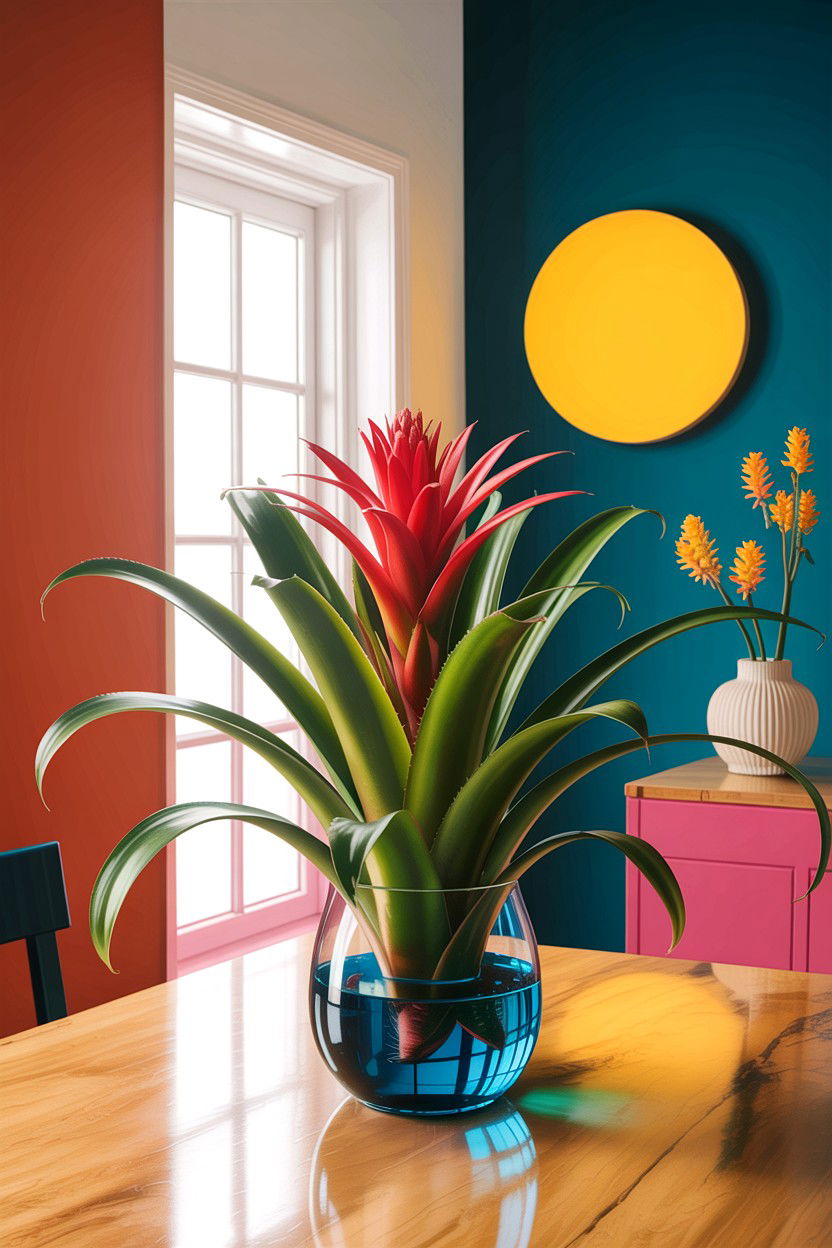
Bromeliads are vibrant, tropical plants that add a splash of exotic color to your living room with their long-lasting blooms. Beyond their stunning appearance, research has shown that bromeliads are exceptionally good at removing volatile organic compounds from the air, even during the night. They are relatively easy to care for, needing bright light and water in their central tank or cup. Their unique shape and bright colors make them a fantastic focal point on a dining table or mantel. By adding a bromeliad to your home, you are getting a beautiful floral display and a powerful air purifier.
27. Schefflera Arboricola
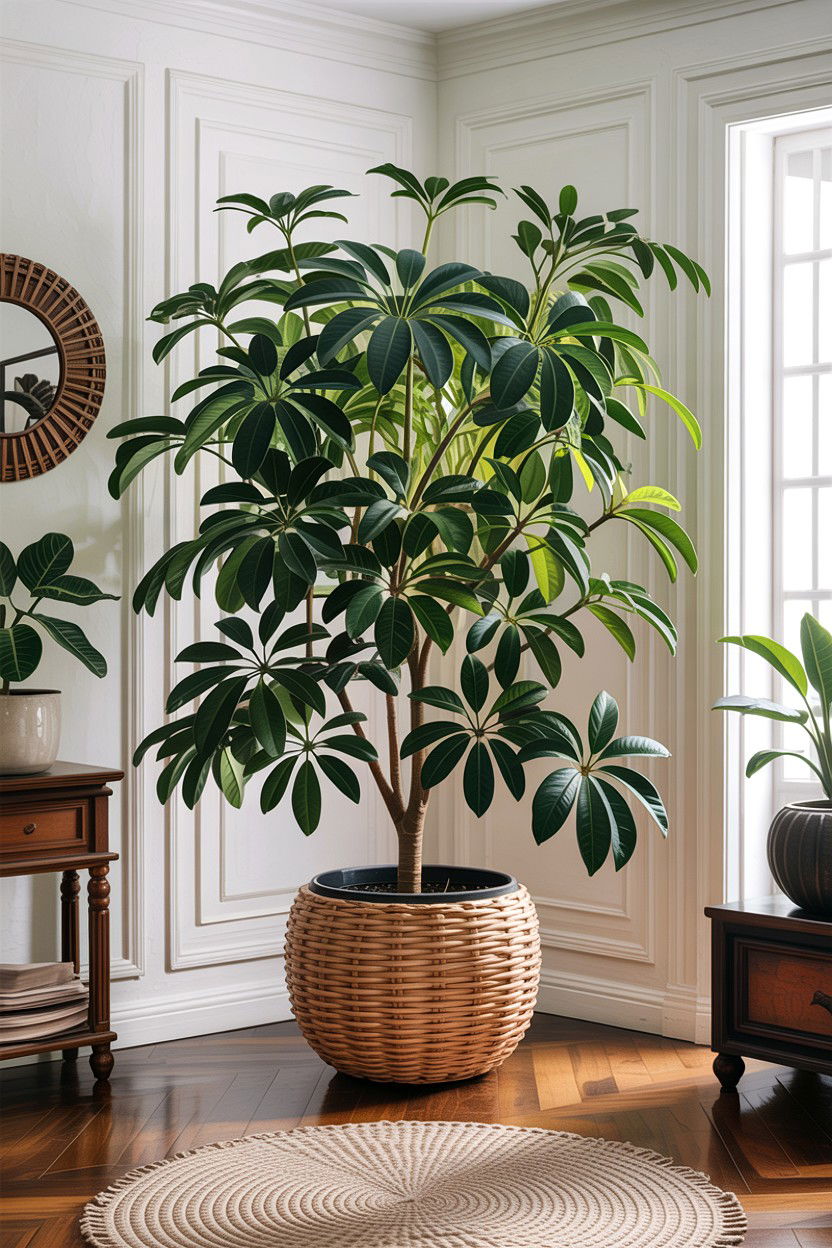
The Schefflera arboricola, commonly known as the dwarf umbrella tree, features clusters of leaves that radiate out like the ribs of an umbrella. This versatile plant can be grown as a compact bush or trained into a tall tree, making it a great fit for various living room layouts. It is highly effective at filtering out toxins like formaldehyde, benzene, and toluene. Schefflera prefers bright, indirect light and likes to be watered when the top of the soil feels dry. Its lush, green canopy provides a constant source of fresh air and a touch of tropical elegance to your space.
28. Jade Plant
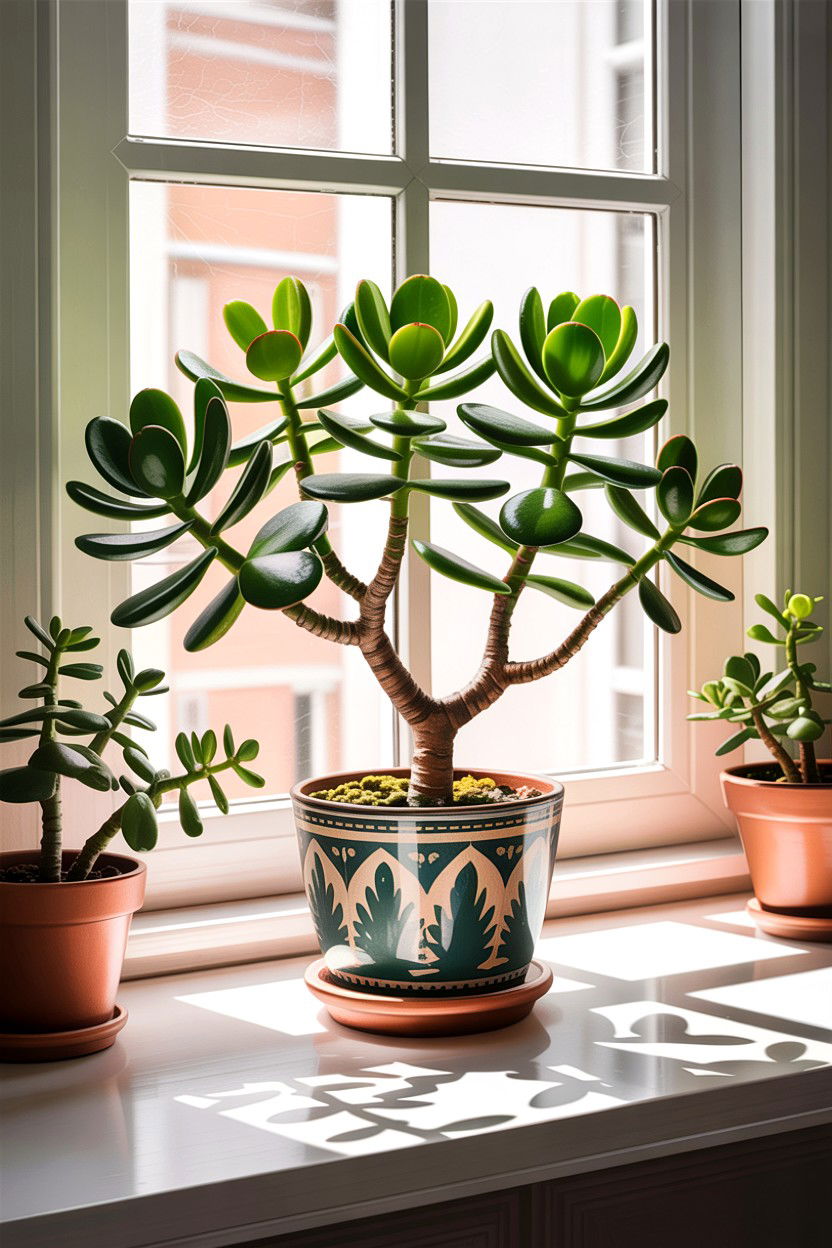
The jade plant is a popular succulent that is often associated with good luck and prosperity in many cultures. It features thick, woody stems and fleshy, oval-shaped leaves that store water, making it very drought-tolerant. While it is a slow grower, it is a long-lived plant that can become a beautiful indoor bonsai over time. Jade plants are effective at removing indoor air pollutants and increasing humidity levels. They thrive in bright, direct light and require very little maintenance, making them a perfect choice for a sunny windowsill or a well-lit corner in your main living room.
29. Kimberly Queen Fern
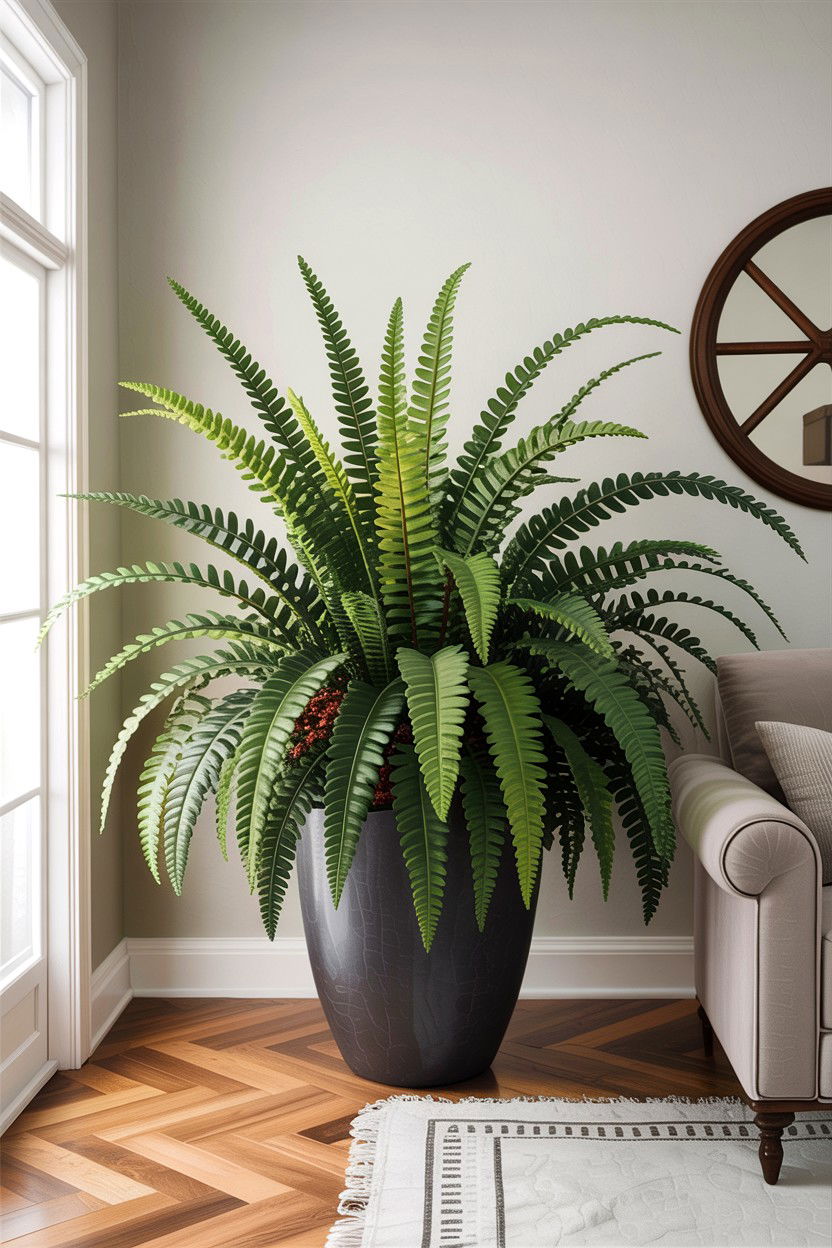
The Kimberly queen fern is a more upright and structured alternative to the classic Boston fern. It features long, sword-shaped fronds that stay neat and tidy, making it a great choice for floor planters or large containers. This fern is a powerhouse at removing formaldehyde and alcohols from the air, ensuring your living room stays clean and healthy. It is more tolerant of heat and dry air than many other ferns, though it still appreciates regular misting and consistent moisture. Its bold, architectural shape adds a sense of drama and freshness to any contemporary or traditional interior design.
30. Majesty Palm
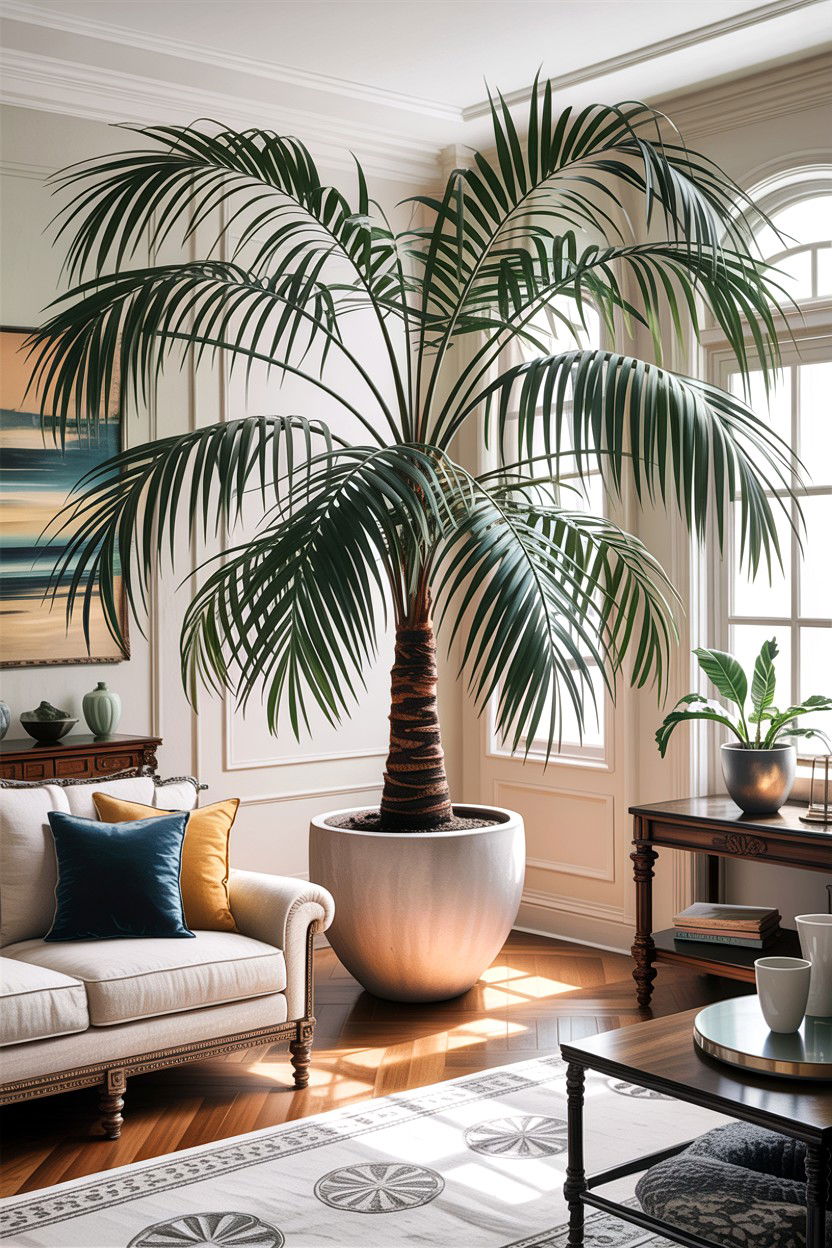
The majesty palm is a large, graceful palm that can quickly transform your living room into a tropical oasis. It features long, arching fronds that create a lush, green canopy and add a sense of luxury to your home. This palm is highly effective at filtering out toxins and acting as a natural humidifier, which can improve the overall air quality and comfort of your living space. It prefers bright, indirect light and plenty of water to keep its soil consistently moist. With its grand presence and air-purifying benefits, the majesty palm is the ultimate choice for a healthy home.
Conclusion:
Incorporating air-purifying plants into your living room is a beautiful and effective way to enhance both your home's aesthetic and your physical well-being. By choosing a variety of plants with different leaf shapes, sizes, and textures, you can create a vibrant indoor garden that works tirelessly to filter out harmful toxins and increase oxygen levels. Whether you prefer the low-maintenance nature of succulents or the lush greenery of tropical palms, there is a perfect air-purifying companion for every style and skill level. Start your journey toward a cleaner, fresher, and more inspiring living space today by bringing home these wonderful botanical air filters.
Related posts:

Leave a Reply