

Architectural bedroom design represents the perfect intersection between structural innovation and personal sanctuary. When you approach a sleeping space from an architect's perspective, the focus shifts from mere decoration to the fundamental elements of light, volume, and materiality. This specialized approach prioritizes how a room feels throughout the day, utilizing shadows and textures to create a truly immersive environment. By emphasizing clean lines and purposeful layouts, these spaces offer a sense of permanent calm that transcends fleeting interior trends. Whether you are building from scratch or looking to renovate, understanding architectural principles can transform a basic room into a sophisticated, highly functional retreat that celebrates modern living.
1. Minimalist Concrete Bedroom
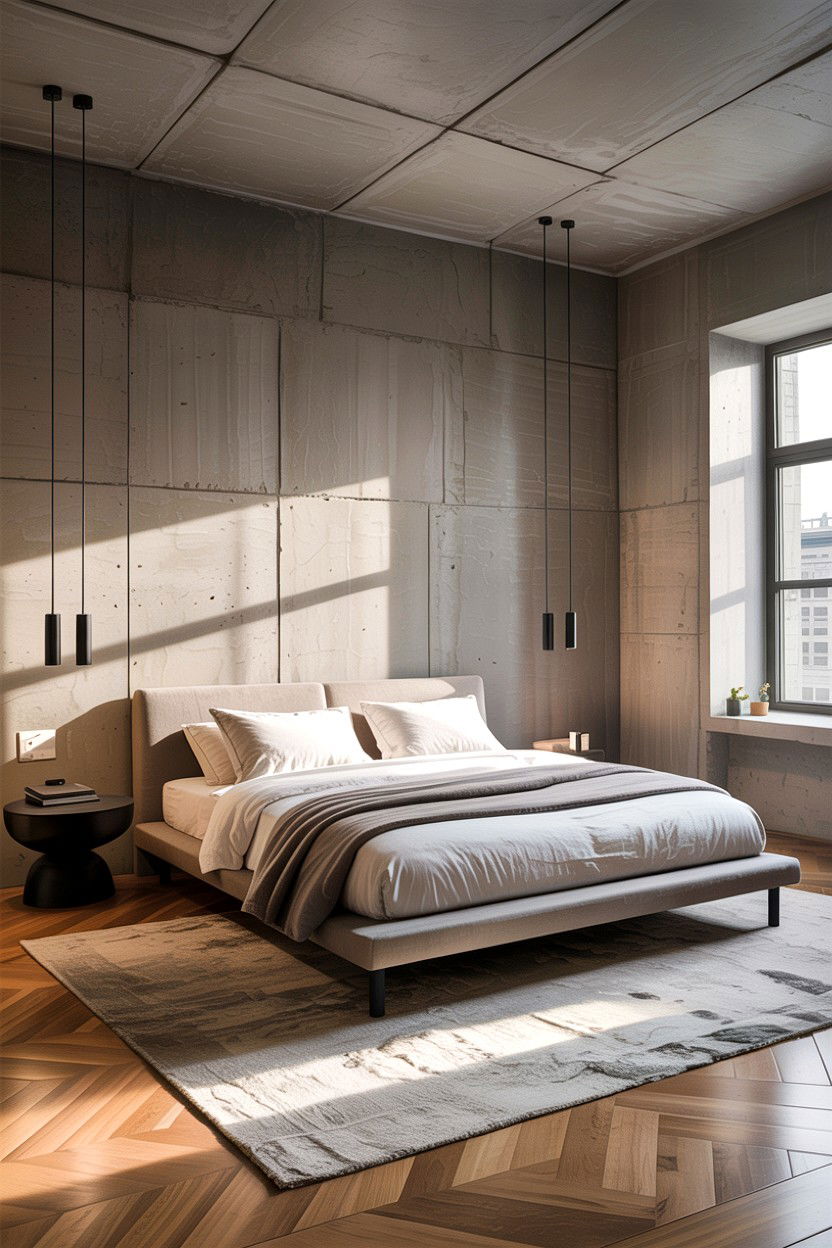
A minimalist concrete bedroom offers a raw and honest aesthetic that appeals to those who appreciate structural beauty. Architects often choose exposed concrete for its thermal mass and its ability to serve as a neutral yet textured backdrop. To prevent the space from feeling too cold, you should incorporate soft textiles like oversized wool rugs or linen bedding. The play of light across the matte gray surfaces creates a dynamic environment that changes as the sun moves. This style focuses on the "less is more" philosophy, where every shadow and line is intentional. It is a perfect choice for creating a quiet, museum-like atmosphere for resting.
2. Floor To Ceiling Window Bedroom
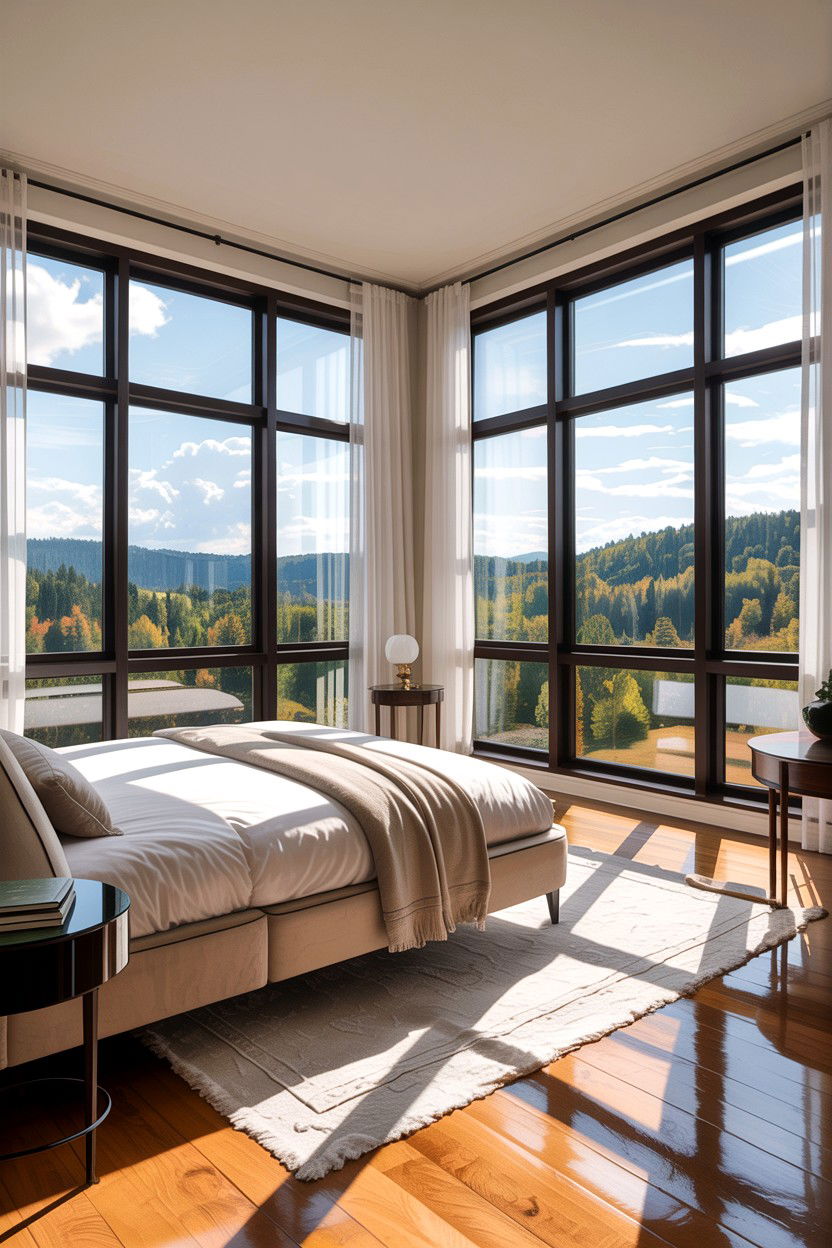
Incorporating a floor to ceiling window bedroom design instantly connects the indoors with the surrounding landscape. This architectural feature maximizes natural light and makes even a small room feel incredibly expansive. By using high-performance glass and slim frames, architects can create a seamless transition that frames the outside world like a living piece of art. Privacy is often managed through recessed motorized tracks for sheer curtains or blackout drapes. Waking up to a panoramic view of the garden or city skyline provides a daily connection to nature or urban energy. This design choice prioritizes the external environment as the primary decorative element of the room.
3. Industrial Loft Bedroom
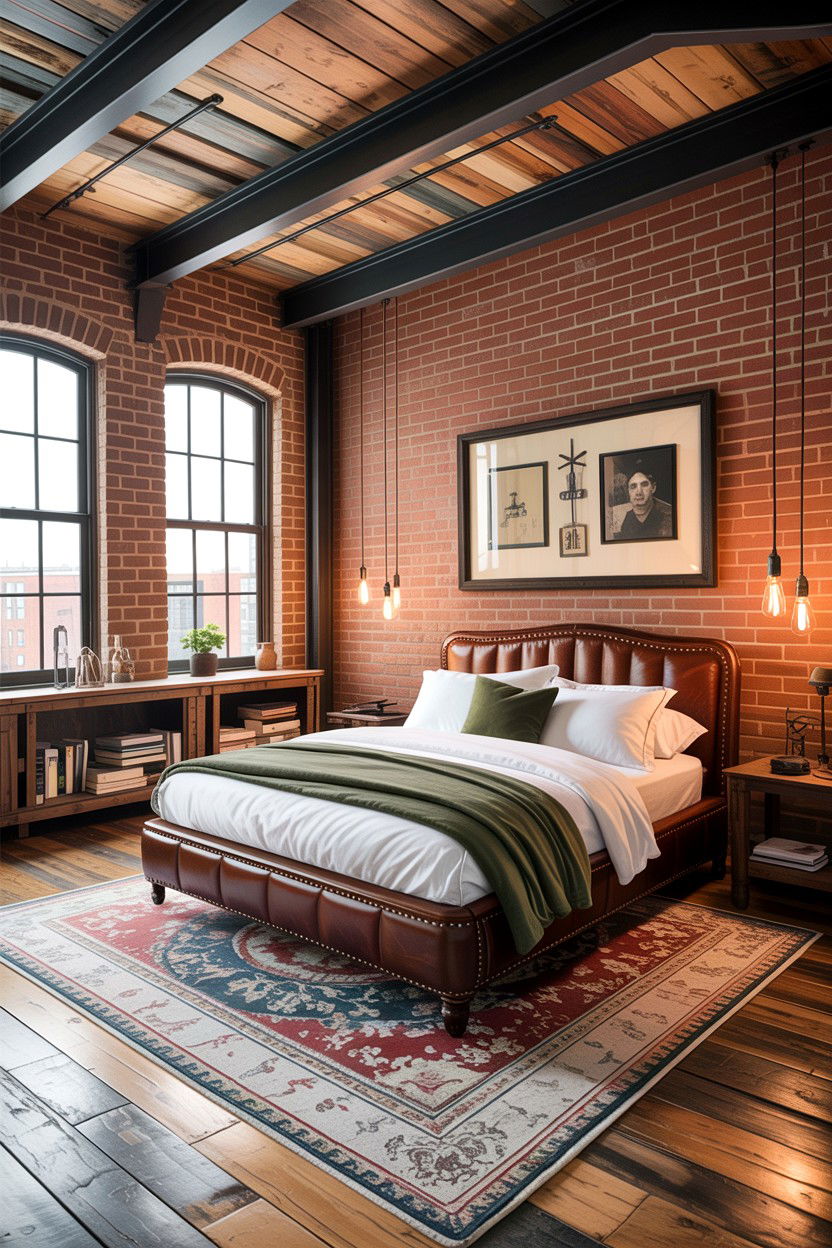
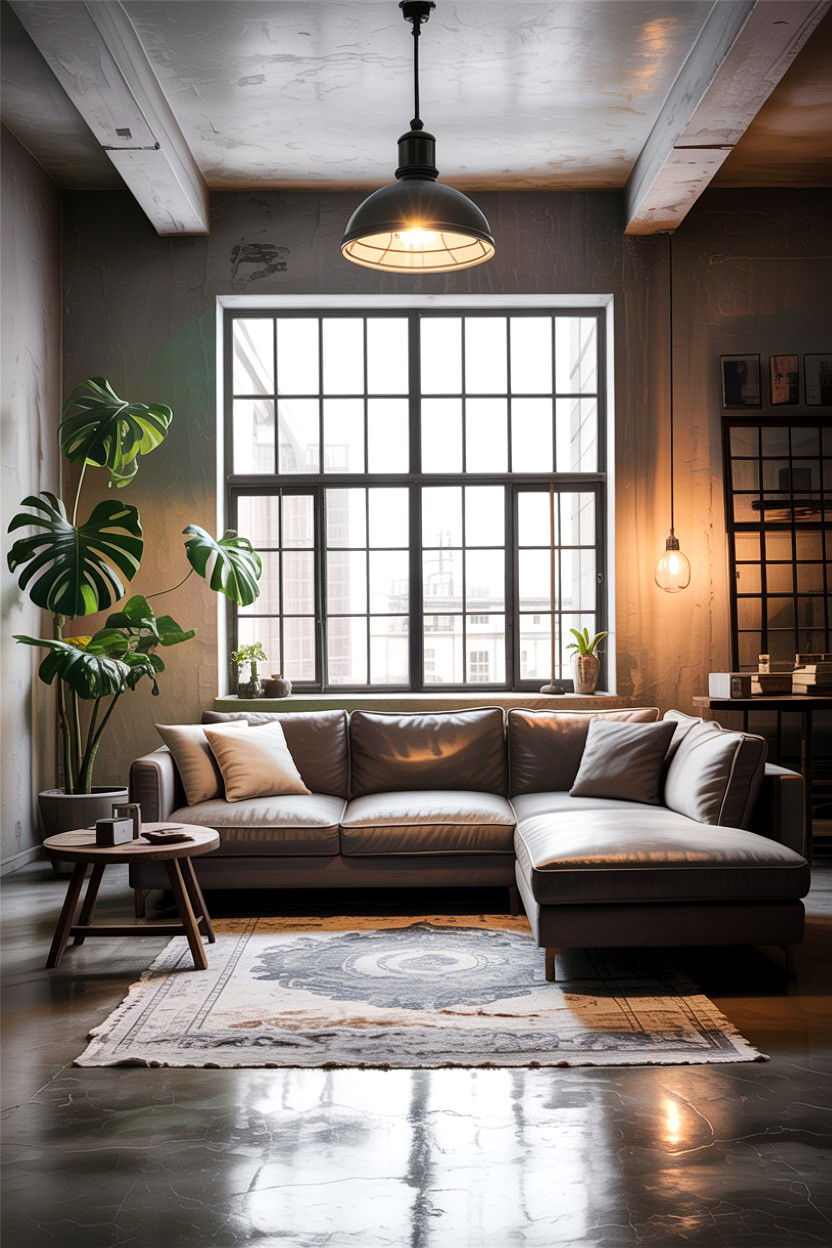
An industrial loft bedroom celebrates the history of a building by showcasing its original structural components. You will often see high ceilings, exposed ductwork, and heavy timber beams that provide a sense of scale and strength. Architects utilize these rugged elements to create a sophisticated urban sanctuary that feels both open and grounded. To balance the hardness of the metal and wood, you can add plush furniture and layered lighting. Large-scale art pieces look particularly striking against the expansive walls typical of loft architecture. This style is ideal for those who love a blend of vintage character and modern, open-concept living arrangements.
4. Modern Wood Slats Bedroom
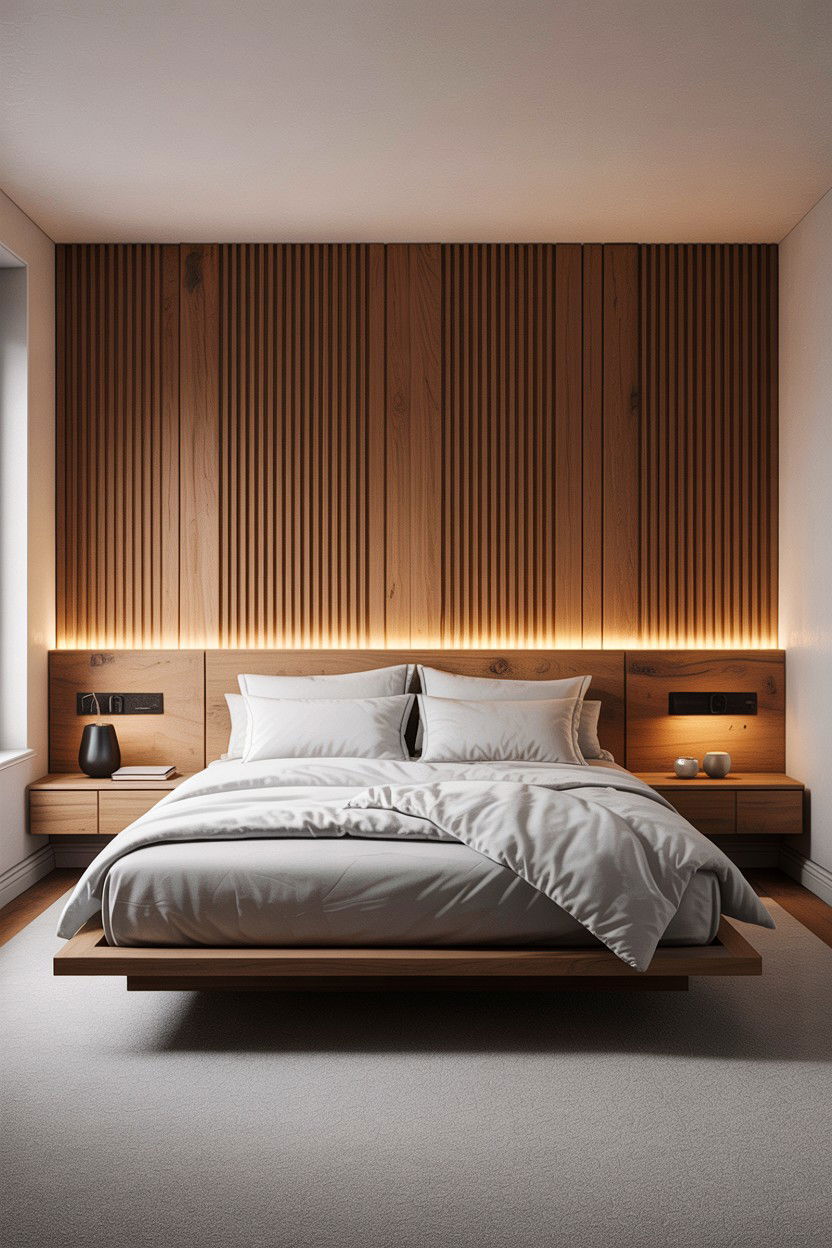
Using a modern wood slats bedroom treatment adds warmth and rhythm to a space without overwhelming the senses. Vertical or horizontal timber slats can be used to create a feature wall that also serves as an acoustic dampener. Architects frequently use this technique to hide secret doors or integrated shelving, maintaining a clean and cohesive look. The natural grain of the wood provides an organic contrast to the sharp lines of modern furniture. When paired with hidden LED strips, the slats create a beautiful play of light and shadow at night. It is a timeless way to introduce texture and a sense of craftsmanship into the room.
5. Built In Platform Bed
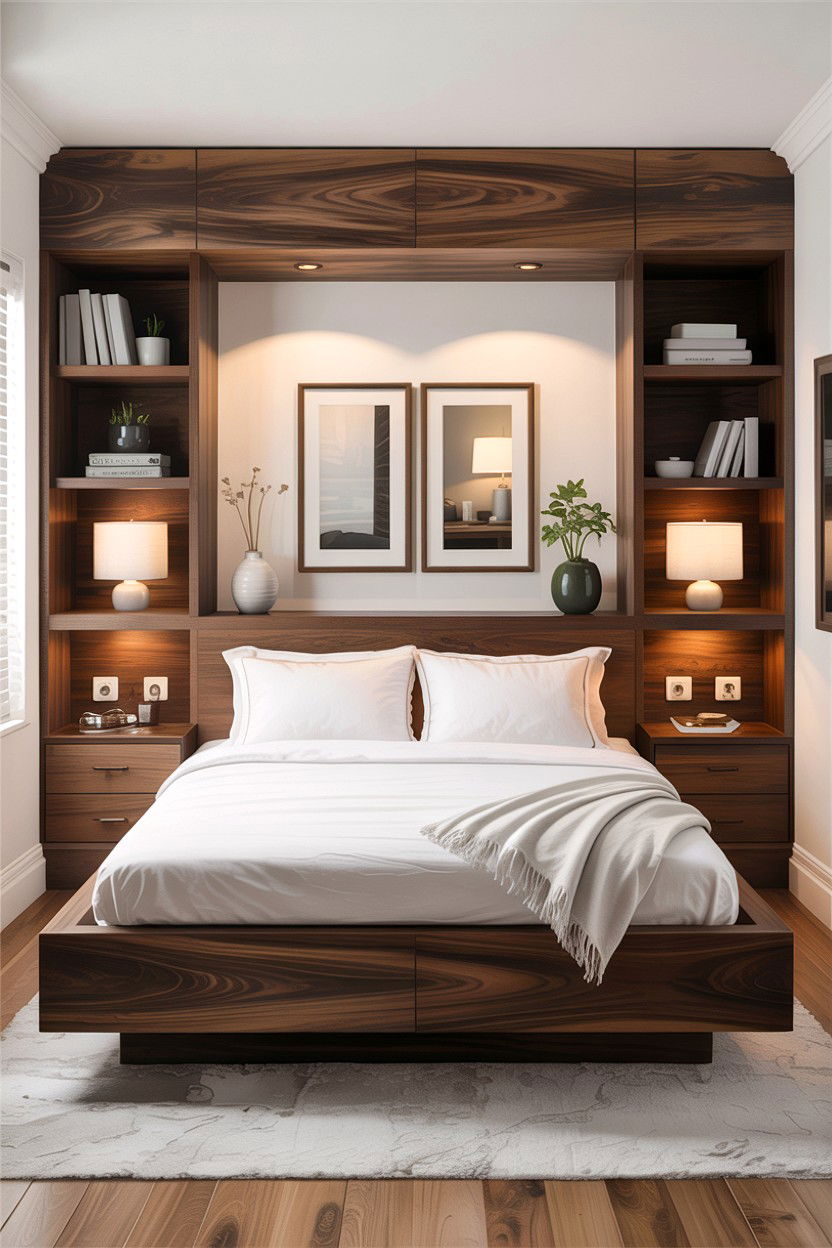
A built in platform bed is a hallmark of architectural precision, as it integrates the furniture directly into the room's layout. This approach eliminates visual clutter and creates a streamlined, custom look that feels permanent and intentional. Architects often design these platforms to include integrated nightstands, power outlets, and under-bed storage drawers. By using the same material for the bed and the floor, you can create a seamless "landscape" within the room. This design is particularly effective in smaller spaces where maximizing every square inch is crucial. It provides a solid, grounded feeling that enhances the overall sense of stability and rest.
6. Mid Century Modern Bedroom

The mid century modern bedroom focuses on the harmony between functional design and organic forms. This architectural style is characterized by low-slung furniture, tapered legs, and a strong connection to the outdoors. You might see large sliding glass doors and clerestory windows that bring in light while maintaining privacy. Architects love this era for its use of warm woods like walnut and teak paired with bold, geometric accents. The layout is usually simple and efficient, prioritizing flow and ease of movement. By choosing iconic furniture pieces and a curated color palette, you can create a space that feels both nostalgic and remarkably contemporary.
7. Exposed Brick Bedroom
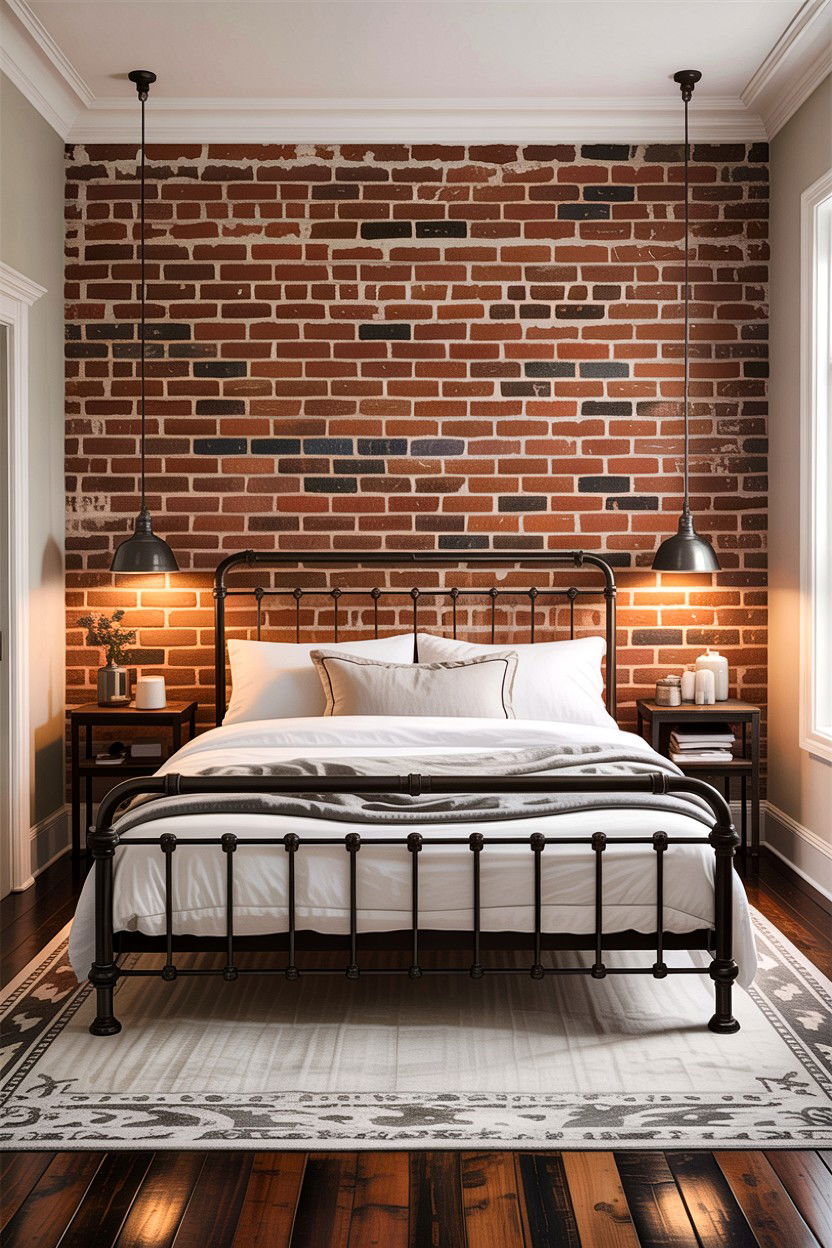
An exposed brick bedroom brings a sense of history and tactile richness to your personal sanctuary. The natural variations in the brick's color and texture provide a built-in focal point that requires very little additional decoration. Architects often leave original masonry uncovered to celebrate the building's soul and structural integrity. To keep the room feeling modern, you can pair the rugged brick with sleek, minimalist furniture and crisp white bedding. Proper lighting is essential to highlight the depth of the mortar and the rugged surface of the clay. This design choice adds a timeless, earthy quality that makes the bedroom feel incredibly cozy and protected.
8. Mezzanine Level Bedroom
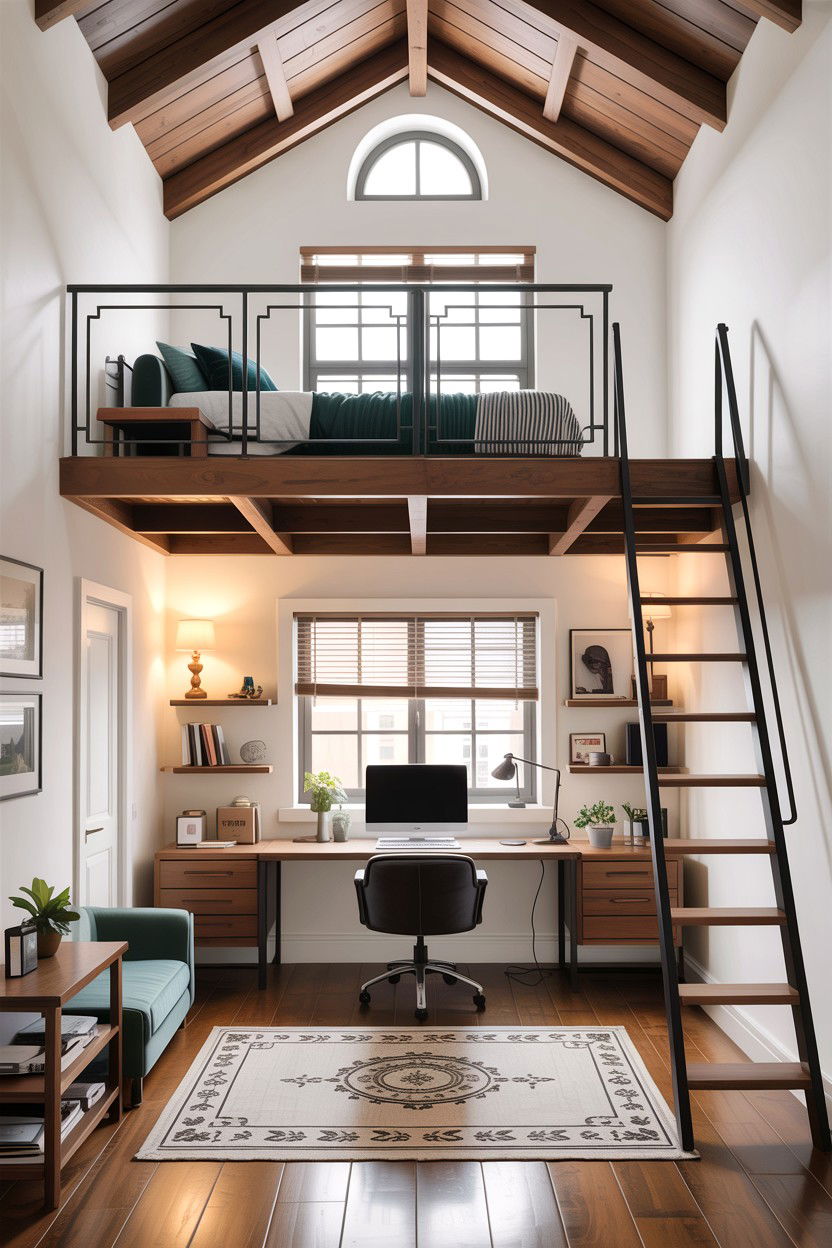
A mezzanine level bedroom is an ingenious architectural solution for homes with exceptionally high ceilings. By creating a lofted sleeping area, you can separate the rest zone from the living space while maintaining an airy, open feel. Architects use steel frames or glass railings to keep the mezzanine feeling light and unobtrusive. This vertical layout allows for a home office or walk-in closet to be tucked neatly underneath the bed platform. It is a playful yet sophisticated way to utilize volume and create different "zones" within a single room. The elevated perspective offers a unique view of the entire living area from your bed.
9. Biophilic Design Bedroom
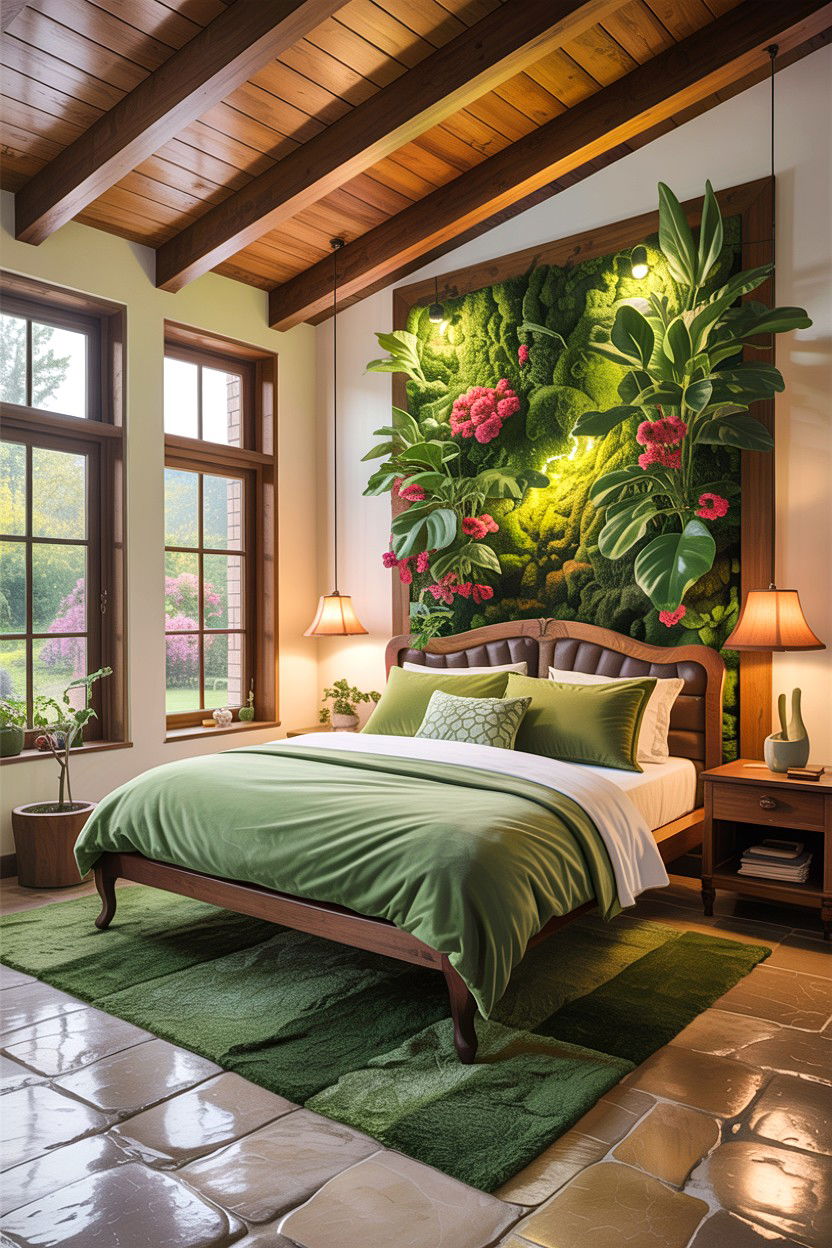
A biophilic design bedroom focuses on the innate human connection to nature to improve well-being and sleep quality. Architects achieve this by incorporating internal courtyards, living green walls, or large windows that overlook lush greenery. Using natural materials like stone, wood, and clay further reinforces this organic connection. The goal is to create a space that breathes and feels alive, reducing stress through visual and tactile contact with the natural world. You can enhance this effect by choosing a color palette inspired by the earth and forest. This architectural approach turns your bedroom into a rejuvenating garden-like retreat that promotes deep relaxation.
10. Scandinavian Plywood Bedroom
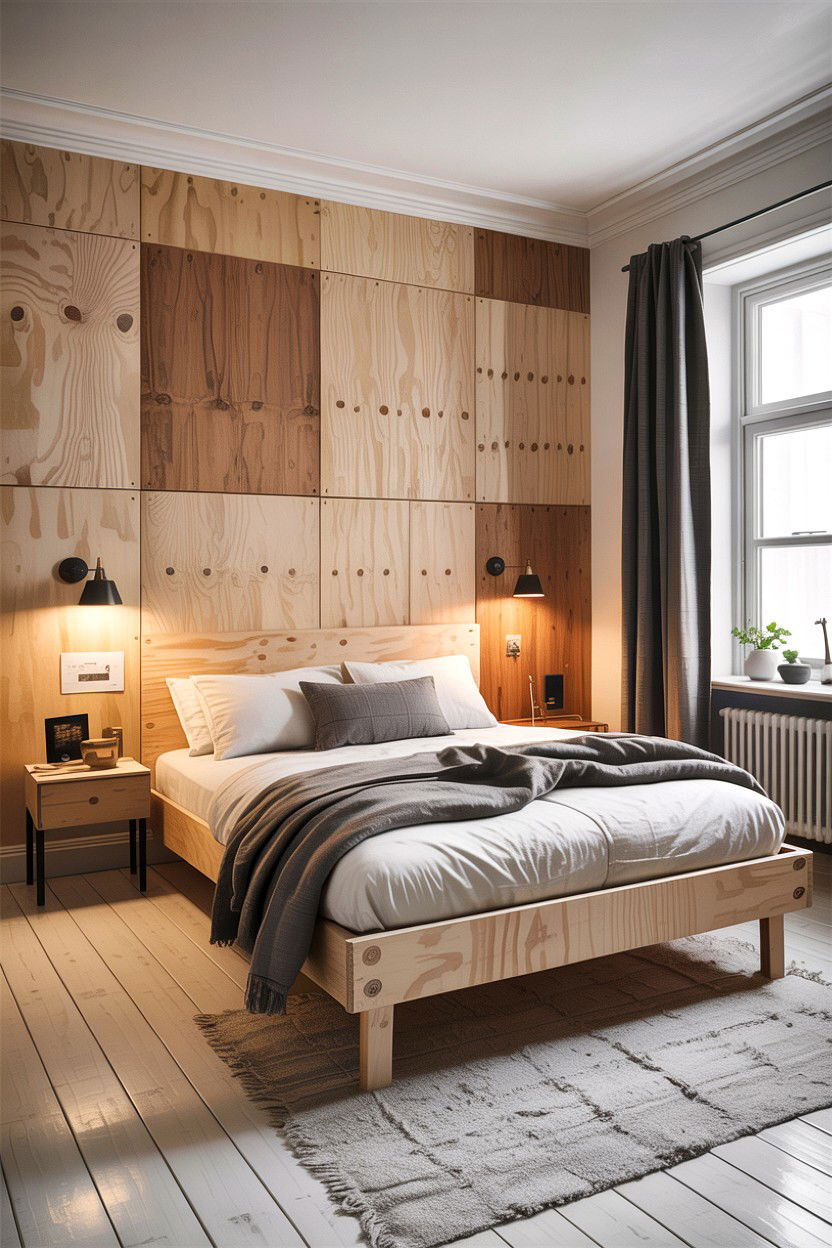
The Scandinavian plywood bedroom is a masterclass in using humble materials to create a high-end, architectural look. Architects often use light-toned birch or pine plywood to clad walls, ceilings, and even build custom furniture. The visible grain and pale color make the room feel bright, spacious, and incredibly modern. This style emphasizes honesty in construction, often leaving the edges of the plywood exposed to show the layers. To complete the look, you should use simple, functional decor and plenty of soft, neutral textiles. It is an affordable yet visually striking way to achieve a clean, cohesive, and warm architectural aesthetic in any sleeping space.
11. Brutalist Style Bedroom
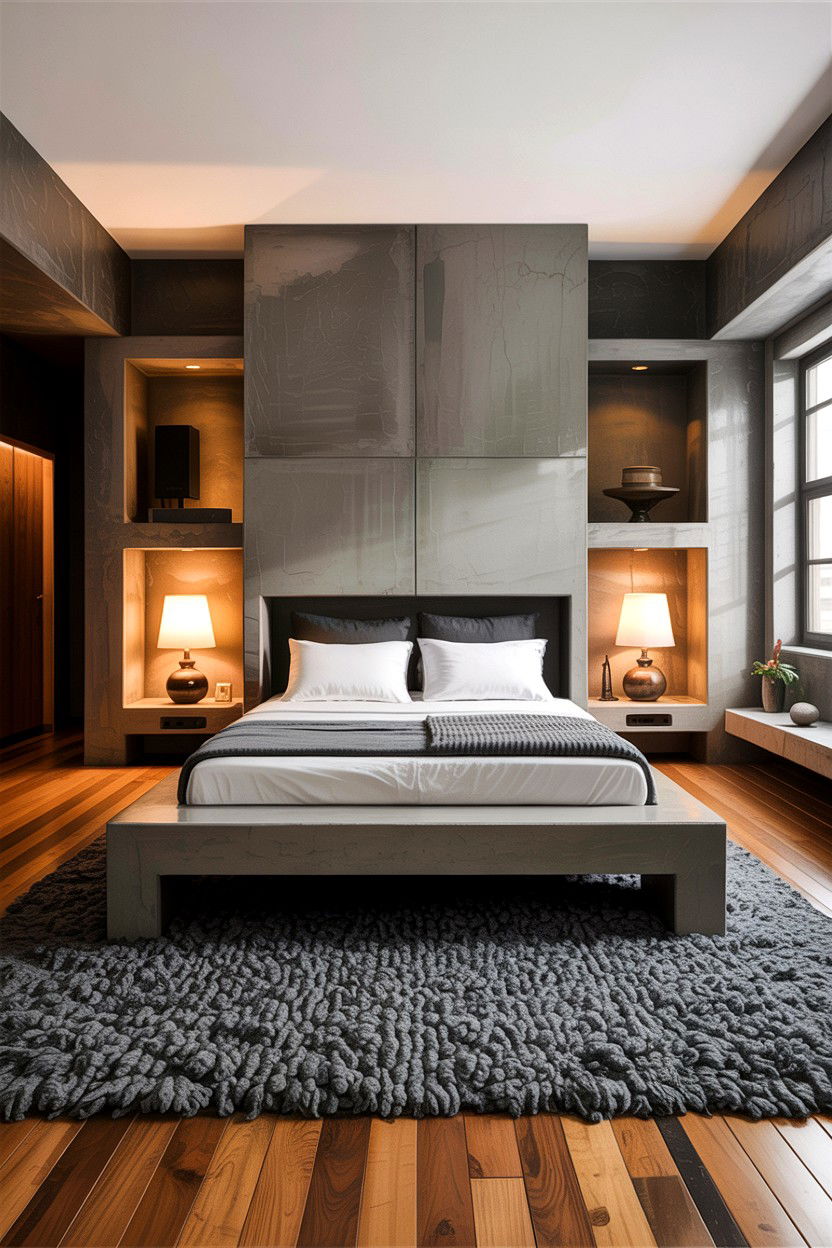
A brutalist style bedroom celebrates raw materials and bold, monolithic forms for a truly unique aesthetic. This architectural movement is known for its use of unfinished concrete, heavy shapes, and a focus on structural honesty. In a bedroom setting, this can be softened with deep-pile rugs and luxurious fabrics to create a "soft brutalism" effect. Architects often design custom concrete headboards or recessed niches that feel like they are carved directly out of the building. The result is a space that feels incredibly solid, quiet, and permanent. It is a daring choice for those who want their bedroom to feel like a private, modern fortress.
12. Floating Bed Frame
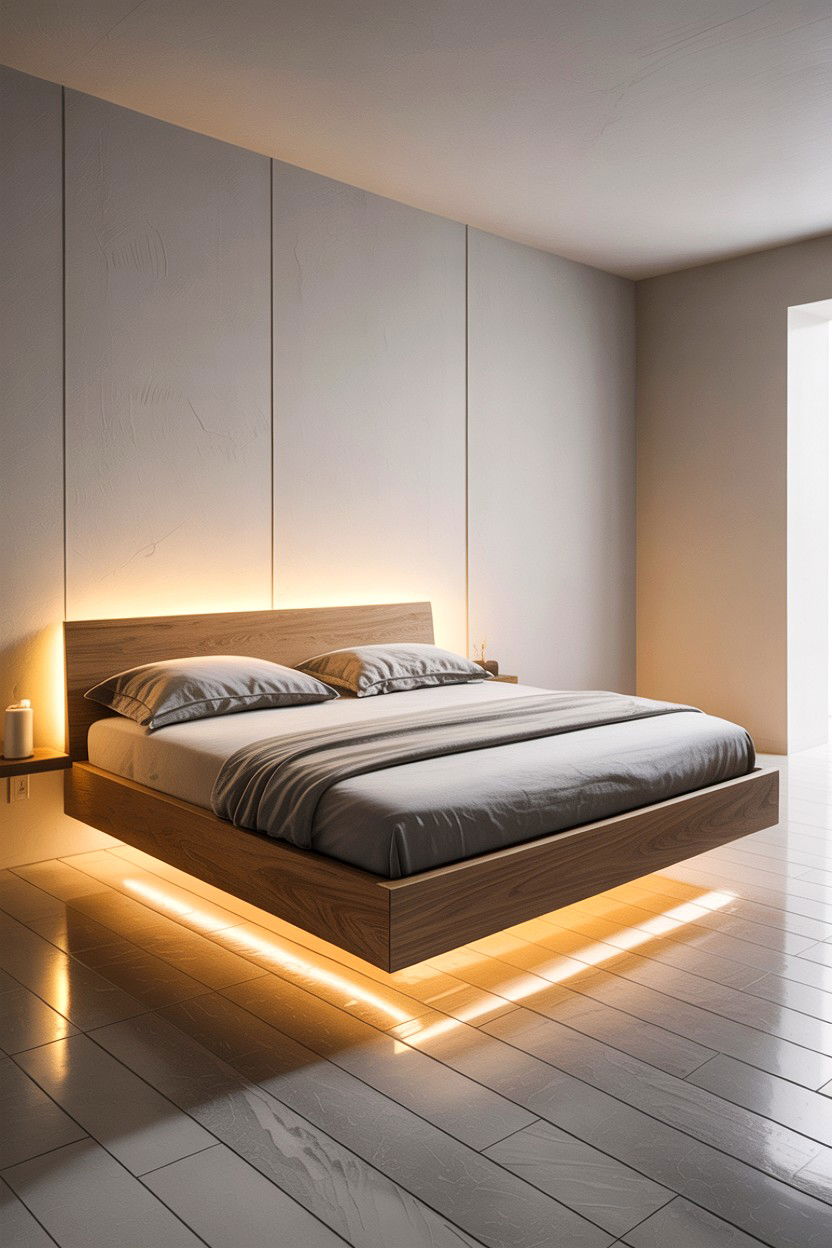
A floating bed frame is a clever architectural trick that makes a heavy piece of furniture seem weightless. By using a recessed support base or wall-mounting the frame, architects create the illusion that the bed is hovering above the floor. This design opens up the floor space, making the room appear larger and much easier to clean. When you add LED strip lighting underneath the frame, the floating effect is even more dramatic at night. It is a sleek, futuristic choice that works perfectly in minimalist or modern interiors. This approach emphasizes the floor as a continuous plane, enhancing the overall sense of architectural flow.
13. Glass Wall Bedroom
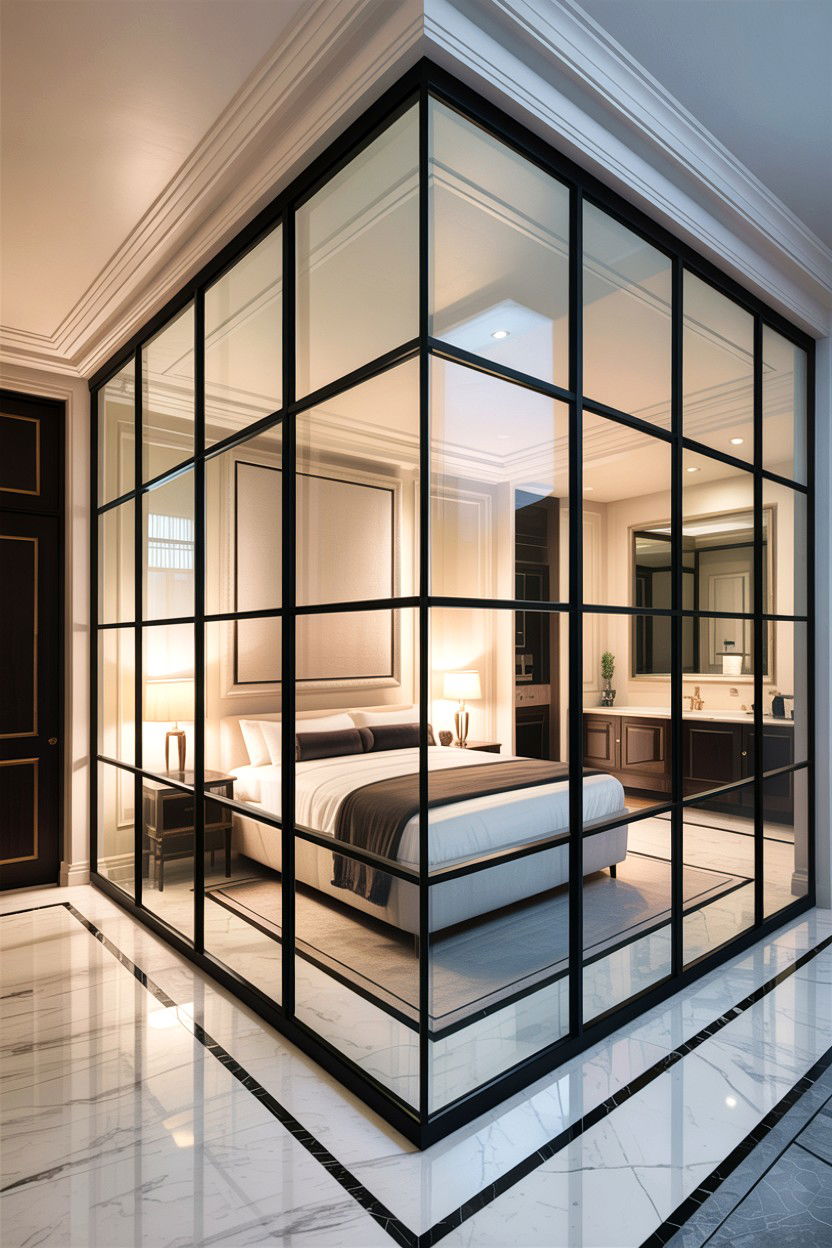
A glass wall bedroom is the ultimate way to create a sense of transparency and light within a home. Architects often use internal glass partitions to separate the bedroom from an en-suite bathroom or a private terrace. Using black steel frames or frameless glass panels adds a sophisticated, high-end feel to the design. To ensure privacy when needed, you can install smart glass that frosts at the touch of a button or use heavy floor-to-ceiling drapes. This design maximizes the visual depth of the house, allowing you to see through multiple layers of the architecture. It is a bold, light-filled choice for modern living.
14. Vaulted Ceiling Bedroom

A vaulted ceiling bedroom utilizes the roof's peak to create a sense of grandeur and extra volume. Architects often leave the structural rafters exposed to add character and a sense of history to the space. This design allows for higher windows or skylights that can flood the room with natural light from above. The extra height can also make a small bedroom feel much more spacious and less restrictive. You can emphasize the architecture by painting the ceiling a contrasting color or adding a large, sculptural pendant light. It is a classic architectural feature that brings a sense of drama and openness to your sleeping quarters.
15. Hidden Storage Bedroom

A hidden storage bedroom is an architect's answer to maintaining a clutter-free and serene environment. By designing seamless, handle-less cabinetry that blends into the walls, you can hide all your belongings out of sight. Architects often utilize "dead spaces" like under the eaves or inside thick walls to create custom closets and shelving. This approach allows the focus to remain on the room's proportions and materials rather than on messy piles of items. When everything has a designated, invisible home, the mind can rest more easily. It is a highly functional design strategy that prioritizes the visual purity of the architectural space.
16. Monochromatic Gray Bedroom
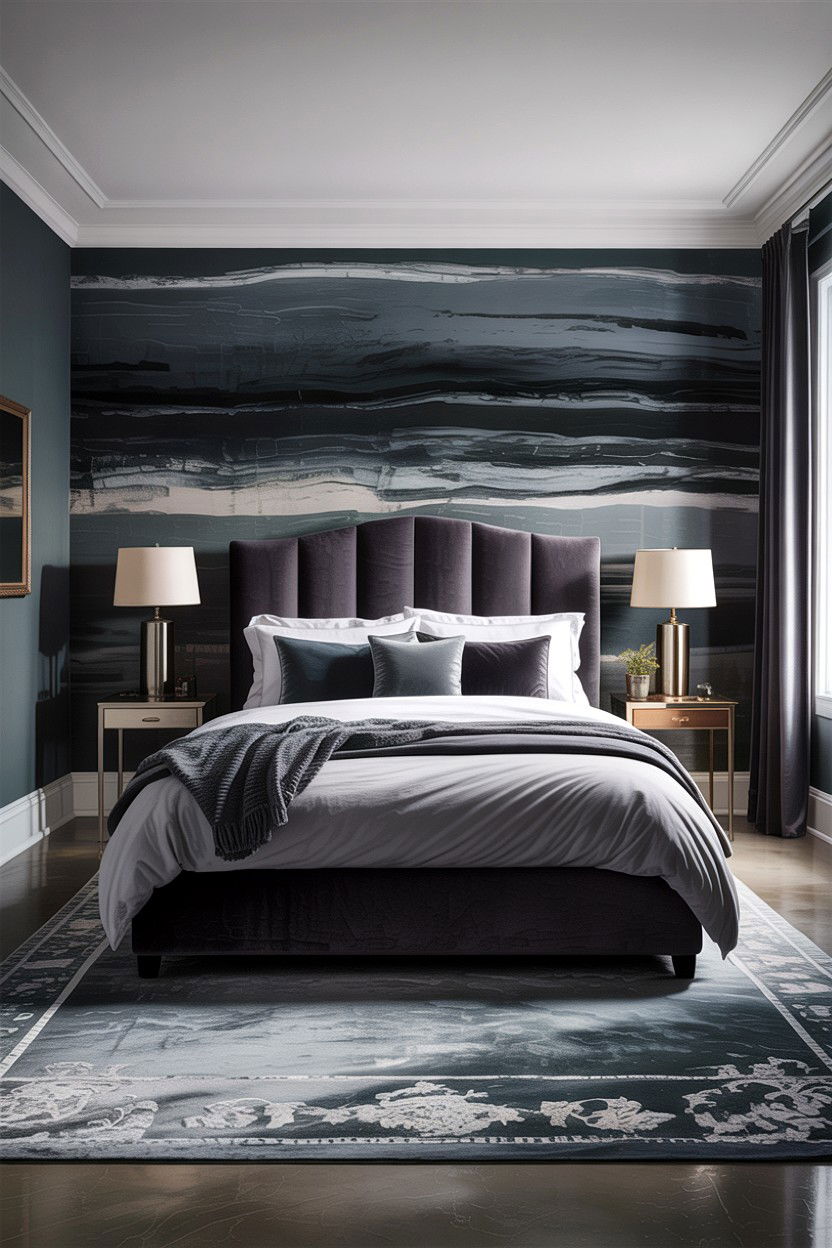
The monochromatic gray bedroom uses varying shades of a single color to create depth and sophistication. Architects love this palette because it highlights the textures of different materials, from smooth stone to soft wool. By layering charcoal, slate, and dove gray, you can create a moody yet calming environment that feels incredibly cohesive. This approach allows the architectural lines and furniture silhouettes to take center stage without the distraction of multiple colors. To keep the space from feeling flat, you should mix different finishes like matte paint, polished concrete, and brushed metal. It is a timeless, designer-approved way to achieve a high-end look.
17. Open Concept Master Suite
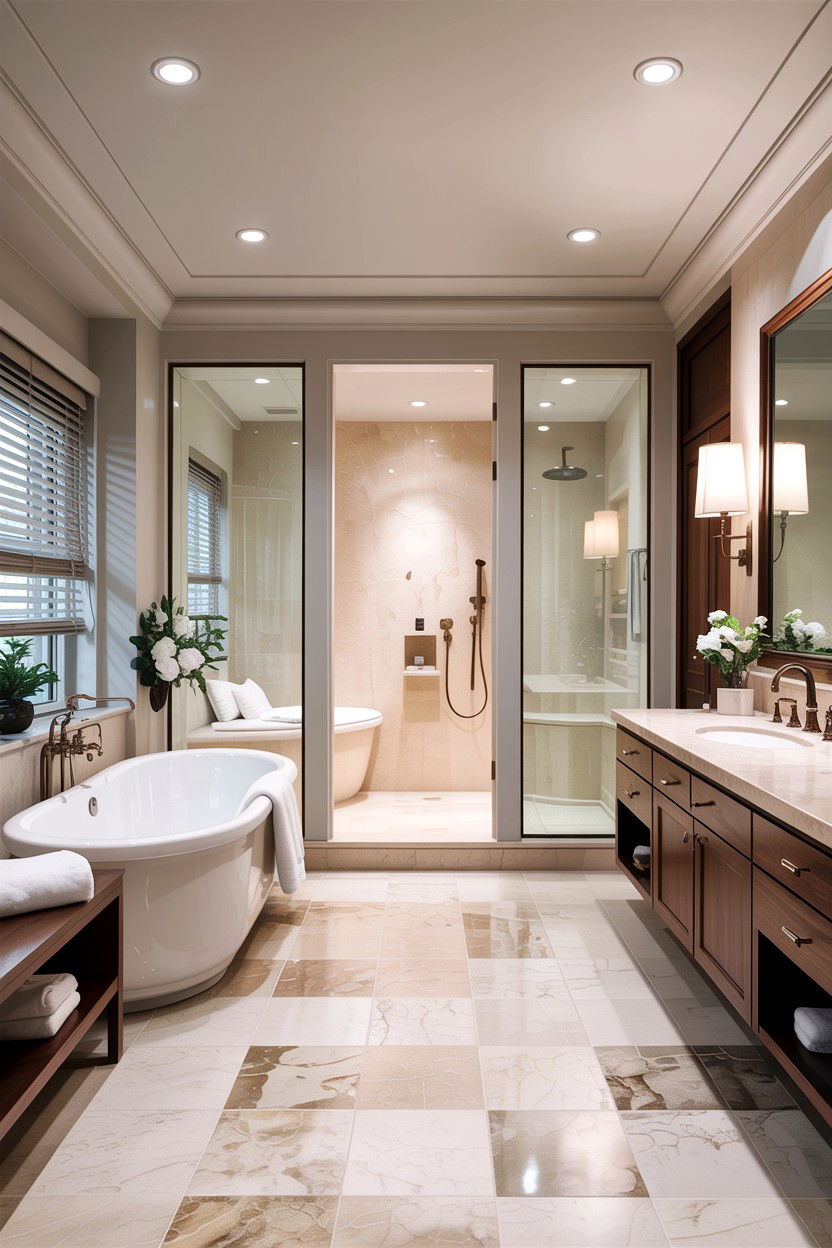
An open concept master suite blurs the lines between the sleeping area, the bathroom, and the dressing room. Architects design these spaces to flow naturally, often using half-walls or changes in flooring levels to define the different zones. This layout creates a luxurious, hotel-like experience where you can enjoy a sense of freedom and spaciousness. By integrating a freestanding tub or a double vanity into the main room, the architecture becomes a social and functional masterpiece. Proper ventilation and lighting are key to making this layout work effectively. It is a modern way to live that prioritizes openness and a seamless morning routine.
18. Sustainable Bamboo Bedroom
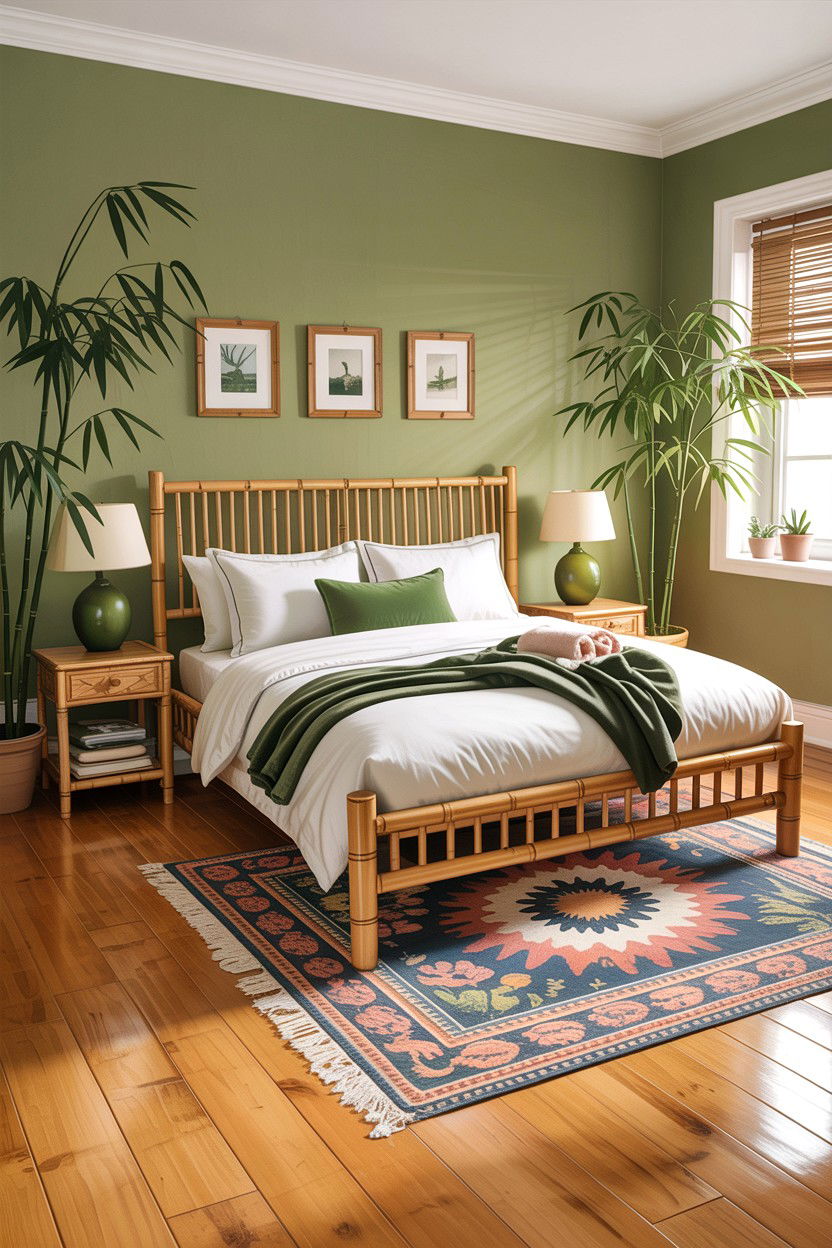
A sustainable bamboo bedroom showcases an architect's commitment to eco-friendly design and natural beauty. Bamboo is a rapidly renewable resource that offers a unique grain and a warm, honey-toned appearance. Architects use it for flooring, wall cladding, and custom furniture to create a space that is both healthy and stylish. The material's durability and natural resistance to moisture make it an excellent choice for a long-lasting interior. When paired with non-toxic paints and organic linens, you create a bedroom that is truly a breath of fresh air. This architectural choice reflects a conscious lifestyle while maintaining a high standard of modern design.
19. Skylight Bedroom
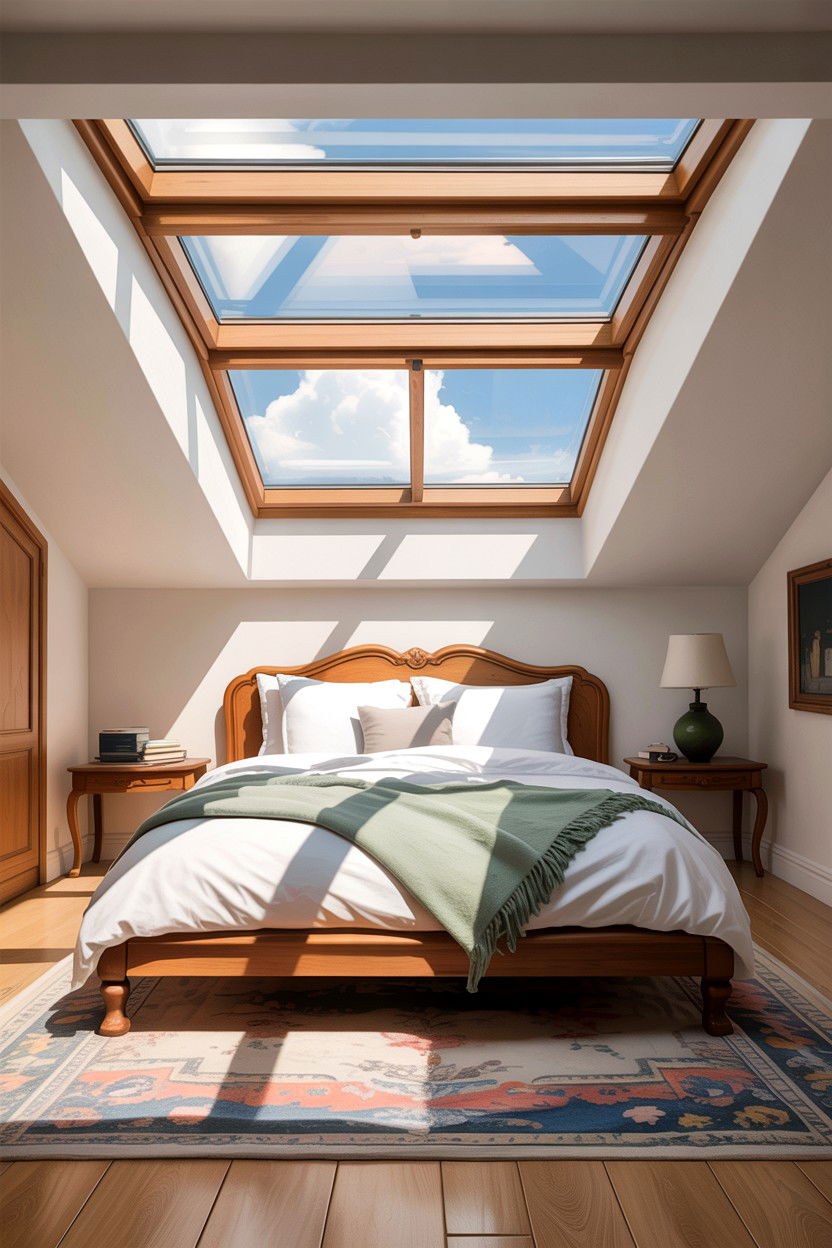
A skylight bedroom brings the beauty of the sky directly into your sleeping space. Architects strategically place windows in the roof to capture moonlight and morning sun, creating a dynamic light show throughout the day. This feature is especially useful in rooms where traditional wall windows are not an option due to privacy or structural constraints. Waking up to a view of the clouds or falling asleep under the stars adds a poetic quality to the architecture. Modern skylights often come with integrated blinds and sensors that close automatically when it rains. It is a brilliant way to enhance the connection to the cosmos.
20. Terrazzo Floor Bedroom
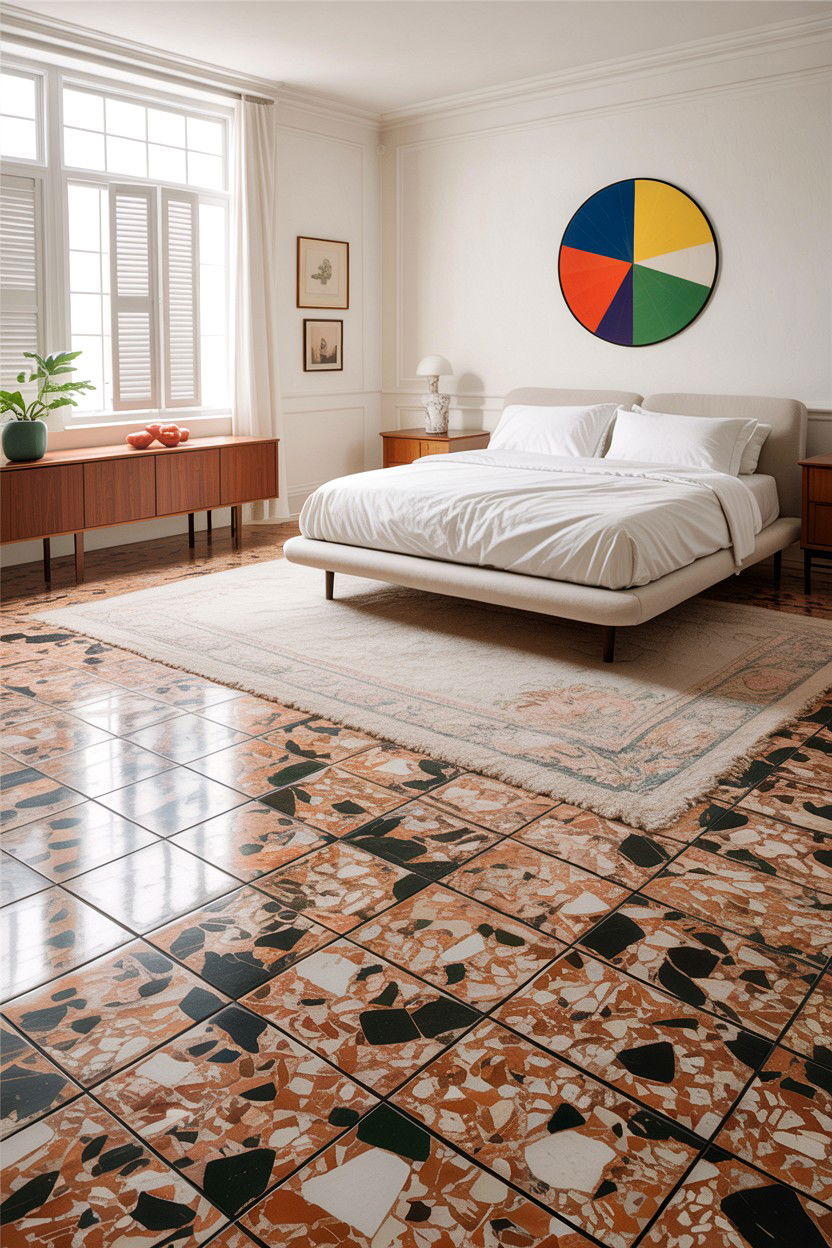
The terrazzo floor bedroom is a stylish nod to mid-century Italian architecture that is making a huge comeback. Terrazzo is made from chips of marble, quartz, or glass set in concrete, creating a durable and visually intricate surface. Architects love it for its ability to be customized with different colors and patterns to suit any design scheme. The cool, smooth surface feels luxurious underfoot and is incredibly easy to maintain over the long term. To keep the room feeling cozy, you can add large area rugs and soft, upholstered furniture. This flooring choice adds a sense of history and high-end craftsmanship to the bedroom.
21. Japanese Zen Bedroom
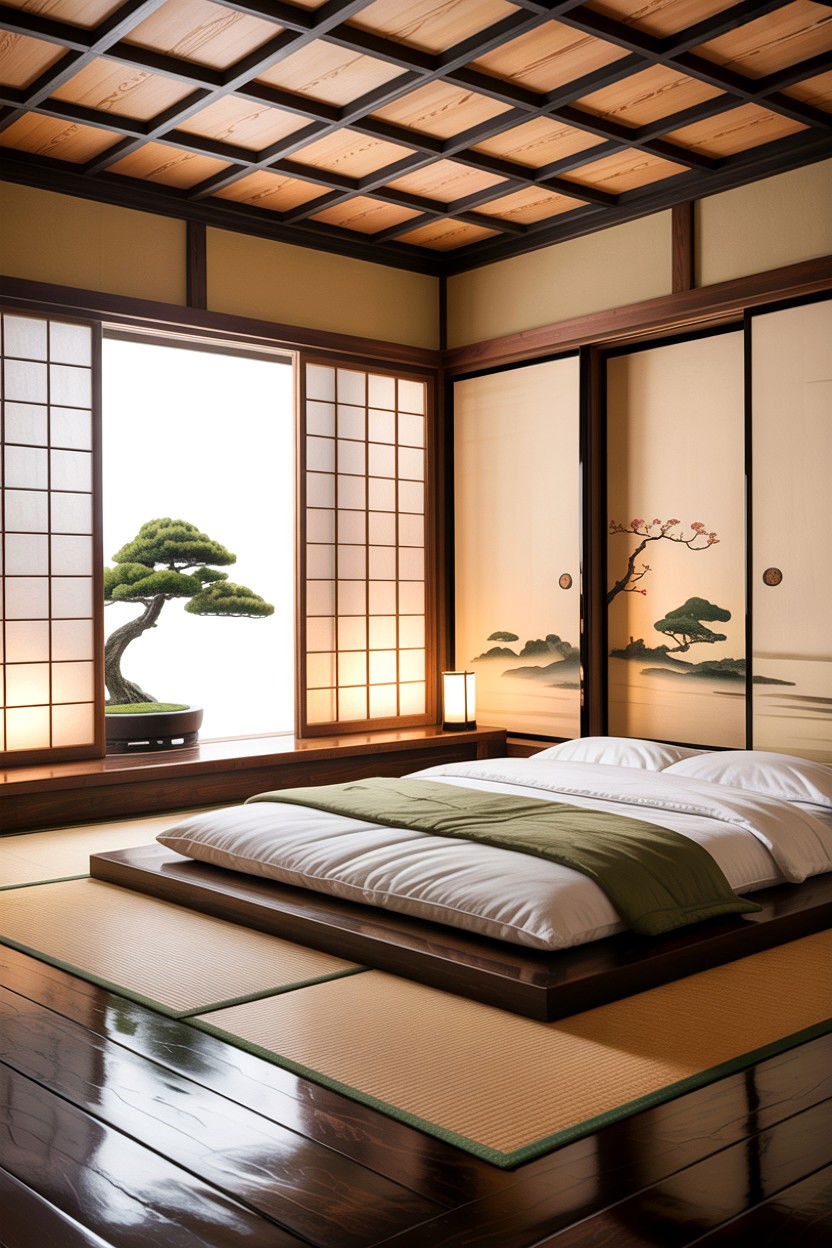
A Japanese Zen bedroom focuses on the architectural principles of "Ma," or the beauty of empty space. This style emphasizes low-profile furniture, natural materials like tatami and paper, and a very restrained color palette. Architects create a sense of ritual and calm by using sliding shoji screens and carefully framed views of a small garden or a single tree. The focus is on quality over quantity, with every element serving a specific purpose for rest and reflection. This design encourages a slower pace of life and a deeper connection to the present moment. It is the ultimate architectural expression of peace and simplicity.
22. Black Steel Frame Bedroom
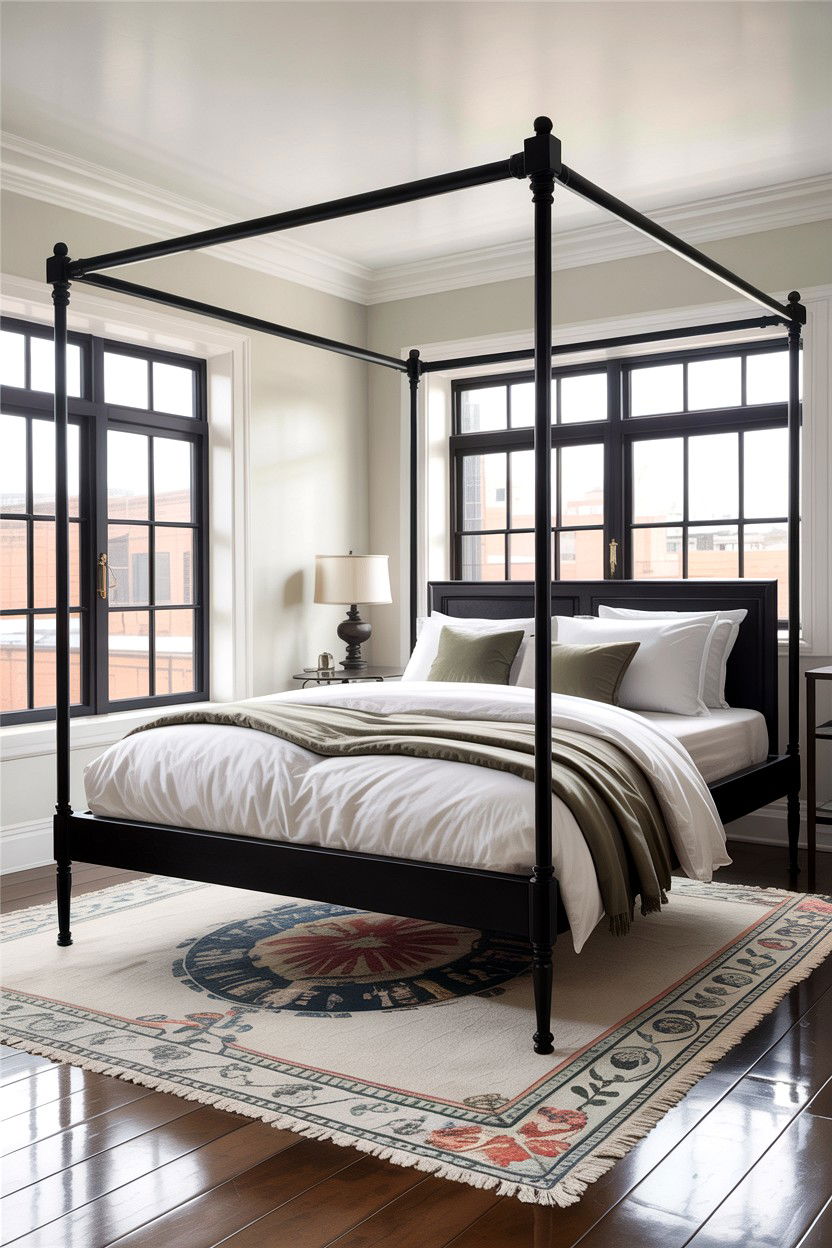
Using a black steel frame bedroom design adds a crisp, graphic quality that feels both industrial and refined. Architects often use thin steel profiles for windows, doors, and even bed frames to create a sense of structure and strength. The dark metal provides a sharp contrast against white walls or warm wood floors, making the architectural lines pop. This style works beautifully in modern apartments or converted industrial buildings where a "loft" feel is desired. By keeping the frames slim, you maintain a sense of lightness and transparency. It is a sophisticated way to introduce a touch of edge and definition to the room.
23. Cantilevered Bed Design
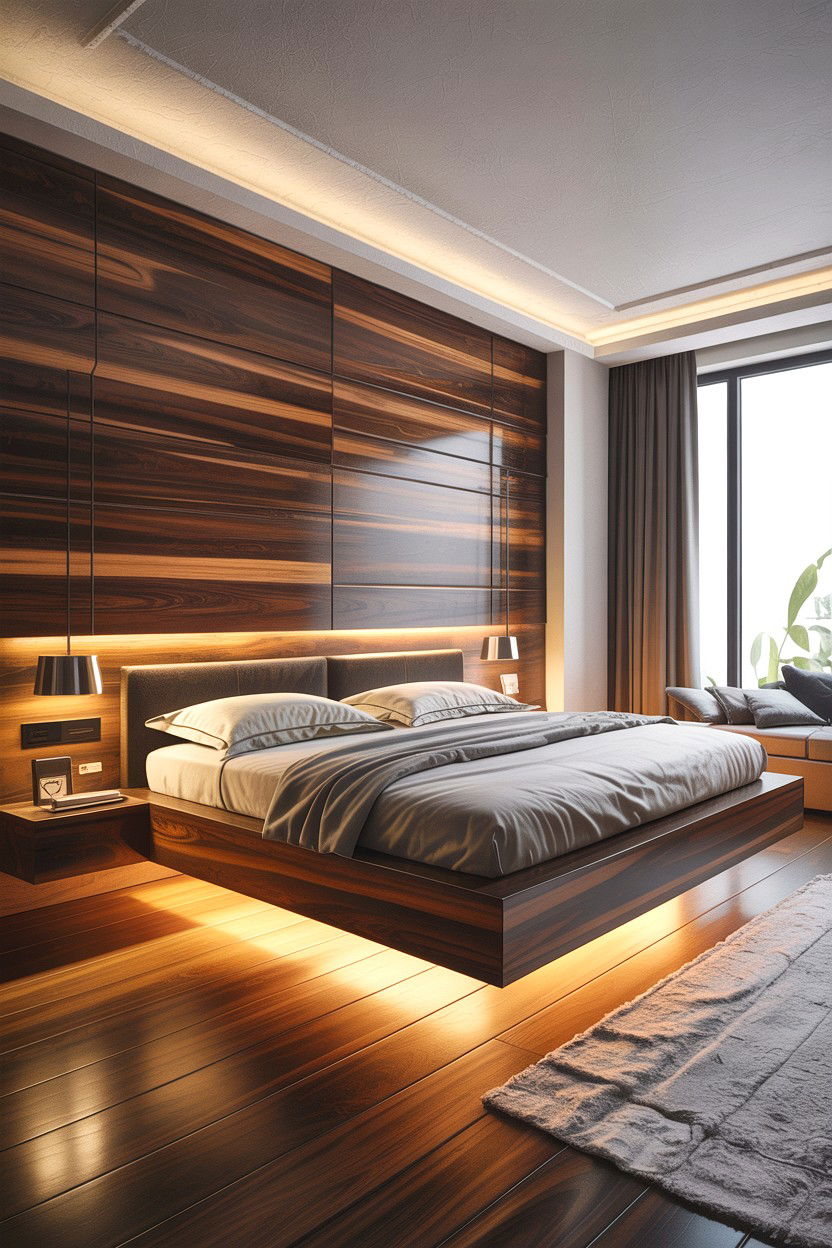
A cantilevered bed design is a daring architectural feat where the bed appears to be anchored to the wall with no visible floor support. This creates a striking focal point that challenges gravity and opens up the entire floor area. Architects often use hidden steel supports within the wall structure to achieve this floating look. This design is perfect for minimalist interiors where you want to emphasize the continuity of the floor material. It also makes the room feel much more spacious and futuristic. This approach turns a basic piece of furniture into a permanent structural element that defines the entire room's character.
24. Polished Concrete Floor Bedroom
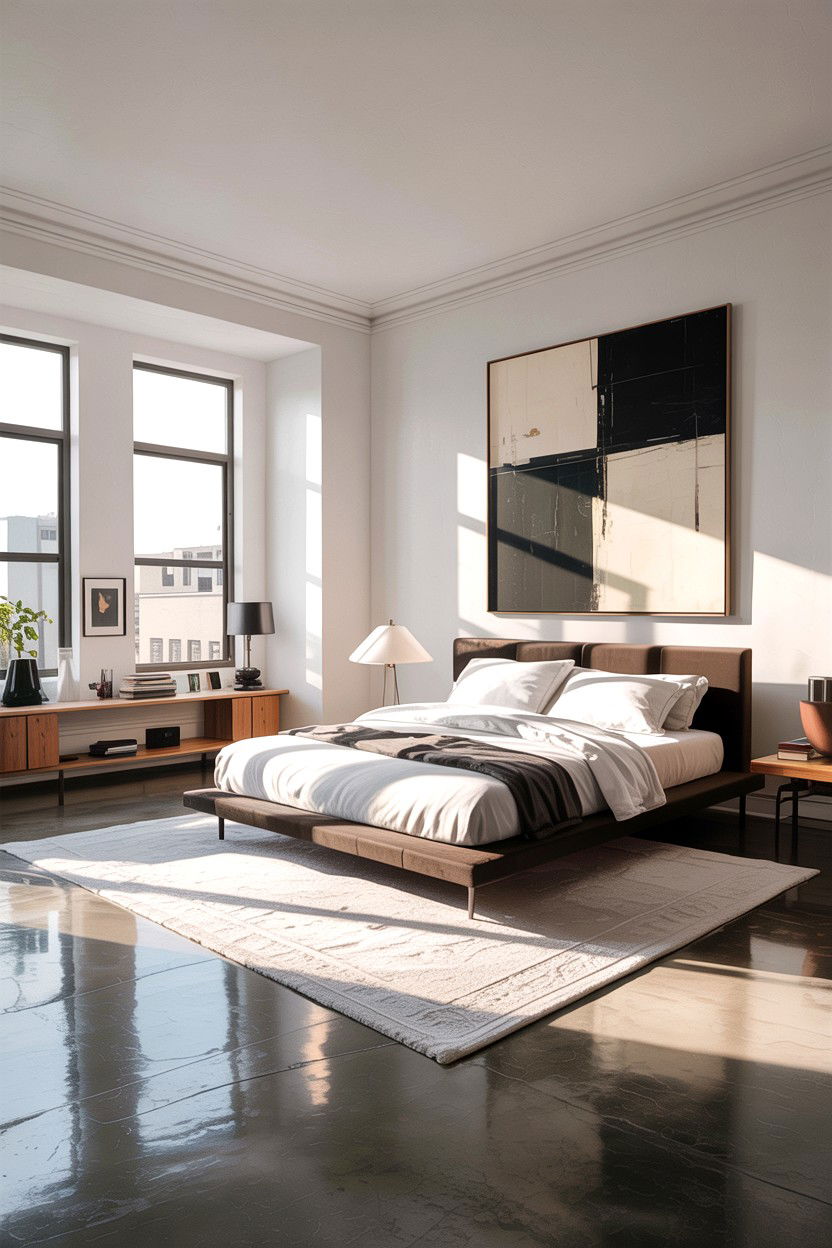
A polished concrete floor bedroom provides a sleek, seamless foundation that is both modern and incredibly durable. Architects choose this finish for its reflective quality, which helps bounce light around the room and makes it feel brighter. The subtle variations and "movement" in the concrete add a layer of organic texture that is unique to every pour. While it is a hard surface, it can be paired with underfloor heating to create a warm and comfortable environment year-round. This flooring choice is ideal for those who want a low-maintenance, hypoallergenic, and architecturally honest space. It creates a clean, gallery-like backdrop for your furniture.
25. Integrated Lighting Bedroom
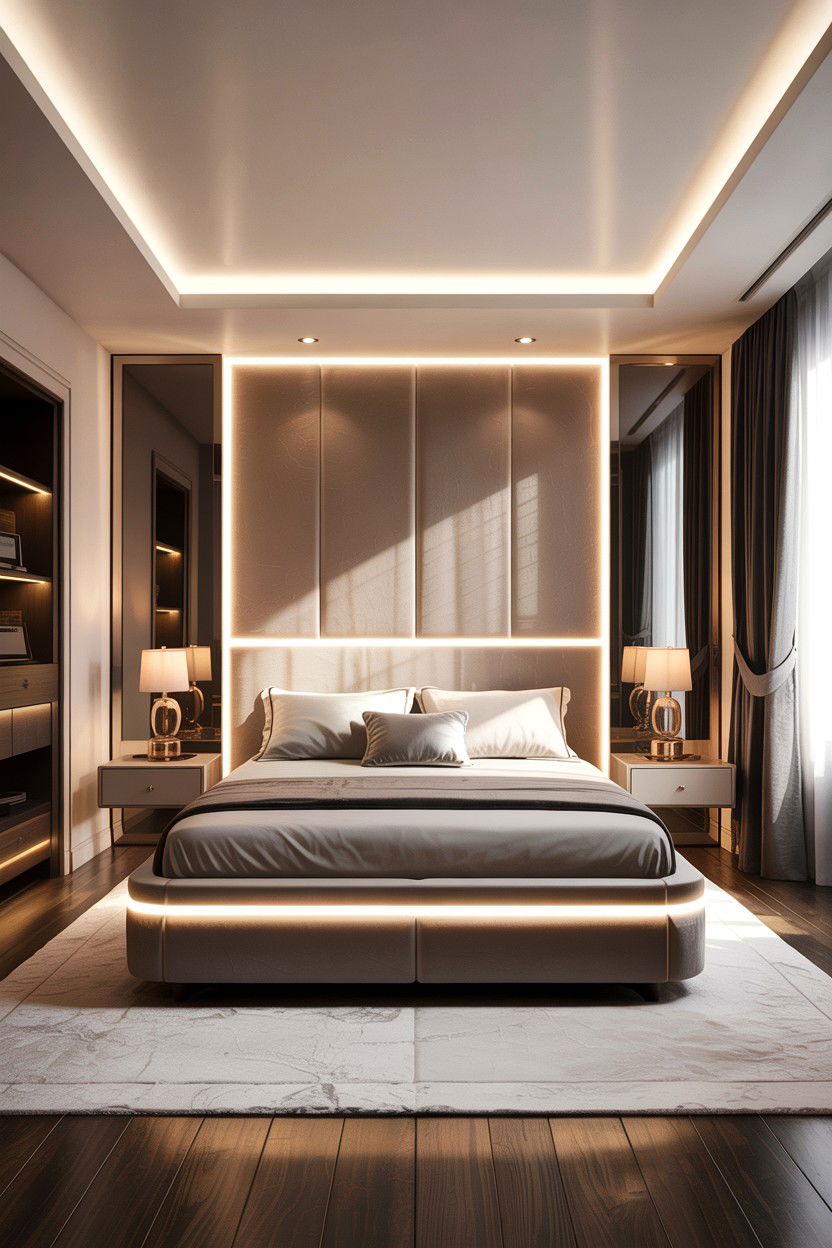
Integrated lighting bedroom design moves beyond traditional lamps to treat light as a structural material. Architects use hidden LED strips in ceiling coves, behind headboards, and under floating shelves to create a soft, ambient glow. This approach eliminates harsh shadows and allows you to highlight the room's best architectural features. By using smart controls, you can adjust the color temperature and brightness to suit your circadian rhythm. This creates a space that transitions perfectly from a bright morning retreat to a cozy evening sanctuary. Integrated lighting makes the architecture feel alive and dynamic, providing a truly high-end and personalized experience for the homeowner.
26. Double Height Bedroom
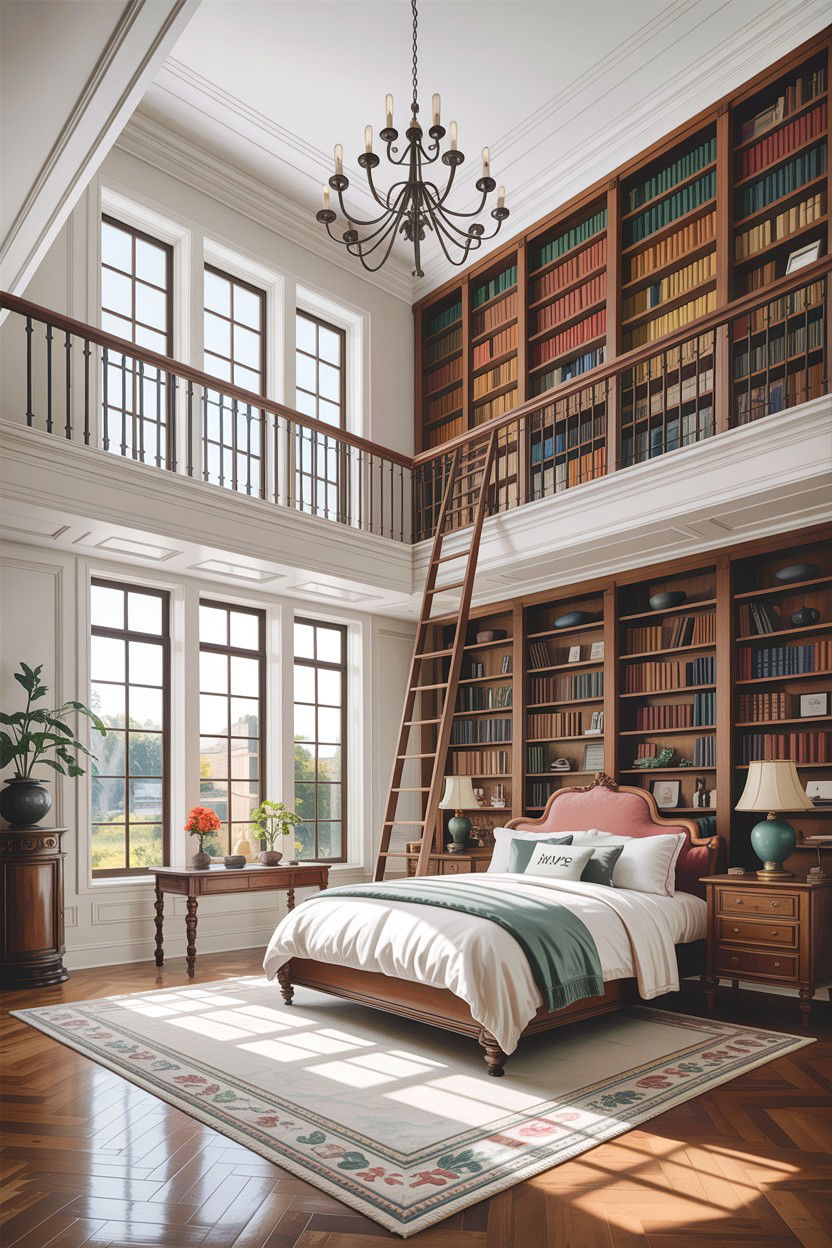
A double height bedroom is an impressive architectural choice that creates a sense of immense luxury and airiness. By extending the room across two floors, architects can include massive windows that provide an abundance of natural light and views. This vertical volume allows for creative features like a tall library wall or a hanging sculptural chandelier. The extra space can also be used to create a private mezzanine for reading or meditation. While it is a grand gesture, it can be made to feel intimate through the use of warm materials and layered lighting. It is a spectacular way to celebrate the architecture of a home.
27. Natural Stone Accent Wall
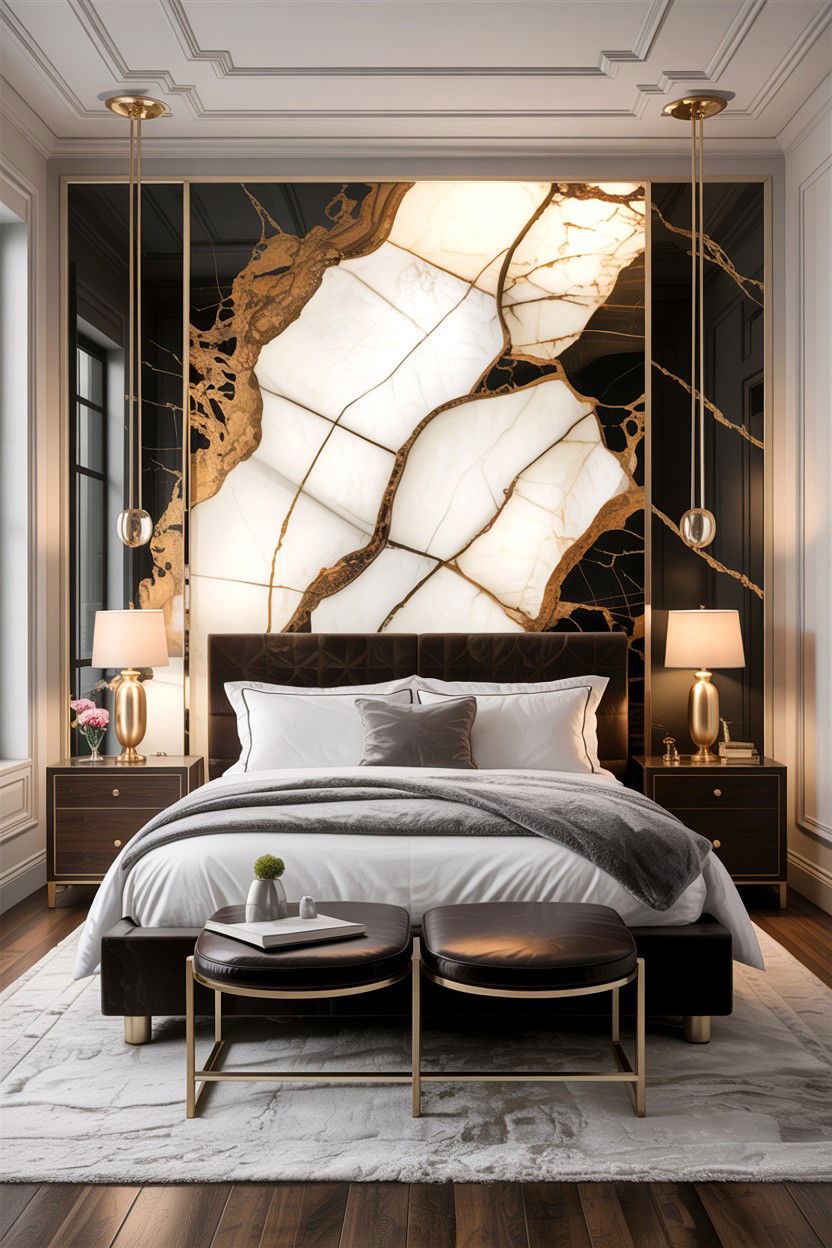
A natural stone accent wall brings a sense of permanence and raw elegance to the bedroom. Architects often use large slabs of marble, travertine, or slate to create a powerful focal point behind the bed. The unique veining and texture of the stone provide a natural artwork that requires no further decoration. This choice grounds the room and adds a layer of luxury that is both tactile and visual. To keep the space from feeling too heavy, you can pair the stone with soft fabrics and light-toned woods. It is a timeless architectural element that connects the interior to the deep history of the earth.
28. Fold Down Murphy Bed
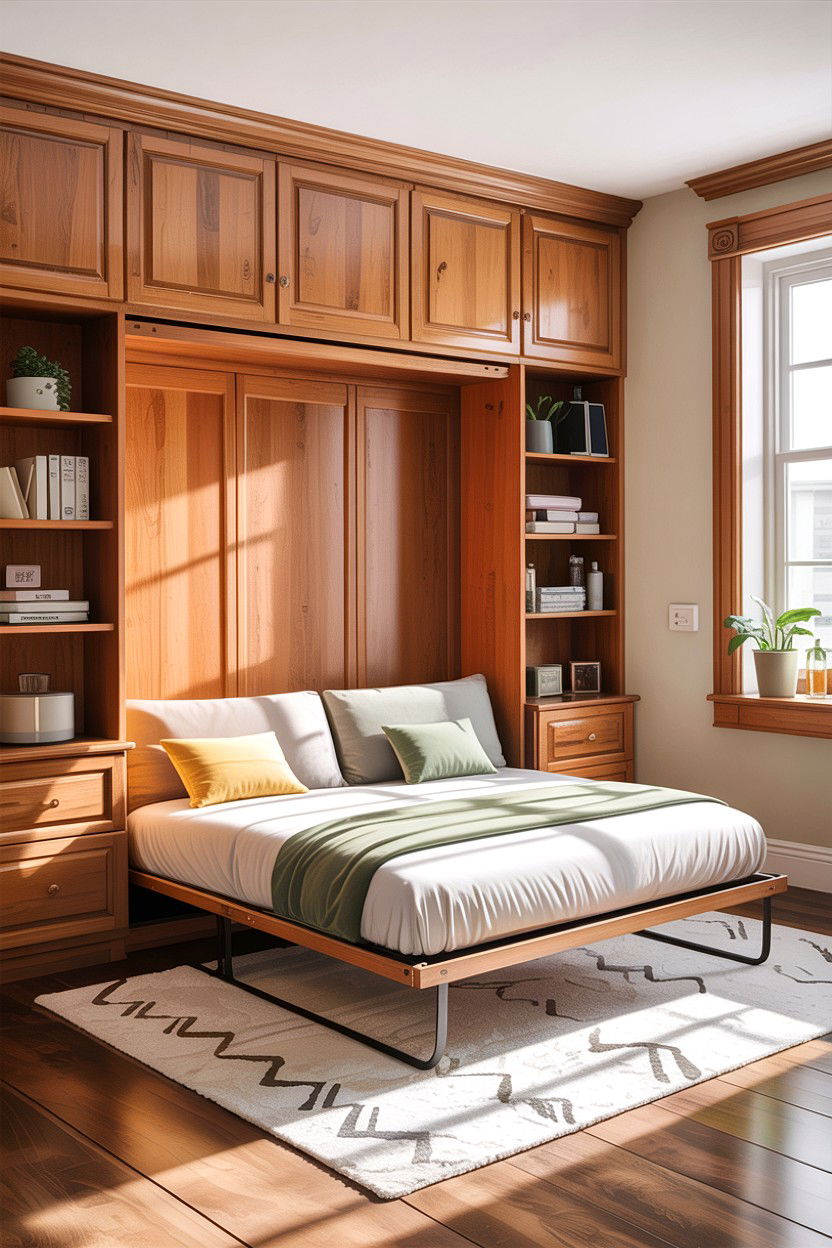
A fold down Murphy bed is a brilliant architectural solution for multi-functional spaces or small urban apartments. Architects design custom cabinetry that hides the bed during the day, allowing the room to be used as a home office or yoga studio. This clever use of space ensures that you don't have to sacrifice a comfortable sleeping area for daily functionality. Modern Murphy beds are often integrated with desks or shelving units that remain level even when the bed is lowered. This approach prioritizes flexibility and smart engineering, making it possible to live large in a small footprint. It is a masterpiece of space-saving design.
29. Architectural Plywood Headboard
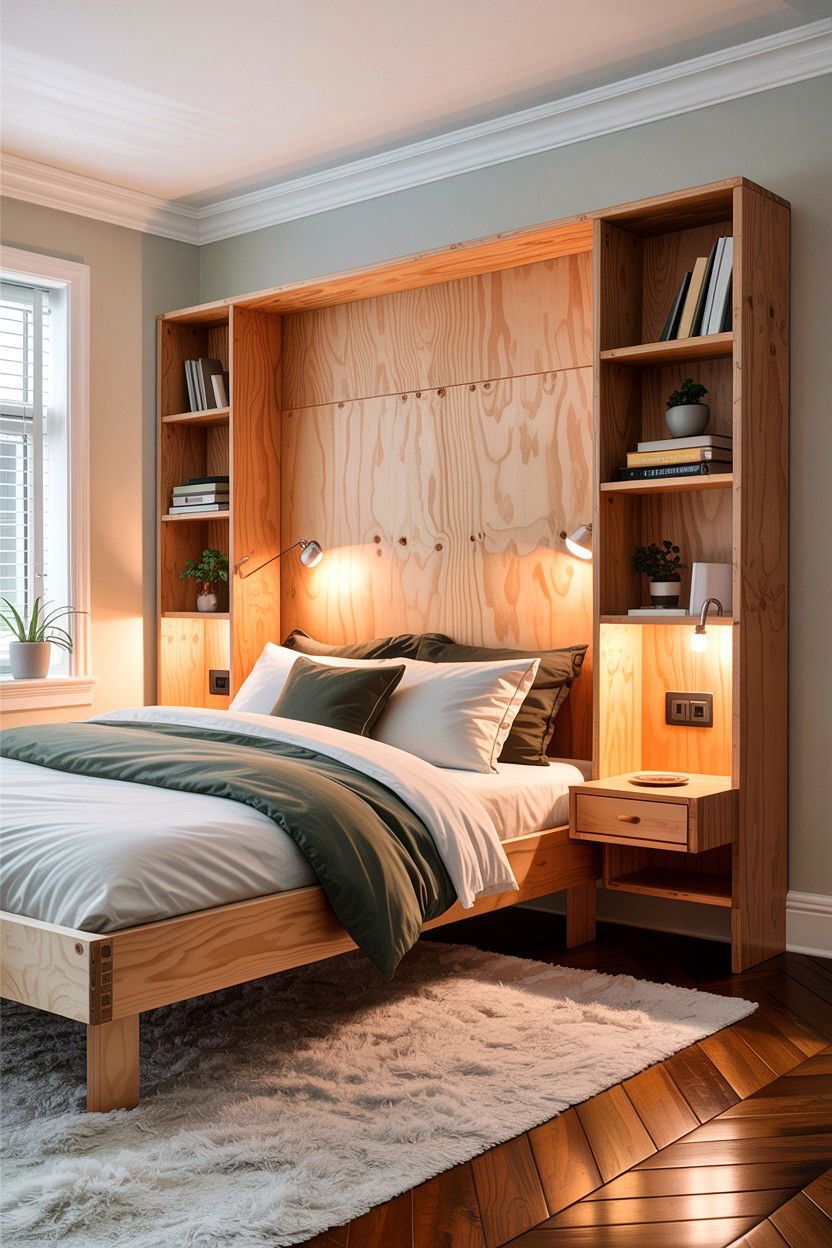
An architectural plywood headboard is a simple yet effective way to add a custom, designer touch to your room. Architects often extend the headboard from wall to wall to anchor the bed and integrate bedside tables. By using high-quality birch or walnut plywood, you create a warm and textured backdrop that feels like a built-in part of the house. The clean edges and natural grain provide a modern, Scandi-inspired look that is both affordable and stylish. You can even include recessed niches for books or integrated lighting within the plywood structure. It is a beautiful example of how basic materials can create high-impact architecture.
30. Outdoor Indoor Bedroom
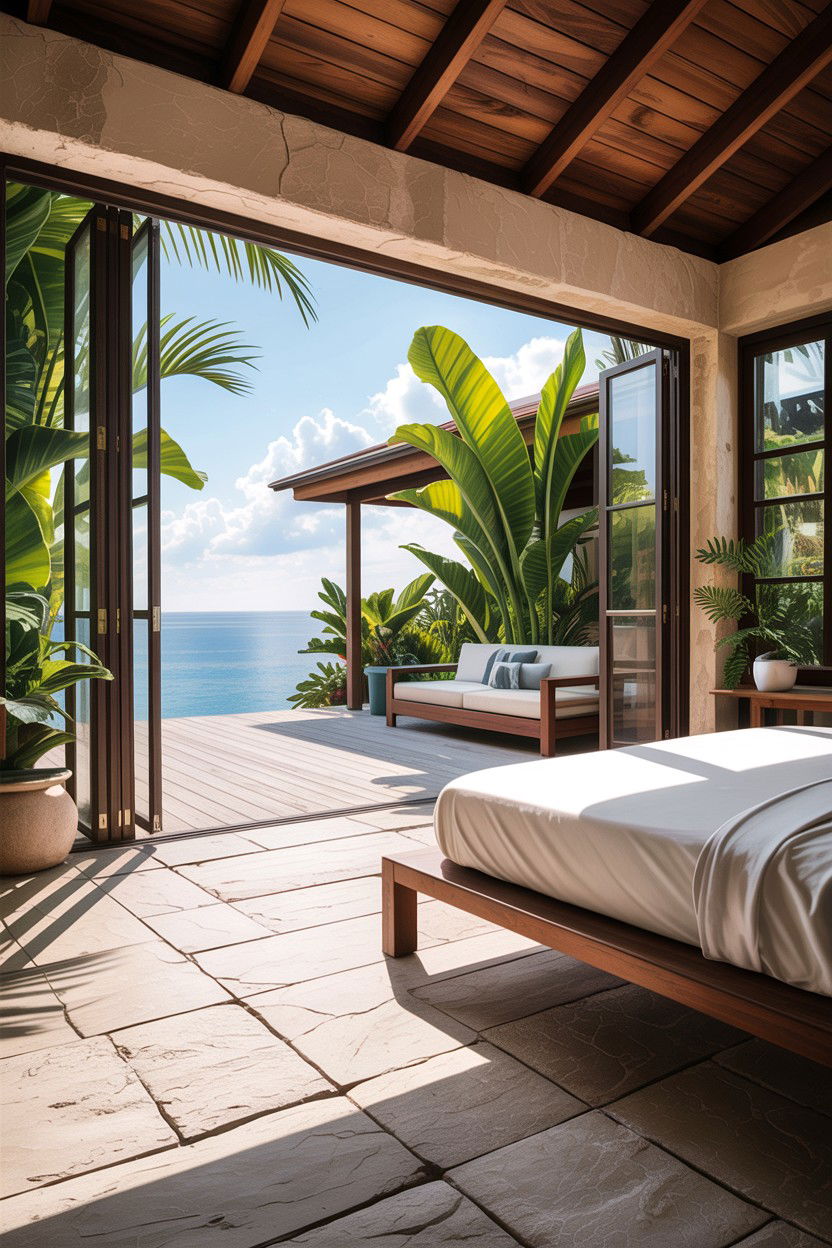
The outdoor indoor bedroom is the ultimate architectural expression of living in harmony with the environment. This design often features large sliding or folding glass walls that can be opened completely to a private garden or deck. Architects use consistent flooring materials inside and out to blur the boundary between the two spaces. This creates a sleeping area that feels like a luxurious campsite, where you can enjoy fresh air and the sounds of nature. Proper insect screening and weatherproofing are essential to make this concept practical for daily use. It is a transformative way to sleep that prioritizes wellness and a deep connection to the earth.
Conclusion:
Architectural bedroom design is ultimately about creating a space that supports your well-being through thoughtful structure and material choices. By focusing on elements like natural light, integrated storage, and honest materials, you can build a sanctuary that feels both timeless and modern. These ideas demonstrate that a bedroom is more than just a place to sleep; it is a carefully curated environment that reflects your personal style and the way you want to live. Whether you prefer the raw honesty of concrete or the warmth of wood, architectural principles offer a roadmap to a more intentional and beautiful home. Embracing these concepts will ensure your bedroom remains a source of inspiration and rest for many years to come.
Related posts:
Leave a Reply