

Architectural planning transforms a standard bathroom into a sanctuary of form and function. When an architect approaches a bathroom project, they consider more than just tile and faucets; they analyze the flow of light, the structural integrity of the space, and the emotional response of the user. These professionals utilize spatial geometry to maximize every square inch, ensuring that even the smallest powder room feels expansive and intentional. By integrating high-quality materials with innovative layouts, architect-led projects redefine what it means to experience luxury at home. This guide explores thirty sophisticated approaches that blend modern aesthetics with practical, long-lasting structural solutions for your next renovation.
1. Modern minimalist bathroom
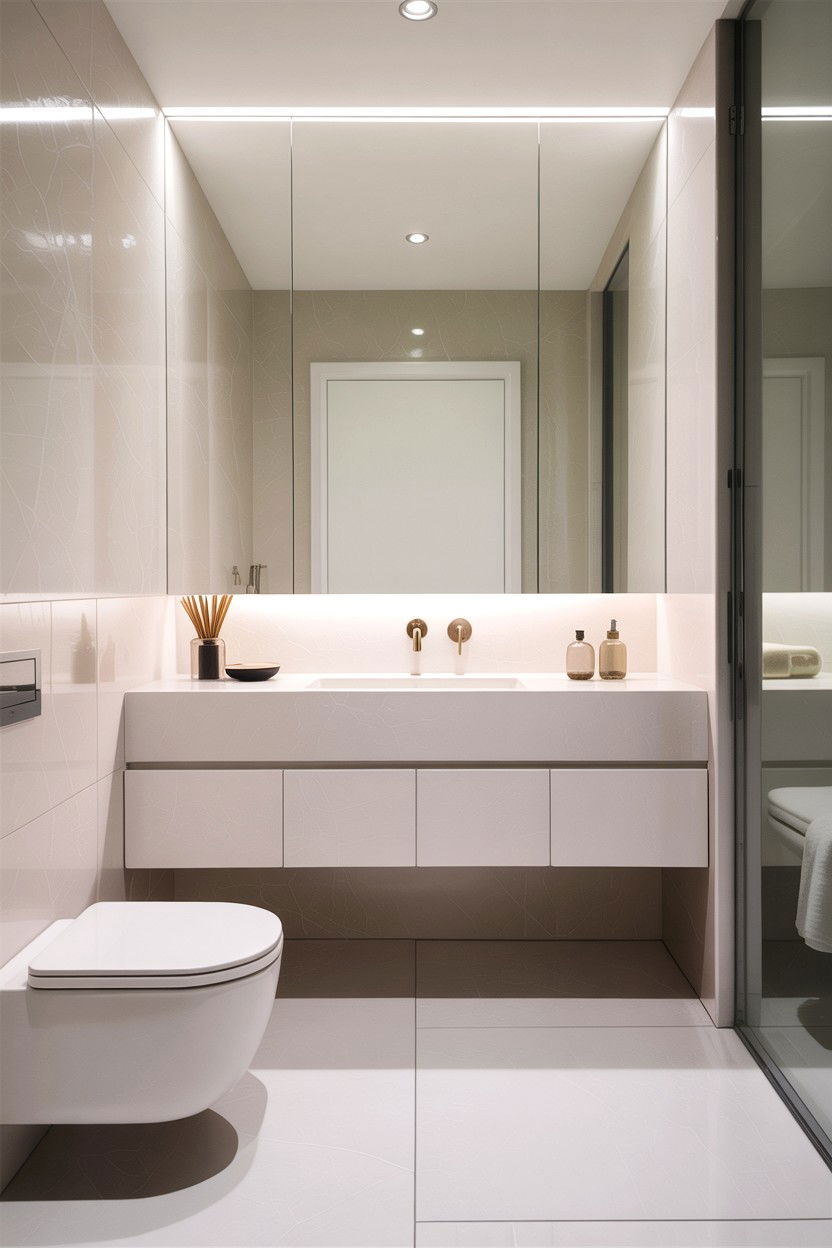
A modern minimalist bathroom focuses on the purity of form and the elimination of unnecessary visual noise. Architects achieve this by using a restrained color palette and hiding functional elements like drains and plumbing behind seamless surfaces. You will often see large-scale slabs of stone or porcelain that minimize grout lines, creating a continuous and soothing visual field. This approach prioritizes high-quality fixtures that act as sculptural elements within the room. By focusing on negative space and balanced proportions, the environment becomes a calming retreat that feels both timeless and exceptionally clean, perfectly suited for contemporary living in a busy world.
2. Wet room walk in shower
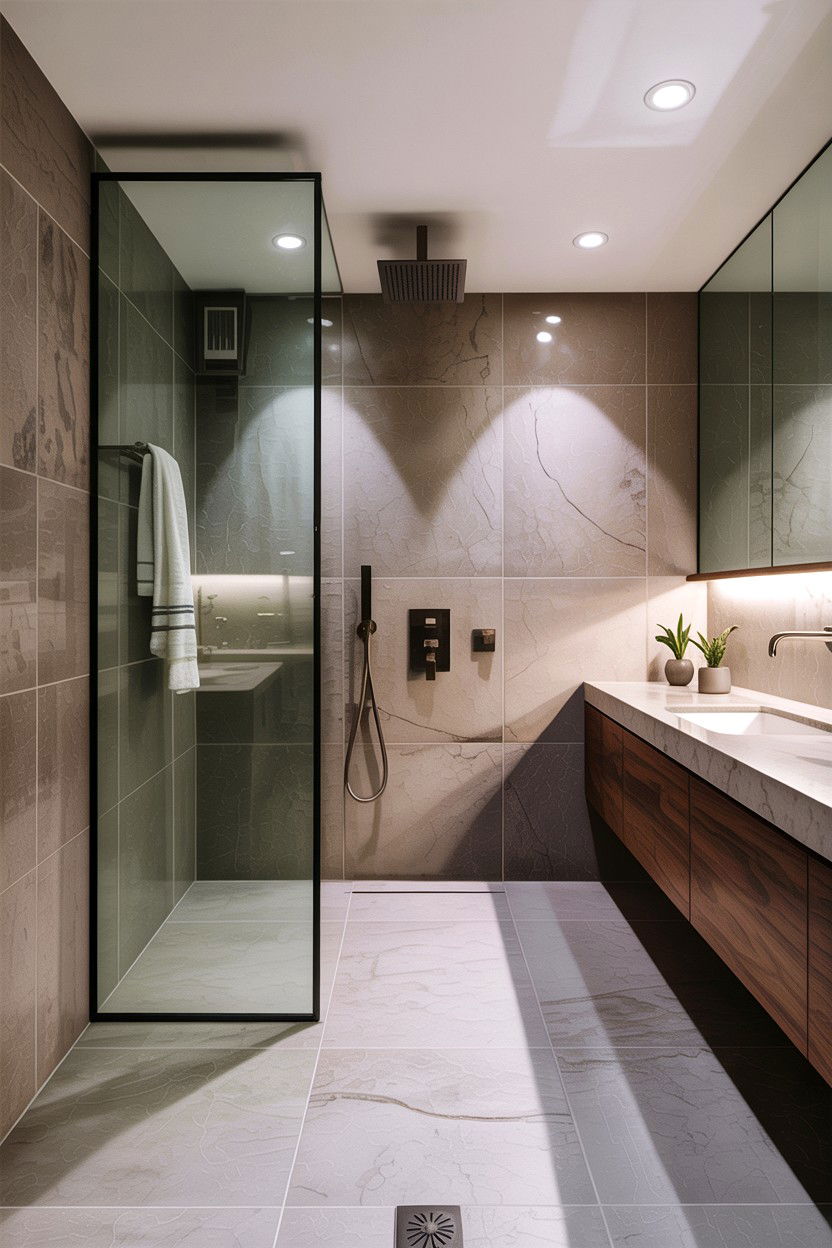
A wet room walk in shower represents the pinnacle of seamless architectural integration. By removing traditional shower trays and curbs, the entire bathroom floor becomes a continuous surface, which significantly enhances the sense of space. Architects utilize advanced waterproofing membranes and precise floor pitching to ensure efficient drainage while maintaining a sleek, unobstructed aesthetic. This layout is particularly effective in smaller bathrooms where visual boundaries can make the room feel cramped. Utilizing the same tile throughout the floor and walls creates a cohesive, high-end look that is both highly functional and incredibly easy to maintain over the years.
3. Natural stone bathroom
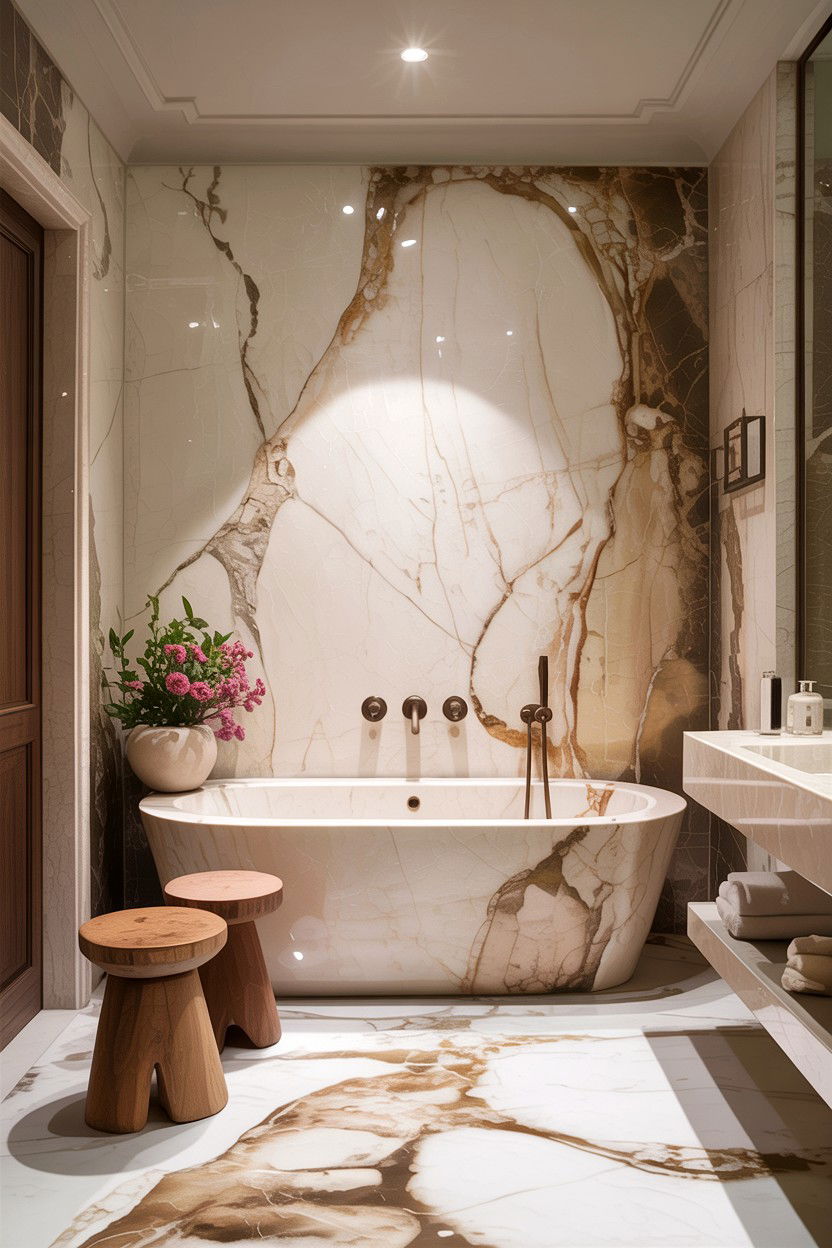
Designing a natural stone bathroom allows the raw beauty of the earth to take center stage. Architects often select large slabs of marble, travertine, or limestone to create a sense of permanence and organic luxury. The unique veining and texture of each stone piece ensure that no two bathrooms are ever identical. To balance the inherent coolness of stone, professionals often incorporate warm lighting or wooden accents. This combination creates a tactile experience that appeals to the senses, making the daily routine feel like a visit to an ancient spa. It is a timeless choice that adds significant value.
4. Skylight above shower
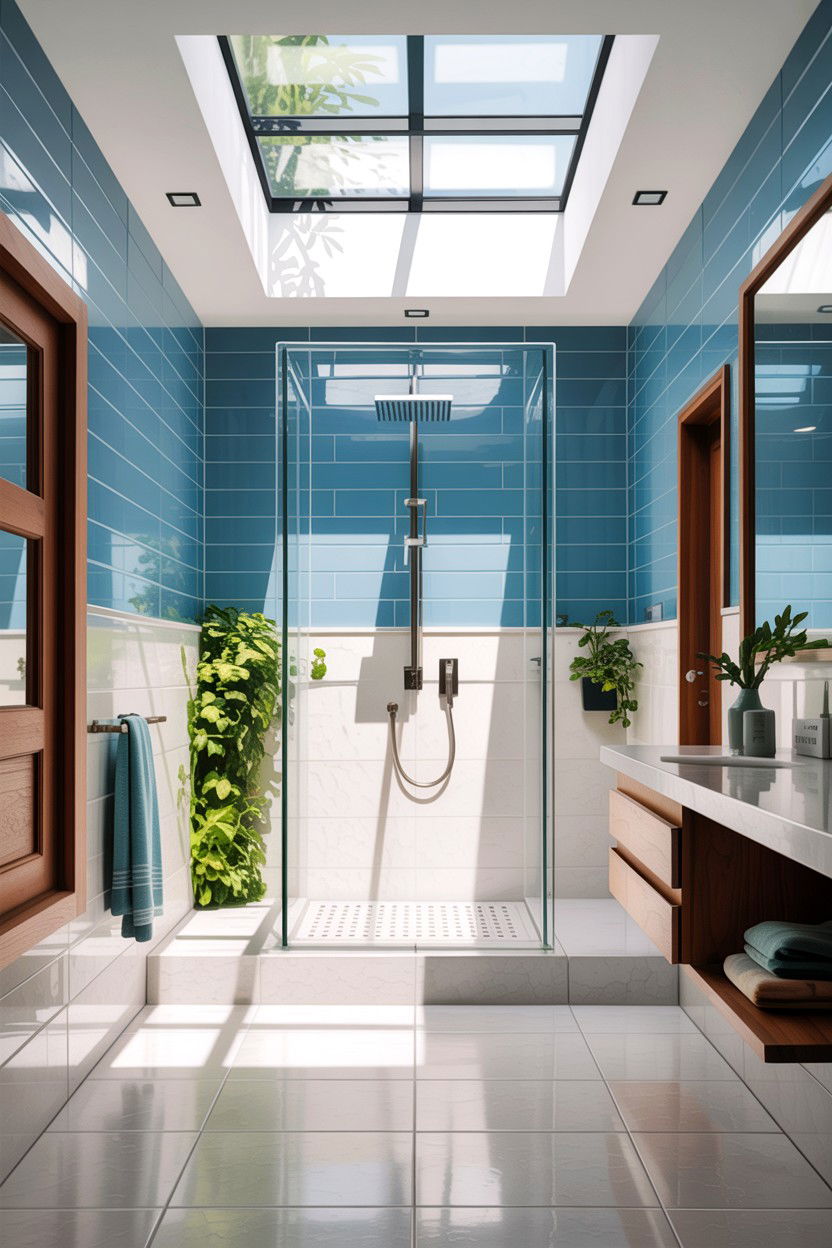
Positioning a skylight above the shower is a brilliant architectural move that invites the outdoors inside. This feature allows natural sunlight to flood the space during the day, creating a bright and invigorating atmosphere. Architects often use deep light wells or frameless glass to make the opening appear as though it is part of the sky itself. Beyond the aesthetic appeal, a skylight provides essential ventilation and reduces the need for artificial lighting. Showering under a view of the clouds or stars offers a unique sensorial experience that transforms a utilitarian task into a moment of true connection.
5. Floating marble vanity
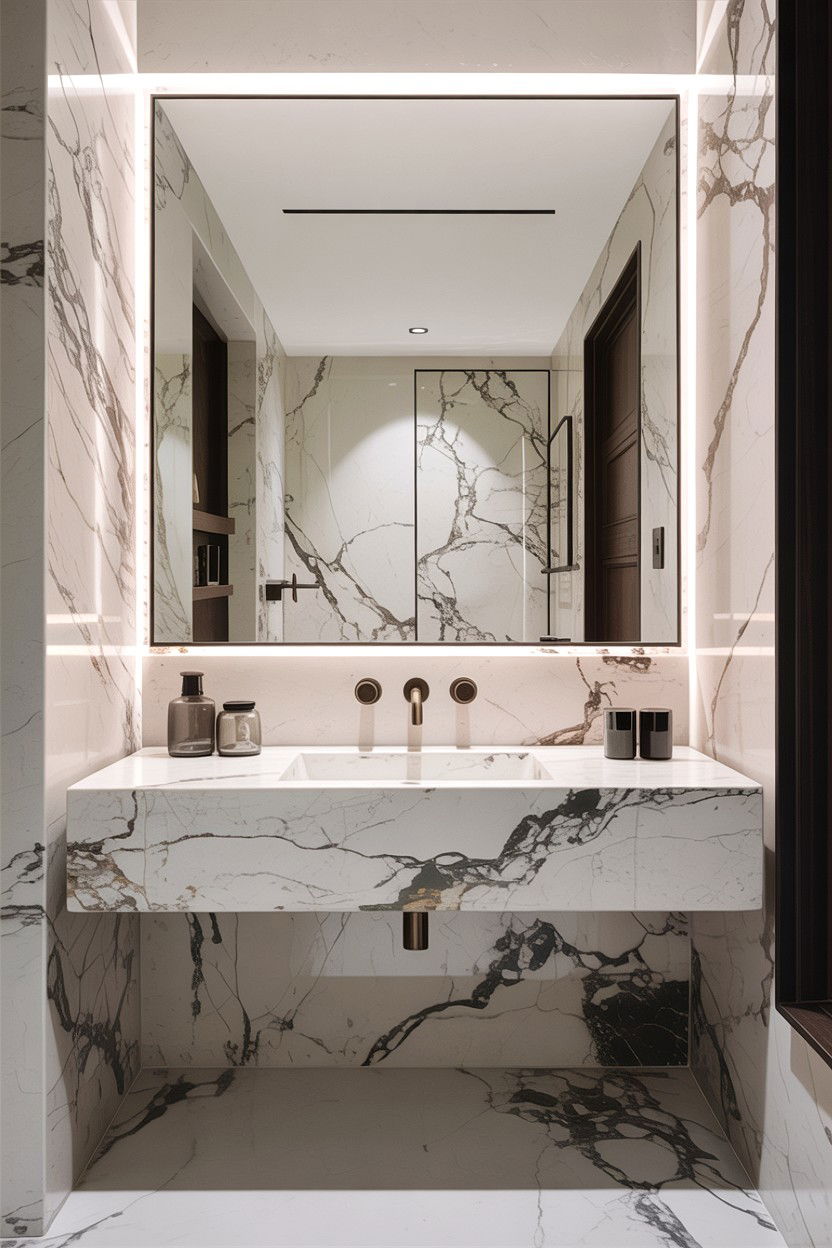
A floating marble vanity is a hallmark of sophisticated architectural design that prioritizes floor visibility to create an airy feel. By mounting the heavy stone structure directly to the wall, architects eliminate the need for bulky legs, which makes the bathroom appear much larger. The solid block of marble provides a stunning focal point, showcasing intricate veining and high-end craftsmanship. This design often includes hidden drawers or recessed pulls to maintain a clean, uninterrupted silhouette. It is a perfect blend of structural engineering and artistic expression, offering a luxurious surface that feels light and modern in any master suite.
6. Concrete bathroom wall
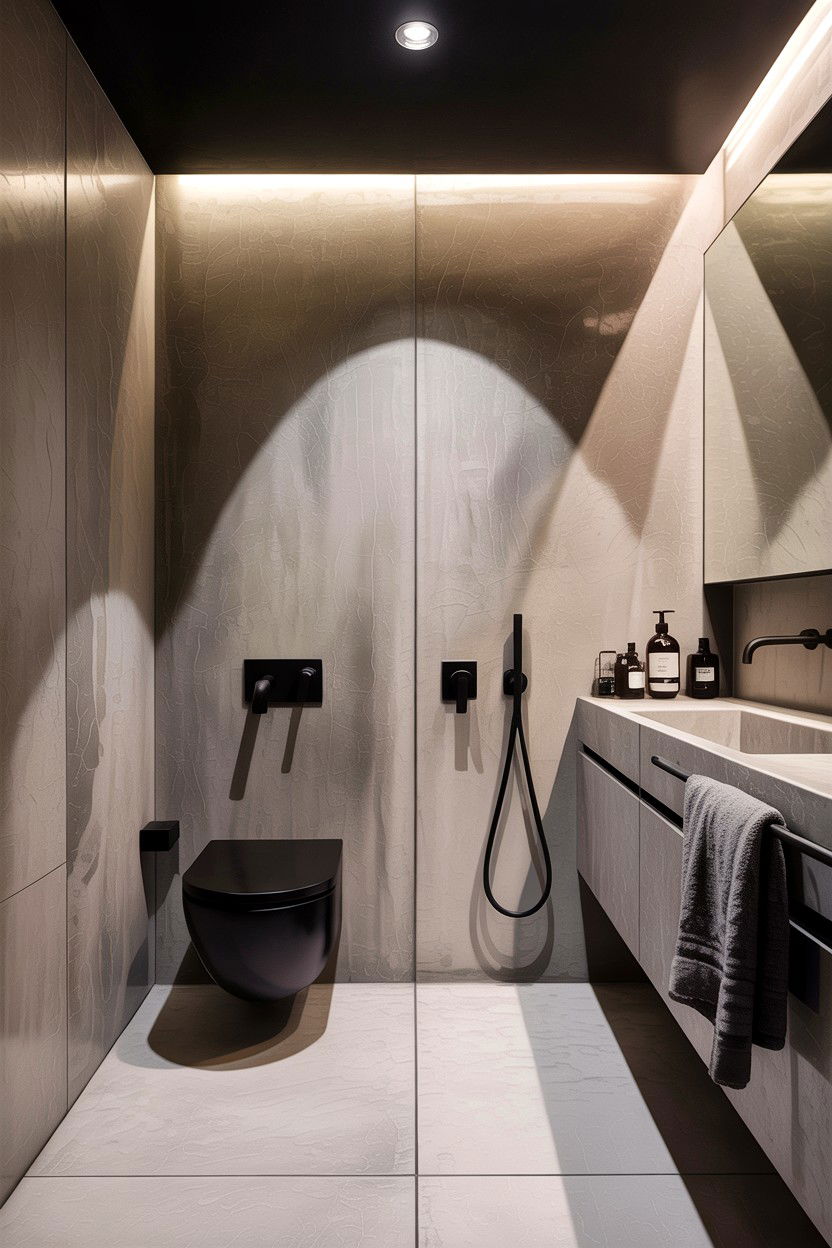
Utilizing a concrete bathroom wall introduces a bold, industrial aesthetic that emphasizes raw texture and structural honesty. Architects favor cast-in-place concrete or high-quality micro-cement to achieve a smooth yet tactile finish that is incredibly durable. This material provides a neutral, matte backdrop that allows metallic fixtures and white porcelain to pop with clarity. The subtle variations in the concrete's tone add depth and character without the need for additional decoration. When paired with soft towels and warm wood elements, the concrete feels sophisticated rather than cold, offering a modern edge that is currently trending in high-end residential architecture.
7. Japanese soaking tub
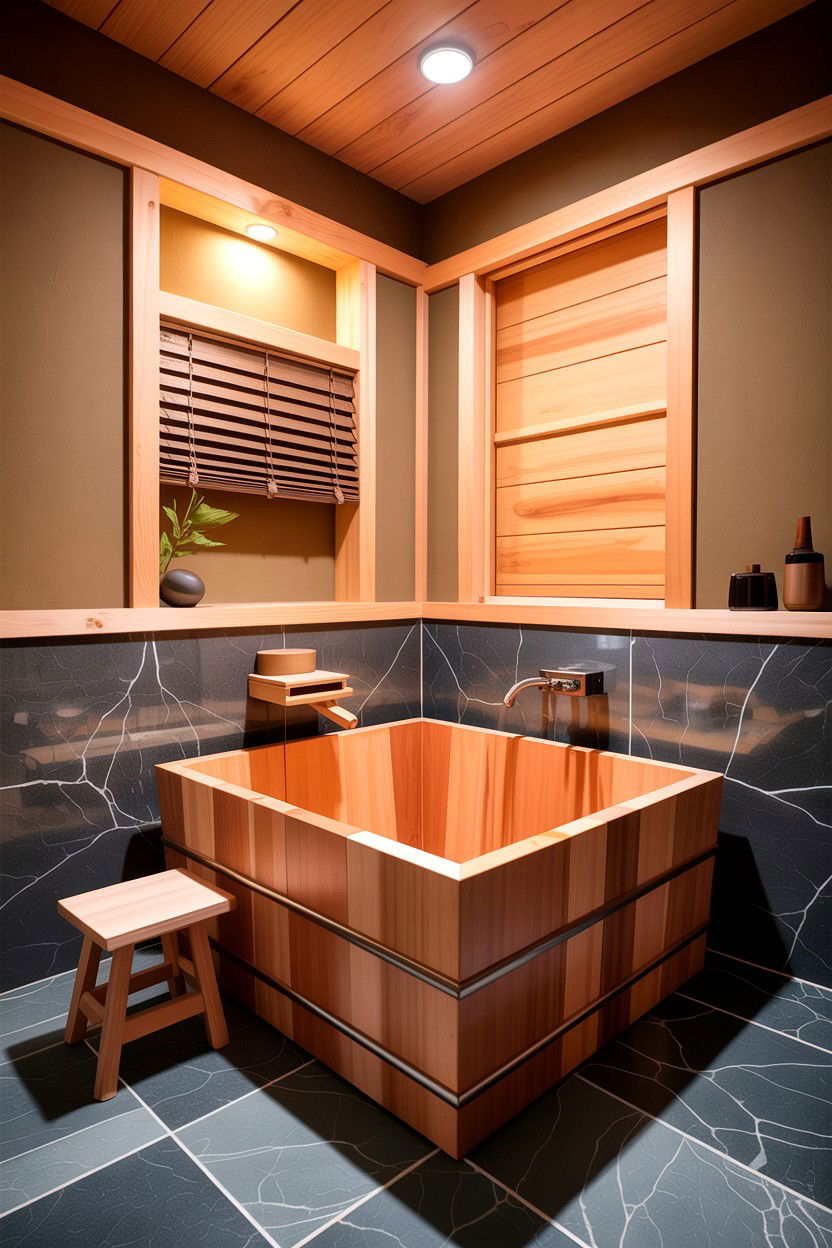
The Japanese soaking tub, or ofuro, is an architectural favorite for creating a contemplative and space-efficient bathing area. Unlike traditional western tubs, these are deeper and shorter, designed for sitting upright in hot, relaxing water. Architects often integrate these tubs into a dedicated "wet zone" alongside the shower, using natural materials like cedar or stone-effect porcelain. This layout respects the ritual of bathing while saving valuable square footage. The compact footprint allows for luxury even in smaller urban apartments, providing a deep, immersive experience that promotes wellness and mindfulness within the privacy of your own home.
8. Floor to ceiling glass bathroom
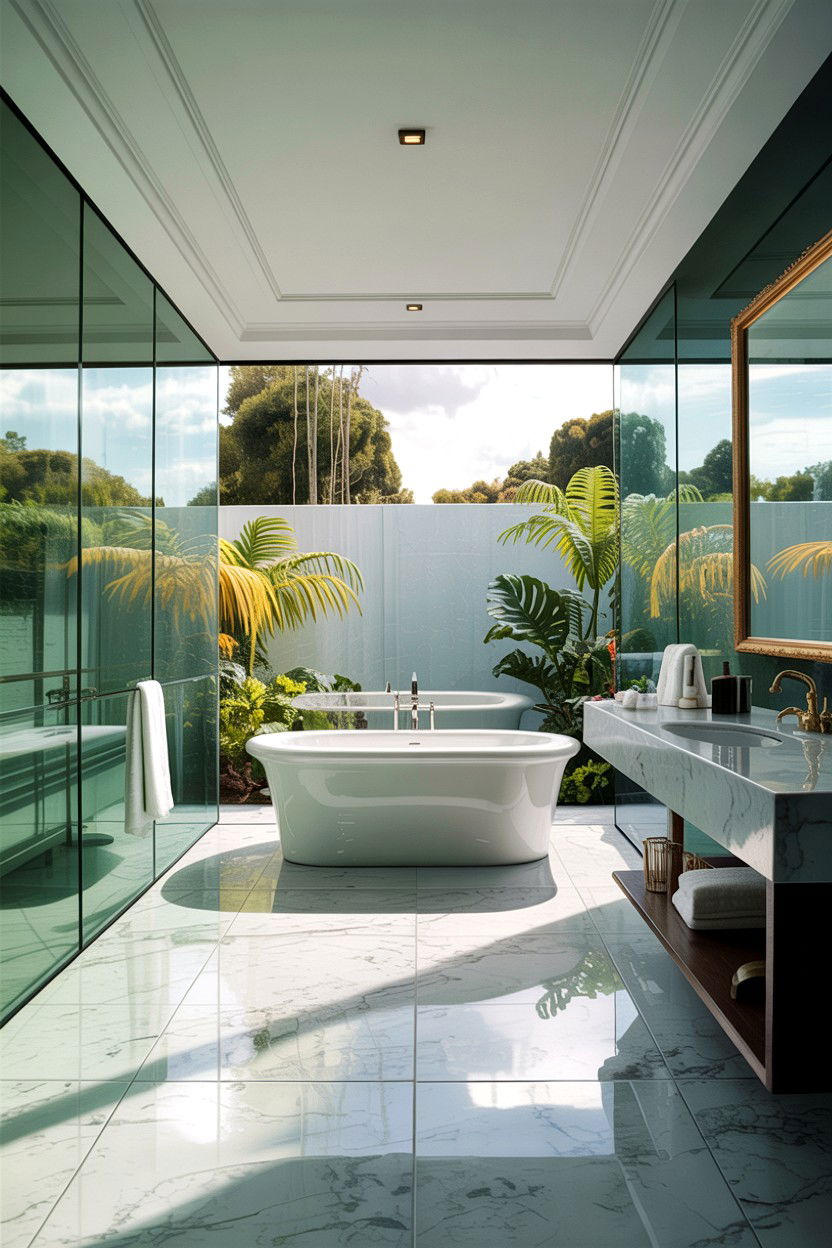
A floor to ceiling glass bathroom wall is a daring architectural choice that blurs the boundary between the interior and the surrounding landscape. This design is most effective when the bathroom overlooks a private garden or a scenic view, allowing the occupant to feel immersed in nature. Architects use high-performance, tempered glass and minimal framing to maintain a transparent look. To ensure privacy, smart glass that frosts at the touch of a button or strategically placed greenery is often employed. This approach maximizes natural light and creates a stunning, gallery-like atmosphere that feels incredibly expansive and connected to the world.
9. Black and white bathroom
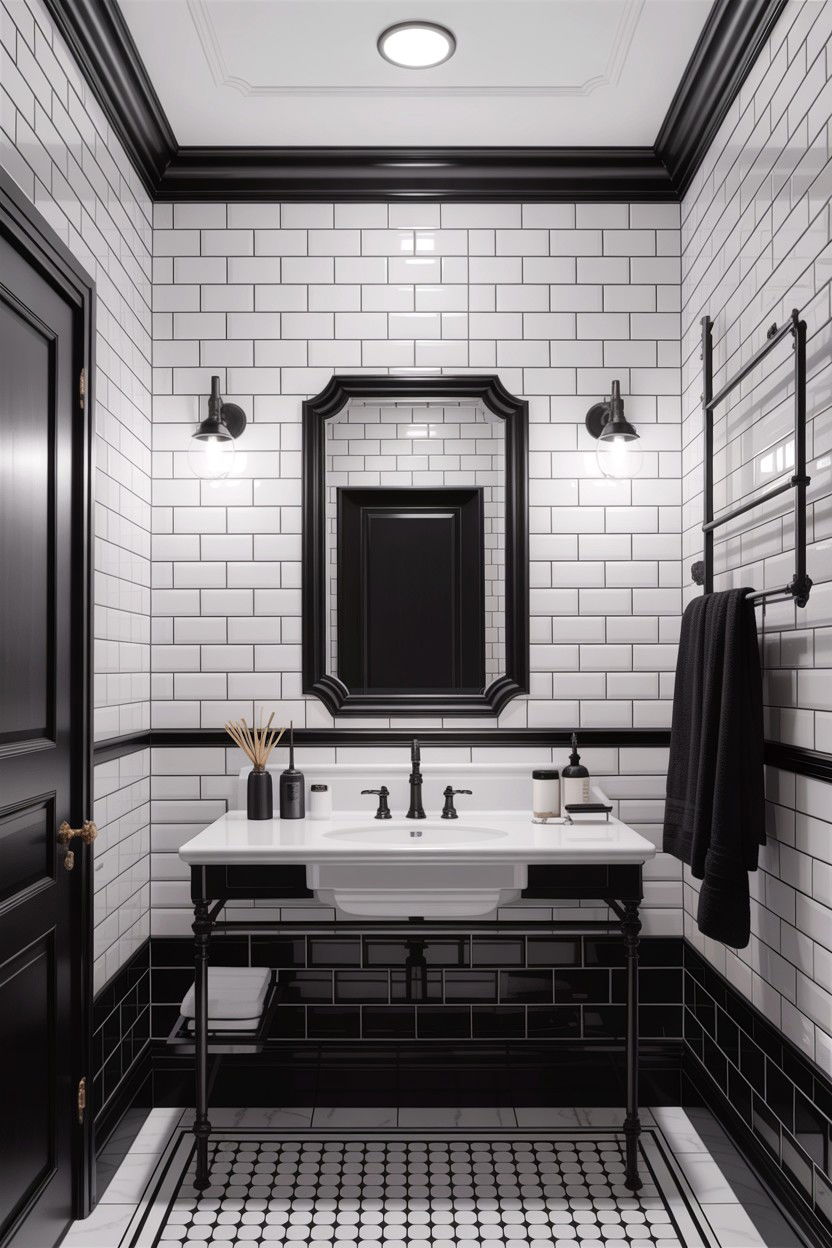
A black and white bathroom is a classic architectural study in contrast and balance. By using a strictly limited palette, architects can focus on the interplay of shapes, patterns, and textures. High-contrast designs often feature white subway tiles with black grout, or bold marble with heavy black veining against matte black fixtures. This timeless combination offers a crisp, clean look that never goes out of style. It allows for a variety of moods, from sharp and modern to soft and traditional, depending on the proportions of each color used. It is a sophisticated choice that creates a high-impact visual statement.
10. Wood paneled bathroom
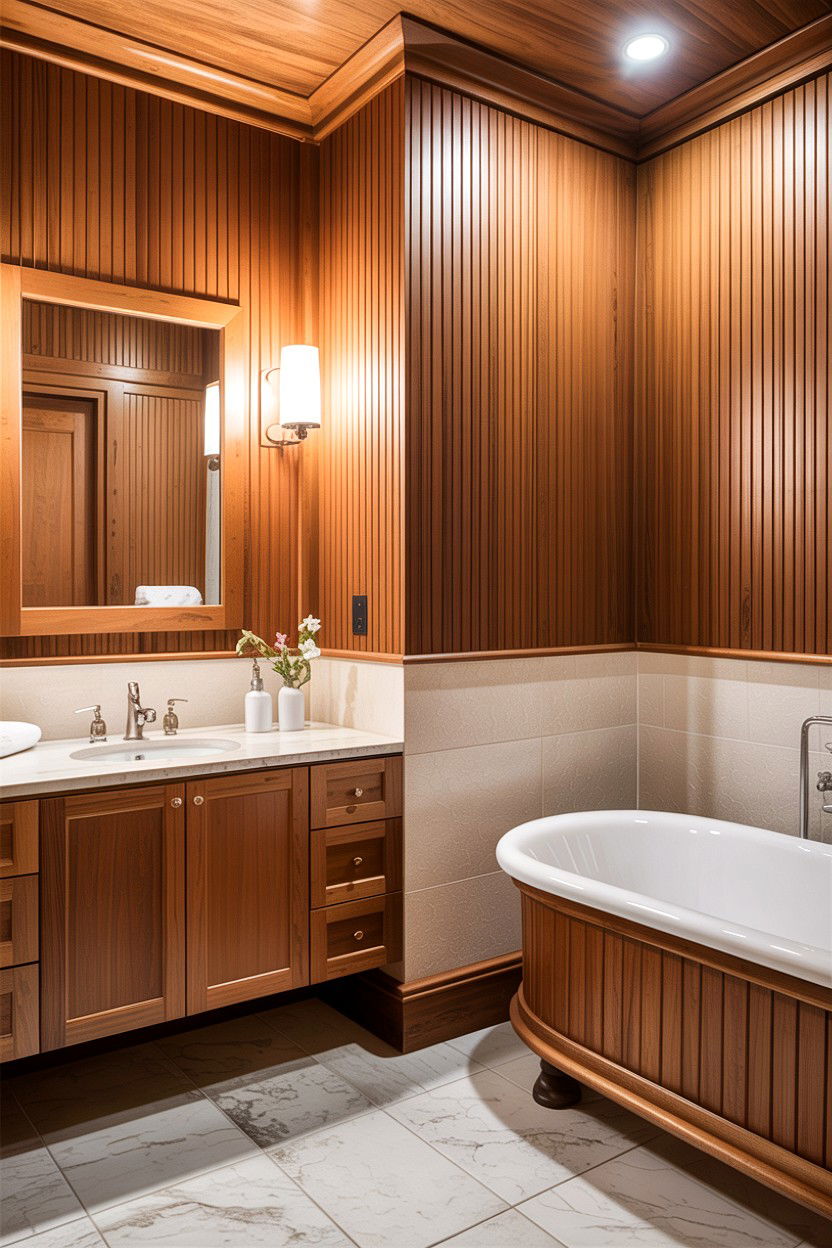
Integrating a wood paneled bathroom brings an immediate sense of warmth and organic texture to a space that is often dominated by hard surfaces. Architects use moisture-resistant species like teak, cedar, or specially treated oak to ensure longevity in a humid environment. Whether applied as vertical slats to add height or as smooth horizontal panels for a modern look, wood softens the acoustics and aesthetics of the room. This design choice creates a "sauna-like" atmosphere that encourages relaxation. When paired with stone floors and soft lighting, the wood provides a beautiful, earthy contrast that feels grounded and incredibly inviting.
11. Terrazzo floor bathroom
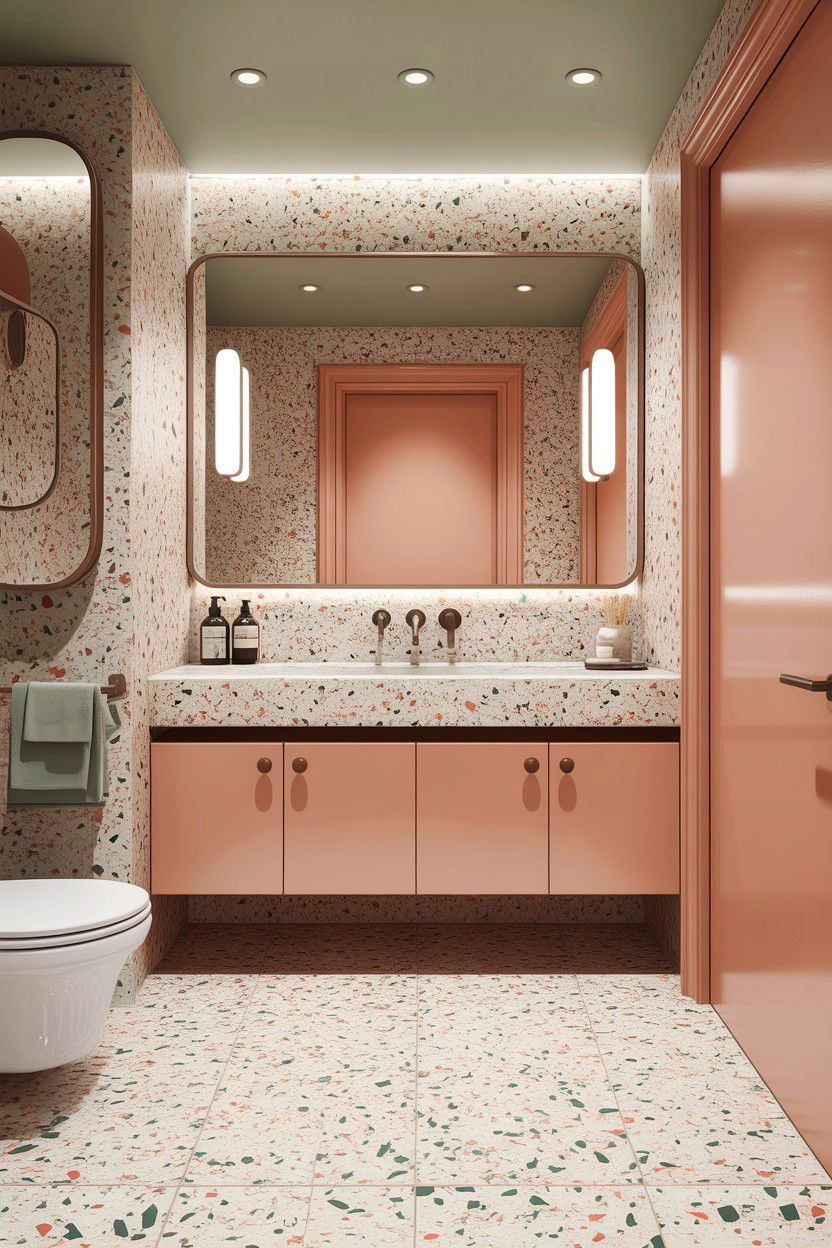
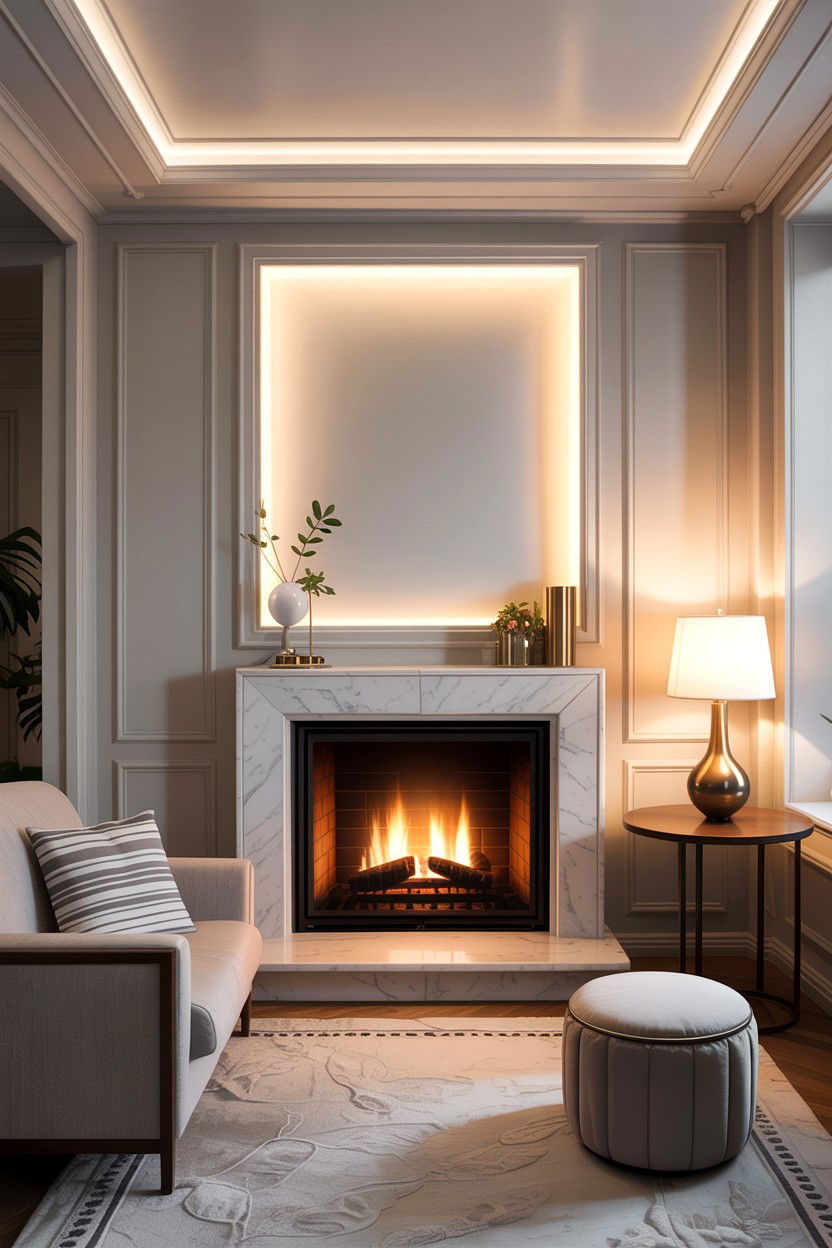
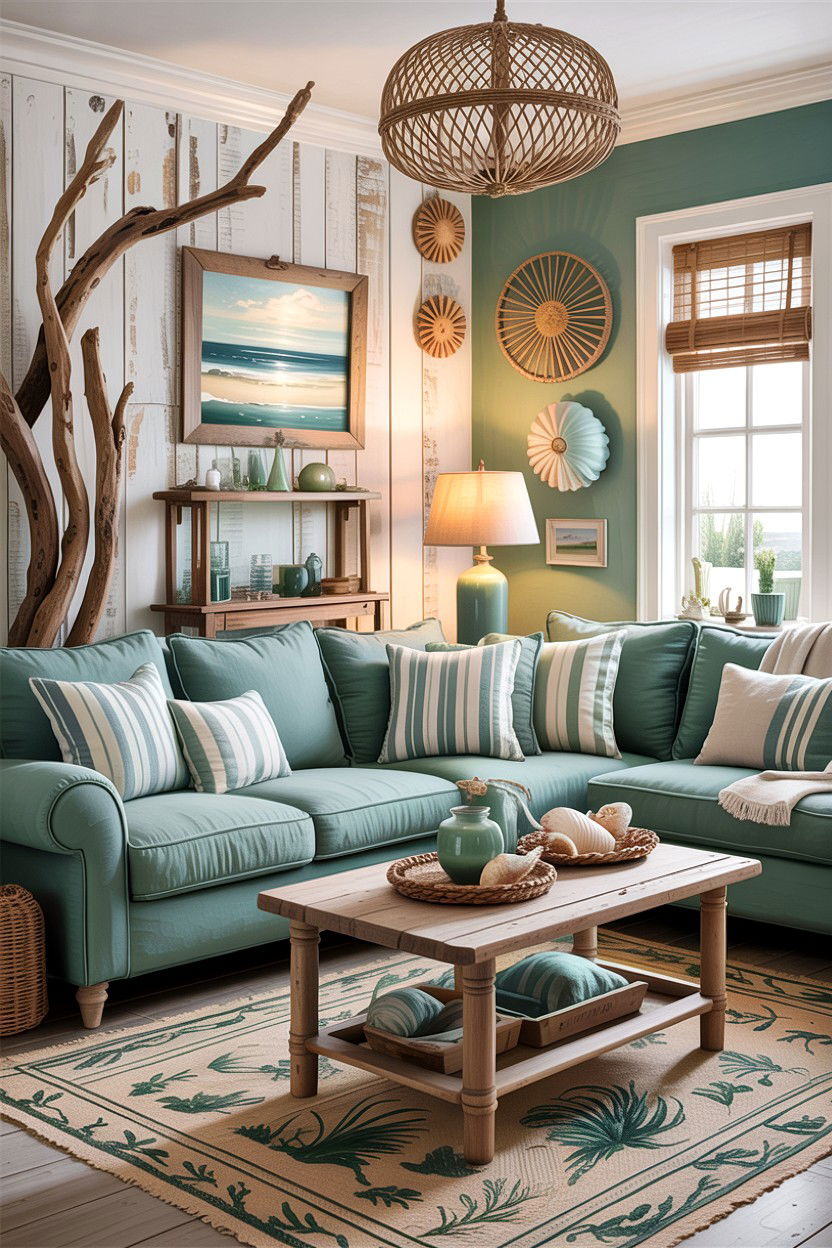
The terrazzo floor bathroom is making a significant comeback in architectural circles due to its durability and playful yet sophisticated appearance. Composed of chips of marble, quartz, or glass set in cement, terrazzo offers a speckled texture that hides water spots and wear remarkably well. Architects often pull colors from the terrazzo flecks to inform the rest of the room's palette, creating a deeply cohesive design. This material can be poured on-site for a seamless look or installed as large-format tiles. It adds a mid-century modern flair that feels fresh and artistic, providing a unique foundation for any luxury space.
12. Hidden bathroom storage
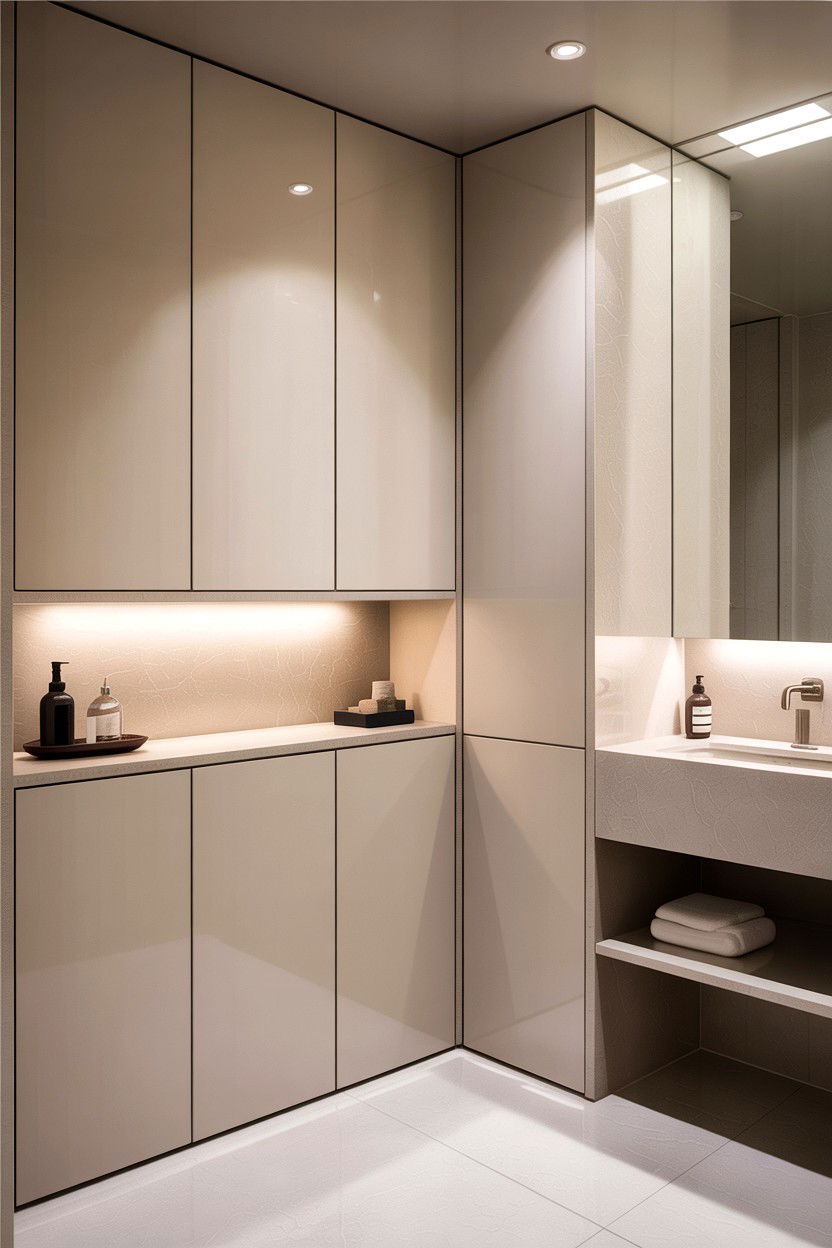
Architects excel at creating hidden bathroom storage that maintains a clutter-free environment. By utilizing wall cavities and recessed niches, they can tuck away toiletries and towels behind handle-less panels that blend perfectly with the wall treatment. Mirrors often double as deep medicine cabinets, while floating vanities house secret drawers for maximum organization. This "invisible" approach to storage ensures that the architectural lines of the room remain clean and undisturbed. It allows the high-quality materials and fixtures to remain the center of attention, proving that a functional space can also be a perfectly minimalist and serene sanctuary.
13. Walk in shower with bench
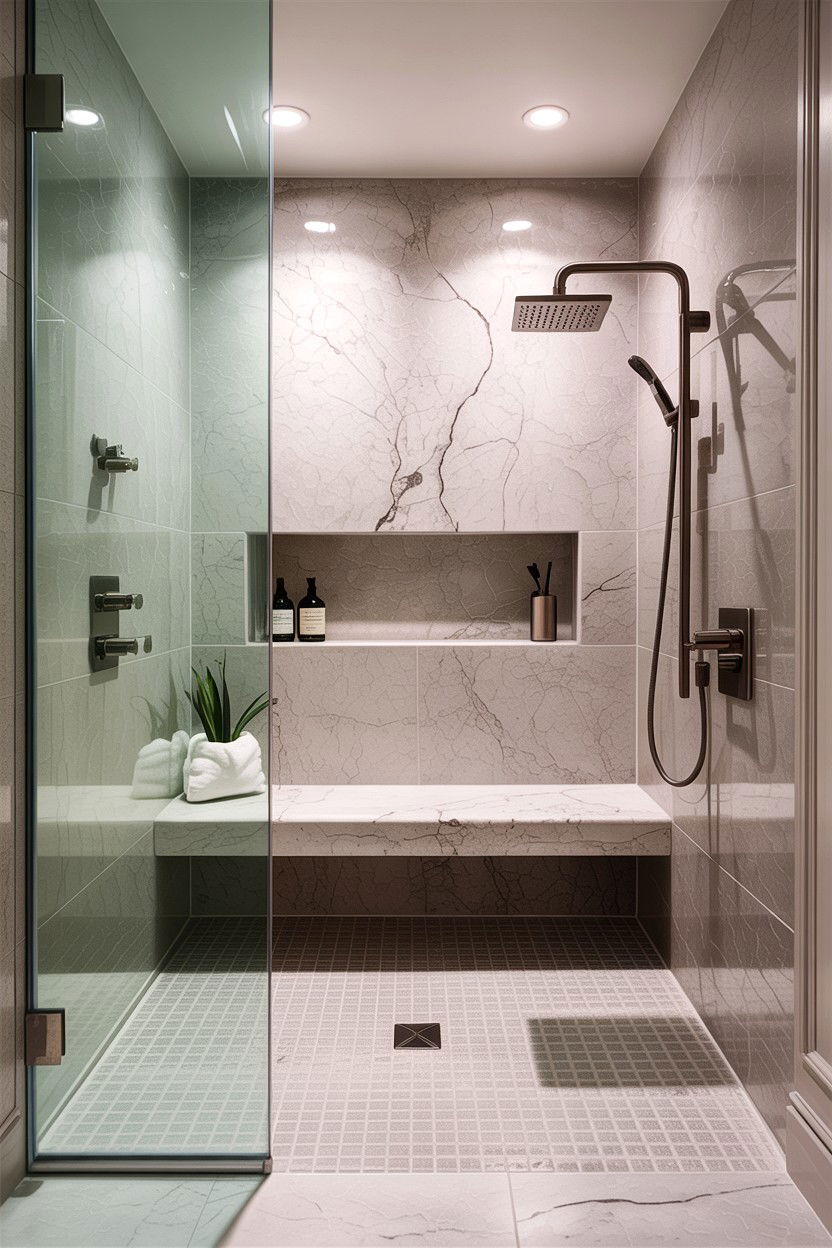
A walk in shower with bench is a thoughtful architectural addition that enhances both comfort and accessibility. By integrating a built-in seat made of the same stone or tile as the walls, architects create a seamless look that feels like part of the building's structure. This feature is not only practical for grooming but also transforms the shower into a place of rest, similar to a steam room. The bench can be floating for a modern look or solid for a more traditional feel. It adds a layer of luxury and forethought that makes the daily shower experience much more enjoyable.
14. Double vanity bathroom
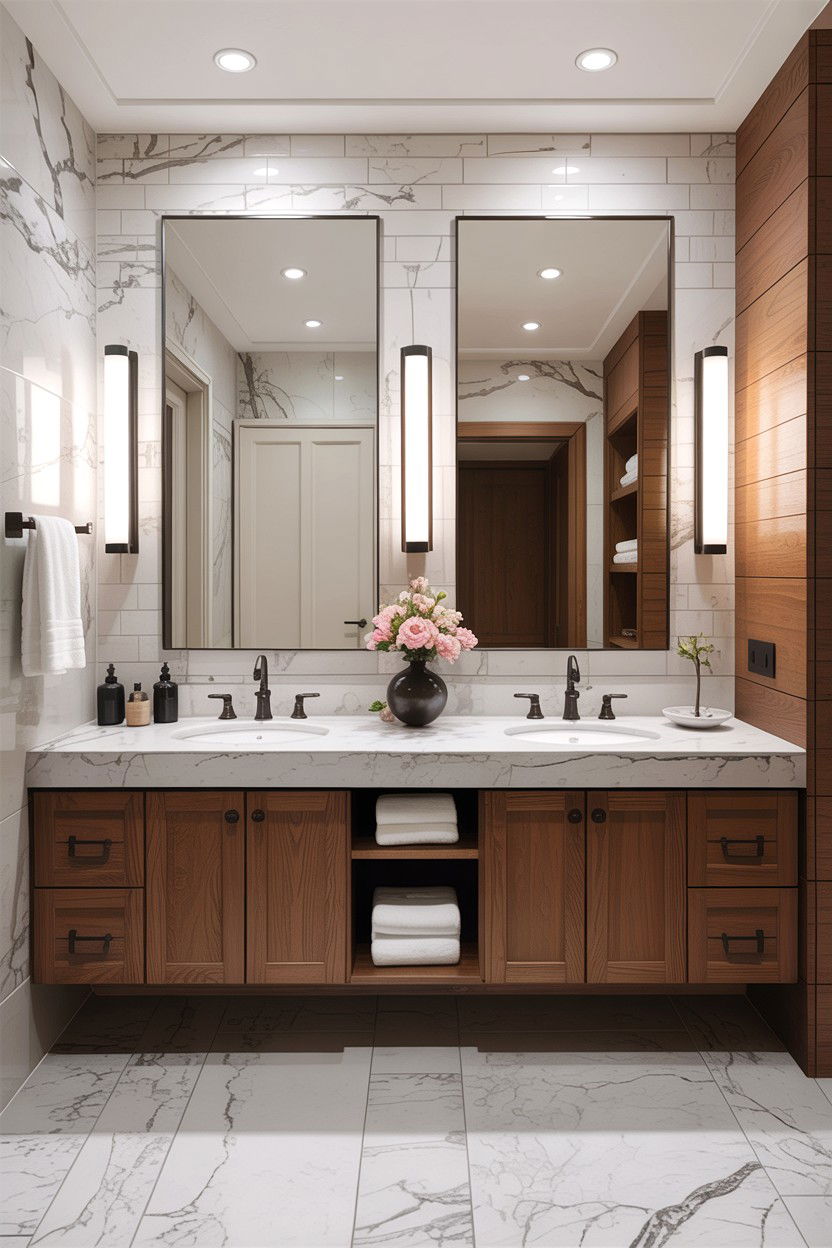
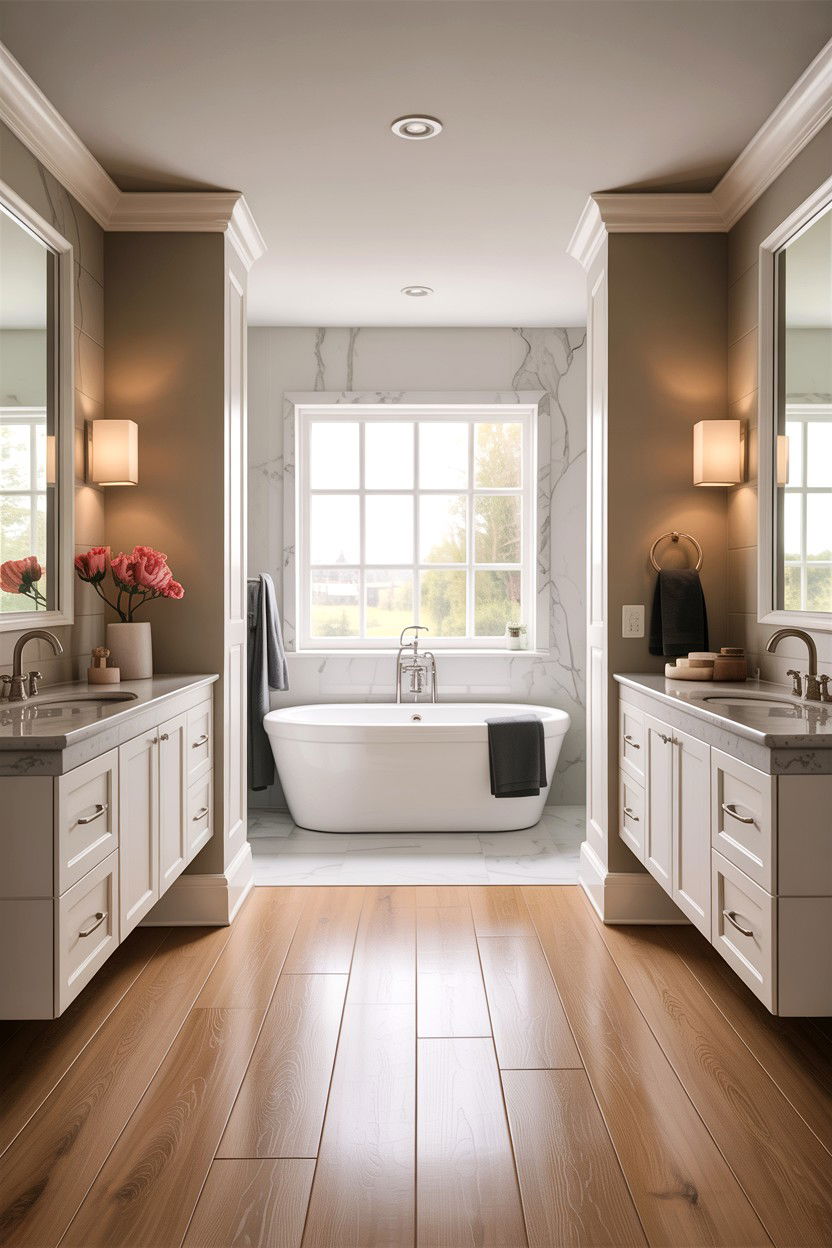
The double vanity bathroom is a staple of architect-designed master suites, offering personal space and symmetry. Architects often design these as long, continuous units that stretch across a wall, providing ample counter space for two people. By using two separate sinks with matching mirrors and lighting, the room achieves a balanced, harmonious look. This layout often includes central storage to keep the area organized. Whether crafted from a single slab of stone or custom cabinetry, a well-designed double vanity serves as a functional anchor that elevates the morning routine into a more organized and luxurious shared experience.
15. Freestanding tub by window
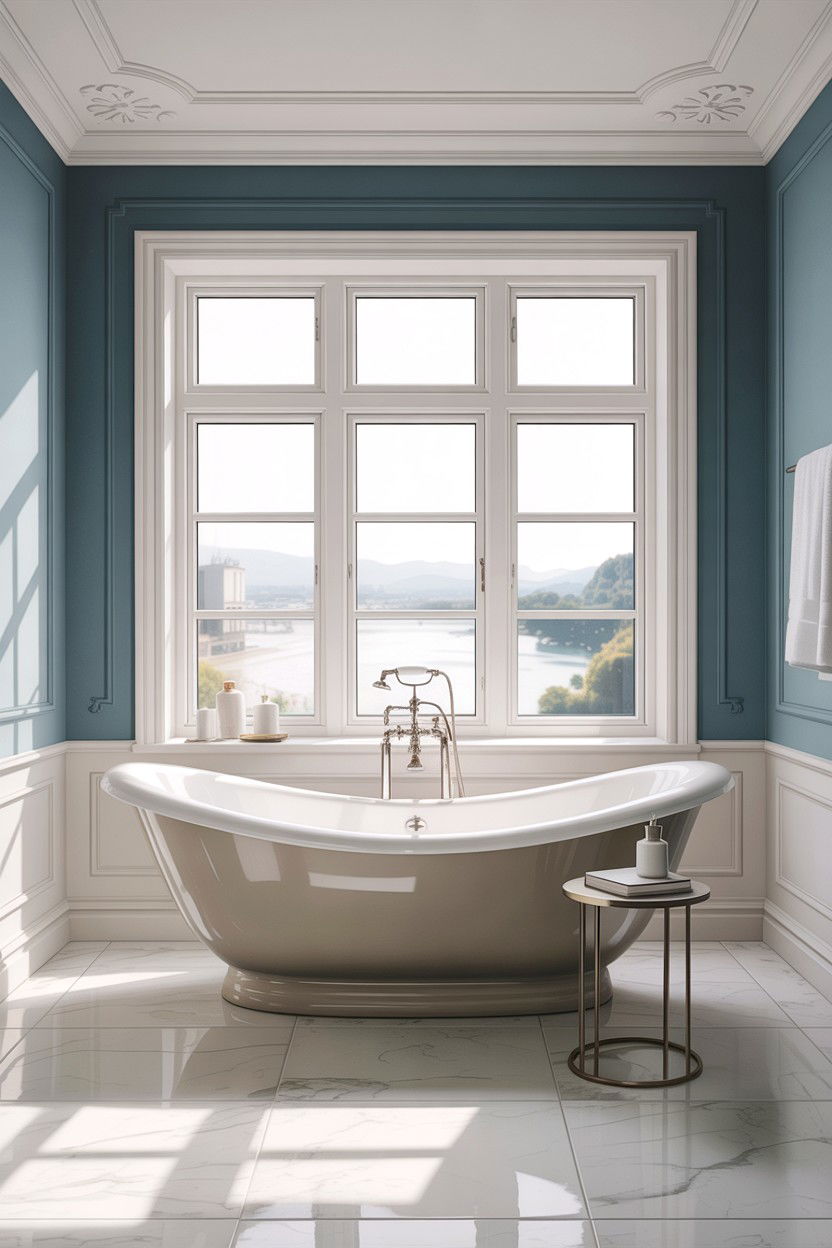
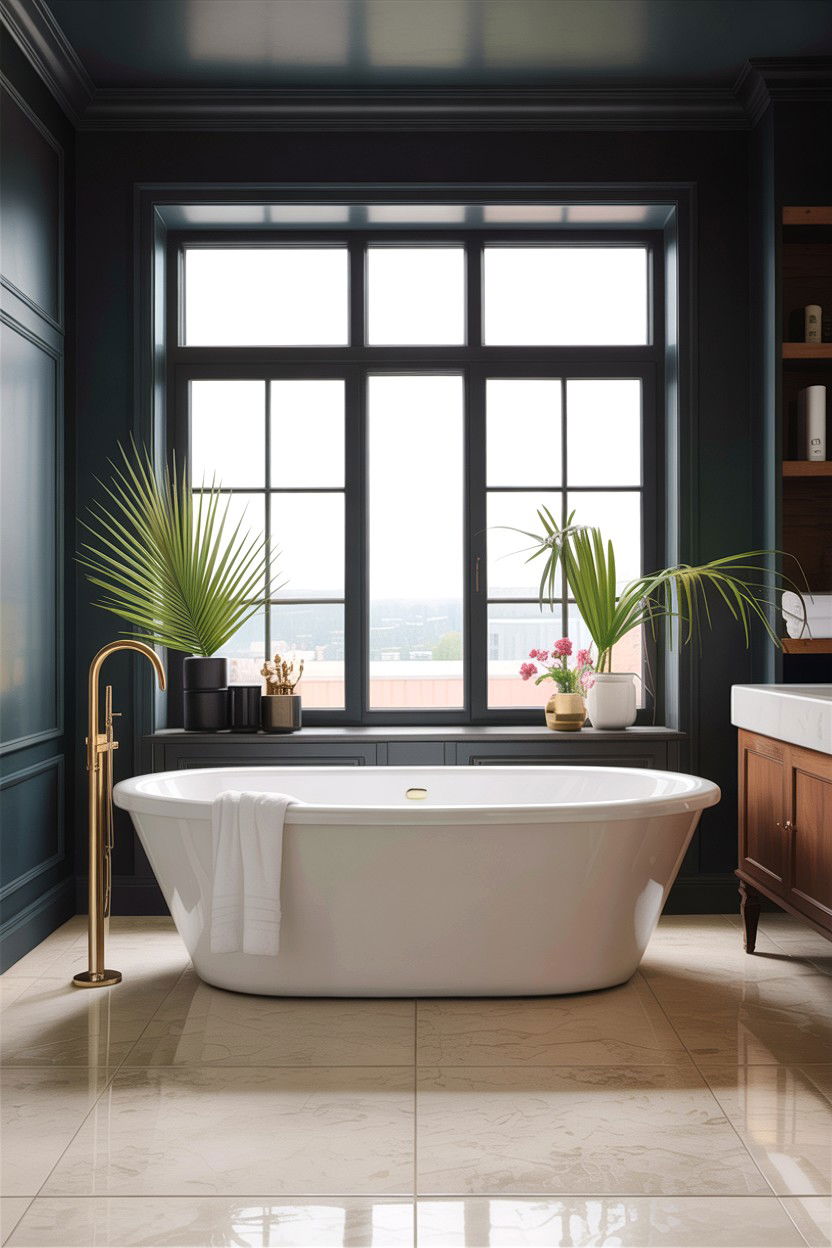
Placing a freestanding tub by a window is a classic architectural strategy to create a dramatic focal point. By situating the bathtub in front of a source of natural light, architects emphasize the sculptural quality of the fixture. This placement allows for a relaxing soak with a view, whether it is of a city skyline or a private garden. The surrounding space is usually kept clear to allow the tub to "breathe" visually. This design choice prioritizes the experience of the bather, making the act of bathing feel like a special event rather than just a part of hygiene.
16. Microcement bathroom finish
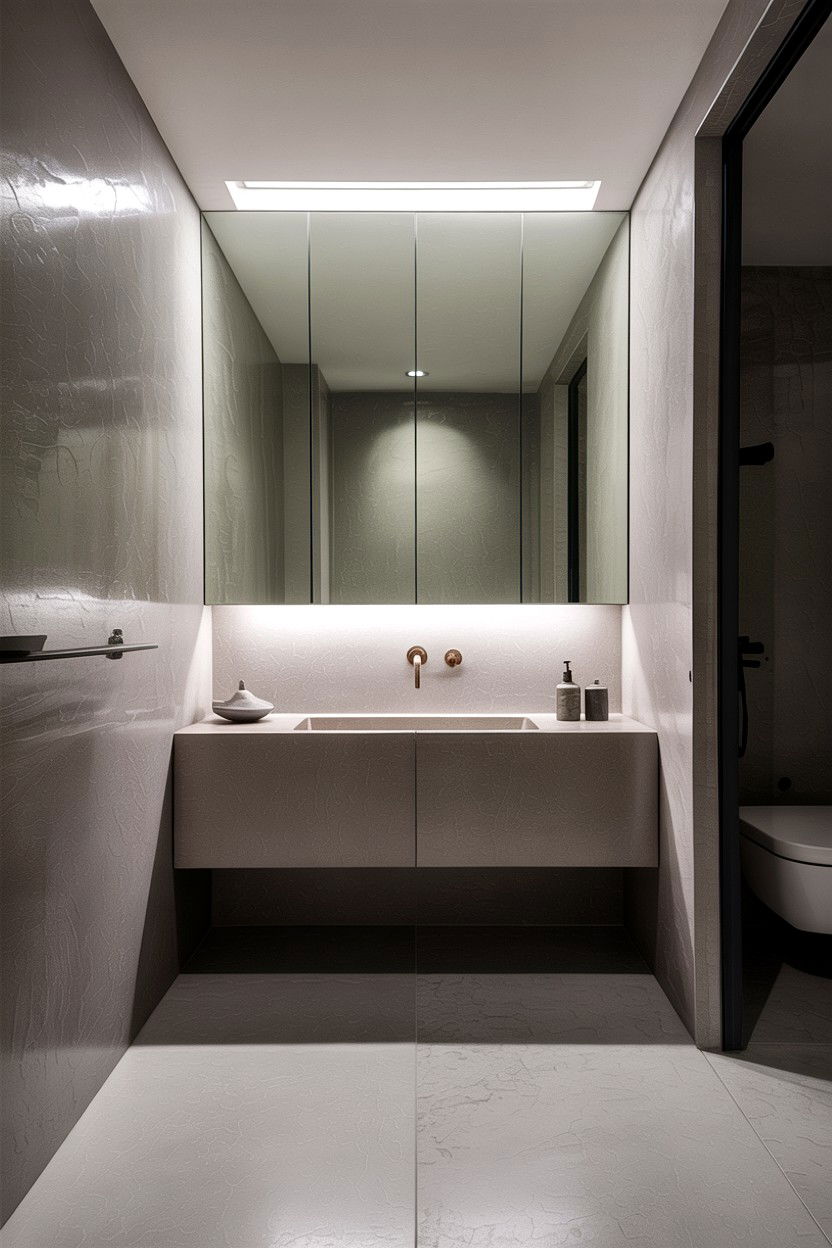
Microcement bathroom finishes have become a favorite for architects seeking a seamless, waterproof, and modern aesthetic. This thin coating can be applied over floors, walls, and even vanities to create a continuous surface without a single grout line. The result is a smooth, tactile finish that resembles polished concrete but offers more flexibility and color options. Architects love how it simplifies the visual language of the room, making it feel larger and more cohesive. It is an excellent choice for minimalist designs where the goal is to create a monolithic look that is both highly durable and easy to clean.
17. Arched bathroom doorway
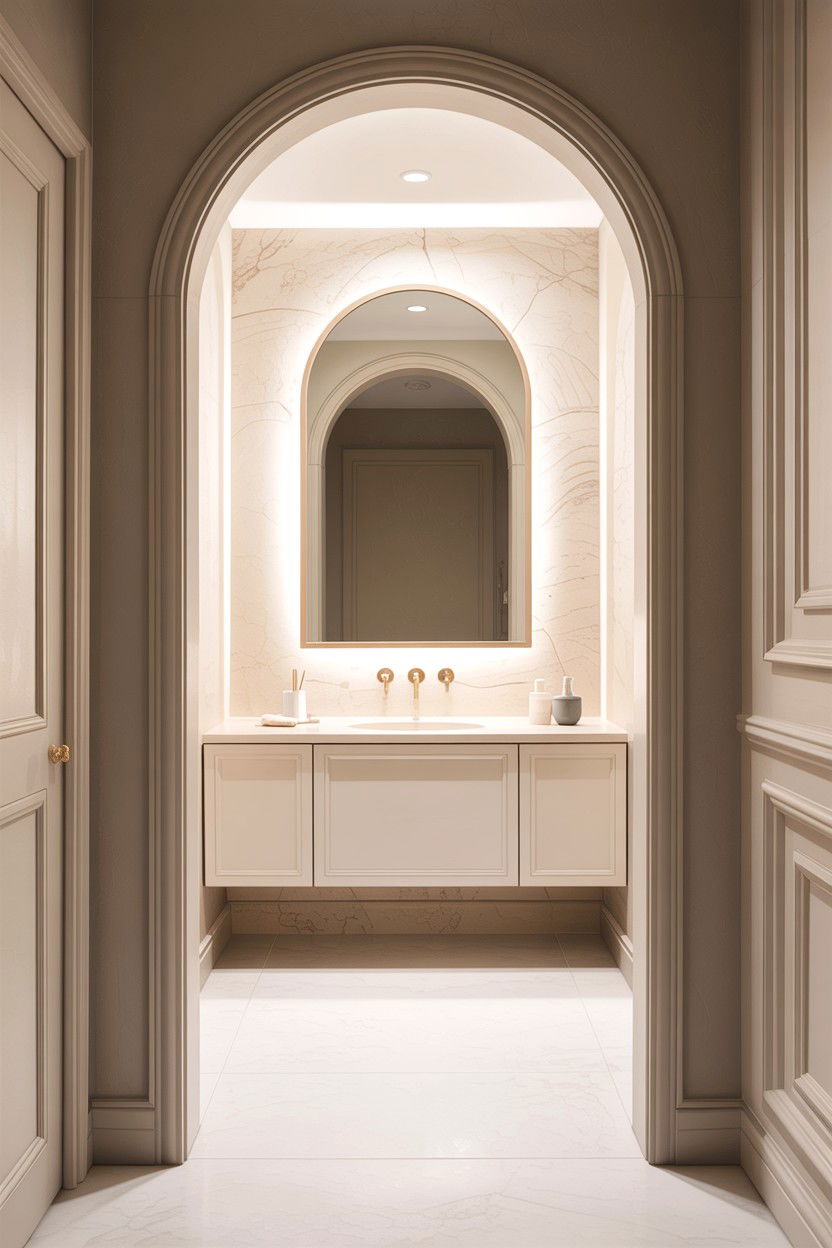
An arched bathroom doorway adds a touch of architectural elegance and softness to a room typically filled with hard angles. Architects use the curve of the arch to create a sense of transition and ceremony as one enters the space. This design element can be echoed in the mirrors, shower glass, or niches to create a rhythmic, cohesive theme throughout the bathroom. The arch introduces a classical feel that can be modernized with clean lines and minimal trim. It is a simple yet powerful structural choice that makes the bathroom feel more like an intentional living space rather than just a utility room.
18. Integrated LED bathroom lighting
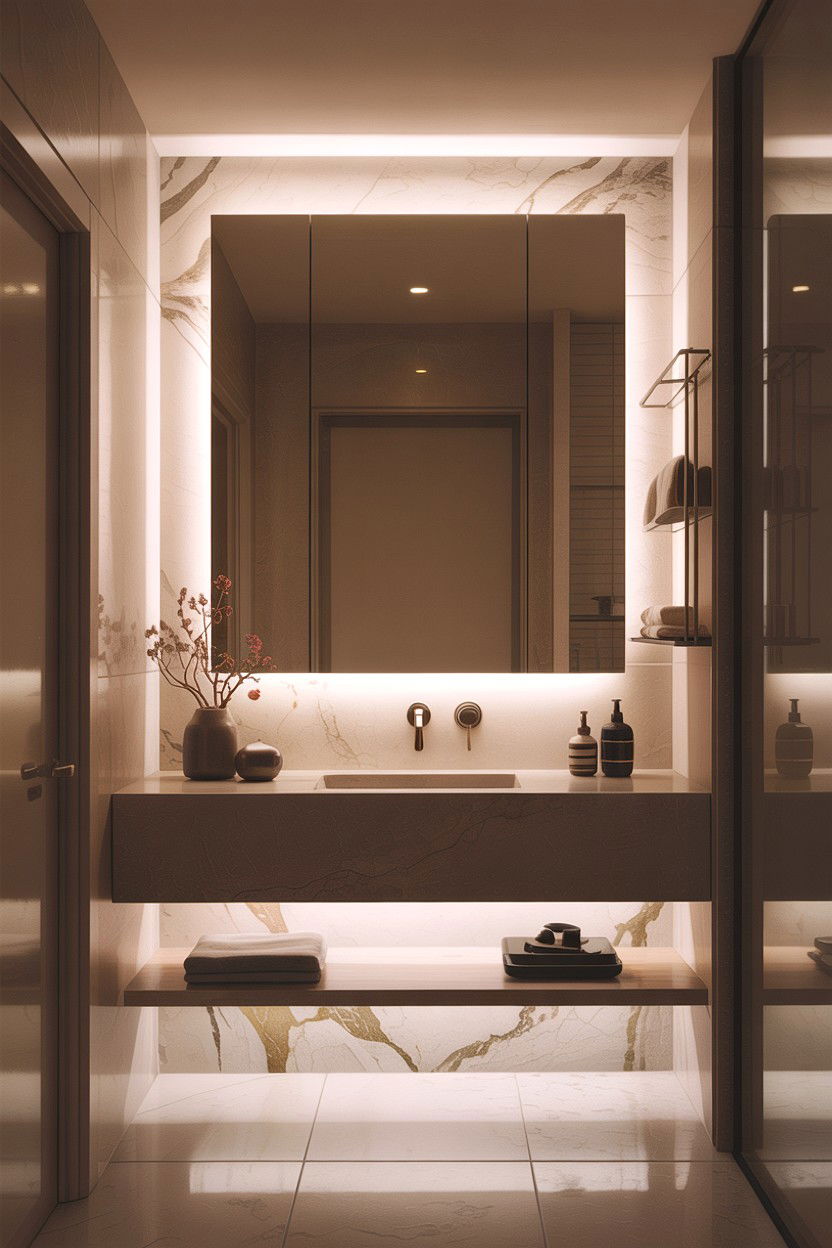
Integrated LED bathroom lighting is a modern architectural tool used to highlight textures and create mood without visible fixtures. Architects often hide LED strips behind mirrors, under floating vanities, or within ceiling coves to provide a soft, indirect glow. This "glow from within" effect eliminates harsh shadows and makes the space feel more atmospheric and expensive. Lighting can also be used to define different zones, such as a bright area for grooming and a dimmer area for relaxing in the tub. By layering the light, architects ensure the bathroom is functional at all times of the day and night.
19. Brass bathroom fixtures
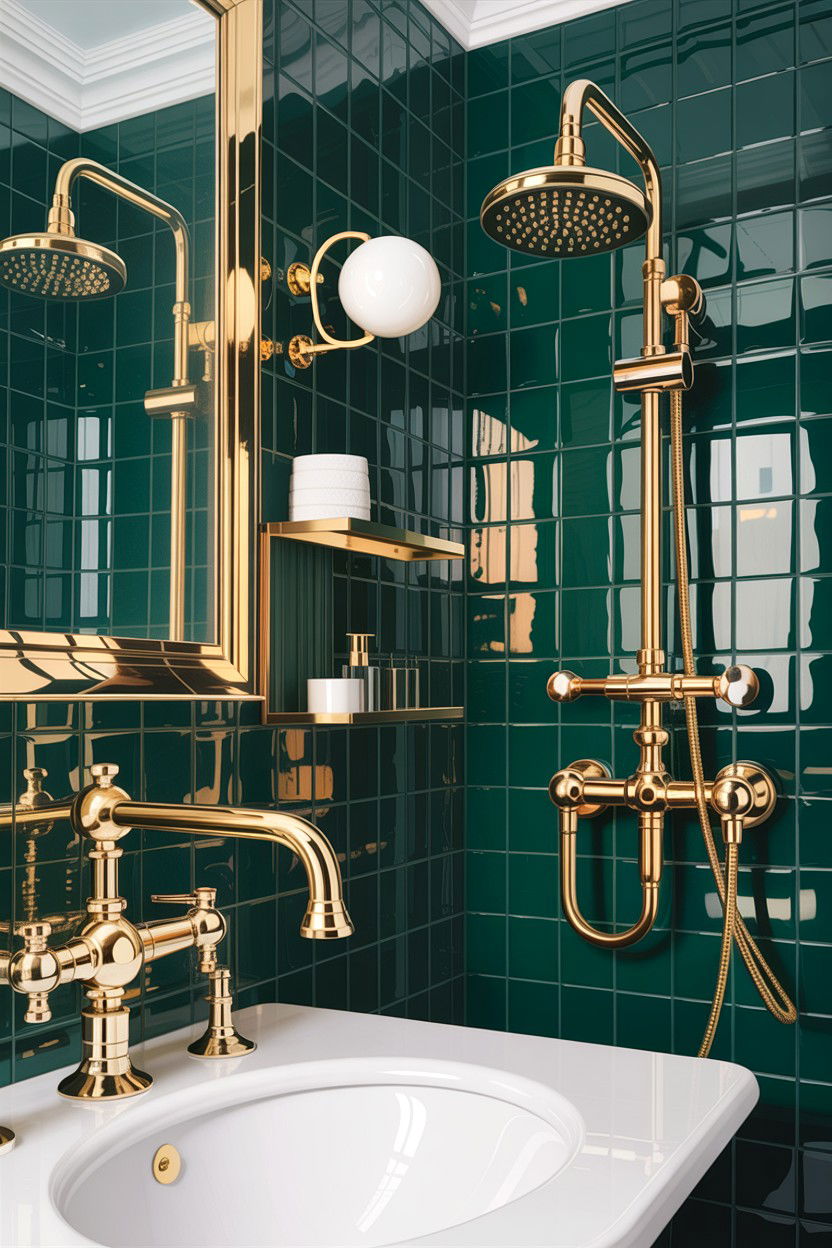
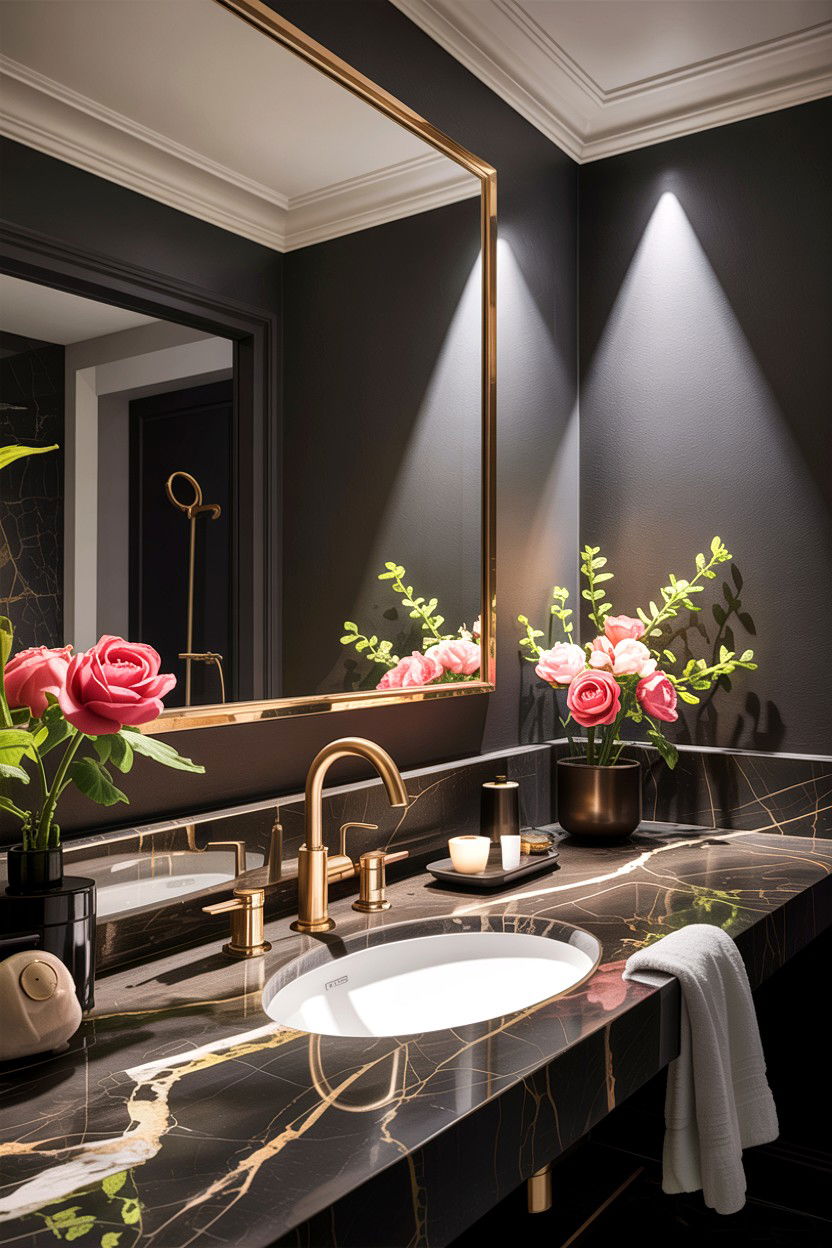
Brass bathroom fixtures are frequently selected by architects to add a touch of warmth and vintage-inspired luxury. Unlike standard chrome, brass develops a beautiful patina over time, or it can be polished for a high-shine, glamorous look. Architects often pair brass taps and showerheads with dark stone or deep-colored tiles to create a sophisticated, high-contrast aesthetic. The golden tones of the metal act like jewelry for the room, elevating the overall design. Whether used in a modern or traditional setting, brass provides a sense of quality and timelessness that makes the bathroom feel curated and exceptionally well-designed.
20. Large format tile bathroom
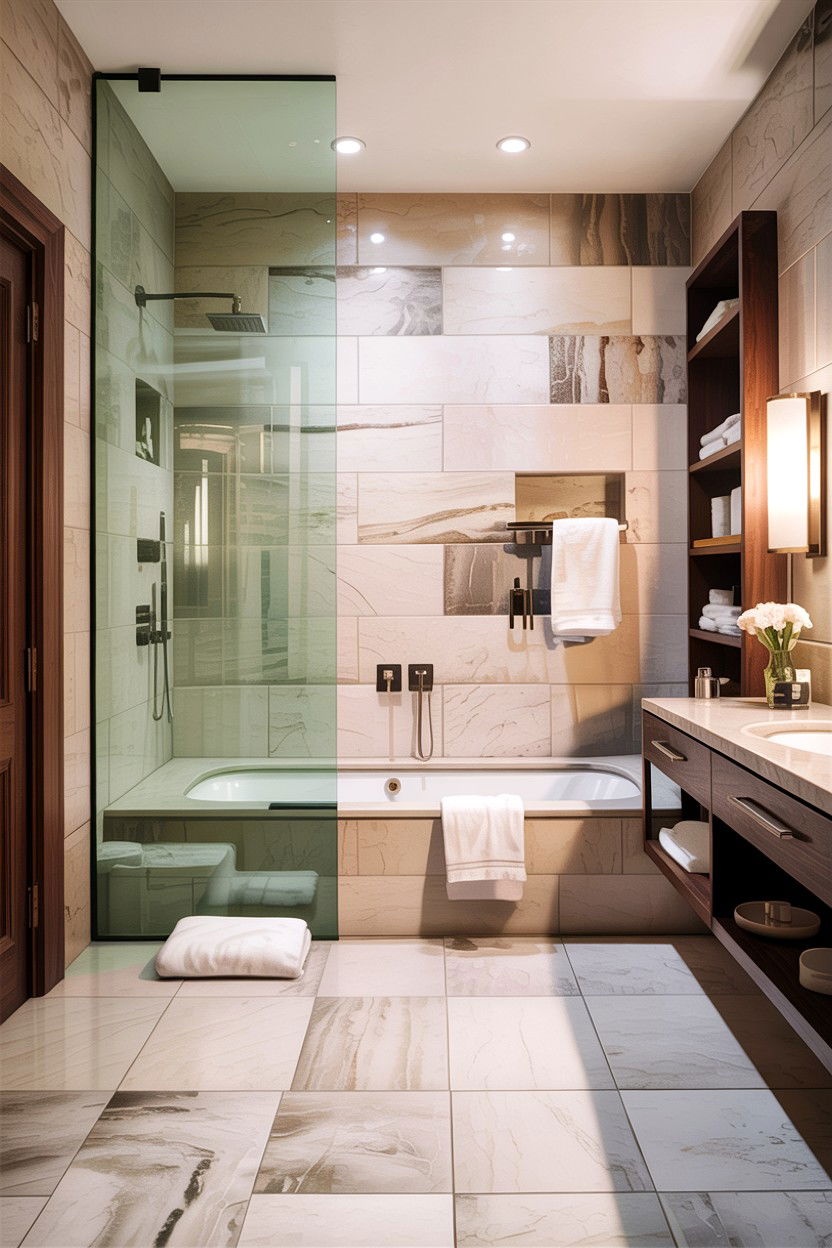
A large format tile bathroom uses oversized tiles to minimize grout lines and create a clean, expansive look. Architects prefer these tiles because they can cover large areas with fewer interruptions, which makes small bathrooms feel significantly larger. These tiles often mimic the appearance of natural stone slabs but offer the durability and ease of maintenance of porcelain. When the same large tiles are used on both the floors and the walls, the room achieves a high-end, monolithic appearance. This approach is perfect for those who want a sleek, modern aesthetic that is also practical for long-term daily use.
21. Indoor outdoor bathroom
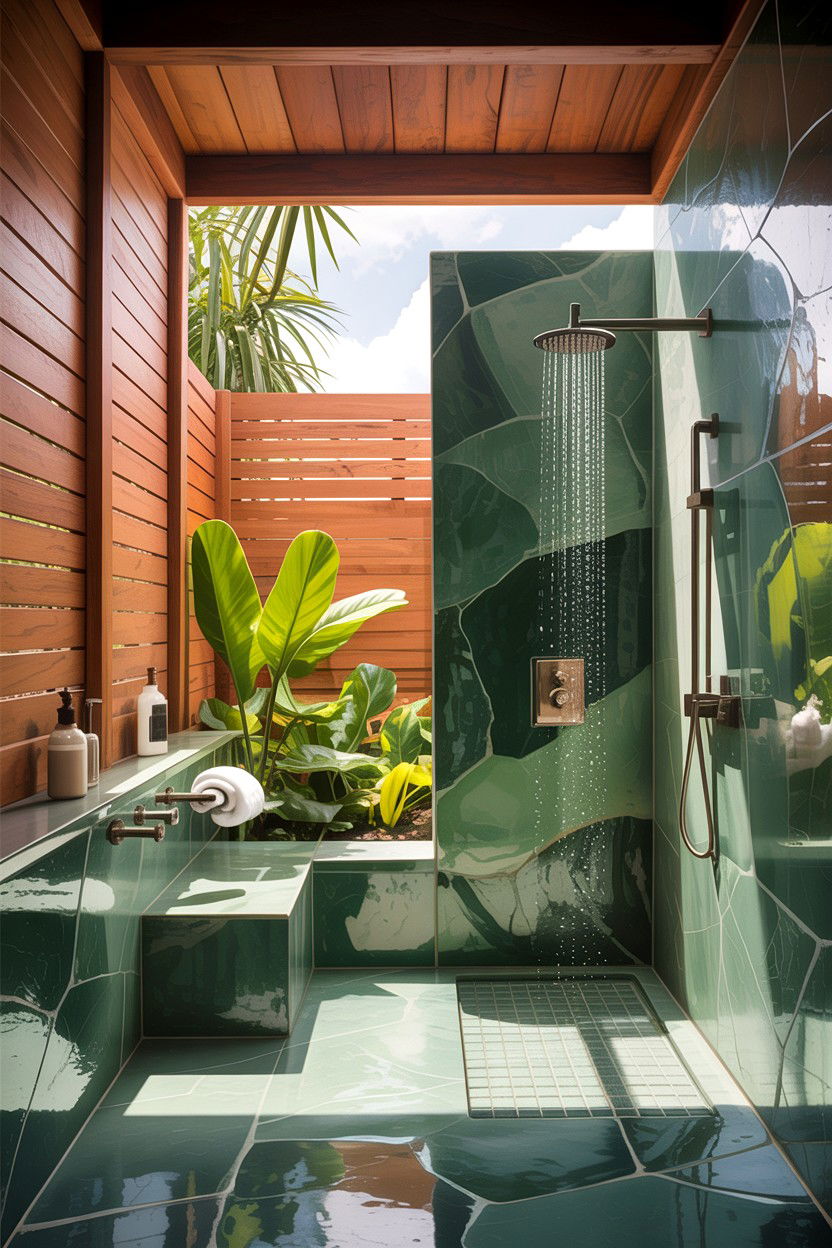
The indoor outdoor bathroom is a masterclass in architectural connection to the environment. This design often features a shower or tub that is partially or fully open to the elements, protected by high walls or lush landscaping. Architects may use sliding glass doors that disappear into the walls, allowing the transition between the interior and exterior to be completely seamless. Using similar materials, like stone or wood, for both the indoor and outdoor sections reinforces this connection. This layout offers a unique, resort-like experience that emphasizes fresh air and natural light, making every morning feel like a vacation.
22. Fluted glass shower screen
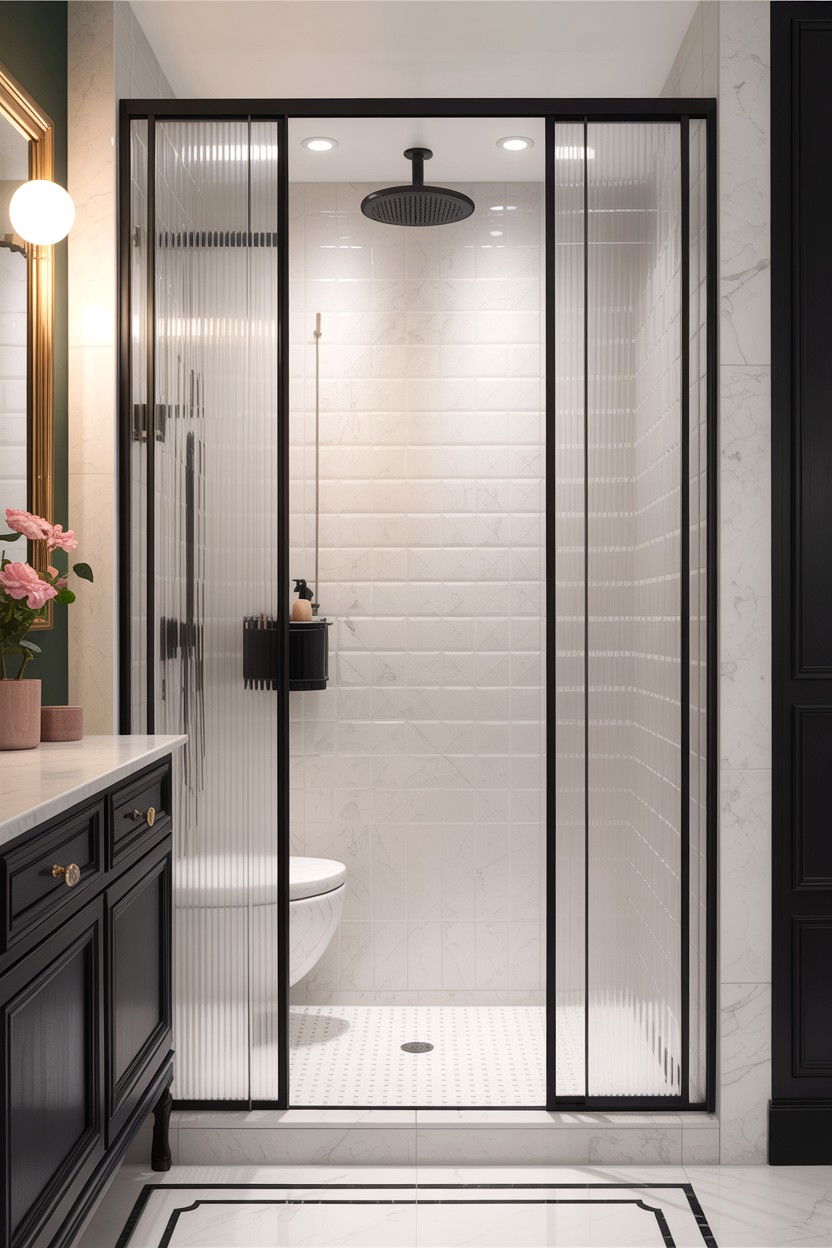
A fluted glass shower screen is an architectural detail that provides privacy while allowing light to pass through. The ribbed texture of the glass creates a beautiful play of light and shadow, adding a layer of visual interest to the bathroom. Architects often use fluted glass to hide the interior of the shower while maintaining an open, airy feel. This material adds a touch of Art Deco glamour or modern sophistication, depending on the framing used. It is a practical solution for shared bathrooms, offering a stylish way to define the shower area without closing it off with solid walls.
23. Neutral color palette bathroom
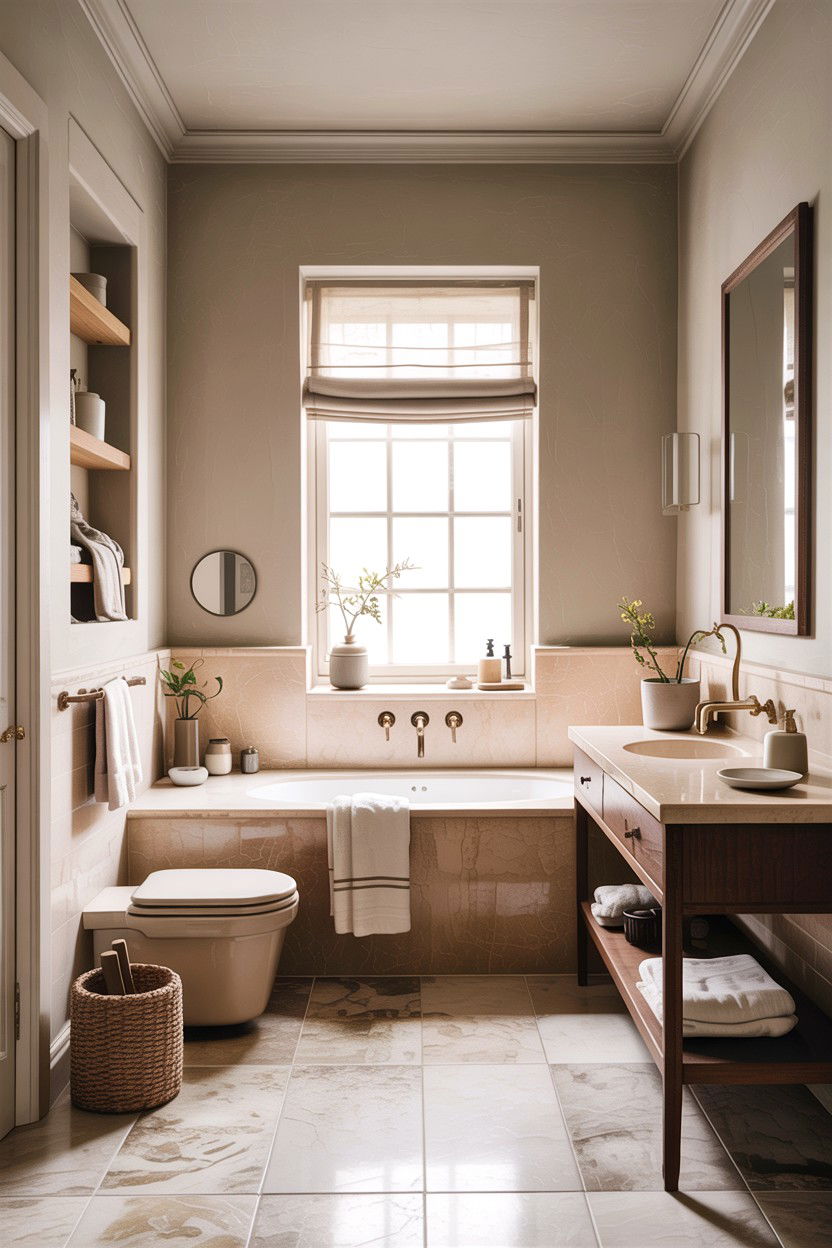
A neutral color palette bathroom relies on shades of beige, cream, grey, and white to create a timeless and serene atmosphere. Architects use these tones to emphasize the textures of the materials rather than relying on bold colors. By layering different neutral shades, the room achieves depth and warmth without being overwhelming. This approach makes the space feel light and open, providing a perfect backdrop for high-quality fixtures and natural accents like wood or plants. A neutral bathroom is an excellent investment, as it remains stylish for decades and offers a peaceful retreat from the outside world.
24. Small luxury bathroom
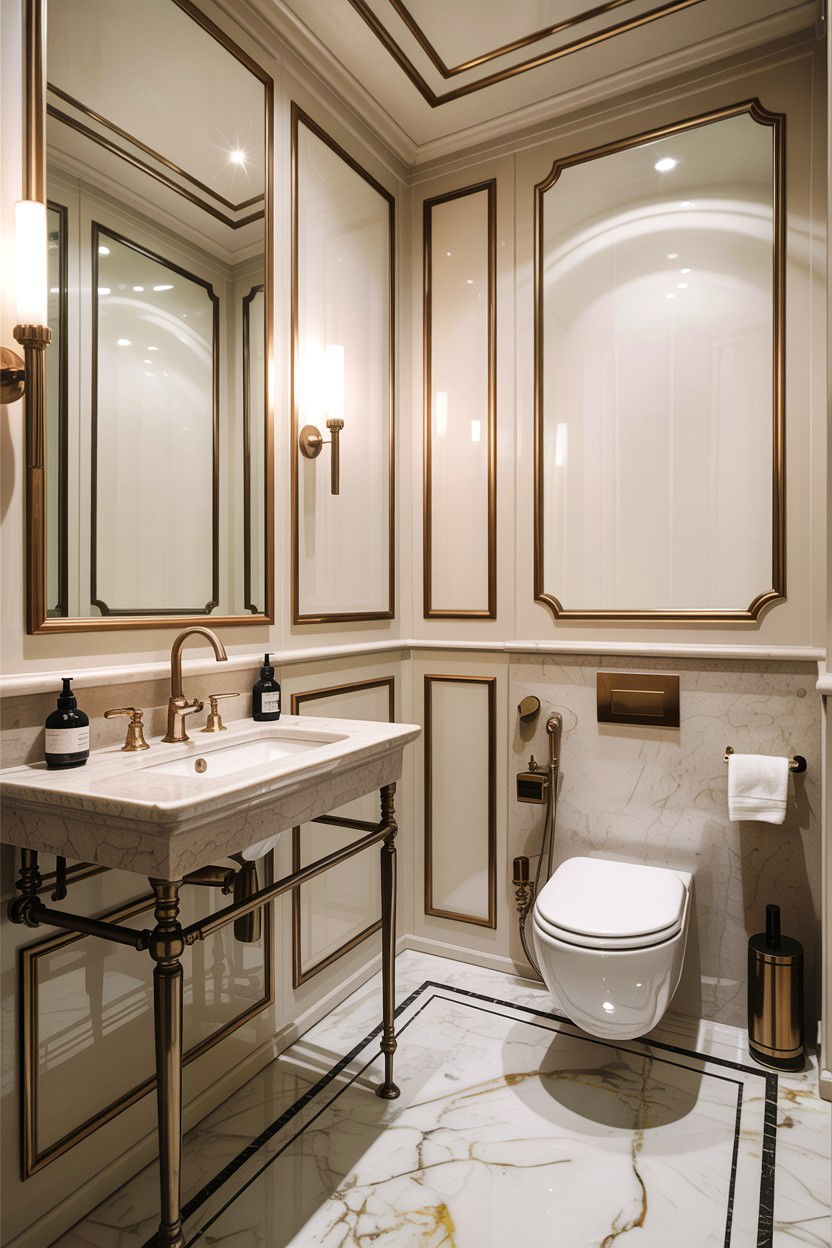
Designing a small luxury bathroom requires an architect’s eye for precision and high-end materials. When space is limited, every detail must be perfect, from the choice of a compact wall-hung toilet to the installation of a bespoke marble sink. Architects often use large mirrors to double the perceived space and integrated lighting to keep the room bright. By focusing on quality over quantity, a small bathroom can feel just as opulent as a larger suite. This design philosophy proves that luxury is not about square footage, but about the thoughtfulness of the layout and the excellence of the finishes.
25. Vaulted ceiling bathroom
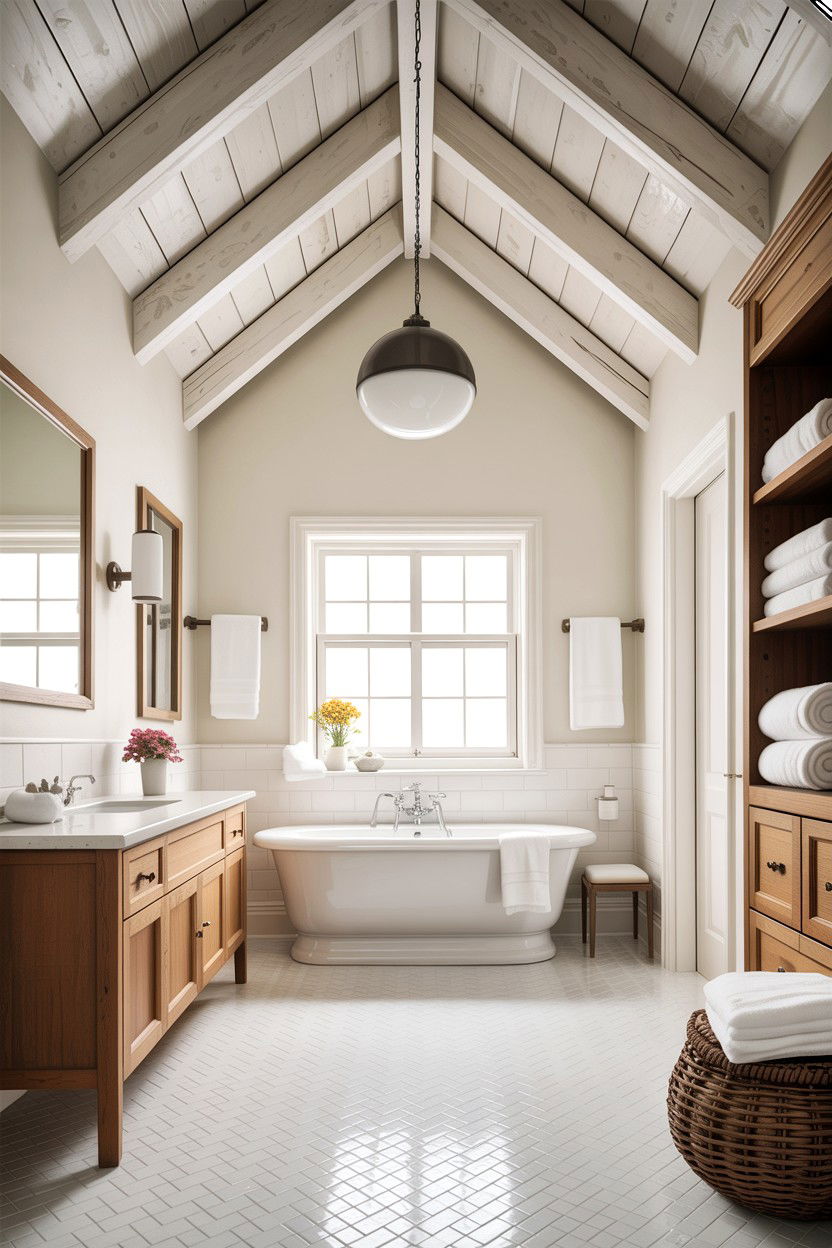
A vaulted ceiling bathroom uses vertical space to create a sense of grandeur and openness. Architects often incorporate high ceilings in bathrooms to allow for larger windows or to make a small footprint feel much more substantial. The extra height can be used to showcase interesting architectural details, such as exposed beams or unique lighting installations. A vaulted ceiling also helps with ventilation, allowing steam to rise and dissipate more effectively. This structural feature transforms the bathroom into a dramatic, airy sanctuary that feels connected to the rest of the home’s architecture while providing a unique sense of volume.
26. Minimalist master ensuite
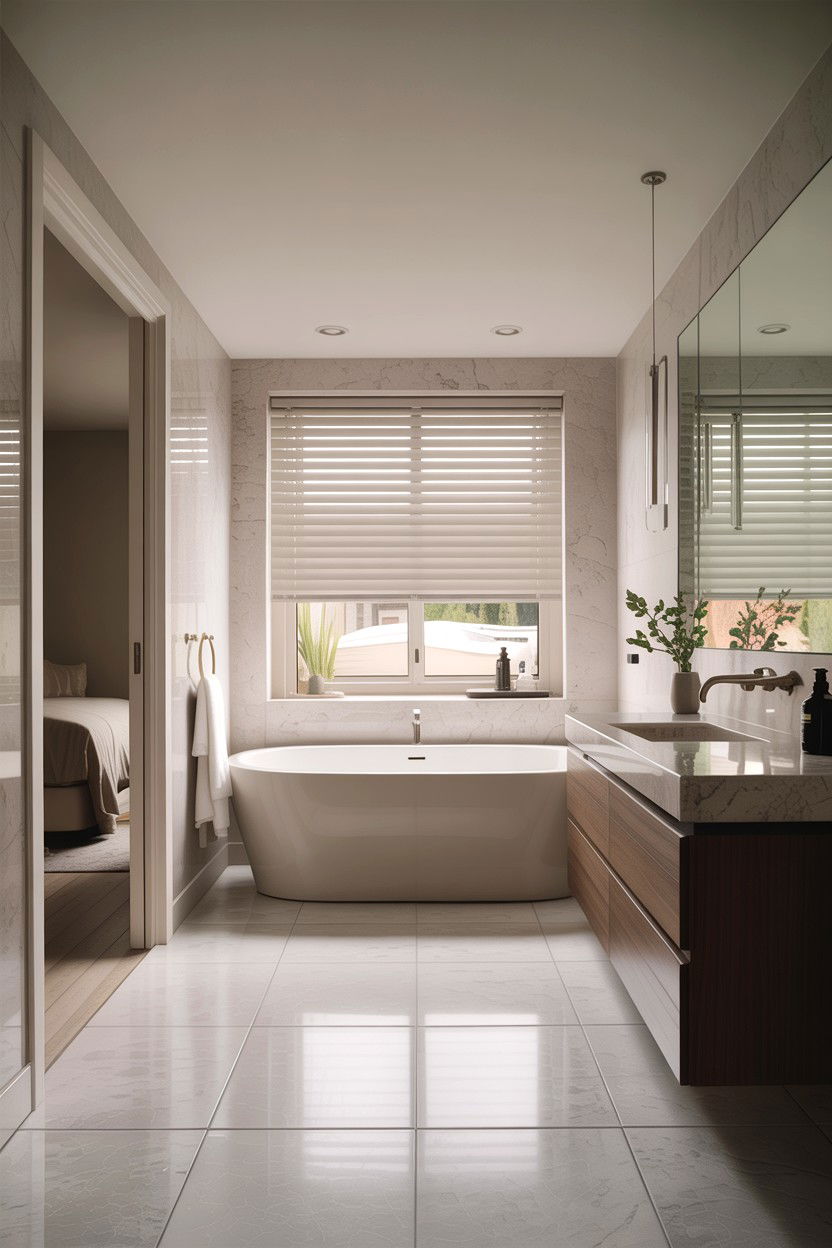
The minimalist master ensuite is designed as a private extension of the bedroom, focusing on flow and tranquility. Architects often use a consistent material palette between the two rooms to create a seamless transition. This design typically features a clean, open layout with a walk-in shower and a floating vanity to keep the floor clear. By hiding the toilet in a separate compartment, the main area remains a beautiful, spa-like space. The focus is on creating a clutter-free environment that helps the user decompress at the end of the day, making the ensuite a true personal haven.
27. Spa style home bathroom
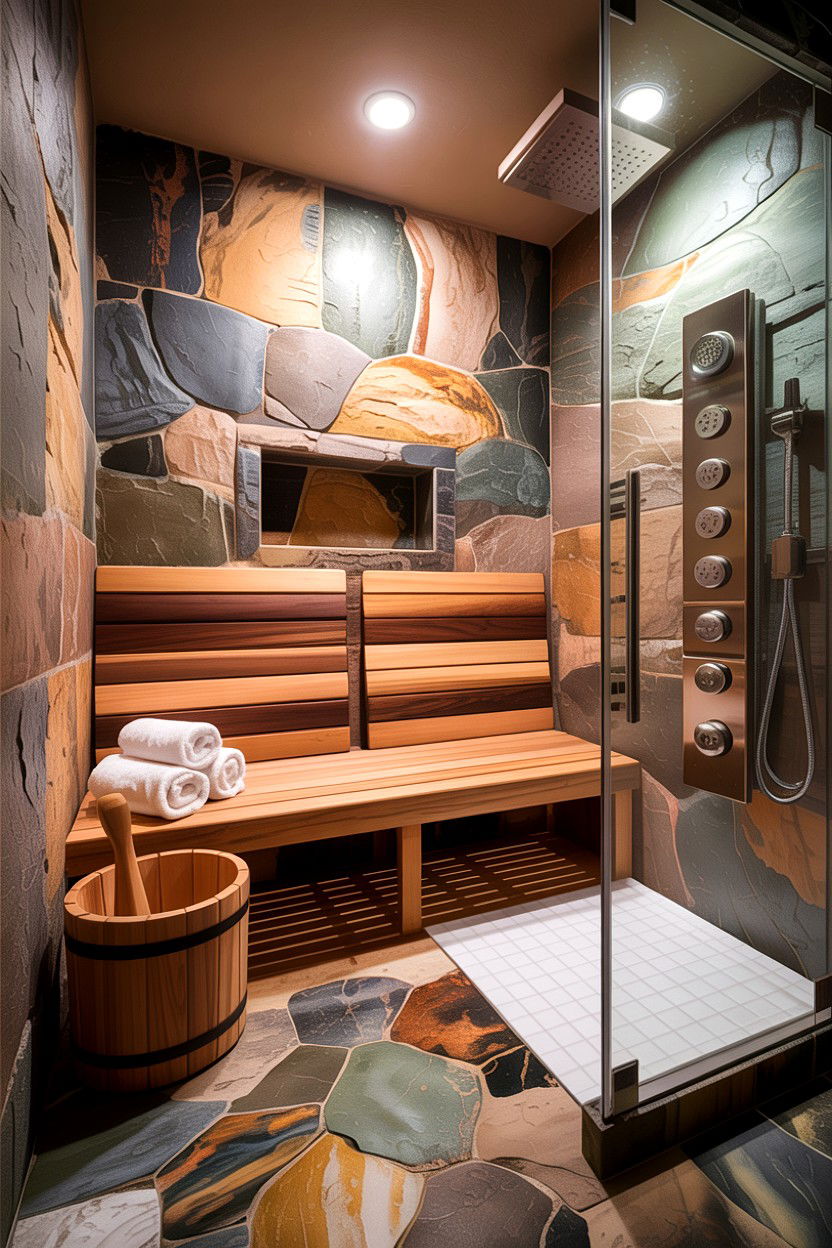
A spa style home bathroom incorporates professional wellness features into a residential setting. Architects often include steam showers, infrared saunas, or hydrotherapy tubs to create a comprehensive relaxation experience. The design usually focuses on sensorial elements, such as textured stone, warm wood, and adjustable ambient lighting. By integrating these features into a cohesive architectural plan, the bathroom becomes more than just a place for hygiene; it becomes a dedicated wellness zone. This approach prioritizes self-care and health, providing a luxurious escape that can be enjoyed every day without ever having to leave the comfort of your home.
28. Industrial style bathroom
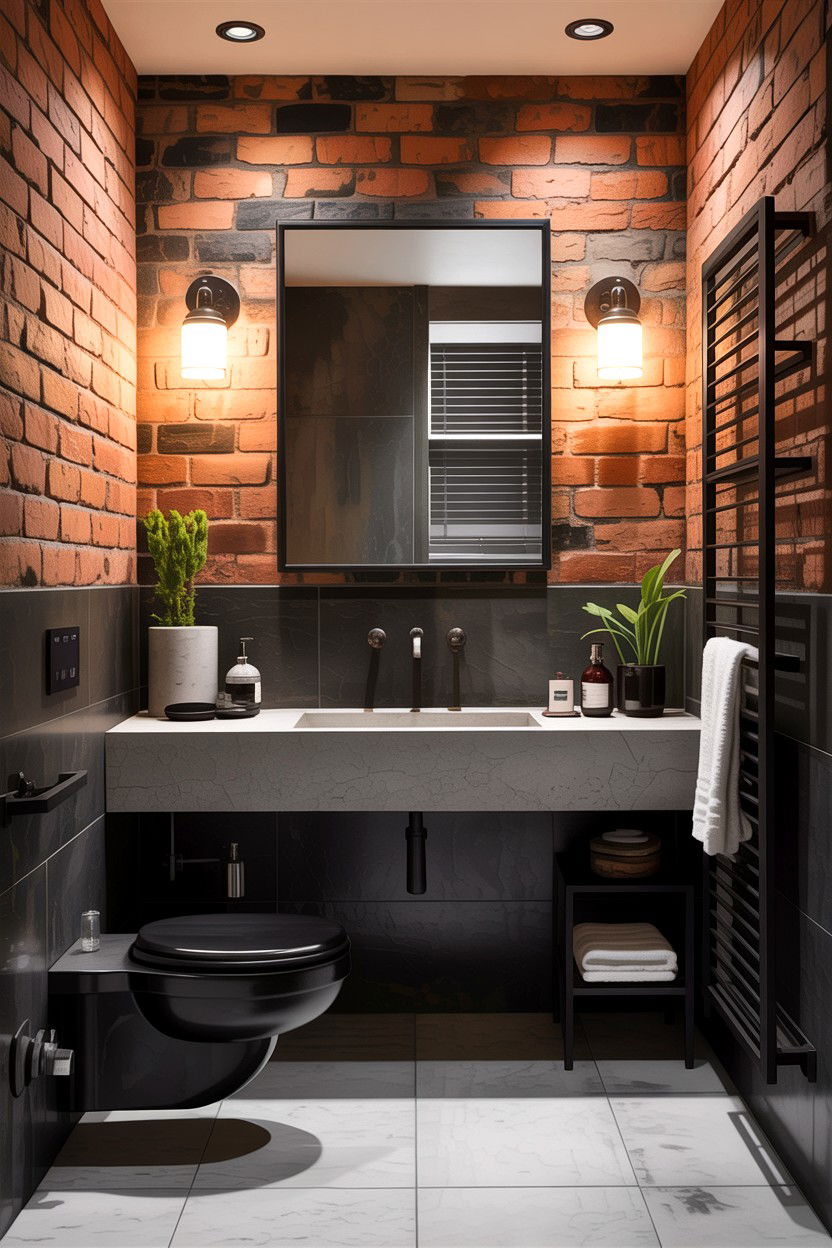
An industrial style bathroom celebrates raw materials and structural elements that are usually hidden. Architects often leave brick walls exposed, use black steel framing for shower enclosures, and choose fixtures with a rugged, mechanical look. This style emphasizes durability and honesty, using materials like concrete, reclaimed wood, and subway tiles. While the look is edgy and modern, architects balance the hardness with soft textiles and warm lighting to ensure the space remains comfortable. It is a bold, character-filled choice that works exceptionally well in urban lofts or modern homes looking for a unique, high-contrast aesthetic.
29. Open plan bedroom bathroom
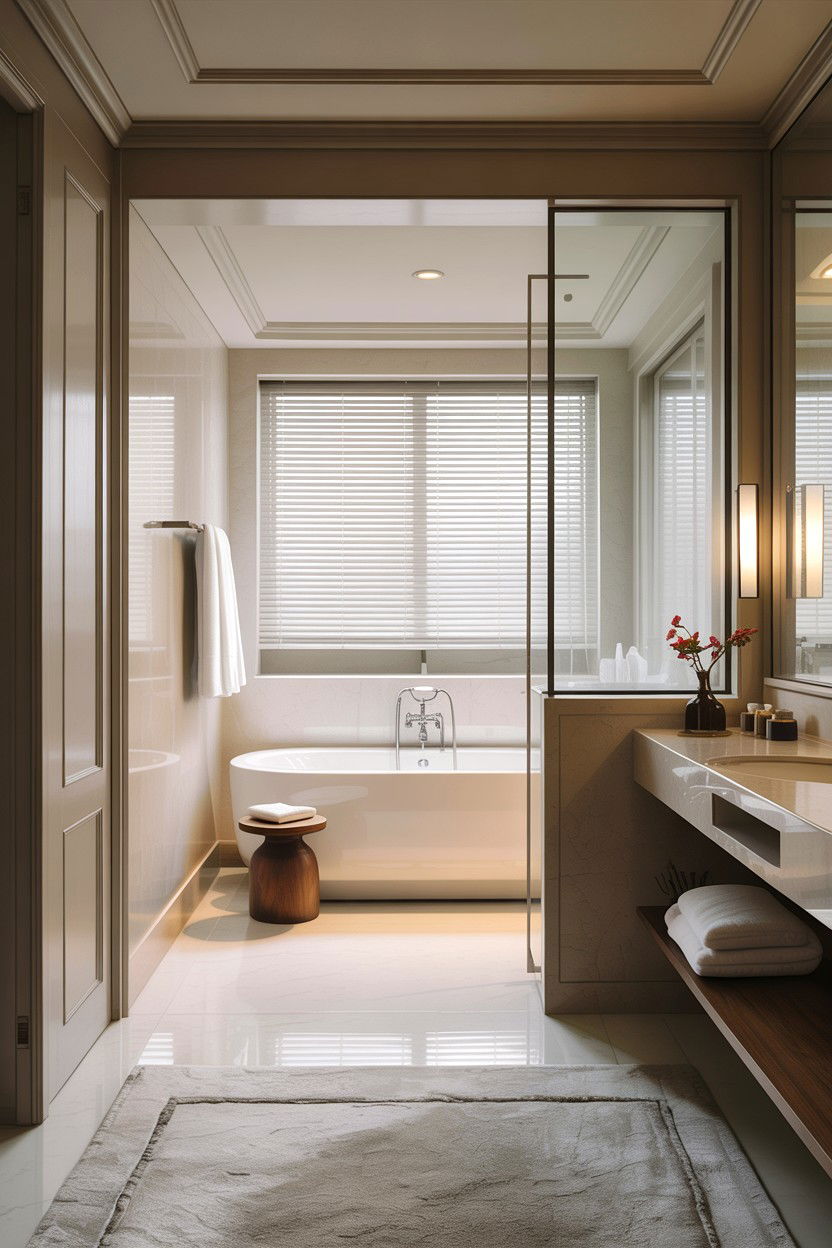
The open plan bedroom bathroom is a contemporary architectural trend that removes the walls between the sleeping and bathing areas. Architects use this layout to create a large, unified suite that feels like a luxury hotel. The bathtub might be placed in the corner of the bedroom, while the vanity acts as a room divider. To maintain functionality, the toilet is usually kept in a private enclosure. This design maximizes light and views, creating a sense of total openness. It is a sophisticated choice for couples who enjoy a modern, integrated lifestyle and want to emphasize a sense of space.
30. Eco friendly bathroom
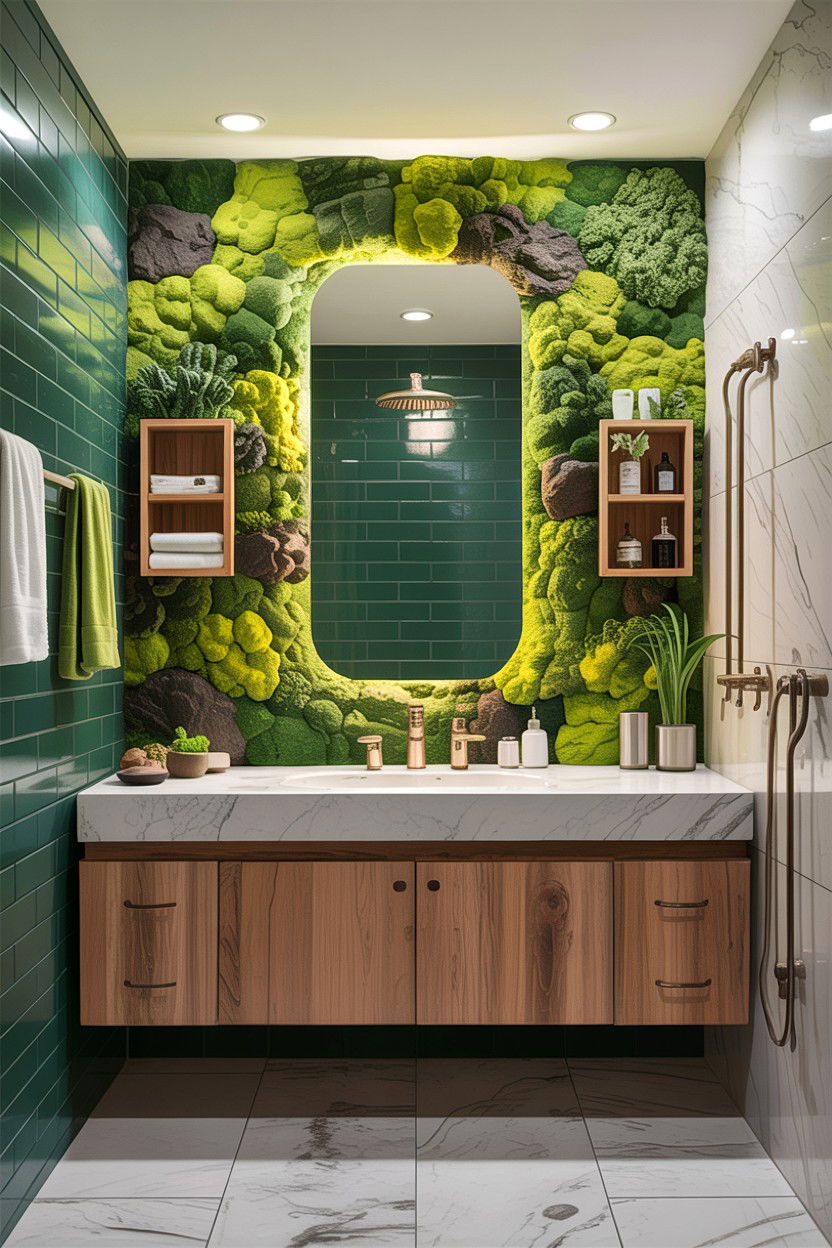
An eco friendly bathroom is designed with sustainability at its core, without sacrificing architectural beauty. Architects focus on water-saving fixtures, low-VOC materials, and recycled content, such as terrazzo made from crushed glass. Natural lighting is maximized through skylights or large windows to reduce energy consumption, while high-efficiency ventilation systems ensure a healthy environment. This approach often incorporates biophilic elements like living green walls or natural stone to create a connection with nature. By choosing durable, ethically sourced materials, an architect-designed eco bathroom provides a beautiful, responsible space that is built to last for many generations to come.
Conclusion:
Investing in an architect-designed bathroom is a decision that pays dividends in both daily enjoyment and long-term home value. By focusing on structural integrity, high-quality materials, and innovative layouts, these thirty ideas demonstrate how a bathroom can transcend its utilitarian roots to become a true masterpiece of design. Whether you prefer the raw honesty of industrial concrete or the serene luxury of a Japanese soaking tub, the key is to prioritize balance and intentionality. A well-planned bathroom not only looks stunning but also functions seamlessly, providing a calm and restorative environment that enhances your overall quality of life every single day.
Related posts:
Leave a Reply