

Creating a sanctuary for rest is essential when you struggle with falling asleep or staying asleep throughout the night. Insomnia often stems from a combination of stress and an environment that does not support natural circadian rhythms. By thoughtfully redesigning your sleeping quarters, you can influence your brain's ability to produce melatonin and transition into a state of deep relaxation. This guide explores various ways to optimize your bedroom, focusing on sensory details like color, light, sound, and texture. Each element is chosen to minimize stimulation and maximize comfort, ensuring that your room becomes a dedicated space for recovery rather than a place of frustration and wakefulness.
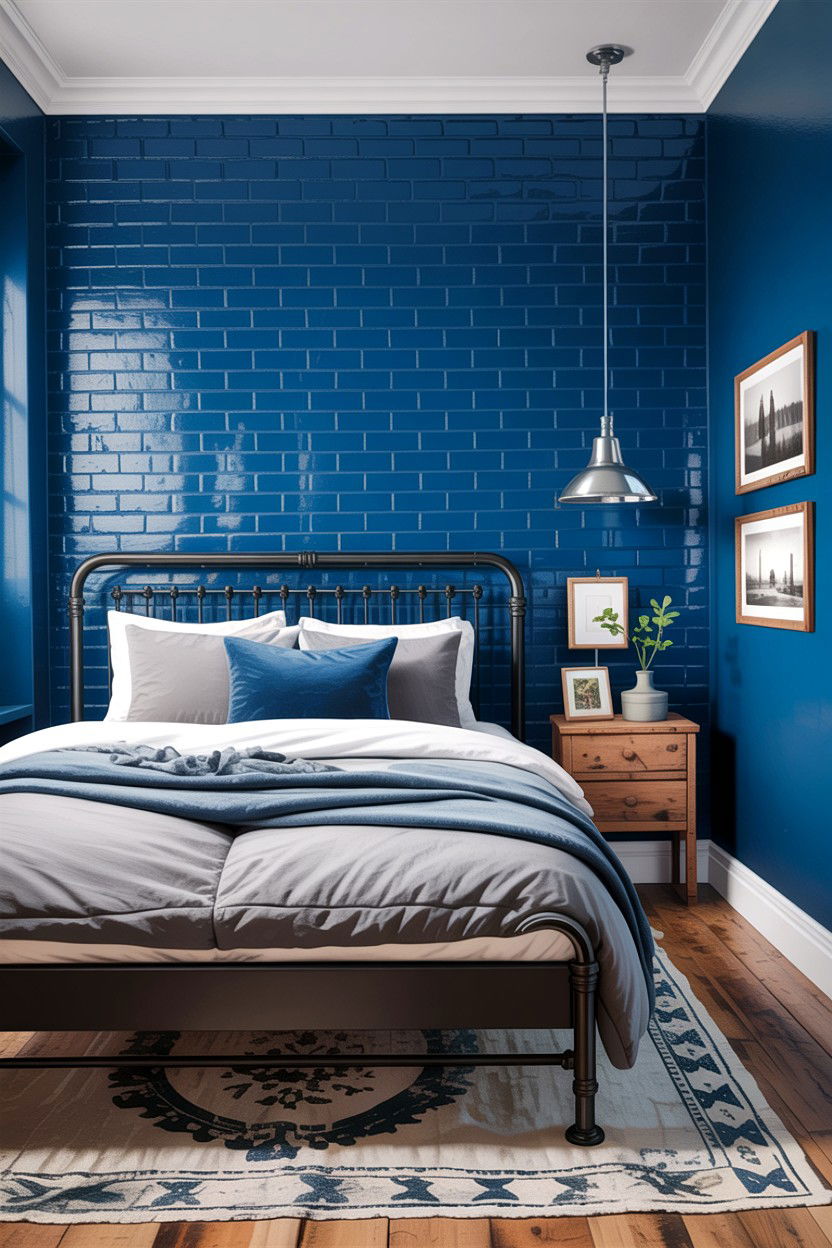
1. Dark Blue Bedroom
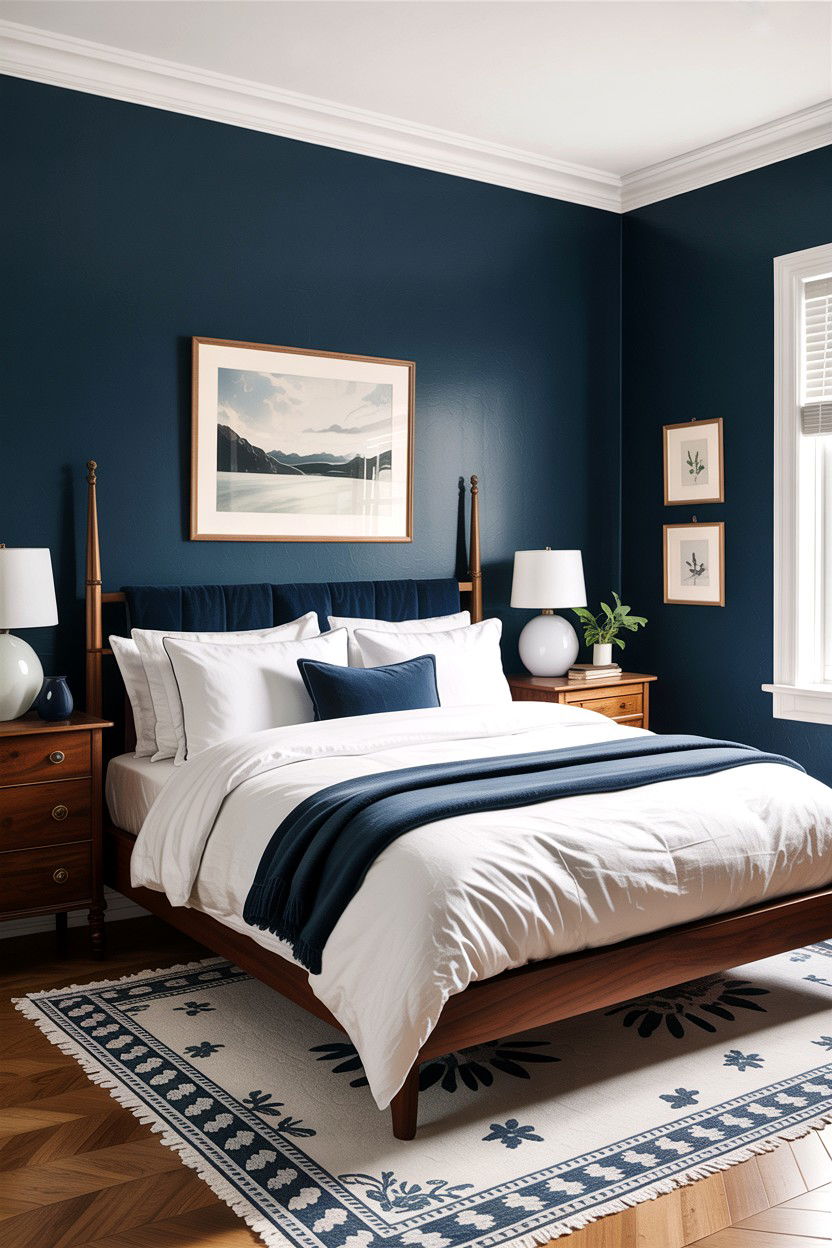
Have you ever noticed how a deep, moody color can instantly lower your heart rate when you walk into a room? Dark blue is scientifically recognized for its ability to promote calm and relaxation, making it a top choice for chronic insomniacs. By painting the walls in a navy or midnight hue, you create a cocoon-like environment that signals to your brain it is time to wind down. This specific color scheme works best when paired with soft white accents to keep the space from feeling too heavy. Focus on a matte finish to prevent light reflection from streetlamps or electronics. A dark blue bedroom provides the visual depth needed to rest.
2. Blackout Window Treatment
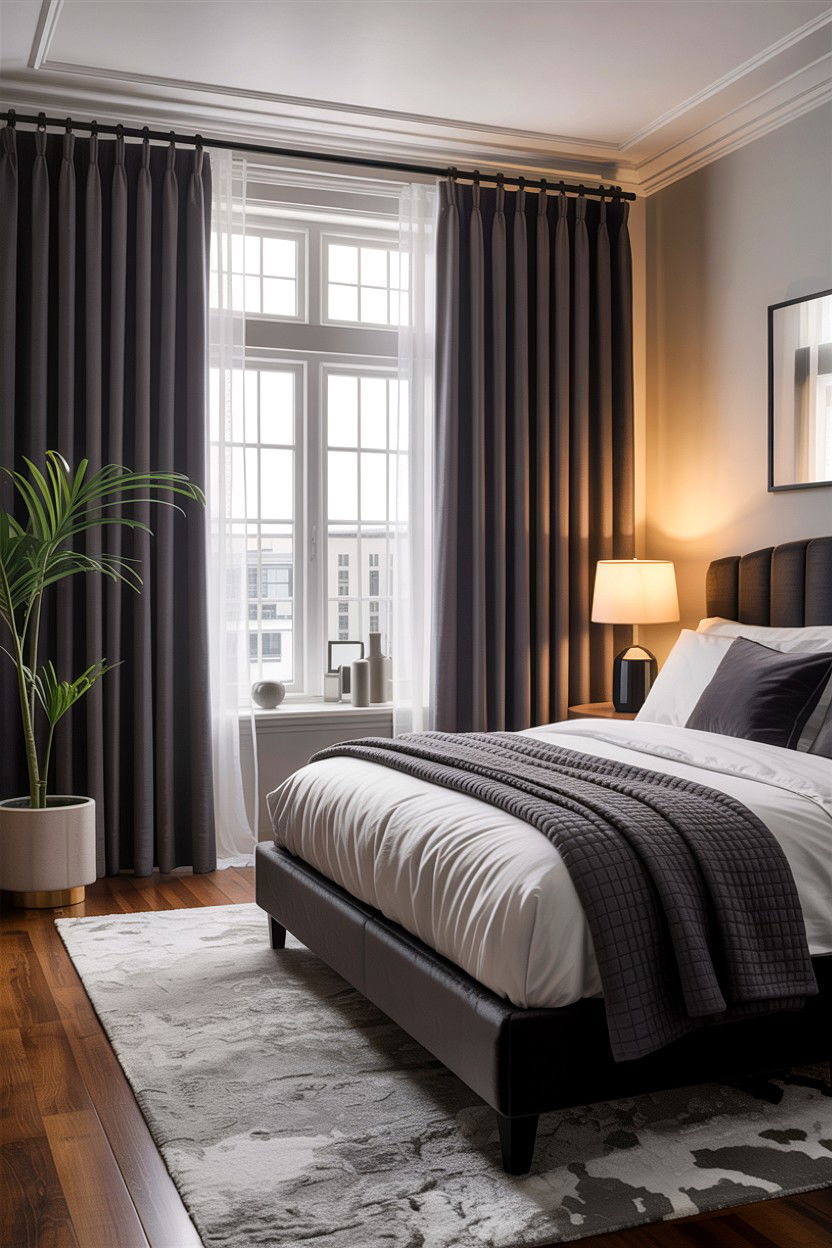
Light is the primary enemy of a good night's rest, especially if you live in an urban area with constant streetlights. Installing heavy blackout window treatments is one of the most effective ways to tell your body that the day has officially ended. These curtains are designed with a special lining that blocks out one hundred percent of external light sources, ensuring your room remains pitch black even after the sun rises. When choosing these, look for floor-to-ceiling options to prevent light leaks around the edges. This setup creates a cave-like atmosphere that is perfect for those who are highly sensitive to morning brightness.
3. Minimalist Bedside Table
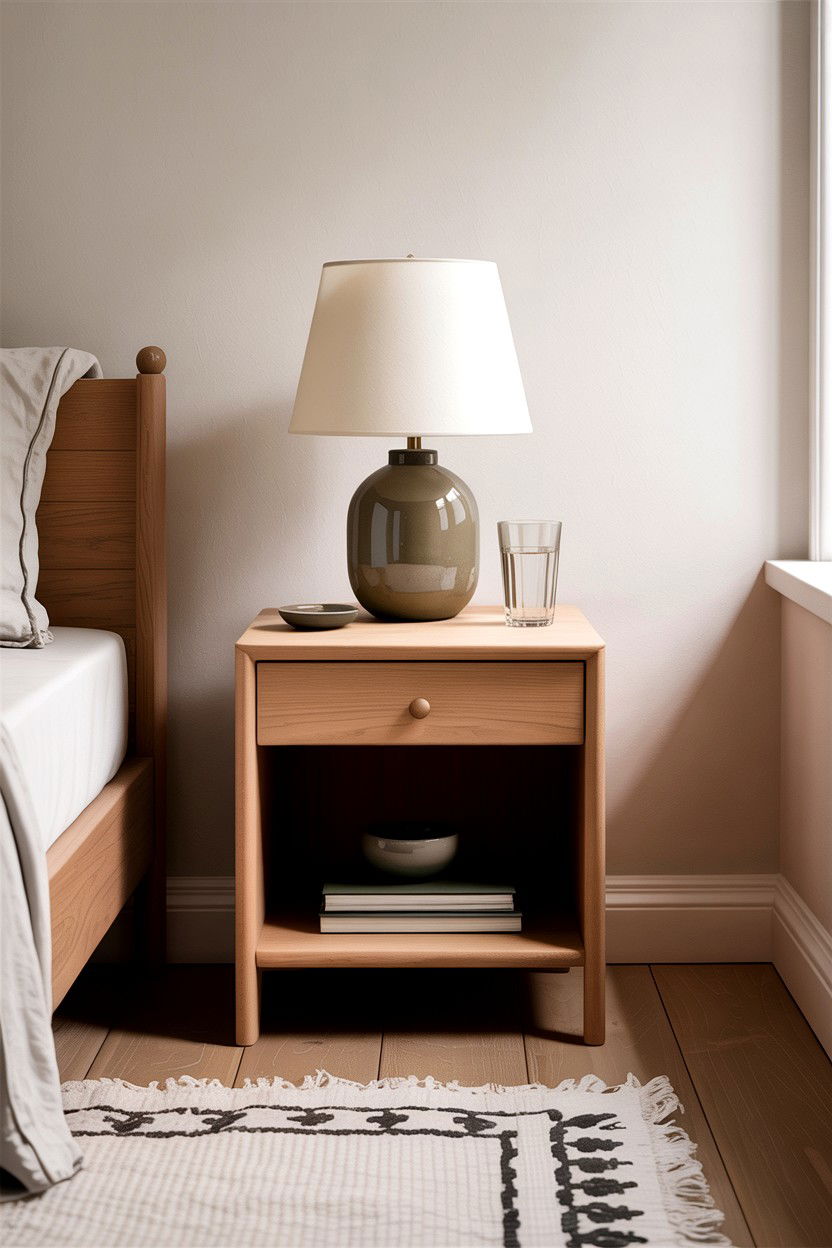
A cluttered nightstand can lead to a cluttered mind, which is the last thing you want when trying to overcome insomnia. Switching to a minimalist bedside table helps reduce visual noise and keeps only the essentials within arm's reach. Instead of piling books, chargers, and glasses on the surface, look for a sleek design with a single drawer to hide away distractions. Keeping the top surface clear, perhaps with just a small lamp or a glass of water, creates a sense of order that promotes mental peace. This simple change encourages you to focus on sleep rather than the unfinished tasks sitting right next to your head.
4. Weighted Blanket Bedding

If you find yourself tossing and turning due to anxiety, incorporating a weighted blanket into your bedding can make a world of difference. These blankets use deep pressure stimulation to mimic the feeling of being held or hugged, which can increase serotonin levels and reduce cortisol. When setting up this design, choose a weight that is roughly ten percent of your body weight for the best results. Pair the blanket with breathable cotton sheets to ensure you do not overheat during the night. The added weight provides a grounding sensation that helps settle a restless nervous system, making it easier to drift into a deep sleep.
5. Air Purifier Placement
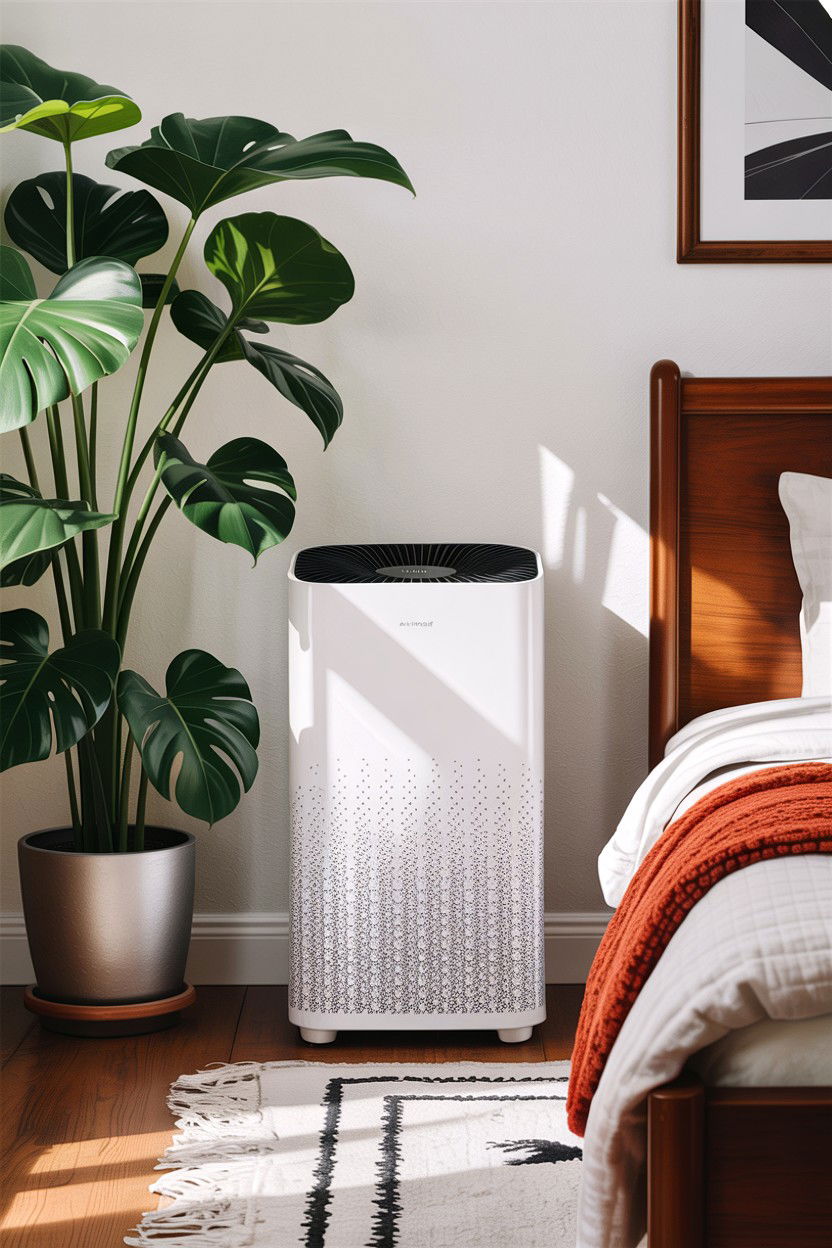
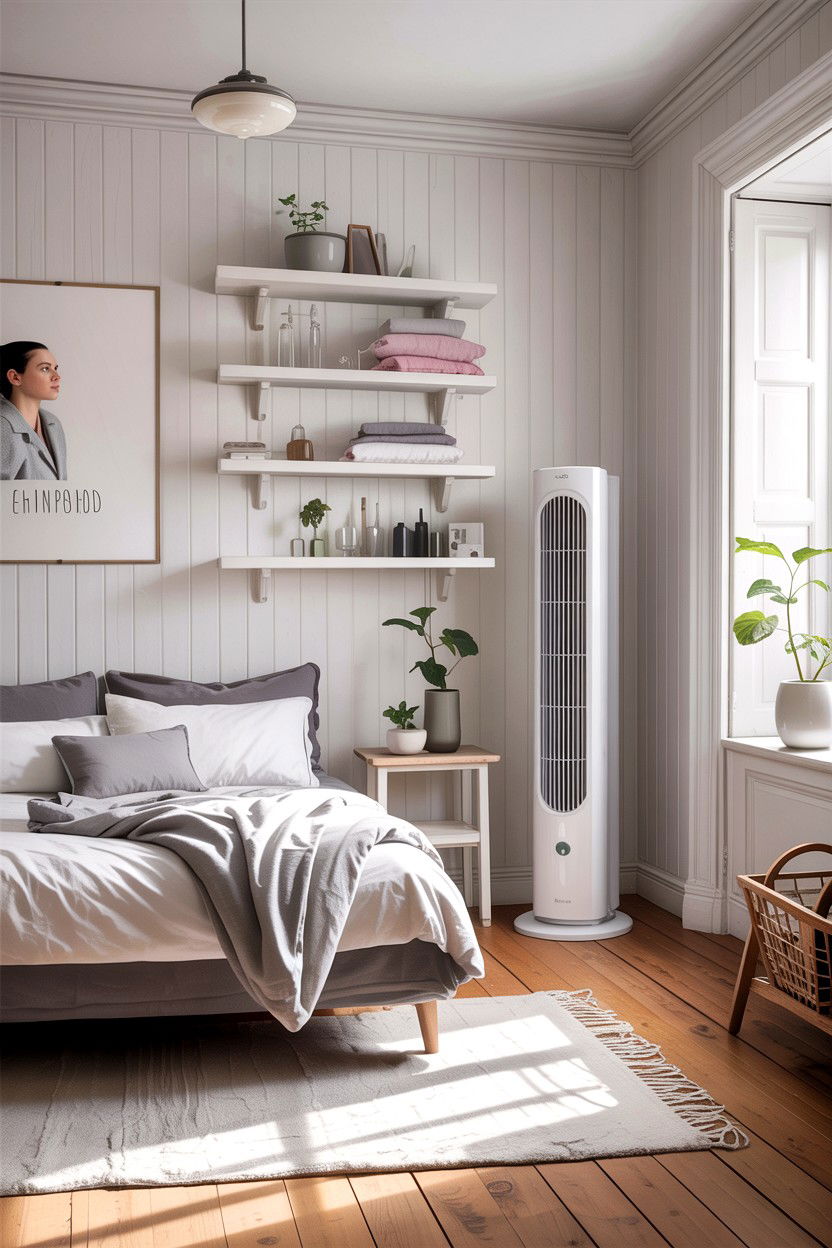
Clean air is often overlooked when discussing sleep quality, but breathing in dust or allergens can lead to congestion that keeps you awake. Placing a high-quality air purifier in your bedroom ensures that the air remains crisp and easy to breathe throughout the night. Many modern units also produce a very soft, consistent hum that acts as a natural white noise machine, further aiding those who are easily startled by sudden sounds. Position the device in a corner where it can circulate air effectively without blowing directly onto your face. This functional addition creates a fresh environment that supports healthy, uninterrupted respiratory cycles while you rest.
6. Soft Wool Rug
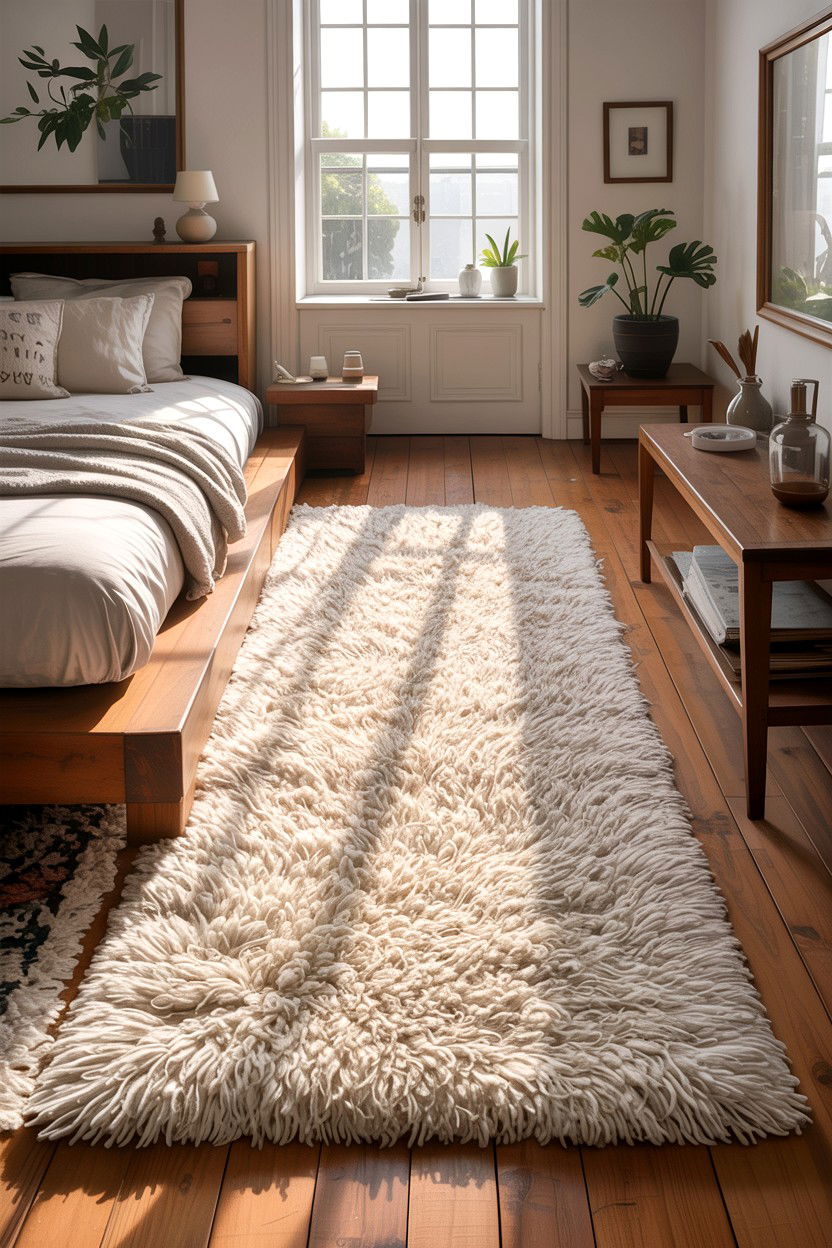
Stepping onto a cold, hard floor in the middle of the night can be a jarring experience that fully wakes up your brain. Placing a soft wool rug beside your bed ensures that your first and last steps of the day are cushioned and warm. Wool is a natural fiber that regulates temperature well and provides a luxurious texture that feels grounding underfoot. Choose a neutral or muted color to keep the visual energy of the room low and inviting. A large rug that extends under the bed also helps dampen echoes in the room, contributing to a quieter and much more peaceful sleeping environment overall.
7. Dimmable Ambient Lighting
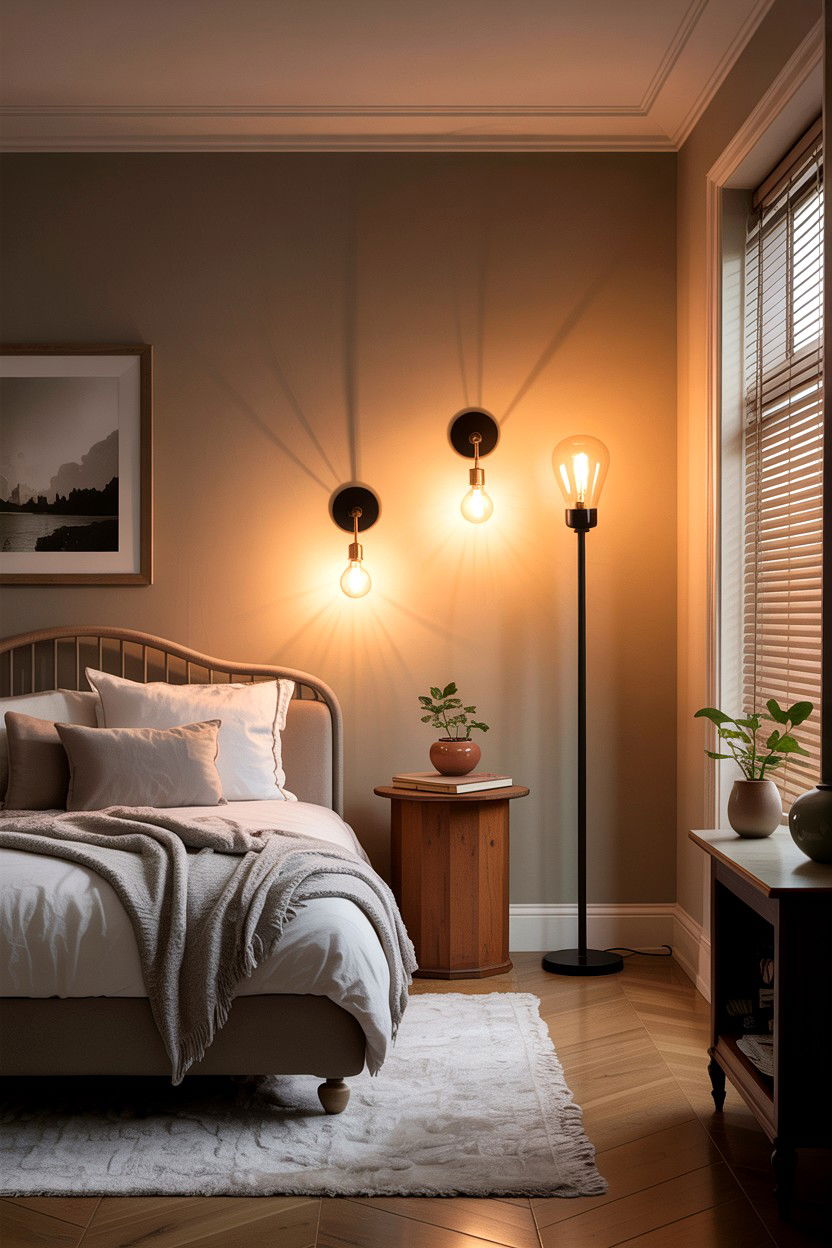
Harsh overhead lighting can interfere with your body's internal clock by suppressing melatonin production long before you actually get into bed. Implementing dimmable ambient lighting allows you to gradually lower the light levels as your bedtime approaches, mimicking the natural setting of the sun. Use warm-toned bulbs rather than cool blue ones to create a cozy and inviting glow throughout the space. Floor lamps and wall sconces are excellent tools for layering light without creating glare. By controlling the intensity of your environment, you prepare your eyes and mind for the darkness required for a restorative and long night of deep sleep.
8. Indoor Plant Decor
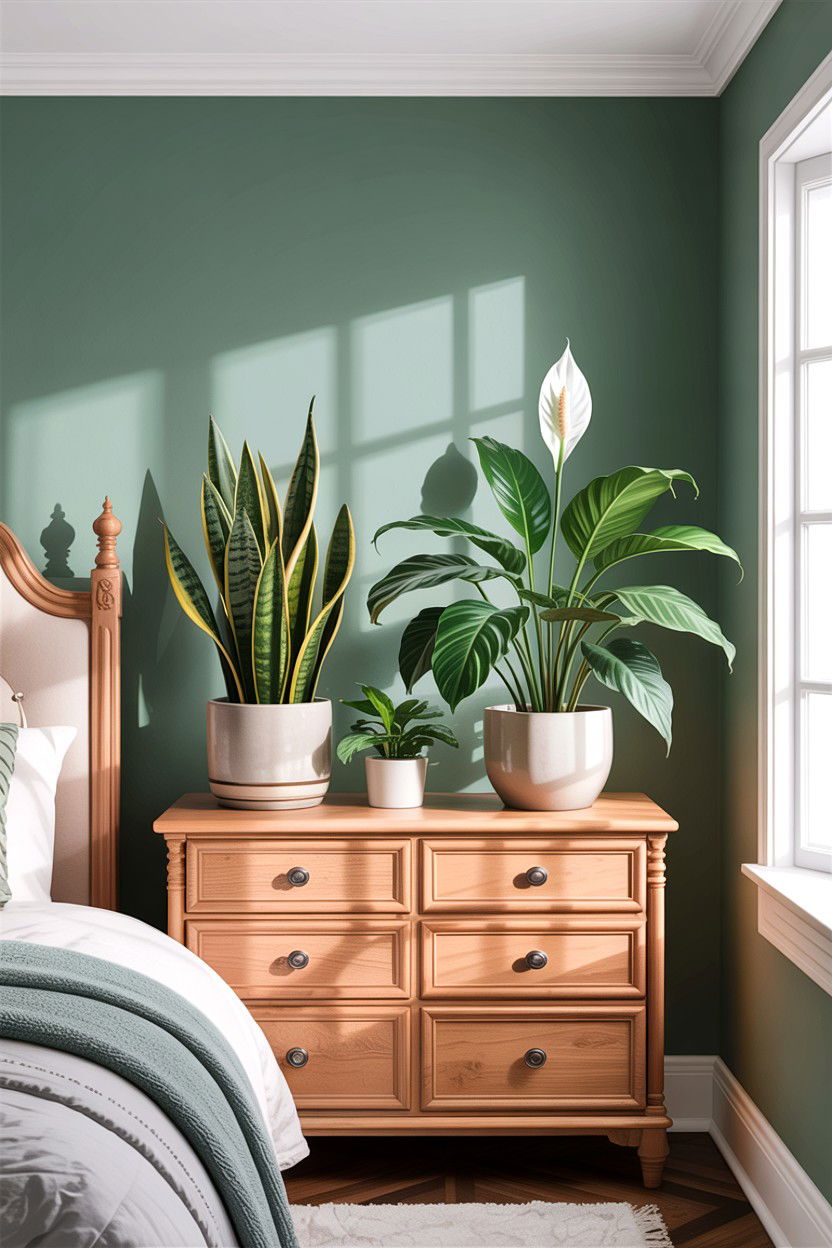
Bringing a touch of nature indoors can significantly lower stress levels and improve the overall aesthetic of a sleep-focused bedroom. Certain indoor plants, like snake plants or aloe vera, are known to release oxygen at night, which can slightly improve the air quality around your bed. The presence of greenery has a psychological cooling effect, making the room feel like a serene garden rather than a confined indoor space. Opt for low-maintenance plants that thrive in indirect light to keep the maintenance stress-free. Placing a few pots on a dresser or a dedicated plant stand adds a living, breathing element of tranquility to your decor.
9. White Noise Machine Station
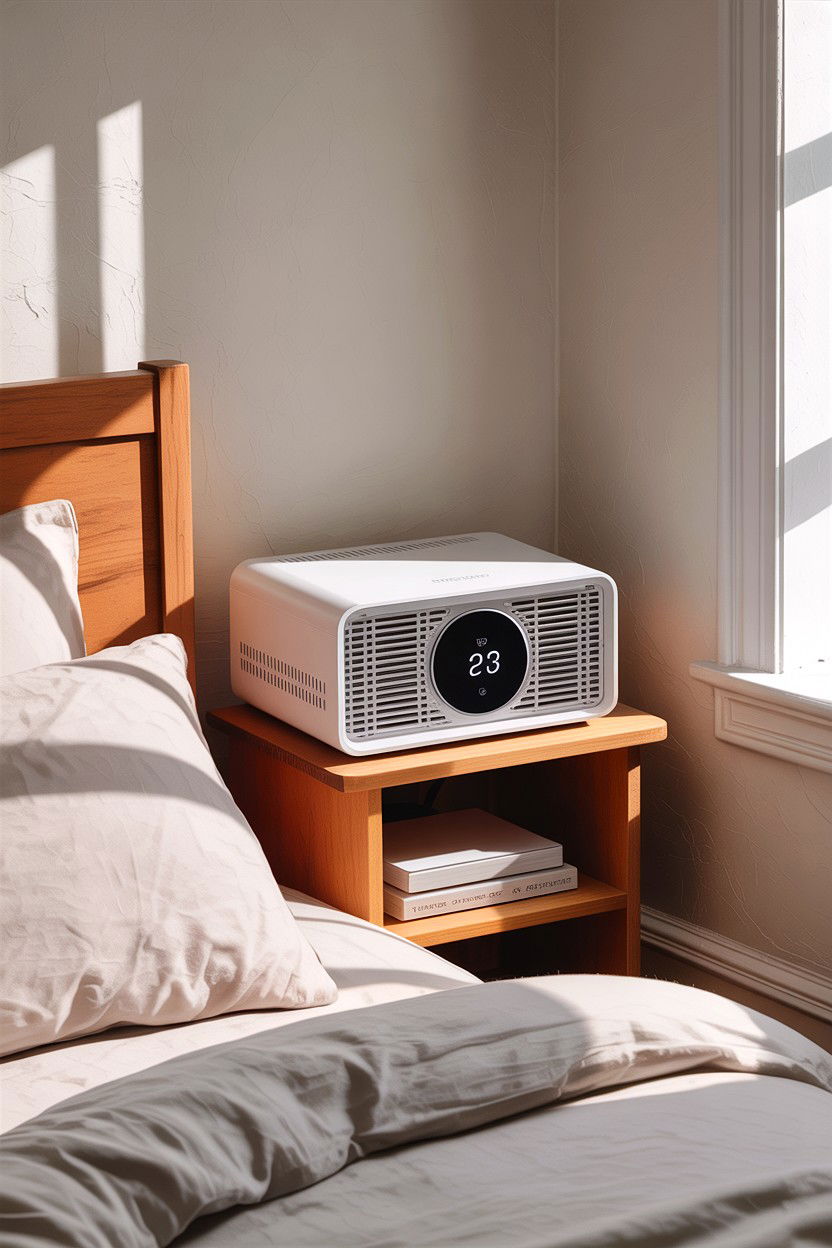
For those who live in noisy neighborhoods or have a partner who snores, a dedicated white noise machine station can be a total lifesaver. Instead of relying on a phone app that might distract you with notifications, use a standalone device placed on a stable surface. These machines produce a consistent frequency that masks disruptive background sounds like barking dogs or passing cars. You can integrate the machine into your room design by placing it on a small wooden pedestal or a dedicated shelf. The steady sound creates a predictable auditory environment, allowing your brain to let go of external noises and focus entirely on resting.
10. Lavender Aromatherapy Corner

Scent is a powerful tool for triggering relaxation, and lavender has been used for centuries as a natural remedy for restlessness. Creating a small aromatherapy corner with an essential oil diffuser or a bowl of dried lavender can transform the mood of your bedroom. Set up this area on a dresser or a small side table away from the bed to allow the scent to disperse evenly throughout the room. Using high-quality, organic oils ensures that the fragrance is subtle rather than overwhelming. Incorporating this sensory element into your nightly routine helps your brain associate the specific smell of lavender with the beginning of sleep.


11. Soundproof Wall Panel
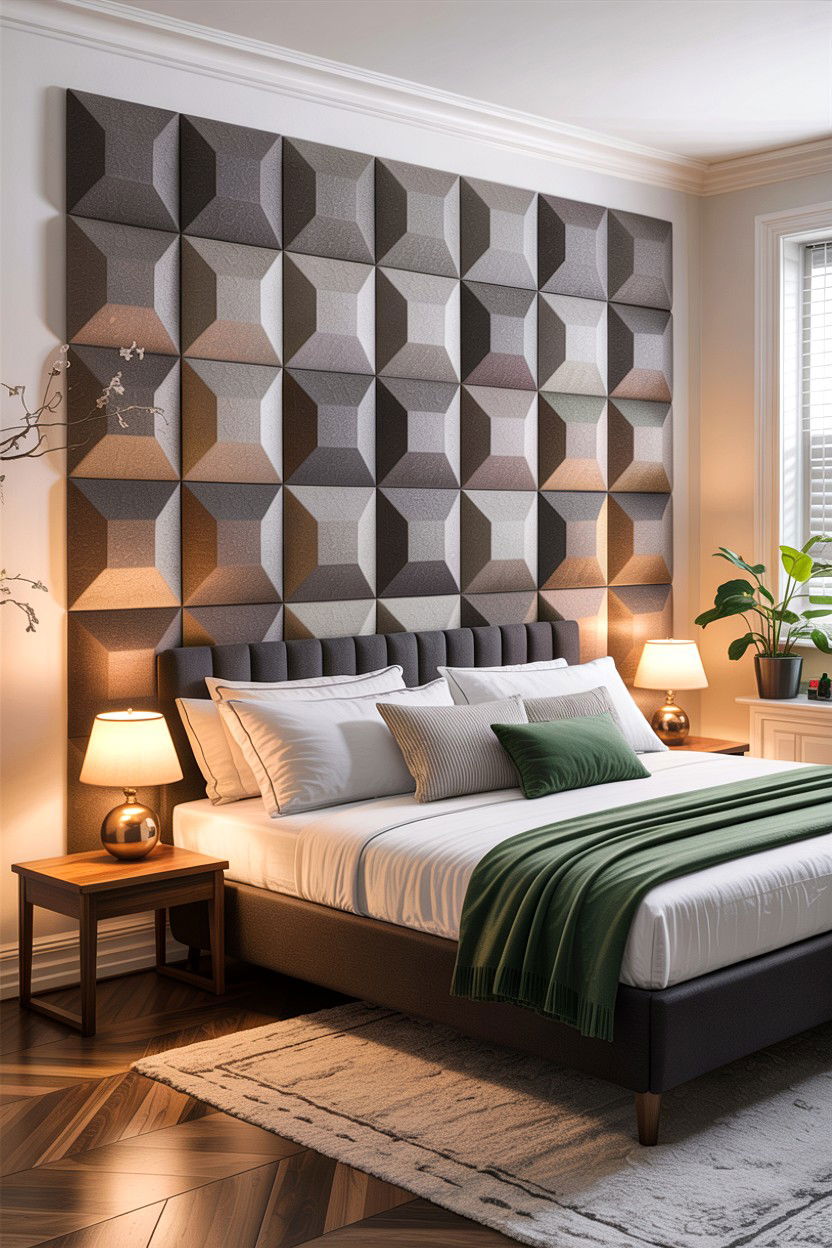
If external noise is the primary cause of your insomnia, installing soundproof wall panels can provide the structural solution you need. These panels are often made of dense foam or fabric-wrapped mineral wool and are designed to absorb sound waves before they reach your ears. Modern designs come in various geometric shapes and soft colors, allowing them to double as a unique piece of wall art. You can place them behind the headboard or on the wall facing a busy street to create a literal barrier against the world. This functional decor ensures that your bedroom remains a silent vault where you can finally find peace.
12. Cool Temperature Bedding
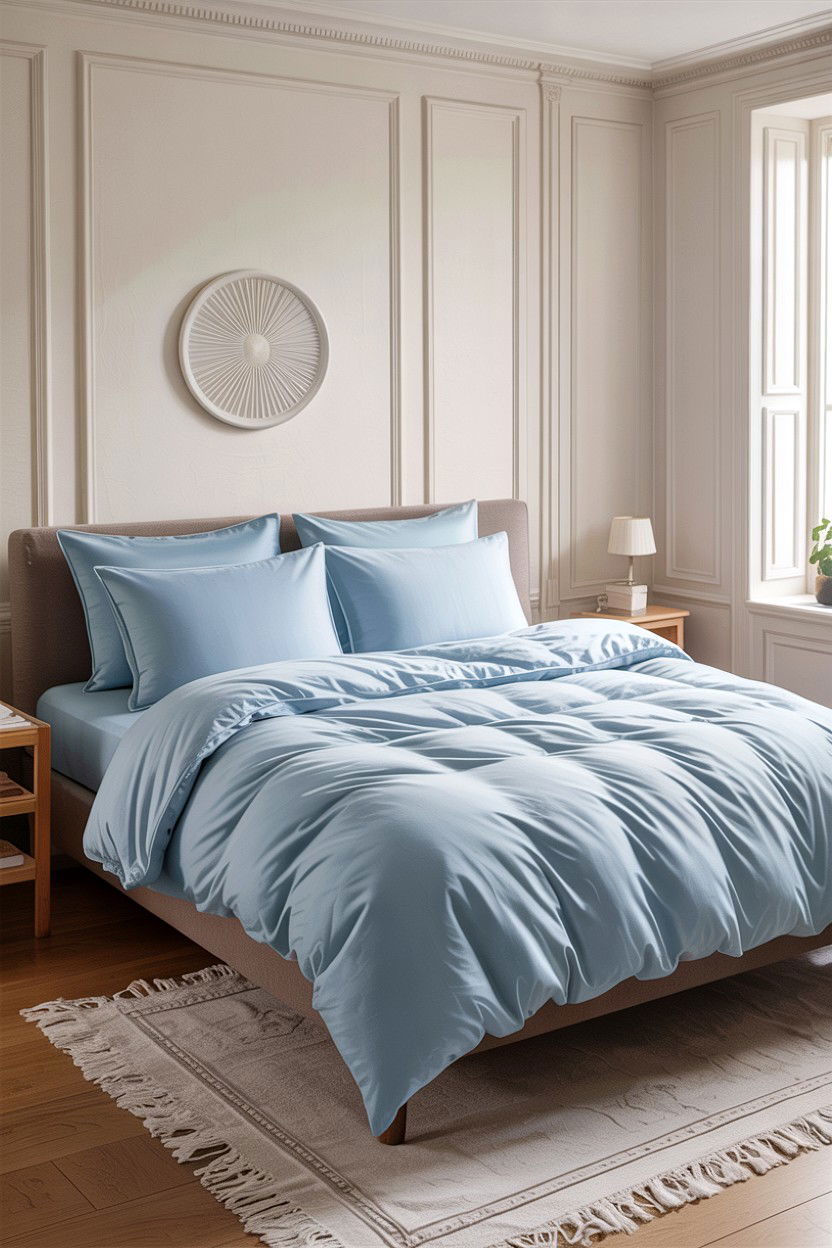
Sleeping in a room that is too hot is a common trigger for waking up in the middle of the night. Switching to bedding specifically designed for temperature regulation can help keep your body at the ideal coolness for sleep. Look for materials like Tencel, bamboo, or specialized cooling gels infused into the mattress topper. These fabrics are highly breathable and moisture-wicking, preventing the buildup of body heat under the covers. Pair these with a lightweight duvet to ensure you feel tucked in without feeling weighed down by heat. Maintaining a cool physical environment is essential for staying in the deeper stages of the sleep cycle.
13. Neutral Color Palette
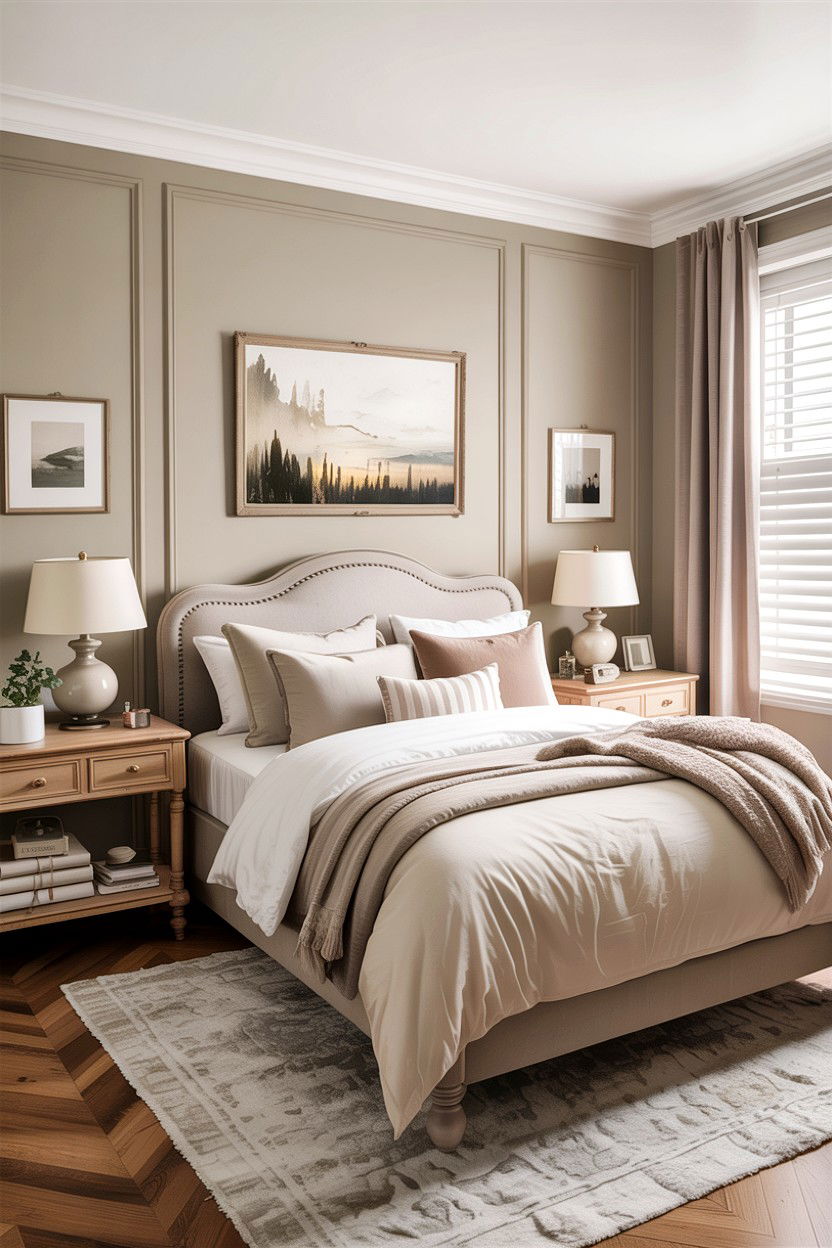
A bedroom filled with bright, energetic colors like red or orange can inadvertently keep your mind active when you should be resting. Transitioning to a neutral color palette featuring shades of beige, soft grey, and warm cream creates a visual "blank slate" for the brain. These colors do not demand attention, allowing your eyes to rest as soon as you enter the room. You can layer different textures within the same color family to keep the design interesting without being overstimulating. A neutral room feels timeless and airy, providing a calm backdrop that makes it much easier to disconnect from the frantic energy of the day.
14. Hidden Storage Furniture

Visual clutter is often a reflection of mental clutter, and seeing a pile of laundry or random items can cause subconscious stress. Utilizing hidden storage furniture, such as an ottoman bed or a bench with a lift-top lid, allows you to tuck away belongings out of sight. When everything has a designated place that is hidden from view, the bedroom feels more like a luxury hotel suite and less like a storage unit. This design choice is particularly helpful in small bedrooms where space is at a premium. A tidy, organized room promotes a sense of control and calm that is vital for falling asleep.
15. Reading Nook Chair
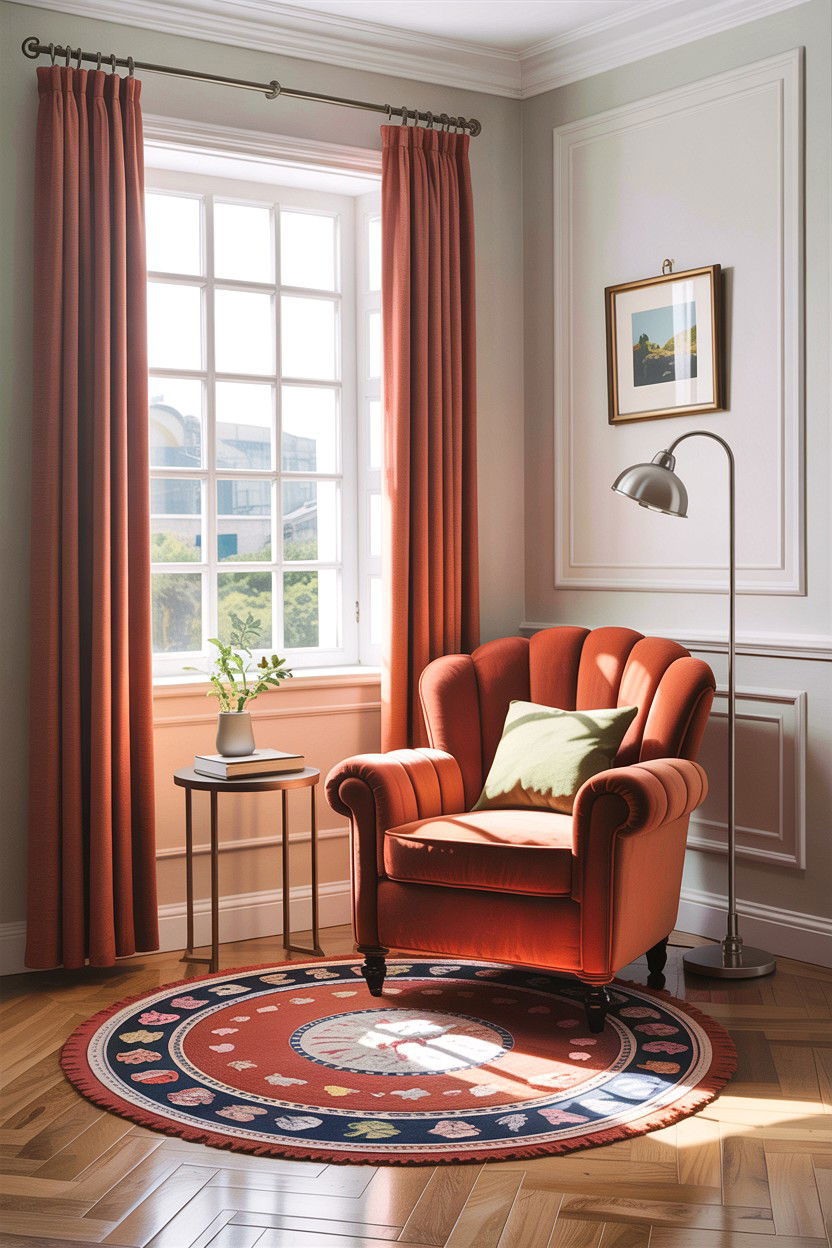
Sometimes, the best way to deal with insomnia is to get out of bed when you cannot sleep, so your brain doesn't associate the mattress with frustration. Adding a comfortable reading nook chair in a corner of the bedroom provides a secondary place to relax. Choose a chair with soft upholstery and a supportive back, paired with a very small, low-wattage reading lamp. If you find yourself wide awake, you can move to this chair to read a physical book until you feel drowsy again. This separation of activities helps preserve the bed as a place solely for sleep, which is a key principle of sleep hygiene.

16. Natural Wood Element

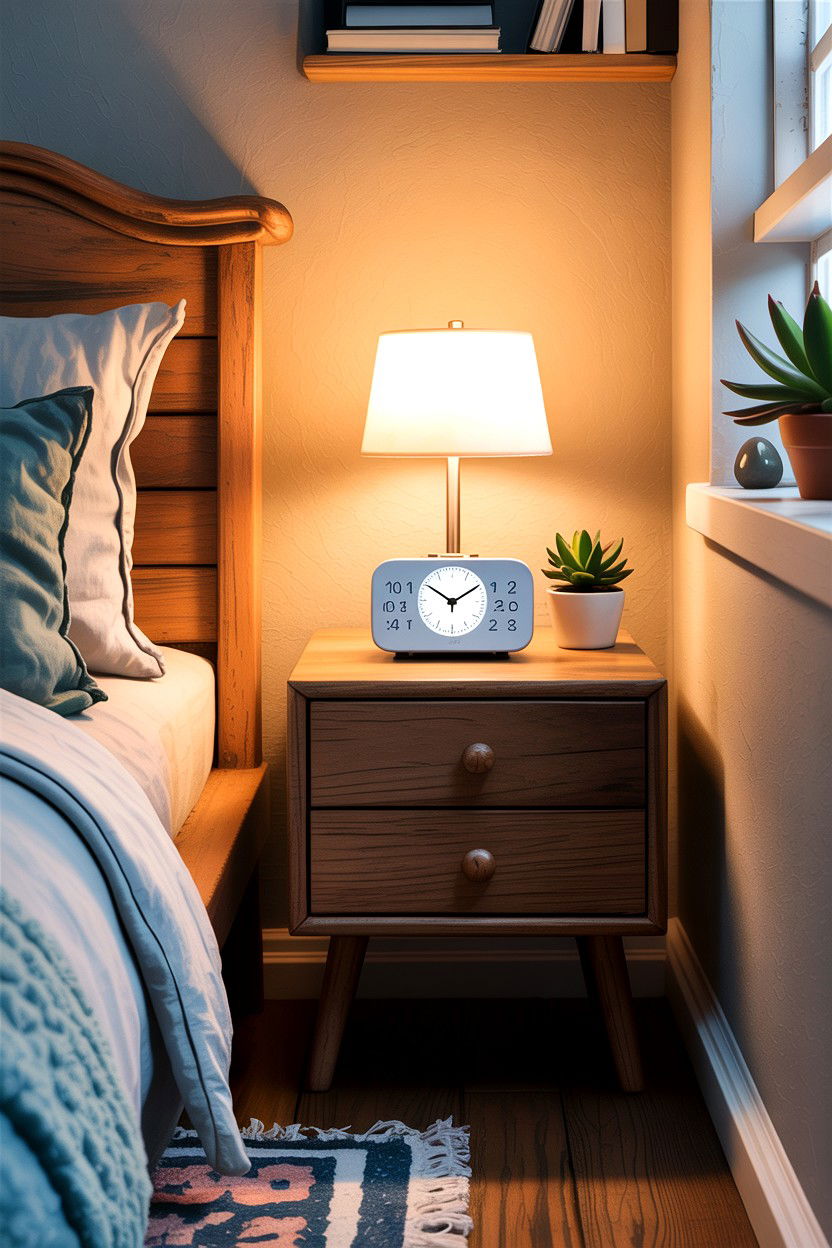
Incorporating natural wood elements into your bedroom design can create a grounding, earthy atmosphere that feels inherently peaceful. Whether it is a reclaimed wood headboard, a solid oak dresser, or simple floating shelves, the organic grain and warmth of wood bring a sense of the outdoors inside. Wood has a soft visual texture that contrasts beautifully with plush bedding and fabric curtains. It also helps with acoustics, as solid wood doesn't reflect sound as harshly as metal or plastic. Choosing furniture with rounded edges rather than sharp corners further enhances the "soft" feel of the room, making the entire environment feel much safer and more relaxing.
17. Linen Bed Sheets
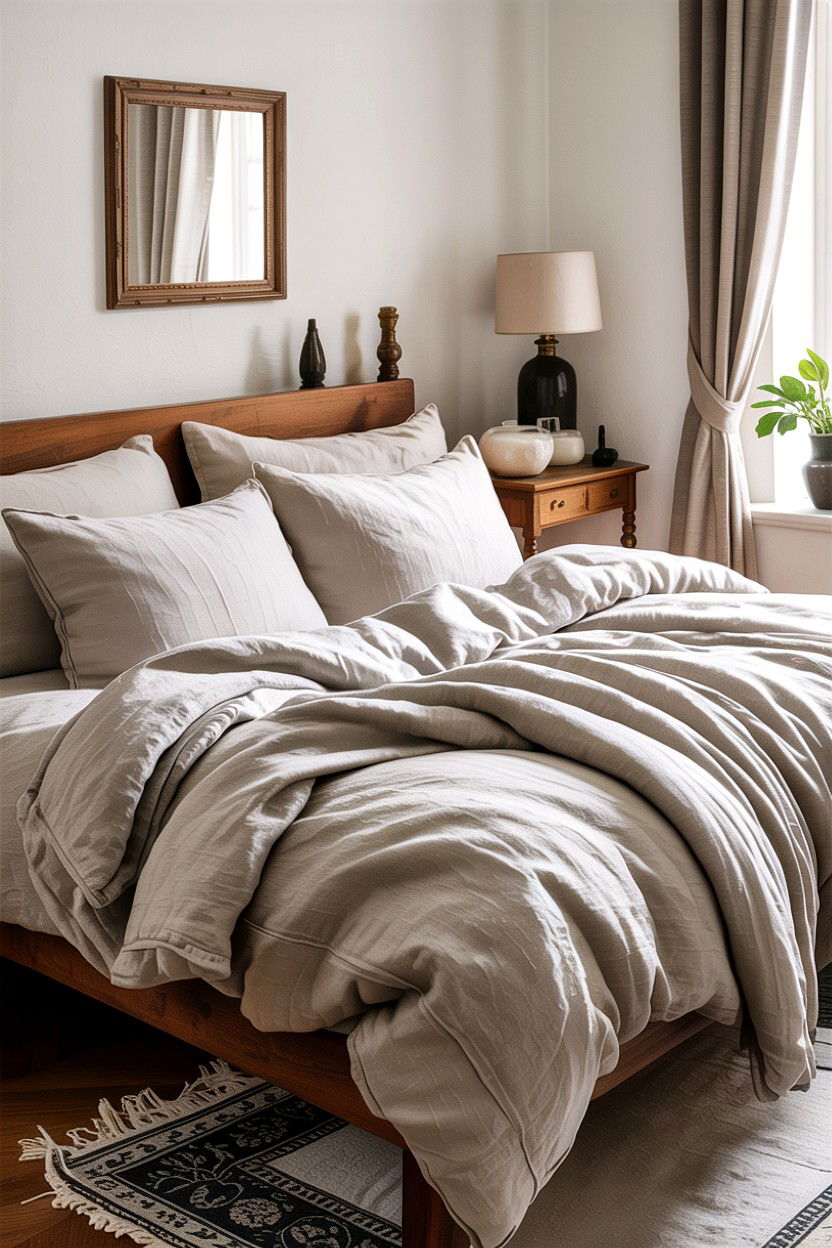
Linen is one of the oldest and most effective fabrics for promoting a good night's sleep due to its incredible breathability and durability. Unlike synthetic fibers, linen allows air to flow freely around your body, which helps regulate your temperature throughout the changing phases of the night. It also has a unique, slightly textured feel that becomes softer with every single wash, providing a sensory experience that is both cozy and refined. The natural, slightly wrinkled look of linen also contributes to a relaxed and lived-in aesthetic. This fabric is perfect for those who want a high-end feel while prioritizing the functional benefits of moisture-wicking materials.
18. Upholstered Headboard Wall
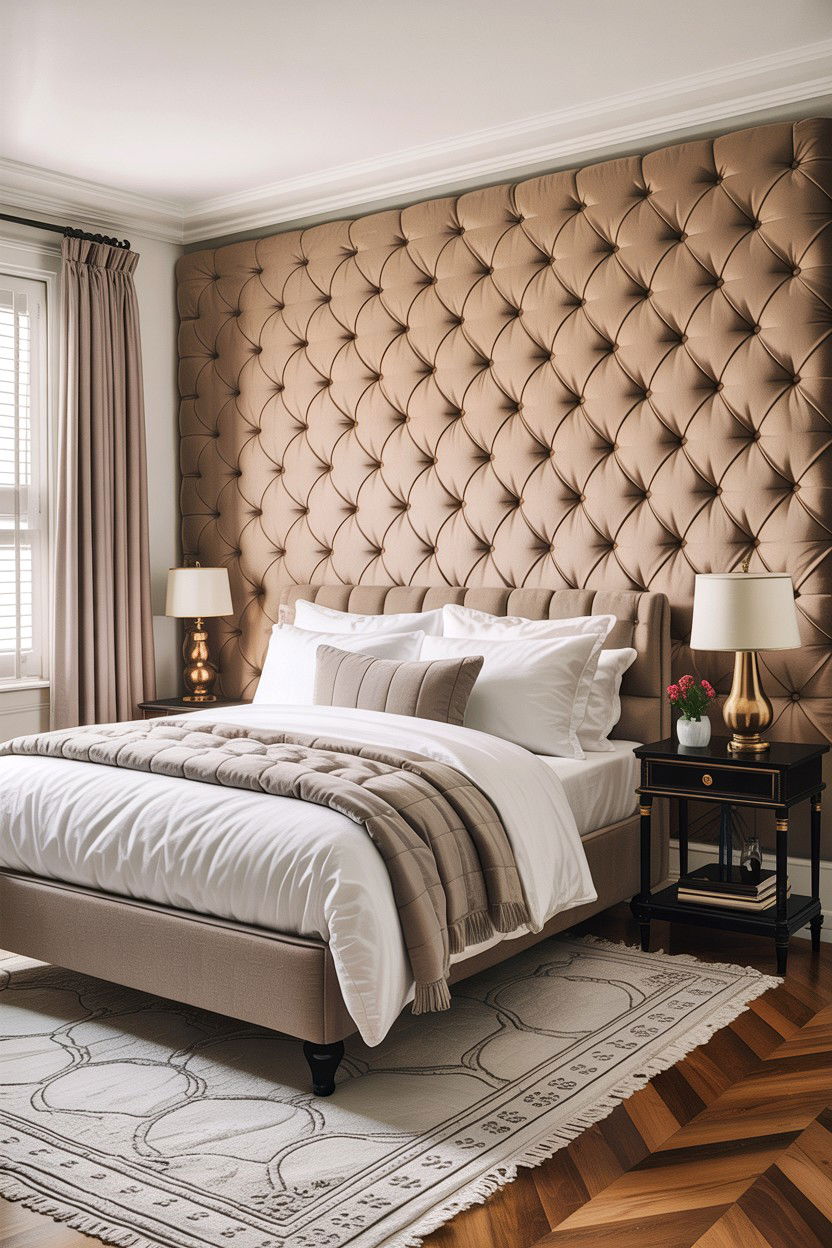
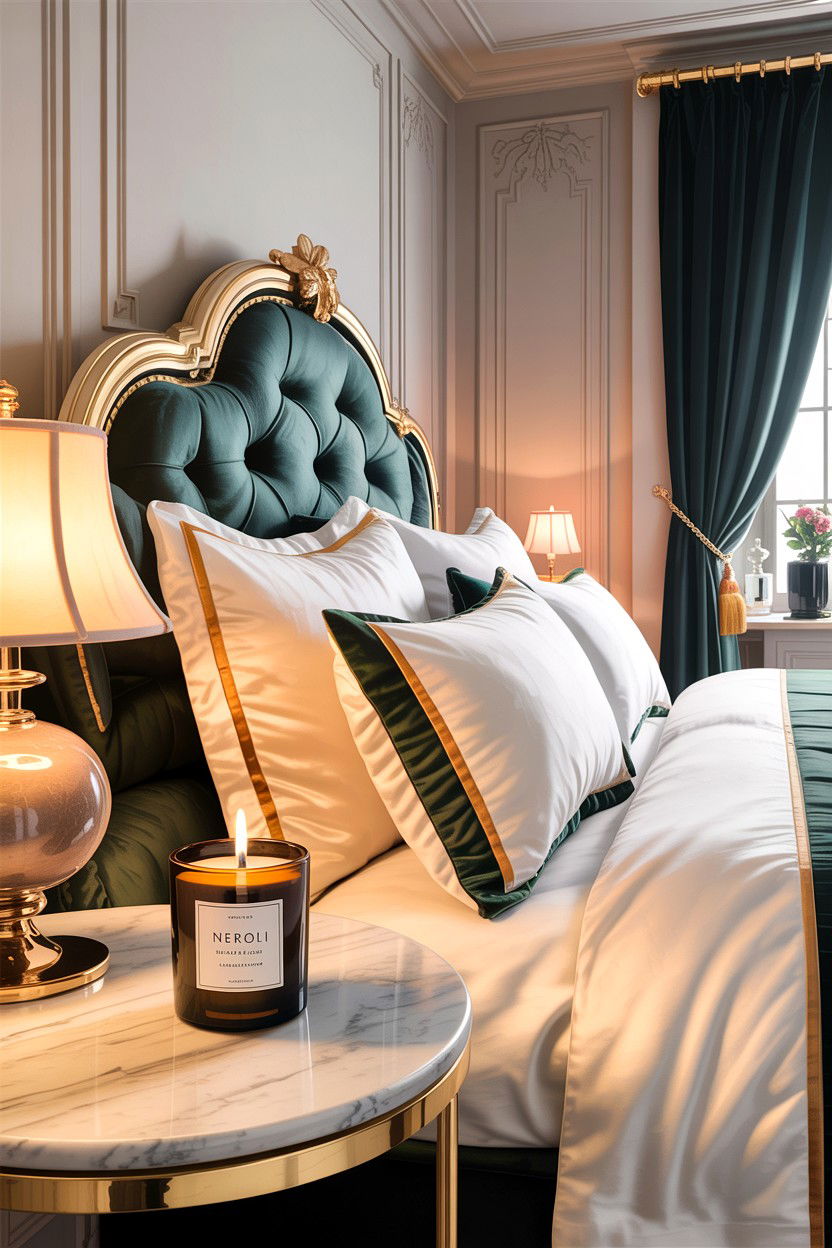
An upholstered headboard wall adds a layer of literal and visual softness to your bedroom, serving as a giant cushion for the entire space. Beyond its aesthetic appeal, a fabric-covered headboard provides excellent sound absorption, reducing the amount of noise that bounces off the walls. It also offers a comfortable surface to lean against if you are doing some light meditation or deep breathing exercises before lying down. Choose a fabric with a tight weave like velvet or heavy linen in a calming shade. This design choice makes the bed feel like the ultimate focal point of comfort, inviting you to sink in and let go.
19. Morning Sunlight Layout

While darkness is crucial for falling asleep, natural morning light is essential for regulating your internal clock and helping you wake up. Arranging your bedroom layout so that your bed faces a window can help you wake up more naturally as the sun rises. This exposure to early light helps reset your circadian rhythm, which can actually make it easier to fall asleep the following night. If you use blackout curtains, you can partially open them before bed or use a motorized system that opens them at a set time. This connection to the natural cycle of the day is a powerful tool for managing long-term sleep issues.
20. Clutter Free Workspace
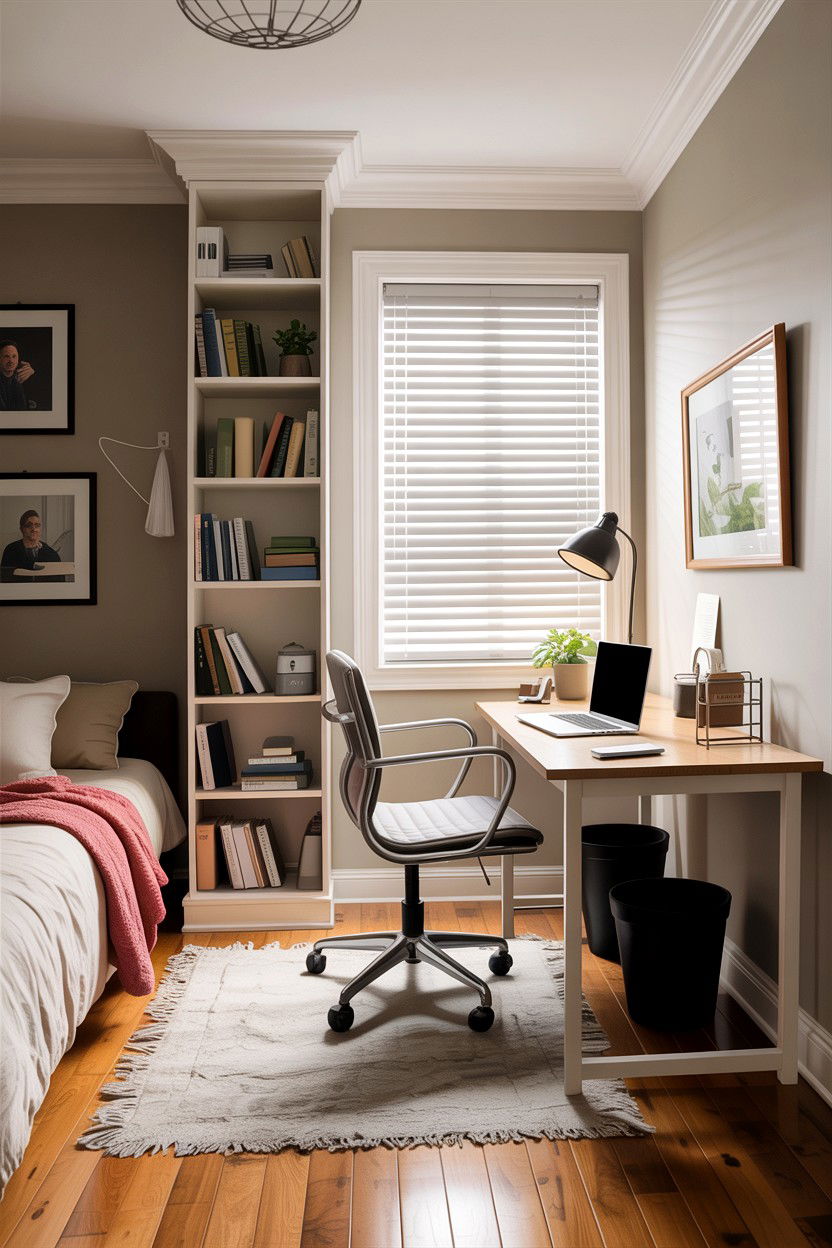
If you must have a desk in your bedroom, it is vital to keep it completely clutter-free and visually separated from your sleeping area. Seeing a computer or a stack of bills from your bed can trigger thoughts about work and responsibilities, keeping your brain in an "active" mode. Use a room divider, a tall plant, or even a simple curtain to hide the workspace once the workday is over. Keeping the desk surface clear and storing all work-related items in closed drawers ensures that the room remains a sanctuary. This physical boundary helps your mind transition from "production mode" to "rest mode" more effectively.
21. Silk Pillowcase Set

For a touch of luxury that also serves a functional purpose, consider investing in a high-quality silk pillowcase set. Silk is naturally hypoallergenic and incredibly smooth, which reduces friction on your skin and hair while you sleep. This smooth surface can be particularly soothing for those who are sensory-sensitive and find traditional cotton or polyester irritating. Silk also stays naturally cool to the touch, providing a refreshing surface for your face throughout the night. The gentle, frictionless feel of the fabric can help reduce physical discomfort, allowing you to settle into a comfortable position more quickly without constant adjusting or flipping of the pillow.
22. Low Profile Bed Frame
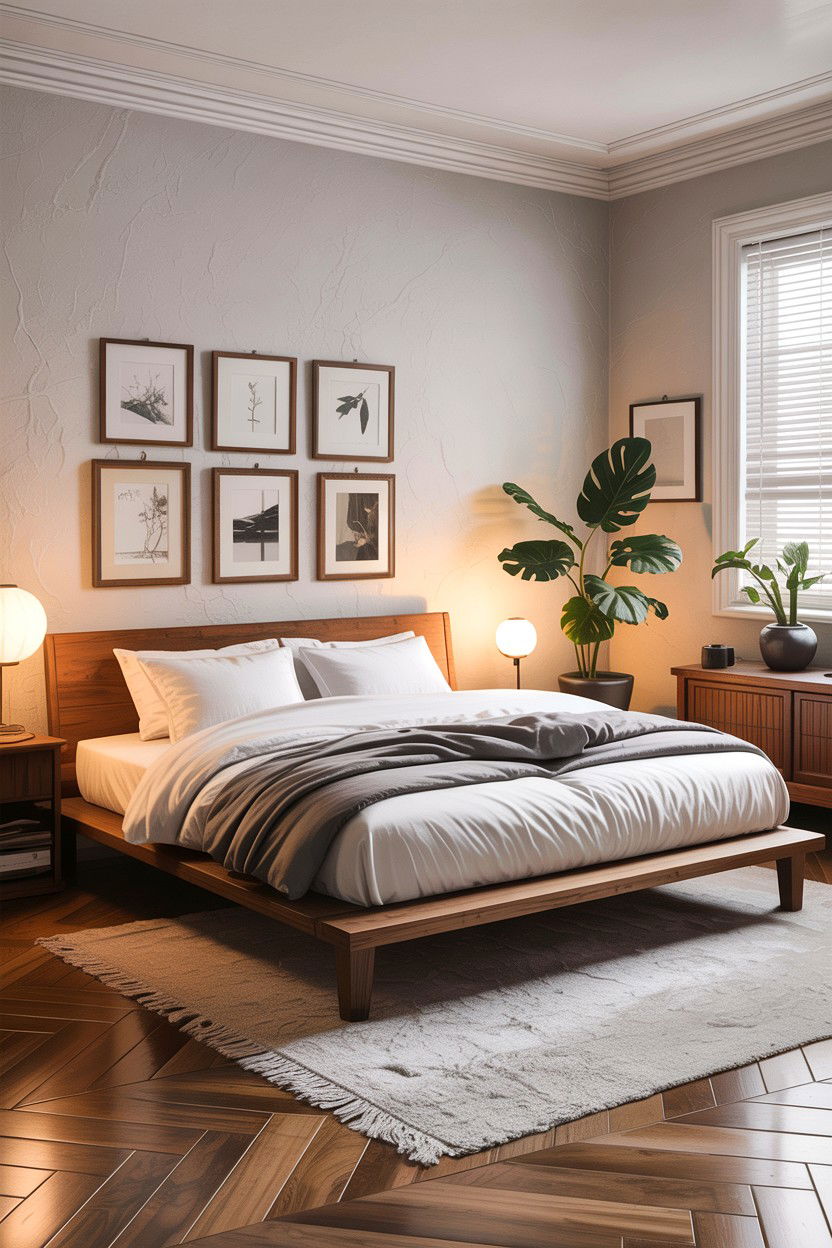
A low profile bed frame can change the entire perspective of a room, making the ceiling feel higher and the space feel more open. This design choice is often associated with Zen or minimalist styles, which prioritize simplicity and a lack of visual "noise." Being closer to the ground can provide a psychological sense of being grounded and stable, which is helpful for those who feel anxious at night. Choose a frame made of natural materials like wood or upholstered fabric to maintain a soft look. This streamlined approach to furniture removes the bulkiness of traditional frames, creating a sleek and peaceful environment that is perfect for rest.
23. Humidifier Nightstand Setup
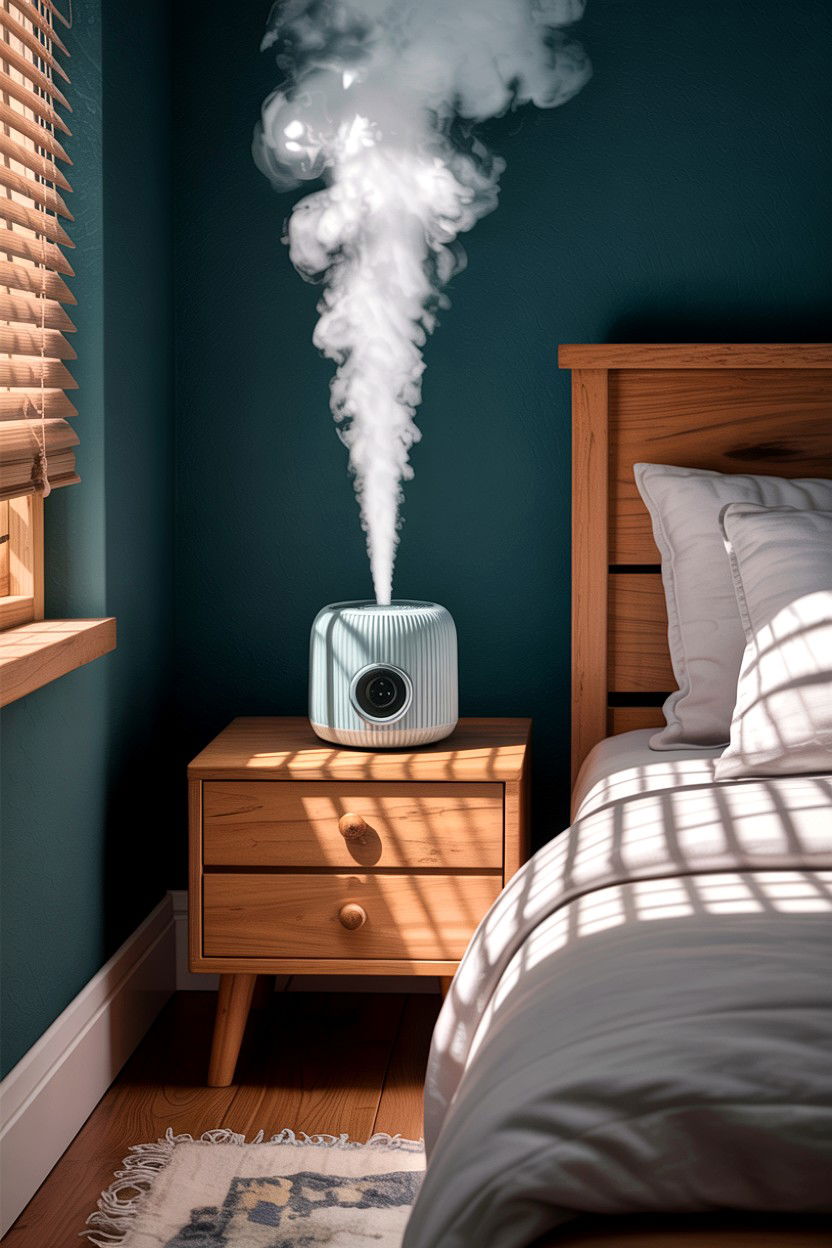
Dry air can lead to a scratchy throat, dry skin, and nasal congestion, all of which are common reasons for waking up during the night. Integrating a humidifier into your nightstand setup ensures that the air moisture remains at an optimal level for comfortable breathing. Modern humidifiers are designed to be nearly silent and can often run for the entire night on a single tank of water. Look for a model with a sleek design that blends in with your other decor. By maintaining proper humidity, you reduce the physical irritants that can disrupt your sleep, allowing you to breathe deeply and stay asleep longer.
24. Textured Wall Finish
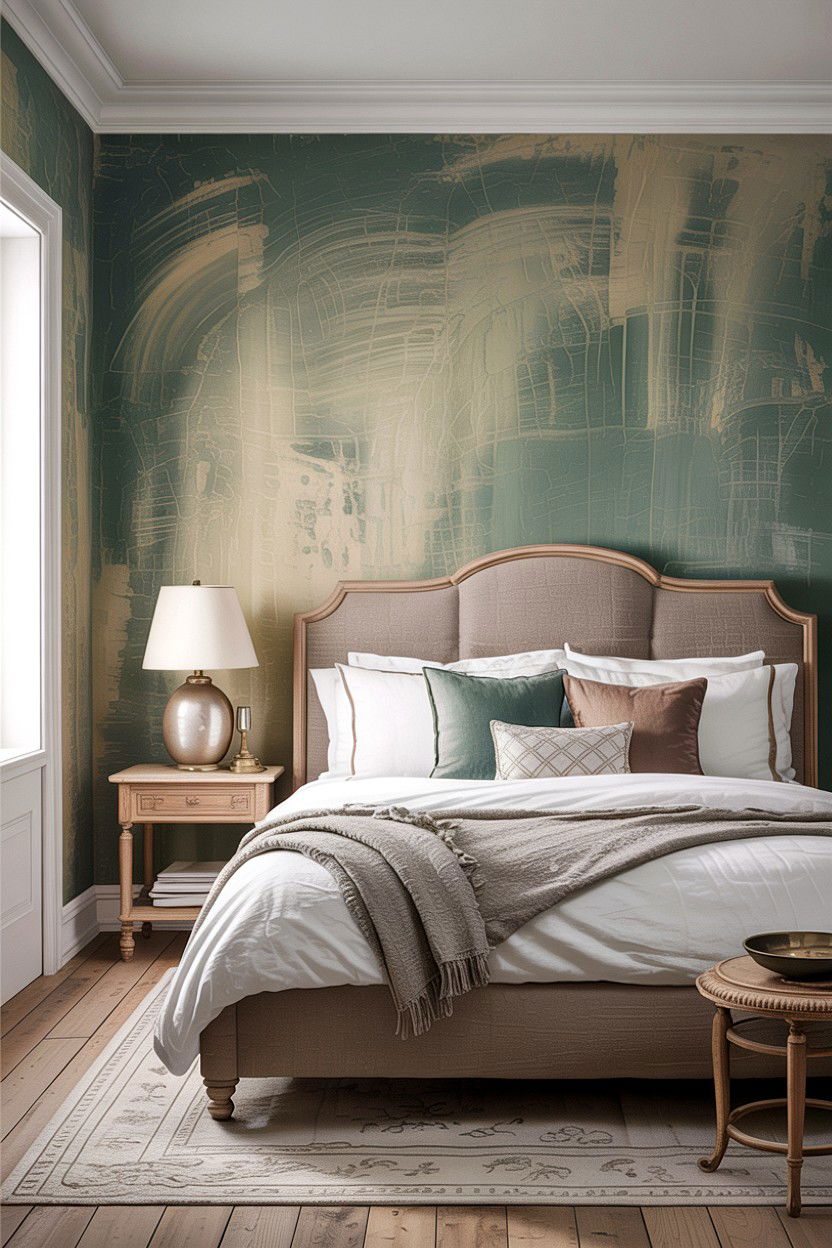
Instead of plain, flat paint, consider a textured wall finish like lime wash or a subtle fabric-textured wallpaper to add depth to your bedroom. These finishes soften the way light hits the walls, preventing harsh reflections and creating a more diffused, gentle atmosphere. A textured wall also contributes to the acoustic quality of the room by breaking up sound waves, making the space feel quieter and more intimate. Choose a color that is just a few shades away from your bedding to create a cohesive and harmonious look. This subtle design detail adds a layer of sophistication and physical warmth that makes the room feel incredibly cozy.
25. Soft Earth Tone Room
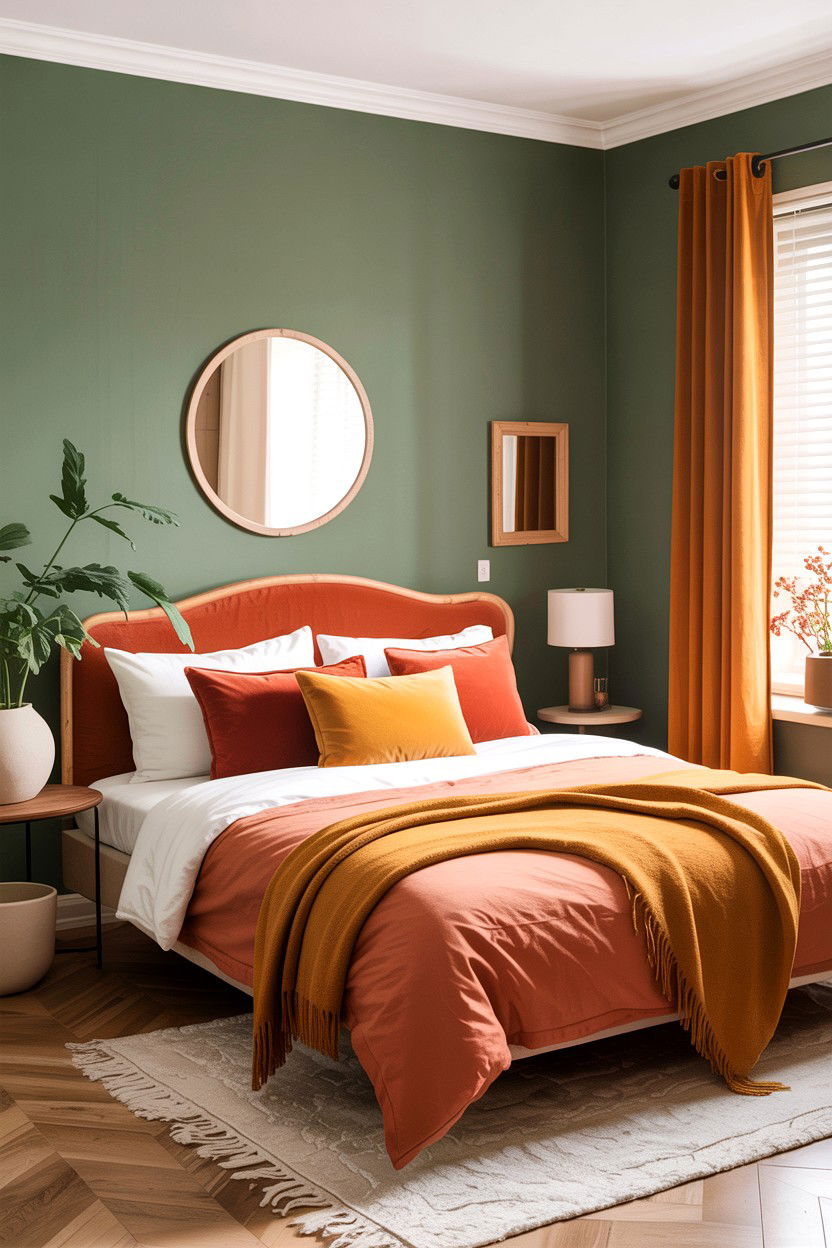
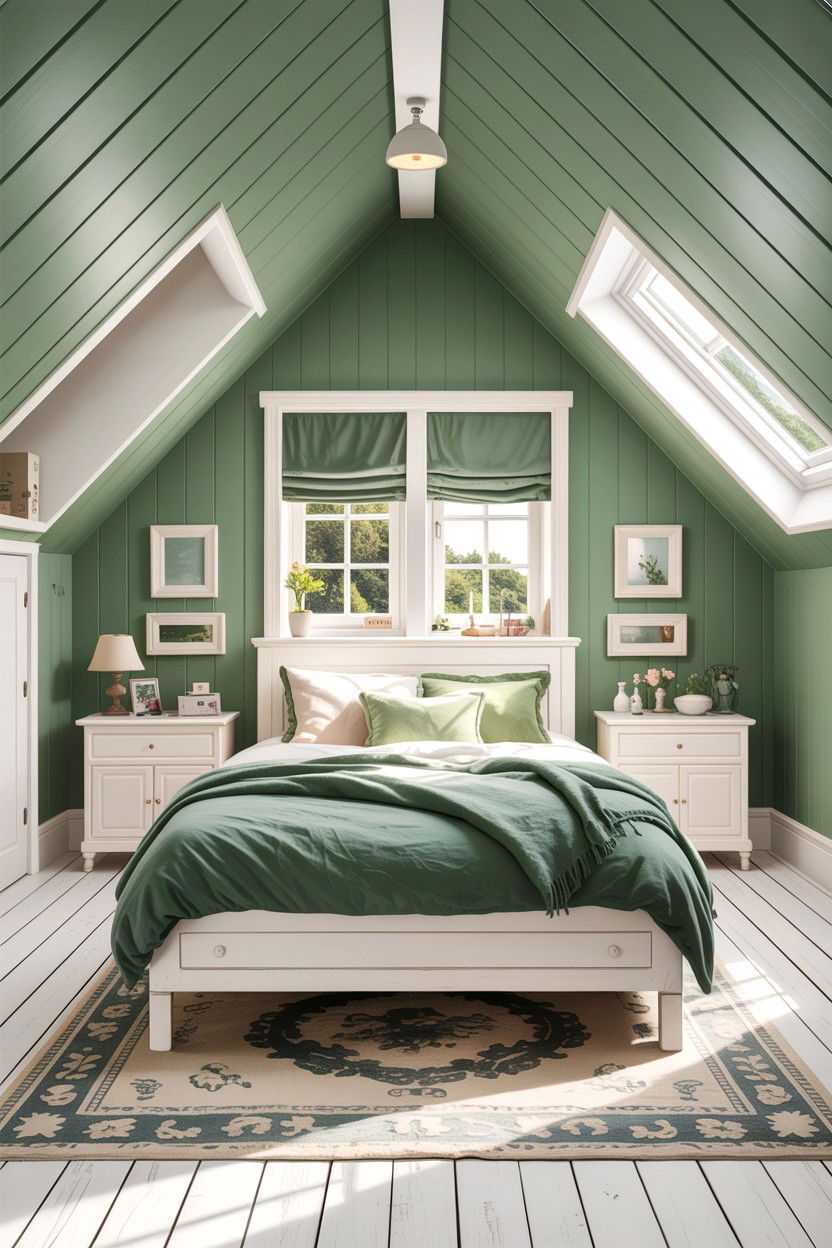
Earth tones like terracotta, sage green, and warm ochre can create a bedroom that feels deeply connected to the natural world. These colors are inherently soothing and lack the high-energy vibration of brighter primary colors. A soft earth tone room feels like a warm embrace, providing a sense of security and comfort that is essential for someone struggling with insomnia. You can mix these colors through various textiles like throw blankets, pillows, and curtains. The result is a rich, layered environment that feels organic and calm, helping to lower your stress levels the moment you step through the door at night.
26. Smart Lighting System
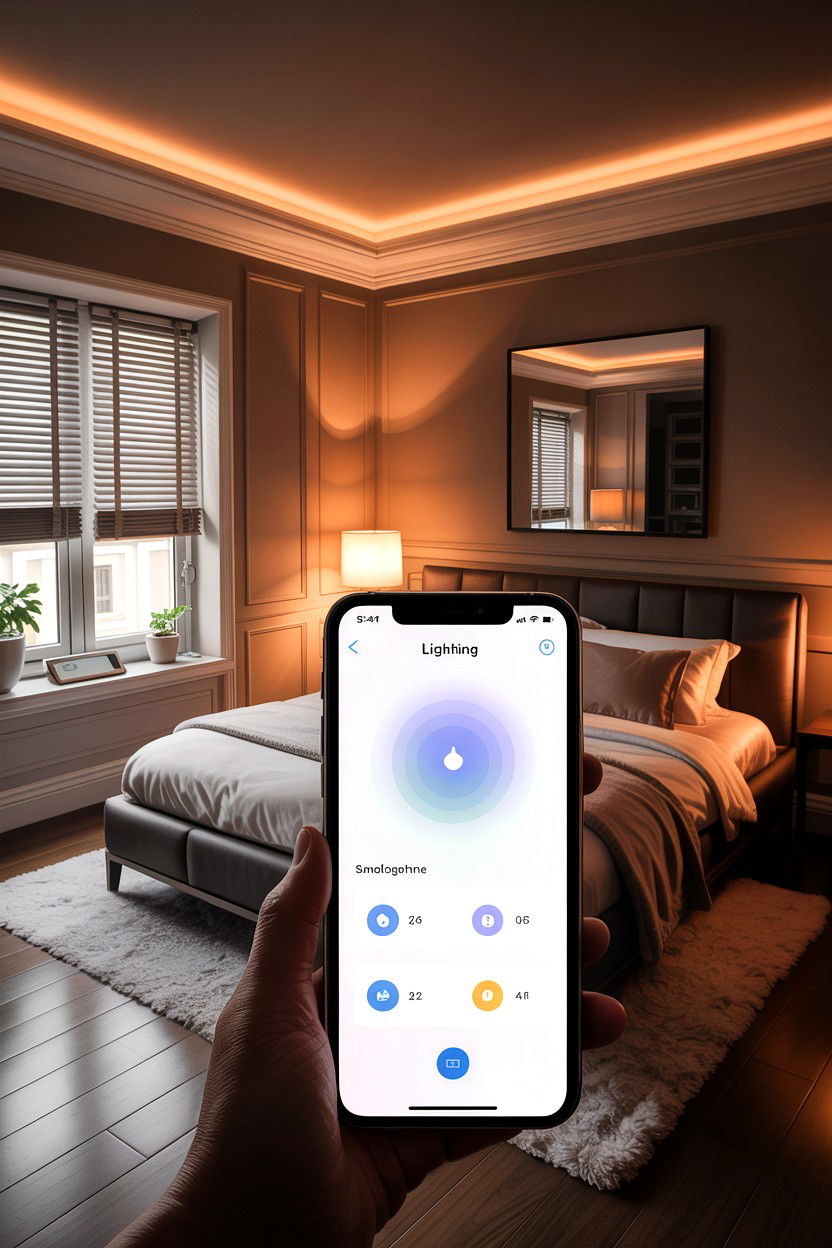
A smart lighting system allows you to automate your environment so that it supports your sleep goals without you having to think about it. You can program your lights to slowly dim over the course of an hour, shifting from a bright white to a soft, warm amber as bedtime approaches. This gradual transition mimics the natural sunset and helps stimulate the production of melatonin. Some systems even include a "wake-up" feature that slowly increases the light intensity in the morning. By removing the need to manually adjust switches, you create a seamless routine that gently guides your body into a state of deep rest.
27. Plush Floor Cushion
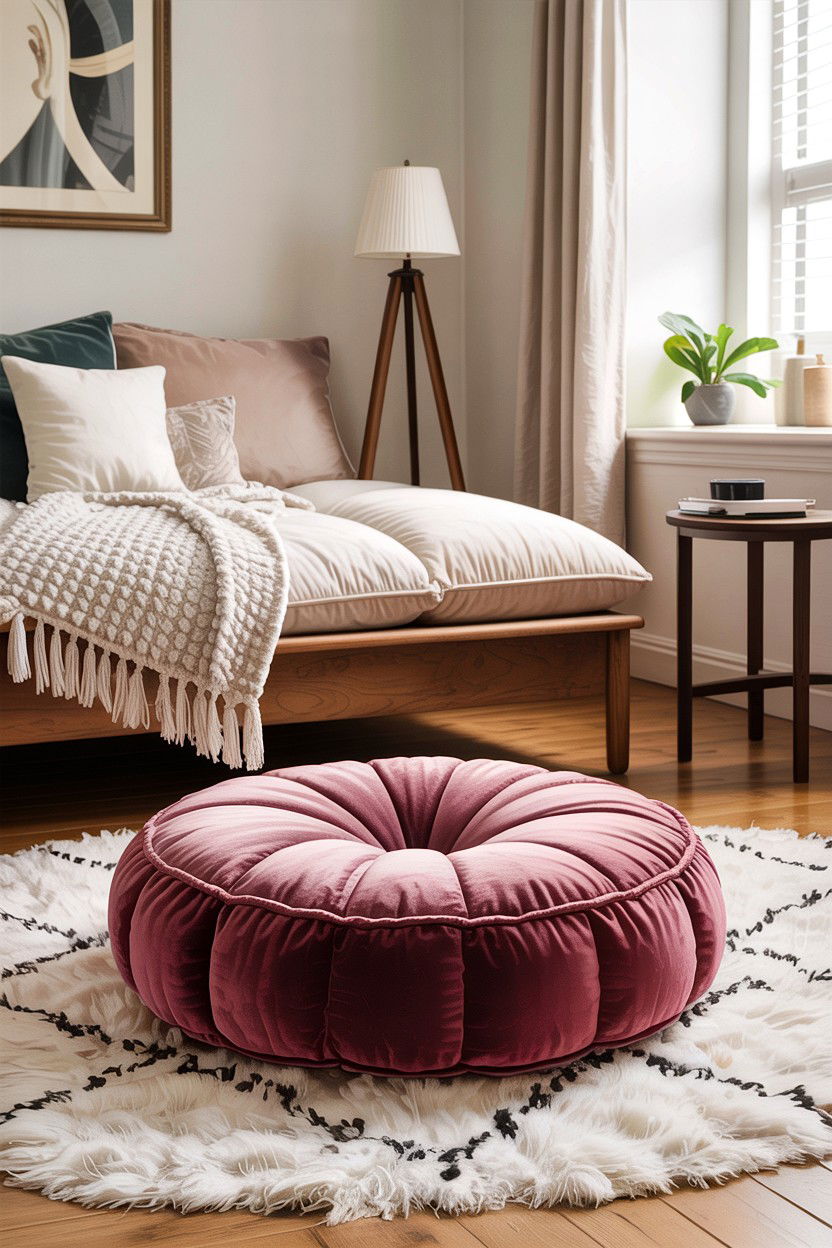
Adding a plush floor cushion to a corner of your bedroom provides a dedicated space for pre-sleep activities like meditation or light stretching. Taking ten minutes to sit quietly and focus on your breath can significantly reduce the mental chatter that often leads to insomnia. Choose a cushion with a soft, velvet or cotton cover that feels good against your skin. This small addition encourages you to take your wind-down routine seriously, moving it away from the bed itself. By creating a specific spot for relaxation, you train your brain to recognize that it is time to let go of the day's stressors.
28. Symmetrical Bedroom Layout
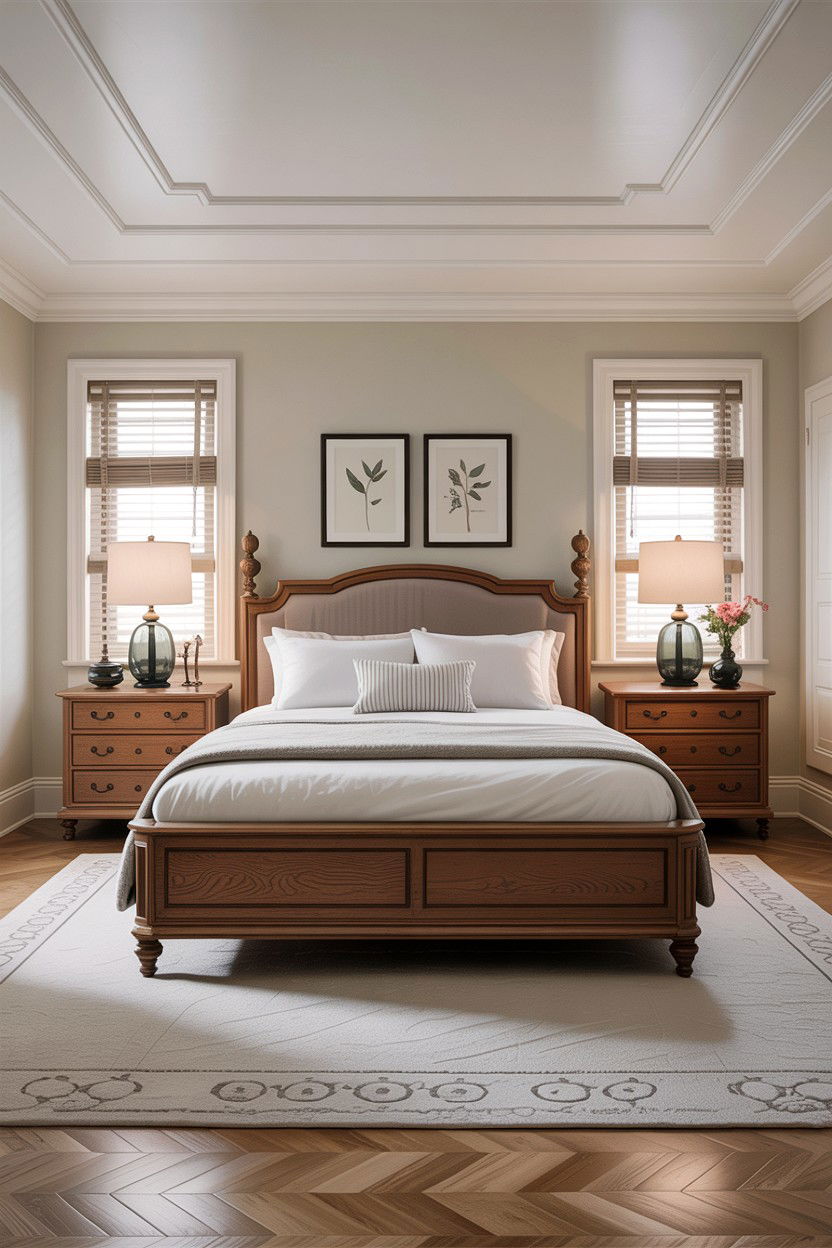
There is a psychological comfort in symmetry that can help calm a restless mind before bed. A symmetrical bedroom layout, featuring matching nightstands and lamps on either side of the bed, creates a sense of balance and order. This visual harmony reduces the amount of processing your brain has to do when you look around the room, allowing it to settle more quickly. Even if you live alone, having a balanced setup can make the room feel more complete and intentional. This structured approach to design fosters a peaceful environment where everything feels like it is exactly where it belongs, promoting a sense of ease.
29. Breathable Cotton Duvet
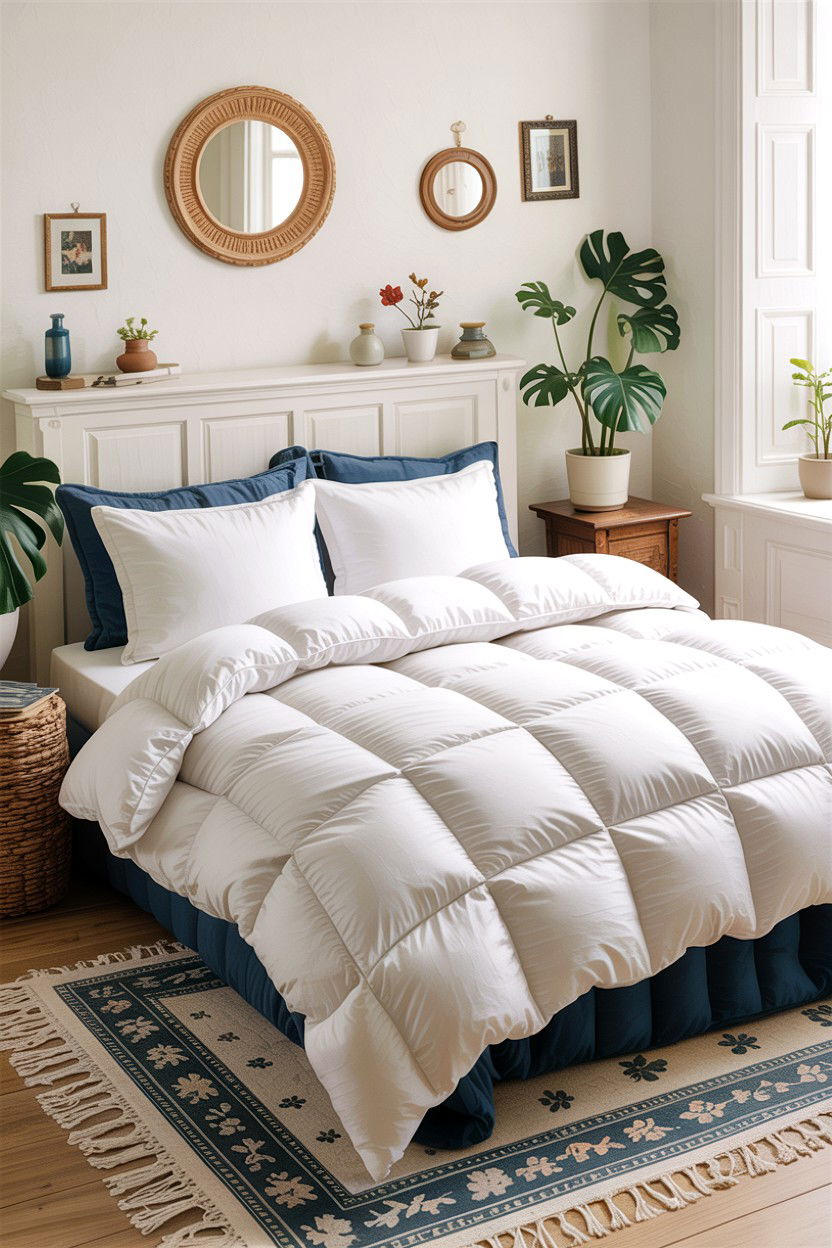
The weight and breathability of your duvet play a massive role in how well you sleep, especially if you tend to run hot or cold. A high-quality cotton duvet offers the perfect balance of insulation and airflow, ensuring you stay comfortable regardless of the season. Cotton is a natural fiber that wicks away moisture, which prevents that "sticky" feeling that can wake you up in the middle of the night. Look for a duvet with a medium weight that provides a comforting "hug" without feeling restrictive. Pairing this with a crisp cotton cover creates a fresh, clean sleeping surface that invites you to crawl in and stay.
30. Zen Inspired Interior
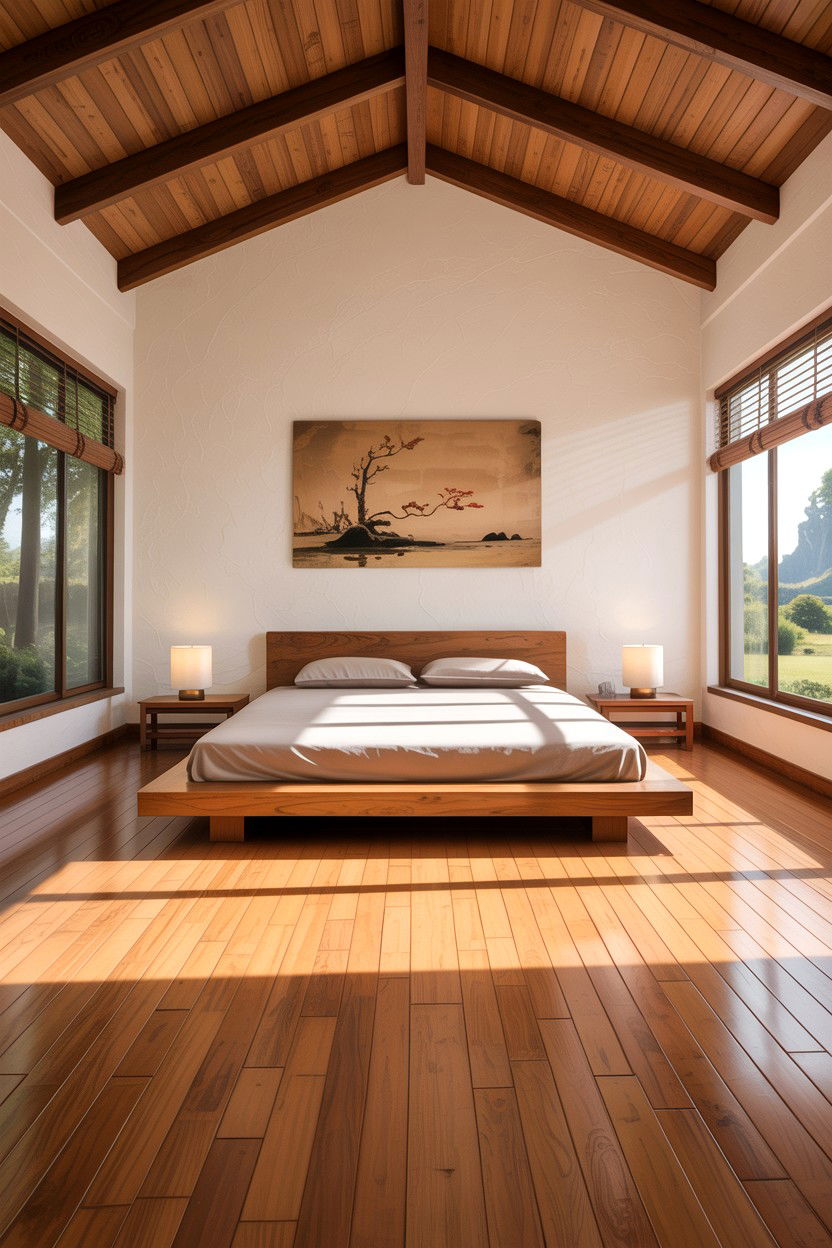
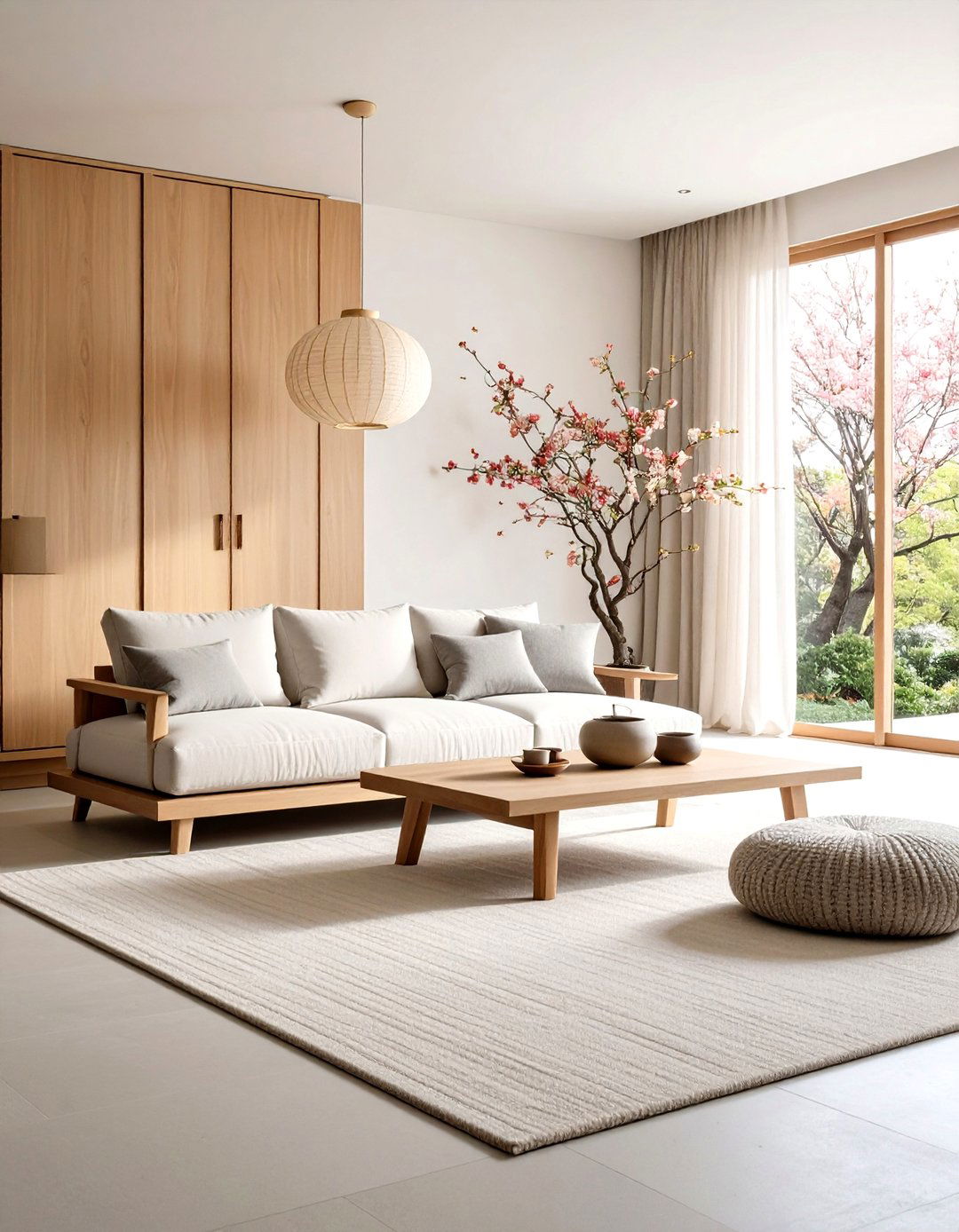
A Zen-inspired interior focuses on the concept of "less is more," removing all unnecessary items to create a space of pure tranquility. This style often features low furniture, natural materials, and a very limited color palette. By stripping away the distractions of modern life, you create a bedroom that is purely dedicated to the act of resting. Use sliding doors to hide storage and keep the floors as clear as possible. The open, airy feel of a Zen room helps to reduce feelings of claustrophobia or being overwhelmed. This design philosophy is ideal for anyone looking to turn their bedroom into a true sanctuary for the soul.
Conclusion:
Designing a bedroom specifically to combat insomnia is about more than just aesthetics; it is about creating a functional environment that caters to your body's biological needs. By prioritizing darkness, silence, and physical comfort, you can transform your sleeping space into a powerful tool for recovery. Whether you choose to invest in blackout curtains, experiment with calming color palettes, or introduce soothing scents like lavender, each change contributes to a more restful atmosphere. Remember that consistency is key, and a well-designed room works best when paired with healthy sleep habits. Your bedroom should be a place where you feel safe, relaxed, and ready to drift into a deep, restorative sleep.
Related posts:



Leave a Reply