

Stepping into a historic home feels like walking through a living timeline where every architectural detail tells a unique story from the past. When you are tasked with decorating a living room in a heritage property, the goal is often to honor the original craftsmanship while ensuring the space remains comfortable for modern daily life. Whether you own a Victorian terrace, a cozy Craftsman bungalow, or a grand Colonial estate, these spaces offer a sense of character that new builds simply cannot replicate. Balancing antique charm with contemporary functionality requires a thoughtful approach to color, texture, and furniture placement to create a truly timeless atmosphere.
1. Victorian living room decor
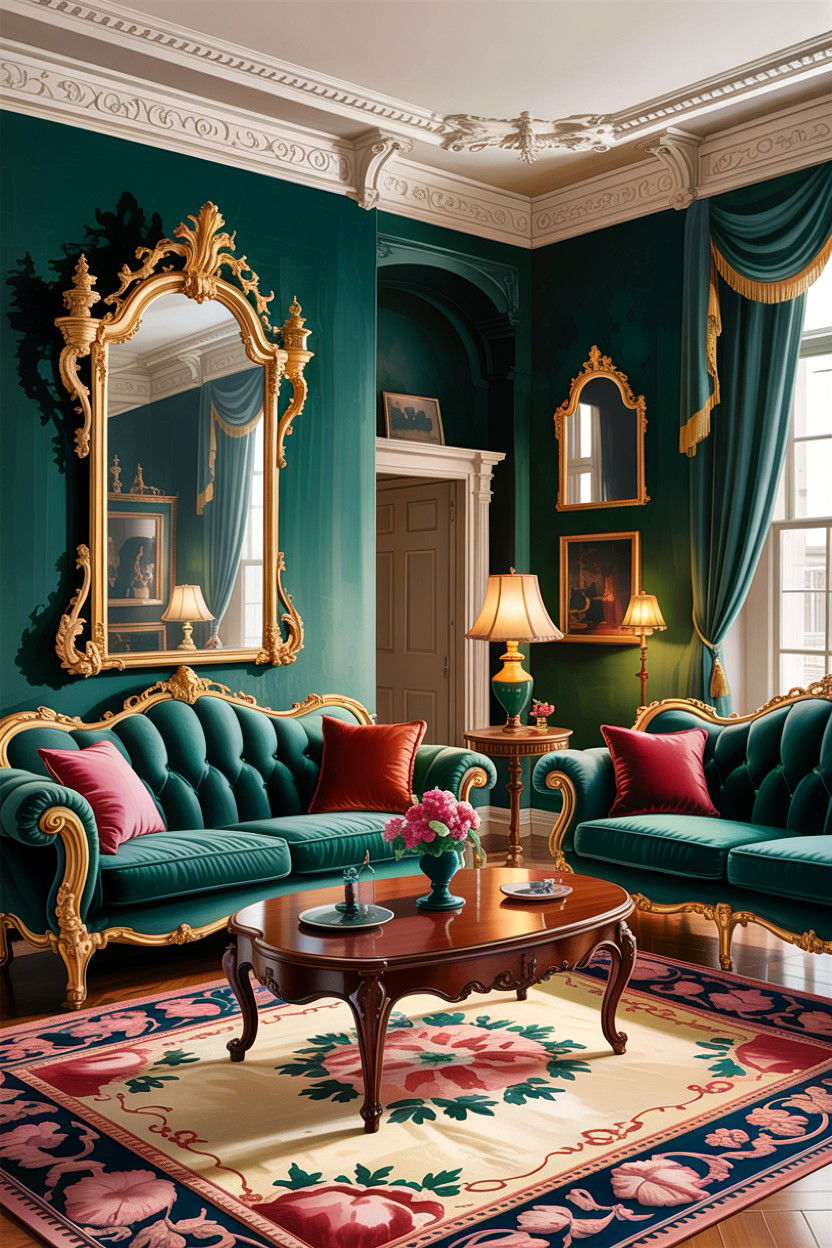
Victorian homes are famous for their intricate woodwork and high ceilings, making them a dream for anyone who loves dramatic interior design. To capture this look, you should focus on rich, deep color palettes like emerald green or navy blue, which highlight the ornate plasterwork and crown molding. Incorporating plush velvet sofas and antique mahogany coffee tables adds a layer of luxury that feels authentic to the era. Don't forget to include a large, gilded mirror over the fireplace to reflect light and make the room feel even more spacious. This style celebrates ornamentation and history, creating a sophisticated environment that feels both cozy and grand.
2. Craftsman bungalow living room
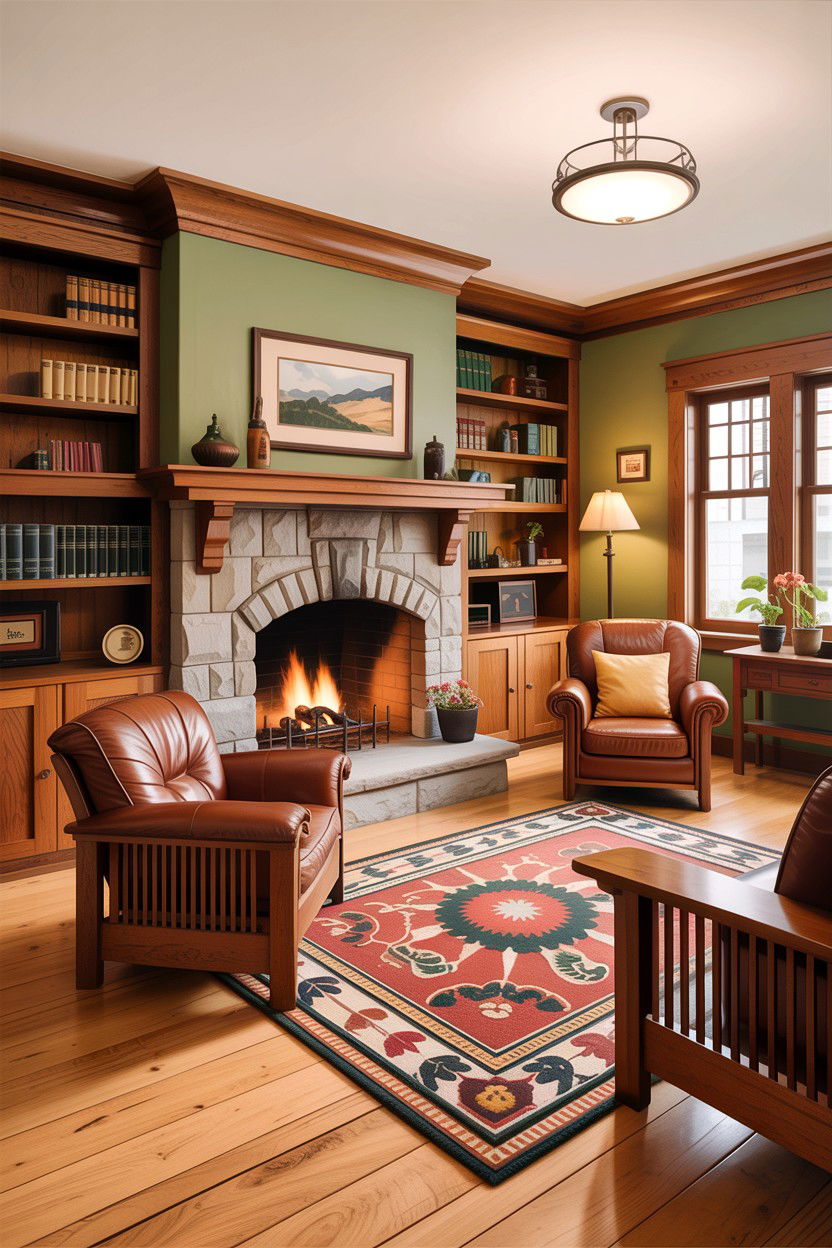
The Craftsman style is all about celebrating natural materials and honest craftsmanship, often featuring beautiful built-in bookshelves and heavy wood trim. When decorating a bungalow living room, you want to use earthy tones like sage green, warm ochre, and deep terracotta to complement the oak or cherry wood features. A large stone fireplace usually serves as the focal point, so keep the furniture layout centered around the hearth for a welcoming feel. Mission-style furniture with clean lines and leather upholstery fits perfectly in these spaces. Adding stained glass lamps or botanical print pillows can enhance the organic aesthetic while maintaining a comfortable, lived-in vibe.
3. Colonial revival living room
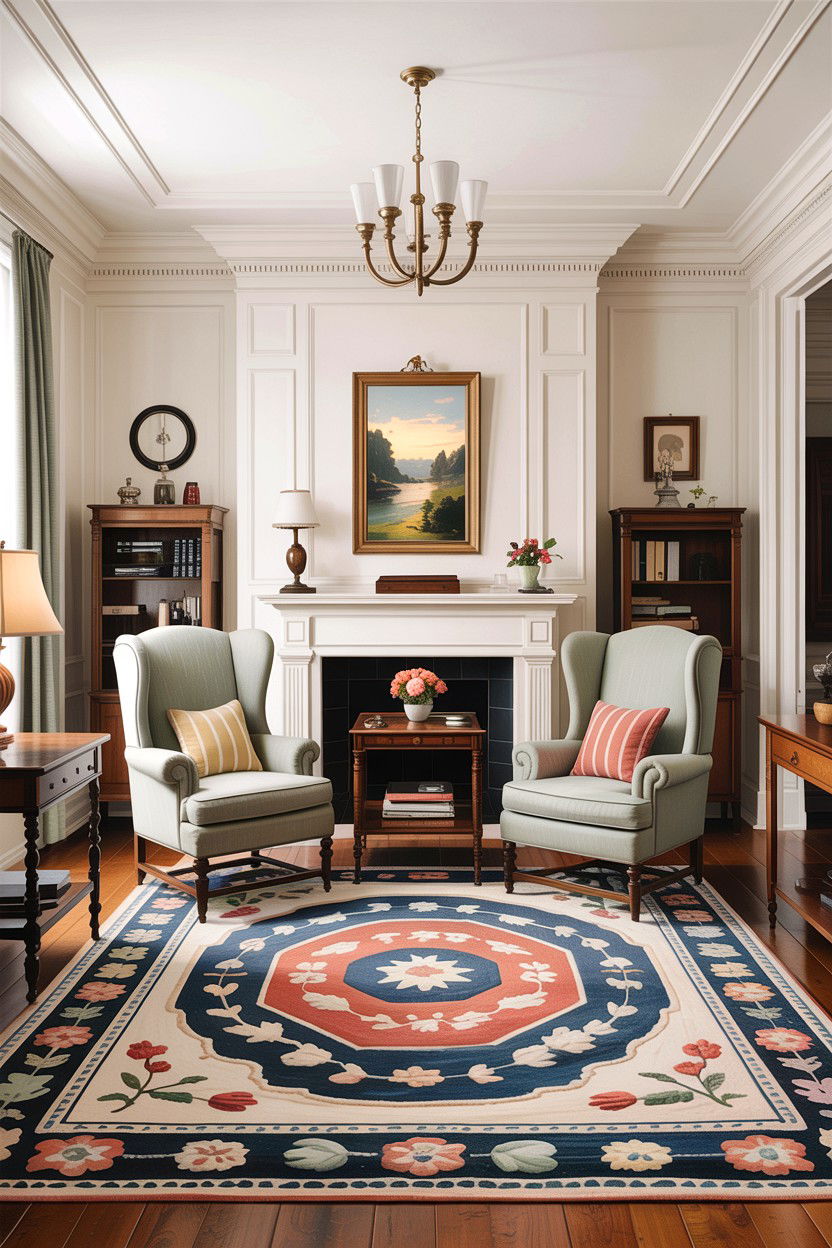
Colonial revival living rooms often emphasize symmetry and classic proportions, creating an atmosphere that feels both formal and incredibly comfortable. To achieve this look, you might use a neutral color palette of creams and soft greys, which allows the traditional white wainscoting and fireplace surround to stand out. Incorporating wingback chairs upholstered in linen or subtle patterns can add a touch of timeless elegance to the seating area. Using brass light fixtures and antique landscape paintings helps to reinforce the historical feel of the home. This style is perfect for those who appreciate a clean, orderly space that still feels deeply rooted in American architectural history.
4. Mid century modern historic home
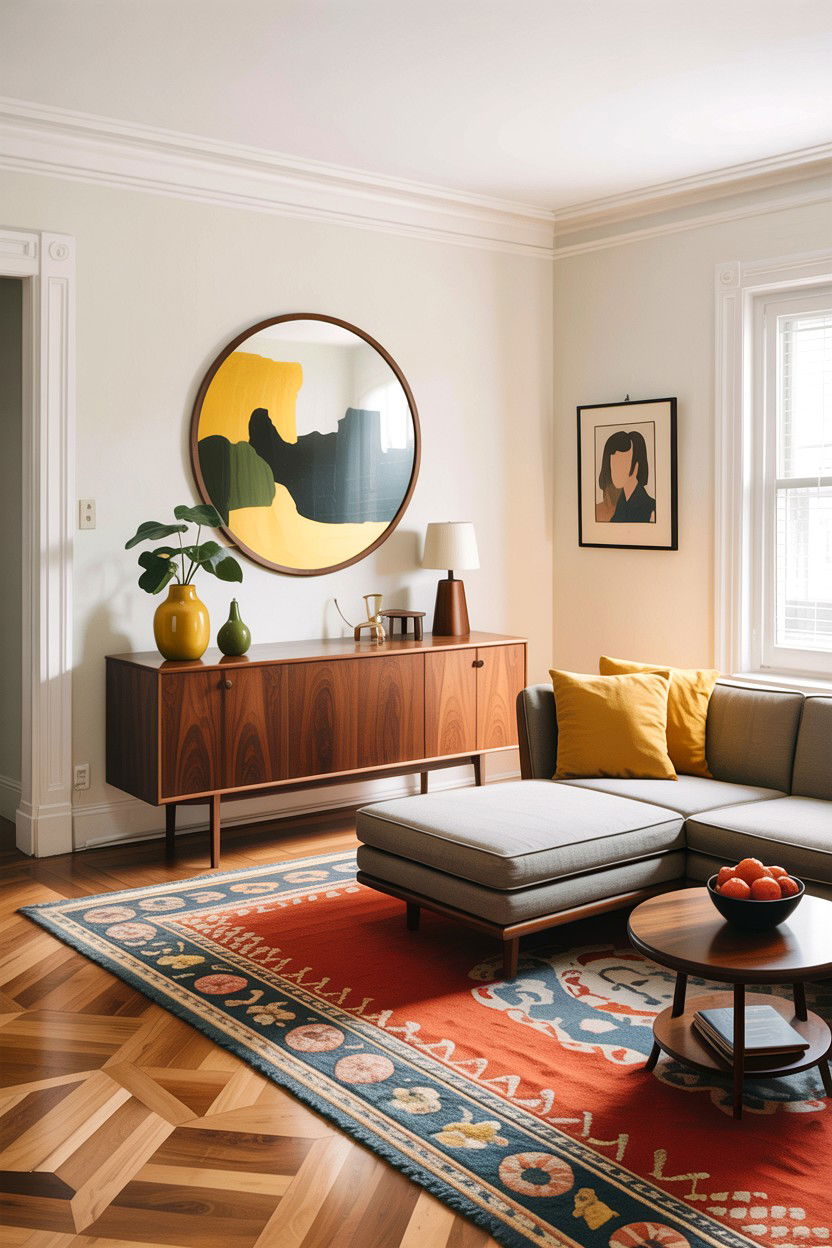
Integrating mid-century modern furniture into a historic home creates a fascinating contrast between old-world architecture and sleek, functional design. You can pair original hardwood floors and decorative plaster ceilings with iconic pieces like a walnut sideboard or a low-profile sectional sofa. Using pops of mustard yellow or burnt orange against a backdrop of crisp white walls helps to modernize the space without stripping away its historical charm. Large windows should be left relatively unobstructed to let in plenty of natural light, highlighting the clean lines of the furniture. This approach results in a vibrant, stylish living room that feels fresh and historically respectful.
5. Art deco living room style
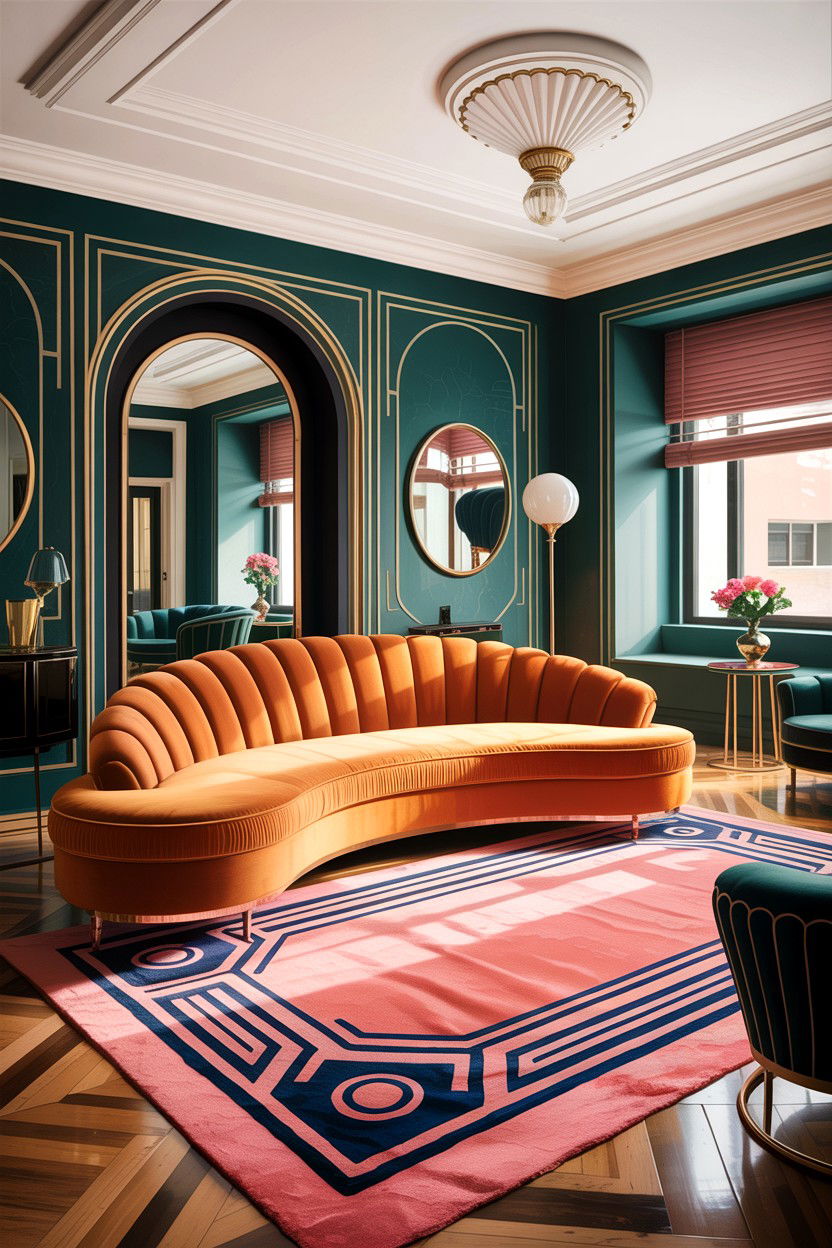
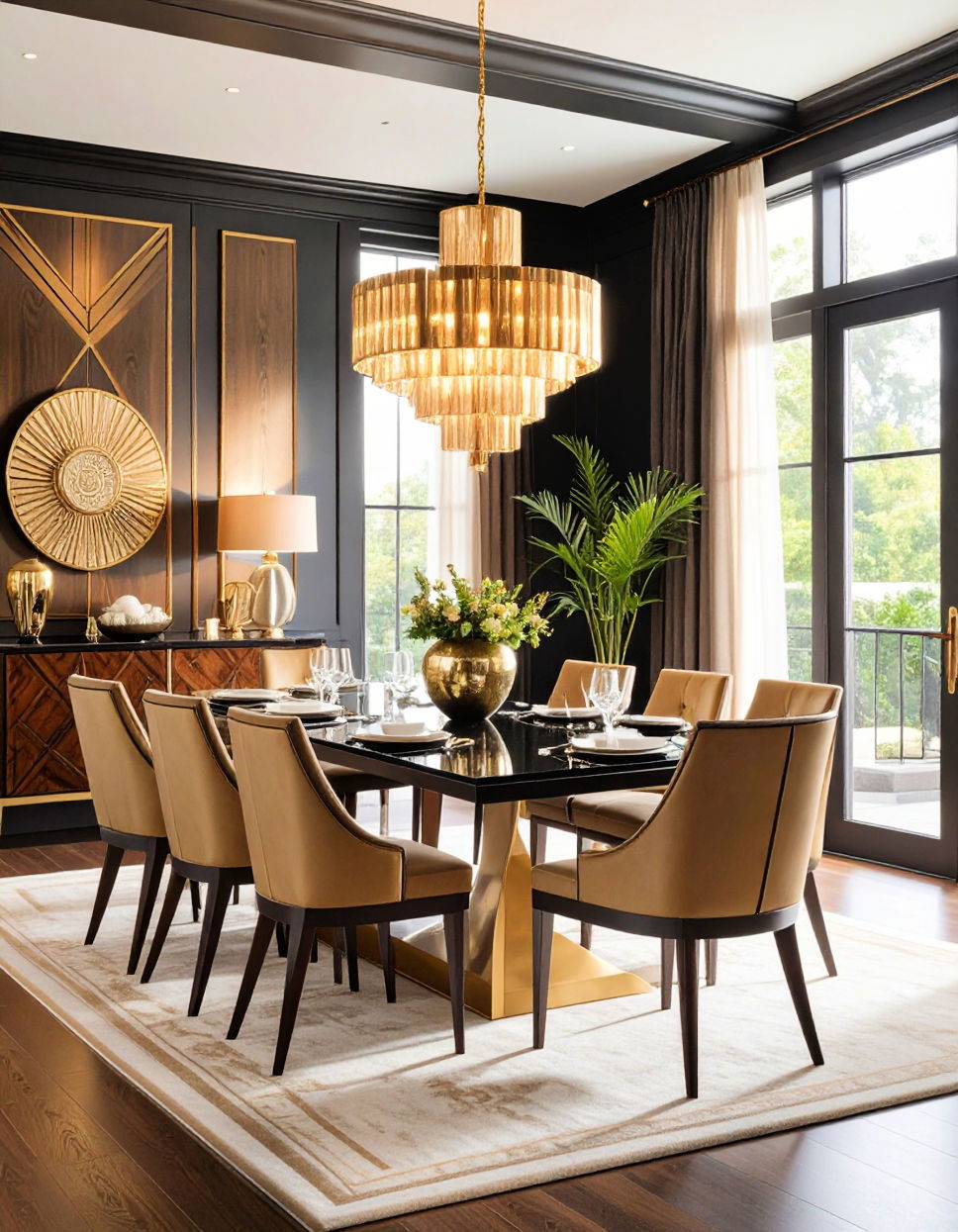
If your historic home dates back to the Roaring Twenties, embracing an Art Deco theme can bring a sense of Hollywood glamour to your living room. Focus on bold geometric patterns, mirrored surfaces, and high-shine metallic accents like chrome or polished brass. A curved velvet sofa in a jewel tone can serve as a stunning centerpiece, especially when paired with a sunburst-style wall clock or a geometric area rug. Using black and white as a base color scheme allows the more colorful elements to pop, creating a high-contrast look that is both sophisticated and energetic. It is a fantastic way to celebrate vintage luxury.
6. Tudor style living room
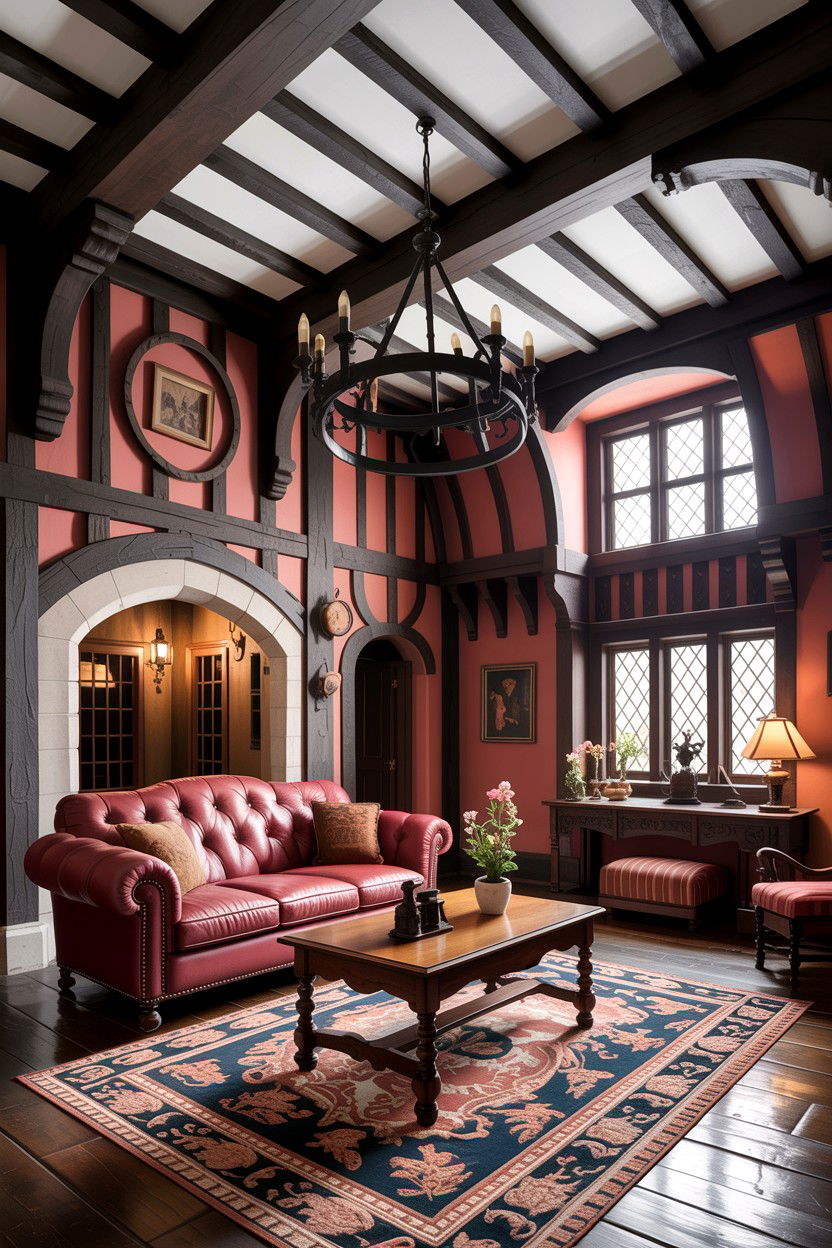
Tudor homes are characterized by their heavy timber beams and cozy, medieval-inspired interiors that feel like they belong in a storybook. To decorate a Tudor living room, you should lean into the dark wood features by using warm, moody colors like burgundy or deep forest green on the walls. Large, comfortable leather armchairs and heavy woven tapestries can add to the historic feel while providing a sense of warmth and comfort. Wrought iron light fixtures and candle-style chandeliers are perfect for illuminating the space without feeling too modern. This style is all about creating a snug, protective retreat that honors traditional English architectural roots.
7. Federal style living room
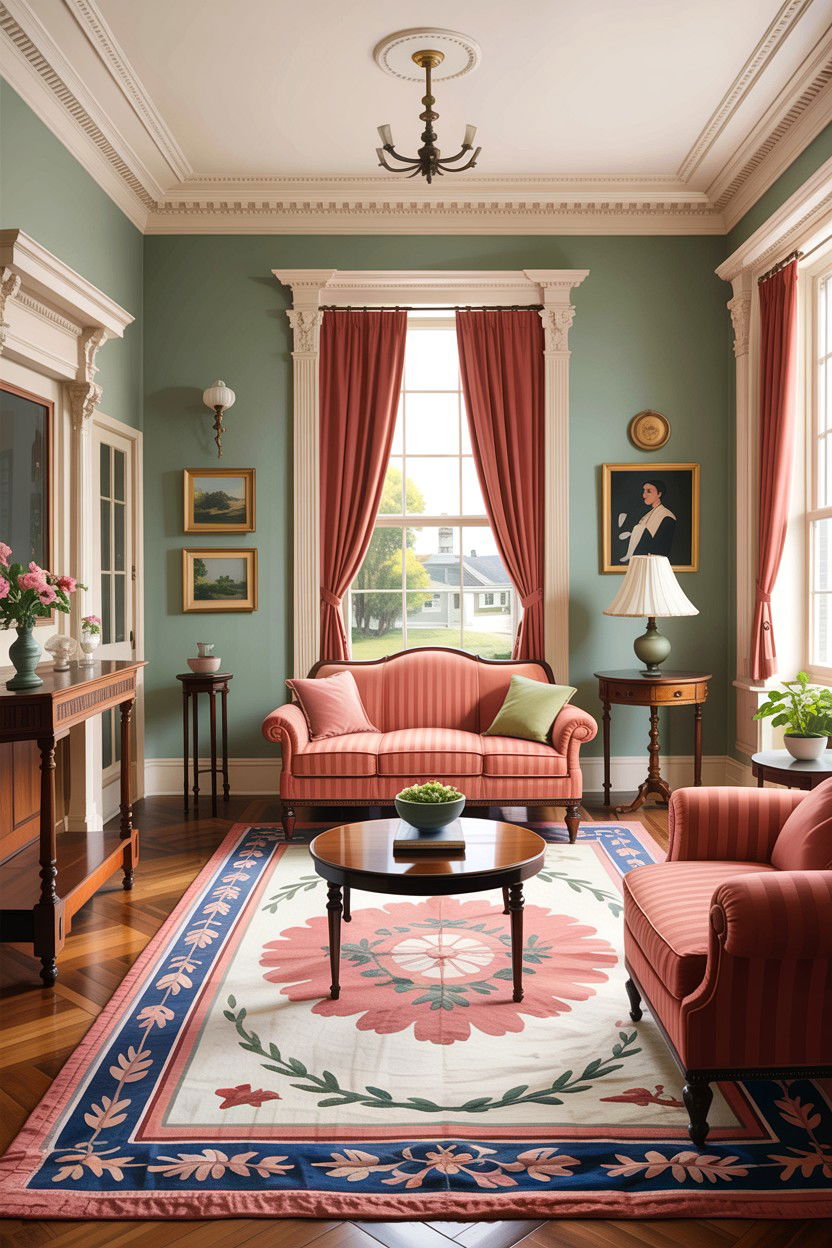
The Federal style is defined by its understated elegance and refined architectural details, such as delicate pilasters and oval-shaped decorative motifs. In a Federal living room, you want to maintain a sense of lightness and grace by choosing a palette of soft pastels or warm whites. Furniture should be slender and sophisticated, often featuring tapered legs and fine wood inlays that reflect the craftsmanship of the late 18th century. Adding a classic mantel clock and a few pieces of fine porcelain can complete the look without making the room feel cluttered. This approach creates a serene, dignified space that feels light and airy.
8. Spanish colonial living room
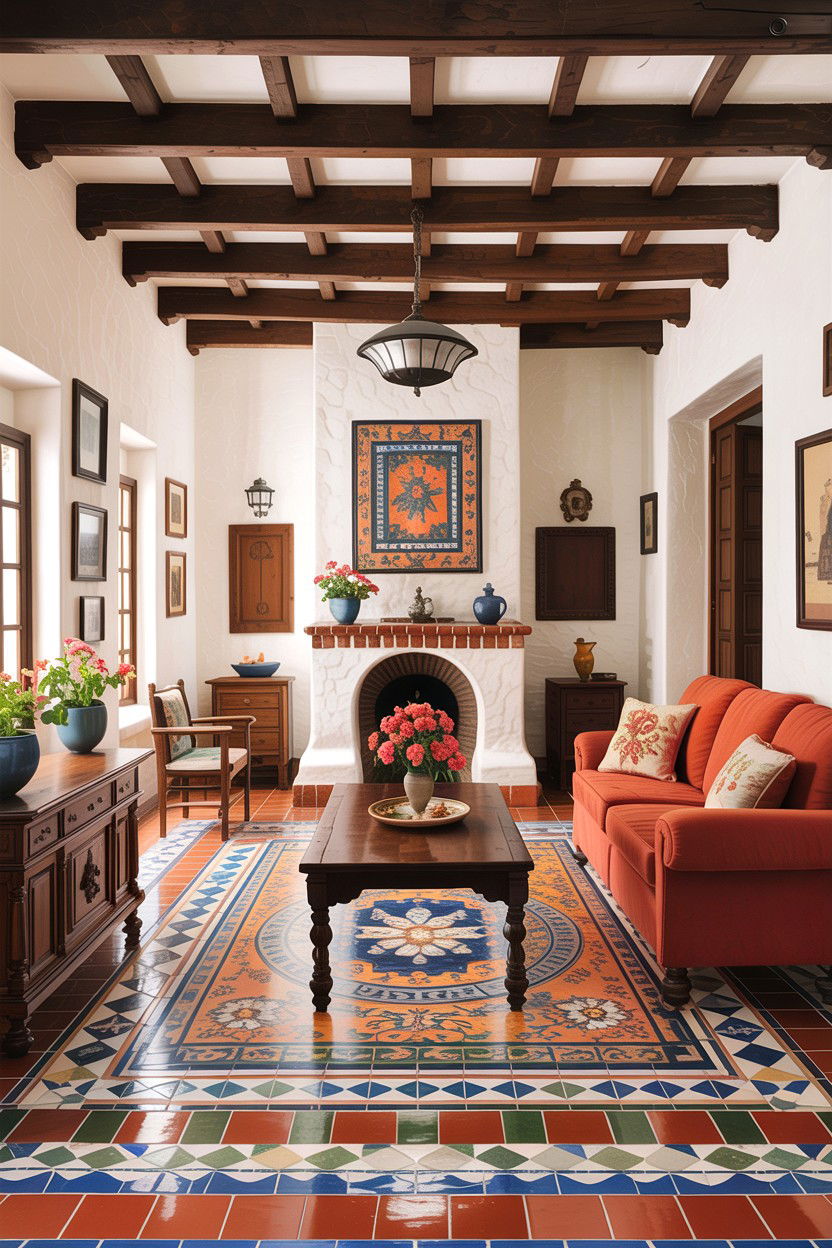
Spanish colonial homes offer a unique blend of rustic textures and vibrant cultural influences, often featuring thick white plaster walls and dark wood ceiling beams. To decorate this type of living room, you should use colorful terracotta tiles or hand-woven rugs to ground the space. Furniture should be sturdy and made of dark wood, perhaps with carved details or wrought iron hardware that reflects the Mediterranean heritage. Incorporating vibrant textiles in shades of red, gold, and blue can add warmth and energy to the room. Large arched windows and indoor plants like succulents further enhance the connection to the warm, sunny outdoors.
9. French provincial living room
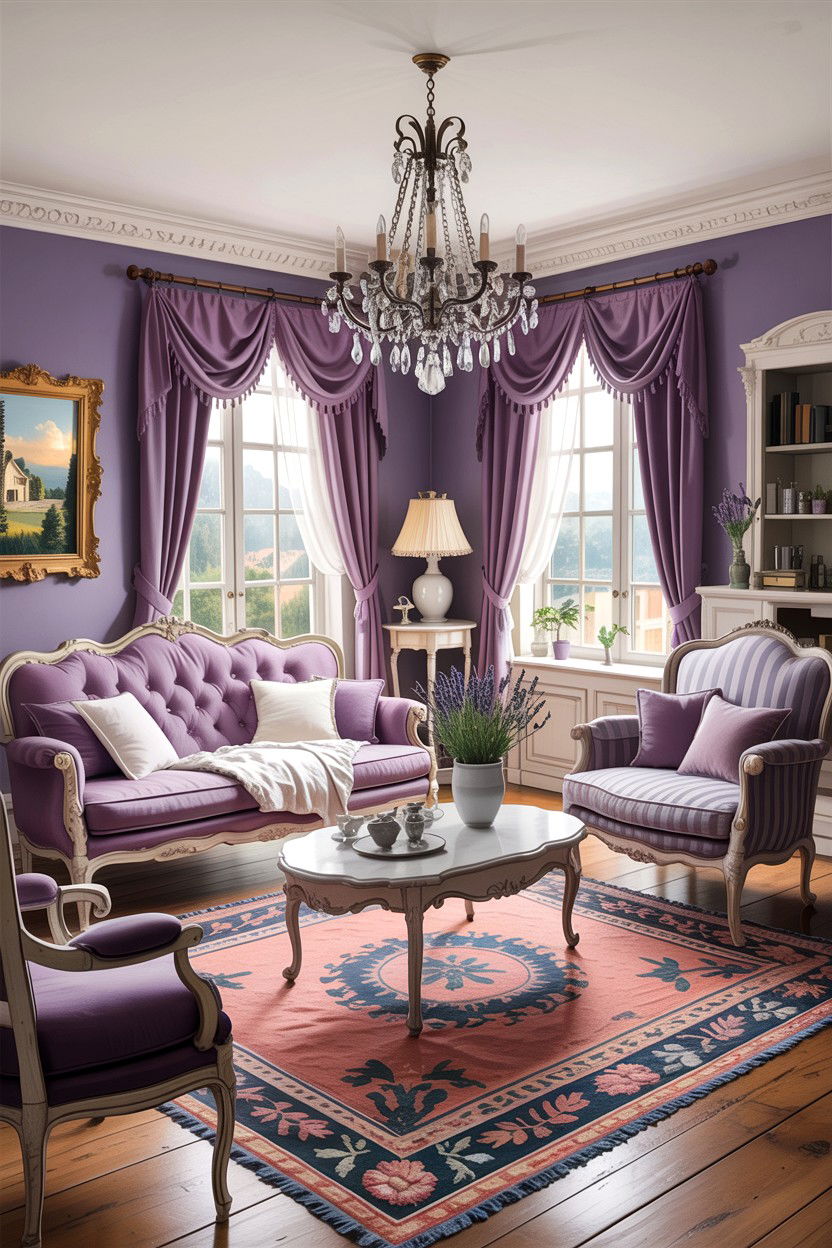
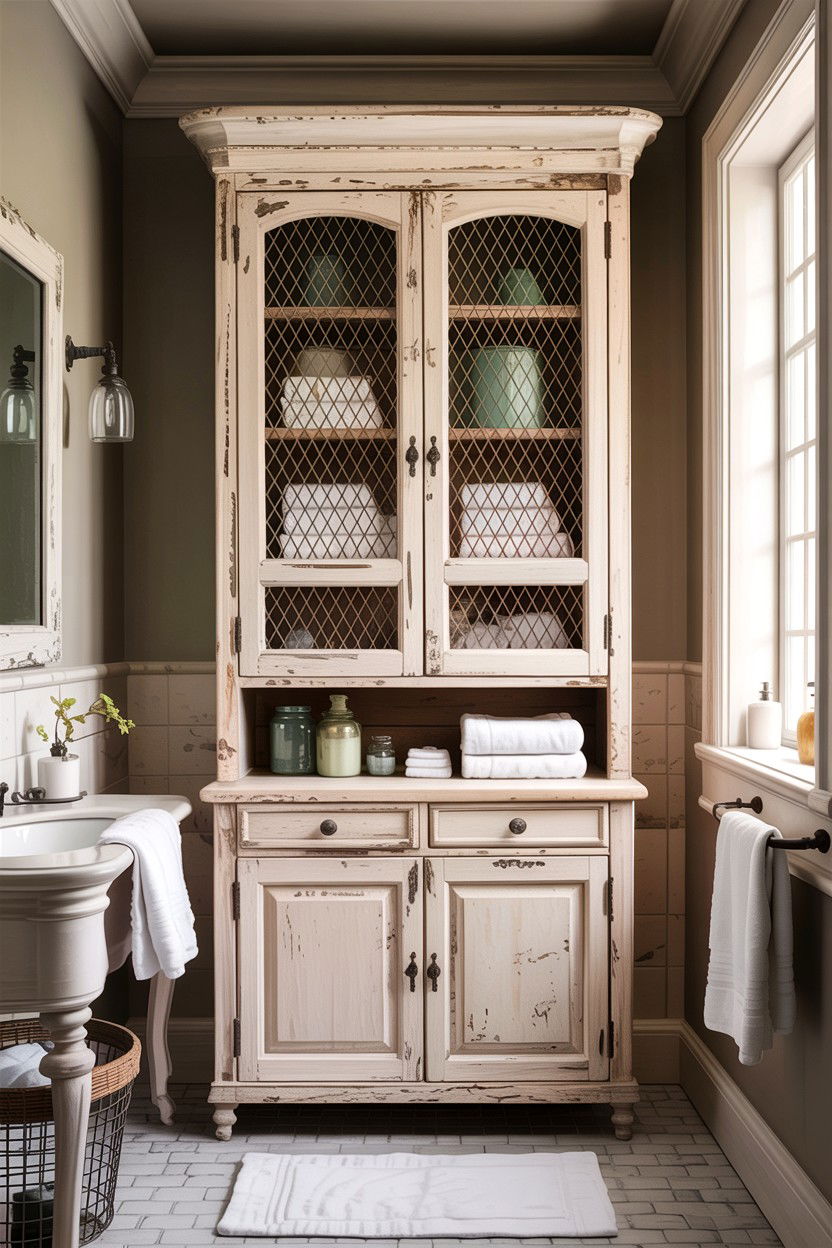
A French provincial living room brings the charm of the European countryside into your historic home with its mix of rustic elegance and refined details. Focus on using a soft, muted color palette featuring lavender, duck egg blue, and warm cream to create a relaxing atmosphere. Furniture often features curved lines and cabriole legs, typically finished in a distressed or whitewashed wood for a vintage feel. Adding a crystal chandelier and some framed botanical prints can provide a touch of sophistication that balances the more rustic elements of the design. This style is perfect for creating a space that feels both lived-in and beautiful.
10. Georgian living room decor
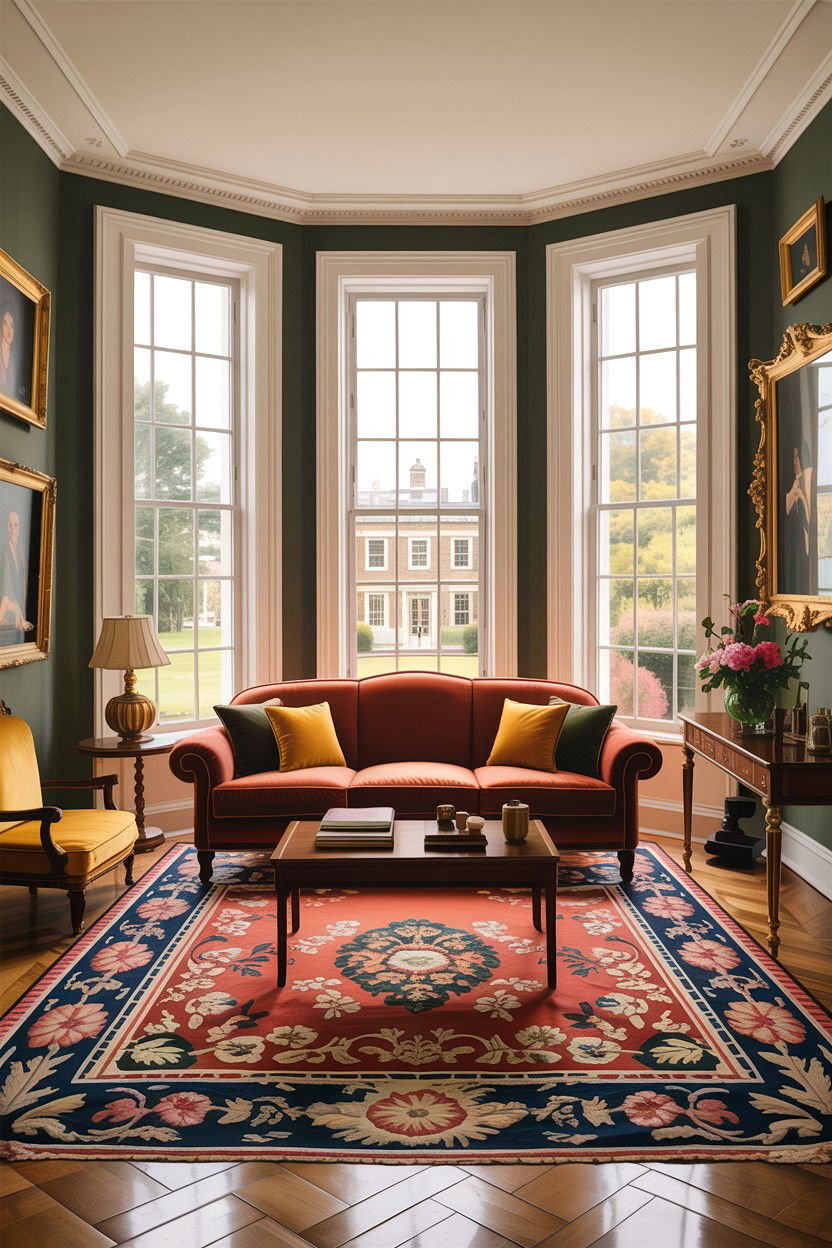
Georgian architecture is known for its balance and classic proportions, making it a great canvas for a formal and symmetrical living room layout. You can highlight the large sash windows and high ceilings by using traditional silk drapes and elegant crown molding. A neutral color palette with gold accents can make the space feel grand and expensive without being overly flashy. Using a pair of matching sofas facing each other across a central coffee table creates a balanced seating area that is perfect for entertaining guests. This style celebrates order and timeless beauty, ensuring your historic living room remains a focal point of the home.
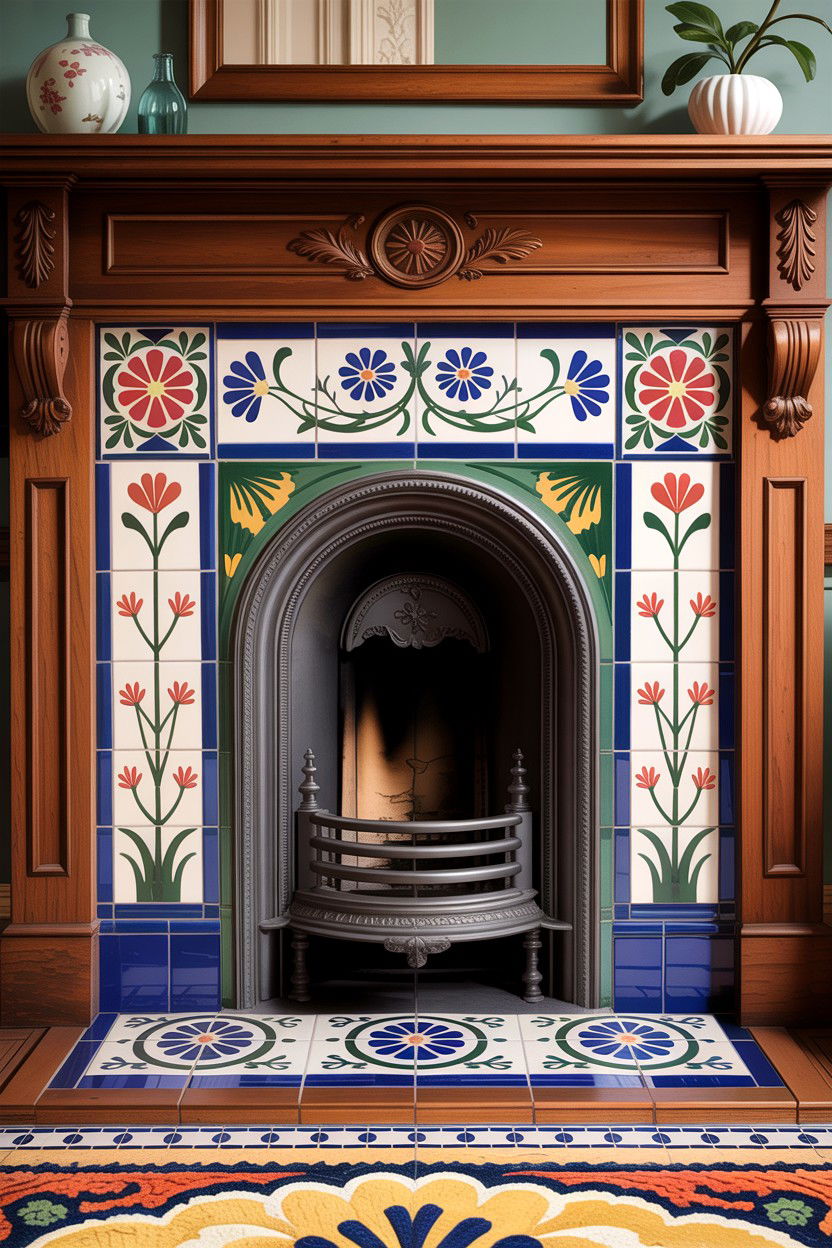
11. Greek revival living room
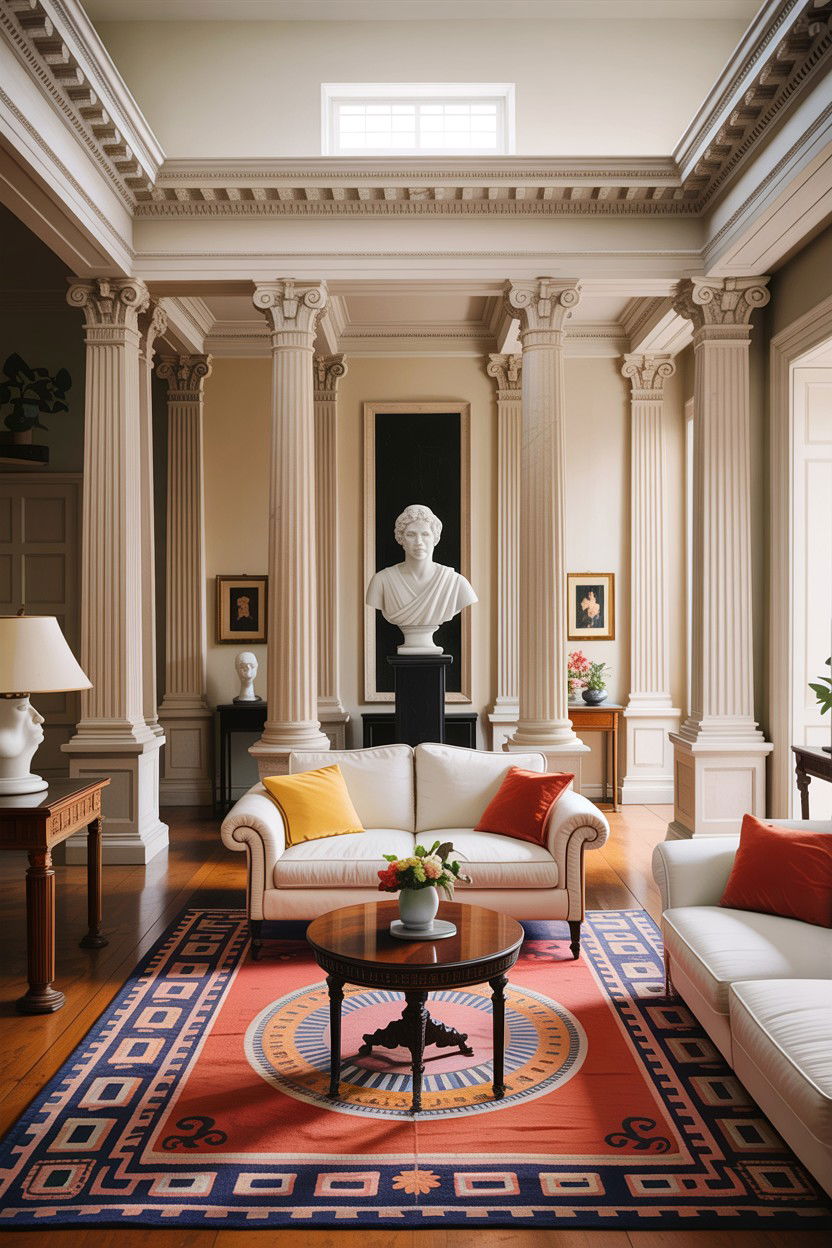
Greek revival homes are famous for their temple-like exteriors and grand, formal interiors that often feature tall columns and heavy plasterwork. To decorate a living room in this style, you should focus on a palette of crisp whites and soft greys to emphasize the architectural details. Large-scale furniture pieces with classical silhouettes, such as a Grecian-style daybed or a heavy oak dining table used as a desk, fit well in these grand spaces. Adding a few marble busts or classical urns can reinforce the historical theme while keeping the room feeling sophisticated and uncluttered. It is a very powerful, architectural look.
12. Italianate living room style
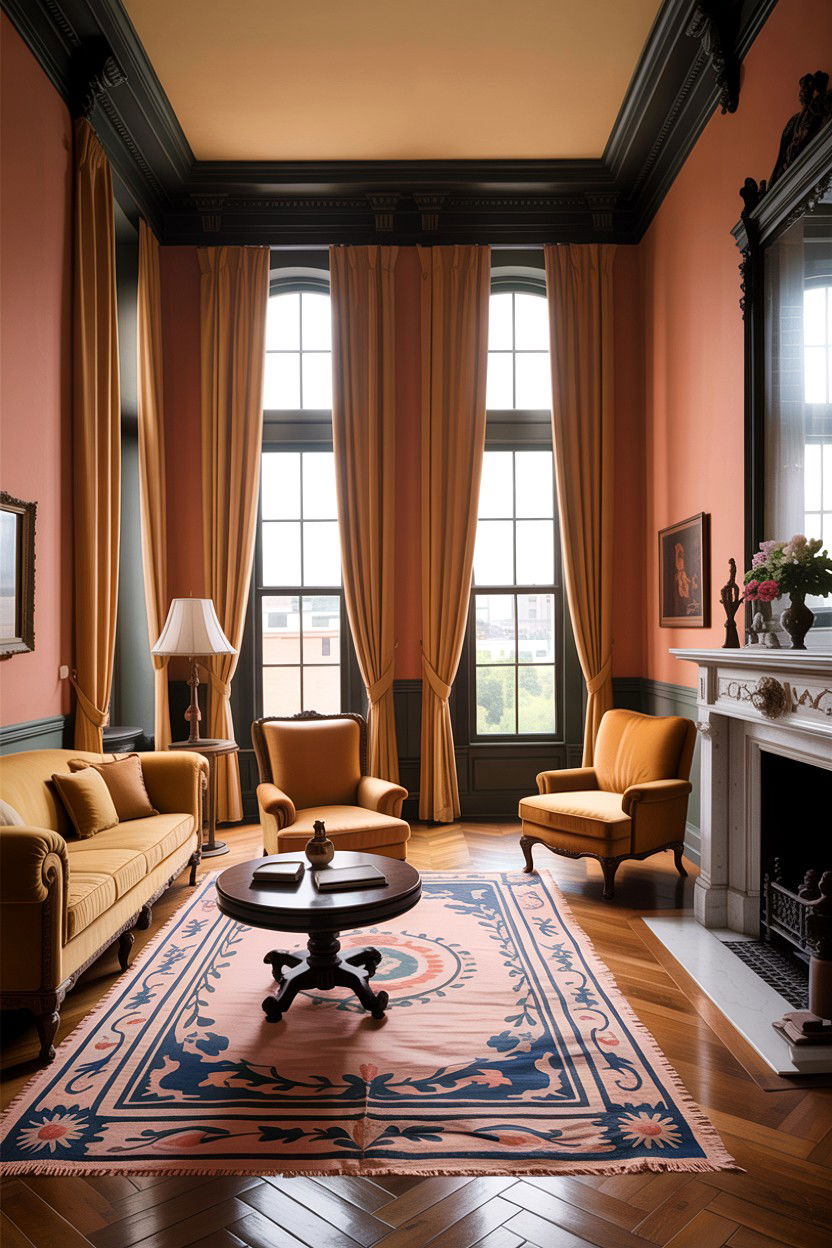
Italianate living rooms are often characterized by their tall, narrow windows and ornate decorative brackets, which give the space a sense of verticality and grandeur. You can enhance this feeling by using long, floor-to-ceiling curtains in a rich fabric like silk or brocade. Choosing a warm color palette with shades of terracotta, gold, and ochre can mimic the feeling of a sun-drenched Italian villa. Incorporating a large, carved fireplace mantel and some antique oil paintings can add a layer of historical depth to the room. This style is all about celebrating luxury and the romantic beauty of the 19th-century Italian countryside.
13. Queen Anne living room
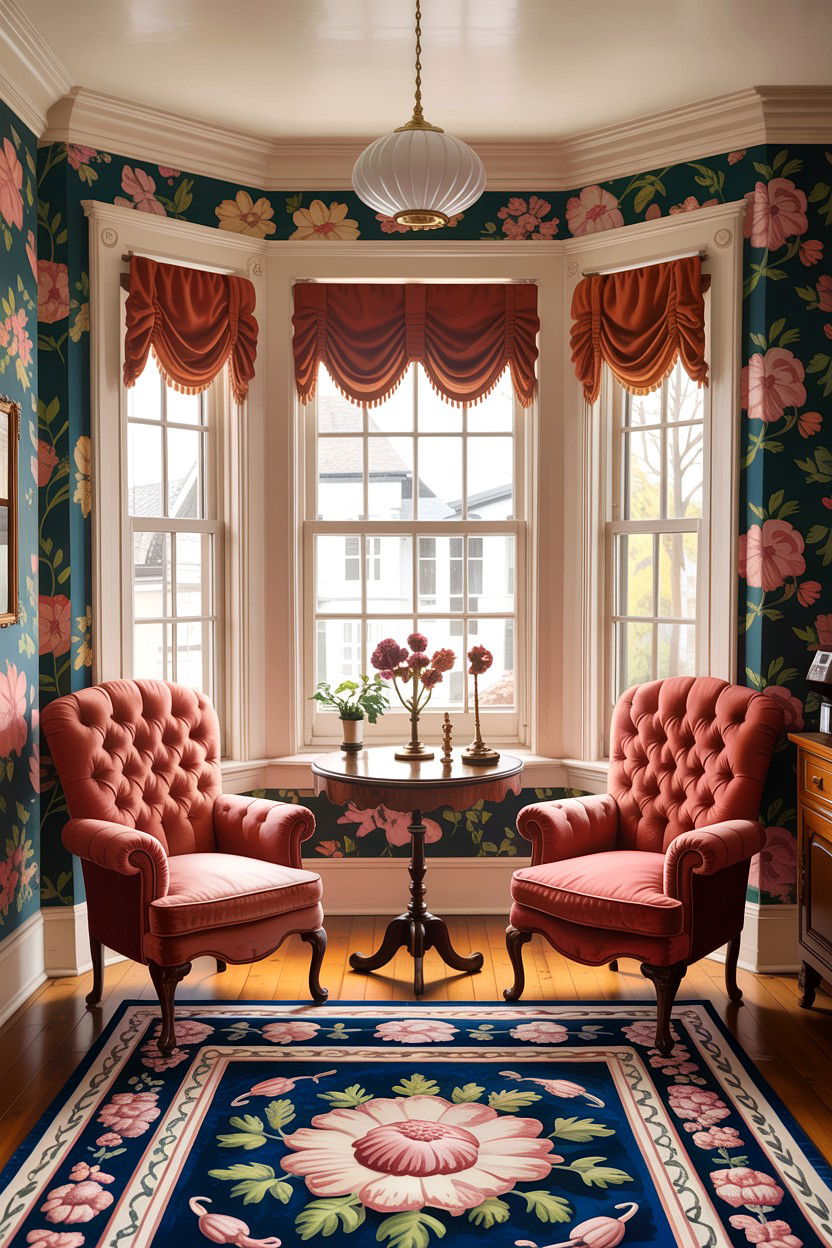
Queen Anne homes are known for their whimsical architecture and asymmetrical layouts, which offer plenty of opportunities for creative interior design. In the living room, you can play with different textures and patterns, such as floral wallpapers and lace curtains, to create a cozy and feminine atmosphere. Furniture should be eclectic and comfortable, often featuring tufted upholstery and curved wooden legs that reflect the Victorian love of ornamentation. Adding a small writing nook in a bay window can provide a charming focal point that makes the most of the home's unique shape. This style is perfect for those who love a house with personality.
14. Edwardian living room decor
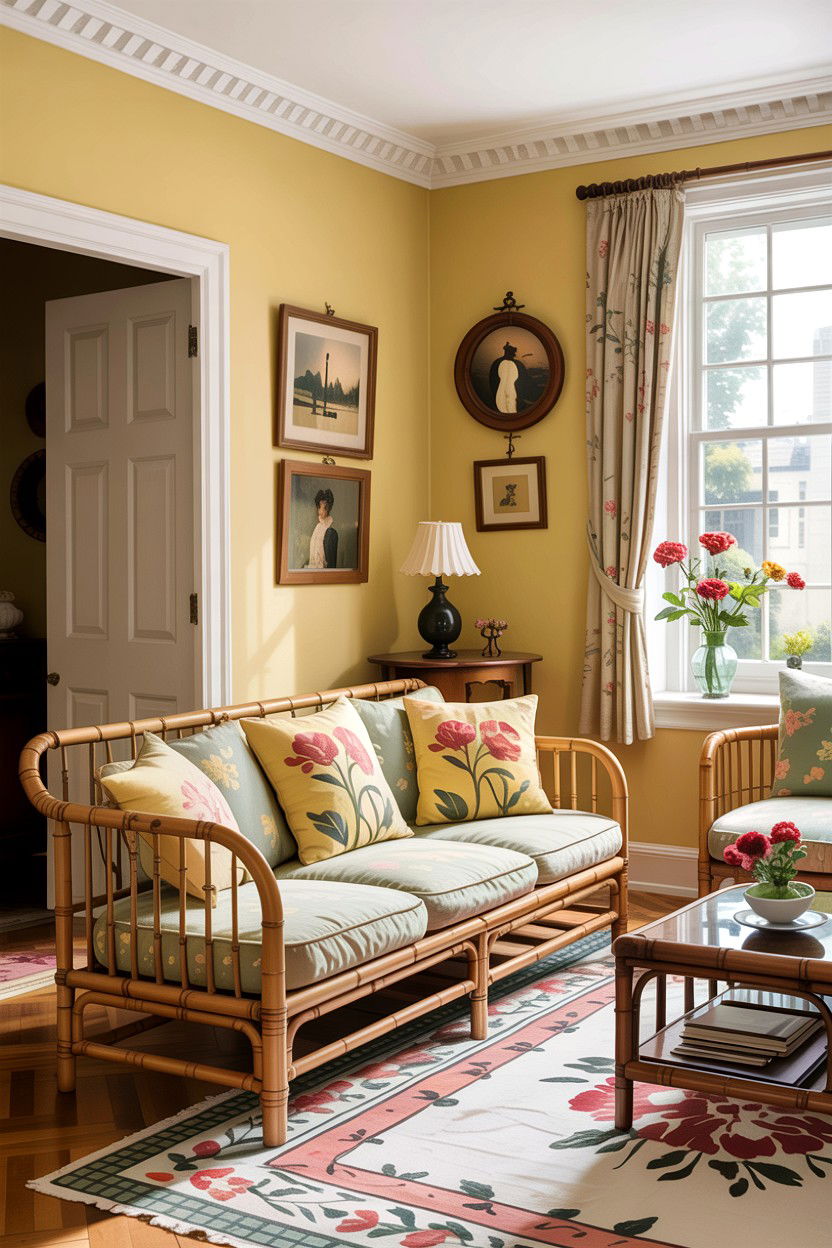
The Edwardian era brought a shift toward lighter, airier interiors compared to the heavy ornamentation of the Victorian period. To achieve this look in your living room, you should use a palette of soft greens, yellows, and creams to make the space feel bright and welcoming. Furniture often features simpler lines and lighter woods like bamboo or wicker, which adds a touch of casual elegance to the room. Incorporating floral patterns and fresh flowers can enhance the connection to nature that was popular during this time. This approach creates a comfortable, relaxed environment that is perfect for modern family living in a historic home.
15. Farmhouse historic living room
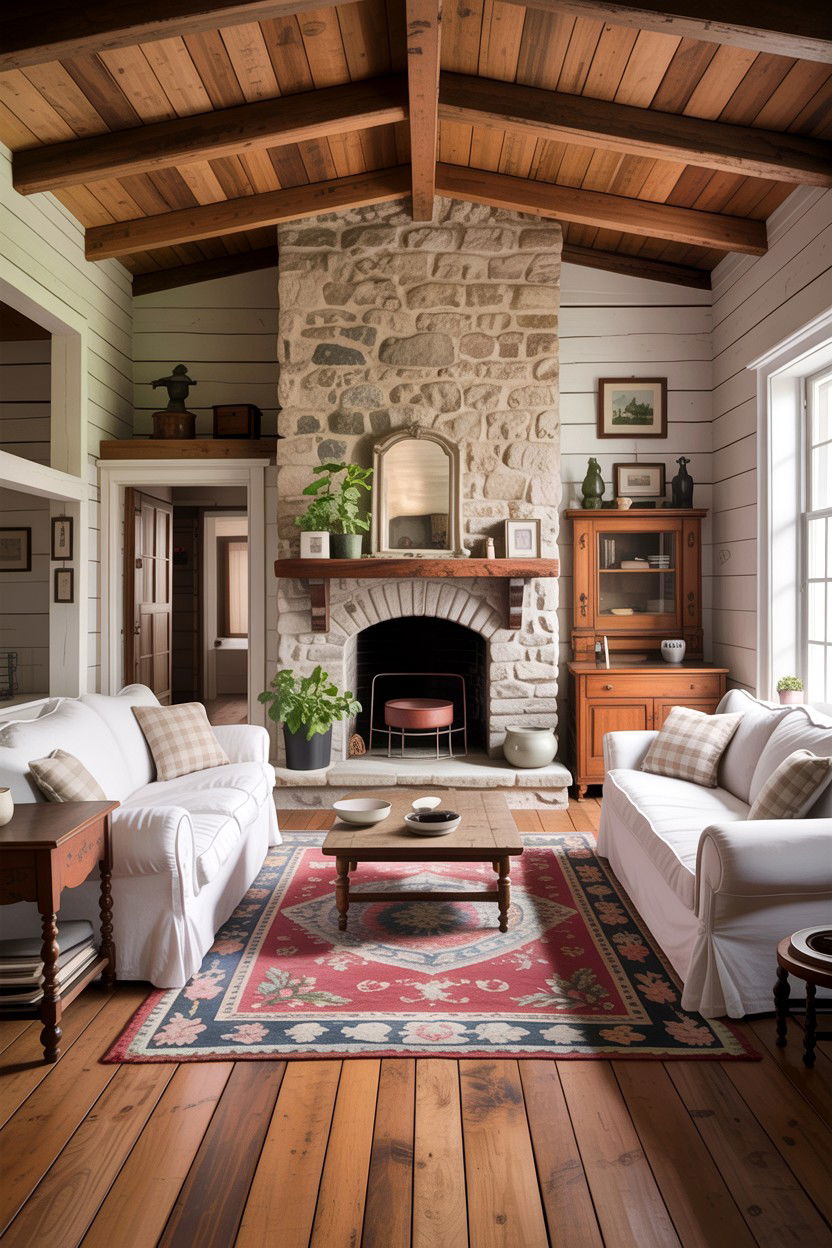
A historic farmhouse living room should feel warm, practical, and deeply connected to the heritage of the land. You can achieve this by keeping the original wide-plank wood floors and exposing any brickwork or stone walls that might be hiding behind the plaster. Using a neutral color palette with plenty of white and grey allows the natural textures of the room to take center stage. Comfortable slipcovered sofas and a large, rustic wooden coffee table create a space that is perfect for gathering with family and friends. Adding a few vintage farm tools or galvanized metal accents can reinforce the authentic farmhouse aesthetic.
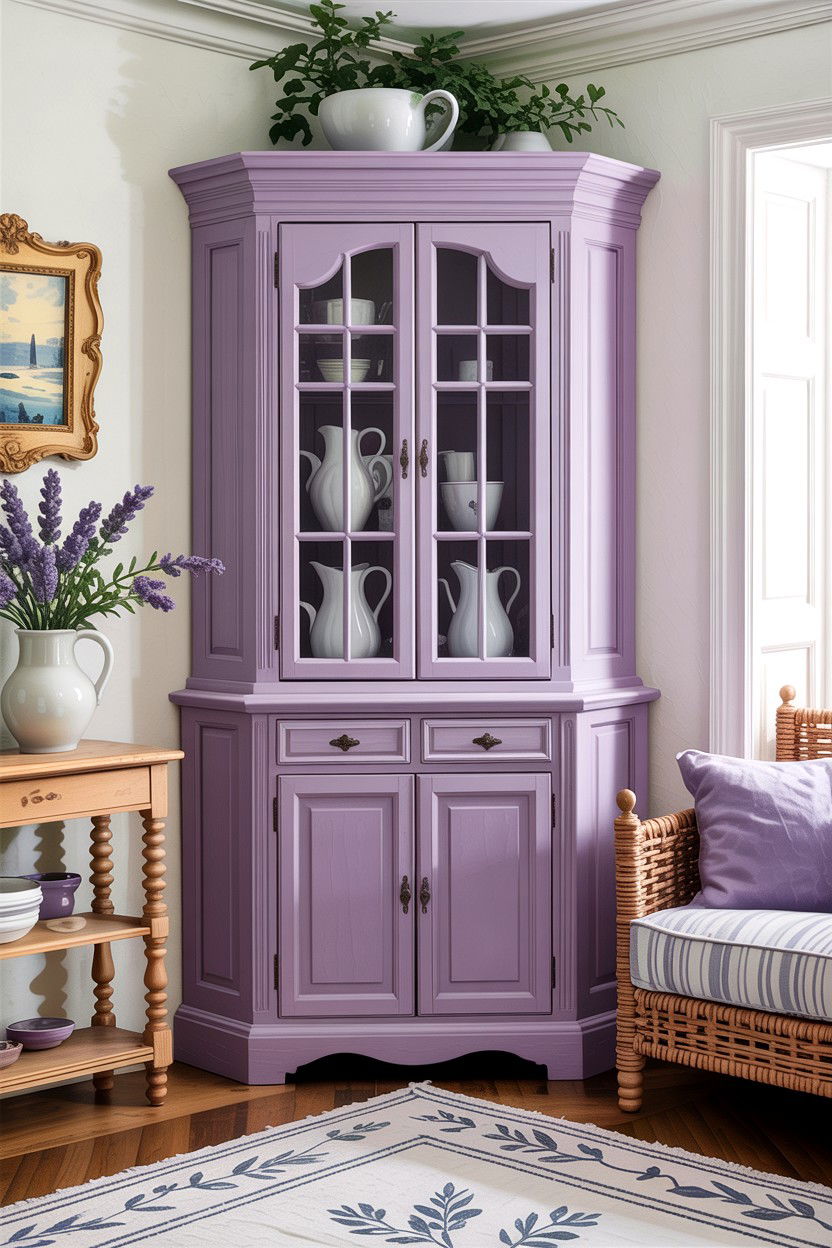
16. Gothic revival living room
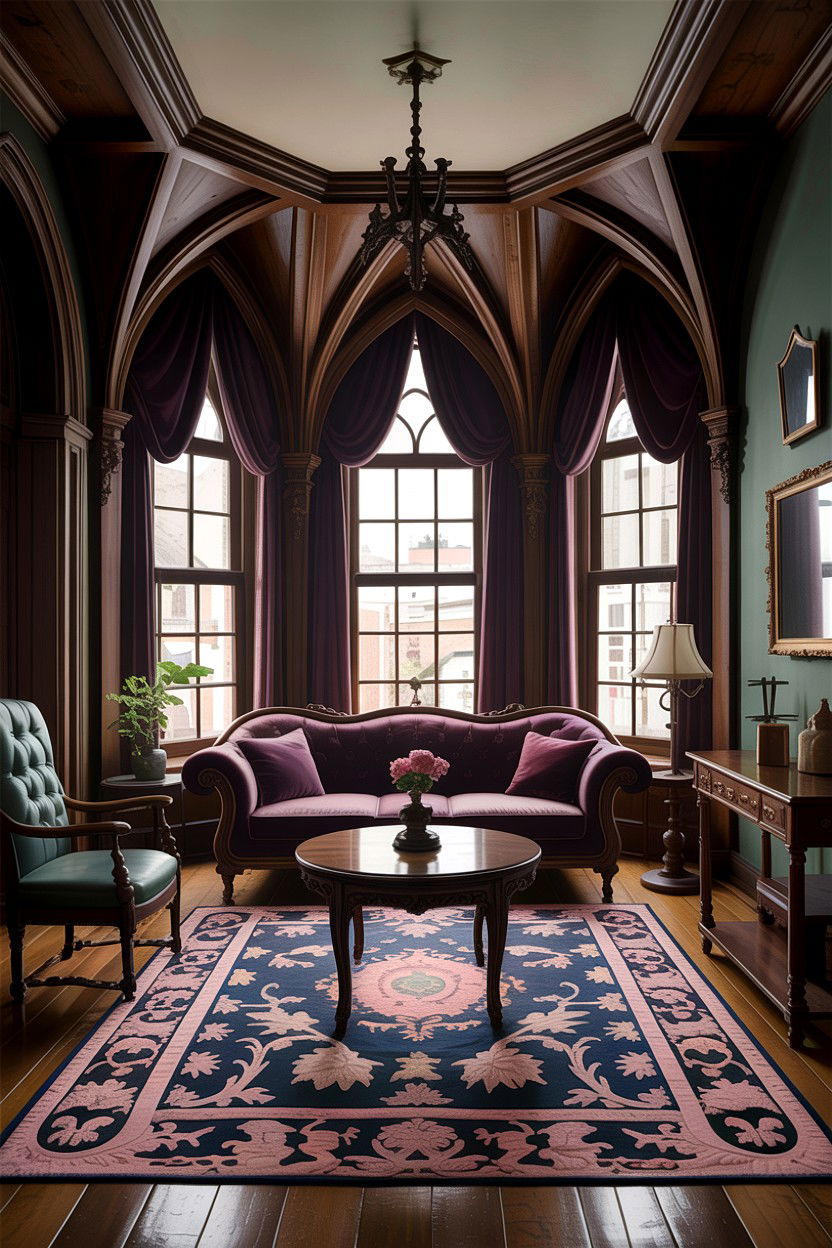
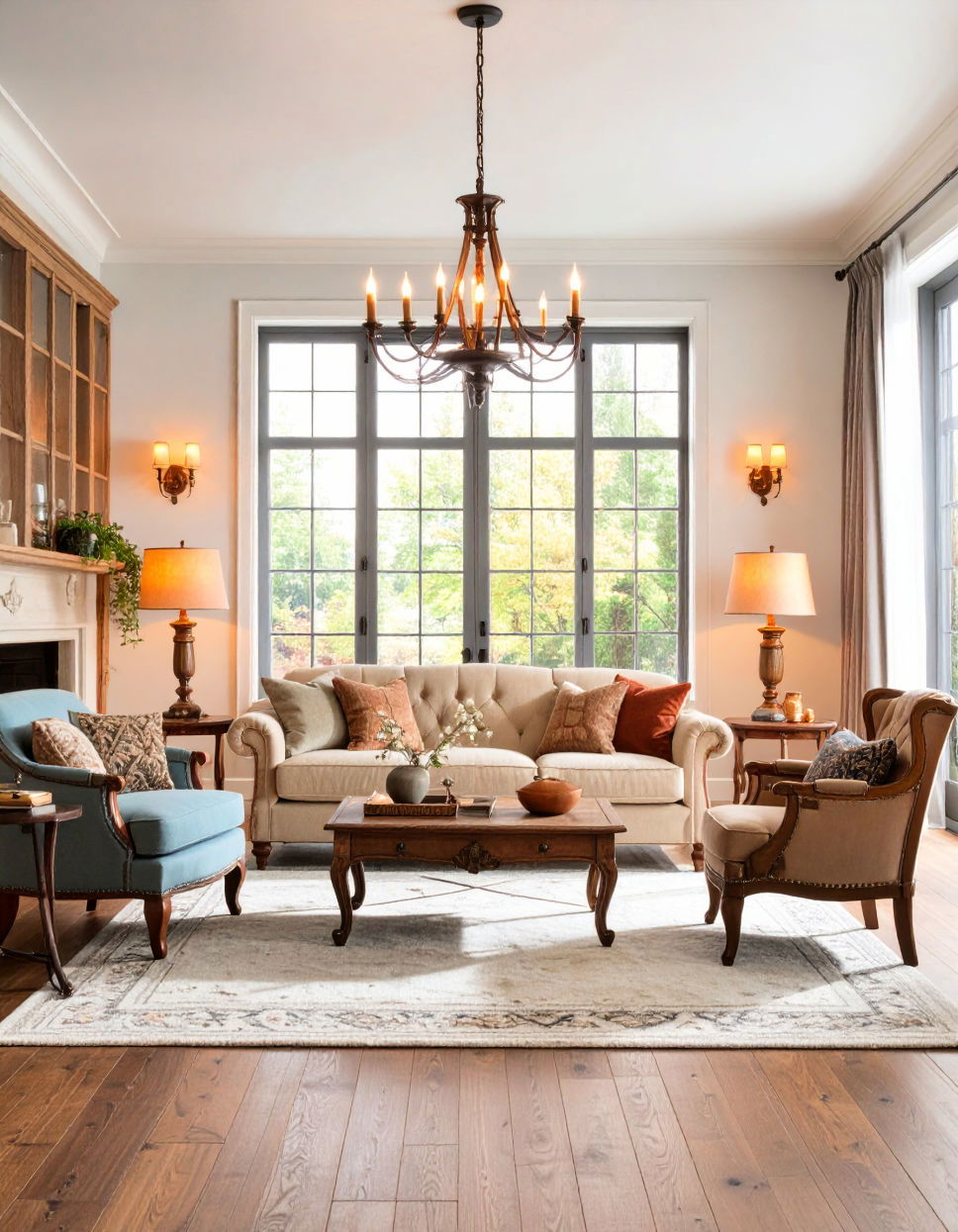
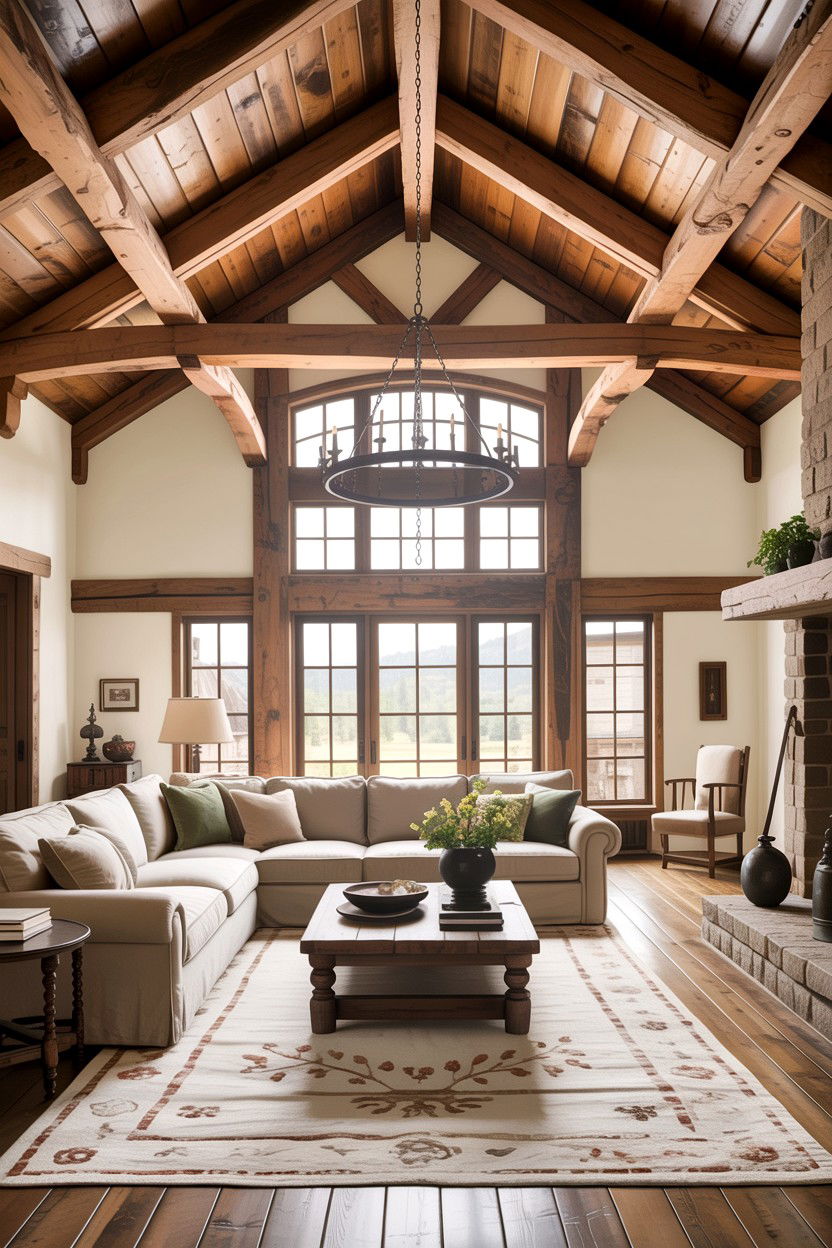
Gothic revival homes feature dramatic pointed arches and intricate wood carvings that can make a living room feel like a private sanctuary. To decorate this type of space, you should focus on using deep, moody colors like charcoal grey or plum to highlight the architectural features. Heavy velvet drapes and dark wood furniture with carved details can add to the sense of mystery and history. Using a few pieces of stained glass or a large wrought iron chandelier can provide a focal point that reflects the medieval-inspired roots of the style. This design approach creates a unique, atmospheric space that feels both grand and intimate.
17. Industrial loft historic home
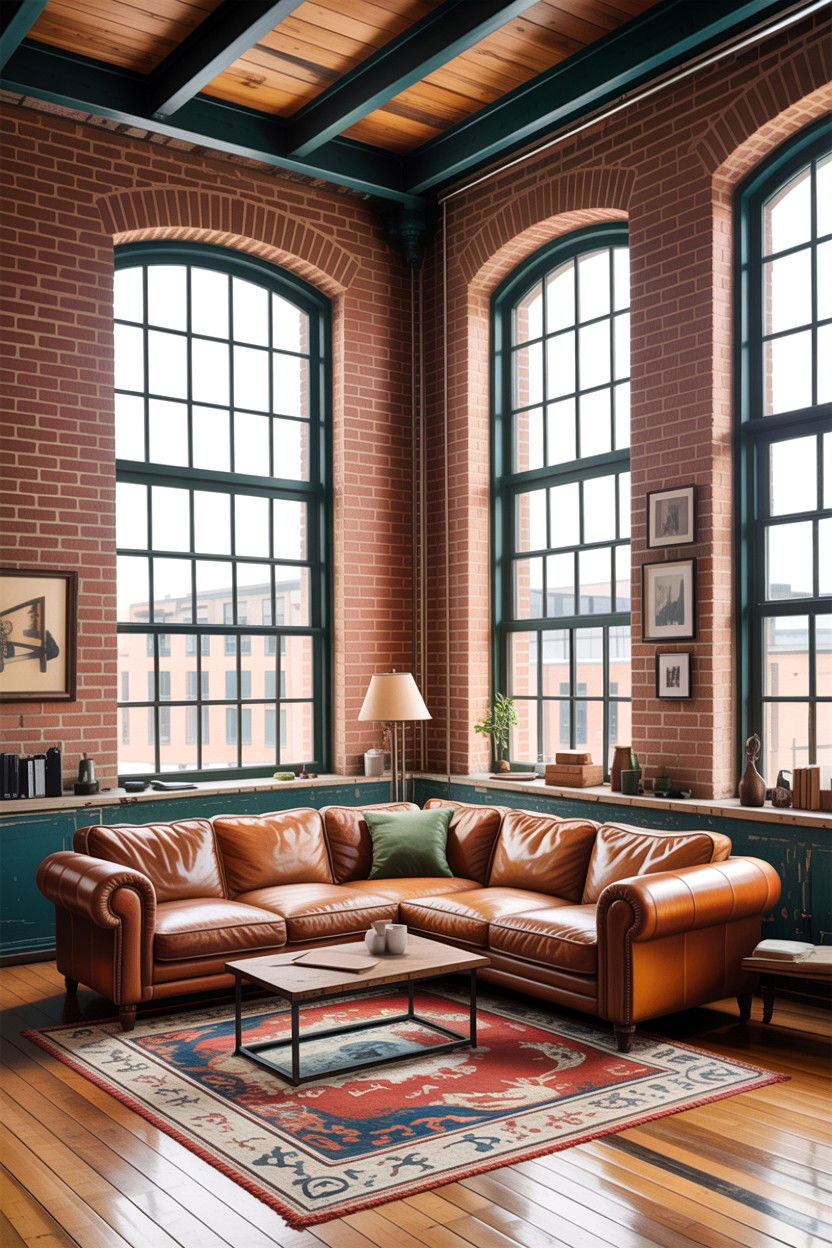
If your historic home is located in a former factory or warehouse, embracing an industrial style can celebrate the building's rugged past. Focus on leaving the original brick walls and large metal-framed windows exposed to highlight the architectural character of the space. You can use a mix of leather furniture and reclaimed wood tables to add warmth and comfort to the large, open room. Incorporating metal light fixtures and large-scale abstract art can provide a modern edge that balances the historical elements. This style is perfect for creating a cool, urban living room that feels both historic and cutting-edge in its design.
18. Bohemian historic living room
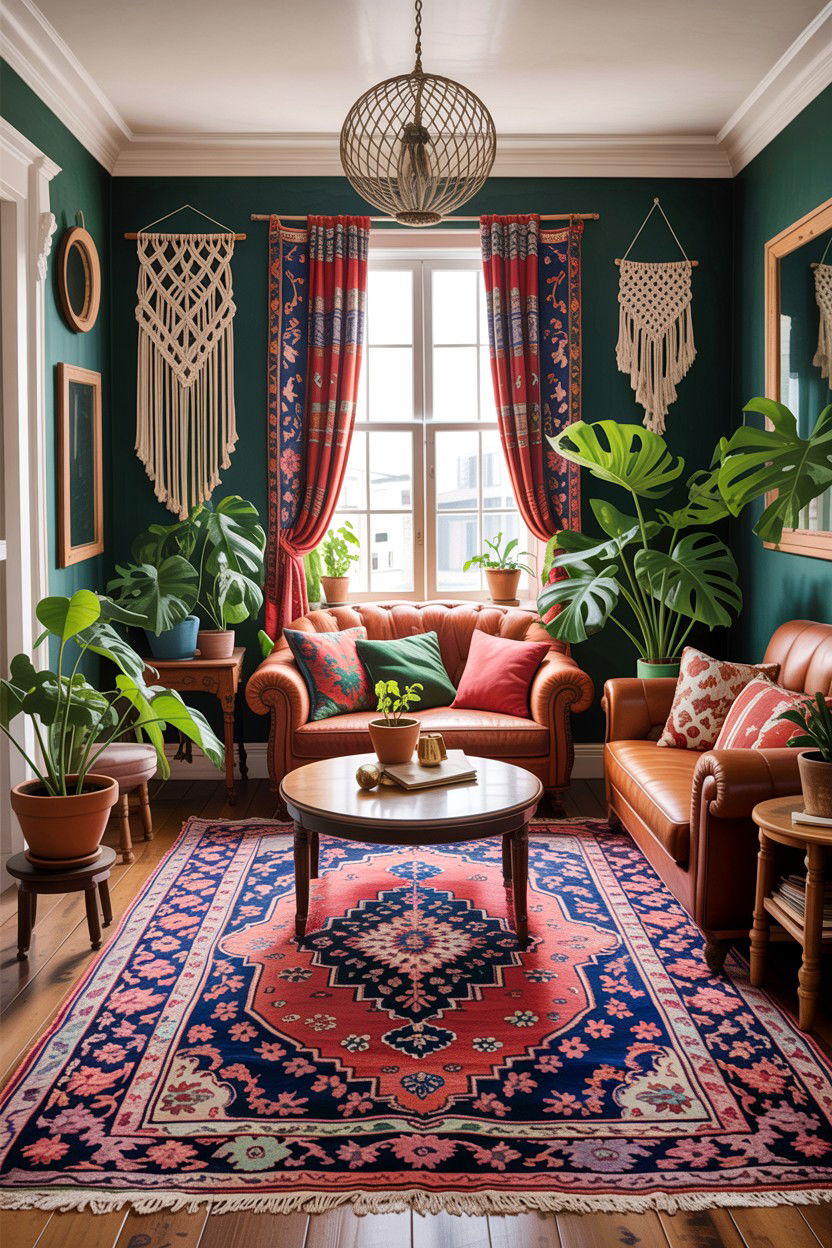
A bohemian approach to a historic living room allows you to mix and match different eras and cultures for a truly unique look. You can use a base of original architectural details like crown molding and hardwood floors, then layer on colorful rugs, patterned pillows, and eclectic artwork. Incorporating plenty of indoor plants and natural materials like rattan or macramé can add a sense of life and energy to the space. This style is all about personal expression and comfort, making it a great choice for those who want their historic home to feel relaxed and filled with a sense of adventure.
19. Minimalist historic living room
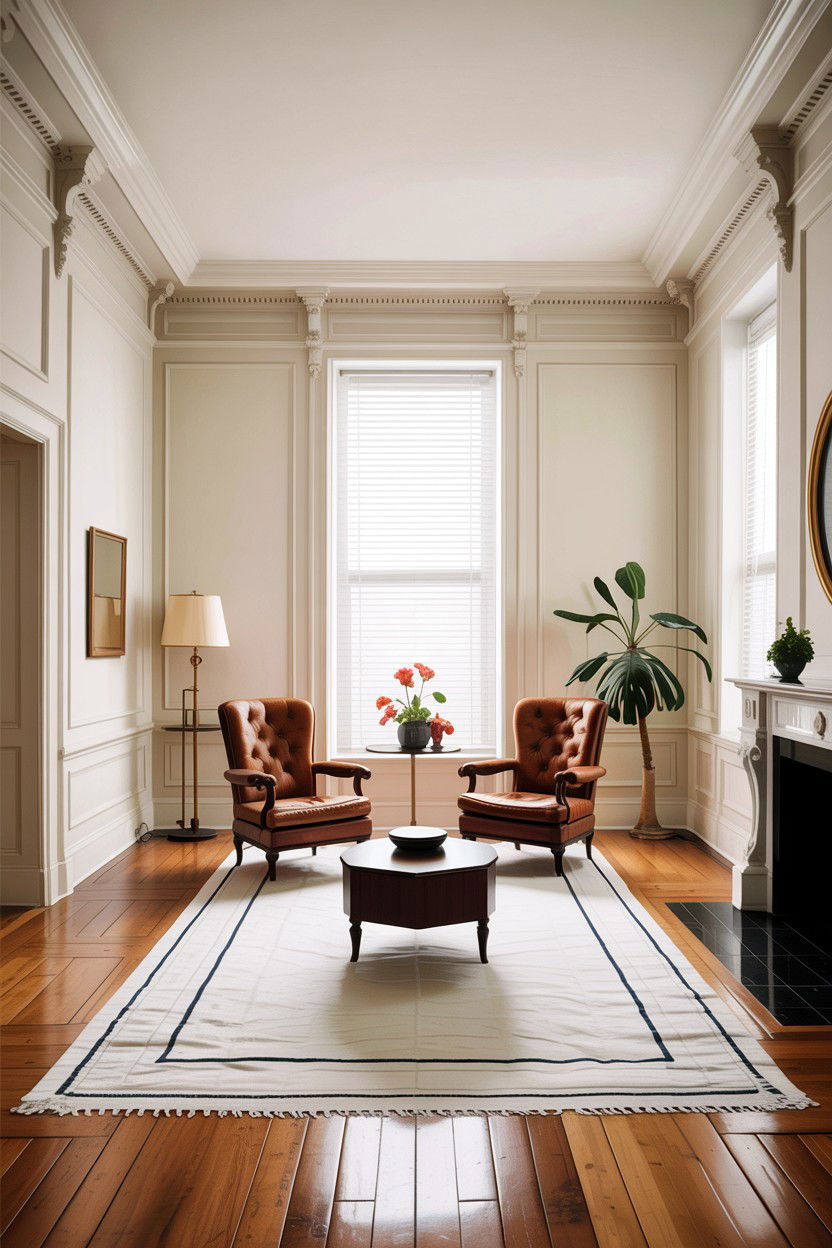
Minimalism can work surprisingly well in a historic home by allowing the original craftsmanship and architectural details to shine without distraction. To achieve this look, you should focus on a very simple color palette of whites and neutrals, and keep the furniture to a minimum. Choosing a few high-quality, modern pieces with clean lines can create a beautiful contrast with the ornate moldings or antique fireplaces. This approach makes the room feel spacious and calm, highlighting the beauty of the building itself. It is a sophisticated way to modernize a heritage property while still respecting its historical roots and unique character.
20. Maximalist historic living room
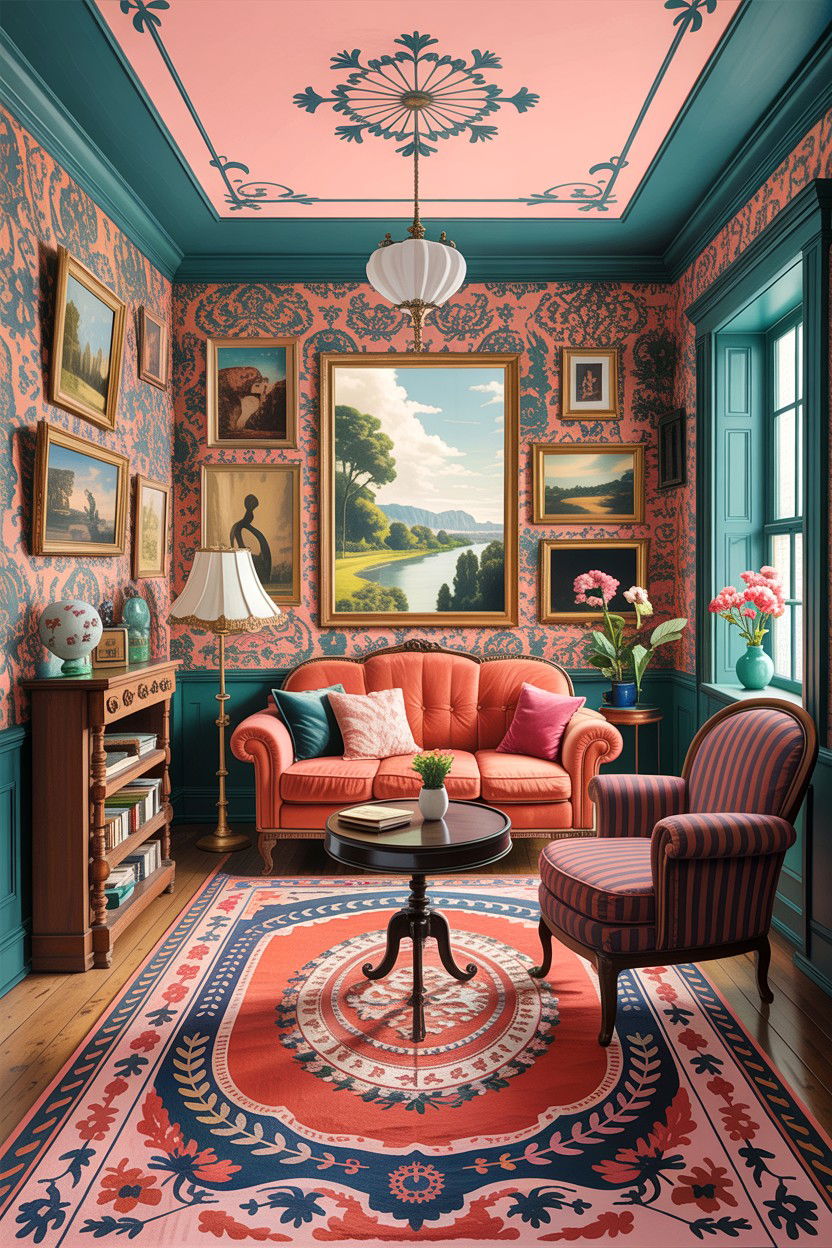
For those who love color and pattern, a maximalist approach can turn a historic living room into a vibrant and exciting gallery of personal style. You can use bold, patterned wallpaper and layer on different textures like velvet, silk, and wool to create a rich and immersive environment. Mixing antique furniture with contemporary art and eclectic decor items adds a sense of history and personality to the room. Don't be afraid to fill the space with your favorite collections, from vintage books to unique ceramics. This style celebrates the joy of living and makes the most of the grand proportions found in many historic homes.
21. Coastal historic living room
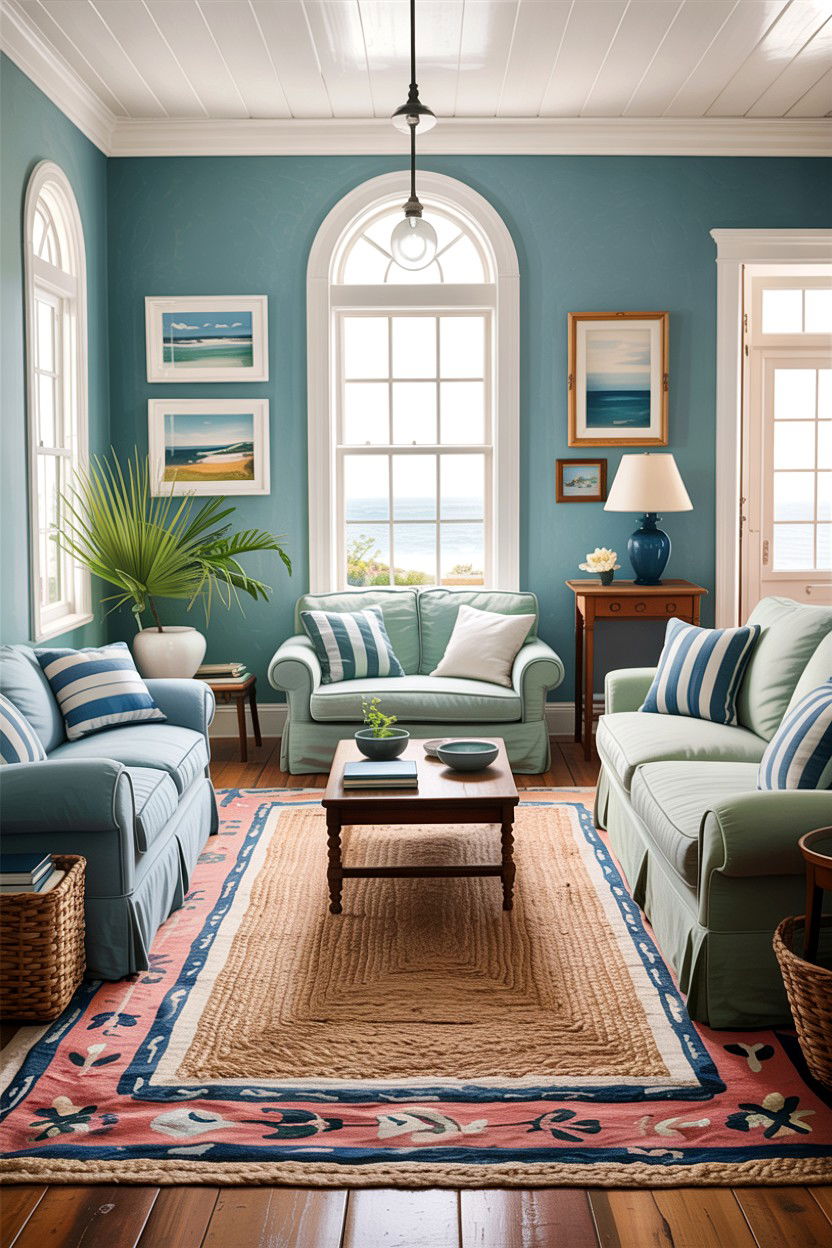
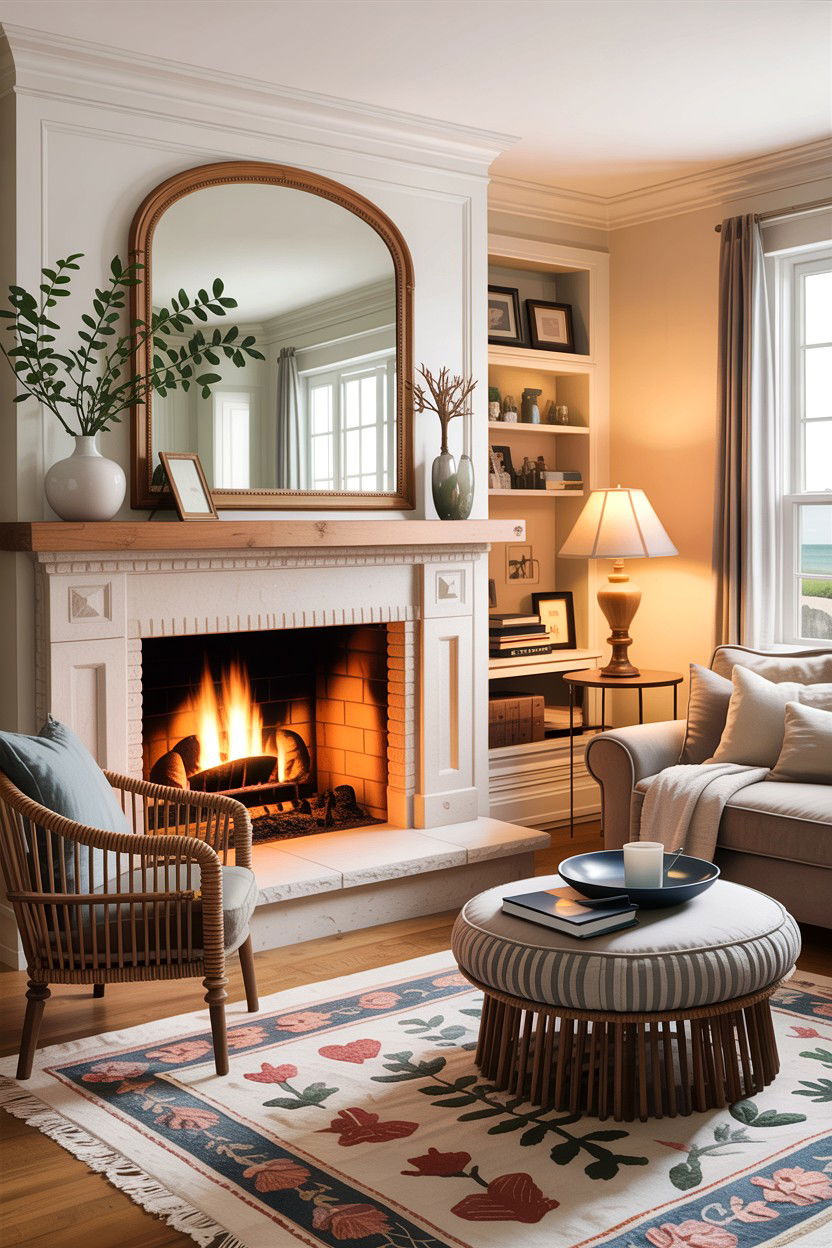
A coastal theme can bring a sense of light and relaxation to a historic home located near the water. Focus on using a palette of soft blues, sandy beiges, and crisp whites to create a breezy, seaside atmosphere. You can use natural materials like jute rugs, linen curtains, and light-colored woods to enhance the connection to the outdoors. Incorporating a few nautical accents like a vintage ship's wheel or some framed coral prints can reinforce the theme without feeling too literal. This approach creates a serene and inviting living room that feels perfectly suited for a historic property by the sea.
22. Rustic historic living room
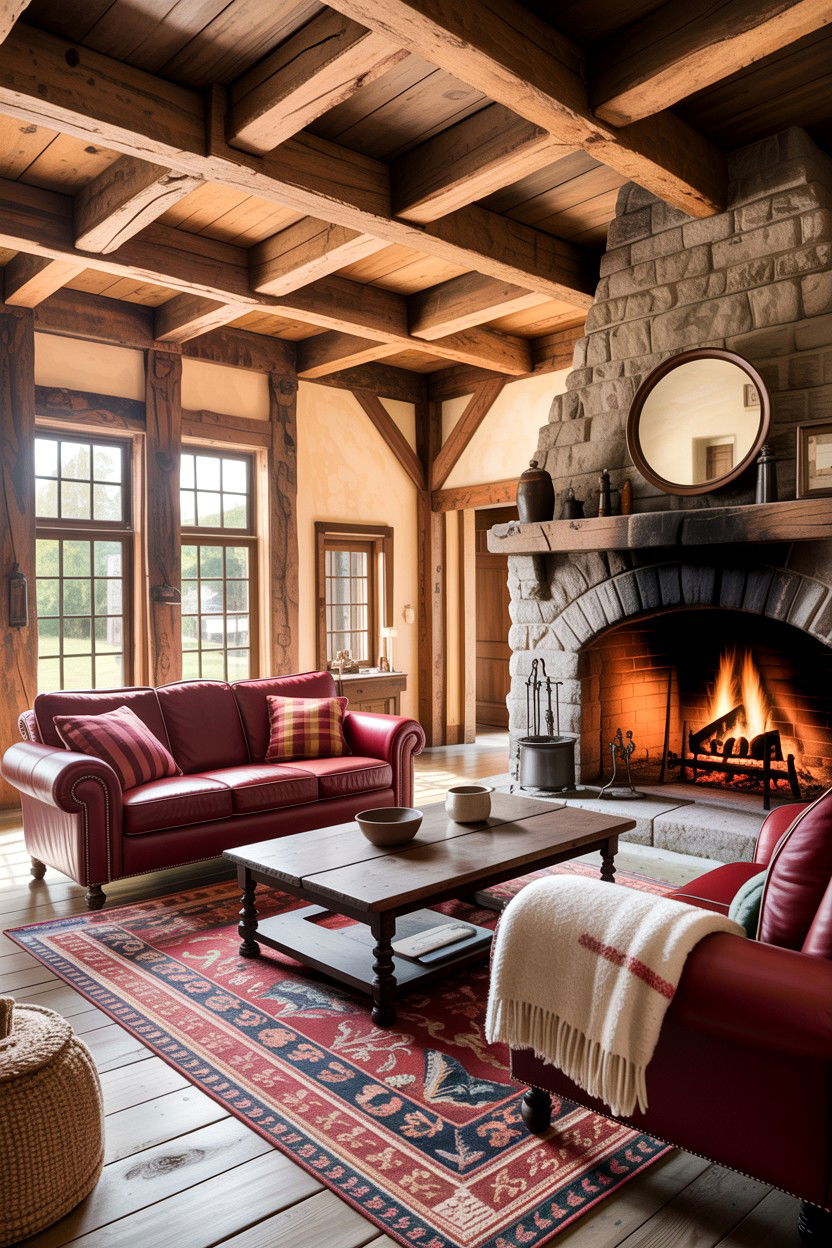
A rustic living room in a historic home should emphasize the beauty of raw, natural materials and traditional building techniques. You can highlight original stone fireplaces and heavy timber beams by using a warm, earthy color palette and simple, sturdy furniture. Incorporating cozy textiles like wool blankets and sheepskin rugs can add a layer of comfort and warmth to the space. Using a few antique hand tools or vintage pottery as decor items can reinforce the sense of history and craftsmanship. This style is perfect for creating a snug, welcoming environment that feels deeply rooted in the past and the surrounding landscape.
23. Scandinavian historic living room
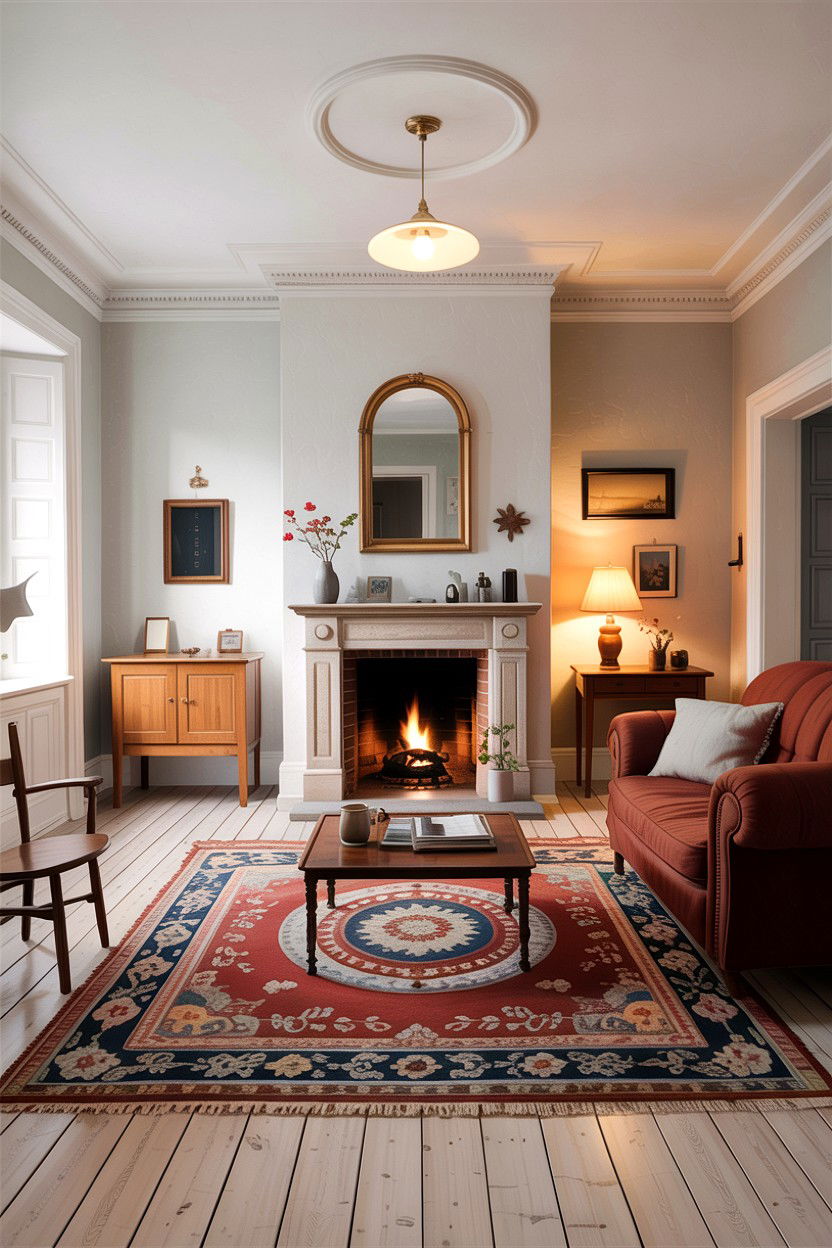
Scandinavian design is famous for its focus on light, simplicity, and functionality, making it a great choice for modernizing a historic living room. You can achieve this look by painting the walls a crisp white and using light-colored wood for the furniture and flooring. Incorporating a few pieces of iconic mid-century modern furniture can add a touch of style without cluttering the space. Using soft textiles in neutral tones and plenty of candles or warm lighting creates a cozy "hygge" atmosphere that is perfect for relaxing. This approach results in a bright, clean living room that feels both historic and very contemporary.
24. Shabby chic historic living room
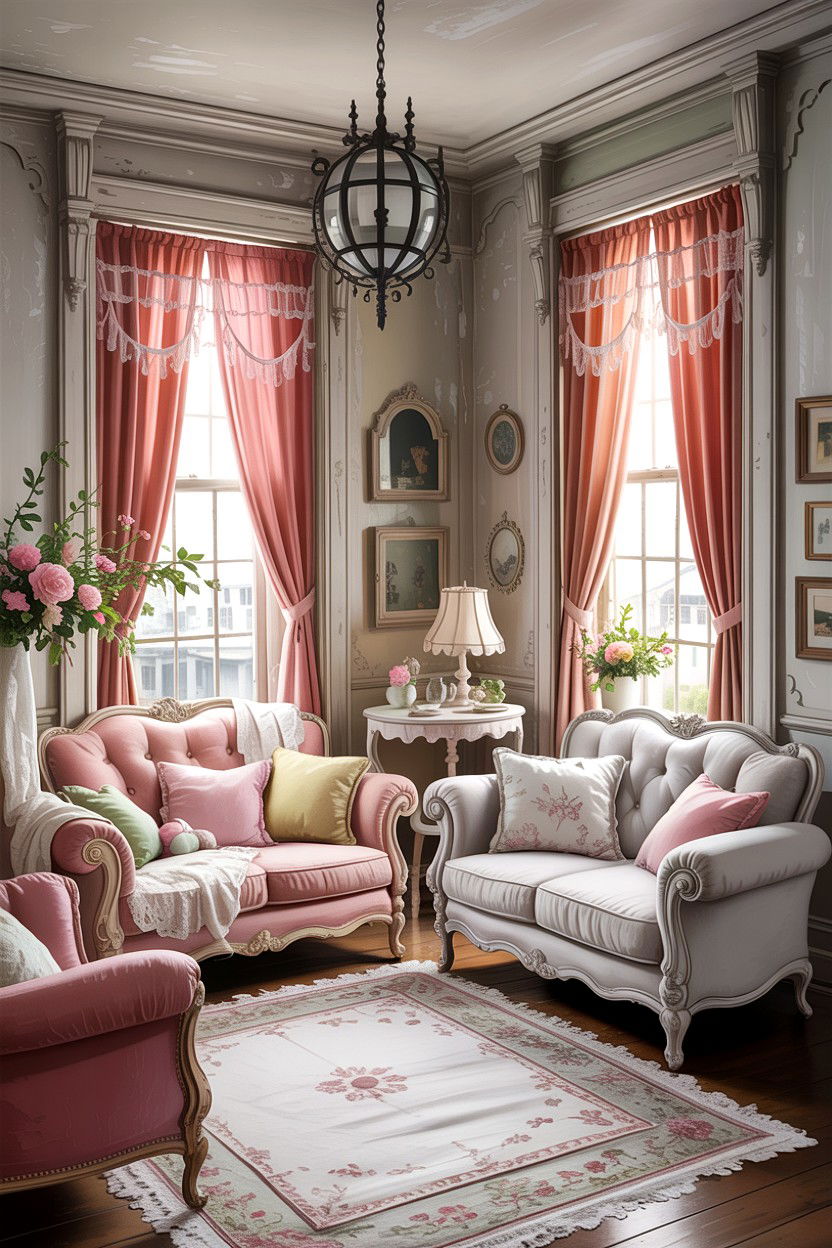
The shabby chic style is all about celebrating the beauty of age and imperfection, making it a perfect fit for a historic home. Focus on using a palette of soft pastels and whites, and look for furniture with a distressed or weathered finish. You can layer on vintage lace, floral fabrics, and plenty of cozy pillows to create a romantic and welcoming atmosphere. Adding a few antique finds like an old birdcage or a distressed wooden trunk can provide a sense of history and charm. This style is perfect for creating a living room that feels comfortable, lived-in, and filled with vintage character.
25. Traditional historic living room
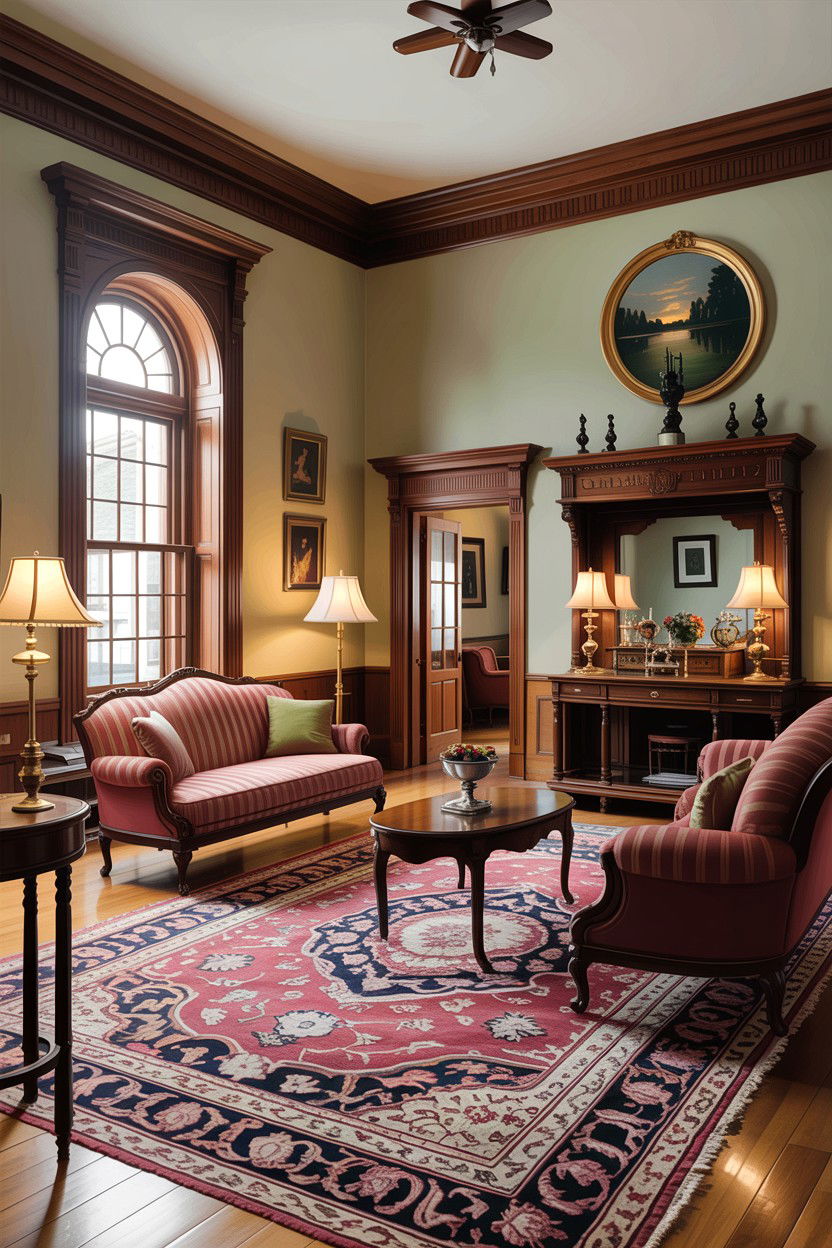
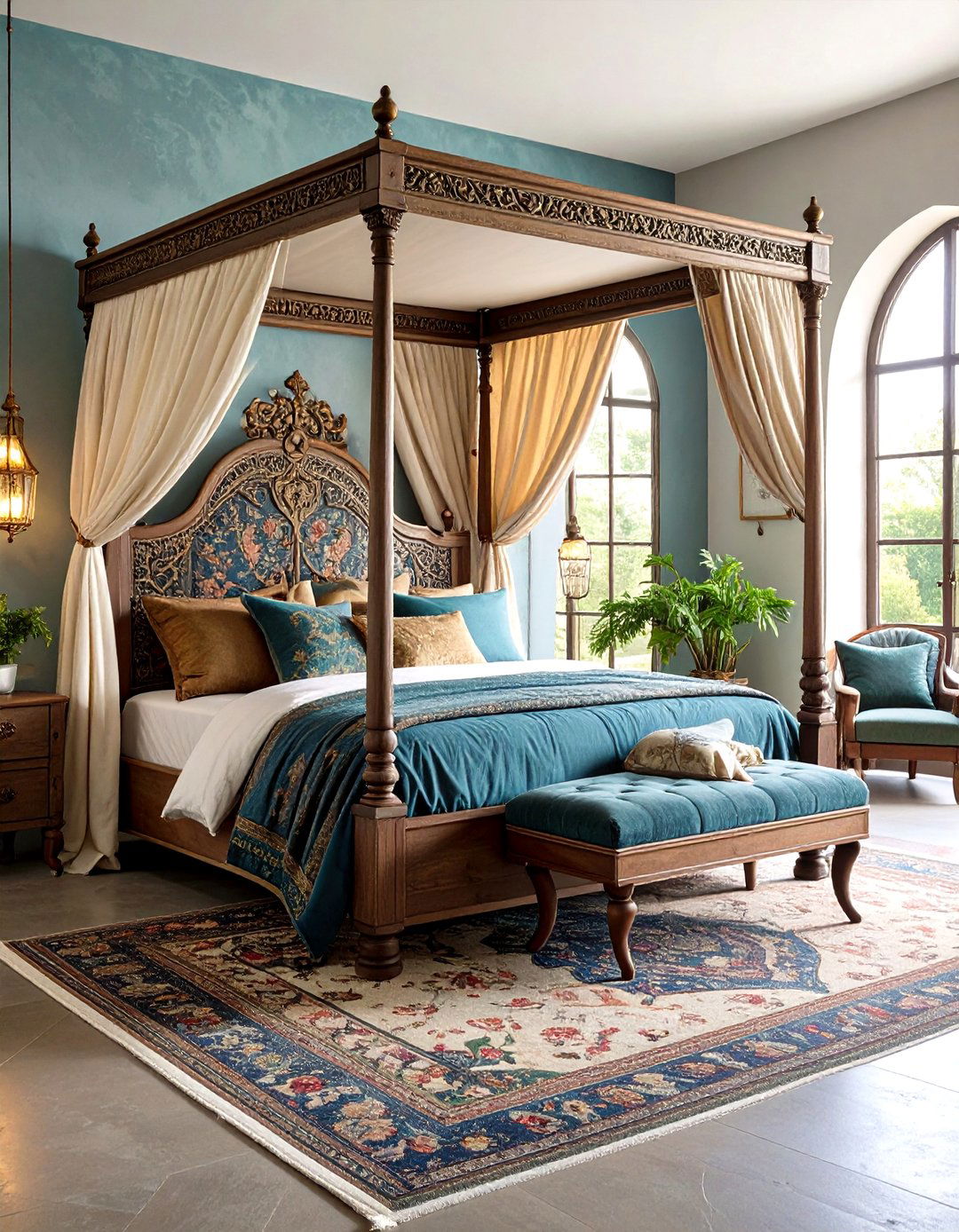
A traditional approach to a historic living room involves using classic furniture styles and a formal layout to create a space that feels timeless. You can focus on using high-quality materials like mahogany wood, silk fabrics, and brass accents to reinforce the sense of luxury and history. A large area rug with a traditional Persian or Oriental pattern can ground the seating area and add a touch of color and texture. Incorporating a few pieces of fine art and some antique books can complete the look without making the room feel too stiff. This style is perfect for those who appreciate classic elegance and order.
26. Transitional historic living room
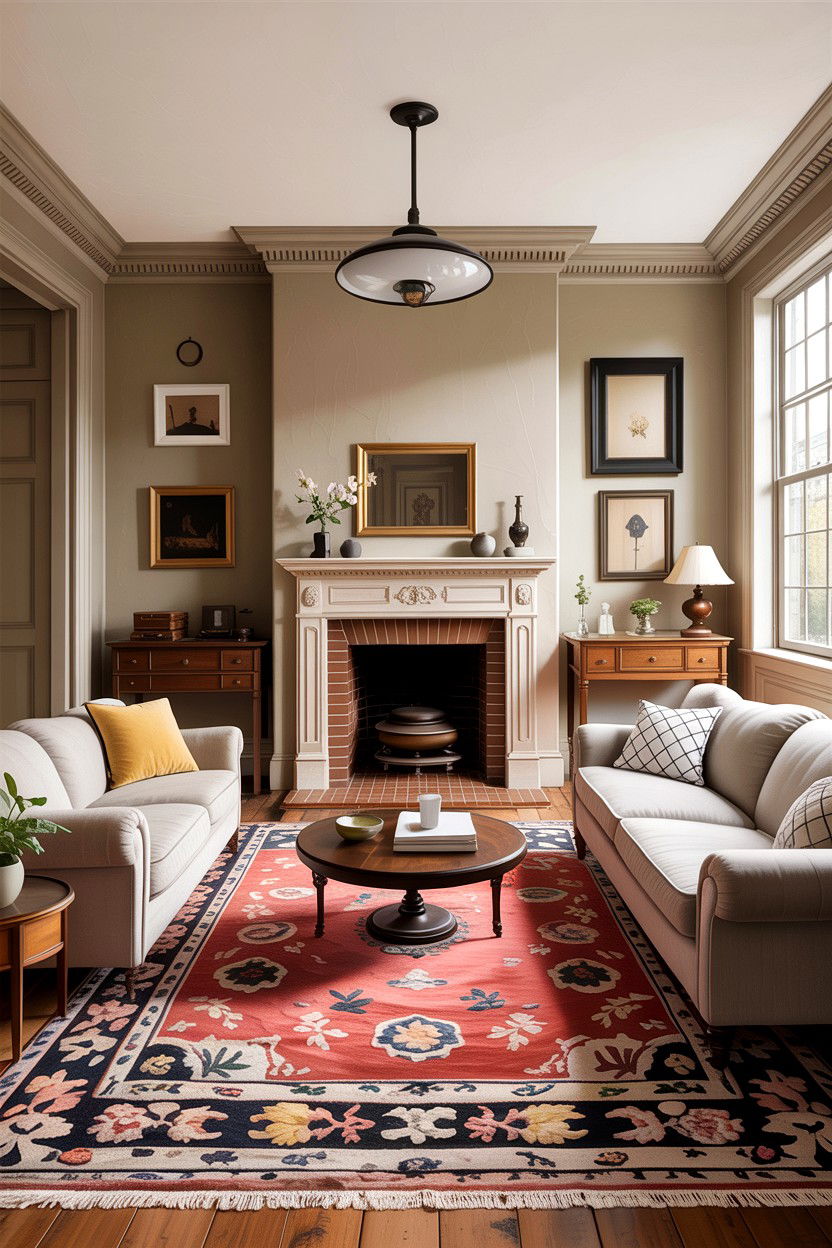
Transitional design offers a way to blend the best of both traditional and modern styles, creating a living room that feels balanced and updated. You can use a neutral color palette as a base, then mix in a few pieces of contemporary furniture with more traditional elements like an antique fireplace or original moldings. This approach allows you to enjoy the character of your historic home while still having the comfort and functionality of modern design. Using a mix of textures like leather, metal, and wood can add depth and interest to the room without making it feel cluttered or overly themed for one era.
27. Eclectic historic living room
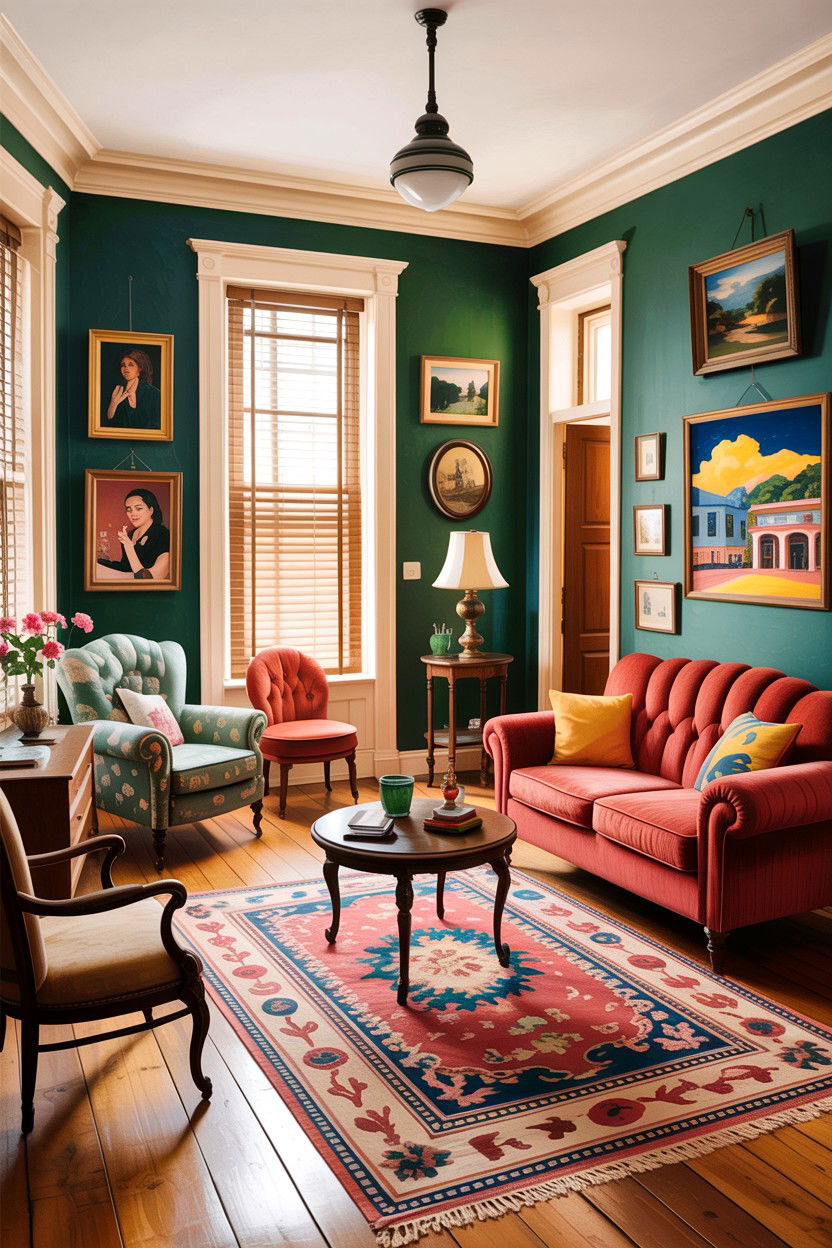
An eclectic living room is perfect for the homeowner who loves to collect unique items from different time periods and cultures. You can use the original architectural features of your historic home as a backdrop for a diverse mix of furniture, art, and decor. The key is to find a common thread, such as a specific color or material, to tie the different elements together for a cohesive look. This style allows you to showcase your personality and create a space that is truly one-of-a-kind. It is a fun and creative way to live in a historic home while making it feel modern.
28. Formal historic living room
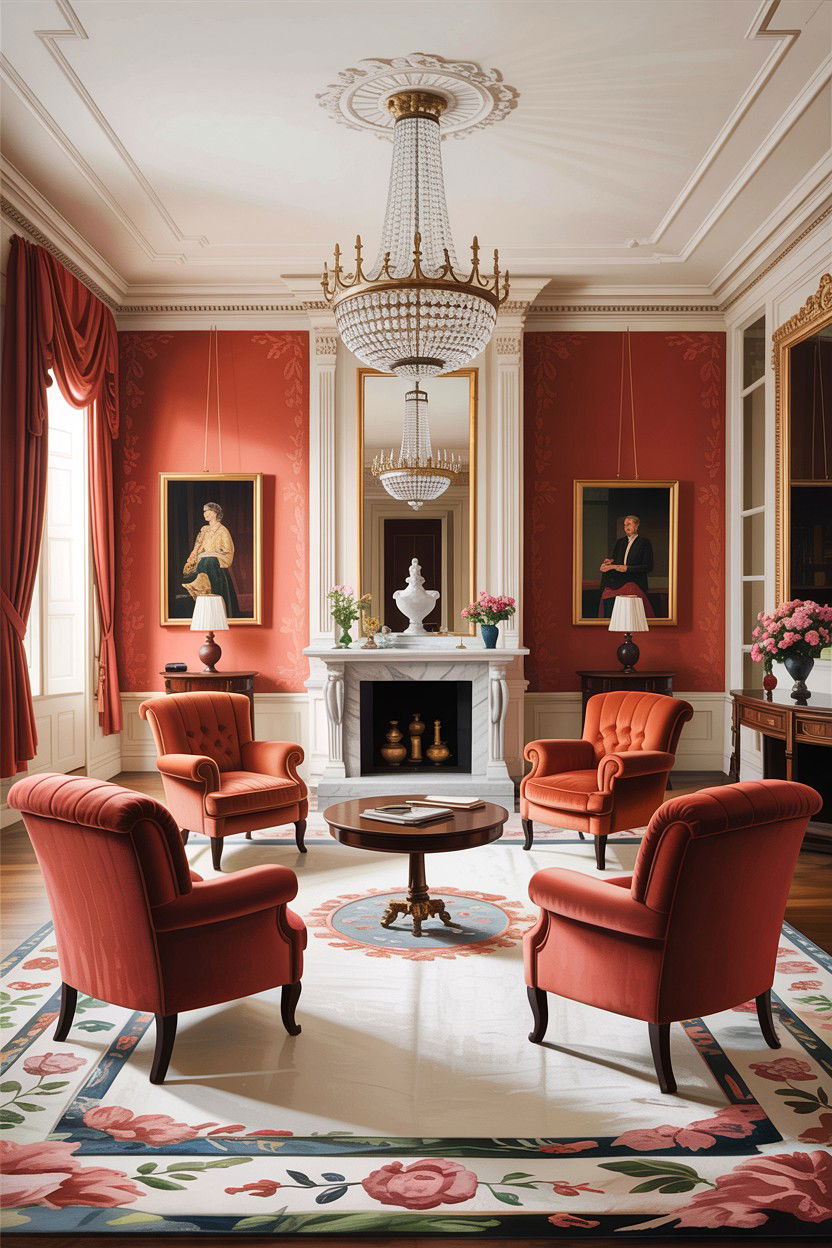
A formal living room in a historic home is designed for entertaining and showcasing the grandest features of the property. Focus on creating a symmetrical layout with elegant furniture pieces like a high-backed sofa and a pair of matching armchairs. You can use rich fabrics like damask or velvet and add a touch of glamour with a large crystal chandelier or a gilded mirror. Keeping the room clutter-free and focusing on a few high-quality decor items will ensure the space remains sophisticated and impressive. This style is perfect for those who want a dedicated space for hosting guests in a beautiful, historic setting.
29. Library style living room
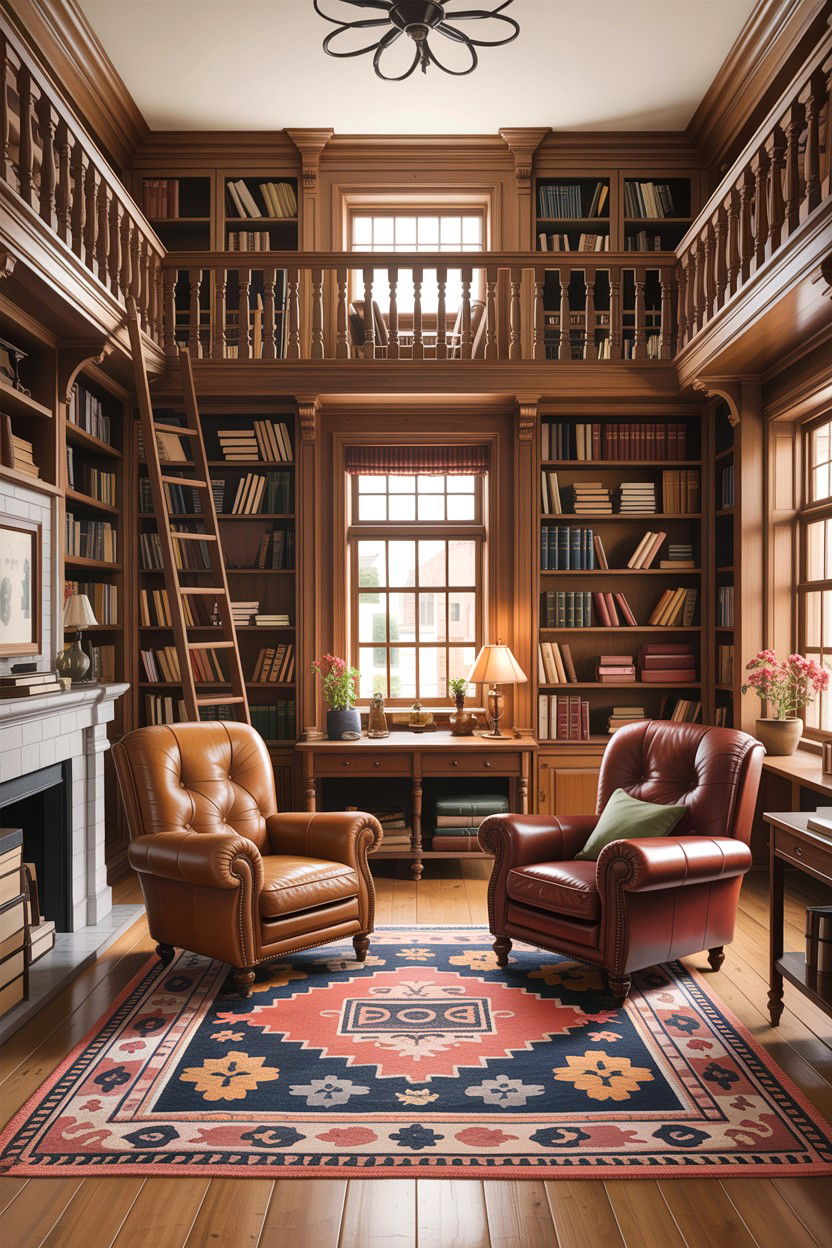
Many historic homes feature beautiful built-in bookshelves that can be used to create a cozy, library-style living room. You can focus the furniture layout around the bookshelves, using comfortable leather armchairs and a small reading lamp to create a perfect spot for relaxing with a book. Using a warm, dark color palette and plenty of wood accents can add to the sense of comfort and history. Incorporating a few unique bookends or some vintage maps can reinforce the library theme and provide a sense of personality. This approach creates a quiet, intellectual retreat that makes the most of the home's original features.
30. Conservatory style living room
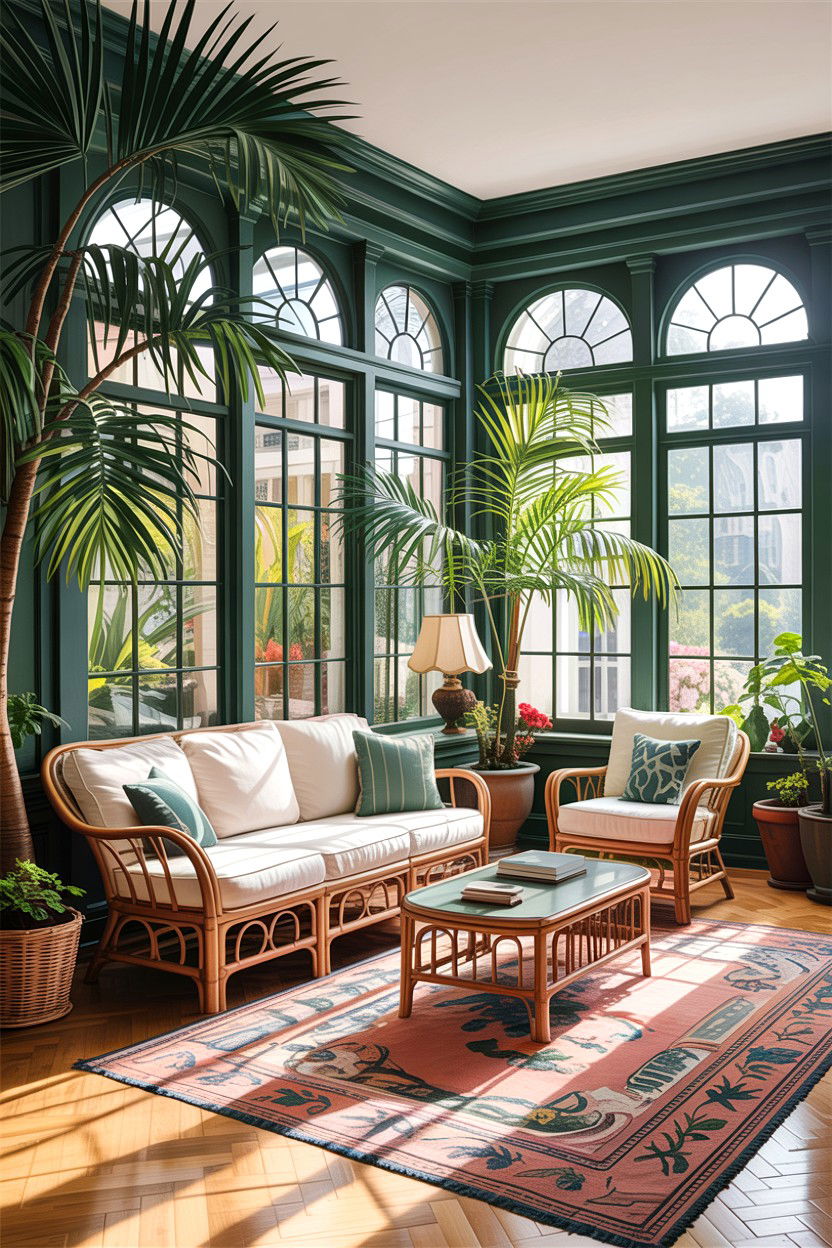
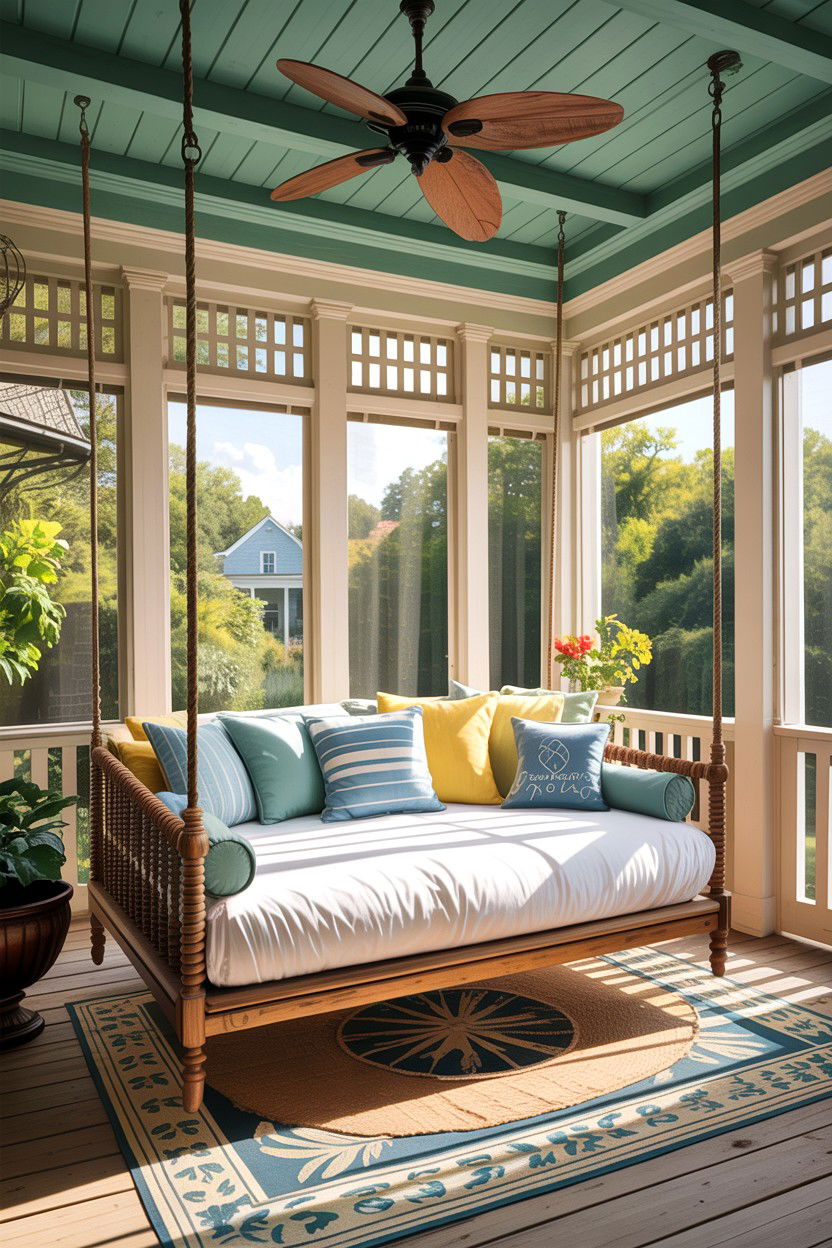
Many historic estates feature sun-drenched conservatory spaces that serve as secondary living rooms filled with lush greenery and natural light. To decorate this type of room, you should use weather-resistant materials like wrought iron or high-quality rattan furniture that can withstand direct sunlight. Choosing a light, airy color palette with shades of white and soft sage helps to connect the interior with the surrounding garden views. Large potted palms and hanging ferns can be placed strategically to create a botanical sanctuary that feels both historic and refreshing. This design approach transforms a simple sunroom into a sophisticated lounge area that celebrates the beauty of nature.
Conclusion:
Preserving the integrity of a historic home while making it functional for modern life is a rewarding design challenge that pays off in timeless beauty. By focusing on the unique architectural features of your living room, you can create a space that honors the past while looking forward to the future. Whether you choose to lean into a specific era or mix styles for a more eclectic look, the key is to respect the original materials and craftsmanship. We hope these thirty ideas have inspired you to see the potential in your own heritage property and given you the confidence to start your renovation journey.
Related posts:
Leave a Reply