

Choosing the perfect layout for your bathroom can feel like a daunting task, but few patterns offer the timeless elegance and visual movement of a herringbone installation. This classic V-shaped arrangement, which traces its origins back to the intricate roadwork of the Roman Empire, has evolved into a staple of high-end interior design. By placing rectangular tiles at forty-five-degree angles, you create a sophisticated geometric flow that instantly elevates the aesthetic of any space. Whether you are looking to ground a large master suite with textured flooring or add a striking focal point to a shower, herringbone provides a versatile solution that works with various materials and colors.
1. White subway tile herringbone shower
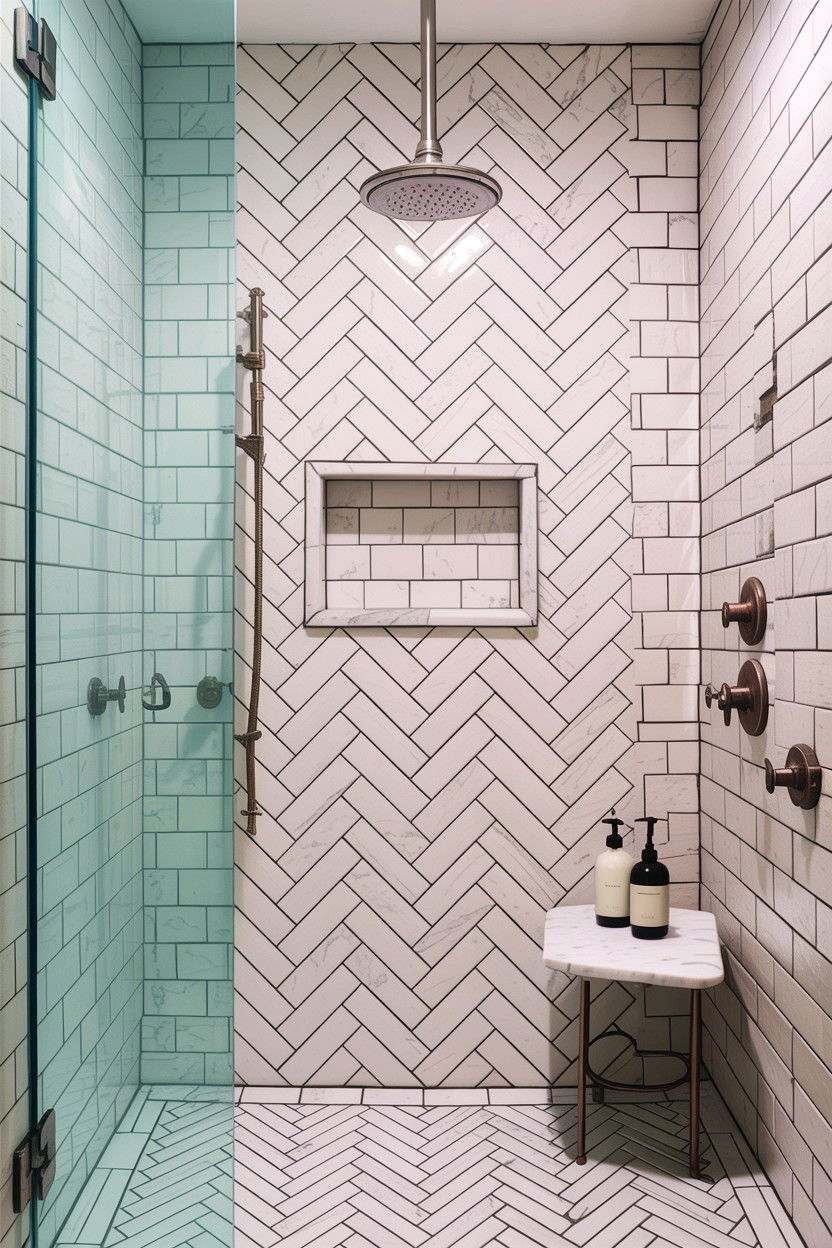
Have you ever considered how a simple change in layout can completely transform a basic material like white subway tile into something extraordinary? Using these classic rectangular pieces in a herringbone pattern for a shower enclosure is a brilliant way to add architectural interest without overwhelming the room. This layout creates a dynamic sense of movement that draws the eye upward, making the ceiling feel significantly higher than it actually is. It works exceptionally well in bright, airy bathrooms where you want to maintain a clean, crisp look while introducing subtle texture. Pair this with chrome or matte black fixtures to complete the refined aesthetic and achieve a high-end finish.
2. Black herringbone bathroom floor
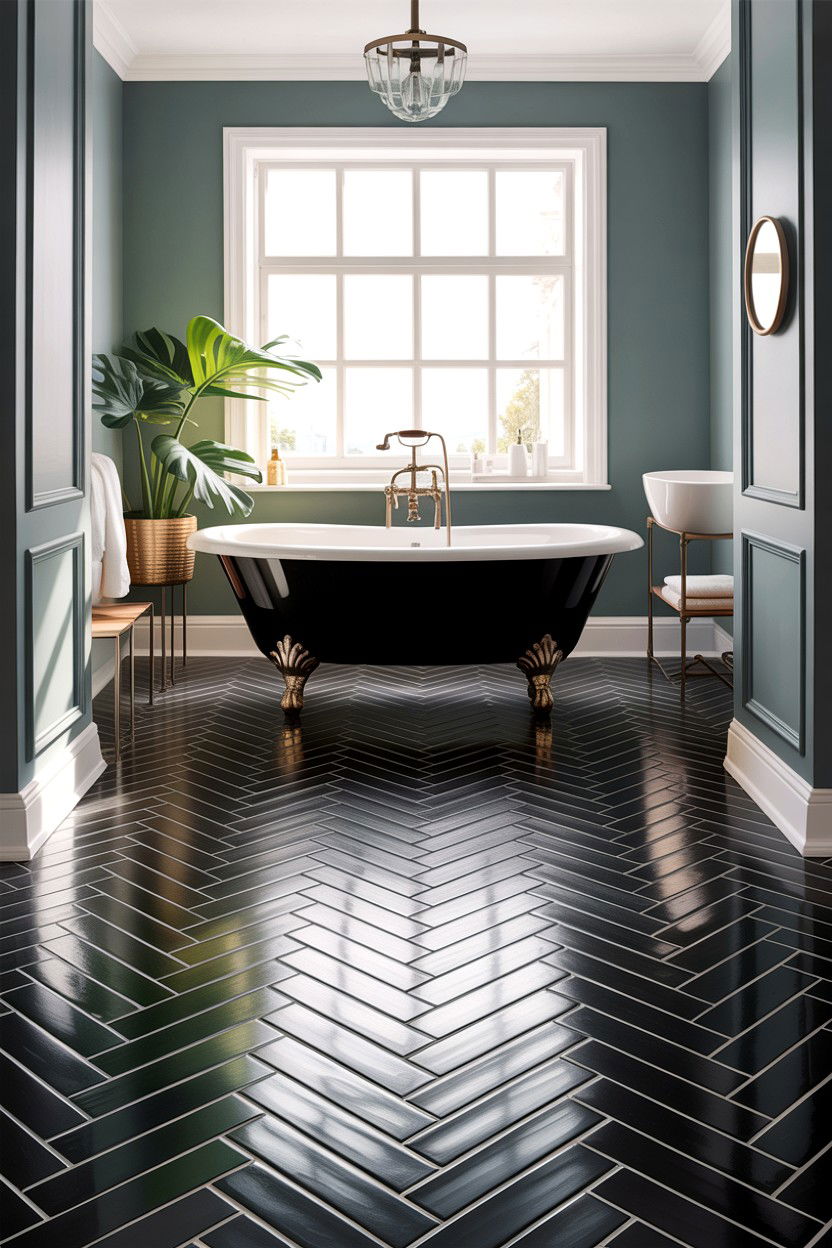
What if you want to ground your bathroom with a bold and dramatic statement that feels both modern and incredibly timeless? A black tile floor laid in a herringbone pattern provides a stunning foundation for any contemporary bathroom design. Whether you choose matte porcelain or polished slate, the dark color highlights the intricate zig-zag lines of the installation beautifully. This choice is particularly effective in larger bathrooms where the scale of the pattern can truly shine without crowding the space. Using a light grey or white grout can further emphasize the geometric precision, creating a high-contrast look that hides daily wear well while looking very luxurious underfoot.
3. Marble herringbone vanity backsplash
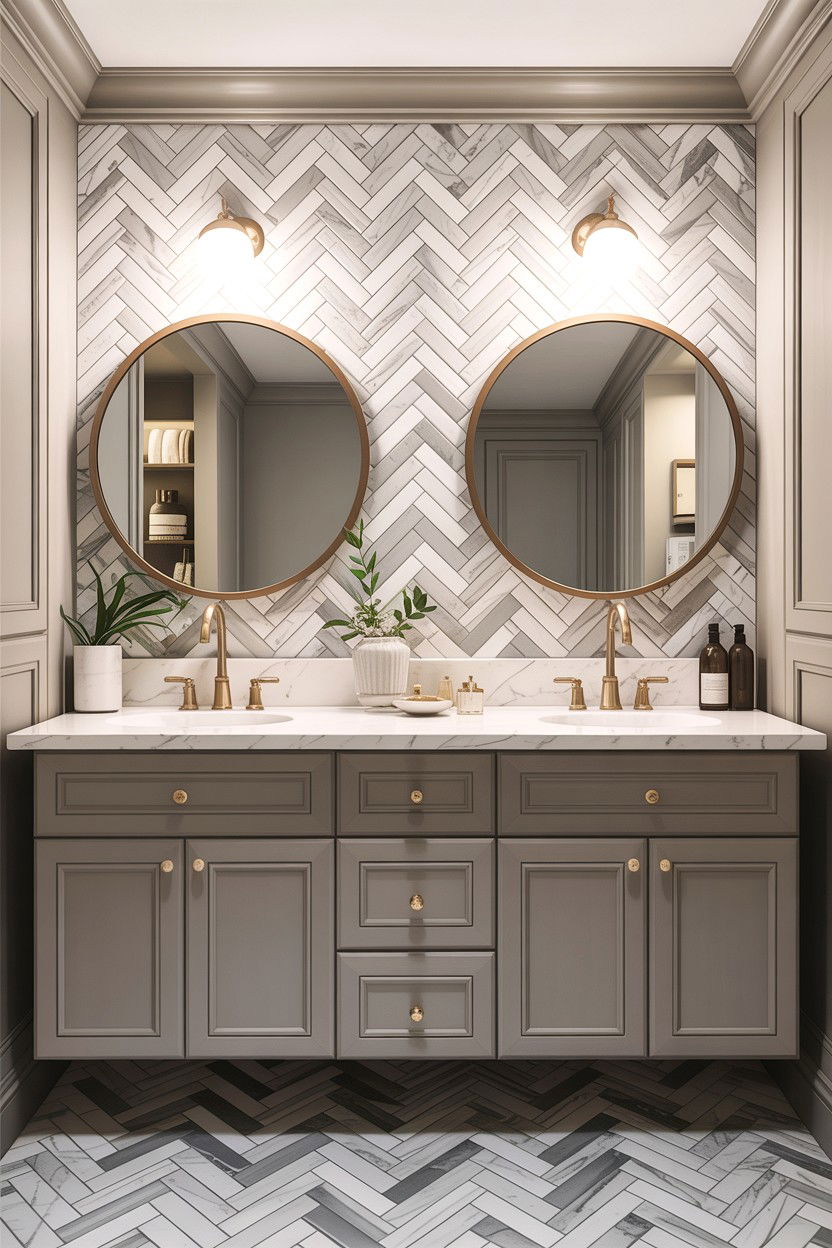
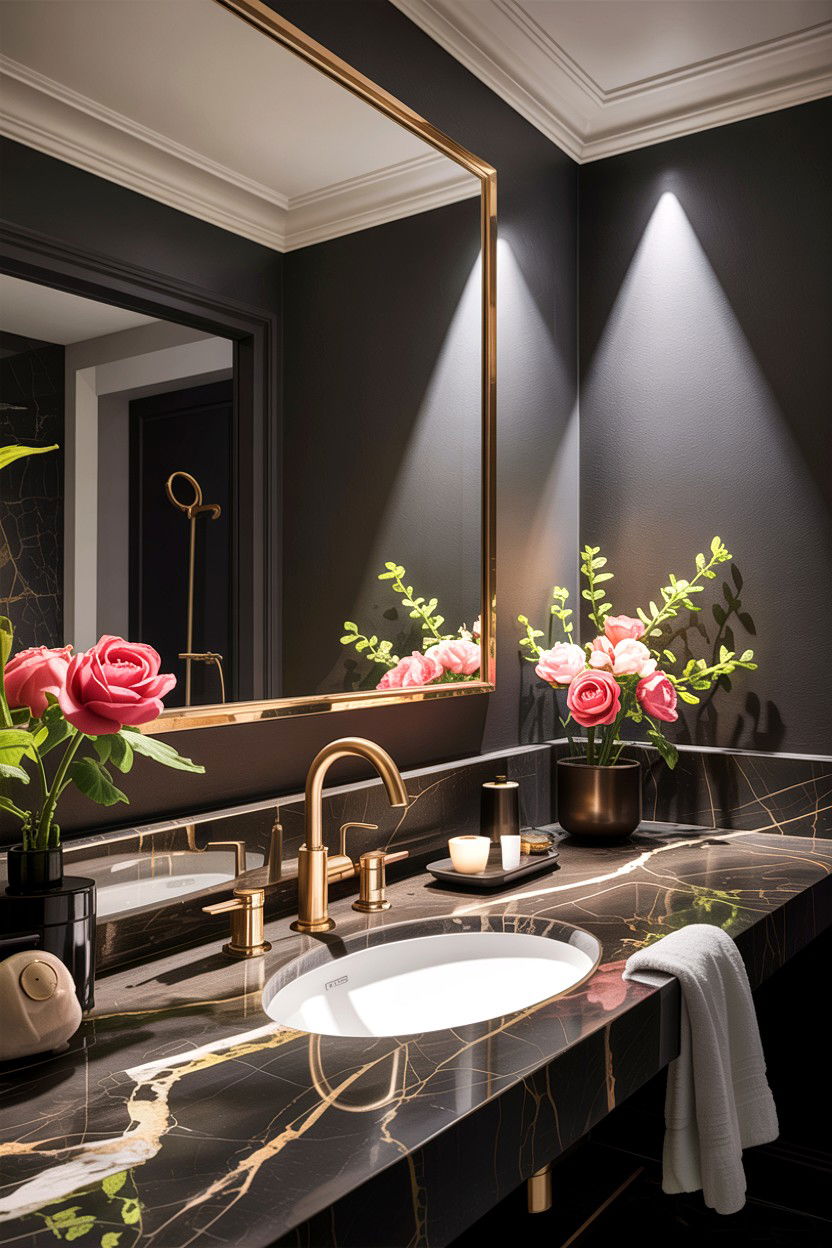
Creating a luxurious focal point in your bathroom often starts with the vanity area, where a marble herringbone backsplash can make a significant impact. The natural veining of marble, when combined with the sharp angles of the herringbone layout, results in a sophisticated and unique work of art. This design choice adds depth and elegance to the space behind the mirror, serving as a beautiful backdrop for your morning routine. Because marble comes in various shades, from bright Carrara to moody Nero Marquina, you can tailor the look to match your overall color palette. It is a perfect way to introduce high-end materials in a concentrated, impactful way.
4. Green herringbone tile accent wall
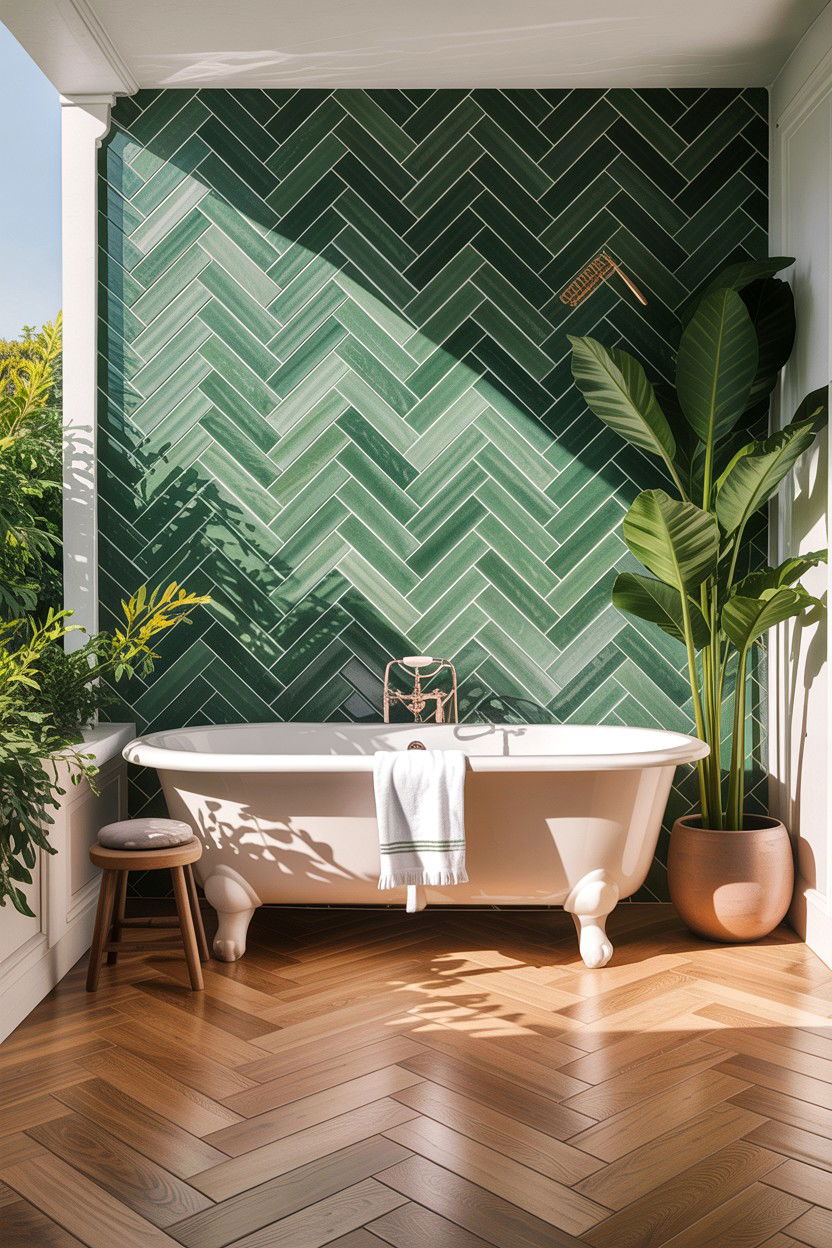
Are you looking to infuse your bathroom with a sense of nature and tranquility through the use of color and pattern? A green herringbone tile accent wall can evoke the feeling of a lush garden or a serene spa retreat. Deep forest greens provide a moody and sophisticated vibe, while softer sage or mint tones keep the space feeling light and refreshing. The repetitive V-shape of the pattern adds a layer of complexity that keeps solid-colored tiles from looking flat or boring. This design works exceptionally well when placed behind a freestanding tub, creating a dedicated zone for relaxation that feels intentional and expertly styled.
5. Wood look tile herringbone floor
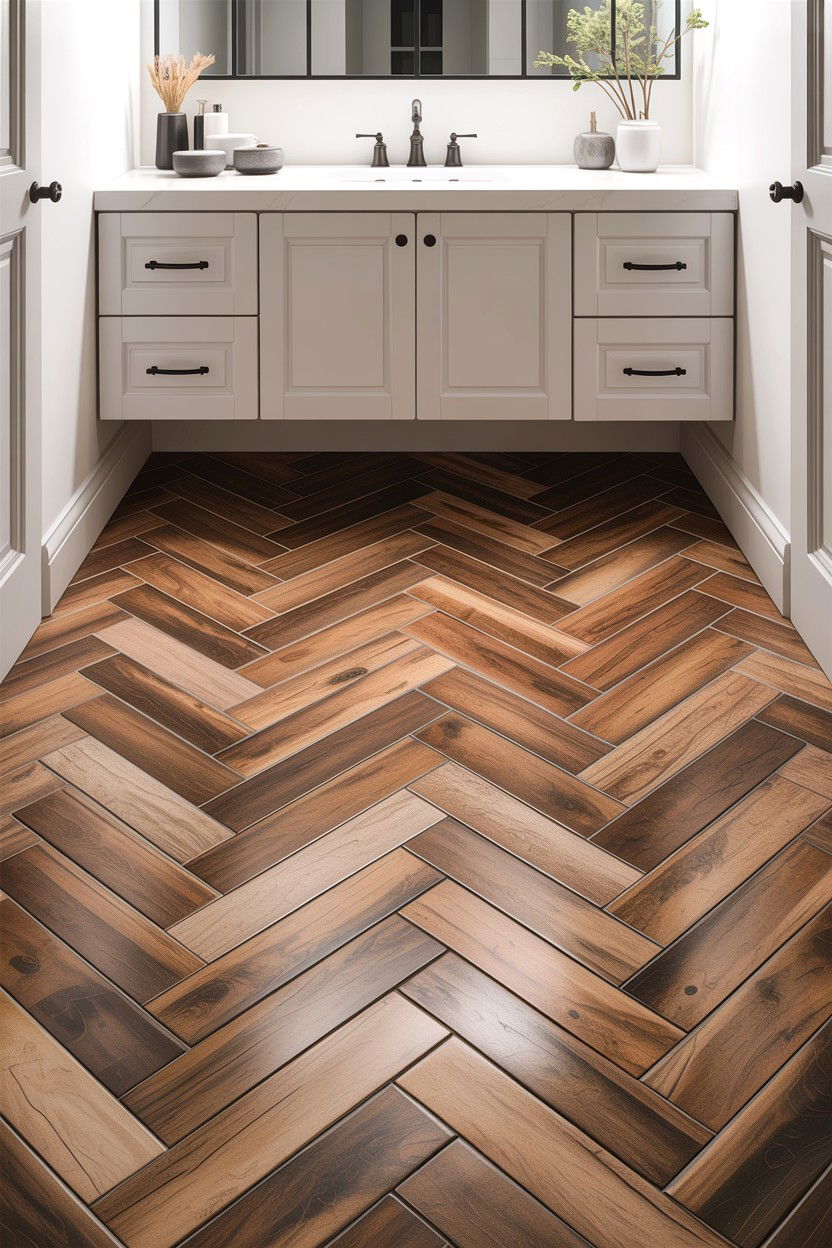
If you love the warmth of hardwood but need the durability of tile for a wet environment, wood-look porcelain is the perfect solution. Laying these planks in a herringbone pattern on the bathroom floor adds a level of craftsmanship that mimics high-end parquetry. This approach brings an organic, cozy feel to the room, breaking up the cold surfaces often found in bathrooms. The long, slender nature of wood-look tiles emphasizes the zig-zag pattern, making it more prominent and visually engaging. It is an excellent choice for master bathrooms where you want to create a seamless transition from a bedroom while maintaining moisture resistance.
6. Vertical herringbone tile shower
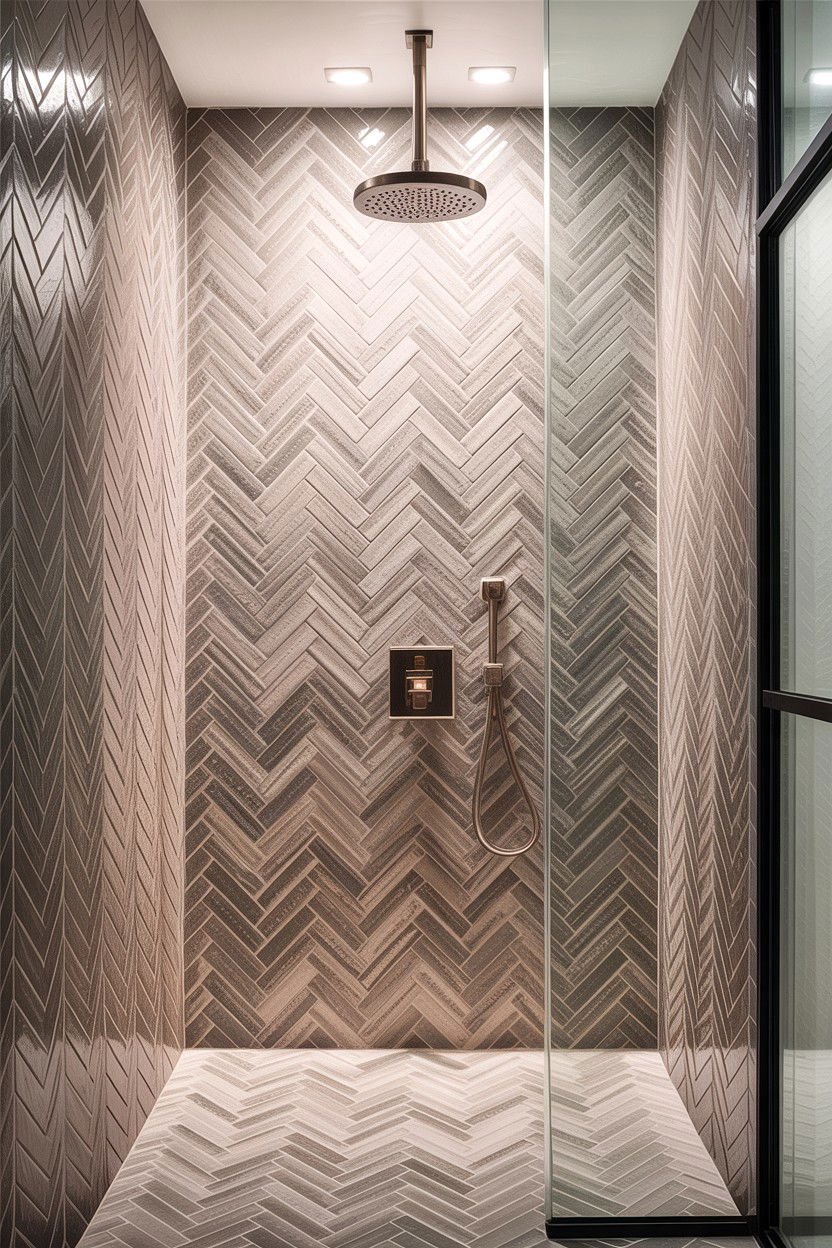
Have you thought about rotating the traditional herringbone pattern to create a vertical orientation on your shower walls? This unique twist on the classic layout is a fantastic way to emphasize the height of your bathroom and create a modern look. By pointing the "V" shapes upward, you guide the viewer's gaze toward the ceiling, which is especially helpful in smaller bathrooms with limited floor space. This vertical arrangement feels fresh and contemporary, offering a departure from the more common horizontal applications. It works beautifully with elongated tiles, creating a sleek and sophisticated appearance that makes your daily shower feel like a boutique hotel experience.
7. Grey herringbone bathroom floor
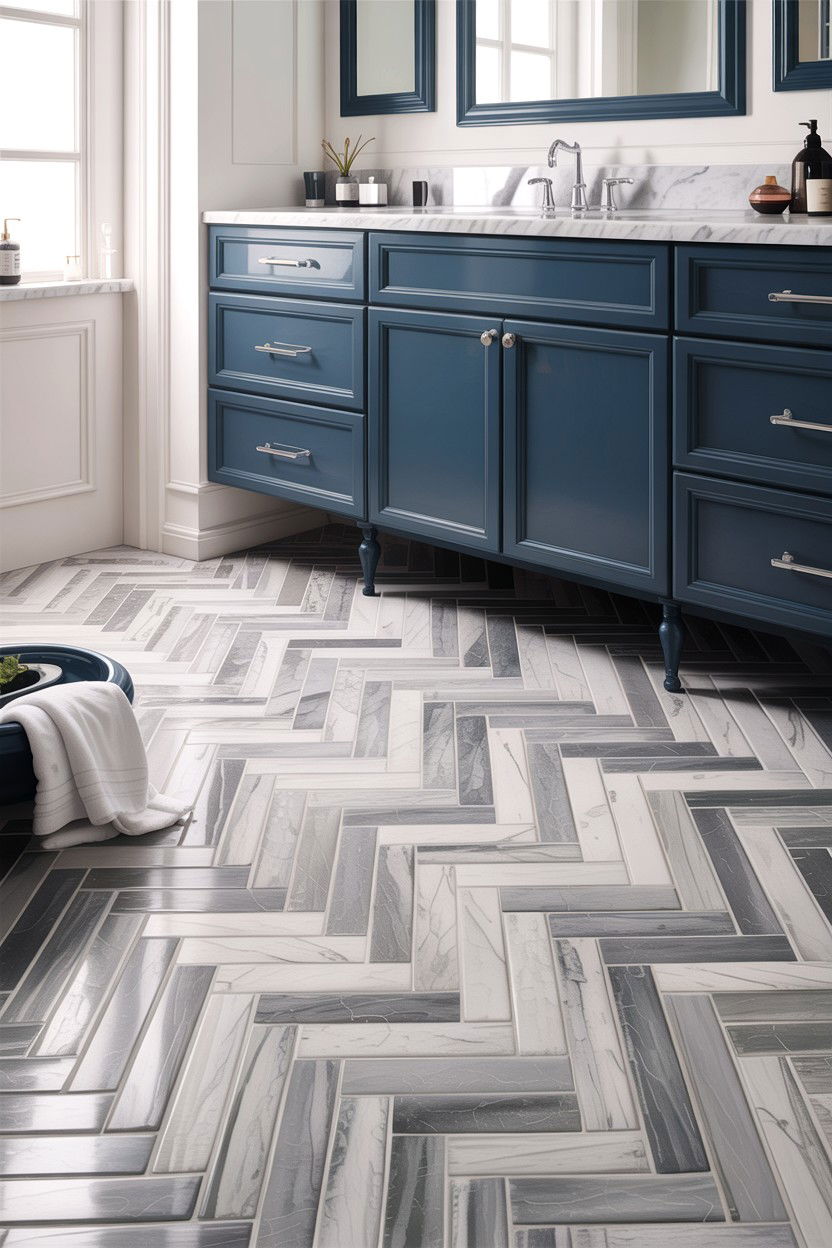
Grey is often celebrated as the ultimate neutral, and when applied in a herringbone pattern on the floor, it offers a sophisticated balance. A grey herringbone bathroom floor provides enough visual interest to stand on its own without clashing with other design elements. You can choose from light silver tones for a bright, coastal feel or deep charcoal for a more industrial and grounded aesthetic. The pattern helps to mask water spots and dust, making it a practical choice for busy households. This flooring style pairs effortlessly with white cabinetry and metallic accents, providing a versatile base that accommodates many different interior styling changes over time.
8. Double herringbone pattern wall
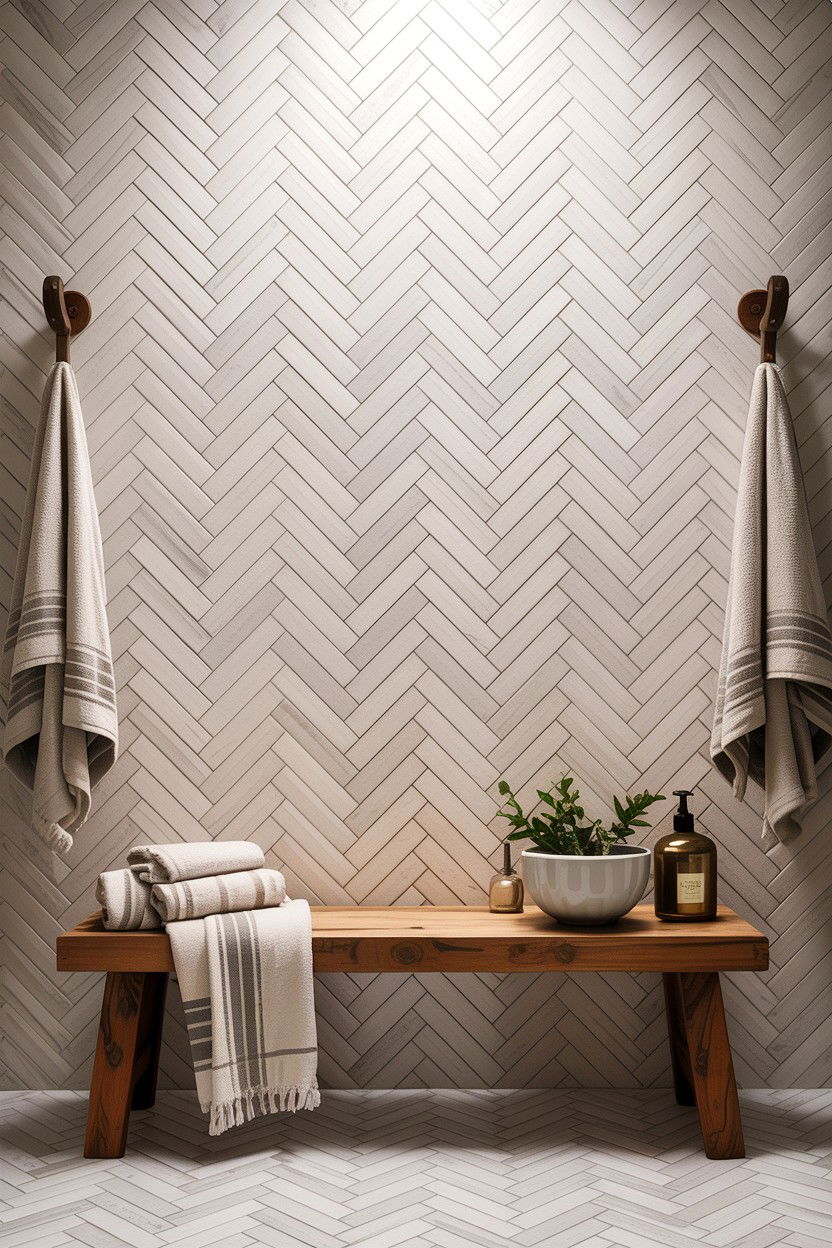
For those who want to take geometric design to the next level, the double herringbone pattern offers an even more intricate look. This style involves placing two rectangular tiles side-by-side to form each section of the "V" shape, resulting in a chunkier and more pronounced texture. Using this on a bathroom wall creates a bold feature that acts as a primary design element. It is a great way to add weight and presence to a large, empty wall space. When executed with high-quality ceramic or porcelain tiles, the double herringbone layout feels substantial and artisanal, giving your bathroom a custom-built appearance that truly stands out.
9. Navy blue herringbone tile shower
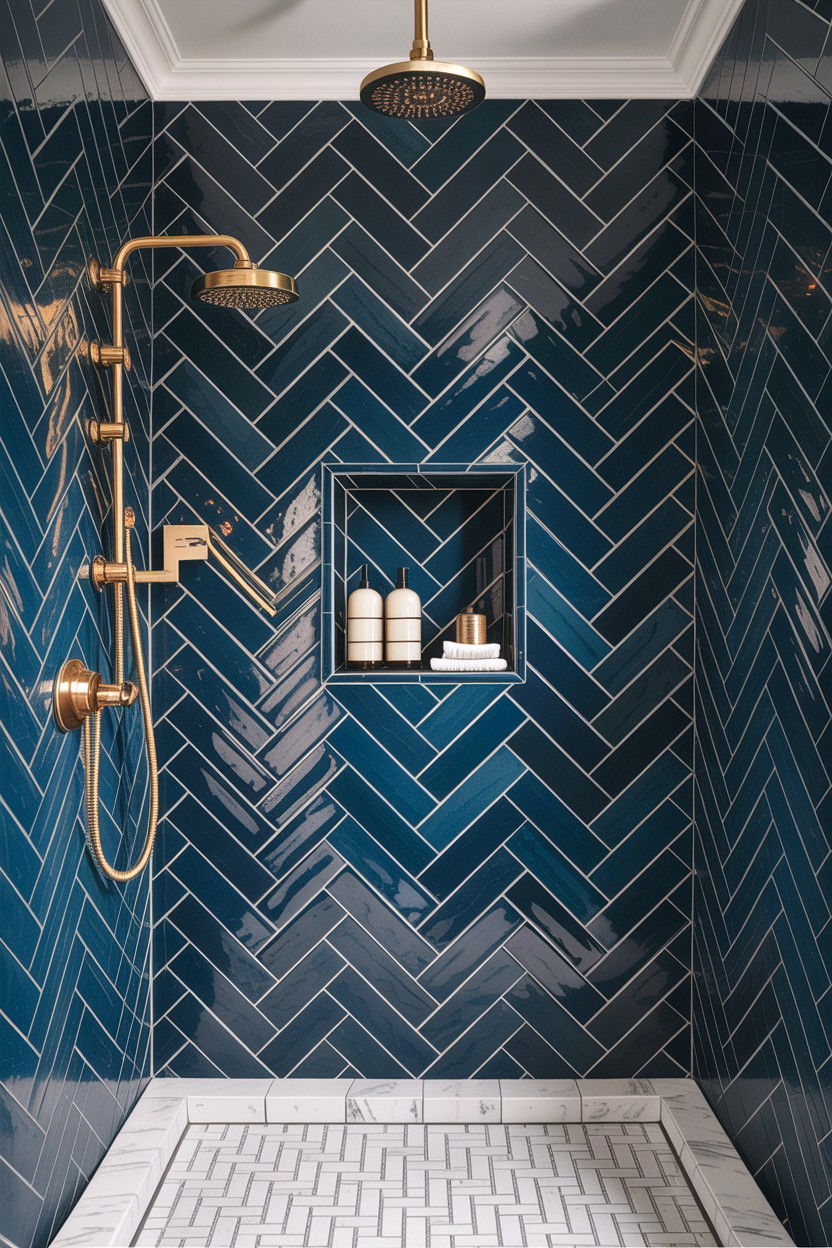
Navy blue is a classic color that brings a sense of depth and sophistication to any interior, especially when used in a shower. A navy blue herringbone tile shower creates a moody, cocoon-like atmosphere that feels incredibly luxurious and private. The dark hue makes the white or light-colored grout pop, showcasing the precision of the herringbone installation. This color choice works beautifully with brass or gold fixtures, as the warm metallic tones provide a stunning contrast against the cool blue background. It is an excellent way to introduce color into a bathroom while maintaining a professional and polished look that will remain stylish.
10. Pink herringbone tile bathroom
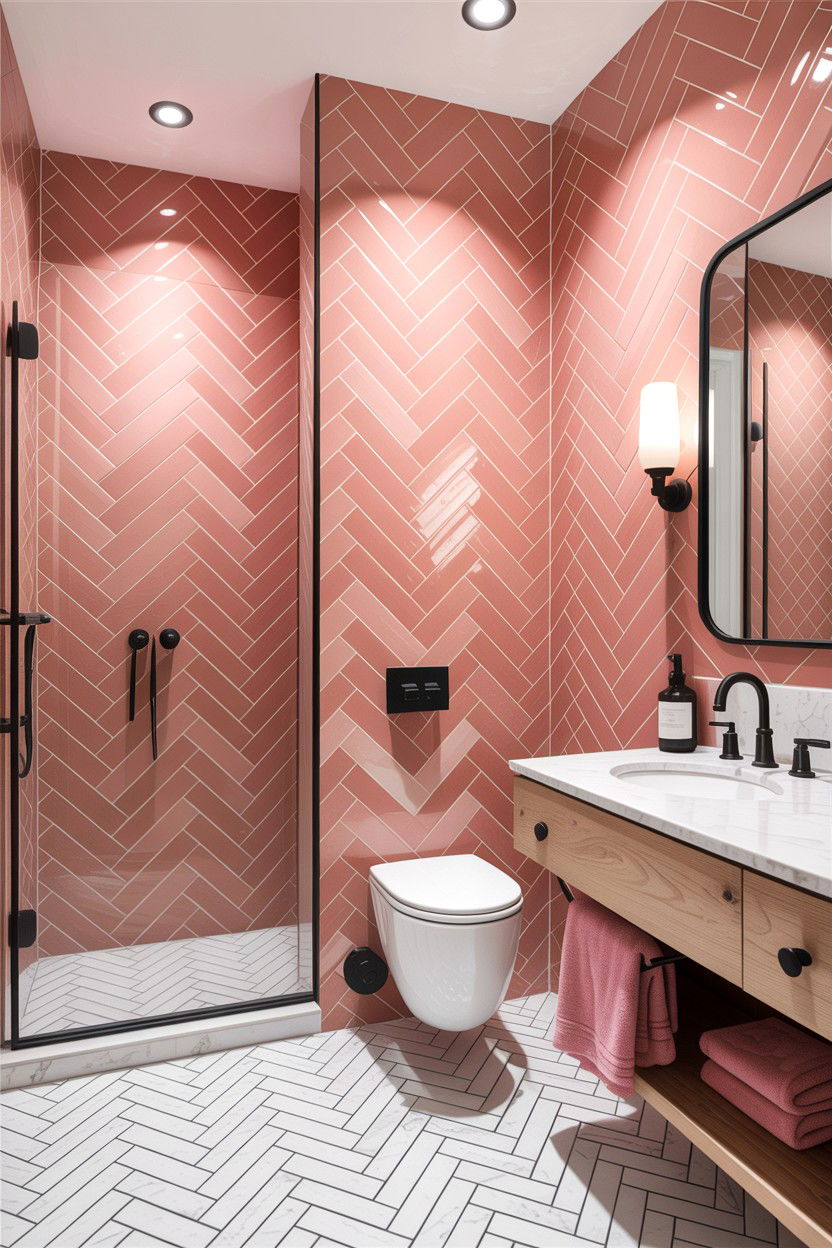
Who says bathrooms have to be neutral to be elegant and sophisticated? A pink herringbone tile bathroom can be surprisingly chic and modern when the right shade is selected. Soft blush or dusty rose tones add a touch of warmth and femininity without feeling overly sweet. The herringbone pattern provides the necessary structure to keep the color looking mature and well-designed. This look is particularly effective when paired with matte black hardware or light oak vanities, which help to ground the pink tones. It creates a unique and inviting space that feels personalized and full of character, perfect for making a memorable design statement.

11. Terracotta herringbone floor
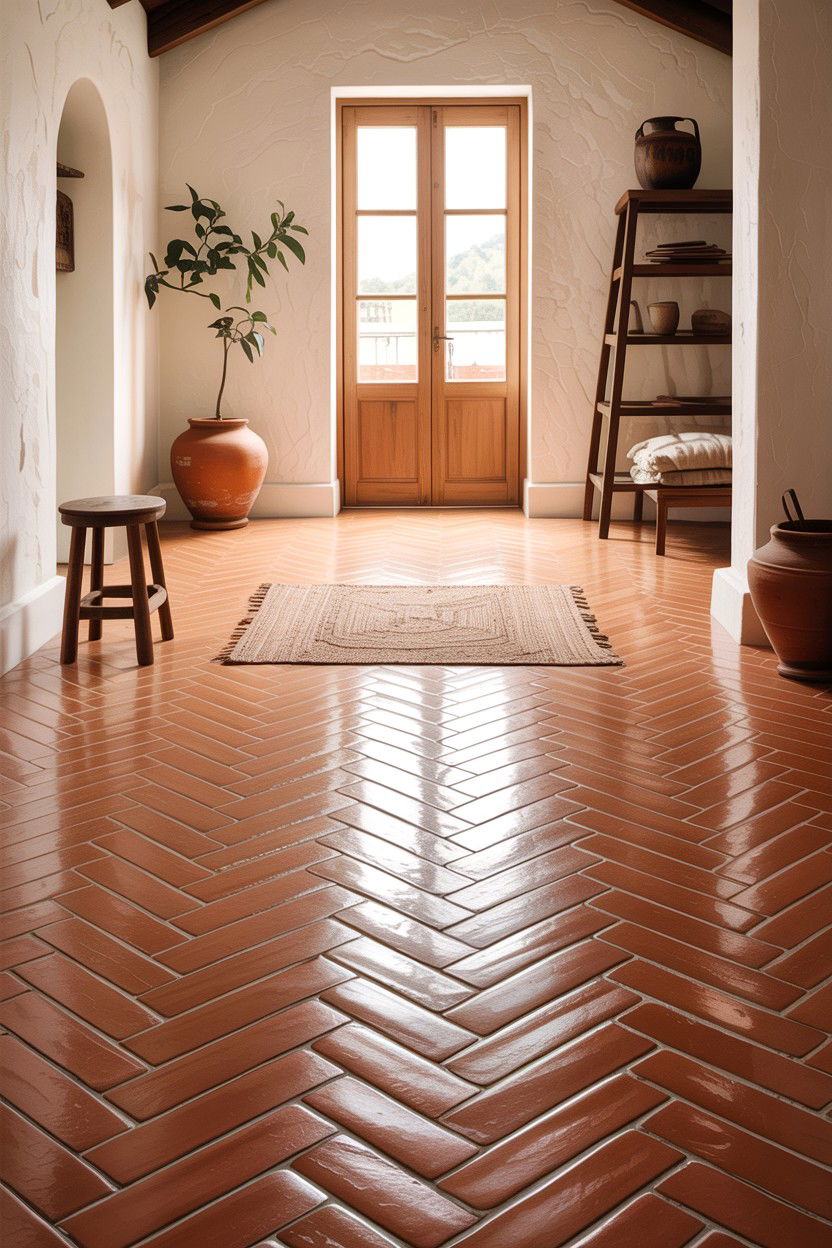
Bringing earthy, Mediterranean vibes into your home is easy with the use of terracotta tiles in a herringbone layout. This warm, reddish-orange material adds a rustic charm and organic texture to the bathroom floor that is hard to replicate with other materials. The natural variations in the clay tiles are highlighted by the zig-zag pattern, creating a floor that feels lived-in and authentic. Terracotta is naturally slip-resistant, making it a functional choice for wet areas. When paired with white plastered walls and simple wooden accents, a terracotta herringbone floor can transform a standard bathroom into a sun-drenched, villa-inspired sanctuary that feels timeless.
12. Gold grout herringbone tile
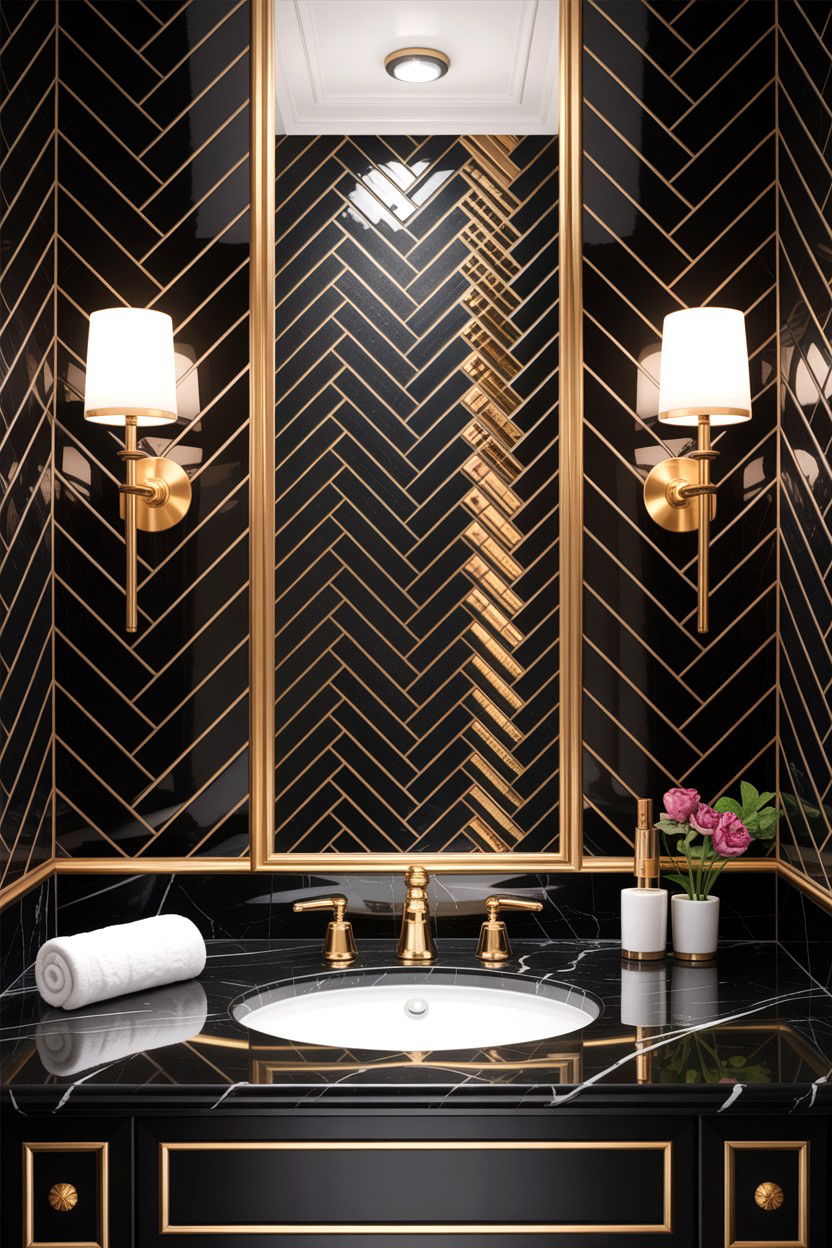
Sometimes the most impactful design choices are found in the smallest details, such as the color of the grout you select. Using gold grout with a herringbone tile pattern can turn a standard wall into a glamorous and high-end feature. This works exceptionally well with white, black, or deep green tiles, where the metallic lines accentuate the geometric "V" shape. The gold shimmer adds a layer of luxury and sophistication, catching the light and drawing attention to the craftsmanship of the installation. It is a subtle yet effective way to incorporate metallic trends into your bathroom without committing to expensive gold-plated fixtures throughout.
13. Large format herringbone floor
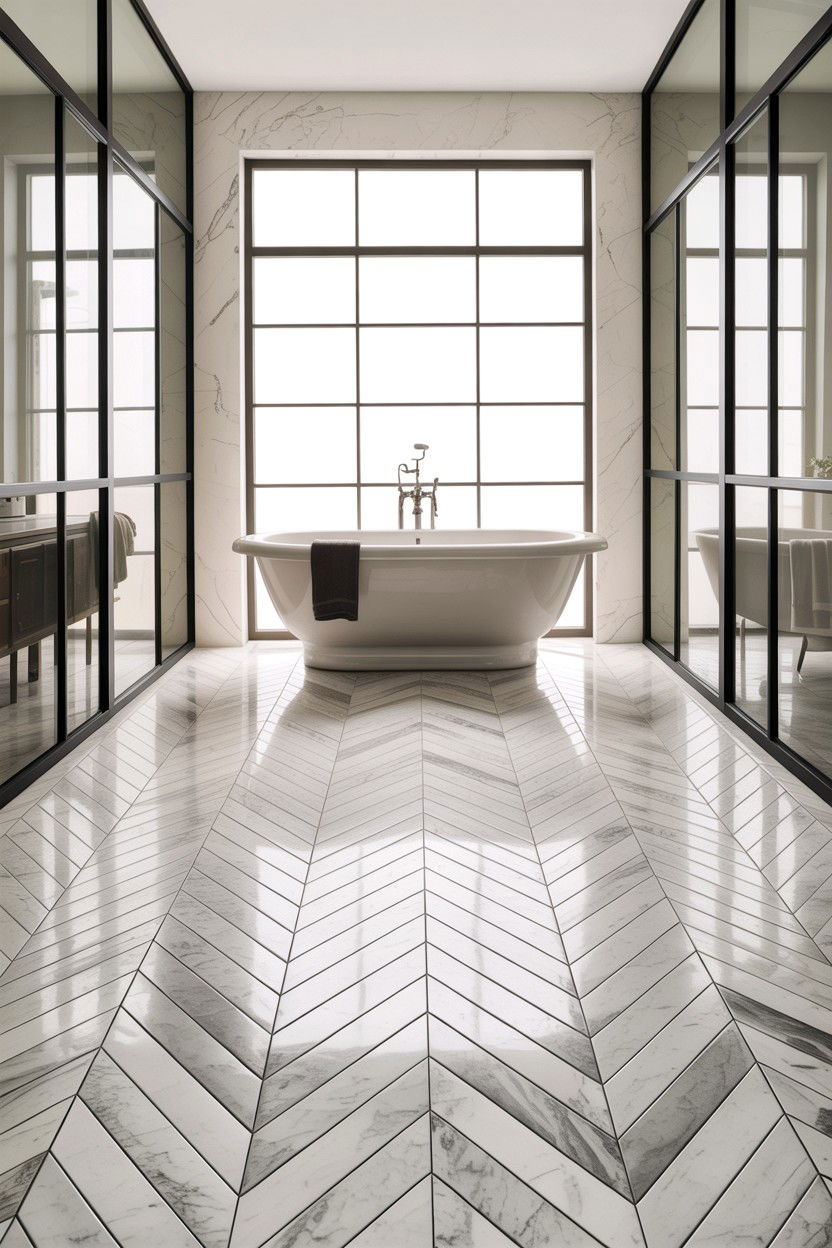
While small tiles are common for herringbone, using large format tiles can create a more expansive and modern look on the floor. Large tiles result in fewer grout lines, which can make a bathroom feel cleaner and less cluttered visually. When these larger pieces are laid in a herringbone pattern, the scale of the "V" becomes much more dramatic and impactful. This is a great choice for spacious master bathrooms where you want to showcase the floor as a major design element. It provides a contemporary feel that bridges the gap between traditional pattern work and modern, minimalist aesthetics, offering a very clean and polished finish.
14. Matte black herringbone shower
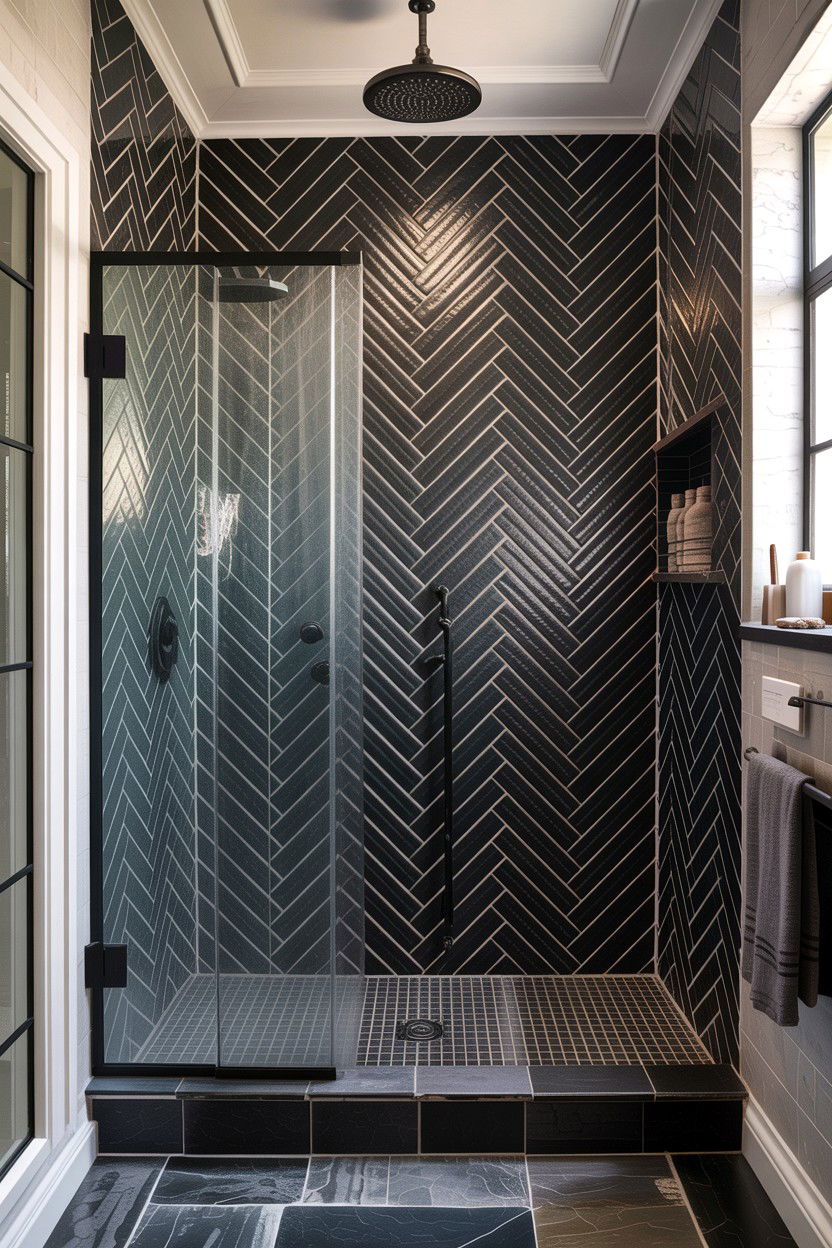
If you are a fan of industrial or ultra-modern design, a matte black herringbone shower might be the perfect choice for you. The non-reflective surface of matte tiles provides a sleek and sophisticated look that feels very current. In a herringbone layout, these tiles create a rich texture that absorbs light in an interesting way, adding depth to the shower enclosure. Pairing matte black tiles with matching black fixtures creates a cohesive, monochromatic look that is incredibly striking. To keep the space from feeling too dark, consider using a lighter floor or a glass door to allow plenty of natural light to reach the walls.
15. Light blue herringbone wall
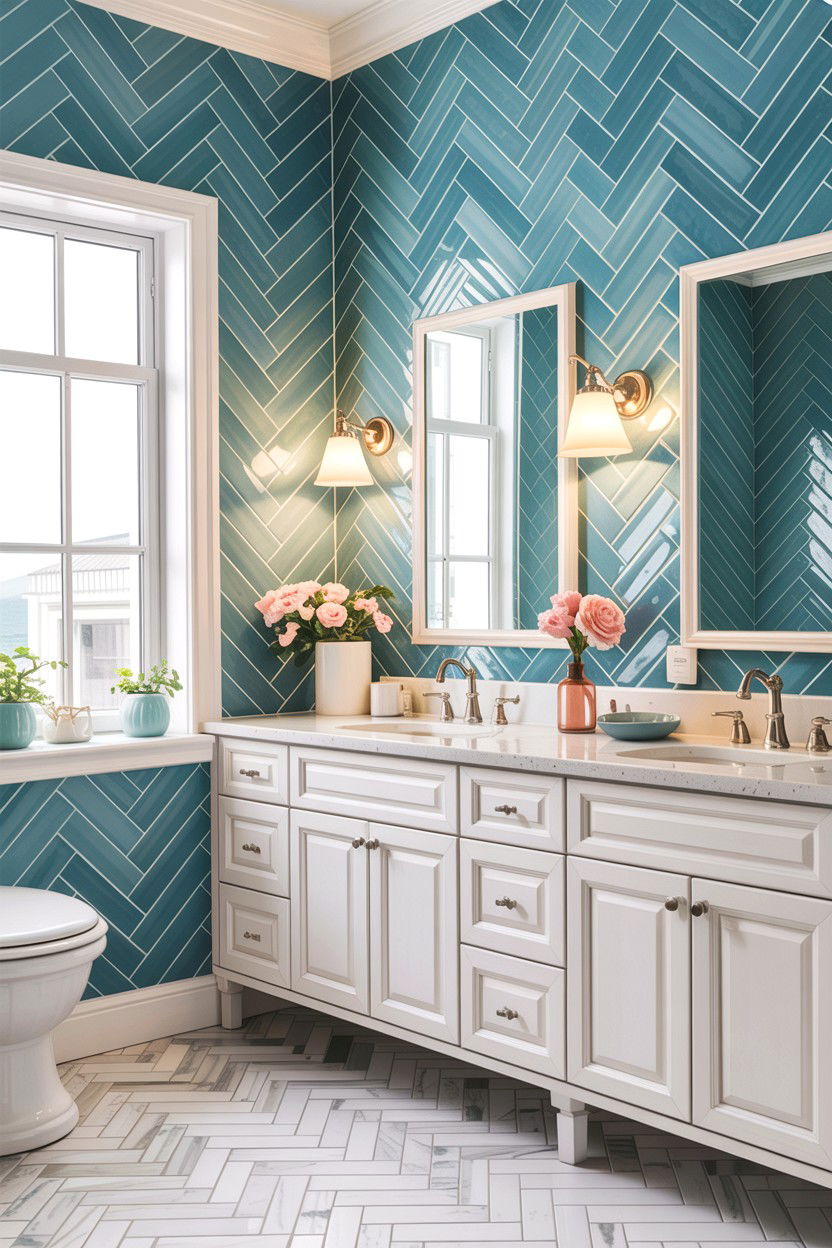
Light blue is a perennial favorite for bathrooms because it evokes the calming qualities of water and the sky. Incorporating this color into a herringbone wall adds a layer of visual interest that makes the space feel more curated. The pattern prevents the light blue from looking too simple, giving it a more sophisticated and architectural edge. This design is perfect for creating a serene backdrop behind a vanity or inside a walk-in shower. When combined with white cabinetry and polished nickel accents, a light blue herringbone wall contributes to a fresh, coastal-inspired environment that feels both relaxing and energizing for your morning routine.
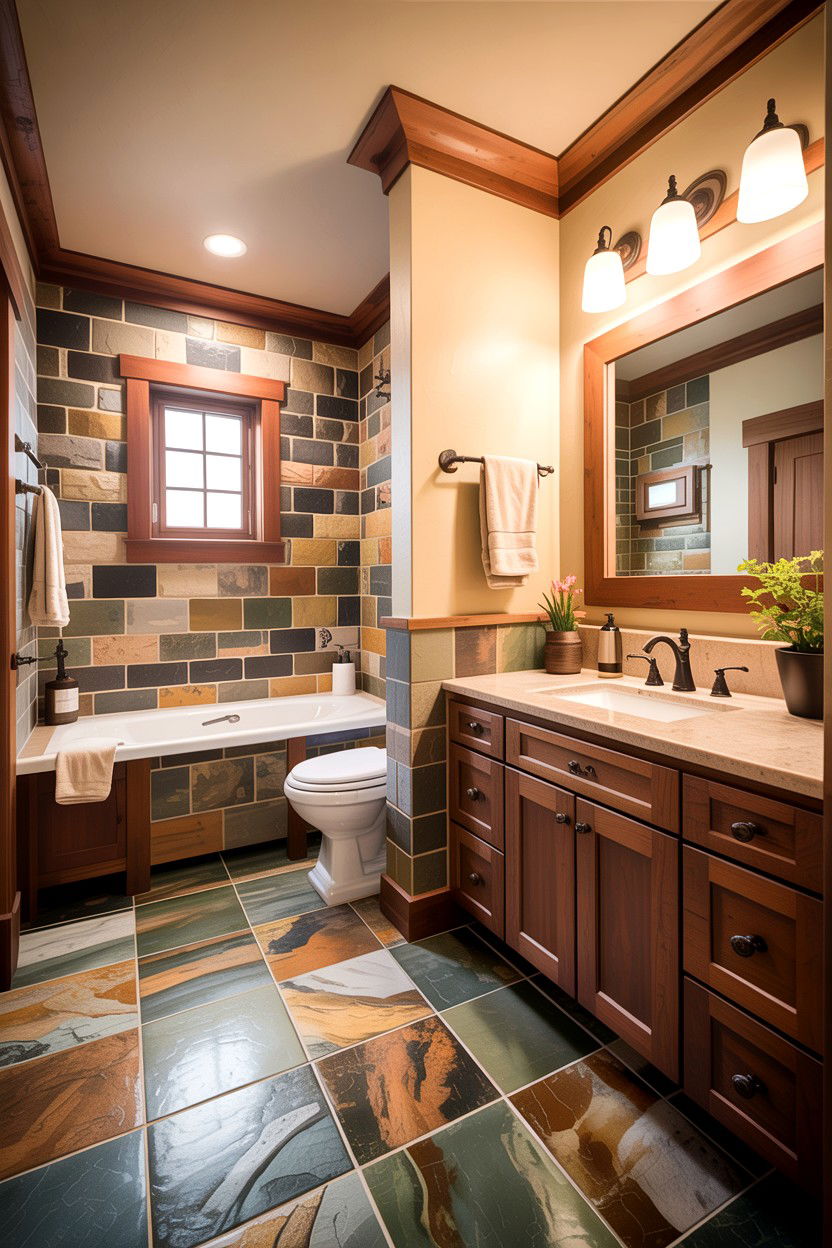
16. Slate herringbone bathroom floor
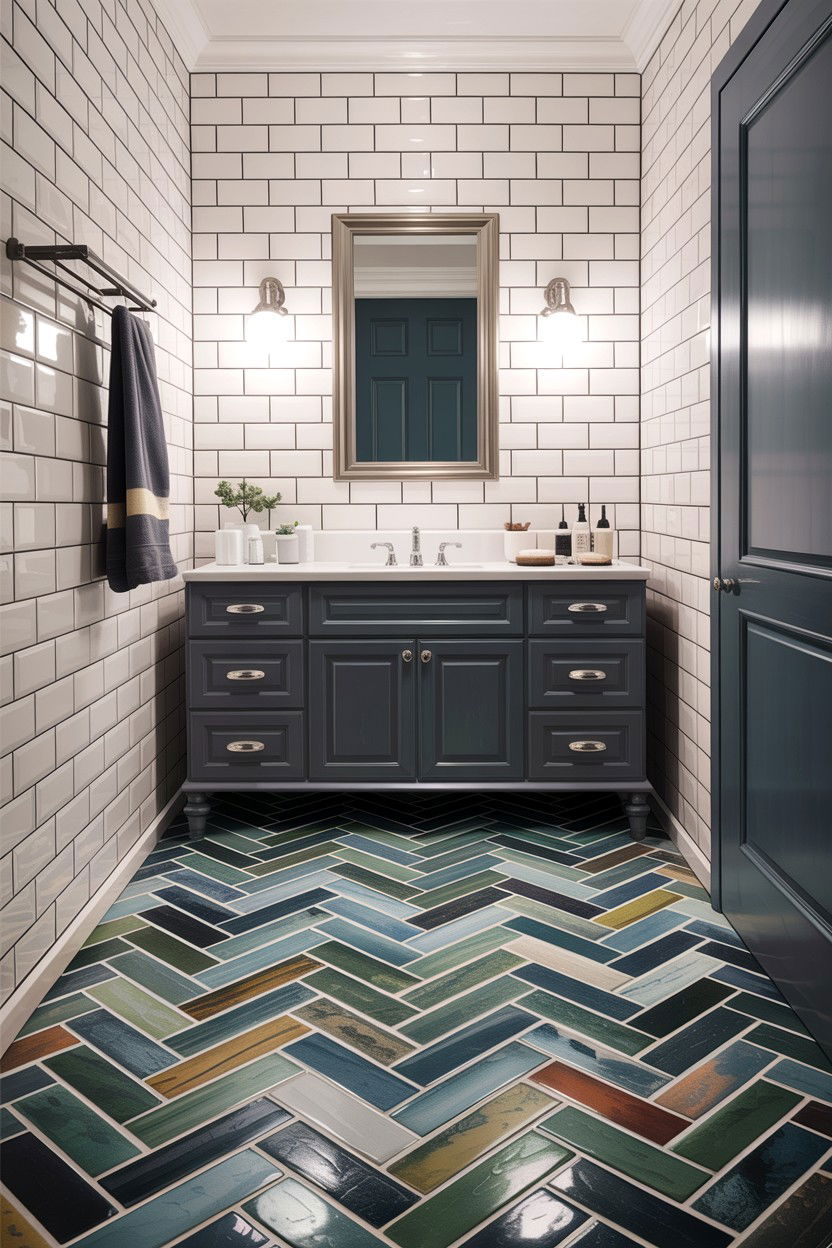
Slate is a natural stone known for its durability and beautiful, cleft texture, making it an ideal material for bathroom floors. When slate tiles are arranged in a herringbone pattern, the result is a ruggedly elegant surface that feels grounded and high-end. The dark, charcoal tones of the slate provide a wonderful contrast to white porcelain fixtures, creating a balanced and classic look. Because slate has natural color variations, the herringbone layout helps to blend these different shades into a cohesive and interesting design. This flooring option is perfect for those who want a natural look that can withstand heavy daily use.
17. Glossy white herringbone backsplash
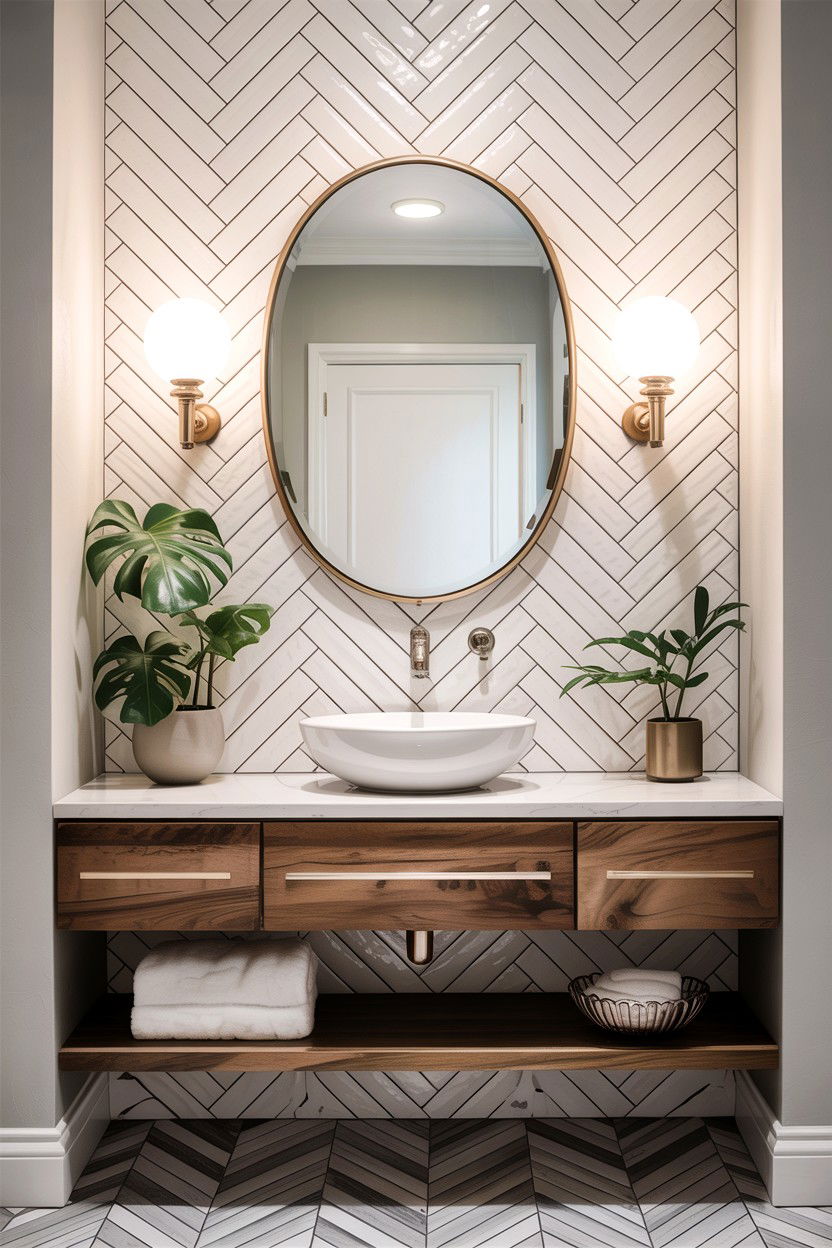
For a look that is both clean and incredibly reflective, a glossy white herringbone backsplash is a fantastic option for the vanity area. The high-shine finish of the tiles helps to bounce light around the room, making even small bathrooms feel brighter and more spacious. While white is a simple color, the herringbone pattern provides enough detail to make the backsplash a focal point. This style is incredibly versatile, working well with everything from traditional wooden vanities to modern floating cabinets. It offers a subtle texture that adds interest without competing with other bold design choices you might make in the bathroom.
18. Brass hardware herringbone bathroom
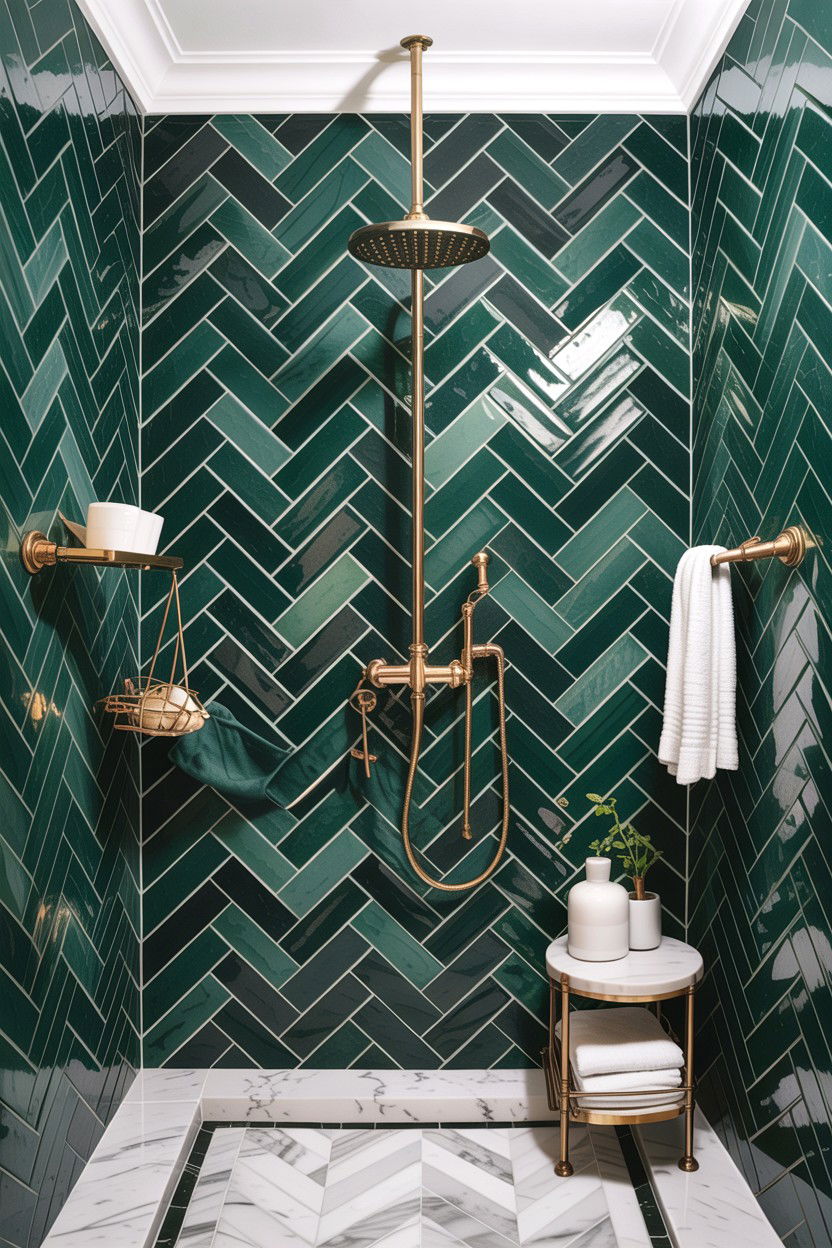
The combination of brass hardware and herringbone tile is a match made in design heaven, offering a look that is both warm and luxurious. Brass fixtures, such as faucets, showerheads, and drawer pulls, provide a beautiful metallic contrast against the sharp lines of a herringbone pattern. This pairing works particularly well with dark-colored tiles like navy, forest green, or black, where the gold tones of the brass really stand out. Even with white tiles, brass adds a touch of elegance that prevents the space from feeling too sterile. It is a great way to achieve a high-end, custom look that feels very intentional.
19. Modern farmhouse herringbone bathroom
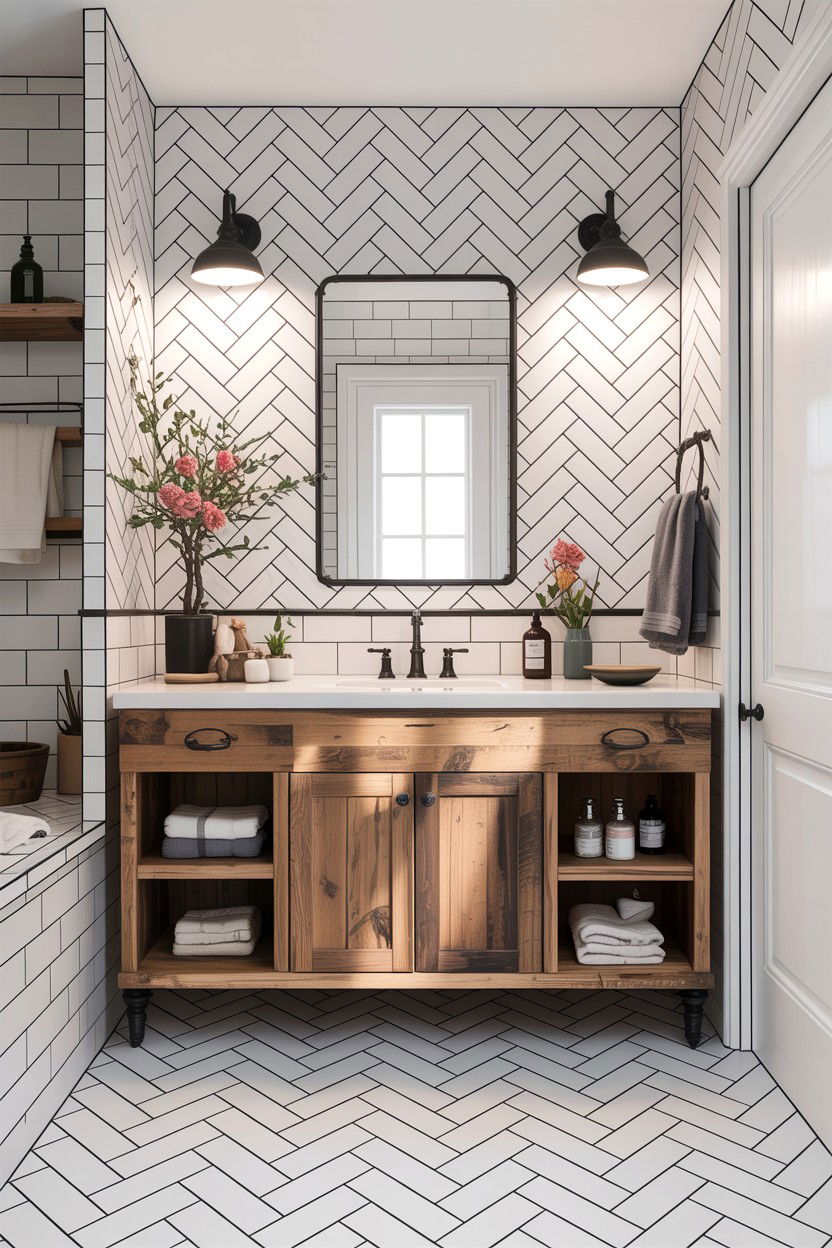
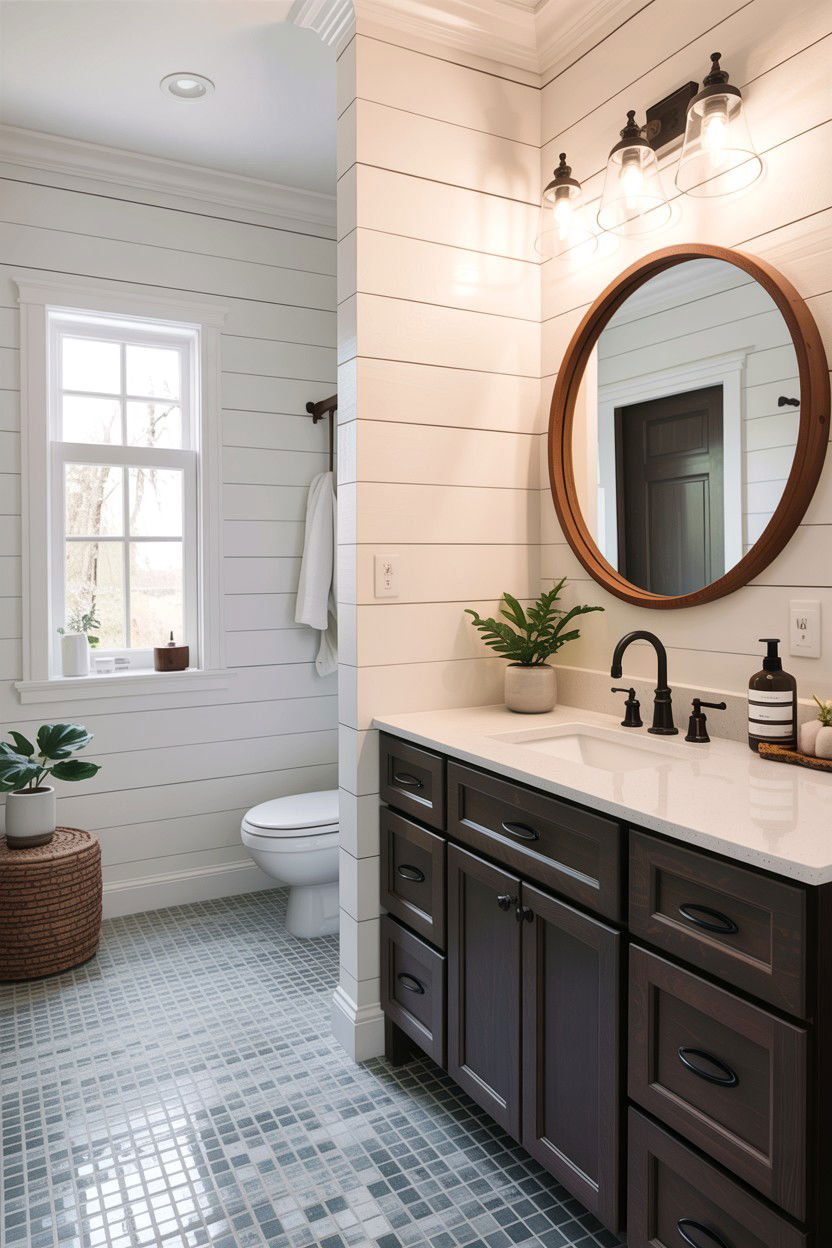
The modern farmhouse style relies heavily on texture and classic patterns to create a cozy yet updated feel. Incorporating a herringbone pattern, whether on the floor or as a wall feature, fits perfectly into this aesthetic. Using white or light grey tiles with a slightly rustic finish can enhance the farmhouse vibe while maintaining a clean look. Pairing the herringbone layout with elements like a wooden vanity, black metal sconces, and shiplap walls creates a balanced and inviting space. The geometric pattern provides a sophisticated touch that keeps the farmhouse style feeling fresh and relevant rather than overly traditional or outdated for today.
20. Minimalist white herringbone shower
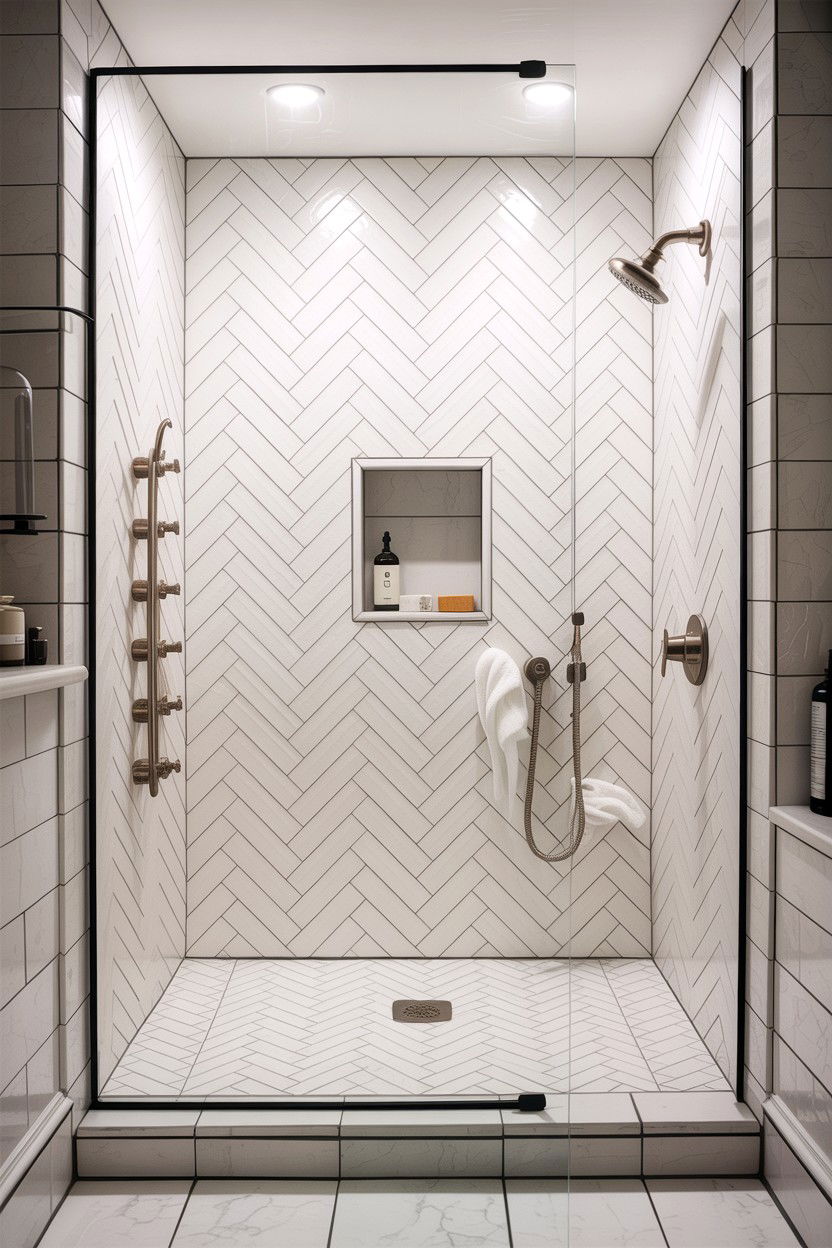
Minimalism does not have to mean a lack of detail; it is about choosing the right details to create a sense of calm. A minimalist white herringbone shower uses the pattern to provide subtle texture without introducing unnecessary color or clutter. By using white tiles with white grout, the herringbone layout becomes a quiet architectural feature that is only visible upon closer inspection. This approach is perfect for those who want a clean, spa-like environment that feels open and airy. It allows the quality of the materials and the precision of the installation to shine, creating a sophisticated and peaceful space for daily use.
21. Coastal blue herringbone bathroom
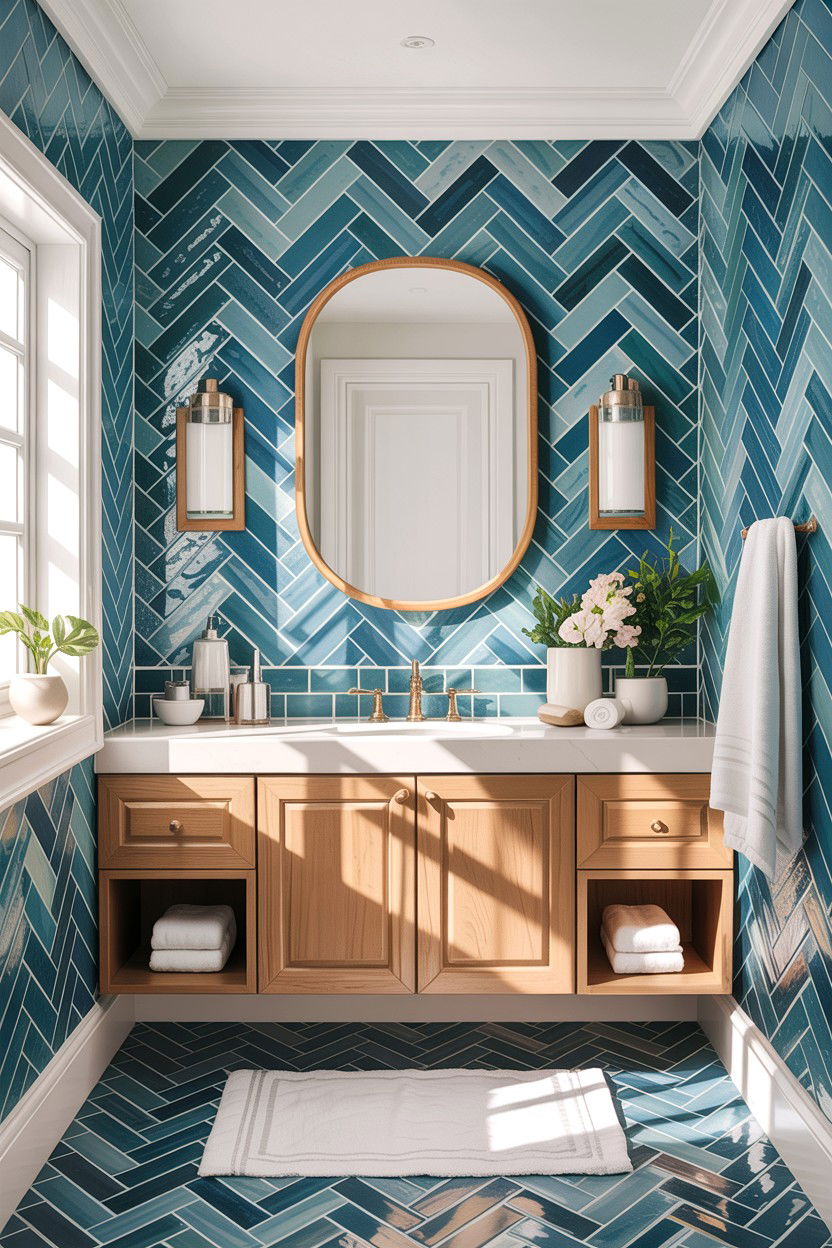
Achieving a coastal look in your bathroom is easily done by incorporating shades of blue in a dynamic herringbone pattern. This layout can mimic the movement of waves, bringing a sense of the ocean into your home. Using a mix of different blue tones in the herringbone arrangement can add even more depth and a playful, artisanal feel. This design works beautifully in guest bathrooms or beach houses where you want to create a relaxed and welcoming atmosphere. Pair the blue tiles with light wood accents and woven textures to complete the coastal theme, ensuring the space feels like a refreshing seaside escape.
22. Industrial grey herringbone floor
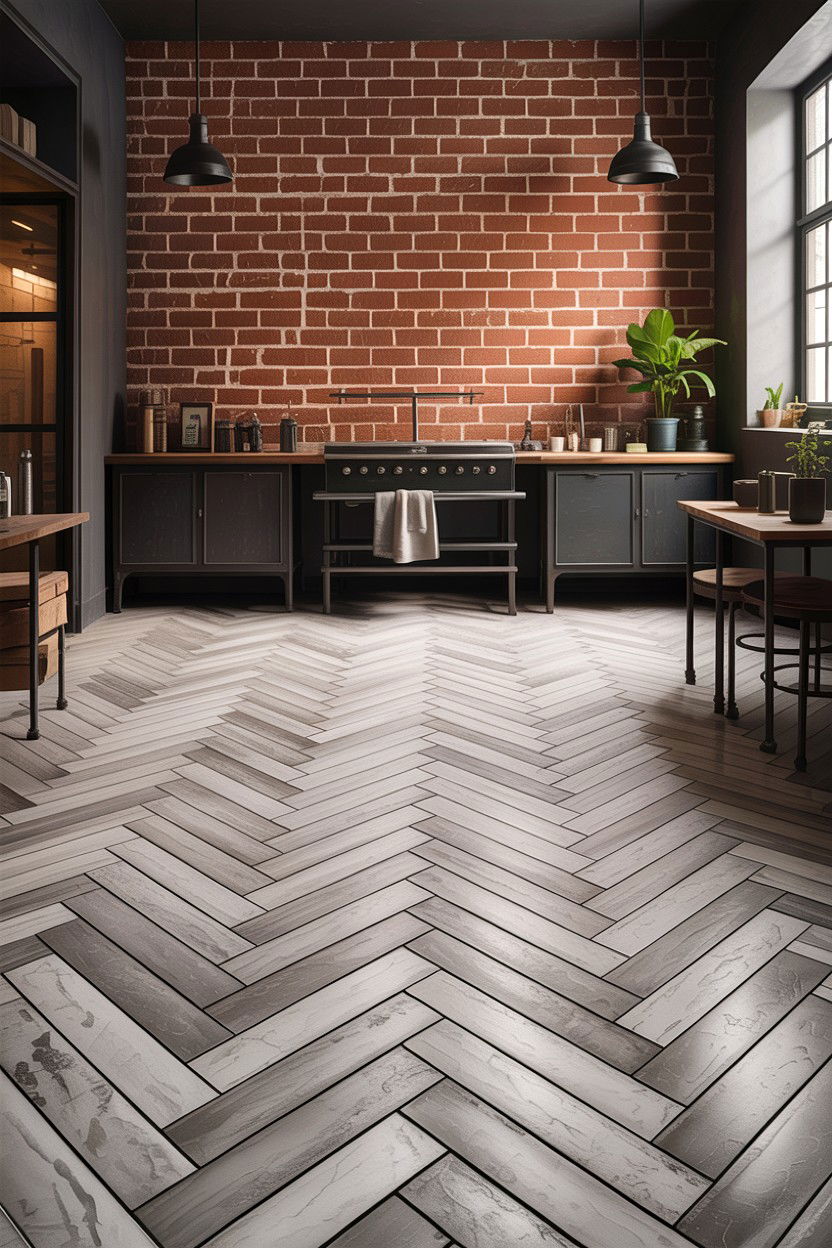
Industrial design often features raw materials and monochromatic color palettes, making grey herringbone floors a natural fit. Large, concrete-look porcelain tiles laid in a herringbone pattern provide a sturdy and stylish foundation that complements exposed pipes and metal fixtures. The pattern adds a layer of refinement to the otherwise rugged industrial aesthetic, making the bathroom feel more like a designed space rather than just a functional one. This flooring choice is incredibly durable and easy to maintain, which is ideal for a high-traffic bathroom. It provides a cool, urban vibe that is perfect for modern lofts or contemporary homes seeking an edgy look.
23. Bohemian patterned herringbone tile
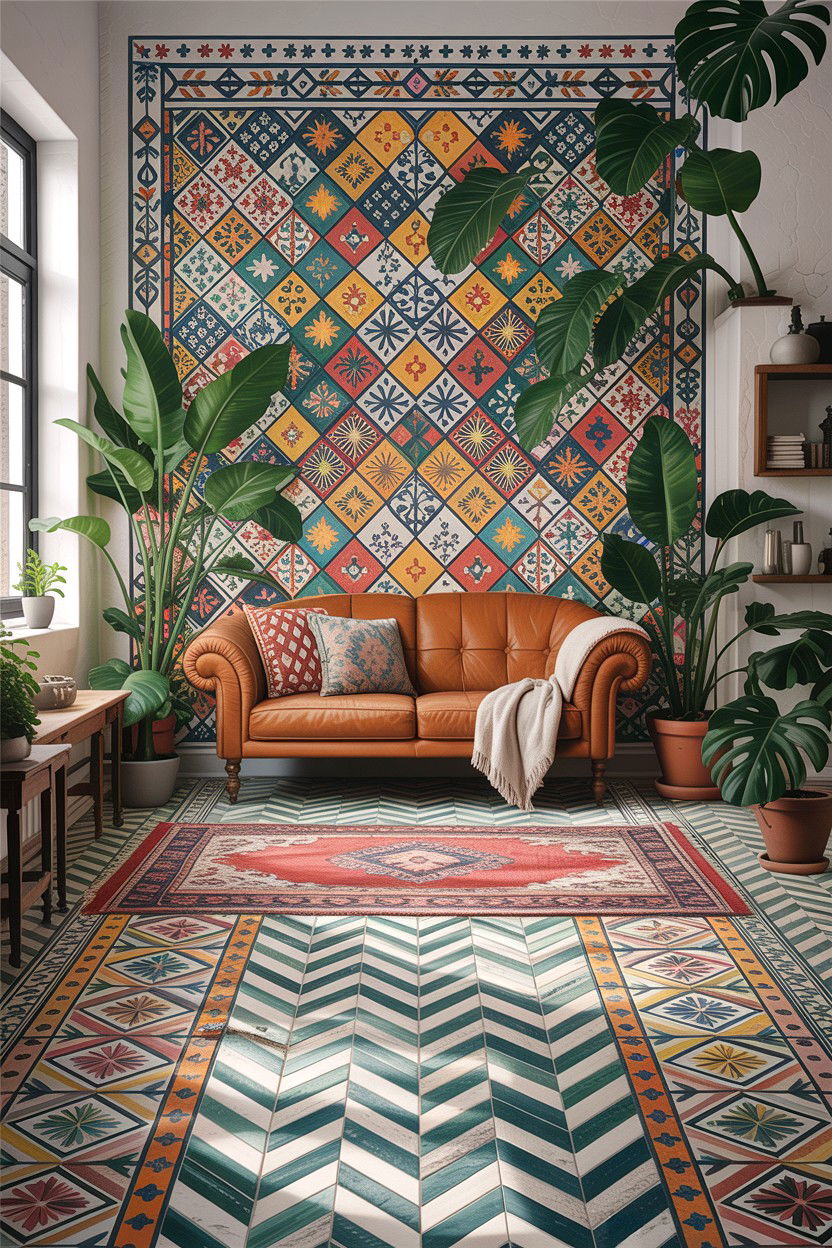
If you love a more eclectic and vibrant home, consider using patterned tiles within a herringbone layout for a bohemian-inspired bathroom. This approach allows you to mix different colors and motifs, creating a floor or wall that is bursting with personality and charm. The herringbone pattern provides a structured framework for the diverse tile designs, ensuring the final look feels cohesive rather than chaotic. This style is perfect for those who want their bathroom to be a reflection of their creative spirit. Pair these patterned tiles with plenty of indoor plants and natural materials like rattan to enhance the warm, bohemian atmosphere.
24. Small bathroom herringbone floor
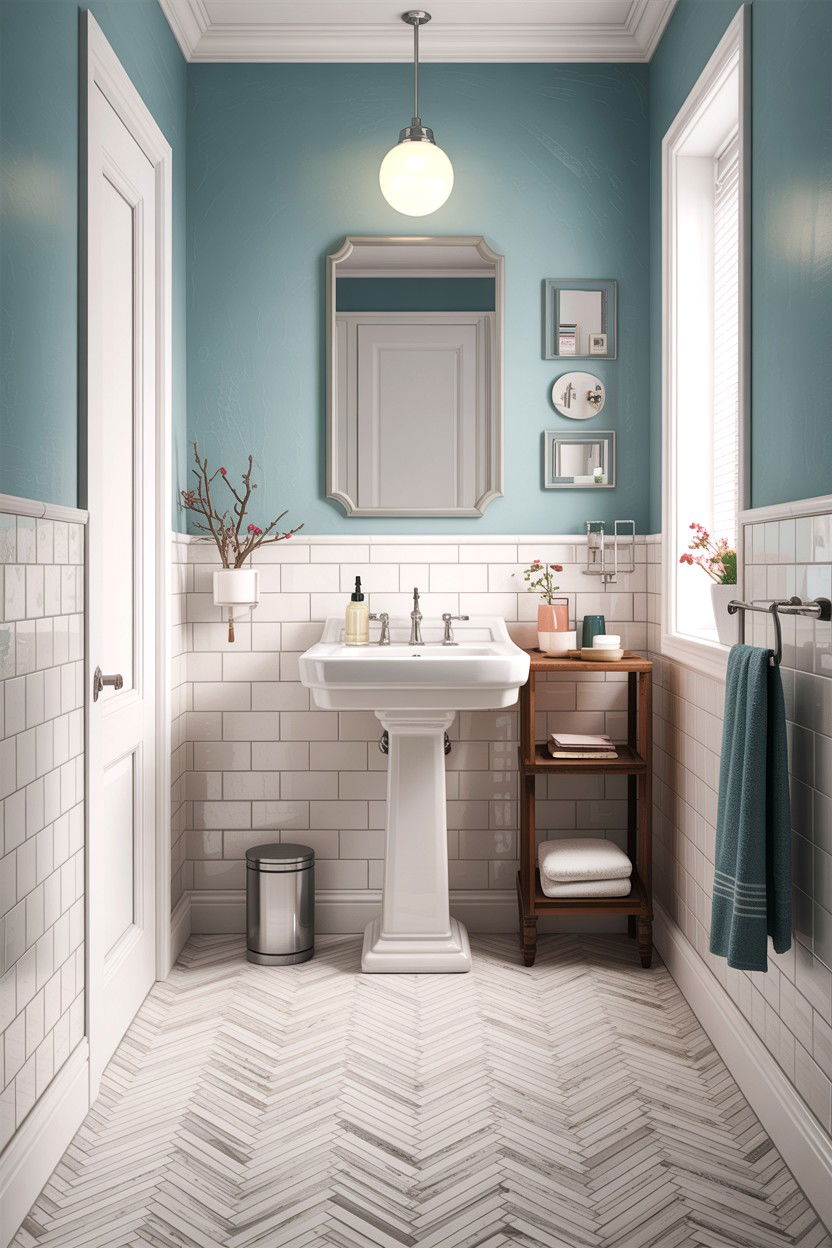
Many people worry that a complex pattern like herringbone will make a small bathroom feel cramped, but the opposite is often true. A herringbone floor can actually make a small space appear larger by drawing the eye along the diagonal lines, creating an illusion of width and depth. In a compact powder room or en-suite, using smaller tiles in a herringbone layout adds a high level of detail that makes the room feel more expensive and well-thought-out. It is a great way to add character to a space that might otherwise feel plain, proving that you do not need a lot of square footage.
25. Walk in shower herringbone wall
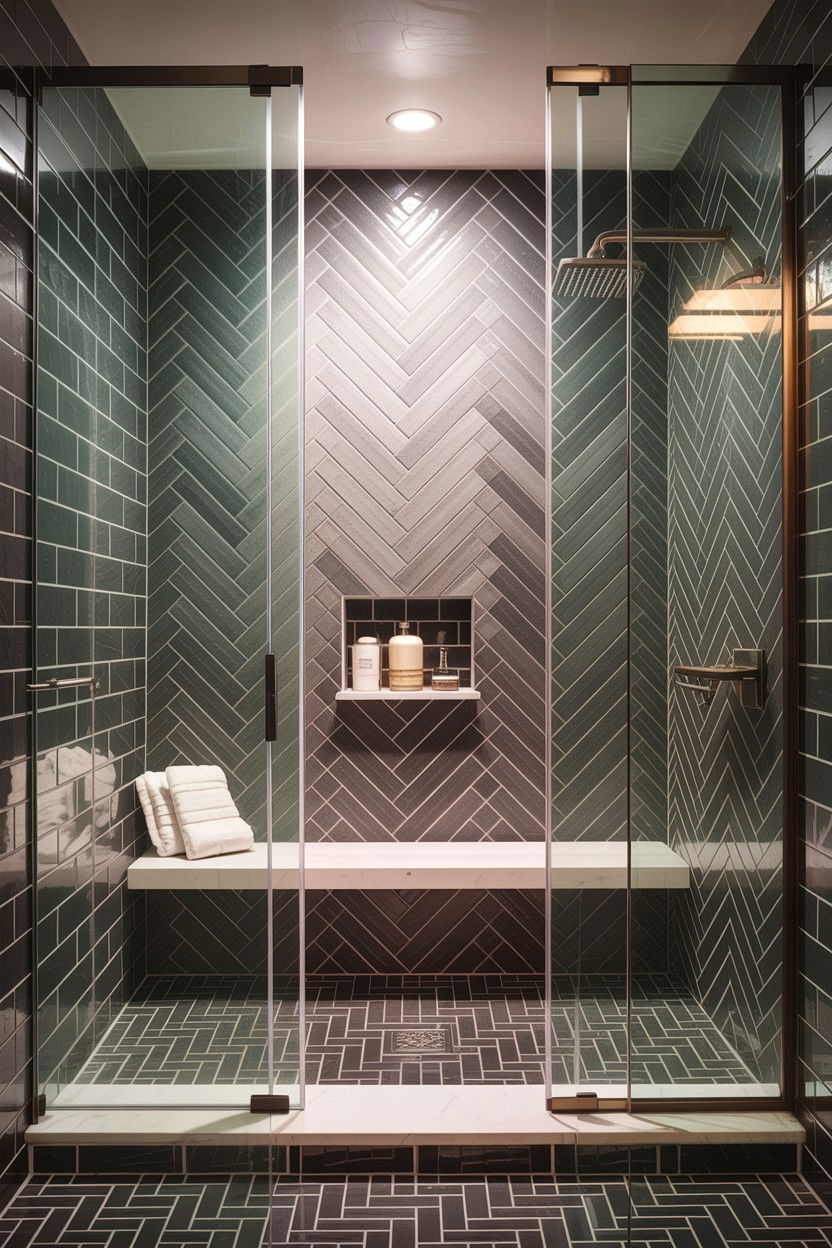
A walk-in shower is a luxury feature in any bathroom, and a herringbone wall can make it even more impressive. Using the pattern on the main back wall of the shower creates a stunning visual anchor that is visible from the moment you enter the room. This works exceptionally well with floor-to-ceiling tiling, as the continuous pattern emphasizes the height and scale of the shower area. Whether you choose a high-contrast grout or a matching color, the herringbone layout adds a layer of sophistication that makes the walk-in shower feel like a custom-designed feature. It is a timeless choice that adds significant value to your home.
26. Wet room herringbone tile
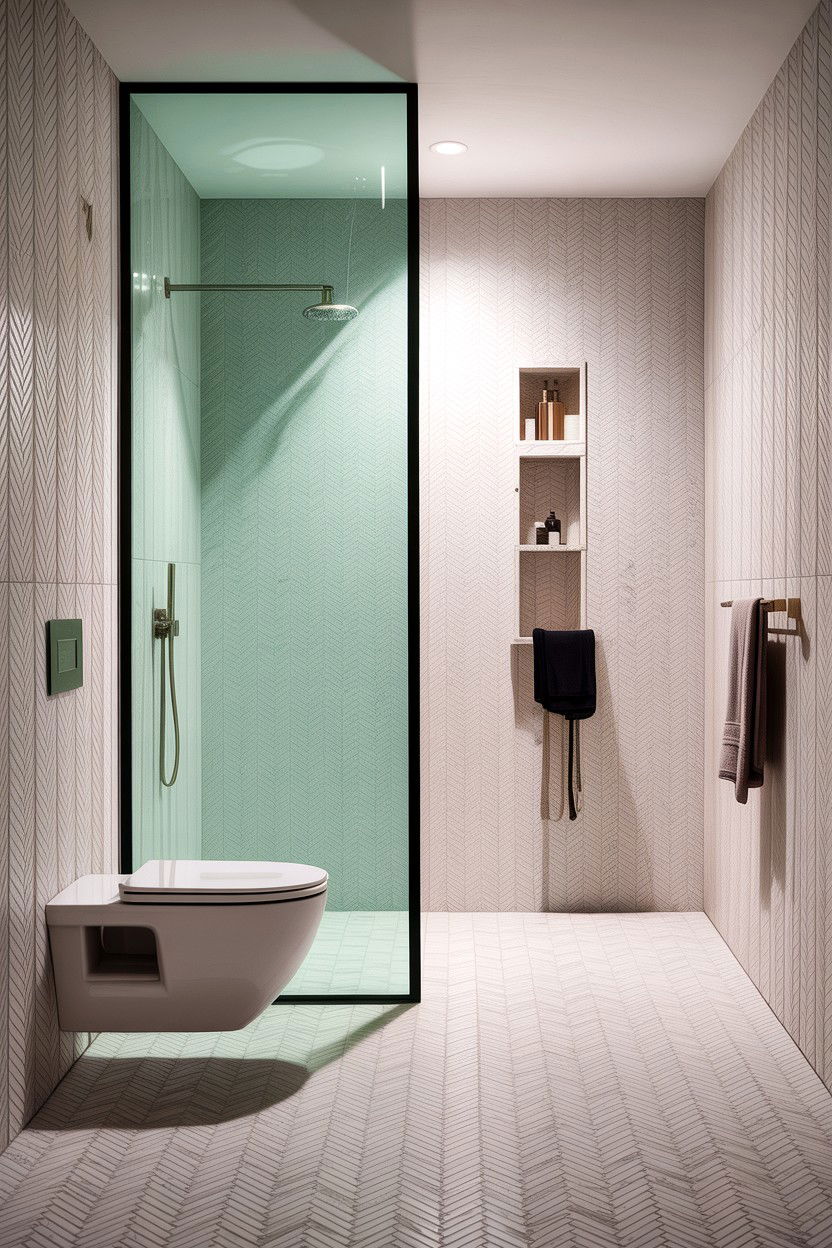
Wet rooms are becoming increasingly popular for their seamless and accessible design, and herringbone tile is an excellent choice for these spaces. Because the floor and walls often blend together in a wet room, using a consistent herringbone pattern can create a very sleek and unified look. The many grout lines in a herringbone floor provide extra slip resistance, which is a practical benefit in a room where water is everywhere. Choosing a durable porcelain or natural stone ensures the pattern remains beautiful despite constant exposure to moisture. It results in a modern, high-end bathroom that is both functional and visually stunning.
27. Master bathroom herringbone floor
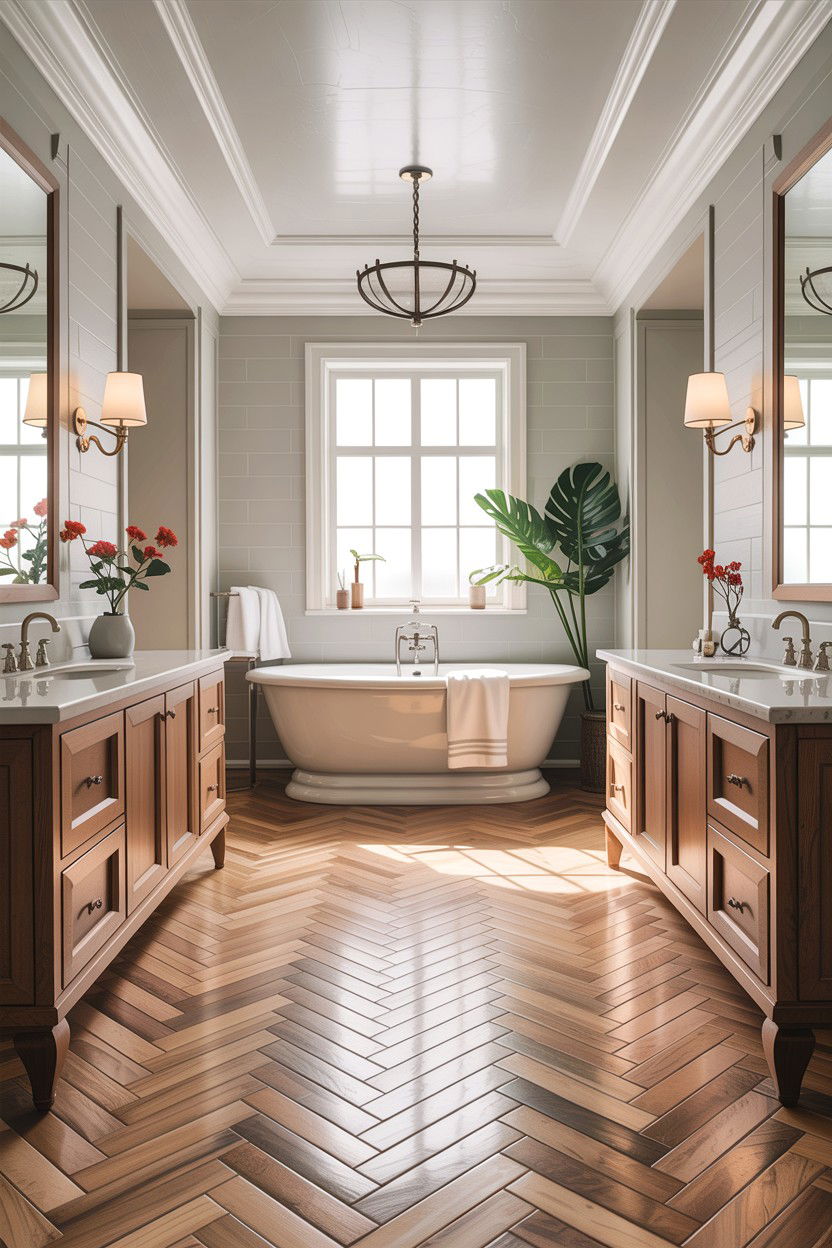
The master bathroom should feel like a private sanctuary, and a herringbone floor is a perfect way to introduce a sense of luxury. This pattern adds a level of formality and elegance that makes the room feel special and separate from the rest of the house. Whether you go with a classic marble look or a warm wood-look tile, the herringbone layout provides a sophisticated base for the entire design. It works beautifully under a large double vanity or surrounding a soaking tub, grounding the various elements of the room into one cohesive and high-end aesthetic. It is a design choice that truly defines the space.
28. Powder room herringbone wall
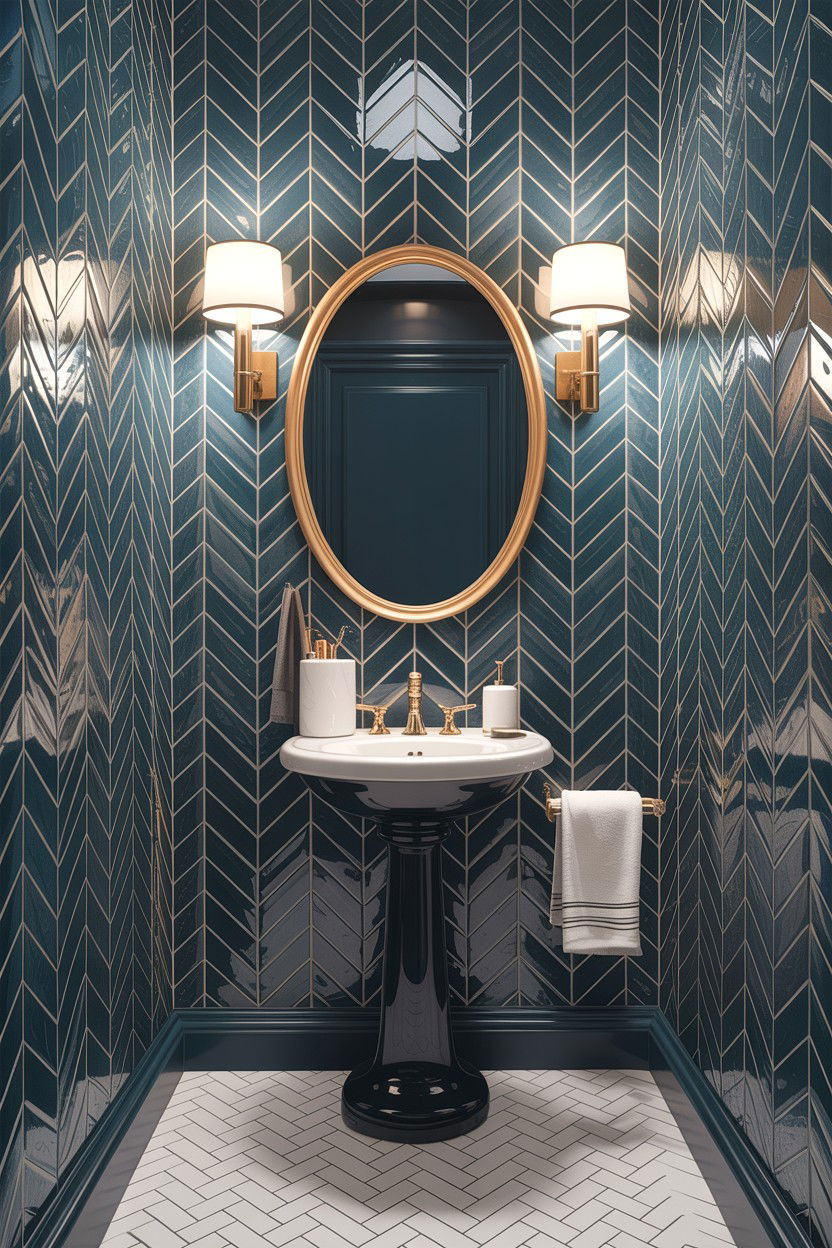
Powder rooms are the perfect place to experiment with bold design choices because they are small and contained. A herringbone accent wall in a powder room can create a "wow" factor for guests without requiring a huge investment in materials. You can go for a bold color or a unique texture that might be too much for a larger bathroom. The pattern adds architectural interest to the small space, making it feel curated and high-end. When paired with a stylish mirror and elegant lighting, a herringbone wall can turn a simple half-bath into one of the most memorable and stylish rooms in your entire home.
29. Ceiling height herringbone shower
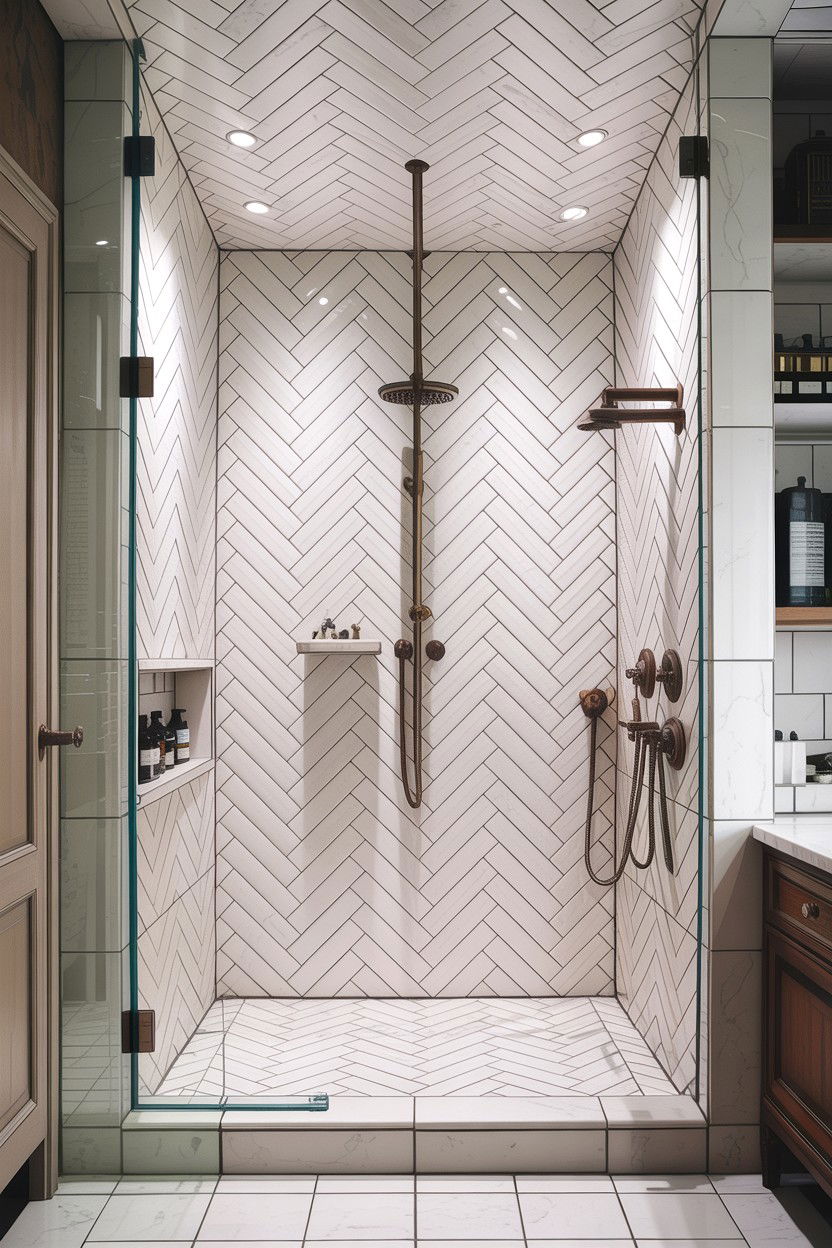
Taking your herringbone tile all the way to the ceiling in the shower is a design move that exudes luxury and completeness. This approach eliminates the visual break that occurs when tiling stops partway up the wall, making the shower feel much more grand and expansive. The continuous V-pattern draws the eye upward, highlighting the height of the room and creating a professional, polished look. It also provides better protection for the walls in high-moisture areas. This full-coverage tiling method is a hallmark of high-end bathroom design and ensures that every inch of the space feels intentional and expertly crafted for a premium feel.
30. Contrasting grout herringbone tile
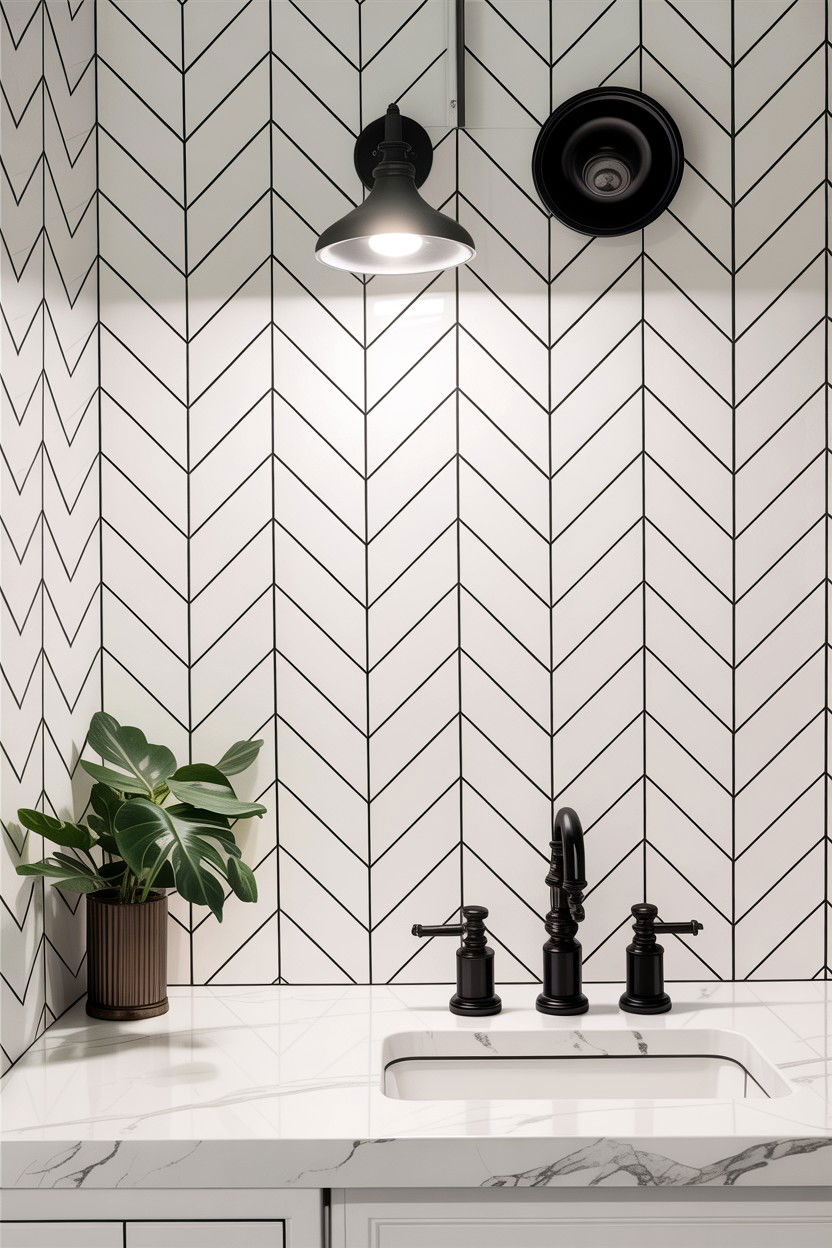
If you want to make sure the herringbone pattern is the undisputed star of your bathroom, using a contrasting grout color is the way to go. For example, pairing dark grey or black grout with white tiles makes every single "V" shape stand out with incredible clarity. This highlights the geometric precision of the layout and adds a graphic, modern edge to the room. It is a fantastic choice for those who love bold, high-contrast designs. Conversely, using a light grout with dark tiles can create a similarly striking effect. This technique ensures that the craftsmanship of your tile work is fully appreciated by anyone who enters.
Conclusion:
In conclusion, incorporating a herringbone pattern into your bathroom design is a surefire way to create a space that is both visually dynamic and timelessly elegant. From the grounding effect of a dark herringbone floor to the sophisticated charm of a marble backsplash, this versatile layout offers endless possibilities for customization. By carefully selecting your materials, colors, and grout, you can tailor the pattern to fit any style, whether it be modern, rustic, or minimalist. The herringbone arrangement not only adds a layer of architectural interest but also has the practical benefit of making spaces feel larger and more cohesive. As you plan your next renovation, consider how this classic pattern can transform your bathroom into a high-end sanctuary that you will enjoy for many years to come.
Related posts:

Leave a Reply