

Transforming your bathroom into a personal sanctuary often begins with the perfect focal point, and nothing achieves this quite like a stunning freestanding bathtub. These sculptural pieces serve as more than just functional fixtures; they are statement elements that define the entire aesthetic of a modern home. Whether you are aiming for a minimalist spa-like retreat or a bold vintage-inspired sanctuary, the right tub can elevate your daily routine into a luxurious experience. As we explore various styles and placements, you will discover how these tubs anchor the room’s design, creating a sense of balance and tranquility that traditional built-in models simply cannot match in today's high-end interiors.
1. Black Freestanding Tub
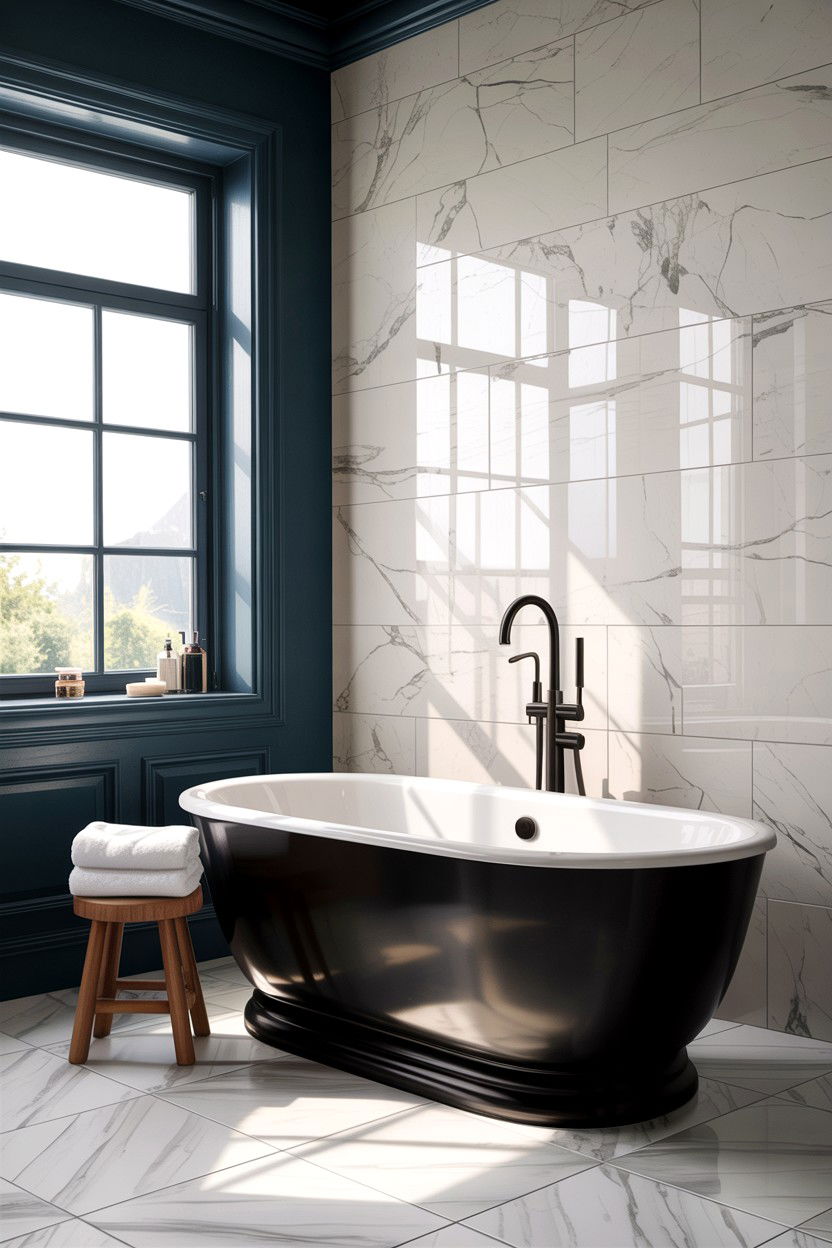
A black freestanding tub serves as a dramatic centerpiece in a contemporary bathroom, offering a sophisticated alternative to traditional white fixtures. When placed against a light-colored tile wall or a textured marble backdrop, the dark silhouette creates a striking visual contrast that feels both modern and timeless. This design choice often anchors a monochromatic color palette, allowing other elements like matte black hardware and minimalist lighting to shine. The deep, moody tones of the tub evoke a sense of grounding and luxury, making the bathing area feel like a high-end boutique hotel suite. It is a bold statement for those who appreciate architectural lines and high-contrast aesthetics.
2. Copper Soaking Tub
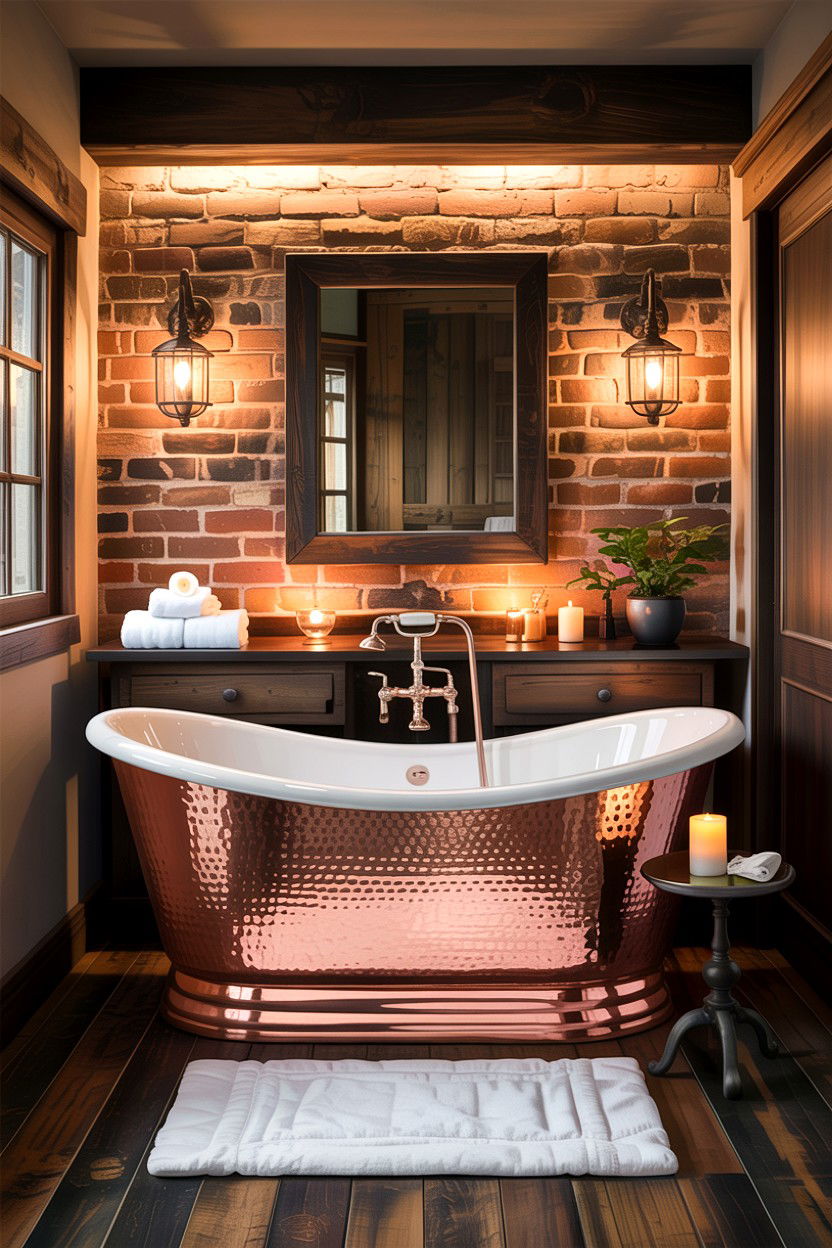
Choosing a copper soaking tub introduces an element of warmth and artisanal craftsmanship into your home spa. These tubs are celebrated for their natural antimicrobial properties and incredible heat retention, ensuring that your bath water stays warm for a significantly longer period. Visually, the hammered metal texture adds a rustic yet refined charm that complements Mediterranean, farmhouse, or even industrial interior styles. Over time, the copper develops a unique patina, making the tub a living piece of art that evolves with your home. Pairing it with dark wood accents and soft, warm lighting creates an inviting, cozy atmosphere that encourages total relaxation after a long day.
3. Clawfoot Bathtub
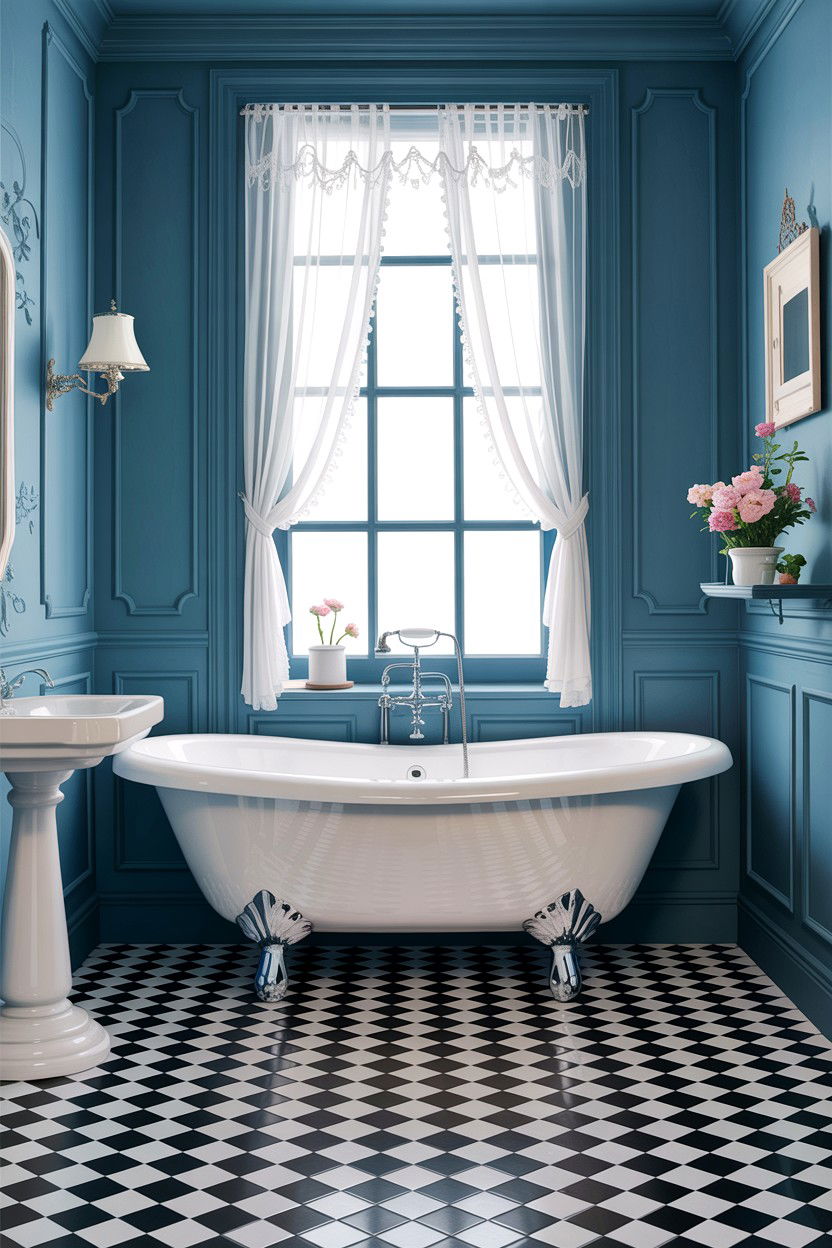
The classic clawfoot bathtub remains a symbol of vintage elegance, bringing a sense of history and charm to any bathroom renovation. Characterized by its ornate metallic feet, this style of tub works beautifully in traditional, Victorian, or eclectic spaces where character is key. You can customize the look by choosing different finishes for the feet, such as polished chrome, brushed nickel, or antique brass, to match your existing hardware. Placing a clawfoot tub in the center of a room with large windows allows it to stand as a freestanding sculpture. It offers a nostalgic bathing experience while providing a surprisingly deep and comfortable soak for the modern user.
4. Japanese Soaking Tub
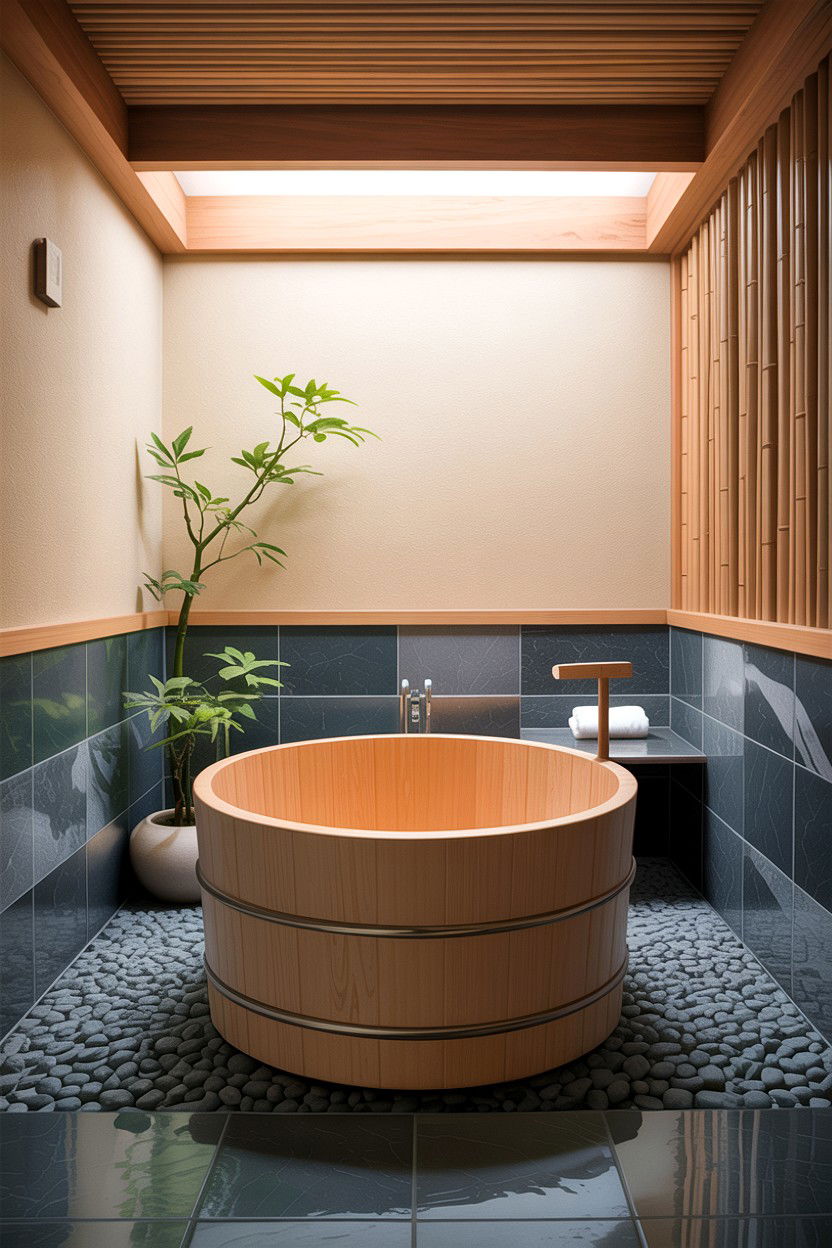
A Japanese soaking tub, also known as an ofuro, is the perfect solution for smaller bathrooms where floor space is limited but luxury is a priority. These tubs are designed for sitting rather than reclining, featuring a much deeper basin that allows for full-body immersion in hot water. The compact footprint makes it an excellent choice for urban apartments or secondary bathrooms. Often crafted from wood or high-quality acrylic, these tubs focus on the ritual of bathing and mindfulness. Integrating one into a minimalist, Zen-inspired room with natural stone tiles and bamboo accents creates a peaceful environment dedicated to wellness and quiet reflection.
5. Stone Freestanding Tub
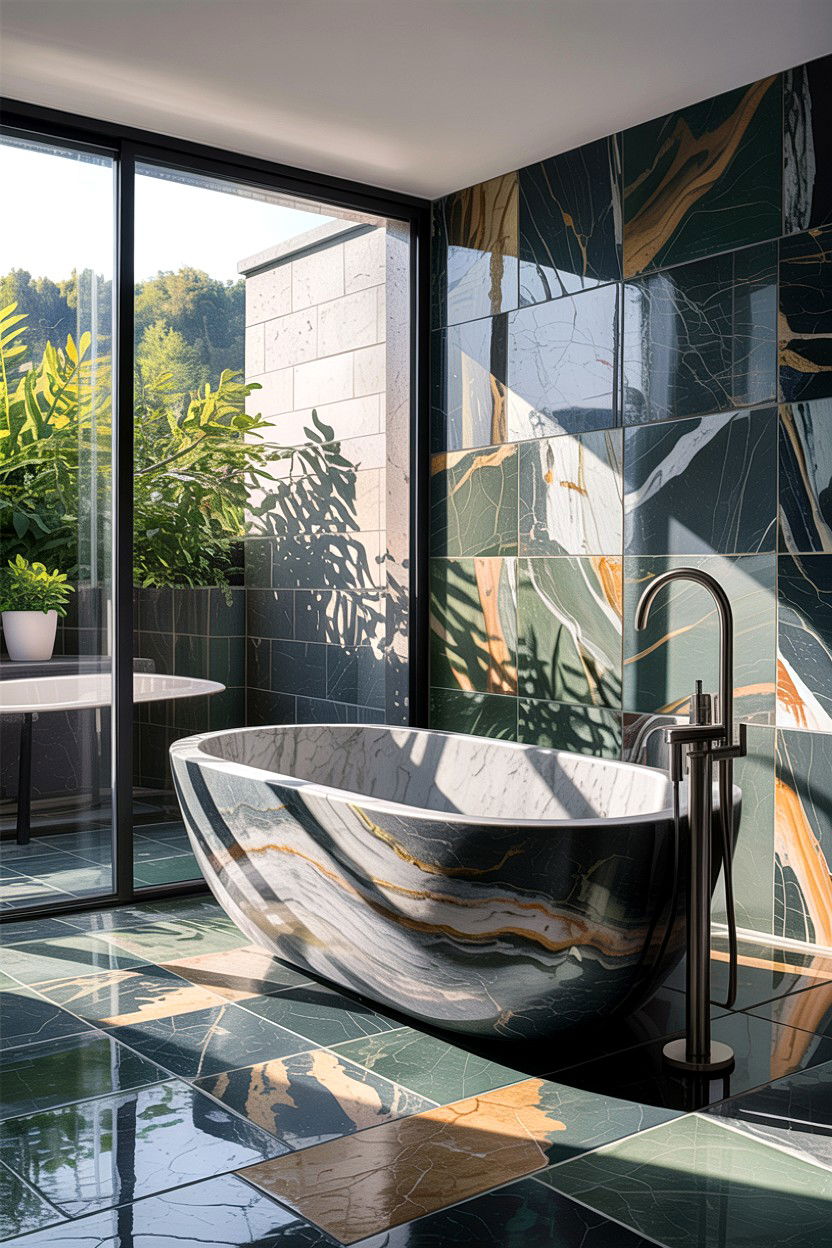
Carved from solid blocks of marble, granite, or travertine, a stone freestanding tub is the ultimate expression of organic luxury. Each piece is entirely unique, featuring natural veining and textures that cannot be replicated by synthetic materials. The sheer weight and presence of a stone tub provide a sense of permanence and connection to nature within the home. Because stone is a natural insulator, these tubs hold heat exceptionally well, making them ideal for long, indulgent soaks. When styled with other natural elements like pebble flooring and indoor greenery, the tub becomes the heart of a sophisticated, nature-inspired retreat that feels incredibly grounded.
6. Oval Freestanding Tub
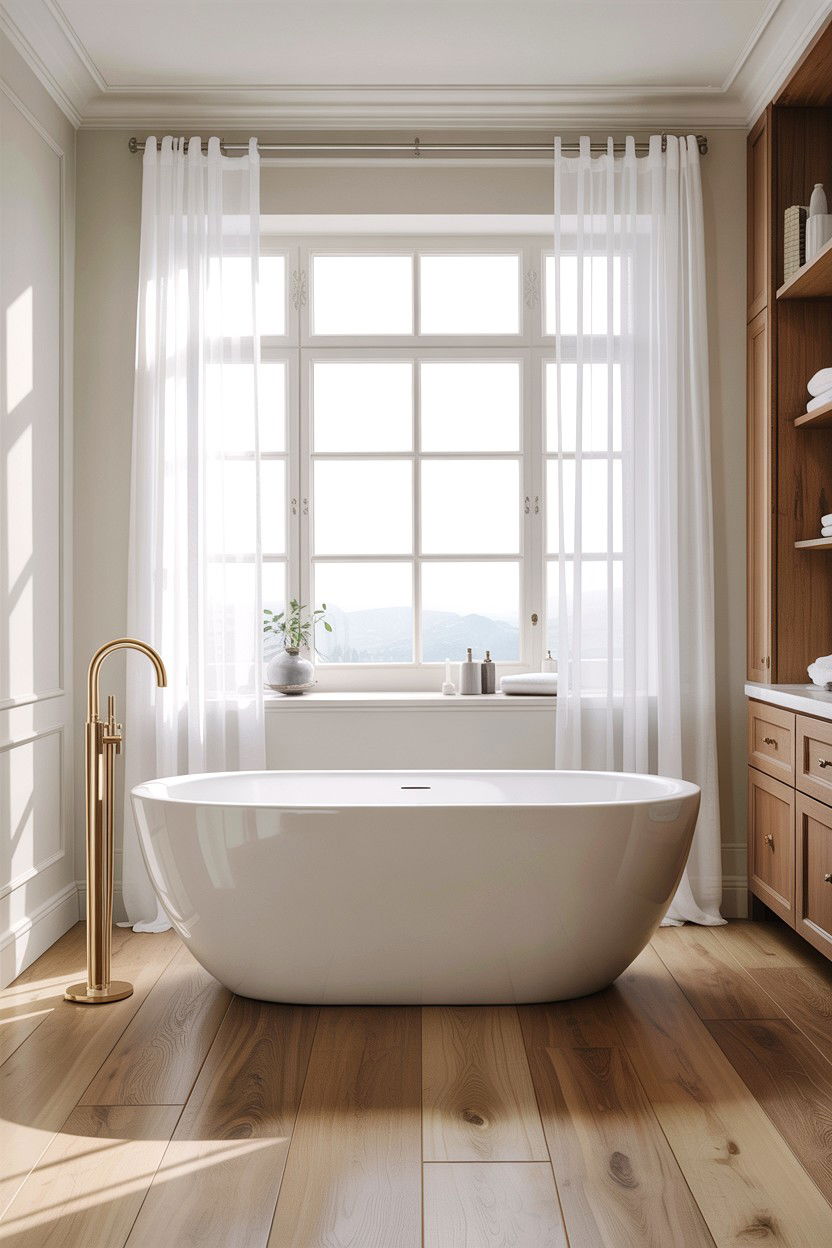
The oval freestanding tub is perhaps the most versatile choice for modern homeowners, offering soft, ergonomic curves that fit seamlessly into almost any design scheme. Its symmetrical shape provides a comfortable reclining position at either end, making it a practical option for relaxation. The smooth, rounded edges help to soften the sharp lines often found in tiled bathrooms, creating a more harmonious and inviting space. Whether finished in a high-gloss white or a matte texture, the oval tub maintains a clean and airy appearance. It works exceptionally well in transitional spaces where you want to blend contemporary simplicity with a touch of classic comfort.
7. Rectangular Freestanding Tub
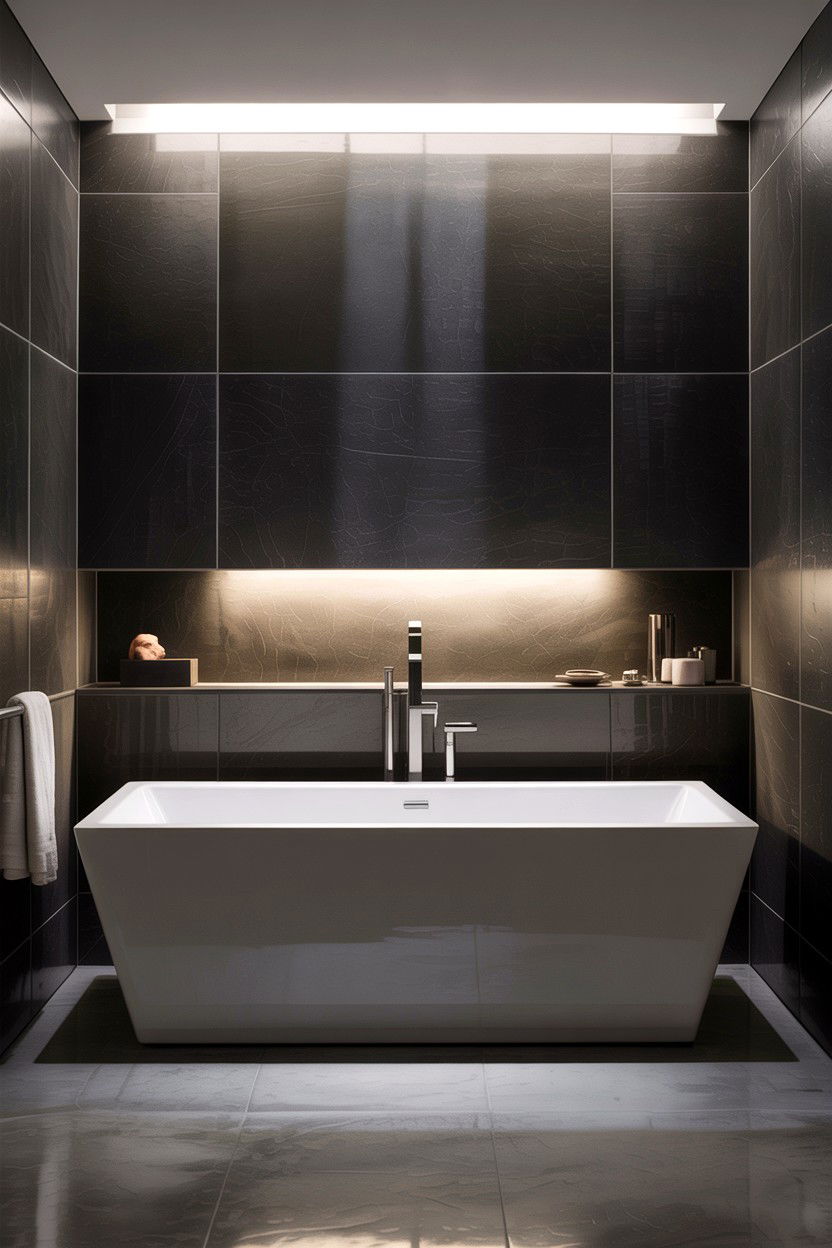
For those who prefer a more architectural and geometric aesthetic, a rectangular freestanding tub offers clean lines and a bold, structured look. This style is particularly effective in modern minimalist bathrooms where the goal is to emphasize sharp angles and flat surfaces. The wide edges of a rectangular tub often provide a convenient ledge for resting bath salts, candles, or a glass of water, combining functionality with style. Its elongated shape can help to emphasize the length of a room, making it a great focal point when placed against a feature wall. It represents a confident design choice that feels organized, efficient, and undeniably sophisticated.
8. Tub Near Window
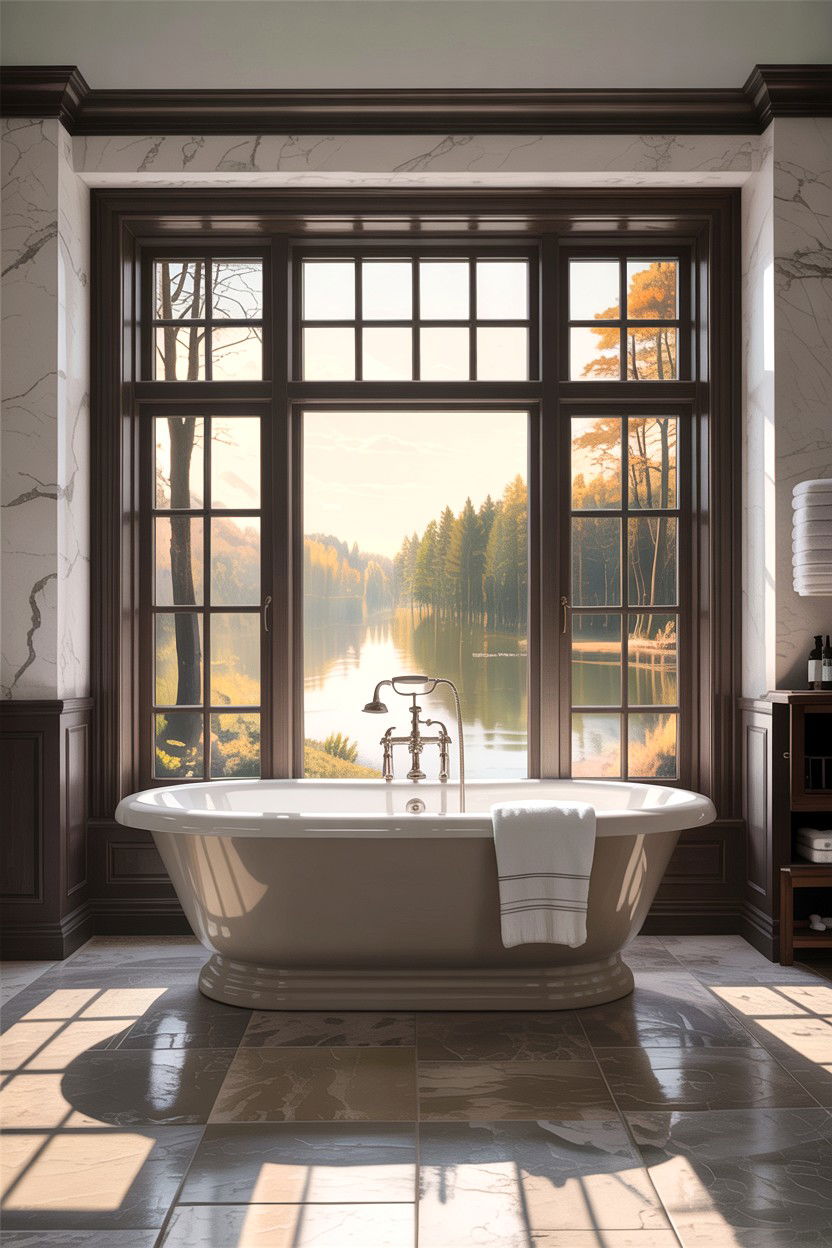
Positioning your freestanding tub near a window is a design strategy that maximizes natural light and provides a scenic backdrop for your bathing ritual. This layout creates a sense of openness, blurring the boundaries between the indoors and the outside world. Whether you have a view of a private garden, a city skyline, or a lush forest, the window acts as a living piece of art that enhances the tranquility of the space. To maintain privacy while enjoying the light, you can use frosted glass, café shutters, or elegant sheer curtains. This placement ensures that the tub is bathed in soft, morning sunlight or calming evening moonlight.
9. Wet Room Layout
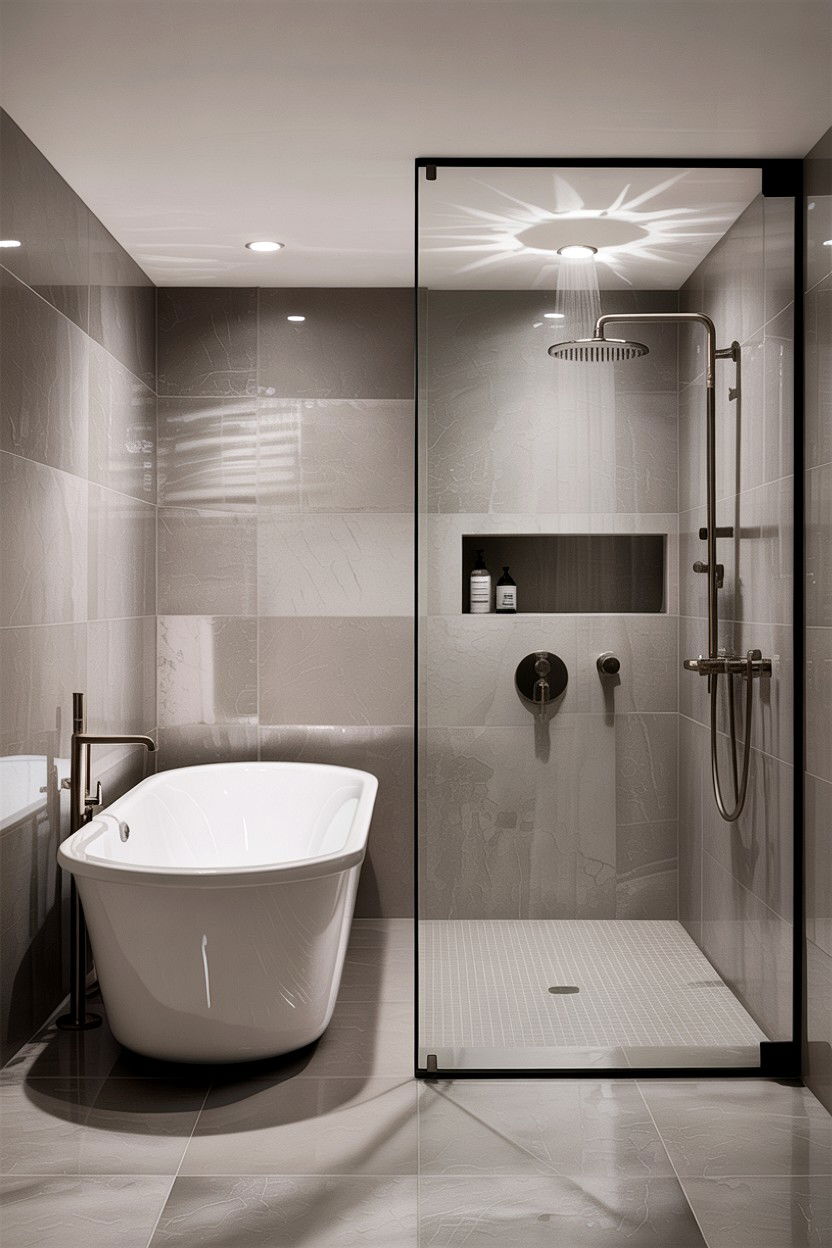
Integrating a freestanding tub into a wet room layout is a highly functional and modern approach that combines the shower and bath into one waterproof zone. This design eliminates the need for bulky enclosures, creating a seamless and open floor plan that makes the bathroom feel significantly larger. By placing the tub directly behind or next to the shower area, you create a cohesive "wellness zone" that is easy to clean and visually stunning. Using consistent tiling across the entire wet area provides a unified look. This layout is perfect for busy households or those seeking a high-end, contemporary spa experience without any spatial barriers.
10. Tub On Wood Flooring
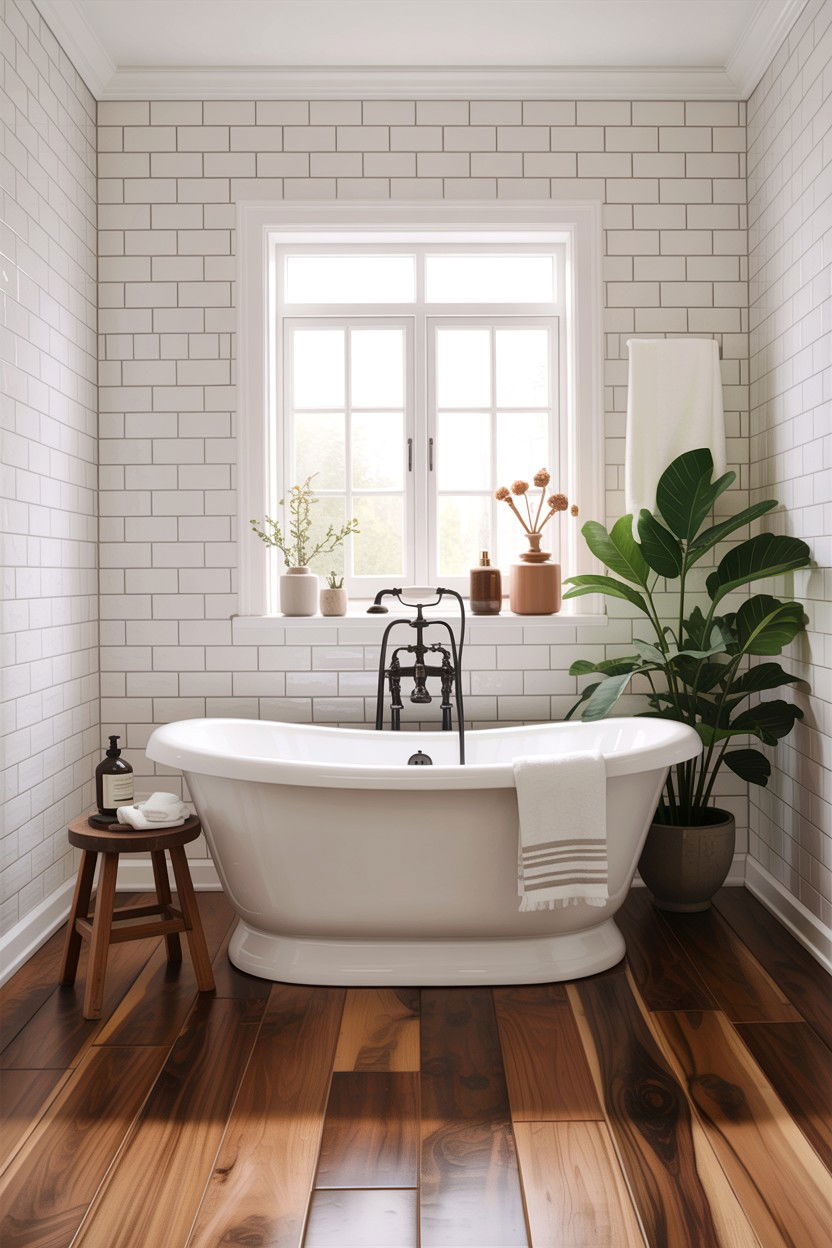
Placing a freestanding tub on wood flooring, or high-quality wood-look porcelain tile, adds an immediate sense of warmth and organic texture to the bathroom. The contrast between the cool, smooth surface of the tub and the rich, grainy texture of the wood creates a sophisticated and balanced look. This design choice is often seen in Scandinavian or modern farmhouse interiors where natural materials are prioritized. To ensure longevity, it is essential to use water-resistant finishes or durable wood-look tiles that can withstand moisture. The result is a space that feels less like a sterile utility room and more like a cozy, high-end living area for relaxation.
11. Concrete Freestanding Tub
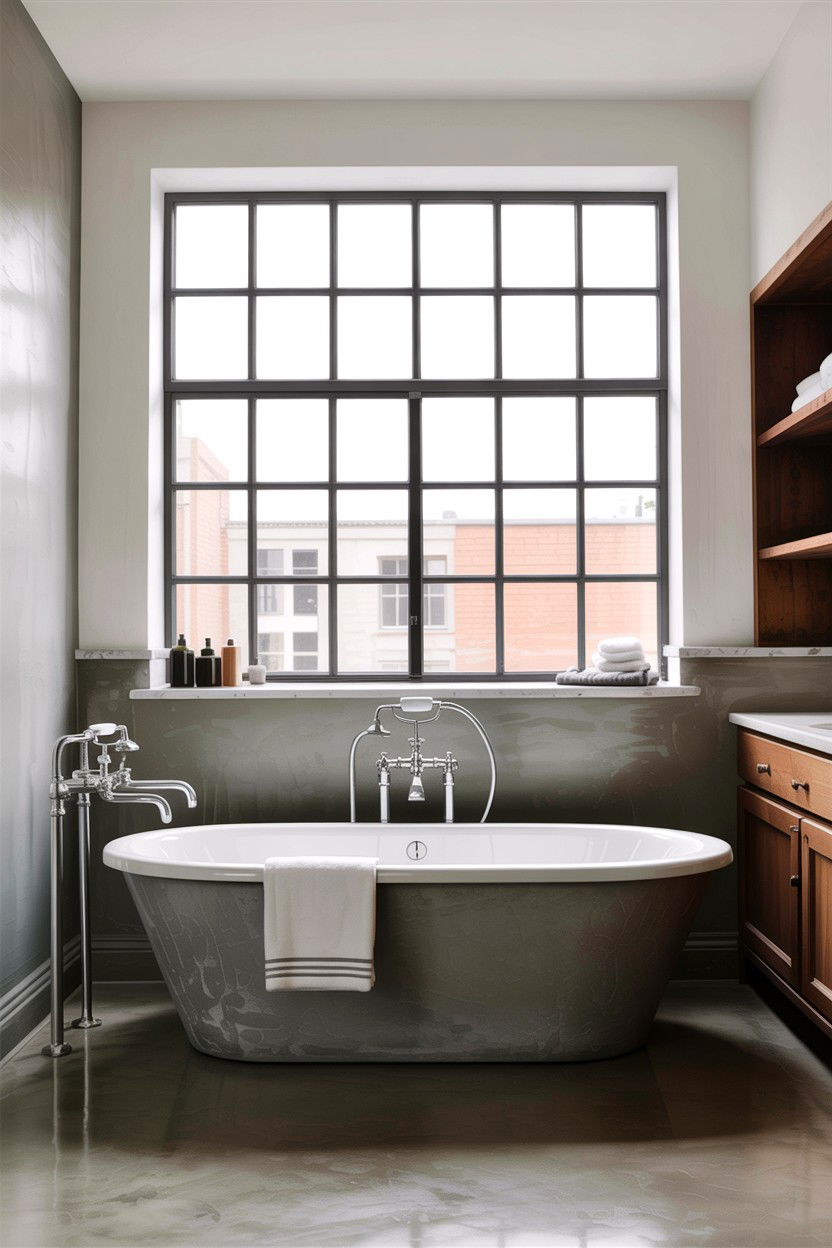
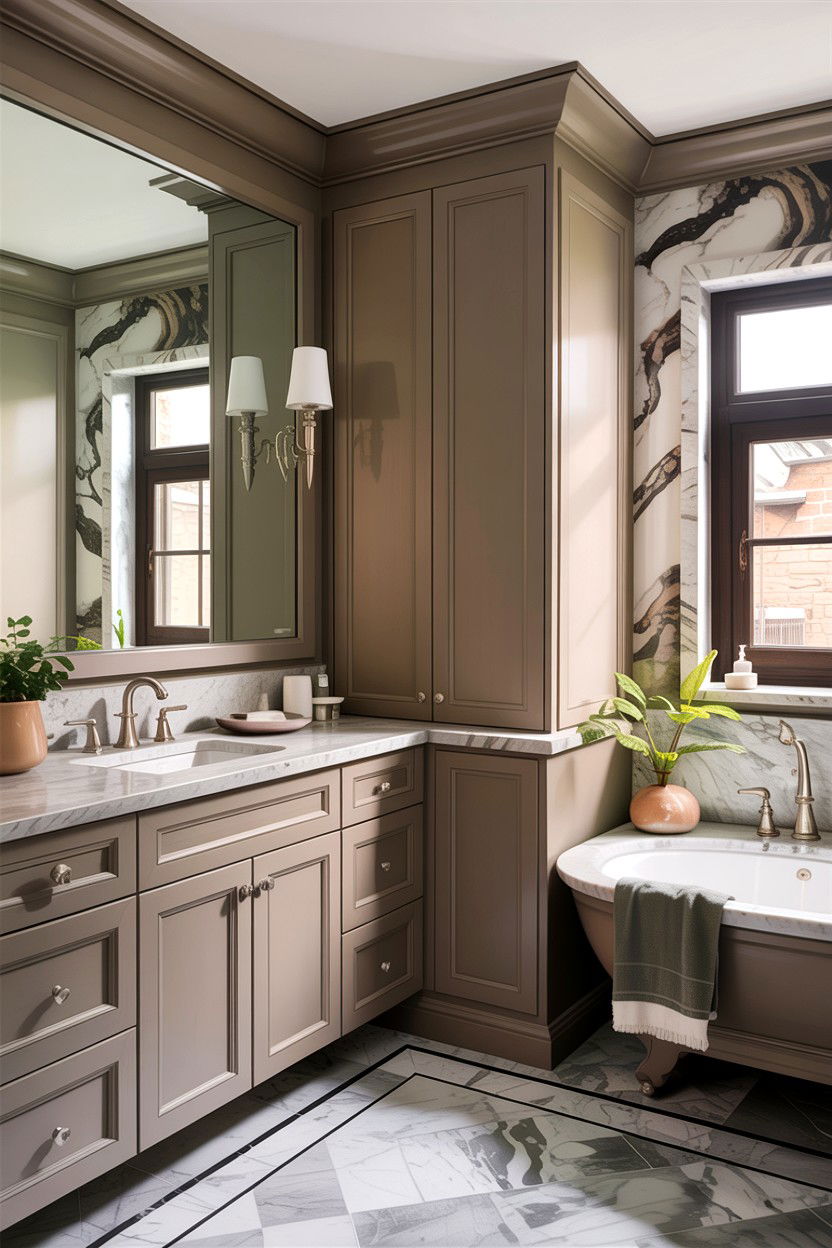
A concrete freestanding tub is a perfect choice for those who love industrial chic or brutalist design elements. These tubs are often hand-poured, resulting in a unique, raw texture and a matte finish that feels incredibly tactile and modern. Despite its rugged appearance, concrete can be molded into surprisingly soft, ergonomic shapes that provide a comfortable bathing experience. The neutral grey tones of the material pair beautifully with metallic hardware, such as brass or chrome, and softened by plush textiles. A concrete tub brings a sense of weight and architectural significance to the bathroom, serving as a durable and stylish centerpiece for years.
12. Gold Freestanding Tub
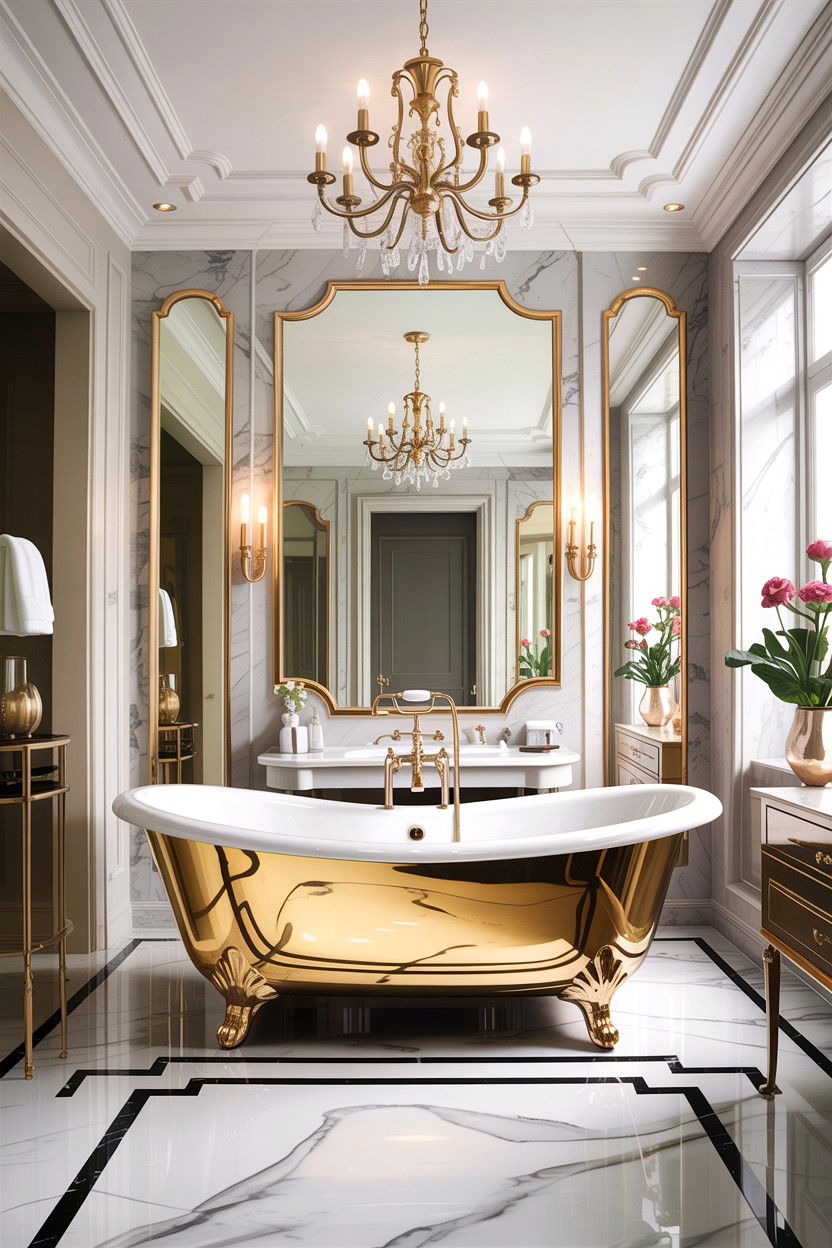
For a bathroom that exudes opulence and glamour, a gold freestanding tub is an unforgettable choice. Whether it features a polished gold leaf finish or a more subtle brushed brass exterior, this tub instantly becomes the star of the room. This bold design works best in spaces with high ceilings, ornate moldings, or high-end marble surfaces. To keep the look sophisticated rather than overwhelming, pair the gold tub with a neutral color palette of whites, creams, or soft greys. The reflective surface of the tub helps to bounce light around the room, creating a bright and luxurious atmosphere that feels truly indulgent and high-fashion.
13. Green Freestanding Tub
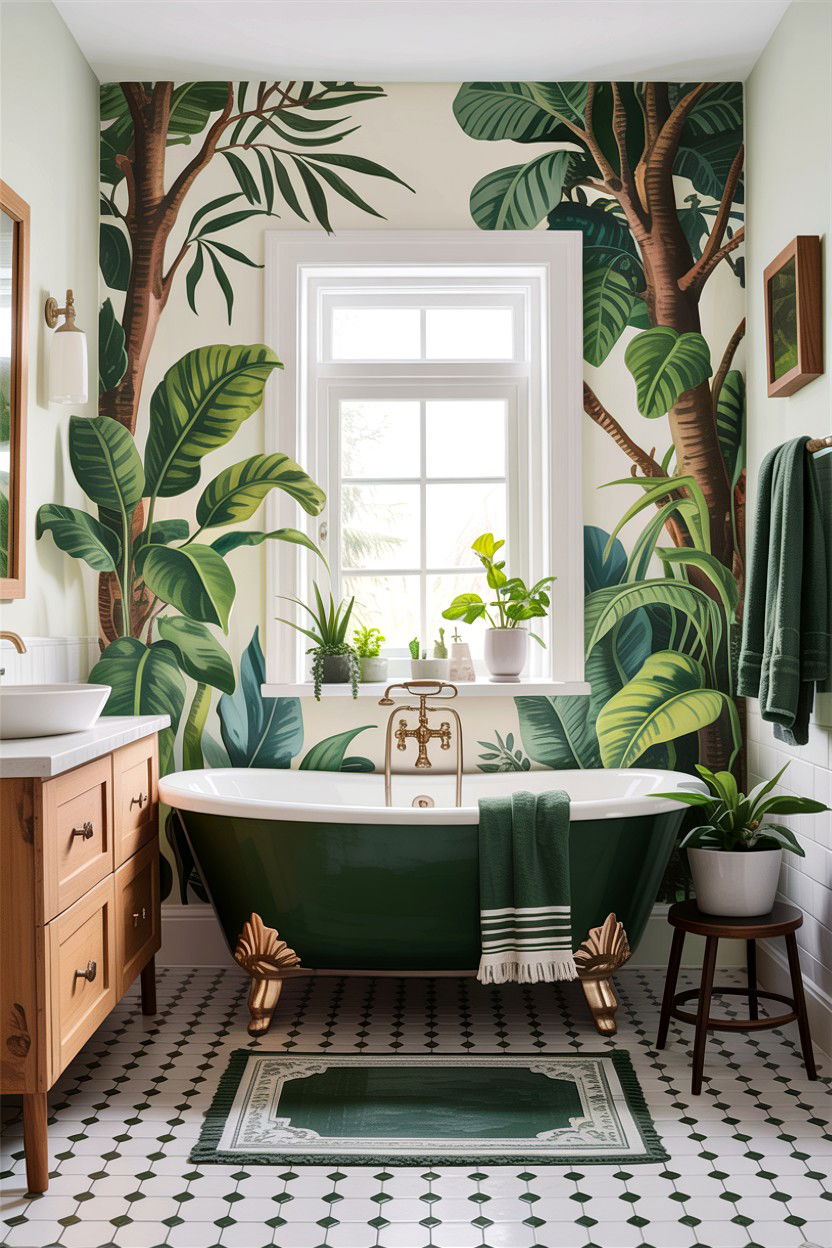
Incorporating a green freestanding tub is an inspired way to bring a sense of nature and serenity into your bathroom design. From deep forest greens to soft sage or vibrant emerald, this color choice can evoke different moods depending on the shade. A green tub acts as a colorful focal point that breaks up the monotony of traditional white bathroom suites. When paired with botanical wallpaper, natural wood accents, and plenty of indoor plants, the space transforms into a lush, indoor oasis. This design trend celebrates the "biophilic" movement, focusing on our innate connection to the natural world to promote a sense of calm.
14. Tub In Bedroom
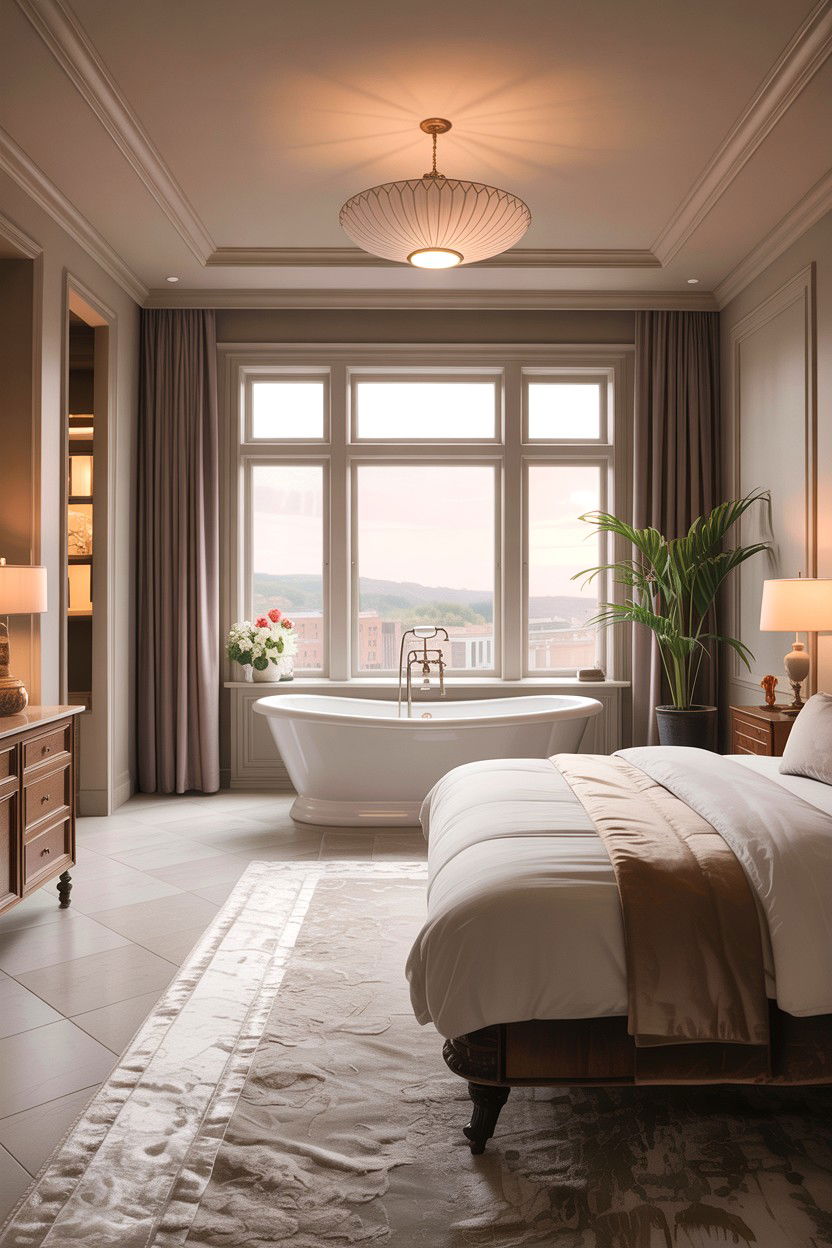
The trend of placing a freestanding tub in the master bedroom creates a seamless, open-concept suite that feels like a five-star luxury resort. This layout encourages a lifestyle of relaxation and intimacy, allowing you to transition easily from a warm soak to the comfort of your bed. To make this work, the tub should be treated as a sculptural element, often placed on a slightly raised platform or a different flooring material to define the zone. Proper ventilation is key to managing humidity, but the visual impact of a beautiful tub sitting at the foot of the bed or near a fireplace is undeniably romantic and high-end.
15. Double Ended Tub
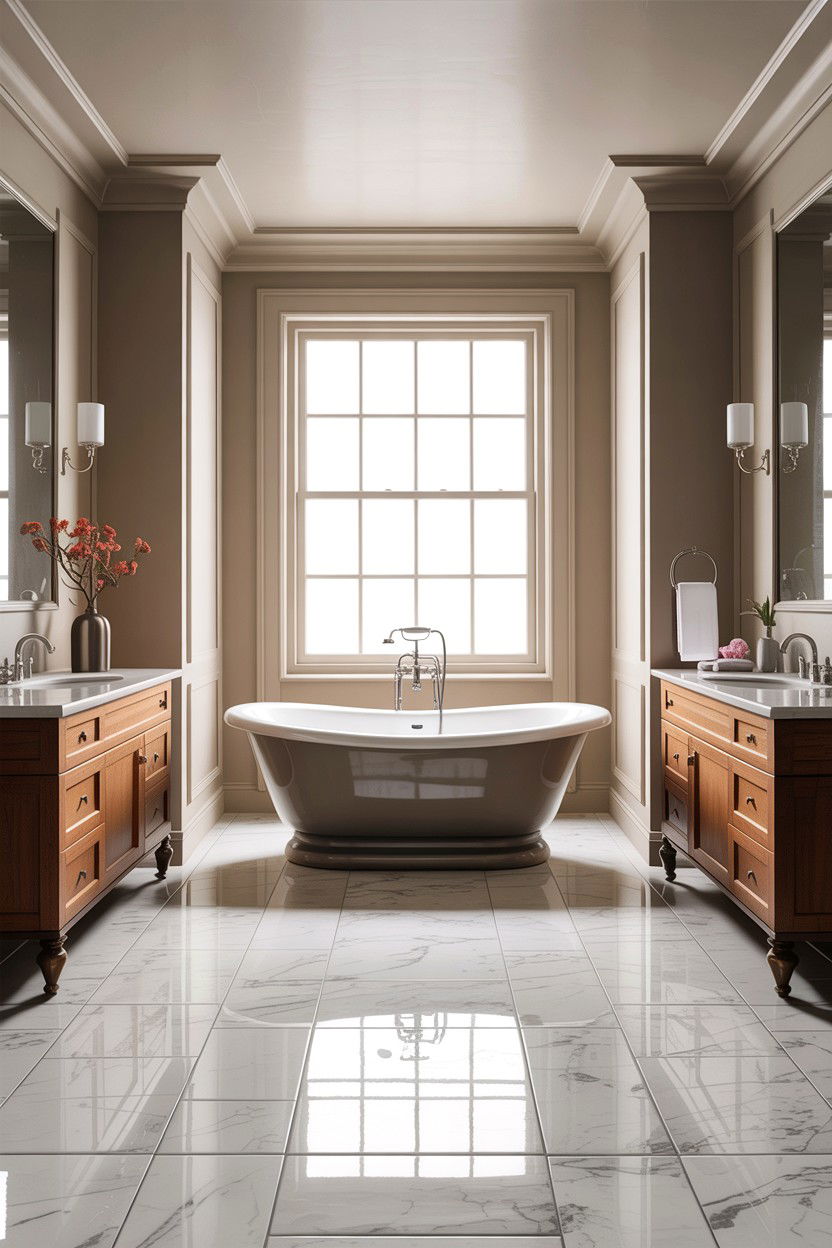
A double ended tub is designed with symmetry in mind, featuring two sloping ends and a centrally located drain and faucet. This layout is ideal for those who enjoy sharing a bath or simply want the flexibility to recline at either end of the tub. Visually, the balanced proportions of a double ended tub create a sense of order and harmony in the bathroom layout. It is often larger than standard tubs, making it a great choice for spacious primary bathrooms where the tub can sit proudly in the center of the room. Its timeless design works well with both traditional and modern faucet styles.
16. Slipper Freestanding Tub
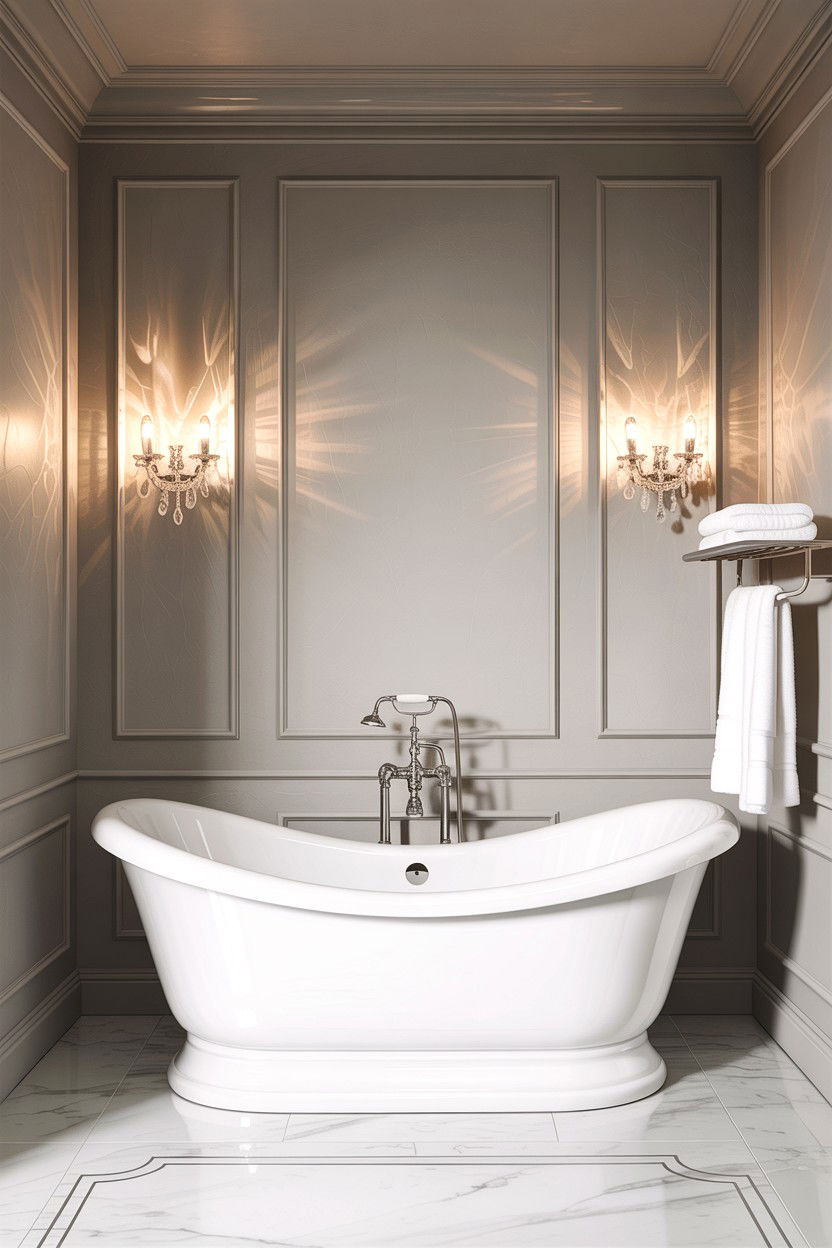
The slipper freestanding tub is characterized by one or both ends being raised higher than the center, providing exceptional back and neck support for a more ergonomic soak. The "slipper" shape is not only comfortable but also visually elegant, offering a graceful silhouette that adds height and interest to the room. A single slipper tub is perfect for solo relaxation, while a double slipper tub allows for two people to sit comfortably facing each other. This style often leans towards a vintage or transitional aesthetic, especially when paired with a classic floor-mounted faucet. It is the go-to choice for those who prioritize comfort above all else.
17. Floor Mounted Faucet
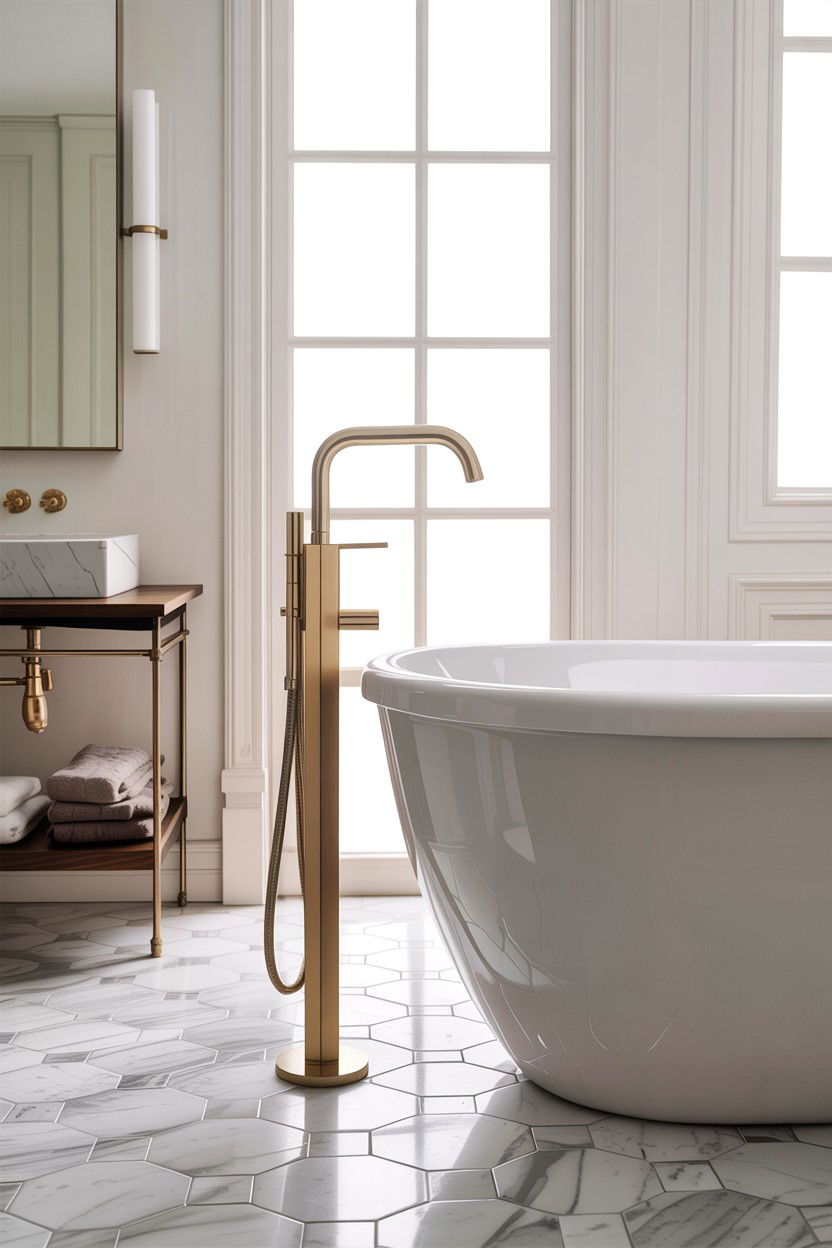
A floor mounted faucet is the essential companion for a freestanding tub, providing a sleek and modern way to deliver water without the need for wall-mounted plumbing. These tall, slender fixtures come in a variety of finishes and styles, from minimalist gooseneck designs to more traditional telephone-style setups with hand showers. The placement of the faucet can be customized to suit your layout, whether it is positioned at the end of the tub or in the center. Choosing a high-quality, statement faucet in a contrasting finish, such as matte black against a white tub, adds a layer of professional-grade detail to your bathroom.
18. Small Bathroom Tub
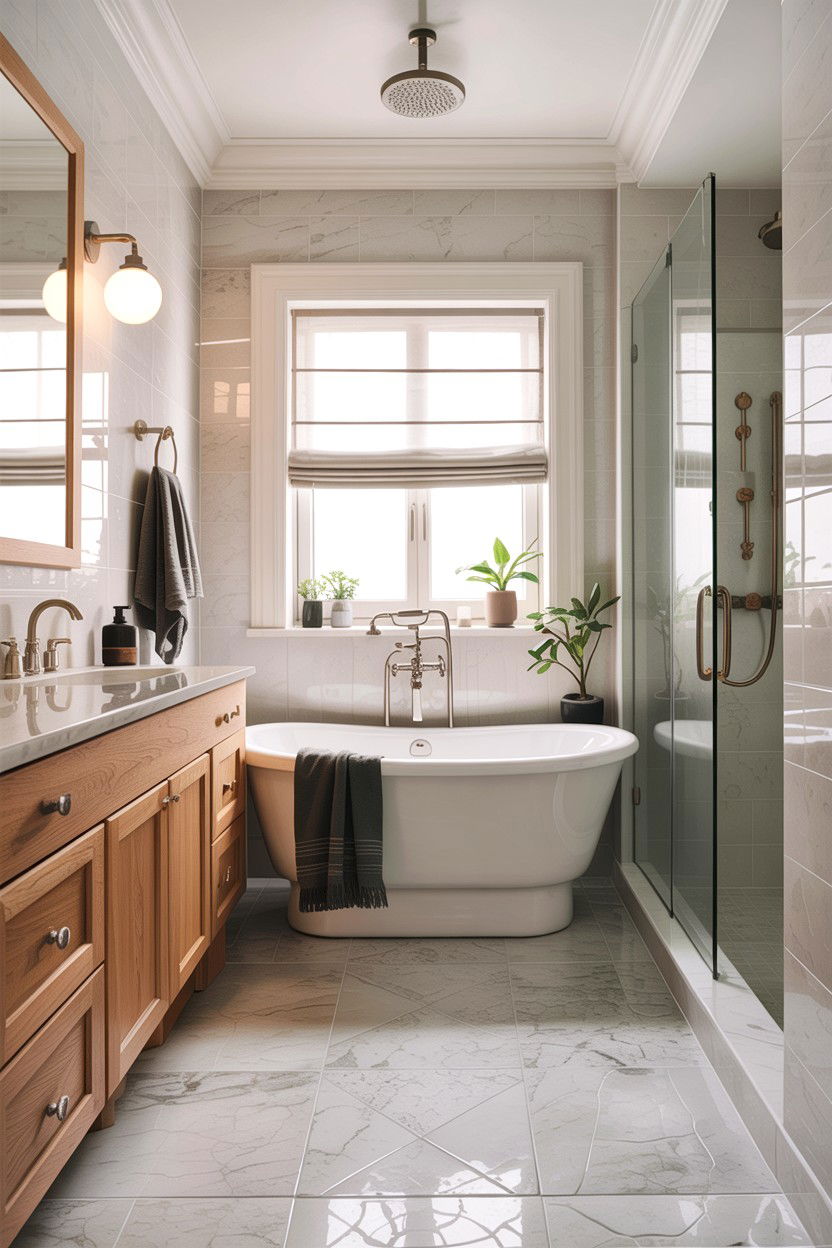
Having a small bathroom doesn't mean you have to sacrifice the luxury of a freestanding tub. Many manufacturers now offer compact models specifically designed for tighter spaces, often measuring under 60 inches in length. These "petit" tubs provide a deep soaking experience while maintaining a small footprint. To keep the room feeling open, choose a tub with a thin rim and a light color. Placing the tub against a wall or in a corner can also help to maximize floor space. By selecting a scaled-down version of a classic design, you can enjoy the aesthetic benefits of a standalone tub without overcrowding your bathroom.
19. Marble Freestanding Tub
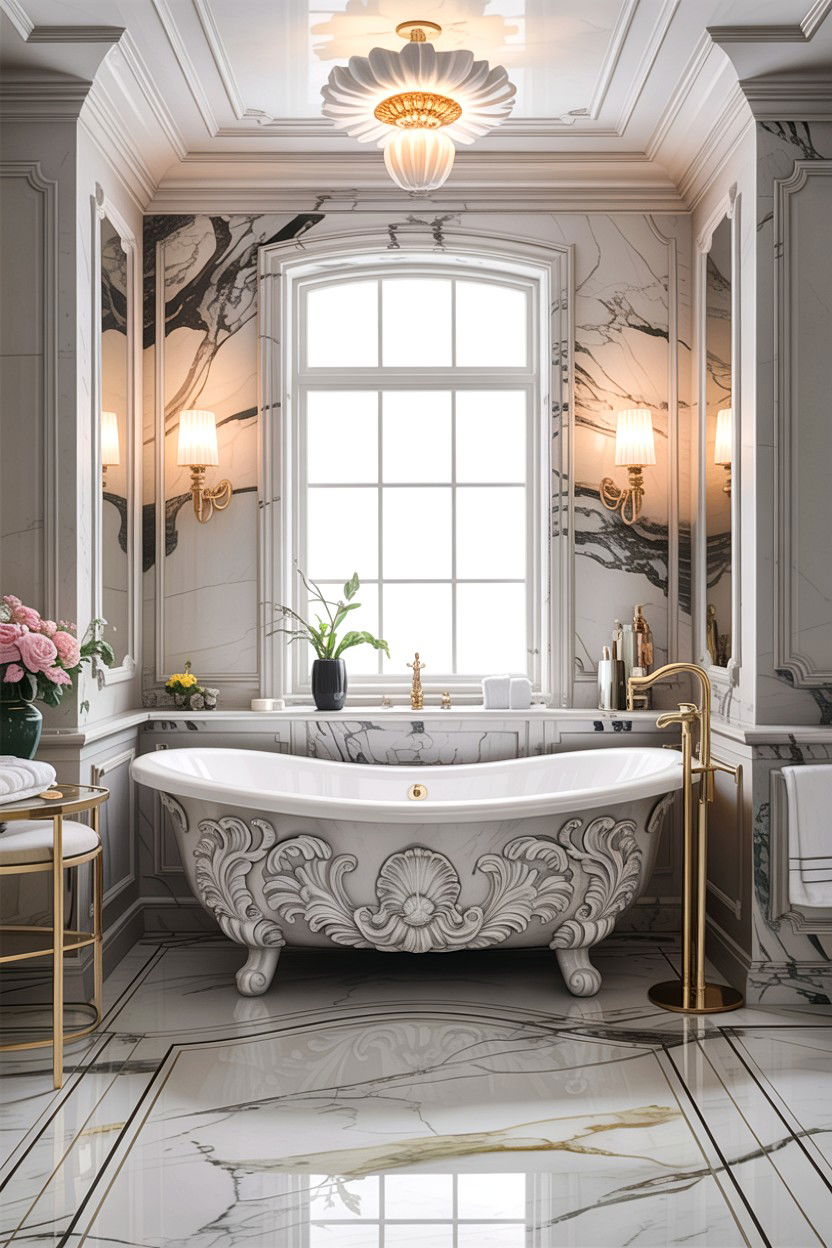
A marble freestanding tub is a masterpiece of interior design, offering unparalleled elegance and a timeless aesthetic. The natural patterns and cool surface of the marble create a sense of grandeur that is hard to match with other materials. Because marble is a natural stone, each tub is a one-of-a-kind piece, ensuring that your bathroom remains completely unique. While it requires a bit more maintenance to protect the stone from staining, the visual reward is a bathroom that feels like a private museum or an ancient Roman bath. Styling it with gold or brass fixtures enhances the regal and opulent feel of the entire room.
20. Tub Under Chandelier
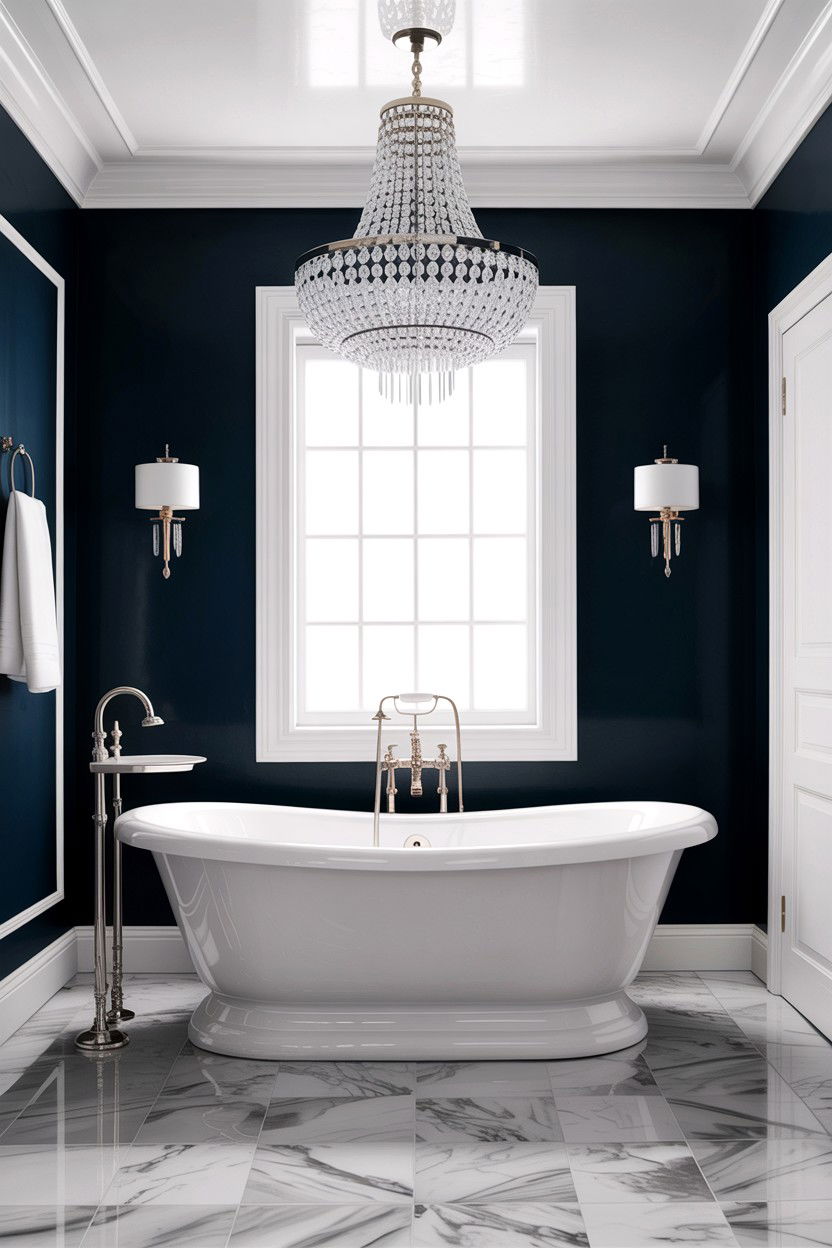
Hanging a chandelier directly above a freestanding tub is a classic design move that adds a touch of drama and luxury to the bathing area. The light fixture acts as a visual "crown" for the tub, drawing the eye upward and emphasizing the height of the room. Whether you choose a sparkling crystal chandelier for a traditional look or a modern, sculptural pendant for a contemporary vibe, the lighting creates a beautiful ambiance for evening soaks. It is important to ensure the fixture is rated for damp environments and installed at a safe height. This combination turns a simple bath into a truly theatrical and indulgent experience.
21. Wood Freestanding Tub
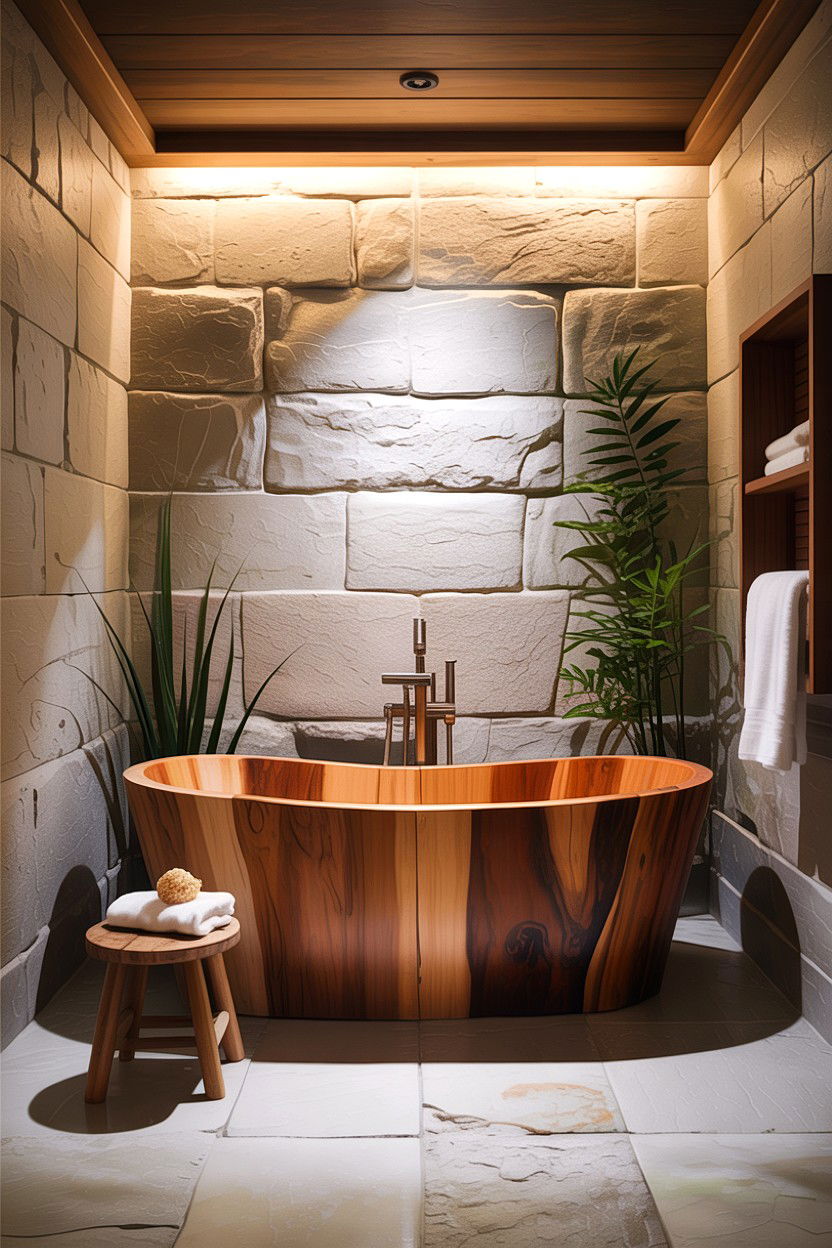
A wood freestanding tub brings an incredible sense of warmth, craftsmanship, and organic beauty to the bathroom. Often inspired by traditional Japanese or Scandinavian designs, these tubs are typically made from water-resistant woods like cedar, teak, or hinoki. The natural aroma of the wood is released when it comes into contact with warm water, creating a sensory experience that is both calming and therapeutic. Visually, the rich wood grains provide a soft contrast to the hard surfaces of tile and stone. A wooden tub is a daring and eco-friendly choice that emphasizes a connection to nature and a commitment to high-quality, sustainable materials.
22. Patterned Tile Tub
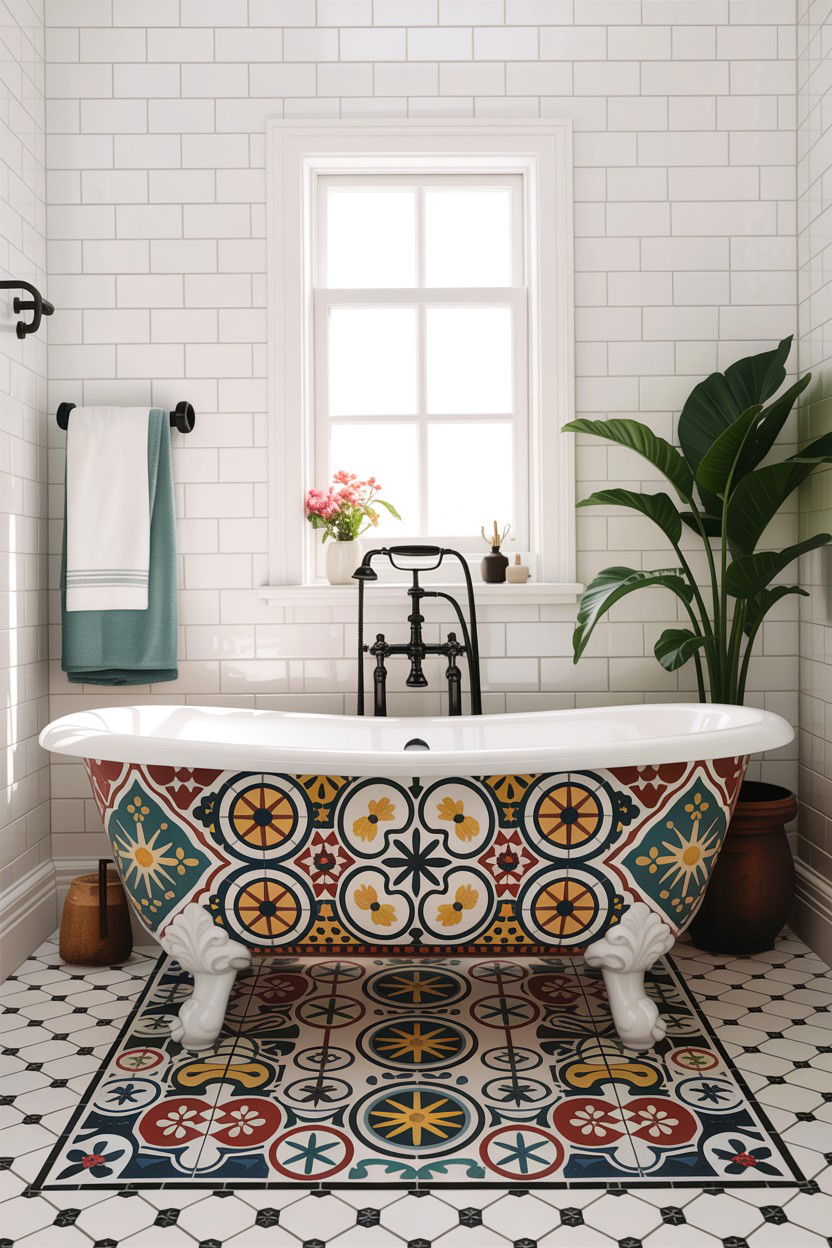
Creating a "tile rug" or using patterned tiles specifically under and around a freestanding tub is a fantastic way to define the bathing zone. This design technique adds visual interest and a pop of personality to an otherwise neutral bathroom. Whether you choose Moroccan-inspired encaustic tiles, classic black and white hex tiles, or modern geometric patterns, the floor becomes a decorative foundation for the tub. This approach works particularly well in large bathrooms where you want to break up the floor space and create a focal point. It allows you to experiment with color and pattern without overwhelming the entire room, keeping the focus on the tub.
23. Pedestal Freestanding Tub
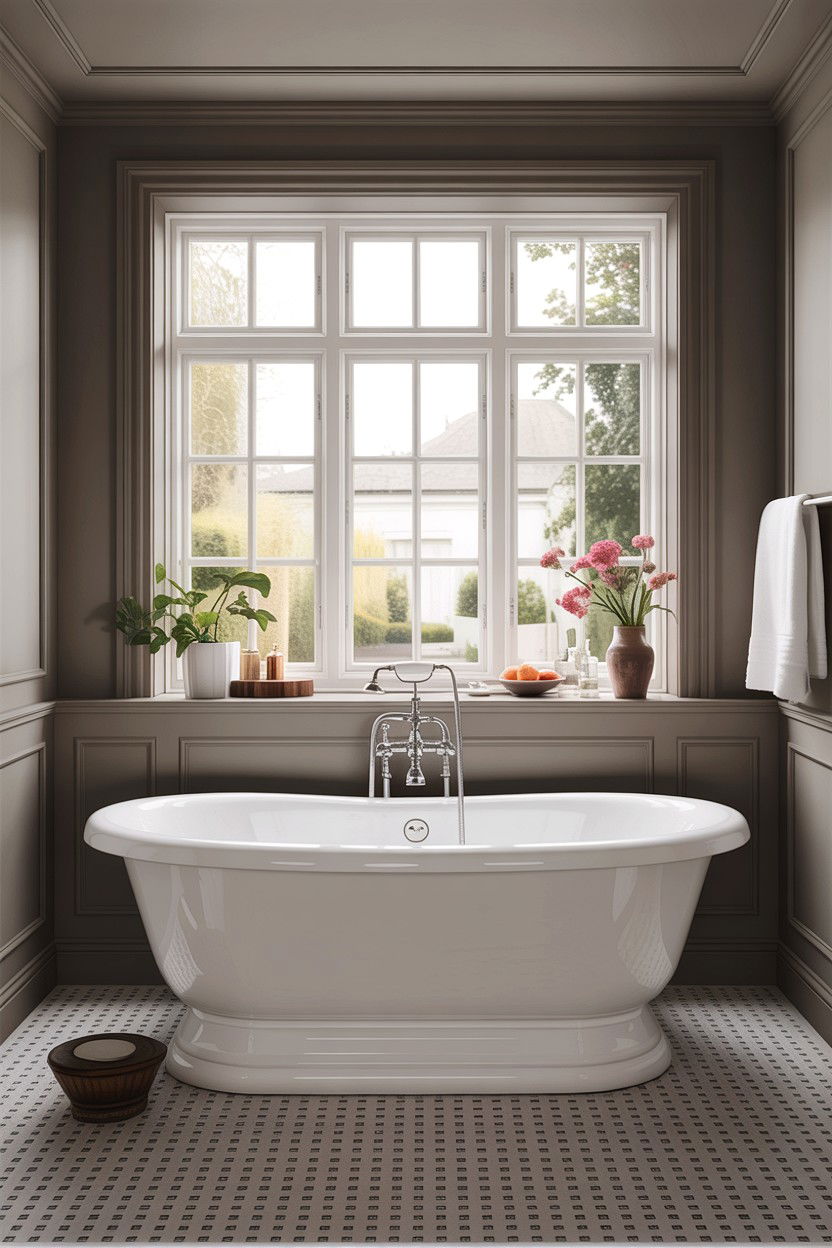
A pedestal freestanding tub sits on a solid base or "plinth" rather than on feet or directly on the floor. This style offers a stately and grounded appearance that feels very substantial and classic. The pedestal base hides the plumbing and provides a clean, finished look that works beautifully in traditional or transitional bathroom designs. It often features a slightly flared rim and a deep basin, making it as comfortable as it is beautiful. Because it lacks the gaps underneath that clawfoot tubs have, it can be easier to clean around while still providing that coveted standalone look that elevates the room’s overall architecture.
24. Garden View Tub
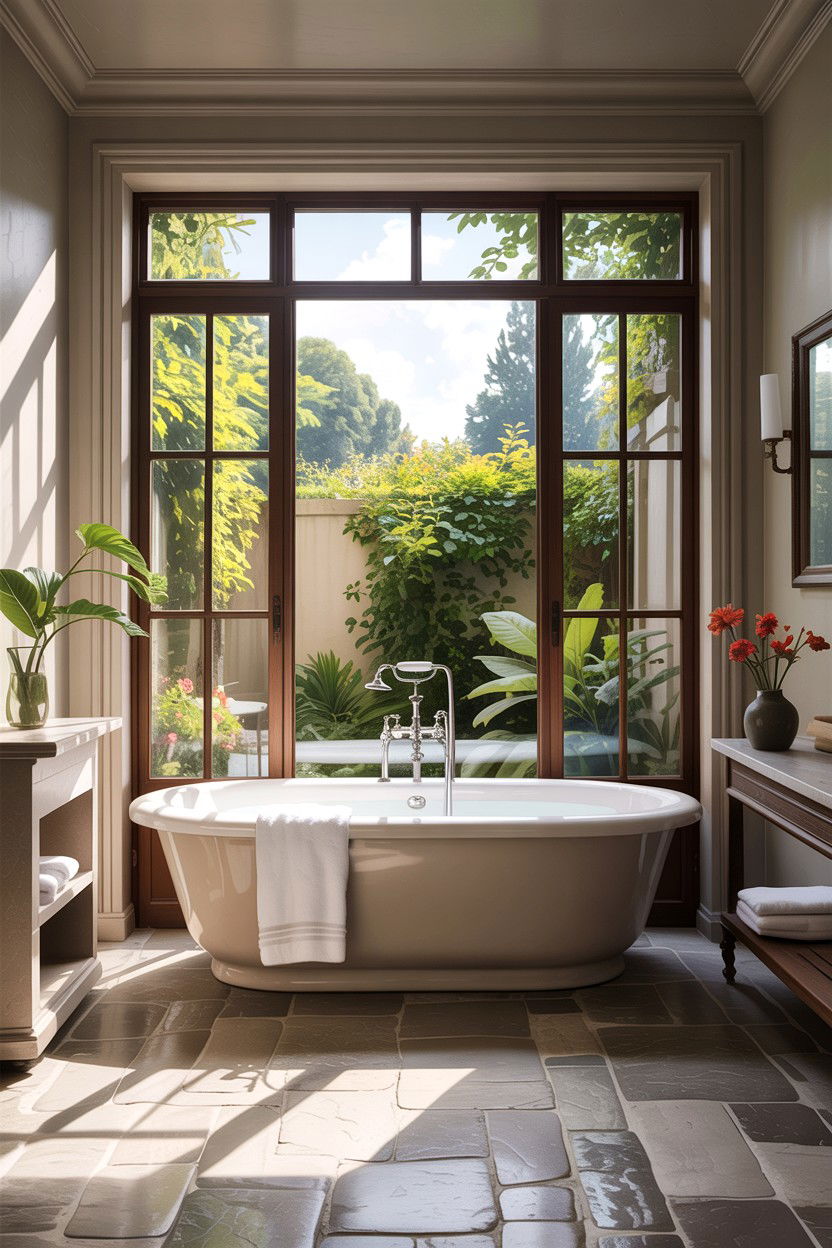
Designing your bathroom so that the freestanding tub has a direct view of a private garden or courtyard is the pinnacle of spa-like luxury. This "indoor-outdoor" connection uses nature as a calming backdrop, making the bathing experience feel like a true escape from the world. Large floor-to-ceiling glass doors or windows can be used to frame the greenery, while a small deck or patio outside can extend the visual space. Adding potted plants inside the bathroom further blurs the line between the two environments. This layout prioritizes tranquility and wellness, turning your daily bath into a refreshing, nature-filled ritual that feels incredibly peaceful.
25. Back To Wall Tub
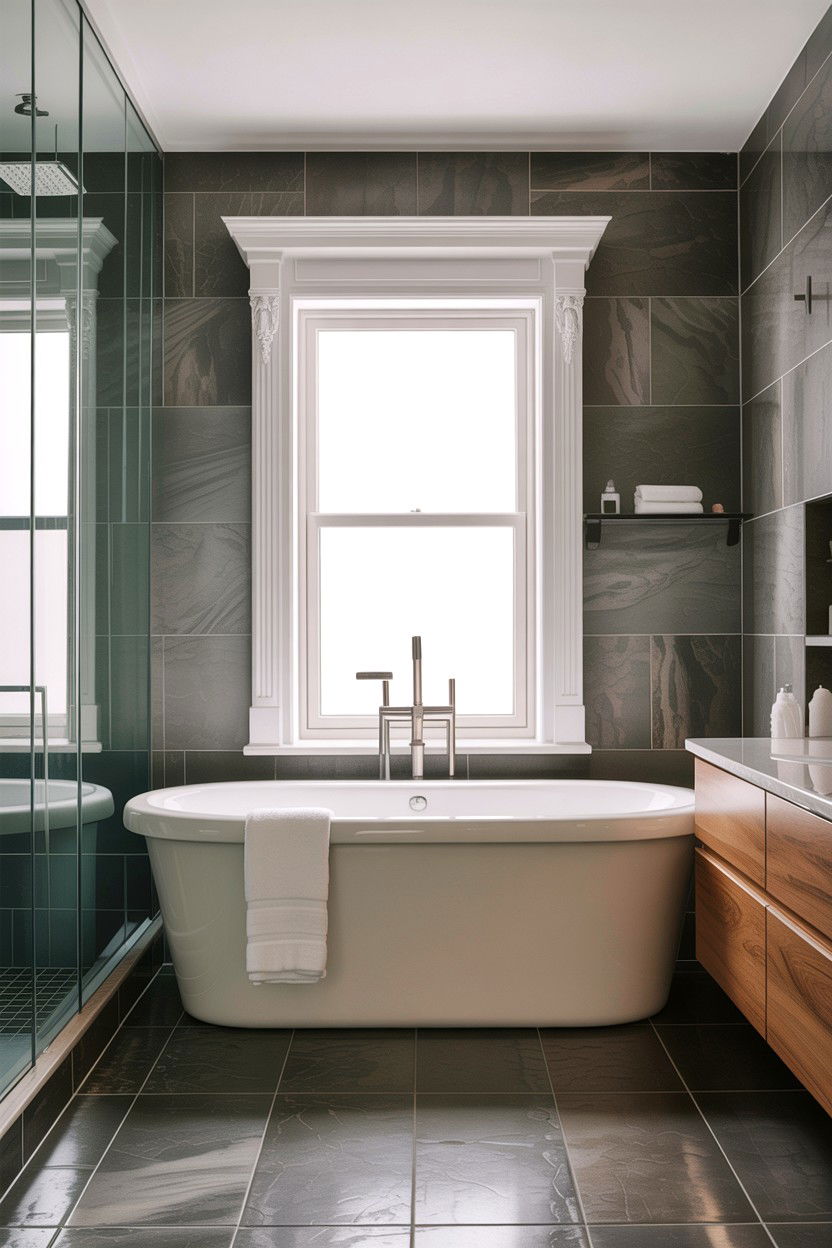
The back to wall freestanding tub is a clever hybrid design that offers the sculptural look of a standalone tub with the space-saving benefits of a built-in model. One side of the tub is flat and sits directly against the wall, while the other three sides feature the elegant curves of a freestanding unit. This is an ideal solution for smaller bathrooms where you want the "wow factor" of a freestanding piece but need to manage a tight layout. It also makes cleaning much easier, as there is no narrow gap behind the tub to reach. It provides a clean, modern, and highly practical design.
26. Acrylic Freestanding Tub
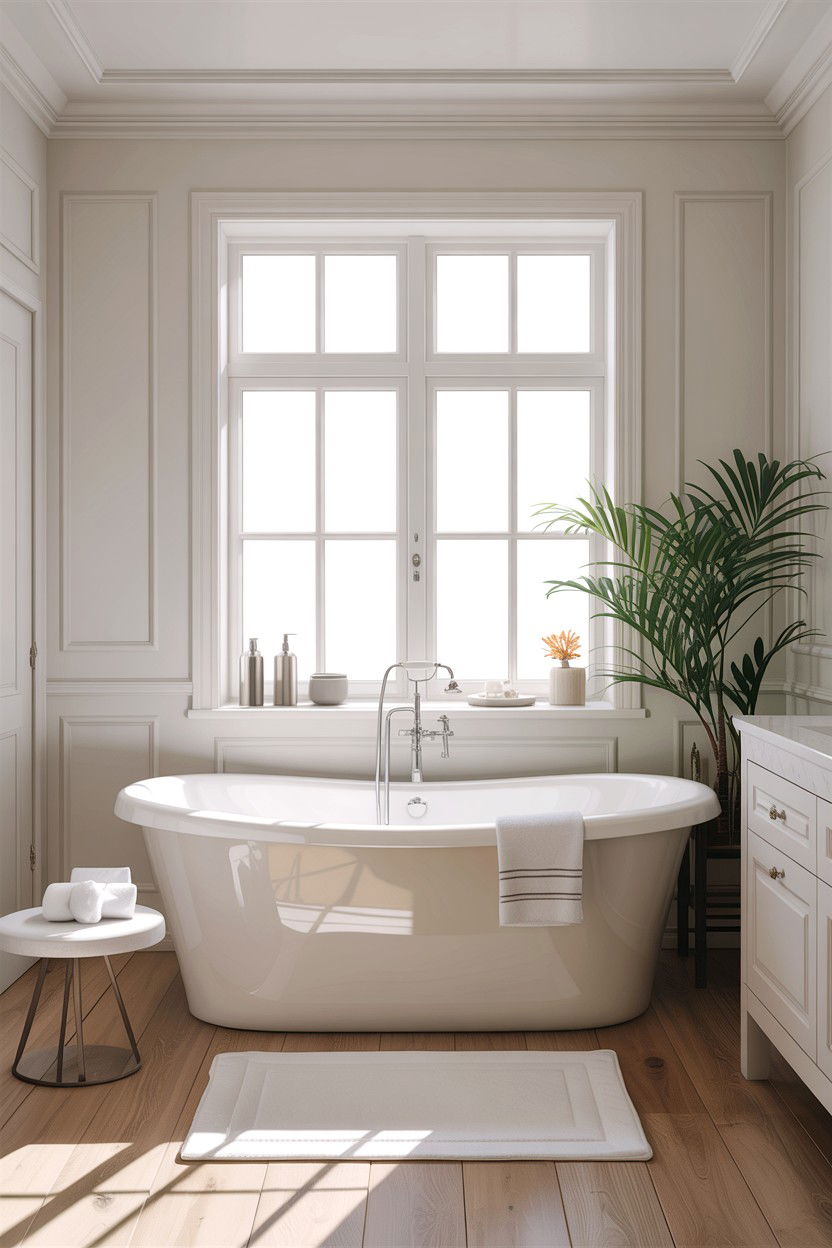
Acrylic is the most popular material for freestanding tubs today because it is lightweight, durable, and highly versatile. These tubs are easy to install, making them a great option for second-story bathrooms where the weight of stone or cast iron might be a concern. Acrylic also has excellent heat retention properties, keeping your bath water warm for longer. Because the material can be molded into almost any shape, you can find acrylic tubs in a vast range of styles, from ultra-modern minimalist designs to vintage-inspired slipper shapes. It is a cost-effective way to achieve a high-end look without the maintenance or weight of natural stone.
27. Cast Iron Tub
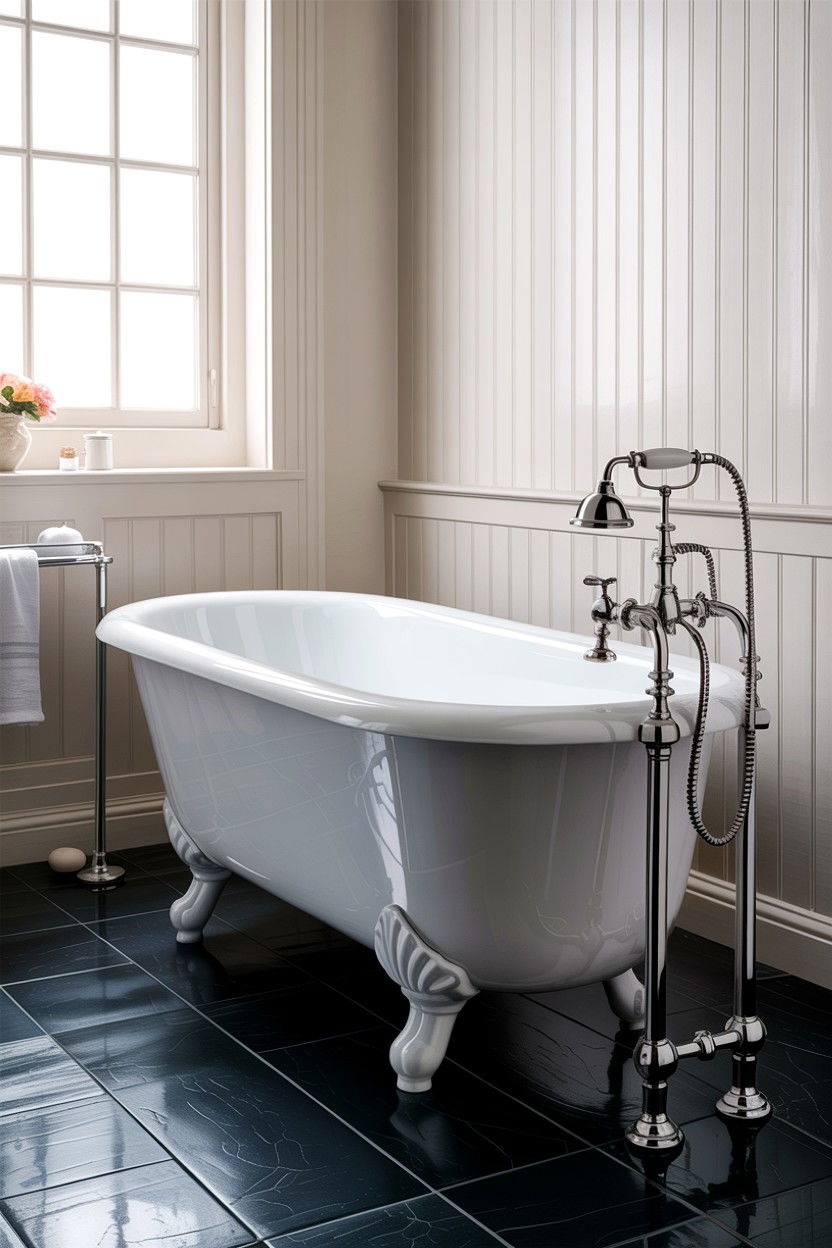
A cast iron freestanding tub is a lifetime investment, known for its incredible durability and classic appeal. These tubs are finished with a thick layer of porcelain enamel, which is resistant to scratching and chemicals, ensuring the tub stays looking new for decades. One of the biggest advantages of cast iron is its ability to retain heat; once the tub is warmed up, it keeps the water hot for a very long time. While they are heavy and may require floor reinforcement, the solid feel and timeless look of a cast iron tub provide a sense of luxury and quality that is hard to beat in traditional homes.
28. Tub Near Fireplace
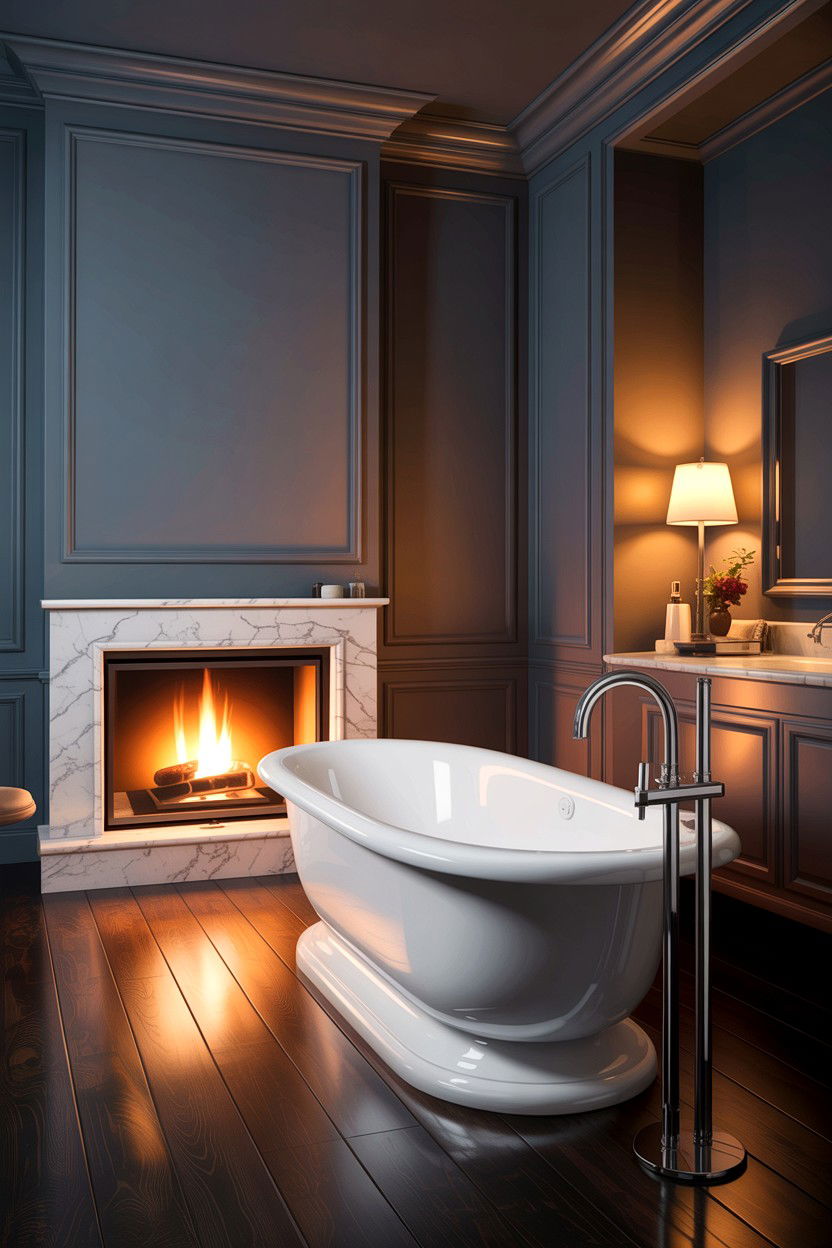
Placing a freestanding tub near a fireplace is the ultimate way to create a cozy and romantic bathroom retreat. The warmth and flickering light of the fire add a layer of comfort that makes a long soak feel even more indulgent, especially during the colder months. This design choice is often found in high-end master suites where the bathroom and bedroom are integrated. Whether you choose a traditional wood-burning hearth or a modern, sleek gas fireplace, the combination of fire and water creates a balanced and elemental atmosphere. It turns the bathroom into a destination for relaxation, rather than just a place for hygiene.
29. Infinity Edge Tub
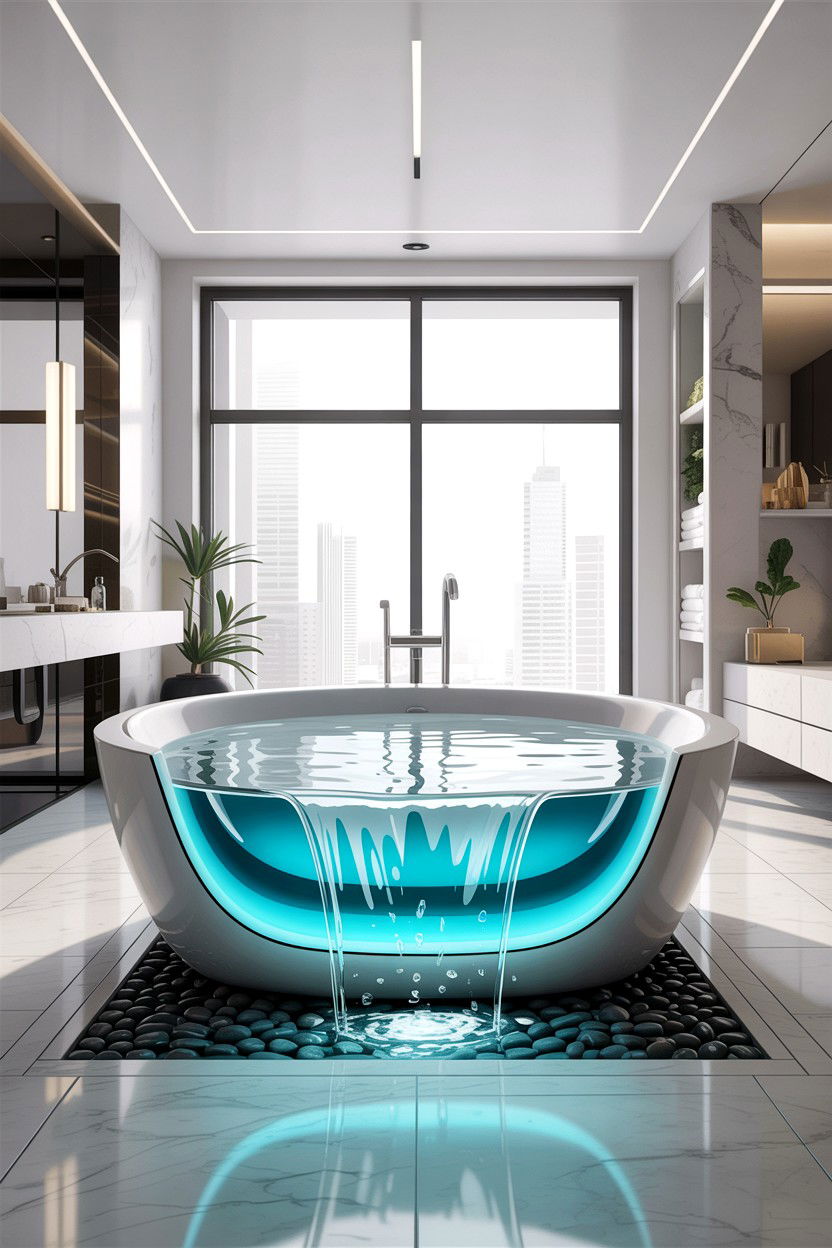
An infinity edge freestanding tub, also known as an overflow tub, creates a stunning visual effect where the water appears to spill over the sides. These tubs are designed with a hidden gutter system that catches the overflowing water and recirculates it, allowing you to fill the tub to the very top for a truly immersive experience. This style is inspired by luxury infinity pools and offers a modern, high-tech approach to bathing. The constant sound of gently trickling water adds a therapeutic, spa-like quality to the room. It is a cutting-edge design choice for those who want the latest in bathroom innovation and luxury.
30. Tub Under Skylight
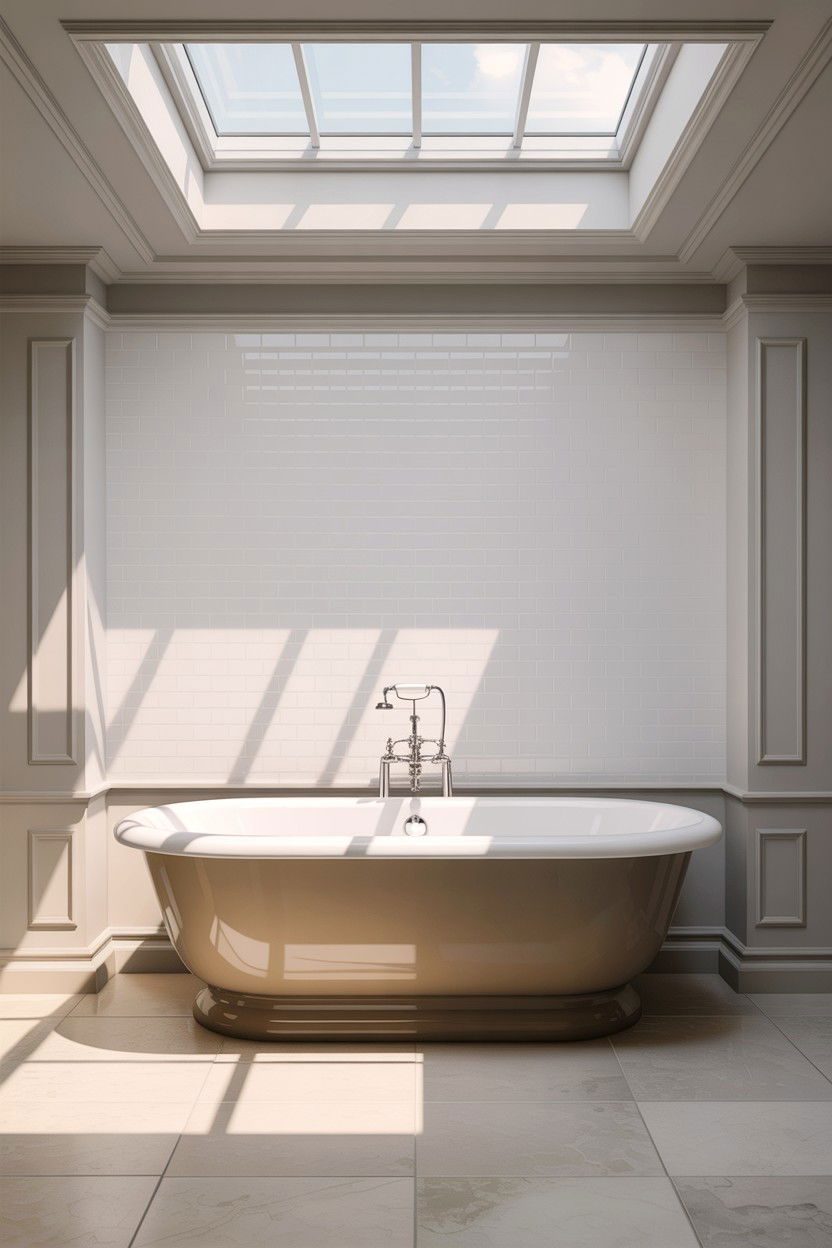
Installing a freestanding tub directly under a skylight is a brilliant way to flood the bathroom with natural light while maintaining complete privacy. During the day, you can watch the clouds drift by, and at night, you can stargaze while soaking in warm water. This placement makes the bathroom feel much larger and airier, as it draws the eye upward toward the sky. It is a particularly effective strategy for bathrooms that lack traditional windows or are located in the center of the house. The changing light throughout the day creates a dynamic and beautiful environment that enhances the overall mood of the space.
Conclusion:
Investing in a freestanding tub is a transformative design decision that elevates the functionality and aesthetic value of your home. As we have explored, these fixtures are more than just places to bathe; they are sculptural centerpieces that define the character of a room. From the rustic warmth of copper to the sleek modernity of matte black and the timeless elegance of marble, there is a style to suit every personal taste and interior vision. By thoughtfully considering placement, materials, and surrounding elements like lighting and flooring, you can create a bespoke sanctuary that promotes relaxation and wellness every single day in your own home.
Related posts:
Leave a Reply