

Integrating a greywater system into your bathroom is one of the most impactful steps you can take toward a sustainable lifestyle. As water scarcity becomes a global concern, homeowners are looking for innovative ways to recycle every drop. These systems capture water from sinks and showers, treating it for reuse in toilets or garden irrigation. Not only does this reduce your utility bills, but it also lessens the burden on municipal sewage systems. This comprehensive guide explores various ways to implement these eco-friendly solutions, ranging from simple DIY setups to advanced automated technologies that blend seamlessly with modern interior aesthetics for a greener home and a more efficient household.
1. Sink to toilet recycling
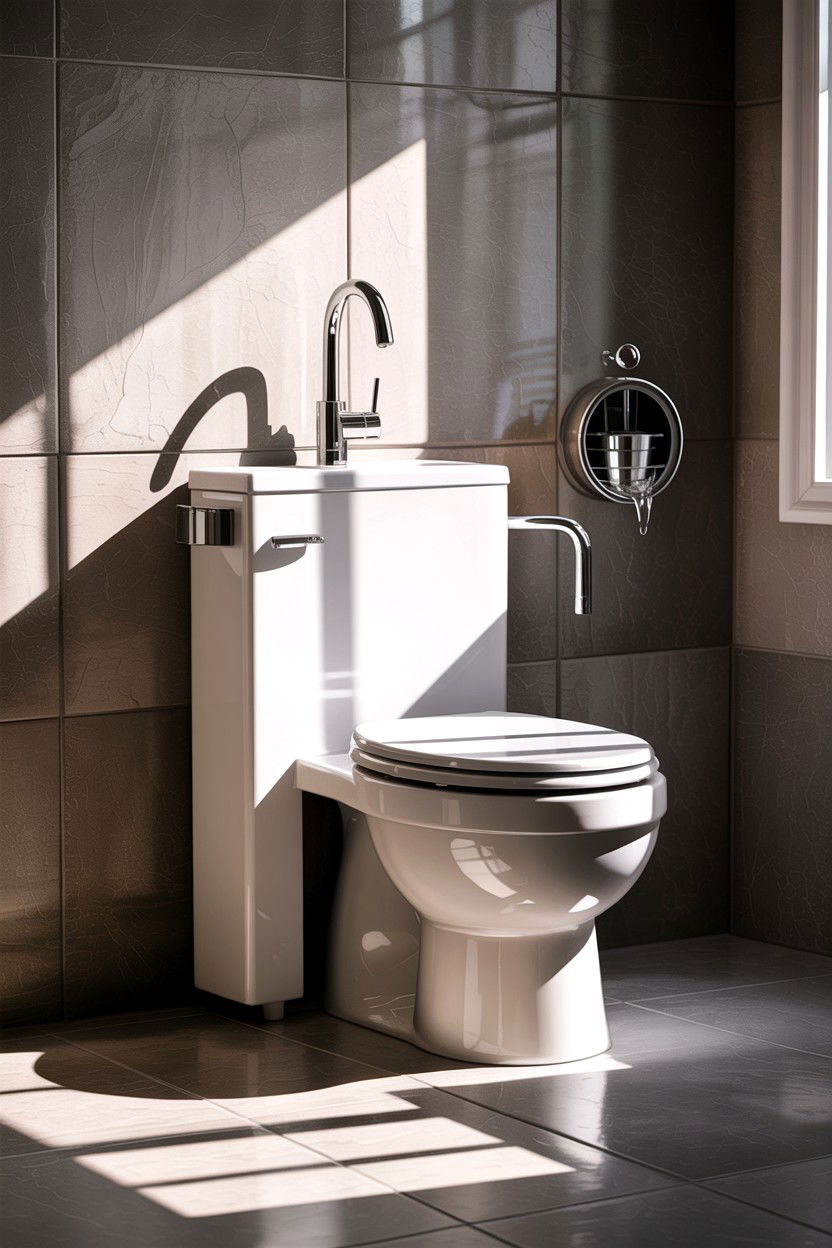
Have you ever considered how much clean water is wasted every time you flush? A sink to toilet recycling system solves this by capturing water from your bathroom vanity and storing it in the toilet tank for the next flush. This clever setup typically involves a small filtration unit tucked neatly under the sink or integrated directly into the toilet lid. It is a fantastic option for small bathrooms where space is limited but conservation is a priority. Most units are easy to install and require minimal maintenance, making them a popular choice for renters and homeowners alike who want to see immediate results in their water savings and environmental footprint.
2. Shower water filtration system
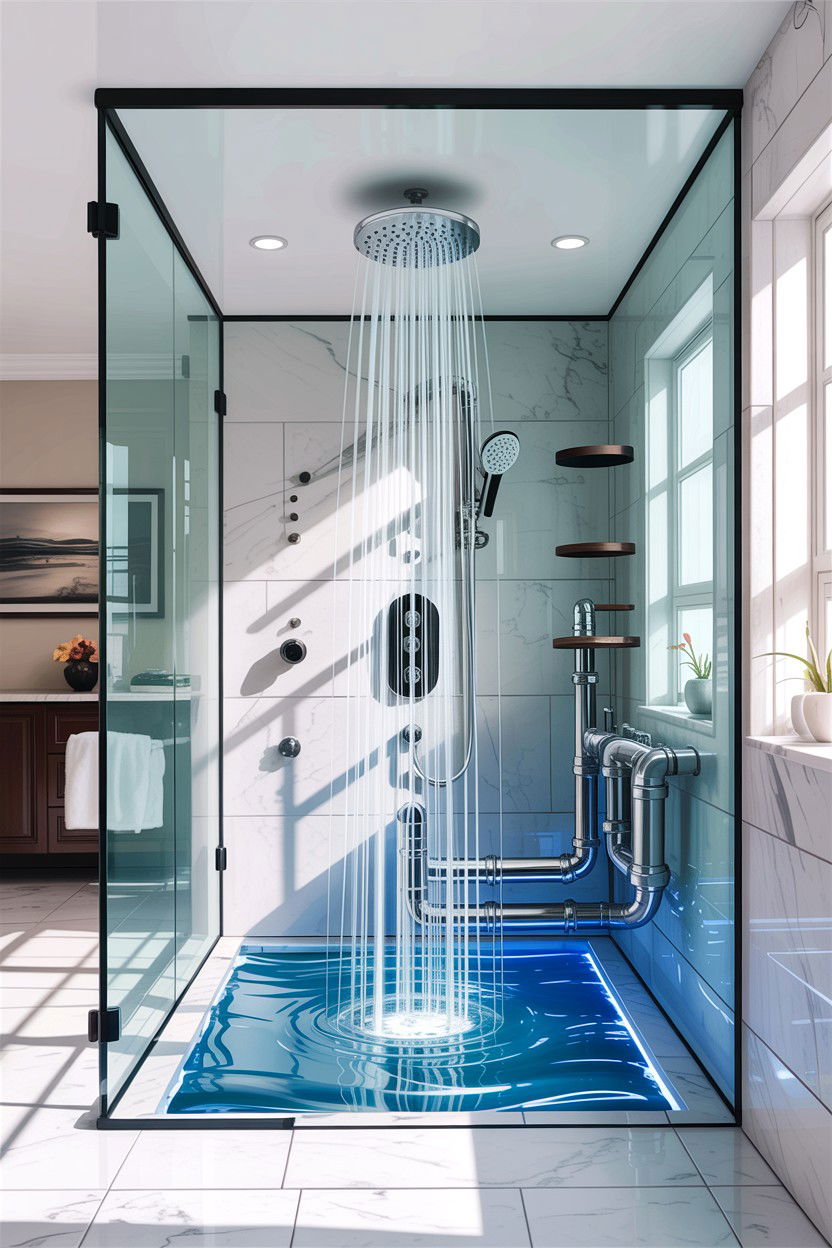
Imagine stepping into a luxurious shower knowing that every gallon you use will eventually nourish your outdoor landscape. A dedicated shower water filtration system captures the soapy runoff, passes it through a series of filters to remove hair and debris, and then treats it for safe reuse. This type of setup is often installed beneath the floorboards or in a crawl space to keep the bathroom looking sleek and uncluttered. By choosing high-quality components, you ensure that the recycled water is clean enough for subsurface irrigation. It is a brilliant way to maintain a lush garden without guilt during the hot summer months or drought periods.
3. Greywater garden irrigation
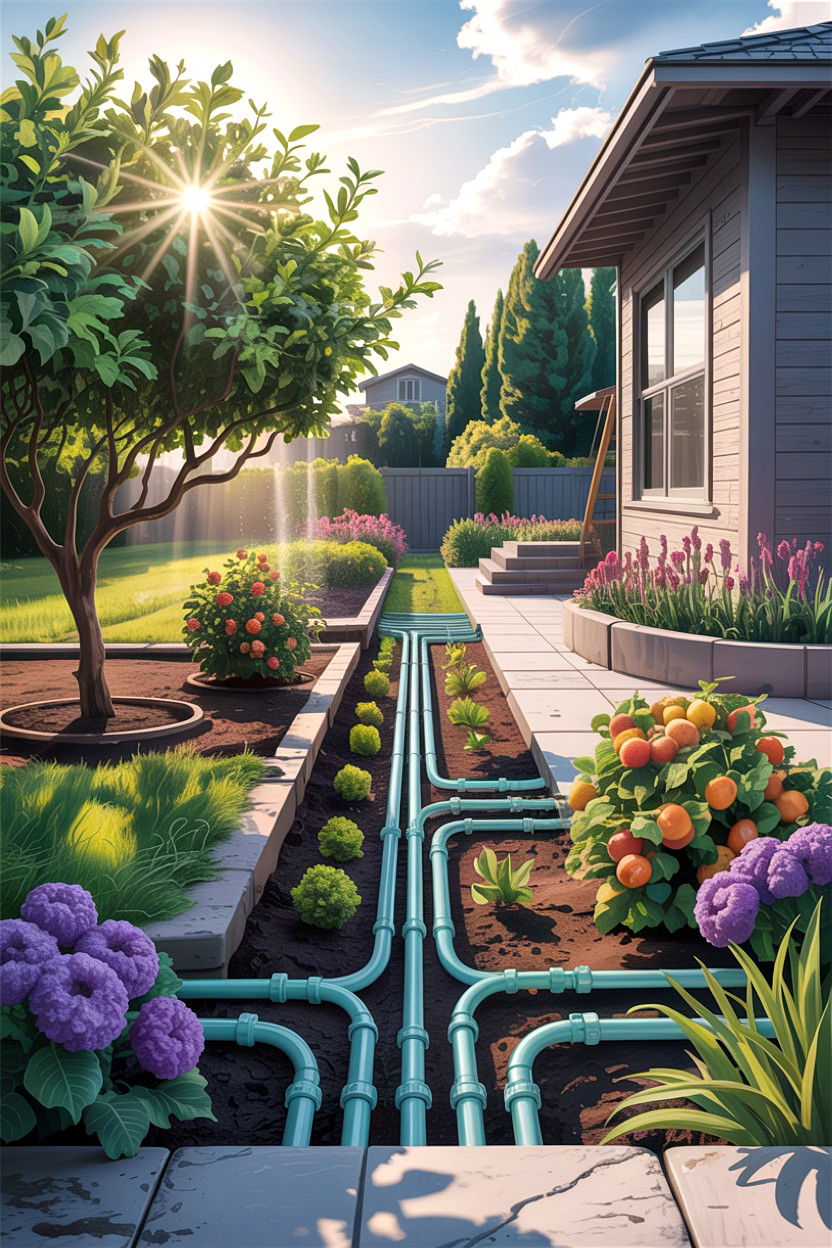
Transforming your bathroom waste into a resource for your backyard is a rewarding project for any gardener. Greywater garden irrigation systems bypass the sewer line entirely, sending shower and sink water through a series of pipes directly to your plants. This method is particularly effective for fruit trees and ornamental shrubs that thrive on the extra nutrients found in mildly used water. To ensure success, you must use biodegradable, plant-friendly soaps that won't harm the soil chemistry over time. It is a natural, circular way to keep your outdoor space vibrant while significantly reducing your reliance on expensive municipal water for landscaping needs.
4. Eco friendly plumbing kit
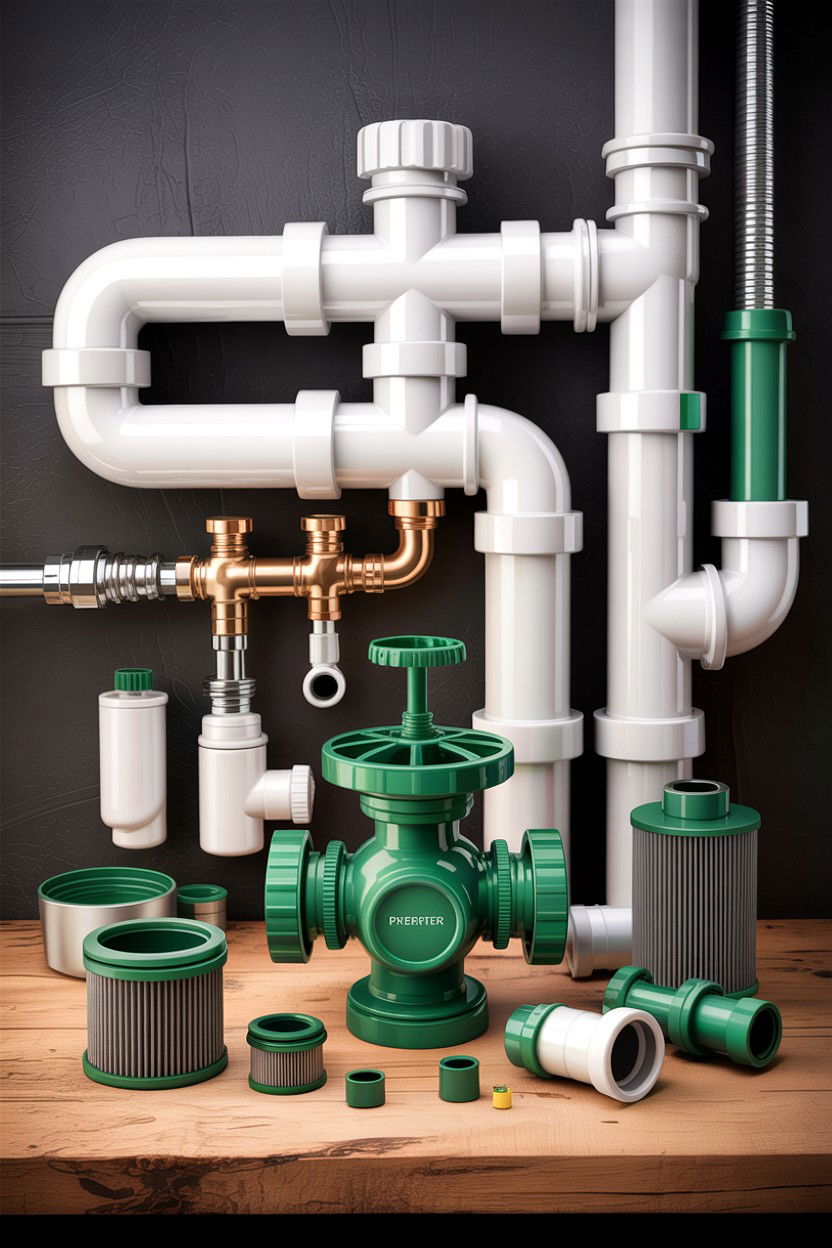
For those who prefer a streamlined installation, an eco friendly plumbing kit provides all the necessary components in one package. These kits usually include diverter valves, flexible piping, and specialized filters designed to handle the unique flow of greywater. They are engineered to be compatible with standard household plumbing, making the transition to a recycled system much simpler for DIY enthusiasts. By following the included instructions, you can quickly reroute your bathroom drainage to a storage tank or irrigation line. These kits are an excellent entry point for anyone looking to modernize their home’s water management without hiring a team of expensive contractors.
5. Gravity fed greywater system
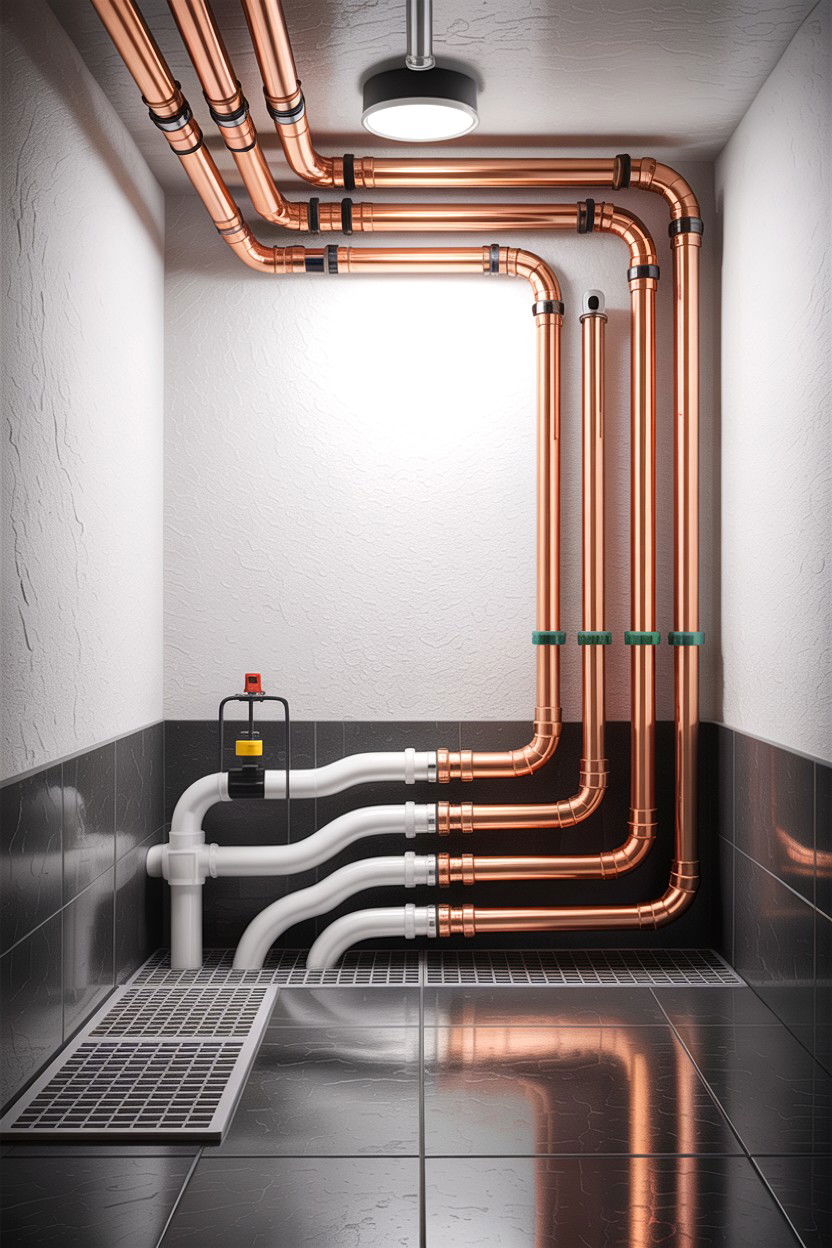
If your bathroom is located on an upper floor, a gravity fed greywater system is an incredibly efficient and low-maintenance choice. By utilizing the natural force of gravity, this design eliminates the need for electric pumps, which reduces energy consumption and potential mechanical failures. The water flows from the shower or sink down through a series of pipes to a lower-level storage area or directly into the garden. This simplicity is its greatest strength, as there are fewer moving parts to worry about. It is a perfect solution for hillside homes or multi-story residences aiming for a truly passive and sustainable plumbing layout.
6. Bathroom water conservation unit
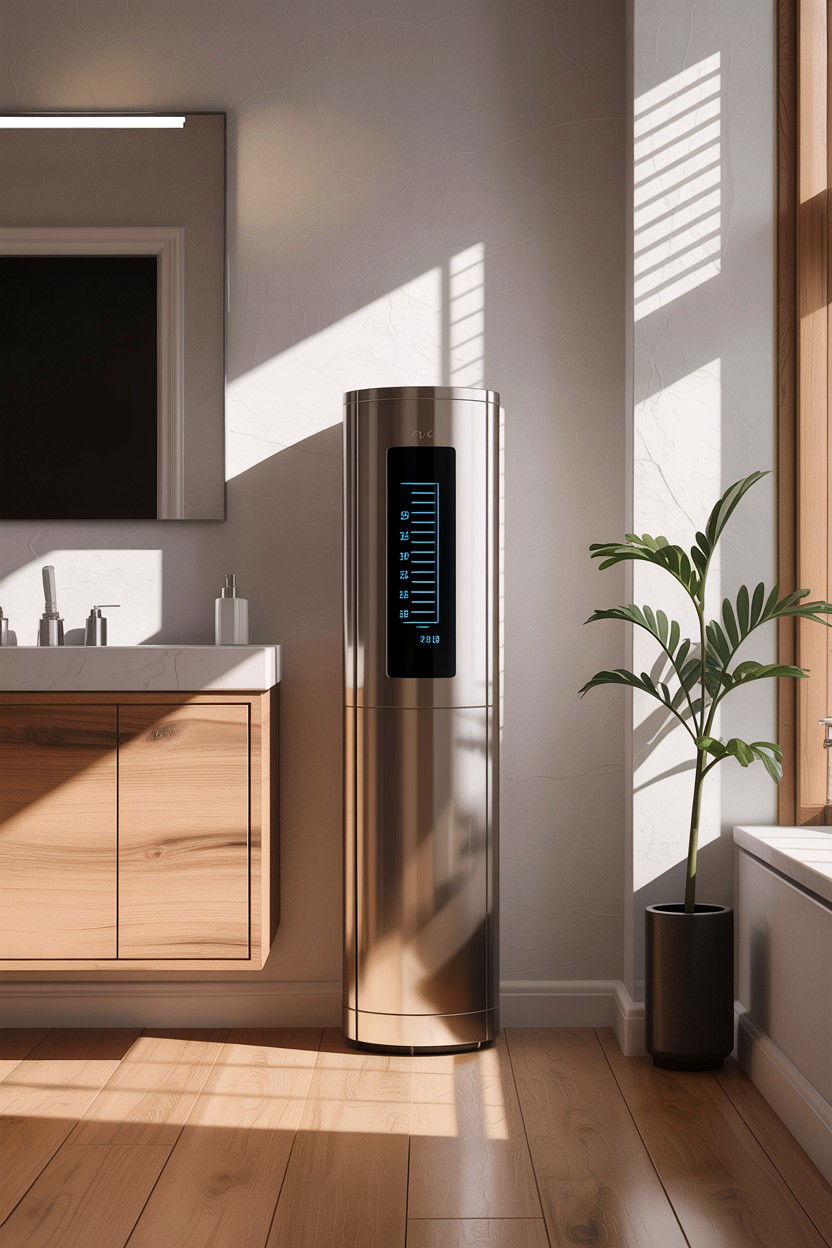
A comprehensive bathroom water conservation unit acts as the brain of your recycling efforts, managing the flow of water with precision. These units often feature advanced sensors that monitor water quality and tank levels, ensuring that only safe, filtered water is reused. Some models are designed to sit right next to the vanity, while others are hidden behind the wall for a minimalist look. They provide a high level of automation, switching back to fresh water automatically if the greywater supply runs low. Investing in such a unit is a smart move for homeowners who value convenience alongside their commitment to environmental stewardship.
7. Dual plumbing for greywater
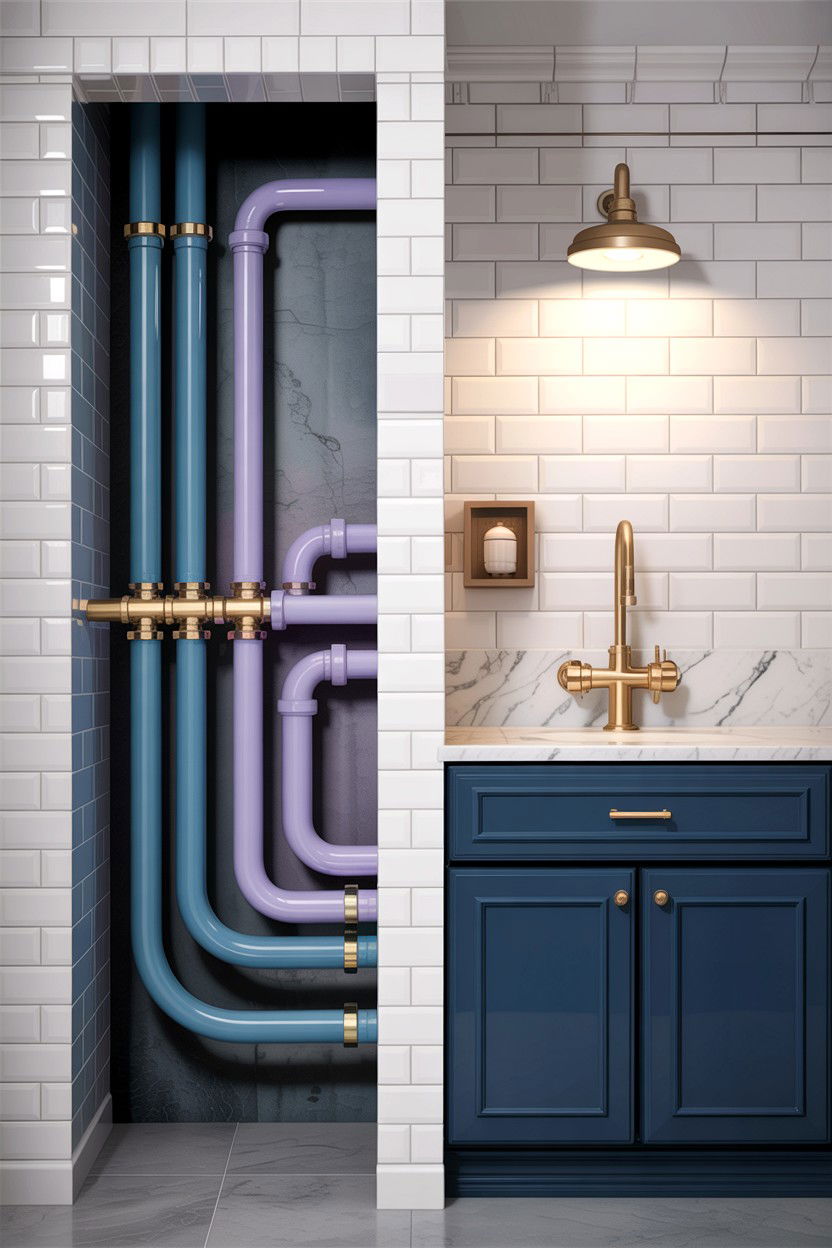
Implementing dual plumbing for greywater is a robust solution typically found in new constructions or major renovations. This design involves installing two separate sets of pipes: one for fresh potable water and another for recycled greywater. The secondary line feeds non-potable fixtures like toilets and outdoor spigots, ensuring that high-quality drinking water is never wasted on tasks that don't require it. While the initial installation can be more intensive, the long-term benefits are substantial. It creates a highly organized and permanent infrastructure that can significantly boost your home's resale value while providing a consistent and reliable source of recycled water.
8. Greywater storage tank
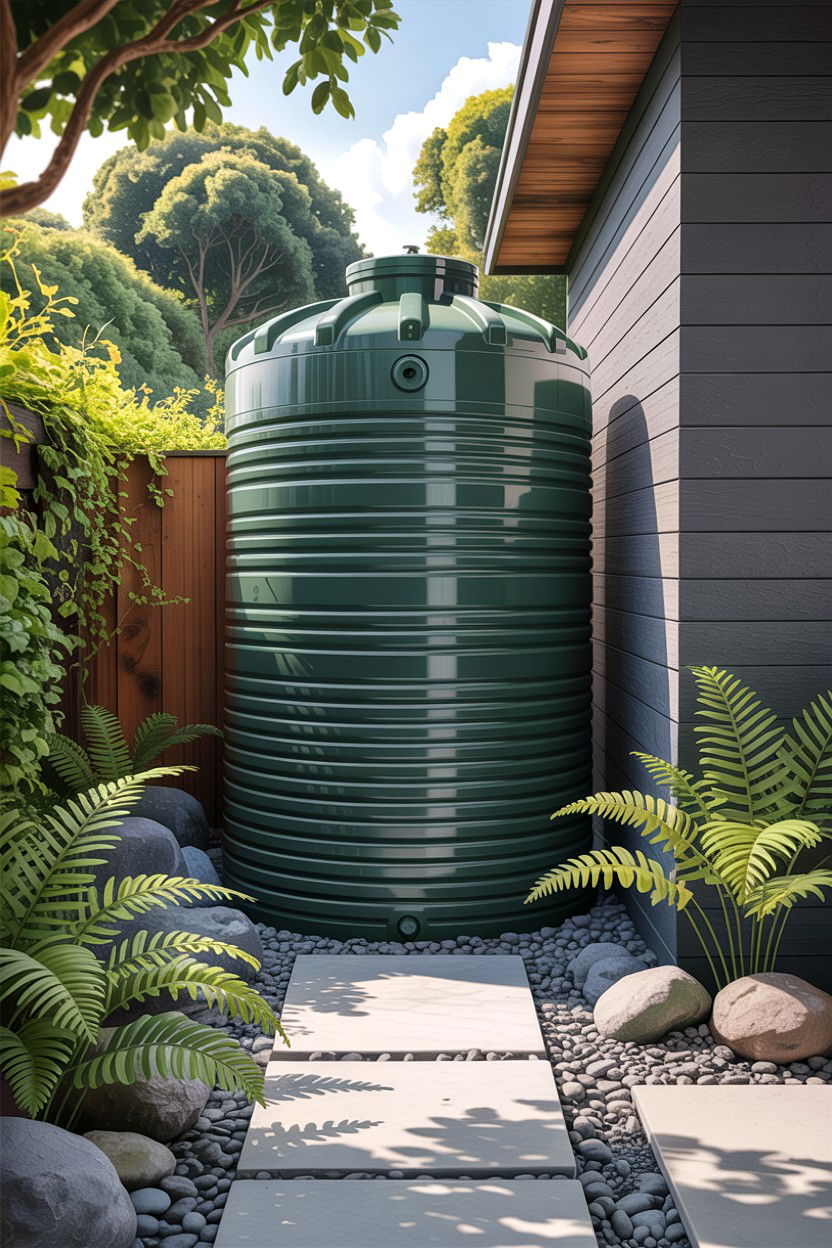
A sturdy greywater storage tank is the heart of any larger-scale recycling system, acting as a buffer between collection and use. These tanks are available in various sizes and materials, such as durable polyethylene or fiberglass, to suit different space requirements and climates. Because greywater should not be stored for more than twenty-four hours to prevent bacterial growth, these tanks are designed for rapid turnover. Many include built-in overflow protection and venting to keep the system safe and odor-free. Choosing the right tank size ensures you have enough water for your daily needs without creating a stagnant reservoir that requires heavy chemical treatment.
9. Sand filter for greywater
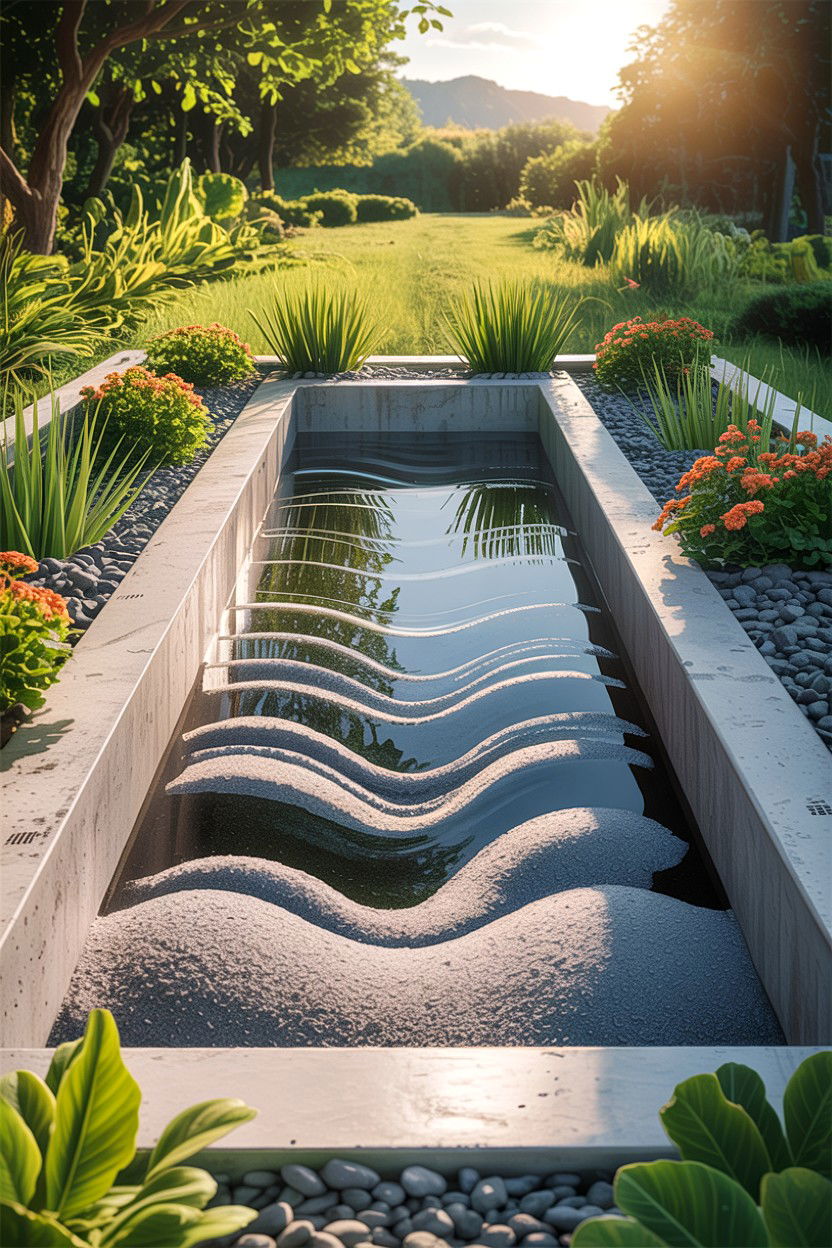
Utilizing a sand filter for greywater is a time-tested, natural method for purifying used bathroom water. This system works by passing the water through layers of fine sand and gravel, which physically trap particles and allow beneficial bacteria to break down organic matter. It is a low-tech yet highly effective way to ensure the water is clear enough for irrigation or toilet flushing. Sand filters are particularly popular in rural or off-grid settings where mechanical parts might be difficult to replace. They offer a sustainable, chemical-free filtration process that mimics the earth's natural water cycle, providing peace of mind and high-quality recycled water.
10. Compact greywater recycler
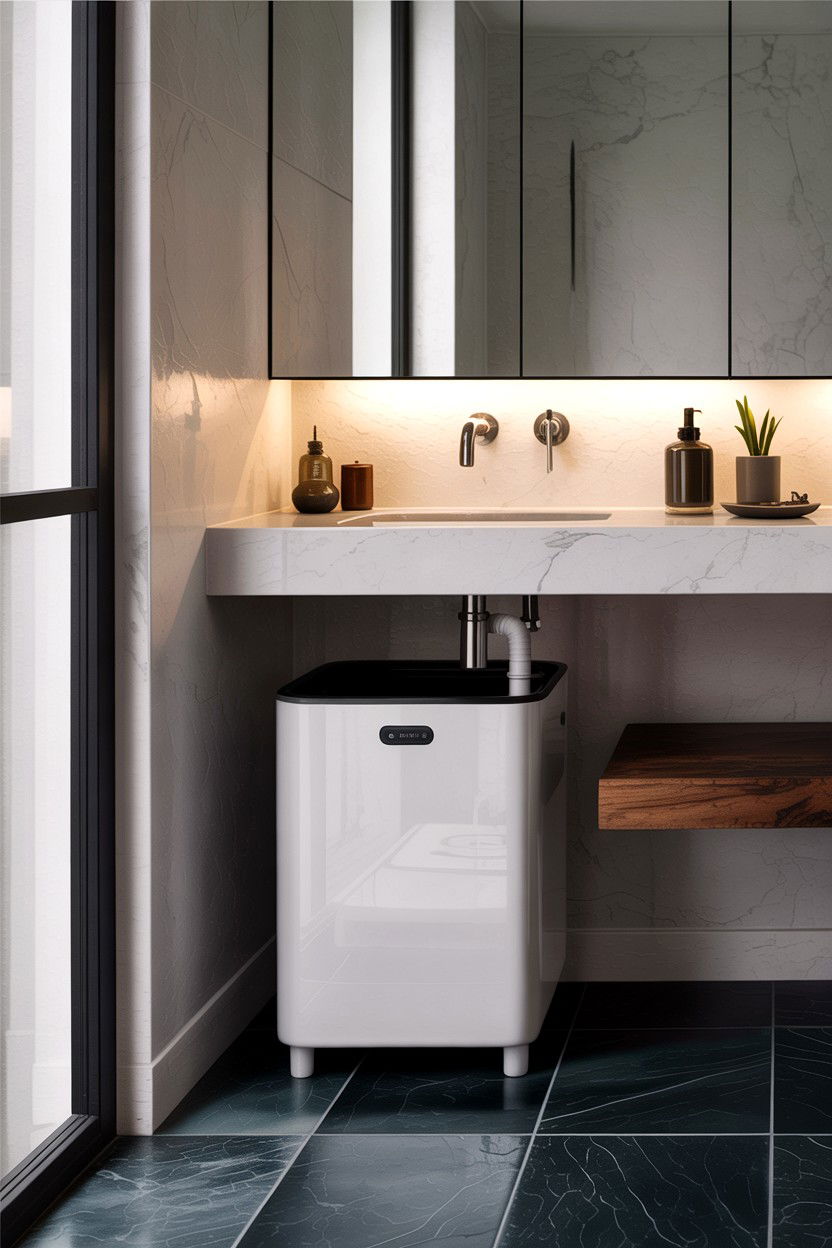
Living in an apartment or a small house shouldn't stop you from being eco-conscious, and a compact greywater recycler is the perfect solution. These space-saving devices are designed to fit into tight corners, under sinks, or even inside cabinetry. Despite their small footprint, they often pack advanced filtration and disinfection technologies to ensure the water is safe for reuse. Many modern designs feature sleek, aesthetic finishes that complement contemporary bathroom decor, proving that sustainability can be stylish. These units are ideal for urban dwellers who want to reduce their water footprint without sacrificing valuable floor space or disrupting their home’s clean, modern aesthetic.
11. Smart greywater monitor

In the age of the connected home, a smart greywater monitor provides valuable data and control over your water usage. These devices connect to your smartphone, allowing you to track exactly how much water you are saving in real-time. They can alert you to potential leaks, filter clogs, or when the system needs maintenance, preventing minor issues from becoming costly repairs. Some advanced monitors can even integrate with your smart garden irrigation system, adjusting the flow based on weather forecasts. It is an essential tool for the modern homeowner who wants to optimize their resource management through technology and precise data tracking.
12. Greywater mulch basin
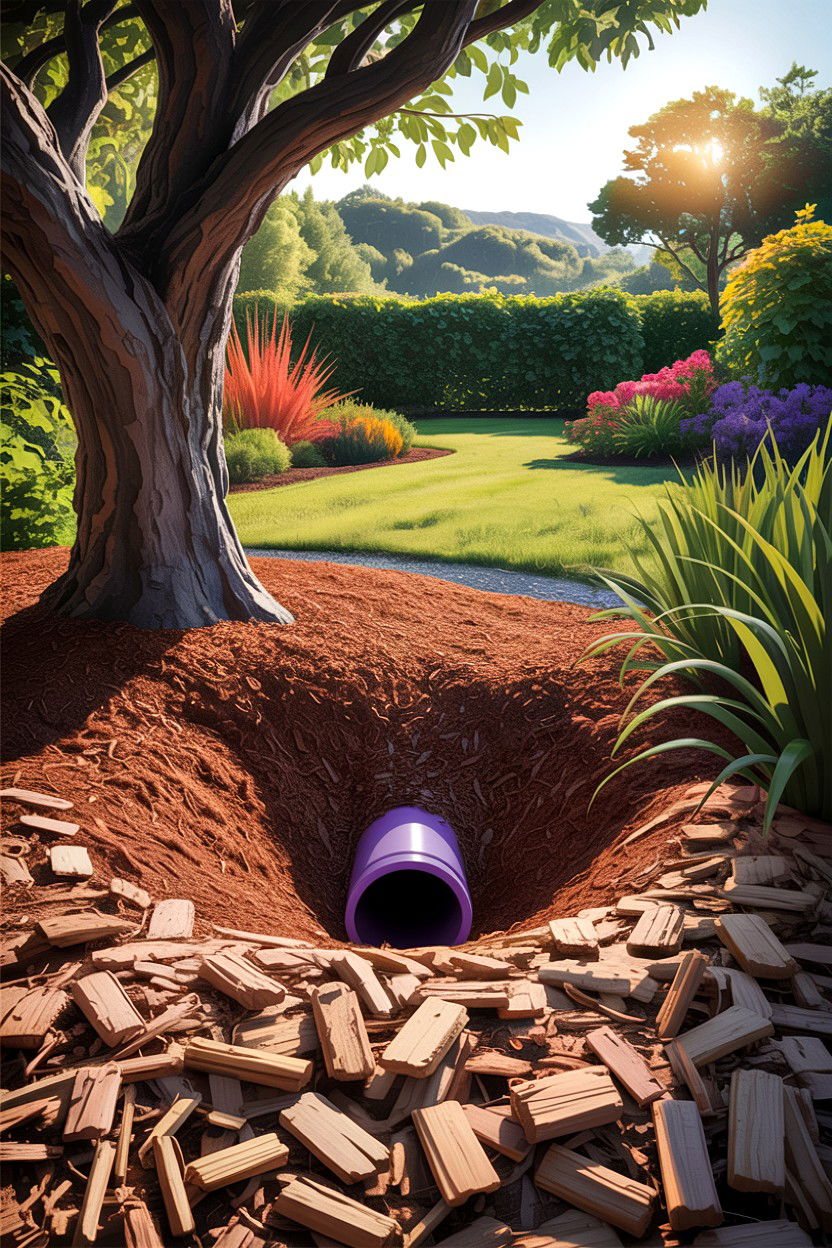
A greywater mulch basin is a simple yet effective outdoor component that works in tandem with your bathroom's drainage. By creating a shallow depression filled with wood chips or mulch near your plants, you provide a natural filter and distribution point for recycled water. The mulch slows the water down, allowing it to soak deep into the soil while preventing runoff and evaporation. This method is incredibly cost-effective and easy to maintain, as the mulch naturally breaks down and enriches the soil over time. It is a perfect DIY project for anyone looking to link their bathroom plumbing directly to a thriving, green landscape.
13. Pump driven greywater system
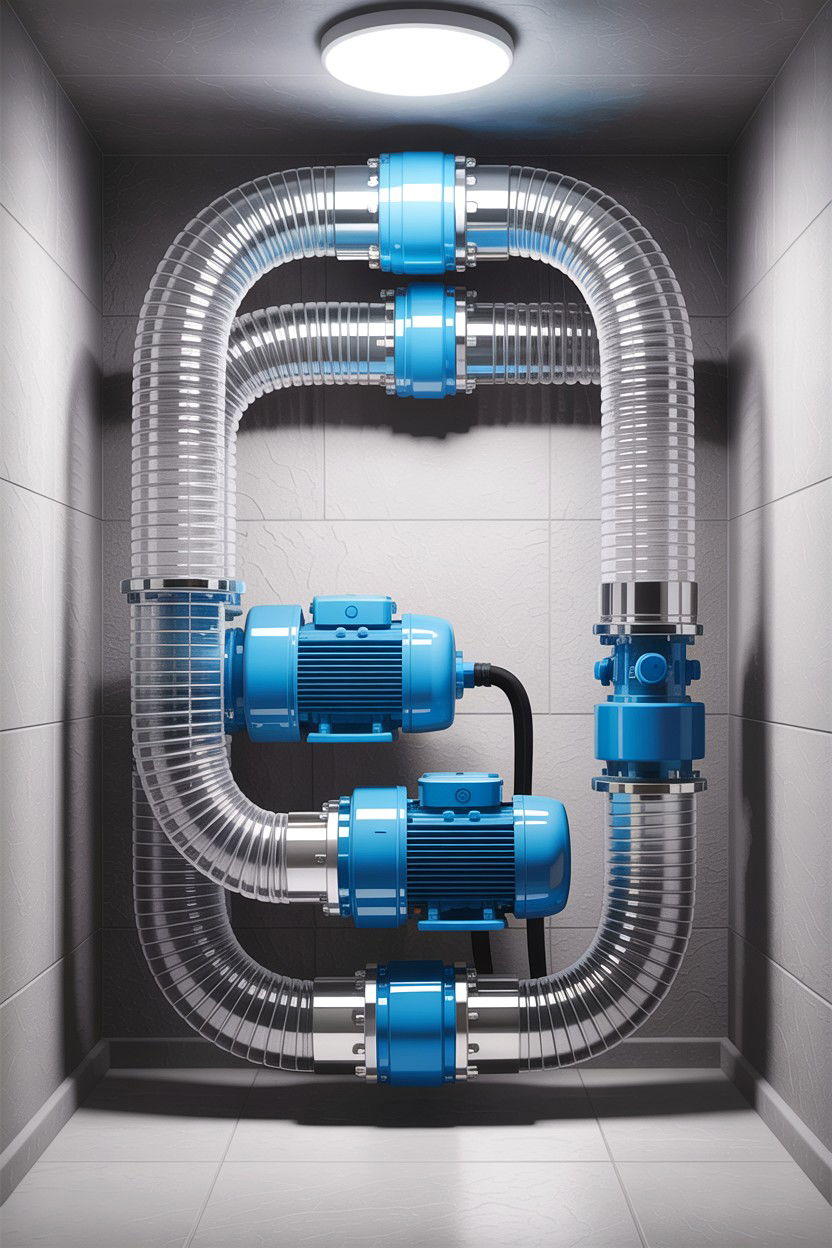
When your garden is uphill or your storage tank is far from the bathroom, a pump driven greywater system is necessary. These systems use a small, efficient pump to move filtered water to its destination, providing the pressure needed for drip irrigation or toilet flushing. Modern pumps are designed to handle the slightly soapy nature of greywater without clogging, and many include automated switches that activate only when the collection tank is full. While they require electricity, the amount used is minimal compared to the massive water savings achieved. This setup offers the ultimate flexibility in where and how you reuse your bathroom water.
14. Greywater diverter valve
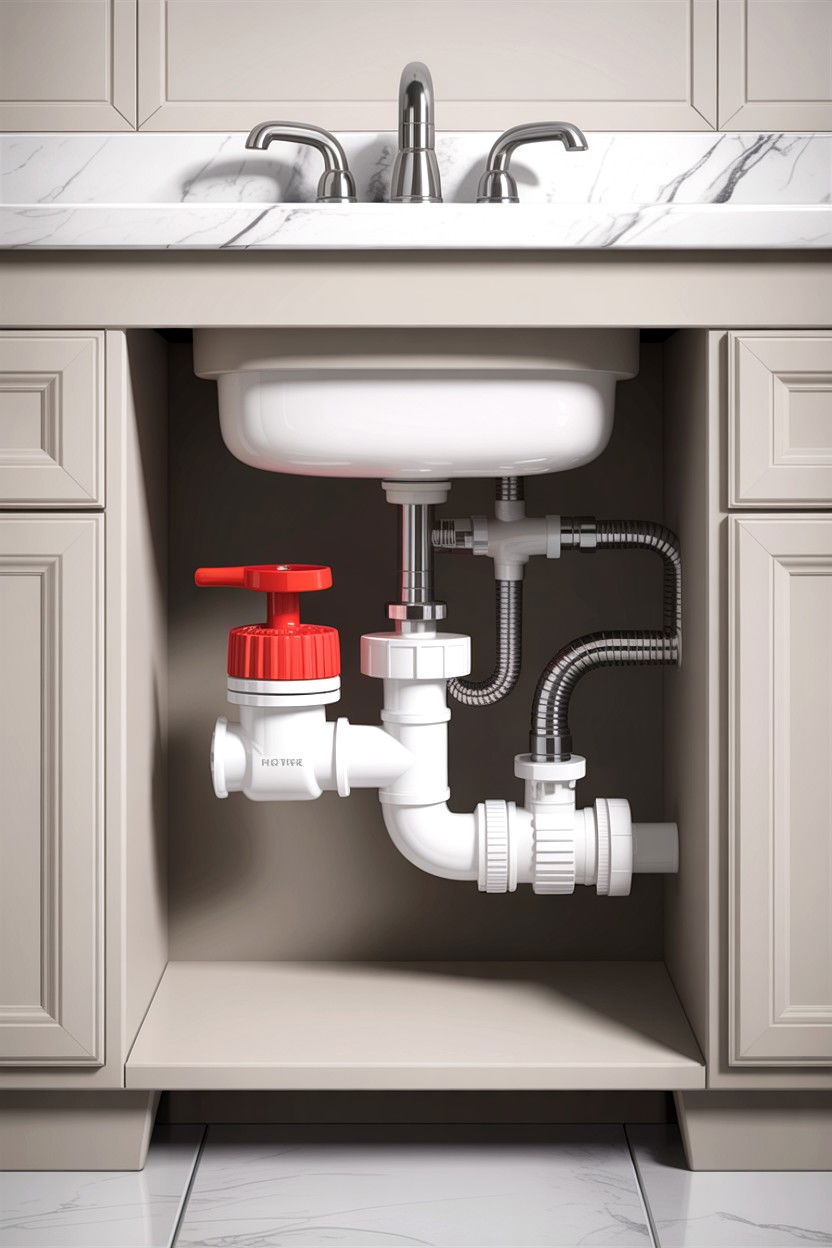
The greywater diverter valve is a critical safety component that gives you total control over your home's drainage. This simple lever or automated switch allows you to choose whether water from the bathroom goes into the recycling system or directly into the sewer. This is particularly useful if you are using harsh cleaning chemicals or if the ground is already saturated from heavy rain. By installing a high-quality diverter valve, you ensure that your system remains versatile and safe under all conditions. It is an inexpensive addition that provides peace of mind, knowing you can easily bypass the recycling loop whenever necessary.
15. Low flow greywater fixture
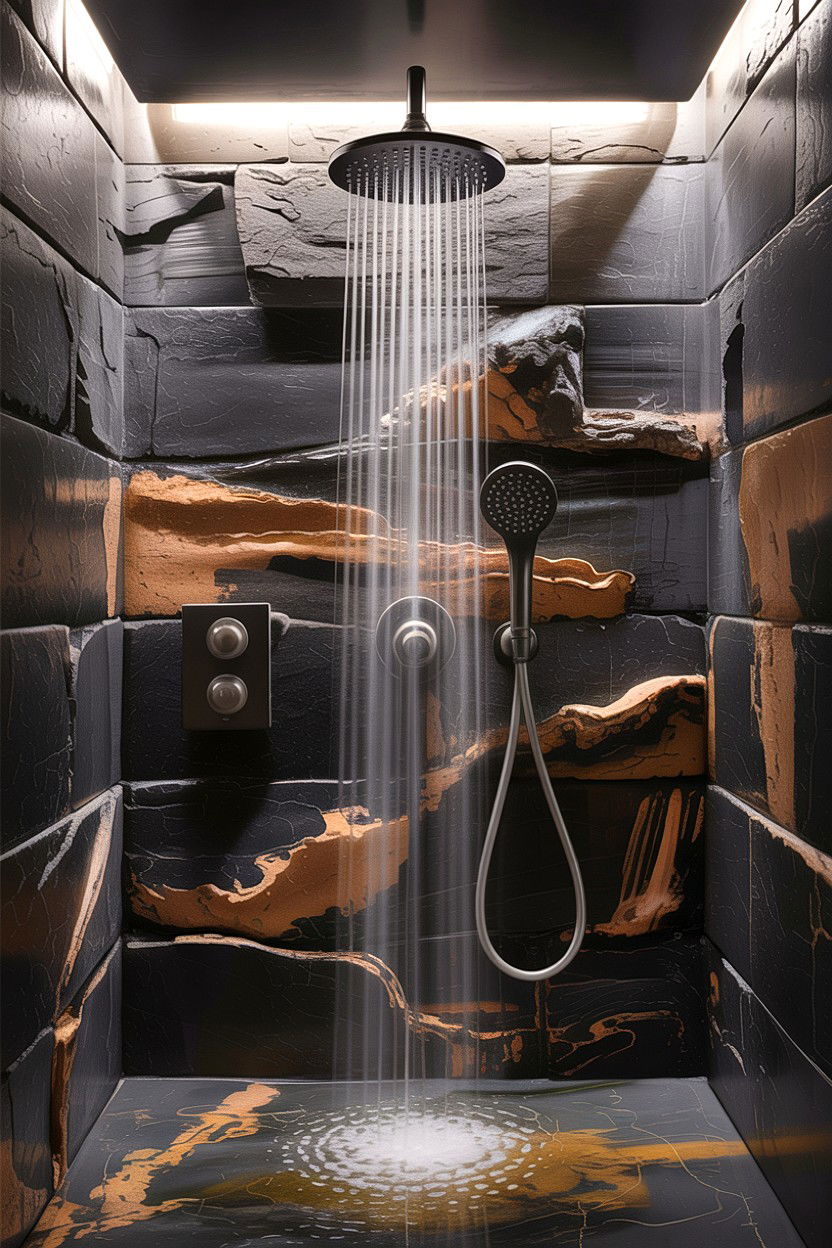
Starting your water conservation journey at the source is easy with a low flow greywater fixture. These showerheads and faucets are designed to provide a satisfying experience while using significantly less water than standard models. When combined with a recycling system, the impact is doubled: you use less water initially and then recycle what remains. Many modern low-flow fixtures use air-induction technology to maintain high pressure, so you won't even notice the difference in performance. They are available in a wide range of styles, from matte black to brushed gold, ensuring that your eco-friendly bathroom remains a beautiful and relaxing sanctuary for your family.
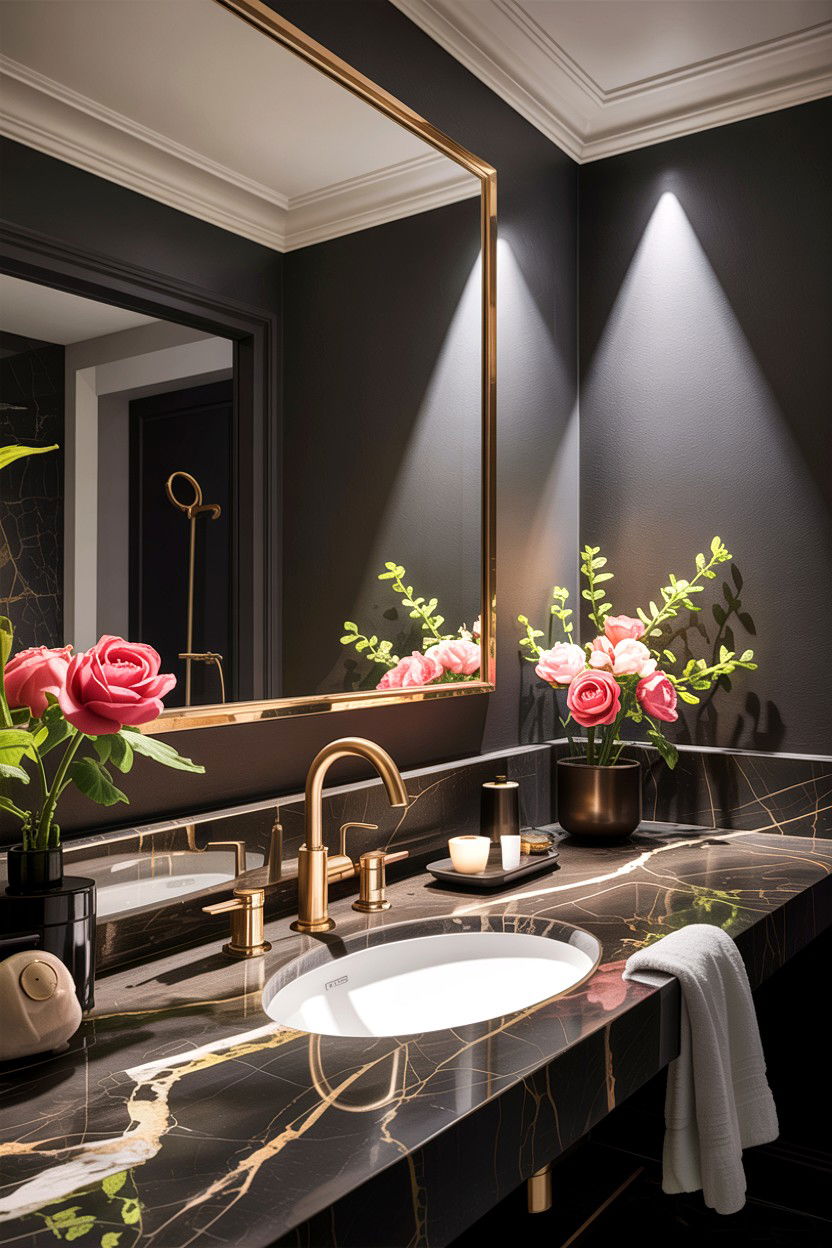
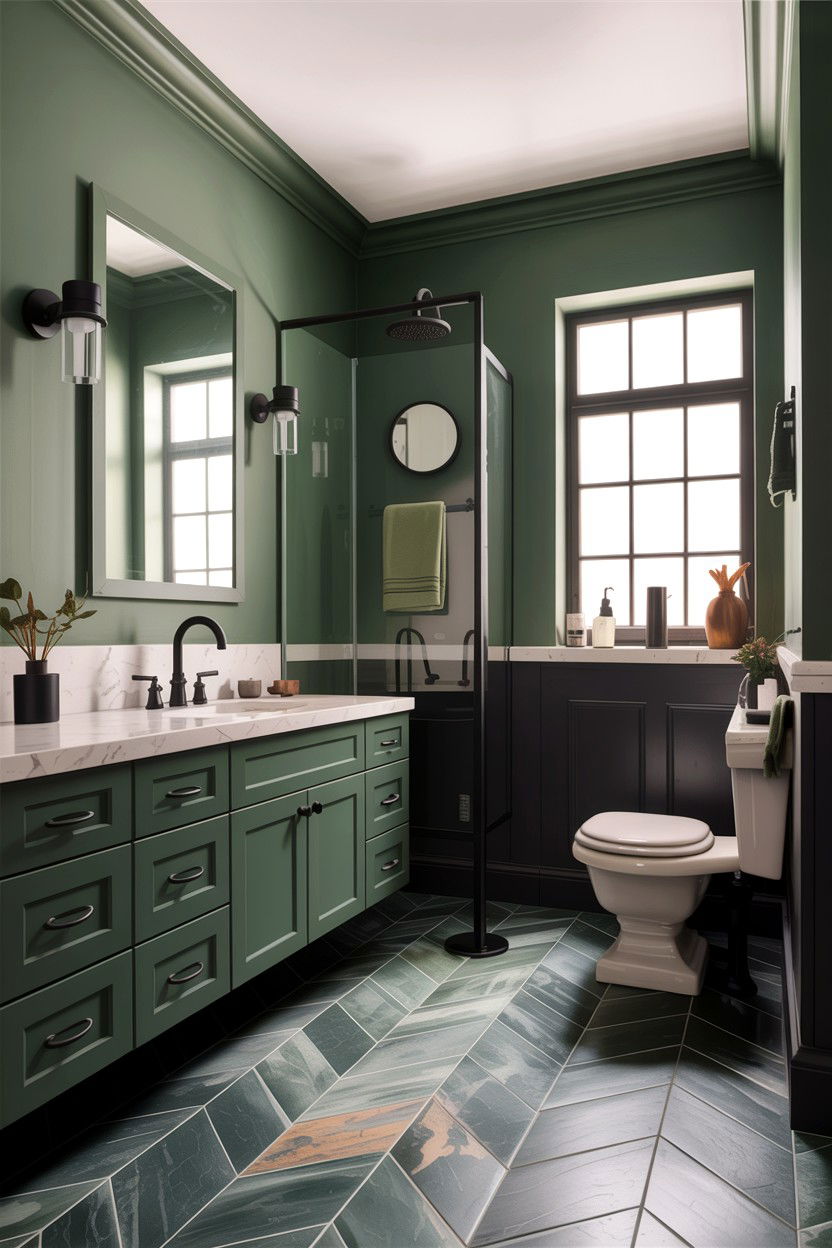
16. Greywater reed bed
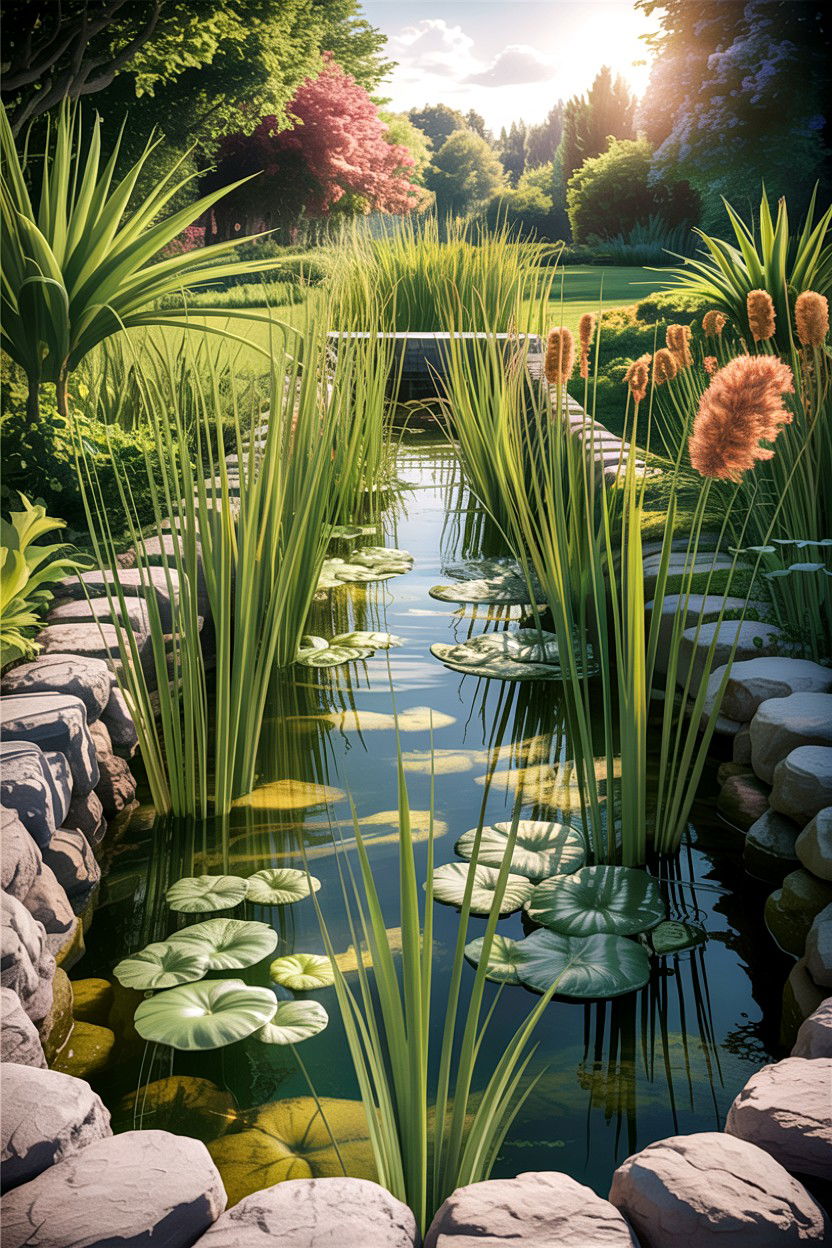
For those with a bit more outdoor space, a greywater reed bed offers a beautiful and biological way to treat bathroom runoff. This system uses specific aquatic plants, like reeds and rushes, to naturally filter and purify the water as it flows through their root zones. The plants absorb nutrients and oxygenate the water, creating a mini-ecosystem that is both functional and visually stunning. Reed beds are excellent for handling larger volumes of water and can become a focal point in a sustainable garden design. They provide a high level of treatment, often producing water clear enough for a variety of non-potable outdoor uses.
17. Sustainable bathroom renovation
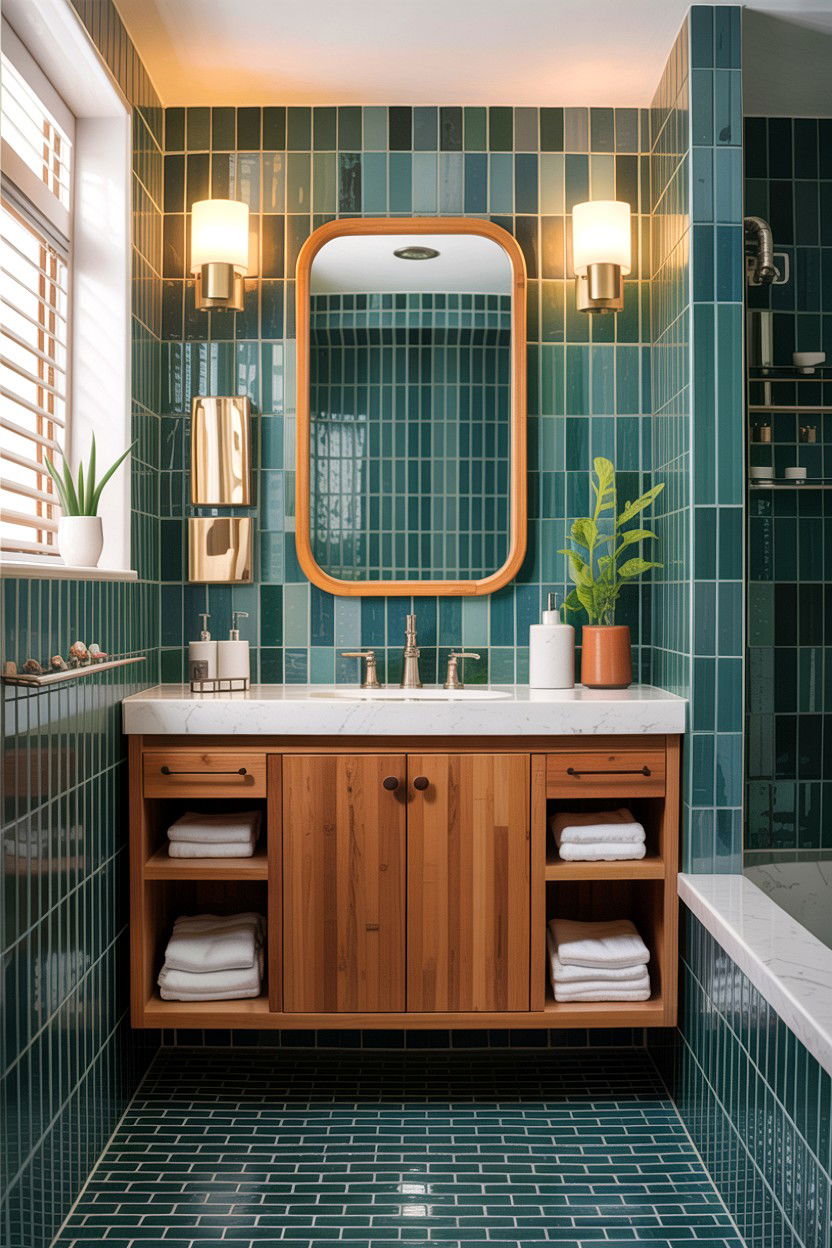
Planning a sustainable bathroom renovation is the perfect opportunity to integrate a greywater system from the ground up. By working with eco-conscious designers and plumbers, you can ensure that all the necessary pipes and tanks are hidden behind the walls and under the floors. This holistic approach allows for the most efficient layout, minimizing the distance water has to travel and maximizing your savings. You can also choose materials like recycled glass tiles and bamboo vanities to further enhance the room's green credentials. A well-planned renovation results in a bathroom that is not only beautiful but also a model of modern resource efficiency.
18. Greywater heat recovery
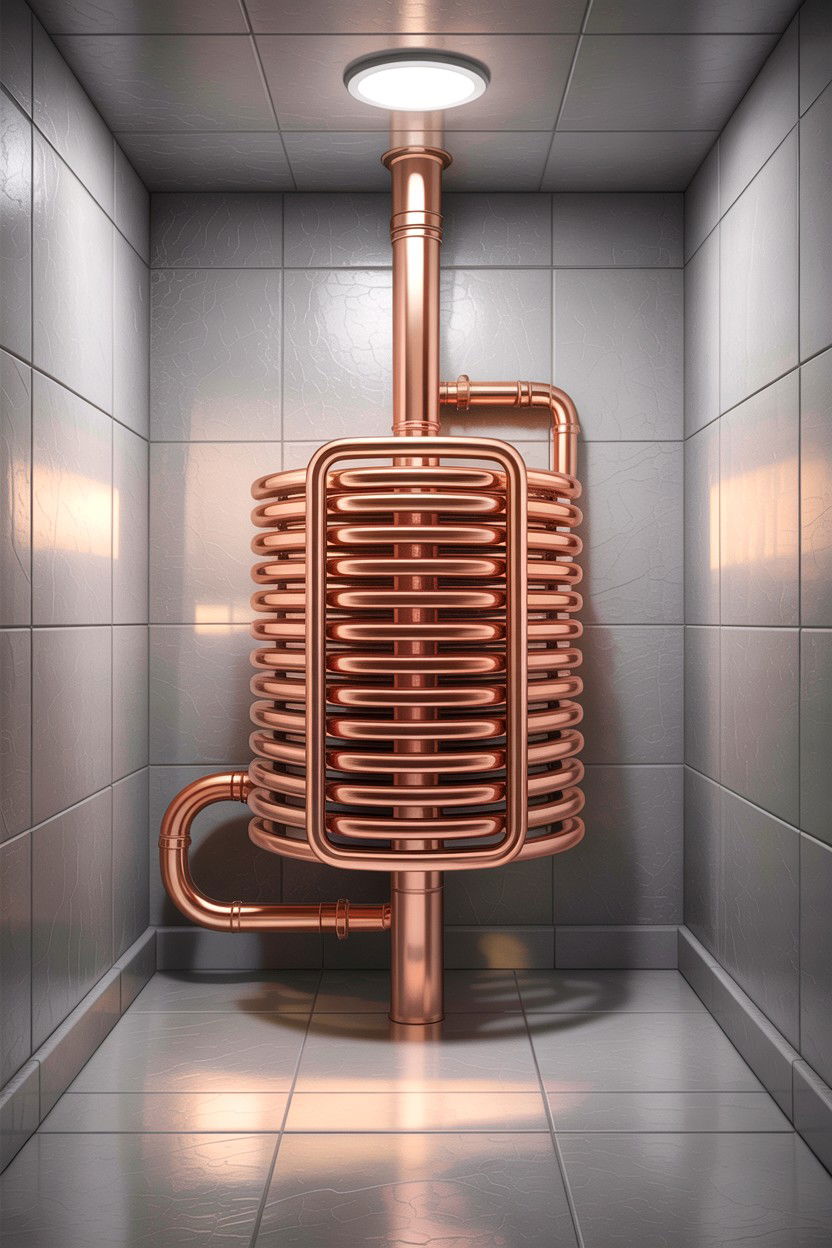
A greywater heat recovery system is a genius way to save both water and energy simultaneously. These units feature a heat exchanger, typically a copper coil, that wraps around the drain pipe. As warm shower water flows out, it transfers its heat to the cold water coming into the water heater. This pre-warms the fresh water, meaning your heater doesn't have to work nearly as hard to reach the desired temperature. It is a passive technology that operates silently and requires no electricity. By capturing this "lost" energy, you can significantly reduce your monthly utility bills while making your entire bathroom much more eco-friendly.
19. Greywater treatment plant
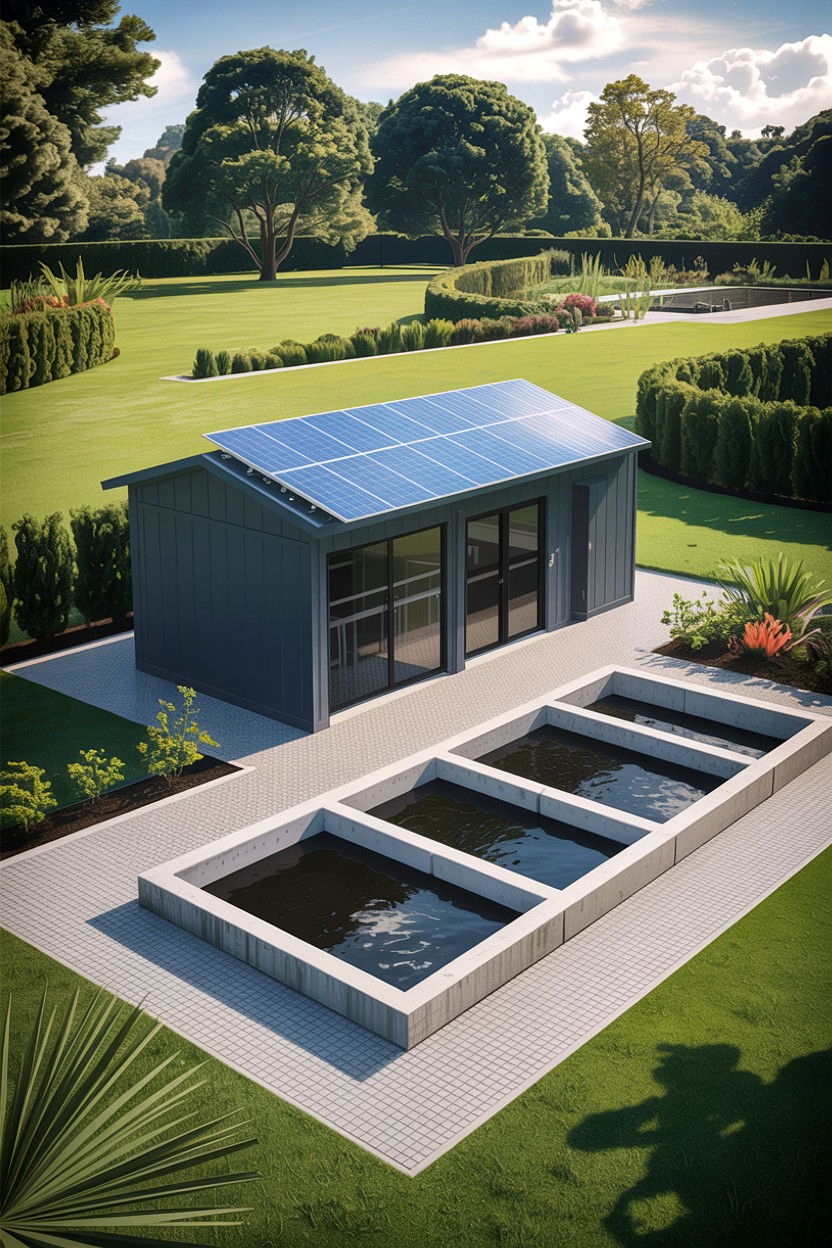
For larger households or communities, a small-scale greywater treatment plant provides a high level of purification. These systems use a combination of biological filters, UV light, and sometimes ozone to treat water to a near-potable standard. The treated water is clear, odorless, and safe for a wide range of uses, including laundry and car washing. While they are more complex and expensive than simple diversion systems, they offer the highest level of reliability and water quality. They are often fully automated and housed in a discreet outdoor shed or basement utility room, providing a professional-grade solution for serious water conservationists.
20. Drip irrigation from bathroom
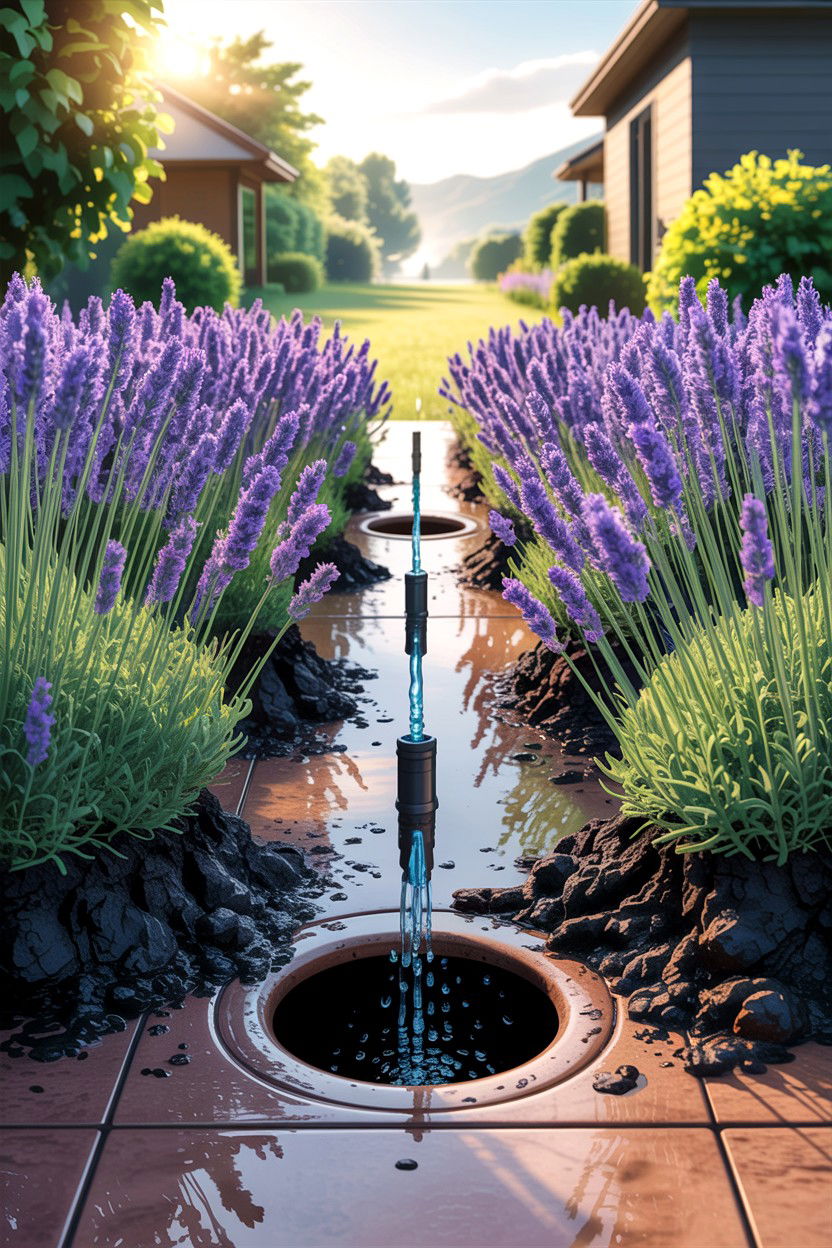
Connecting drip irrigation from bathroom drains is one of the most efficient ways to water your garden. Drip systems deliver water directly to the base of each plant, minimizing evaporation and ensuring that the recycled water reaches the roots where it is needed most. Because greywater can contain small particles, it is important to use specialized drip emitters that are designed to resist clogging. This setup is perfect for maintaining ornamental flower beds or a private hedge. It creates a seamless link between your daily hygiene routine and the health of your landscape, making your home a more self-sustaining and vibrant environment.
21. Greywater collection basin
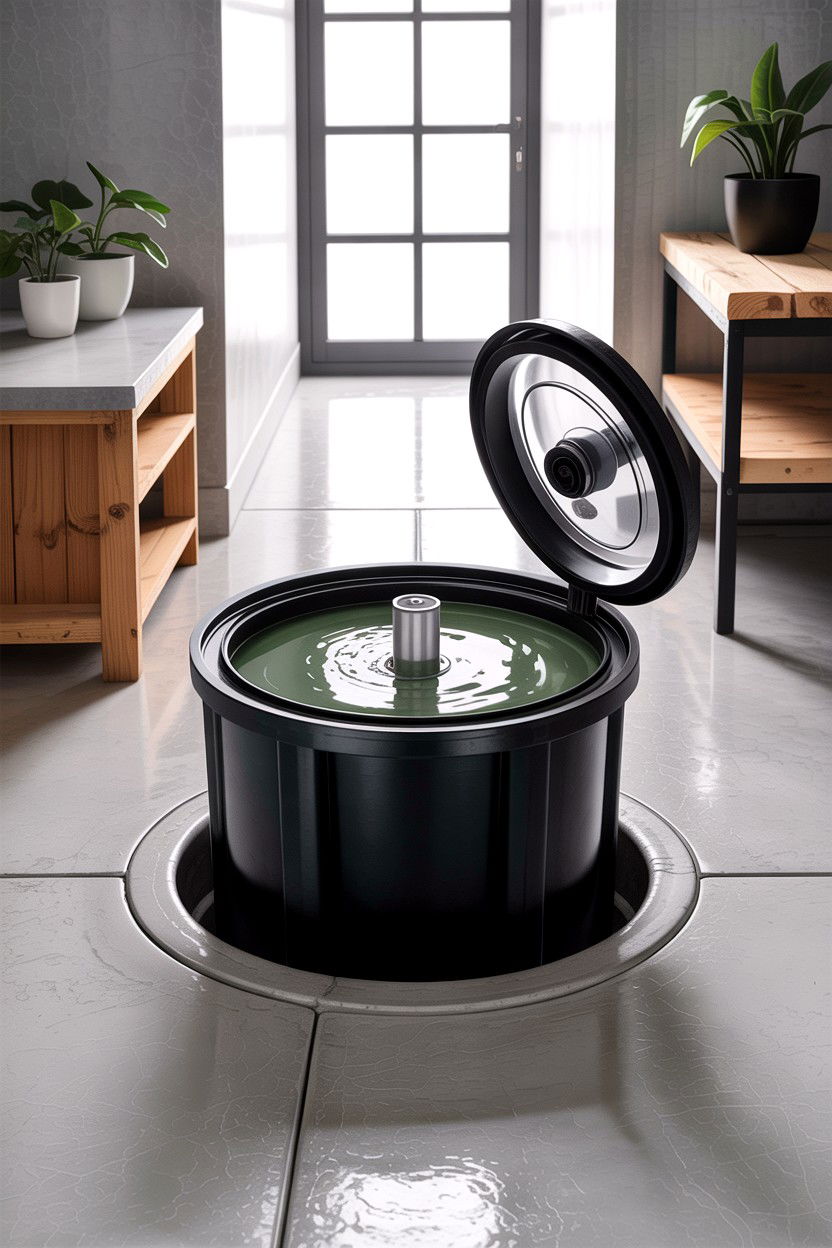
A greywater collection basin, often referred to as a sump pit, is the initial gathering point for water leaving your shower or sink. This basin is typically installed at the lowest point of the bathroom plumbing and contains a small pump or a gravity-fed outlet. It is designed to handle the sudden influx of water during a shower without overflowing. Many basins include a removable screen to catch hair and larger debris before the water enters the main recycling loop. Choosing a high-quality, sealed basin is crucial for preventing odors and ensuring that the collection process is as hygienic and efficient as possible.
22. Retrofit greywater system
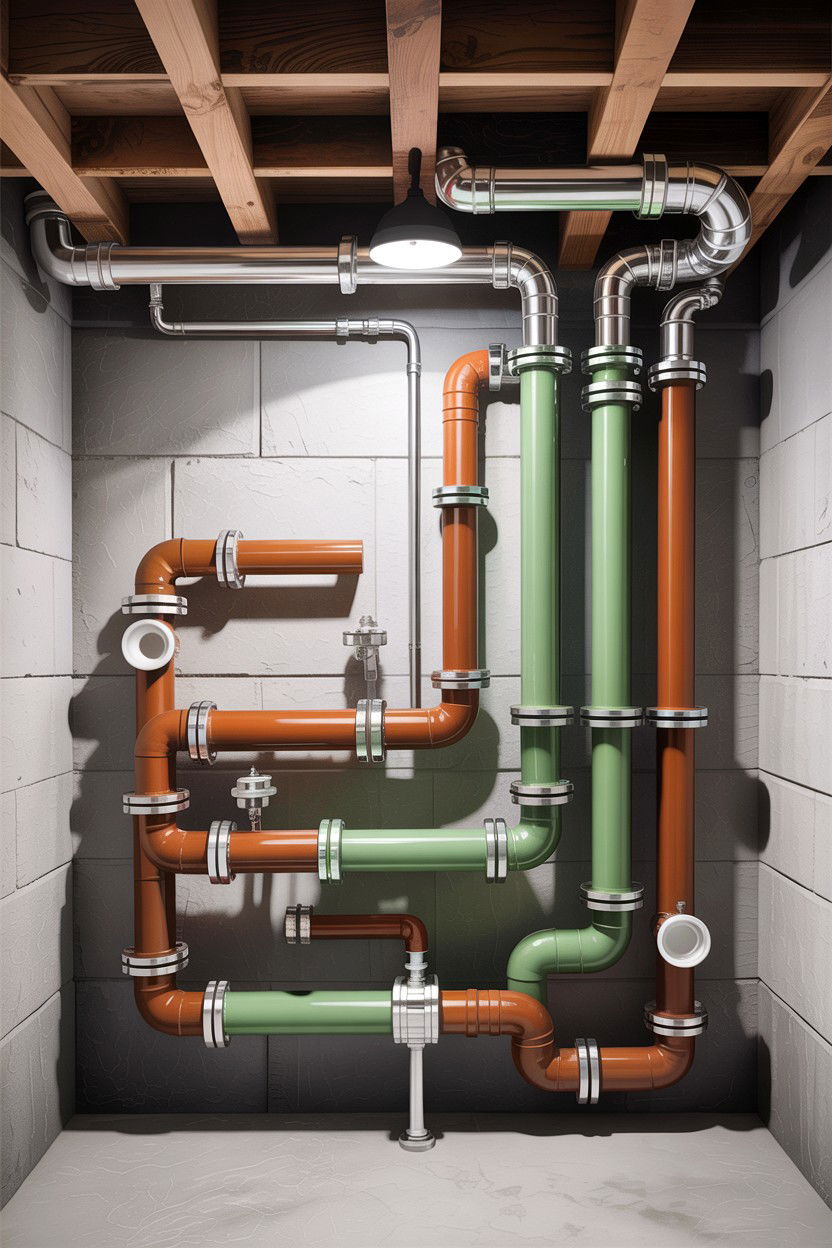
You don't need a new house to enjoy the benefits of water recycling; a retrofit greywater system can be added to almost any existing bathroom. This process involves identifying the main drain lines and installing a diverter to redirect the flow. While it may require some creative plumbing, especially in older homes with limited access, the results are well worth the effort. Many homeowners choose to start small, perhaps just redirecting a single sink, and then expand the system as they become more comfortable with the technology. Retrofitting is a powerful way to breathe new life into an older home while embracing modern sustainability.
23. Greywater overflow protection
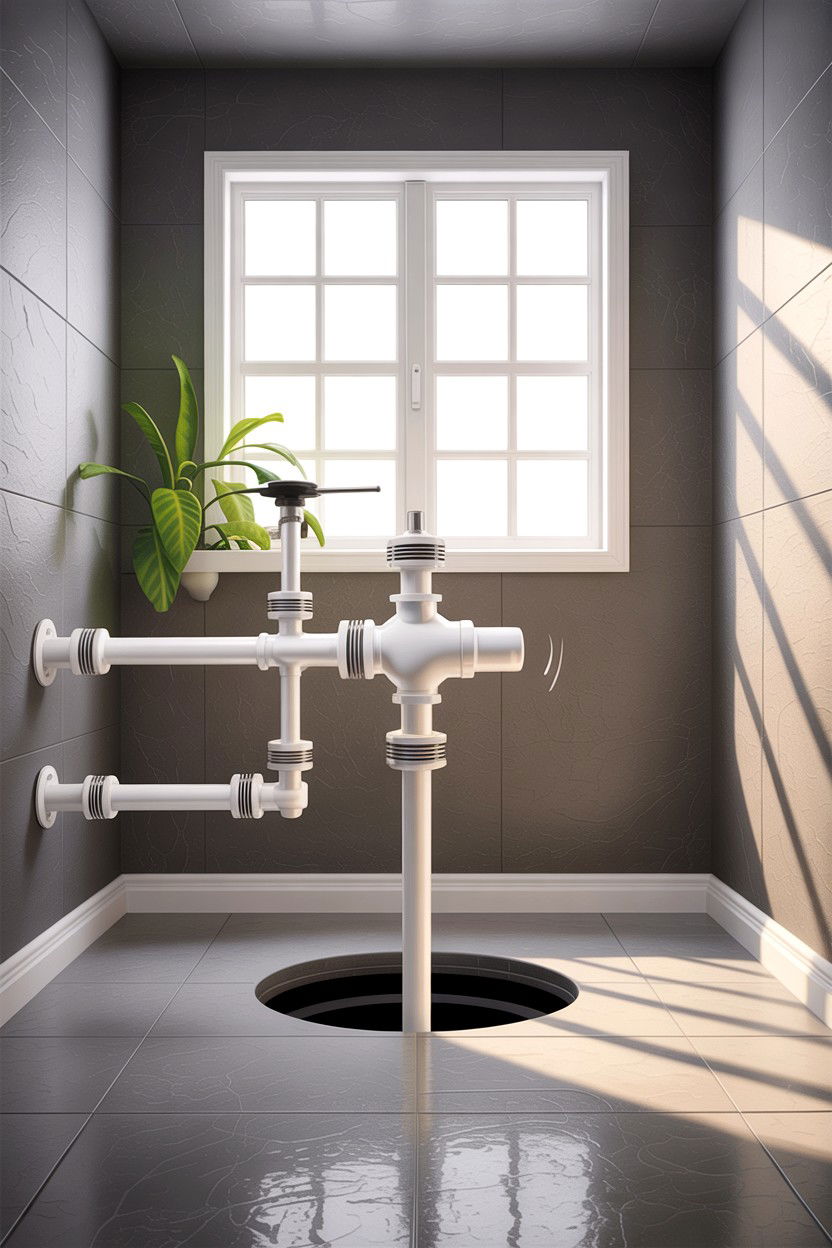
Safety is paramount in any plumbing design, and greywater overflow protection is a non-negotiable feature. This mechanism ensures that if the storage tank becomes full or the irrigation lines get backed up, the excess water is automatically redirected back into the main sewer line. This prevents messy backups in your shower or sink and protects your home from potential water damage. Most modern systems use a simple float valve or an electronic sensor to manage this process. Having a reliable overflow path is essential for the long-term health of your recycling system, providing a fail-safe that keeps your bathroom functioning perfectly under all circumstances.
24. Biological greywater filter
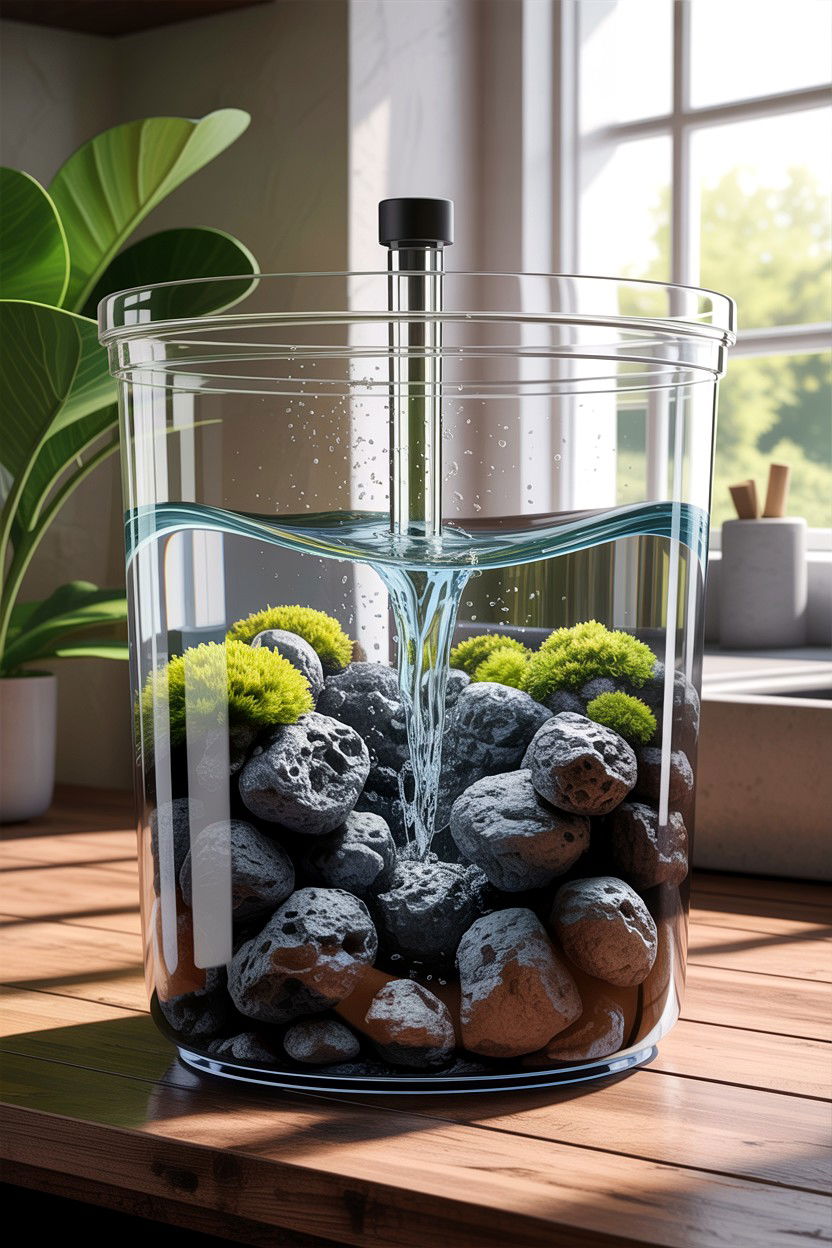
A biological greywater filter uses the power of nature to clean your water without the need for harsh chemicals. These filters contain a medium, such as gravel or specialized foam, that provides a large surface area for beneficial microbes to grow. As the greywater passes through, these microbes consume the soap residues and organic matter, leaving the water much cleaner and safer for the environment. This type of filtration is ideal for those who want a low-maintenance, "set it and forget it" solution. It is a quiet, natural process that works around the clock to ensure your recycled water is of the highest possible quality.
25. Greywater pressure tank
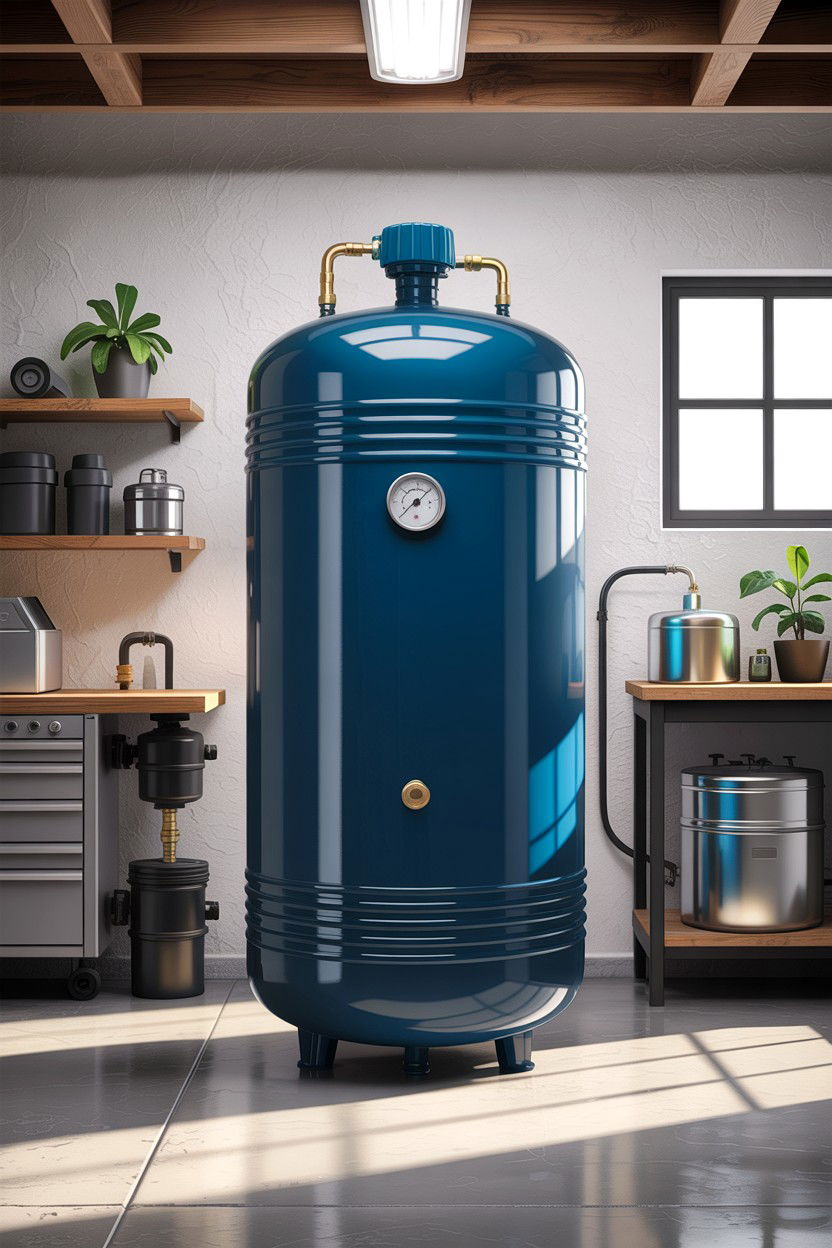
To ensure that your recycled water is delivered with a consistent and strong flow, a greywater pressure tank is a valuable addition. This tank uses compressed air to push the water through your pipes, making it ideal for running toilets or power-washing outdoor surfaces. It eliminates the "pulsing" effect that can sometimes occur with simple pump systems, providing a more professional and reliable experience. Pressure tanks are available in various sizes and can be easily integrated into most automated recycling setups. They are a great choice for larger homes where water needs to travel a significant distance from the collection point to the final fixture.
26. Subsurface irrigation system
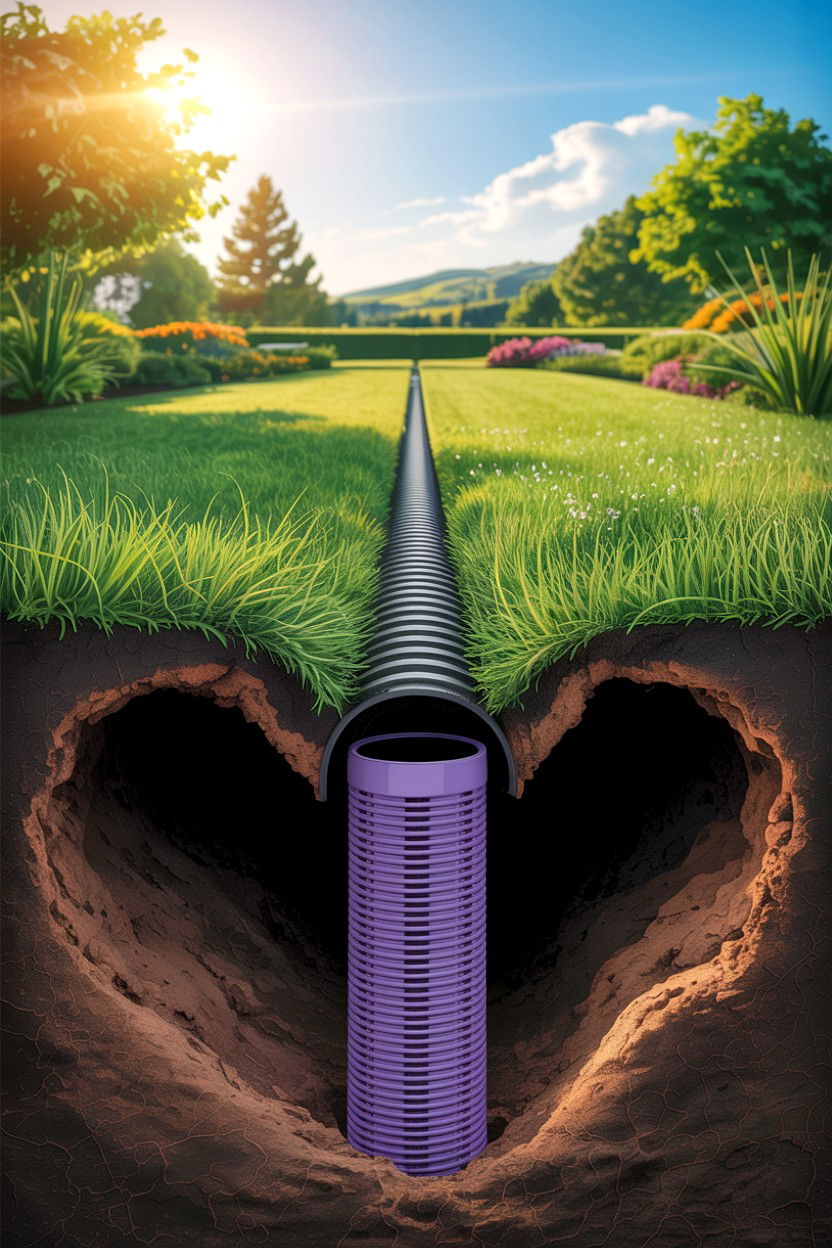
A subsurface irrigation system is the gold standard for using greywater in the garden. By delivering water several inches below the soil surface, you eliminate the risk of human contact and prevent the growth of odors or mosquitoes. This method is highly efficient, as the water goes directly to the root zone, reducing the amount lost to evaporation or wind. It is also the safest way to use untreated greywater, as the soil acts as a final natural filter. This type of system is virtually invisible once installed, allowing your garden's natural beauty to shine while it quietly thrives on your recycled bathroom water.
27. Greywater vent pipe
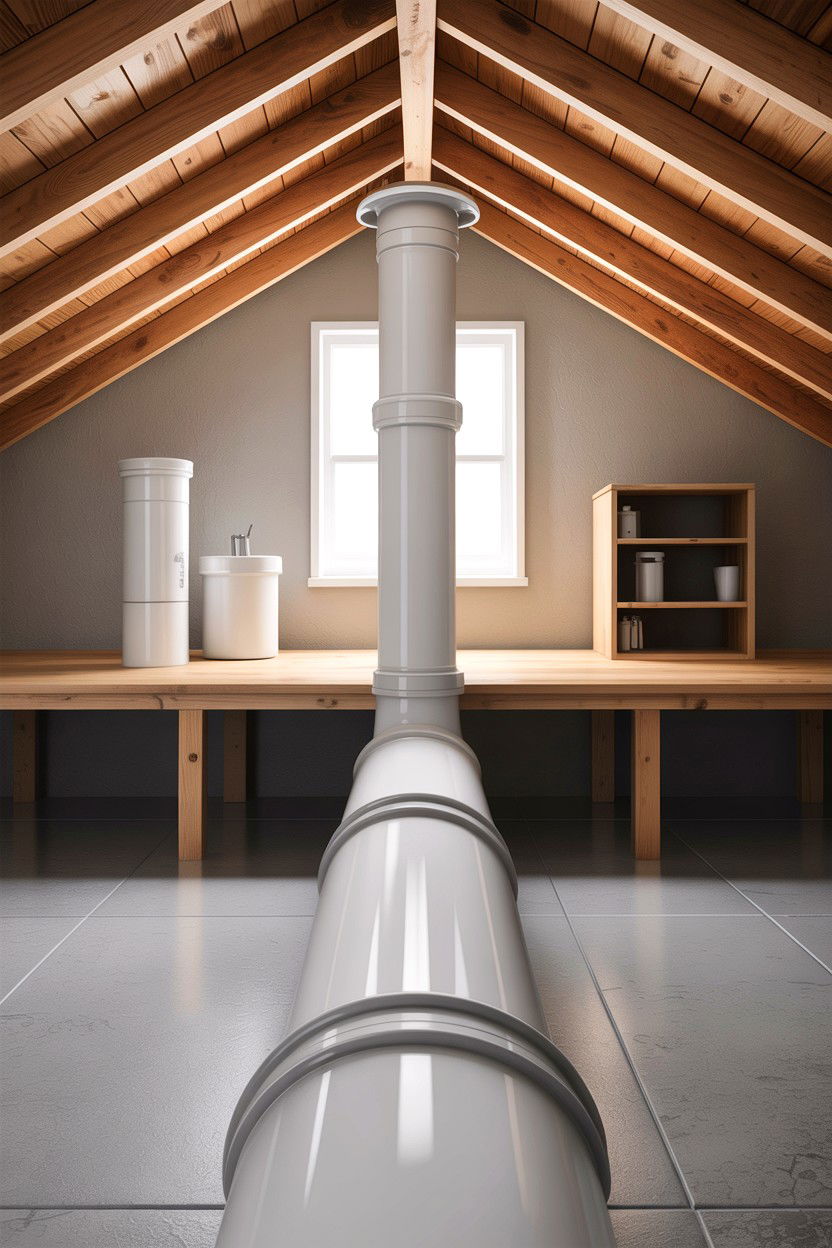
Proper airflow is essential for any plumbing system, and a greywater vent pipe ensures that your recycling loop operates smoothly and without smells. The vent allows air to enter the pipes, preventing the siphoning of traps and ensuring that water flows freely toward the storage tank or garden. It also provides a path for any gases to escape safely above the roofline. When designing your system, it is important to follow local building codes regarding vent placement and size. A well-vented system is a quiet and odor-free system, making your eco-friendly bathroom just as pleasant to use as a traditional one.
28. Manual greywater diversion
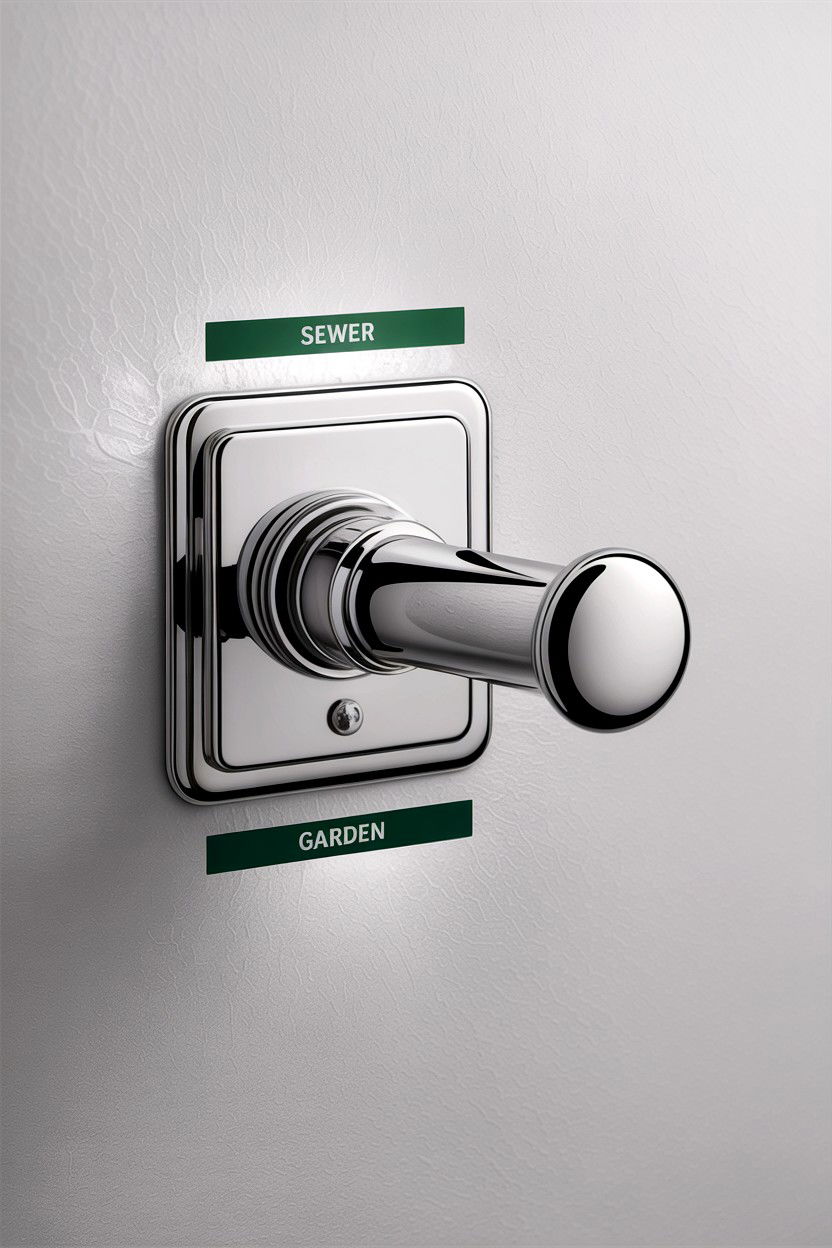
For those who prefer a hands-on approach, manual greywater diversion offers a simple and reliable way to manage your water. This typically involves a three-way valve located under the sink or in a nearby utility closet. With a quick turn of the handle, you can decide exactly where your water goes based on your current needs. It is a great option for seasonal use, such as diverting water to the garden only during the dry summer months. Because it relies on human action rather than sensors, there are no electronic parts to fail, making it an incredibly durable and cost-effective choice for many homeowners.
29. Greywater sediment trap
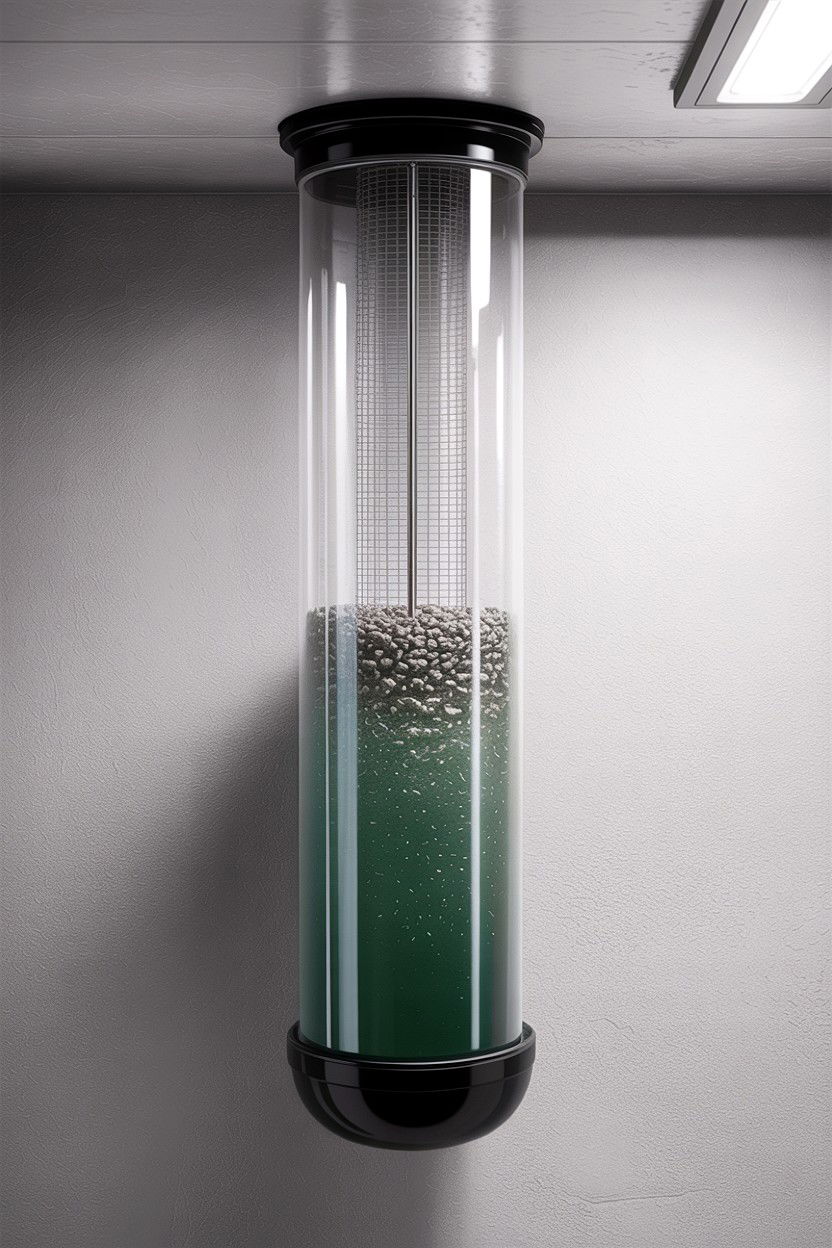
A greywater sediment trap is a simple yet vital component that protects the rest of your system from clogs and wear. This device is installed early in the drainage line and uses a series of baffles or screens to slow the water down, allowing heavy particles like sand or lint to settle at the bottom. By removing these solids before they reach your pumps or irrigation emitters, you significantly extend the life of your equipment and reduce the need for frequent cleaning. Most traps are designed for easy access, allowing you to quickly empty the collected sediment as part of your regular home maintenance routine.
30. Whole house greywater system
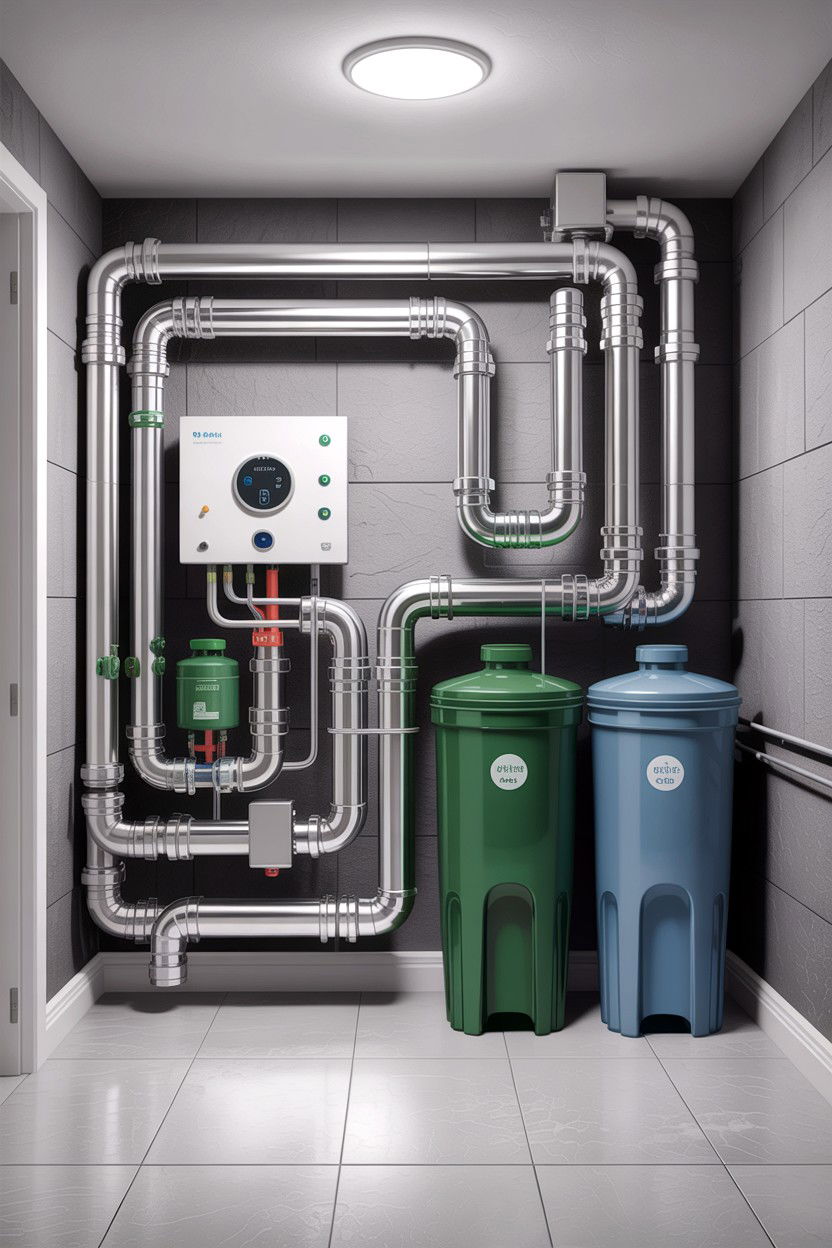
The ultimate goal for many eco-conscious homeowners is a whole house greywater system that integrates every non-toilet drain into a single, efficient network. This comprehensive setup captures water from all bathrooms, the laundry room, and sometimes the kitchen, providing a massive volume of water for reuse. These systems are typically managed by a central control unit that filters, treats, and redistributes the water throughout the property. While it is a significant investment, the savings on water bills and the reduction in environmental impact are unparalleled. It represents the pinnacle of modern sustainable living, turning your entire home into a closed-loop water conservation powerhouse.
Conclusion:
Adopting a greywater system for your bathroom is a powerful way to embrace a more sustainable and resource-efficient lifestyle. Whether you start with a simple sink-to-toilet kit or invest in a fully automated whole-house treatment plant, every gallon of water you recycle makes a tangible difference. These systems not only lower your utility costs but also provide a reliable source of water for your garden, helping you maintain a lush landscape even during times of drought. By choosing the right combination of filtration, storage, and distribution technologies, you can create a modern, eco-friendly bathroom that serves as a model for responsible living and environmental stewardship.
Related posts:


Leave a Reply