

Creating a formal living room requires a delicate balance between sophisticated elegance and welcoming comfort. This space often serves as the primary area for hosting guests, celebrating milestones, or enjoying quiet conversations away from the distractions of daily life. Whether you prefer the timeless appeal of traditional molding or the sleek lines of modern architecture, a well-designed formal room reflects your personal style while maintaining a sense of refined order. From choosing the perfect symmetrical layout to selecting high-quality fabrics like velvet and silk, every detail contributes to a cohesive atmosphere. This guide explores thirty diverse ways to elevate your home through thoughtful furniture placement, color palettes, and architectural features.
1. Modern Formal Living Room
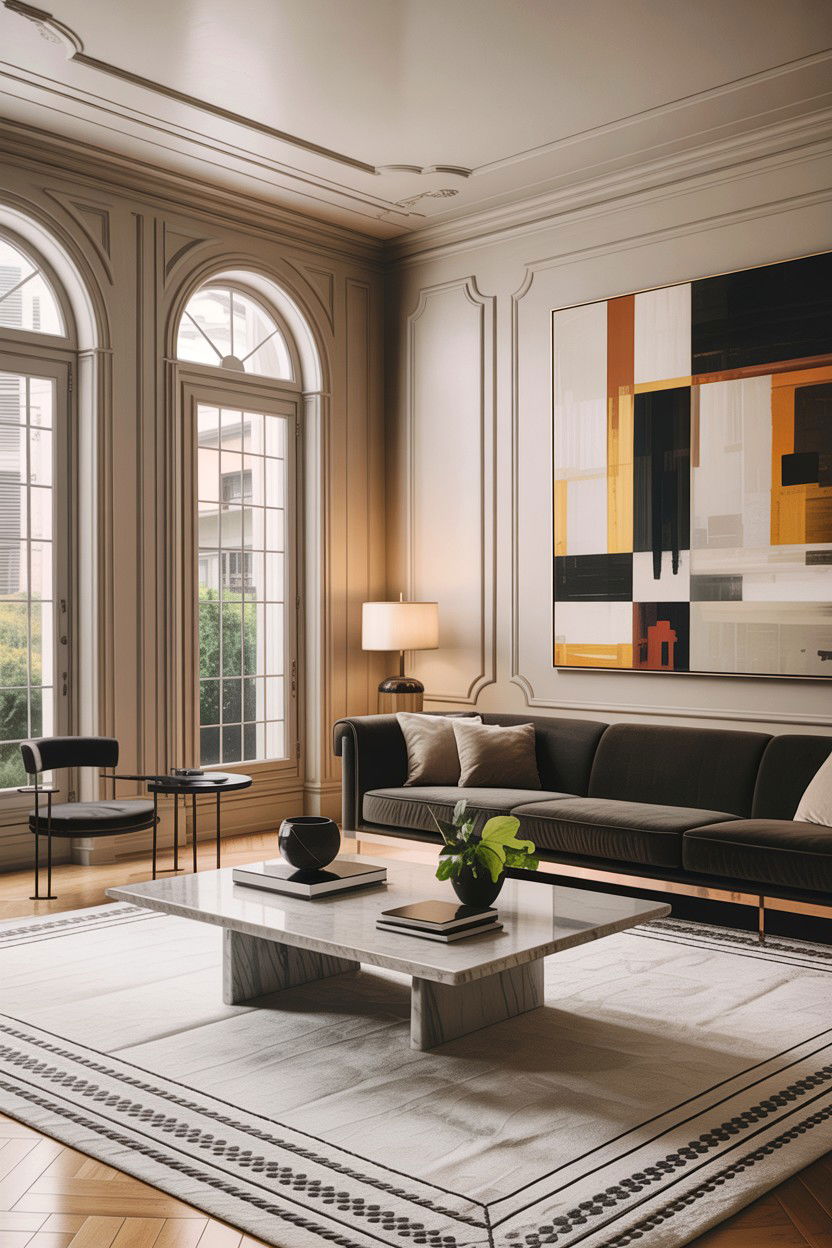
Have you ever considered how clean lines can transform a gathering space into a masterpiece? A modern formal living room focuses on simplicity and high-quality materials to create a sophisticated environment. You might see low-profile sofas paired with geometric coffee tables and abstract art that serves as a bold focal point. Neutral tones like charcoal, cream, and soft taupe dominate the palette, allowing the architectural details of the room to shine. Incorporating sleek metal accents in chrome or matte black adds a touch of contemporary flair without overwhelming the senses. This design style prioritizes open space and natural light, making the entire area feel airy and upscale.
2. Traditional Formal Living Room
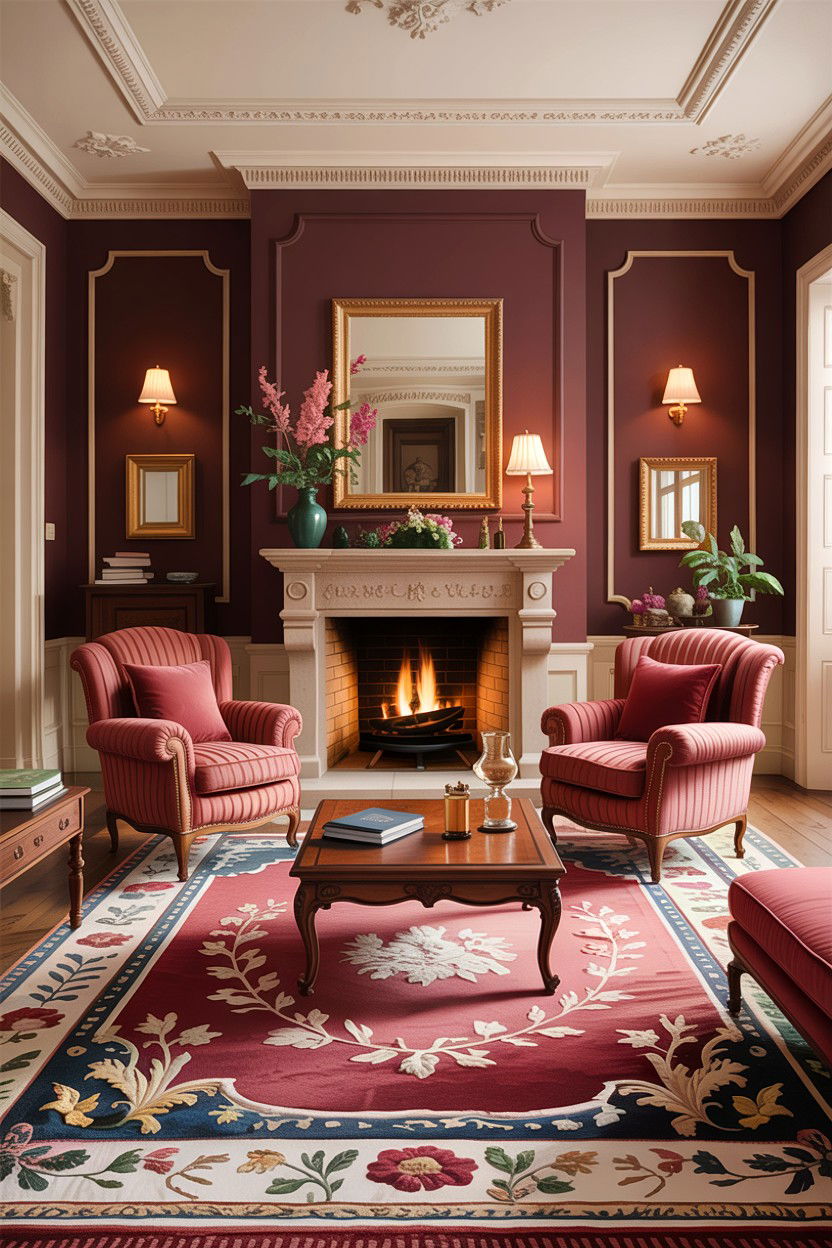
Walking into a traditional formal living room feels like stepping into a space where history and elegance meet seamlessly. This style often features symmetrical furniture arrangements, such as two matching armchairs facing a central fireplace or a stately sofa. Rich wood finishes, intricate crown molding, and classic patterns like damask or stripes provide a sense of timeless sophistication. To achieve this look, consider using a warm color palette filled with deep burgundies, golds, and forest greens. Heavy drapery and antique-inspired lighting fixtures, like a crystal chandelier, complete the atmosphere. It is a perfect setting for formal tea or evening cocktails with close friends.
3. Luxury Formal Living Room
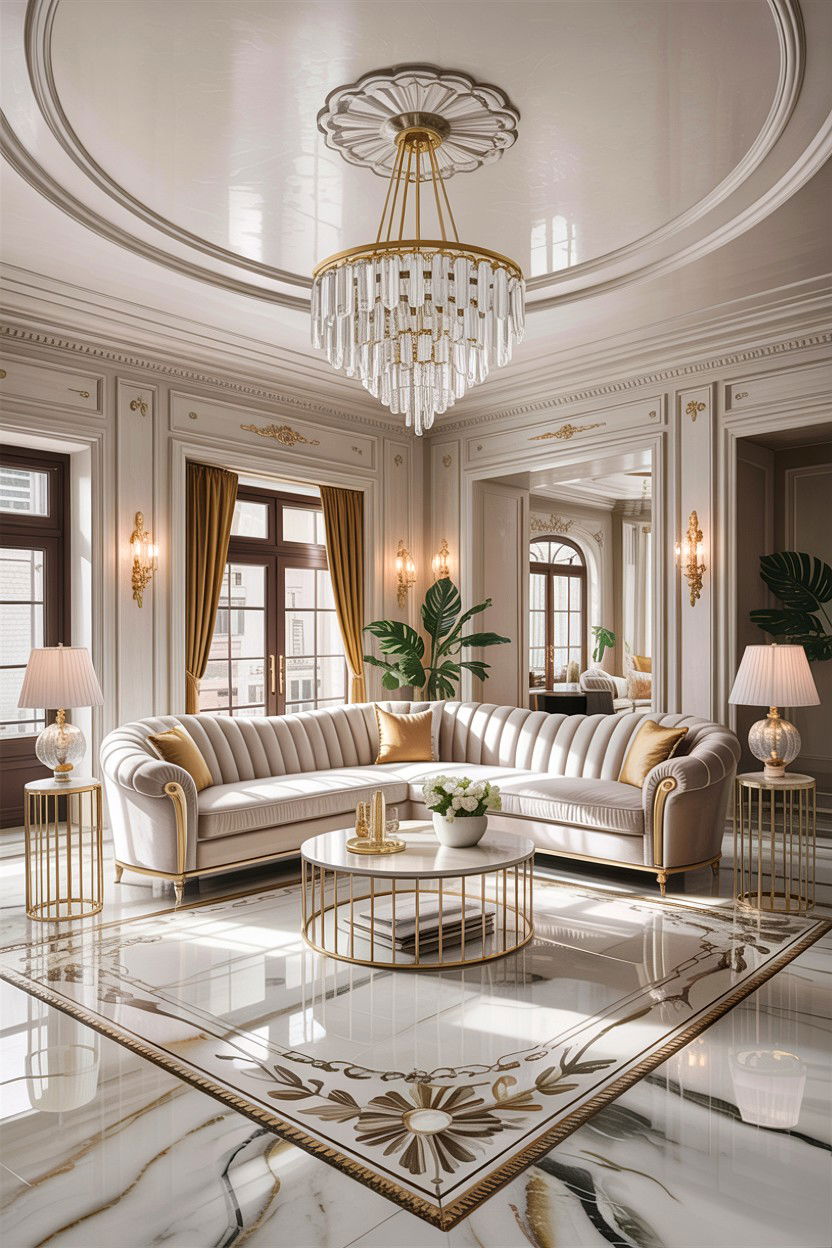
What defines true luxury in a home setting beyond the use of premium materials and bespoke craftsmanship? A luxury formal living room often incorporates high-end finishes such as marble flooring, gilded accents, and custom-built cabinetry. You can elevate the space by adding a statement velvet sectional or a pair of designer lounge chairs that command attention. Lighting plays a crucial role here, with oversized chandeliers or architectural sconces providing a warm yet bright glow. Layers of texture, from silk rugs to cashmere throws, add a tactile dimension that feels incredibly indulgent. This approach focuses on creating an environment that feels both exclusive and deeply comfortable.
4. Small Formal Living Room
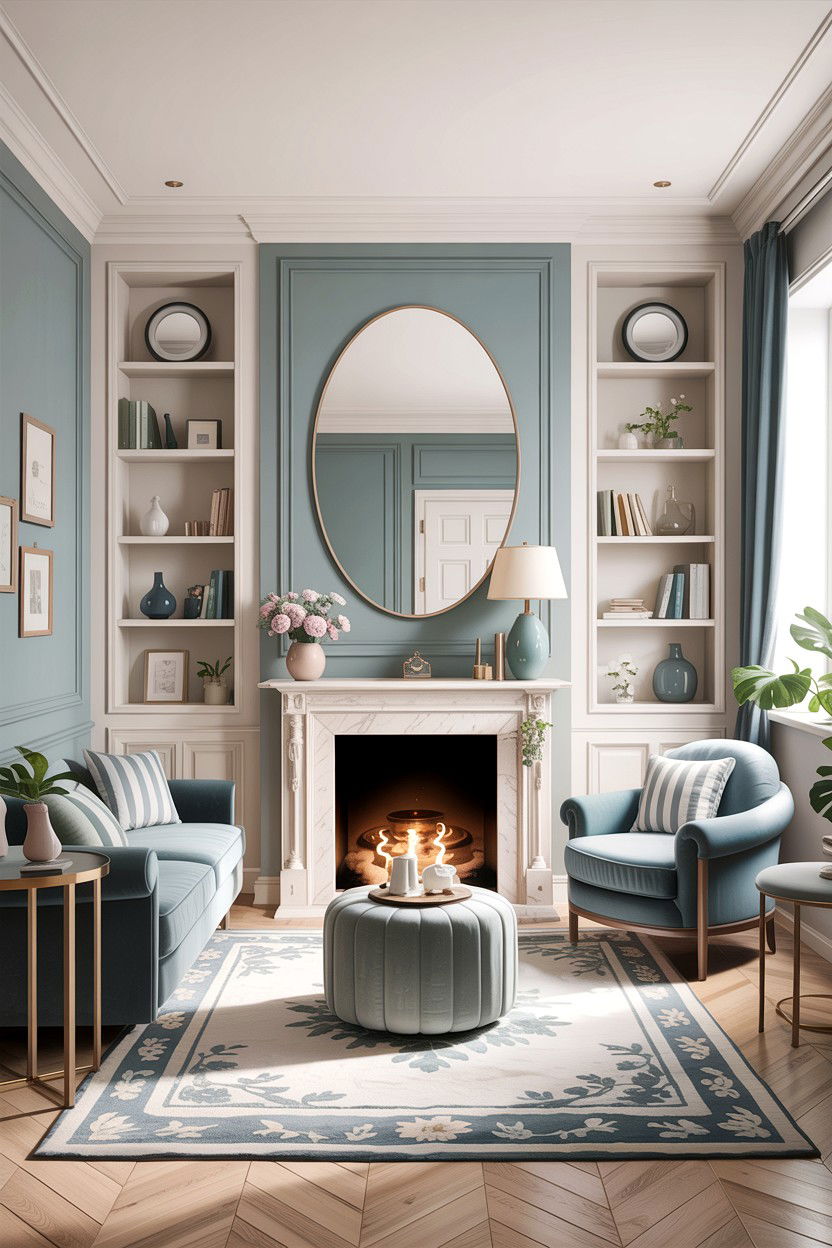
Designing a small formal living room requires a strategic approach to maximize both style and functionality without feeling cramped. You can start by choosing furniture with slim profiles and exposed legs to create the illusion of more floor space. Utilizing a large mirror on one wall can also help reflect light and make the room appear much larger than its actual dimensions. Light, airy colors like soft white or pale blue work best to keep the atmosphere feeling open. Built-in shelving provides a place for curated decor without taking up valuable floor area. Focus on quality over quantity to ensure every piece serves a purpose.
5. Transitional Formal Living Room
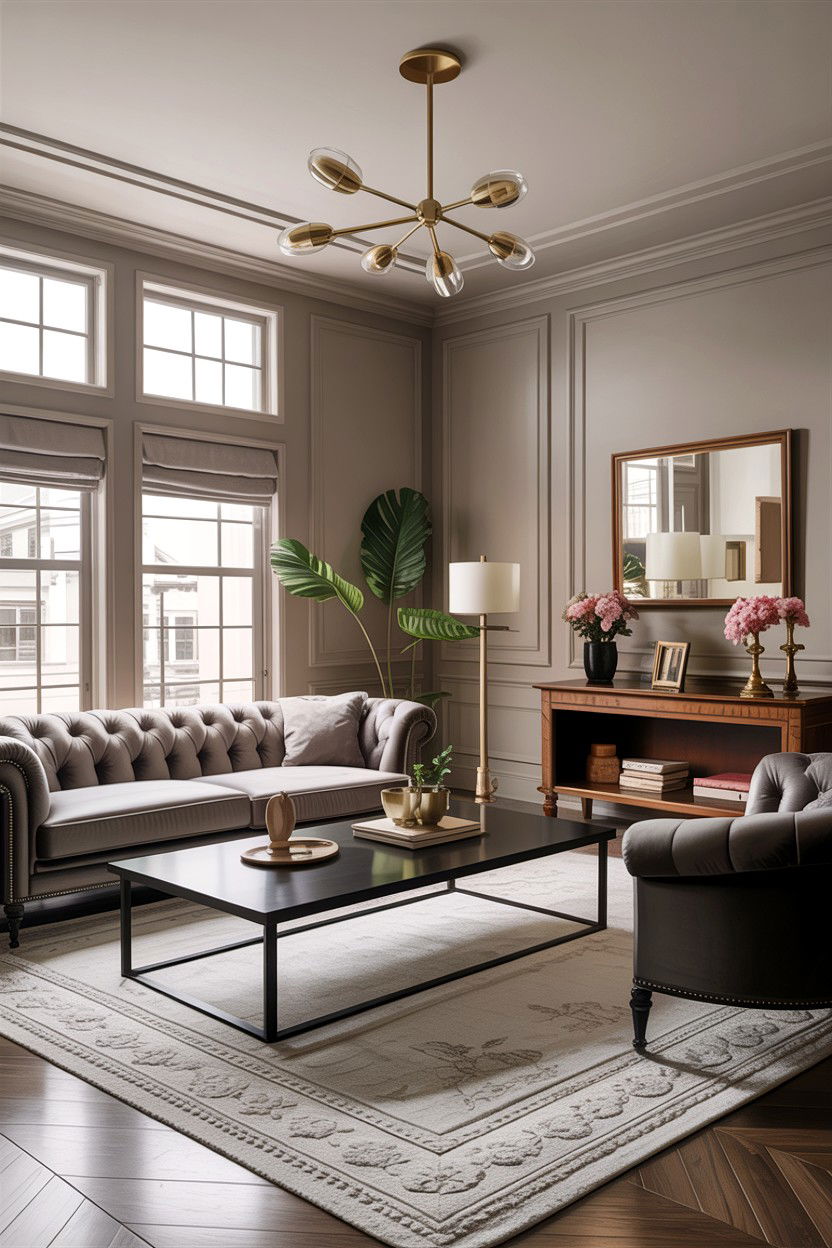
Can you imagine a space that perfectly bridges the gap between old-world charm and contemporary aesthetics? A transitional formal living room mixes traditional architectural elements with modern furniture pieces for a balanced and versatile look. This style often features a neutral foundation with subtle pops of color through accessories or artwork. You might see a classic tufted sofa paired with a sleek, minimalist coffee table and contemporary light fixtures. The goal is to create a cohesive environment that feels updated yet grounded in tradition. Using a variety of textures, such as wood, metal, and fabric, helps to add depth and visual interest to the entire room.
6. Minimalist Formal Living Room
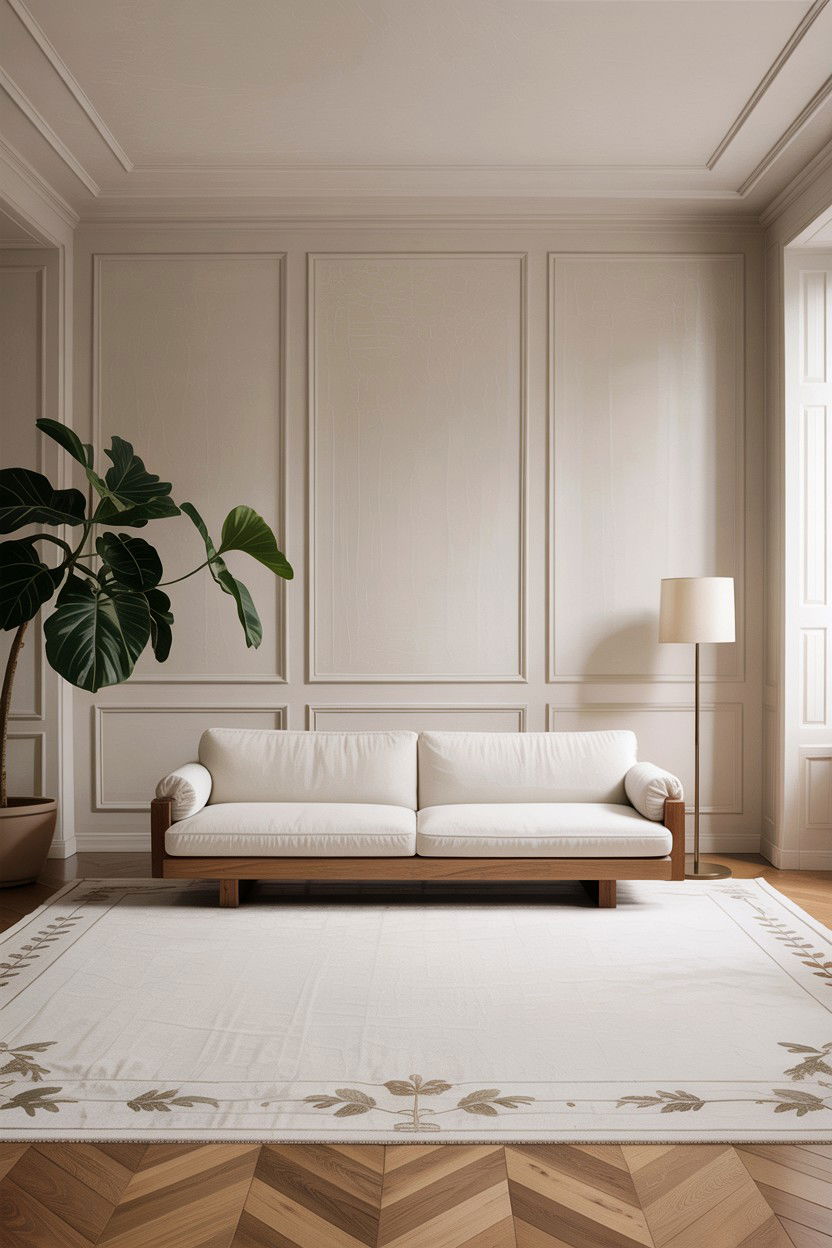
A minimalist formal living room is all about the "less is more" philosophy, focusing on essential pieces and clean architecture. Every item in the room is carefully selected for its form and function, resulting in a space that feels calm and intentional. You will often find a monochromatic color scheme, such as various shades of white, beige, or grey, which creates a serene backdrop. Furniture tends to have simple silhouettes without unnecessary ornamentation, allowing the quality of the materials to take center stage. This style is perfect for those who appreciate a clutter-free environment where every detail is purposeful and highly curated.
7. Coastal Formal Living Room
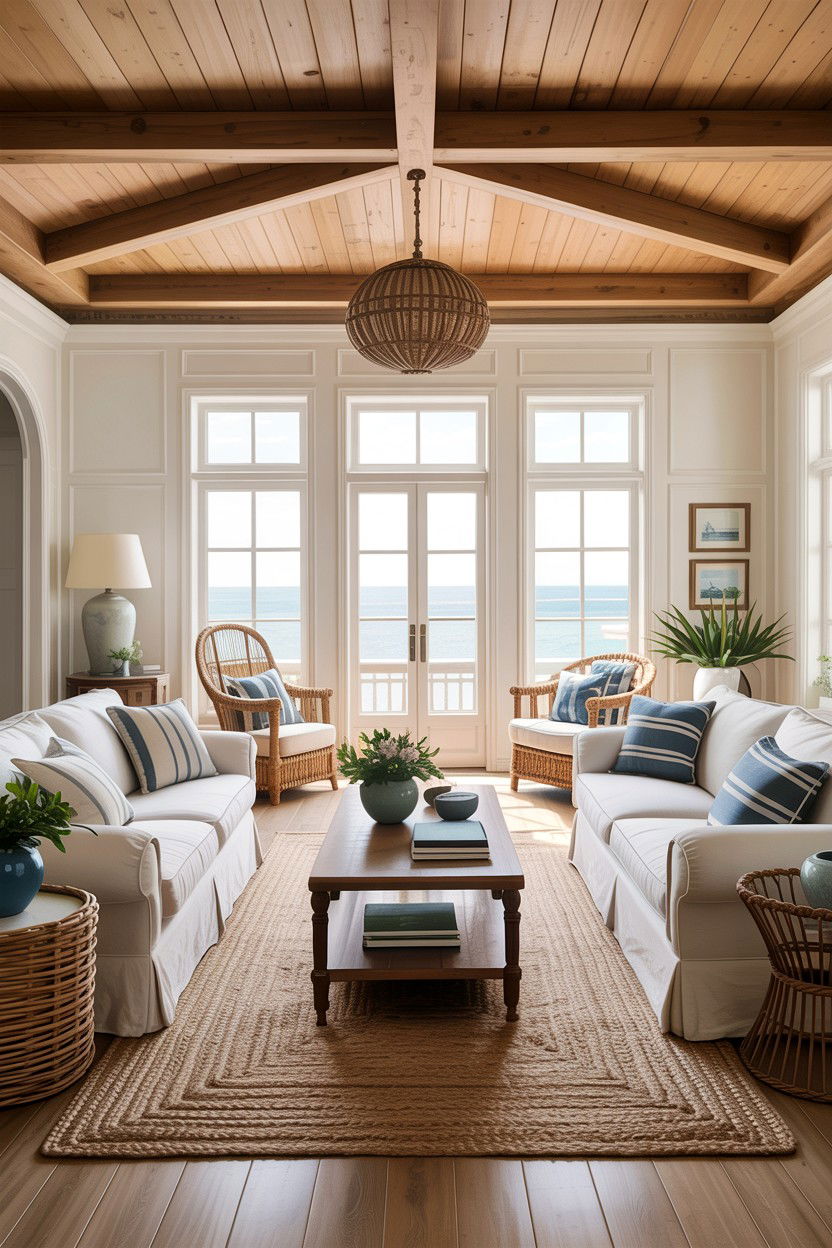
Bringing the essence of the seaside indoors can create a formal living room that feels both sophisticated and incredibly relaxing. A coastal formal living room uses a palette of soft blues, sandy beiges, and crisp whites to evoke the feeling of a beachside retreat. Natural materials like jute, rattan, and light-toned woods add texture and a sense of organic beauty to the space. You might include elegant nautical touches, such as brass accents or framed botanical prints of coral and shells. Large windows that let in plenty of natural light are essential for maintaining the bright and airy feel that defines this style.
8. Farmhouse Formal Living Room
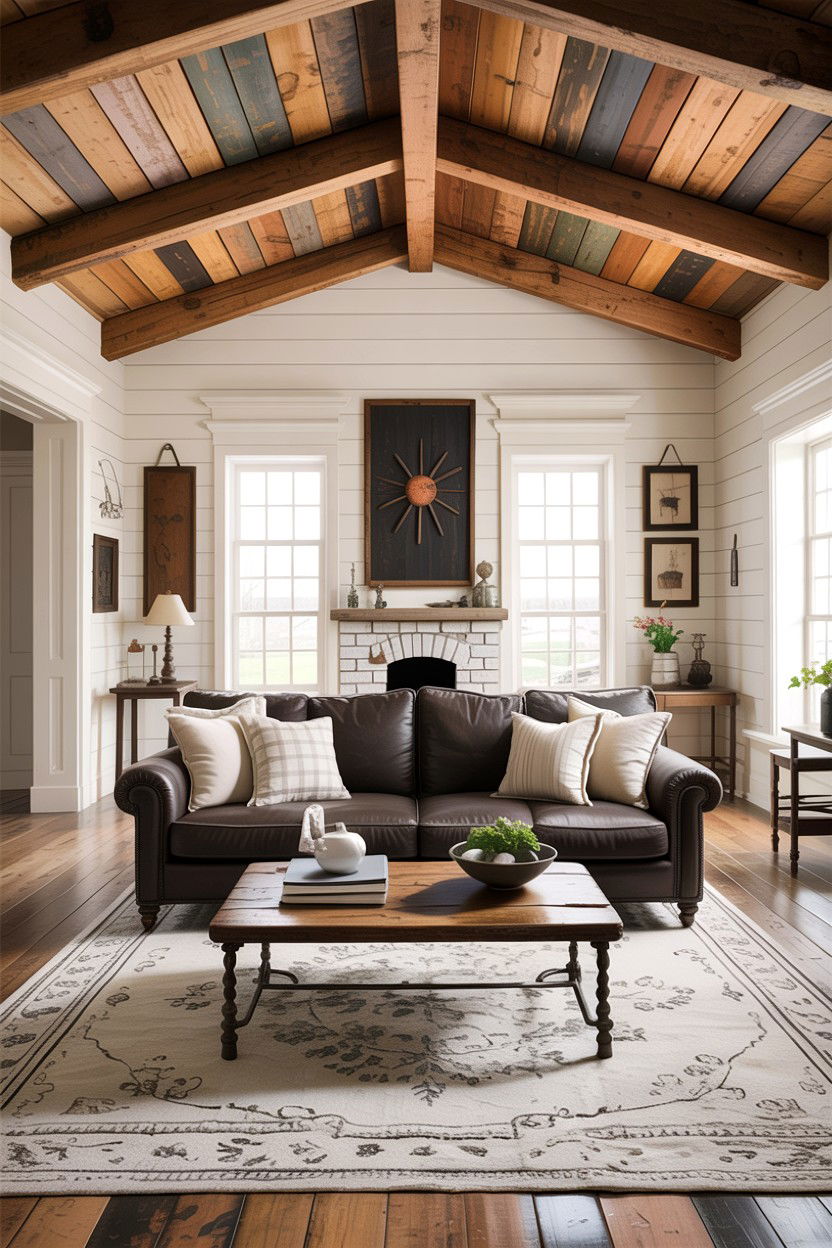
A farmhouse formal living room combines rustic warmth with a refined edge to create a space that feels lived-in yet polished. This look often features reclaimed wood beams, shiplap walls, and comfortable yet structured seating. Neutral tones like cream, oatmeal, and charcoal provide a versatile base, while black metal accents add a touch of modern contrast. You can incorporate vintage-inspired pieces, such as a large wooden hutch or a distressed coffee table, to add character and history. Soft textiles like linen curtains and woven rugs help to soften the overall look, making the room feel inviting for both family and guests.
9. Mid Century Modern Formal Living Room
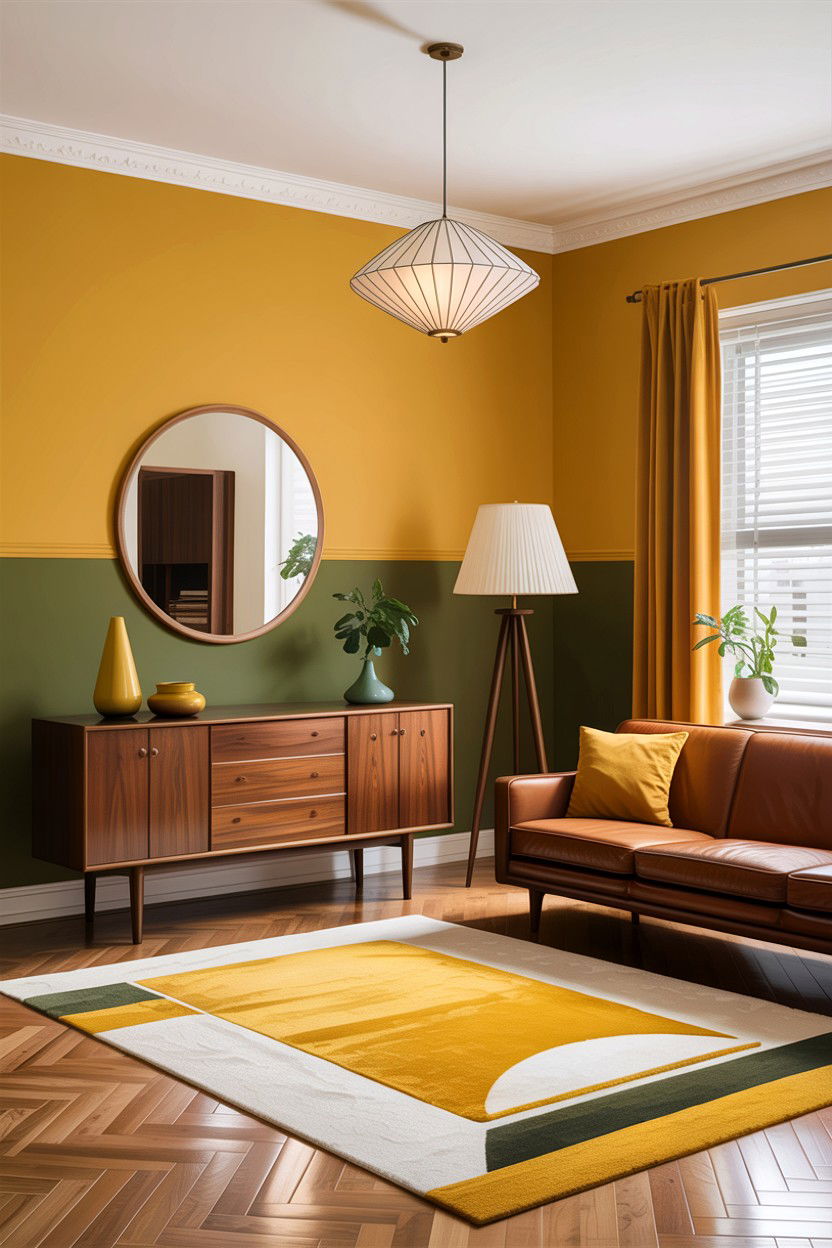
Mid-century modern style is celebrated for its iconic furniture designs and focus on organic shapes and functional beauty. In a mid-century modern formal living room, you might find a sleek walnut sideboard, a tapered-leg sofa, and bold, geometric light fixtures. The color palette often includes earthy tones like mustard yellow, olive green, and burnt orange, paired with neutral foundations. Large windows and an emphasis on indoor-outdoor living are key components of this aesthetic. This style is perfect for creating a room that feels nostalgic yet incredibly relevant, offering a unique blend of vintage charm and contemporary sophistication for any home.
10. Scandinavian Formal Living Room
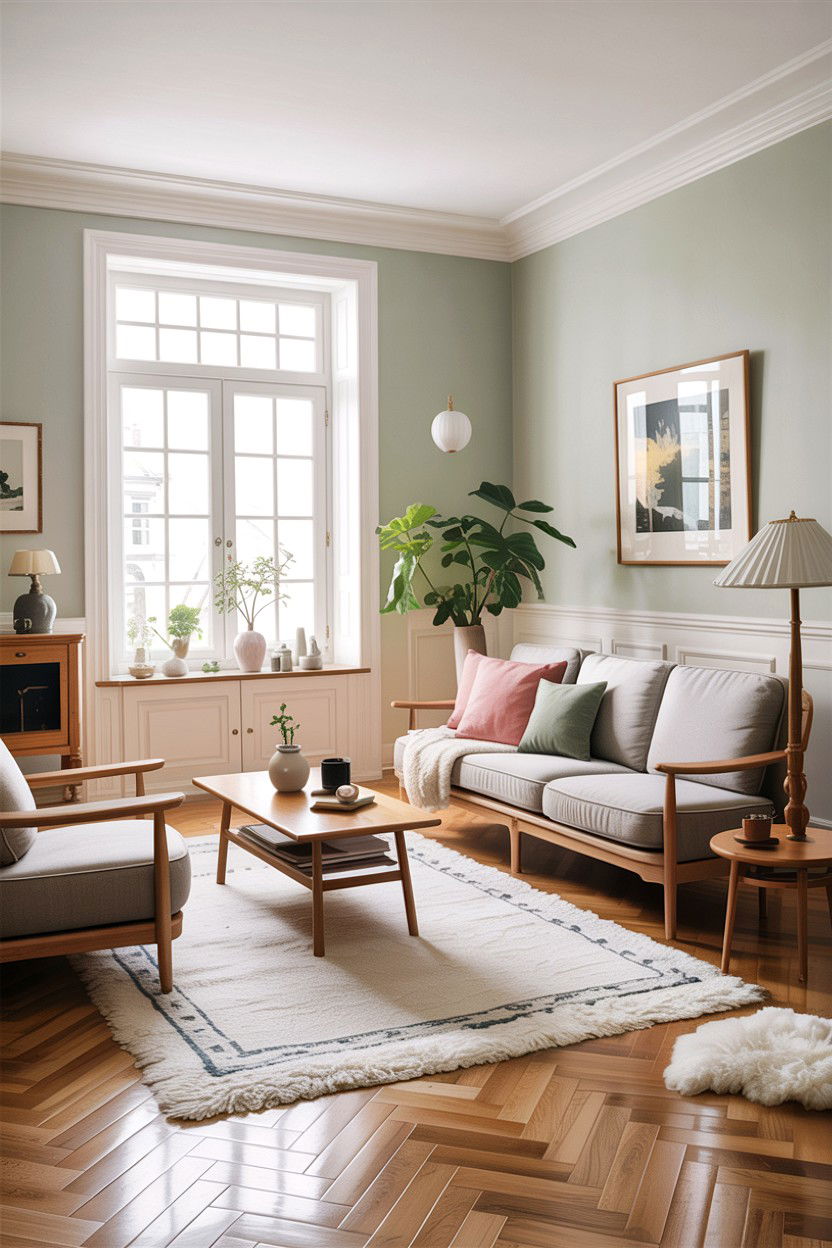
Scandinavian design is known for its focus on light, simplicity, and functionality, making it a popular choice for formal spaces. A Scandinavian formal living room typically features a bright white or light grey backdrop with pops of soft pastels or natural wood tones. The furniture is characterized by clean lines and high-quality craftsmanship, often made from light woods like ash or birch. Cozy elements, such as wool rugs and sheepskin throws, add warmth and comfort to the minimalist aesthetic. This style creates a peaceful and inviting environment that feels modern and timeless, perfect for hosting intimate gatherings in a beautifully curated setting.
11. Industrial Formal Living Room
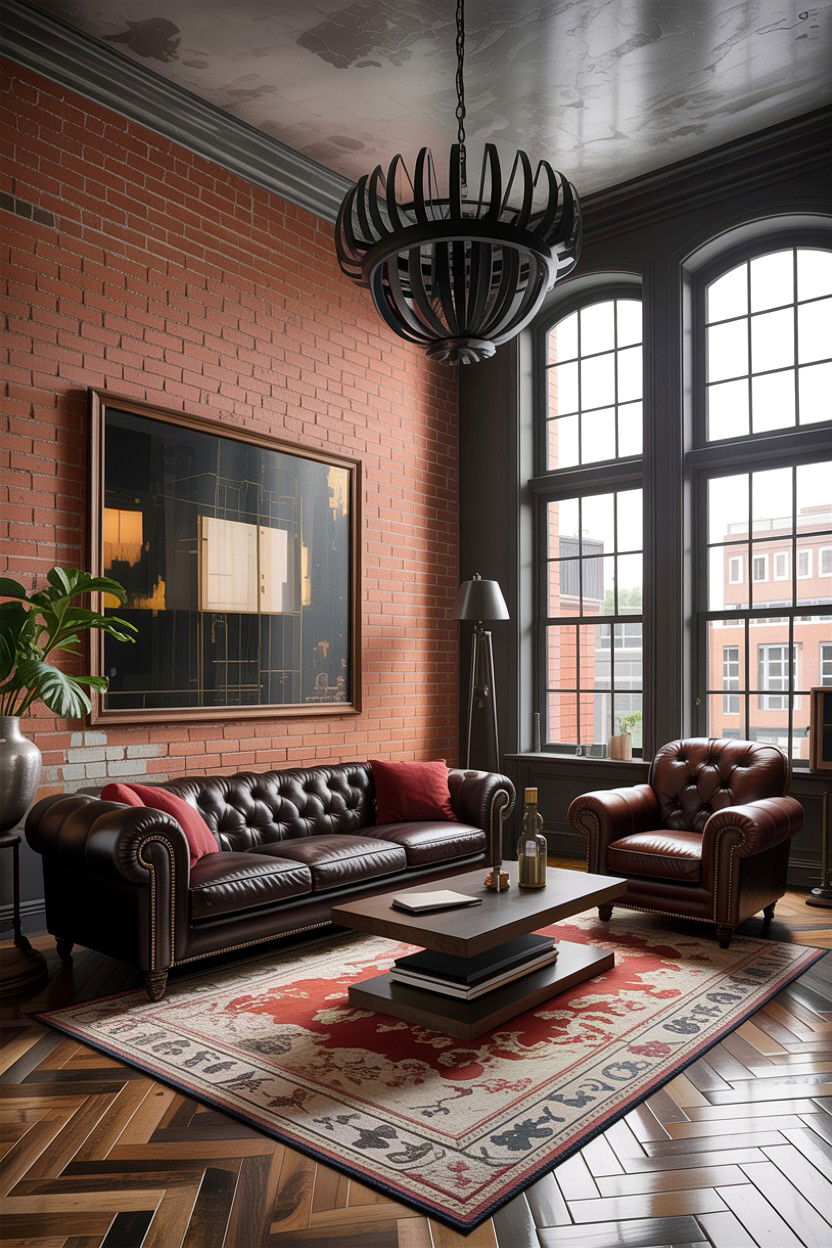
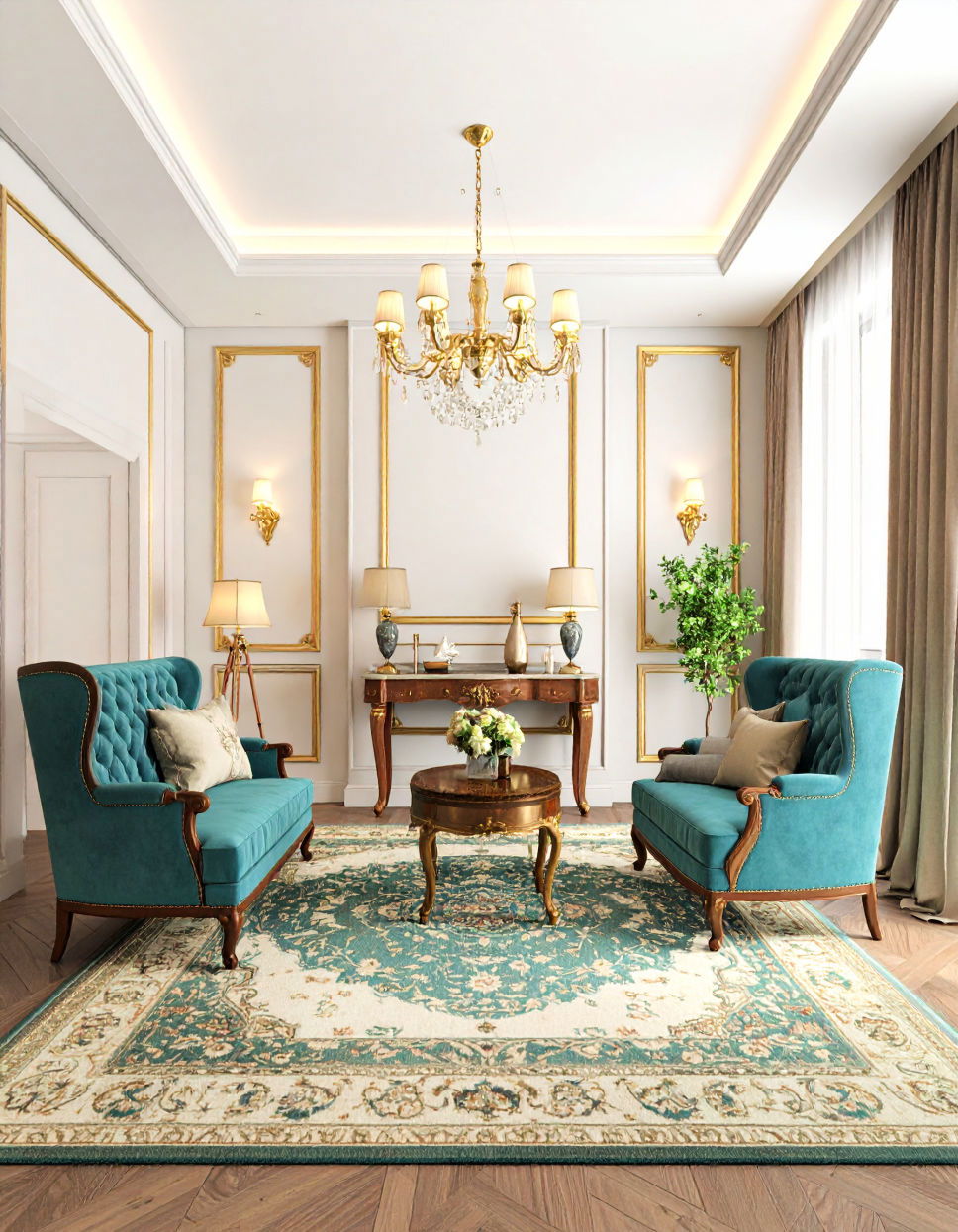
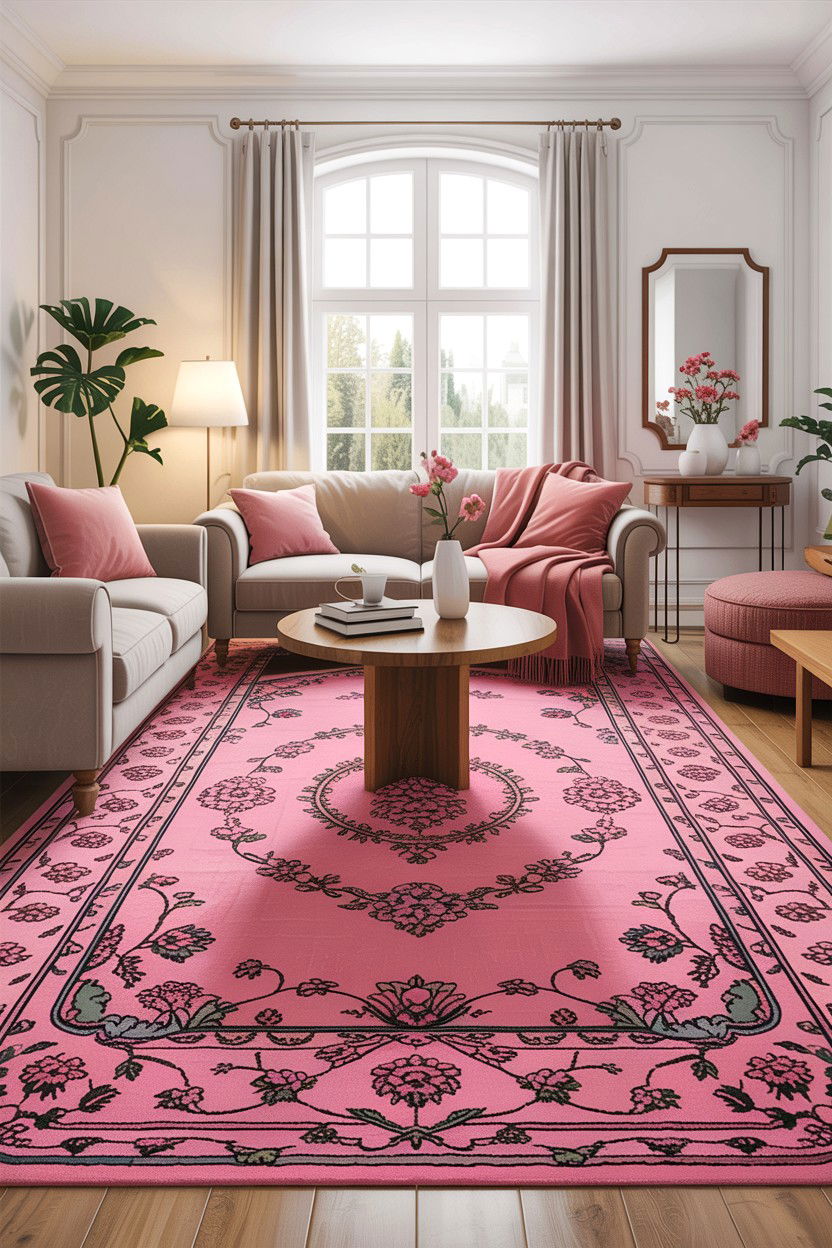
An industrial formal living room embraces raw materials and architectural details to create a space that is both edgy and sophisticated. This look often features exposed brick walls, metal beams, and concrete floors, paired with high-quality leather seating and oversized art. To keep the space feeling formal, you can incorporate polished finishes, such as a sleek glass coffee table or a large, modern chandelier. A palette of deep greys, blacks, and rich browns helps to create a moody and dramatic atmosphere. Adding soft elements like plush area rugs and velvet pillows can help to balance the harder surfaces for a comfortable feel.
12. Bohemian Formal Living Room
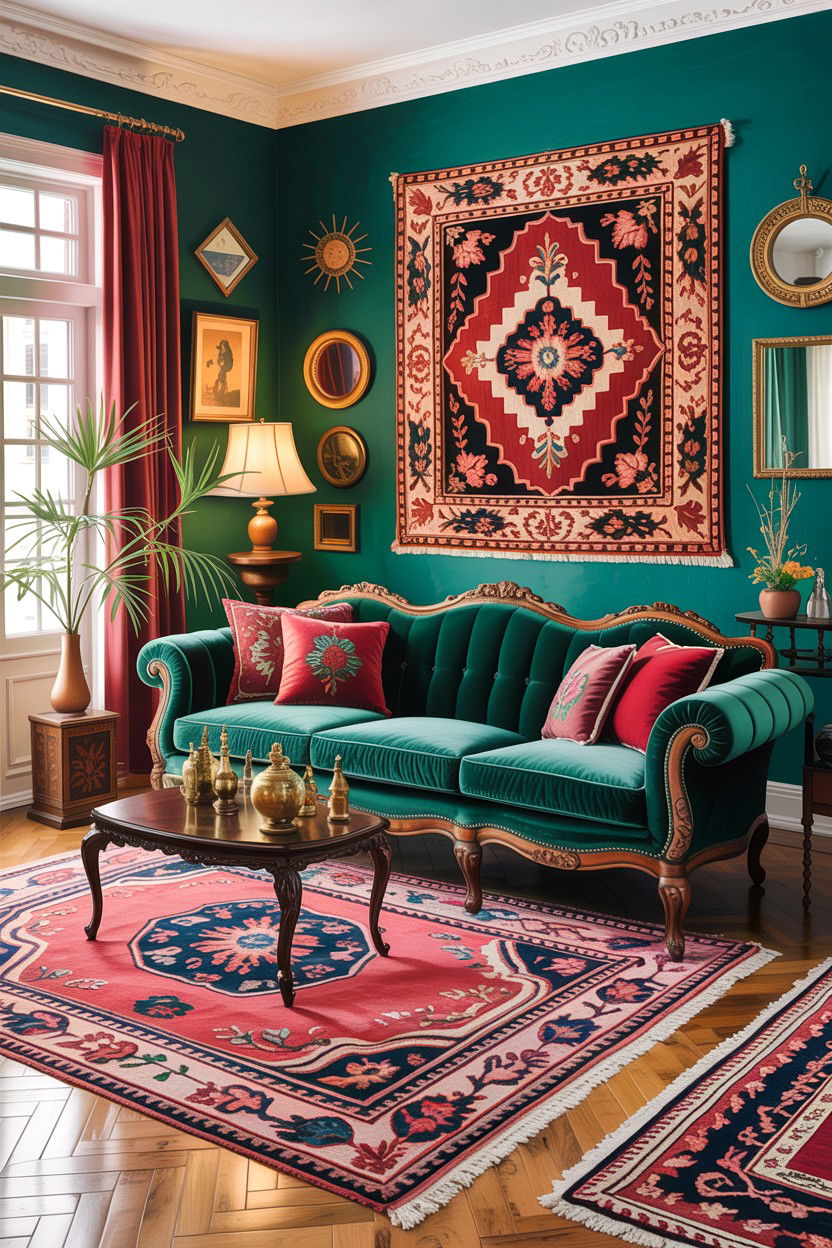
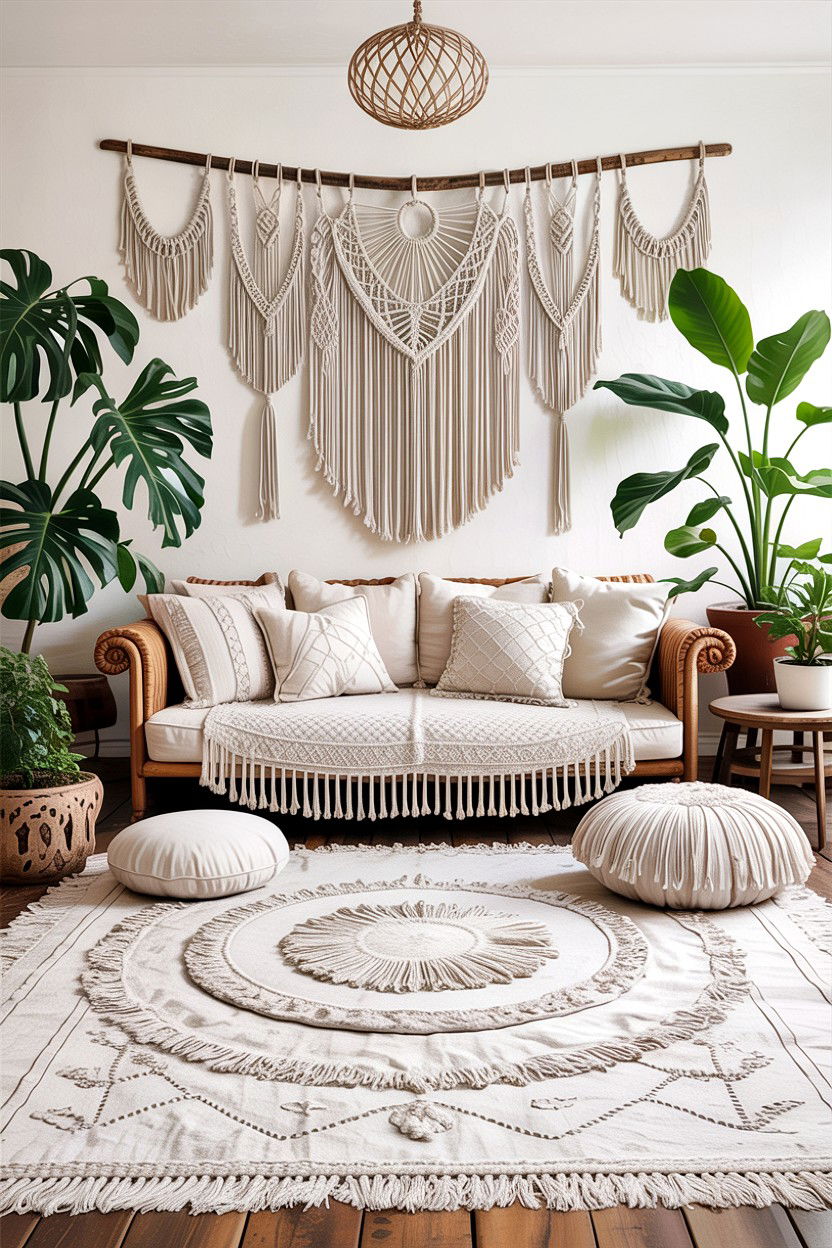
Can a space be both eclectic and formal at the same time? A bohemian formal living room proves that you can mix vibrant colors, patterns, and global influences while maintaining an elegant atmosphere. This style focuses on layering textures, such as embroidered pillows, woven wall hangings, and vintage rugs, to create a rich and inviting environment. To keep it formal, choose a few statement furniture pieces with classic silhouettes and use a more controlled color palette. Incorporating plenty of greenery and unique art pieces adds a personal touch that makes the room feel curated and full of life, perfect for creative entertaining.
13. Art Deco Formal Living Room
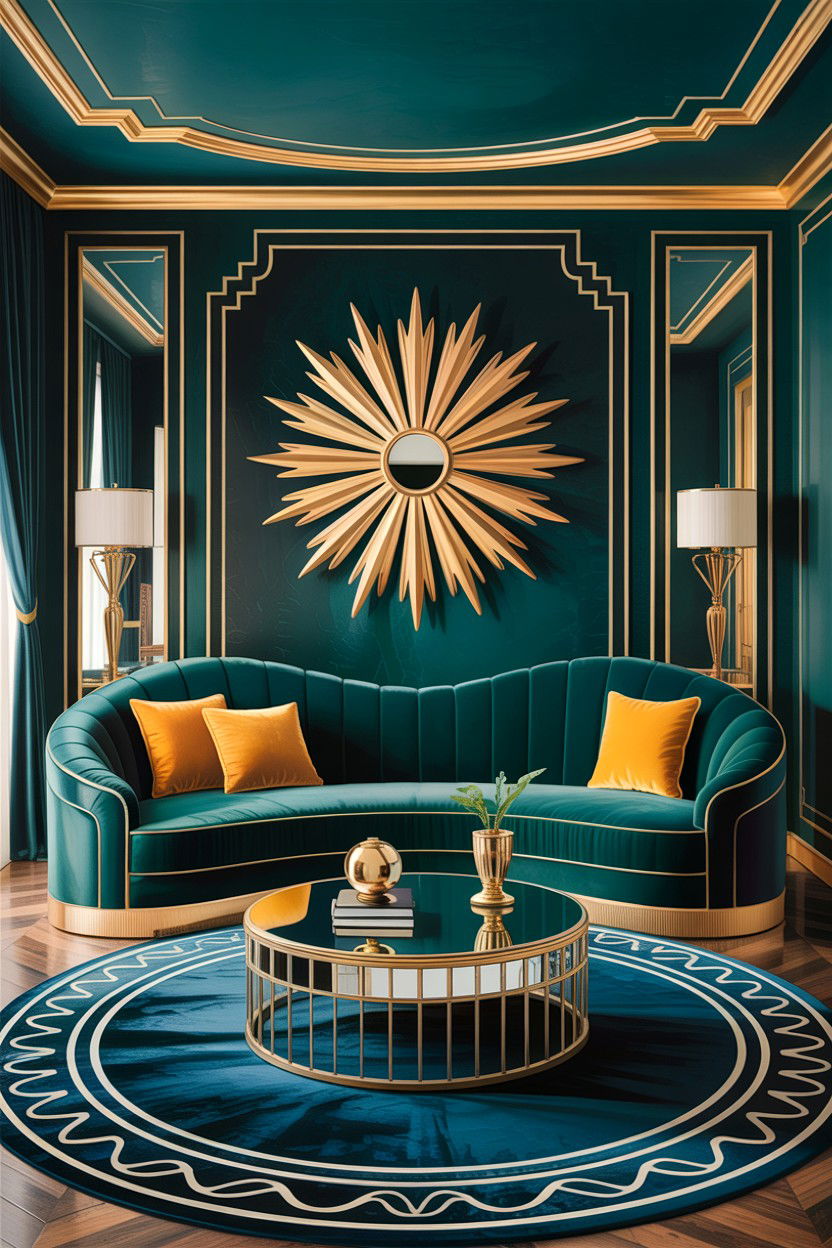
Art Deco design is all about glamour, bold colors, and geometric patterns, making it a fantastic choice for a formal living room. This style often features luxurious materials like velvet, marble, and polished gold or chrome accents. You might see a curved sofa in a deep jewel tone, paired with a mirrored coffee table and a bold, sunburst-style wall clock. Geometric motifs are commonly used in rugs, wallpaper, and light fixtures to add visual drama and energy. This approach creates a high-impact space that feels both vintage and incredibly high-end, perfect for those who want to make a bold design statement.
14. French Country Formal Living Room
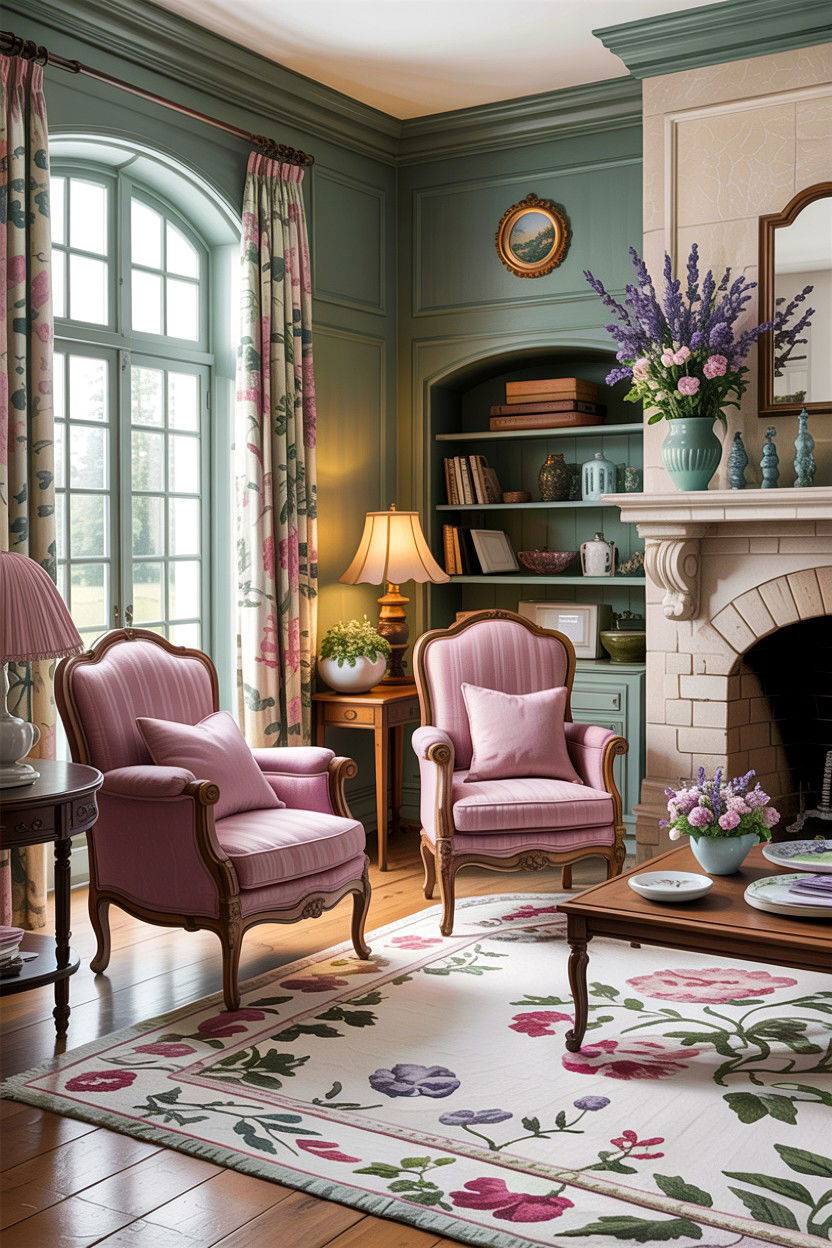
A French country formal living room exudes a sense of rustic elegance and timeless charm that feels both sophisticated and cozy. This style often features soft, muted colors like lavender, sage green, and buttery yellow, paired with distressed wood furniture and floral patterns. You might see a classic bergère chair with intricate carvings or a large, ornate mirror above a stone fireplace. To achieve this look, focus on incorporating natural materials and antique-inspired pieces that tell a story. Soft, flowing curtains and elegant chandeliers help to elevate the space, creating a warm and inviting environment that feels like a beautiful countryside escape.
15. Contemporary Formal Living Room
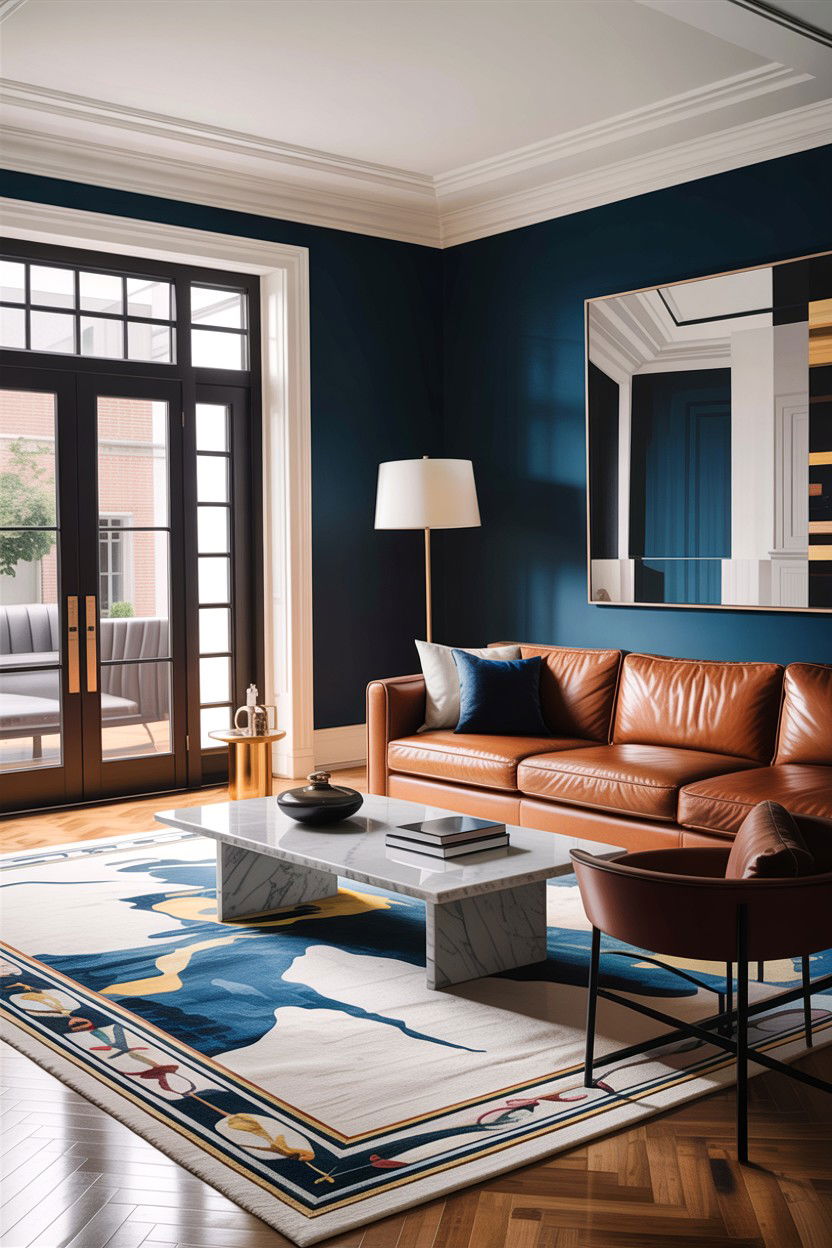
What makes a contemporary formal living room stand out is its focus on current trends and a mix of various design influences. This style is constantly evolving, often featuring a neutral palette with bold accents and a focus on sleek, clean lines. You might see a mix of materials, such as a leather sofa paired with a marble coffee table and a large, abstract rug. High-tech lighting and statement art pieces are common elements that add a modern edge to the space. The goal is to create a room that feels fresh, updated, and perfectly suited for modern living while maintaining a formal feel.
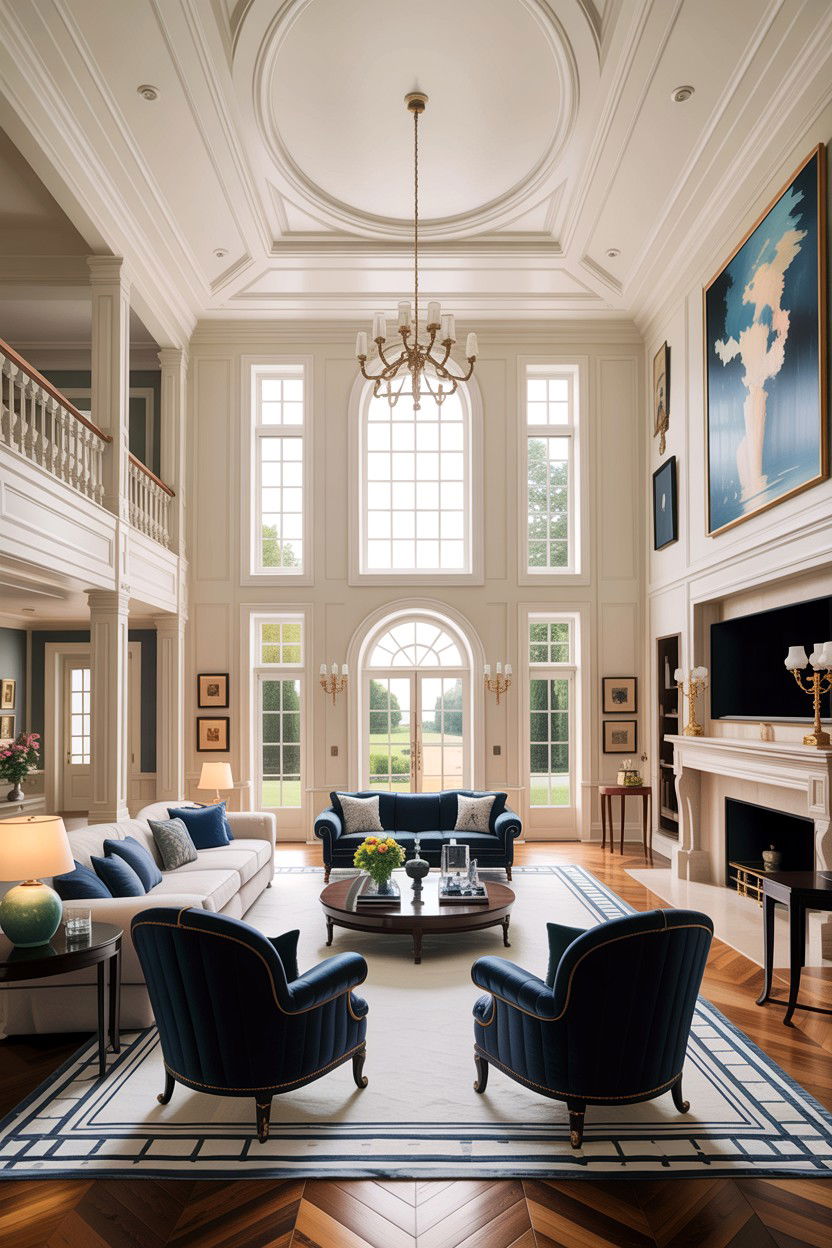
16. Rustic Formal Living Room
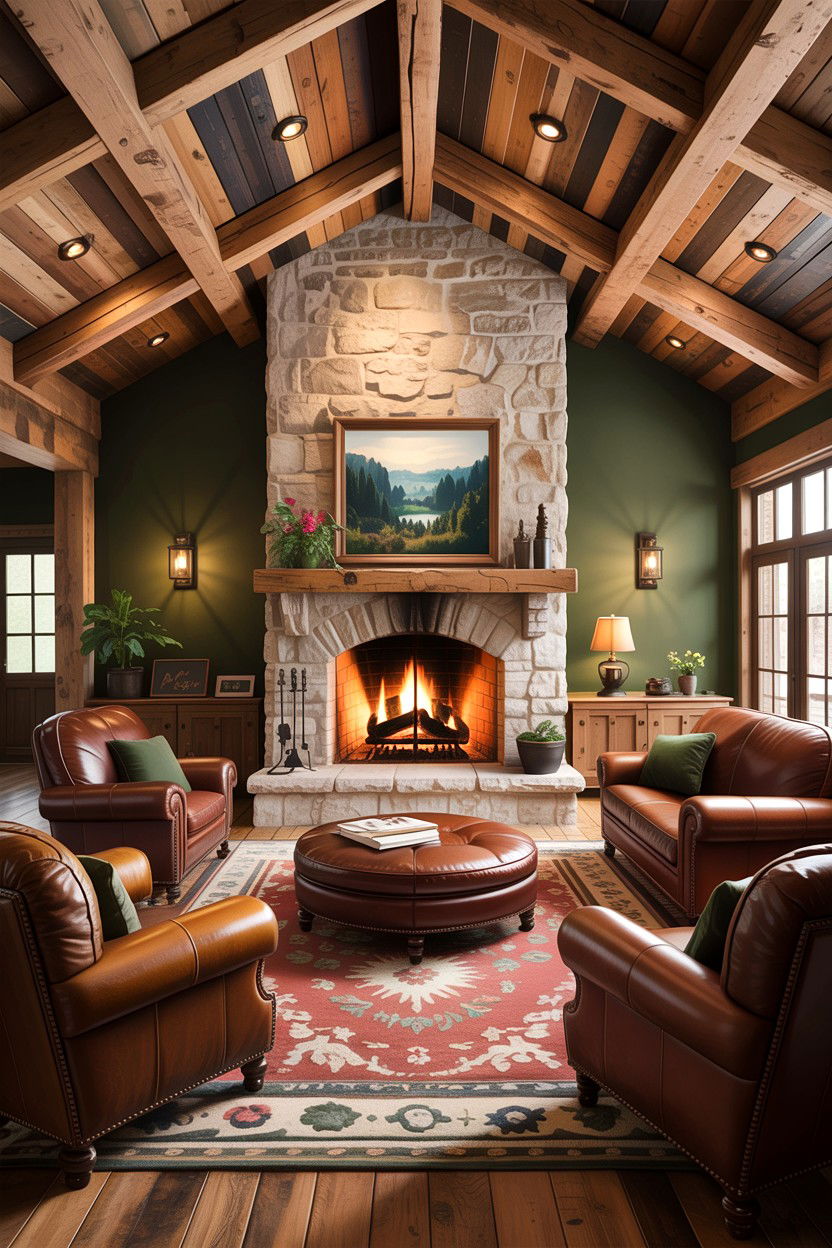
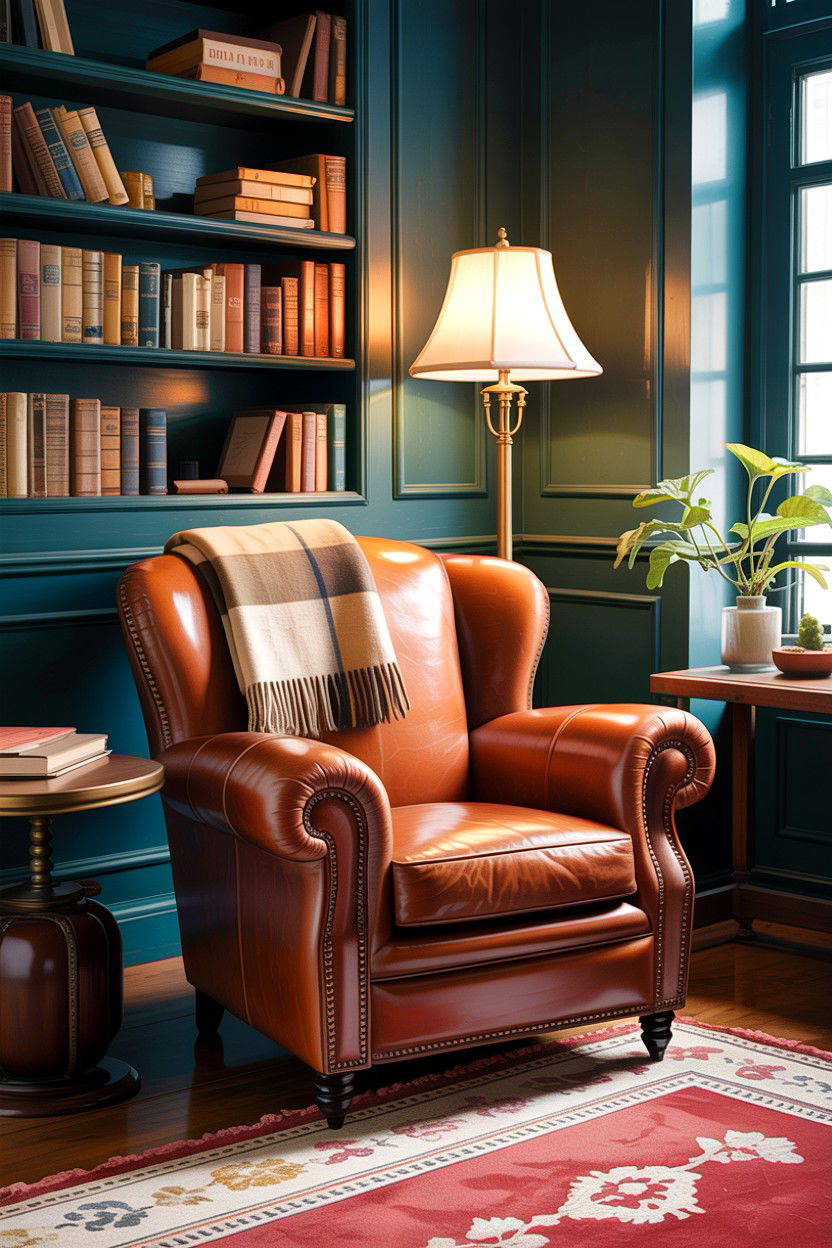
A rustic formal living room brings the beauty of the outdoors inside, using natural materials to create a warm and sophisticated space. This look often features large stone fireplaces, heavy wood beams, and comfortable leather or linen seating. To keep the room feeling formal, you can incorporate polished finishes, such as a large glass chandelier or elegant metal accents. A palette of earthy tones like deep brown, forest green, and slate grey helps to create a grounded and serene atmosphere. Adding soft textiles like wool rugs and plush throws ensures the space feels cozy and inviting for all your guests.
17. Hollywood Regency Formal Living Room
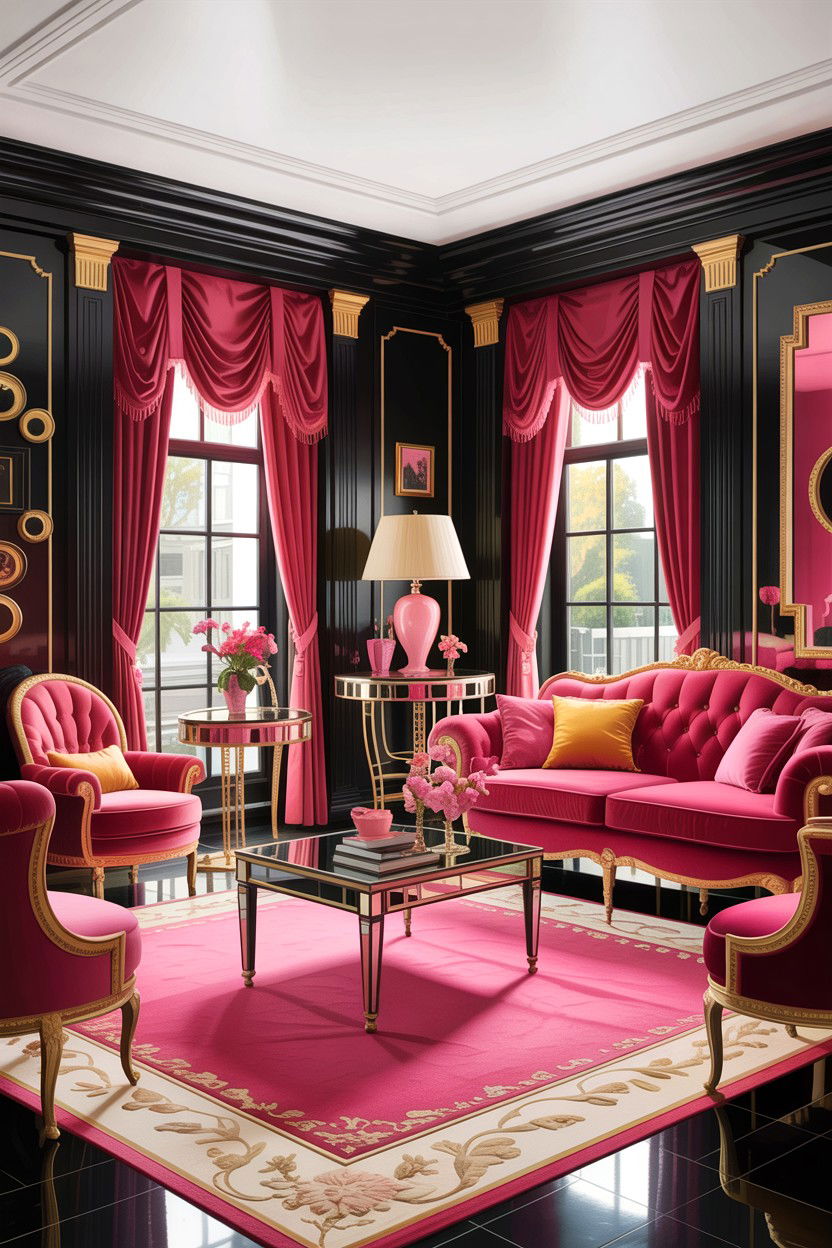
Hollywood Regency style is all about high-gloss finishes, bold colors, and a sense of theatrical glamour that is perfect for formal entertaining. In this type of living room, you might find lacquered furniture, mirrored surfaces, and luxurious fabrics like silk and velvet. Bold patterns, such as zebra print or oversized florals, are often used to add visual interest and a touch of drama. Gold and brass accents are essential for creating a high-end look that feels both vintage and incredibly modern. This style encourages you to be bold with your design choices, resulting in a space that is truly unique and unforgettable.
18. Victorian Formal Living Room
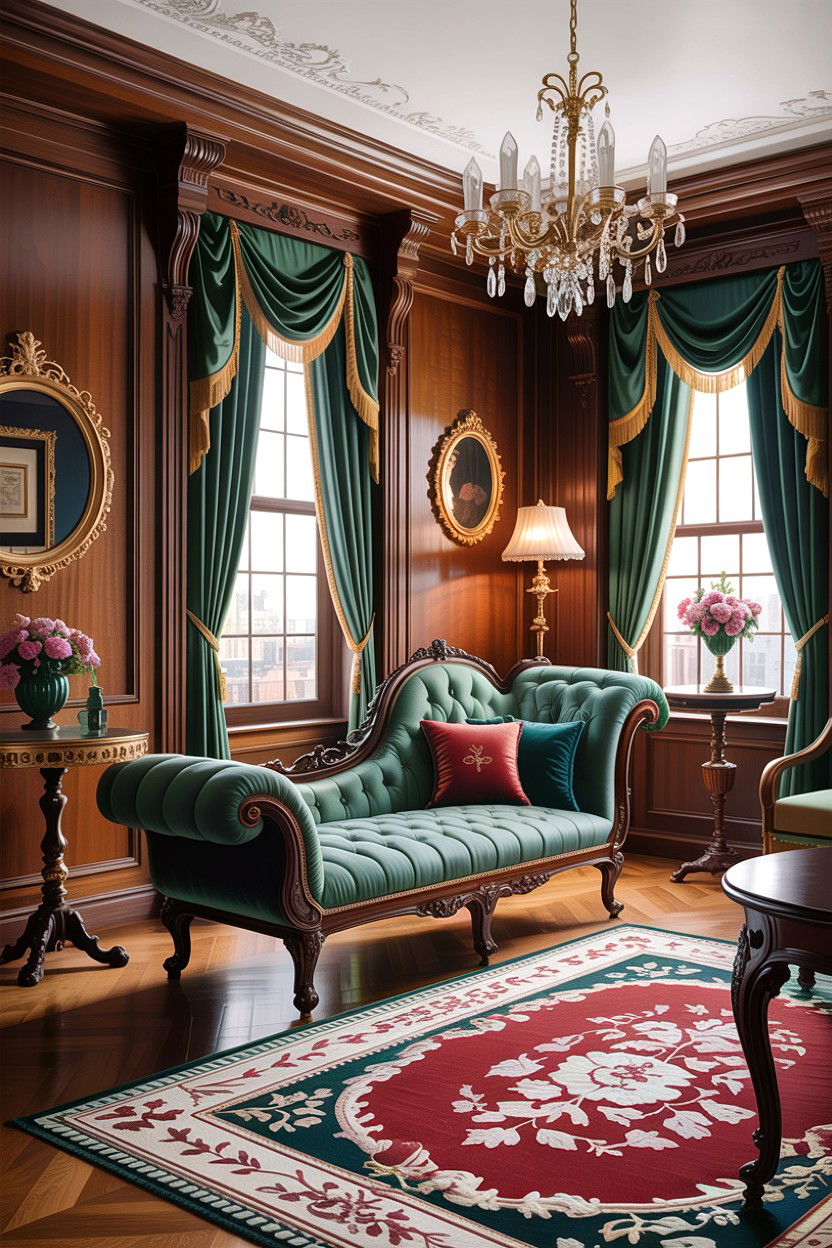
A Victorian formal living room is a celebration of ornate details, rich colors, and historical charm that feels incredibly grand. This style often features dark wood paneling, intricate crown molding, and heavy, luxurious fabrics like brocade and velvet. You might see a variety of antique furniture pieces, such as a tufted chaise longue or a carved mahogany coffee table. A palette of deep jewel tones like ruby red, emerald green, and sapphire blue helps to create a dramatic and sophisticated atmosphere. Ornate chandeliers and gold-framed artwork complete the look, making the room feel like a beautiful step back in time for your guests.
19. Mediterranean Formal Living Room
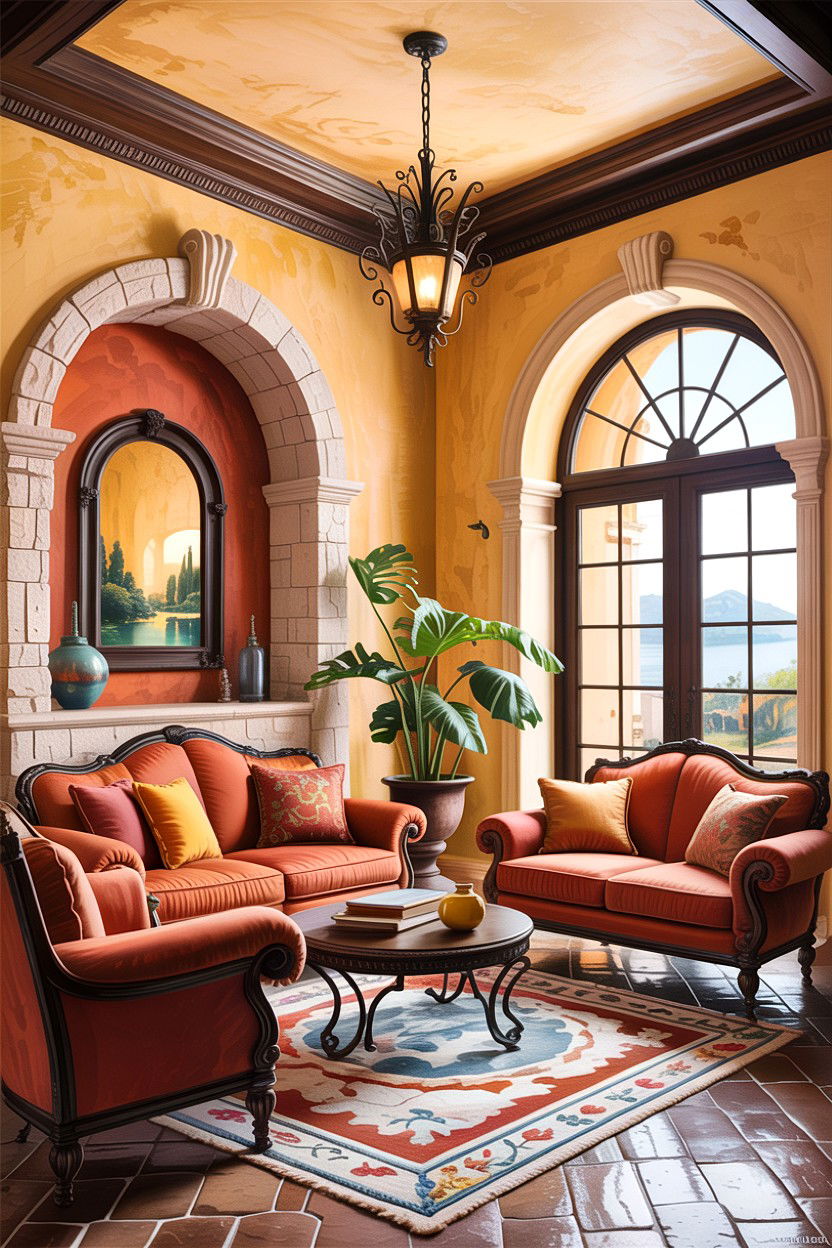
Bringing the warmth and beauty of the Mediterranean into your formal living room creates a space that feels both exotic and elegant. This style often features textured plaster walls, wrought iron accents, and terracotta or stone flooring. A palette of warm tones like ochre, terracotta, and deep blue evokes the feeling of a sun-drenched villa. You might see oversized furniture with carved wood details and large, arched windows that let in plenty of natural light. Incorporating vibrant patterns through rugs and pillows adds a touch of personality and life to the room, making it a perfect place for relaxed yet formal gatherings.
20. Eclectic Formal Living Room
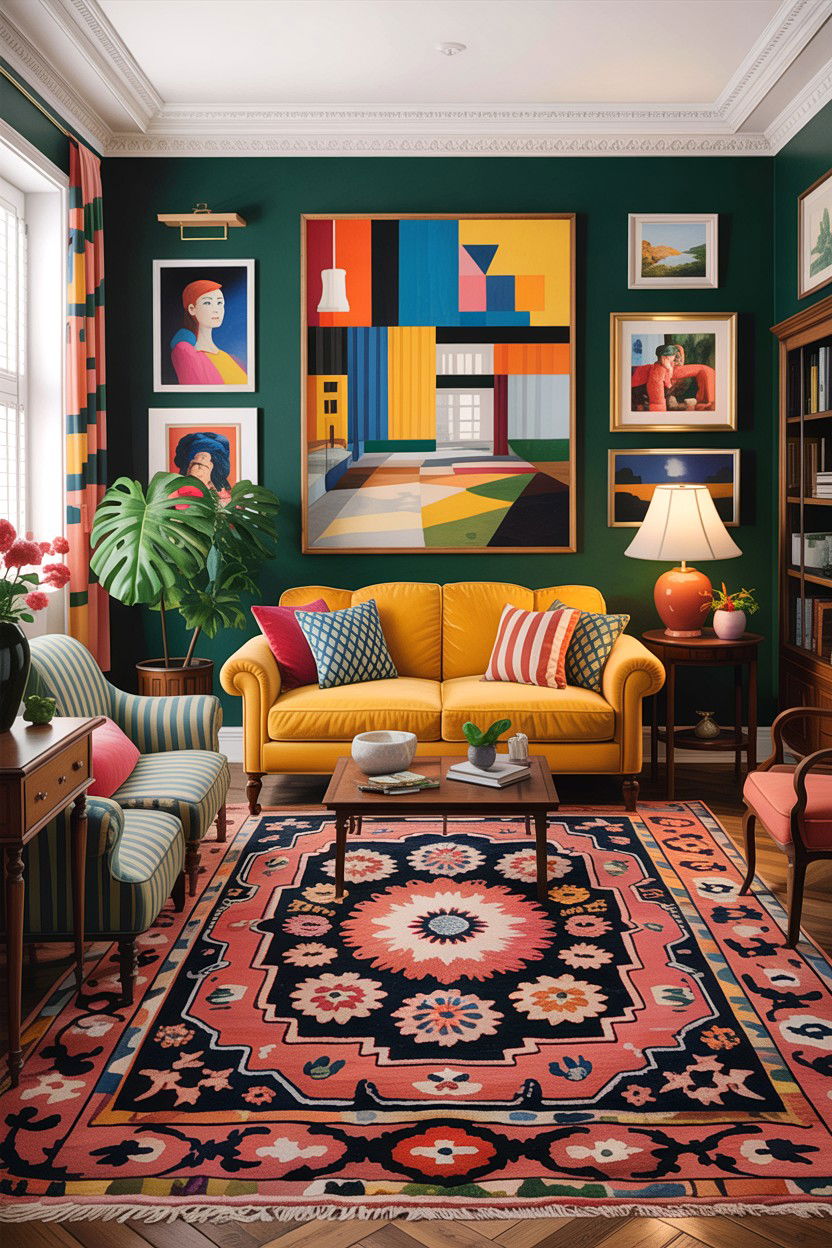
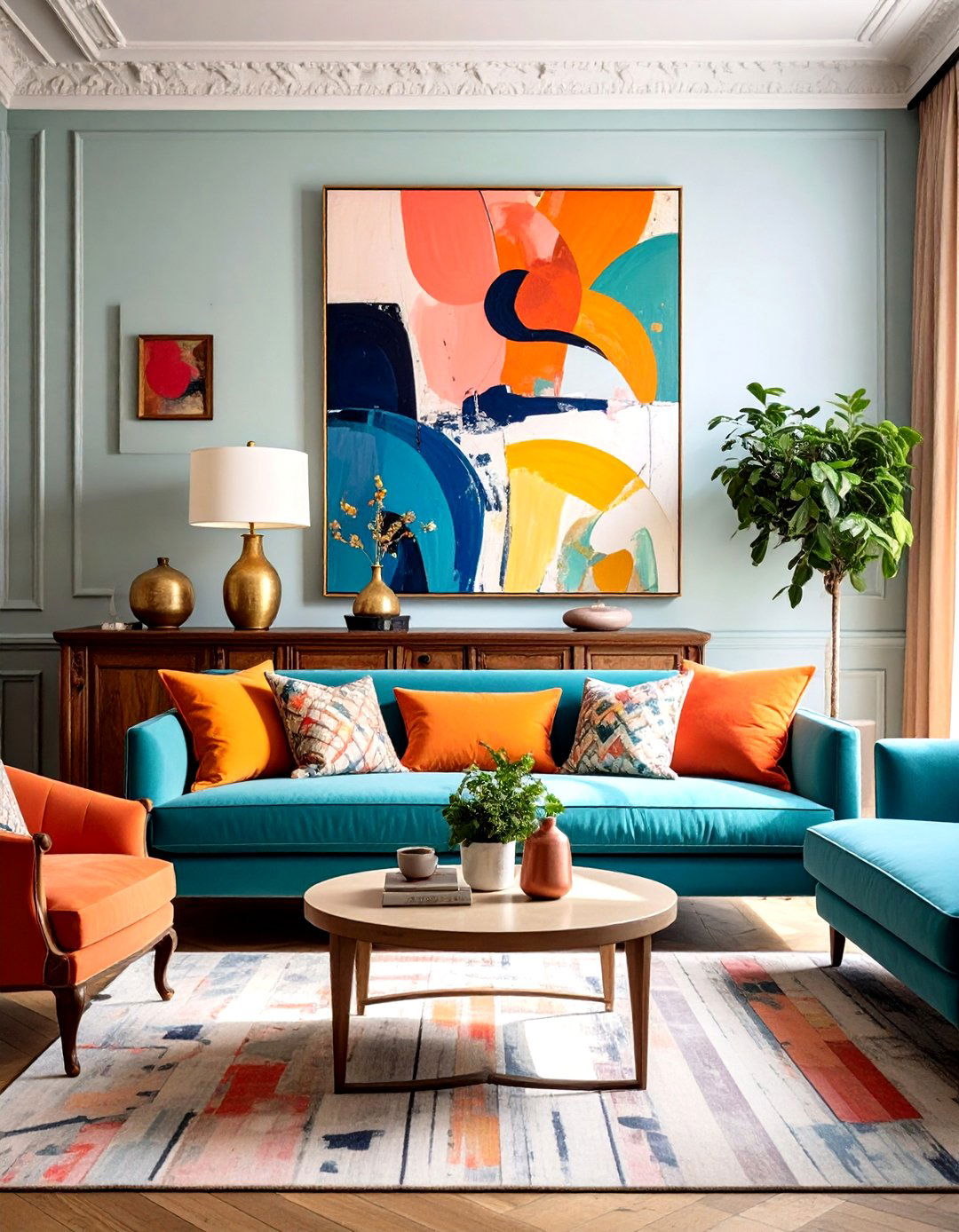
An eclectic formal living room is a wonderful way to showcase your personal style by mixing different eras, colors, and textures. This approach allows you to combine a modern sofa with vintage armchairs and a bold, contemporary rug for a look that is entirely unique. To keep the space feeling formal, focus on maintaining a sense of balance and choosing a few key pieces that anchor the room. A cohesive color palette can also help to tie the different elements together, creating a space that feels curated rather than cluttered. This style is perfect for those who love to collect and display meaningful items.
21. Black And White Formal Living Room
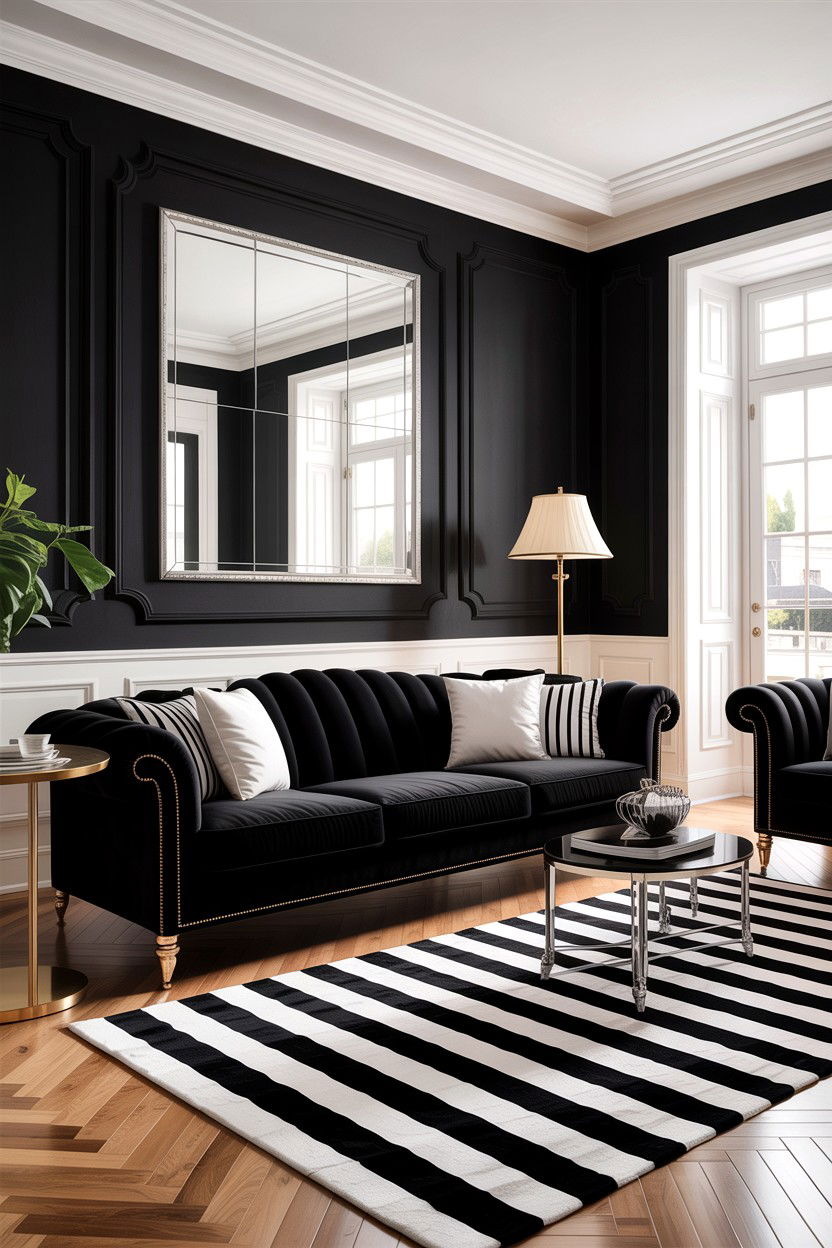
There is something incredibly sophisticated and timeless about a black and white color scheme in a formal living room setting. This high-contrast palette creates a bold and dramatic look that is both modern and classic at the same time. You can use large blocks of color, such as a black sofa against white walls, or incorporate patterns like stripes or houndstooth for visual interest. Adding metallic accents in gold or silver can help to elevate the space and add a touch of luxury. This approach focuses on clean lines and a strong sense of order, resulting in a room that feels incredibly polished.
22. Blue Formal Living Room
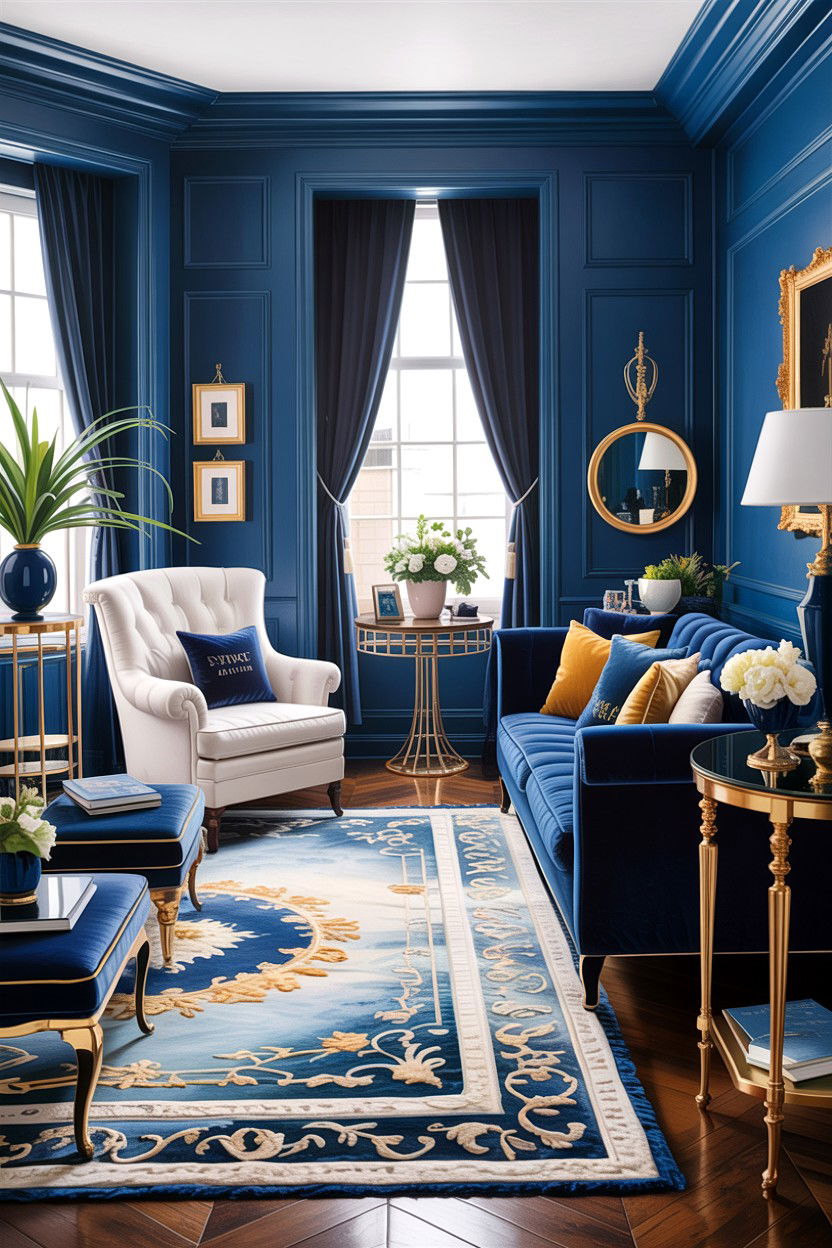
Blue is a versatile and calming color that can create a variety of moods in a formal living room, from serene to dramatic. A deep navy blue on the walls can provide a sophisticated and moody backdrop for light-colored furniture and gold accents. On the other hand, a soft sky blue can make the room feel bright, airy, and incredibly welcoming for your guests. You can incorporate different shades of blue through upholstery, rugs, and artwork to add depth and visual interest. Pairing blue with neutral tones like white, cream, or grey helps to create a balanced and cohesive environment for any home.
23. Grey Formal Living Room
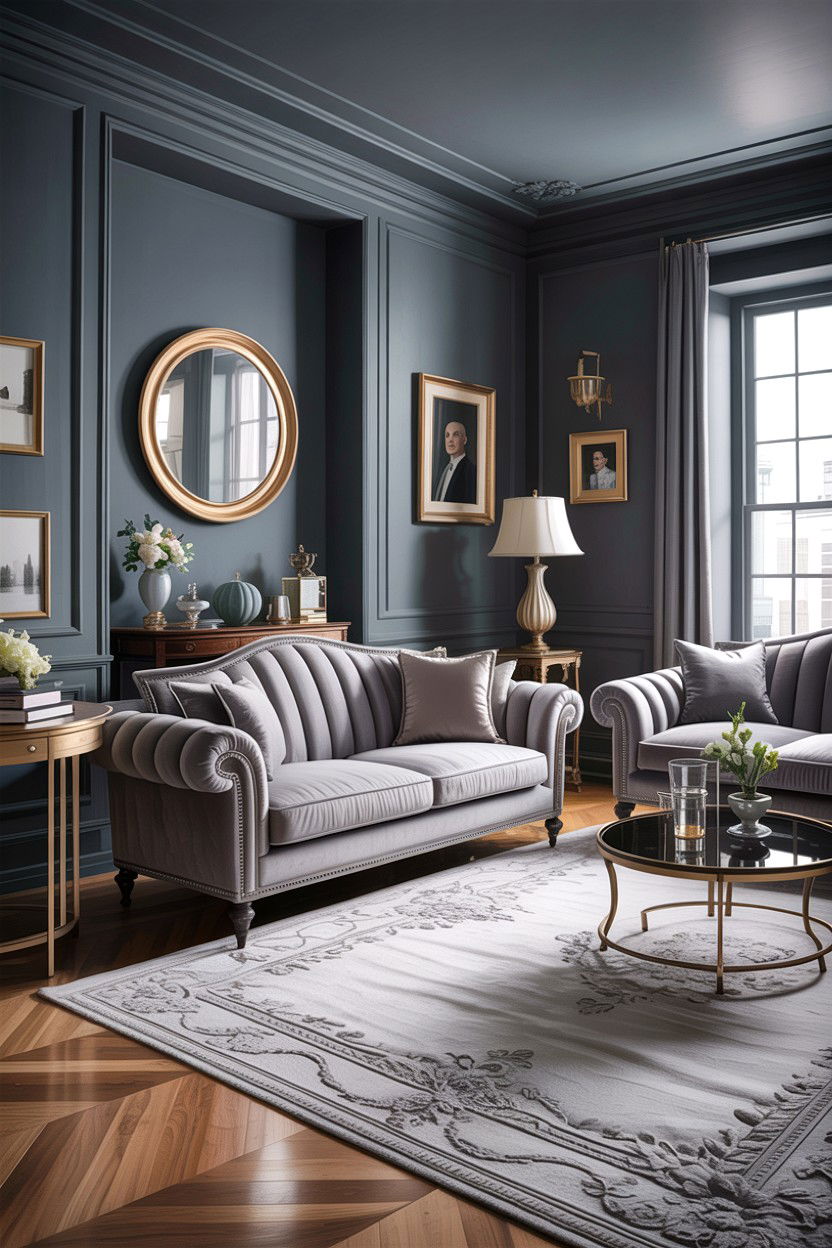
Grey is a popular choice for formal living rooms because it offers a sophisticated and neutral foundation that works with many different styles. From light silver to deep charcoal, there are many shades of grey to choose from, each creating a unique atmosphere in the space. You can layer different tones of grey through furniture, textiles, and wall colors to add depth and visual interest without overwhelming the senses. Adding pops of color through accessories or artwork can help to personalize the room and make it feel more dynamic. This approach creates a calm and elegant environment that is perfect for formal entertaining.
24. Green Formal Living Room
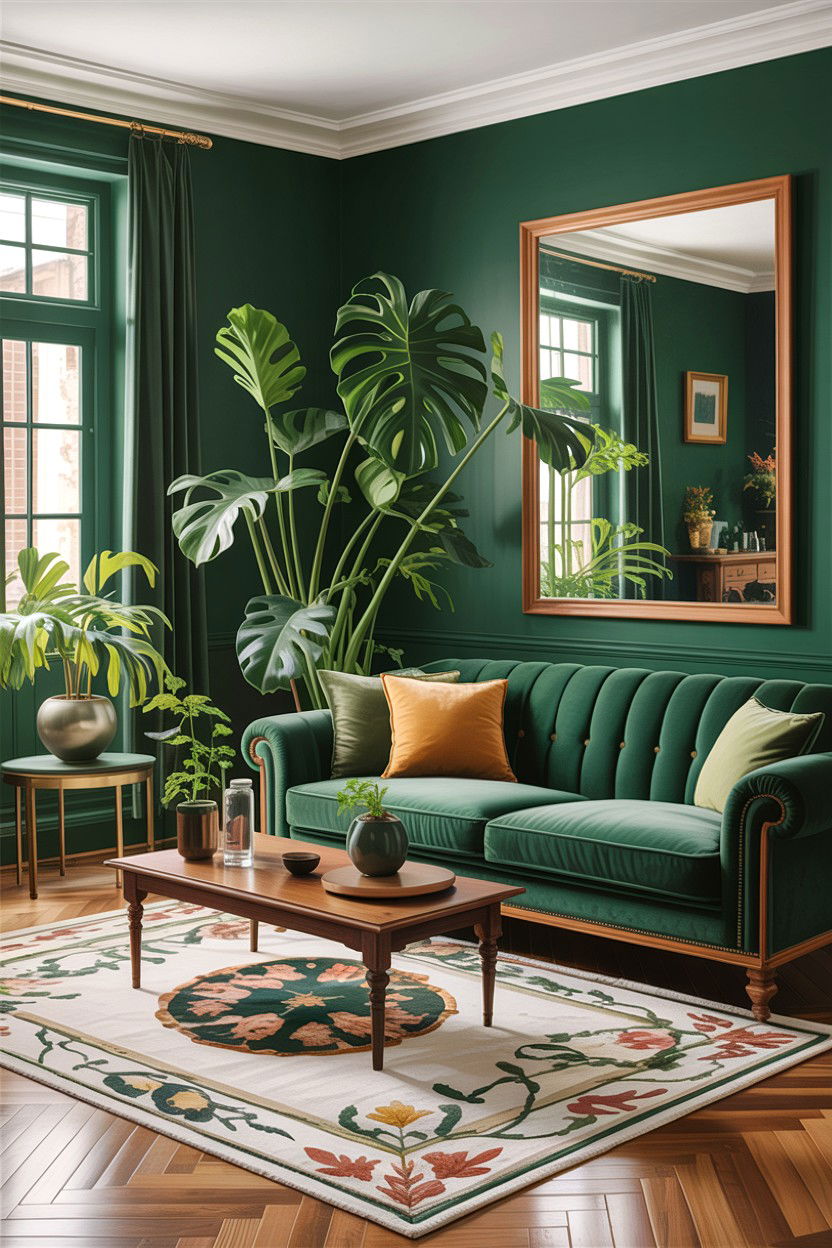
Incorporating green into your formal living room can create a space that feels both vibrant and incredibly grounded in nature. A deep forest or emerald green can add a sense of luxury and drama, especially when paired with rich wood finishes and gold accents. Lighter shades like sage or mint green can make the room feel fresh, airy, and relaxing for you and your guests. You can use green as a bold wall color or incorporate it through velvet upholstery and large indoor plants. This color works beautifully with other natural materials like stone and wood, creating a cohesive and sophisticated environment for your home.
25. Neutral Formal Living Room
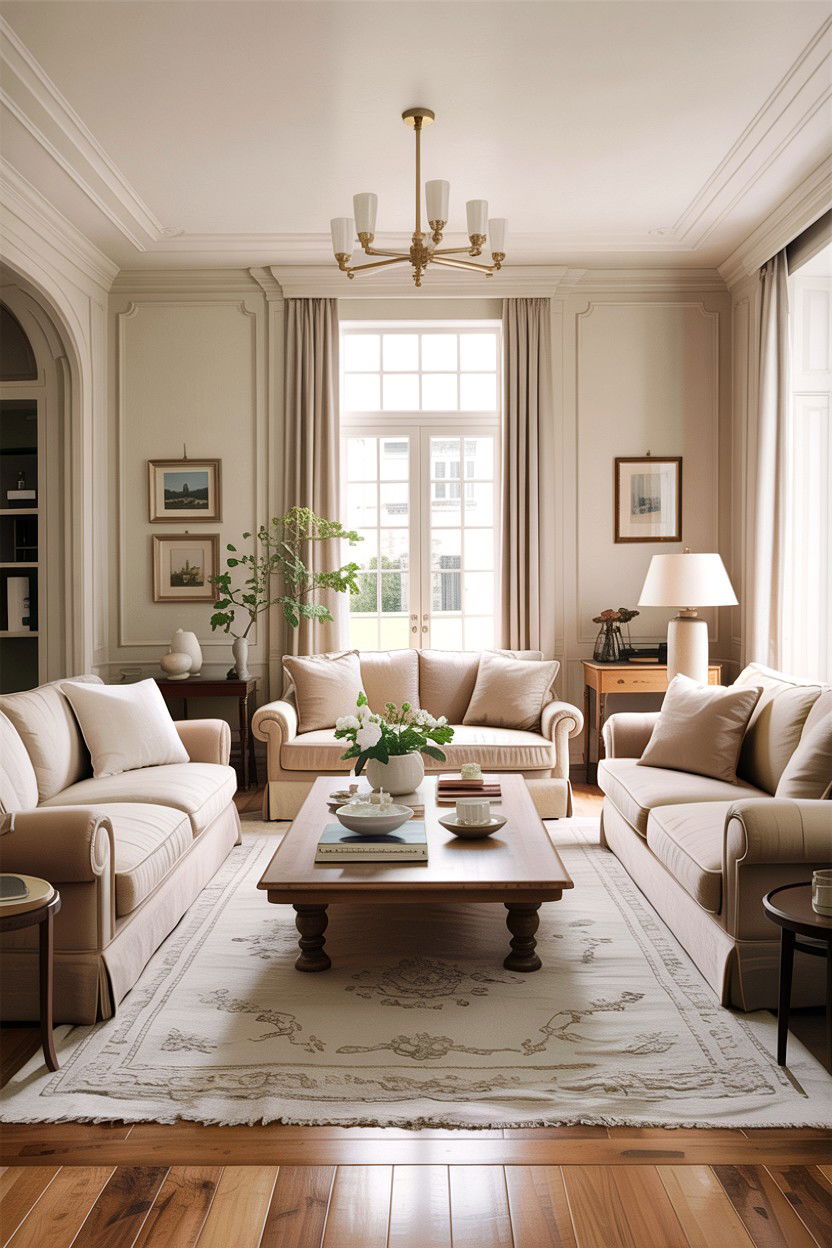
A neutral formal living room is a timeless choice that focuses on a palette of whites, beiges, creams, and soft tans. This approach creates a serene and sophisticated environment where the focus is on texture and high-quality materials rather than bold colors. You can add depth to the space by layering different fabrics, such as a linen sofa, a wool rug, and silk pillows. Incorporating natural wood and stone accents helps to ground the room and add a sense of organic beauty. This style is incredibly versatile, allowing you to easily update the look of the room with different accessories and artwork.
26. Velvet Formal Living Room
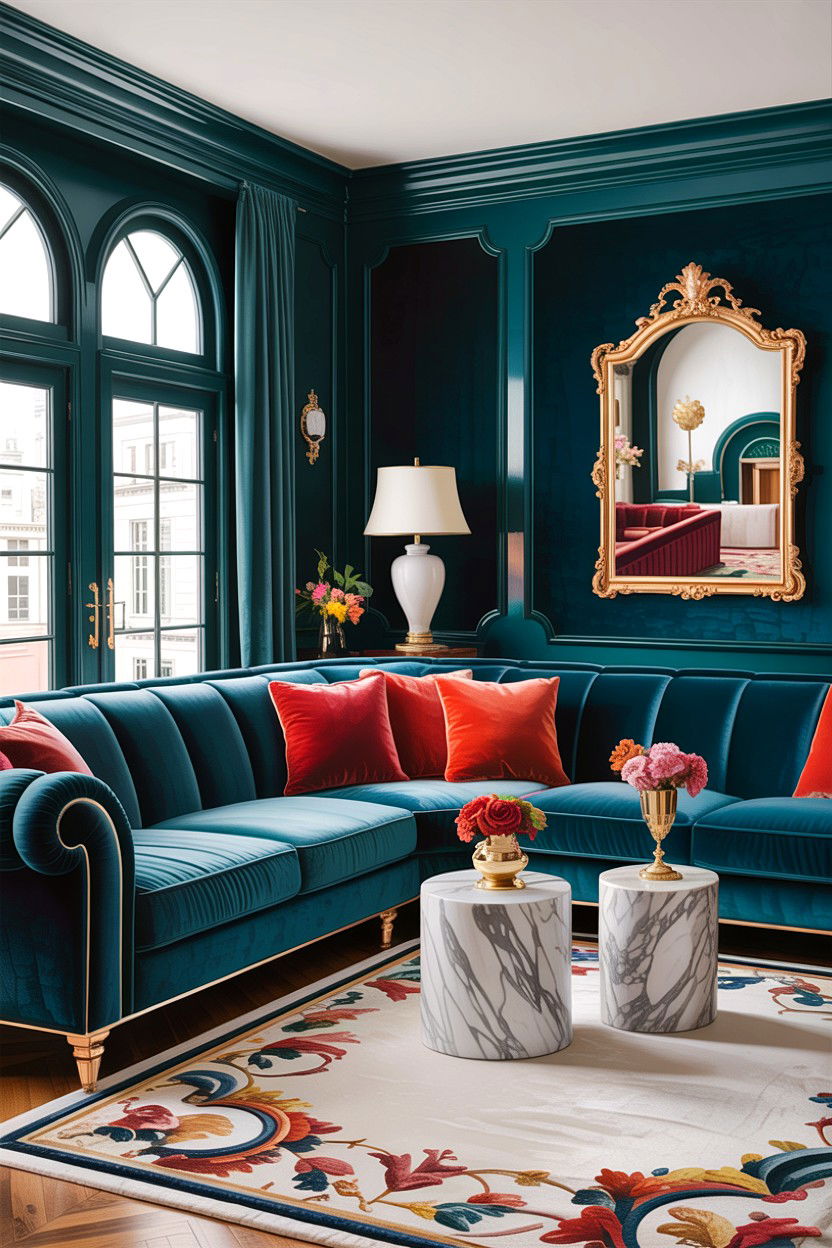
Velvet is a luxurious fabric that instantly adds a sense of elegance and sophistication to any formal living room setting. Whether it is a large velvet sectional or a pair of accent chairs, this material provides a rich texture and a beautiful sheen. You can choose from a variety of colors, from deep jewel tones to soft neutrals, to create the perfect mood for your space. Pairing velvet with other high-end finishes like marble, brass, and dark wood helps to elevate the entire room. This approach focuses on creating a tactile and indulgent environment that feels both comfortable and incredibly upscale for guests.
27. Open Concept Formal Living Room
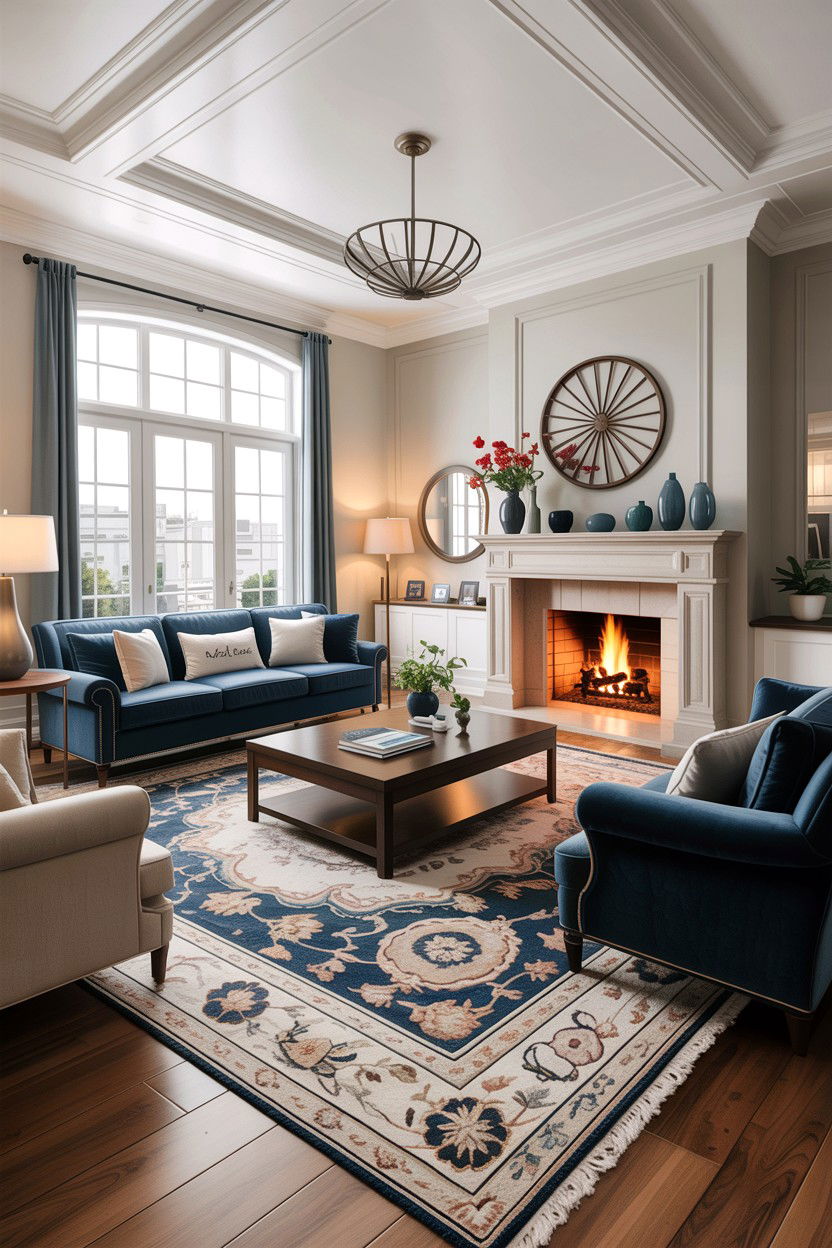
Designing a formal living room within an open concept layout requires a strategic approach to define the space while maintaining a sense of flow. You can use large area rugs and furniture groupings to create a clear boundary for the living area without using walls. Choosing a consistent color palette and style across the different zones helps to create a cohesive and harmonious environment. To maintain a formal feel, focus on selecting high-quality furniture and adding architectural details like a statement fireplace or custom shelving. This approach allows you to enjoy the benefits of an open layout while still having a dedicated space for formal entertaining.
28. High Ceiling Formal Living Room
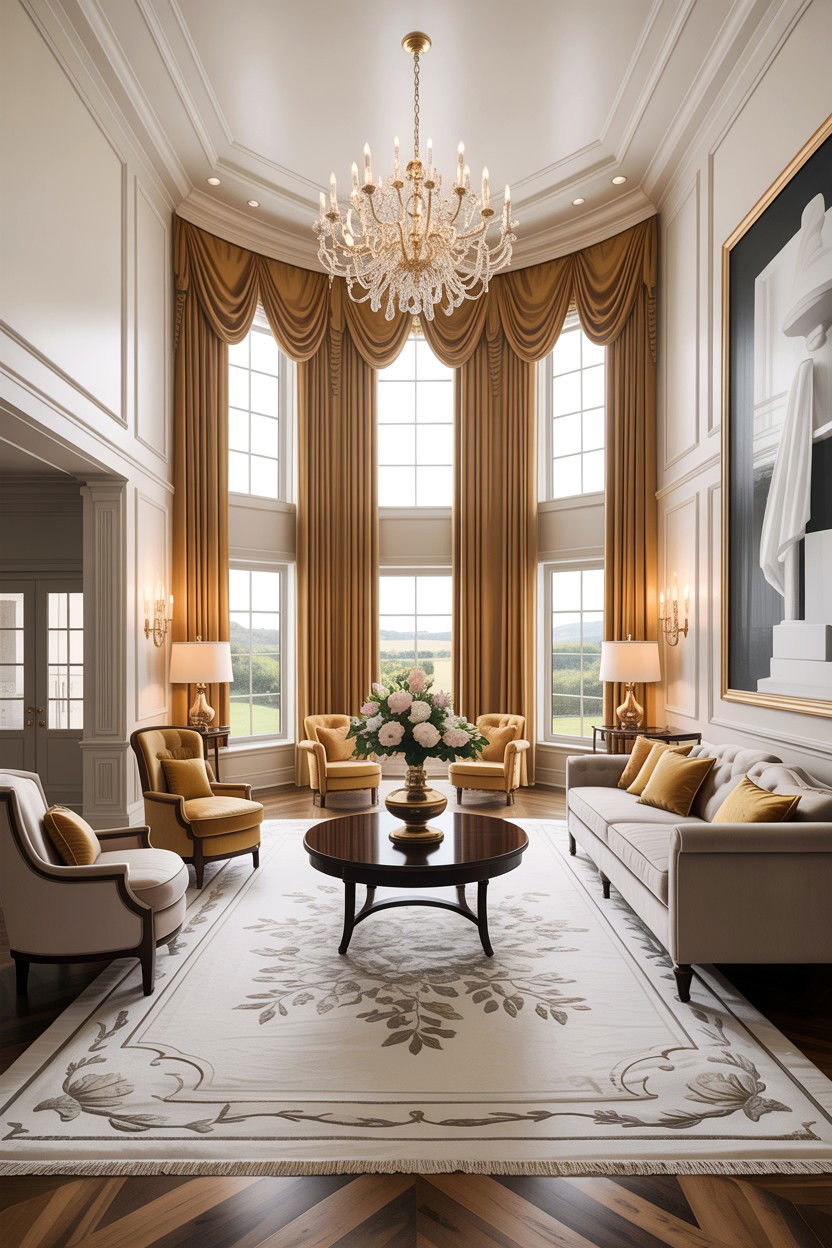
High ceilings provide a wonderful opportunity to create a grand and impressive formal living room that feels incredibly spacious and airy. You can take advantage of the vertical space by incorporating tall windows, oversized artwork, and statement lighting fixtures like a large chandelier. Using vertical elements like floor-to-ceiling curtains or built-in shelving helps to draw the eye upward and emphasize the height of the room. A palette of light colors can help to keep the space feeling open, while dark accents can add a sense of drama and sophistication. This architectural feature creates a high-impact environment that is perfect for hosting large gatherings.
29. Fireplace Formal Living Room
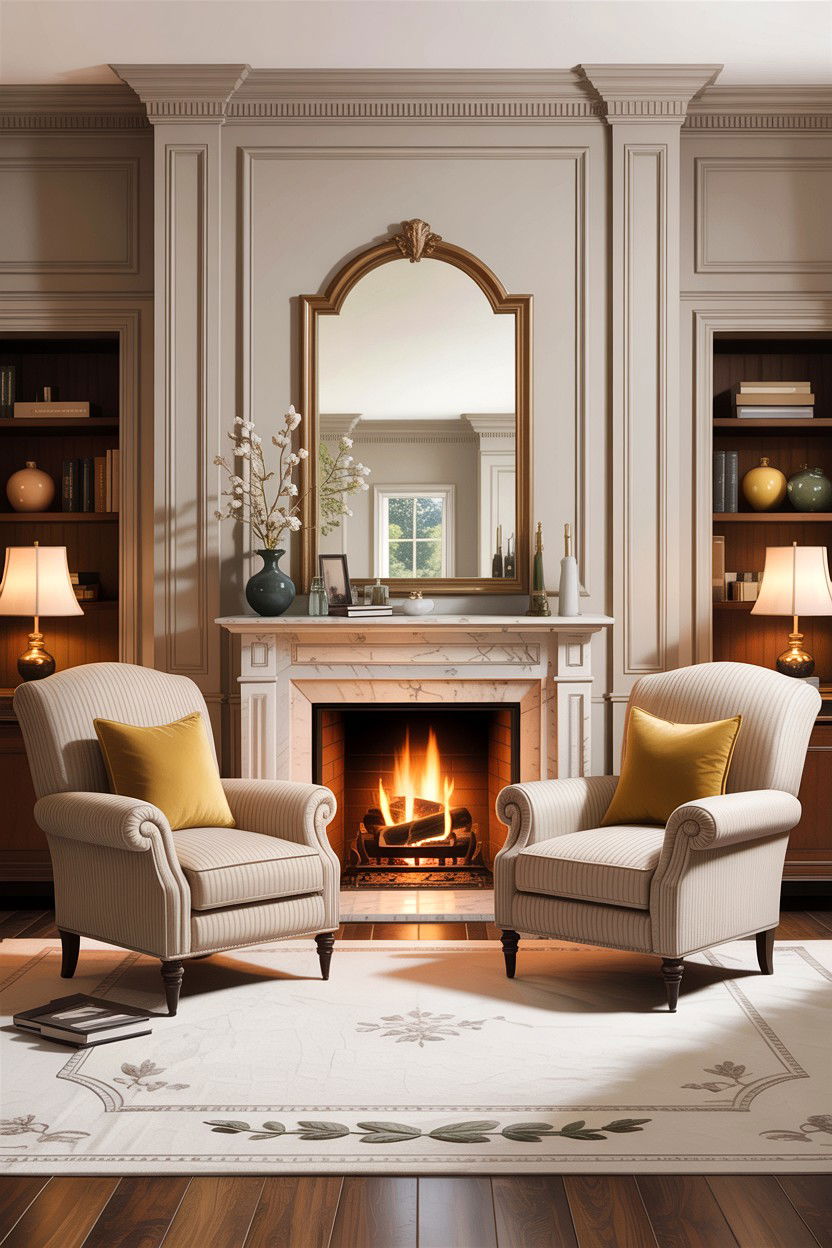
A fireplace is a classic focal point for a formal living room, providing both warmth and a sense of architectural interest. You can design the entire room around the fireplace, using symmetrical furniture arrangements to create a balanced and inviting atmosphere. Choosing a beautiful mantel and surround, whether it is made of marble, stone, or carved wood, helps to elevate the look of the room. You can also use the space above the fireplace to display a large piece of art or a beautiful mirror. This approach creates a cozy and sophisticated environment that is perfect for intimate conversations and formal gatherings.
30. Large Window Formal Living Room
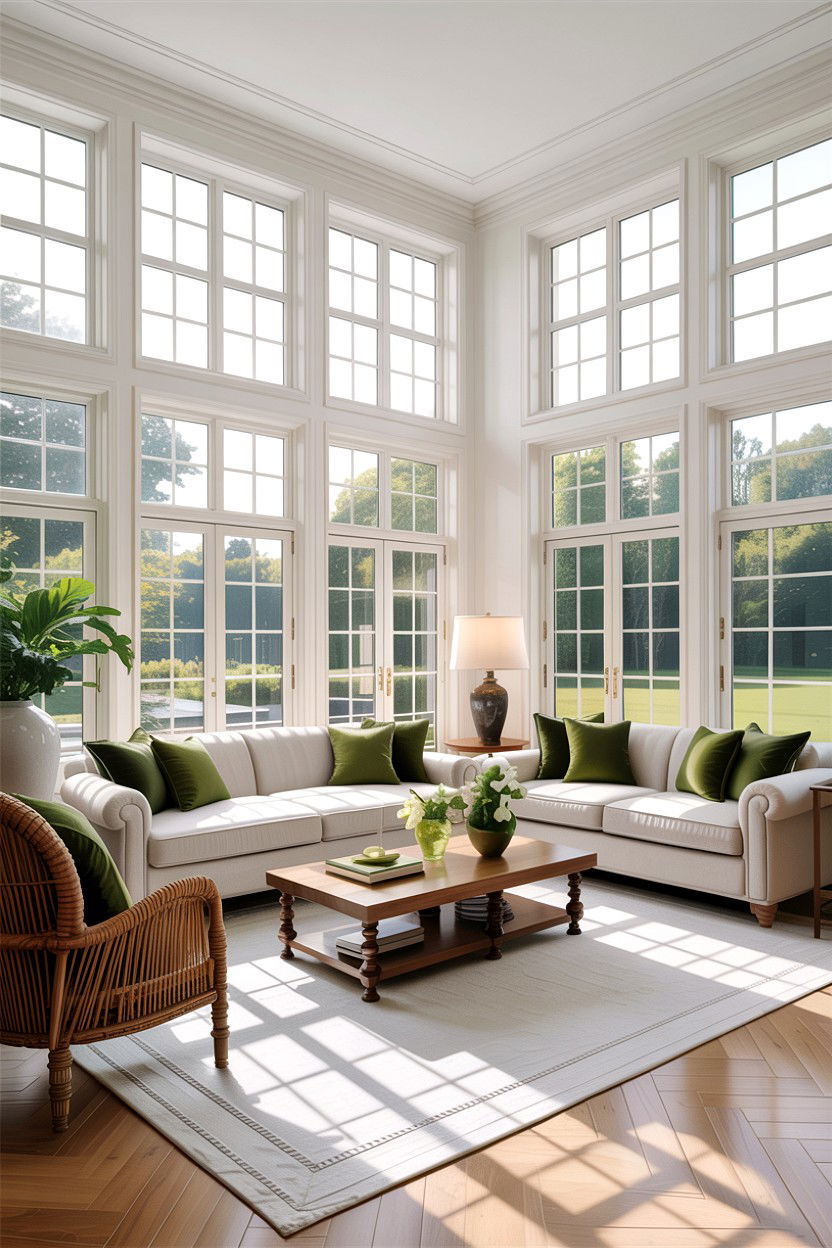
Large windows are a fantastic feature for a formal living room, letting in plenty of natural light and providing a beautiful view of the outdoors. You can design the room to take advantage of the light, using light-colored furniture and reflective surfaces to create a bright and airy atmosphere. Elegant window treatments, such as long drapery or custom shutters, help to frame the view and add a touch of sophistication to the space. Incorporating plenty of greenery and natural materials helps to bridge the gap between the indoors and outdoors, creating a serene and inviting environment that feels both modern and timeless.
Conclusion:
Creating a formal living room is an exciting journey that allows you to showcase your personal style while providing a beautiful space for entertaining. By exploring different design aesthetics, from the sleek lines of modern architecture to the timeless charm of traditional details, you can find the perfect look for your home. Remember to focus on quality materials, thoughtful furniture placement, and a cohesive color palette to ensure the room feels both sophisticated and welcoming. Whether you have a small apartment or a large estate, these thirty ideas provide plenty of inspiration to help you elevate your living space and create a room you love.
Related posts:
Leave a Reply