

Creating a shared space for a boy and a girl requires a delicate balance of style, function, and individual personality to ensure both children feel at home. When siblings share a room, the design must bridge the gap between different interests while maintaining a cohesive aesthetic that doesn't feel cluttered or disjointed. From clever room dividers to gender-neutral color palettes, there are countless ways to foster harmony in a coed environment. This guide explores thirty creative solutions that maximize square footage and provide private zones for rest and play. By focusing on shared common areas and personalized sleeping quarters, you can transform a single bedroom into a functional sanctuary for your children.
1. Gender Neutral Shared Bedroom
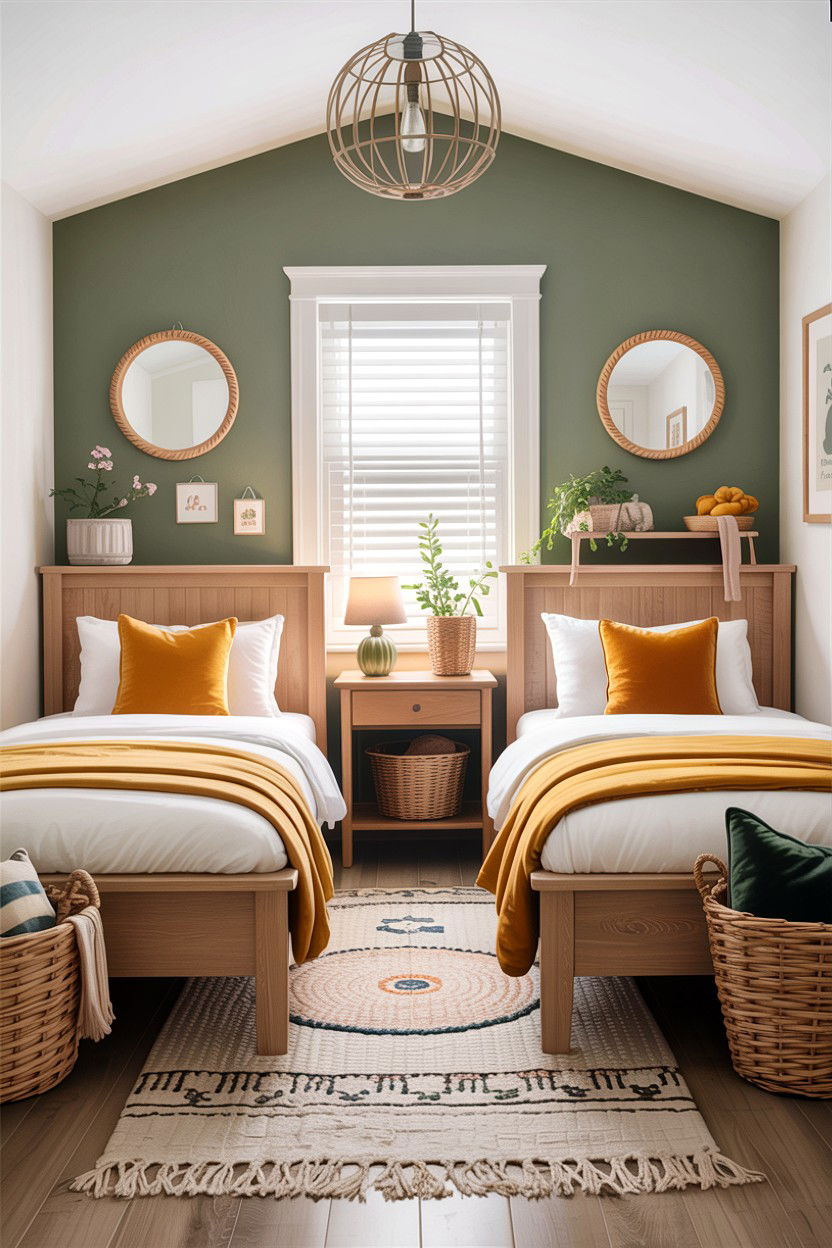
Are you wondering how to design a room that appeals to both a son and a daughter without leaning too far into traditional stereotypes? A gender neutral shared bedroom is the perfect solution, utilizing a sophisticated palette of sage green, warm mustard, or soft charcoal. By choosing a base color that feels inclusive, you create a calming environment where both children can thrive. Incorporate natural materials like light oak furniture and woven storage baskets to add texture and warmth. This approach allows you to layer in personalized accessories, such as themed pillows or unique wall art, that reflect each child's specific hobbies without clashing with the overall design.
2. Bunk Bed Shared Bedroom
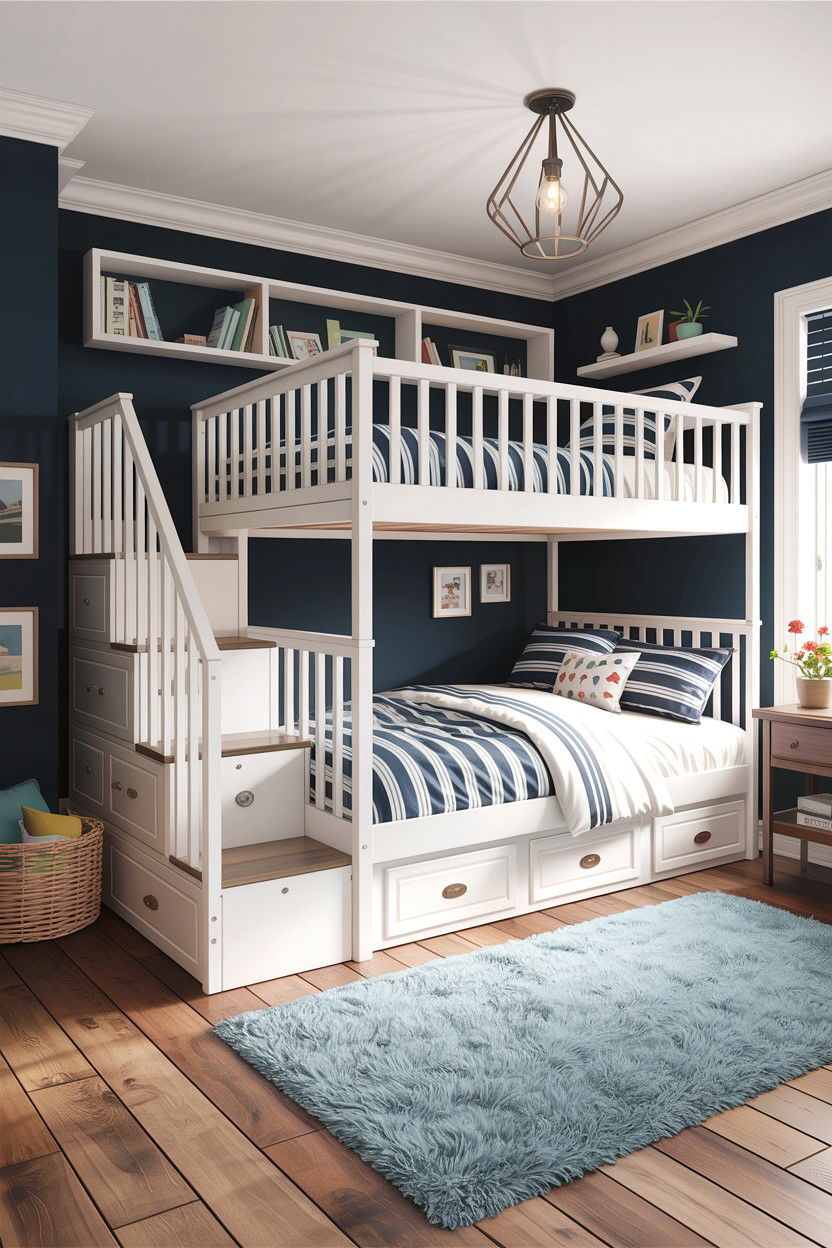
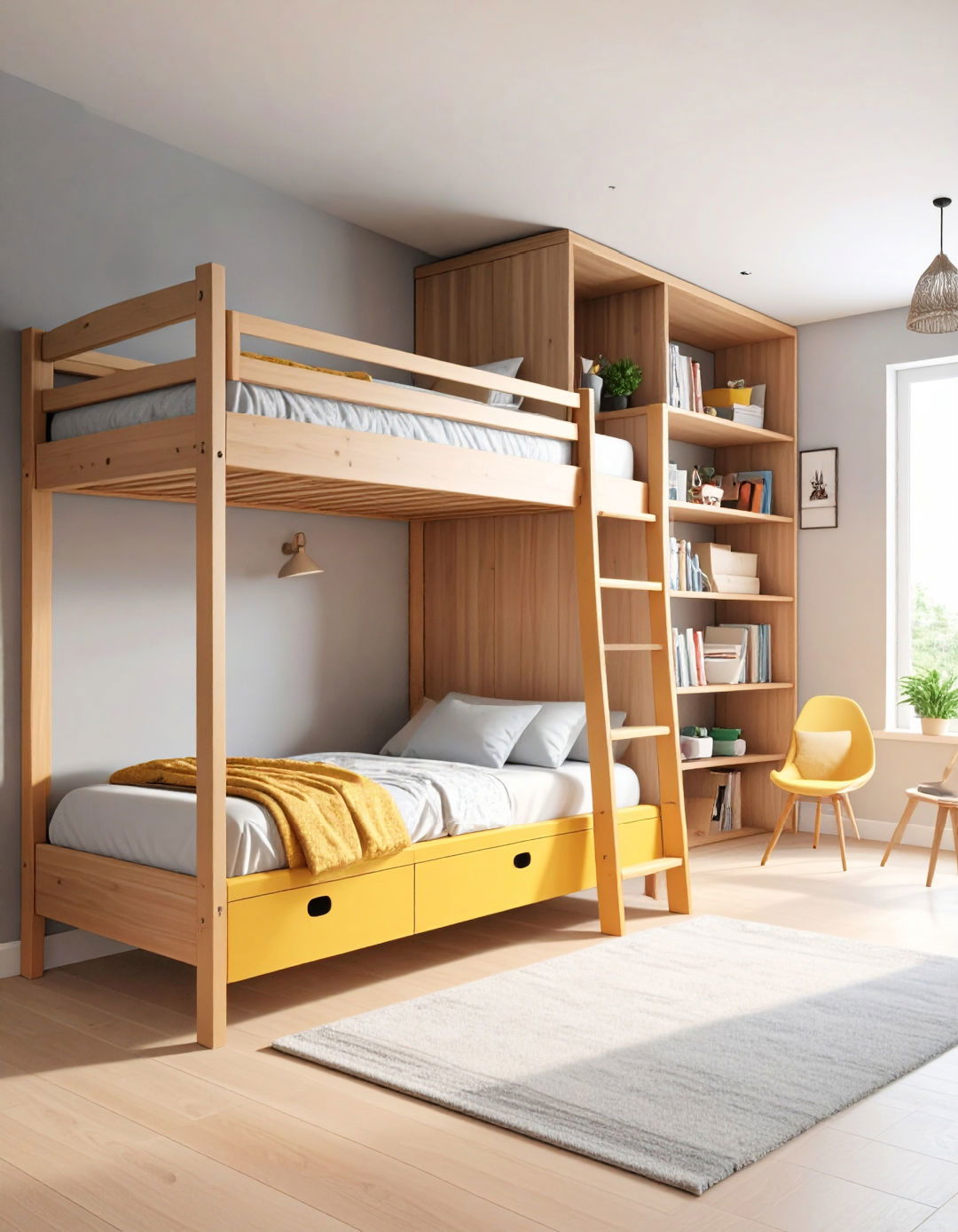
When floor space is limited, a bunk bed shared bedroom offers a practical and adventurous way to accommodate two children in one small area. Modern bunk bed designs often include built-in features like shelving, stairs with hidden drawers, or even integrated desks. To give each child a sense of ownership, consider using different bedding patterns that share a common color thread. Adding a small clip-on reading light and a wall-mounted pocket for books near each mattress ensures that both siblings have a private retreat for nighttime activities. This vertical arrangement frees up the rest of the room for a spacious play zone or a shared study area.
3. Room Divider Curtains For Siblings
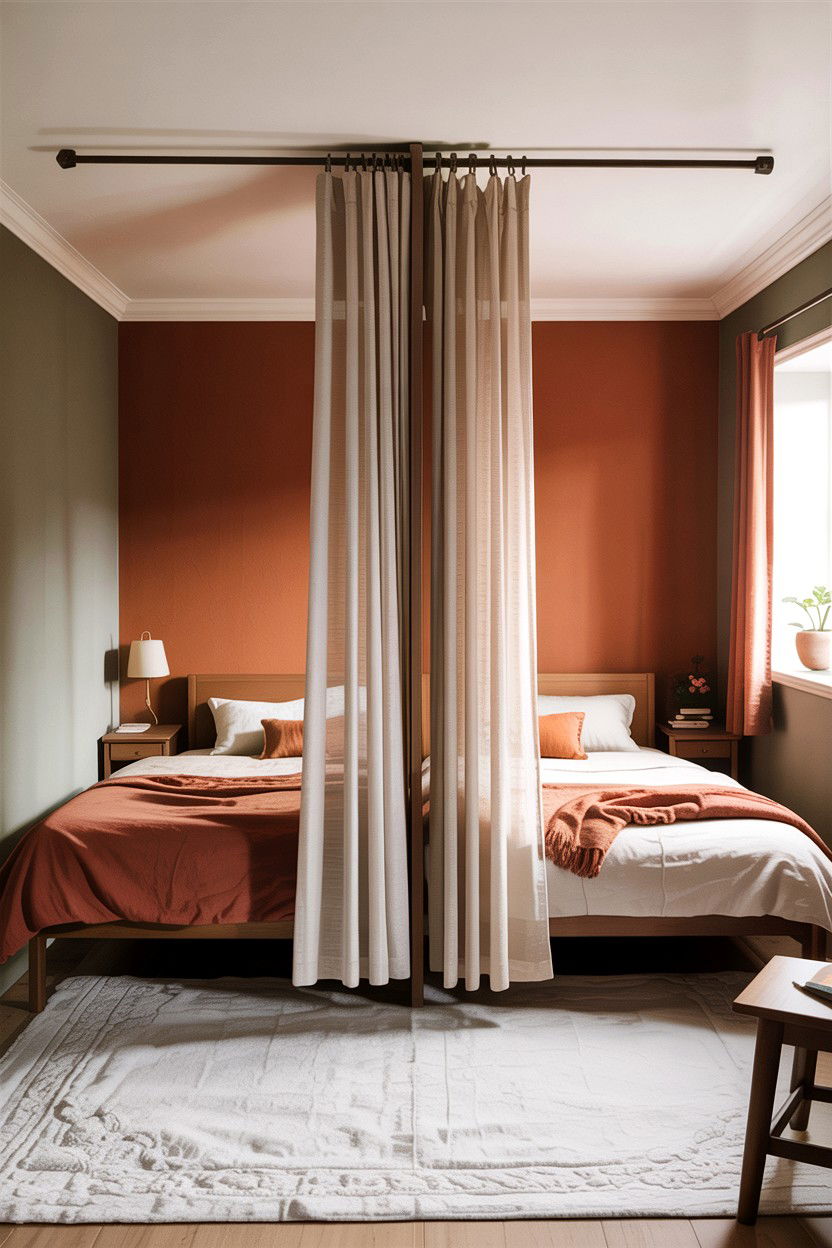
Creating a sense of privacy is essential when a brother and sister share a room, and room divider curtains for siblings offer a flexible, low-cost solution. By installing a ceiling-mounted track between the two beds, you allow each child to "close" their side of the room whenever they need alone time. Choose a heavy, high-quality fabric that coordinates with the room's main color scheme to keep the look intentional and polished. This setup is particularly effective for children with different sleep schedules or those who simply enjoy having a secret fort-like atmosphere. When the curtains are open, the room remains bright, airy, and fully connected.
4. Modern Shared Bedroom
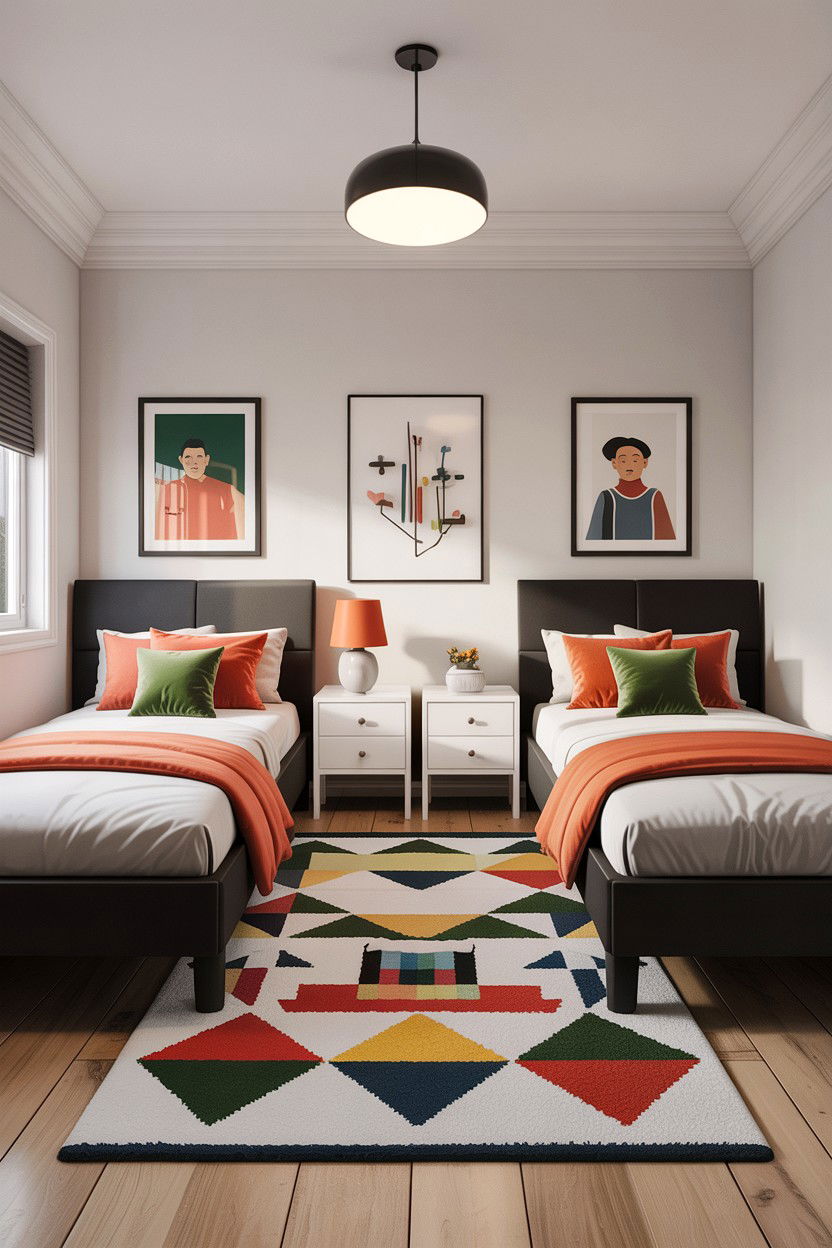
For parents who prefer a clean and contemporary look, a modern shared bedroom focuses on sleek lines, functional furniture, and a restrained color palette. Think about using low-profile platform beds and minimalist nightstands that don't overwhelm the space. Use geometric patterns in rugs or wall decals to add visual interest without creating a chaotic environment. A monochromatic base with pops of primary colors can bridge the gap between masculine and feminine styles beautifully. Integrated lighting, such as recessed LEDs or stylish wall sconces, provides a high-end feel while ensuring the room remains practical for both playing and studying during the busy afternoon hours.
5. Small Shared Bedroom Layout
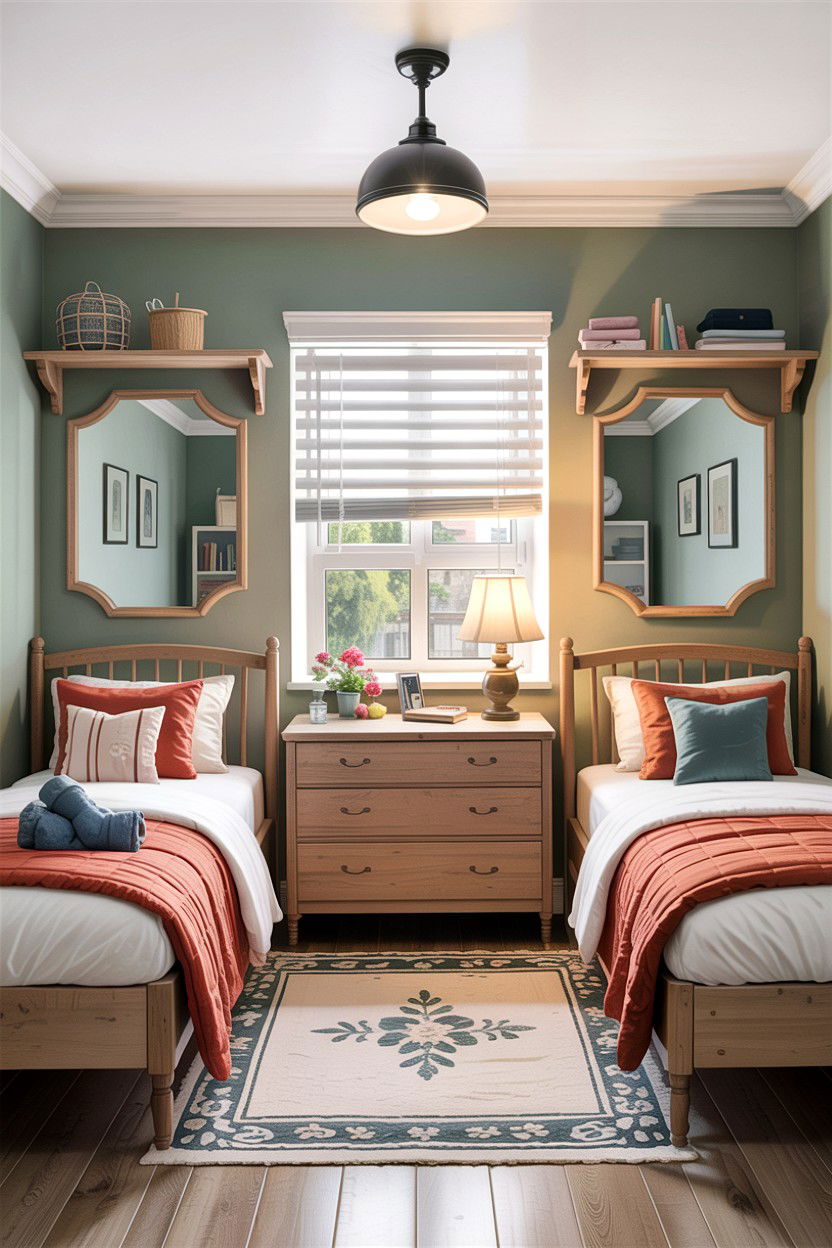
Navigating a small shared bedroom layout requires strategic furniture placement to prevent the space from feeling cramped or disorganized. One popular technique is placing the beds along the same wall with a shared dresser or nightstand in the middle to act as a natural boundary. Alternatively, placing beds in an L-shape in a corner can open up the center of the room for a shared rug and play area. Use light-colored paint and mirrors to reflect natural light, making the room appear larger than it actually is. Wall-mounted storage and floating shelves are excellent for keeping toys and books off the precious floor space.
6. Matching Twin Beds For Siblings
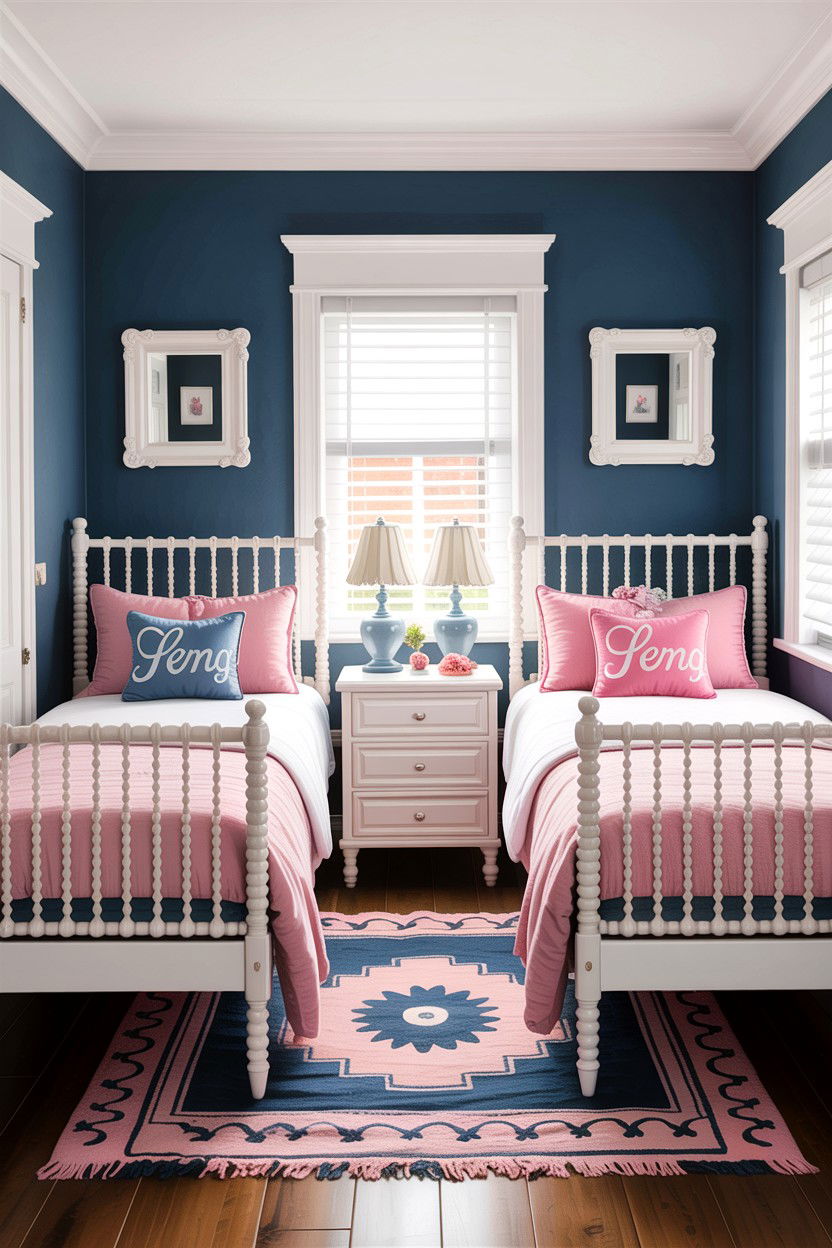
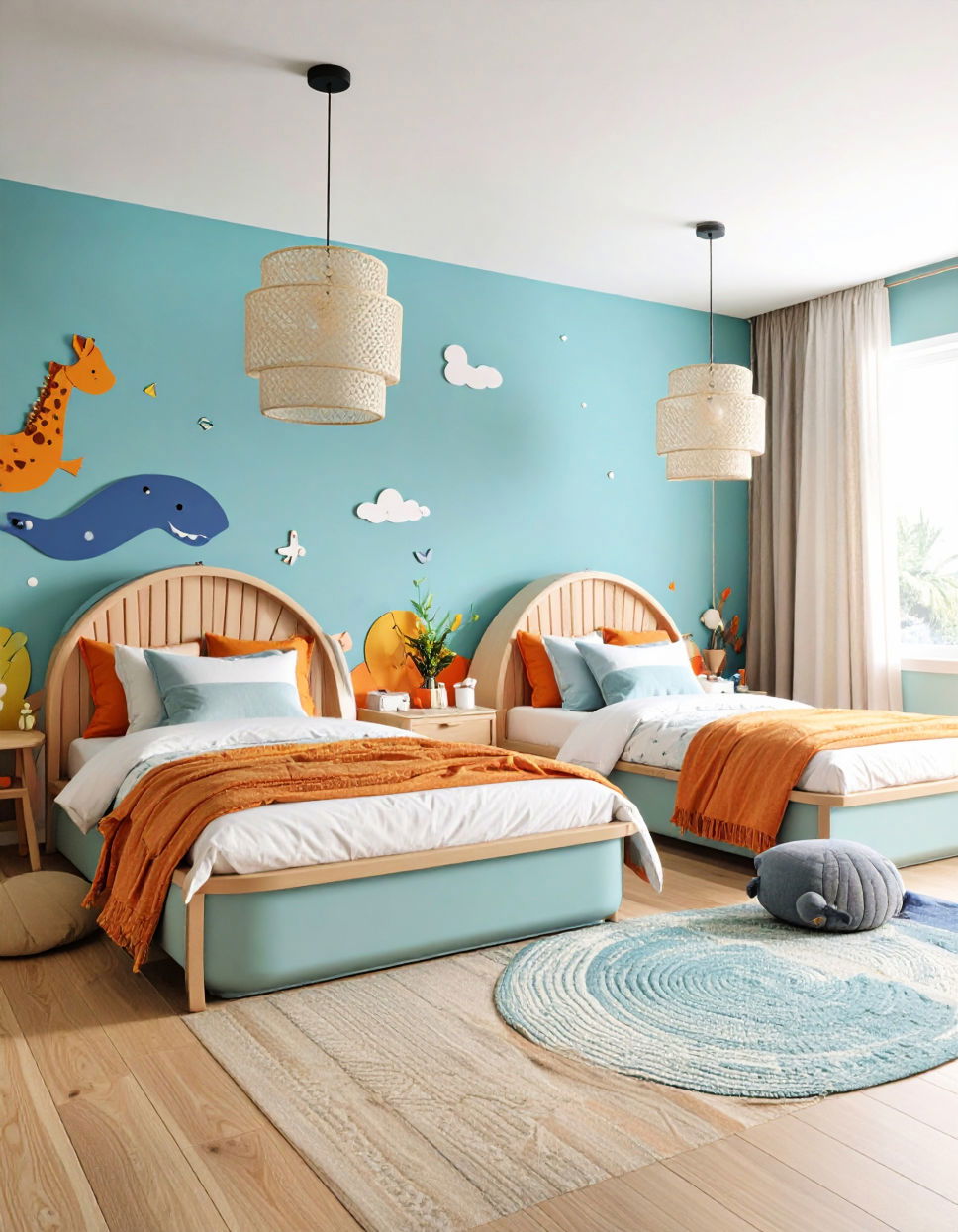
There is a timeless charm in using matching twin beds for siblings, as it creates an instant sense of symmetry and order in a shared room. By selecting identical frames in a neutral finish like white, black, or natural wood, you establish a strong visual foundation. To celebrate each child's individuality, allow them to choose their own decorative pillows, throw blankets, or framed art for the wall above their headboard. This "mirror image" approach works exceptionally well in rectangular rooms, providing a clear division of territory while maintaining a cohesive and professionally designed look that grows with the children through the years.
7. Montessori Shared Bedroom
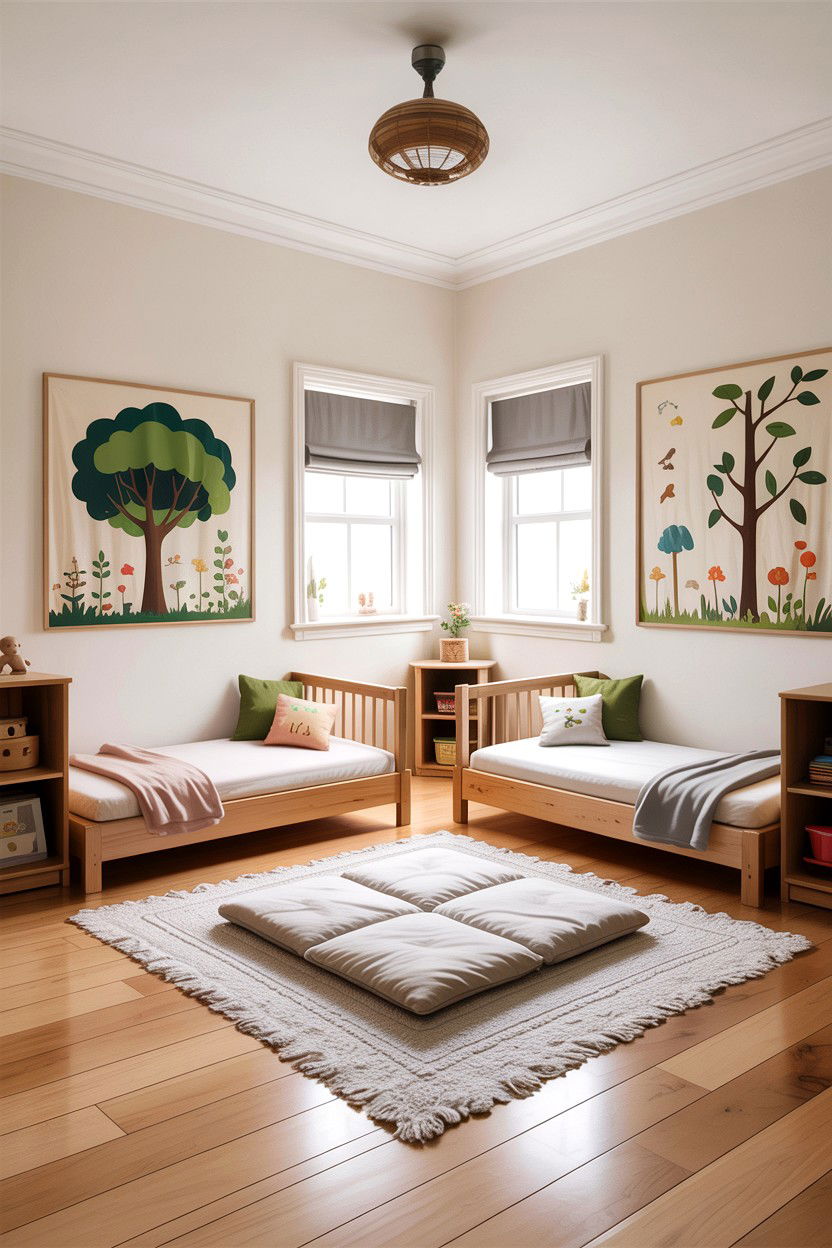
A Montessori shared bedroom focuses on independence, safety, and accessibility, making it an ideal choice for younger siblings sharing a space. Low-to-the-ground floor beds allow even the smallest children to get in and out of bed safely without adult assistance. The decor should feature child-sized furniture, open shelving for toys, and art hung at the children's eye level. Use soft, natural textures like cotton rugs and wooden toys to create a peaceful atmosphere. This design philosophy encourages siblings to interact and learn from one another while providing a safe environment where they can explore their surroundings and develop their motor skills together.
8. Loft Bed Shared Bedroom
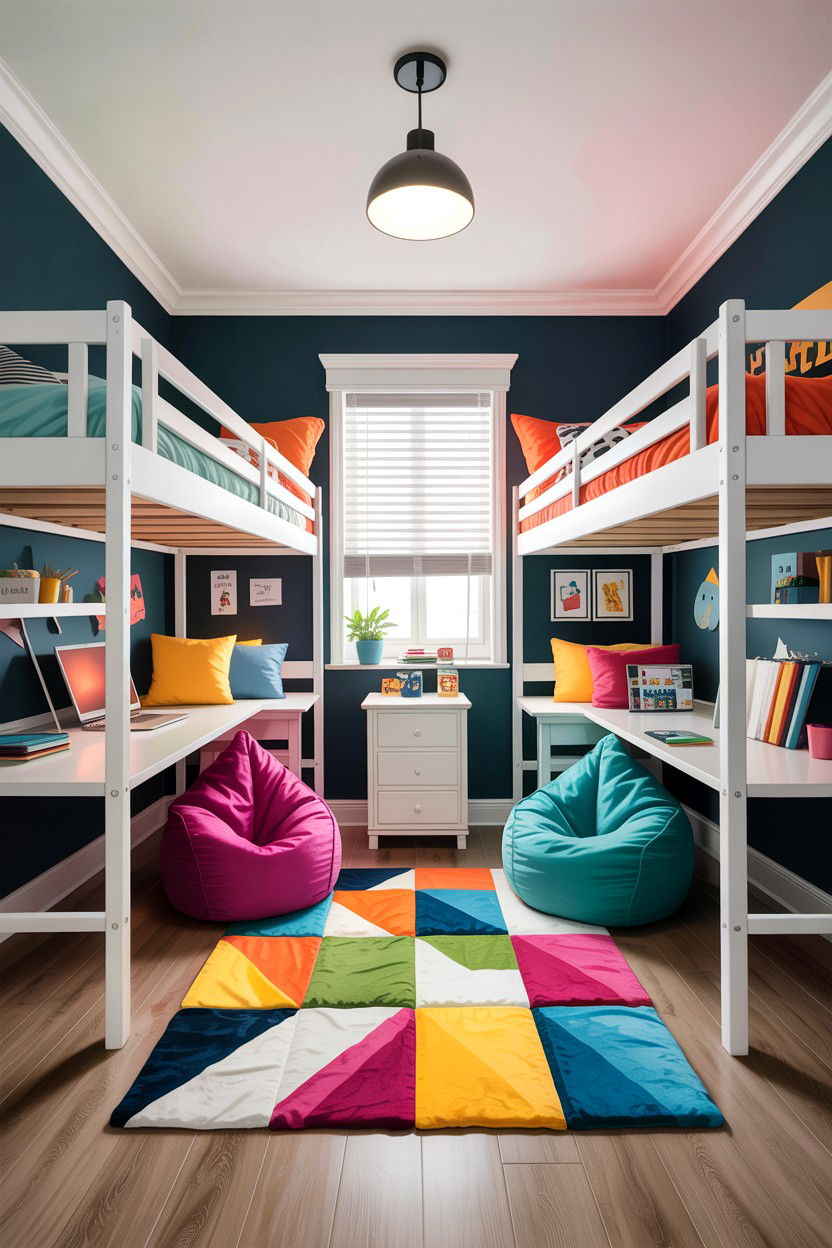
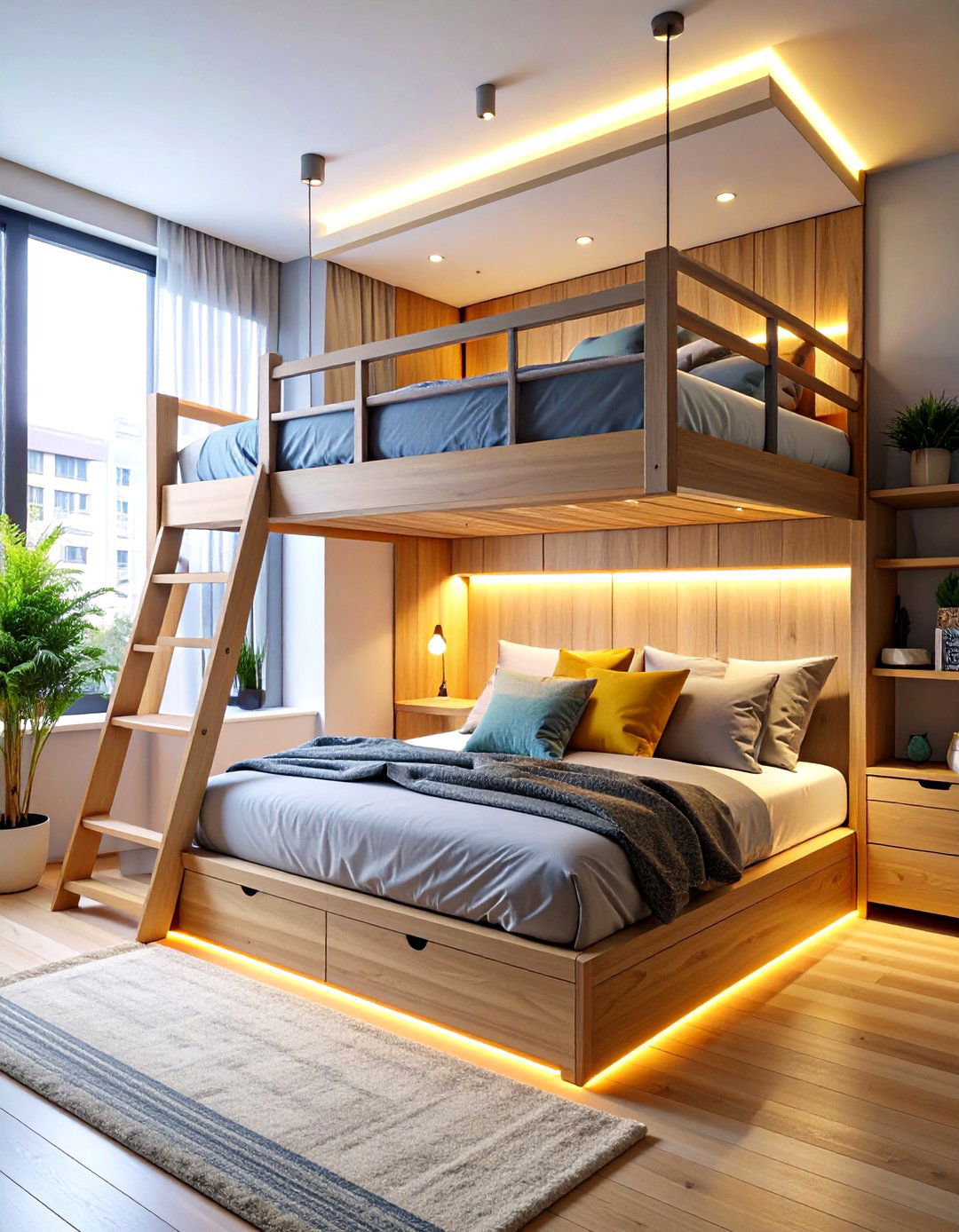
Maximizing vertical space is the primary goal of a loft bed shared bedroom, which is a fantastic option for older children or teens. By elevating one or both beds, you create valuable square footage underneath for a variety of uses. One child might have a cozy lounge area with a bean bag and bookshelf below their mattress, while the other utilizes the space for a full-sized desk and computer setup. This separation of levels provides a significant boost in perceived privacy, as each sibling has their own distinct "zone" that isn't directly visible from the other's sleeping area, reducing daily bickering.
9. Minimalist Kids Shared Bedroom
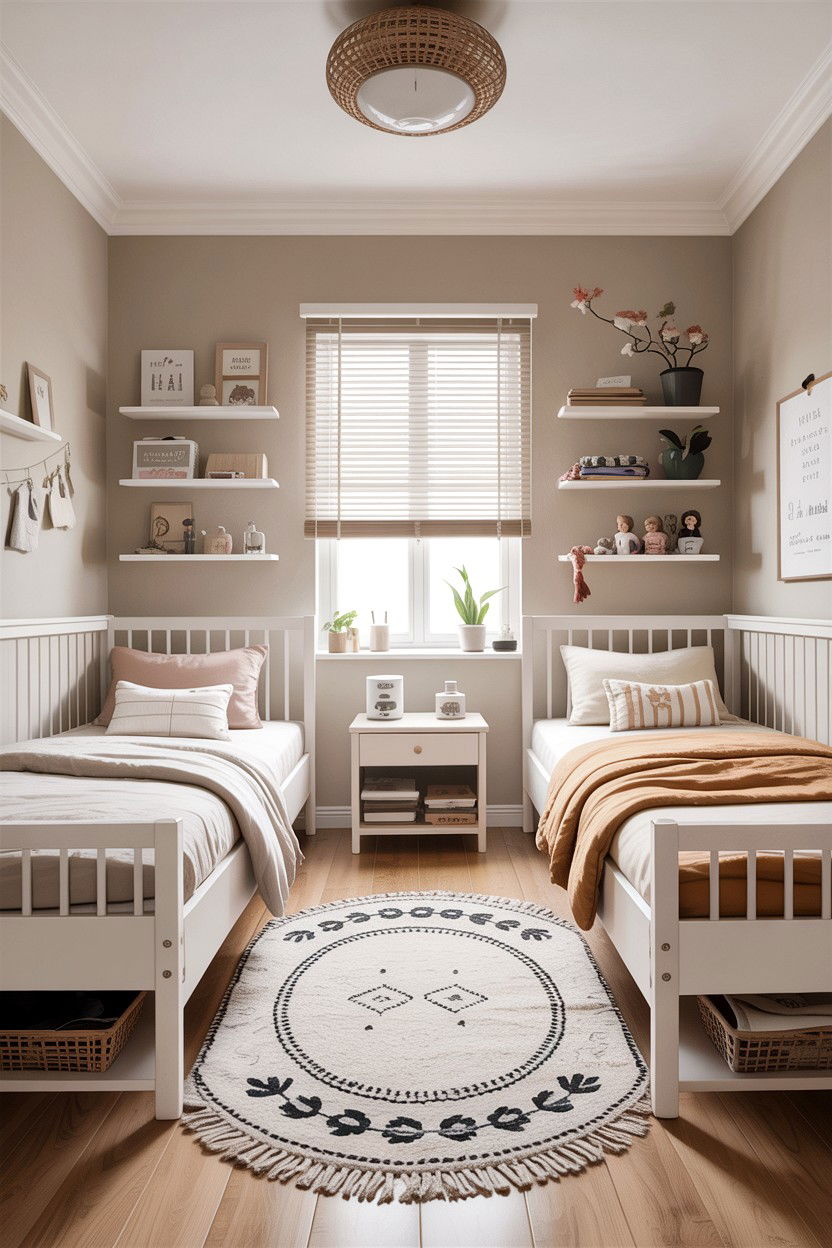
A minimalist kids shared bedroom is all about "less is more," focusing on high-quality essentials and plenty of open space for movement. By choosing a simple color palette of white, beige, and light grey, you create a serene environment that is easy to keep tidy. Opt for furniture with hidden storage, such as beds with under-mattress drawers, to keep the visual clutter to a minimum. This style is perfect for children who get easily overwhelmed by too many toys or bright colors. A few carefully curated pieces of wall art and a single high-quality rug are all you need to make the room feel complete.
10. Accent Wallpaper For Shared Room
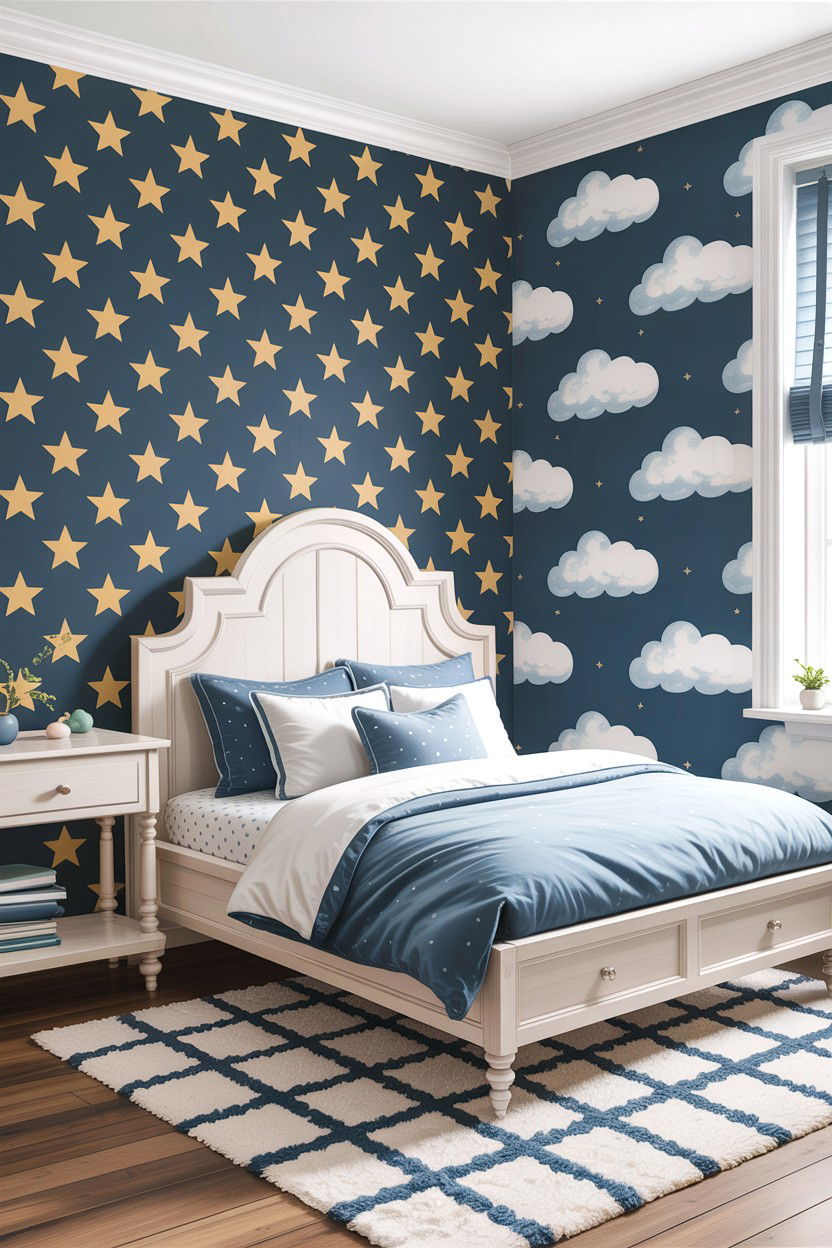
Using accent wallpaper for a shared room is a brilliant way to define different zones without building permanent walls or using bulky furniture. You can apply a bold, graphic print to the wall behind the beds to unify the space, or use two different but complementary patterns to designate "his" and "her" sides. For example, a navy star pattern on one side can pair beautifully with a soft grey cloud pattern on the other. Ensure the colors in the wallpaper are reflected in the bedding and accessories to maintain harmony. Removable peel-and-stick wallpaper is a great option for renters or ever-changing tastes.

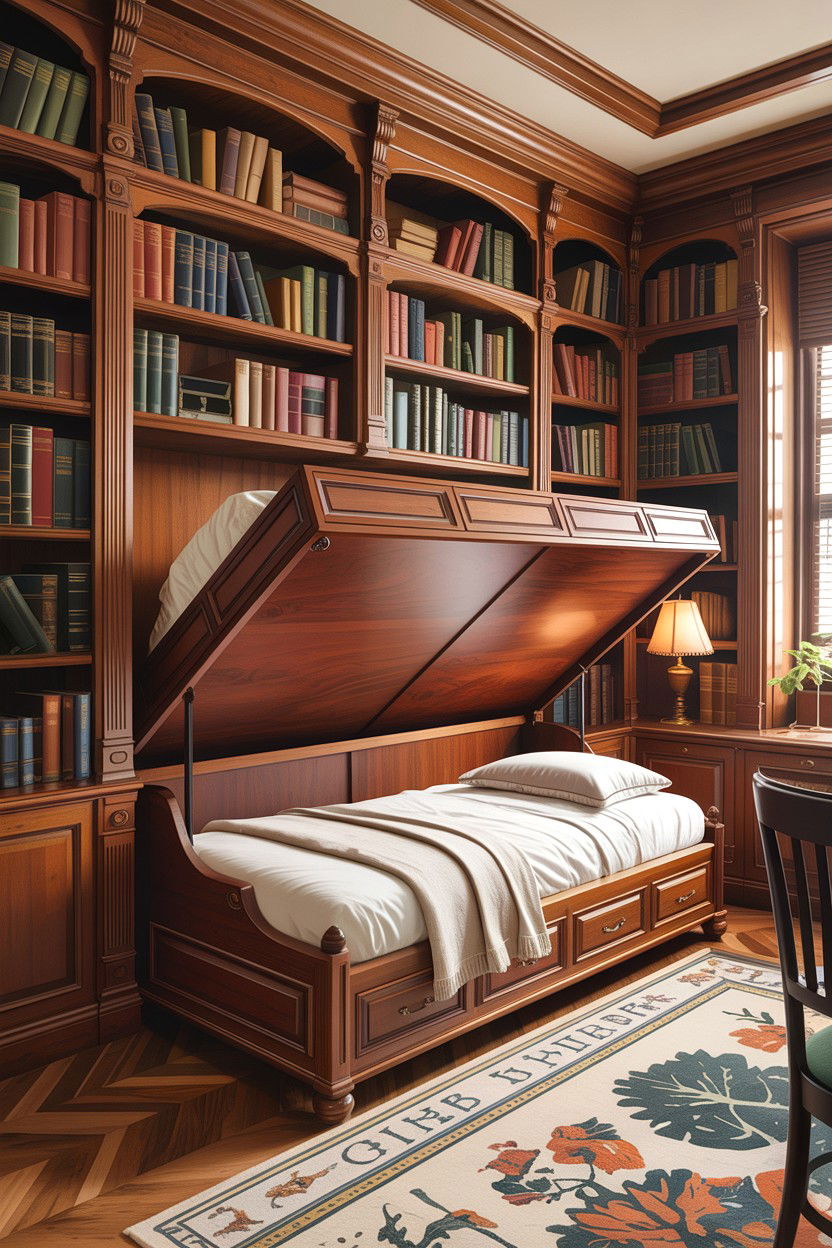
11. Toddler And Baby Shared Room
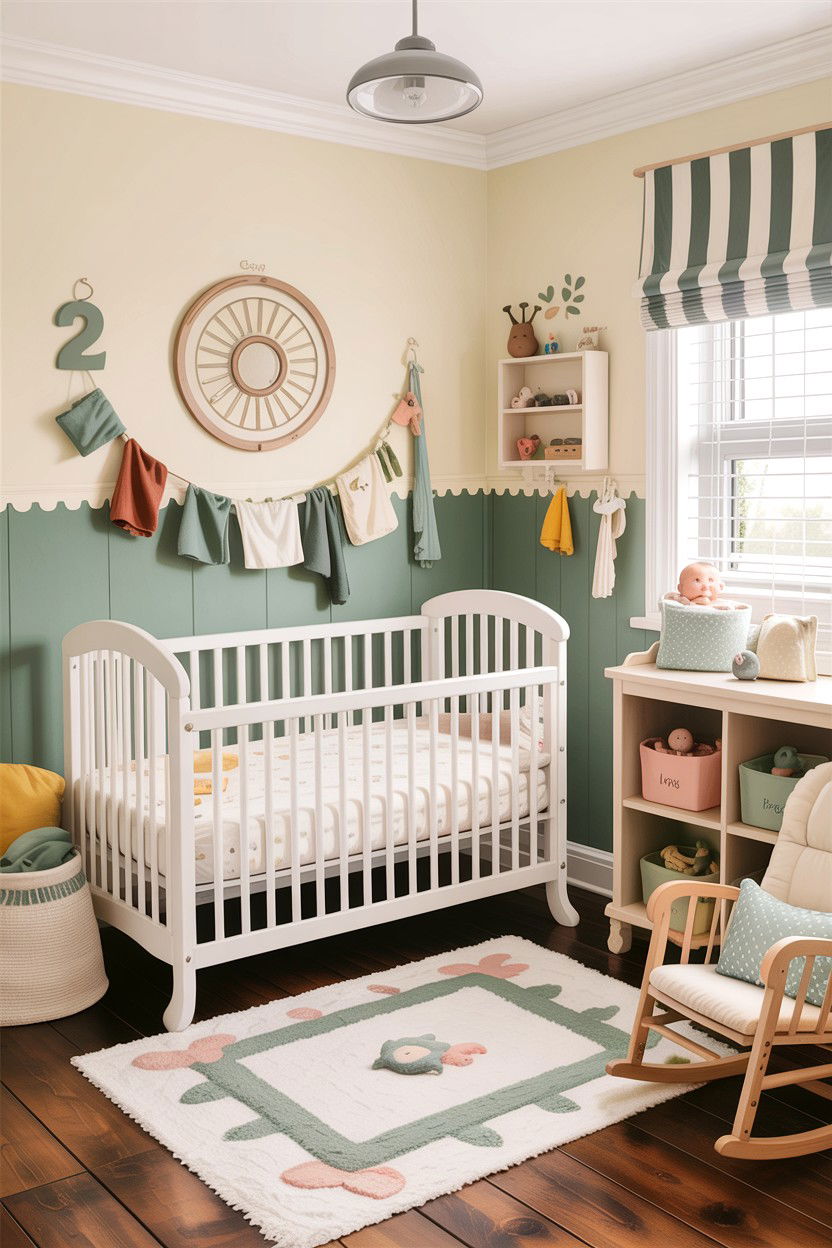
Designing a toddler and baby shared room requires careful planning to accommodate two very different stages of development and sleep patterns. Place the crib in a quiet corner furthest from the door to minimize disturbances, while the toddler's bed can be closer to the play area. Use a consistent color theme, such as soft pastels or warm neutrals, to tie the nursery and big-kid elements together. Incorporate a comfortable rocking chair or a small sofa for shared storytime and feedings. Safety is paramount, so ensure all furniture is anchored to the wall and that small toddler toys are kept out of the baby's reach.
12. Storage Furniture For Shared Bedroom
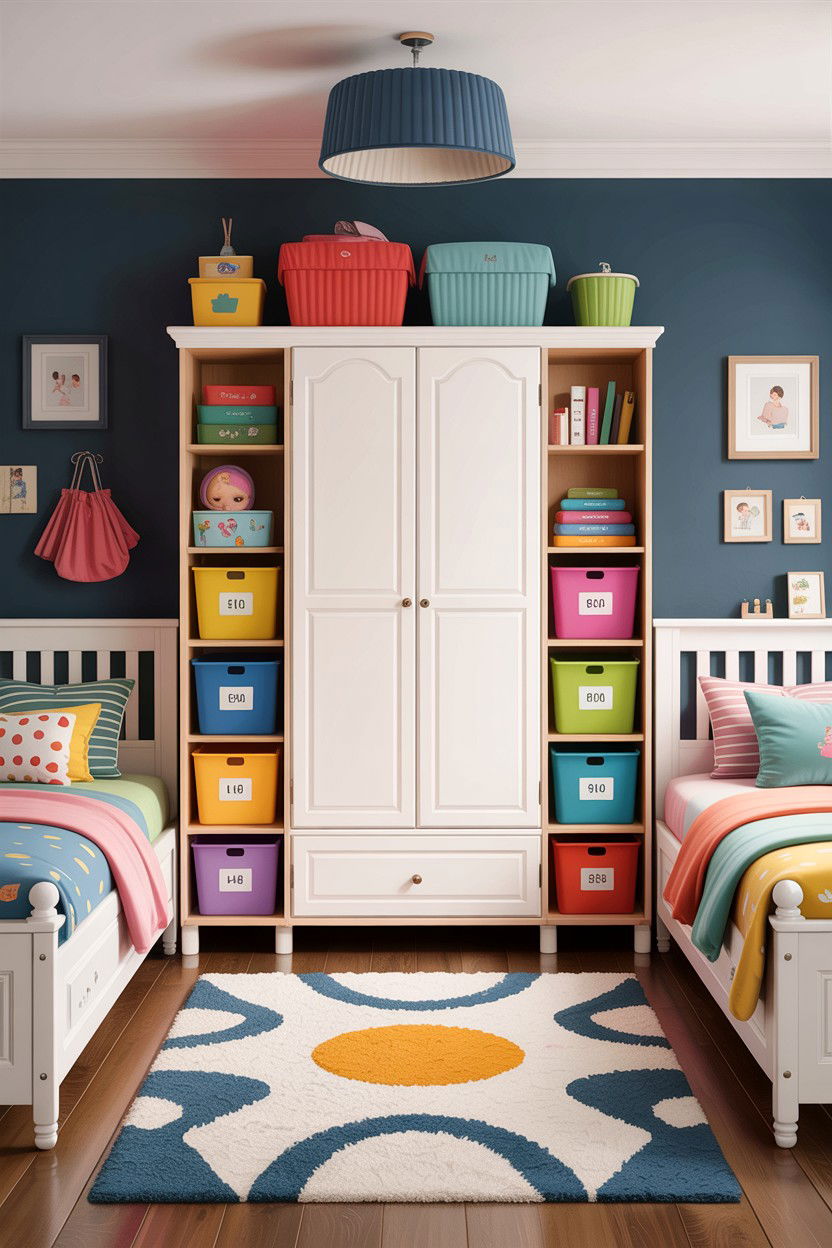
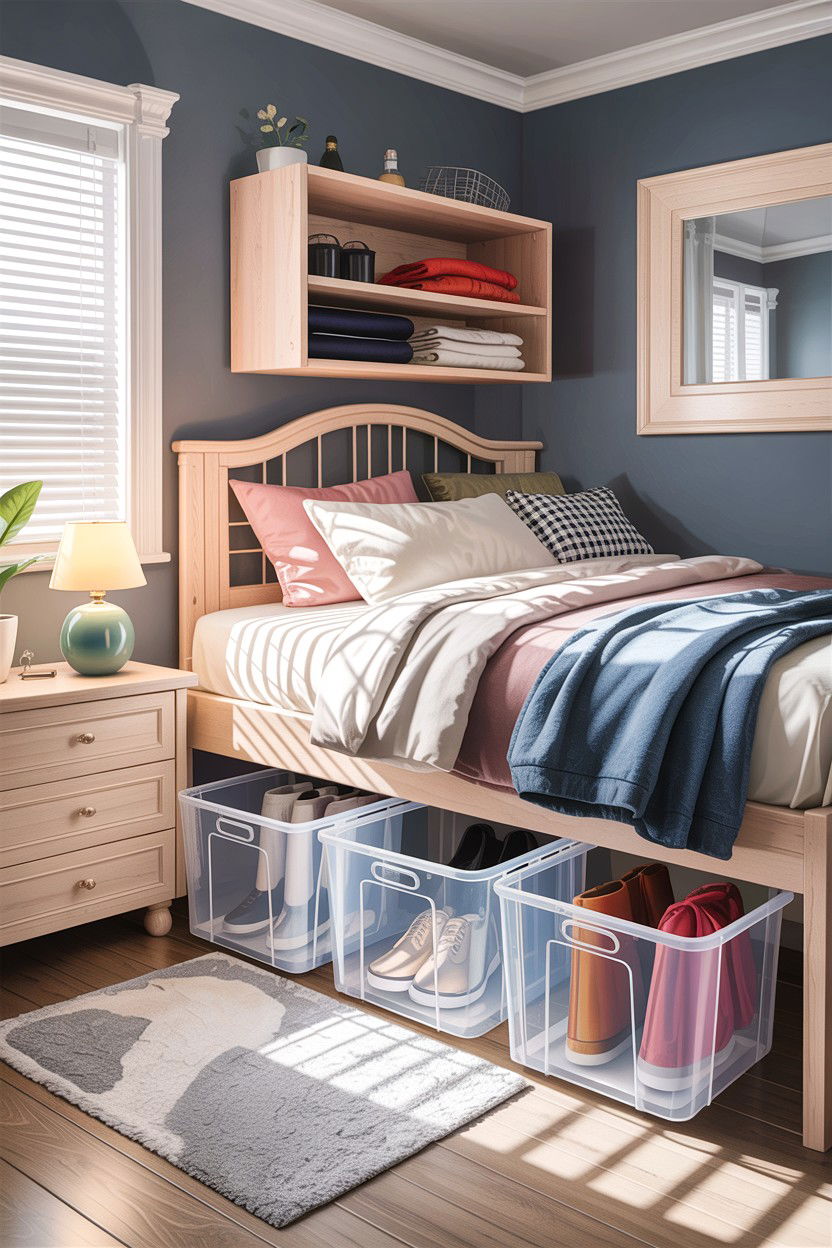
When two children share a room, the amount of stuff can quickly become overwhelming, making storage furniture for a shared bedroom a top priority. Look for multi-functional pieces like storage benches at the foot of the beds, over-the-door organizers, and tall wardrobes that utilize vertical space. Labeling bins with each child's name or a specific color can help them take responsibility for their own belongings. A shared dresser with an equal number of drawers for each sibling ensures fairness and organization. By keeping the floor clear, the room feels larger and provides a safer environment for playing and moving around daily.
13. Scandinavian Shared Kids Bedroom
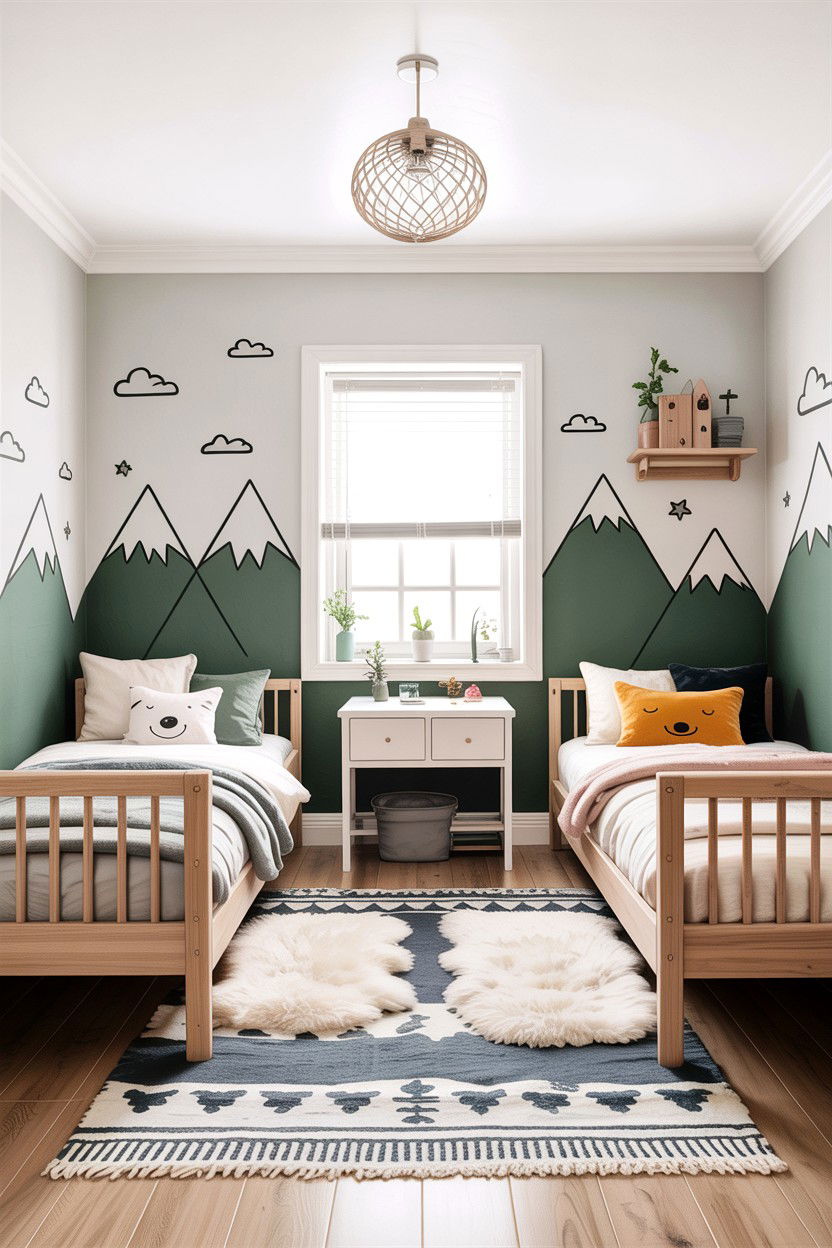
The Scandinavian shared kids bedroom style is beloved for its combination of functionality, light, and natural beauty. This aesthetic typically features white walls, light wood furniture, and cozy textiles like sheepskin rugs or chunky knit blankets. The focus is on creating a "hygge" atmosphere that feels warm and inviting for both a boy and a girl. Use simple, nature-inspired motifs like mountains, trees, or animals in the decor to maintain a gender-neutral appeal. This style is inherently organized and clutter-free, making it an excellent choice for smaller rooms where every piece of furniture must serve a clear purpose while looking beautiful.
14. Double Desk Shared Bedroom
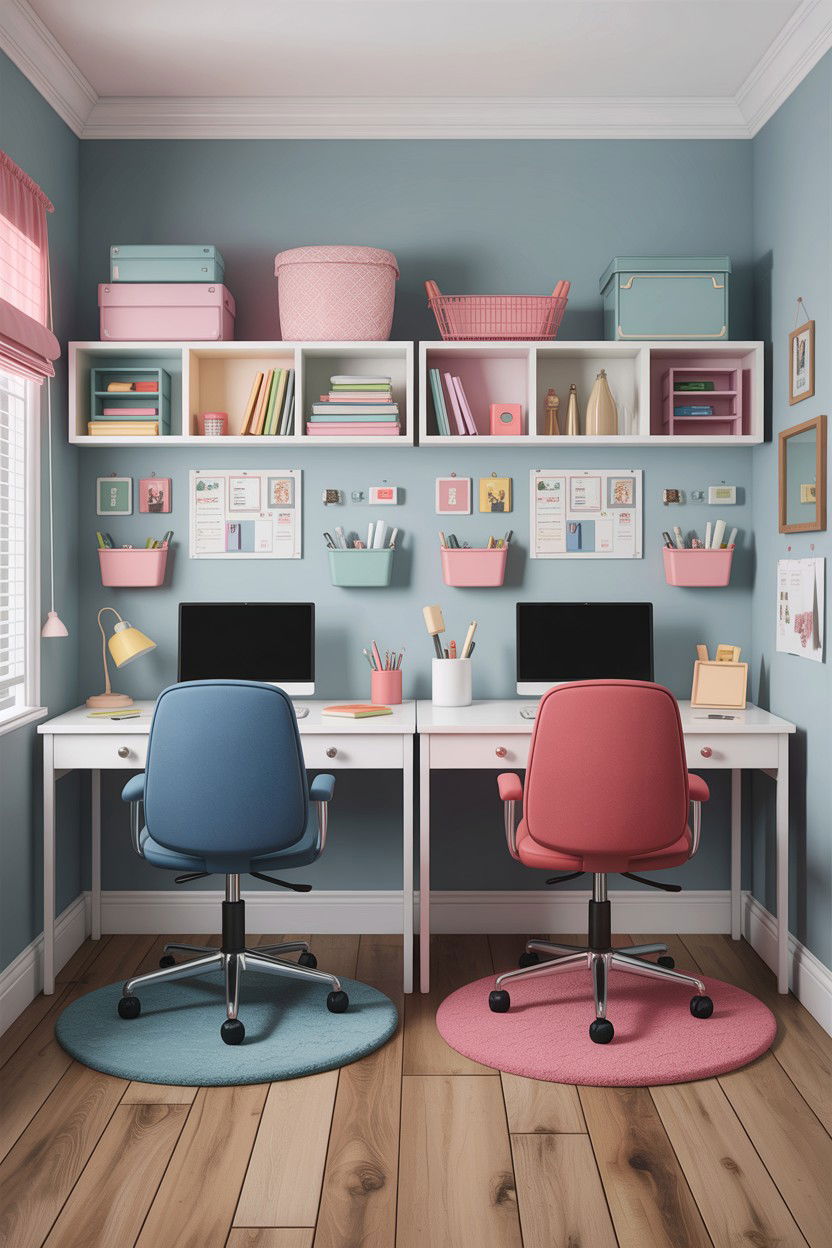
As children grow, they need a dedicated space for homework and creative projects, making a double desk shared bedroom a smart investment. You can place two identical desks side-by-side along one wall or position them back-to-back to create a more private workstation for each child. Ensure each desk has its own task lighting and storage for school supplies to prevent arguments over shared items. Using different colored chairs is a simple way to add a touch of personality to each station. This setup encourages a productive environment where siblings can work alongside each other while still having their own personal territory.
15. Floor Bed Shared Bedroom
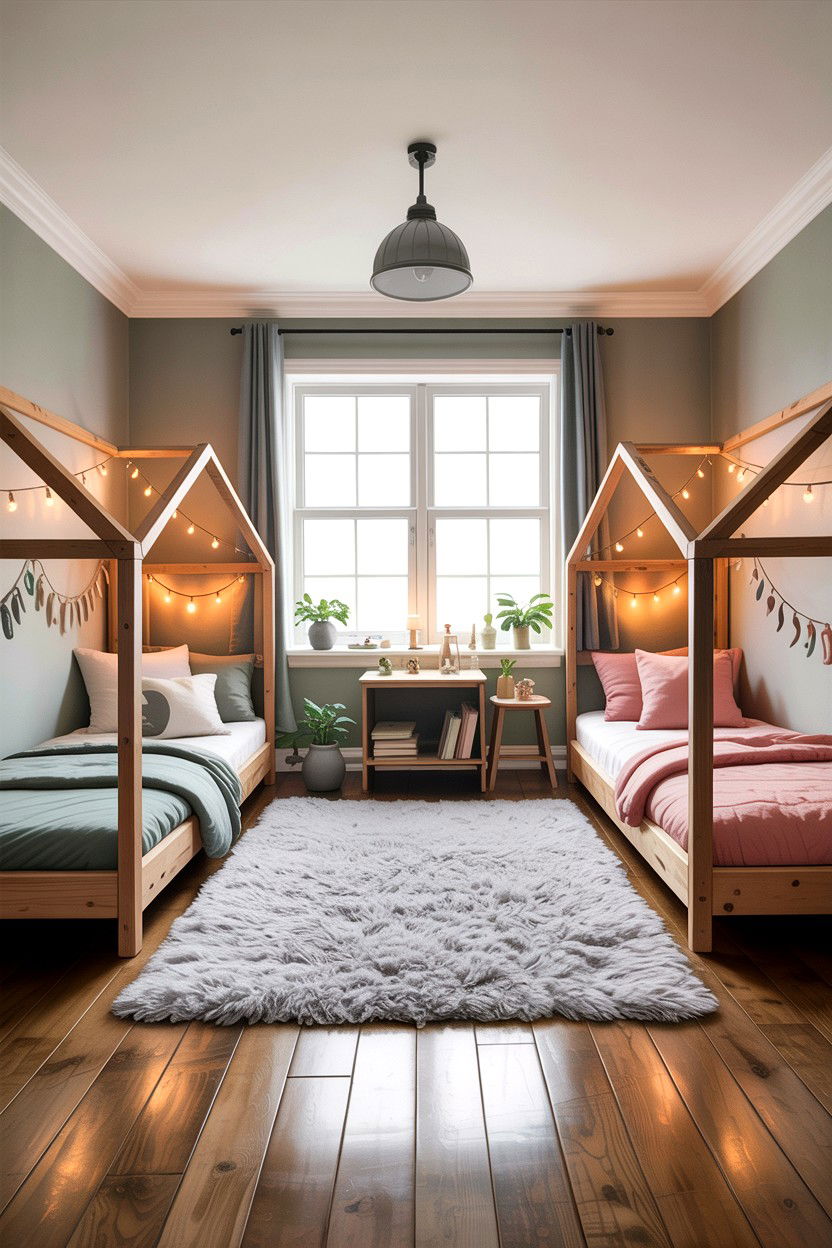
A floor bed shared bedroom is a stylish and safe choice that works particularly well for younger children or those following a Montessori-inspired lifestyle. These low-profile beds create a grounded, cozy feeling in the room and eliminate the risk of falls for active sleepers. You can frame the floor beds with simple wooden "house" structures to add a playful, architectural element to the room. Use a large, plush area rug between the beds to create a soft communal space for playing with blocks or reading books. This layout feels open and accessible, making the room a welcoming place for siblings to bond and play.
16. Two Tone Painted Shared Room
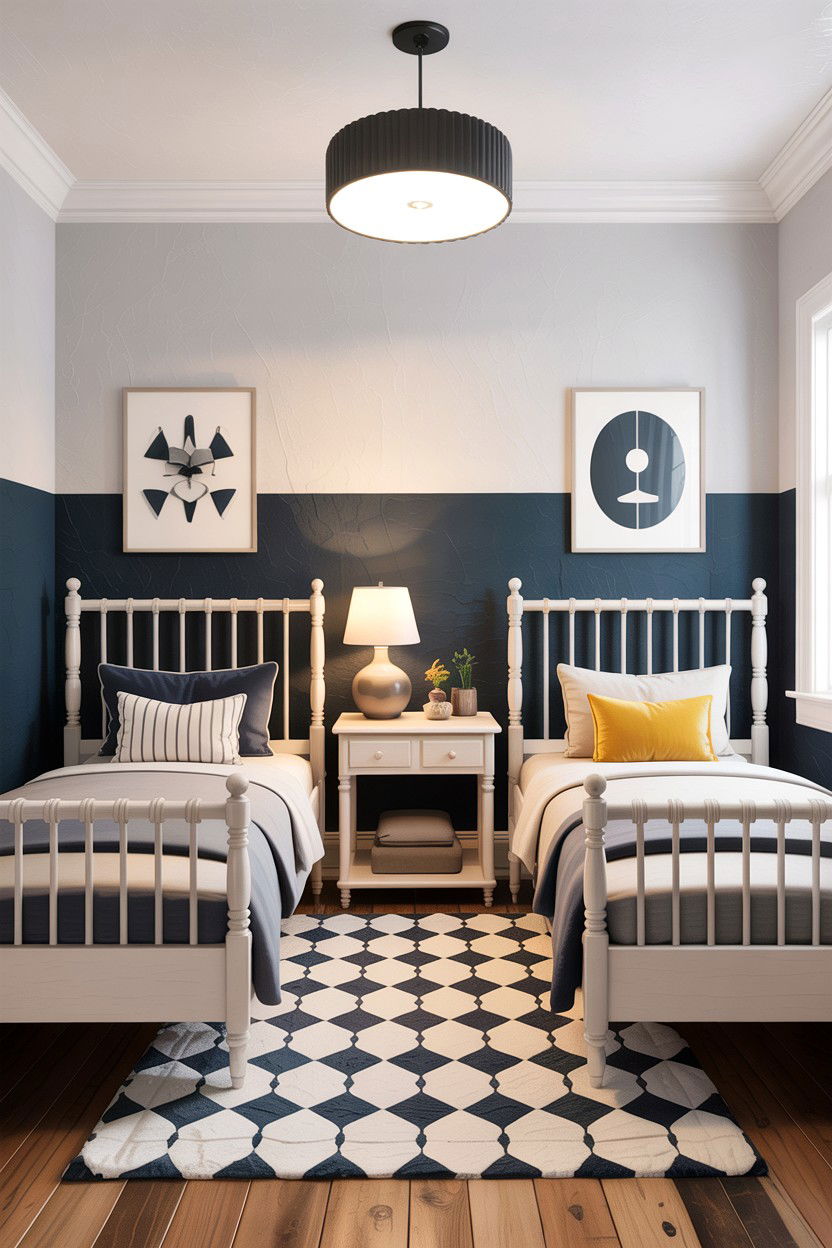
If you want to create clear boundaries without using physical dividers, a two tone painted shared room is a creative and effective technique. You can paint the bottom half of the walls one color and the top half another, or use a vertical split to designate each child's half of the room. For a boy and girl, consider using complementary colors like navy and coral, or forest green and soft yellow. This visual "line in the sand" helps each sibling feel they have their own territory while the shared color palette keeps the overall design looking intentional and professionally curated for the home.
17. Teen Boy And Girl Shared Room
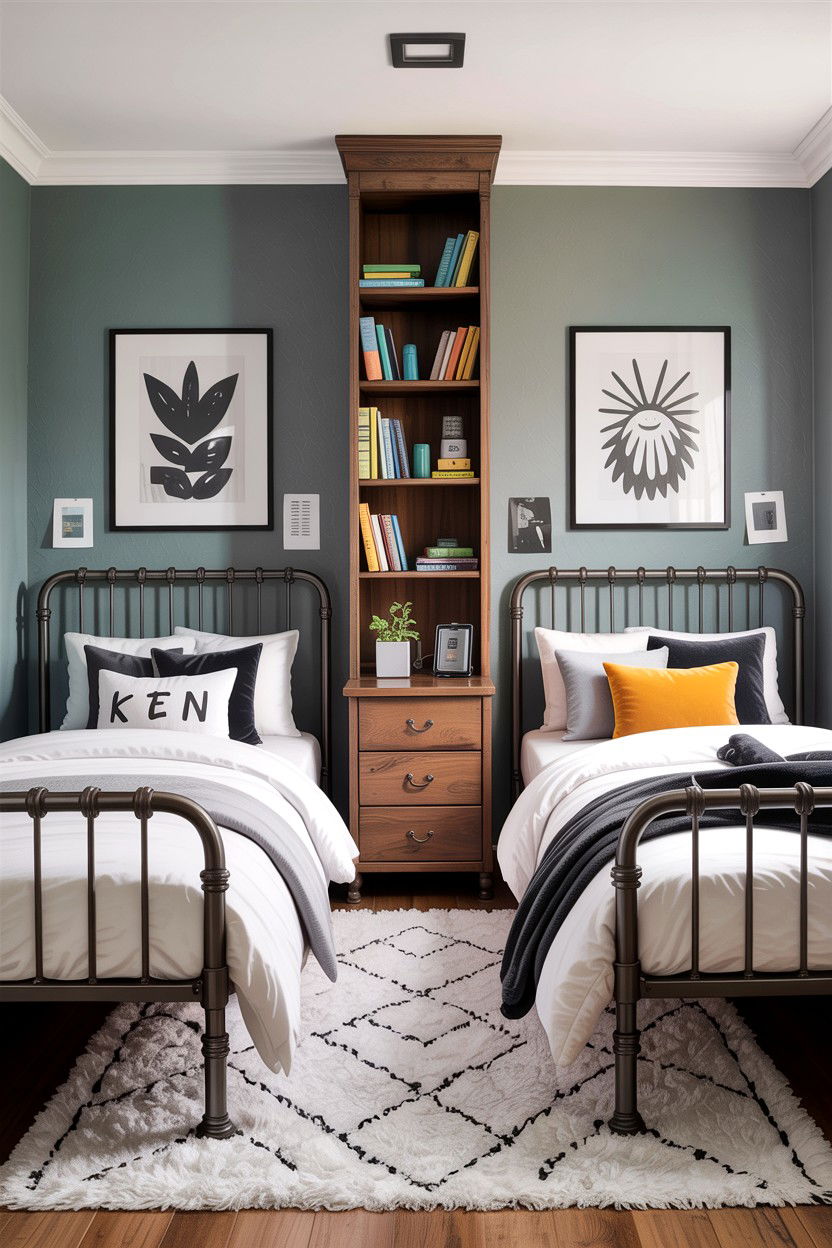
Transitioning into the teenage years brings a greater need for privacy and personal expression, so a teen boy and girl shared room should prioritize separation. Use tall bookshelves or a sturdy room divider to create two distinct "mini-rooms" within the larger space. Focus on more mature decor, such as industrial metal bed frames, neutral textiles, and sophisticated lighting fixtures. Each teen should have their own dedicated charging station, desk, and closet space to minimize daily friction. While they still share a room, providing these individual "hubs" allows them to maintain their independence and personal style as they navigate their high school years.
18. Built In Shared Beds
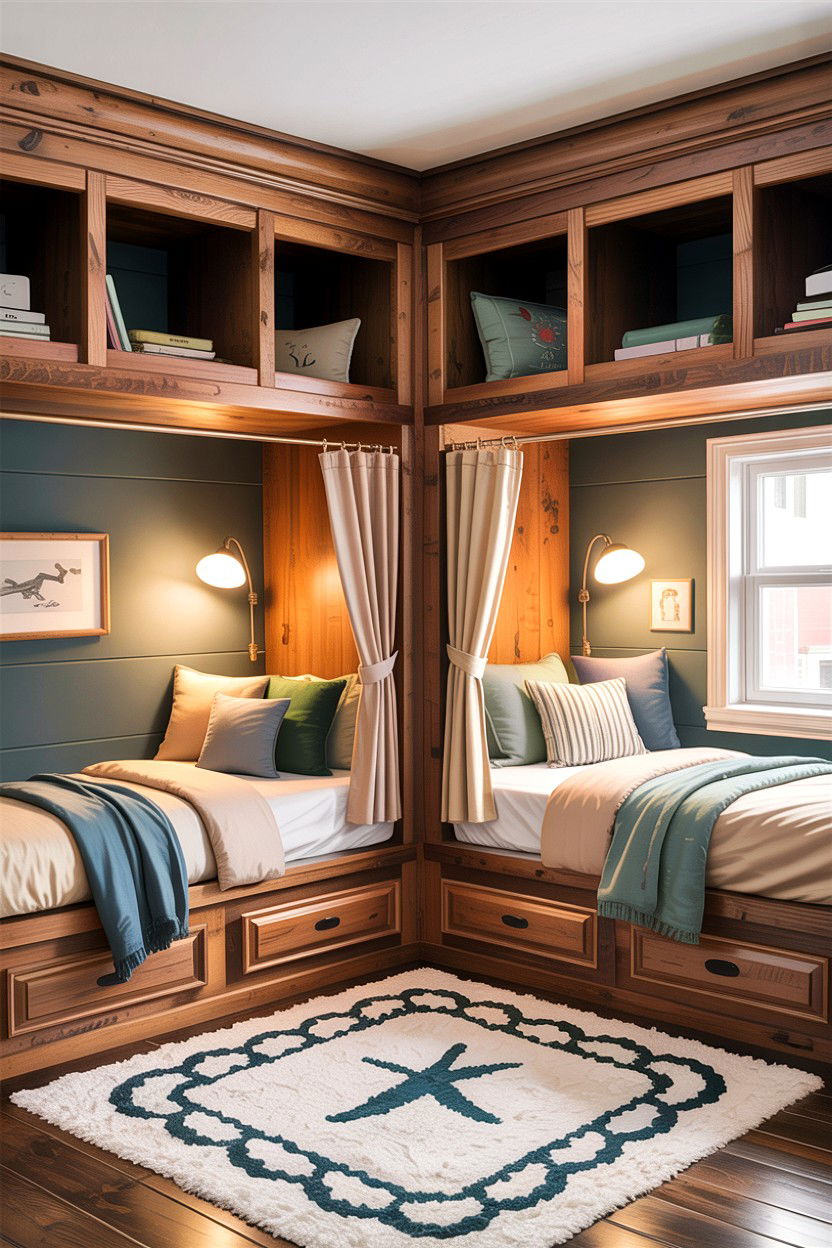
For a truly custom and space-efficient look, built in shared beds are an incredible option that can be tailored to the exact dimensions of your room. These beds can be designed as "cubbies" with their own curtains, lights, and shelving, providing a high level of privacy and a cozy, cabin-like feel. This approach is perfect for awkward room shapes or attic spaces with sloped ceilings. By integrating the beds into the architecture of the room, you free up a significant amount of floor space for other activities. The result is a polished, high-end look that feels like a permanent and thoughtfully planned part of the home.
19. Navy And Pink Shared Bedroom
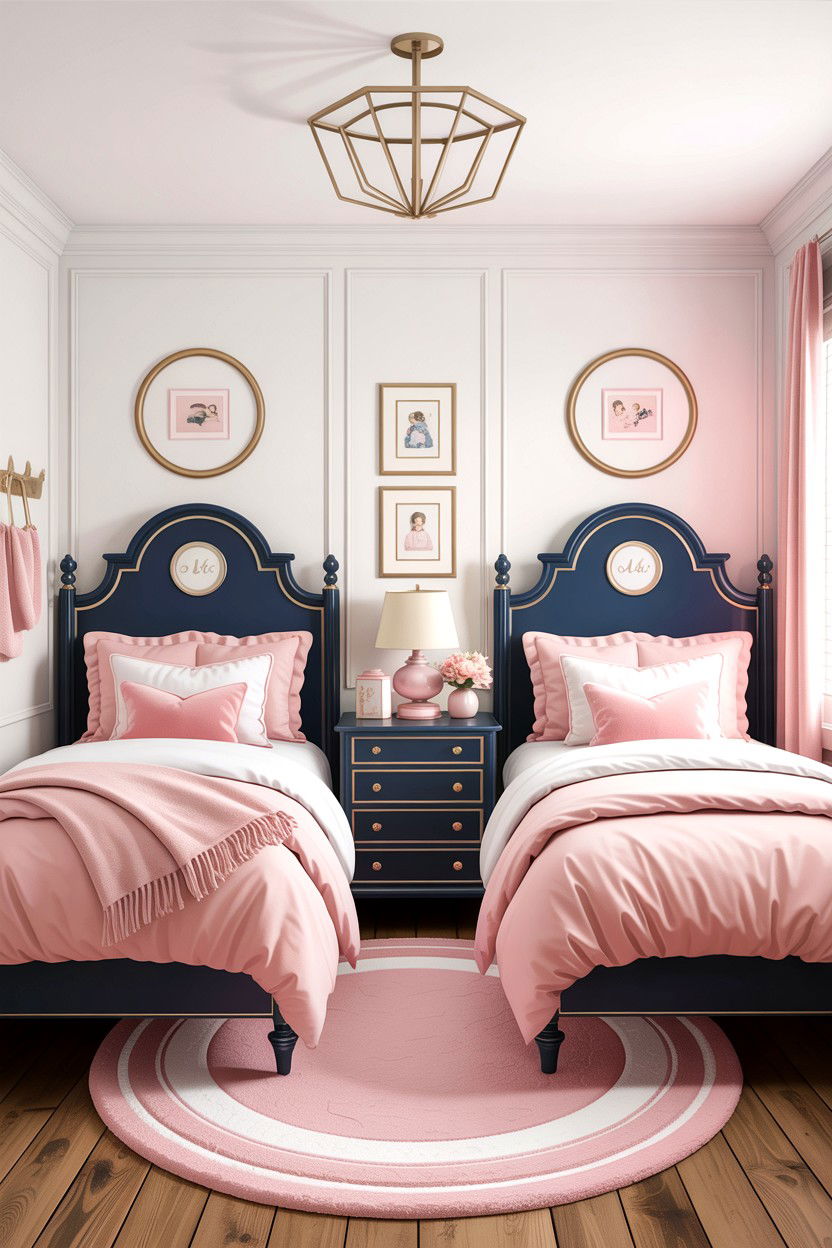
The navy and pink shared bedroom is a classic color combination that perfectly bridges the gap between traditional masculine and feminine tones. The deep, grounding nature of navy blue provides a sophisticated backdrop, while pops of blush or coral pink add warmth and a touch of sweetness. You can use navy for the larger furniture pieces or an accent wall, and incorporate pink through bedding, curtains, and artwork. This palette feels energetic and modern, making it suitable for children of all ages. To keep the look cohesive, use white or light grey as a transition color for the walls and ceiling.
20. Green And Yellow Shared Bedroom
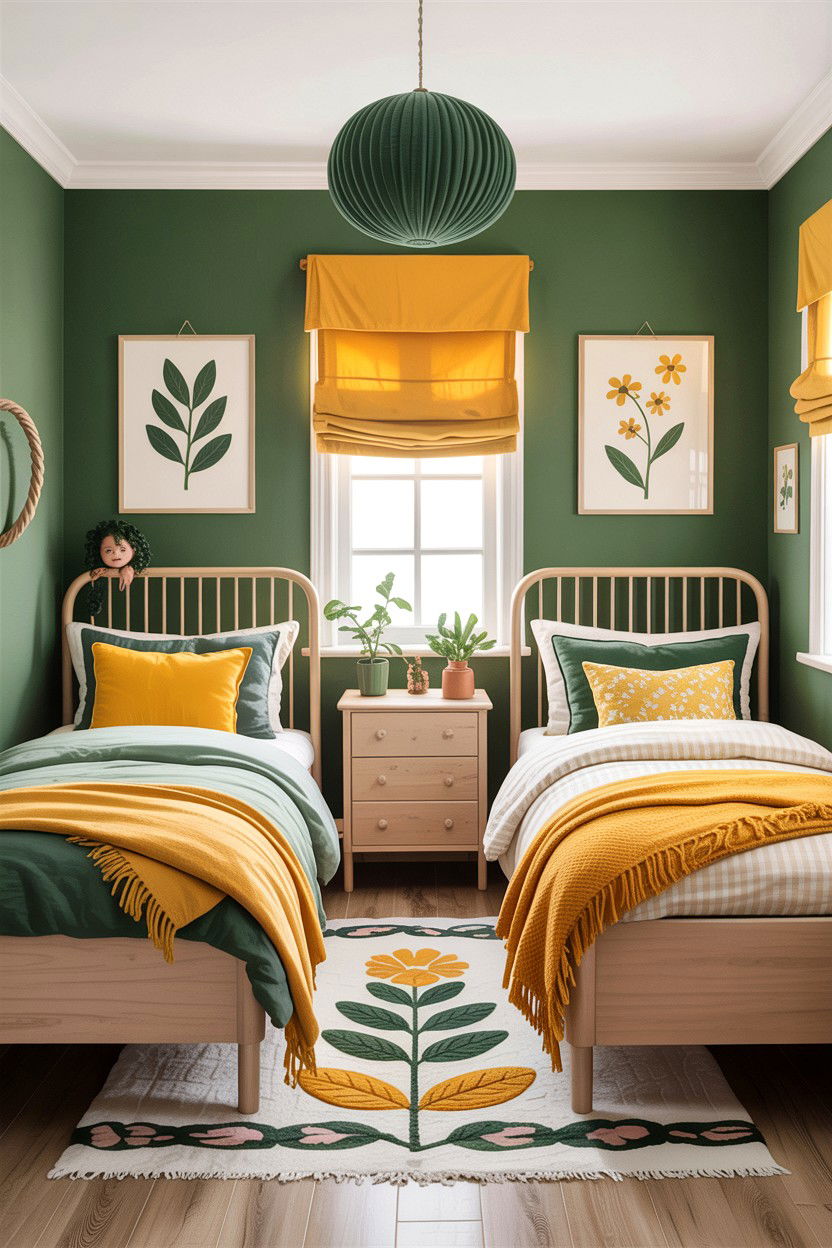
If you are looking for a bright and cheerful environment, a green and yellow shared bedroom is a fantastic gender-neutral choice. These nature-inspired colors evoke feelings of happiness and growth, making the room feel like a sunny garden or a lush forest. Use a soft sage or mint green for the walls and add vibrant yellow accents through throw pillows, rugs, and desk accessories. This color scheme works beautifully with natural wood furniture and botanical prints. It is a versatile palette that can be easily updated as the children grow by simply swapping out the accent pieces for more mature versions.
21. Natural Wood Shared Bedroom
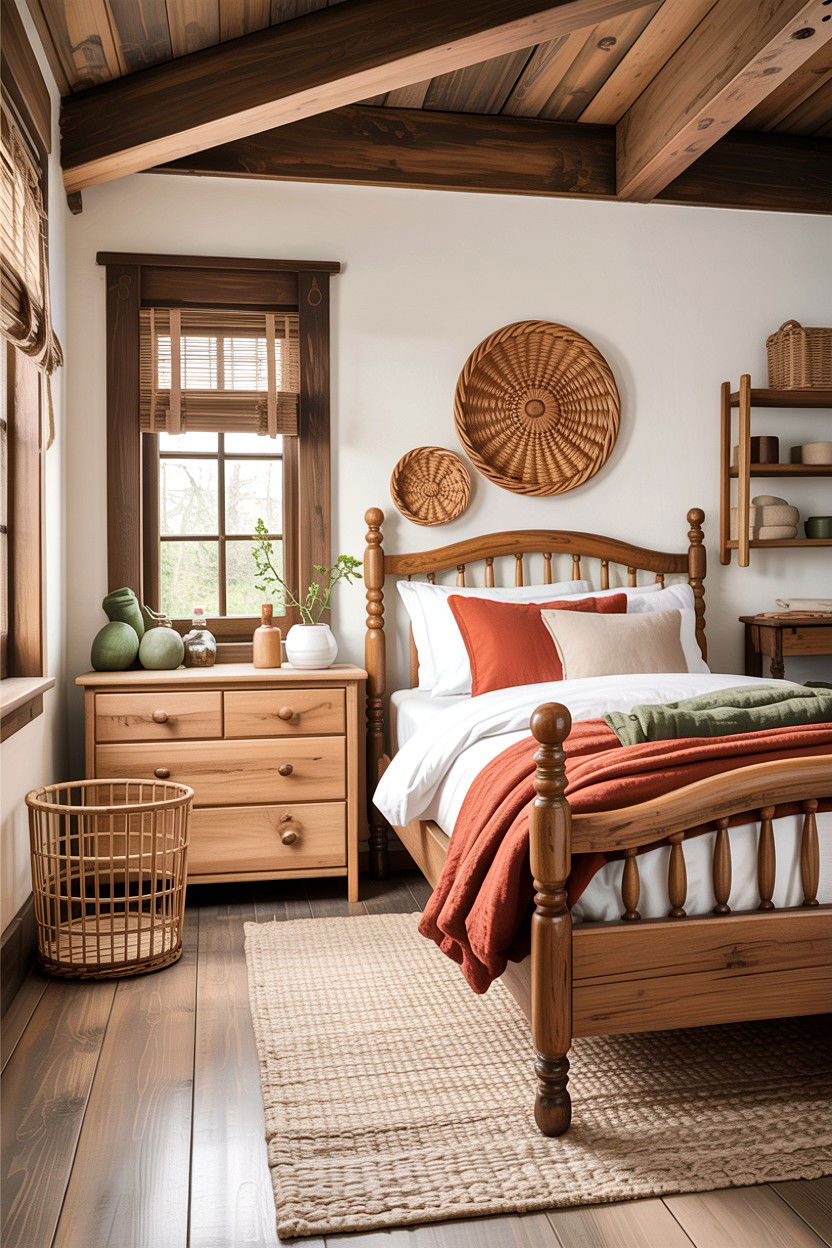
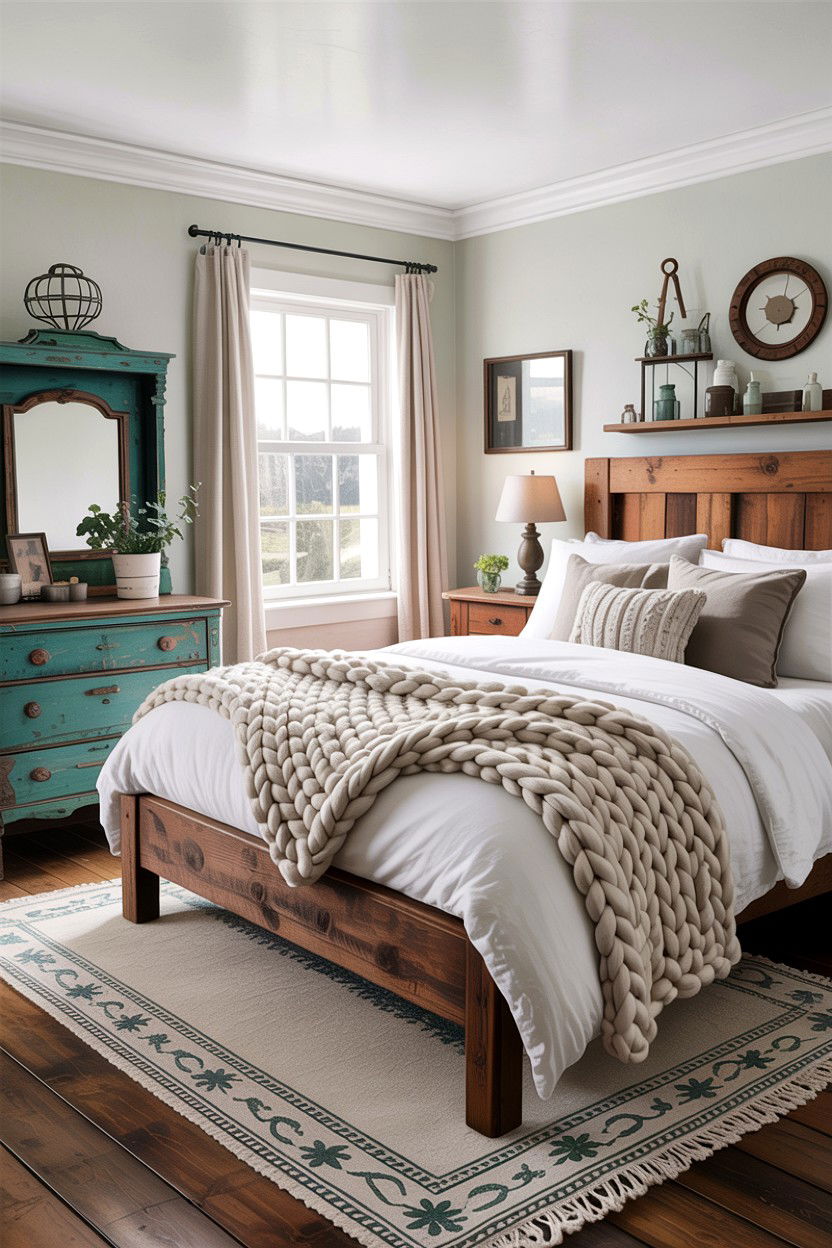
A natural wood shared bedroom brings a sense of warmth and organic beauty to a sibling space, creating a timeless look that never goes out of style. Whether you choose light pine, warm oak, or rich walnut, the consistent use of wood for bed frames, dressers, and shelving creates a unified and calming atmosphere. This aesthetic pairs perfectly with a variety of colors, from soft neutrals to bold earth tones. Incorporate plenty of textures like woven rugs, linen bedding, and rattan baskets to enhance the natural feel. This approach is durable and practical, as high-quality wooden furniture can withstand years of active play.
22. Reading Nook For Shared Room
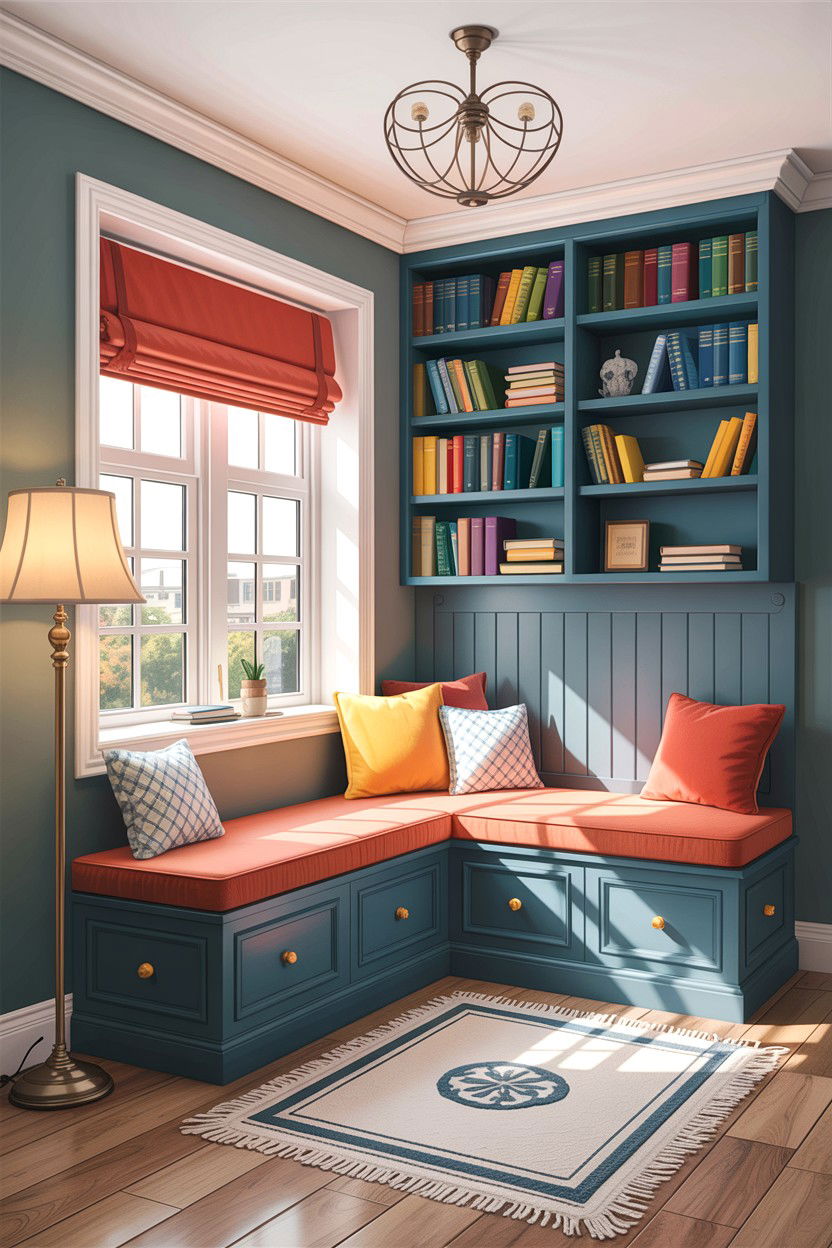
Every child needs a quiet place to escape into a book, and a reading nook for a shared room provides a perfect communal retreat. You can transform a small corner or a closet into a cozy hideaway with a soft bench, plenty of oversized pillows, and a dedicated bookshelf. Adding a string of fairy lights or a stylish floor lamp makes the space feel magical and inviting. This shared zone encourages siblings to spend time together in a calm, focused way, fostering a love for reading and quiet reflection. It also serves as a neutral territory where neither child feels they are intruding on the other's space.
23. L Shaped Shared Bedroom Layout
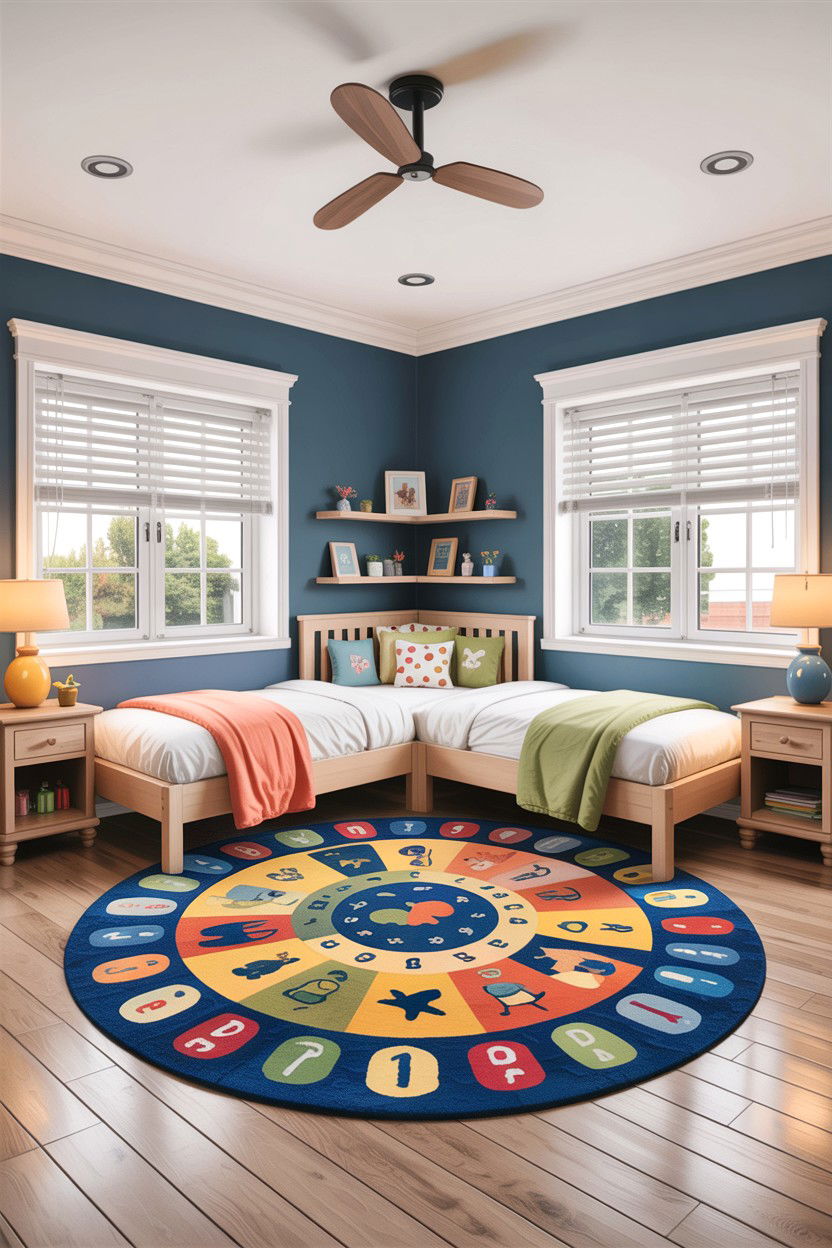
The L shaped shared bedroom layout is a clever way to maximize corner space while leaving the center of the room open for play. By placing the beds perpendicular to each other along two adjoining walls, you create a natural "niche" in the corner that can be used for a shared nightstand or a small storage unit. This arrangement works well in square rooms and provides each child with their own wall for personal decorations. It also allows for more floor space than placing beds side-by-side, making the room feel more expansive and less cluttered, which is ideal for active siblings who love to play together.
24. Shared Bedroom Play Area
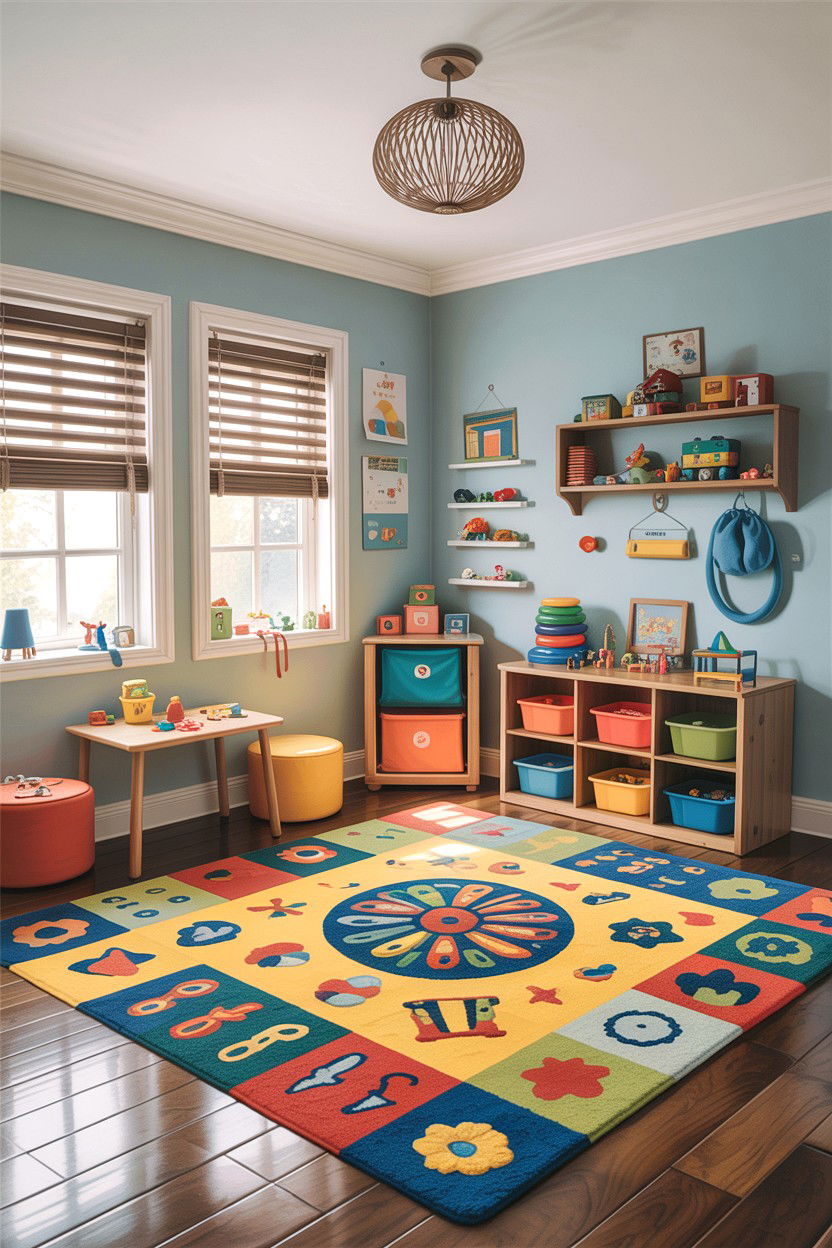
Designing a dedicated shared bedroom play area in the center of the room helps define the space's purpose and encourages sibling bonding. Use a large, durable area rug to anchor the zone and provide a comfortable surface for floor play. Incorporate low shelving or a toy chest that both children can easily access. This central "hub" acts as a bridge between the two private sleeping areas, allowing the children to come together for games and creative activities. By keeping the toys concentrated in one area, it is much easier to maintain a sense of order in the rest of the bedroom throughout the day.
25. Canopy Bed Shared Bedroom
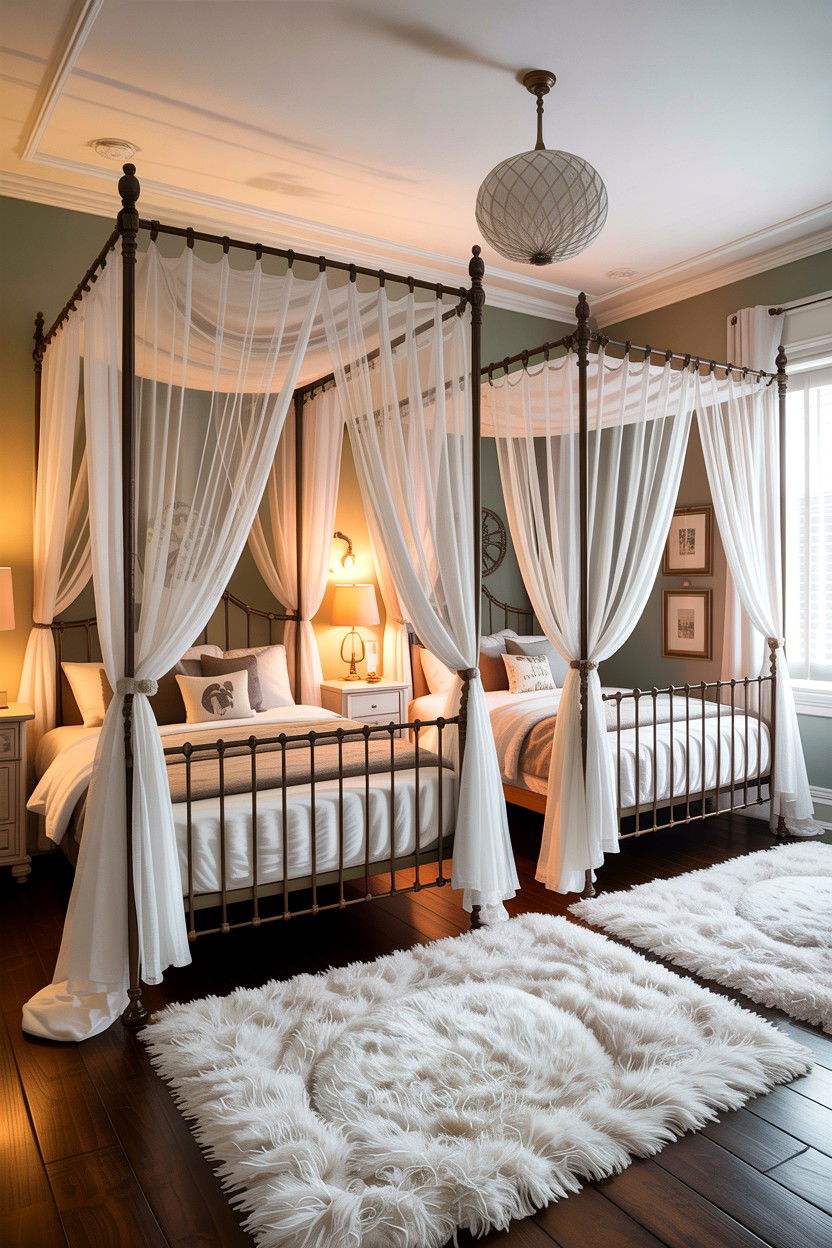
For a touch of whimsy and an added layer of privacy, a canopy bed shared bedroom is a dreamy and functional choice. Draping sheer fabric or heavy curtains over the bed frames creates a "room within a room" feel, giving each child a secluded sanctuary for sleeping or quiet play. This is especially helpful for older children who may feel more self-conscious about sharing a space. Choose fabrics that coordinate with the room's color scheme to keep the look sophisticated rather than cluttered. Canopy beds add height and architectural interest to the room, making it feel more like a high-end suite than a standard bedroom.
26. Industrial Style Shared Bedroom
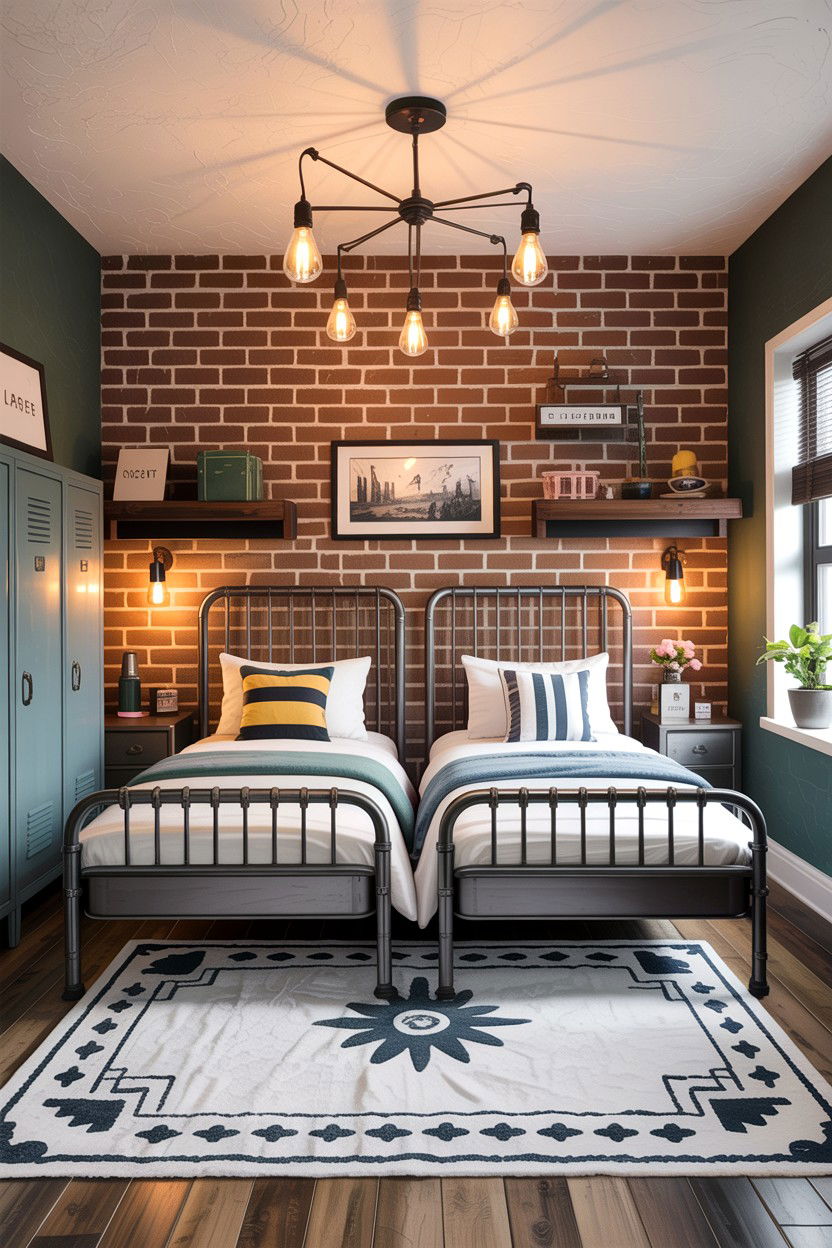
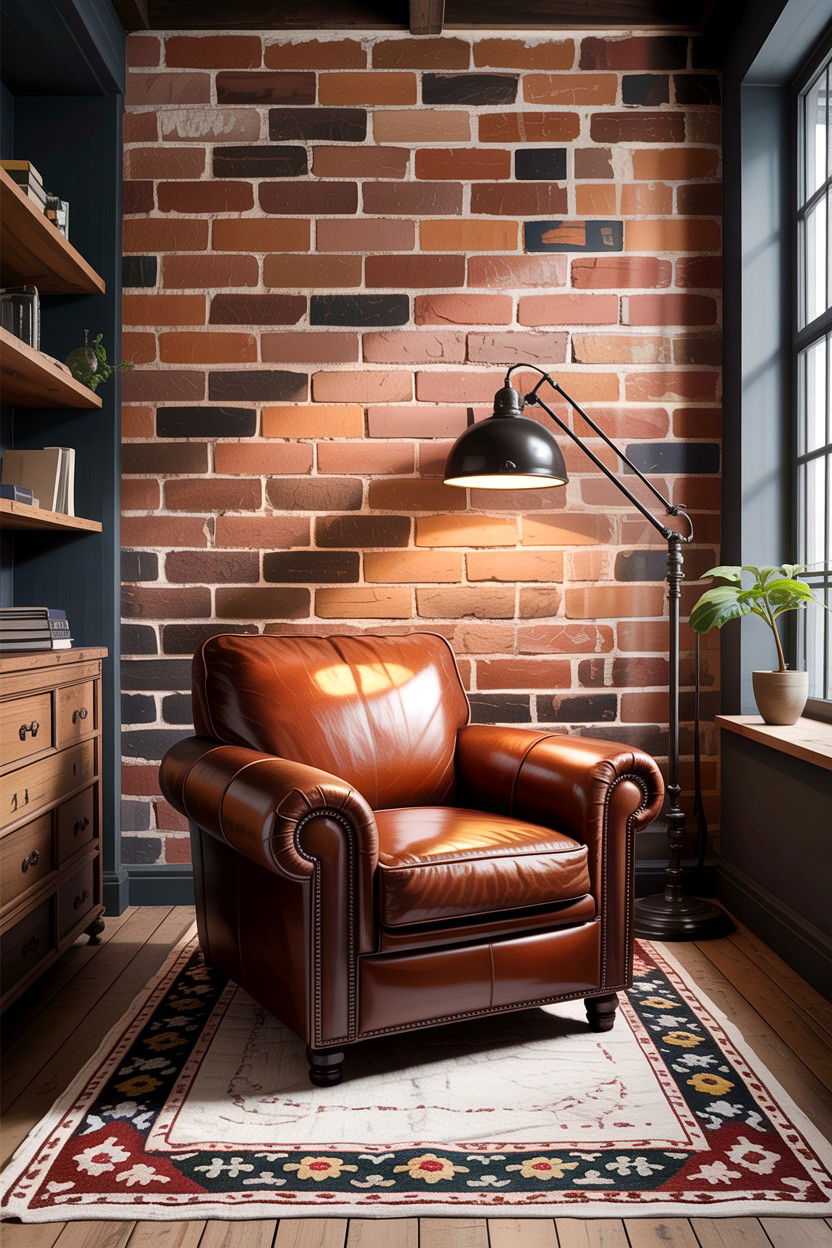
The industrial style shared bedroom is a great option for siblings who want a "cool" and edgy look. This aesthetic features materials like metal bed frames, exposed brick or concrete-look wallpaper, and reclaimed wood accents. Use a palette of grey, black, and navy with pops of orange or red for a high-energy feel. Large Edison bulb light fixtures and metal locker-style dressers add to the authentic industrial vibe. This style is incredibly durable and easy to clean, making it a practical choice for active kids. It also feels more "grown-up," which can be a big plus for siblings who are entering their middle school years.
27. Boho Style Shared Bedroom
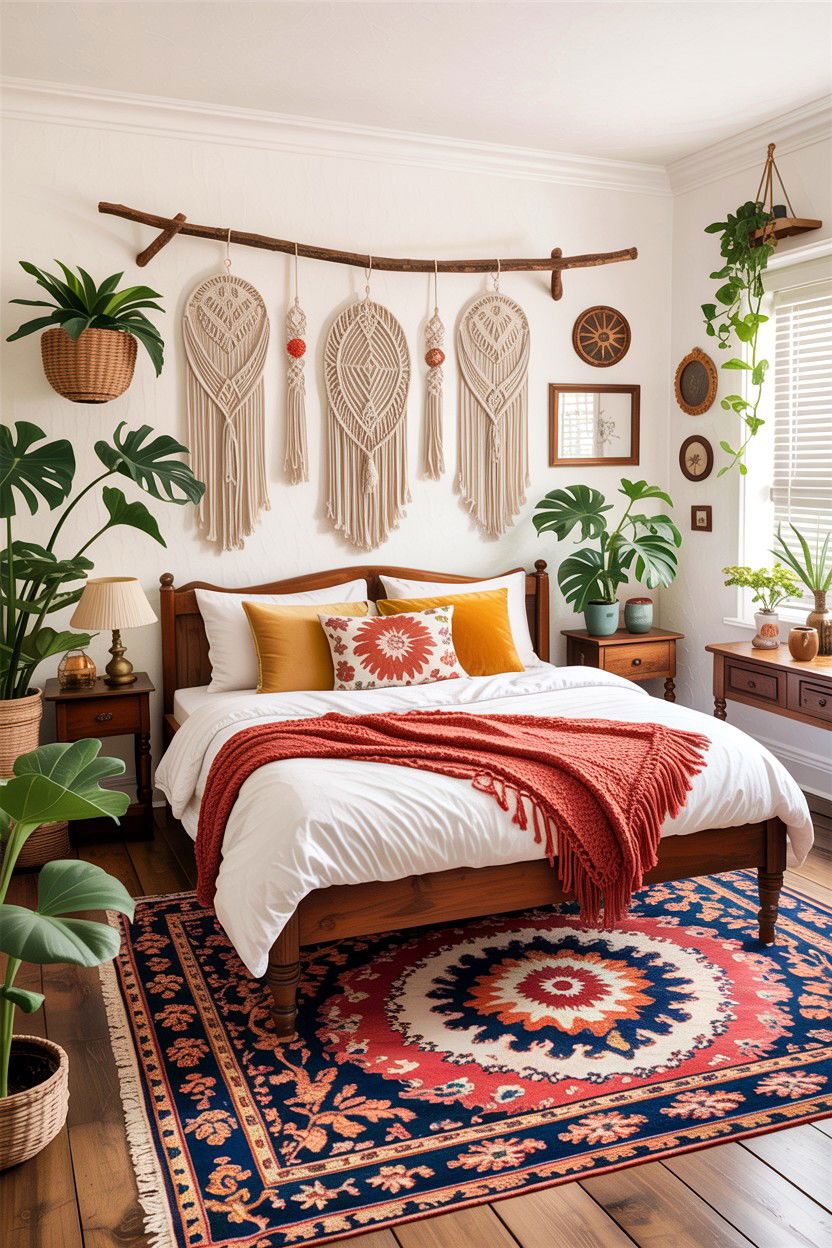
A boho style shared bedroom is perfect for creating a relaxed, eclectic, and creative environment that both a boy and girl can enjoy. This look is characterized by a mix of patterns, textures, and global influences. Think macramé wall hangings, colorful Persian-style rugs, and plenty of indoor plants. Use a mix of vintage and modern furniture to create a curated, lived-in feel. The color palette can be as vibrant or as muted as you like, making it easy to incorporate each child's favorite hues. This style celebrates individuality and creativity, providing an inspiring backdrop for siblings to express themselves and their unique personalities.
28. Black And White Shared Bedroom
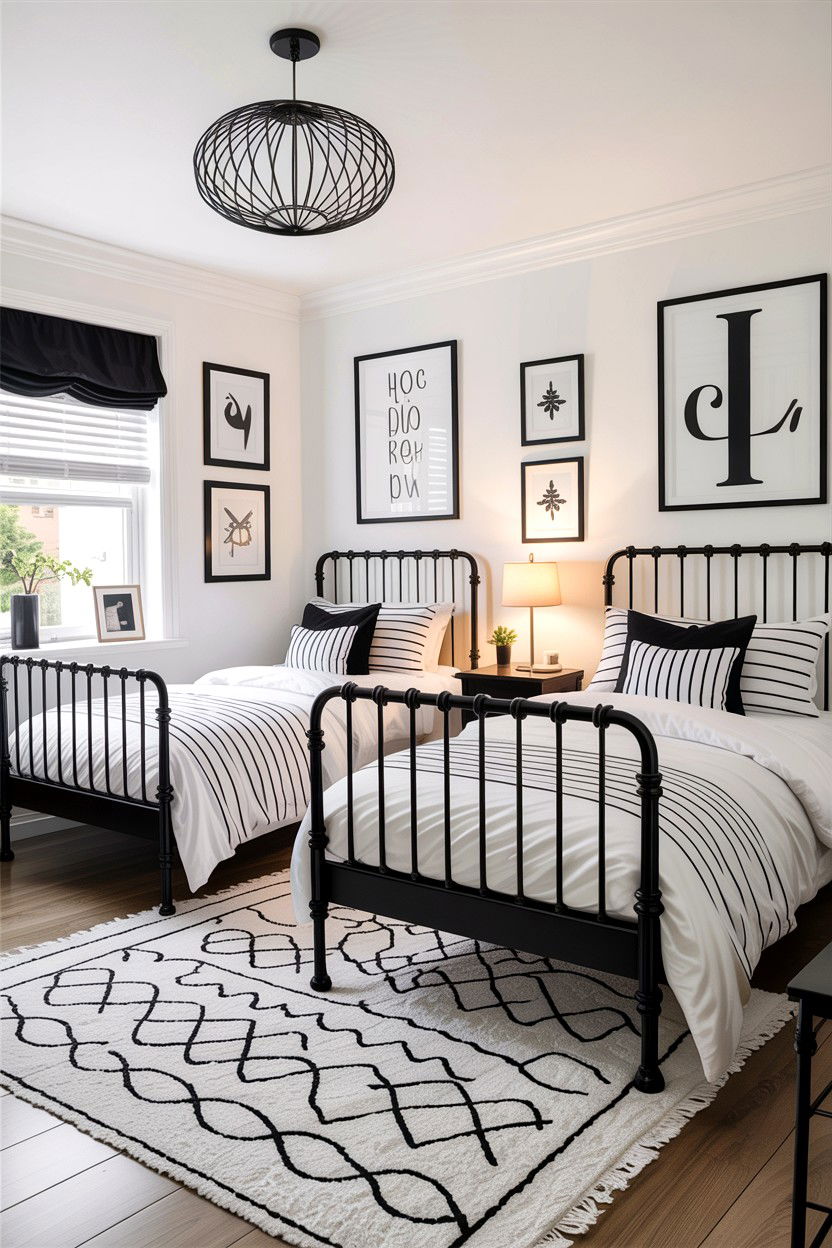
For a high-contrast and ultra-modern look, a black and white shared bedroom is a sophisticated choice that is easy to execute. This monochromatic palette provides a clean and crisp background that makes any pops of color really stand out. Use black metal bed frames against white walls for a graphic effect, and incorporate patterns like stripes, chevrons, or polka dots in the bedding and rugs. This style is inherently gender-neutral and can be easily adapted as the children grow. You can add personality through colorful artwork or themed accessories that can be swapped out as their interests change over the years.
29. Trundle Bed Shared Bedroom
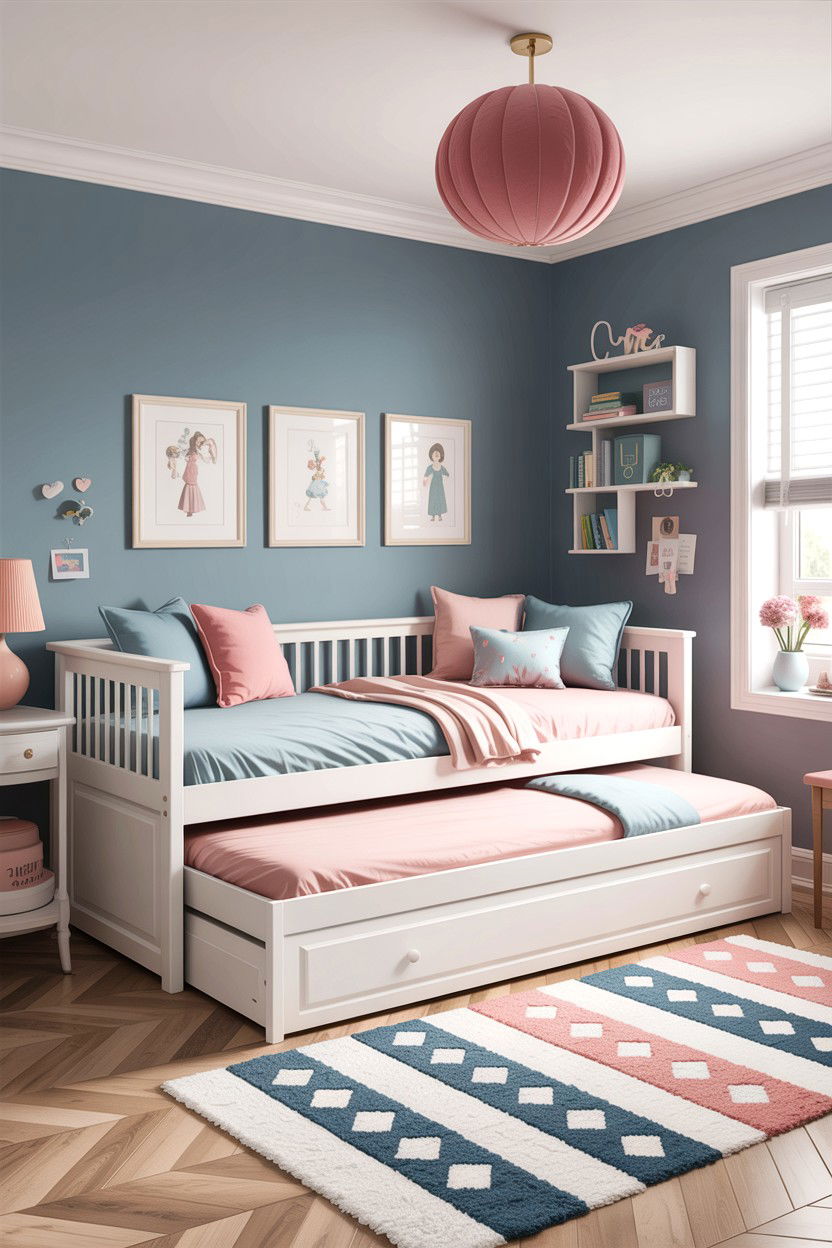
A trundle bed shared bedroom is the ultimate space-saving solution for rooms that occasionally need to accommodate a third person or for siblings who love sleepovers. The secondary mattress slides neatly under the main bed during the day, keeping the floor space clear for play and movement. This is a great option for a temporary shared room situation or for a smaller guest room. Choose a bed frame with a sleek, integrated design so the trundle is virtually invisible when not in use. This setup provides maximum flexibility without the height of a bunk bed, making it a safe and practical choice for all ages.
30. Window Seat Shared Bedroom
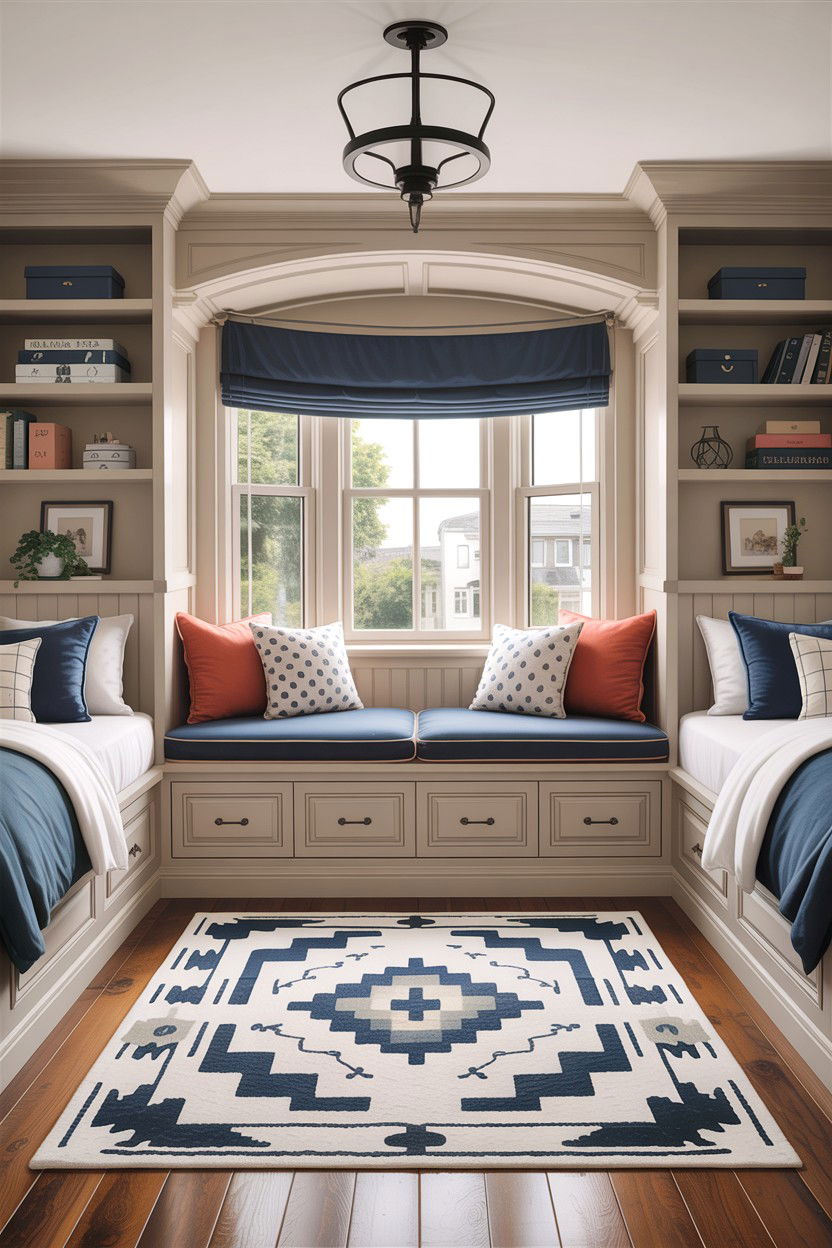
Incorporating a window seat shared bedroom adds a charming and functional architectural feature that both children will love. A built-in bench under a window provides a perfect spot for reading, daydreaming, or watching the world go by. Use the space underneath the seat for extra storage drawers to keep toys or seasonal clothing tucked away. This shared "lounge" area adds a touch of luxury to the room and provides a neutral zone where siblings can hang out together. Decorate the seat with plush cushions and a soft throw blanket to make it the coziest and most sought-after spot in the entire house.
Conclusion:
Designing a shared bedroom for a boy and a girl is a rewarding journey that balances practical needs with creative expression. By focusing on smart layouts, inclusive color palettes, and the essential need for individual privacy, you can create a space where both siblings feel valued and comfortable. Whether you opt for the vertical efficiency of bunk beds or the sophisticated charm of a Scandinavian-inspired design, the key is to involve the children in the process. A successful shared room not only saves space but also fosters a lifelong bond between siblings as they learn to share, compromise, and grow together in their own unique sanctuary.
Related posts:
Leave a Reply