

Designing a bathroom that reflects a specific historical era allows you to bring a unique sense of character and timeless charm into your home. Whether you are drawn to the opulent details of the Victorian age or the sleek, minimalist lines of the current decade, understanding how these styles evolved can help you create a cohesive and visually stunning space. Each decade brought its own set of materials, color palettes, and functional innovations that defined the bathing experience for generations. From the vibrant pastels of the mid-century to the industrial textures of the 2010s, exploring these various trends provides endless inspiration for your next renovation project. By blending vintage aesthetics with modern convenience, you can achieve a look that feels both nostalgic and fresh, making your bathroom a true standout feature of your interior design.
1. Victorian Clawfoot Tub
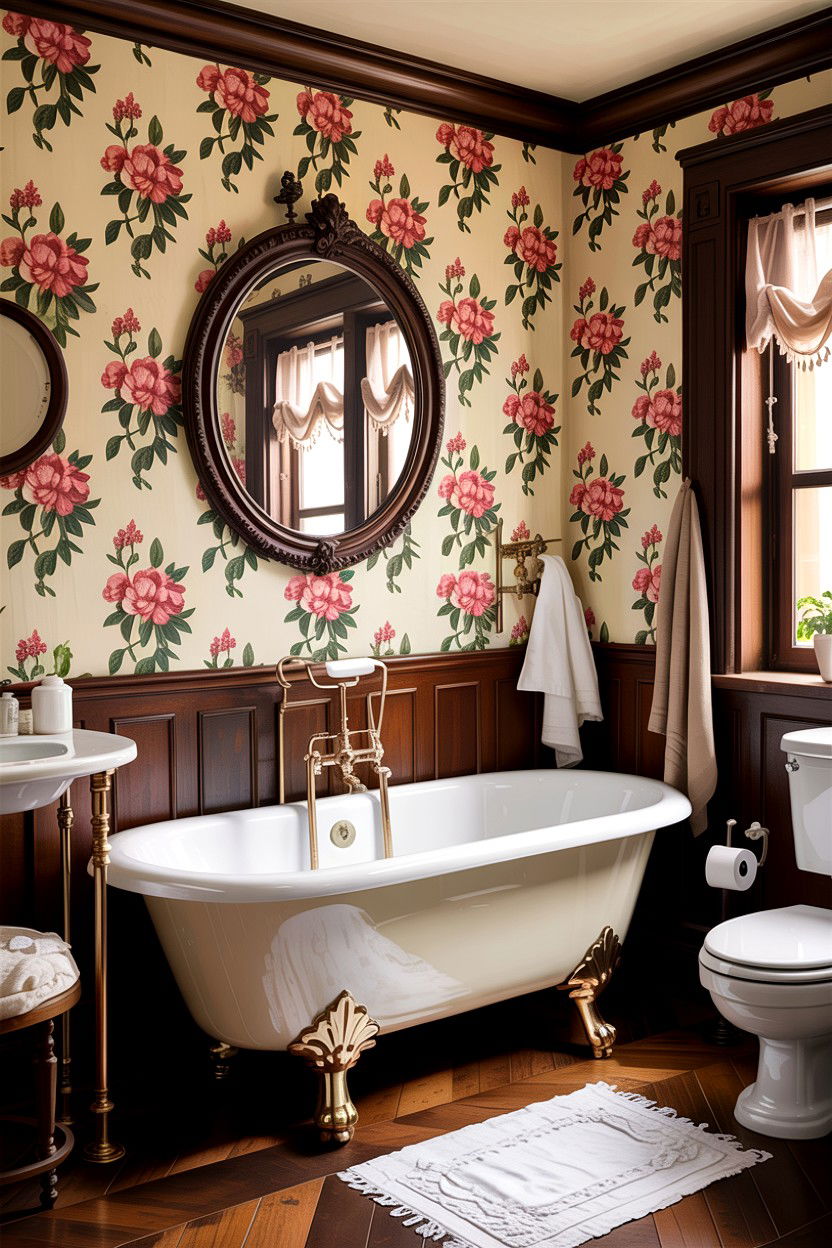
Imagine stepping into a space where history meets luxury through a classic Victorian clawfoot tub that serves as a stunning centerpiece. These iconic fixtures often feature intricate ball-and-claw feet in polished chrome or brass, instantly elevating the room's sophistication. To complete this vintage look, homeowners often pair the tub with a high-tank toilet and ornate wainscoting along the lower half of the walls. The overall atmosphere feels regal and timeless, especially when you incorporate floral wallpaper patterns and heavy porcelain materials. This specific style celebrates the opulence of the late nineteenth century while providing a relaxing sanctuary for modern bathing rituals today.
2. Edwardian Pedestal Sink
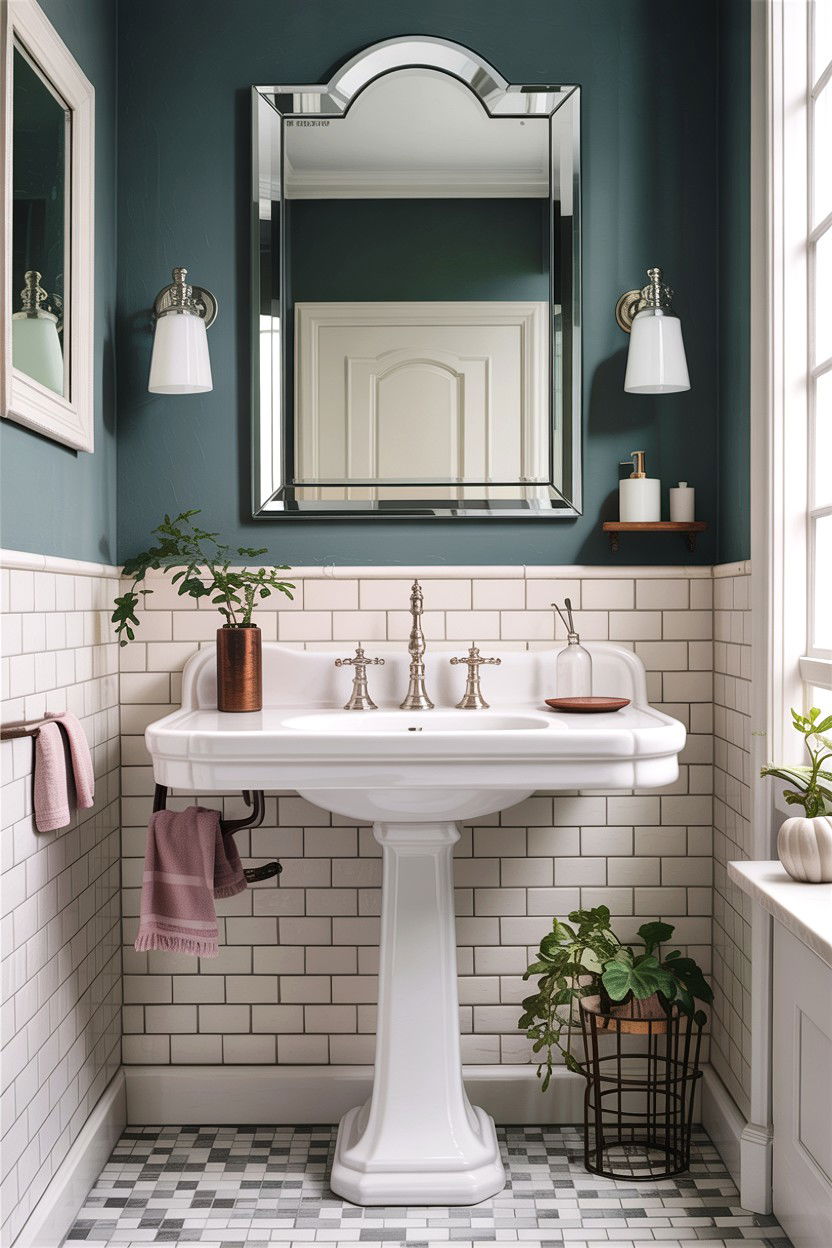
Are you looking to capture the refined elegance of the early 1900s in your master suite? An Edwardian pedestal sink offers a graceful silhouette with clean lines and a spacious basin that feels both substantial and light. This style typically favors white porcelain and polished nickel fixtures to maintain a bright, sanitary appearance that was highly valued during this era. Pairing the sink with a large, beveled-edge mirror and simple subway tiles creates a balanced look that is neither too ornate nor too modern. It is a perfect choice for smaller bathrooms where you want to maximize floor space without sacrificing historical character.
3. Art Deco Black And White Tile
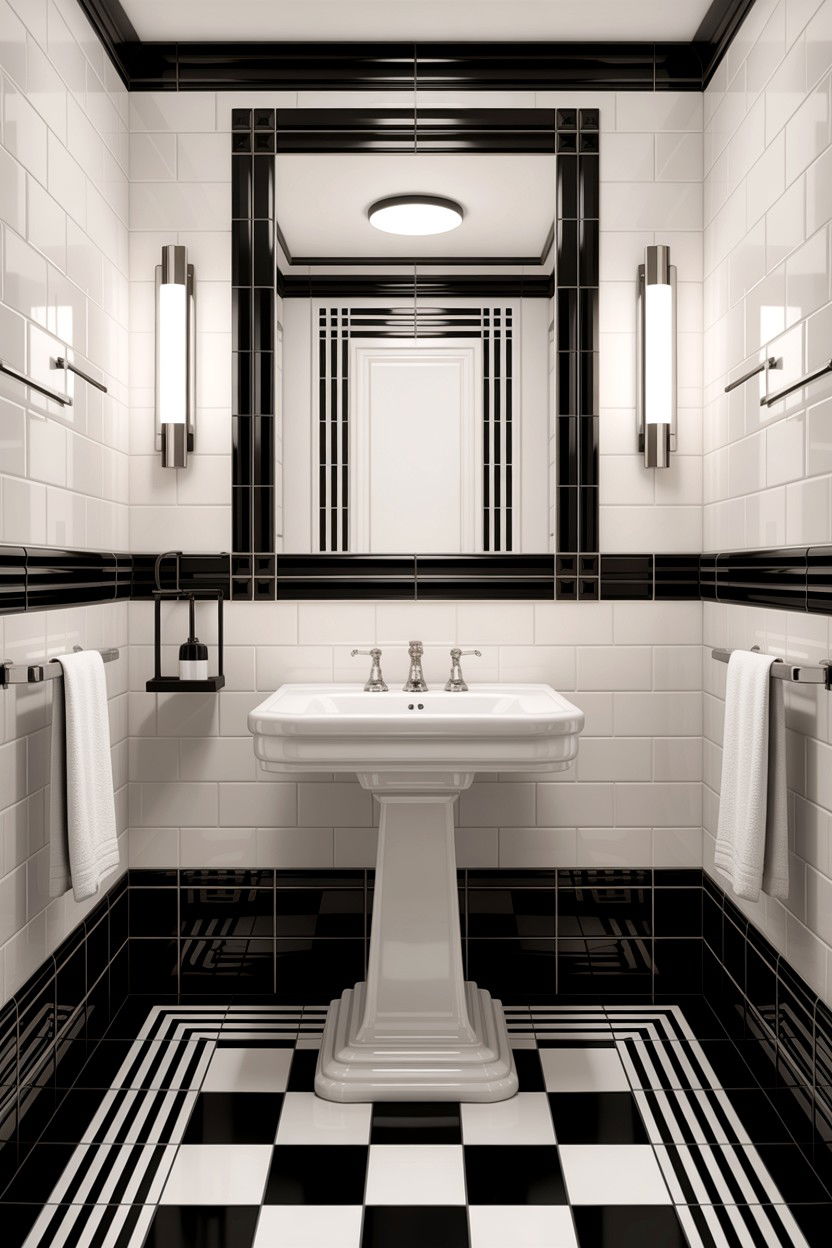
Have you ever dreamed of a bathroom that feels like a scene from the Roaring Twenties? The Art Deco aesthetic relies heavily on high-contrast black and white tiling to create bold, geometric patterns that command attention. Whether you choose a classic checkerboard floor or intricate border motifs along the walls, this look is all about drama and precision. Incorporating chrome hardware and stepped architectural details further enhances the Gatsby-inspired vibe. This style remains popular because it offers a sophisticated, monochromatic palette that works beautifully with modern lighting fixtures while still paying homage to one of the most glamorous decades in design history.
4. 1920s Geometric Pattern Floor
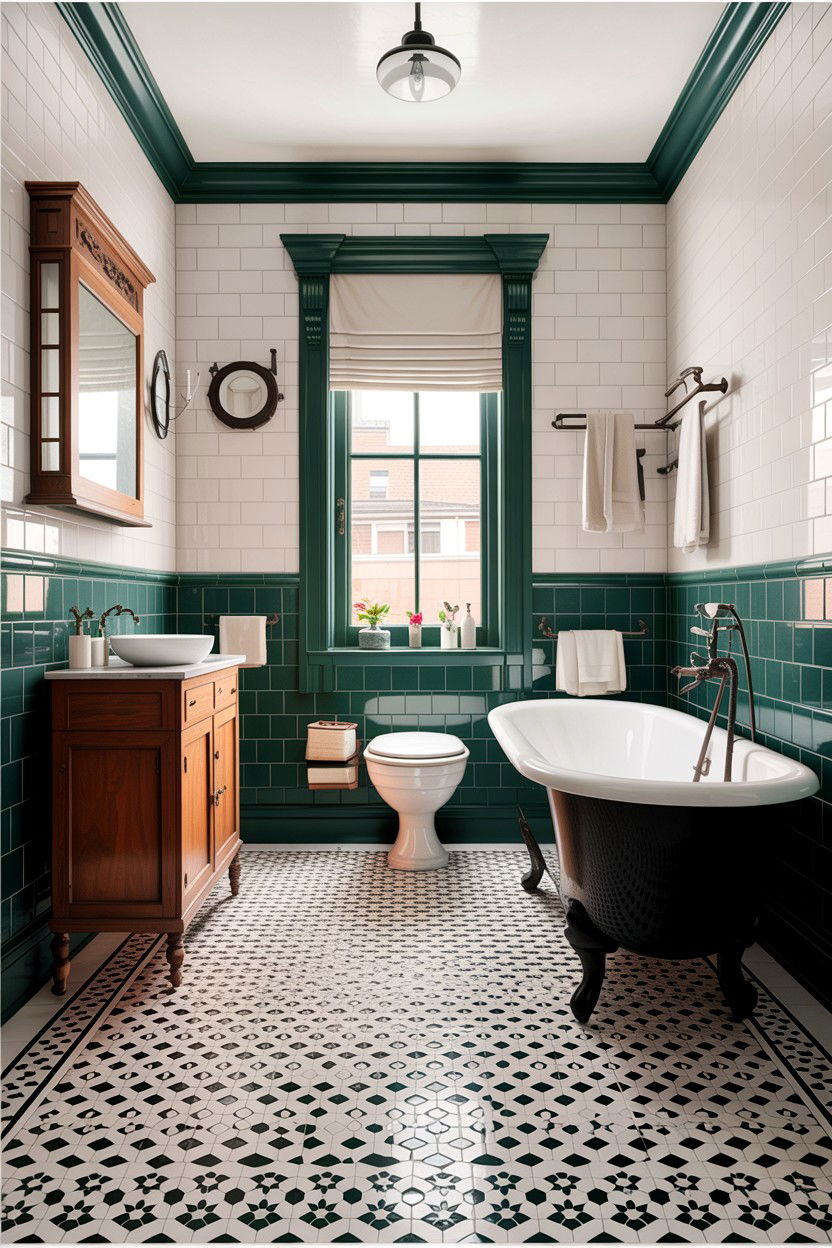
Walking into a bathroom with a 1920s geometric pattern floor instantly transports you to an era of artistic innovation and craftsmanship. These floors often use small hexagonal or penny tiles to create intricate floral or honeycomb designs that add incredible texture to the space. The color combinations usually involve white, black, and sometimes a soft seafoam green or pale blue for a subtle pop of personality. This flooring choice is exceptionally durable and hides dirt well, making it a practical yet stylish option for high-traffic areas. It provides a solid foundation for other vintage elements like built-in medicine cabinets and exposed plumbing pipes.
5. 1930s Streamline Moderne Vanity
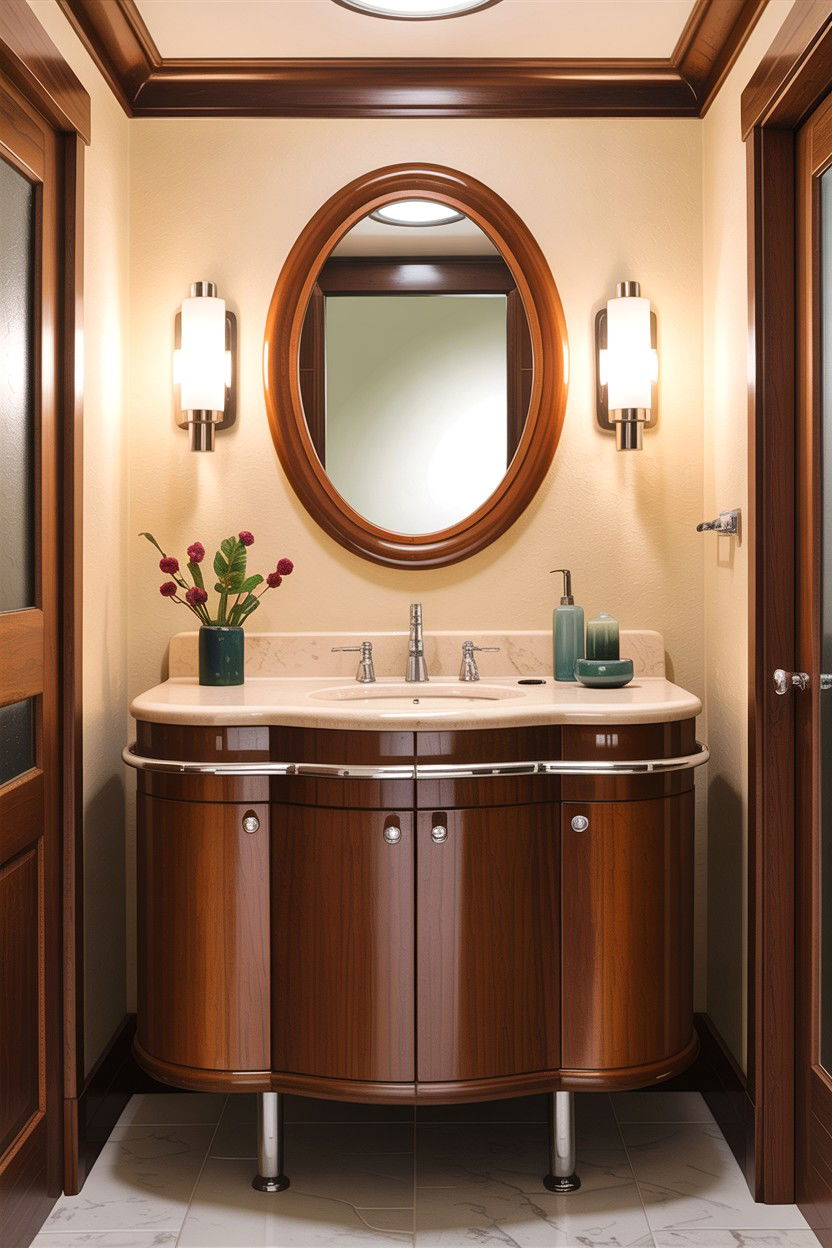
The transition into the 1930s brought about the Streamline Moderne movement, which emphasized aerodynamic curves and a sense of forward-thinking motion. A bathroom vanity from this era often features rounded corners, horizontal grooves, and a sleek, polished finish that feels incredibly smooth to the touch. These pieces were often made from high-quality woods or painted in soft, metallic tones to reflect the growing interest in industrial design. When paired with circular mirrors and frosted glass sconces, the vanity becomes a functional work of art. This style is ideal for those who appreciate a vintage look that feels slightly more "moderne" and less traditional.
6. 1930s Mint Green Tile
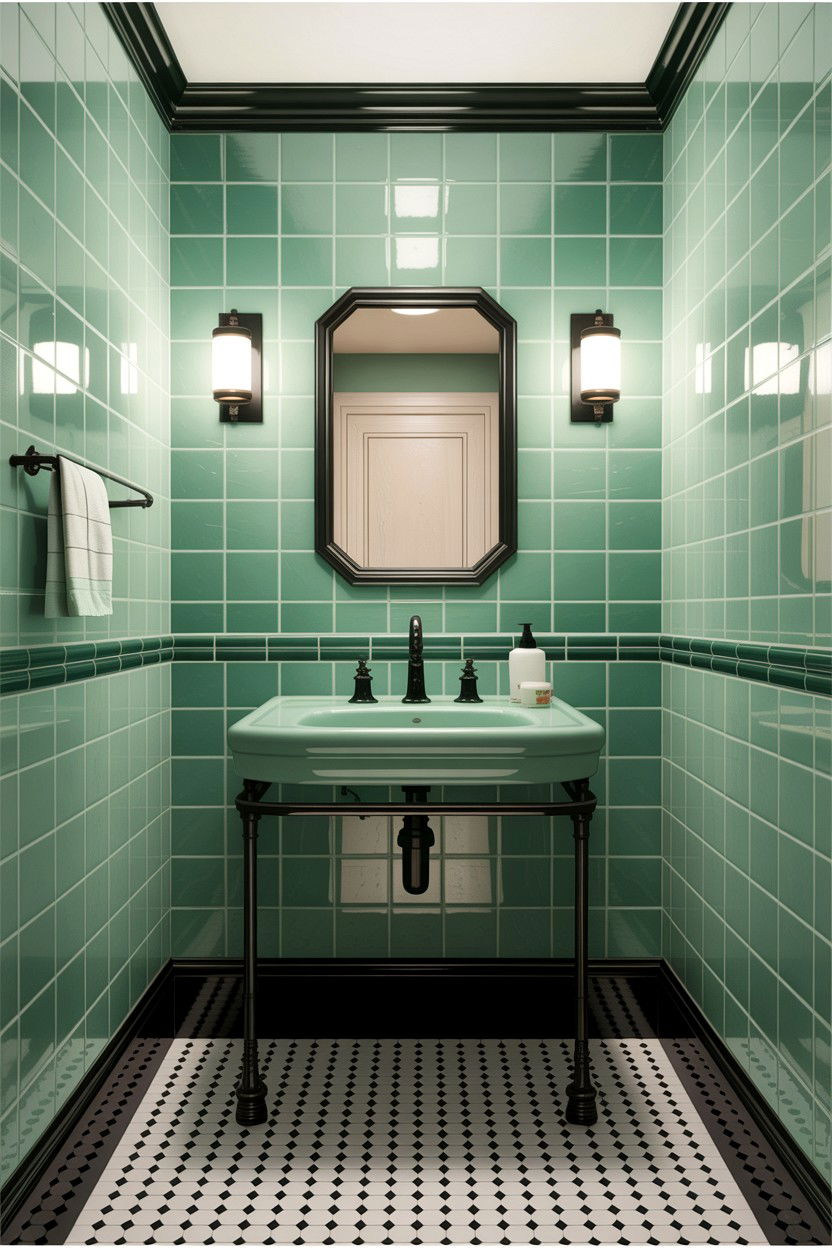
Can you picture the refreshing charm of a 1930s bathroom adorned with vibrant mint green wall tiles? This specific shade became a hallmark of the decade, often paired with black trim to create a crisp and cheerful environment. The tiles were typically square and covered the walls from floor to mid-height, providing a water-resistant surface that was easy to maintain. This color palette reflects a shift away from the stark white "sanitary" look toward a more personalized and colorful home life. Adding a matching mint green porcelain sink or toilet can truly commit to the aesthetic, creating a nostalgic and whimsical retreat.
7. 1940s Linoleum Flooring Bathroom
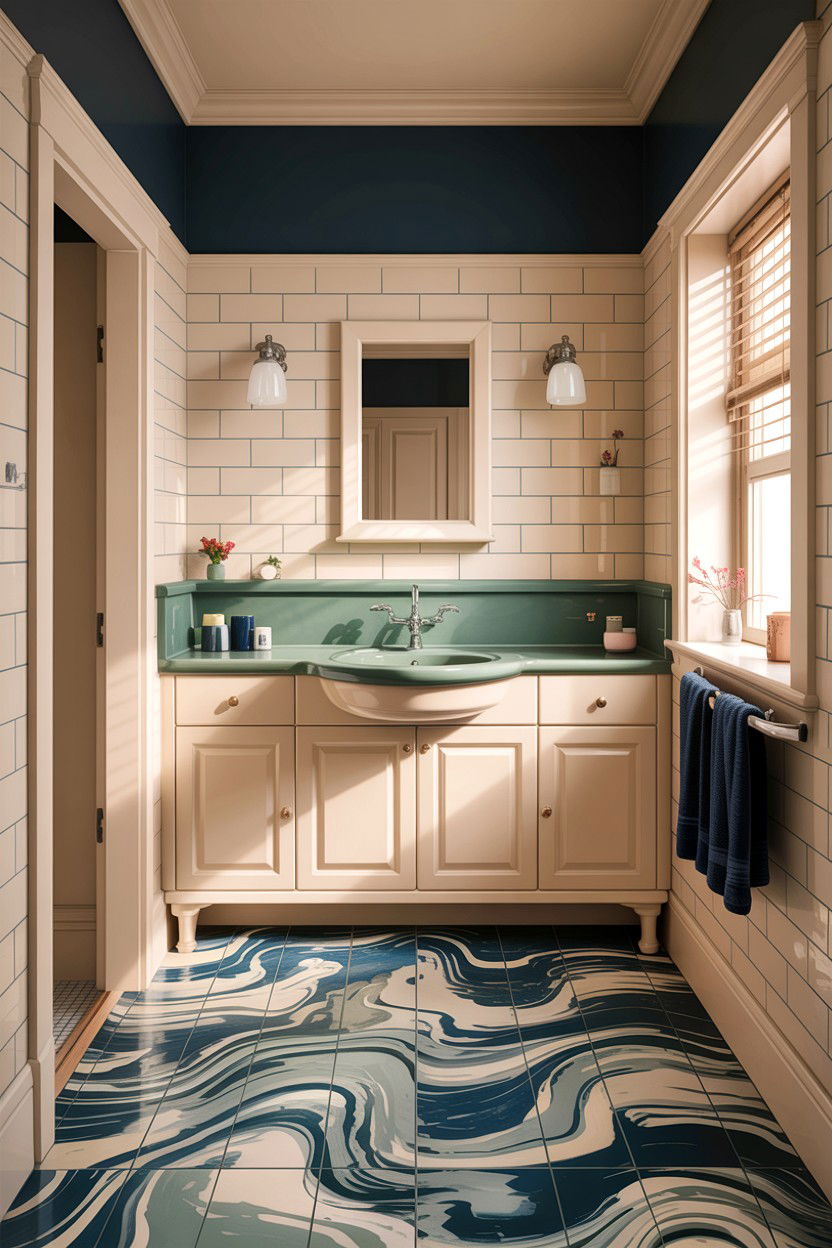
During the 1940s, practicality and durability were the main priorities for many households, leading to the widespread popularity of linoleum flooring. This material allowed for a wide range of colors and patterns, from marbled textures to simple solid blocks, making it a versatile choice for any bathroom layout. It was prized for being soft underfoot and incredibly easy to clean, which was essential for busy post-war families. Today, you can find high-quality vinyl alternatives that mimic this retro look while offering even better longevity. Combining linoleum with simple wooden cabinetry and navy accents creates a cozy, authentic mid-century atmosphere that feels very grounded.
8. 1940s Navy Blue Tile
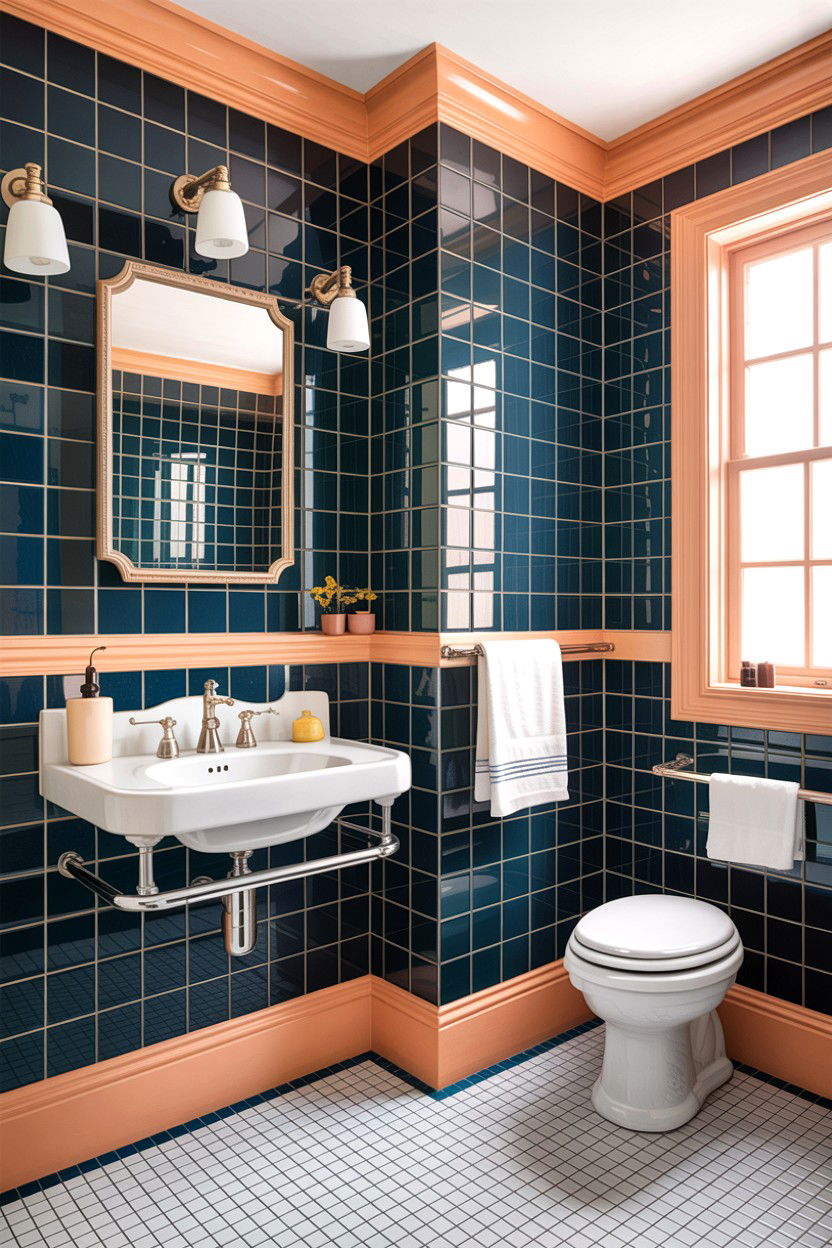
The 1940s often utilized deeper, more patriotic color palettes, including rich navy blue tiles that provided a sophisticated backdrop for white porcelain fixtures. This look was frequently accented with peach or cream trim to soften the intensity of the blue, creating a balanced and stately appearance. Because materials were sometimes scarce during the war years, the designs remained relatively simple and focused on clean, straight lines. Using navy tile in a modern bathroom today can create a moody and intimate feeling, especially when paired with warm gold hardware and soft, ambient lighting. It is a timeless way to add depth and color.
9. 1950s Pink Bathroom Suite
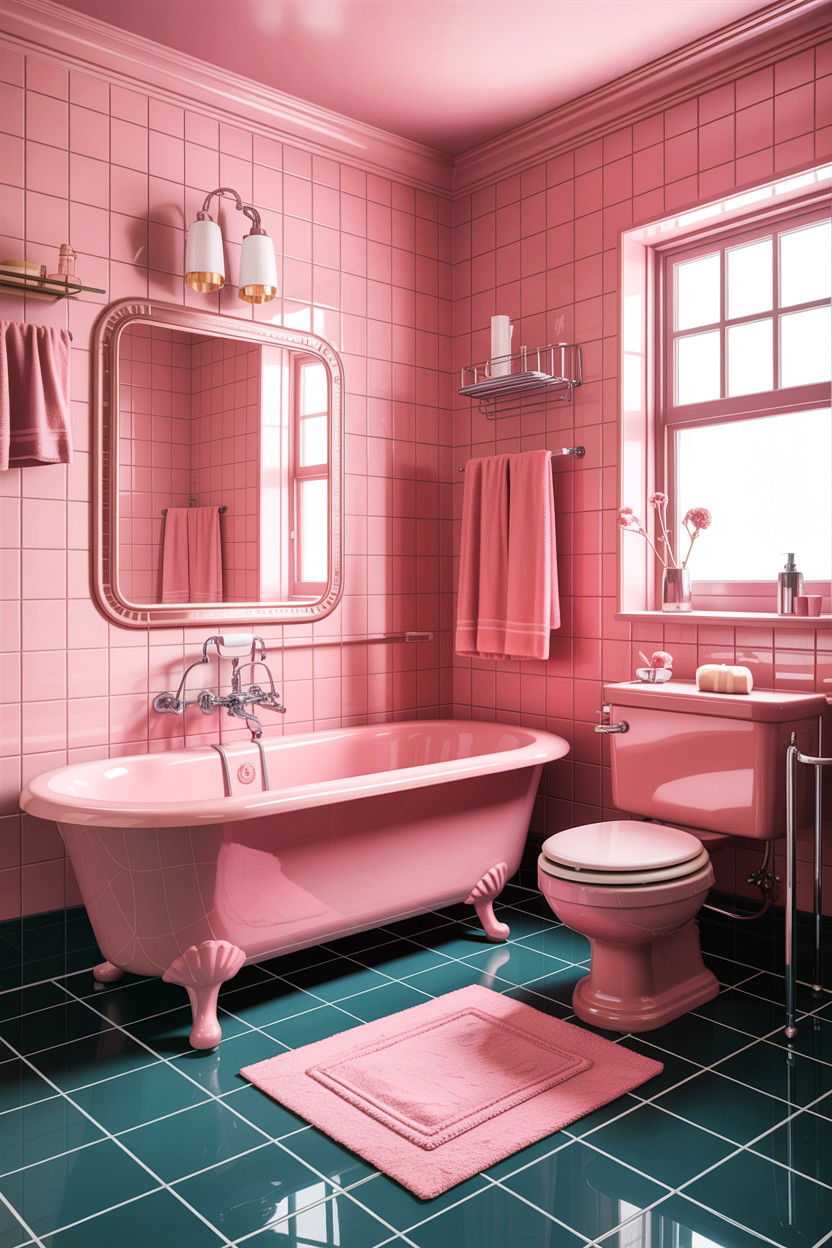
Few things are as iconic in mid-century design as the 1950s pink bathroom suite, popularized by First Lady Mamie Eisenhower. This look features a matching set of pink tiles, tub, sink, and toilet, creating a cohesive and ultra-feminine space that defined suburban luxury. The soft "bubblegum" hue was often paired with grey or black accents to provide a bit of contrast and prevent the room from feeling too overwhelming. While many of these bathrooms were ripped out in later decades, they are currently seeing a massive resurgence among vintage enthusiasts. It is a bold, playful choice that celebrates the optimism and domesticity of the fifties.
10. Mid Century Modern Teak Vanity
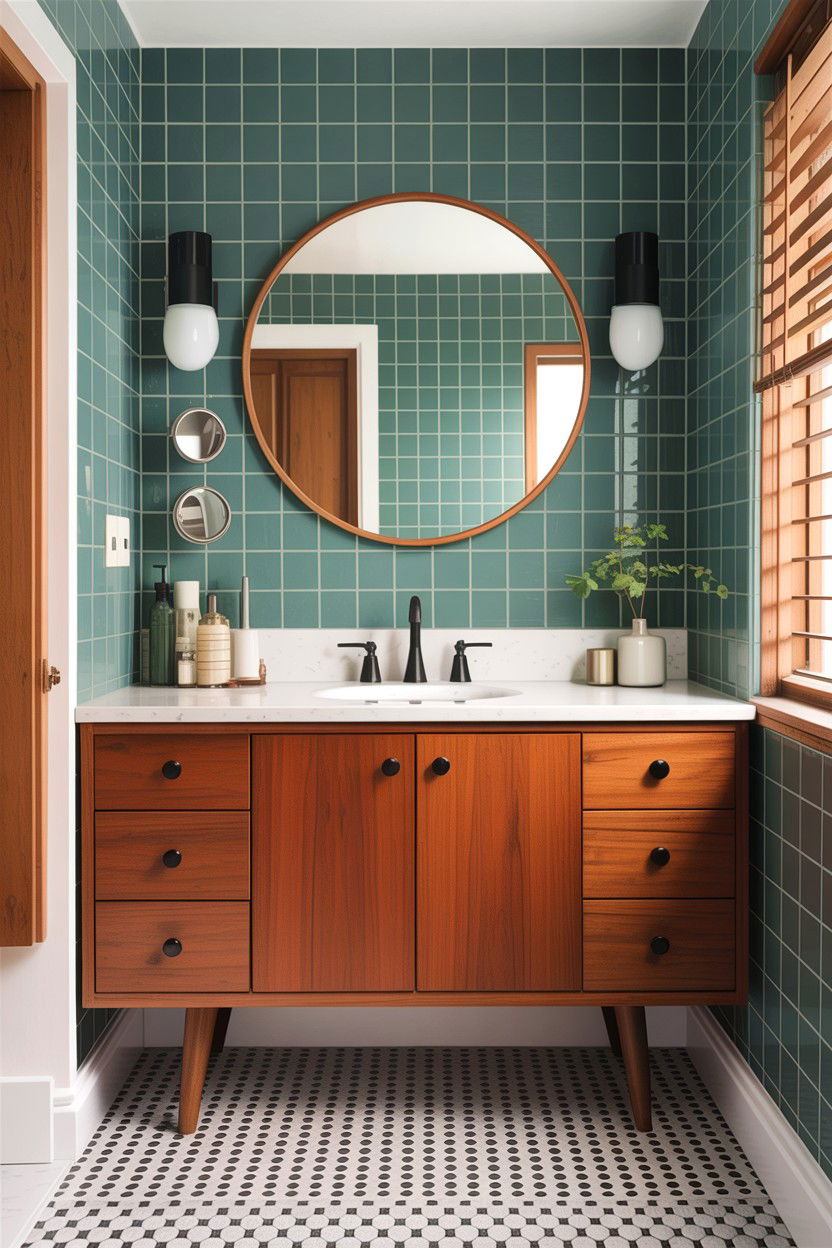
If you love the sleek and organic look of the 1950s and 60s, a mid-century modern teak vanity is an essential component for your bathroom. These pieces are known for their tapered legs, clean lines, and the warm, rich grain of the wood, which brings a natural element into a typically sterile environment. Teak is particularly well-suited for bathrooms because of its natural resistance to moisture and decay. Pairing a floating teak vanity with a simple white countertop and a round mirror creates a sophisticated, spa-like vibe. This style perfectly balances functionalism with a high-end aesthetic that never seems to go out of fashion.
11. 1950s Pastel Blue Wall
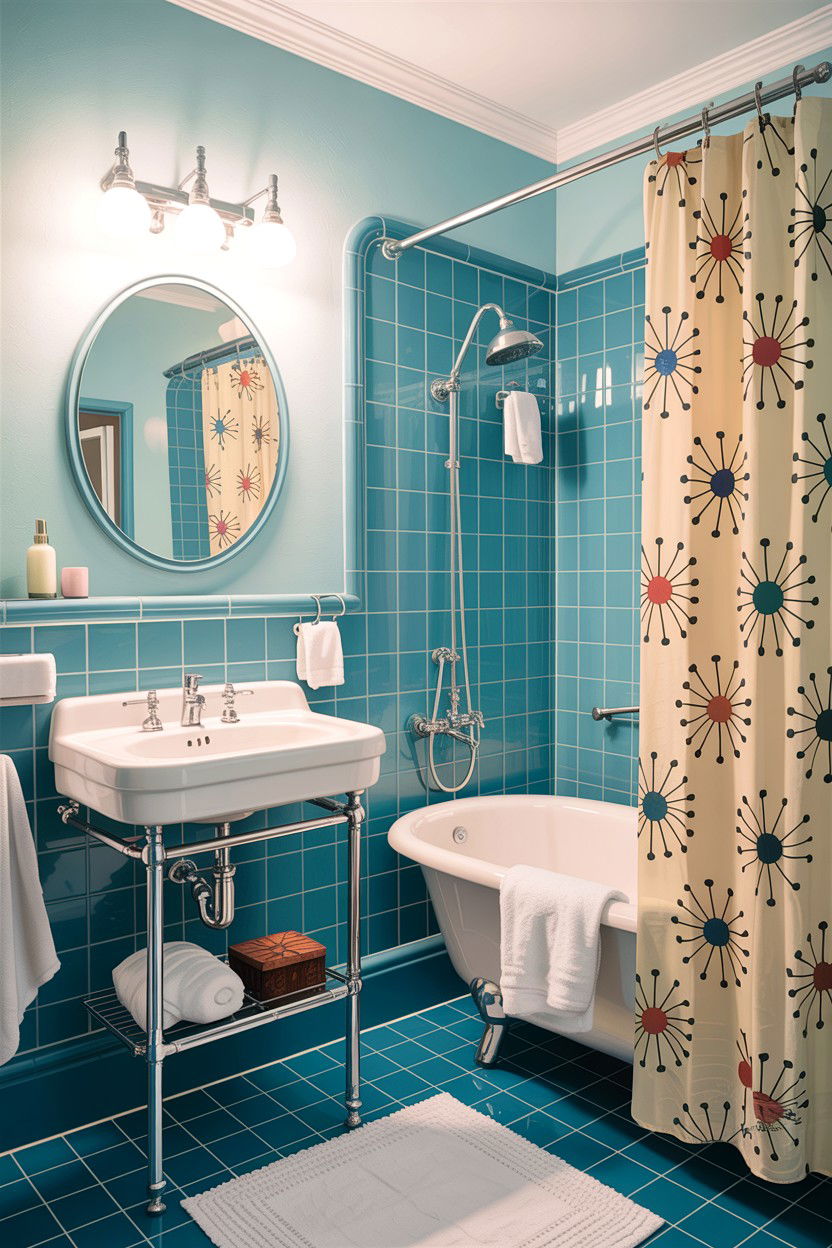
Stepping into a bathroom with 1950s pastel blue walls feels like a breath of fresh air, offering a serene and calming environment for your morning routine. This soft "sky blue" was a favorite for both tiles and paint, often used to create a light and airy feeling in smaller spaces. To achieve an authentic look, you can pair these blue surfaces with chrome fixtures and white porcelain accessories. The addition of a patterned shower curtain featuring atomic motifs or simple florals can further enhance the retro charm. This color remains a classic choice for bathrooms because it promotes a sense of cleanliness and relaxation.
12. 1960s Pop Art Color Bathroom
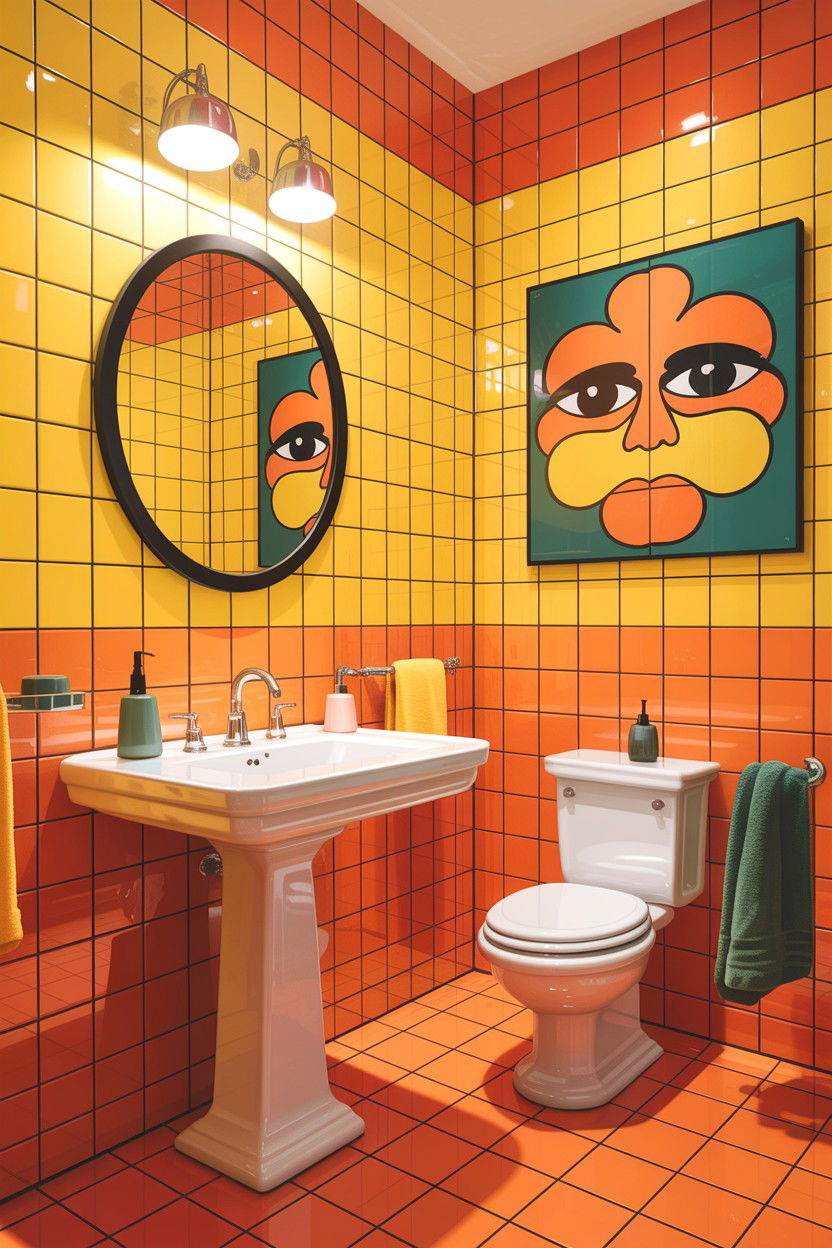
The 1960s were all about breaking the rules and embracing bold, expressive colors that made a statement. A pop art-inspired bathroom might feature vibrant orange, sunny yellow, or electric blue tiles arranged in eye-catching patterns. This era celebrated creativity and used the bathroom as a canvas for personal expression rather than just a functional utility room. Incorporating plastic or acrylic accessories and round, futuristic shapes can help you lean into the psychedelic vibe of the late sixties. It is a fantastic style for those who want their home to feel energetic, fun, and completely unique from the typical neutral palettes seen today.
13. 1960s Wood Paneling Accent
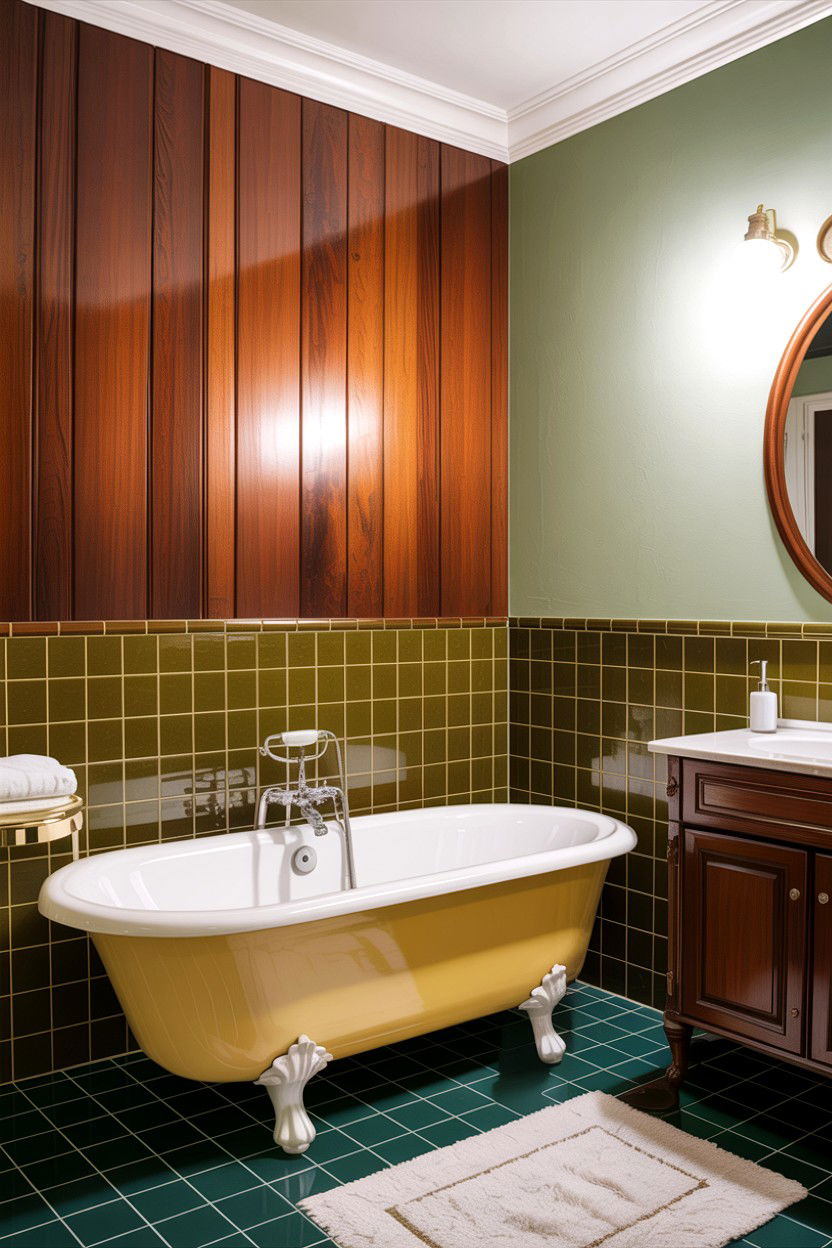
As the 1960s progressed, there was a growing trend toward incorporating natural textures, leading to the use of wood paneling as a warm accent in bathrooms. Whether it was used on a single feature wall or as wainscoting, the wood provided a rustic contrast to the brightly colored tiles and porcelain fixtures of the time. This look often paired well with earthy tones like olive green and harvest gold, creating a cozy and grounded environment. Today, using reclaimed wood or high-quality veneers can help you recreate this aesthetic without the risk of water damage. It adds an unexpected layer of warmth and history.
14. 1970s Avocado Green Fixture
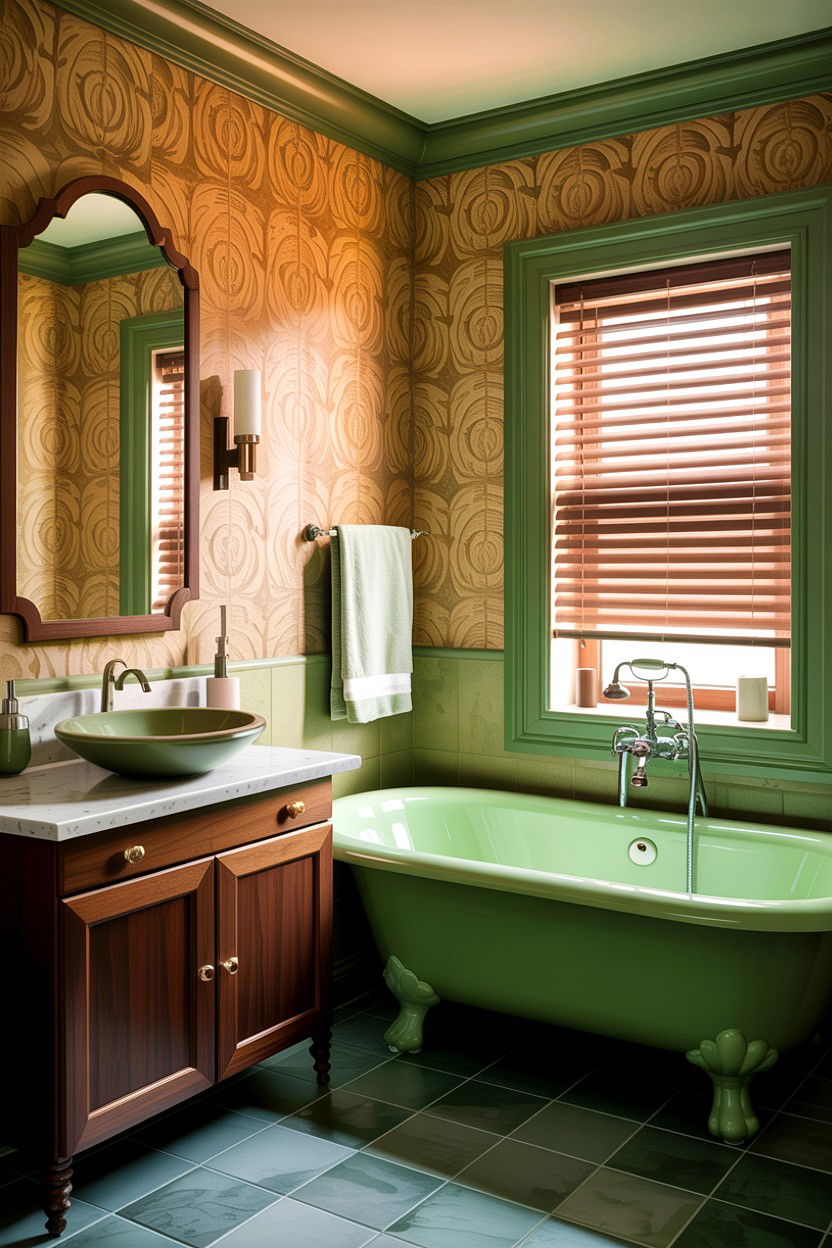
The 1970s are perhaps most famous for the "avocado green" color story that dominated everything from kitchens to bathrooms. An avocado green sink or tub is a definitive hallmark of this era, reflecting the decade's obsession with earthy, nature-inspired tones. While this color was once considered dated, it is now being embraced by those who love the "funky" and bold aesthetic of the seventies. Pairing these green fixtures with dark wood cabinetry and textured wallpaper creates a rich, layered look that feels incredibly nostalgic. It is a daring choice that guarantees your bathroom will have a strong personality and a story to tell.
15. 1970s Harvest Gold Tile
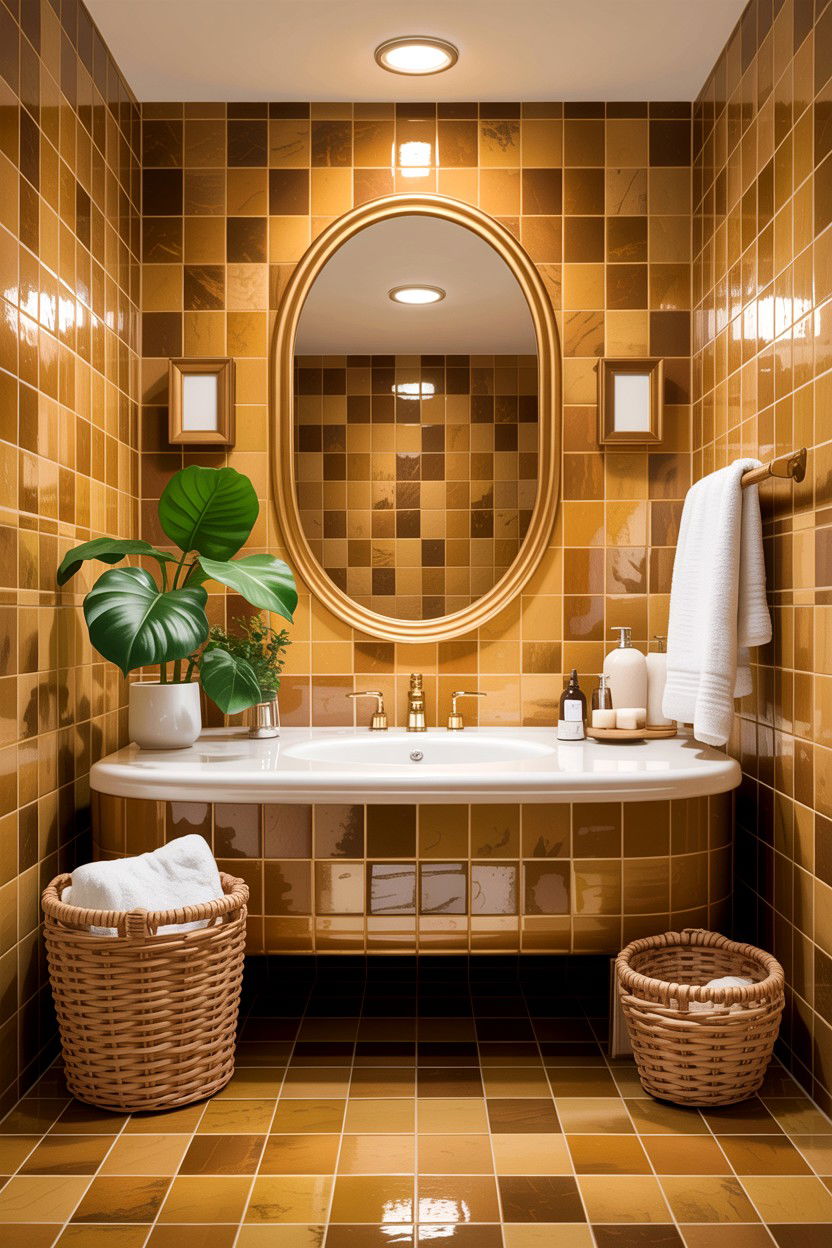
Another staple of the 1970s was harvest gold, a warm and inviting hue that brought a sense of sunshine into the home. Harvest gold tiles were often used on both the floors and walls, sometimes featuring embossed patterns or floral motifs that were popular at the time. This color works surprisingly well with modern bohemian decor, especially when you add plenty of indoor plants and natural woven baskets. The warmth of the gold provides a beautiful contrast to white towels and sleek, black hardware. It is a great way to incorporate a vintage feel while still maintaining a space that feels cozy and contemporary.
16. 1970s Sunken Bathtub
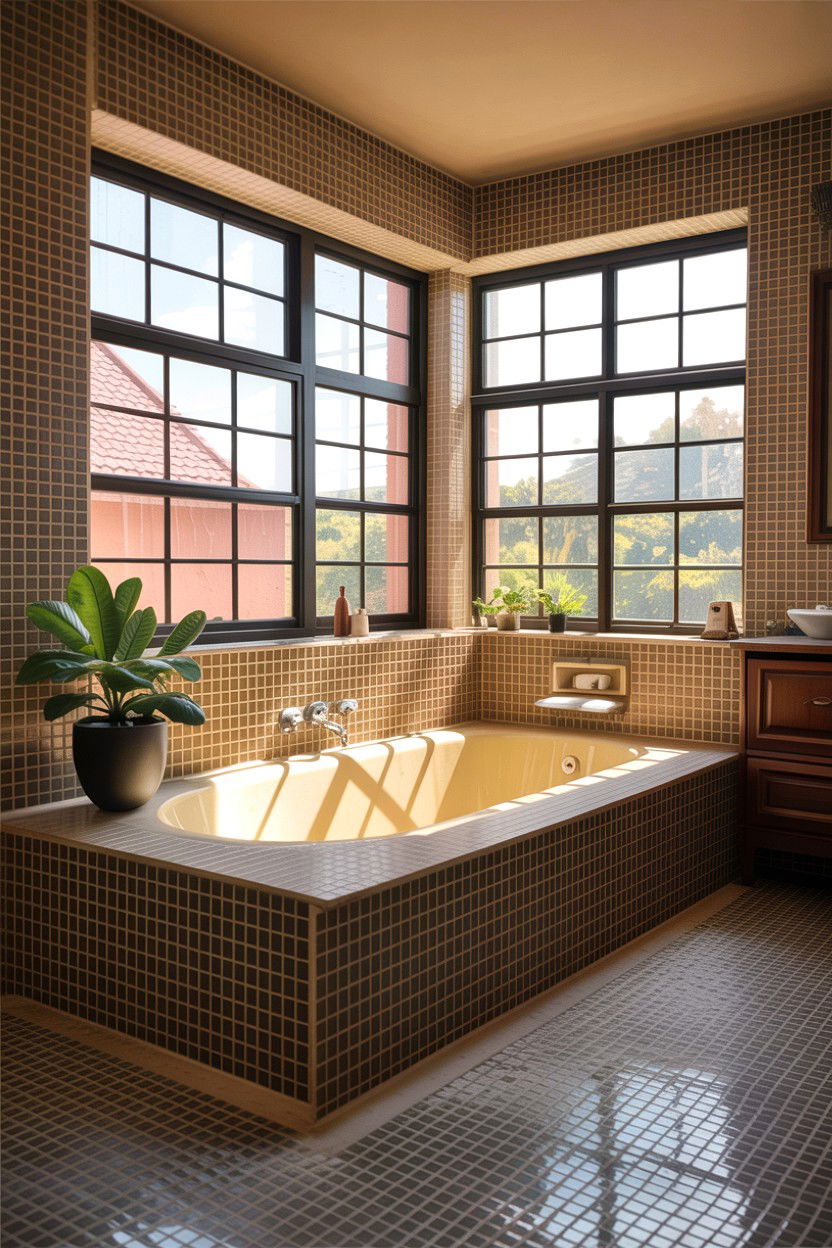
For the ultimate 1970s luxury experience, nothing beats the dramatic look of a sunken bathtub. These tubs were built directly into the floor, often surrounded by plush carpeting or decorative tiling to create a dedicated "bathing lounge" area. This design choice emphasized the idea of the bathroom as a place for relaxation and self-discovery, rather than just a quick stop. While wall-to-wall carpet in bathrooms is no longer recommended for hygiene reasons, you can recreate this vibe with a platform tub surrounded by beautiful stone or wood-look tiles. It creates a stunning architectural focal point that feels incredibly indulgent and unique.
17. 1980s Glass Block Wall
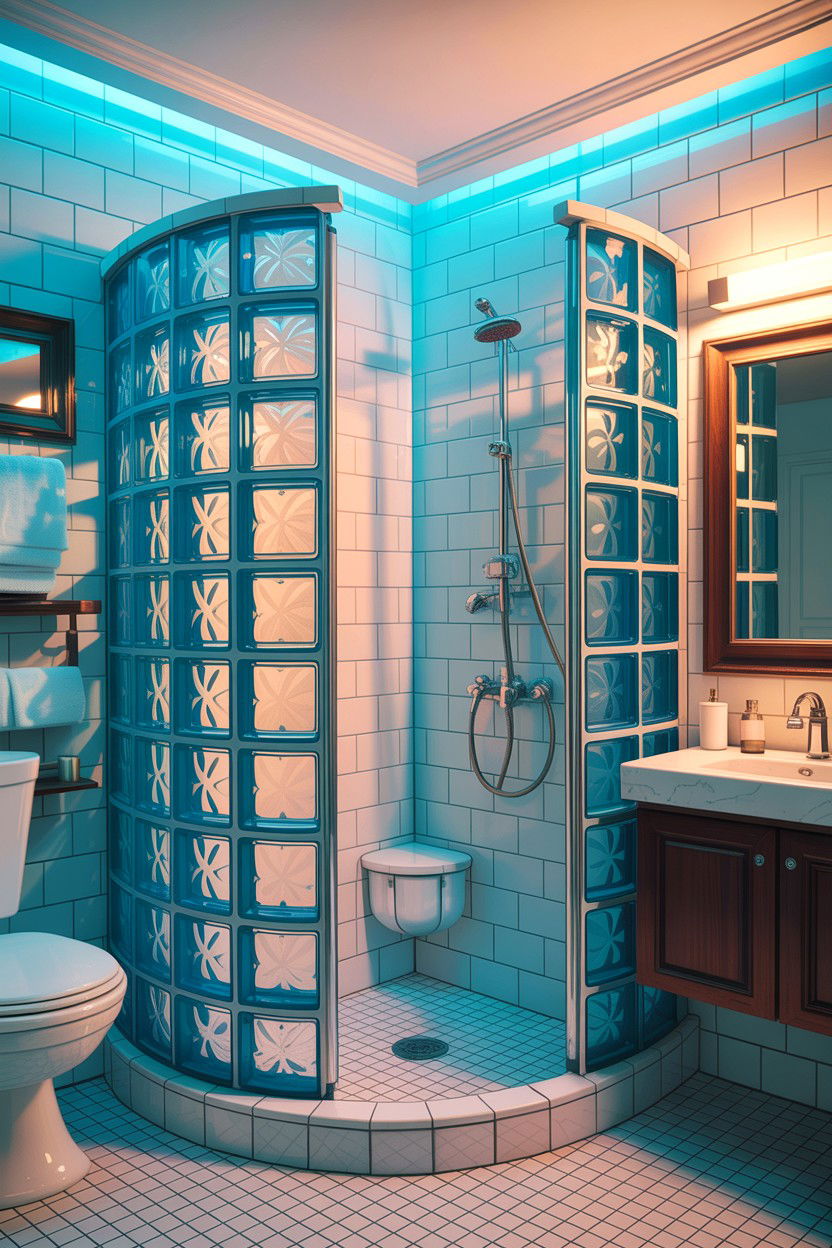
The 1980s brought a high-tech and architectural approach to bathroom design, with glass block walls becoming a major trend. These blocks allowed natural light to filter into the space while providing privacy, making them a popular choice for shower enclosures or external windows. The grid-like pattern of the glass blocks added a modern, industrial feel that paired perfectly with the decade's love for neon accents and polished surfaces. Today, glass blocks are making a comeback in contemporary designs as a way to add texture and light without the need for clear glass. They offer a cool, retro-futuristic aesthetic that is both functional and stylish.
18. 1980s Floral Wallpaper
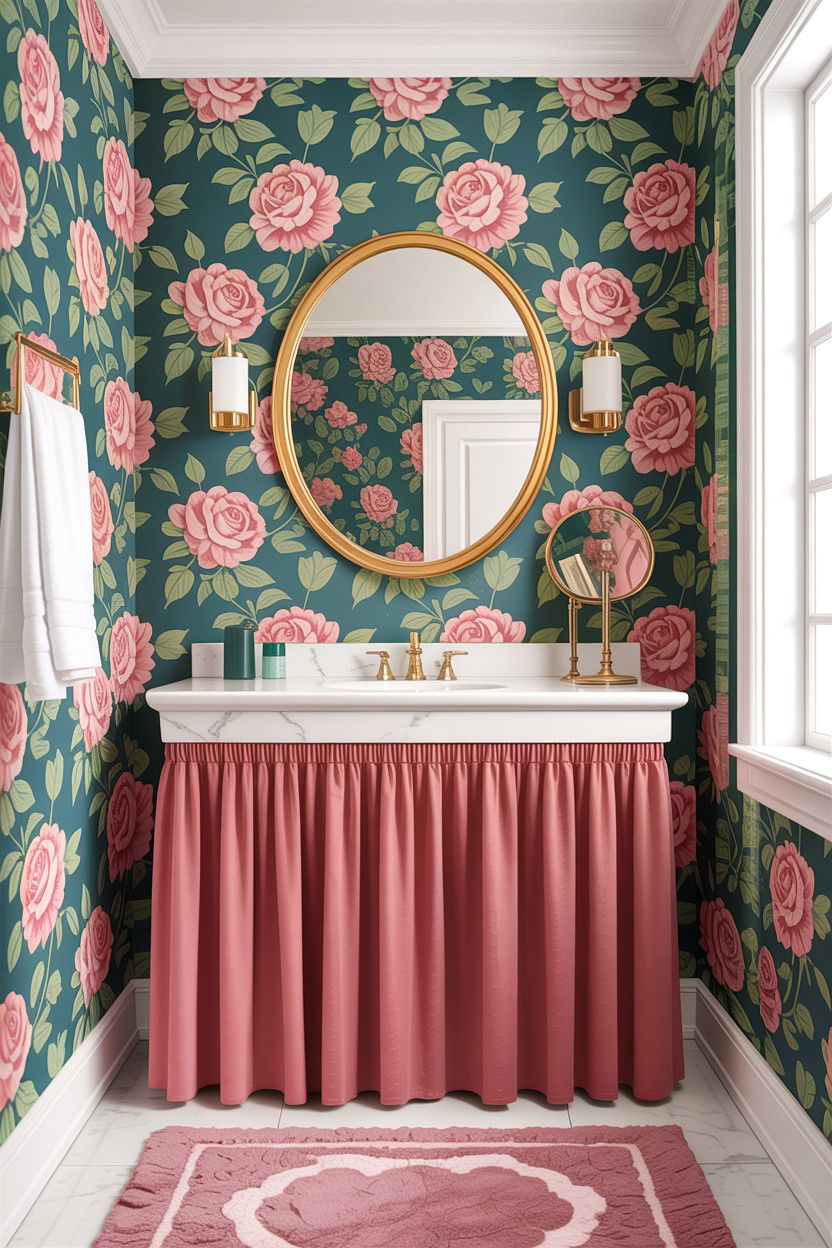
In contrast to the sleek glass and metal of the decade, many 1980s bathrooms also embraced a romantic, "shabby chic" look featuring heavy floral wallpaper. These patterns often included roses or peonies in dusty shades of mauve, teal, and peach, creating a soft and ornate atmosphere. Homeowners would frequently coordinate the wallpaper with matching curtains and even fabric-skirted sinks to complete the look. While the full-room floral look can feel overwhelming, using a floral wallpaper on a single accent wall today can add a touch of vintage charm and personality. It is a great way to bring color and pattern into a neutral space.
19. 1980s Polished Brass Faucet
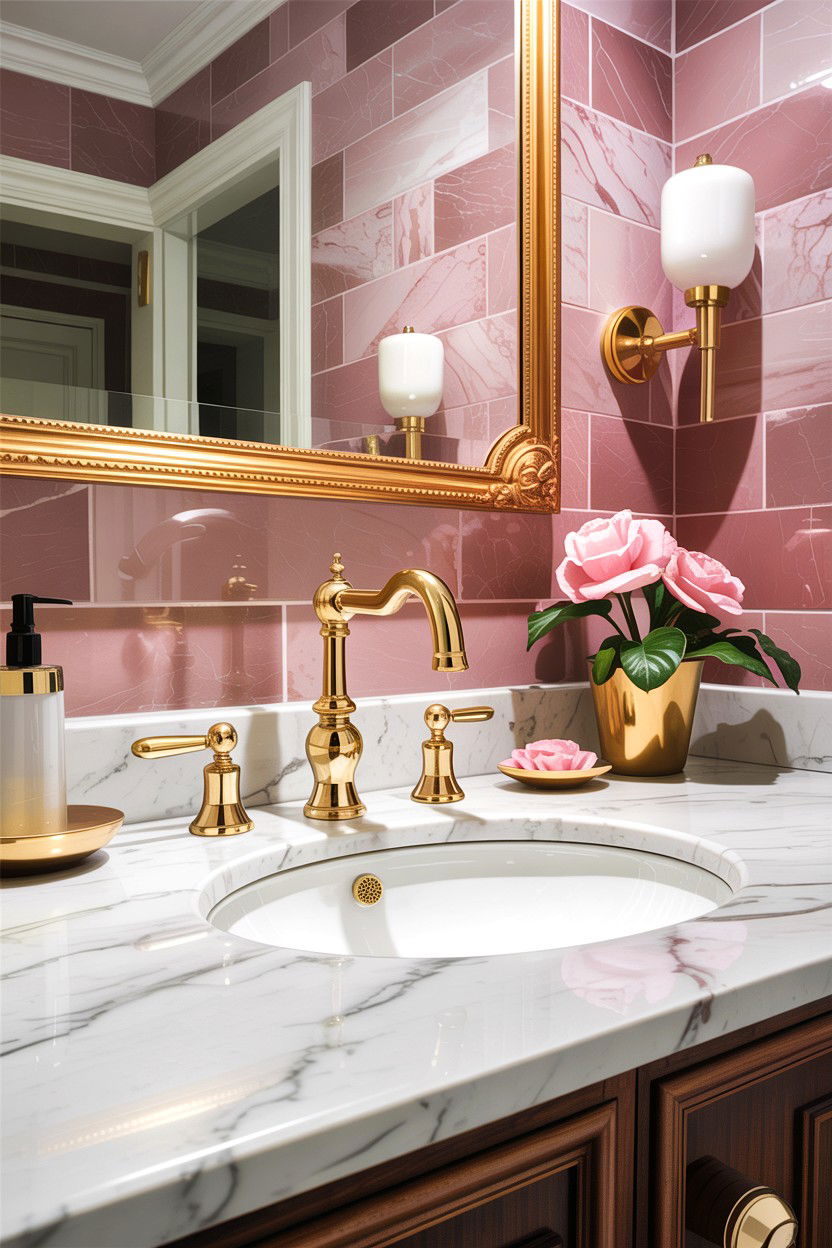
Polished brass was the "it" metal of the 1980s, appearing on everything from faucets and towel racks to mirror frames and light fixtures. Its bright, golden shine added a sense of opulence and warmth to the bathroom, especially when paired with white marble or dark wood vanities. While brass eventually fell out of favor for more muted silvers, it has recently returned in the form of "brushed gold" or "antique brass" finishes. However, if you want a true 1980s throwback, the high-gloss polished version is the way to go. It provides a striking contrast against bold colors and adds a touch of classic glamour.
20. 1990s Beige Travertine Floor
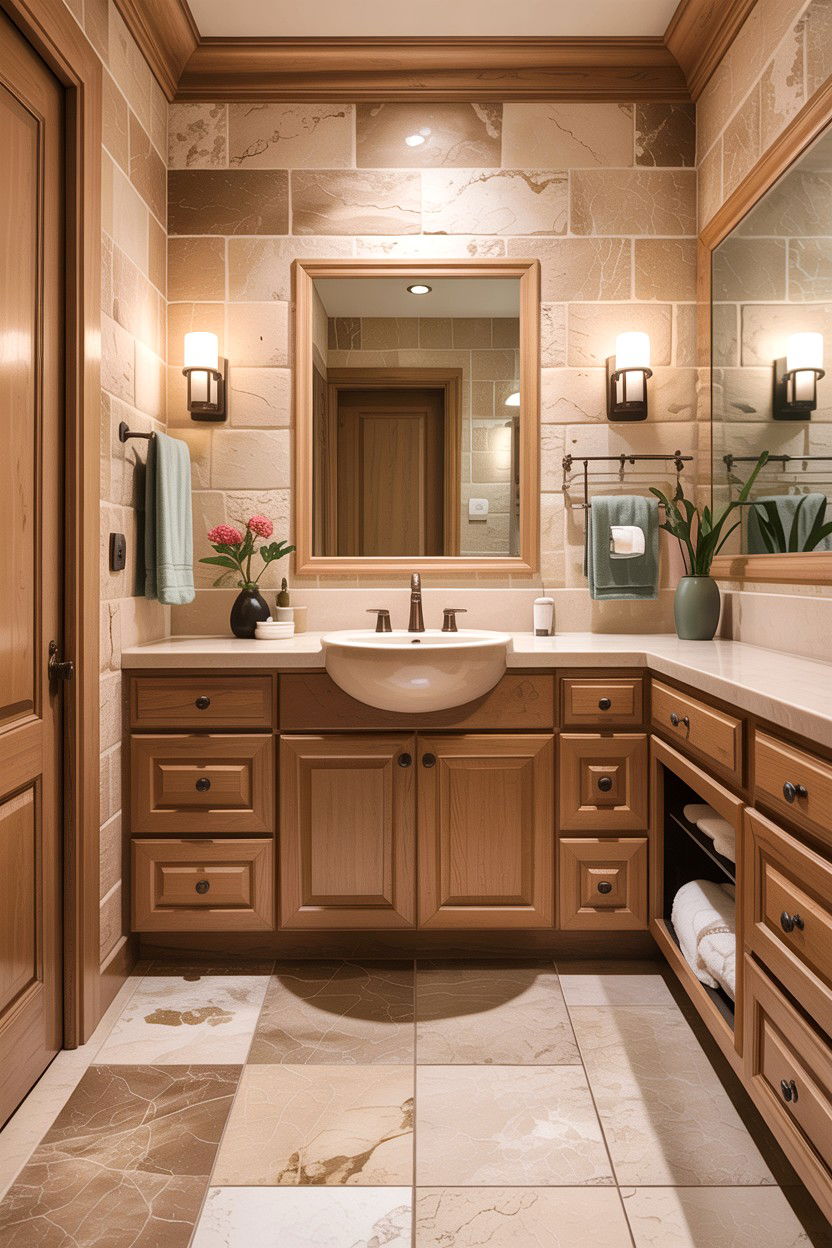
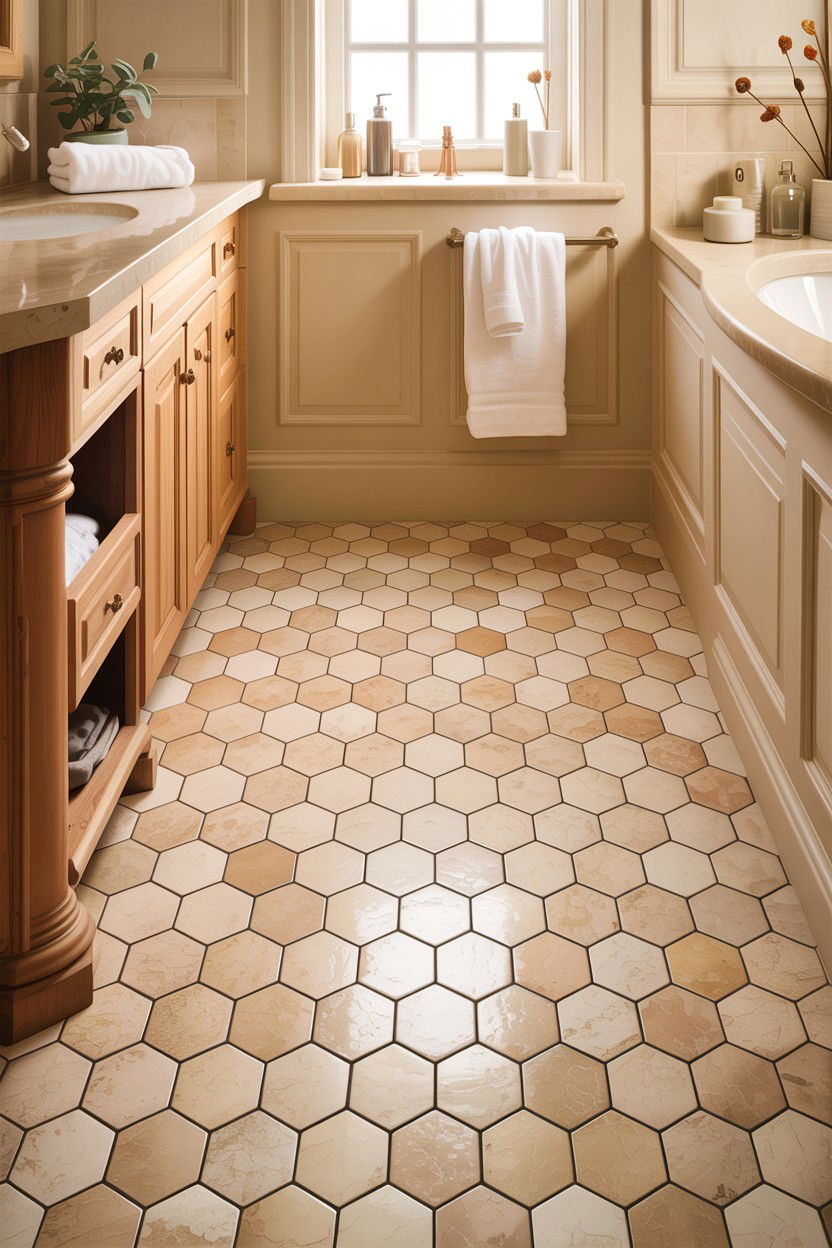
As we moved into the 1990s, the design world shifted away from the bold colors of previous decades toward a more neutral and "natural" palette. Beige travertine floors became the gold standard for luxury bathrooms, offering a soft, earthy texture that felt sophisticated and timeless. This look was often paired with matching wall tiles and light oak cabinetry to create a monochromatic and calming environment. The 1990s were all about creating a sense of space and light, and these light-colored stones were perfect for achieving that goal. Today, travertine remains a popular choice for those who want a durable, high-end natural material.
21. 1990s Corner Whirlpool Tub
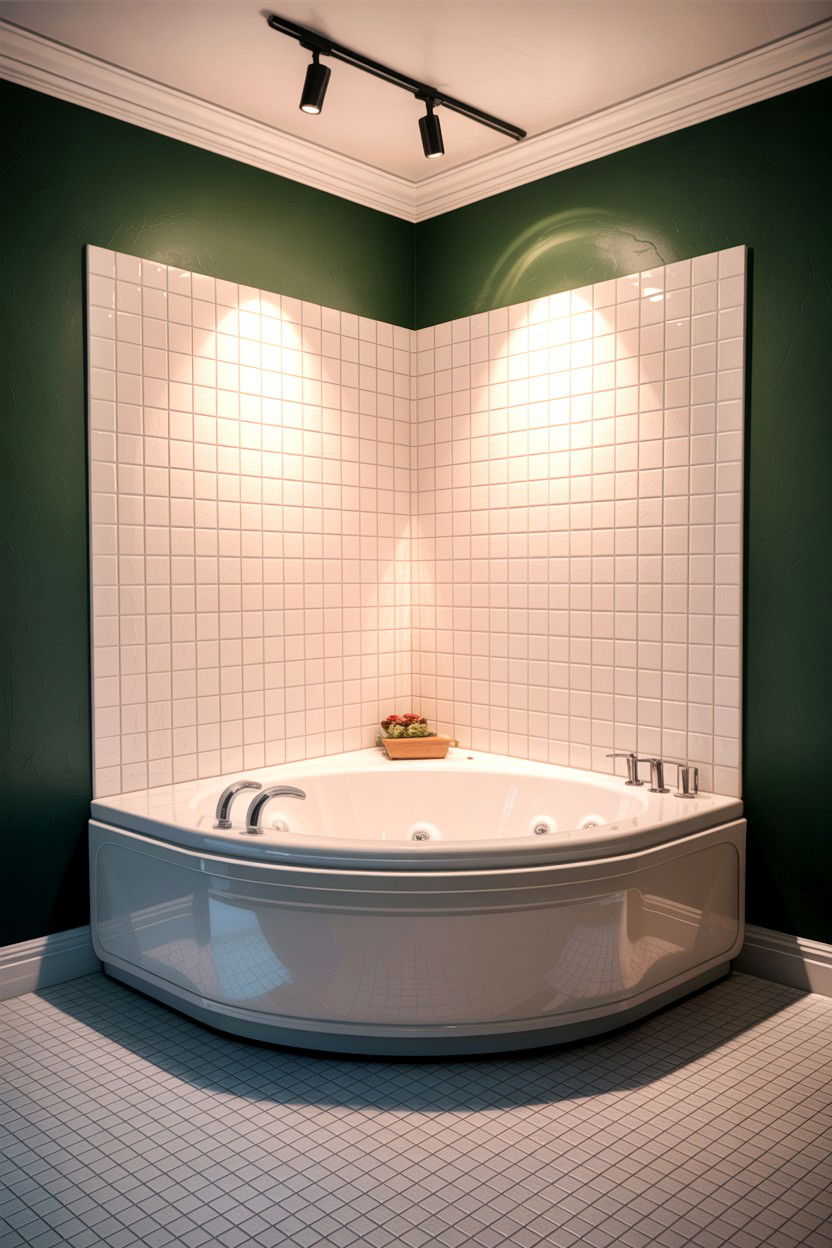
The 1990s were the era of the "master suite retreat," and no feature was more coveted than the large corner whirlpool tub. These oversized basins were designed for two people and often featured multiple jets for a spa-like massage experience. They were frequently built into a tiled platform and served as the primary focal point of the room. While these tubs take up a significant amount of space, they represent the decade's focus on home-based wellness and luxury. If you have the room, a modern version of the whirlpool tub can still provide a wonderful way to unwind at the end of a long day.
22. 2000s Vessel Sink Vanity
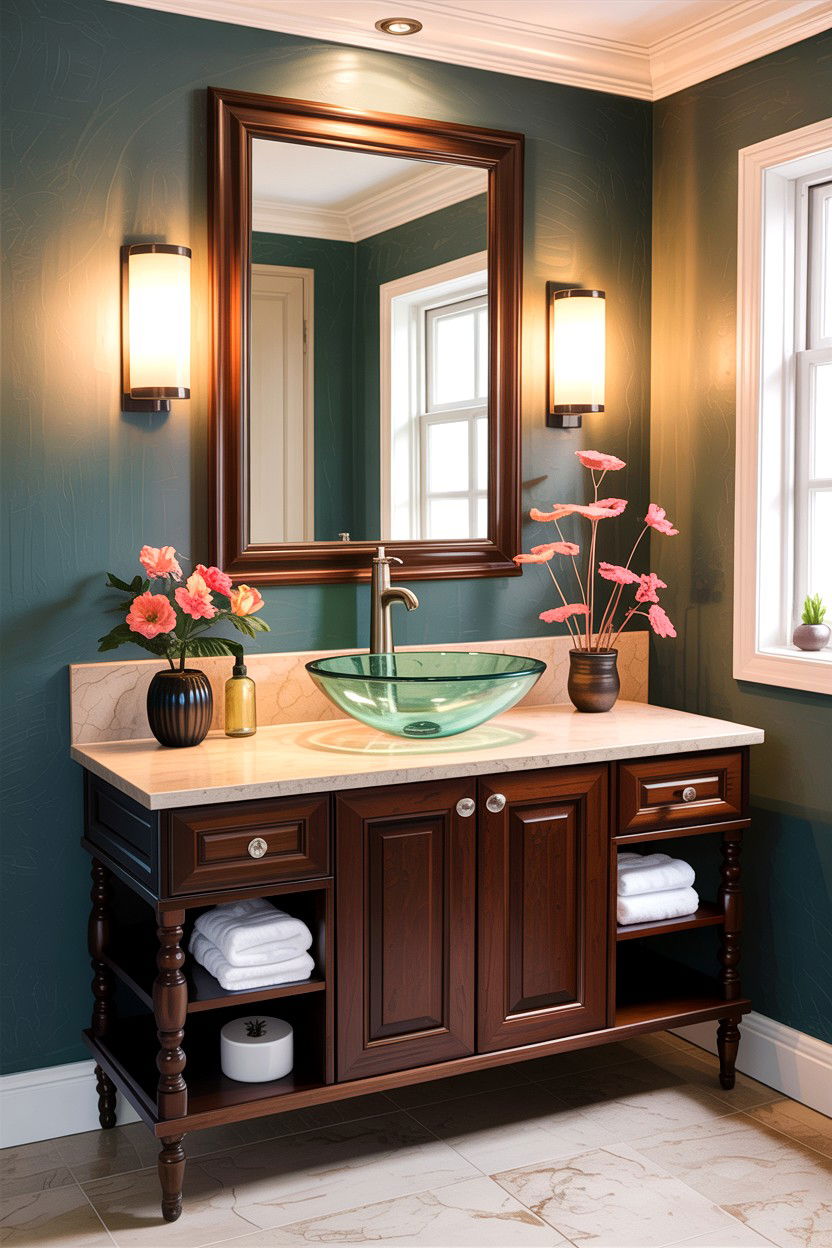
At the turn of the millennium, the vessel sink became the ultimate symbol of a modern and trendy bathroom. Unlike traditional drop-in sinks, these basins sit on top of the counter like a decorative bowl, often made from glass, stone, or ceramic. This style allowed for a much more creative and sculptural approach to vanity design, as the sink itself became a piece of art. Pairing a vessel sink with a tall, waterfall-style faucet creates a sleek and contemporary look that still feels fresh today. It is an excellent choice for a guest powder room where you want to make a big visual impact.
23. 2000s Tuscan Style Bathroom
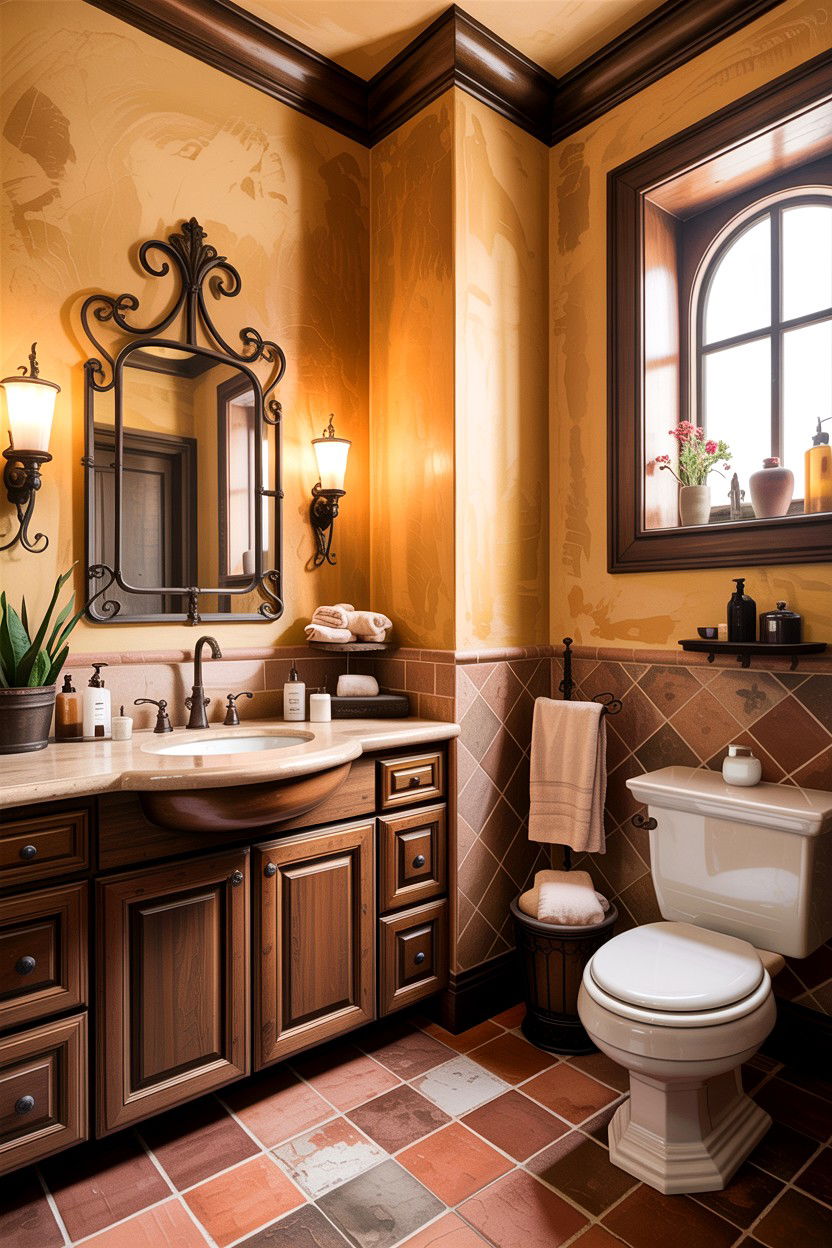
The early 2000s saw a massive trend toward "Tuscan" or Mediterranean-inspired interiors, characterized by warm ochre walls, wrought iron accents, and dark, heavy wood vanities. This look aimed to recreate the rustic charm of an Italian villa, using textured plaster finishes and terracotta tiles to add depth and warmth. Ornate mirrors and oil-rubbed bronze fixtures were common additions that enhanced the old-world feel. While the full Tuscan look has evolved, many of its elements—like natural stone and warm wood—remain popular in "transitional" designs. It is a cozy and inviting style that makes the bathroom feel like a permanent vacation spot.
24. 2000s Zen Spa Bathroom
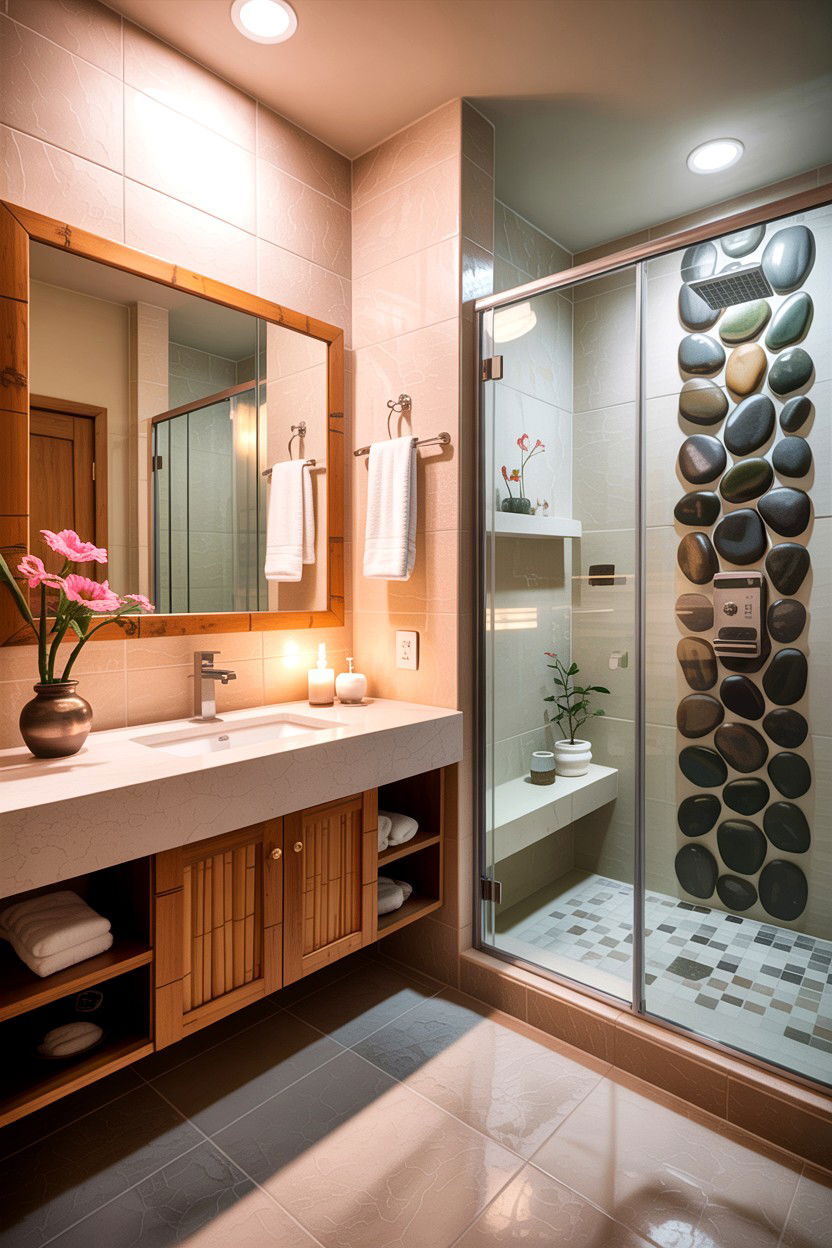
Influenced by a growing interest in Eastern philosophy and minimalism, the 2000s also popularized the "Zen" spa bathroom. This aesthetic focuses on clean lines, natural materials like bamboo and river stones, and a completely clutter-free environment. The goal is to create a peaceful sanctuary that promotes mindfulness and relaxation. Floating vanities and frameless glass showers help to maintain an open and airy feeling, while soft, indirect lighting adds to the tranquil atmosphere. This style is perfect for those who want their bathroom to be a quiet escape from the noise and stress of the modern world, emphasizing quality over quantity.
25. 2010s White Subway Tile
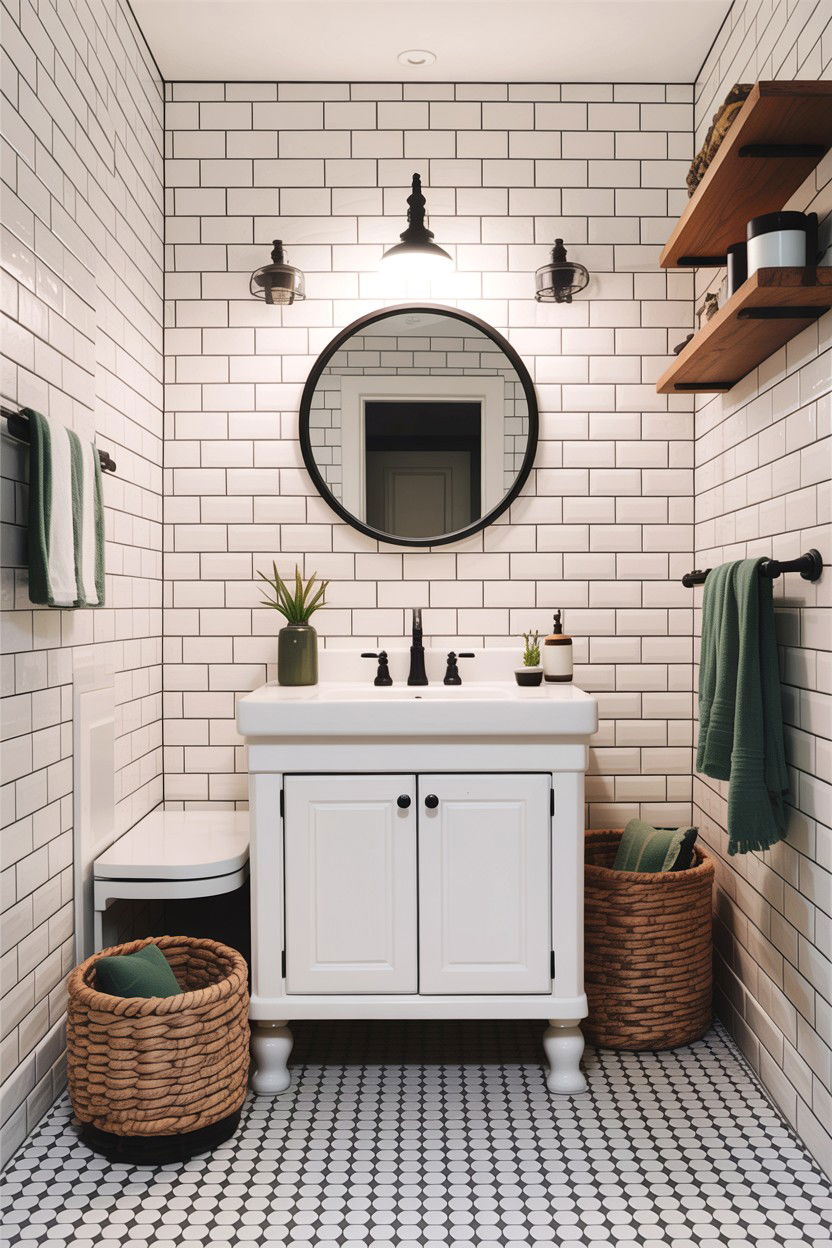
The 2010s were defined by the resurgence of the white subway tile, a look that became synonymous with the "modern farmhouse" and industrial trends. These simple rectangular tiles are incredibly versatile, working well with almost any color palette or fixture style. Whether they are laid in a traditional offset pattern or a more modern herringbone design, they provide a clean and classic backdrop that feels both vintage and current. Pairing subway tiles with dark grout adds a bit of edge and makes the pattern pop. It is an affordable and timeless choice that continues to be a favorite for homeowners and designers alike.
26. 2010s Industrial Pipe Fixture
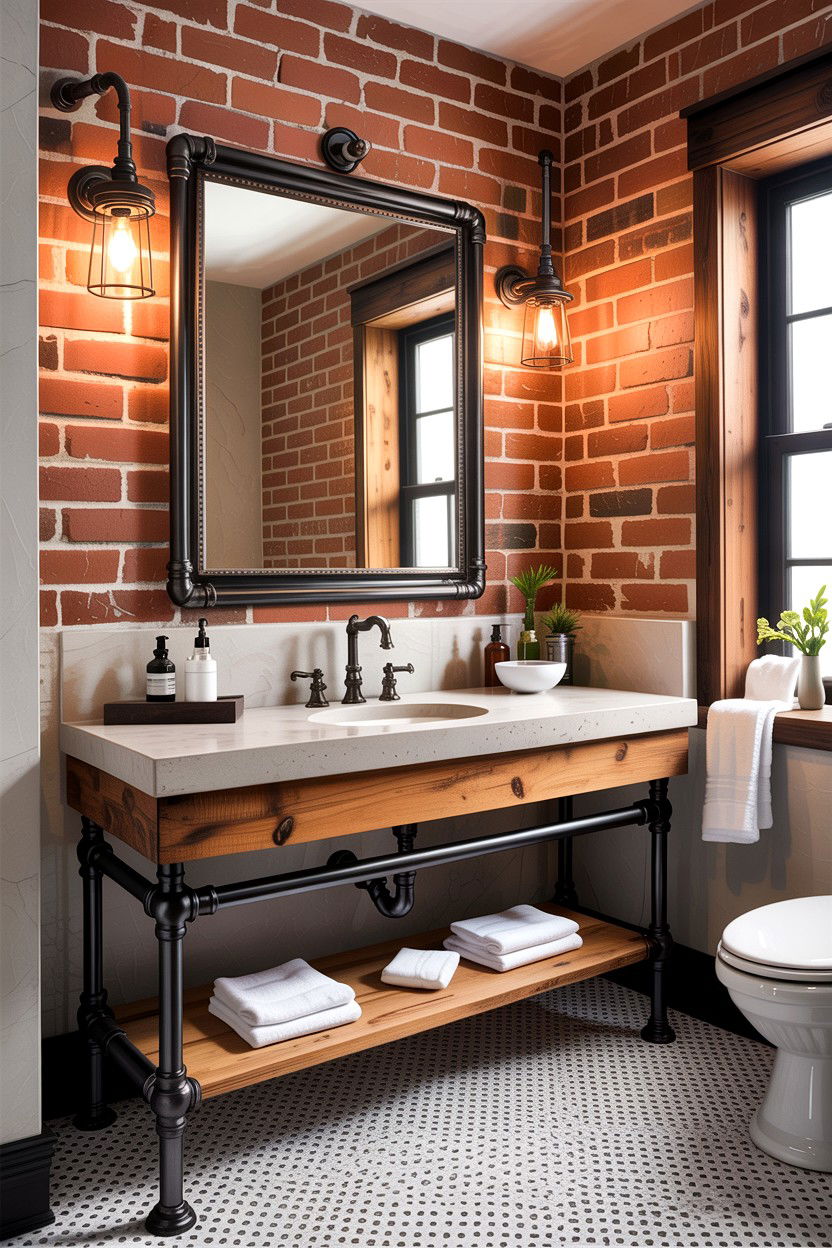
Reflecting the decade's love for "urban loft" style, industrial pipe fixtures became a popular way to add a rugged and masculine touch to the bathroom. These faucets and showerheads are often made from black iron or brushed steel, featuring exposed joints and valves that celebrate the beauty of raw materials. This look pairs exceptionally well with reclaimed wood vanities, concrete countertops, and exposed brick walls. The industrial aesthetic is all about honesty and functionality, creating a space that feels sturdy and full of character. It is a great way to break away from the traditional "pretty" bathroom and try something more architectural.
27. Modern Farmhouse Sliding Door
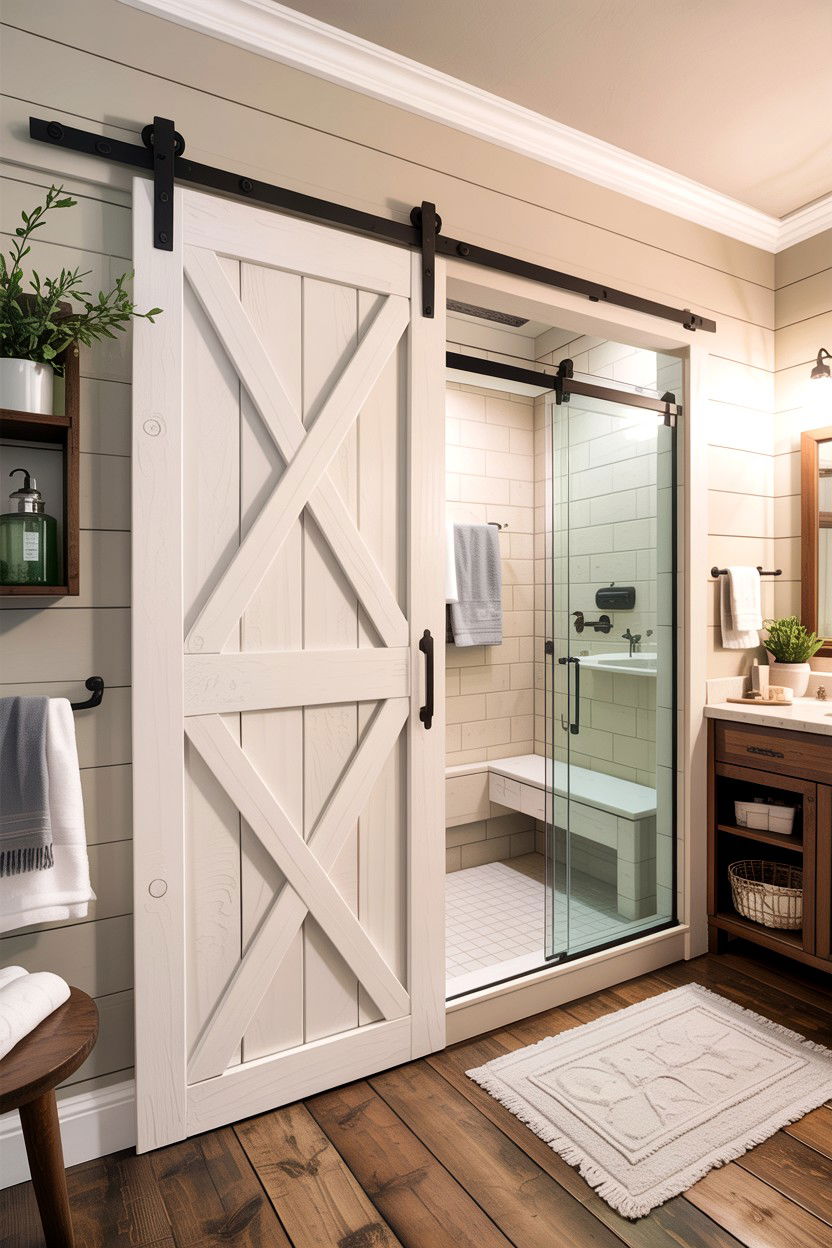
The modern farmhouse trend of the 2010s brought the iconic sliding barn door into the bathroom, providing a stylish and space-saving solution for master suites. These doors are usually made from reclaimed wood or painted white with classic X-bracing, adding an instant touch of rustic charm to the room. Beyond their aesthetic appeal, sliding doors are practical for tight spaces where a traditional swinging door might be awkward. When paired with a large walk-in shower and shiplap walls, the barn door completes the cozy, country-inspired look. It is a functional design element that serves as a major visual statement.
28. 2020s Biophilic Living Wall
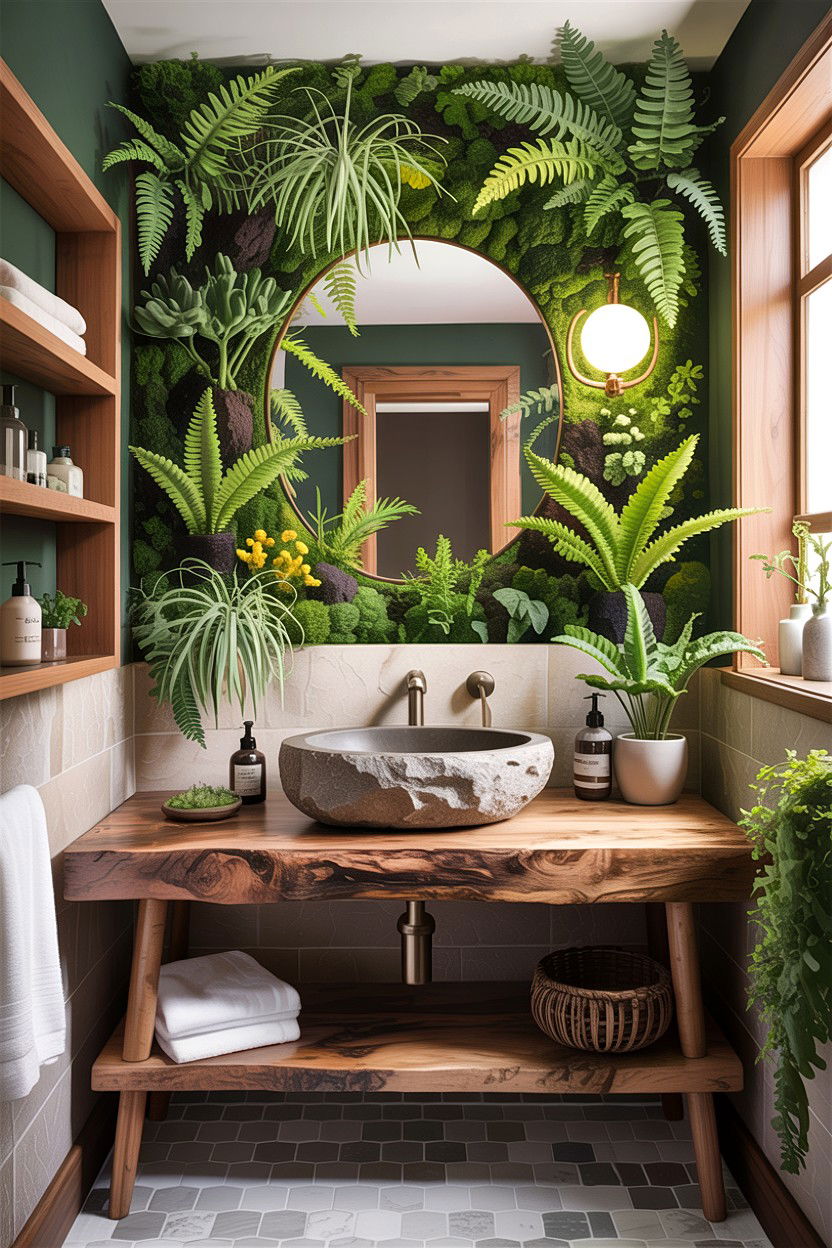
As we entered the 2020s, the focus shifted toward "biophilic design," which aims to connect our indoor spaces with the natural world. A living wall or a heavy concentration of indoor plants in the bathroom is a key feature of this decade. Plants like ferns, snake plants, and pothos thrive in the humid environment, providing natural air purification and a sense of vitality. This look often incorporates other natural elements like stone basins, wooden stools, and plenty of natural light. It creates a lush, green sanctuary that feels incredibly refreshing and helps to reduce stress during your daily self-care rituals.
29. 2020s Smart Mirror Technology
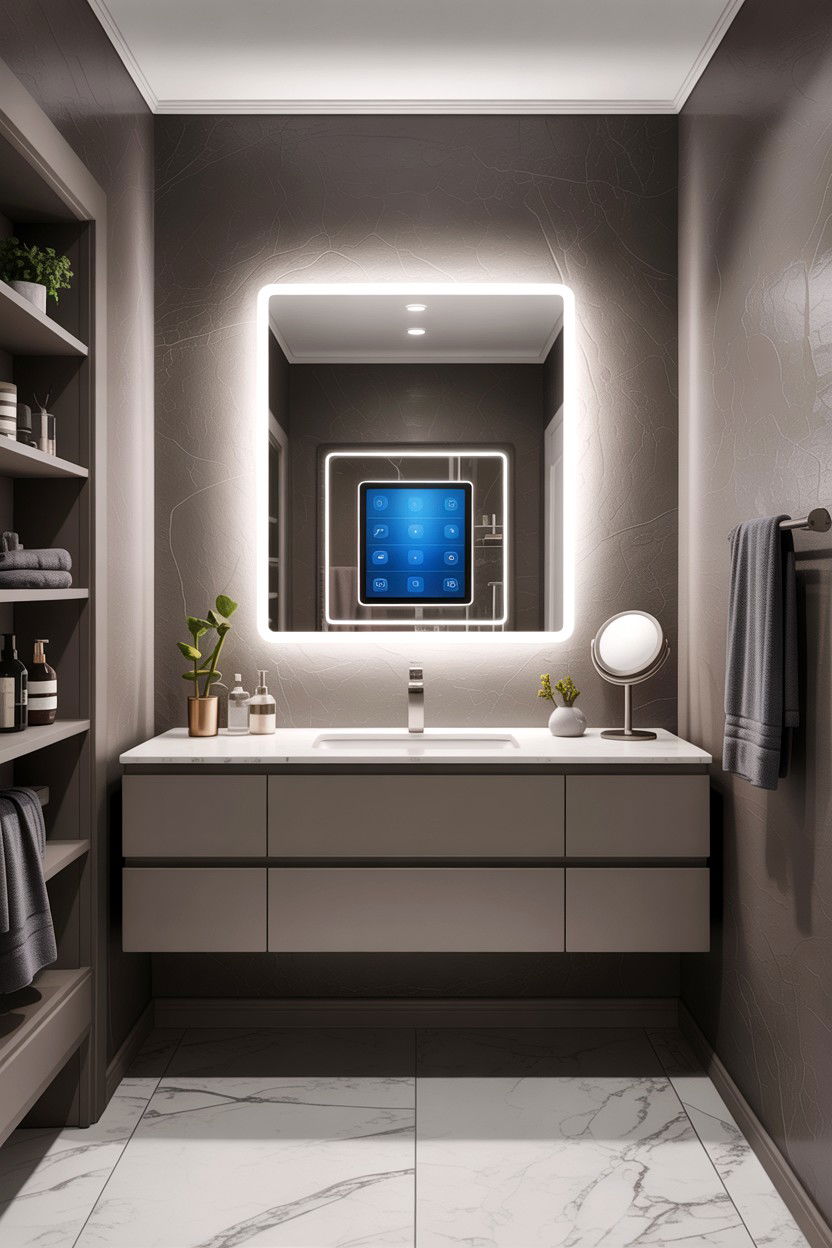
The current decade is also defined by the integration of advanced technology into our most private spaces. Smart mirrors have become a must-have feature, offering built-in LED lighting, anti-fog capabilities, and even integrated touchscreens or Bluetooth speakers. These mirrors allow you to check the weather, read the news, or listen to your favorite podcast while you get ready in the morning. The sleek, frameless design of these mirrors fits perfectly with a modern, minimalist aesthetic. It is a prime example of how functional innovation is continuing to reshape the way we interact with our homes and improve our daily routines.
30. Matte Black Hardware Finish
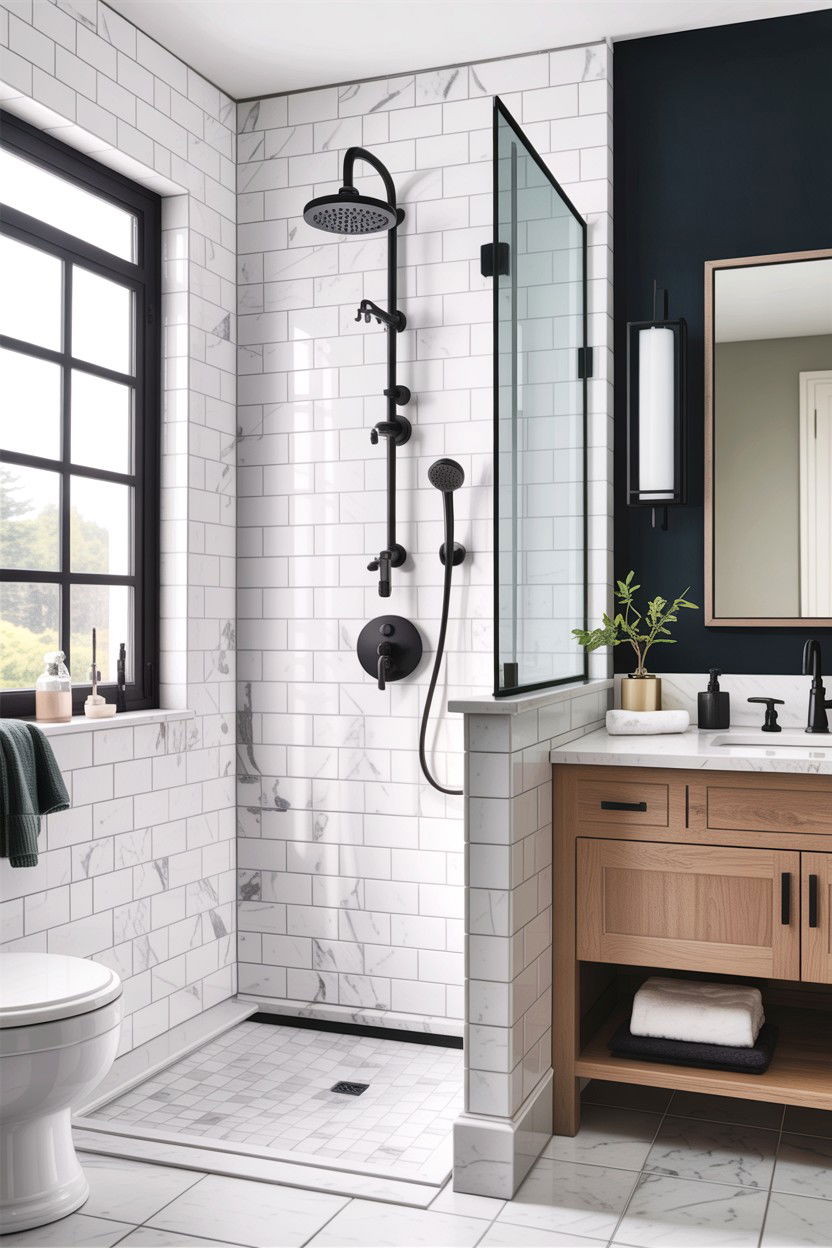
One of the most prominent hardware trends of the 2020s is the shift toward matte black finishes for faucets, showerheads, and cabinet pulls. This look offers a sharp, modern contrast against white tiles or light wood vanities, creating a sophisticated and high-end feel. Unlike polished chrome, matte black does not show fingerprints or water spots as easily, making it a practical choice for busy households. This finish works beautifully in a variety of styles, from industrial to minimalist to modern farmhouse. It provides a clean, graphic element that ties the entire room together with a sense of contemporary elegance.
Conclusion:
Exploring the evolution of bathroom design across the decades reveals how our personal sanctuaries have shifted from purely functional spaces to luxurious retreats filled with personality. Whether you are captivated by the ornate charm of the Victorian era, the vibrant colors of the mid-century, or the high-tech innovations of the present day, there is a wealth of inspiration to draw from. By selecting elements that resonate with your personal style, you can create a bathroom that feels both historically grounded and perfectly suited for modern life. Remember that the most successful designs often blend the best features of different eras to achieve a look that is truly unique and timeless. Your bathroom is a reflection of your home's history and your own creative vision, so do not be afraid to experiment with these iconic decade-inspired ideas to build your dream space.
Related posts:
Leave a Reply